A city full of colours and flavours. Discover Porto
Porto is a beautiful Portuguese city on the Atlantic coast. Join us on a journey to a place that pulses with life and tells countless fascinating stories from its past.
25. 3. 2026 LifestylePorto gave its name to the entire country. It is also known as Invicta, meaning “the undefeated”. This nickname dates back to the Portuguese Civil War in the 19th century, when the city’s inhabitants refused to surrender during a siege and ultimately managed to defend their home. Its history reveals a great deal about Portugal itself and about the people who live here. Exploring the city is a real joy.
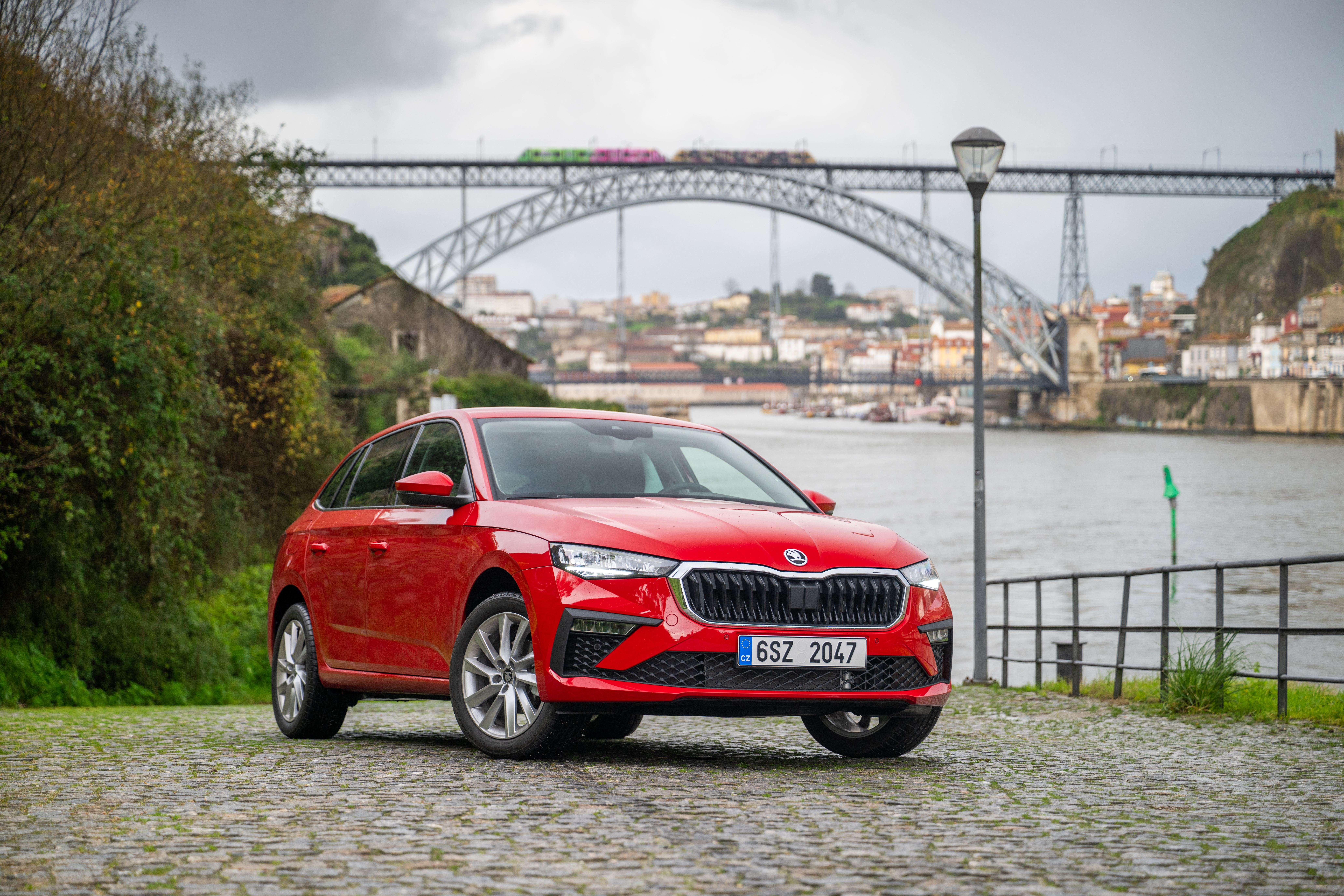
The Douro River flows through the city before emptying into the Atlantic, forming a natural boundary between Porto and the neighbouring city of Vila Nova de Gaia. The two are connected by iconic bridges that have become defining elements of the city’s skyline. Thanks to the hilly terrain, you can enjoy the views to your heart's content. And it is by one of these bridges that our journey begins.
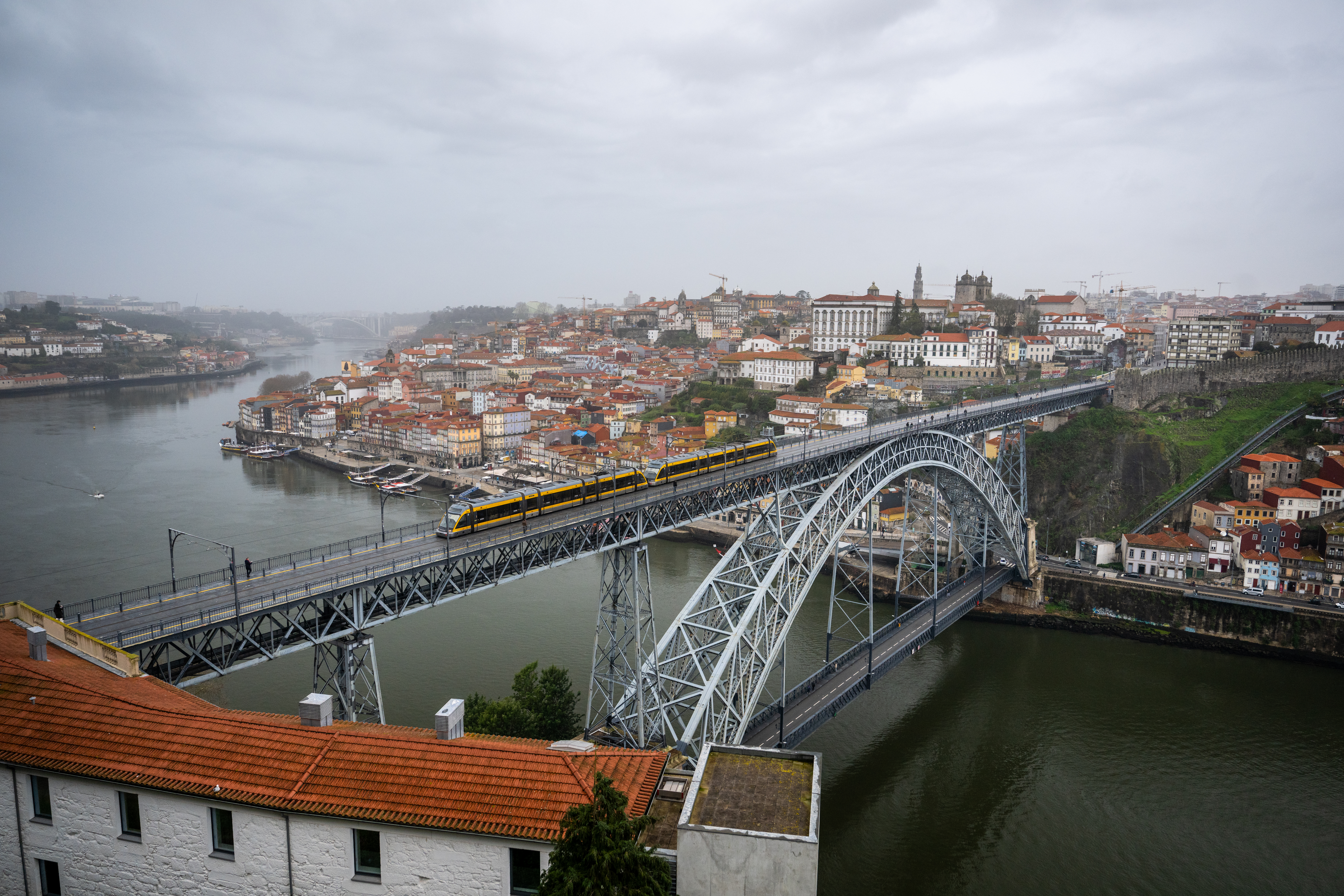 A bridge named after a king can be crossed by car, underground or on foot
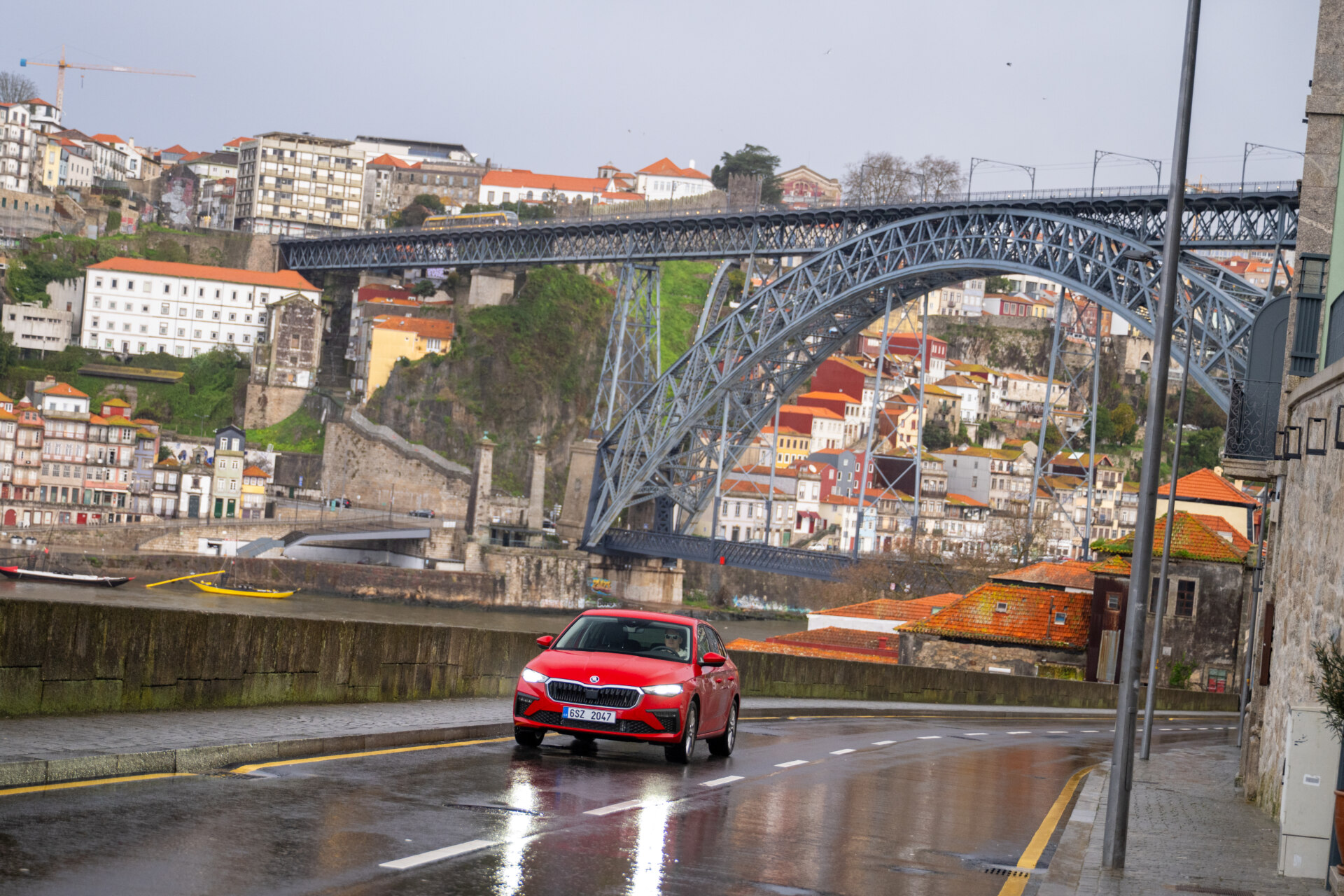
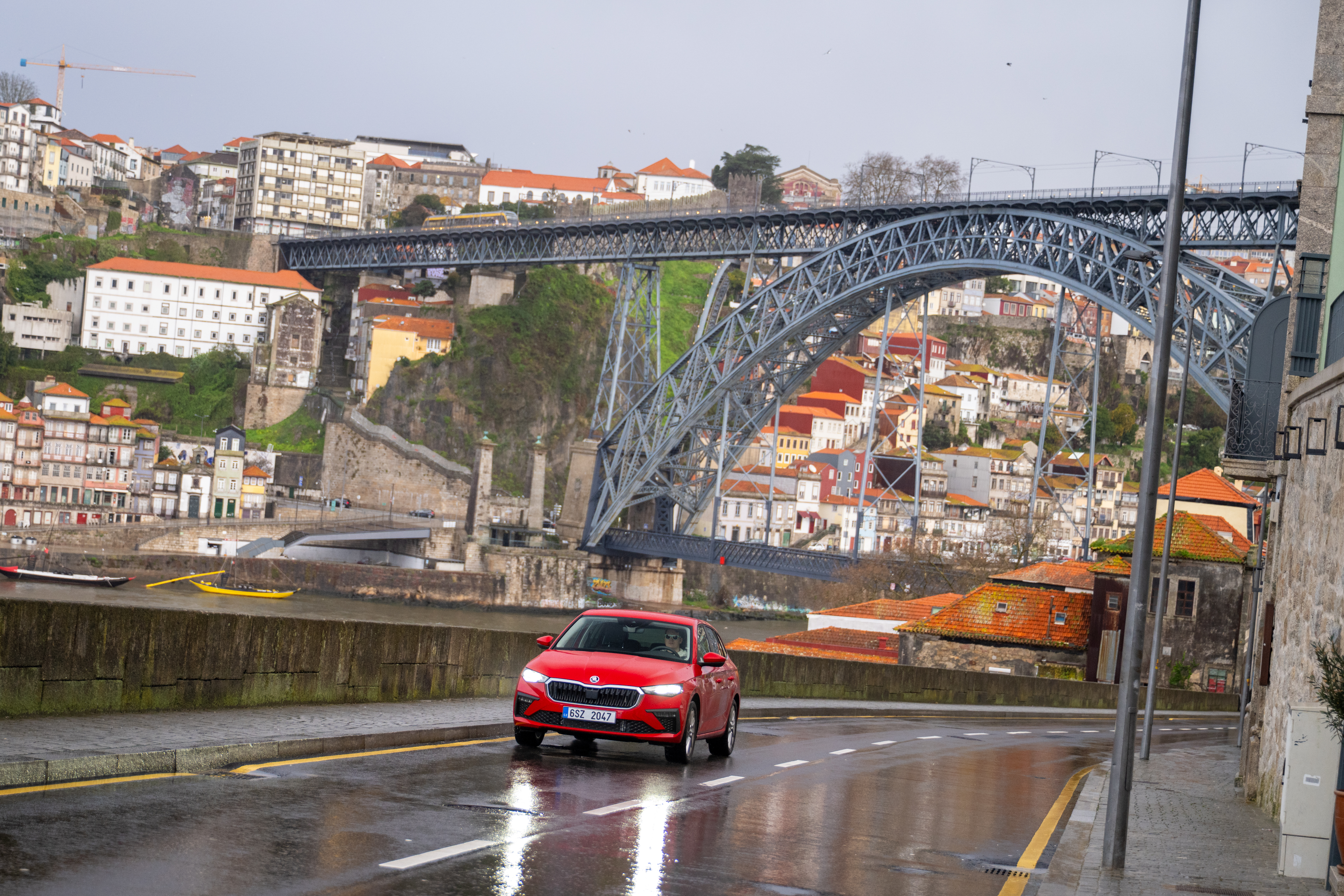
The most famous bridge spanning the Douro is the Dom Luís I Bridge, built in the 1880s. It has two levels: the lower deck for regular road traffic and the upper level for pedestrians and rail tracks. These tracks are not used by trams, as one might expect, but by the metro – specifically the yellow Line D. With its steel construction and monumental proportions, the bridge is a real treat for architecture enthusiasts. It is therefore no surprise that, together with the historic city centre, it is listed as a UNESCO World Heritage Site.
 The most beautiful view of Porto is not from Porto itself, but from the neighbouring city of Vila Nova de Gaia
From the Vila Nova de Gaia side of the river, you are rewarded with a stunning view of Porto as a whole, especially its historic Ribeira district. The colourful façades of the riverside houses are certainly worth capturing in a photograph. Below you, the rooftops of the famous wine cellars stretch along the riverbank. An unforgettable experience is also a ride on the Teleférico de Gaia cable car, which connects the waterfront with the upper deck of the bridge. And a sunset watched from the Serra do Pilar Monastery is something you will be talking about for a long time to come.
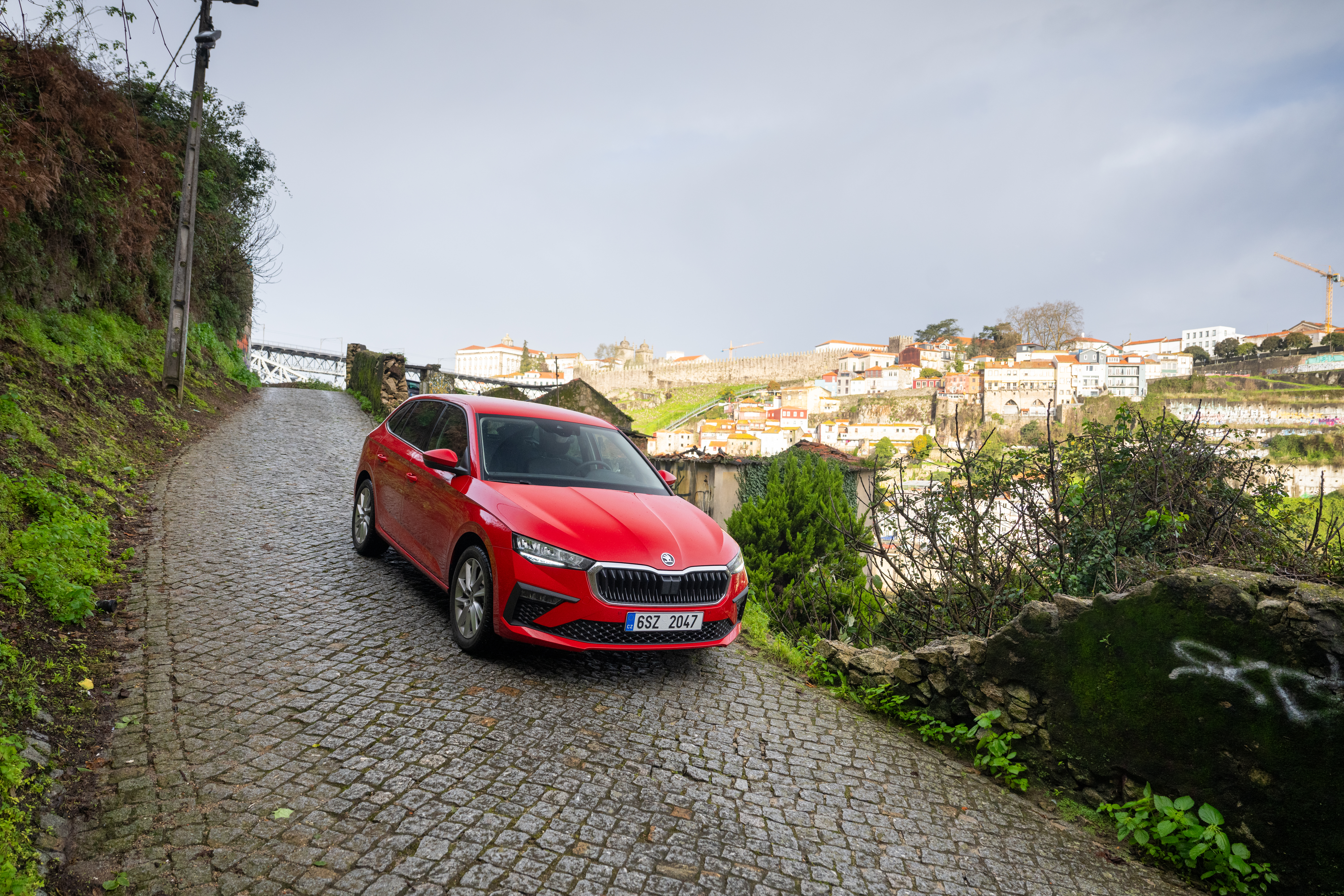
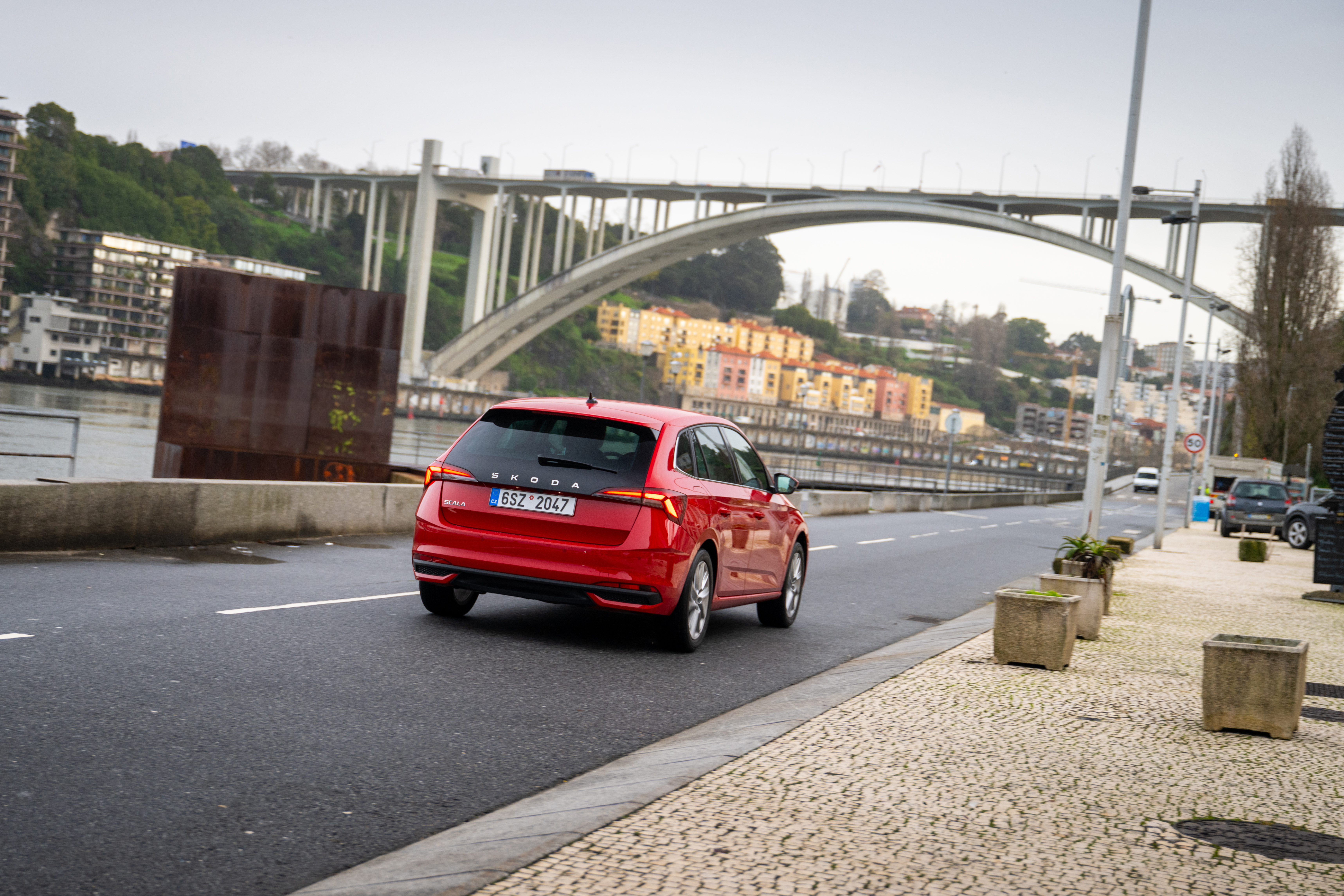
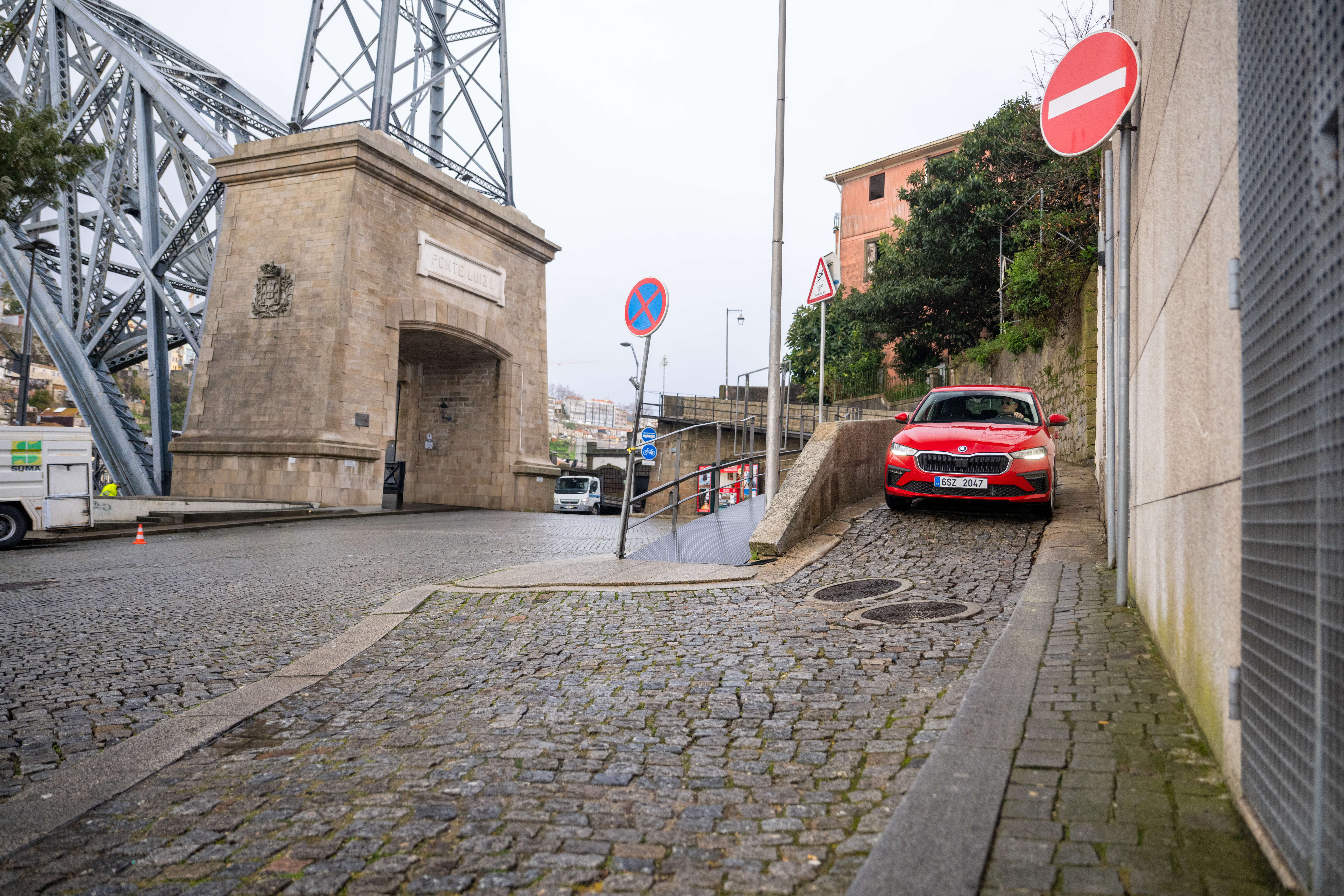 The riverbanks are lined with beautiful smooth roads, while further inland cobbled streets are common
Porto is a very compact city, with something new waiting around every corner. It is not unusual for bridge piers to begin in someone’s garden. Roads are often extremely narrow, so it is important to be aware of your car’s dimensions. The compact Škoda Scala felt perfectly at home here, weaving through the streets with ease. There are also many one-way streets that often take you on unexpectedly long drives, featuring steep ascents and descents and close encounters with building thresholds.
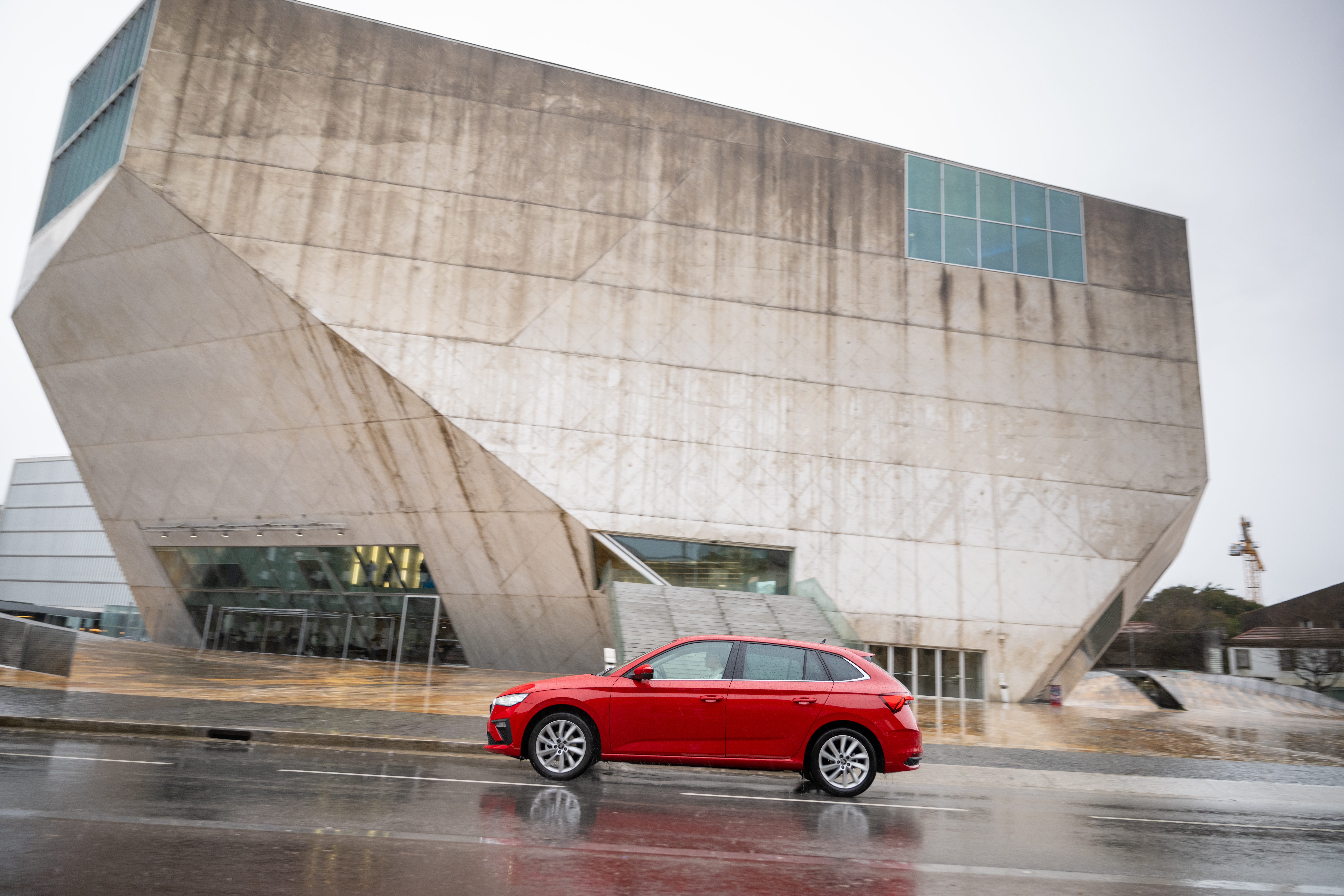 The monumental Casa da Música is the work of Dutch architect Rem Koolhaas
Just a few kilometres from the historic centre, you can admire contemporary architecture. Among modern buildings, the concert hall Casa da Música clearly stands out. This concrete piece of science fiction, seemingly lifted straight from the set design of Blade Runner, opened in 2005. In addition to its design, the auditorium itself is unique thanks to partial glazing, creating an exceptional experience of listening to music in an interior flooded with daylight.
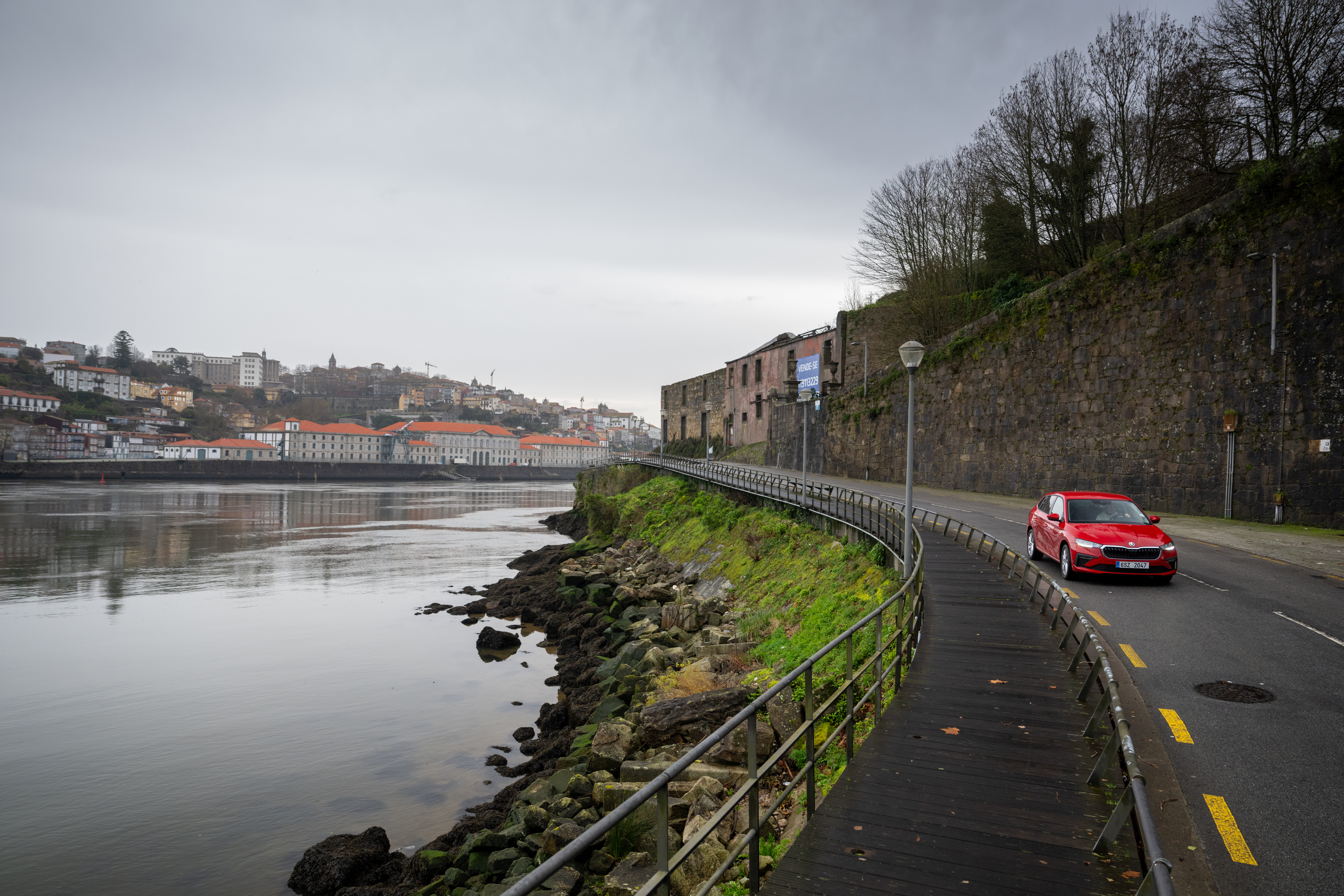 The river is lined not only with roads, but also with beautiful paths where even in winter you will encounter determined runners
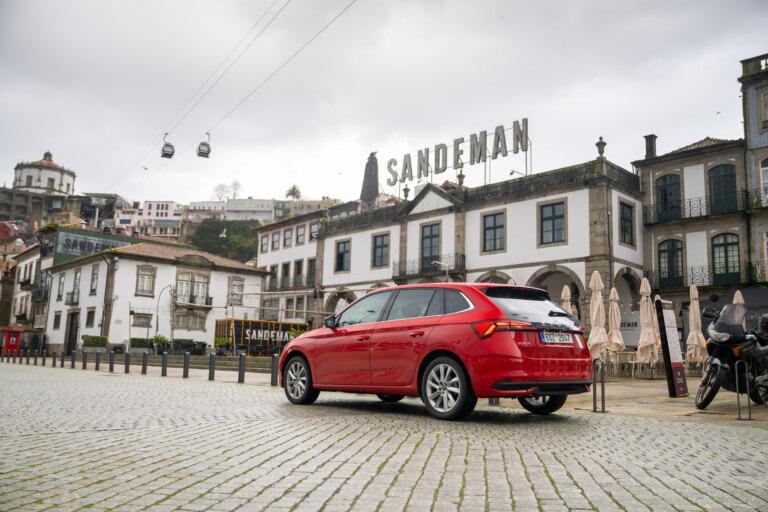
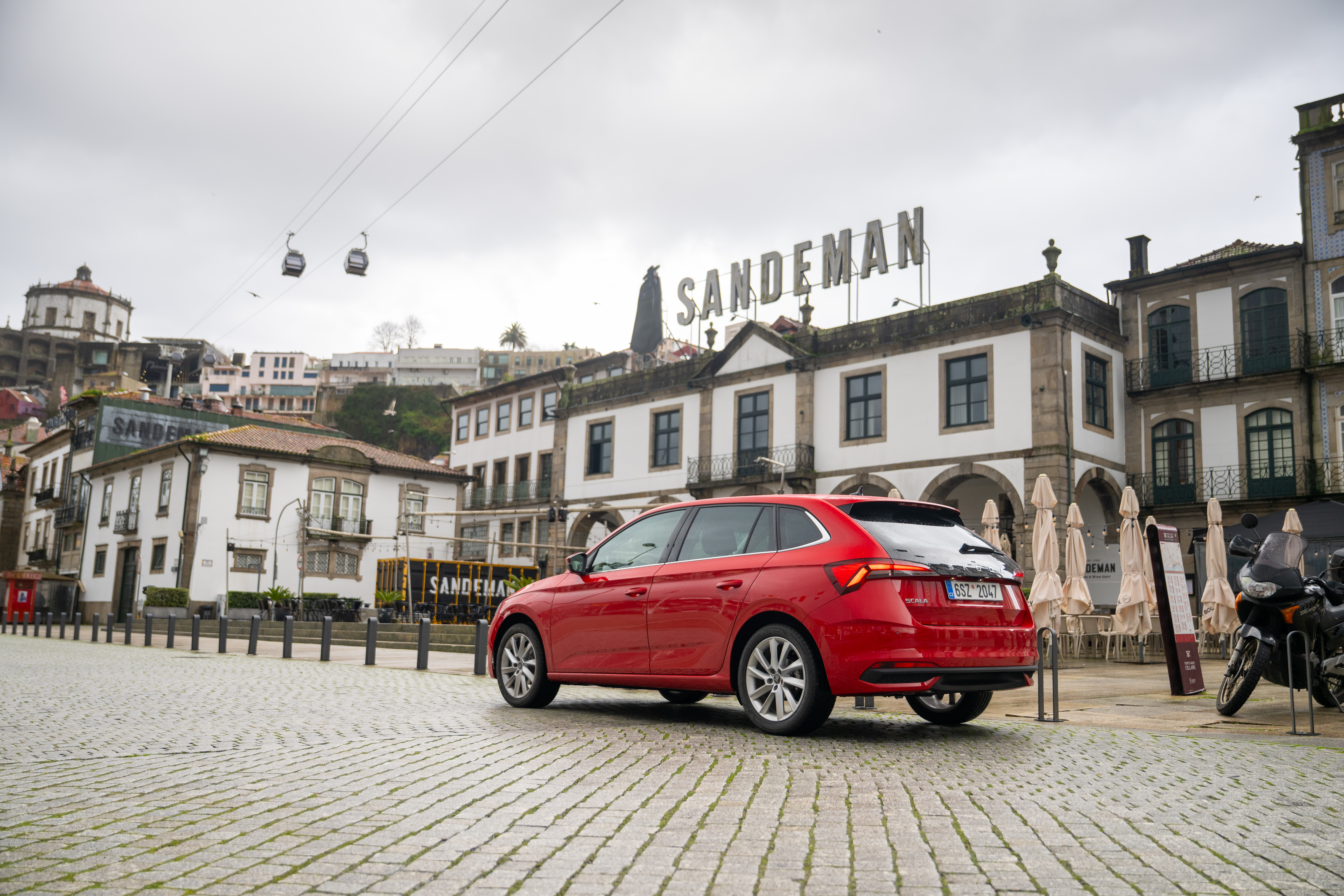
A visit to this iconic winery, founded in 1790, can be a pleasant way to end the day
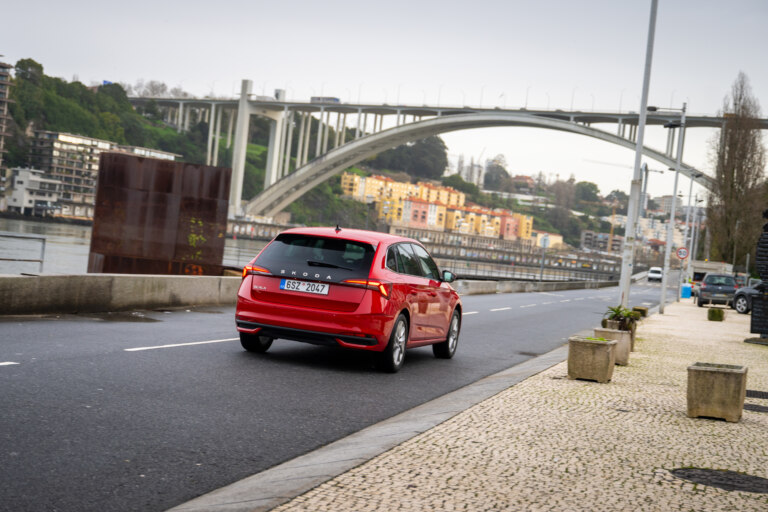
Walks along the waterfront offer unique views for architecture enthusiasts
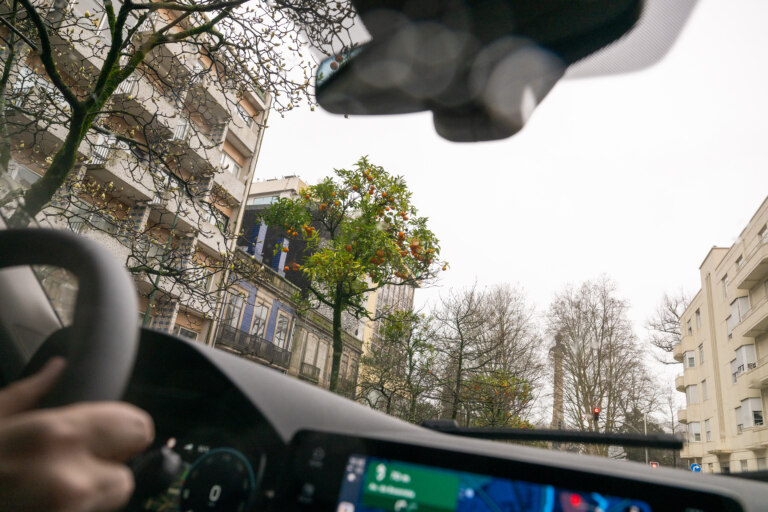
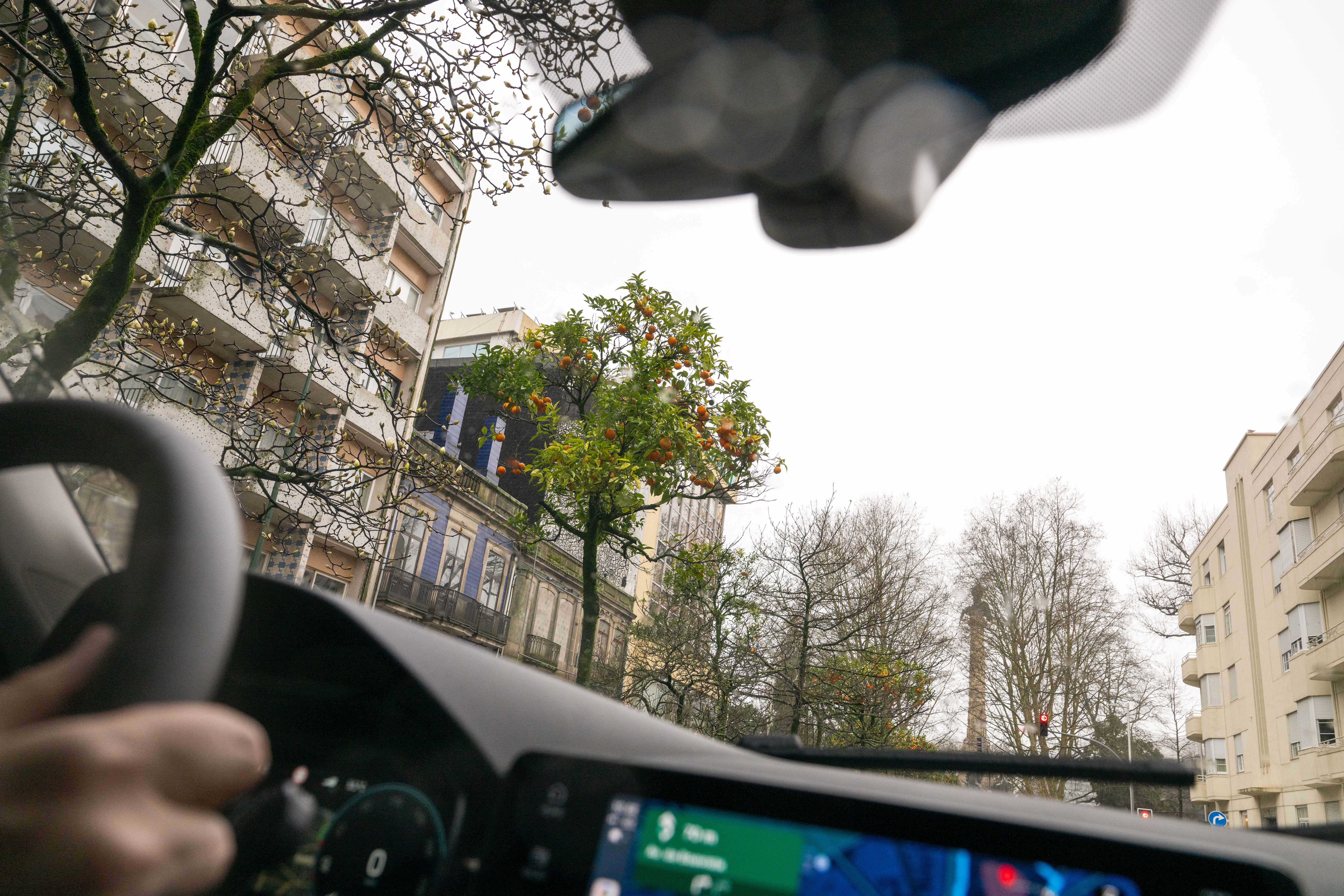
The wild orange tree refuses to give up its leaves and fruit even in winter
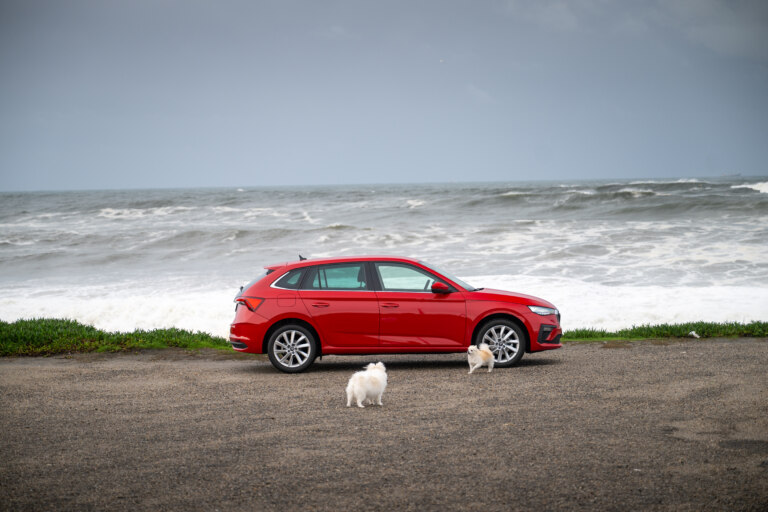
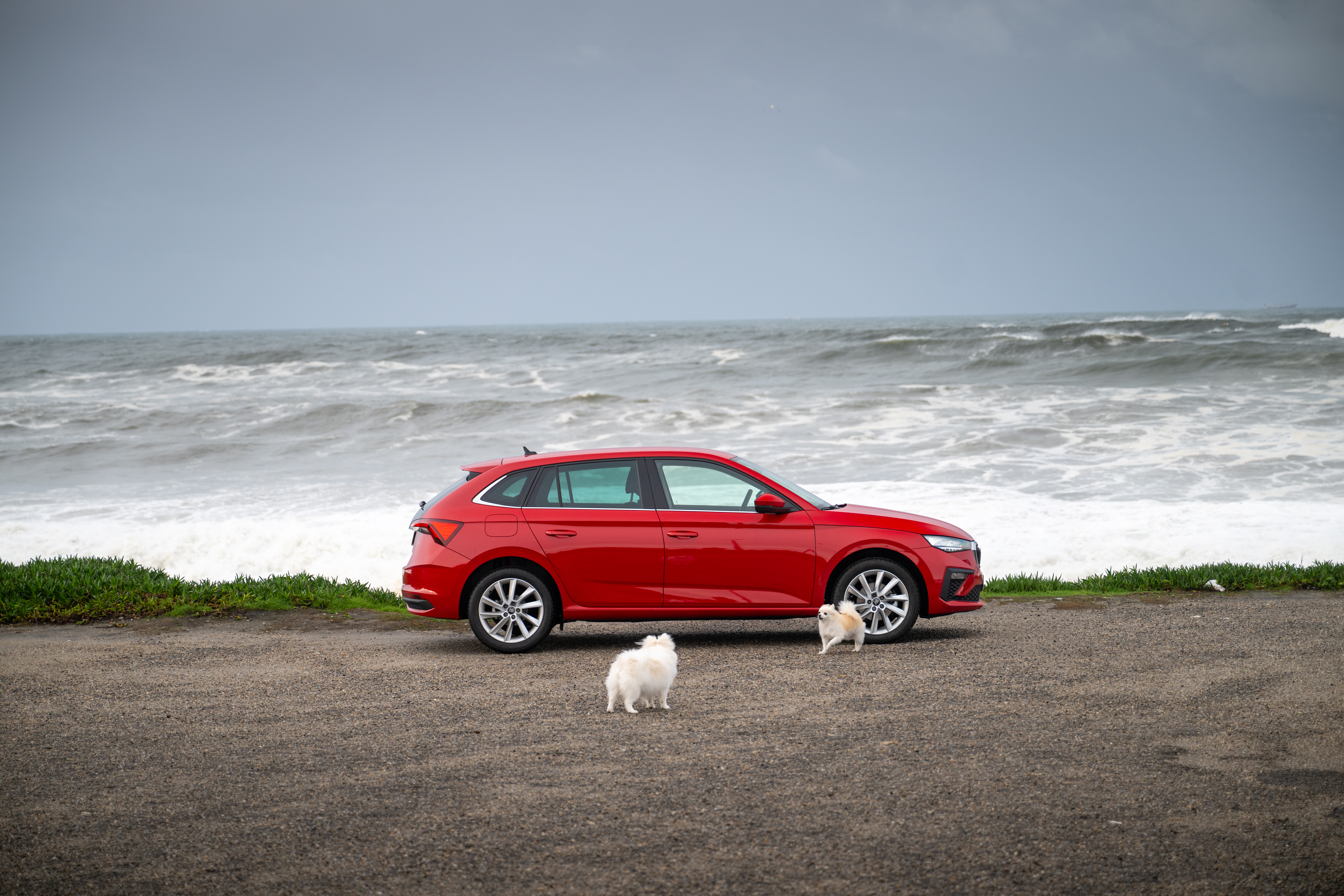
Walking dogs by the rough ocean is nothing unusual in Porto
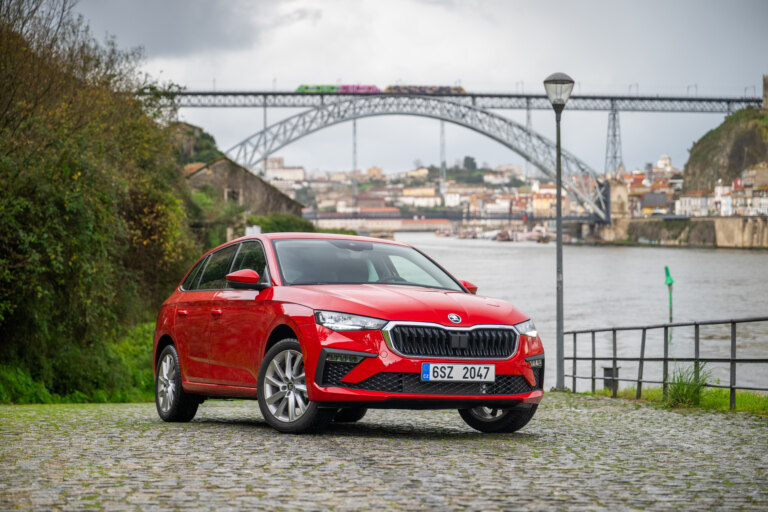
The Dom Luís I Bridge is an unmistakable landmark of the city, visible from far away
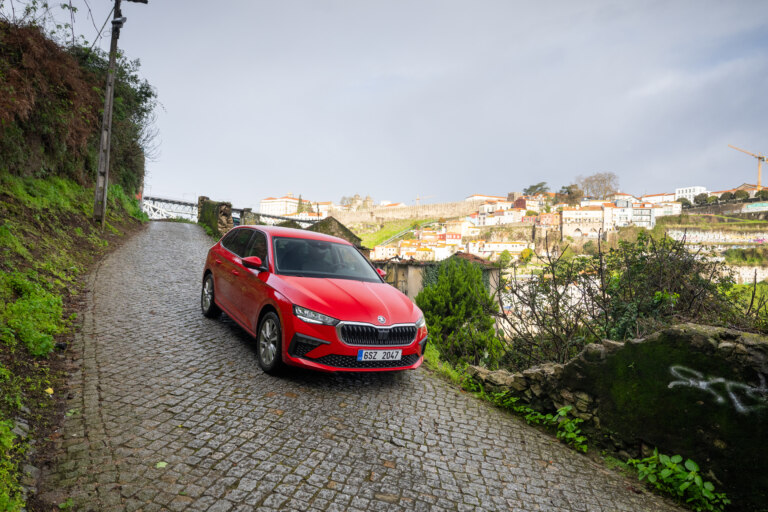
During your explorations, you will also come across hidden alleyways offering interesting views
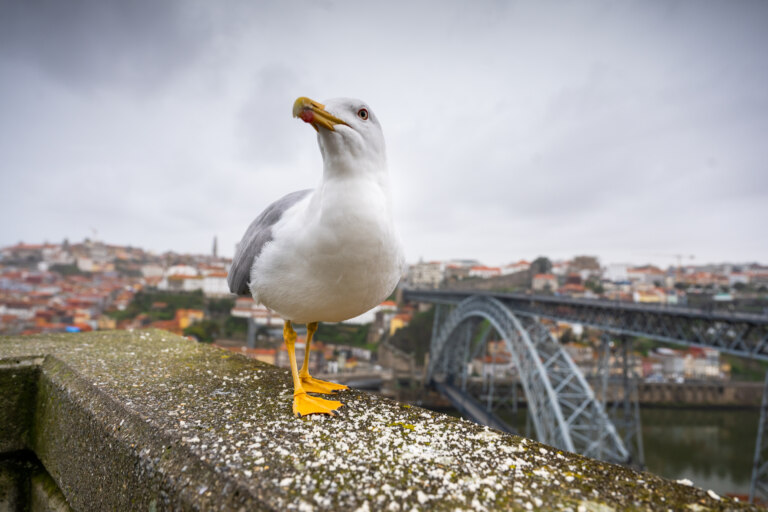
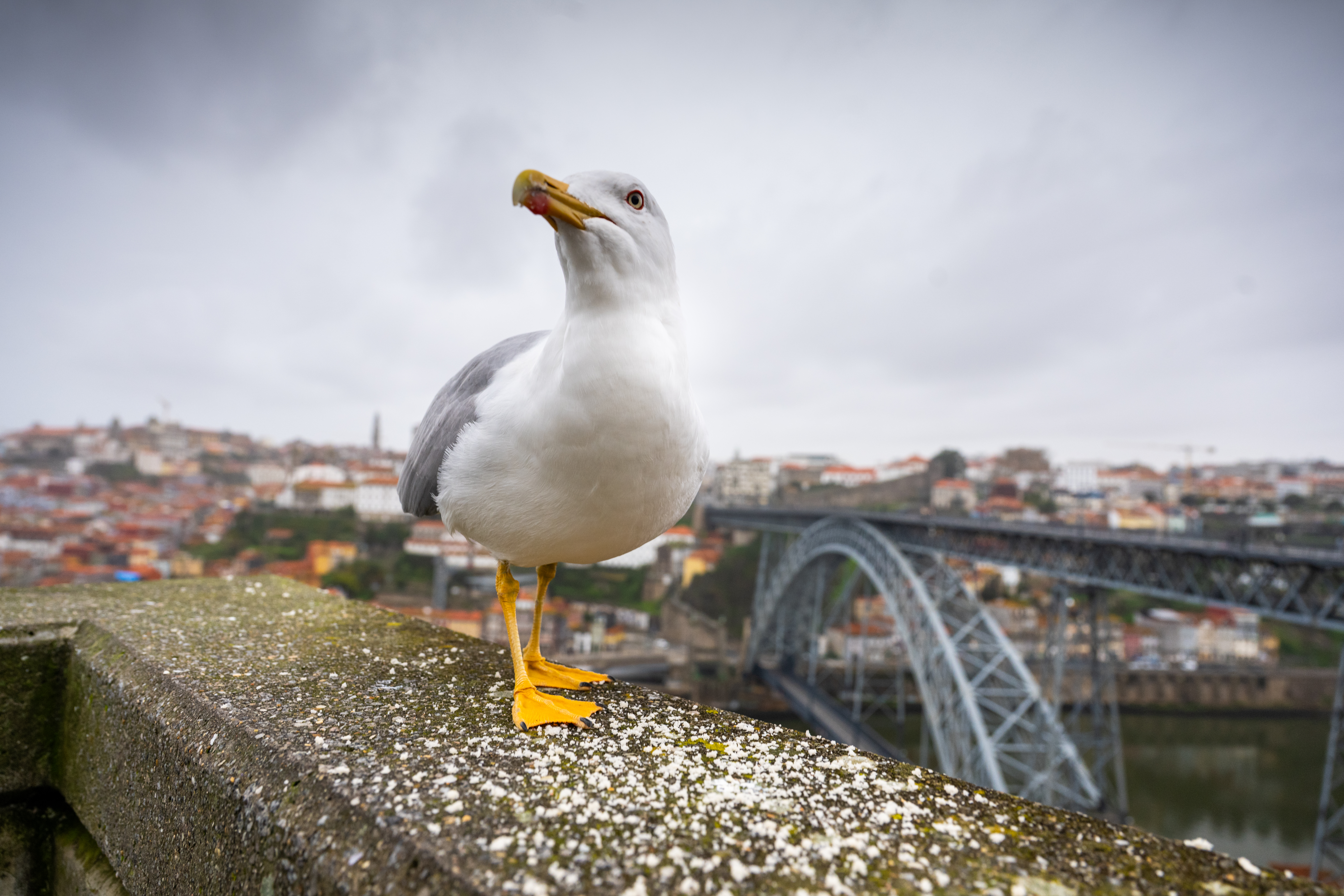
Seagulls and other birds are an integral part of Porto. They are accustomed to people and will happily land right next to you
Be the first
to get the latest stories
Explore more

Media Box
13 images
Show more
Show less