A journey you will never forget: the monumental Route Napoléon
Route Napoléon frequently appears on lists of the world’s most beautiful roads. Its appeal lies not only in its smooth asphalt and breathtaking views, but also in the rich historical context that accompanies you along the entire route. See for yourself.
2. 12. 2025 LifestyleOur journey through the south of France begins in Grasse. It is said that this is a place where you need your nose more than your eyes. Considered the world’s perfume capital, it is home to three world-renowned perfumeries, and various herbs used in fragrance production of others are grown in the surrounding area. Scents in Grasse even have their own museum, where visitors can try their hand at mixing a perfume of their own. Instead of fashionable clothing, the shop windows lining the narrow streets are filled with glass bottles, and windowsills overflow with vibrantly coloured flowers.
 Jasmine — one of the key ingredients of the world’s most famous perfume, Chanel No. 5 — has been cultivated in Grasse for more than 100 years.
Why “Route Napoléon”?
After a series of major military defeats, French military leader and statesman Napoleon Bonaparte was exiled in 1814 to the small island of Elba. Although stripped of his power, he kept his imperial title and received a generous pension. Yet Napoleon did not abandon his ambitions for power. A year later, he decided to return to France, setting sail from Elba with more than a thousand armed men. To avoid royalist forces, he chose to march across the Alps. He encountered opposing troops only when he reached Grenoble — but the soldiers refused to fight their emperor and instead joined him. Welcomed by the public, Napoleon gained additional supporters along the way and eventually reached Paris with a large army. Legend has it that he regained power without a single shot being fired.
Following in the General’s Footsteps
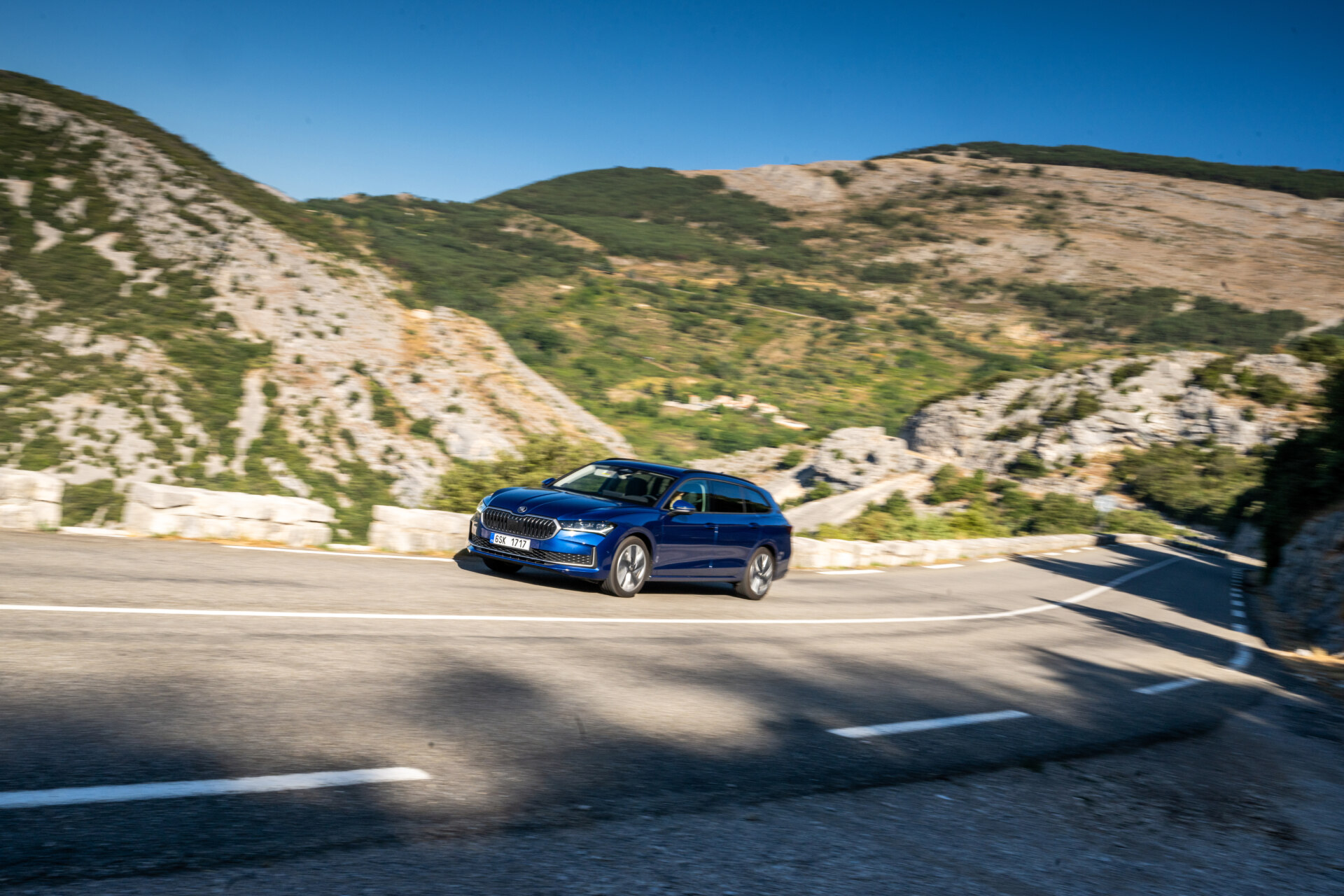
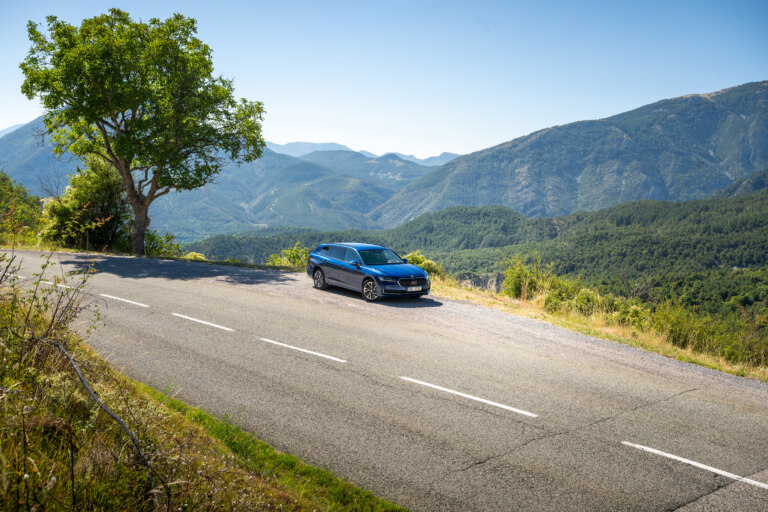
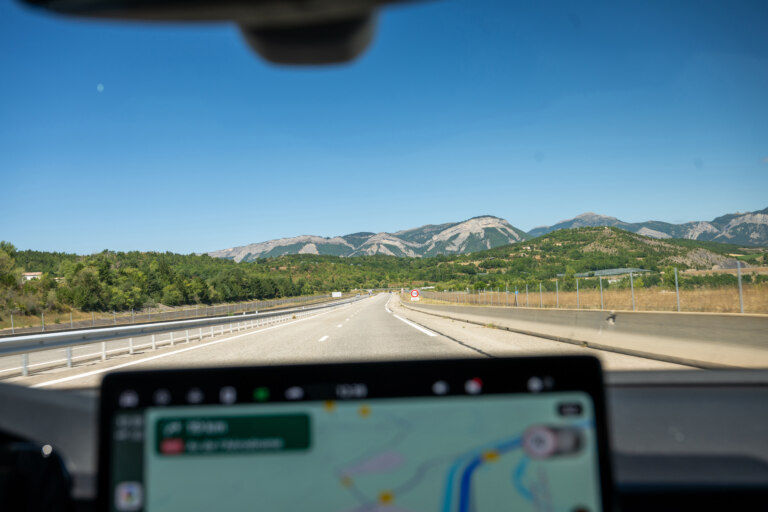
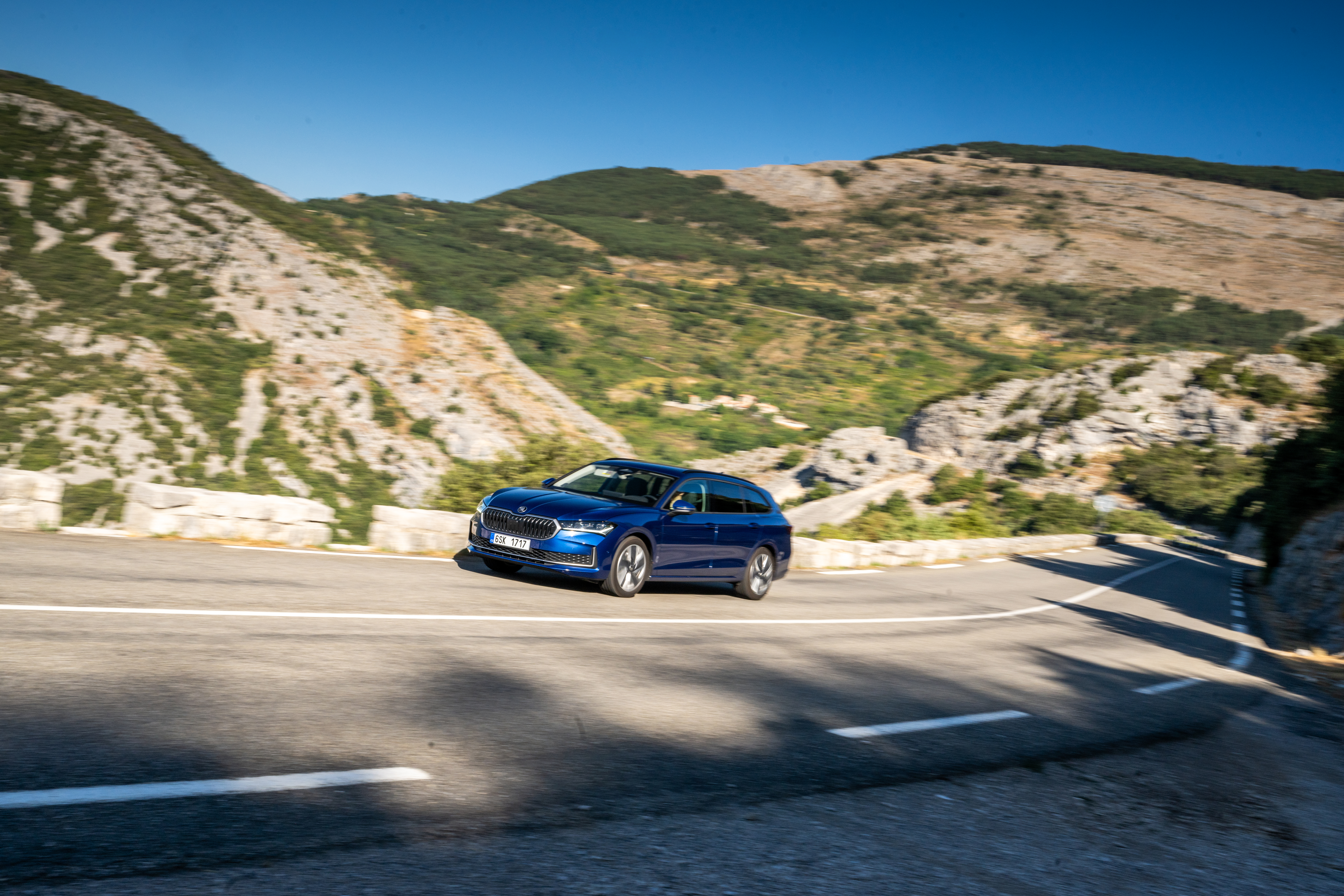
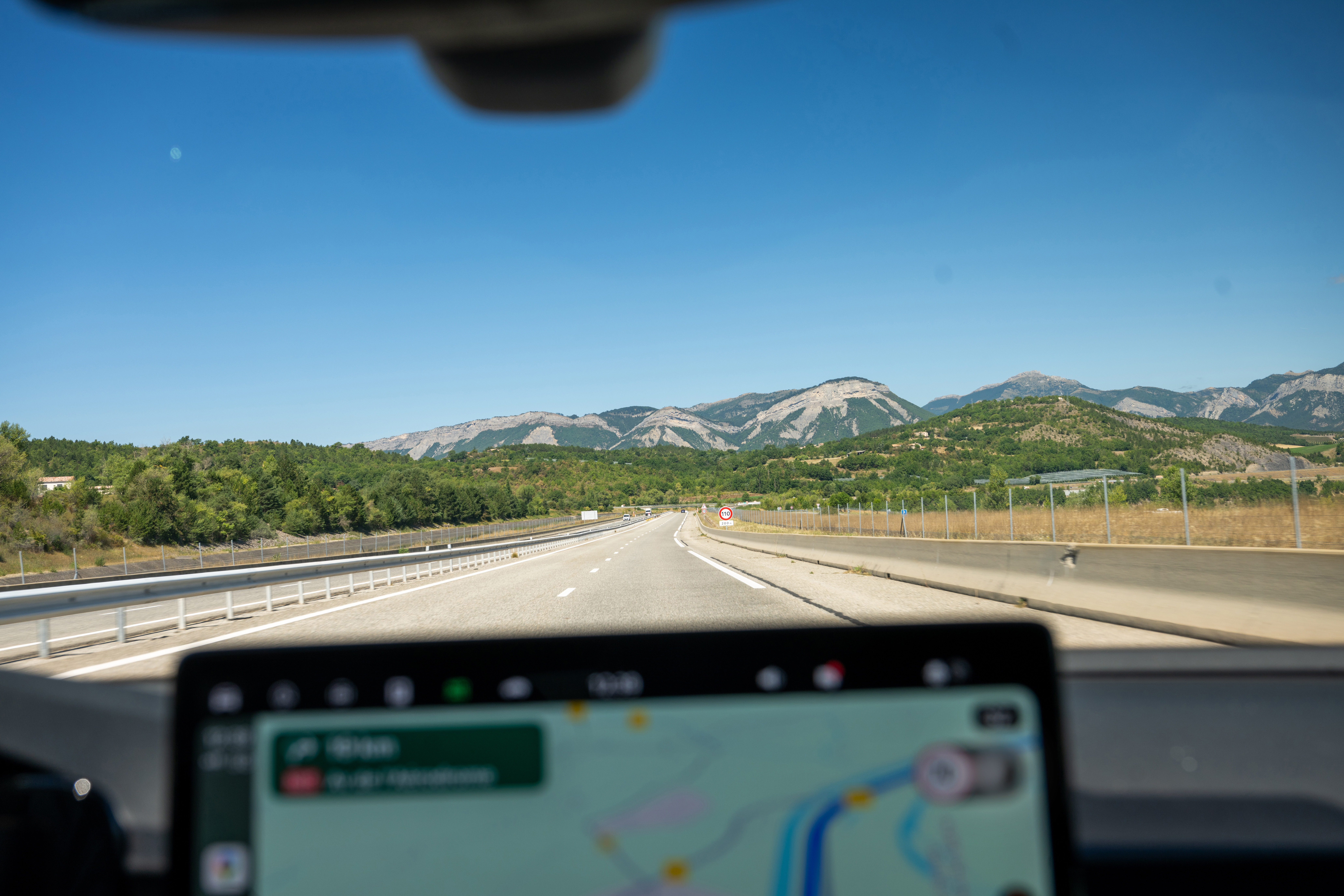
Napoleon’s march, known as the Flight of the Eagle, is today mirrored by the Route Napoleon (also marked as N85), which was officially opened under this name in 1932. The route runs 325 kilometres, is fully paved, and wide enough even for motorhomes. From Grasse, you join it by following signs toward Digne. Getting lost is unlikely — the road is well marked, and its name is clearly visible in Škoda car navigation systems. Along the way, you are accompanied by spectacular scenery and an engaging road profile with climbs, descents, and attractive twisty sections that drivers will particularly enjoy.
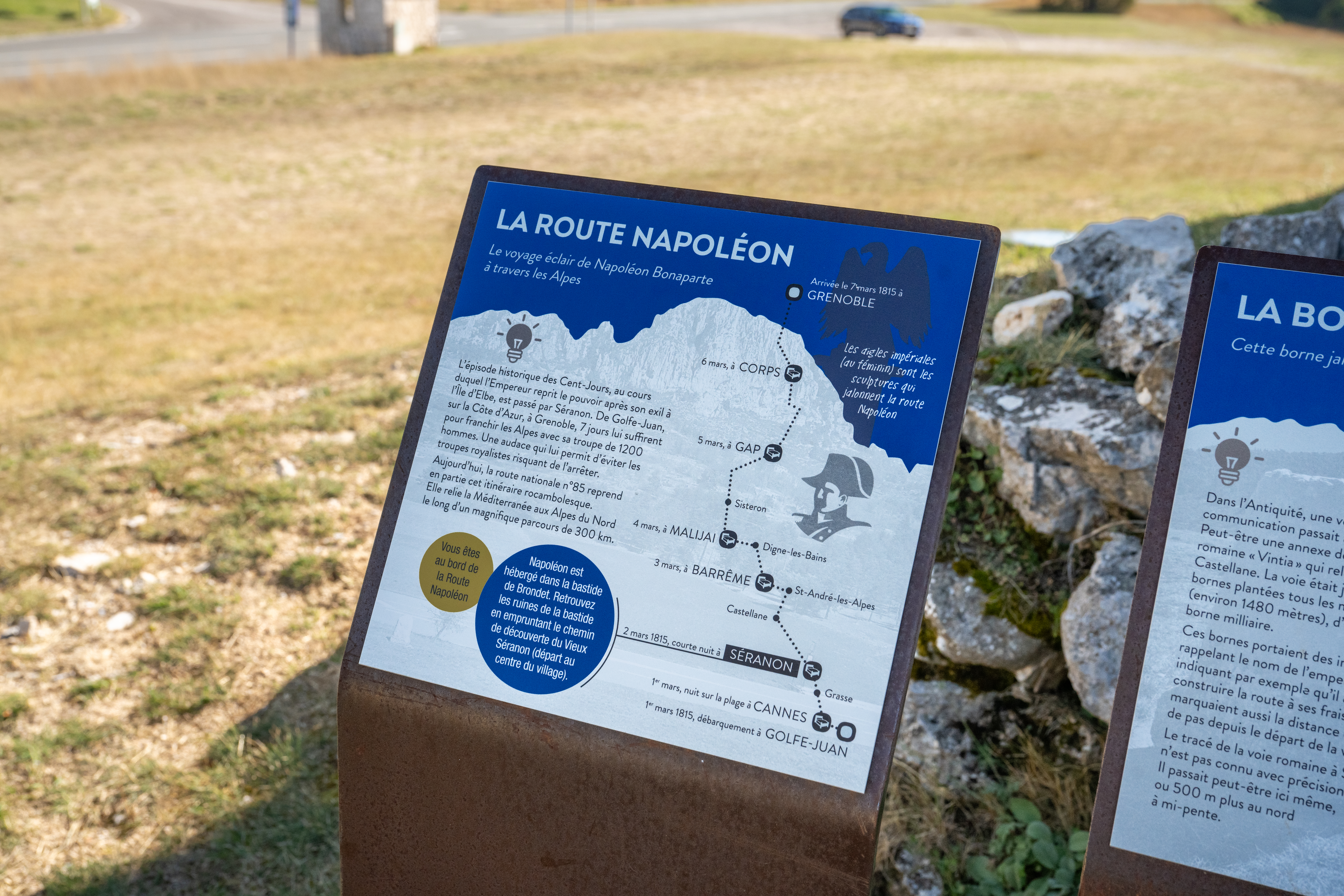
Less than an hour´s drive from Grasse, you will pass an isolated chapel near the village of Séranon, built on an embankment in the middle of a meadow. This beautiful structure rises prominently above the landscape, making it impossible to miss. It is well worth a stop; the information boards provide insight into the surroundings and into Napoleon himself. You will also find a detailed map showing exactly where and when the emperor and his troops travelled, where they rested and where Napoleon laid his head.
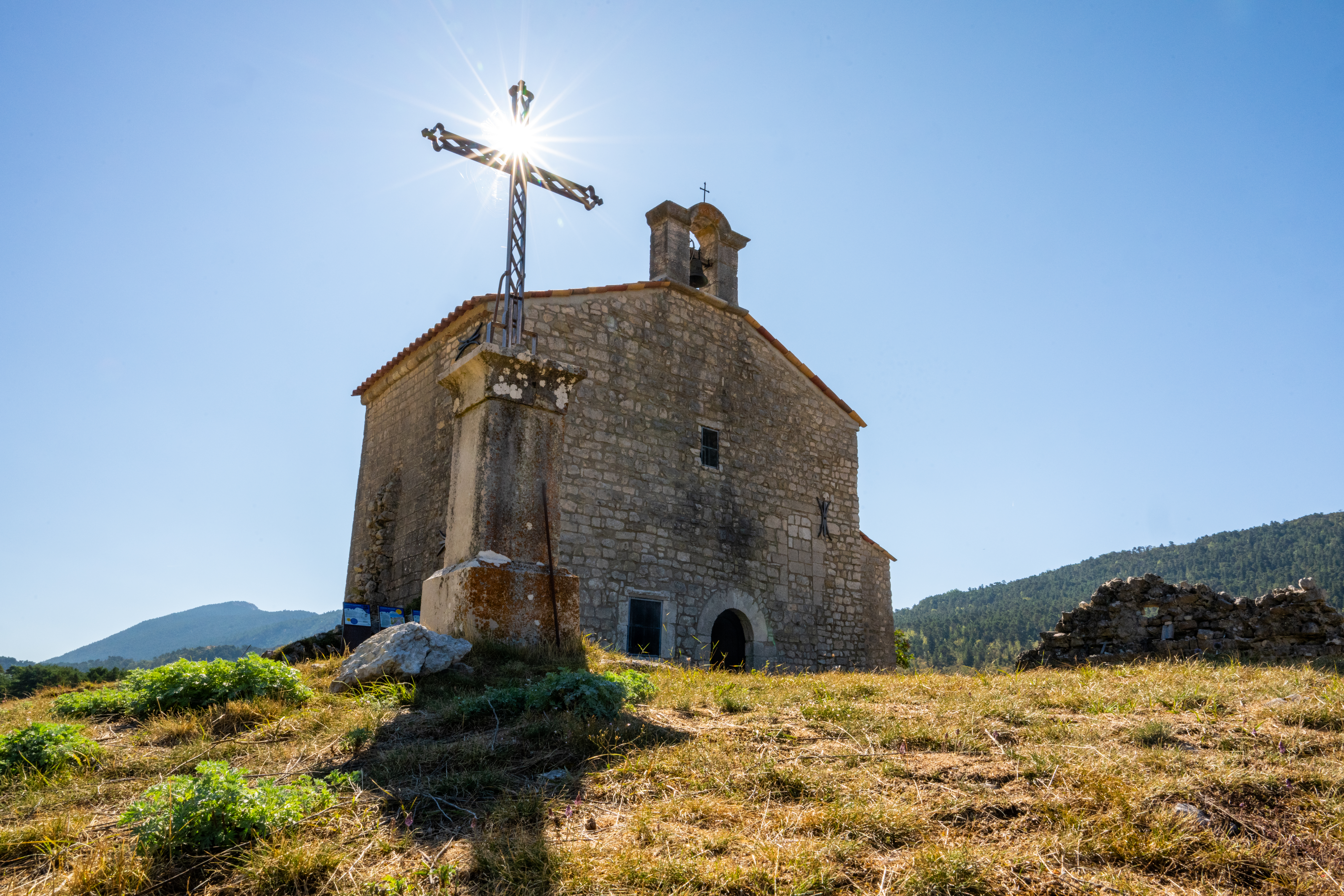 The chapel’s full name is Chapelle Notre-Dame de Gratemoine à Séranon, and it dates back to the 11th century.
The Gateway to Verdon
 Pont du Roc, the famous bridge over the Verdon River.
From Séranon, the landscape becomes more rugged. Rock formations rise dramatically from the ground, no longer clinging to it and forming monumental massifs. This is how you know you are approaching the Verdon Gorge, carved by the river of the same name. Route Napoleon meets the river in the town of Castellane, often called the Gateway to Verdon. You can cross the river via Pont du Roc, now used solely by pedestrians. In Castellane, you can choose to follow Napoleon’s path or take a roughly two-hour detour deeper into the canyon to the Lac de Sainte-Croix reservoir, which offers swimming and water sports in the spectacular setting of towering canyon walls.
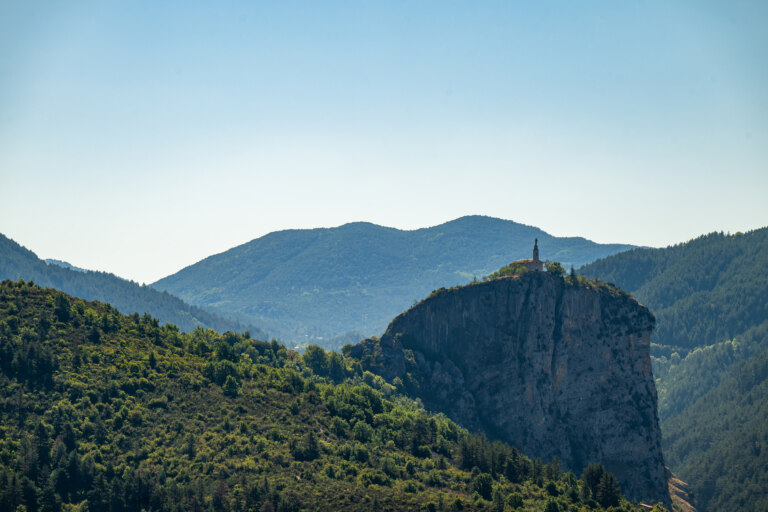
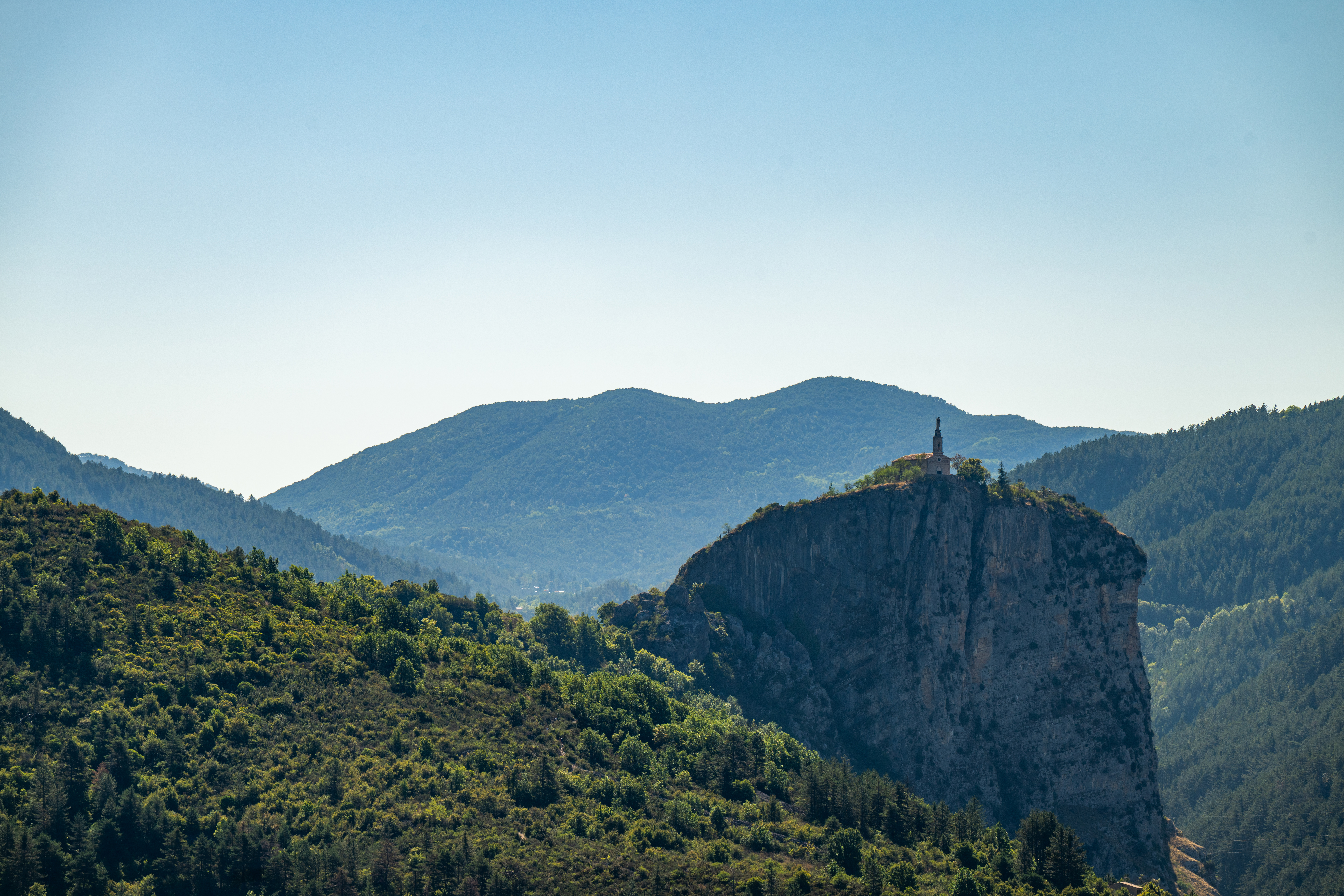
If you’ve already had your fill of seaside swimming, you can stay in Castellane. Napoleon, still trying to avoid main roads and potential opponents, marched into this remote village to the rhythm of marching drums, greeted by locals shouting “Vive l’Empereur!” (“Long live the Emperor!”) His troops, exhausted after climbing the difficult terrain, surely appreciated the rest — whereas you can take advantage of the large parking areas to attempt the demanding hike up the massive rock formation crowned with a small chapel. The reward is an extraordinary panoramic view.
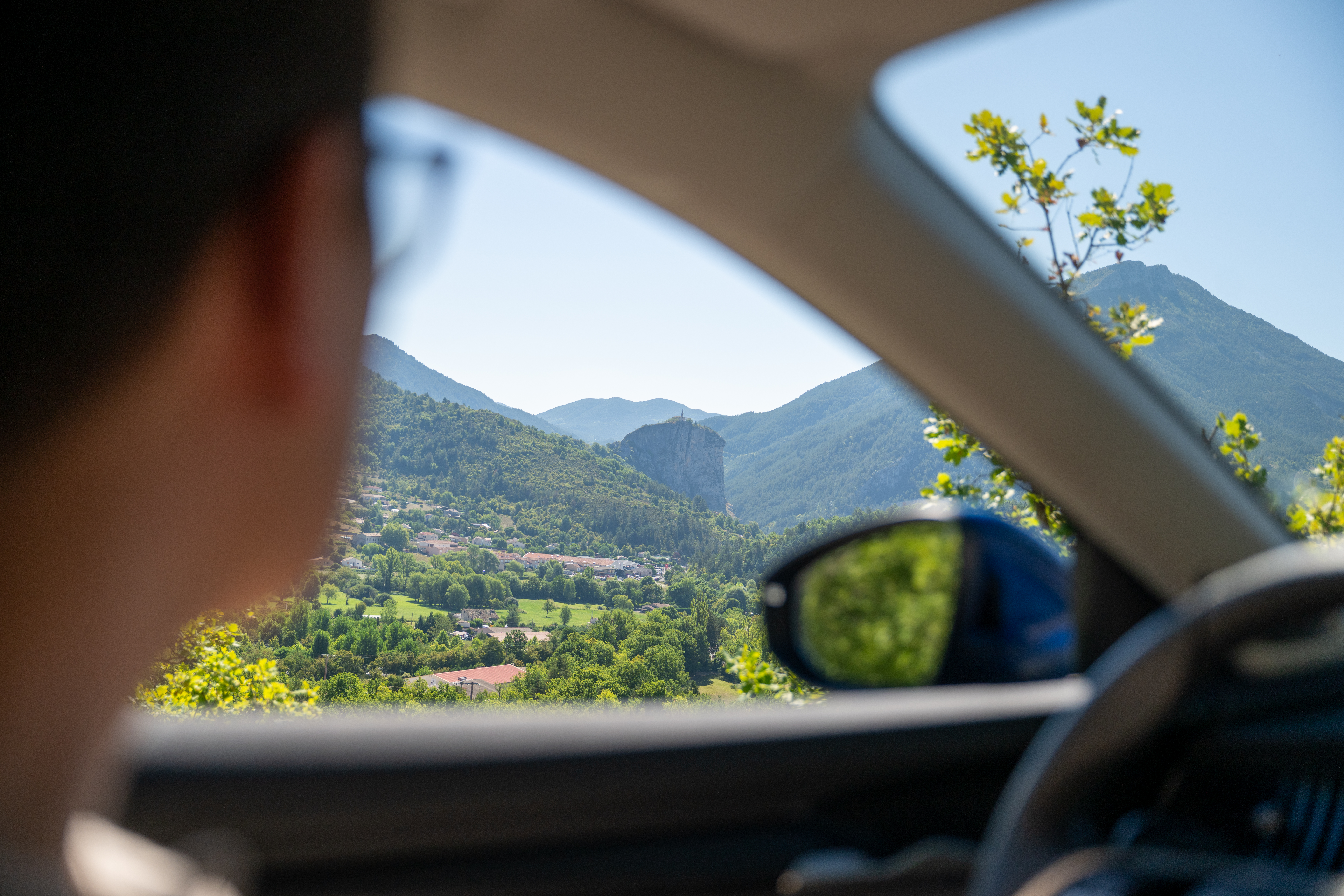 The chapel above Castellane remains clearly visible for another half hour of driving beyond the village.
After Castellane, you will pass through Digne-les-Bains — the so-called lavender capital — also renowned for its thermal springs. Fans of Victor Hugo will recognise it as the opening setting of Les Misérables. At this point, you will be beyond the halfway mark, and the landscape begins to turn truly picturesque. And just when it seems it cannot get any better, an unusual rock formation with a town built beneath it catches your eye. This is your first glimpse of Sisterone.
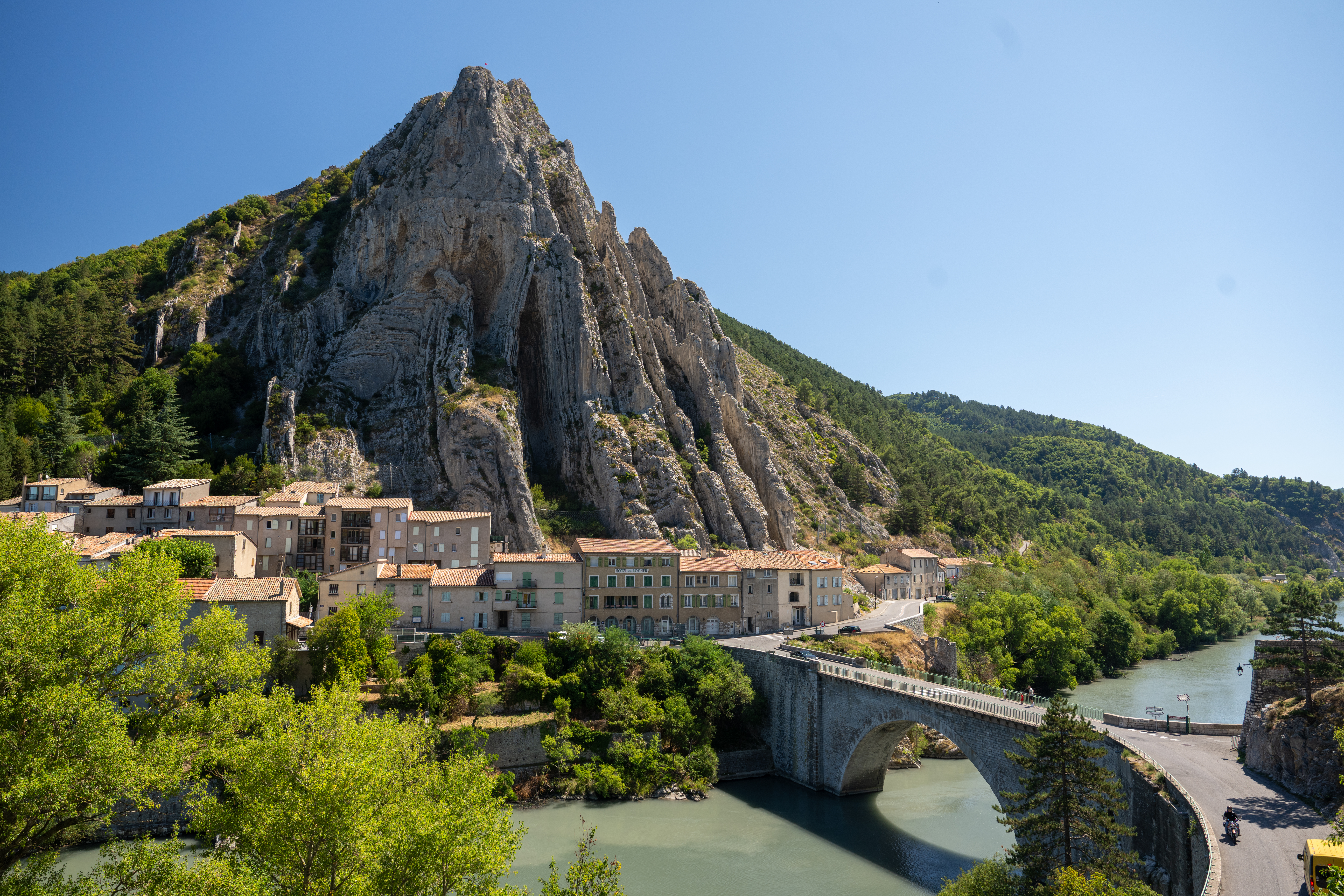 The town of Sisteron is built on both banks of the Durance River.
Known as the Gateway to Provence, Sisteron lies in a region famous for its endless lavender fields, which attract visitors from all over the world when in full bloom between late June and early July. Lavender is a symbol of the region and an important element of its gastronomy and perfumery. You may once again be reminded of Grasse — and if you visit at the right time, a detour into the blooming fields is a must.
With the emperor all the way to the finish line
After Sisteron, Route Napoléon leads you through Gap and La Mure before reaching Grenoble, the largest city in the French Alps. You can shorten the journey by joining the A51 motorway. For Napoleon and his troops, the path from landing to Grenoble took six to seven days — by car, you can complete it in about five hours. However, given the number of attractions and possible detours along the way, we recommend dividing the trip over several days and treating it as a full-fledged holiday. You will gather enough experiences to last you a long time.
 Route Napoleon is marked not only with road signs, but also with sculptures of eagles.
Be the first
to get the latest stories
Explore more

Media Box
11 images
Show more
Show less