Explore Albania
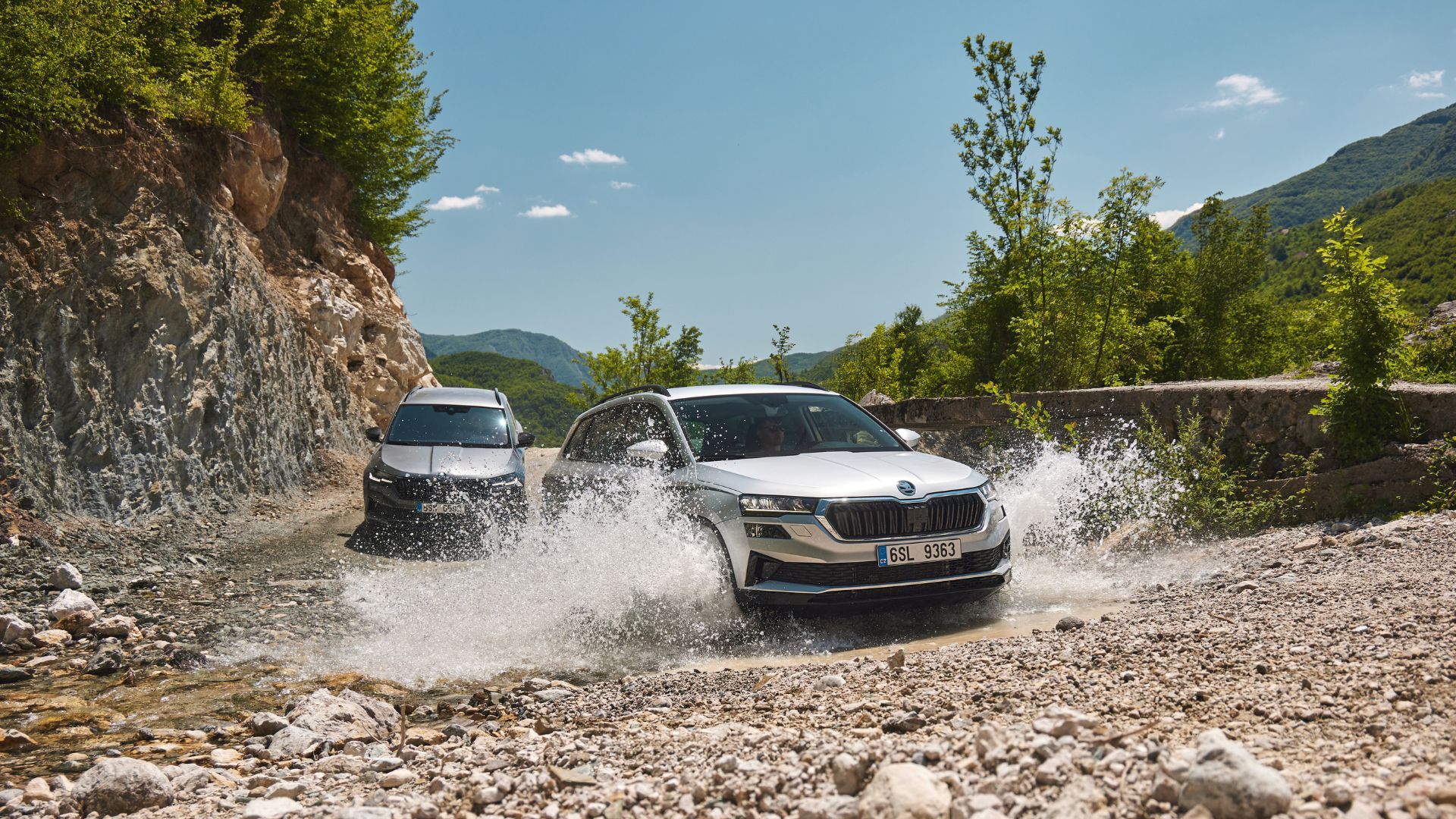
Albania has recently become a hit among travel agencies, but it can also enchant those who prefer more adventurous travel. What exactly draws visitors to this Balkan country?
5. 8. 2025 LifestyleOnce completely isolated due to its political regime, Albania is now open to tourists eager to explore. On its roads, you'll encounter caravans from various European countries, touring motorcycles with panniers, and cyclists on expedition bikes covered with sleeping bags and other gear. Albania offers both beach fun on the Adriatic coast and relaxation or hiking in the mountains.
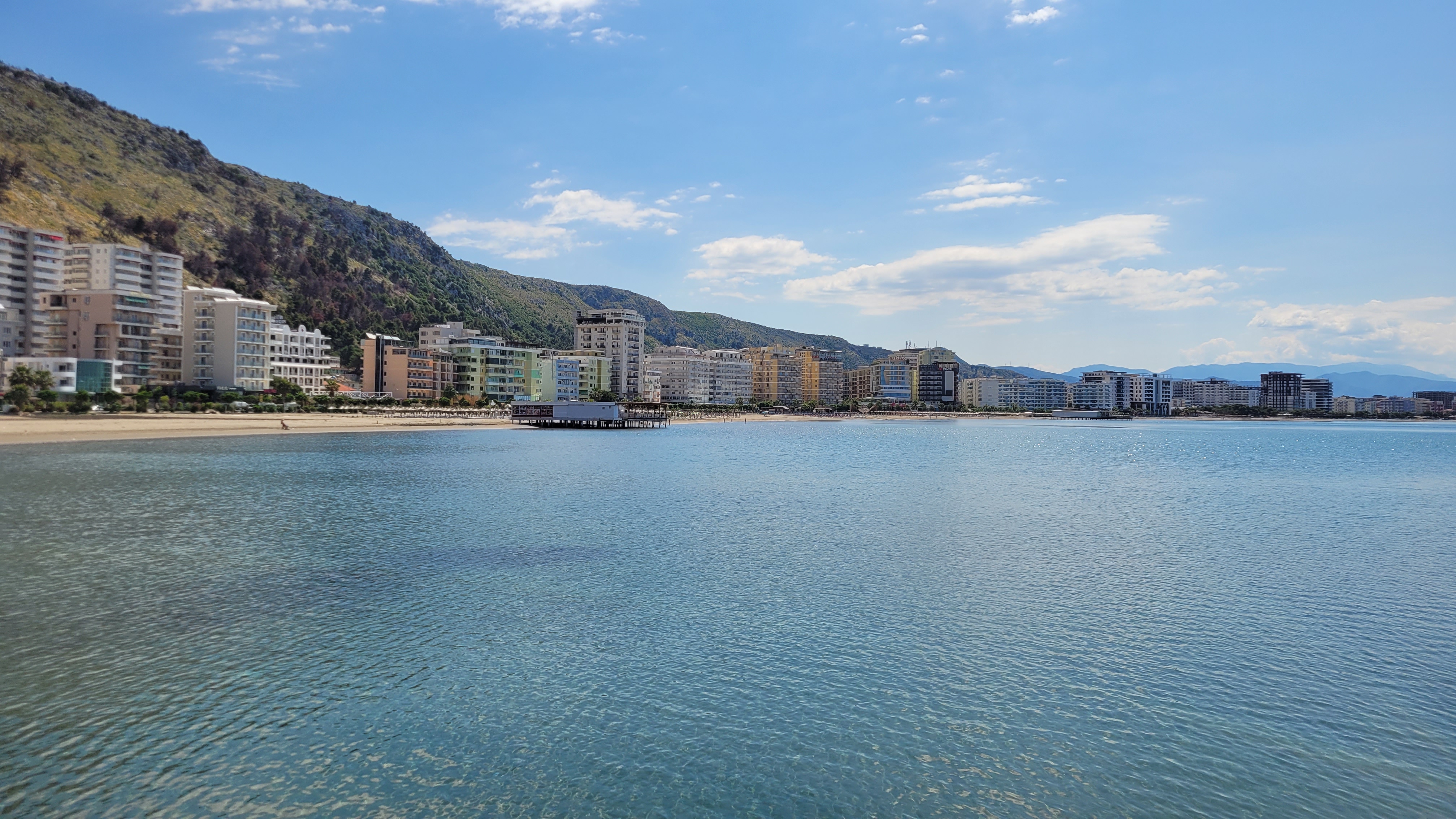
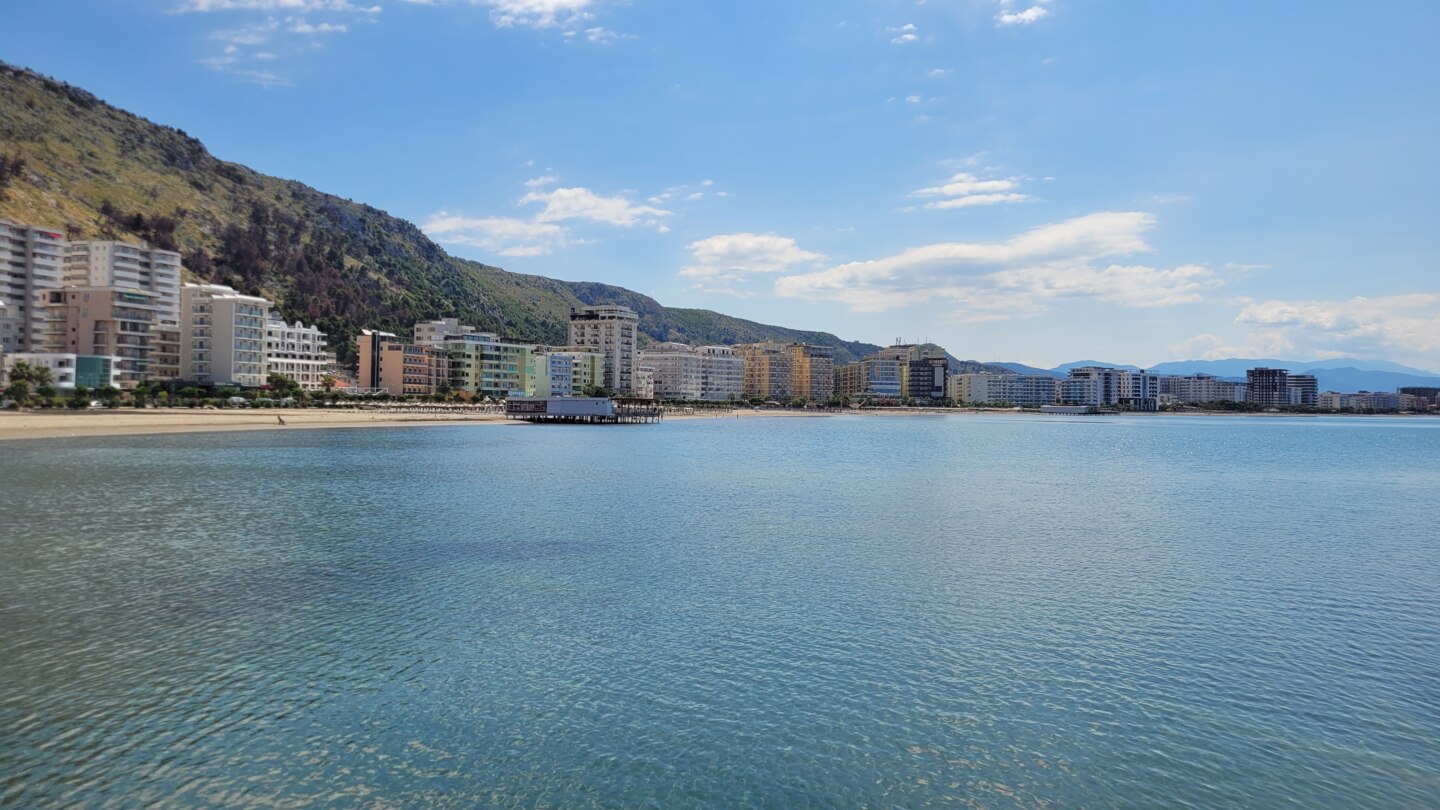 The seaside resort of Shëngjin
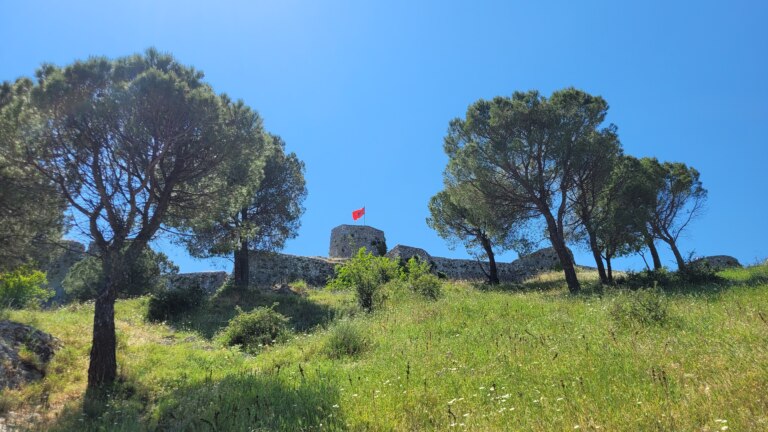
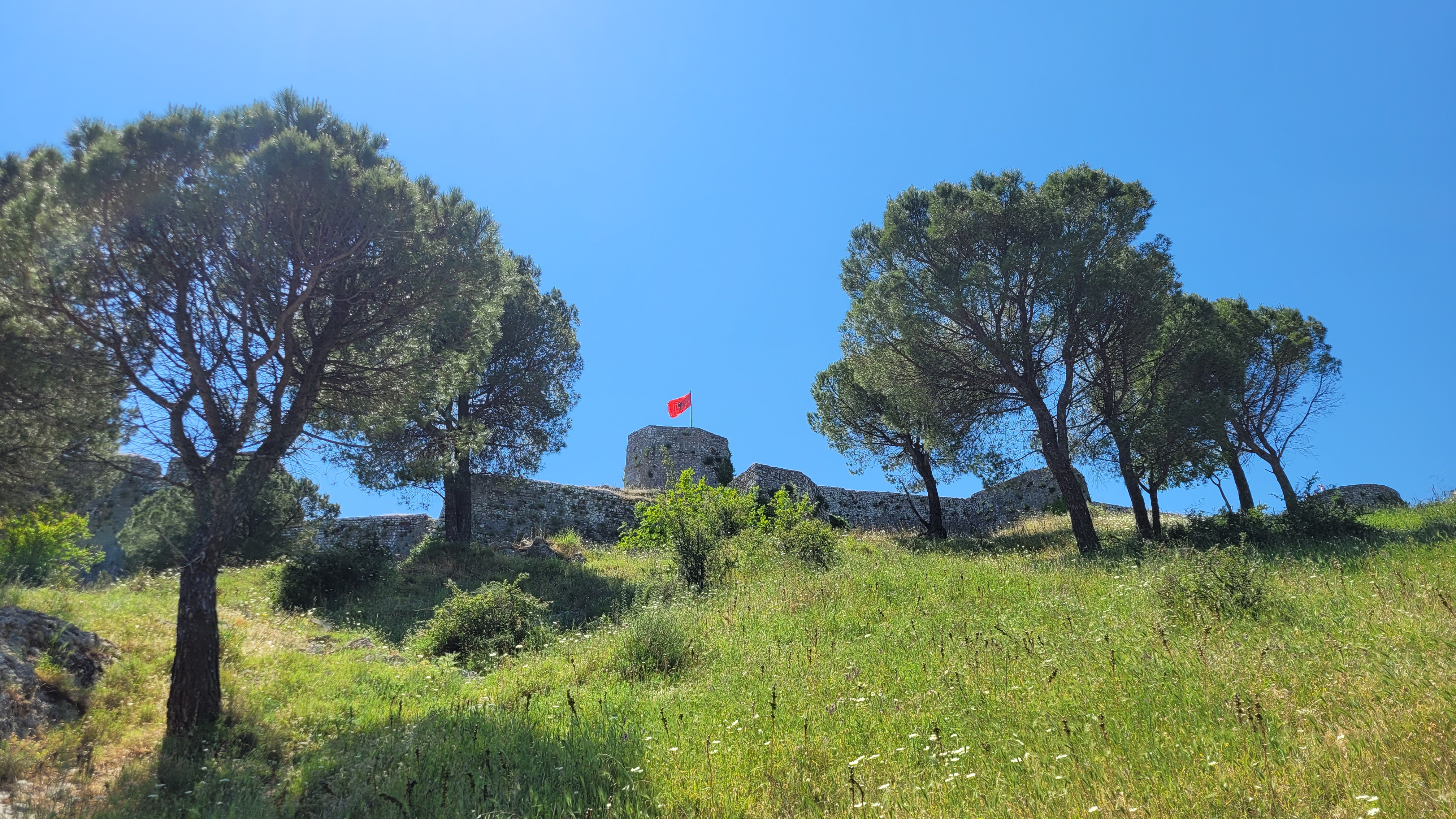
Ruins of Rozafa Castle in Shkodra
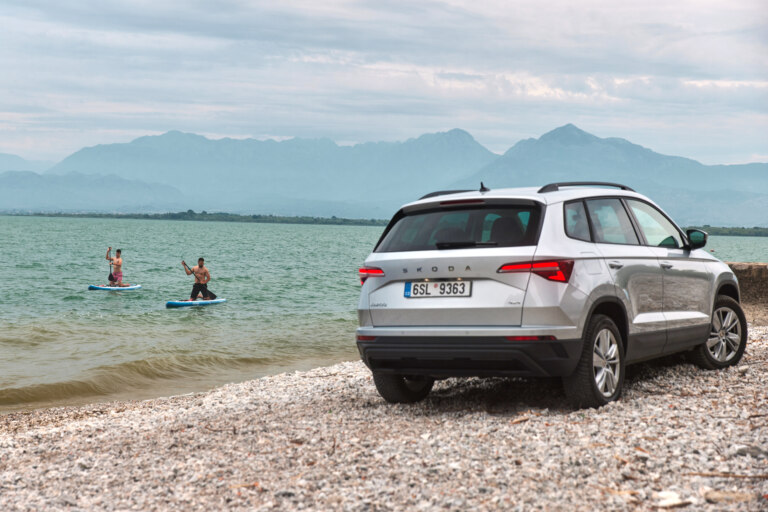
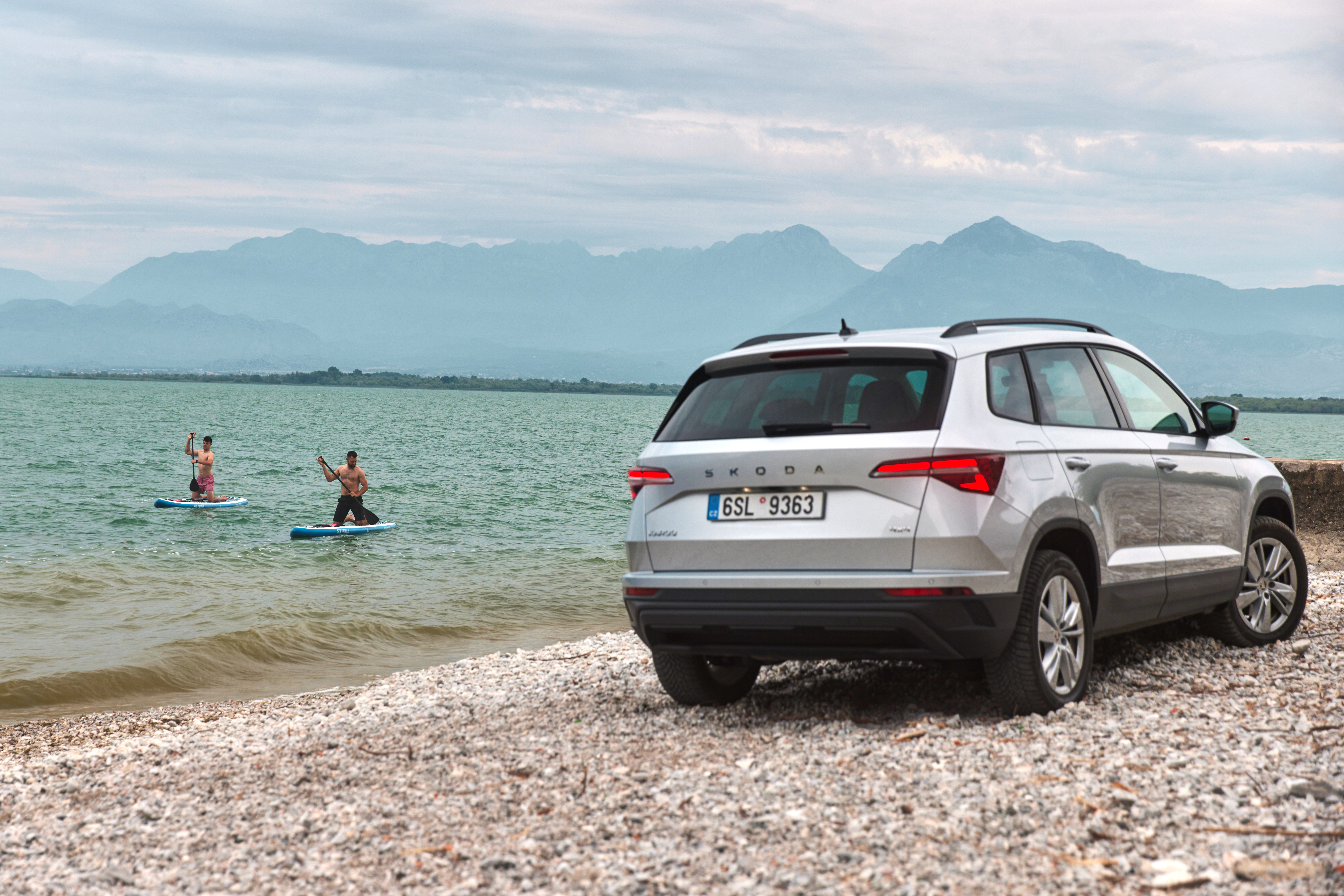
Lake Shkodra is also suitable for paddleboards.
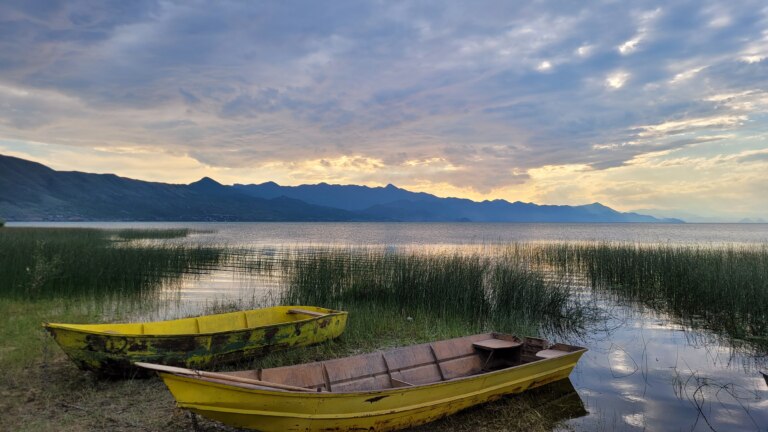
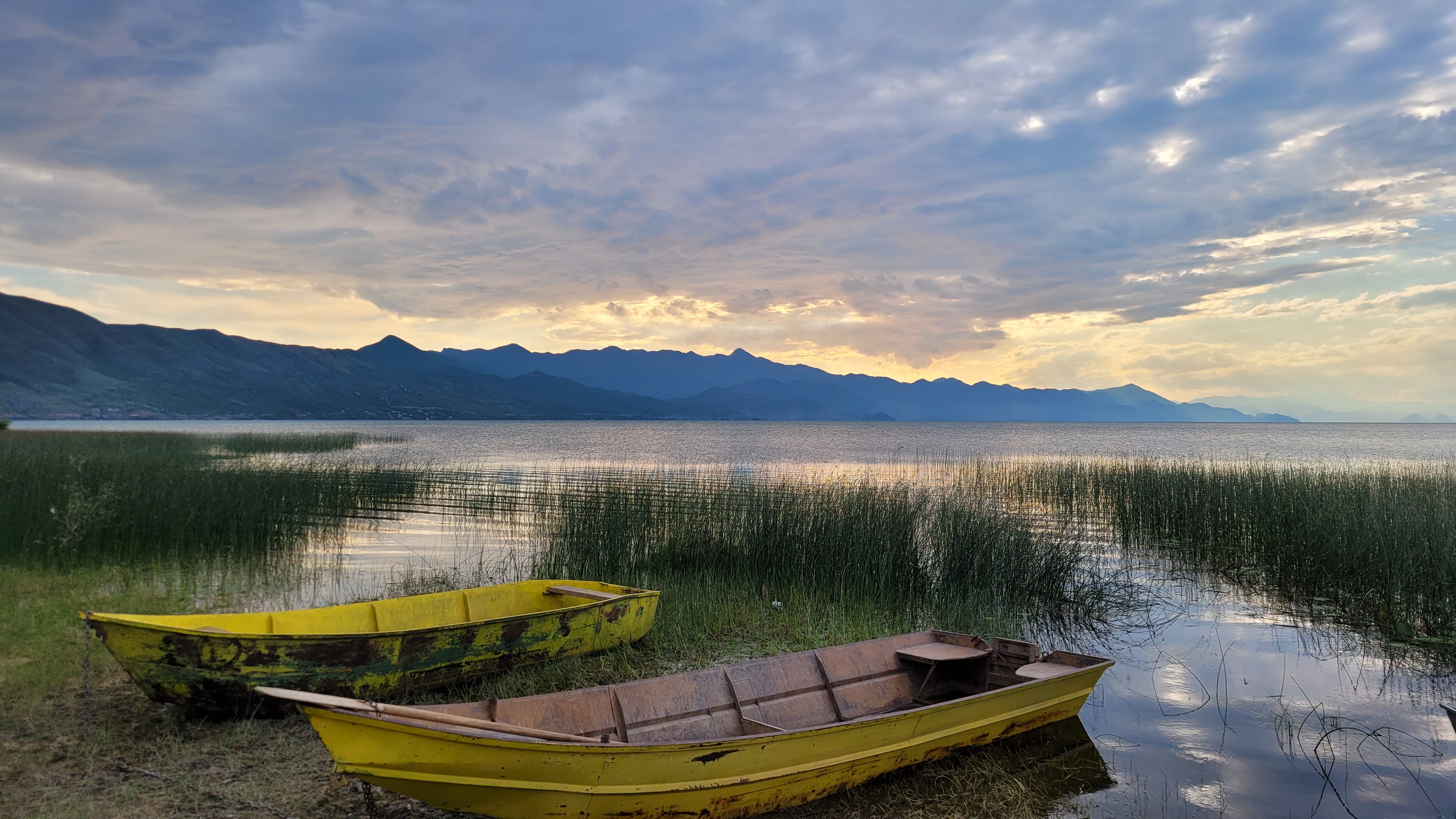
Lake Shkodra is a nature reserve.
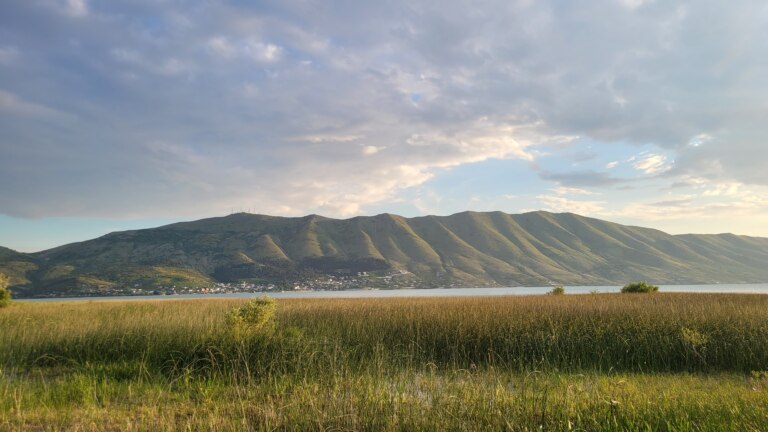
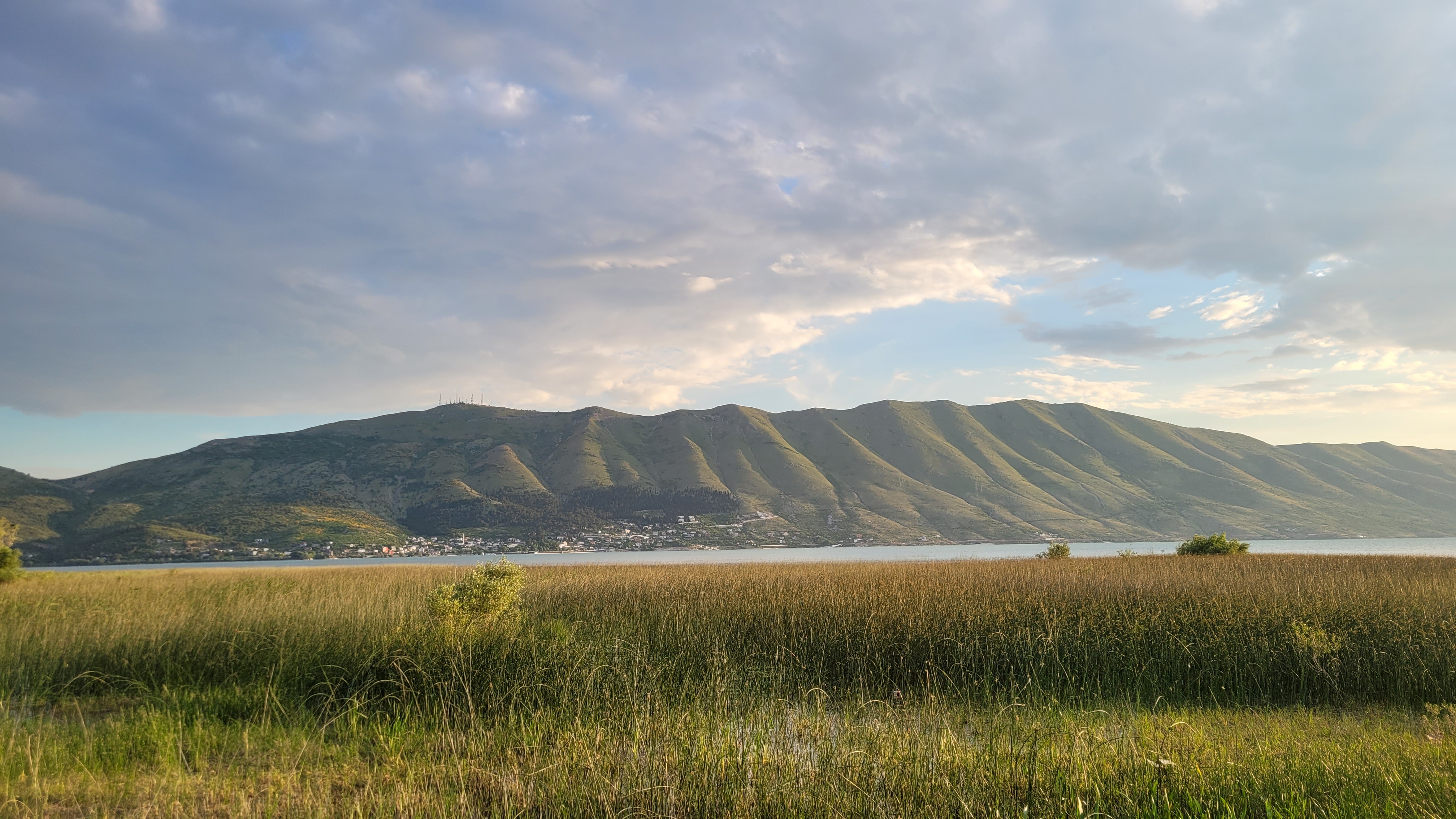
Lake Shkodra is surrounded by mountains on one side.
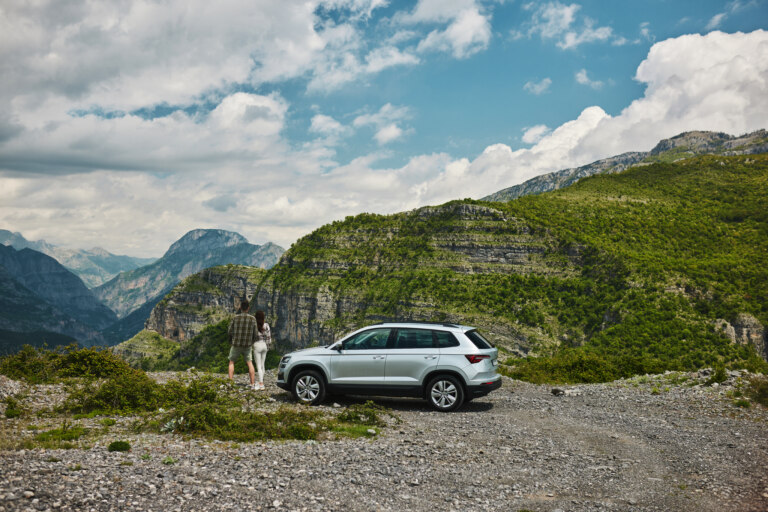
Breathtaking views in northern Albania
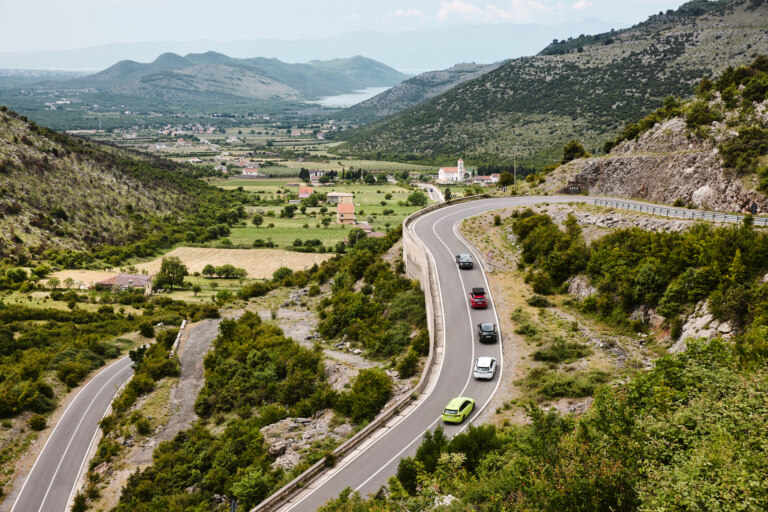
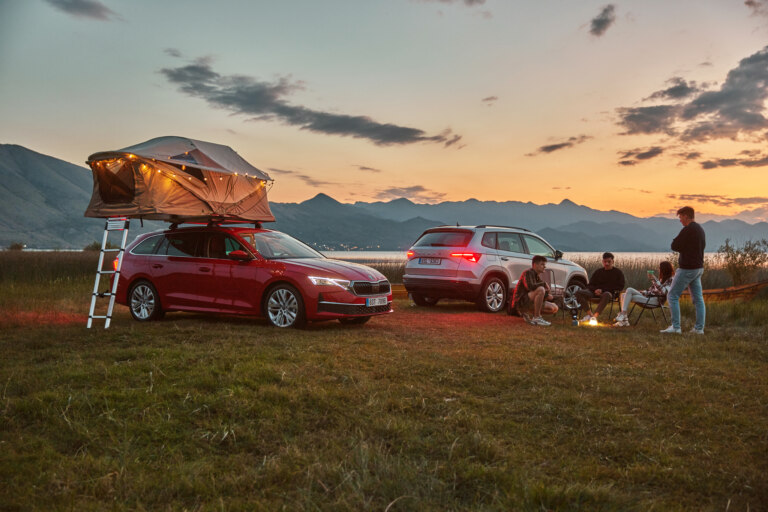
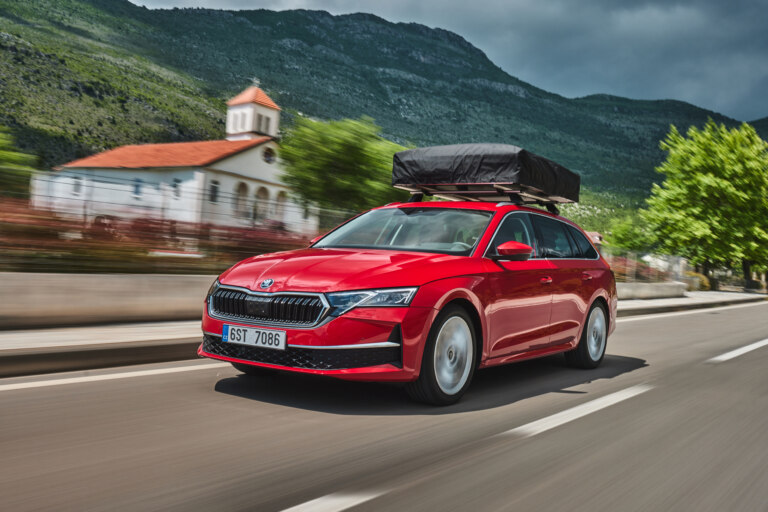
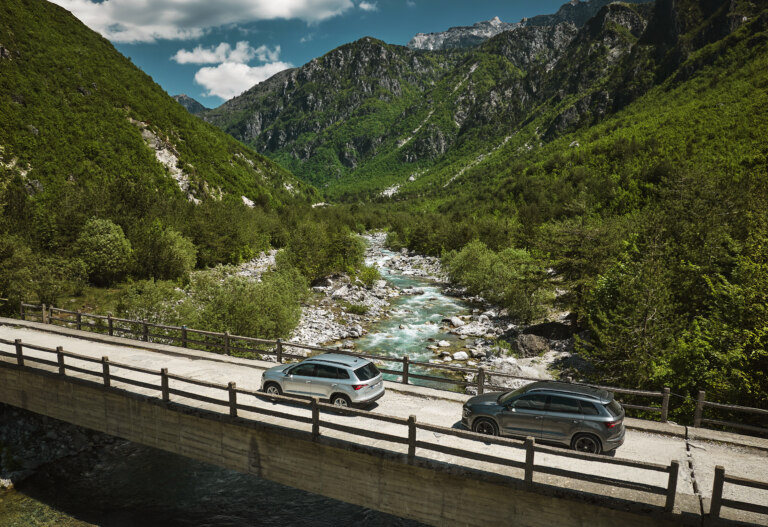
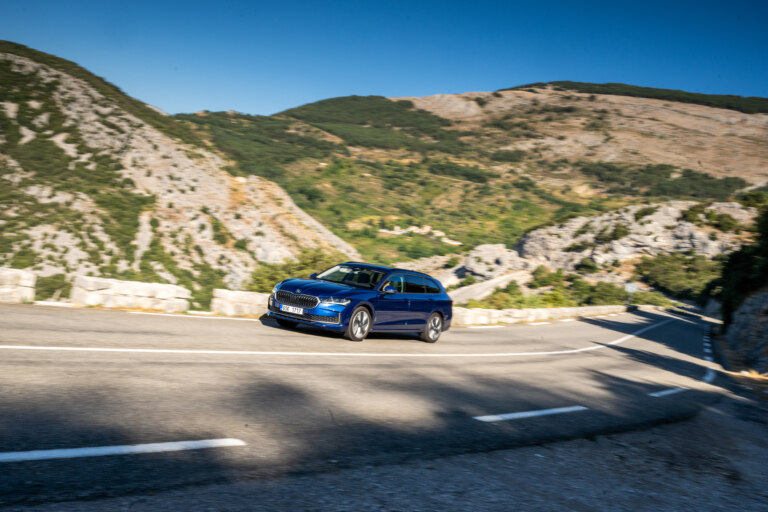
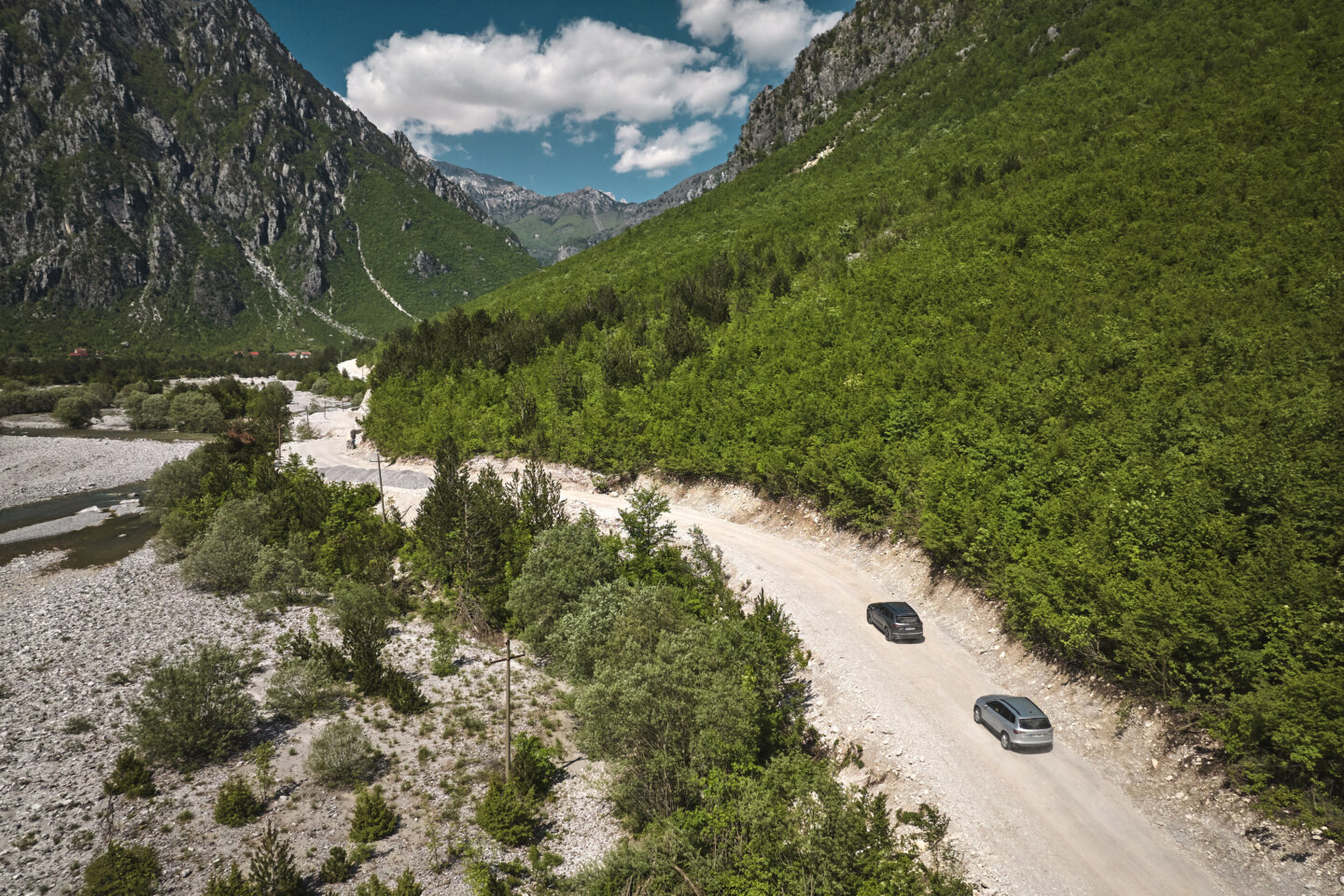
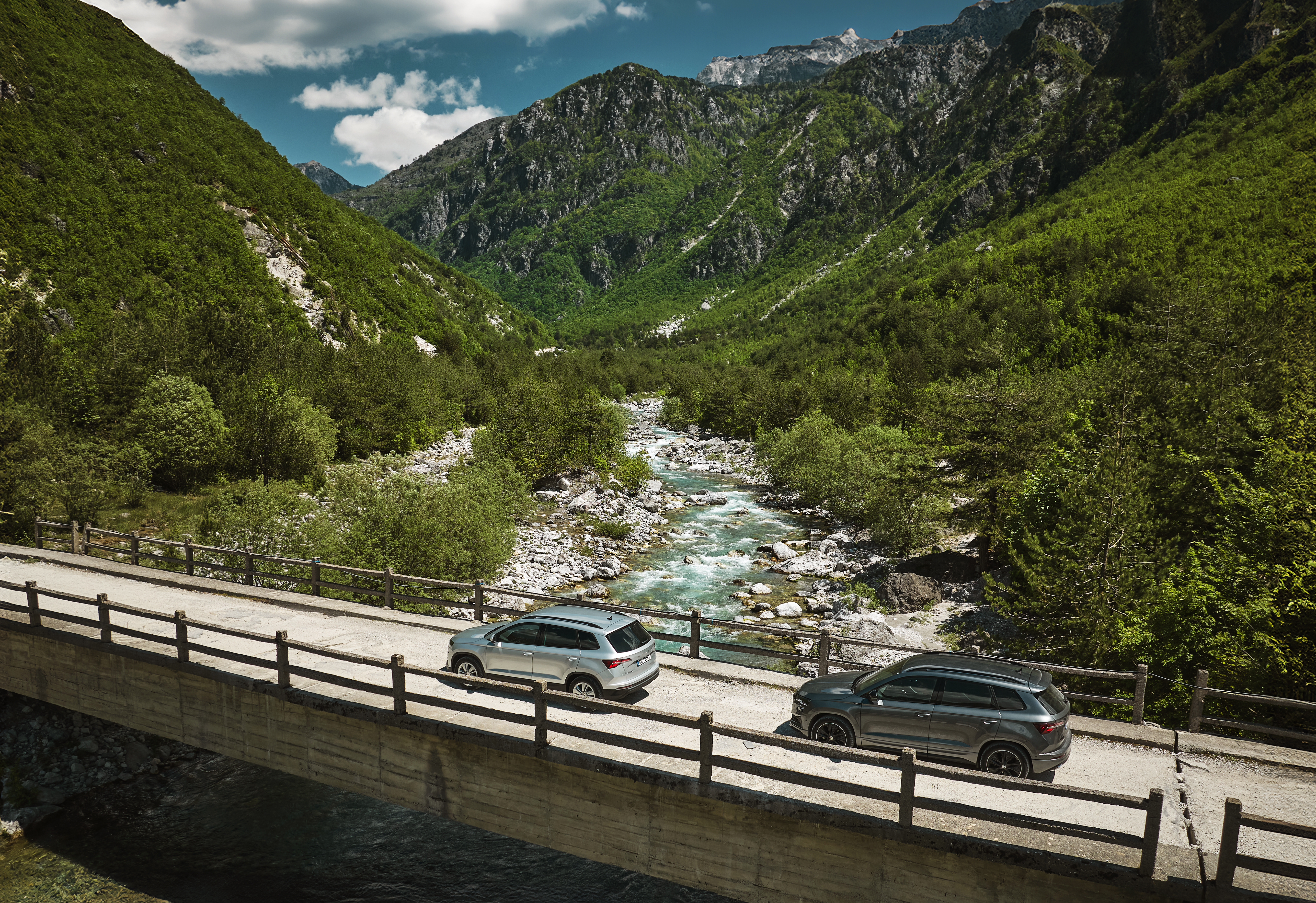
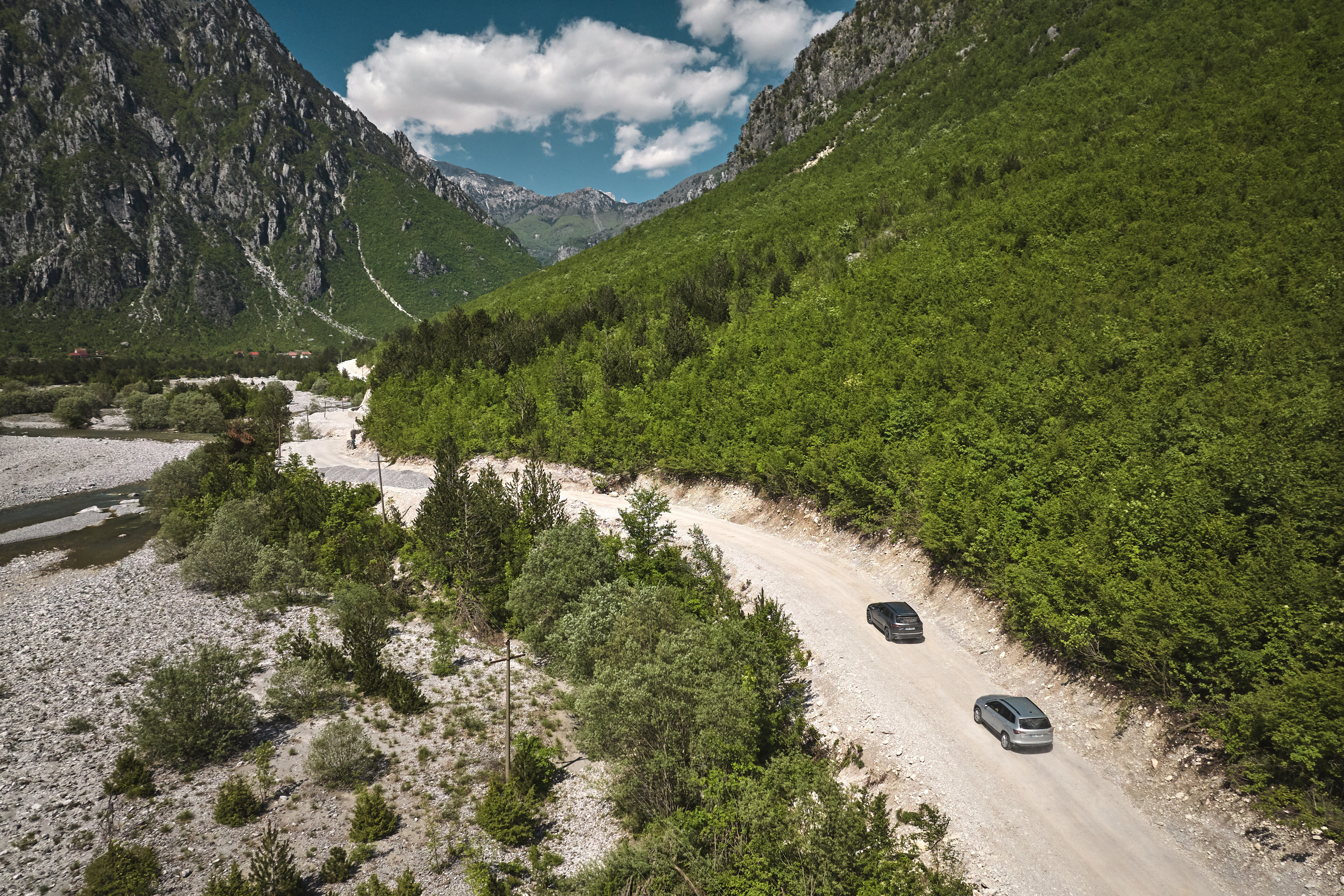
Where the country certainly doesn't fall short is in its breathtaking views from mountain roads winding from valleys up into the hills. The abundance of interesting climbs and descents, as well as scenic curves and hairpin bends, is comparable too. Snow-capped peaks can still be seen even when the valleys are already enjoying pleasant temperatures. In fact, the highest peaks exceed 2,500 meters in elevation.
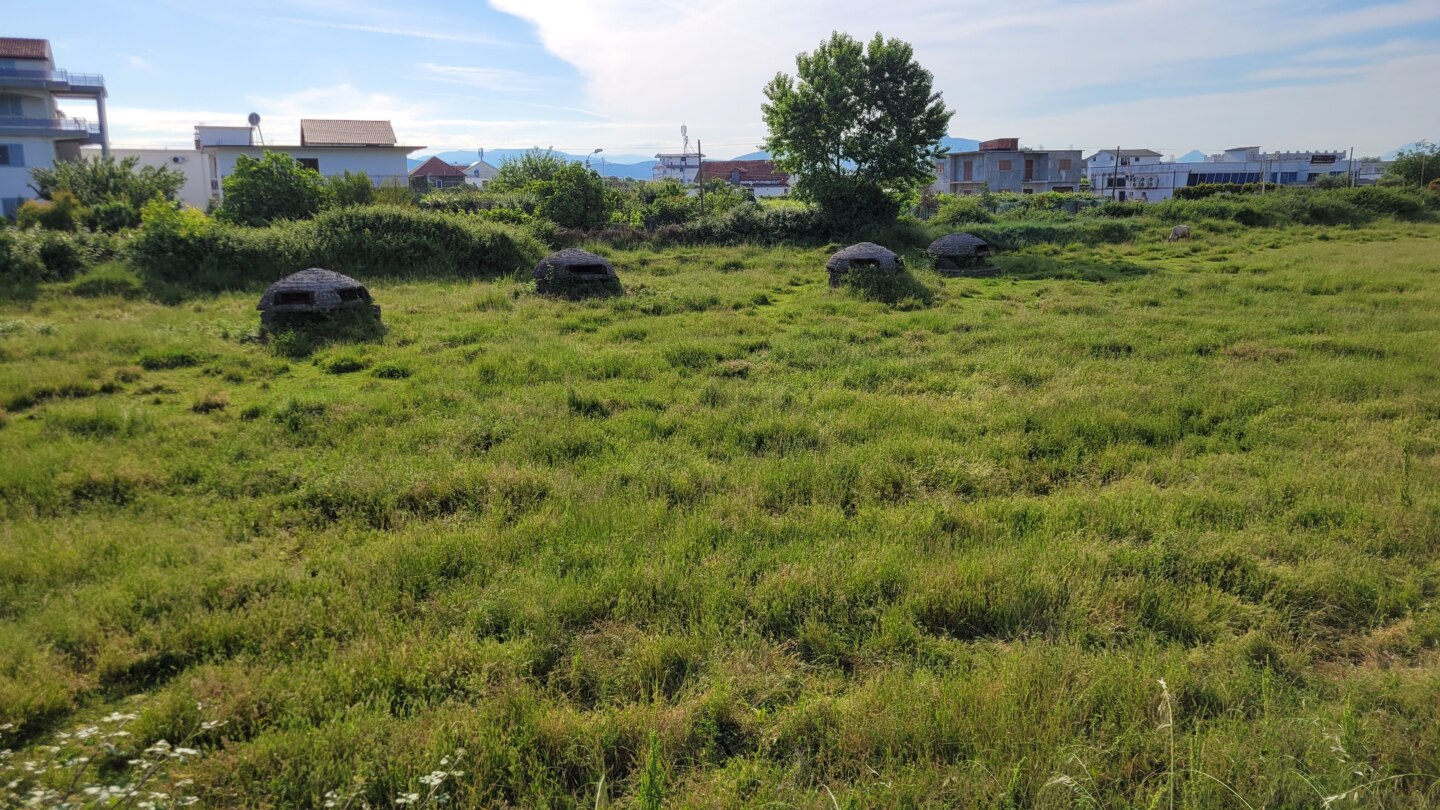
Bunkers Everywhere
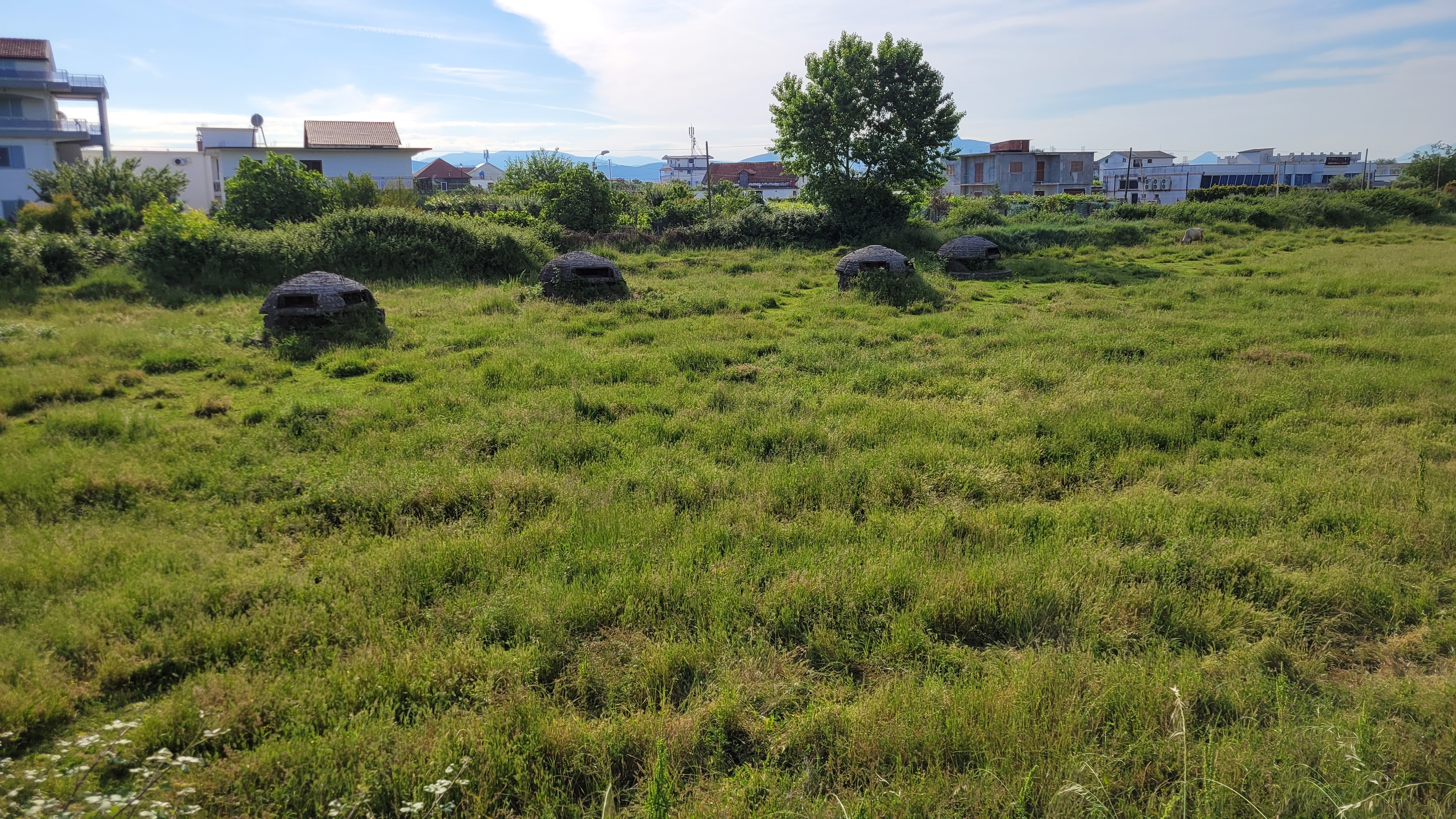
One of Albania’s unique features is the bunkers scattered across nearly the entire country. They are a legacy of the nation's isolation in the second half of the 20th century, stemming from the paranoia of its dictatorial leader Enver Hoxha. Over four decades of his rule, Hoxha managed to alienate Albania from the rest of the communist bloc. Besides fearing an attack from Western countries, he also dreaded an invasion by neighbouring Yugoslavia or the Soviet Union. His fears only intensified after the 1968 invasion of Czechoslovakia by Warsaw Pact troops – an event that prompted Albania to leave the pact in protest.
Hoxha established a national militia and summoned both men and women for military training, expecting everyone to defend the country in case of attack. The construction of small fortresses accelerated. By the mid-1970s, the country was said to have as many as 750,000 bunkers – roughly one for every three inhabitants. These bunkers are scattered across the country: on the coast, inland, and in the mountains, standing by roads or in gardens – some even in cemeteries.
Be the first
to get the latest stories
Explore more


Media Box
14 images
Show more
Show less