In winter, heat up your car, but don’t overdo it
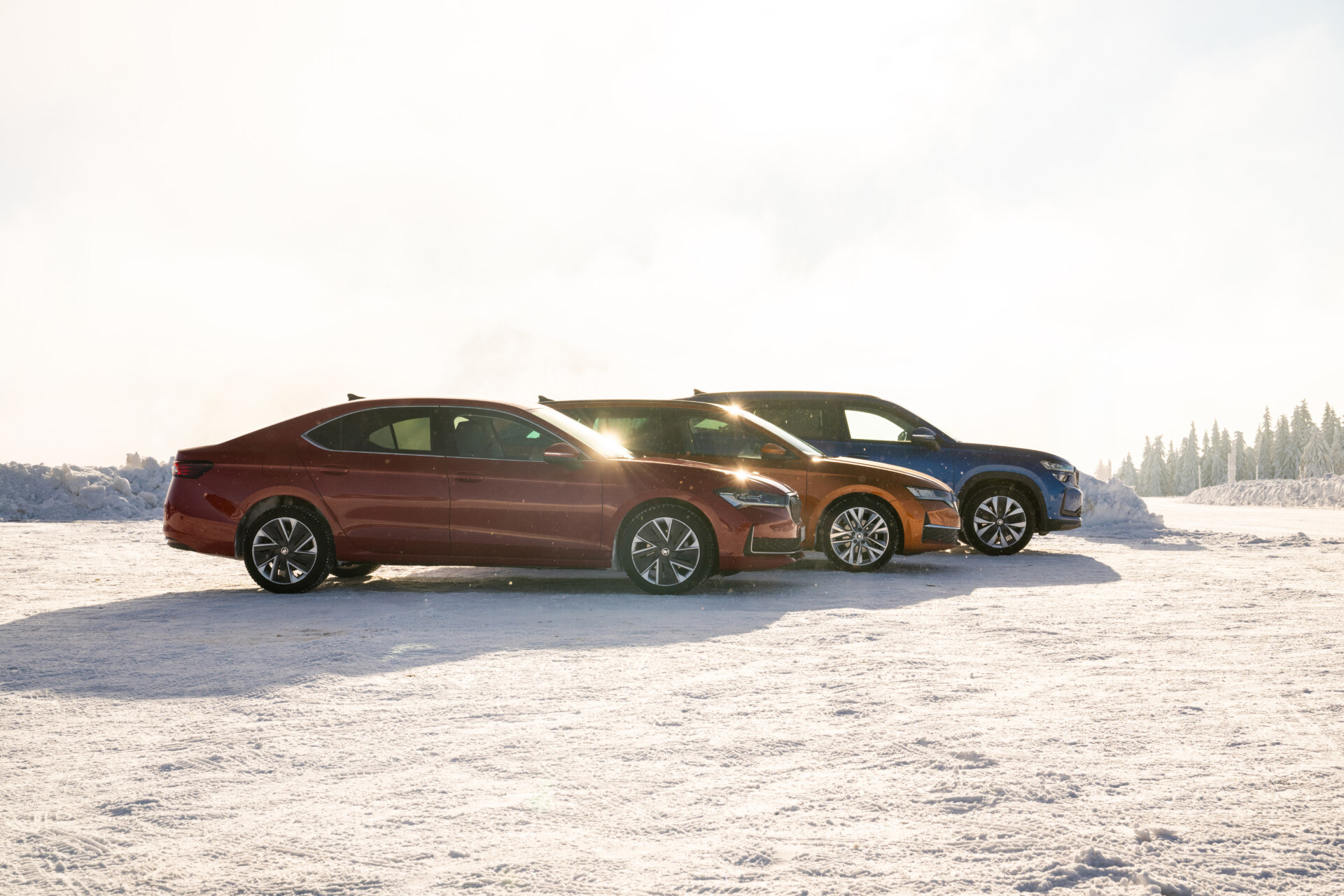
Driving in winter not only requires increased attention but can also be a challenge for the health of both the driver and passengers. The right cabin temperature, sufficient hydration and regular movement help ensure that even long journeys can be completed without unnecessary fatigue or undesirable consequences.
4. 11. 2025 LifestyleIn summer, drivers struggle with fatigue caused by high temperatures and should resist the temptation to overcool the interior with air conditioning. In winter, on the other hand, they have to deal with reduced visibility, slippery surfaces and low temperatures. And the situation is often made worse by some of people's bad habits.
In addition to preparing the vehicle itself (see box), the driver should also prepare themselves for winter travel and adopt a different mindset. This should be reflected both in driving style and journey preparation. “Keep in mind that in winter, getting your car ready may take longer than in summer. Before setting off, you need to clear snow and defrost the windows and mirrors. Allow enough time for this so you don’t start your trip stressed about running late,” advises Jana Parmová, who is responsible for occupational health services at Škoda Auto.
Pay attention to heating and clothing
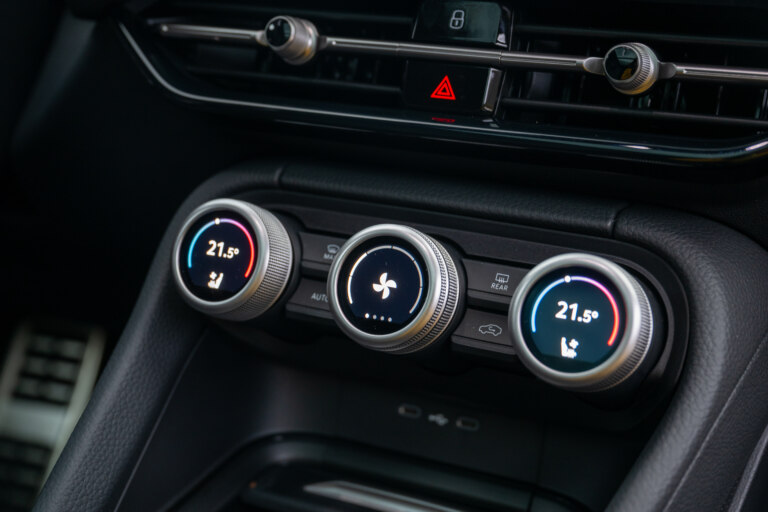
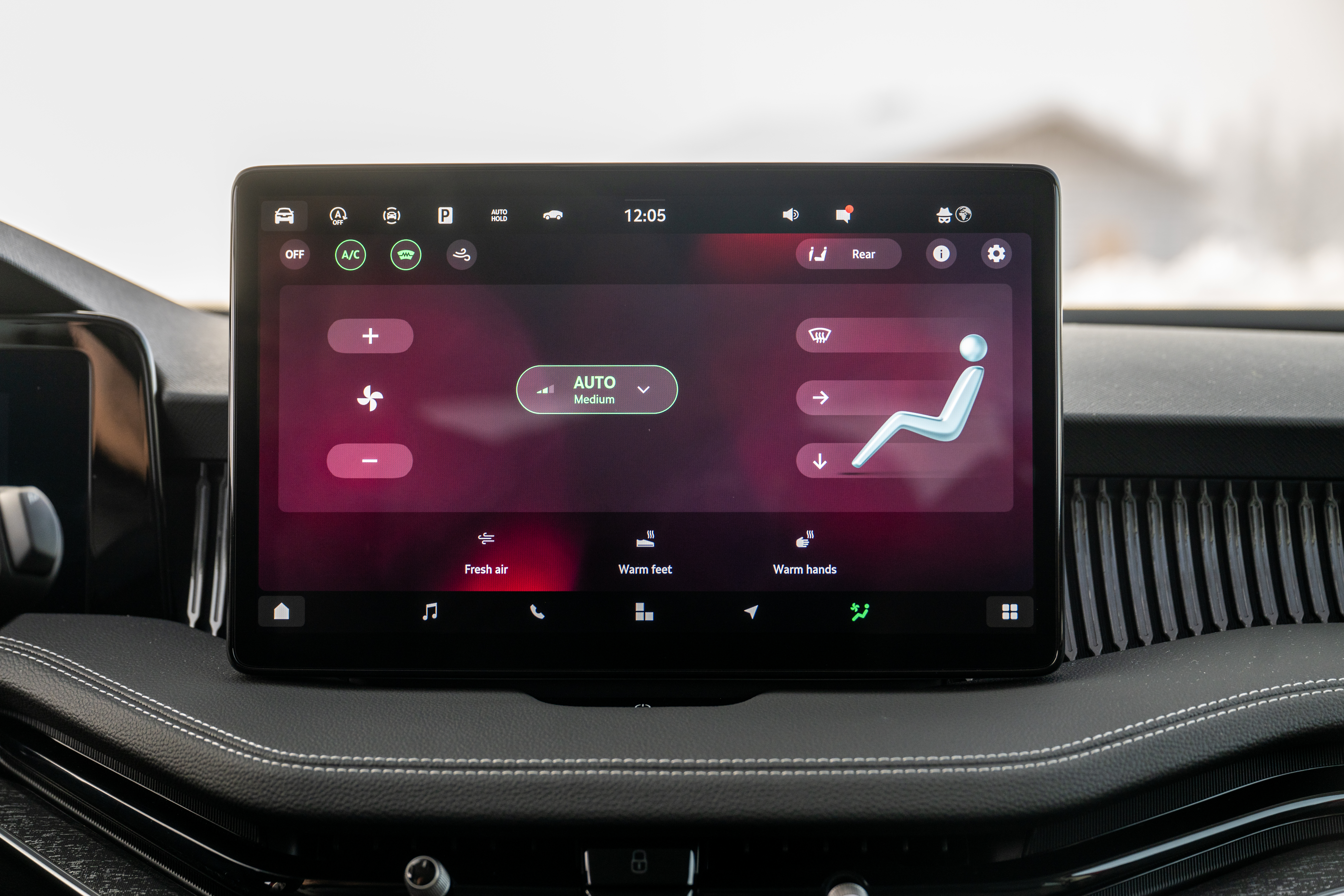
Especially on long journeys, cabin comfort is essential for the crew. “The interior should be warm, but not overheated,” Parmová emphasises. The ideal cabin temperature, she says, is between 20 and 22 °C. “Excessive heat causes fatigue and dries out the air, while cold leads to muscle chill and joint stiffness,” she explains.
However, dry air is something passengers will face even in a properly heated interior. “Warm, dry air from the heating system dries out mucous membranes, increasing susceptibility to colds,” says Parmová. She recommends occasionally cracking a window to ventilate or briefly switching on the air conditioning to ensure proper air circulation.
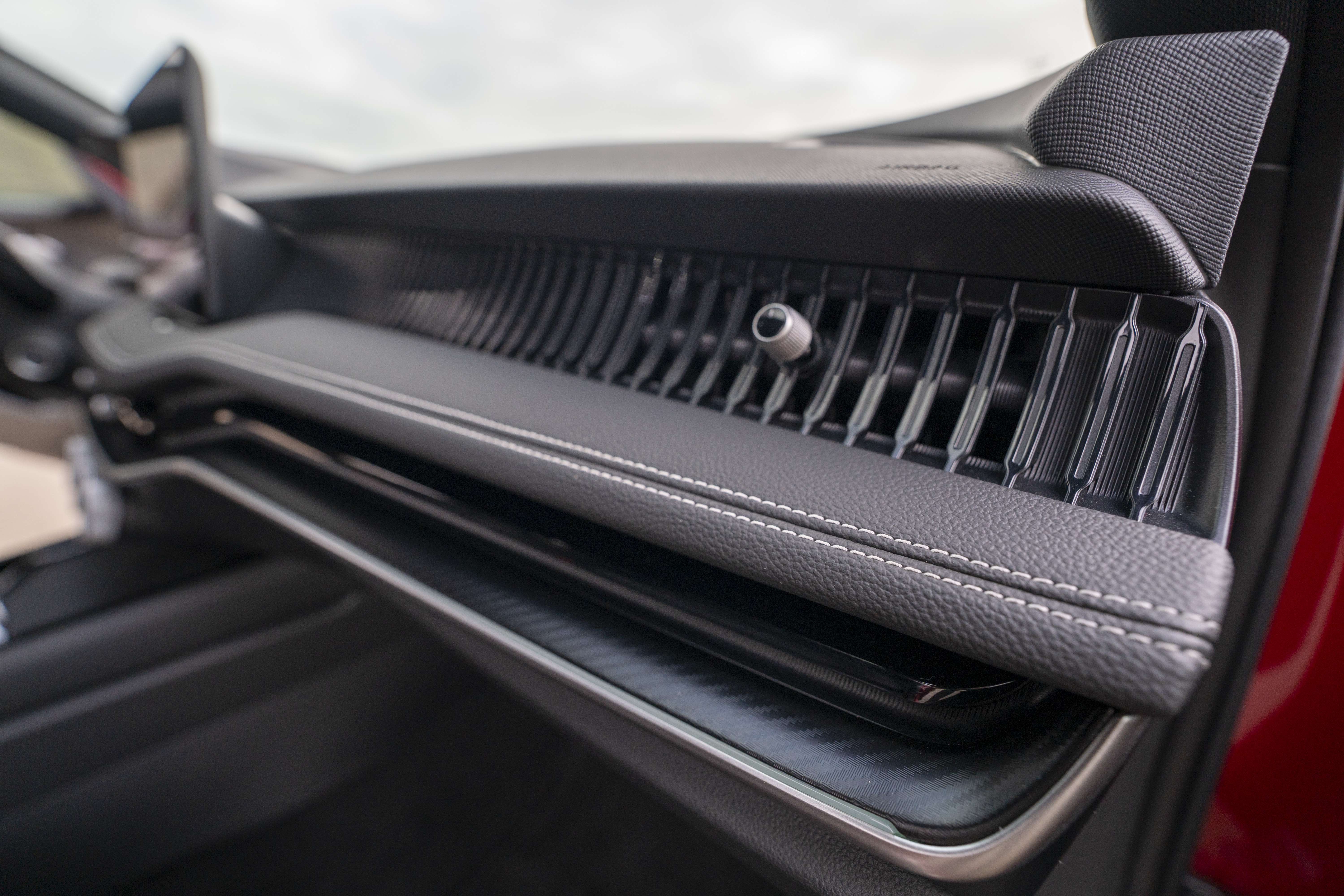
It’s best to leave heating control to the automatic system, which also ensures the fastest possible defogging. Aim the side vents towards the windows. If you choose not to use automatic mode, direct the airflow towards your feet. However, if there are passengers in the rear seats, angle the central vents upwards so that warm air reaches them.
How to Prepare Your Car for Winter
● Switch to winter tyres – they are mandatory in many European countries.
● Don’t forget winter washer fluid and make sure to use up the summer mix beforehand. Once refilled, thoroughly flush the system, including the rear washer.
● Have the battery checked and headlights adjusted before winter.
● Replace wiper blades to ensure they are in optimal condition.
● Check the cabin air filter and replace if necessary.
● Especially when travelling in the mountains, carry snow chains and practice fitting them before winter.
● Škoda vehicles already include an ice scraper, but add further essentials: a small shovel, a bag of grit, a tow rope, a spare jacket or sweatshirt, gloves, a blanket and a high-energy snack or other non-perishable snacks. Jumper cables may also come in handy.
● Replace textile floor mats with rubber ones and treat door seals with glycerine-based oil.
● Before every trip, clear snow and ice from the vehicle. This ensures better visibility and prevents chunks of snow from endangering others.
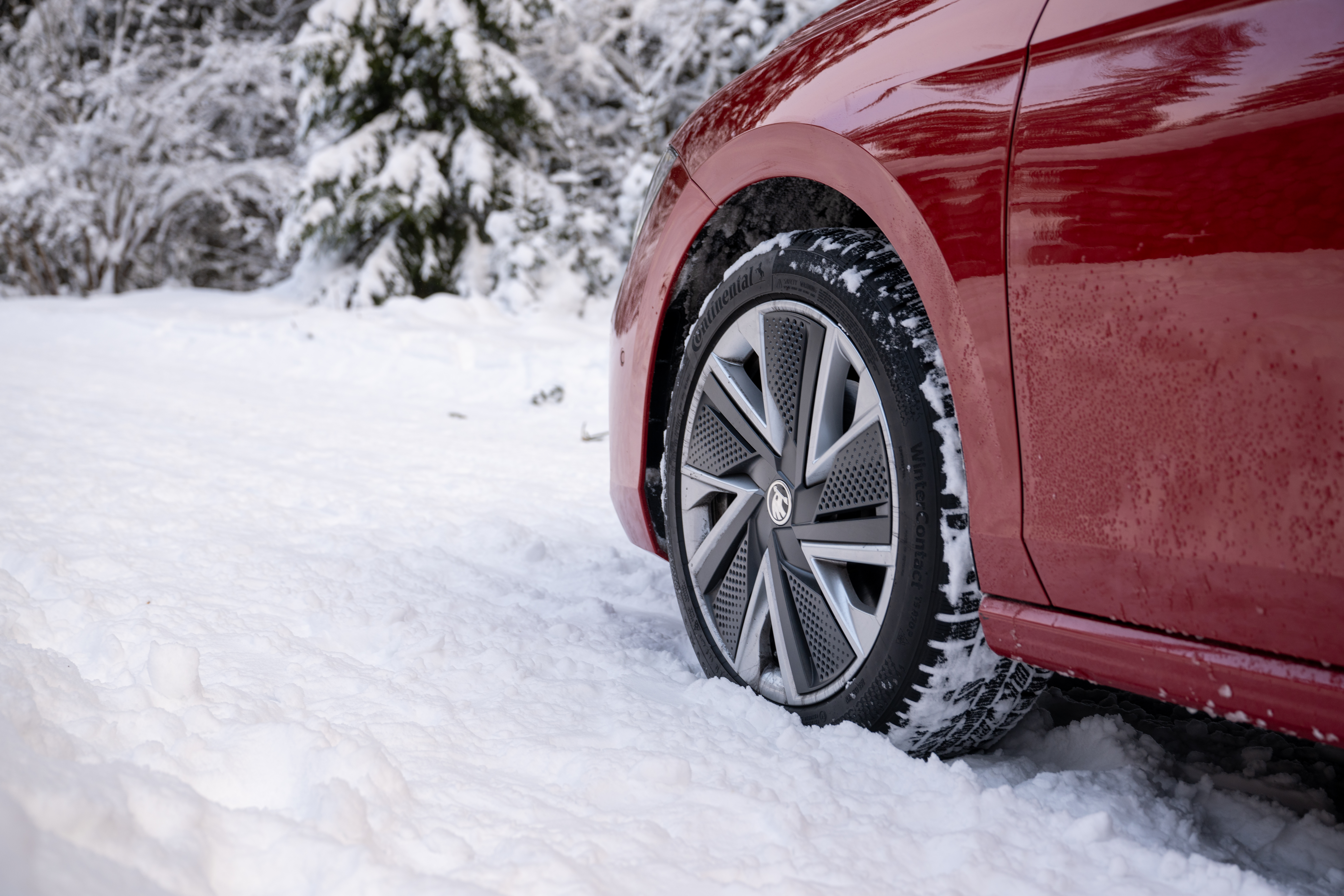
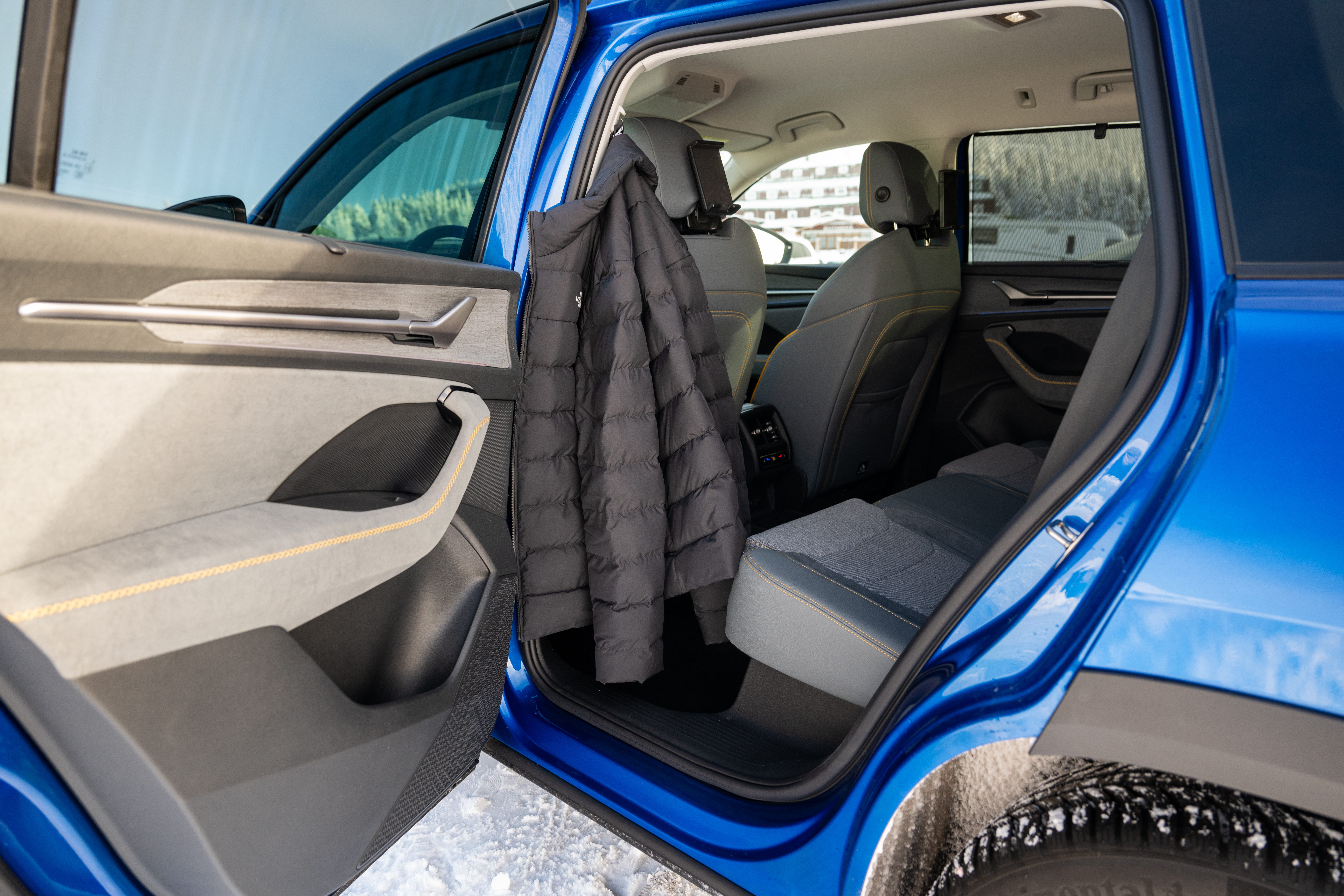
Clothing also has a significant impact on passenger comfort, and in the driver’s case, it directly affects safety and vehicle control. A thick jacket restricts movement and reduces the ability to respond to sudden situations. It can also interfere with the correct function of restraint systems, especially seat belts, in the event of a collision.
Take your jackets of before driving and never drive with winter gloves on. Instead of one thick layer, opt for several thinner layers. Keep your outdoor clothing within easy reach so you can put it on quickly during fuel stops or when clearing snow from the car.
Listen to your body and the road
Compared to summer, passengers may not feel as thirsty in winter, but staying hydrated during long journeys remains important. “Dry air and heating cause dehydration,” Parmová notes, advising: “Keep water or unsweetened tea within reach. Light snacks that are easy to digest are ideal for long trips. Especially in the mountains, consider the risk of traffic delays and bring a thermos with a hot drink in case you get stuck.”
To combat fatigue and maintain the best possible concentration, the doctor also recommends taking regular breaks while driving: “As in summer, it’s advisable to stop every two hours. A short walk or simple stretching helps prevent stiffness and improves circulation,” she says.
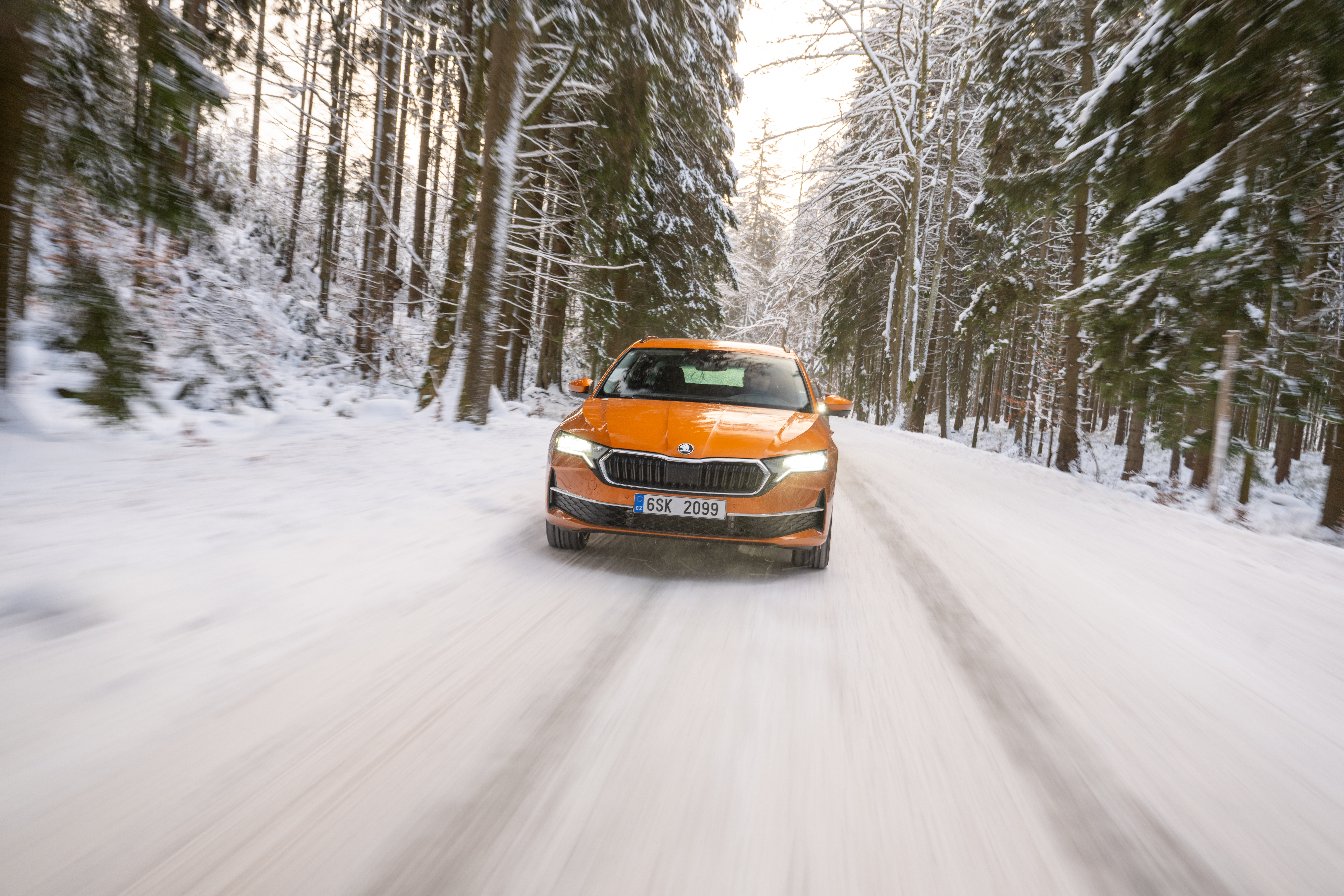
Smooth and anticipatory driving is even more crucial in winter. Avoid sudden braking or jerky steering, as this can cause skidding on icy roads. Braking distances in winter are typically longer than in summer. Read the road surface and anticipate potential hazards. Icy patches can appear suddenly, but foresight can help reveal them – look out for darker or shiny areas, especially on bridges, in shaded forest sections or in exposed and windy areas.
Be the first
to get the latest stories
Explore more


Media Box
6 images
Show more
Show less