Sand, heat, and camels. The Enyaq RS explores the origins of humankind
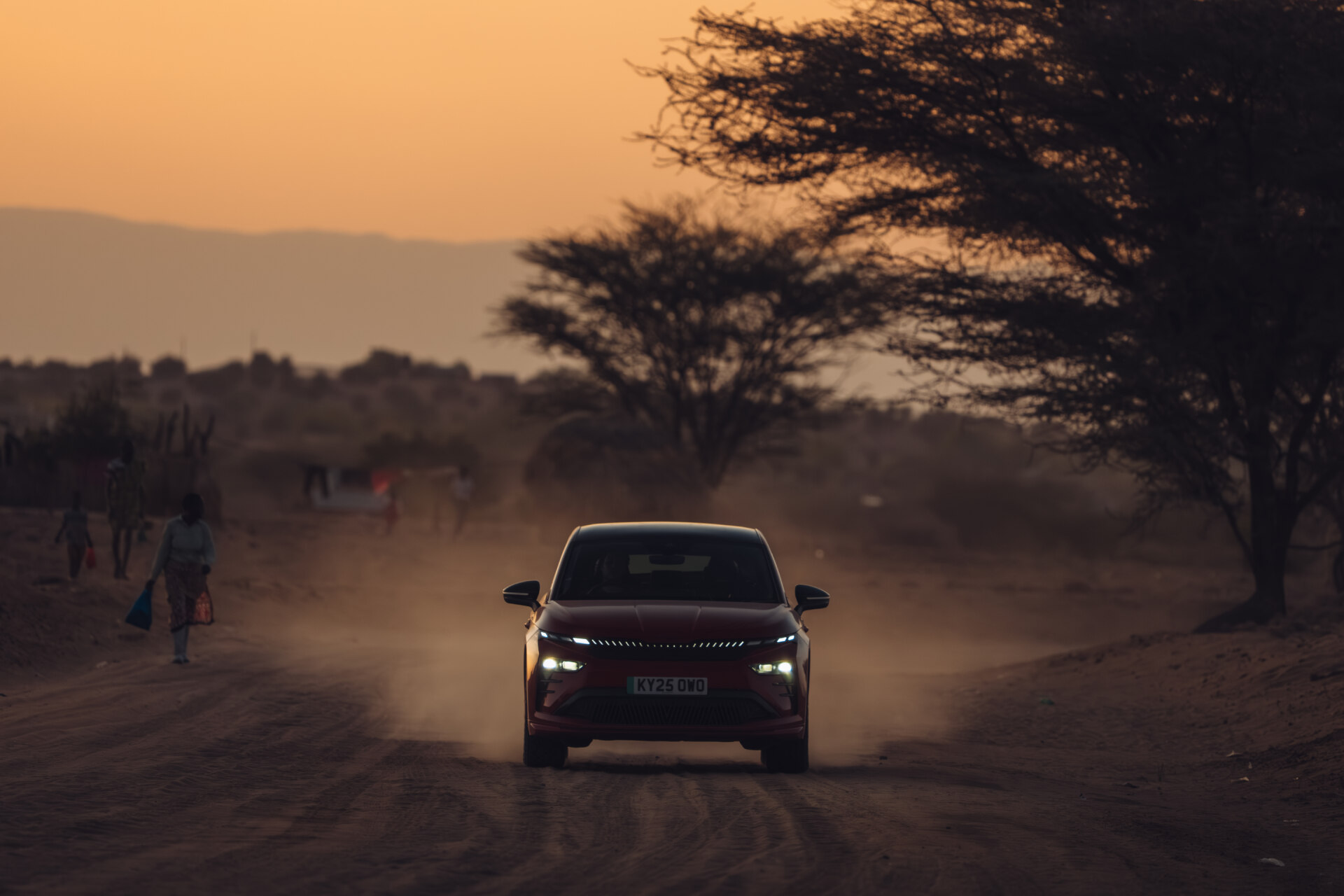

The Škoda Enyaq Coupé RS took part in an expedition to one of the most remote places on our planet. Read on to find out how this sporty electric car handled such a demanding challenge. And how the team managed charging.
17. 3. 2026 Lifestyle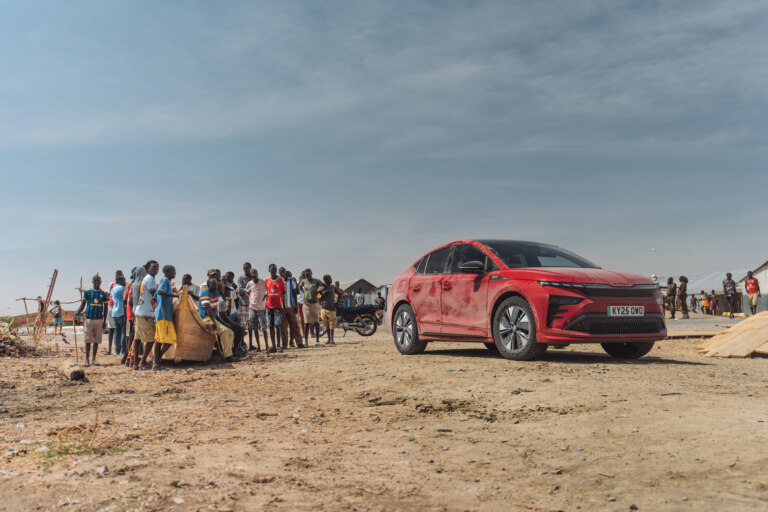
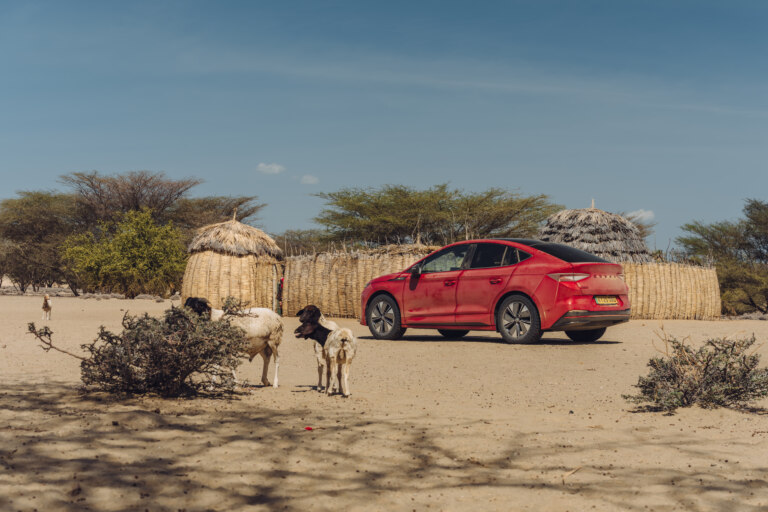
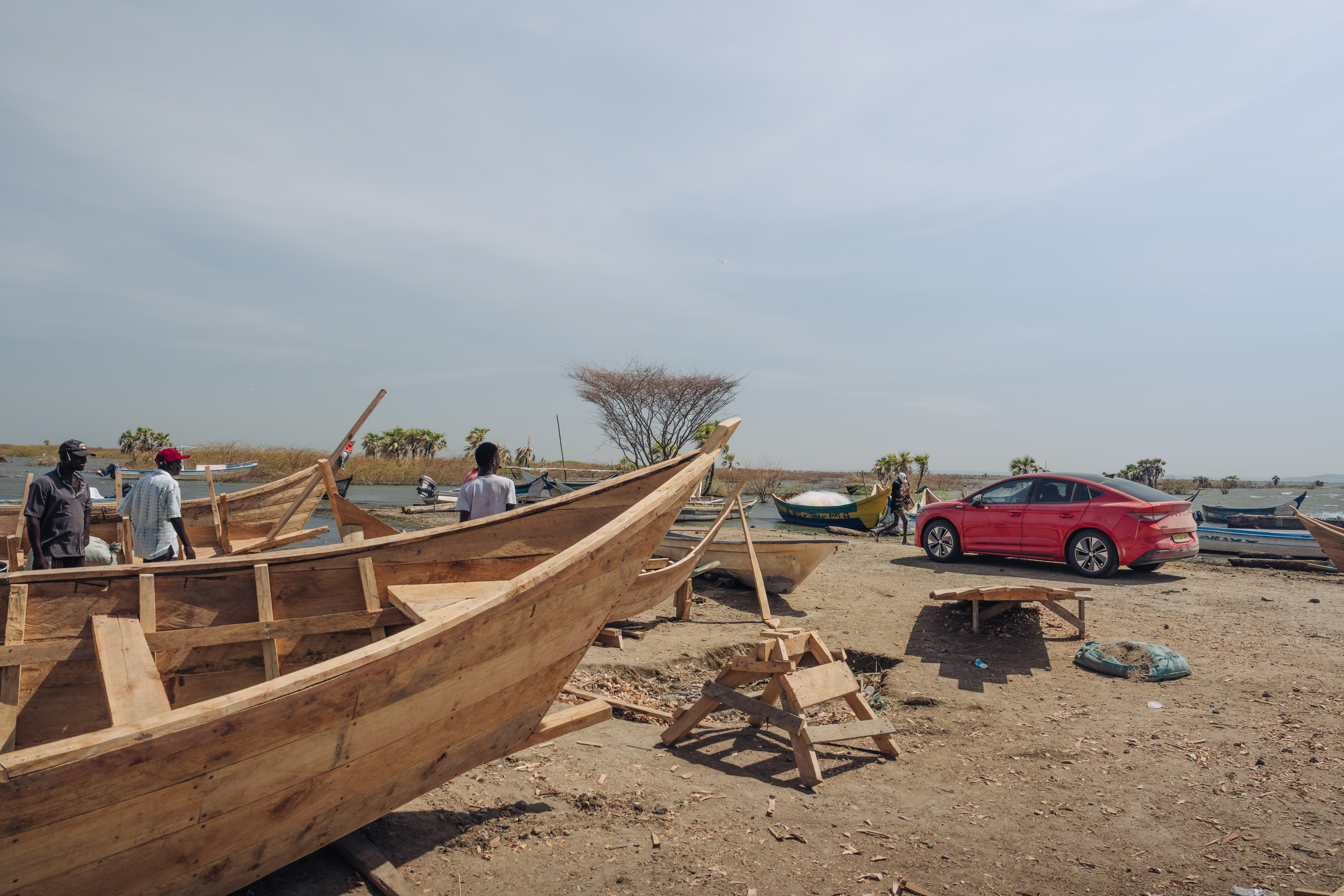
It was in this region that the earliest human stone tools were discovered, as well as the unique skeleton of the species Homo erectus, known as Turkana Boy, dating back 1.6 million years.
It was in this region that the earliest human stone tools were discovered, as well as the unique skeleton of the species Homo erectus, known as Turkana Boy, dating back 1.6 million years.
It was in this region that the earliest human stone tools were discovered, as well as the unique skeleton of the species Homo erectus, known as Turkana Boy, dating back 1.6 million years.
It was in this region that the earliest human stone tools were discovered, as well as the unique skeleton of the species Homo erectus, known as Turkana Boy, dating back 1.6 million years.
It was in this region that the earliest human stone tools were discovered, as well as the unique skeleton of the species Homo erectus, known as Turkana Boy, dating back 1.6 million years.
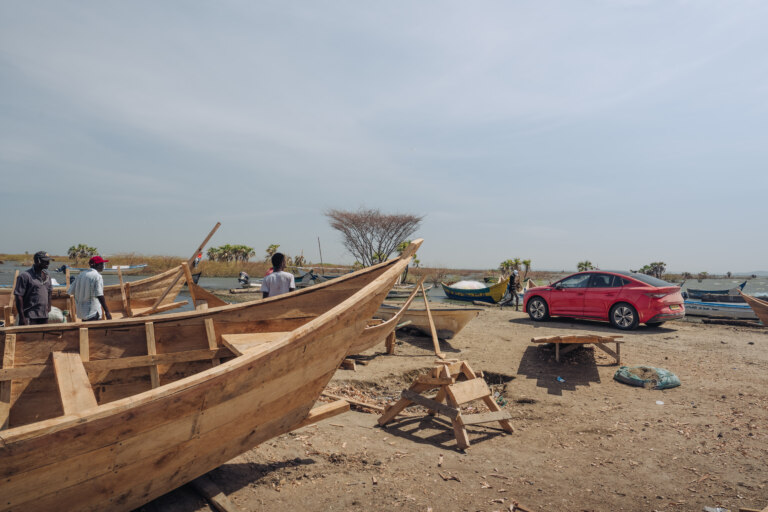
It was in this region that the earliest human stone tools were discovered, as well as the unique skeleton of the species Homo erectus, known as Turkana Boy, dating back 1.6 million years.
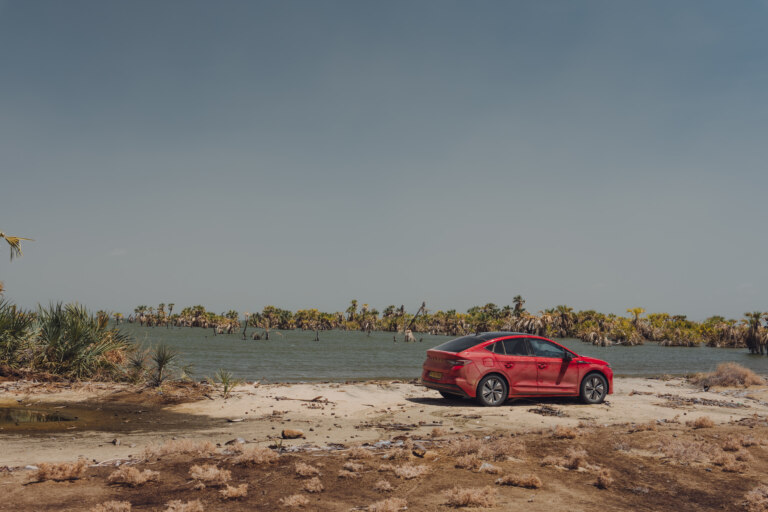
It was in this region that the earliest human stone tools were discovered, as well as the unique skeleton of the species Homo erectus, known as Turkana Boy, dating back 1.6 million years.
“Delivering this project required months of careful planning, coordination and collaboration between several teams in the United Kingdom and Kenya. Operating in such a remote part of the world brought specific challenges, but the result is a fascinating journey and a powerful story connecting the origins of humankind with evolution and the future of electric mobility,” said Pietro Panarisi, Head of PR and Communications at Škoda UK.
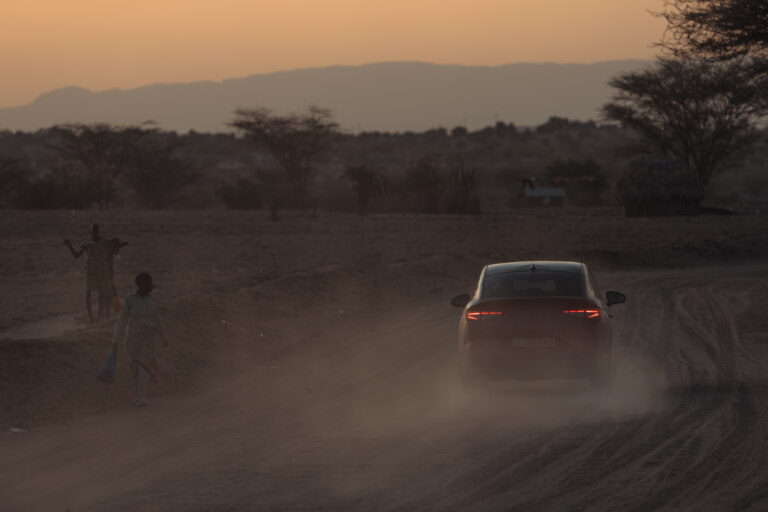
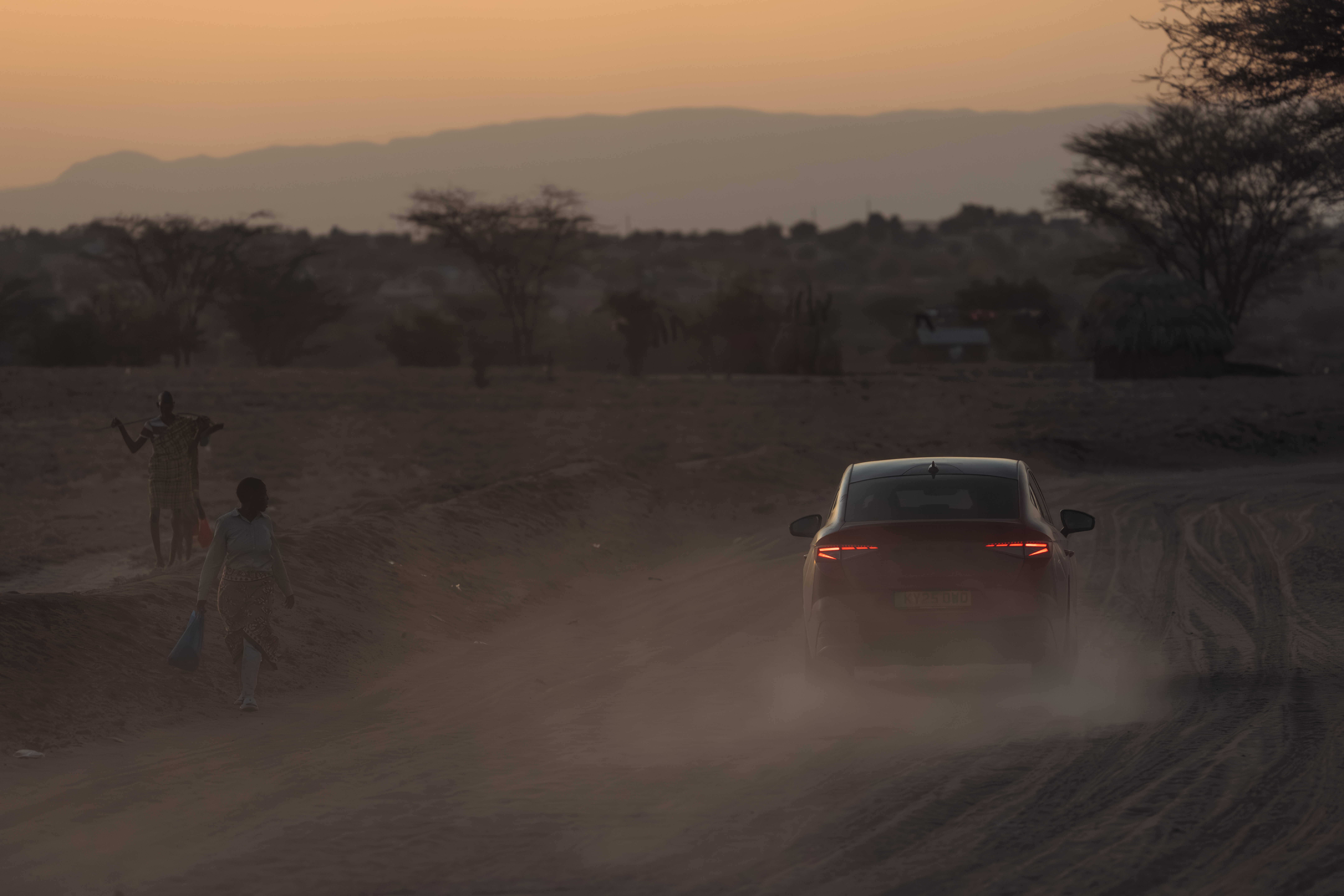
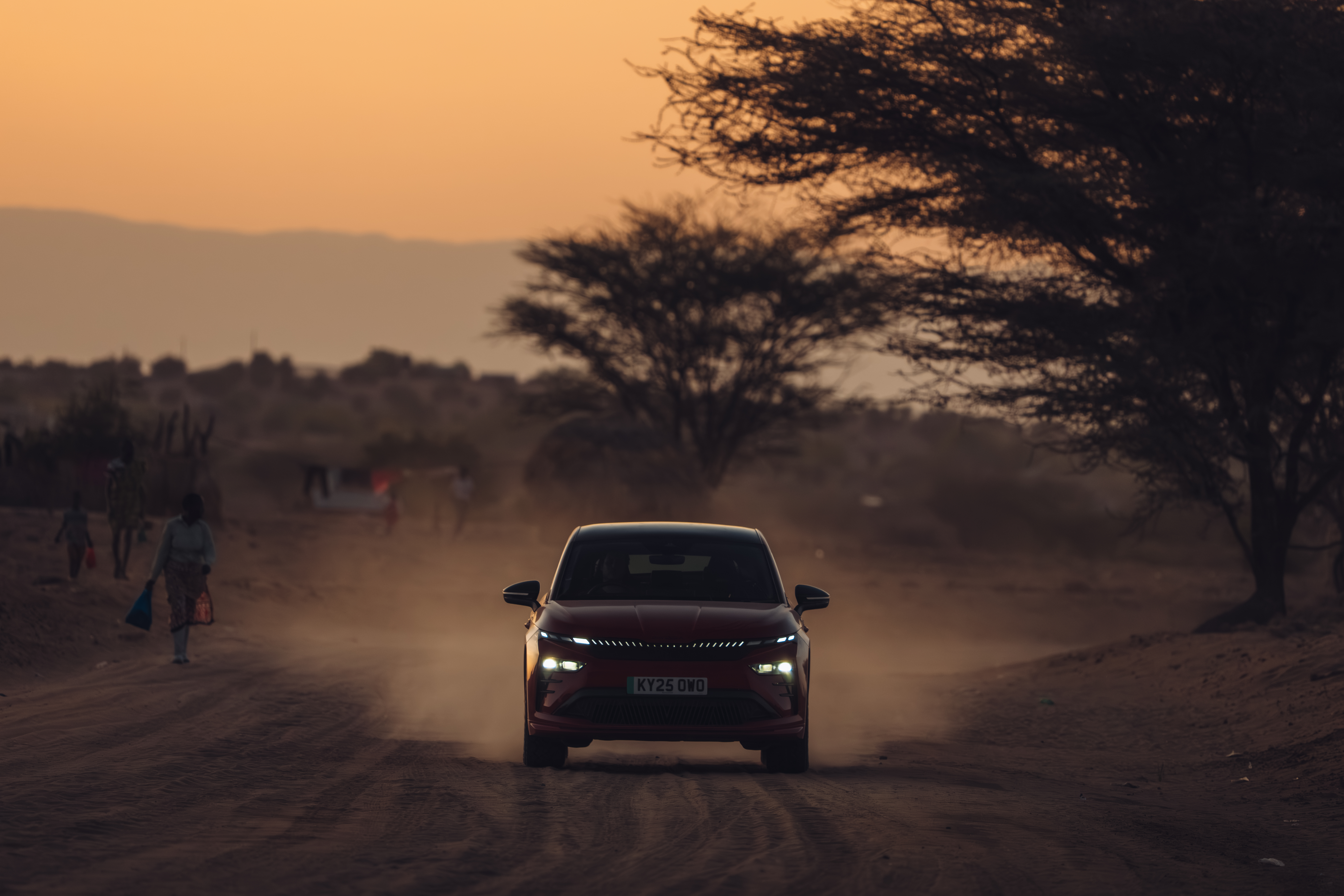
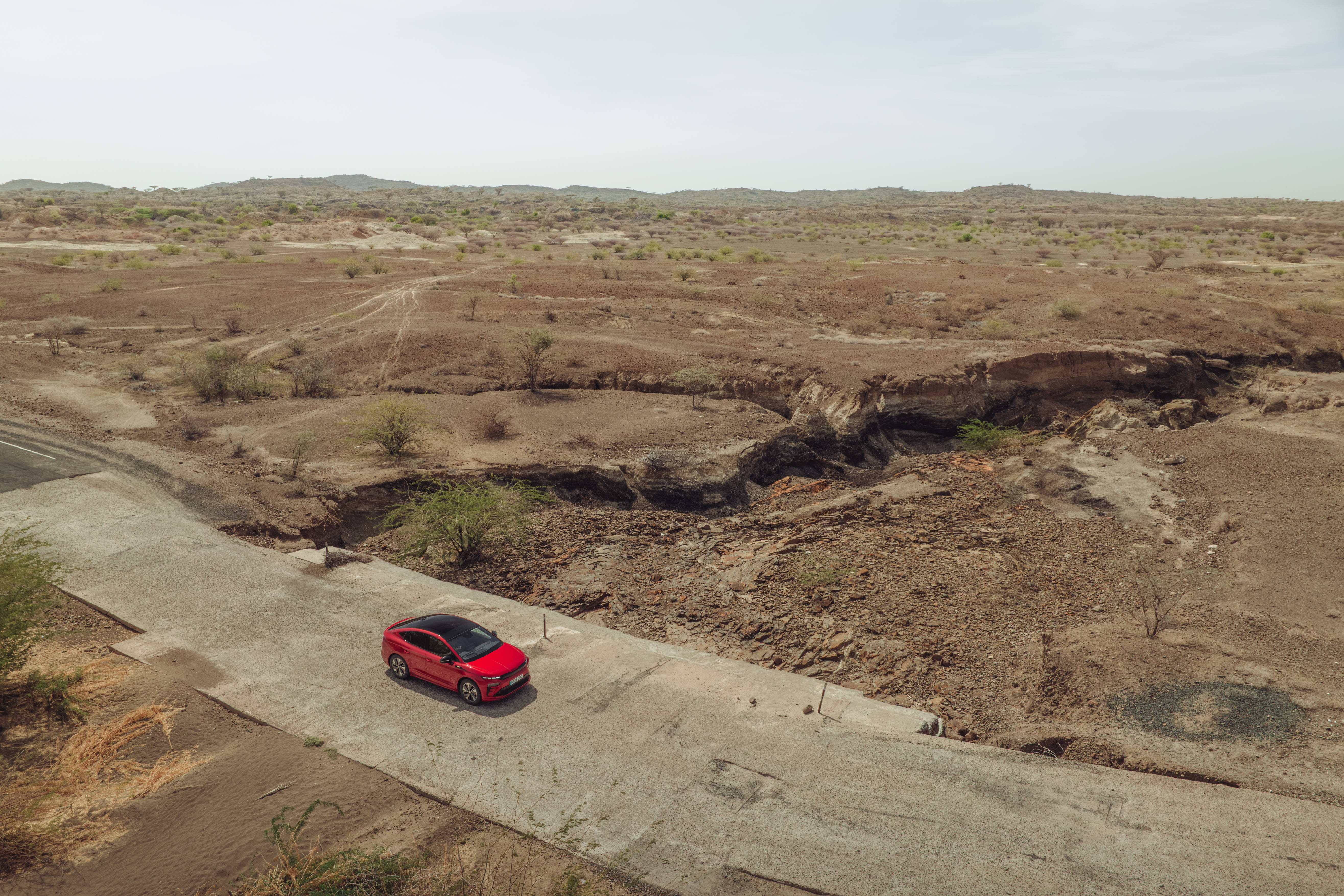
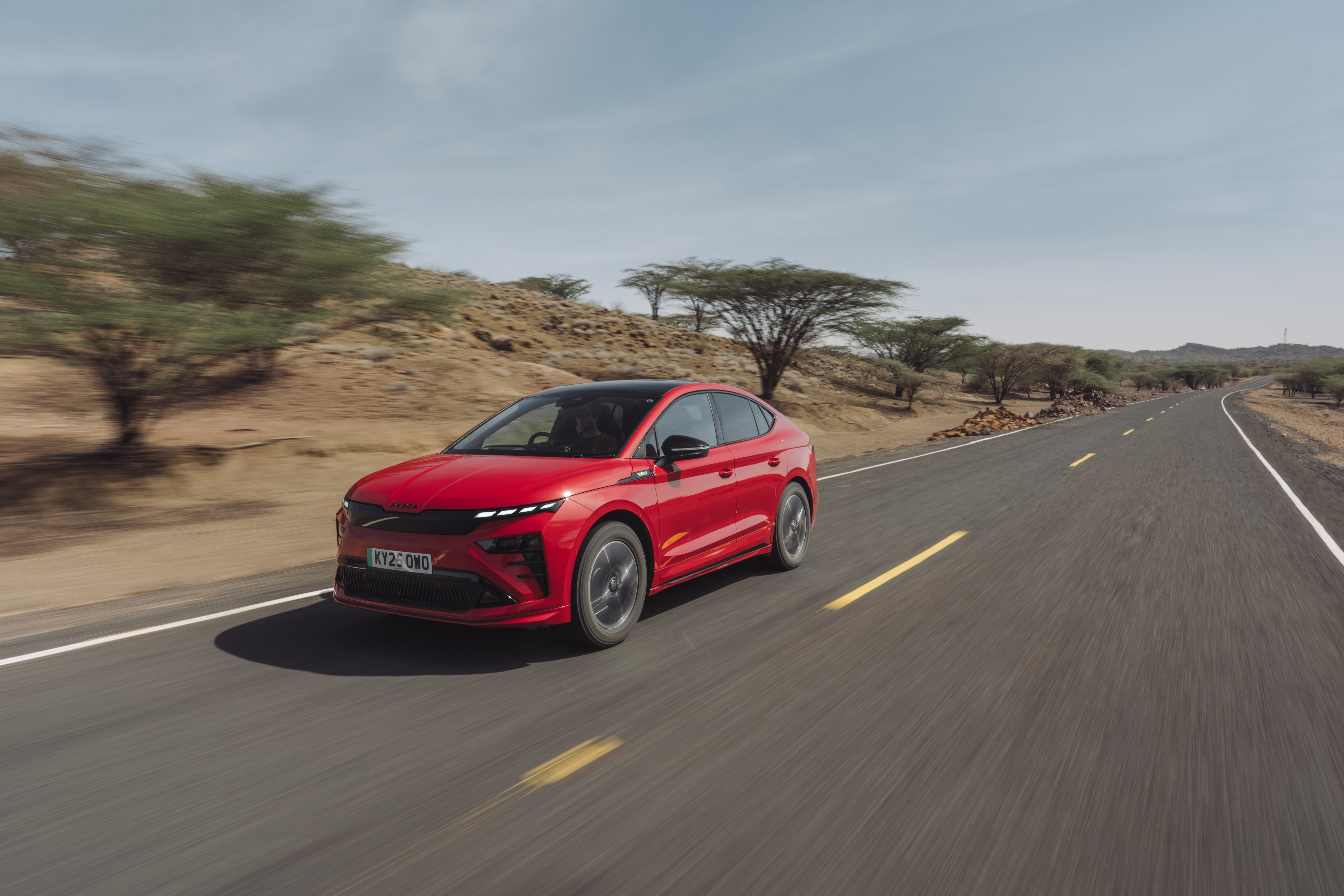 After rocky and sandy tracks, travelling on smooth asphalt must feel like a welcome relief. Temperatures approaching 40 degrees Celsius, however, remain.
A test of endurance
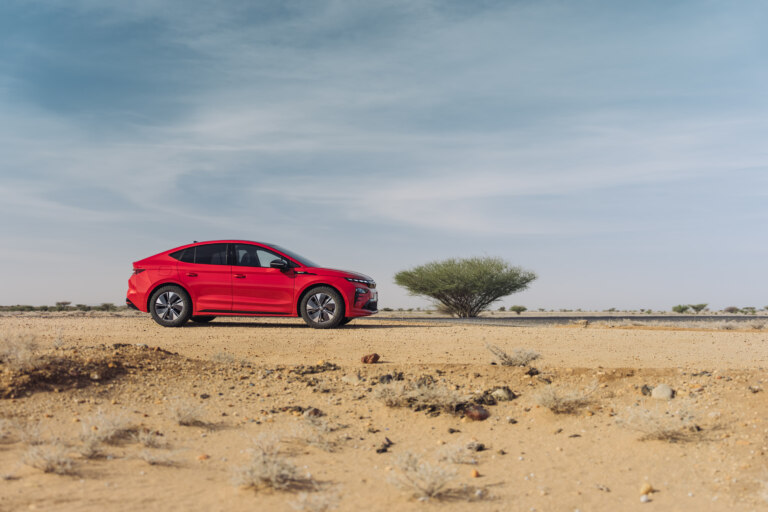
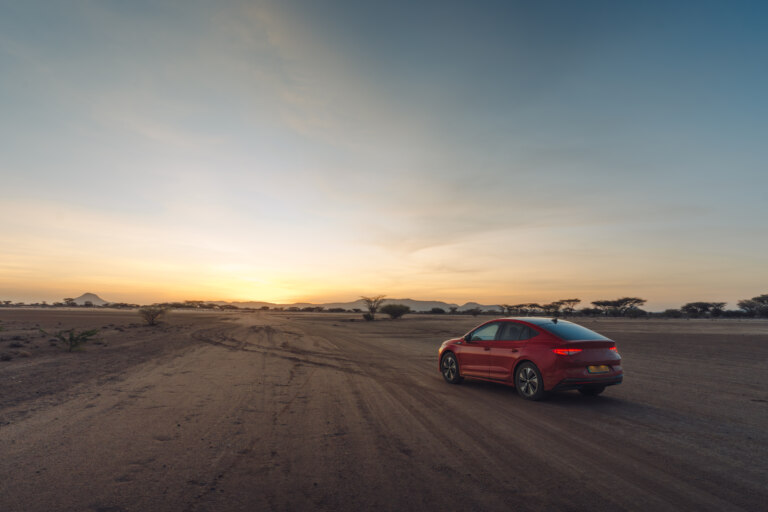
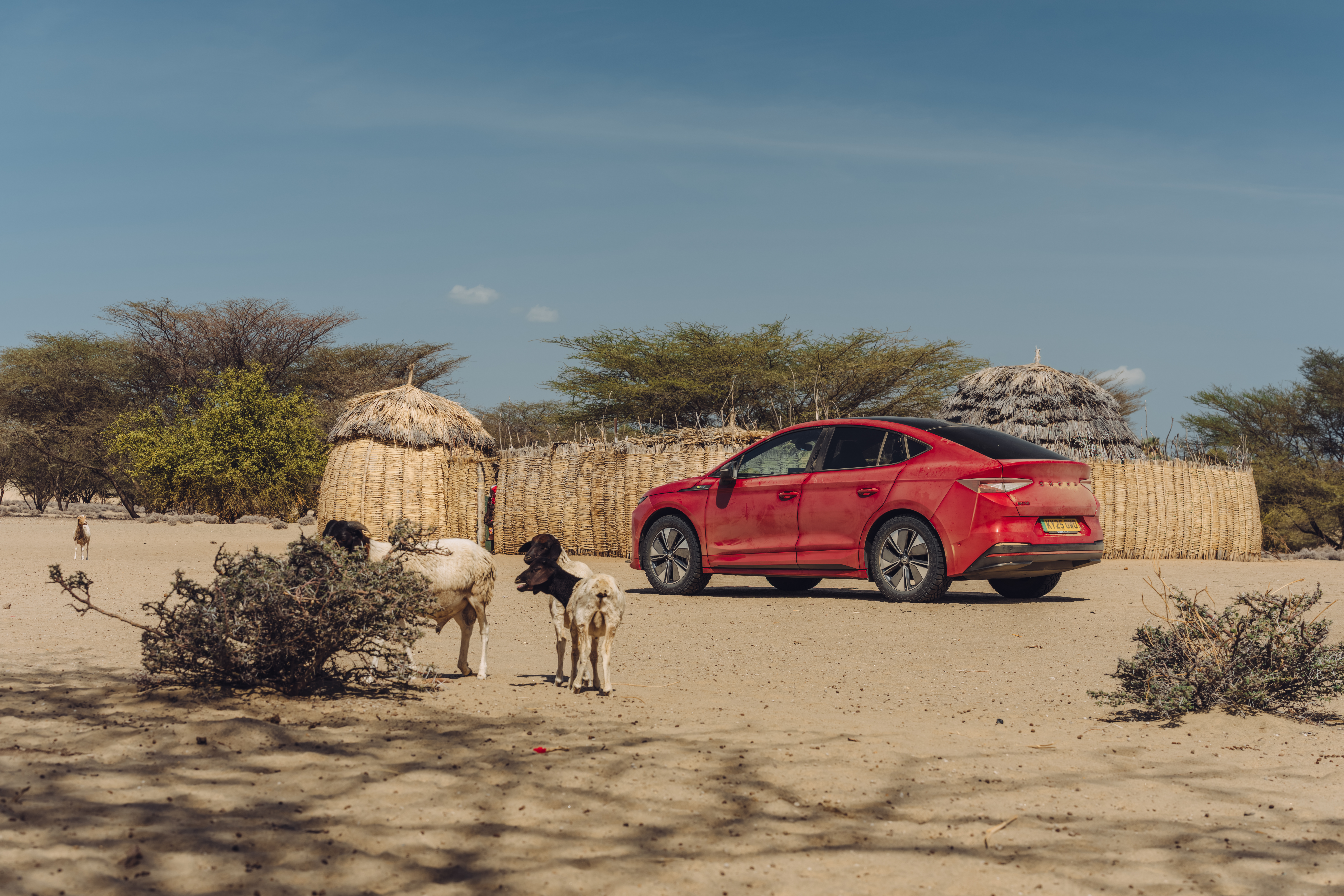
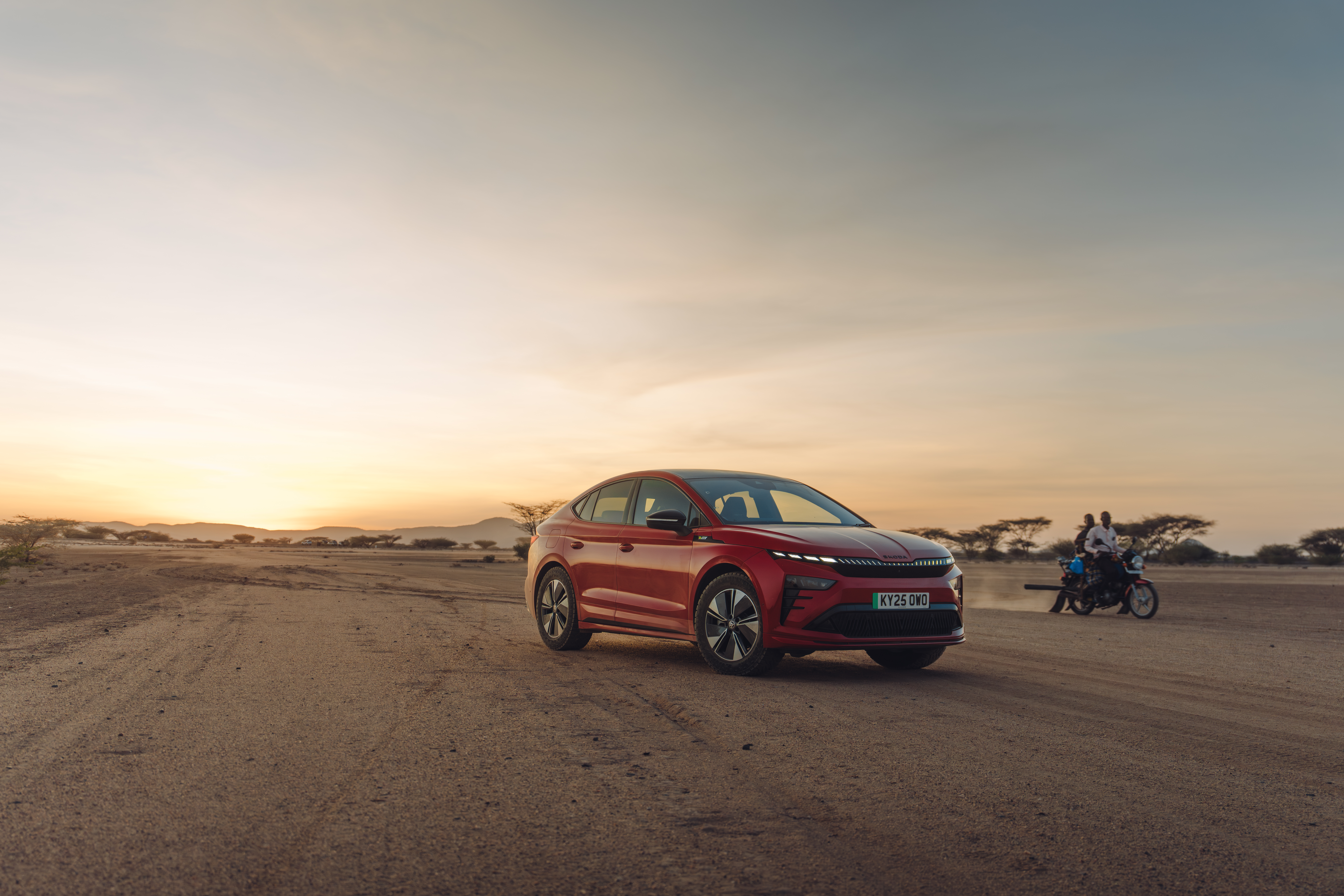
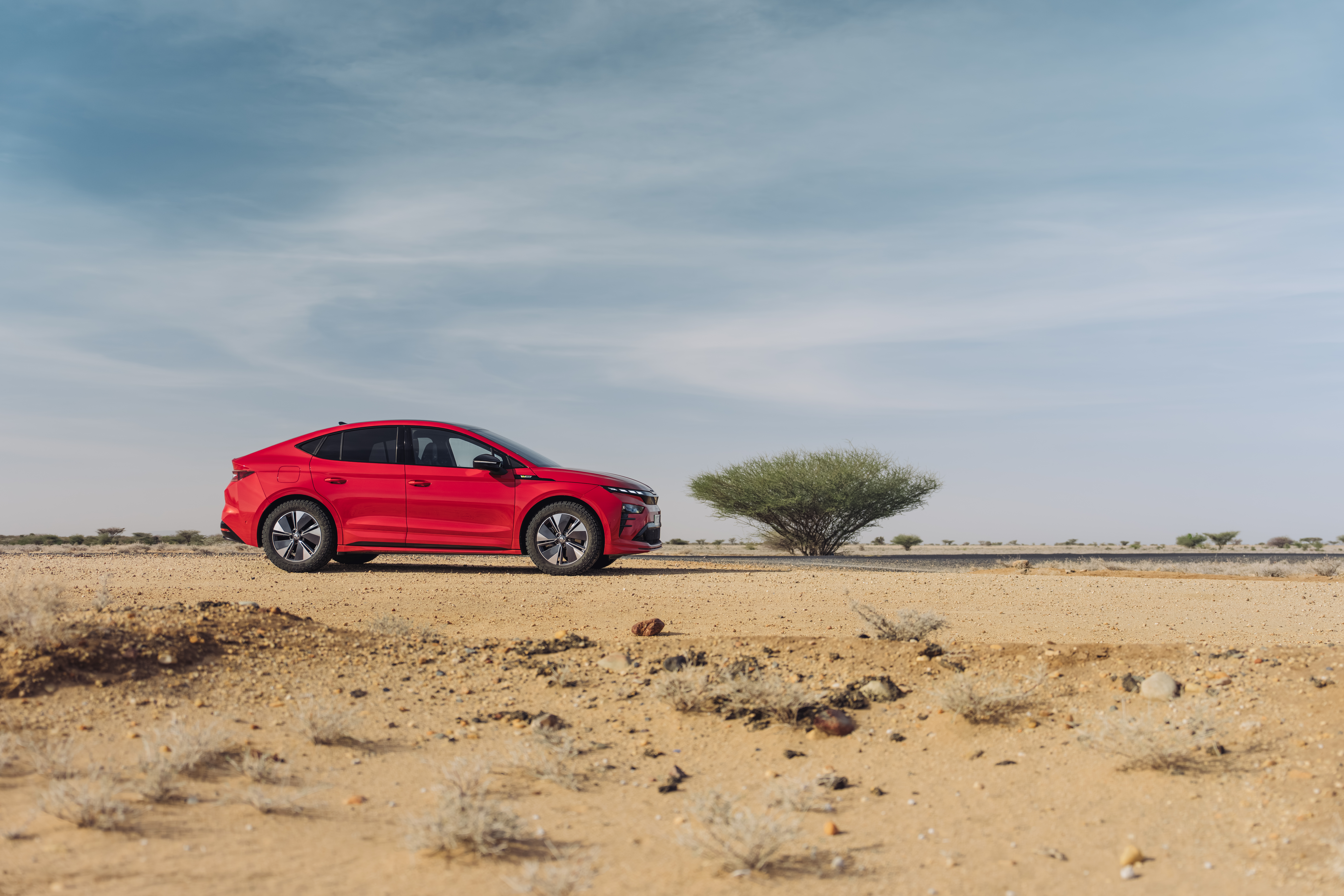
The Škoda Enyaq Coupé RS entered the extreme conditions of the African wilderness in completely standard specification. The only modification was the fitment of special off-road tyres. Consistent traction was ensured by the all-wheel-drive system, with an electric motor on each axle. On unpaved surfaces, the Traction driving mode proved particularly useful, optimising the all-wheel-drive system for operation in more demanding environments. Optional DCC adaptive suspension (Dynamic Chassis Control) helped the vehicle deal with uneven terrain.
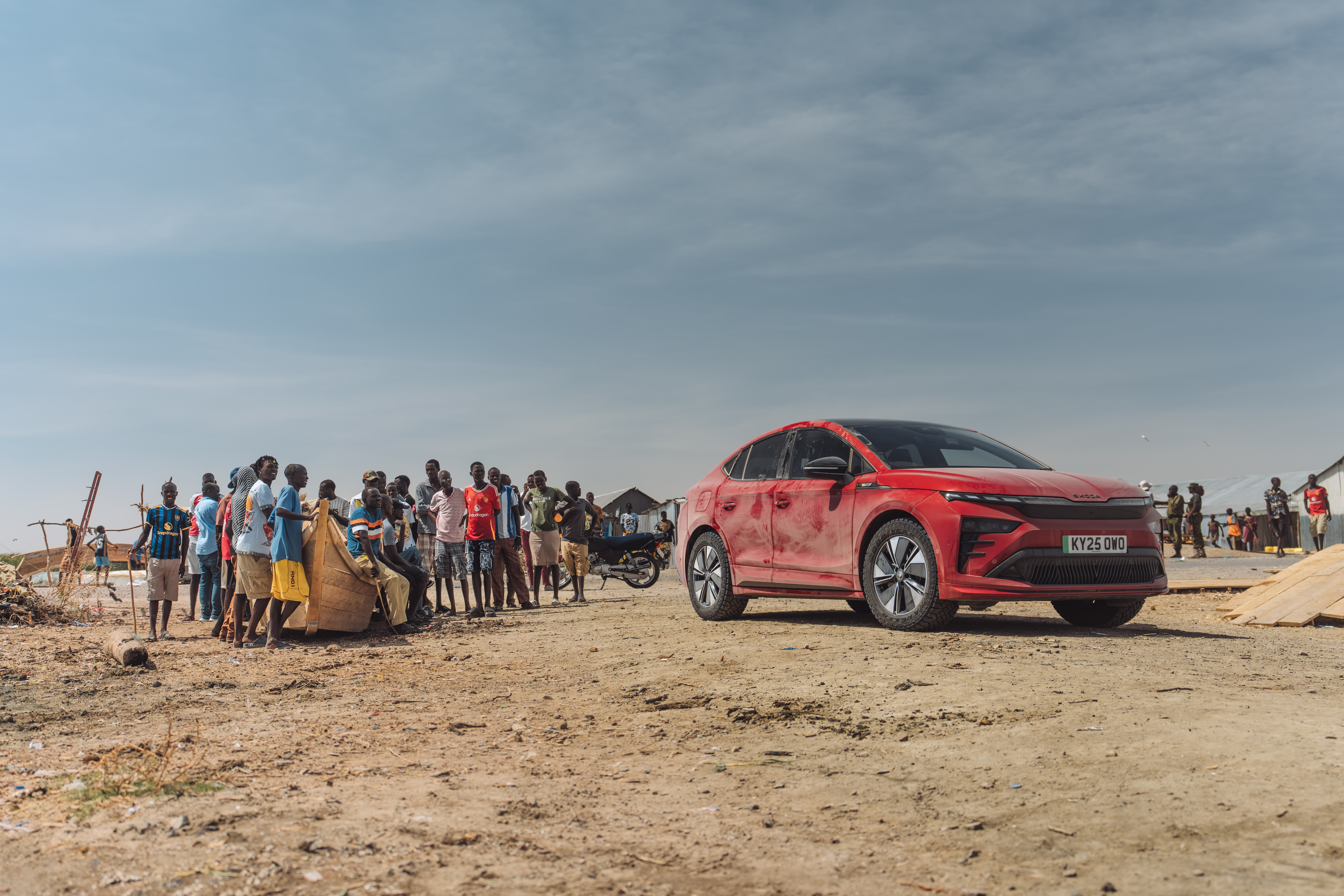
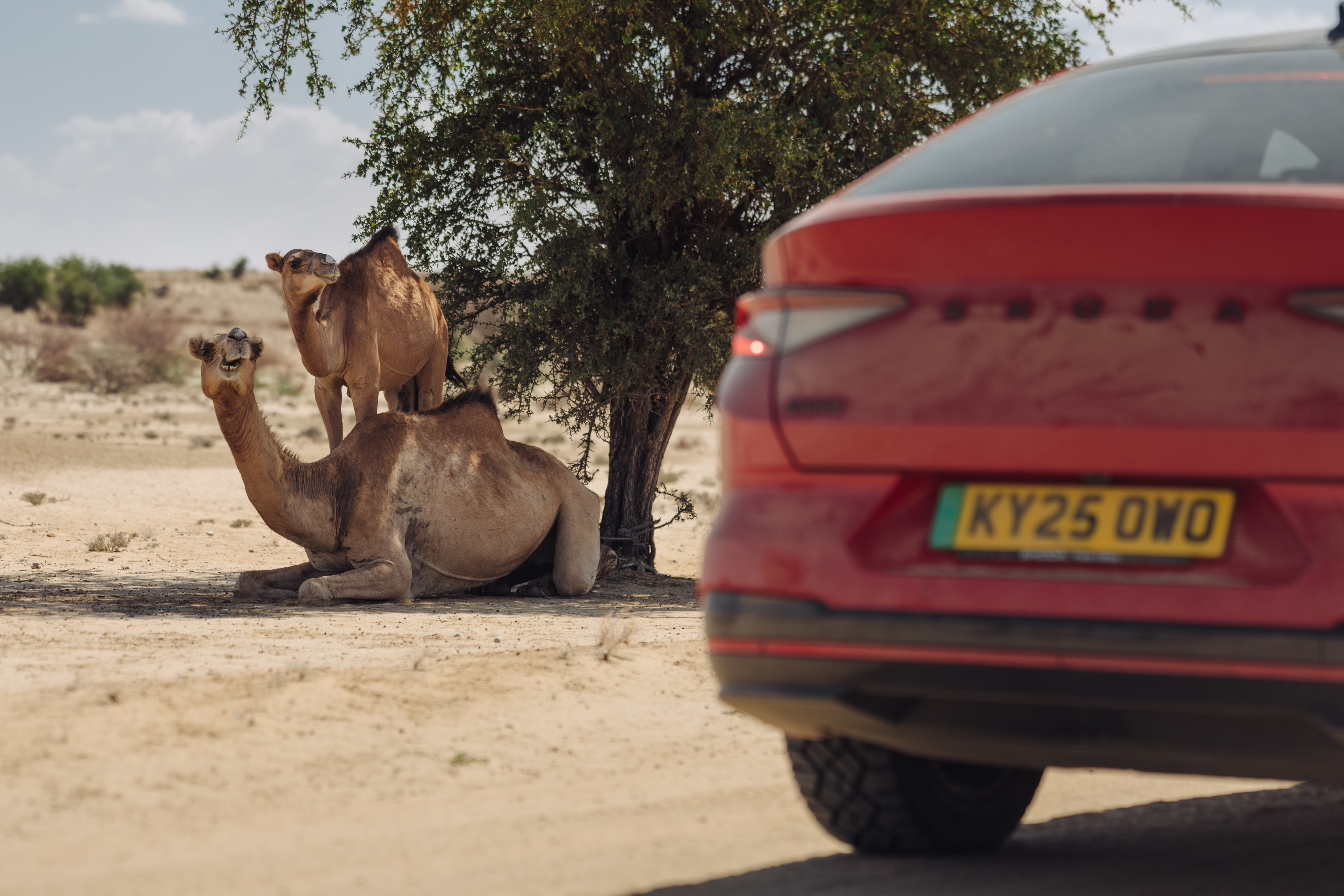 The Škoda Enyaq RS face to face with African wildlife. In addition to camels, it also encountered Nile crocodiles.
Driving an electric vehicle in such remote areas may appear to present a logistical challenge due to the absence of fast-charging infrastructure. However, the team utilised three-phase electrical power, commonly found in workshops or industrial buildings. Combined with a portable charging adapter, this enabled the Enyaq to charge at up to 11 kW. Operating an electric vehicle in this region therefore proved entirely feasible.
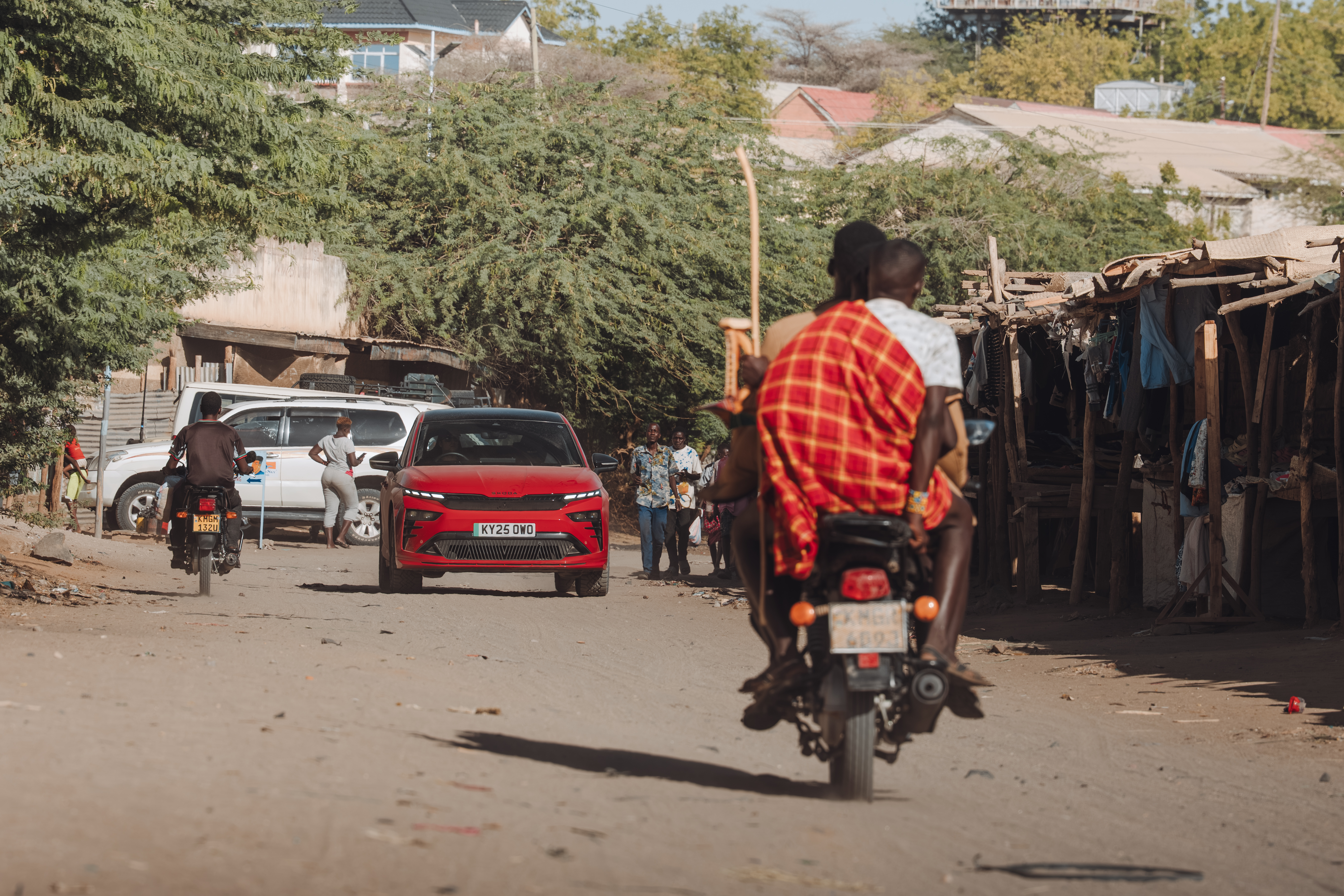 The expedition demonstrated that electric mobility can operate confidently even far beyond its traditional comfort zone.
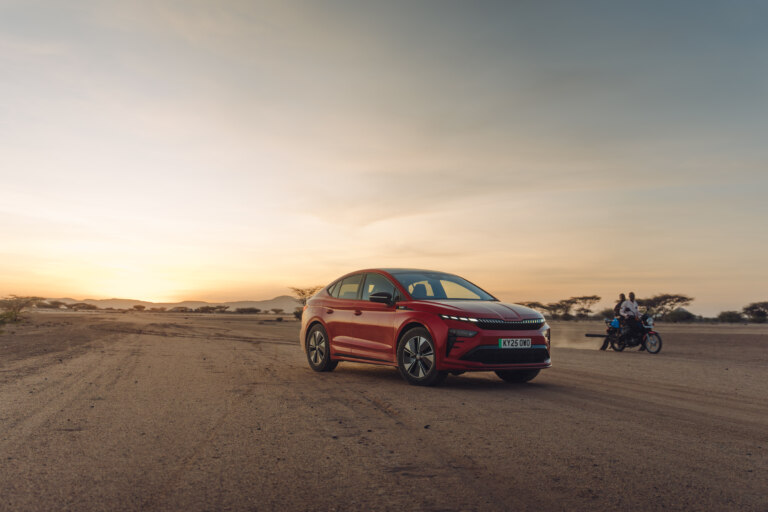
The project also reflects the significance of the vehicle’s name itself: Enyaq, derived from the Gaelic word for “source”.
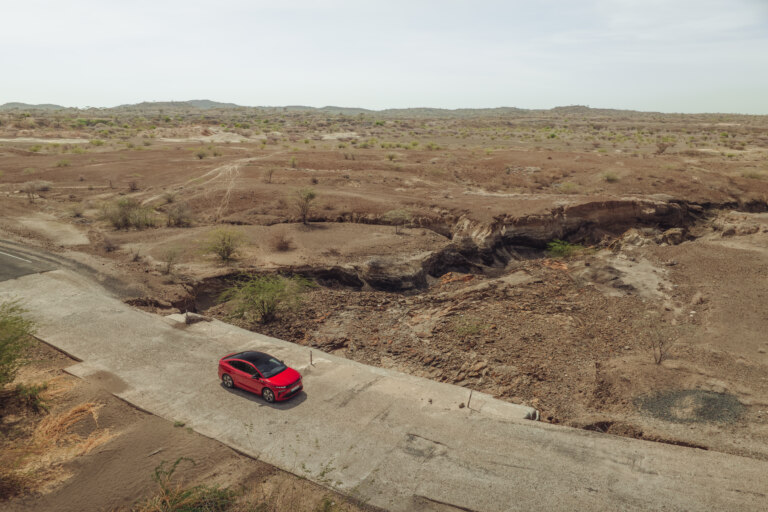
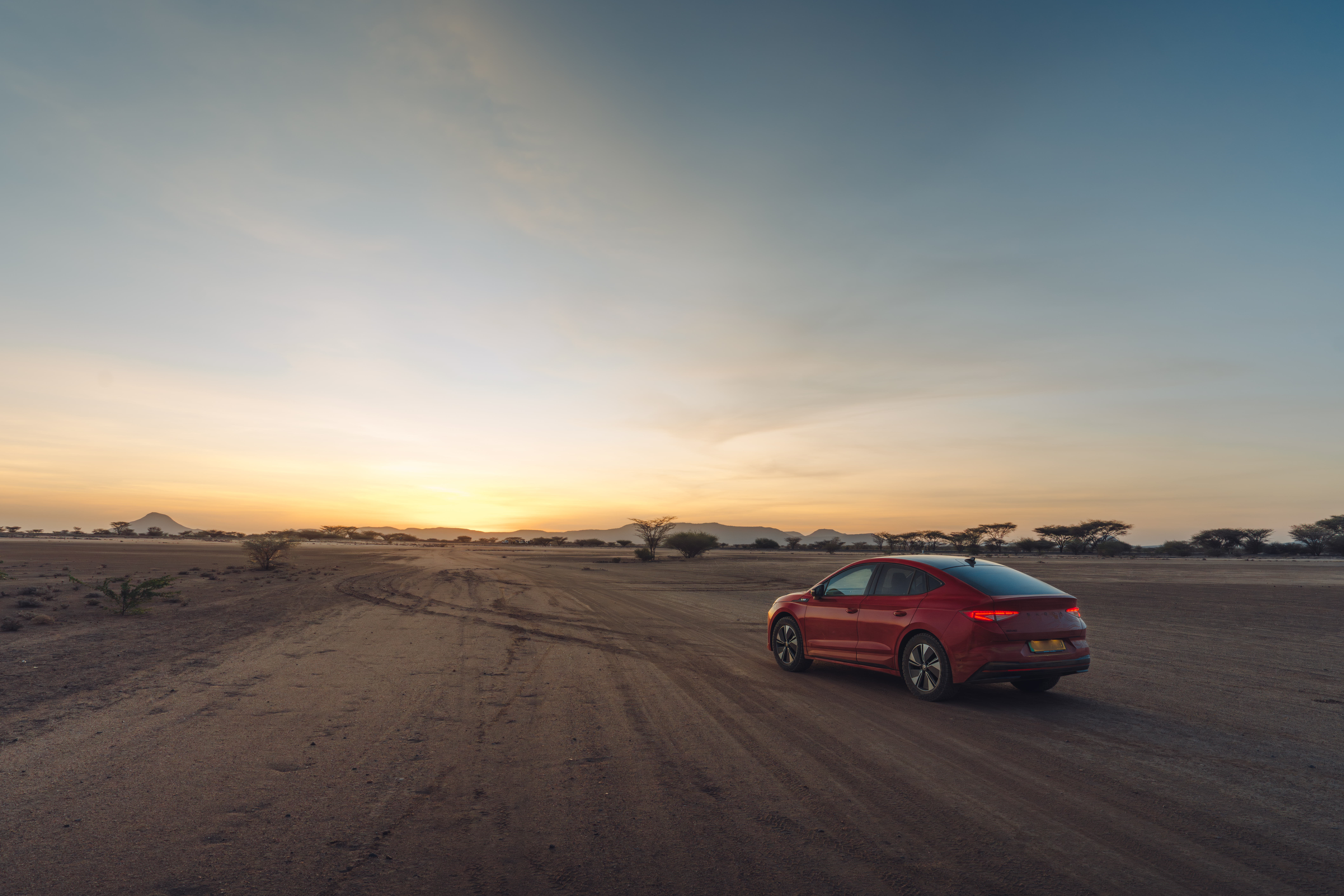
Far from civilisation, yet with reliable air conditioning and massage seats on board. Lose yourself in the wilderness.
Be the first
to get the latest stories
Explore more
Media Box
13 images
Show more
Show less