A smithy full of stories
A smithy full of stories

The Škoda Museum is opening a unique exhibition proving that it is not only shiny cars renovated down to the last detail that possess true charm. The stories hidden within cars marked by the passage of time are often far more intricate, and far more captivating.

9. 12. 2025 Škoda World
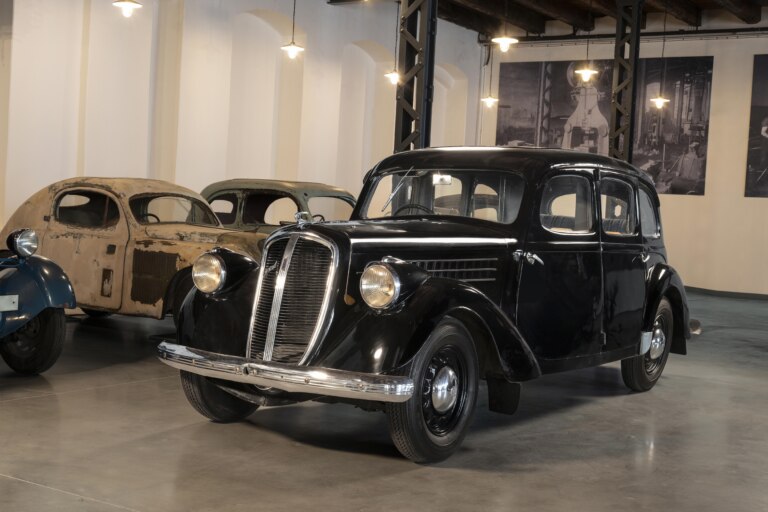
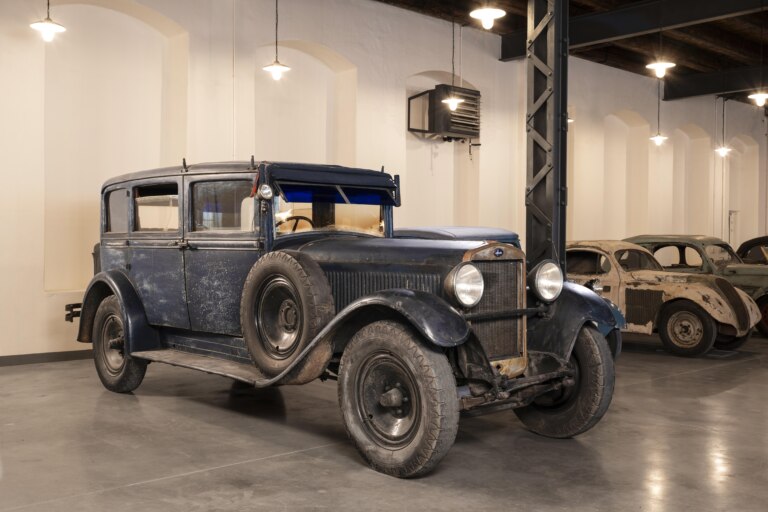
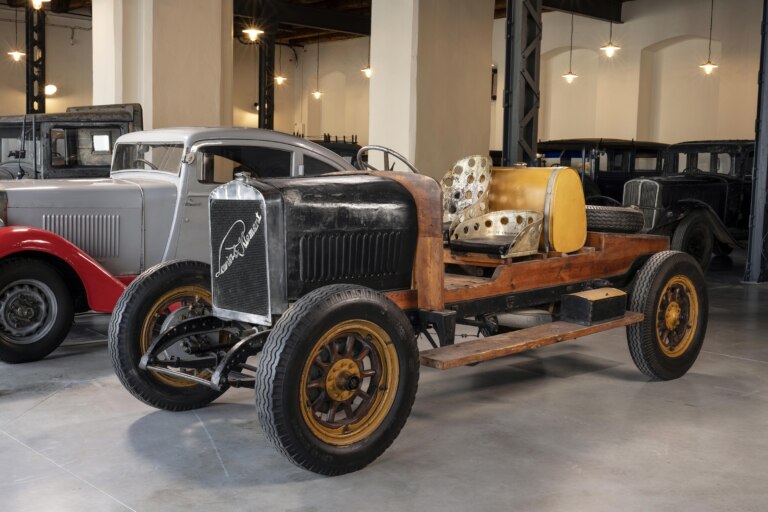
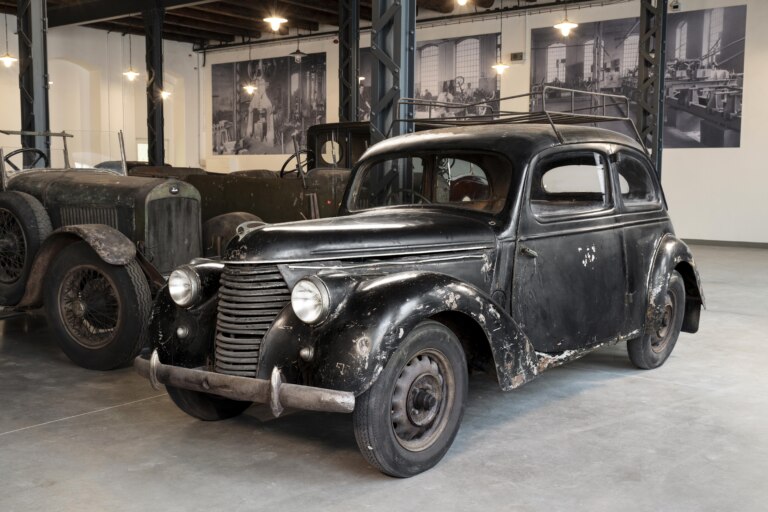
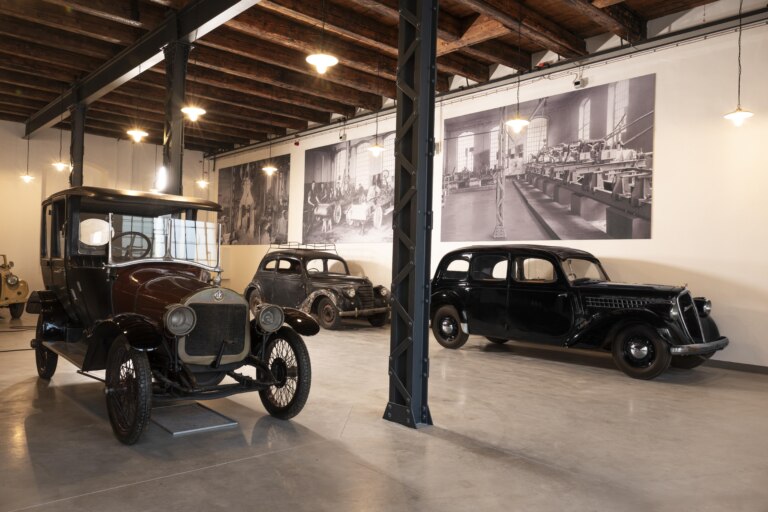
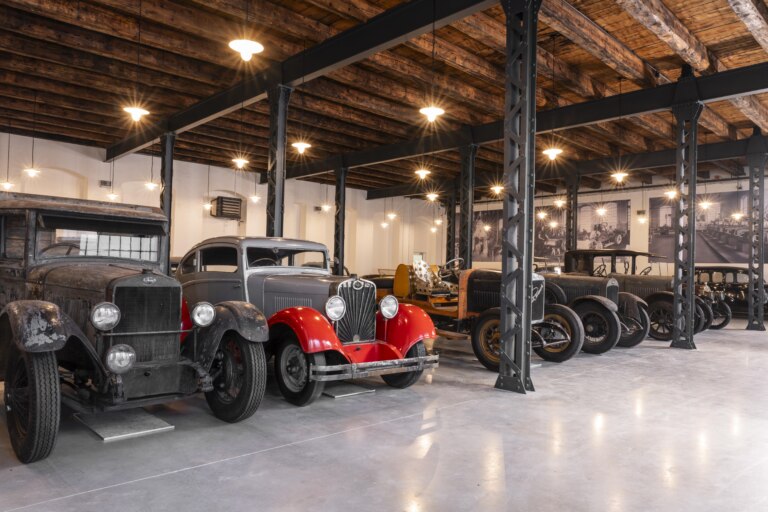
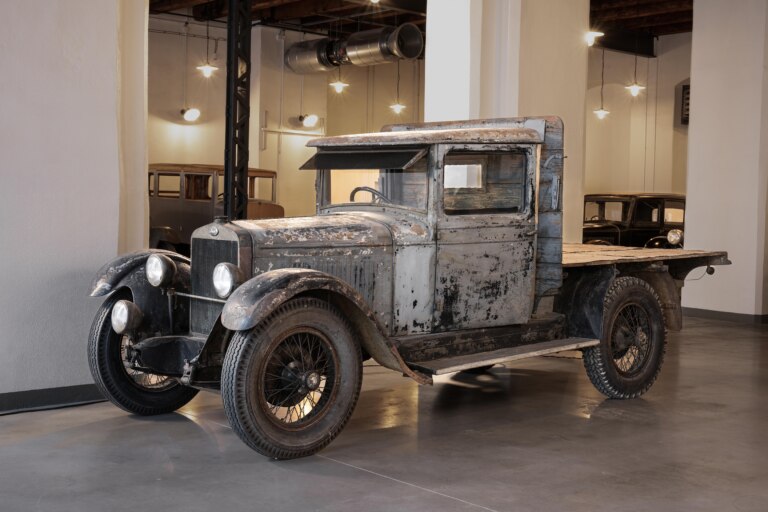
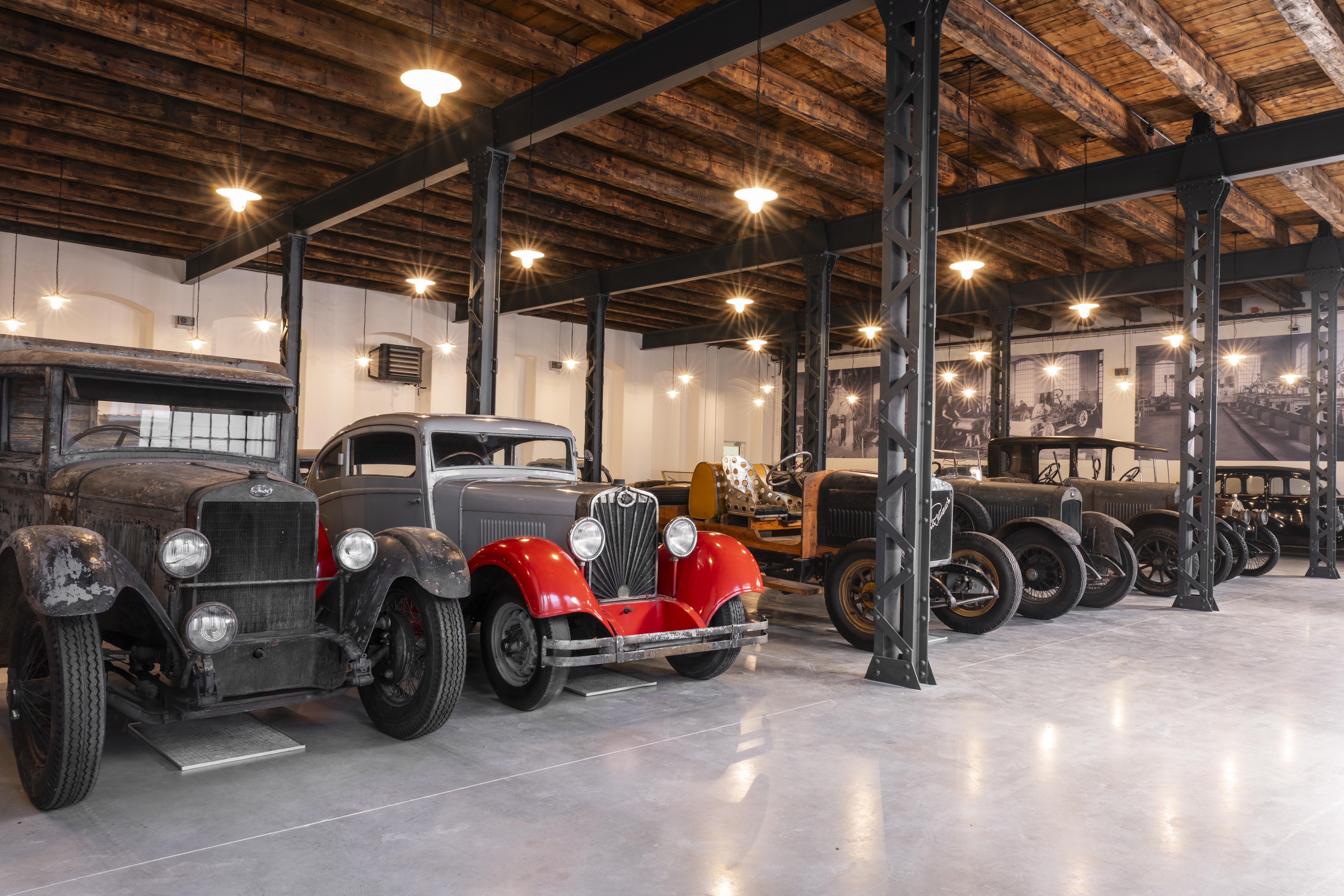
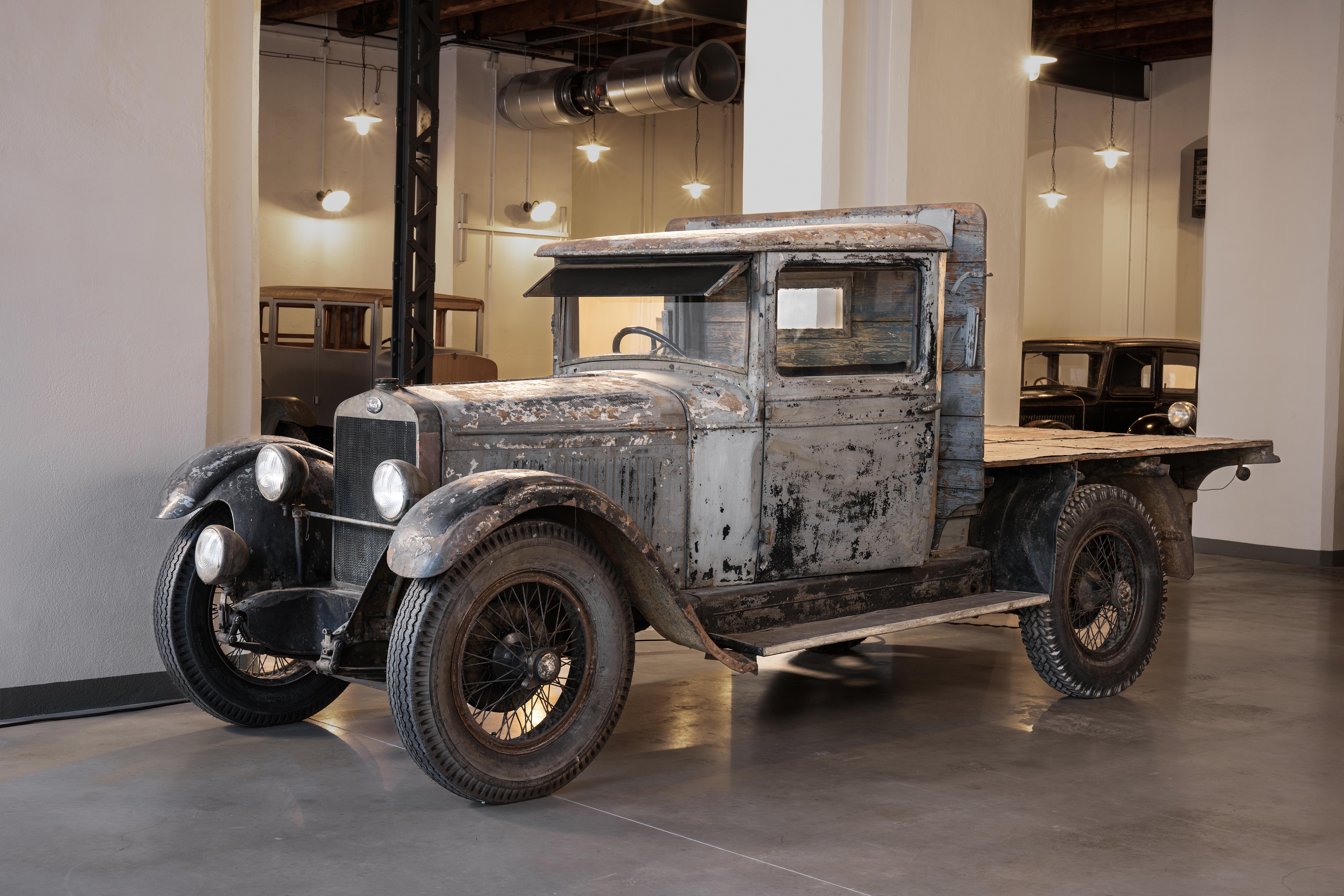
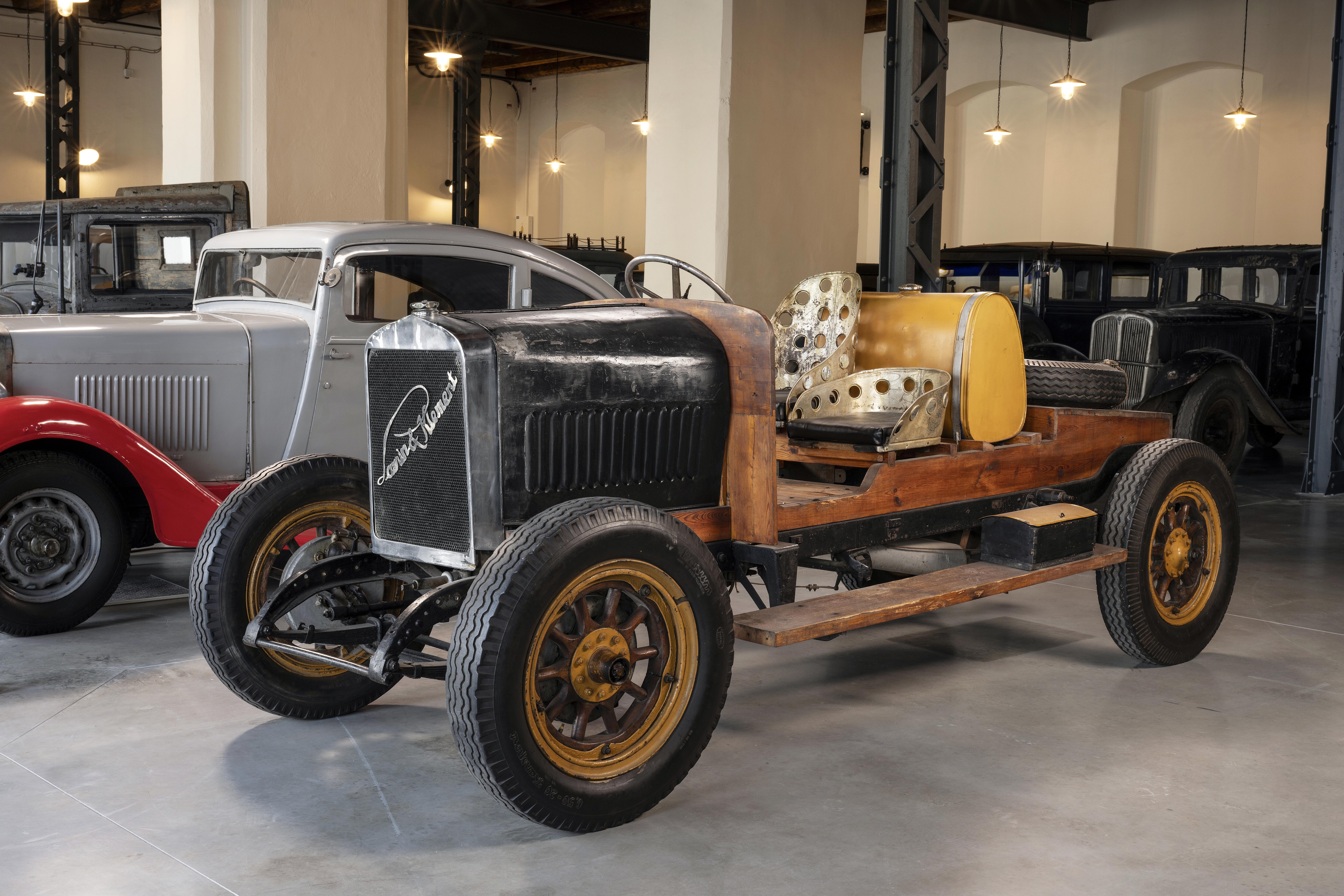
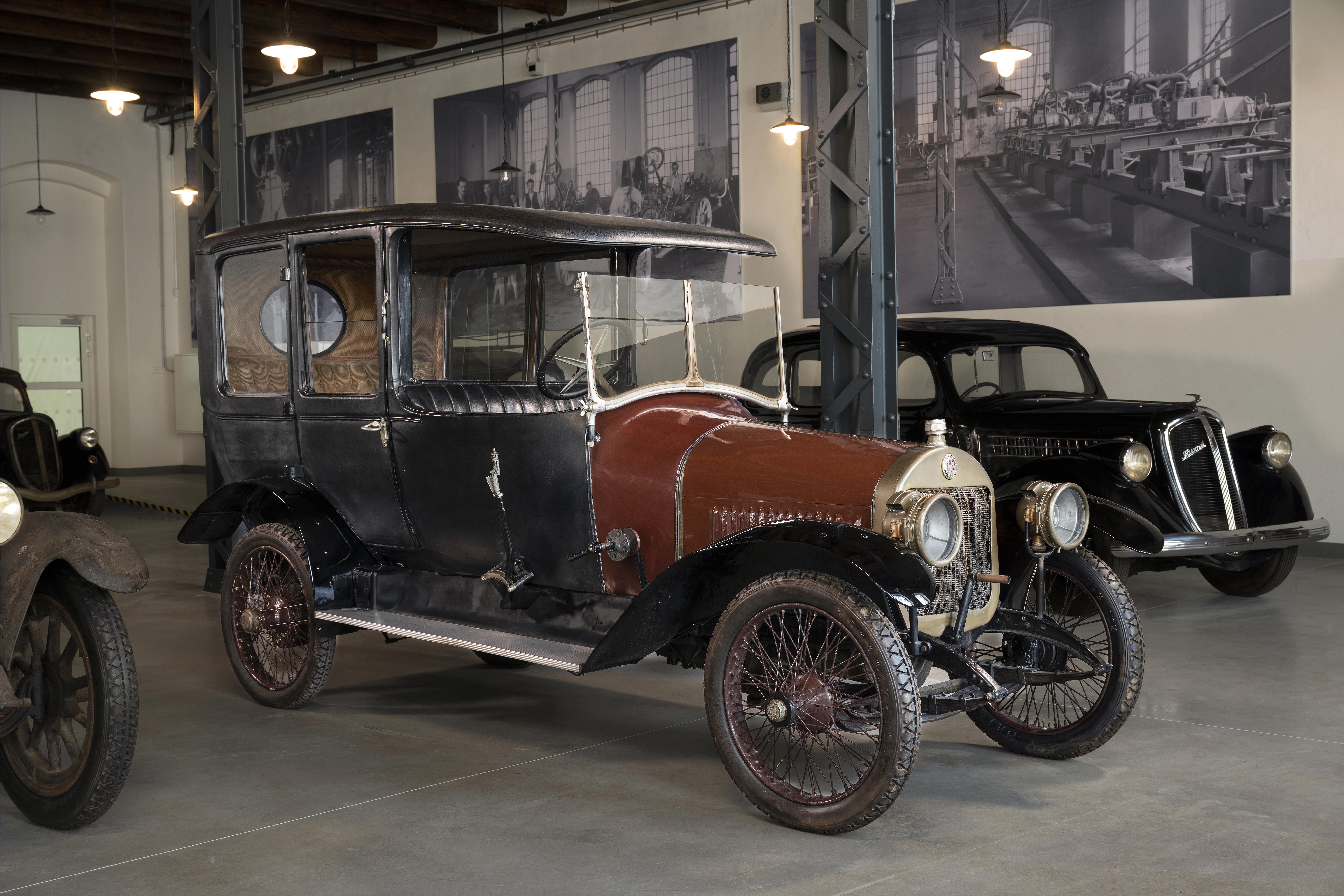
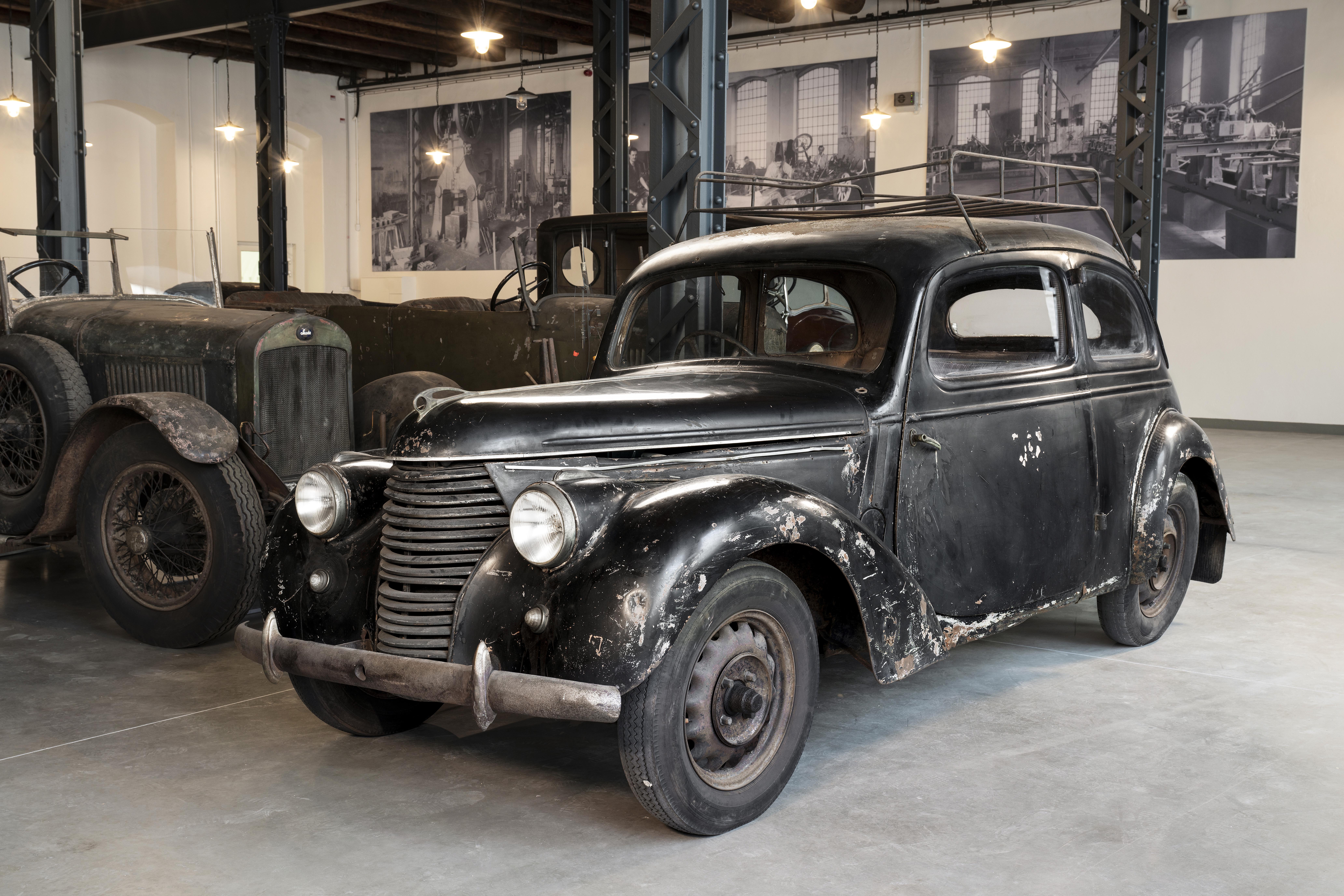
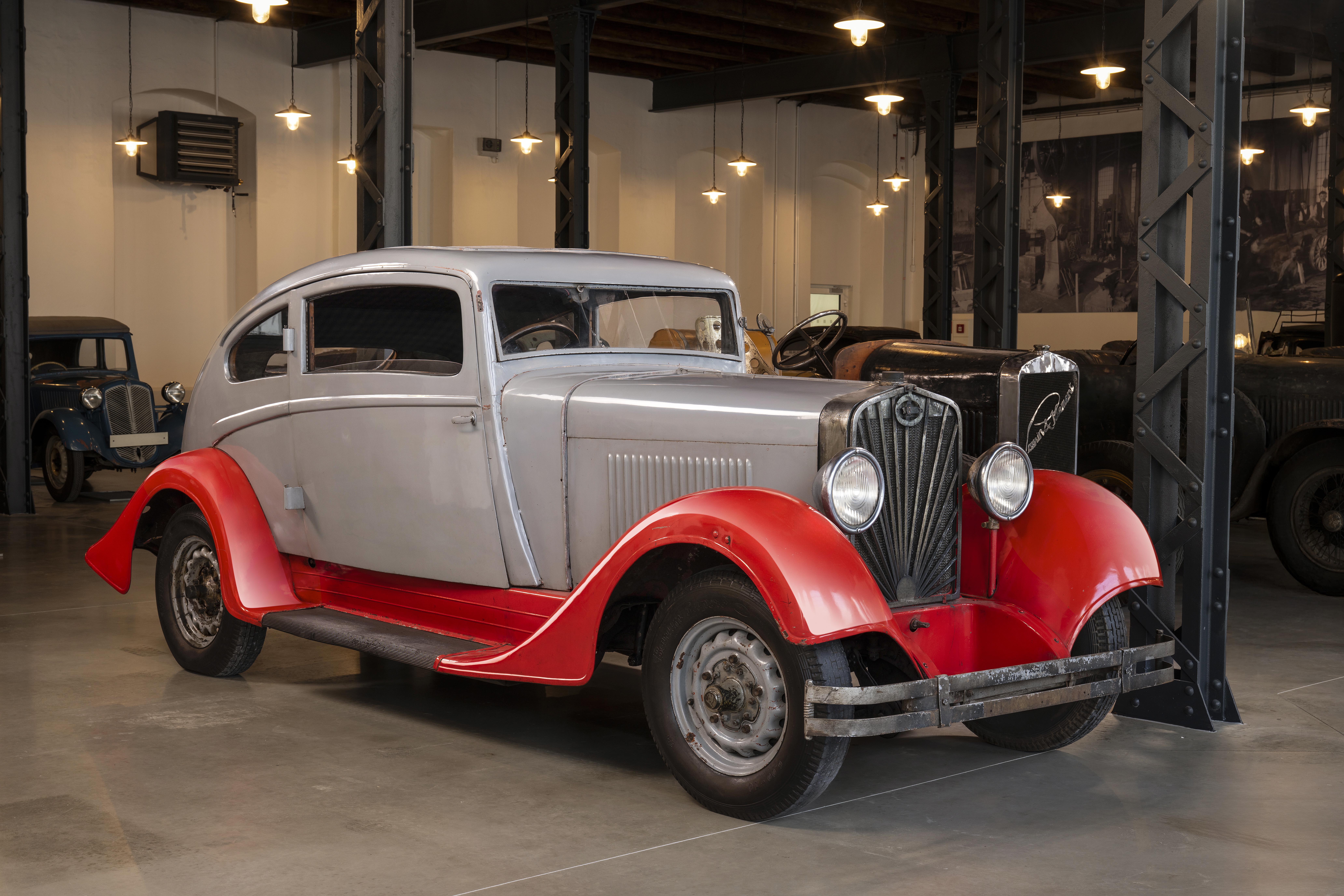
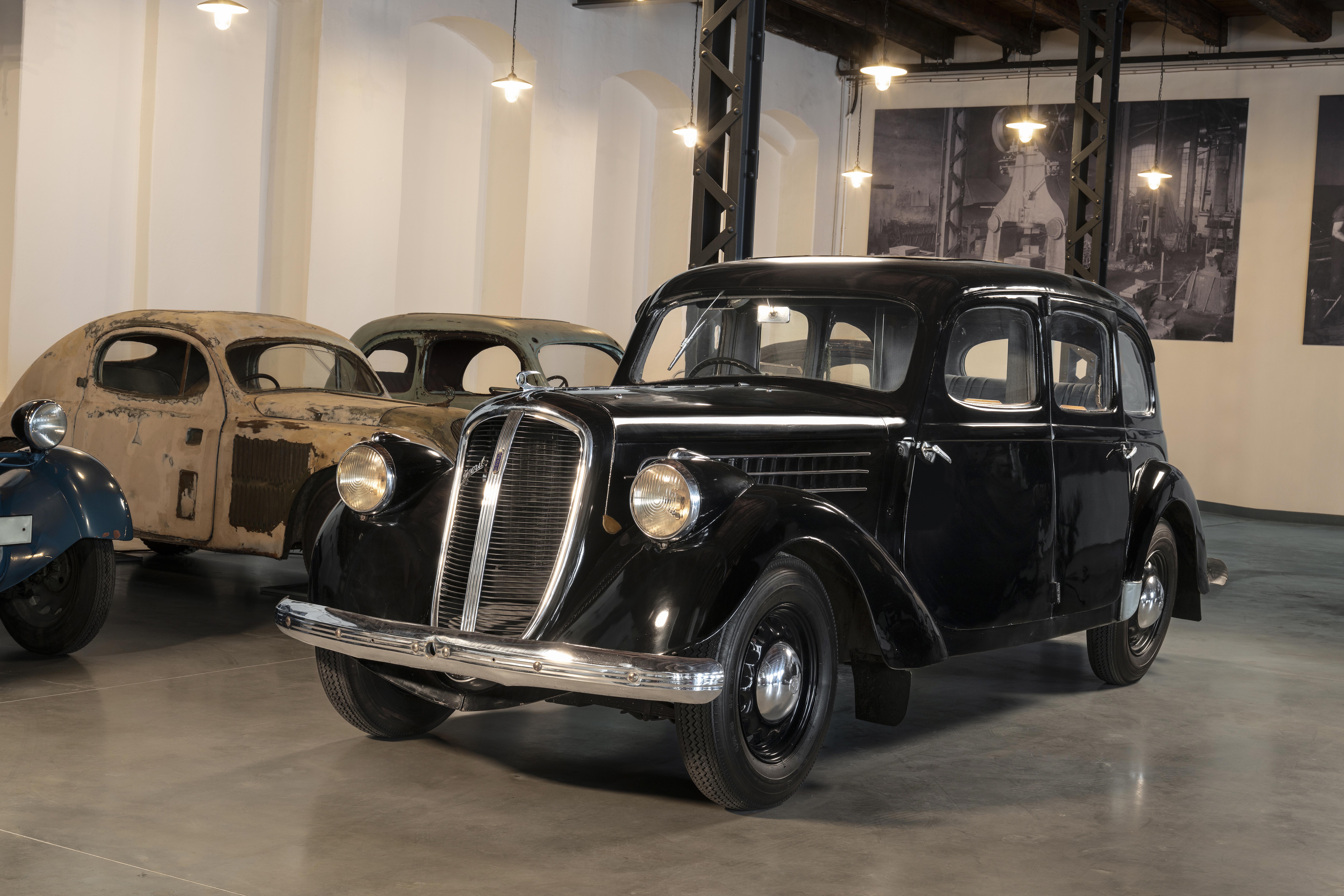
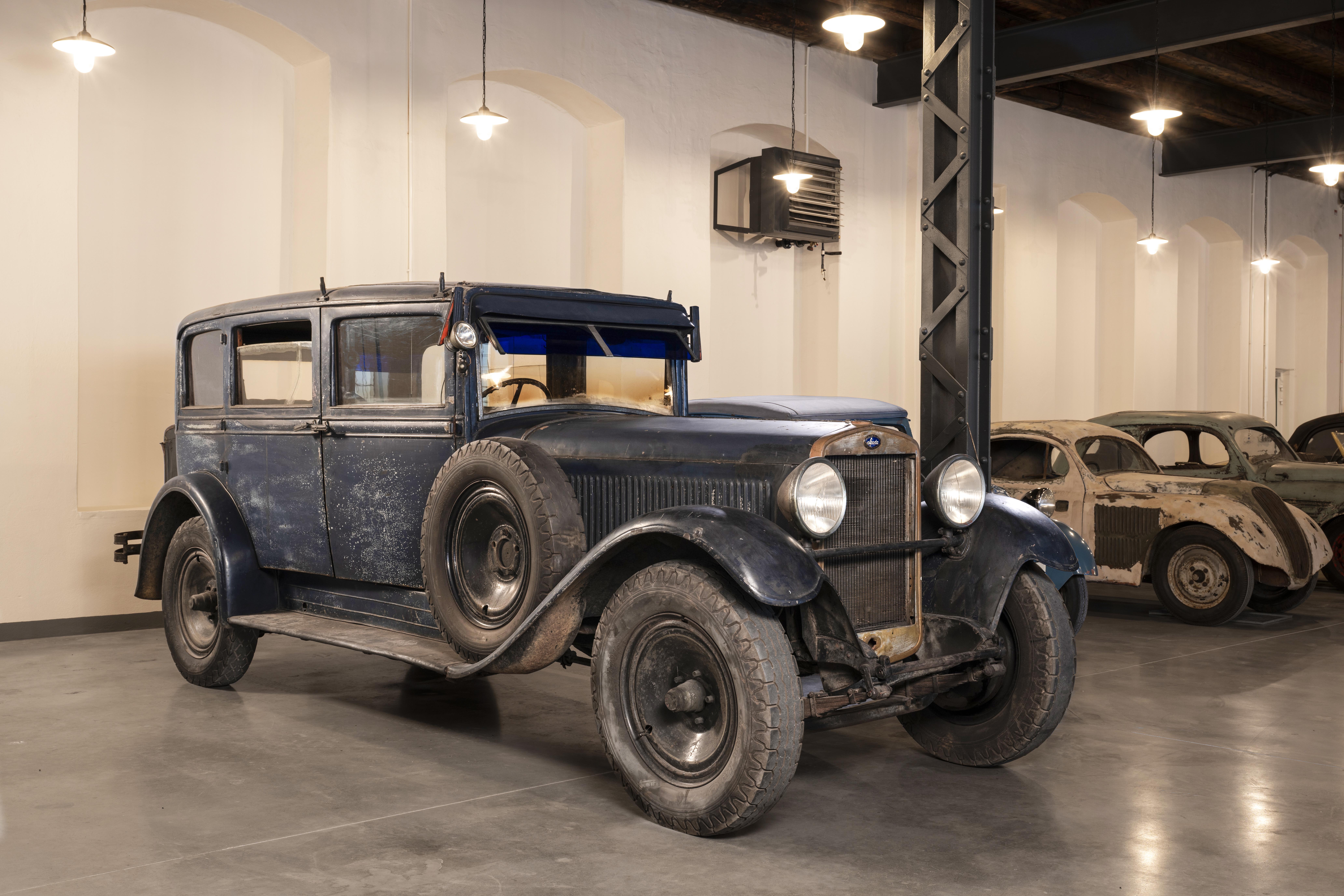
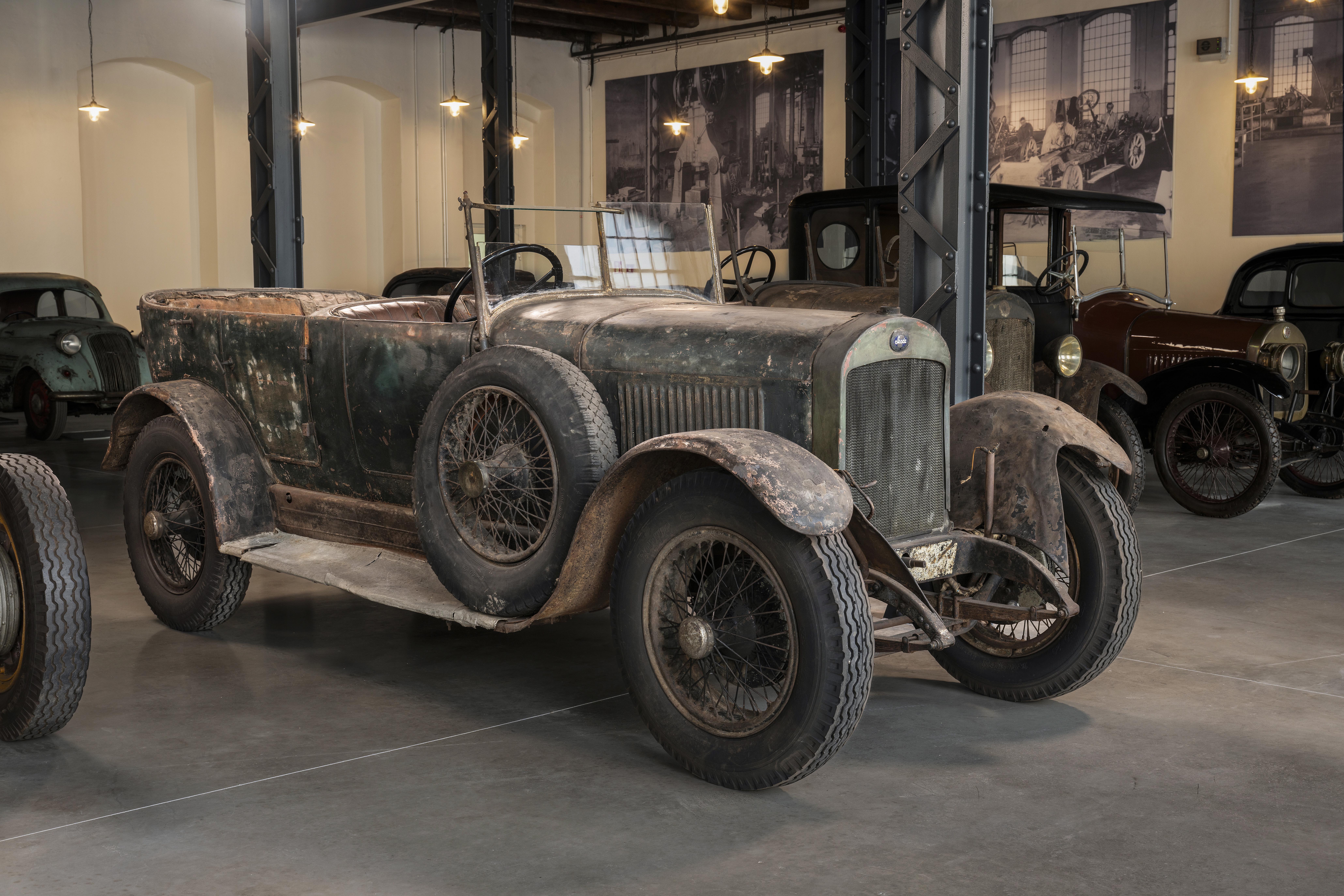
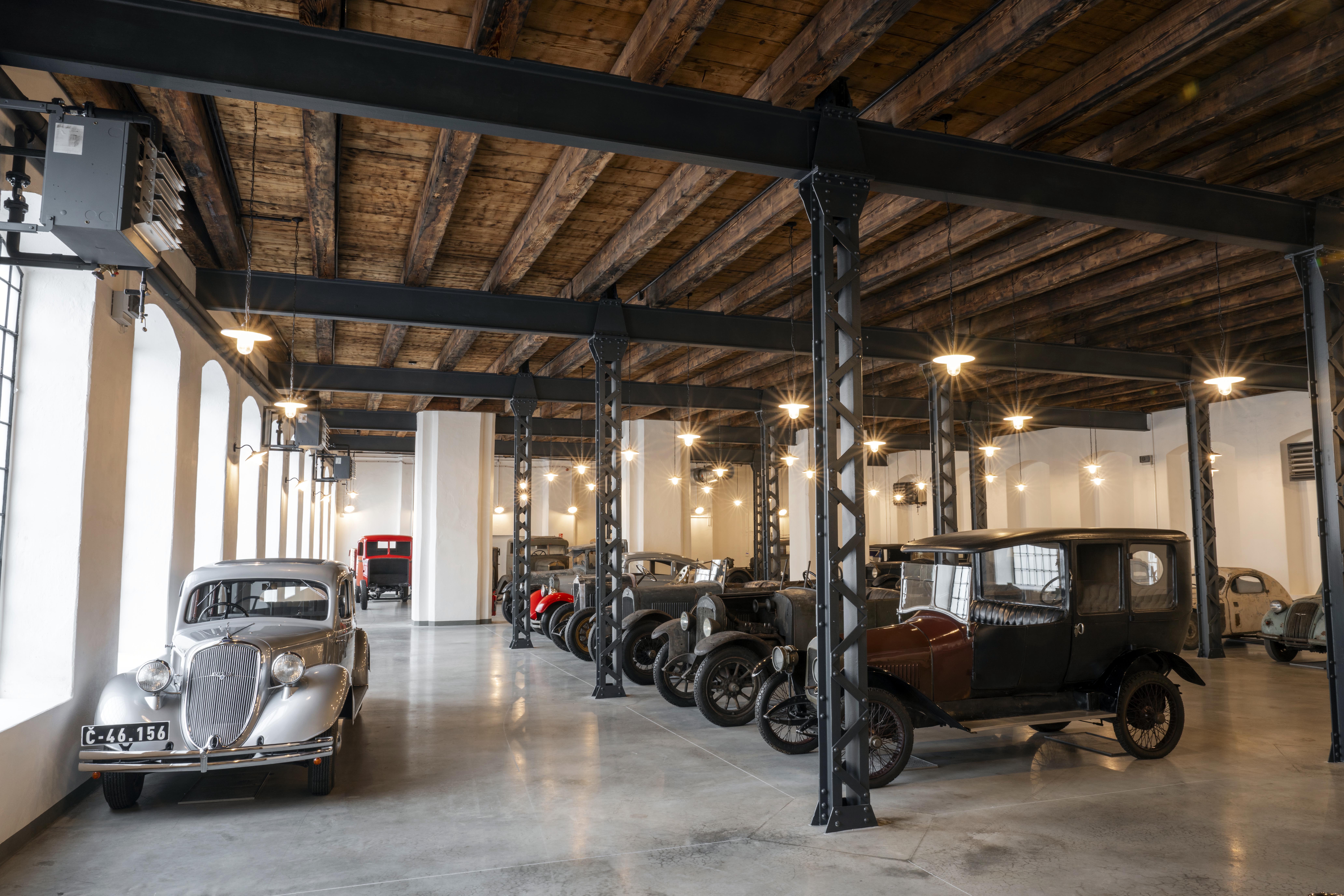
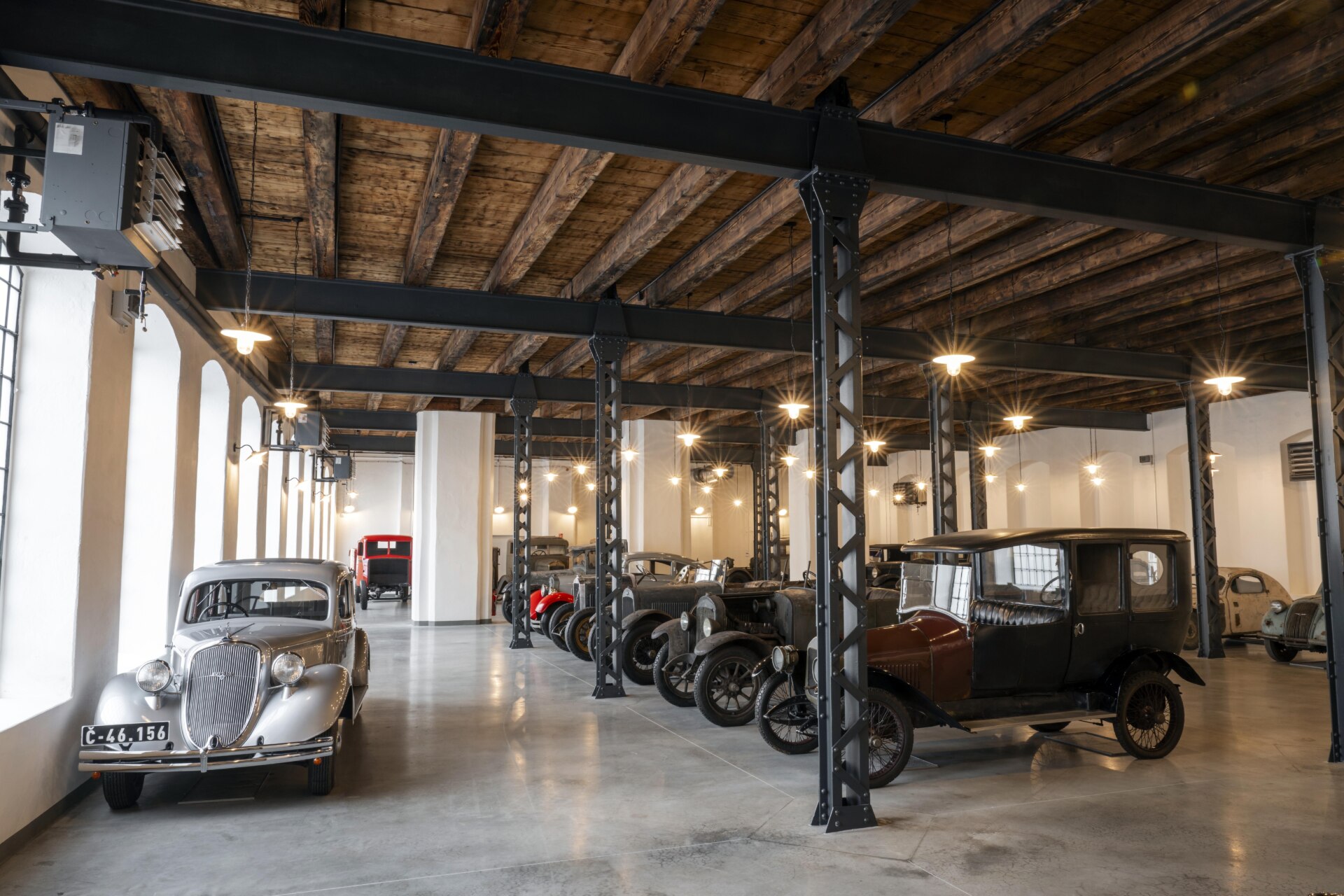
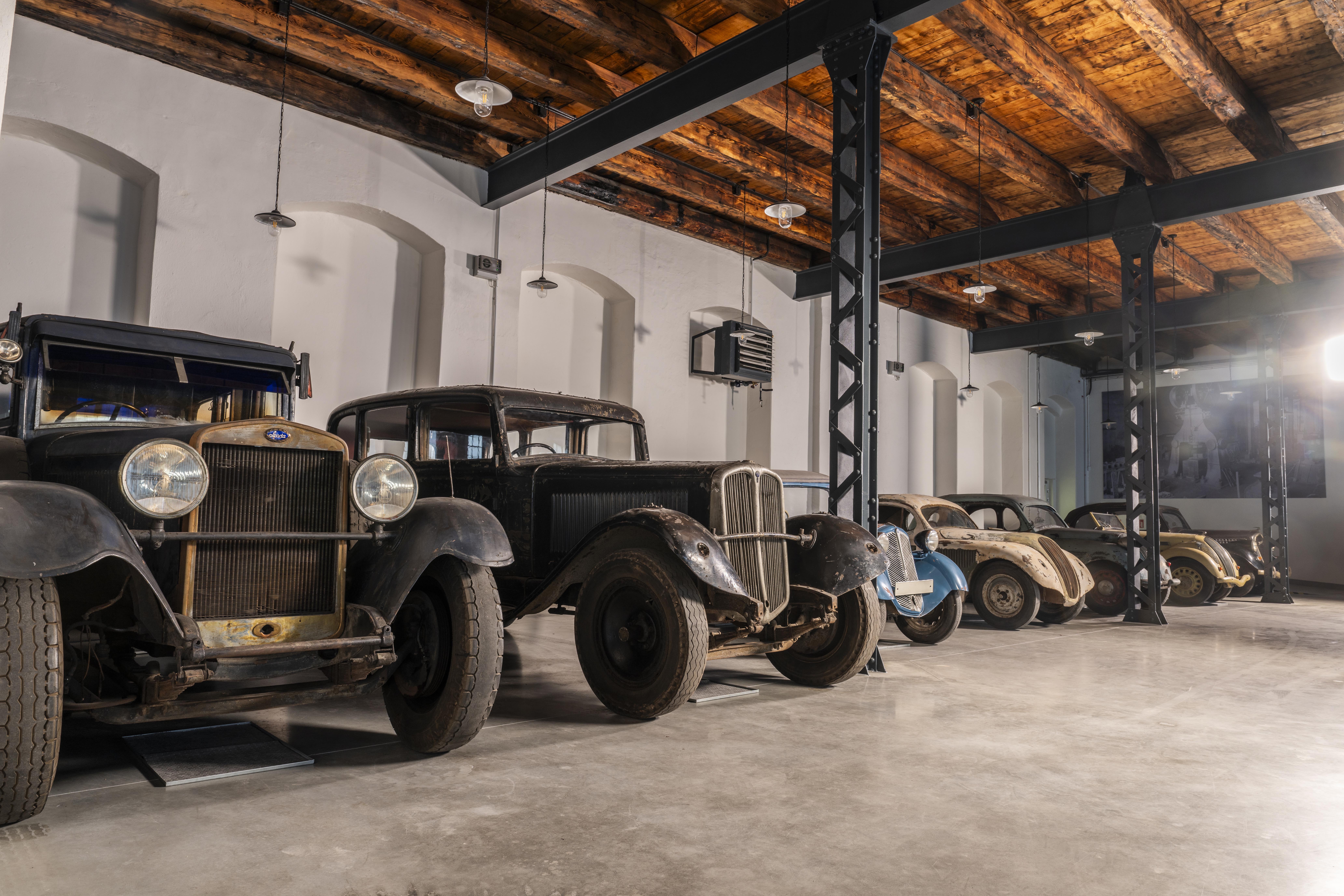
In a newly opened, one-of-a-kind storage hall, visitors can view 23 historic vehicles, most of them preserved exactly as they were discovered in forgotten barns and remote corners before entering the museum’s collection. This gives visitors a rare opportunity to take a look behind the scenes and uncover fragments of the carmaker’s 130-year history that have remained inaccessible to the public until now. 

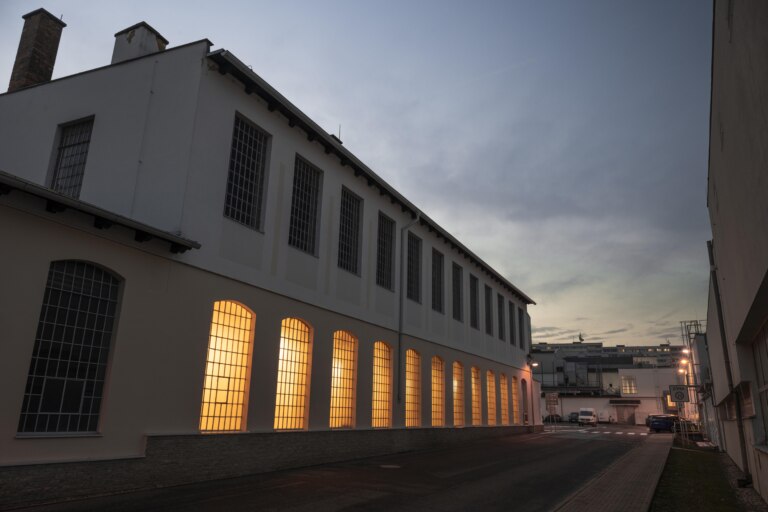
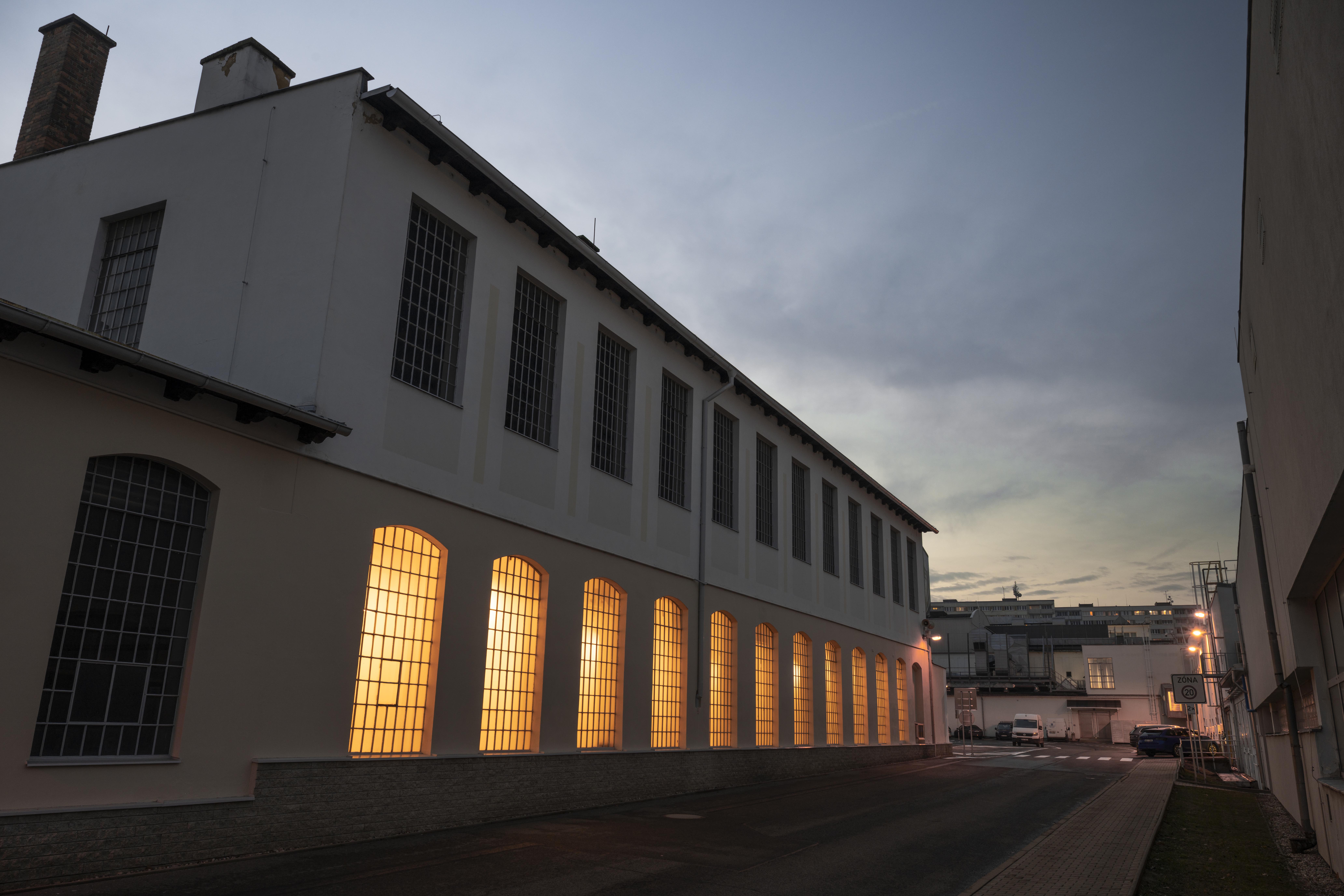
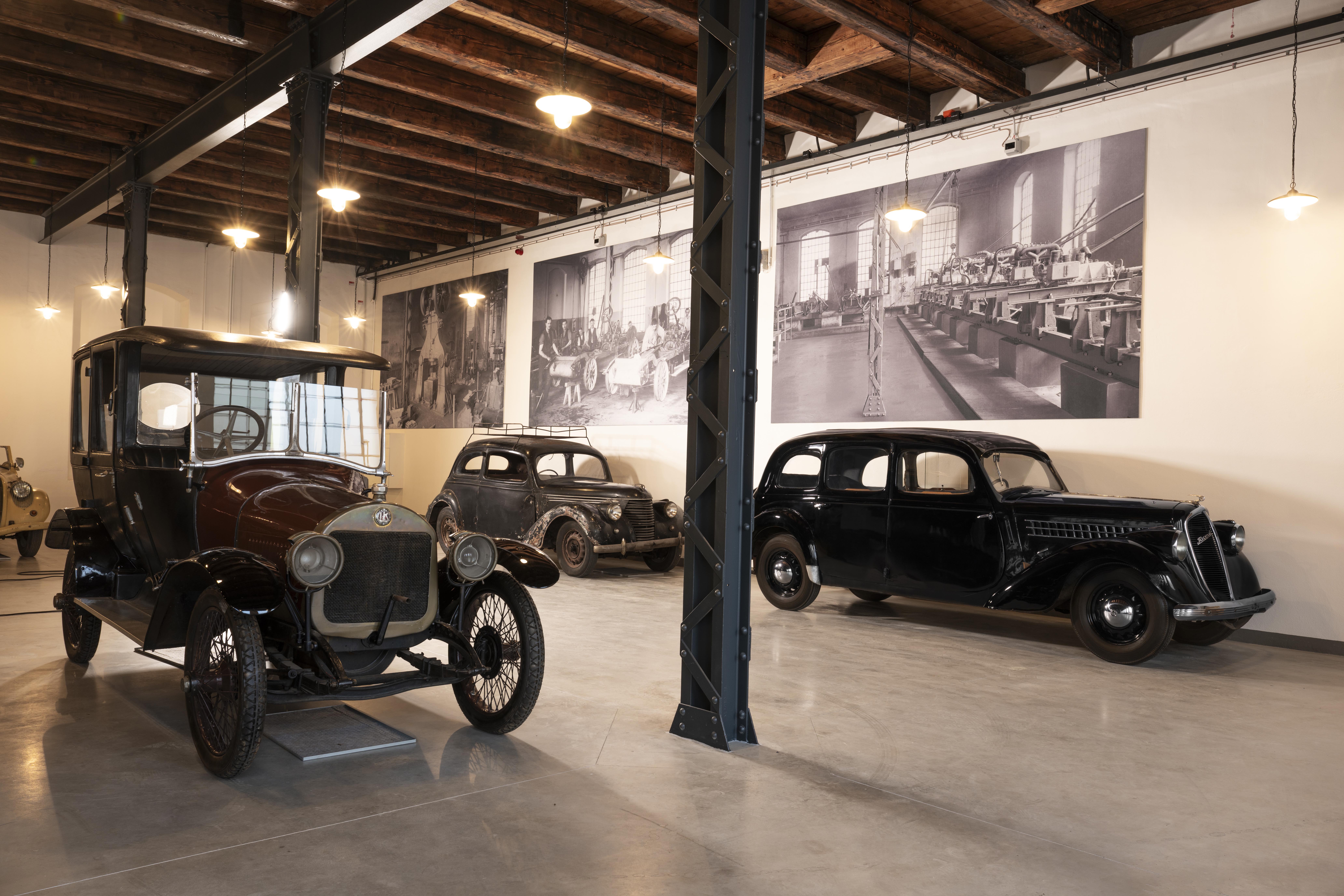
The atmosphere is shaped not only by these “sleeping beauties,” but also by the exhibition space itself—an original factory hall built in 1906. The building, known today as V4, served as a forge from 1907 and housed a large steam hammer used for mass-producing sizeable metal components. The space has been sensitively restored, and it radiates the spirit of early industrial times. Only the floor is new; the exhibits are surrounded by original roof trusses and iron support structures. The building’s former purpose is further recalled by three massive chimneys that once carried away smoke from the forging furnaces. 
Škoda Auto Depository

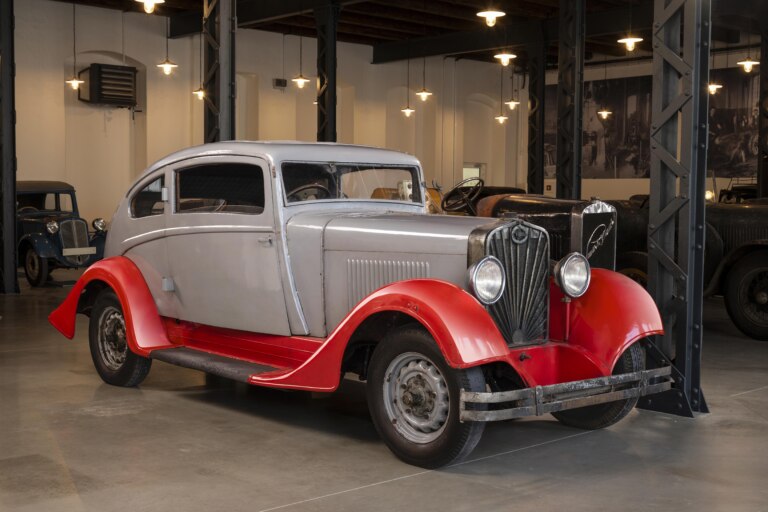
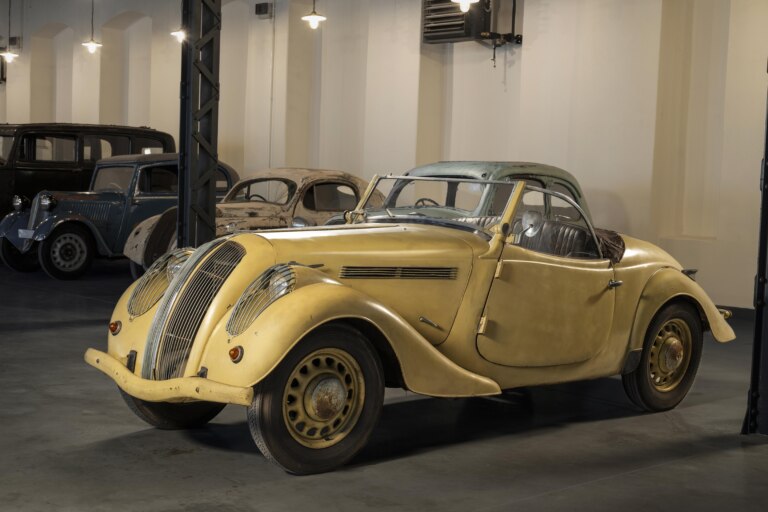
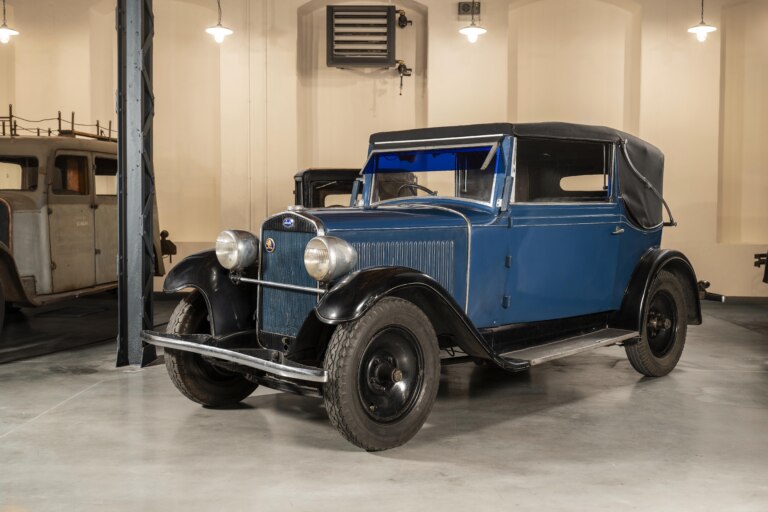
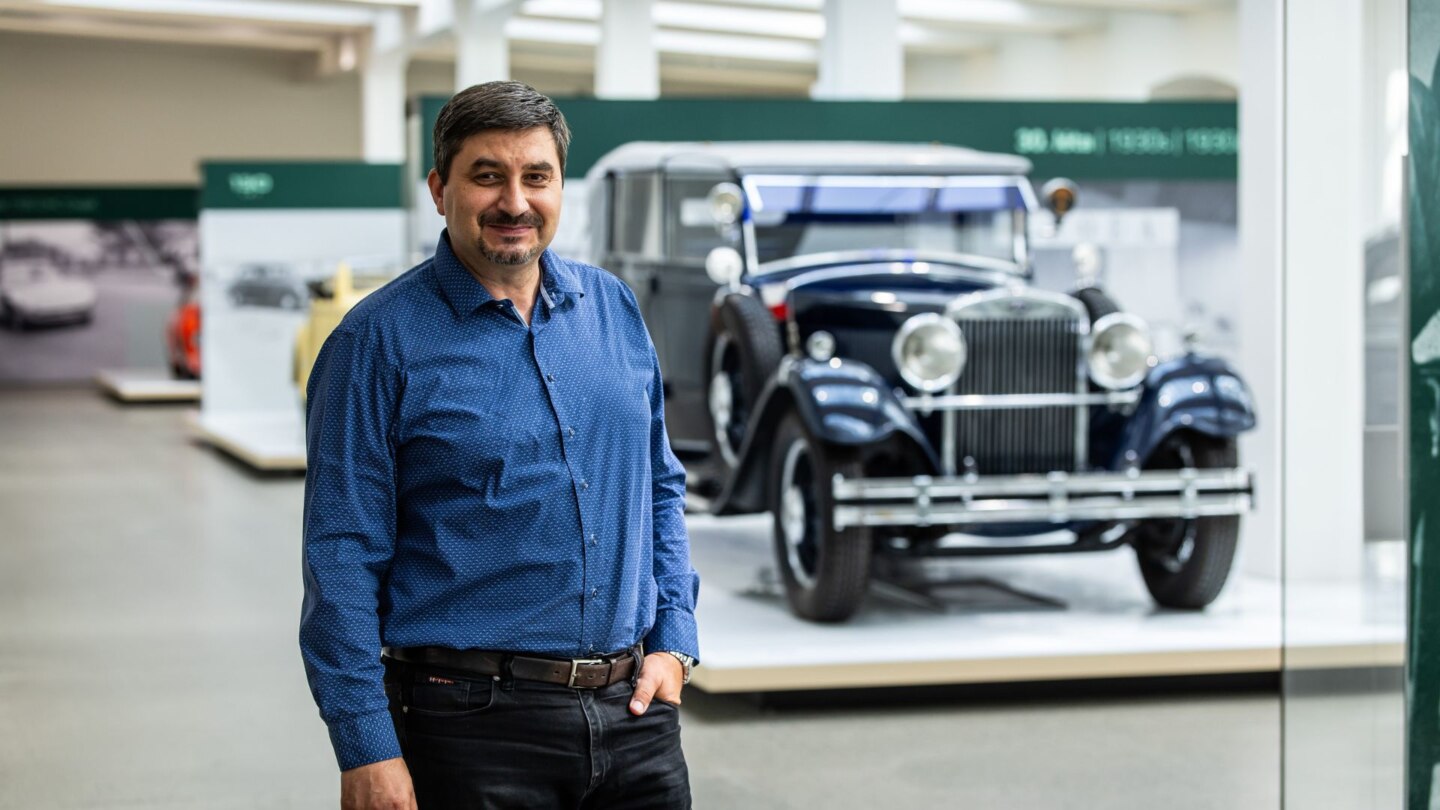
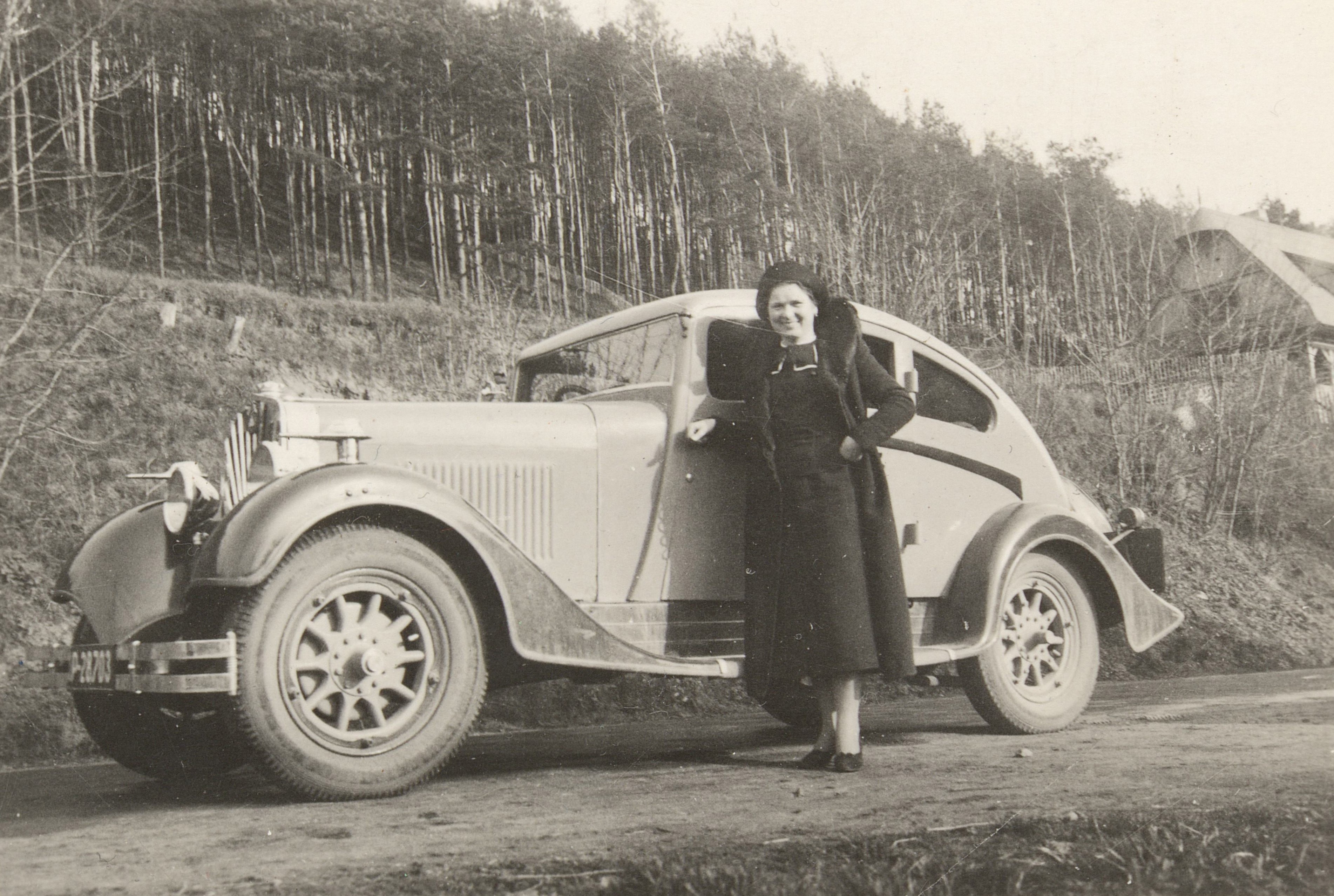
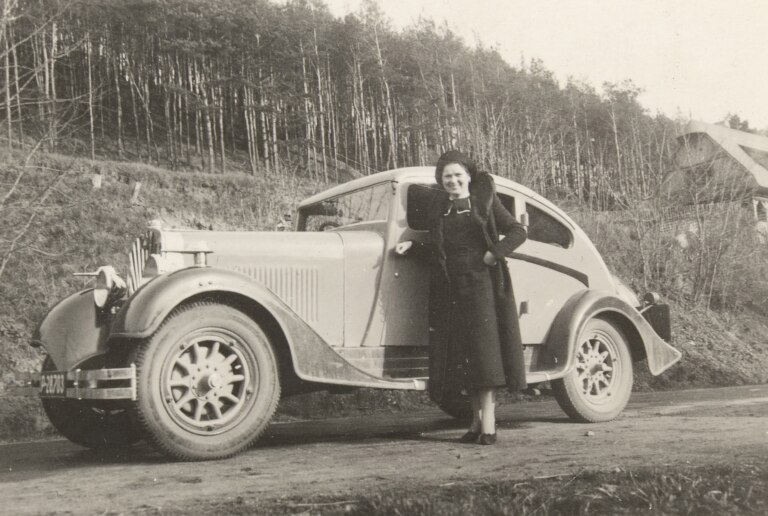
Every car here tells a story. The L&K Škoda 110 Coupé, for example, began its journey in 1928 as a sporty open-top model owned by a gentleman from Český Krumlov. Its second owner, Mr. Miloš D. Zelenka, ran a fashion salon in Prague. “In 1933, he had the bodywork converted by a body shop in Jihlava into a coupe, most likely for his wife, as we have preserved a period photograph of her standing by the car,” explains Michal Velebný, coordinator of the Škoda Museum’s restoration workshop, describing the story of one of the cars. It was Mr. Zelenka himself who offered the car to the newly forming museum collection in 1973. 
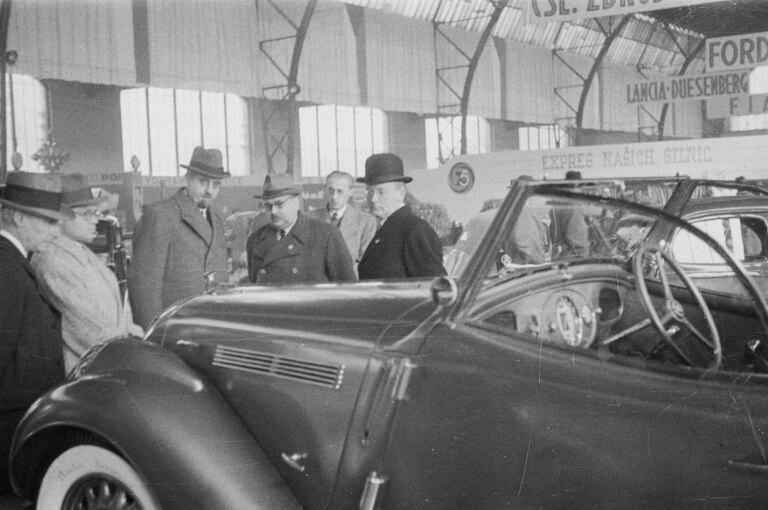
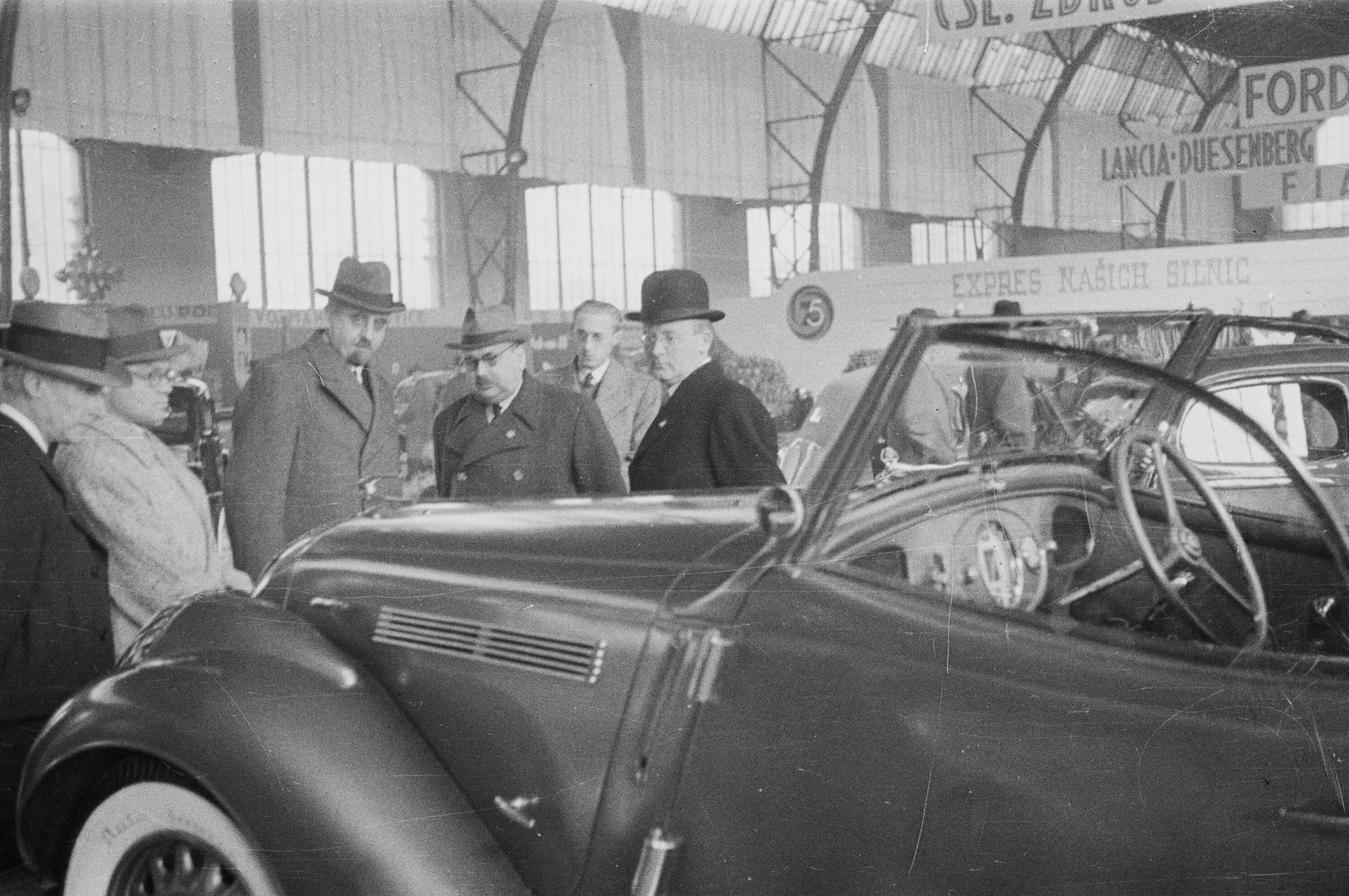
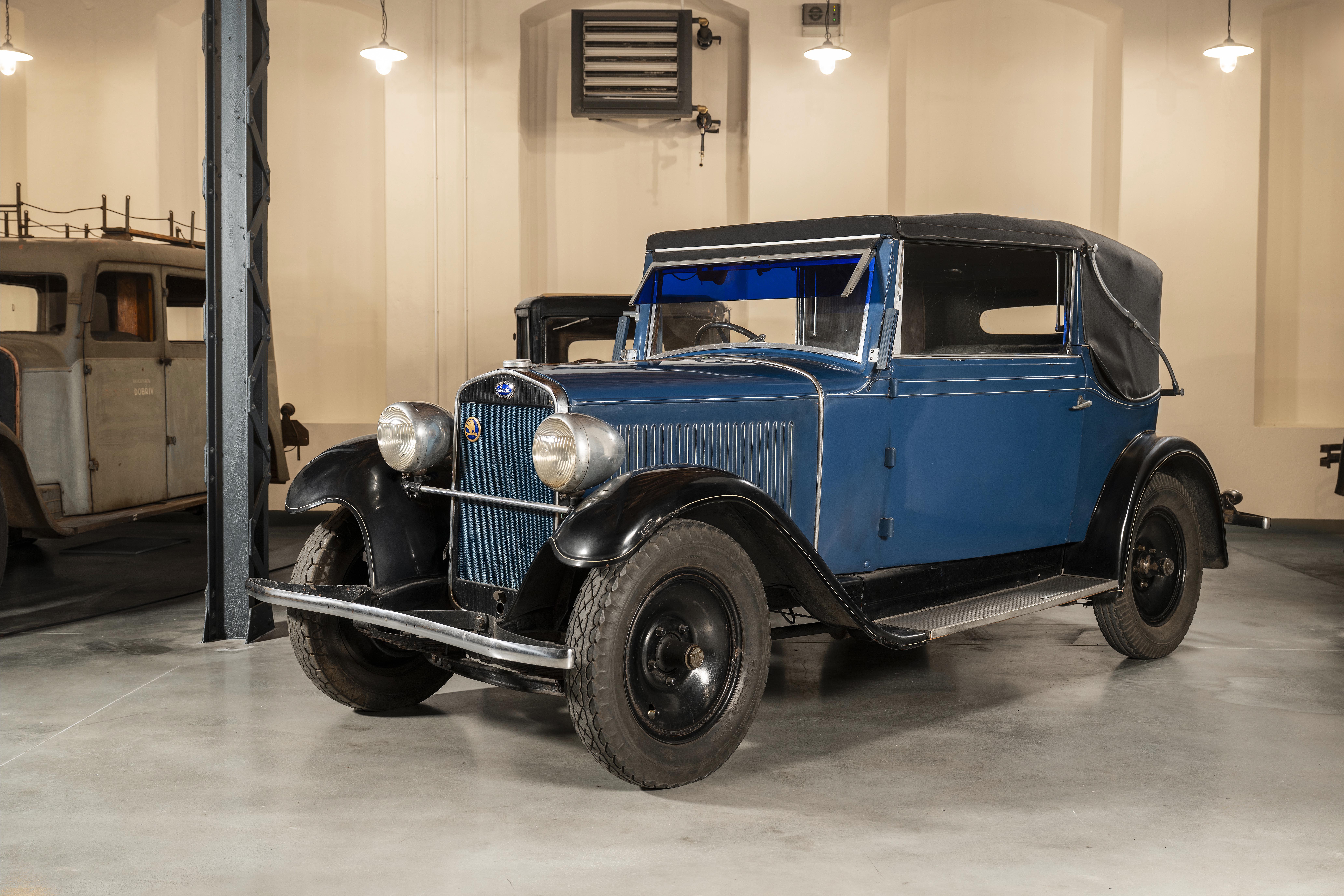
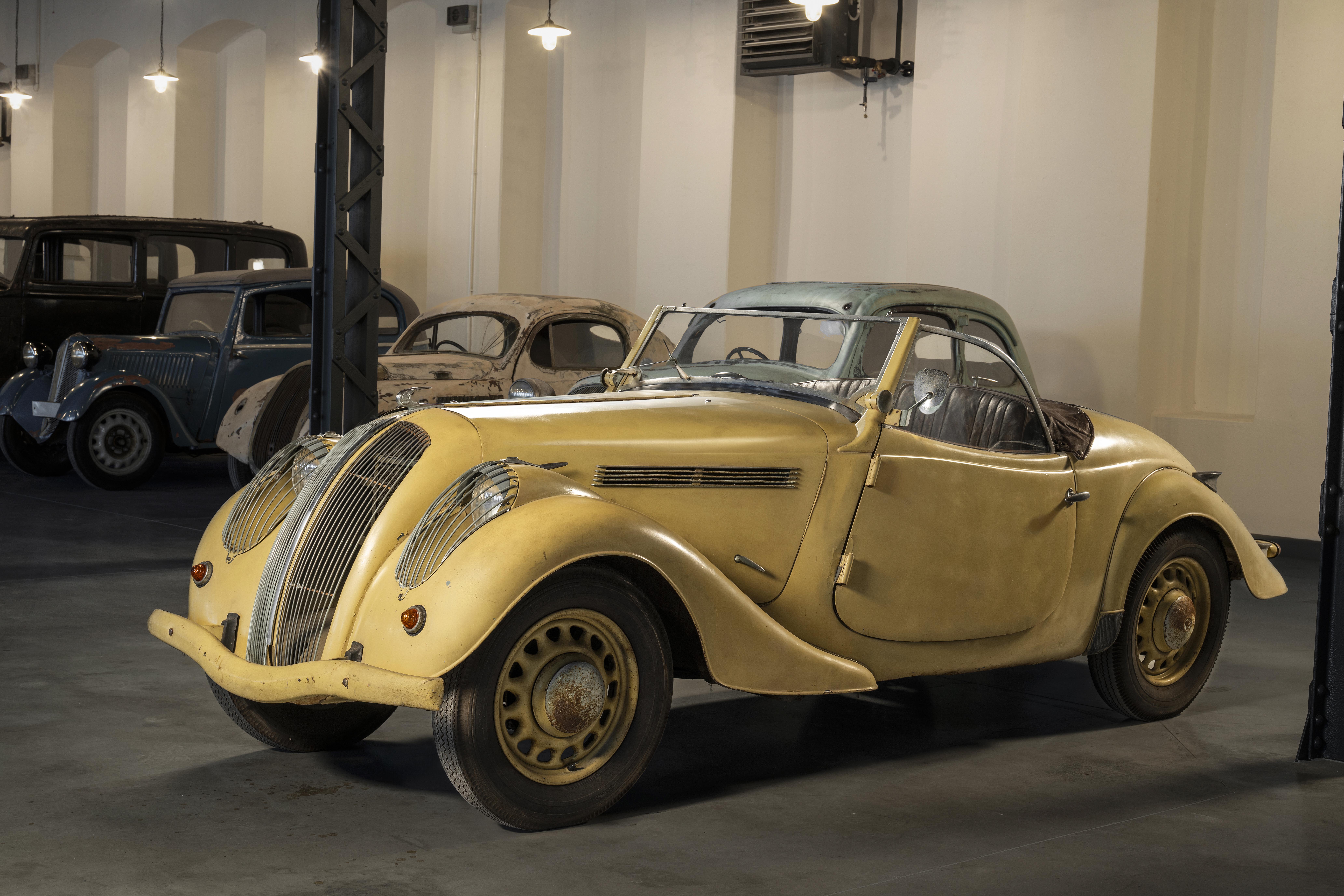
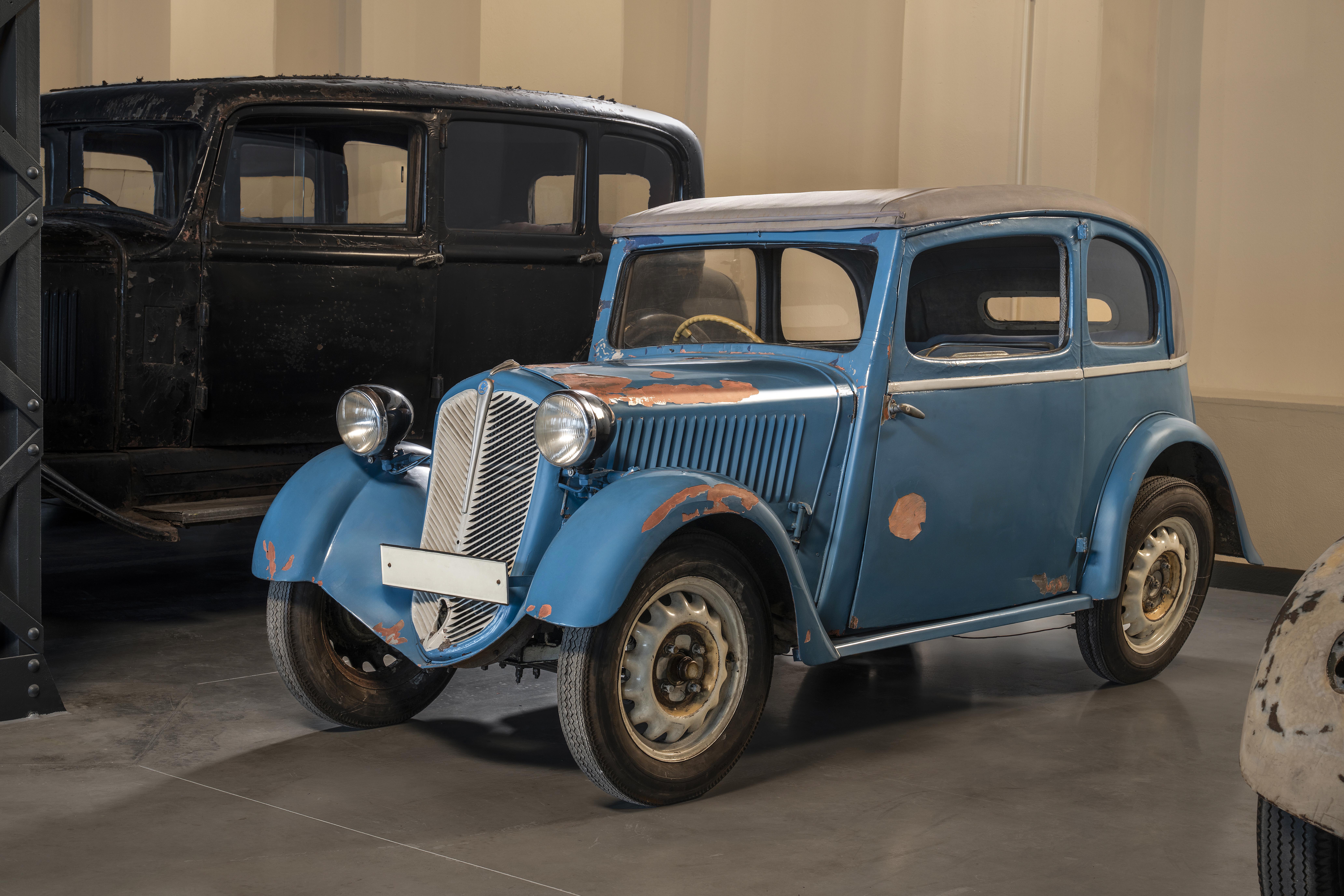
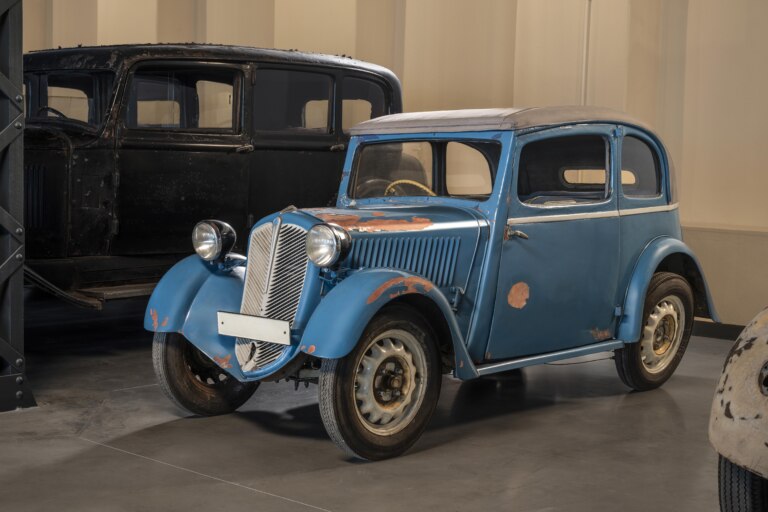
Some cars, by contrast, have survived in nearly original condition. One example is the Škoda Popular with the attractive Monte Carlo bodywork in the Roadster Deluxe variant, featuring a blue-grey metallic finish—traces of which remain visible on the bonnet. Built specifically for the 1936 Prague Motor Show, it was displayed on a pedestal next to the Popular Monte Carlo in the Coupé version. “These models form part of our collection, so after many years, both vehicles have once again come together in the very place where they were born,” Velebný explains. 

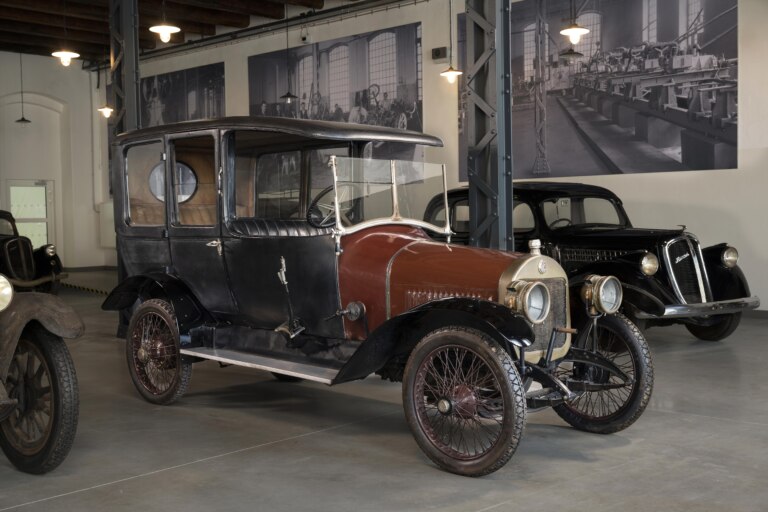
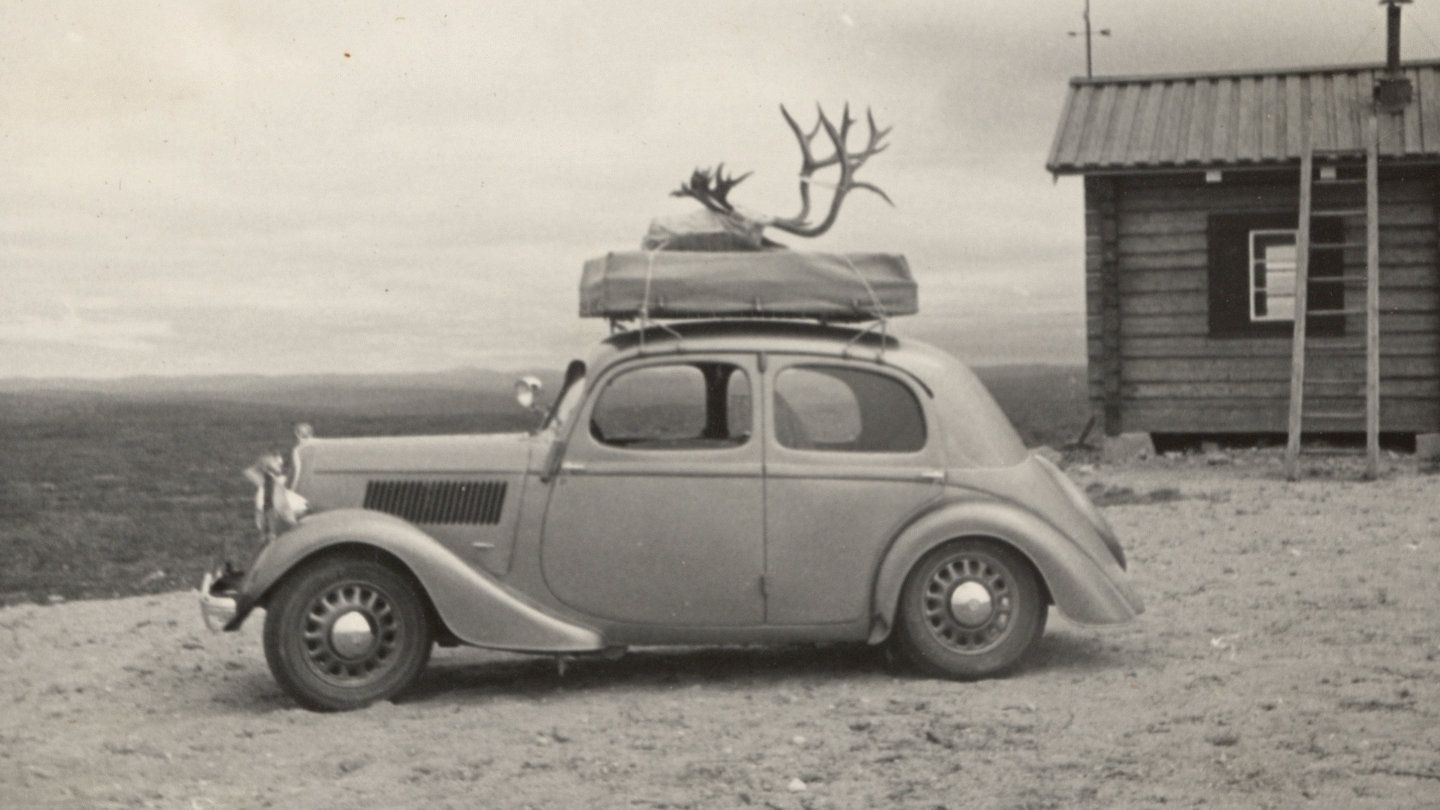
After spending decades in the garages of several owners, the elegant Popular returned to Mladá Boleslav roughly five years ago. It is thus one of the newest additions to the museum’s collection, while other vehicles have been housed under the same roof since the late 1960s. The current exhibition focuses primarily on production from the first half of the 20th century. The oldest model displayed is the 1913 L&K Sd, followed by numerous passenger and commercial vehicles from the 1920s and 1930s. The Škoda Rapid OHV from 1948, the newest car in the exhibition, appears almost modern in comparison. 

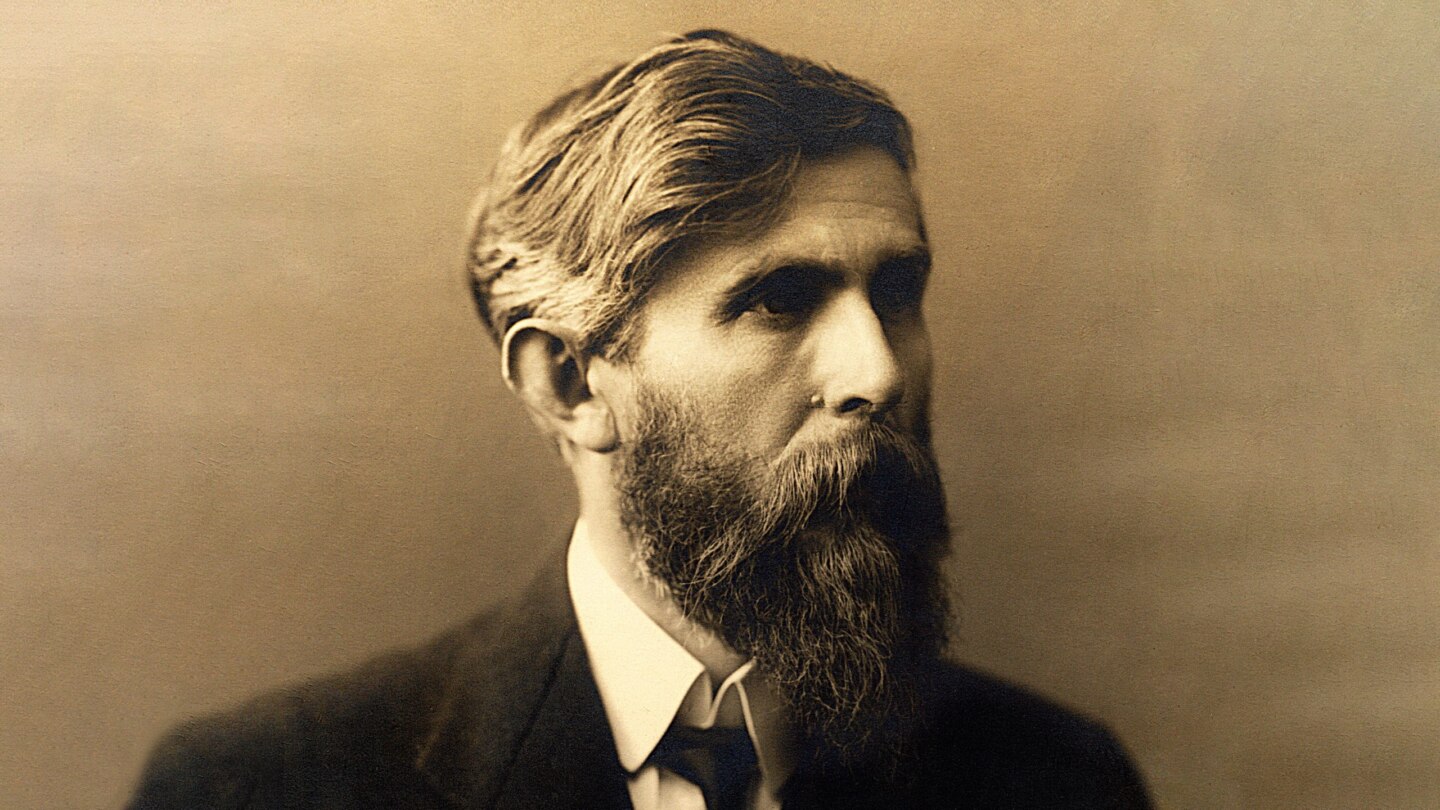
The exhibition is located in the oldest building of the original factory complex—the so-called “old factory.” Founders Václav Laurin and Václav Klement gradually expanded this facility to increase production capacity. In addition to the forge and steam hammer, the premises once housed a paint shop and an engine test bench, ensuring that power units were installed into chassis only after proper break-in. “Some of the Laurin & Klement vehicles on display were produced right here,” adds Velebný. 

The 30-minute guided tour is always conducted by a Škoda Museum guide and must be booked in advance. Beginning 2026, there will be a charge for the tour, which will be added to the price of any type of museum admission ticket in the form of a CZK 100 (approximately 4 EUR) surcharge. Opening this first section of the complex is part of a broader plan to further expand public access to the Škoda Museum. Another section will open next year, featuring prototypes, design studies, and concept vehicles from the 1950s to the present.