Citijet kick-started our careers! The authors recall the first Škoda student car
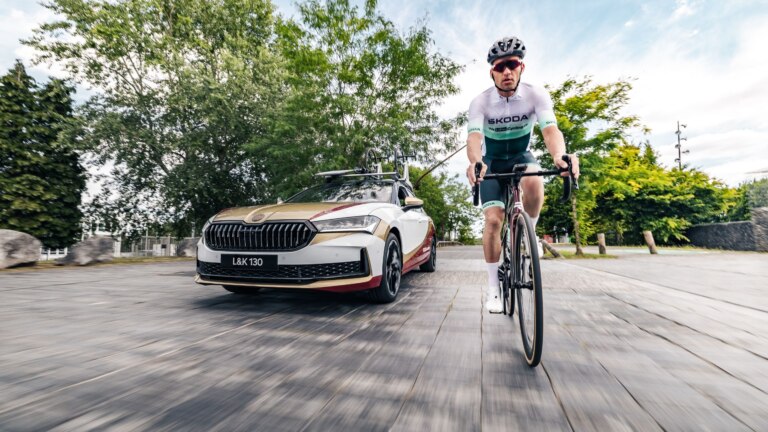
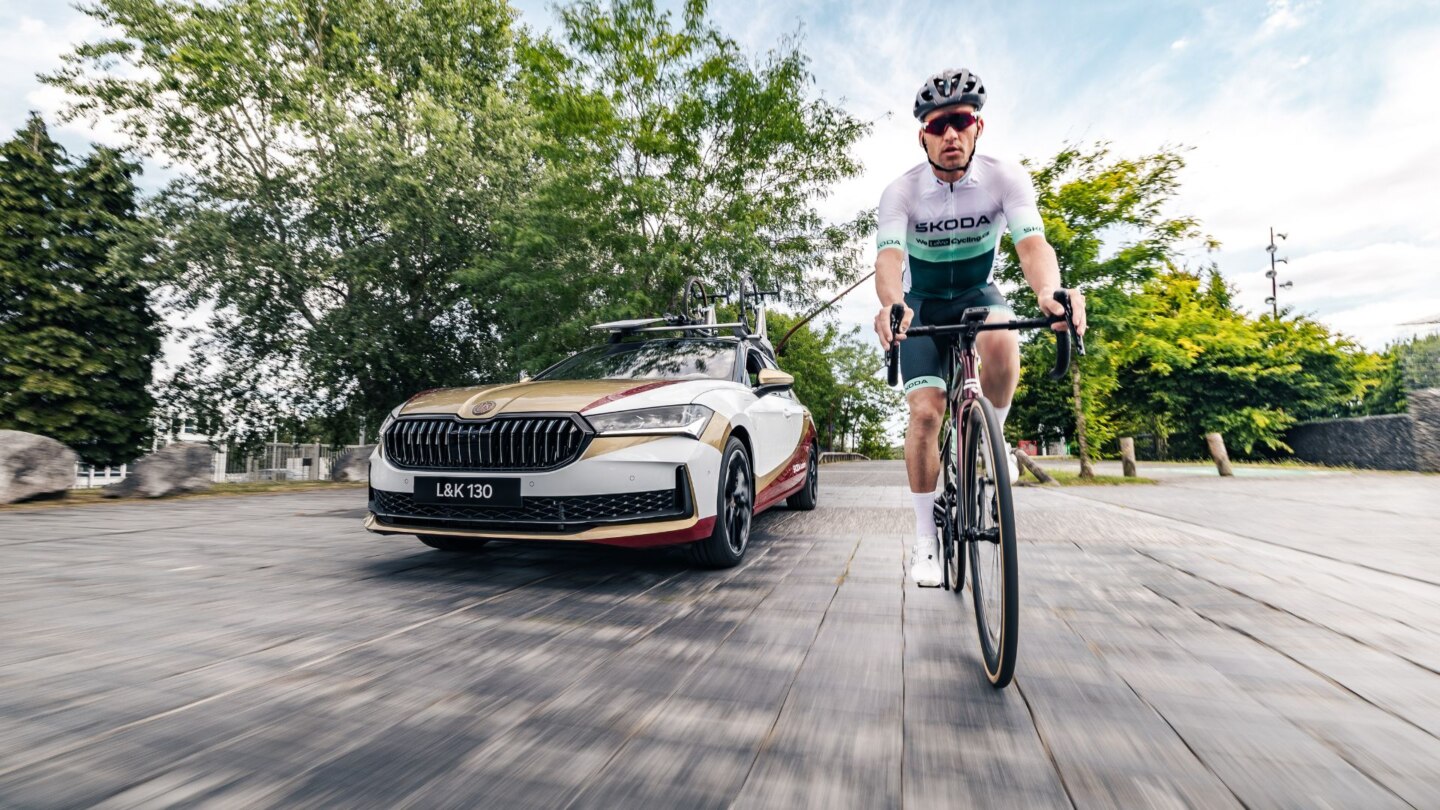
In the summer, students and teachers from the Škoda Auto Vocational School unveiled their milestone tenth student car— the cycling-inspired special L&K 130. But the very first project of its kind, the Citijet urban roadster, dates back 11 years. Its creators recently shared their memories with Škoda Storyboard, and they all agree it was the best school we could have asked for.
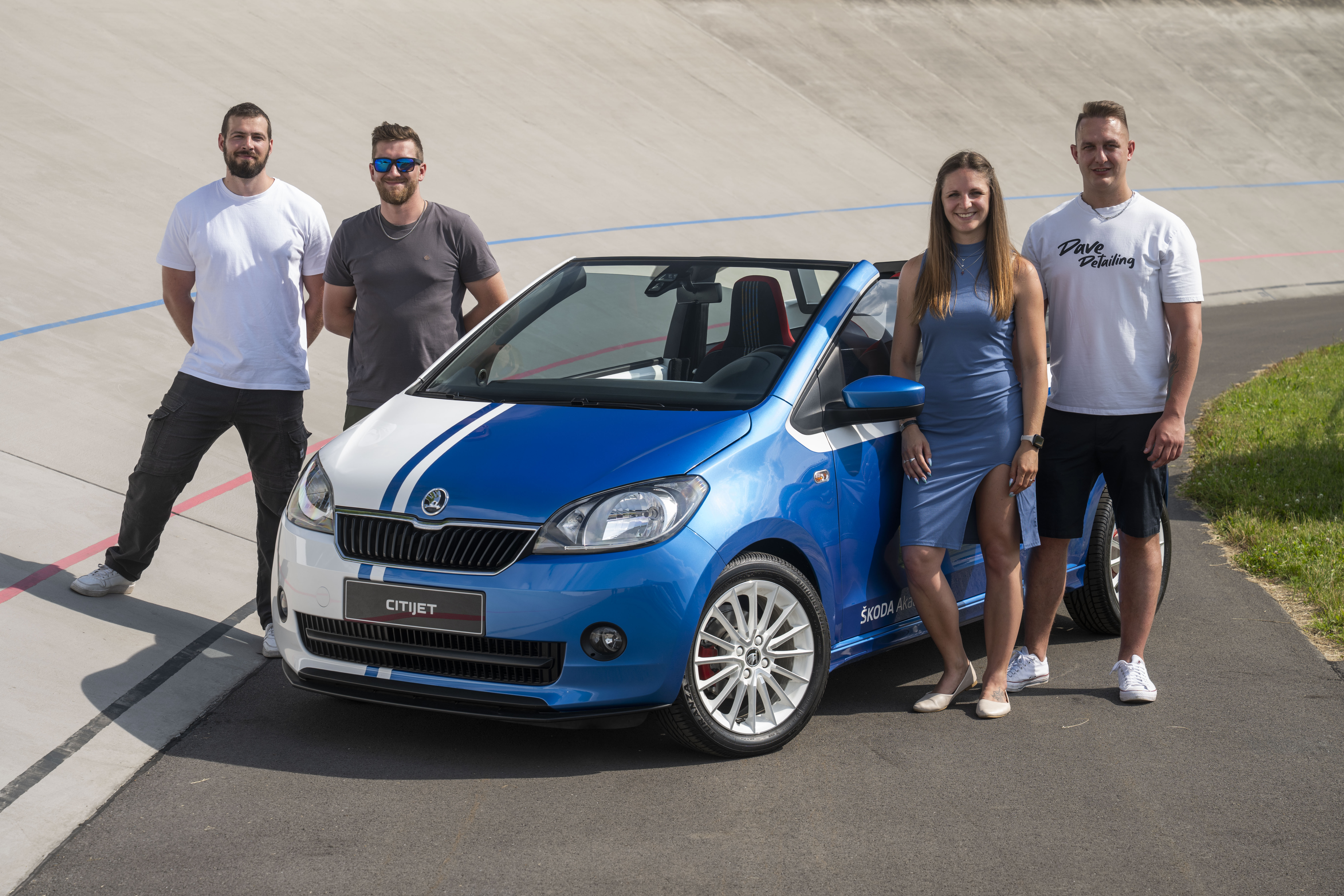
12. 8. 2025 Škoda WorldThe Škoda Citijet, built in 2014, marked the beginning of what has since become a proud tradition — the very first student concept car crafted by apprentices at the Škoda Auto Vocational School. Its creators still fondly recall the project that not only fostered their personal and professional development but also helped kickstart their careers. Together, they laid the foundation for what is now a celebrated line of student-built Škoda cars.
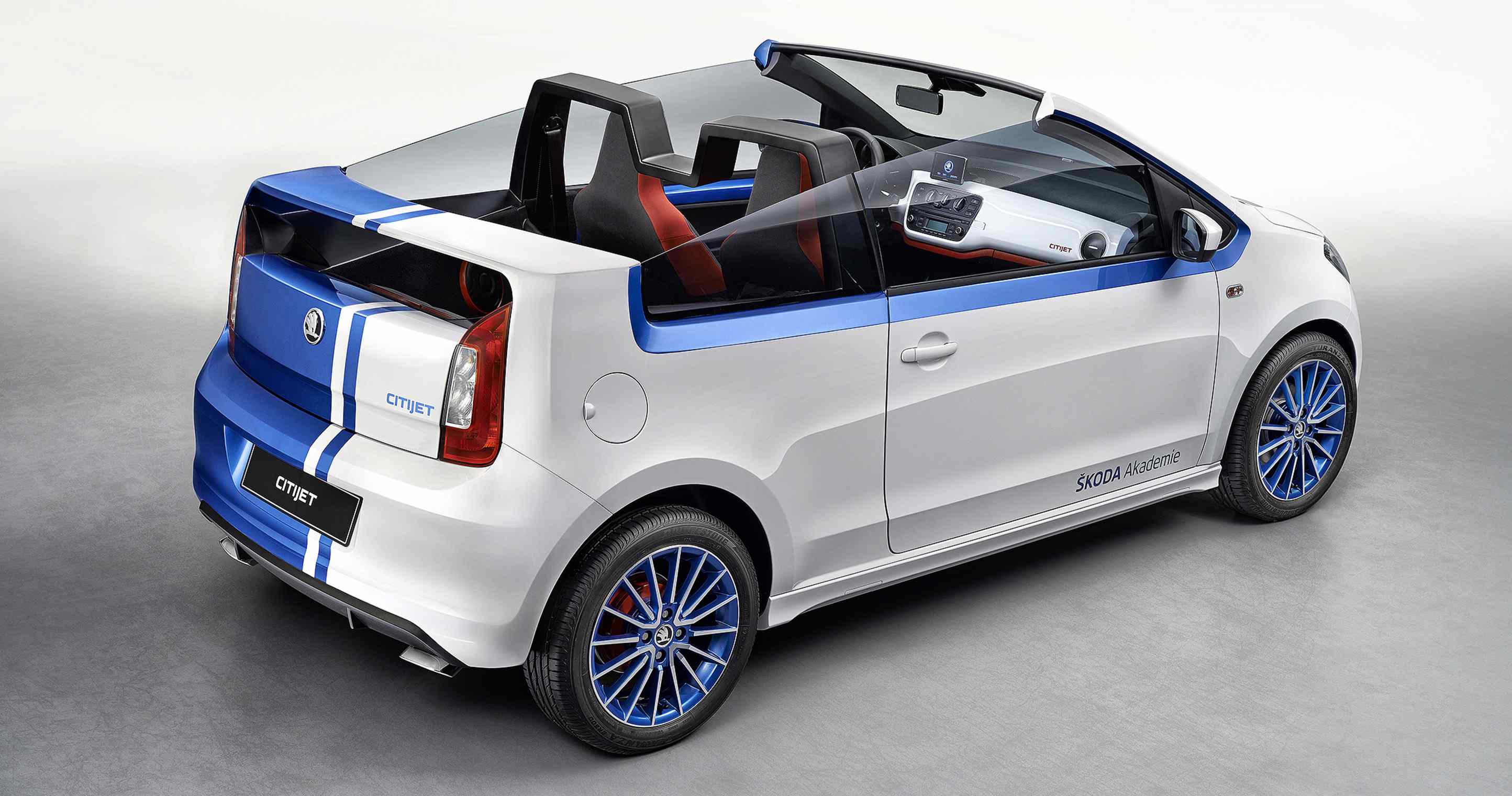
Though technically more modest than the latest student model — the Škoda L&K 130 — the Citijet still has its charm more than a decade later. Driving this open-top roadster, complete with a modified sports exhaust, continues to thrill — putting smiles on the faces of driving enthusiasts with its raw, wind-in-your-hair experience. During a recent meet-up between the creators of the original and most recent student cars, many couldn’t resist taking the Citijet for a nostalgic spin — even if just a few hundred meters around the Třebešín Velodrome.
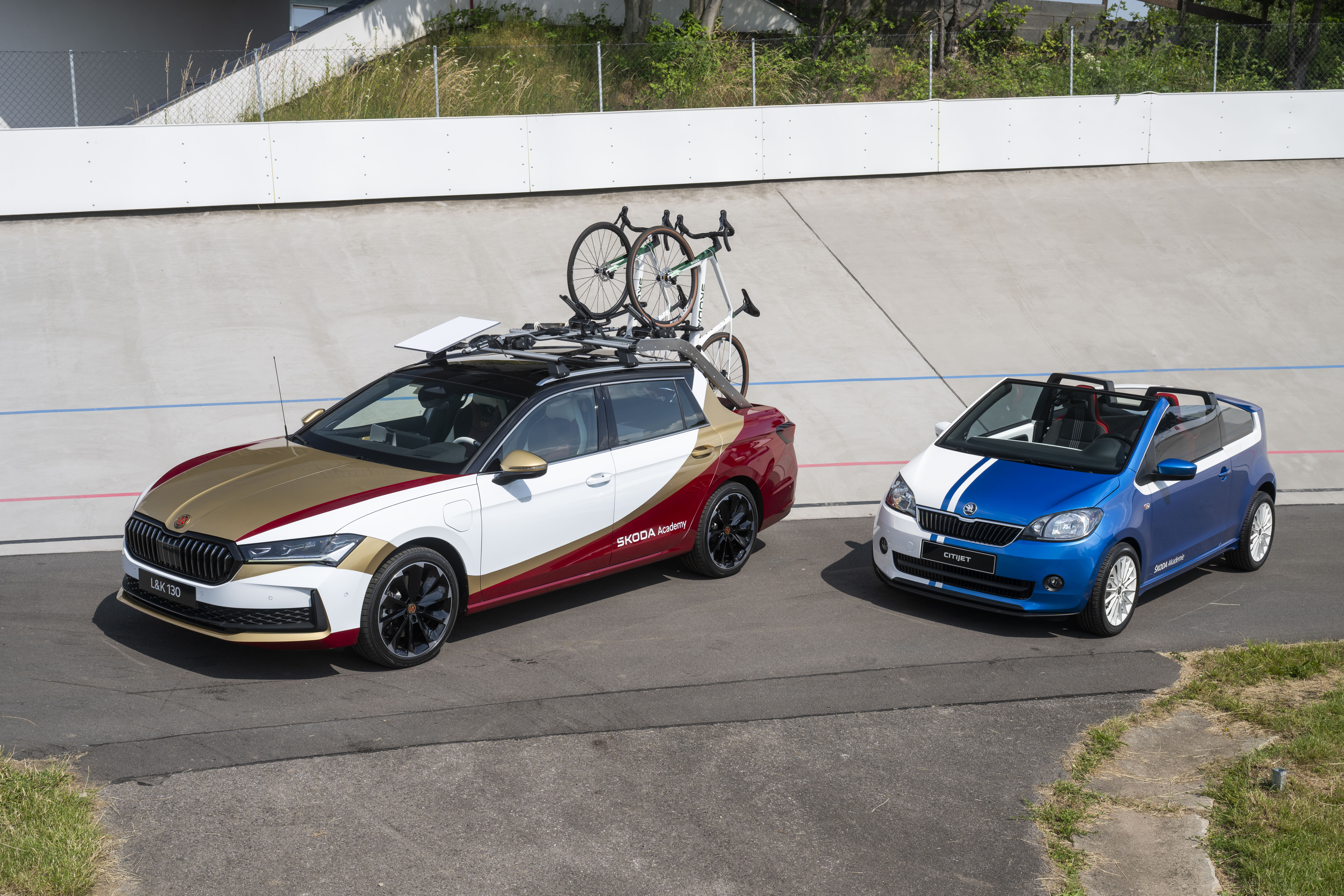
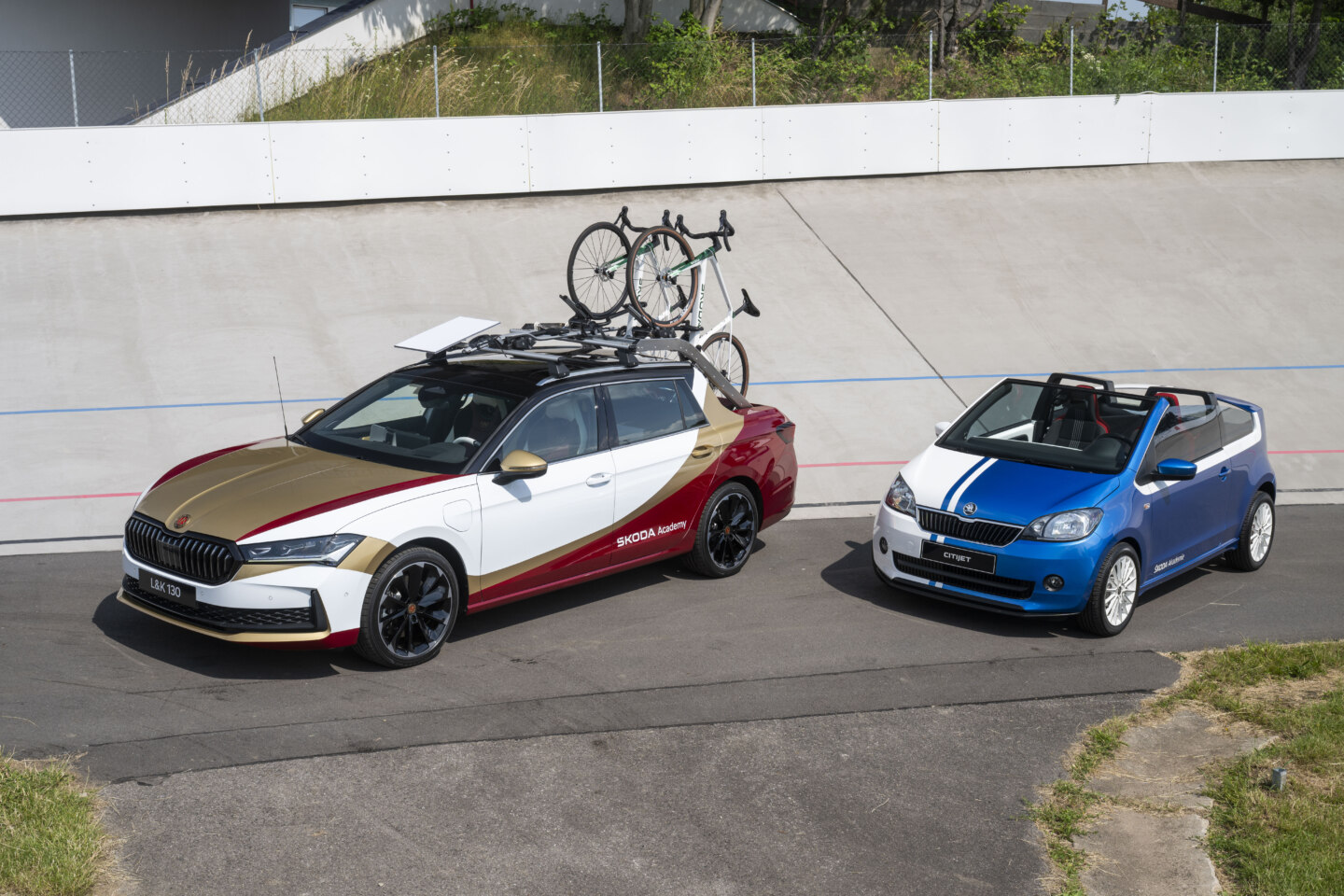 The current student car (Škoda L&K 130) and the first student car (Škoda Citijet).
Škoda Citijet
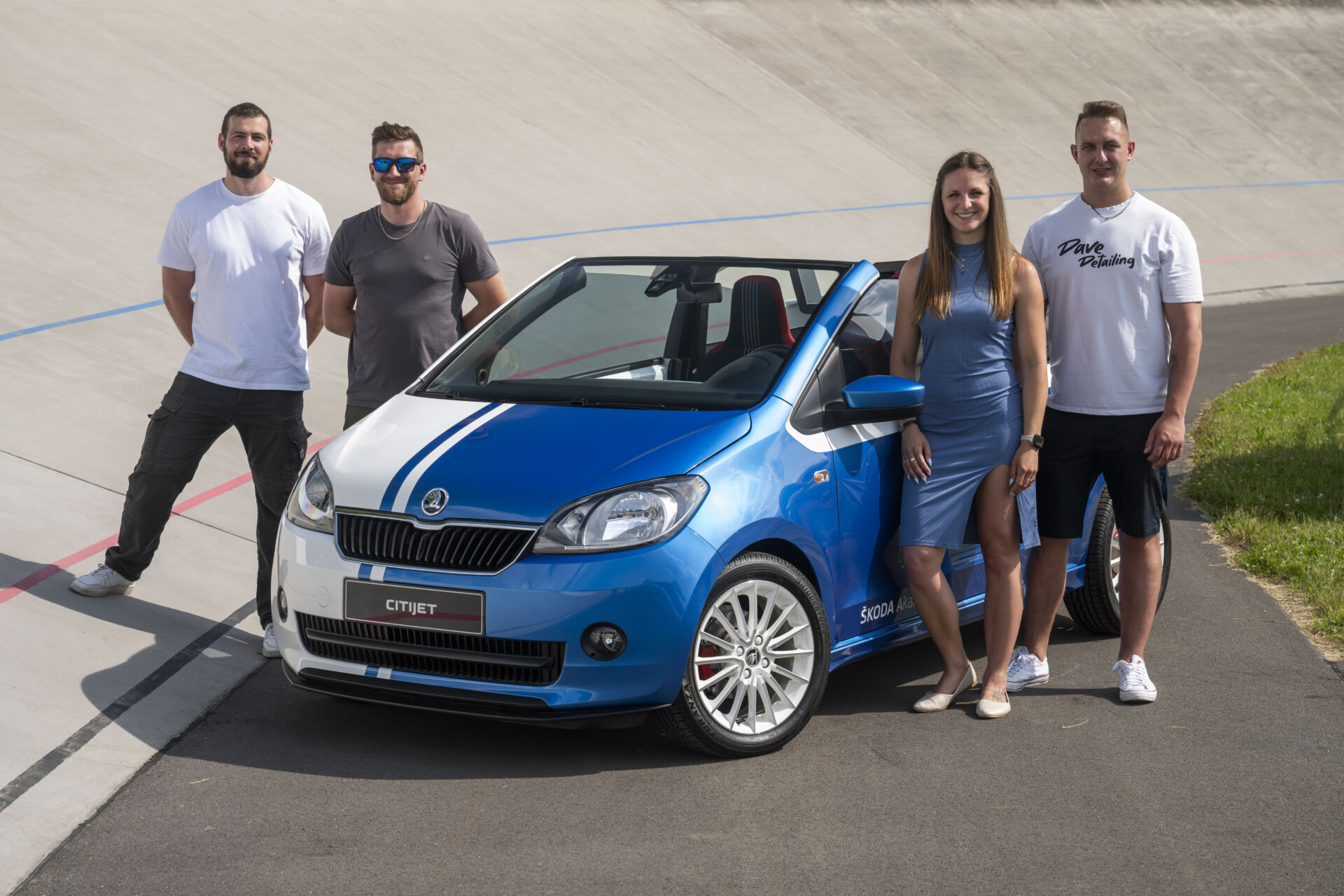
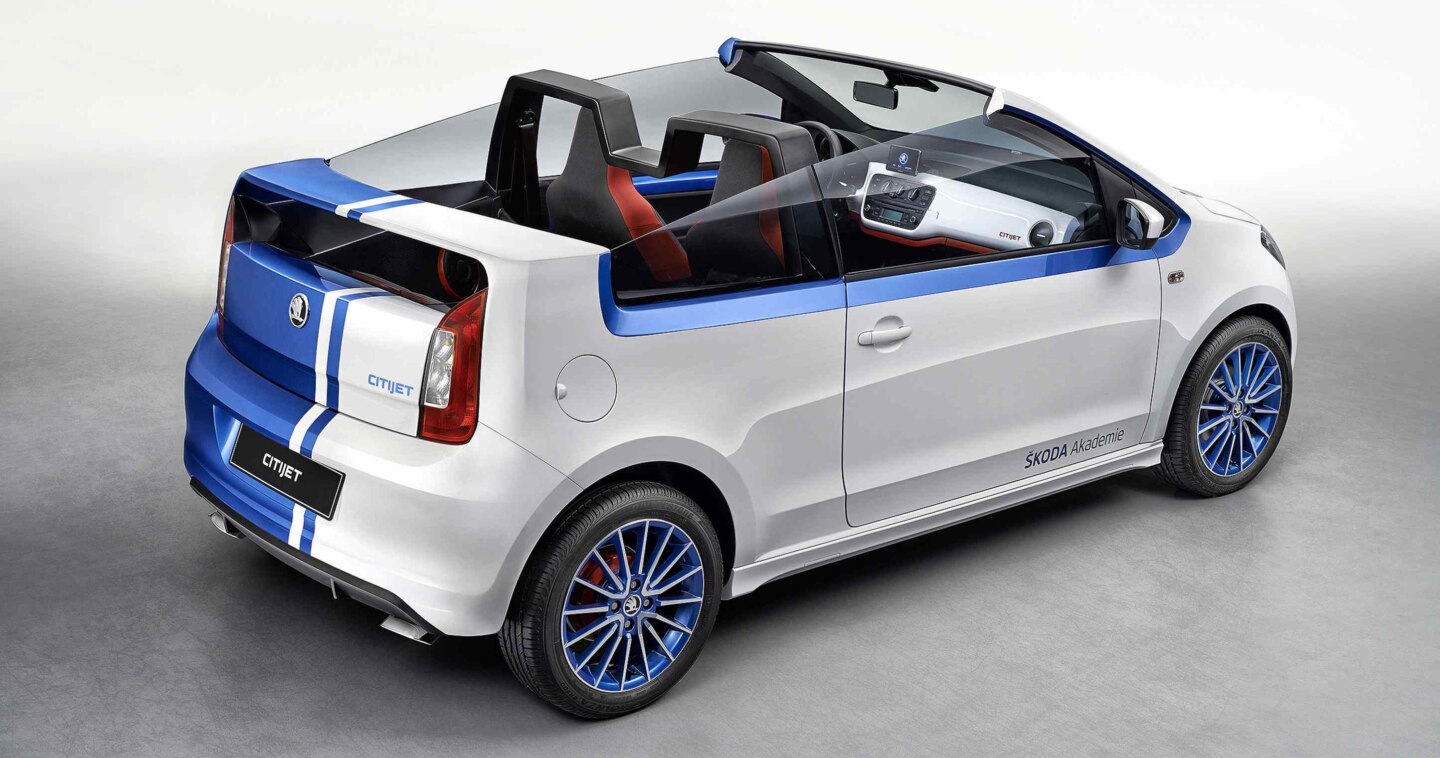
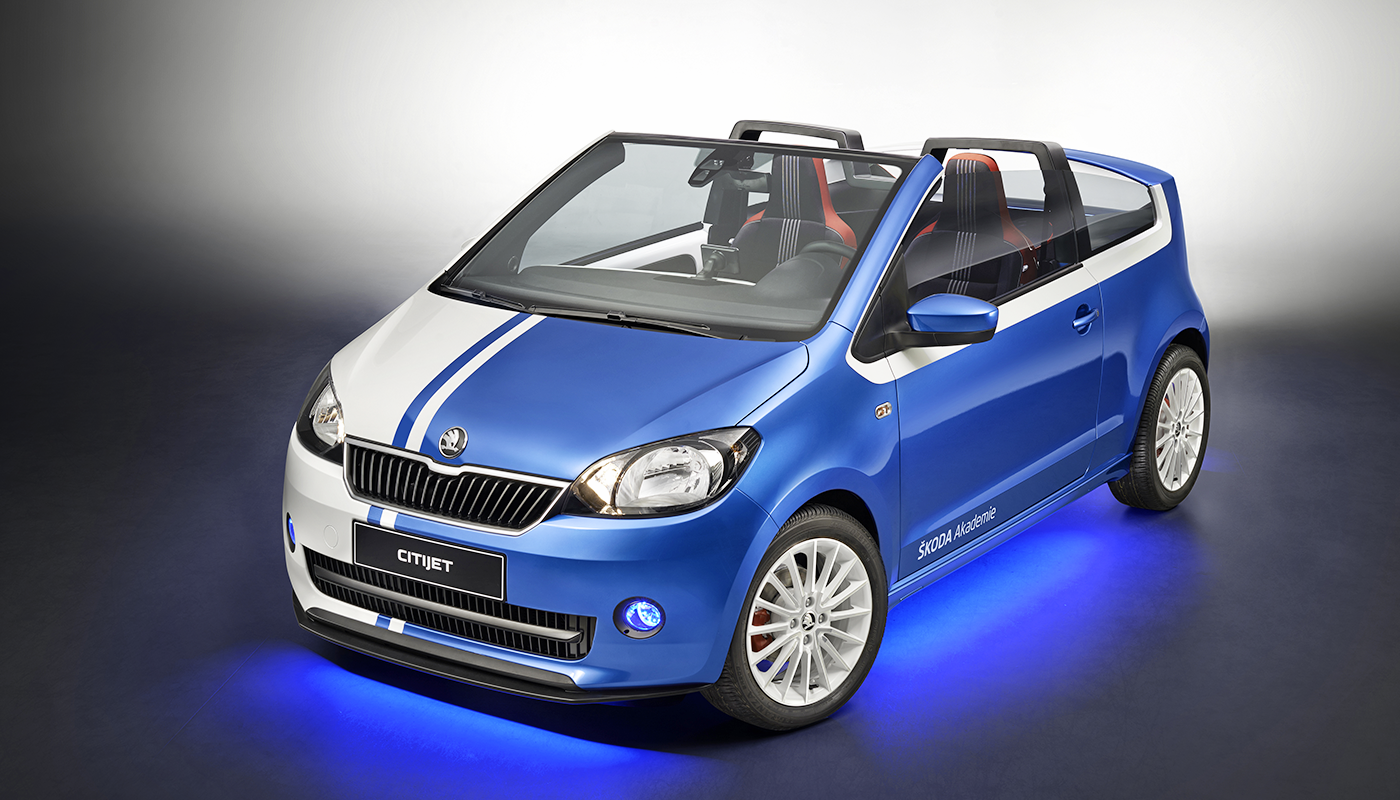
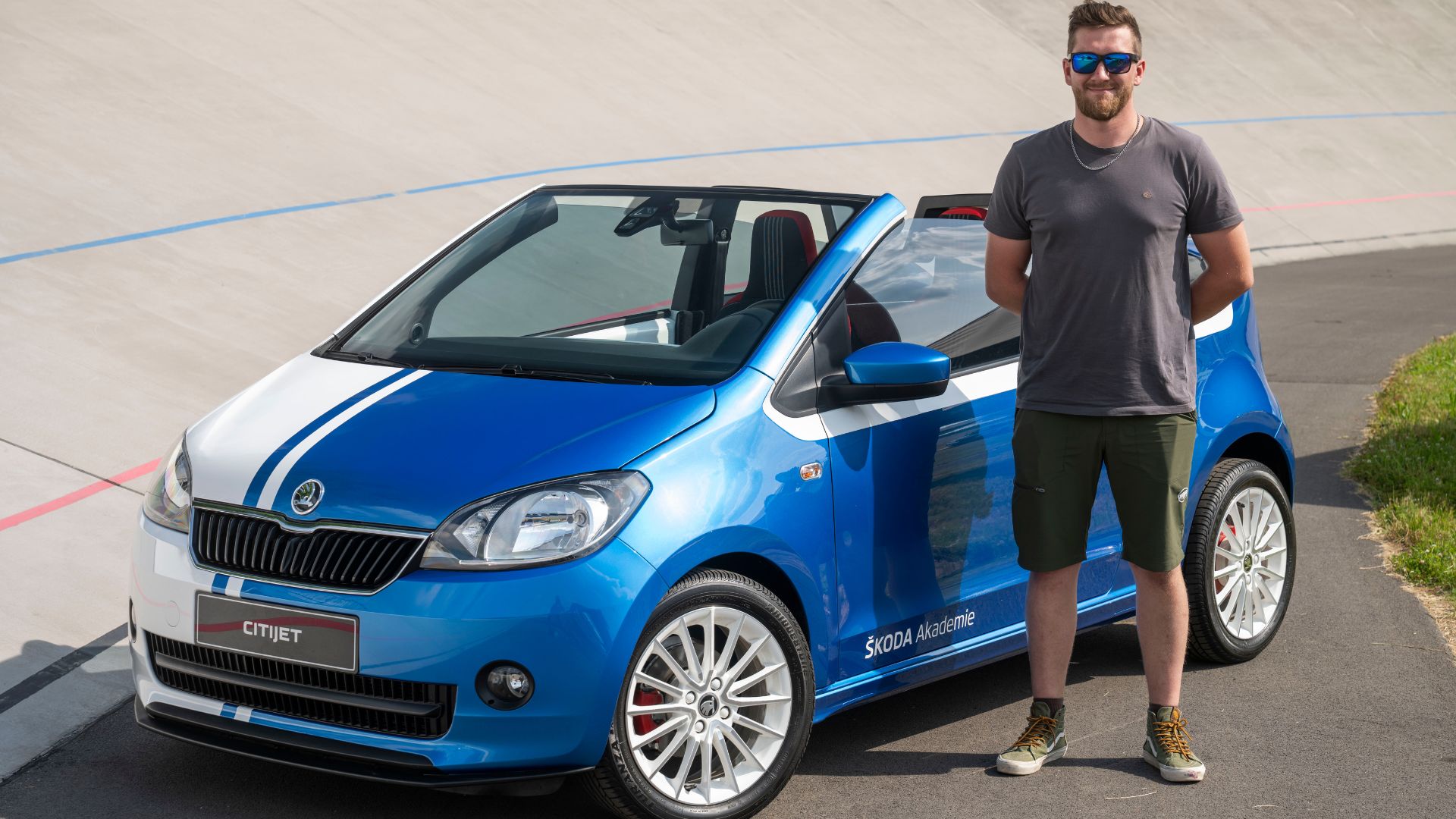
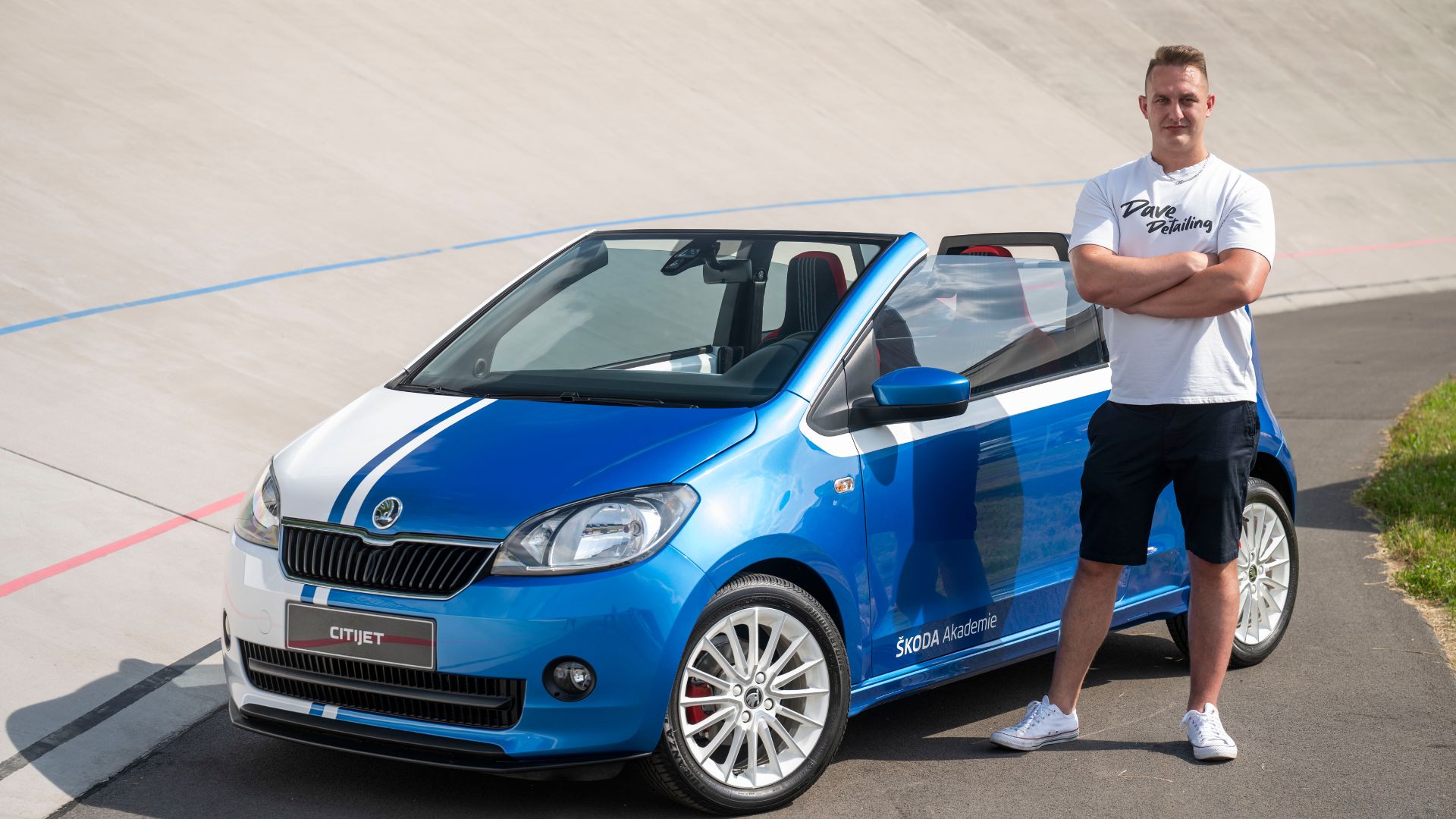
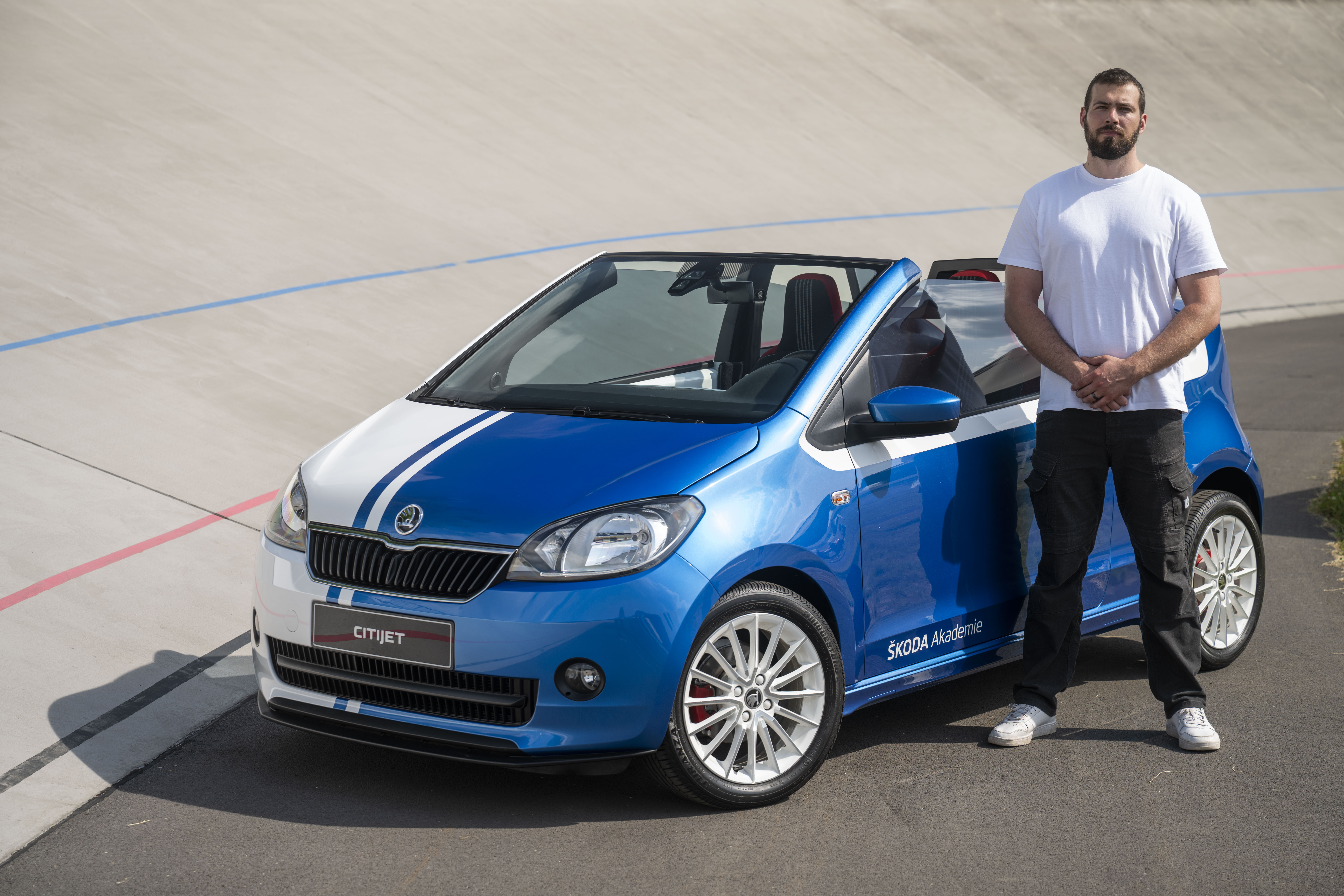
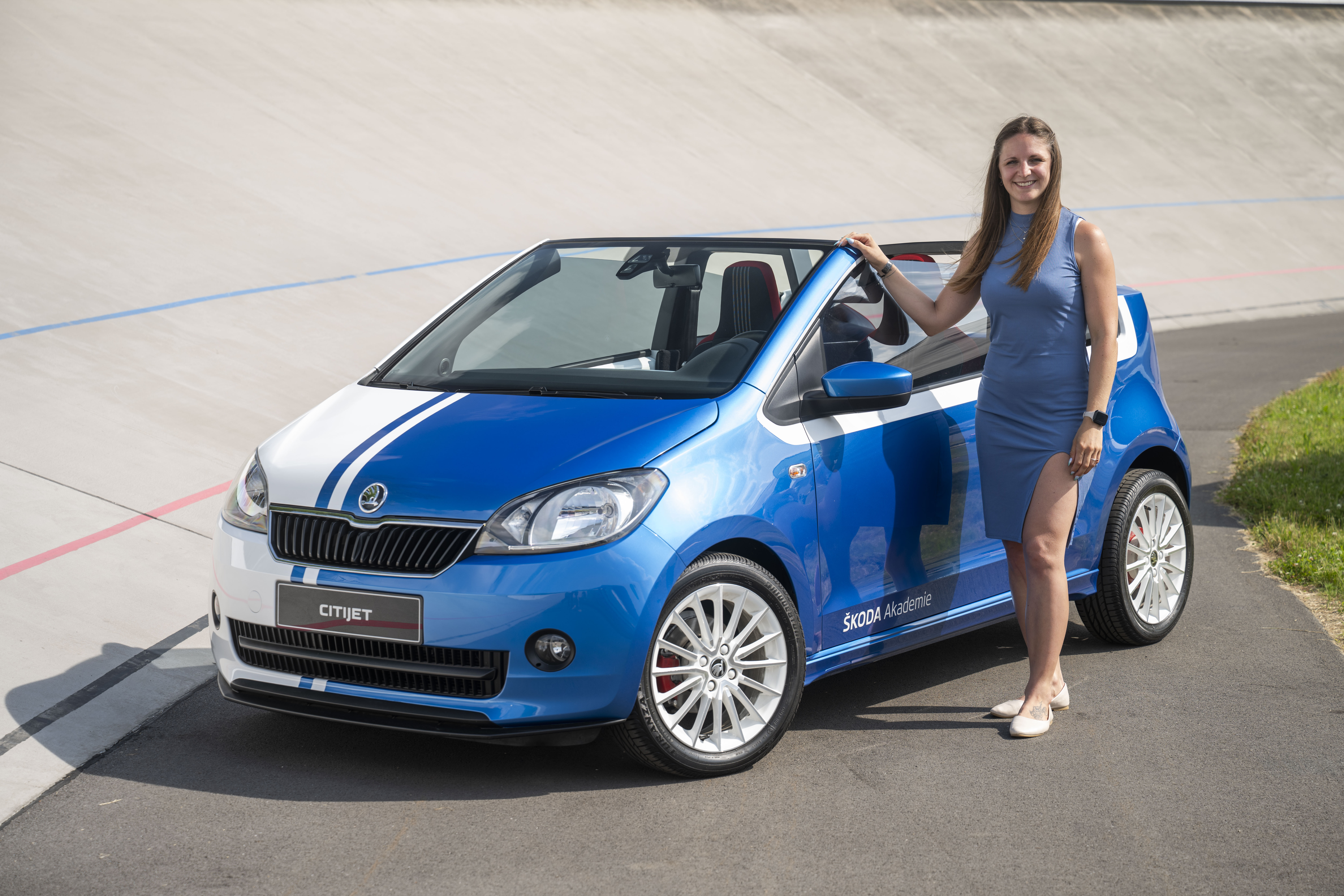
The first Škoda Citijet student car was based on the compact Škoda Citigo platform. Students transformed it into a fun, two-seater roadster with a distinctive white and blue colour scheme. The production model lost its roof, gained a roll bar, and saw its interior heavily reworked. The cabin features two racing seats and a premium audio system, while illuminated underbody lighting ensures the car draws attention wherever it’s displayed.
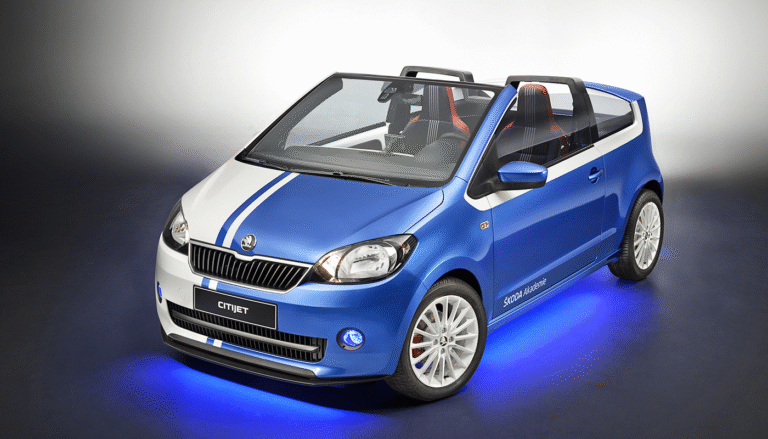
Škoda Citijet (2014)

Škoda Funstar (2015)

Škoda Atero (2016)

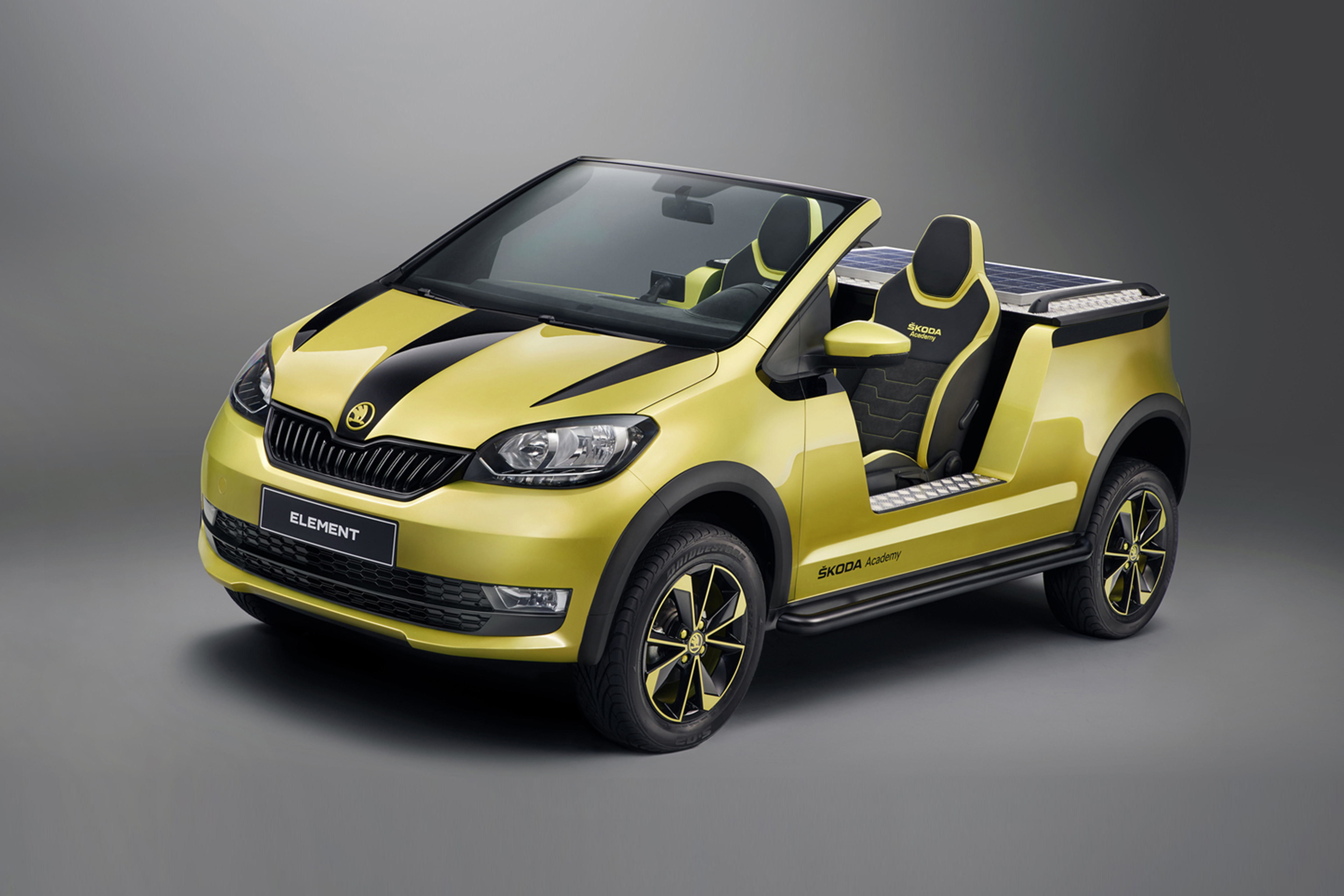
Škoda Element (2017)

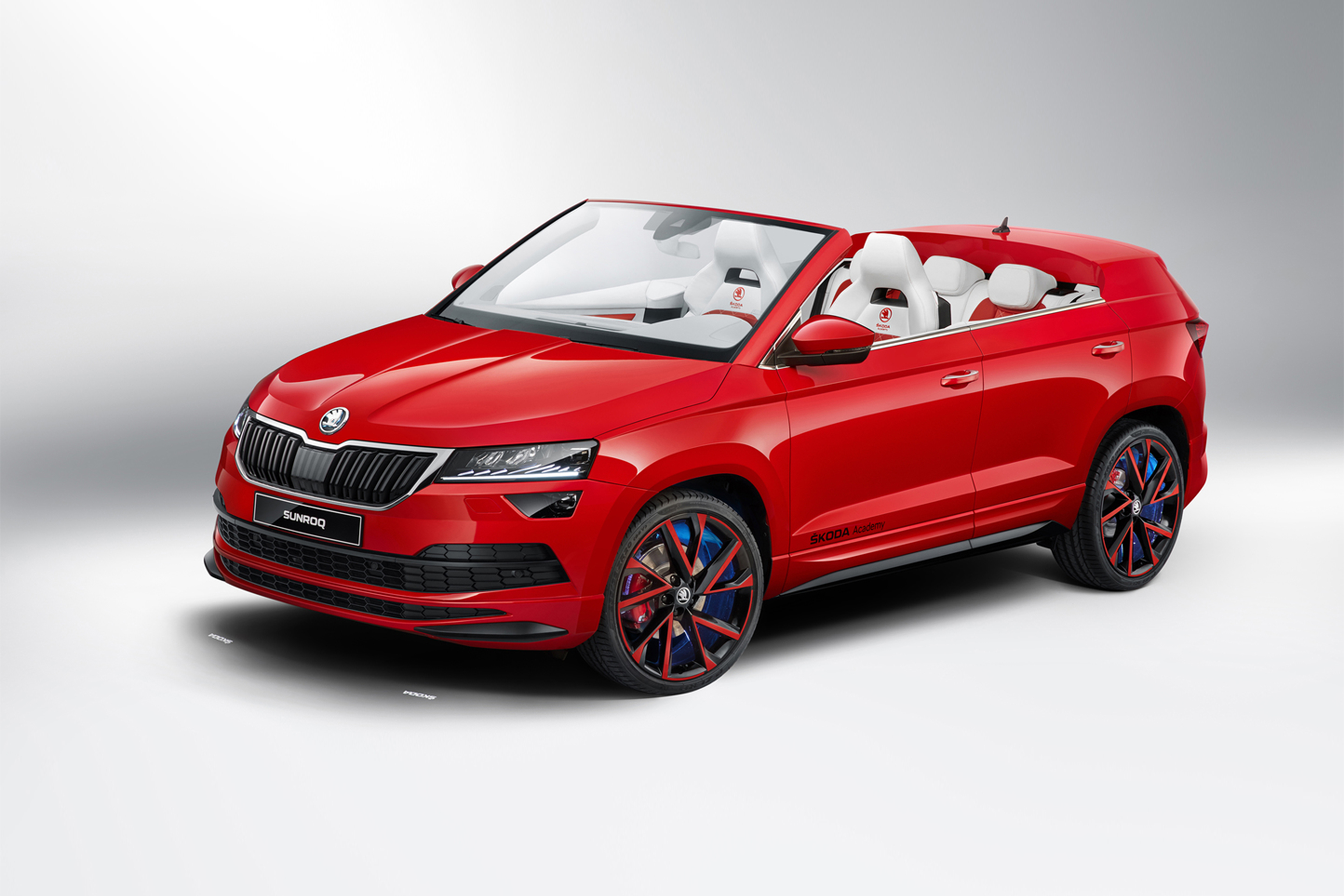
Škoda Sunroq (2018)

Škoda Mountiaq (2019)

Škoda Slavia (2020)

Škoda Afriq (2021-2022)

Škoda Roadiaq (2023)

Škoda L&K 130 (2024 - 2025)
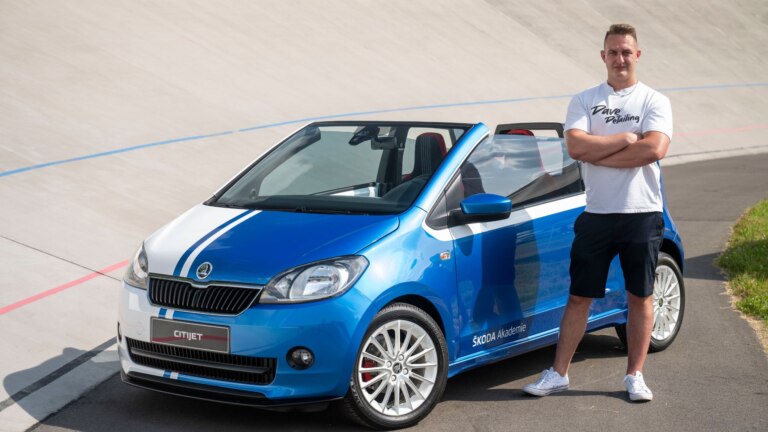
David Baňkowski
“I’ve been around cars since I was a kid — my dad and I used to repair and modify them in our garage, so becoming a mechanic was an obvious choice,” says David thus describing his path to the Škoda Auto Vocational School. After graduating from the Škoda Auto Vocational School, he joined the company immediately and has stayed ever since. “I started out in engine assembly, where I continued to develop my skills. Today, I work as a setup technician at the M2 engine plant.”
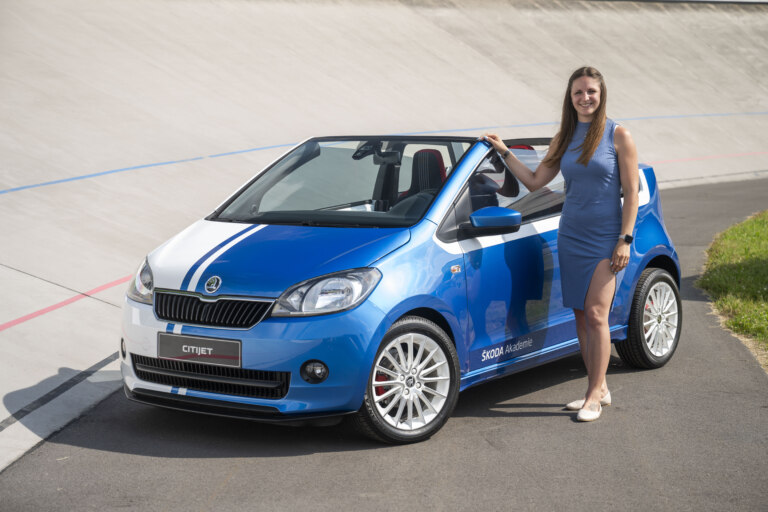
Jana Siudová
Jana studied Industrial Logistics at the Škoda Auto Vocational School. She admits that she initially chose the school for a rather unexpected reason: “I actually enrolled because of a boy I liked at the time,” she laughs. However, she quickly adds that it was not an ill-considered choice, and she realized it was the right decision: “I’ve always been interested in technology — I liked motorcycles and cars — so this school was a perfect fit. And I was also drawn by the prospect of working at Škoda one day.” Today, she works in the Škoda paint shop as a technical specialist, responsible for budgeting and supplier communication.
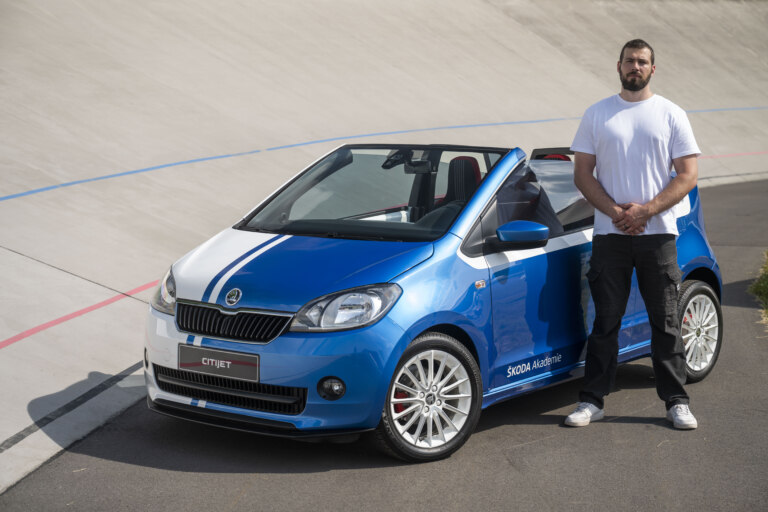
Radovan Juráš
Radovan transferred from a traditional grammar school to Škoda’s vocational program. “I missed the hands-on side of things — grammar school was all theory and no practice,” he explains. He joined directly into the second year of the Industrial Logistics program. After graduation, he went on to complete university and eventually joined the vehicle development department at Škoda Auto. Today, he continues his career in the automotive industry — though outside the company — as a carbon parts production technologist.
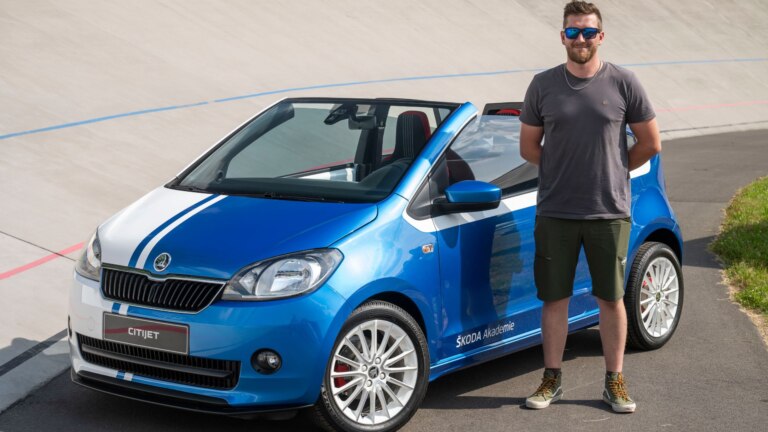
Lukáš Novotný
Lukáš enrolled at the Škoda Auto Vocational School in part to follow in his father’s footsteps. “My dad trained as an electrician, and I was looking for something similar. I ended up becoming an auto electrician,” he says with a smile. After graduating, he joined Škoda’s Service Centre in Kosmonosy, and he still works in his field today. In fact, he continues to stay close to the student car projects by providing technical support for Škoda’s exhibition vehicles, accompanying them to presentations and shows all over the world.
Be the first
to get the latest stories
Explore more


Media Box
17 images




Show more
Show less