For your car to perform properly: Keep an eye on tyre pressure
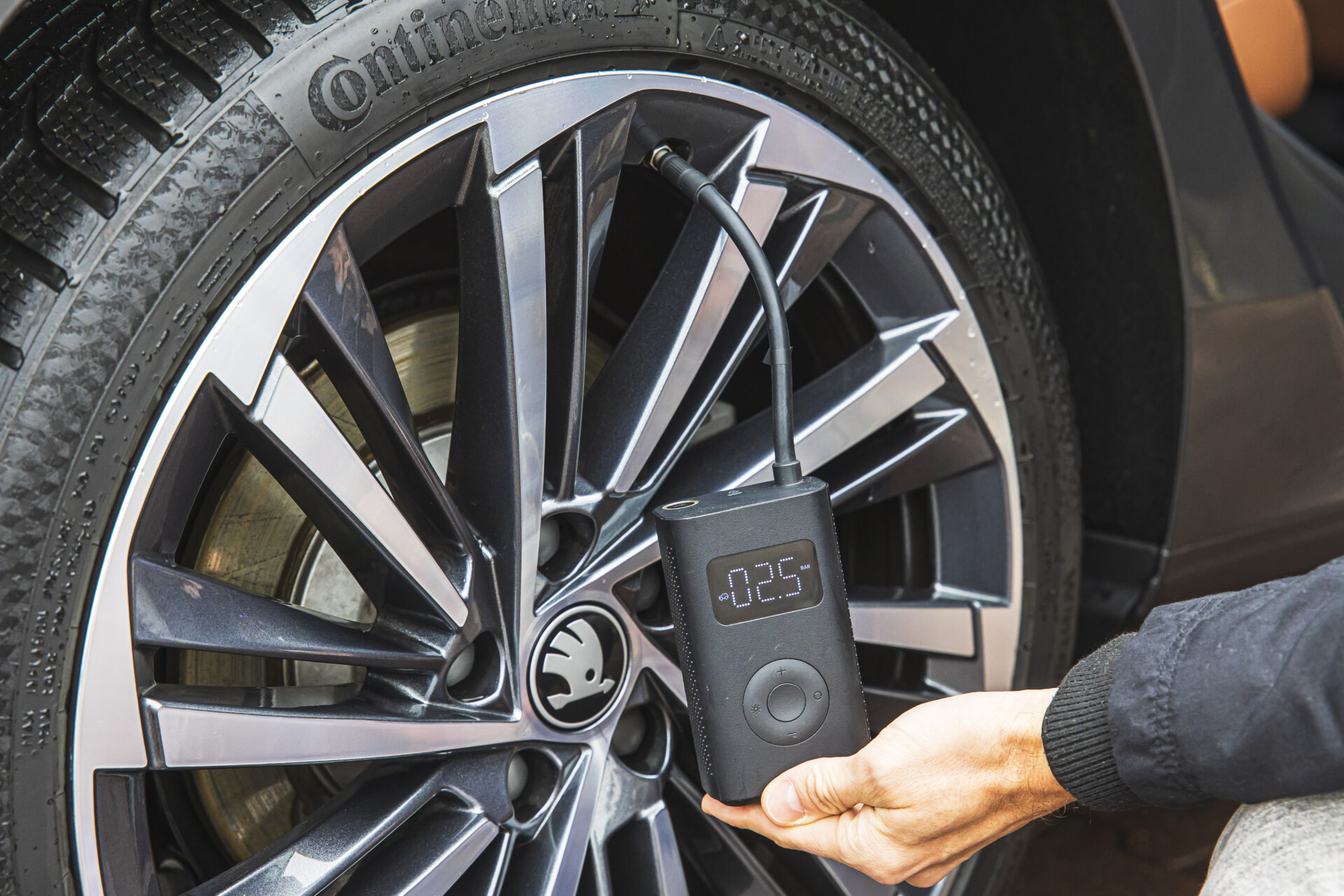
Tyres are a key component of any vehicle and its only point of contact with the road. If there is a problem with the tyres, even the most sophisticated technology above them cannot compensate for it. Proper care of a vehicle’s tyres affects driving safety, comfort, fuel consumption and many other aspects of operation.
10. 3. 2026 Škoda World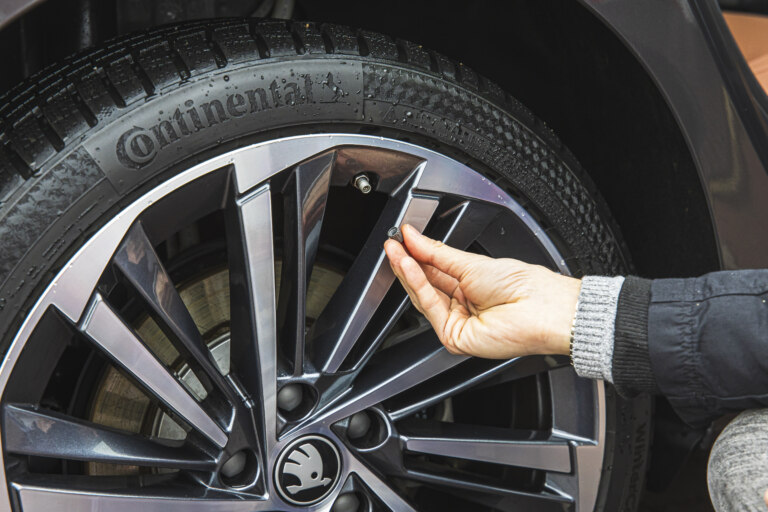
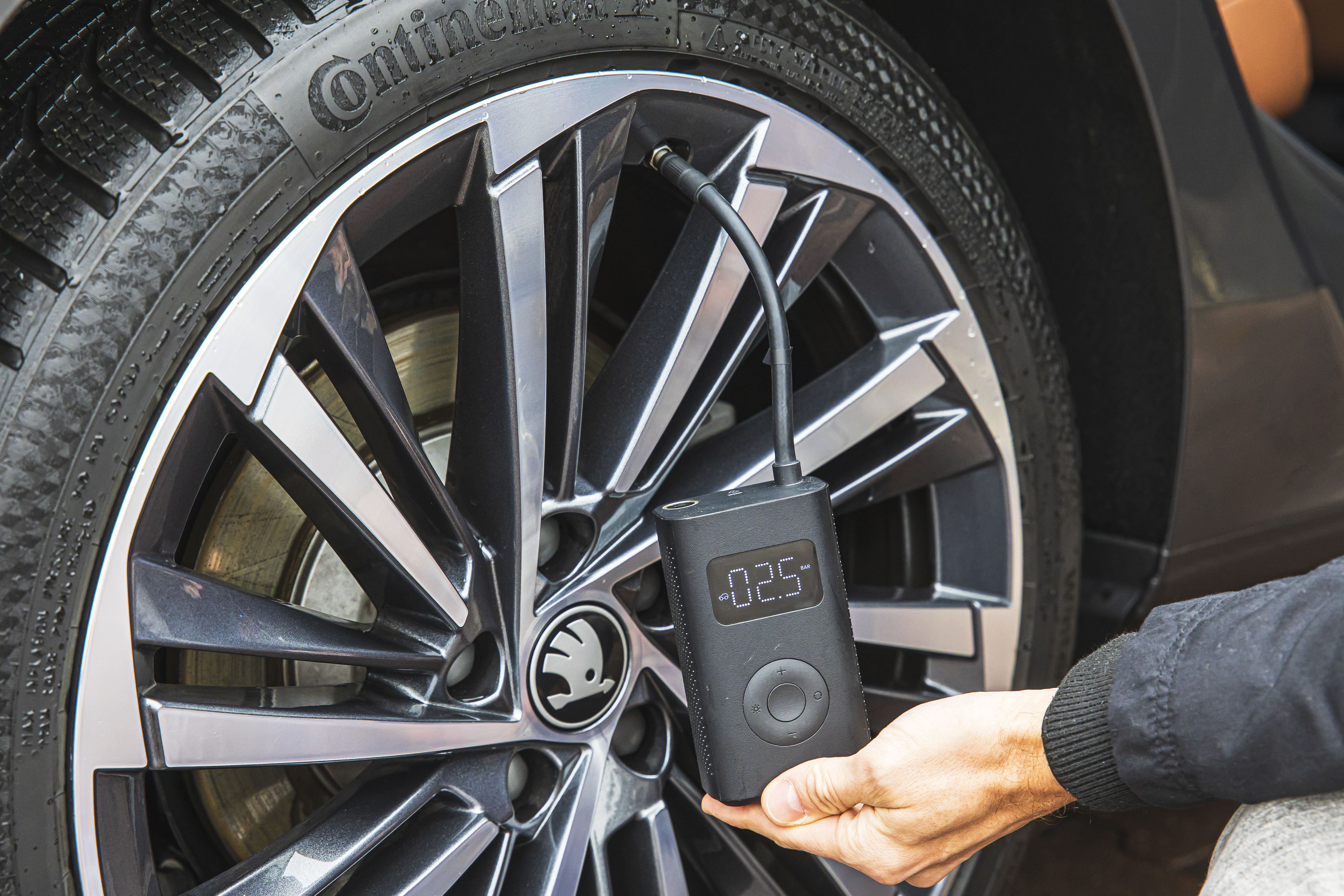
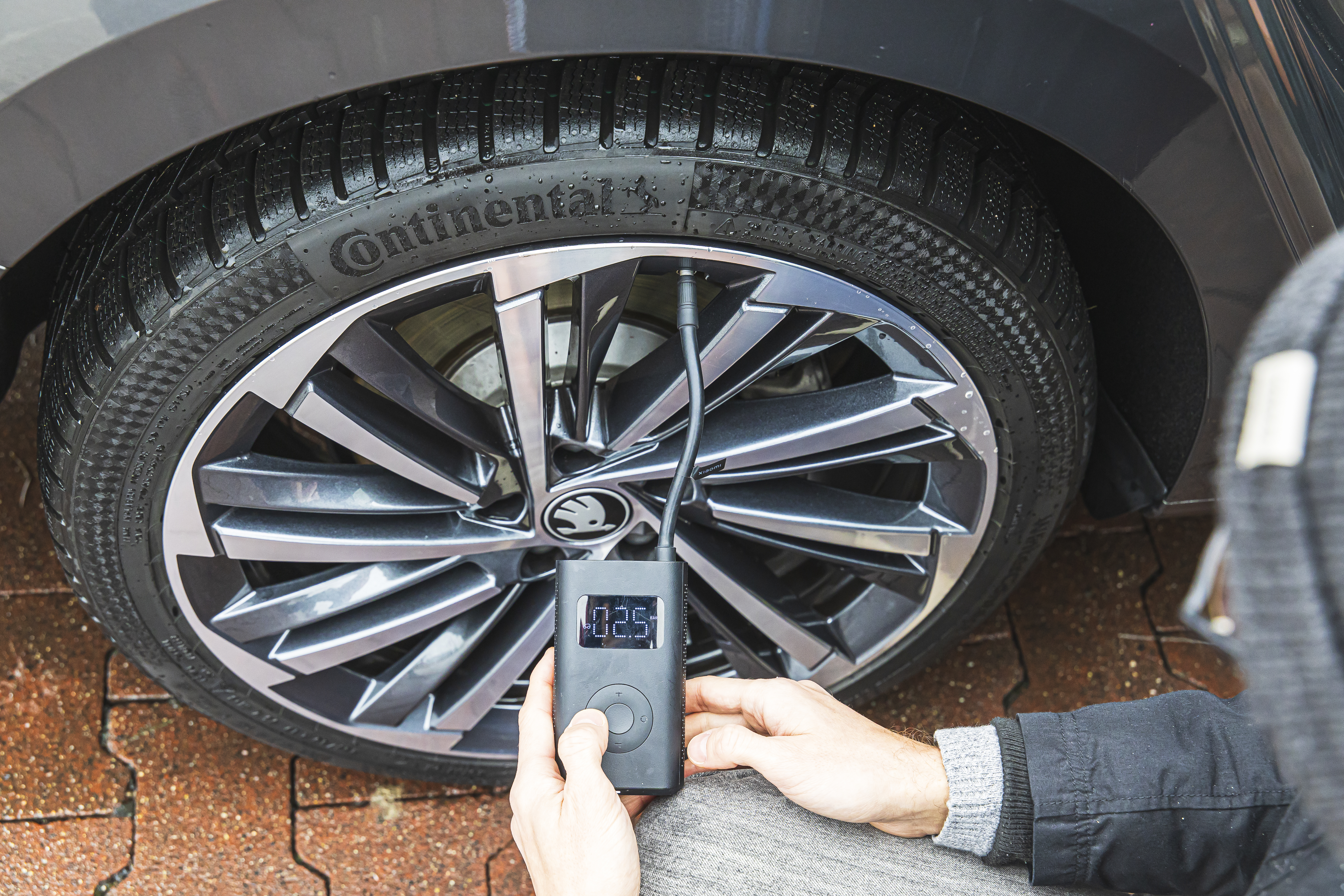
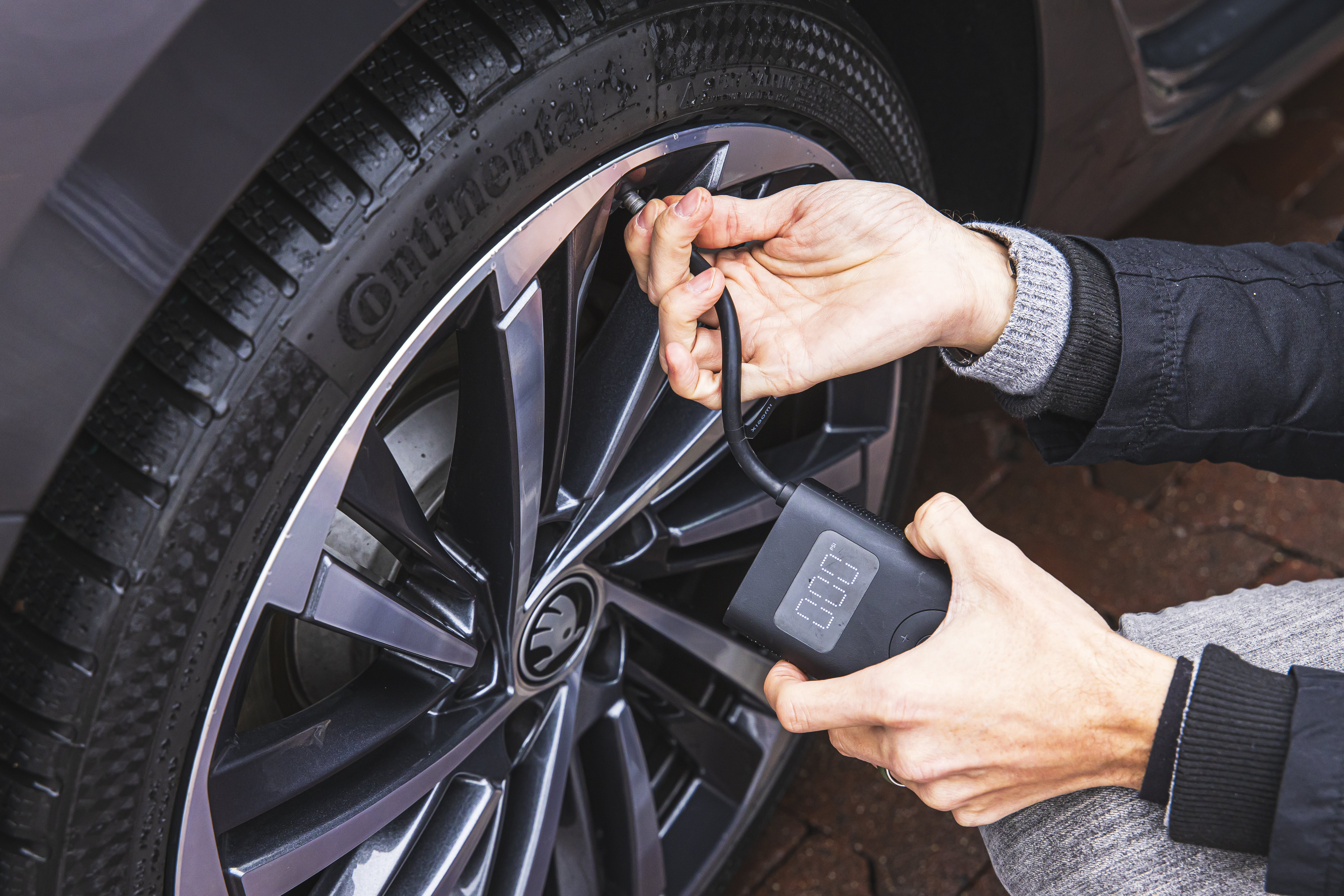
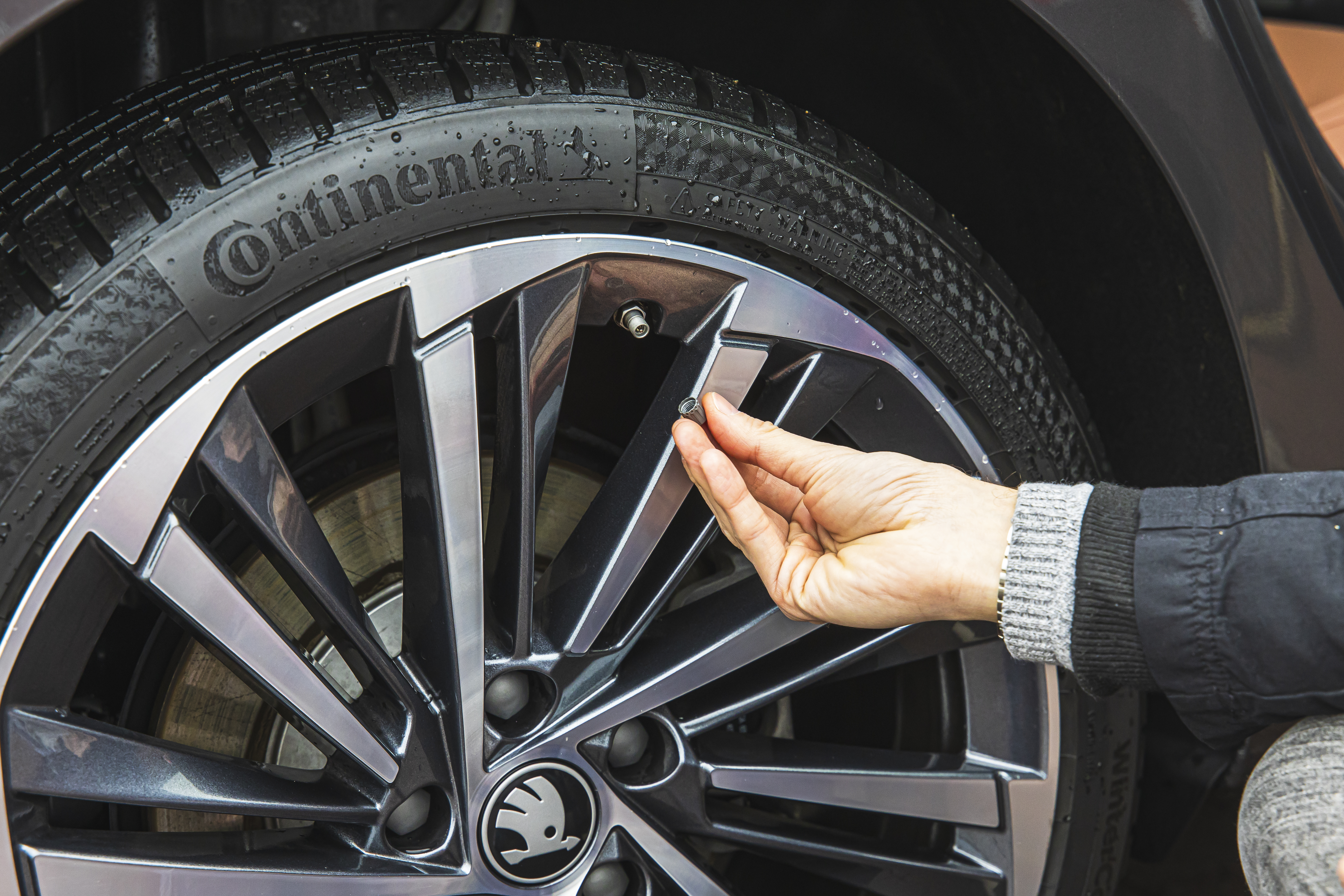
Check the correct tire pressure even when the weather changes. As temperatures drop or rise, tire pressure also changes and needs to be adjusted accordingly
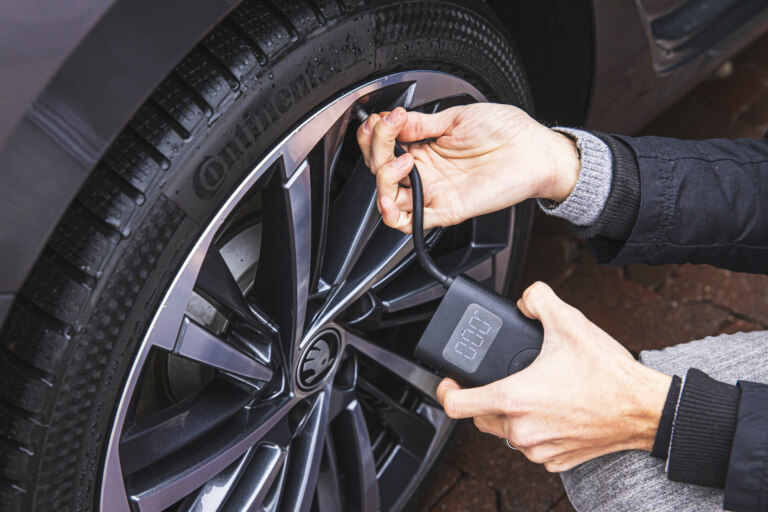
Check the correct tire pressure even when the weather changes. As temperatures drop or rise, tire pressure also changes and needs to be adjusted accordingly
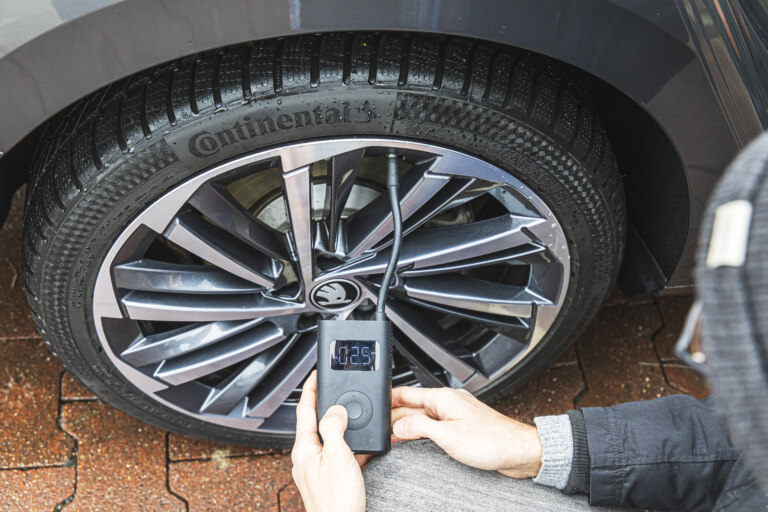
Check the correct tire pressure even when the weather changes. As temperatures drop or rise, tire pressure also changes and needs to be adjusted accordingly
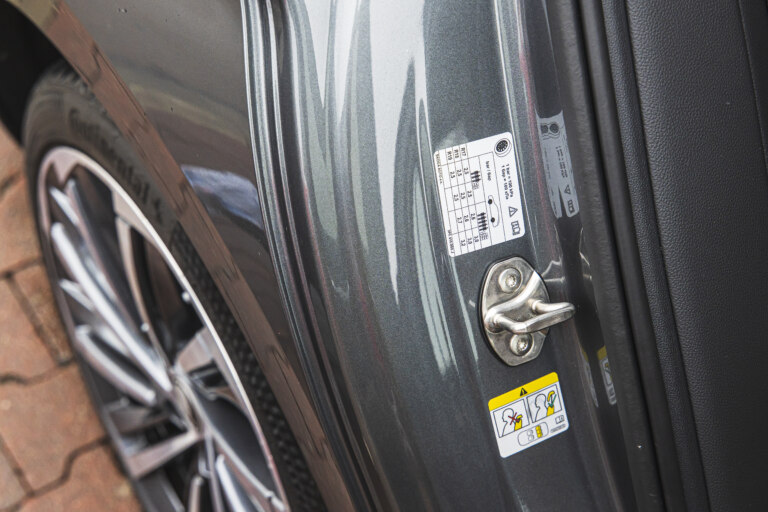
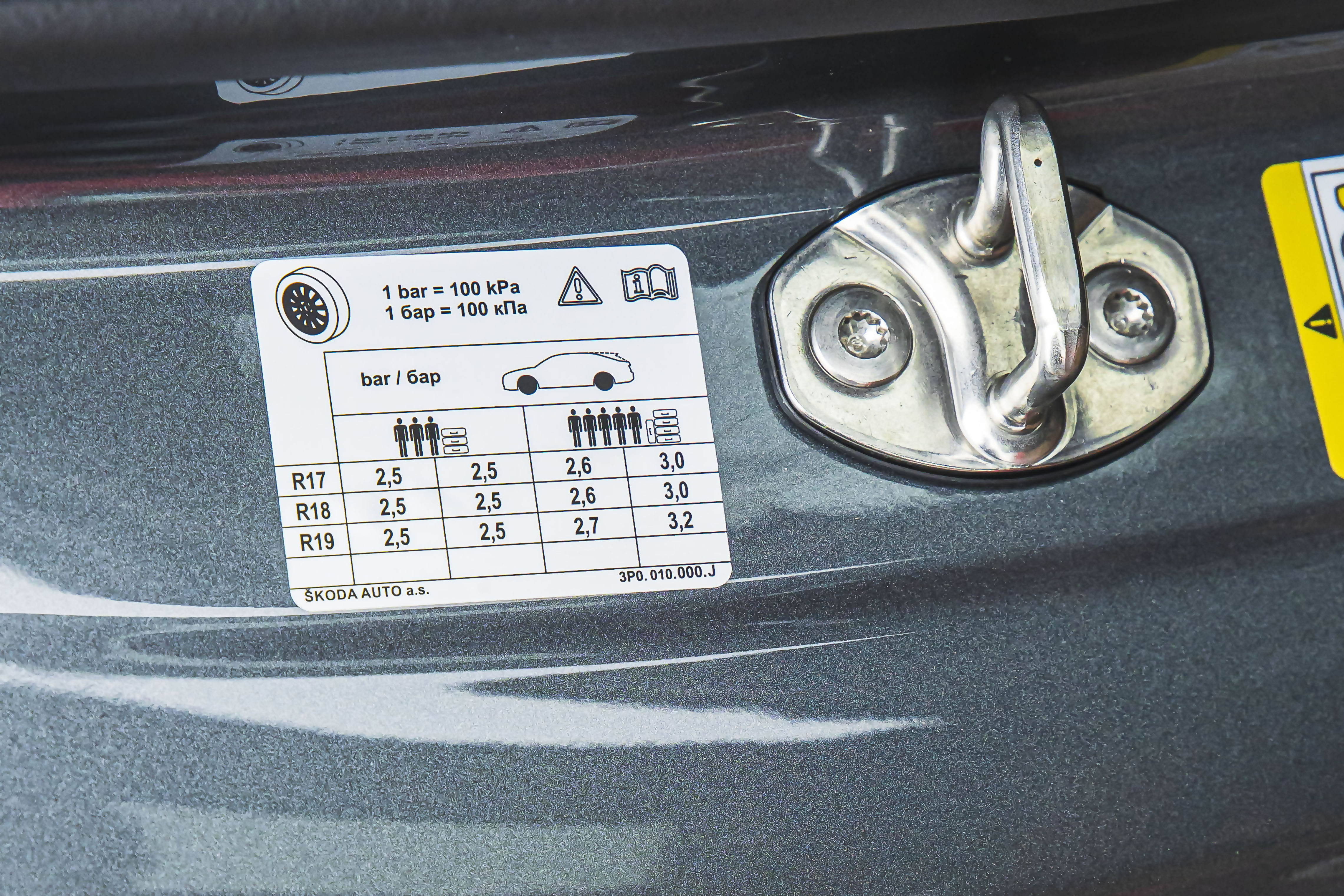
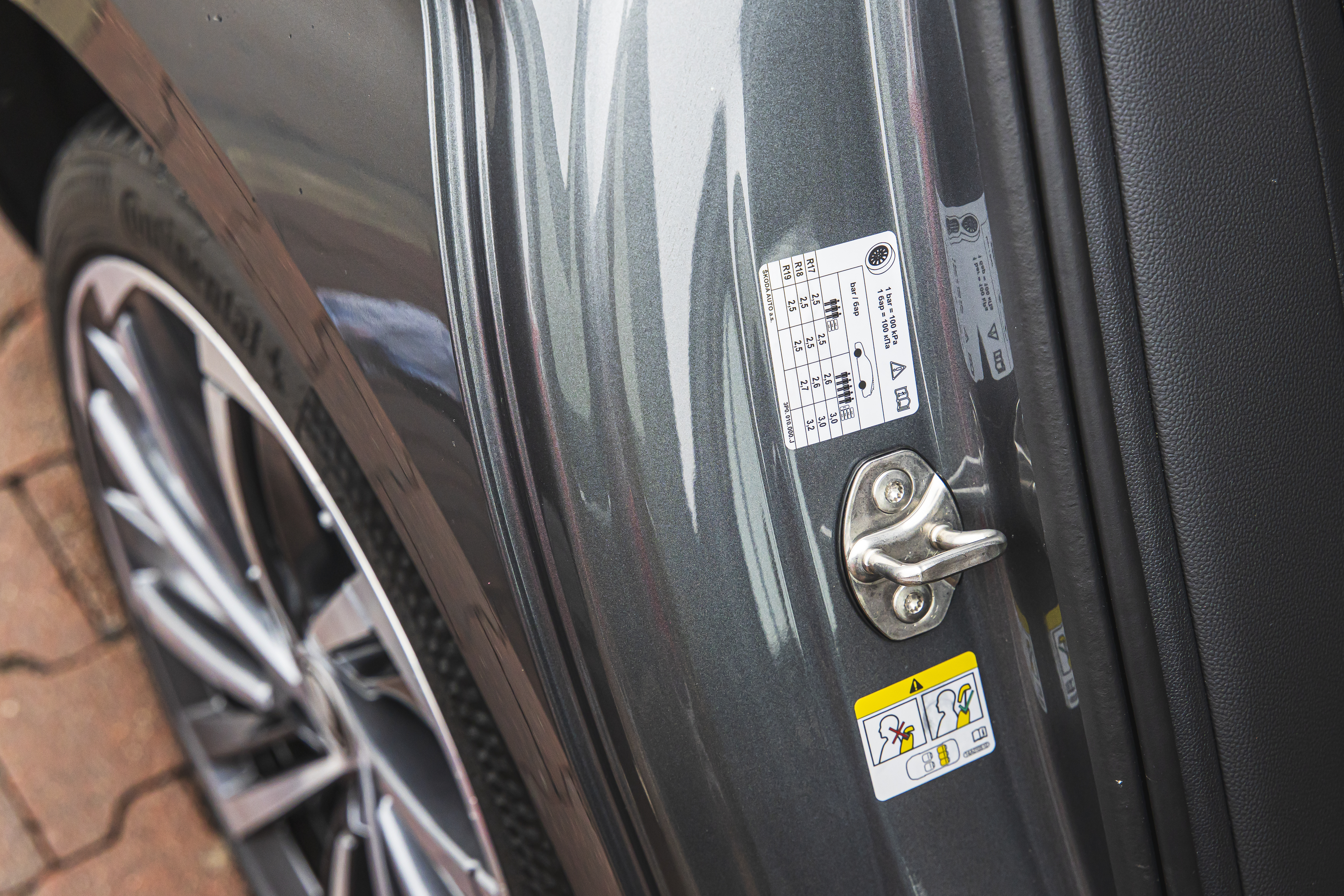
The tire pressure is specified by the manufacturer not only in the owner's manual, but you can also find it on a label located on the car body

The tire pressure is specified by the manufacturer not only in the owner's manual, but you can also find it on a label located on the car body
It is also necessary to react to temperature changes. In cold weather, the pressure inside the tyres decreases, while in hot conditions it rises. “Inflate the tyres before driving and at the temperatures in which the car will be used. It makes little sense to adjust the pressure when you have just left a heated garage and driven into freezing conditions. Afterwards, it is necessary to store the new pressure value in the infotainment system so that the tyre pressure loss detection system can function correctly,” Pazděrný comments on the adjustments.
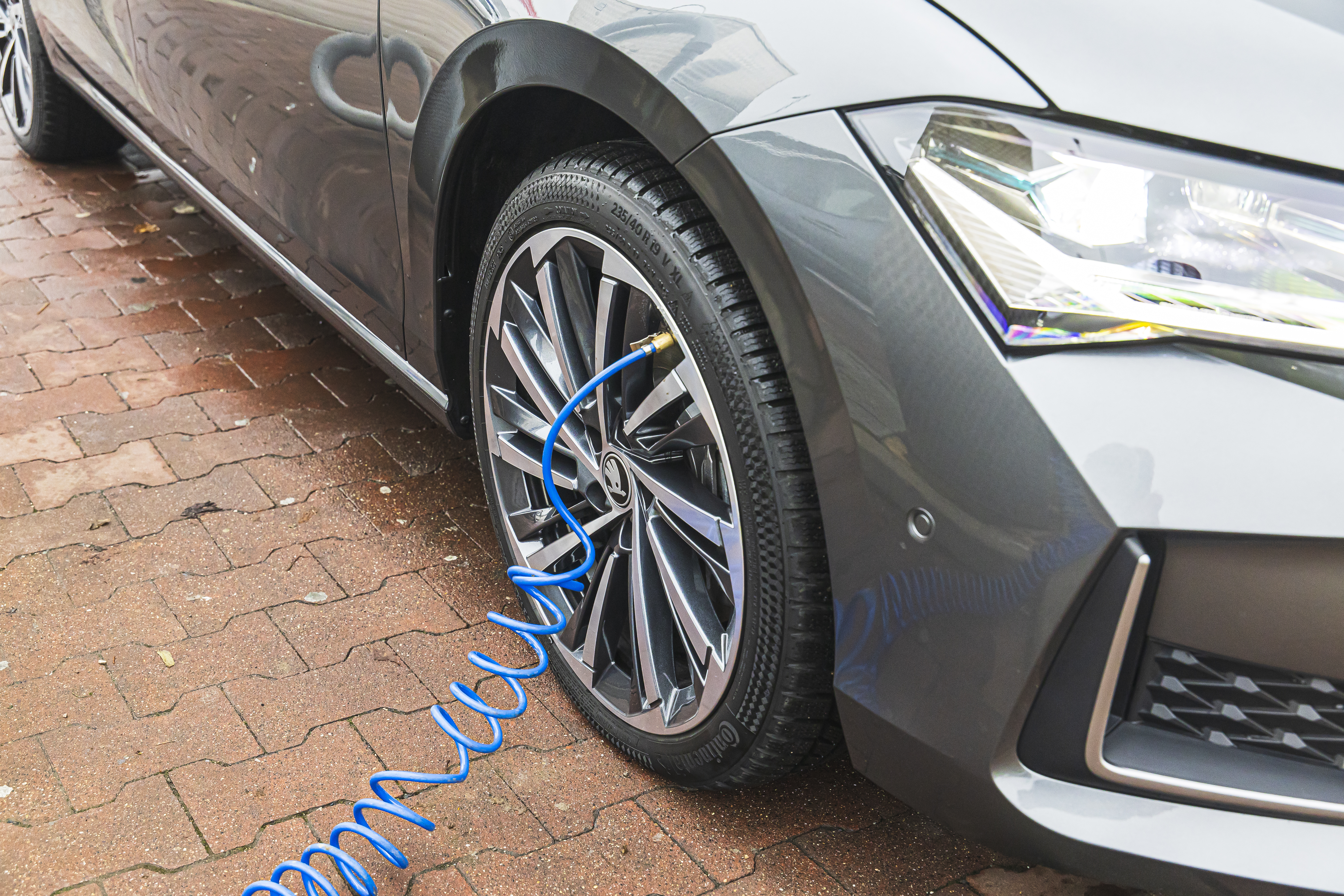 Driving on underinflated or overinflated tires can be dangerous and shortens the life of the tires
How incorrect pressure can cause damage
Underinflated tyre:
● reduces vehicle stability and driving safety
● increases fuel consumption
● reduces steering precision
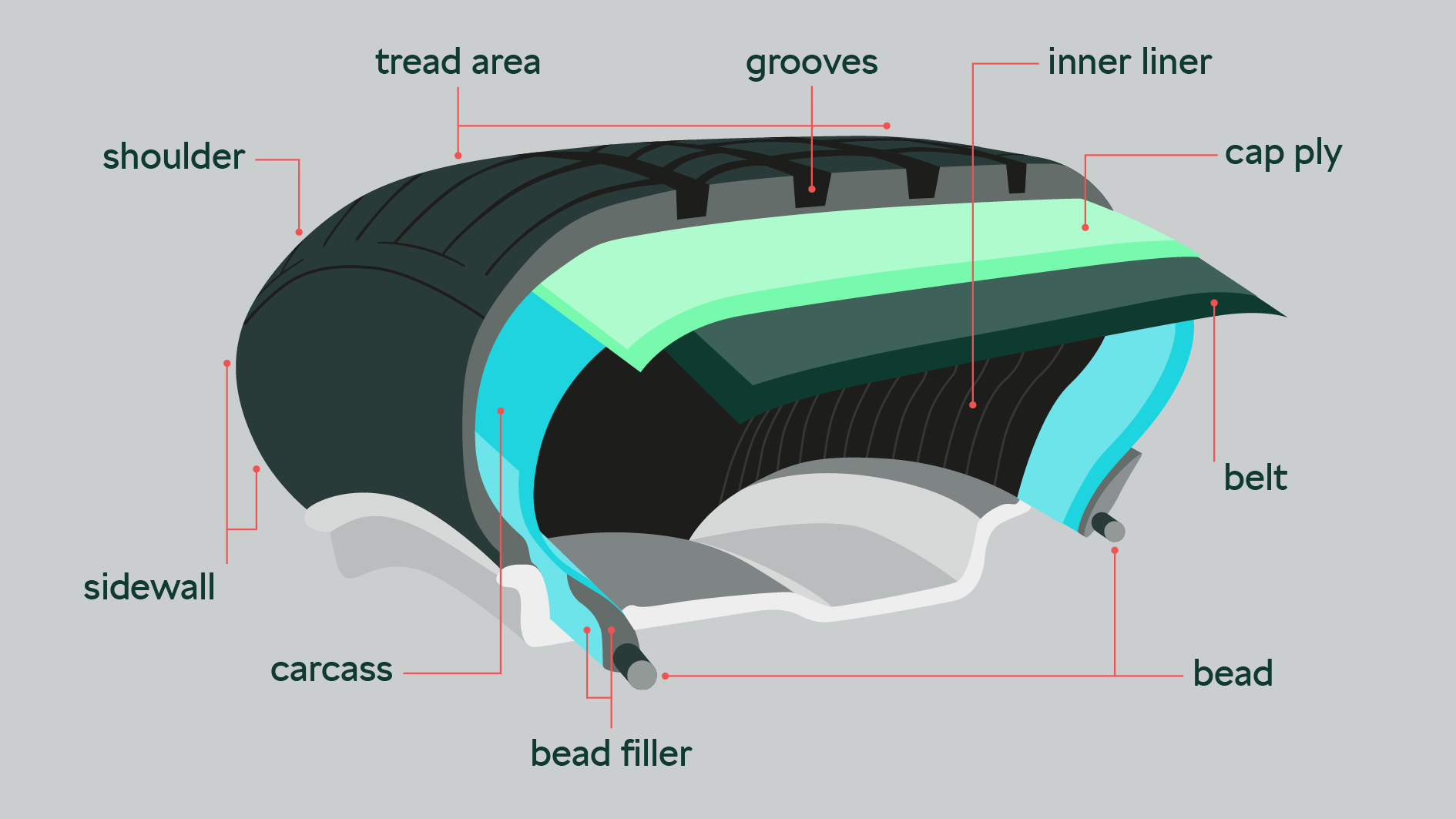
● in extreme cases leads to excessive wear in the shoulder area (the outer edges of the tread)
Overinflated tyre:
● worsens handling on wet surfaces
● increases braking distance
● reduces ride comfort
● in extreme cases leads to excessive wear in the central tread area
Combination (underinflated and overinflated):
A situation where both phenomena occur simultaneously is also risky. The vehicle then enters a state of significant dynamic imbalance, resulting in a combination and amplification of all negative effects.

Be the first
to get the latest stories
Explore more

Media Box
8 images
Show more
Show less