I keep discovering new things in the archive
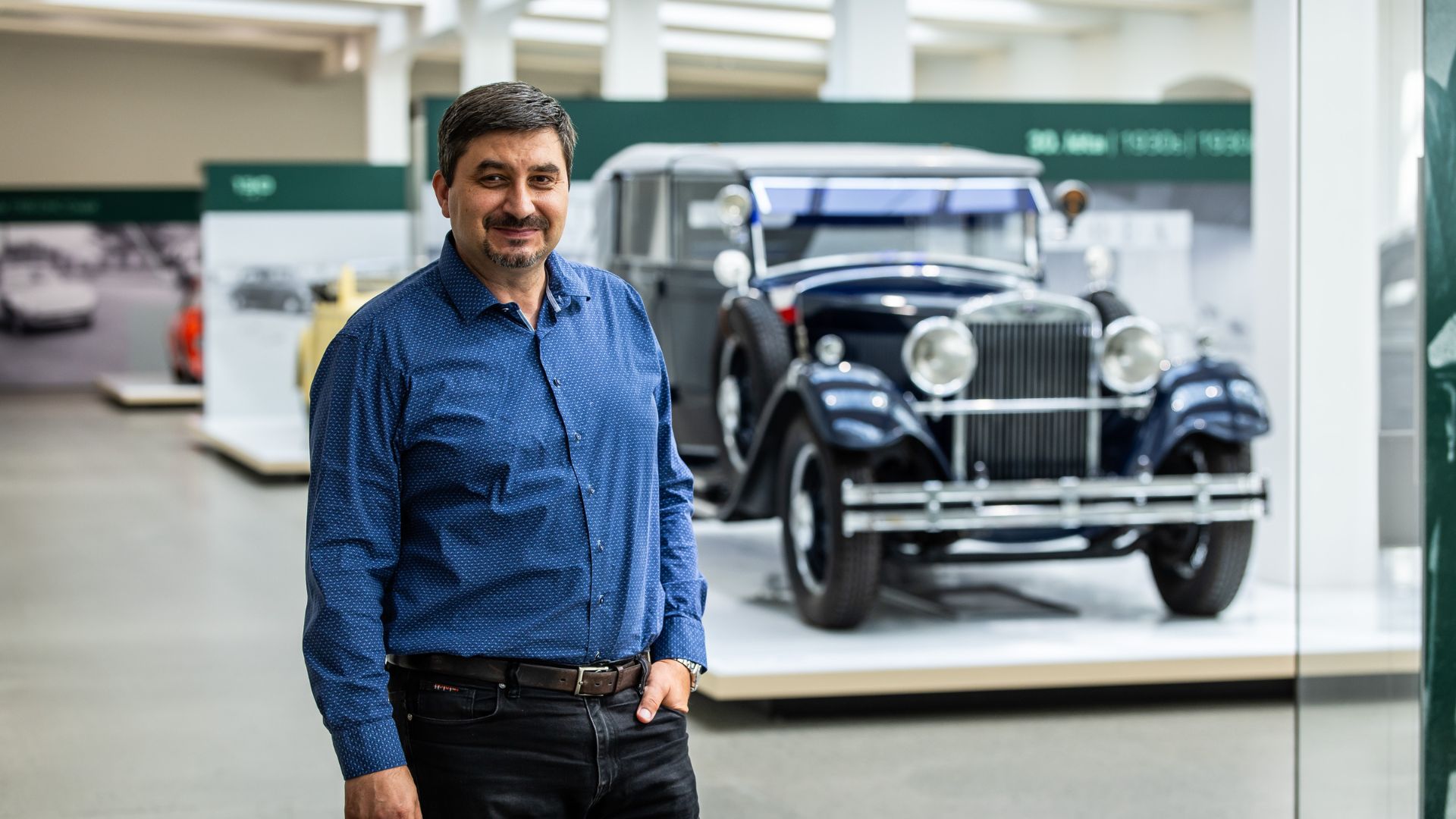
They may stand outside the spotlight, yet they are an integral part of Škoda Auto and guardians of extraordinary stories. In the case of archive coordinator Lukáš Nachtmann, this is quite literally true.
9. 10. 2025 130 yearsŠkoda Auto company archive
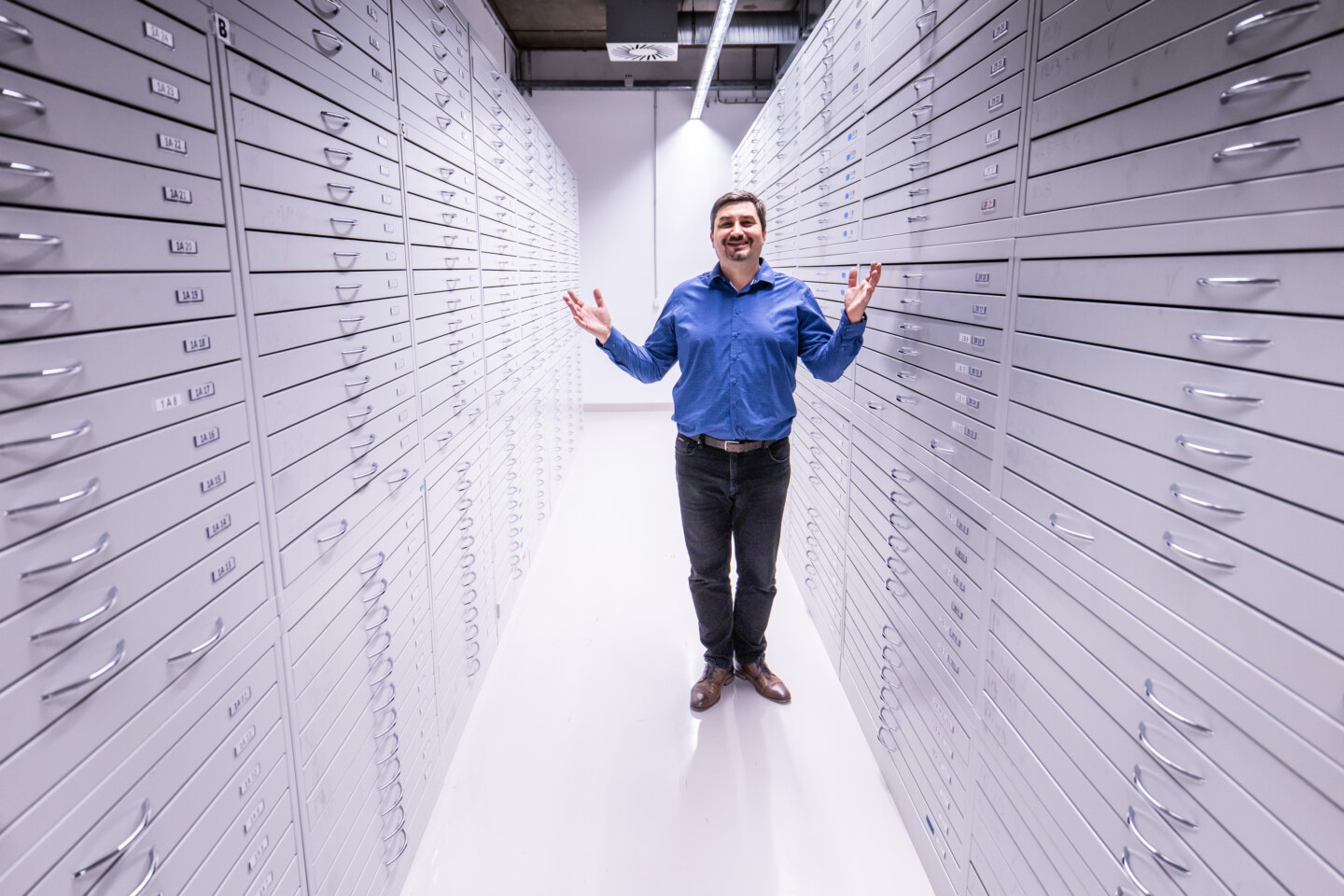
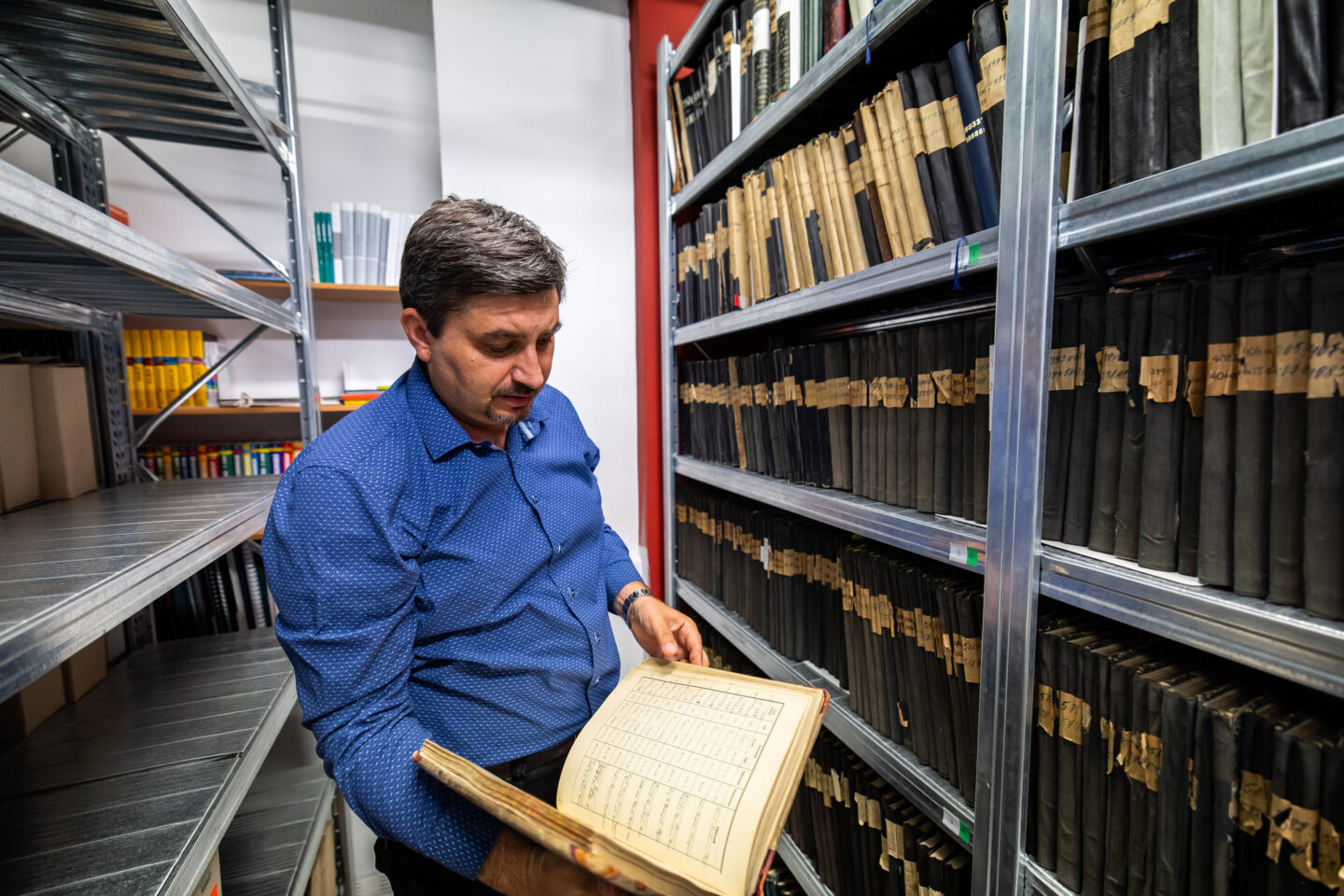
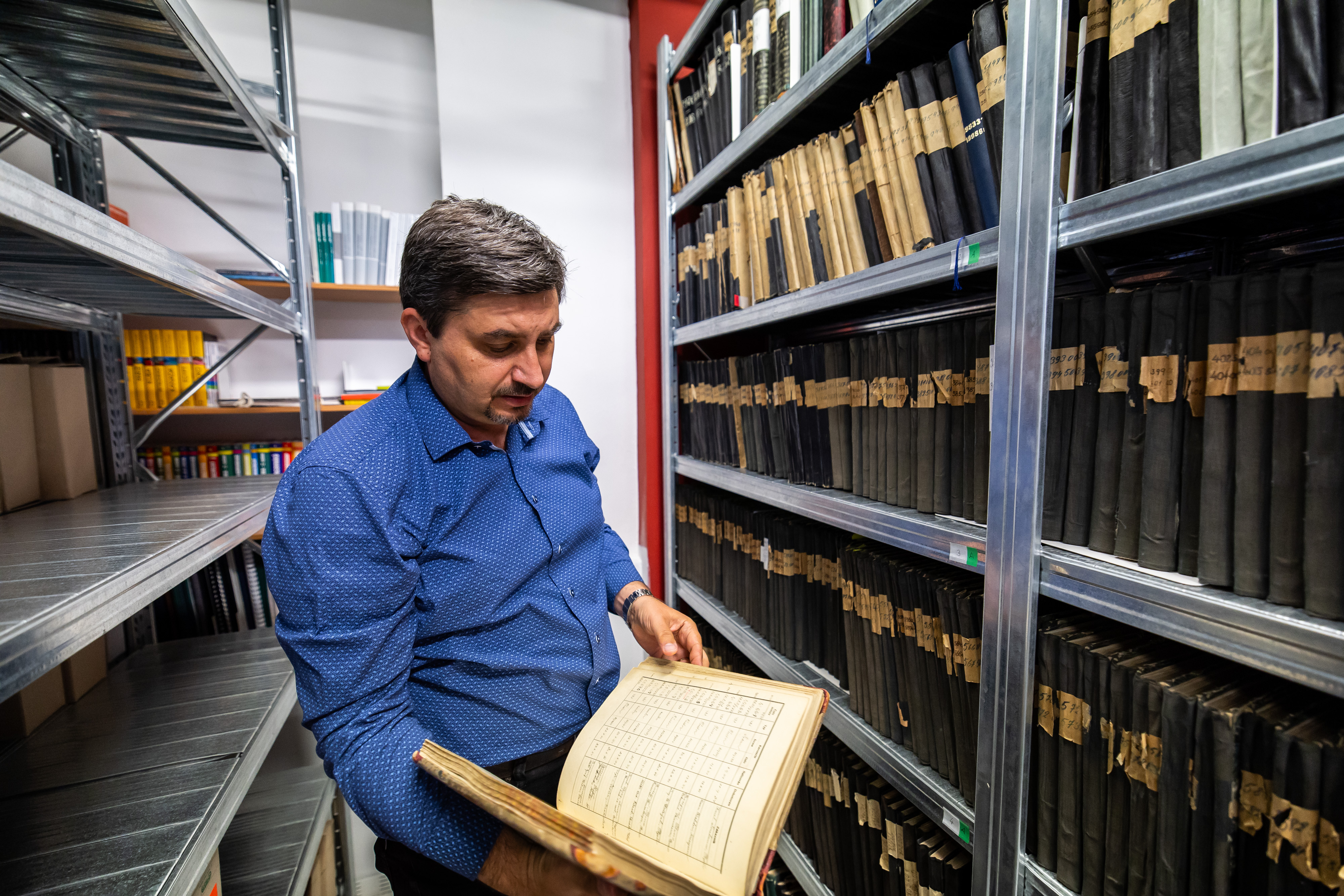
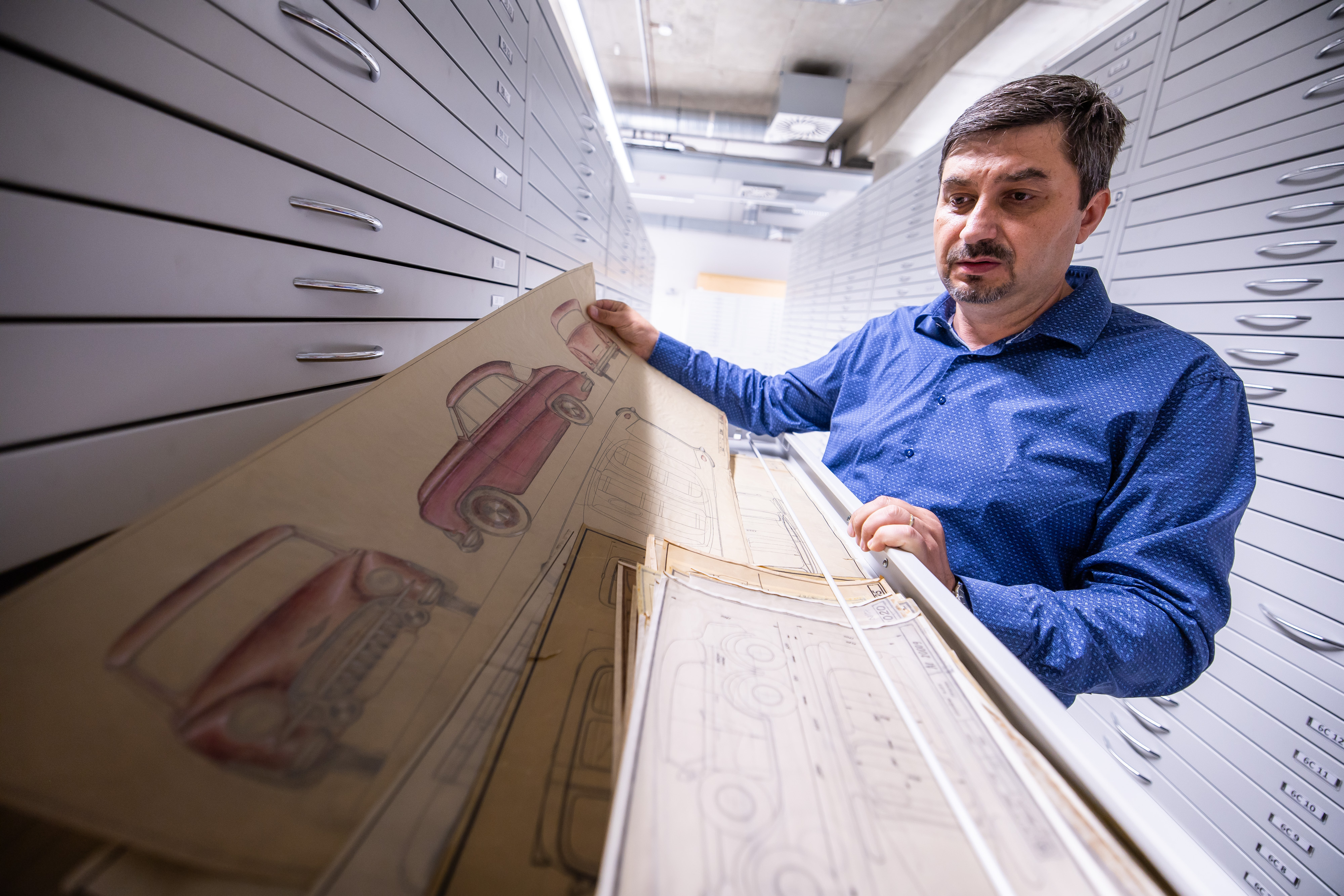
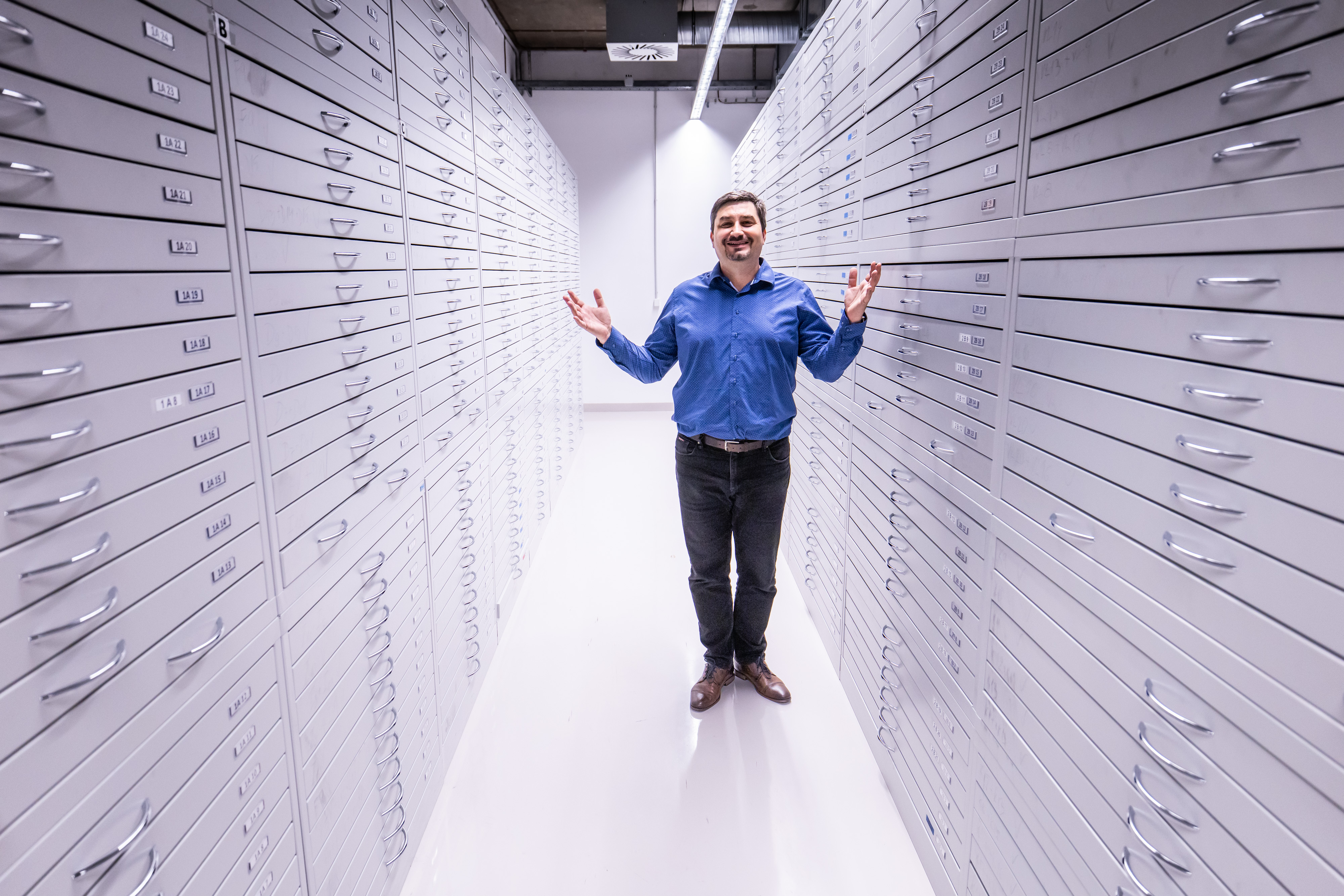
Just like its treasured collection of vintage cars, irreplaceable paper documents also require ideal conditions to withstand the test of time. The Škoda archive includes isolated, state-of-the-art storage facilities that seem straight out of a Bond movie. A steady temperature of around 18°C and humidity between 40% and 60% are maintained - below 40% paper dries out and cracks; above 60% bacteria and mold thrive.
Vintage cars, Brazilian Klement, and a coal crisis
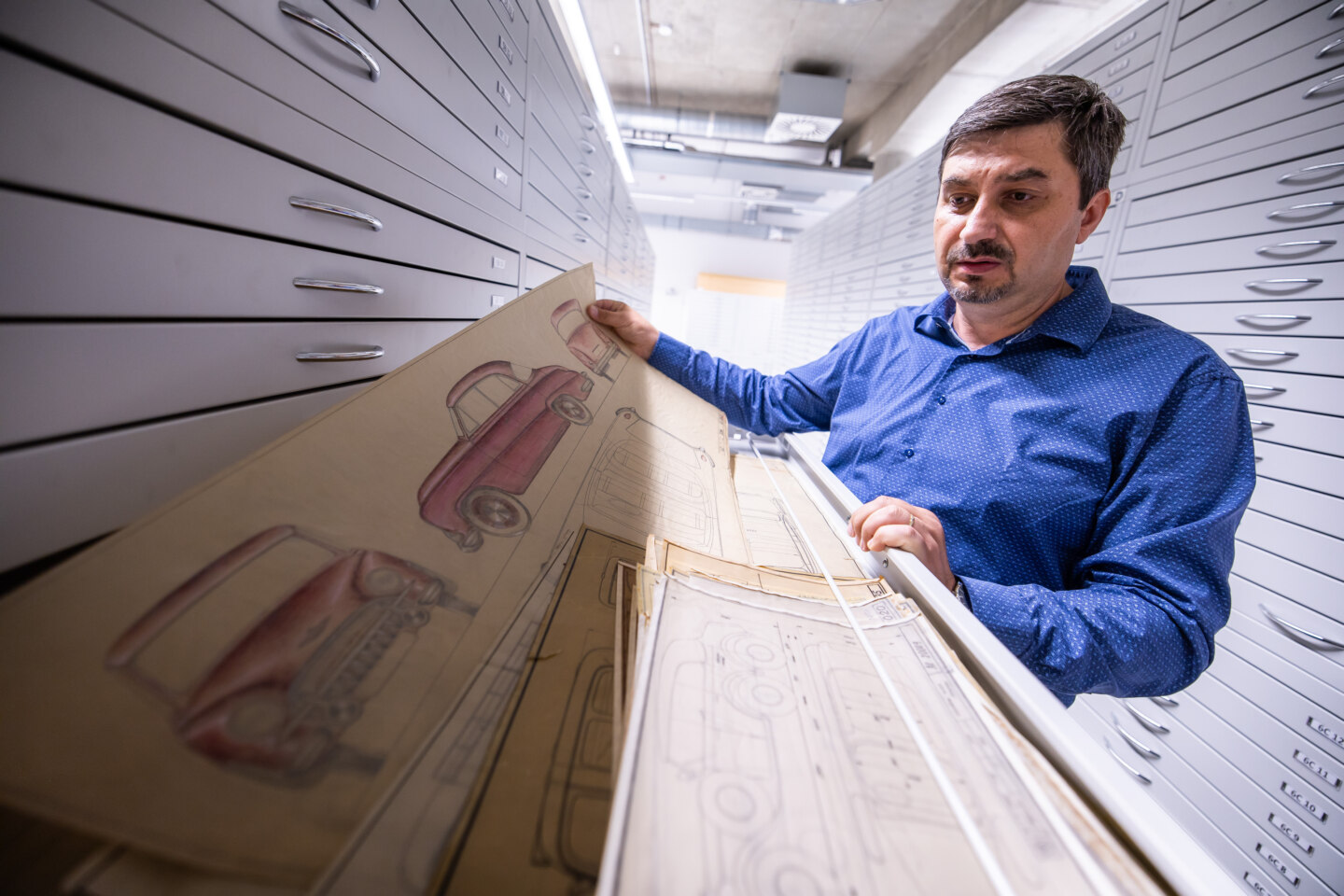
Working in an archive might sound monotonous to some, but the reality couldn’t be more different. The range of activities includes preparing museum exhibitions, supplying documentation for board meetings, organizing open days, and locating documents for various public events—not just in the Czech Republic. The department also closely collaborates with the museum's restoration workshop, communicates with classic car owners, and engages in many other tasks.
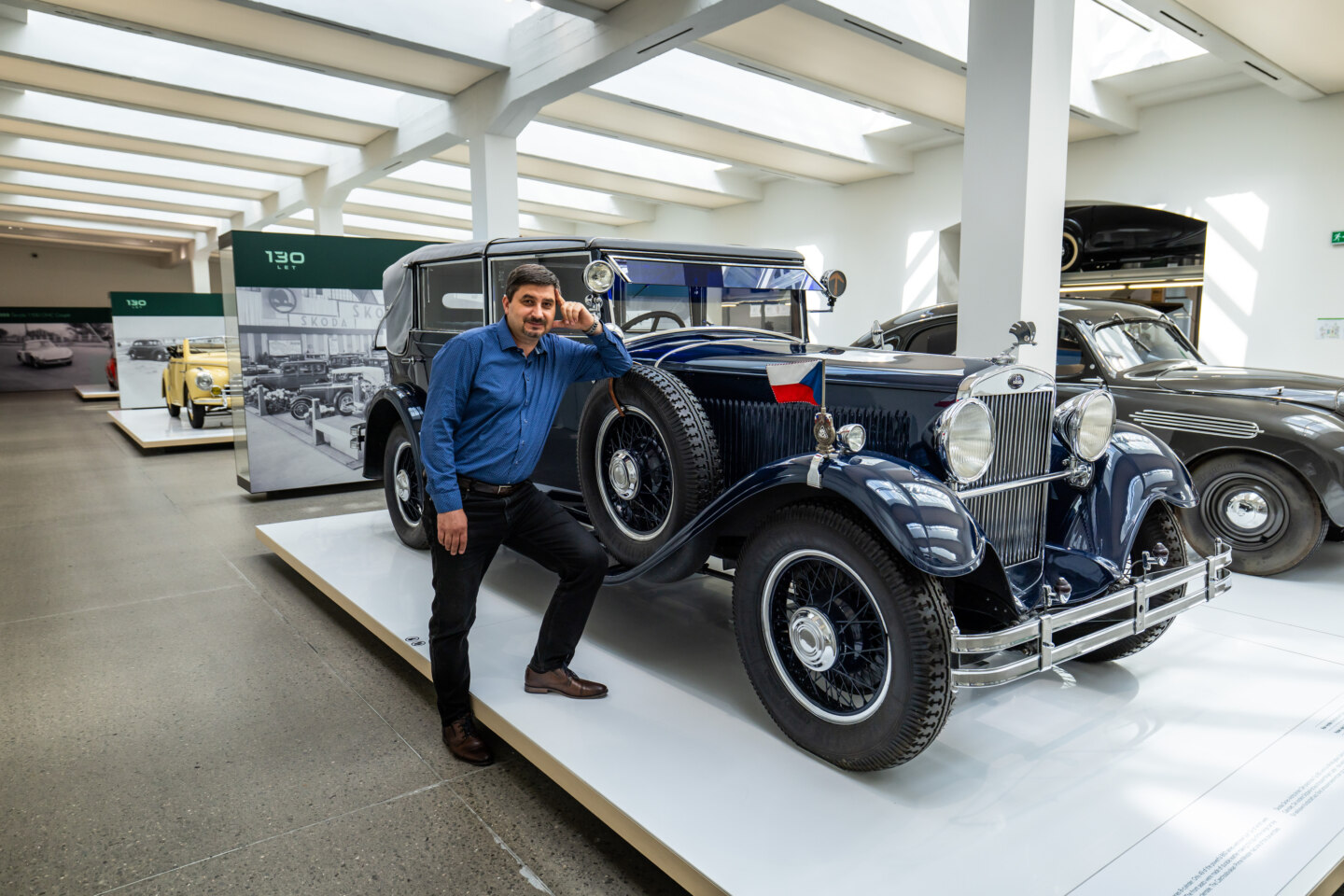
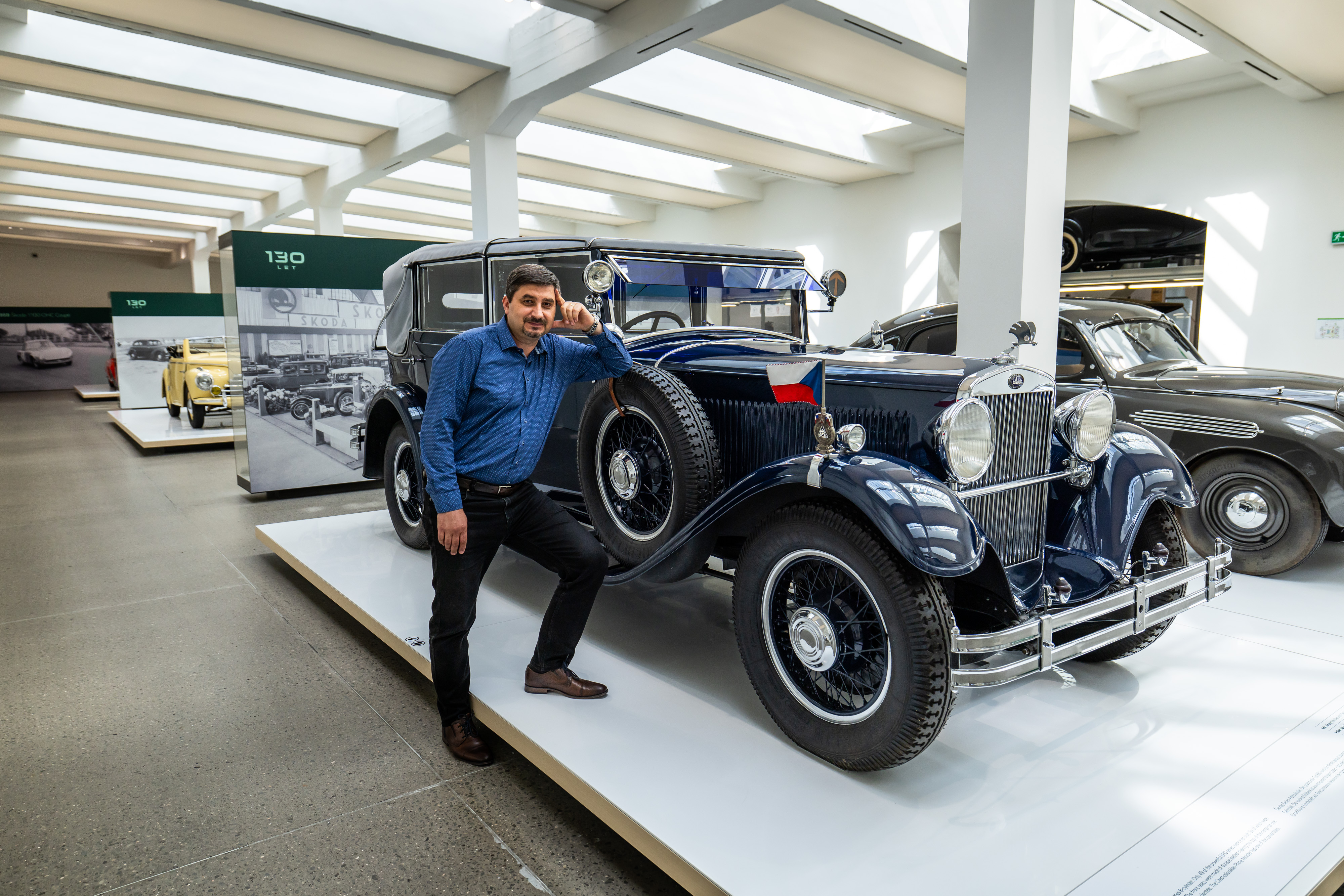
“Classic car owners represent a large portion of our inquiries. They might need help with restoration and are looking for vehicle-specific details, or they run into registration issues and require an official statement for the technical inspection stations,” explains Nachtmann. Such documents include details like the car’s production date, place of manufacture, and even the original type of wheels. The archive actively supports the vintage vehicle community and often directs them to suitable sources for spare parts.
Inquiries come from all over the world—one particularly active group is the Škoda Tatra Club in Australia. But questions aren’t limited to automobiles—they often cover general history or related topics. “We were once contacted by a man named Wolfgang Amadeo Klement from Brazil, who said his ancestors had emigrated from Bohemia. He was curious if he might be related to Václav Klement. Sadly, we had to disappoint him—there was no family connection,” Nachtmann recalls.
He immediately continues with another example: “Recently, we had a visit from a researcher interested in the coal crisis during World War I and how the company dealt with the fuel shortage.”
“Most researchers are looking for information related to their vehicles, and we can usually assist them online. Those who visit in person typically need deeper insights—authors of books, for instance. Here, they can examine materials in detail and uncover facts that may not have been previously known or precisely dated,” Nachtmann explains. “We also receive a number of queries from abroad, particularly from Germany, where I’ve even helped prepare several exhibitions. Occasionally, we hear from other parts of the world as well. We have a strong relationship with a private Škoda museum in Denmark, for example.”
Škoda Auto company archive
Established in the 1950s, the archive contains materials documenting the company’s development, including founding contracts, internal documentation (board meetings, works council meetings, etc.), as well as photographs, posters, and technical drawings. The archive is open to both the public and professional researchers in the so-called Study Room. All materials are accessible except for those that are unprocessed, confidential, or classified.
Be the first
to get the latest stories
Explore more


Media Box
5 images
Show more
Show less