Milling Tools, scrapers and clay in the oven: How modelers work in automotive Design
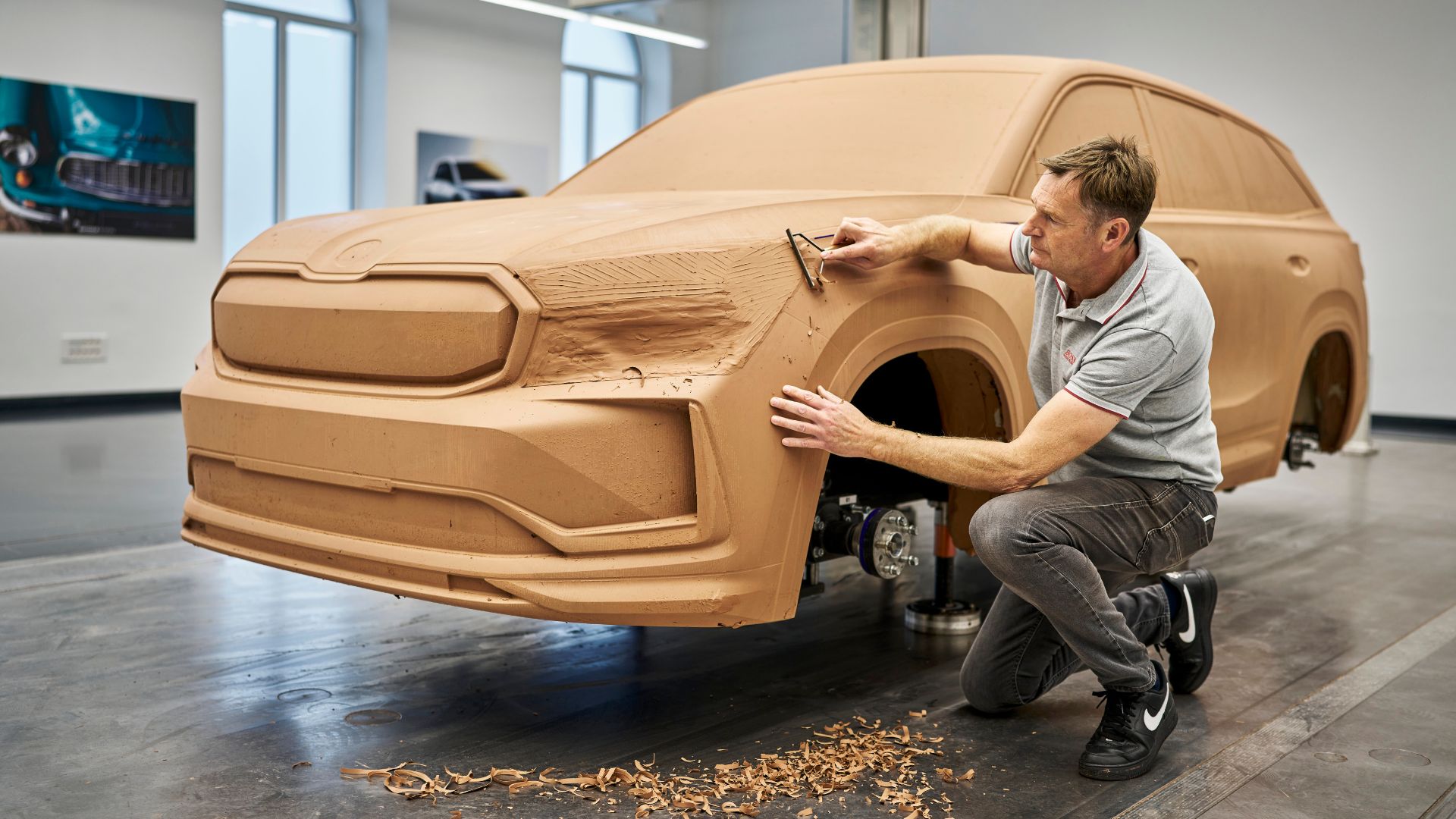
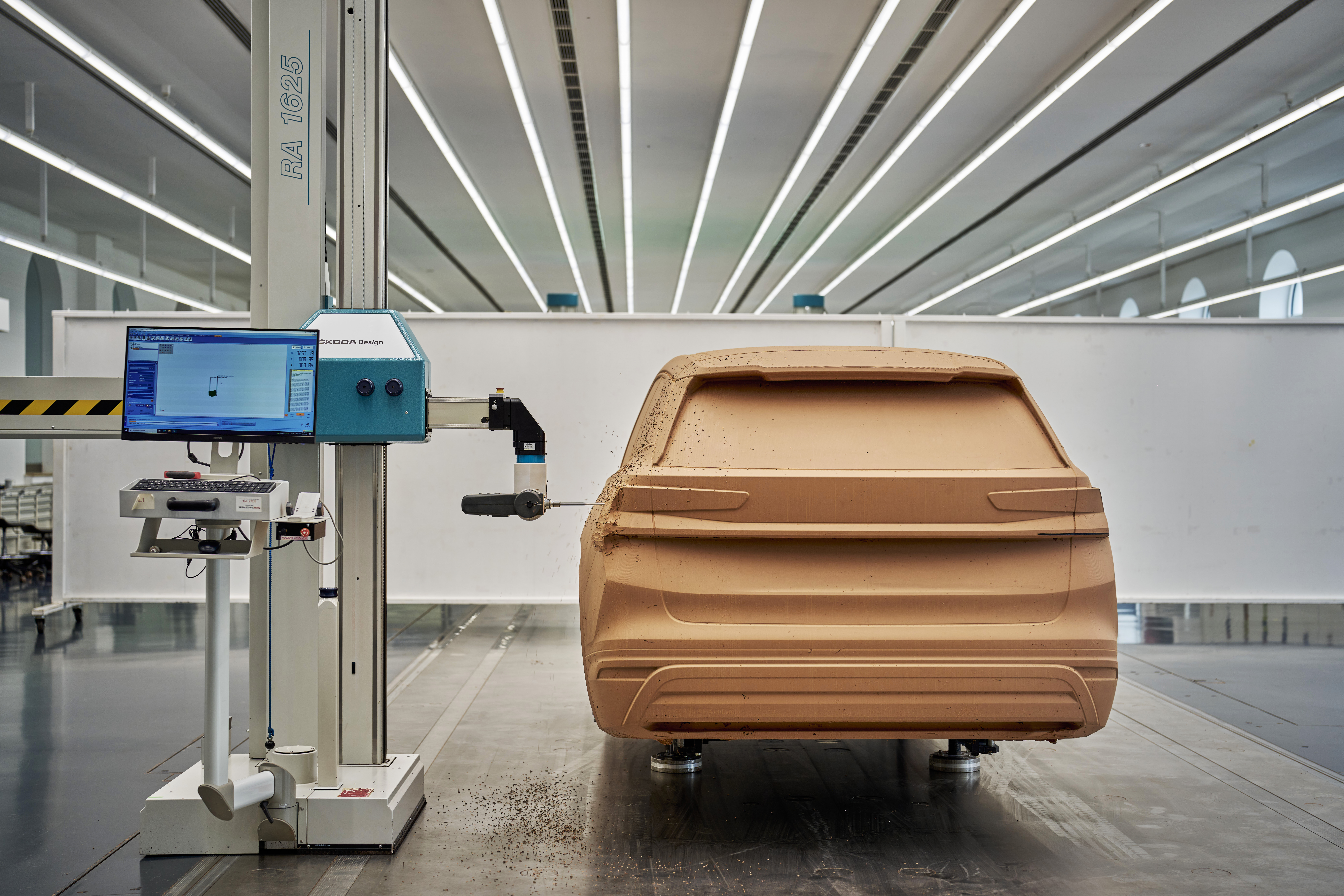
The clay models of future Škoda vehicles are created with the help of a wide range of often unusual tools. But as the modelers themselves frequently say, their most important tools are their eyes and their sense of touch. Take a look at how they work.

10. 7. 2025 Škoda World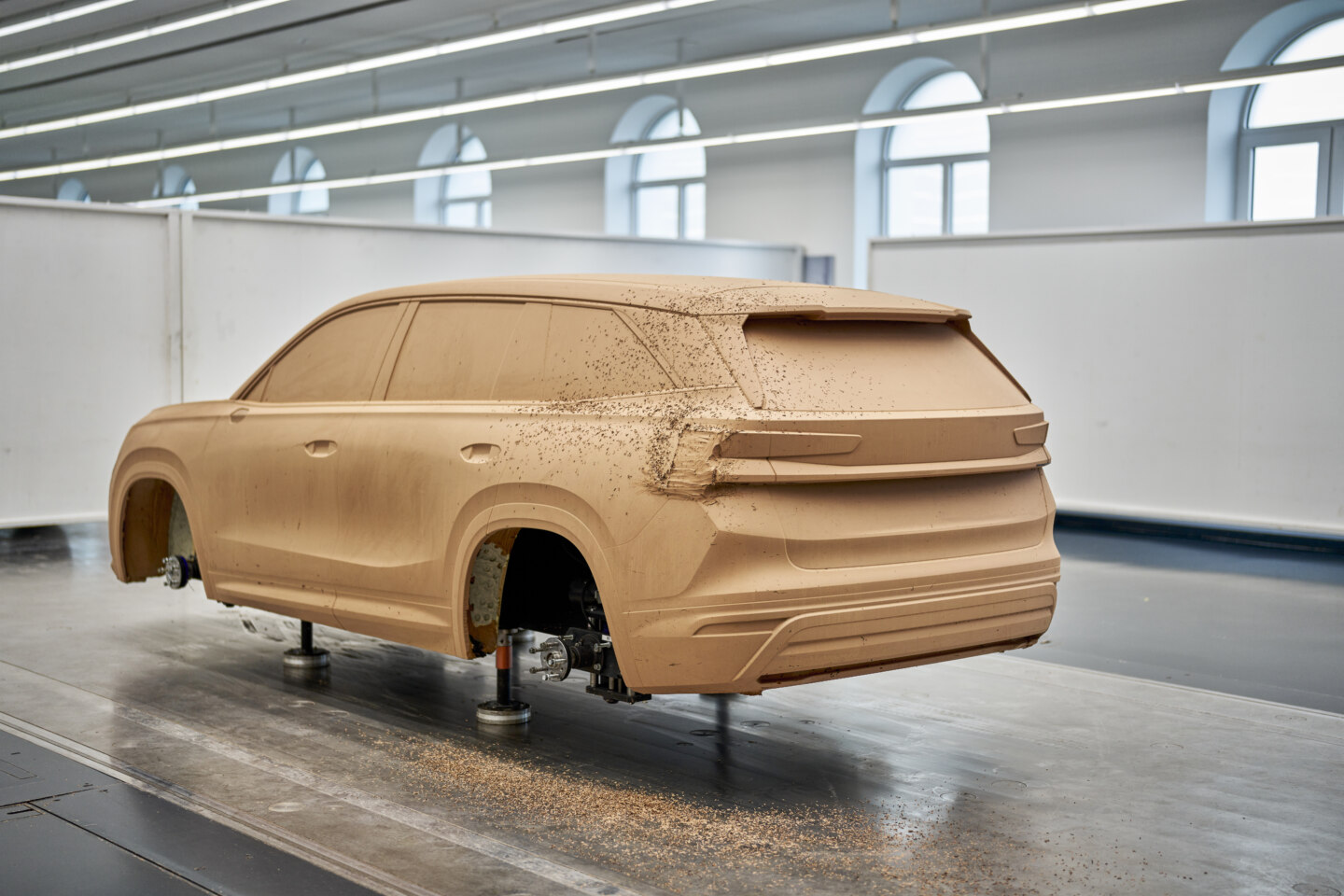 Clay model of Škoda Kodiaq
Layer by layer
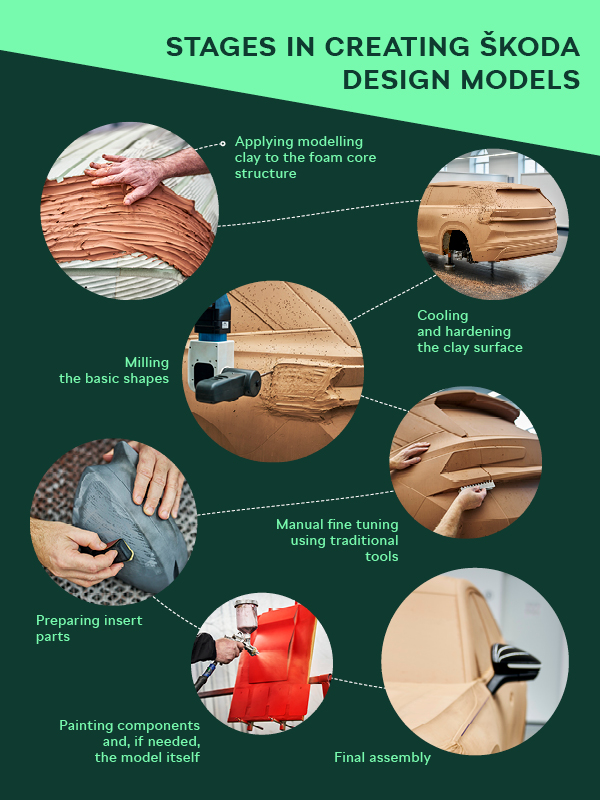
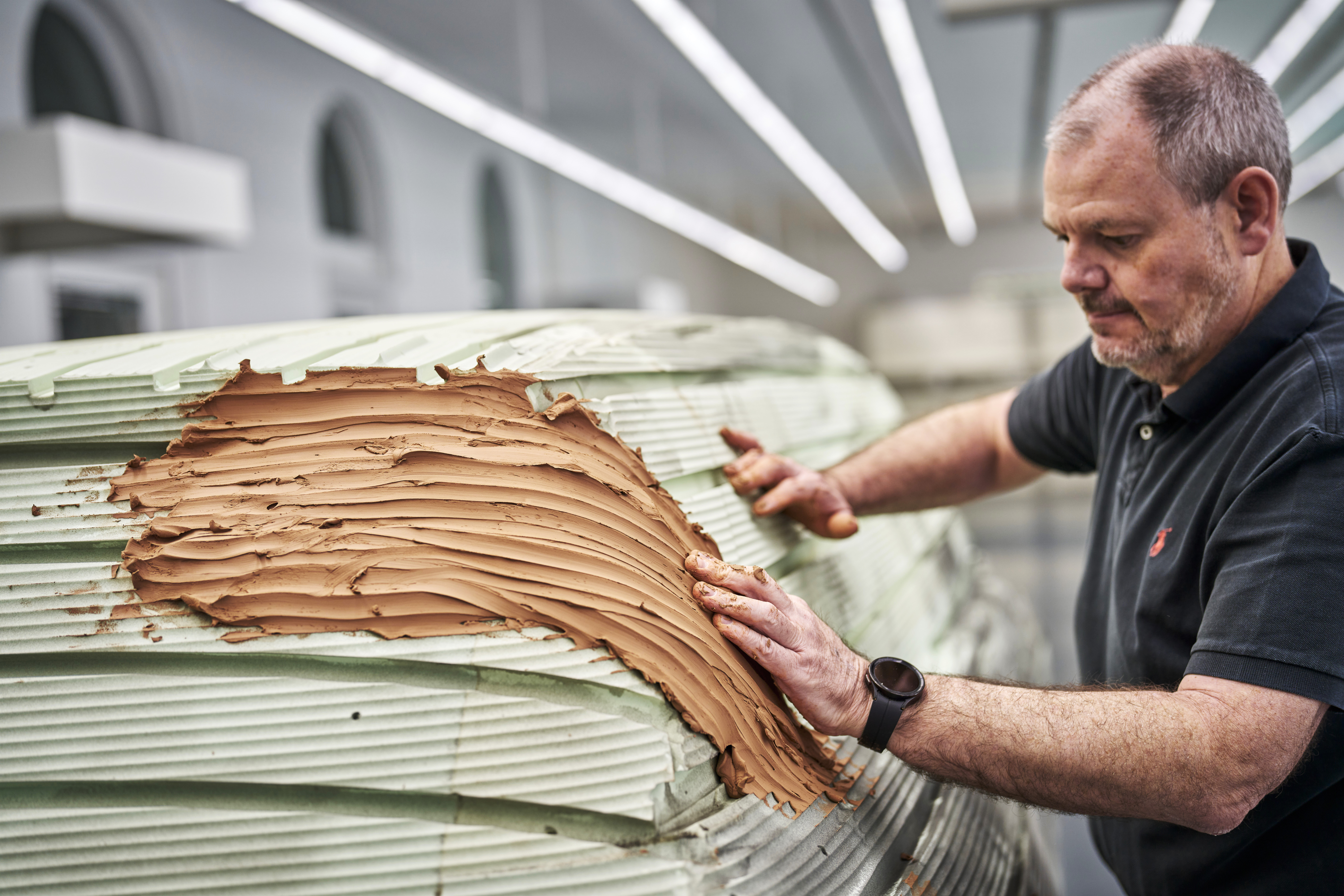
The preparation of physical models begins with a basic skeleton, built by the Technical Development department according to the Design team's specifications. Before modelling begins, the clay must be applied to this skeleton. “The structure has to be precisely built to accommodate the clay layer. Typically, we apply about a 4-cm layer of clay to the model, although this varies depending on the specific design and location,” explains Mick Allbutt, one of Škoda Design’s modelers. Altogether, about two tonnes of clay are used on a single model.
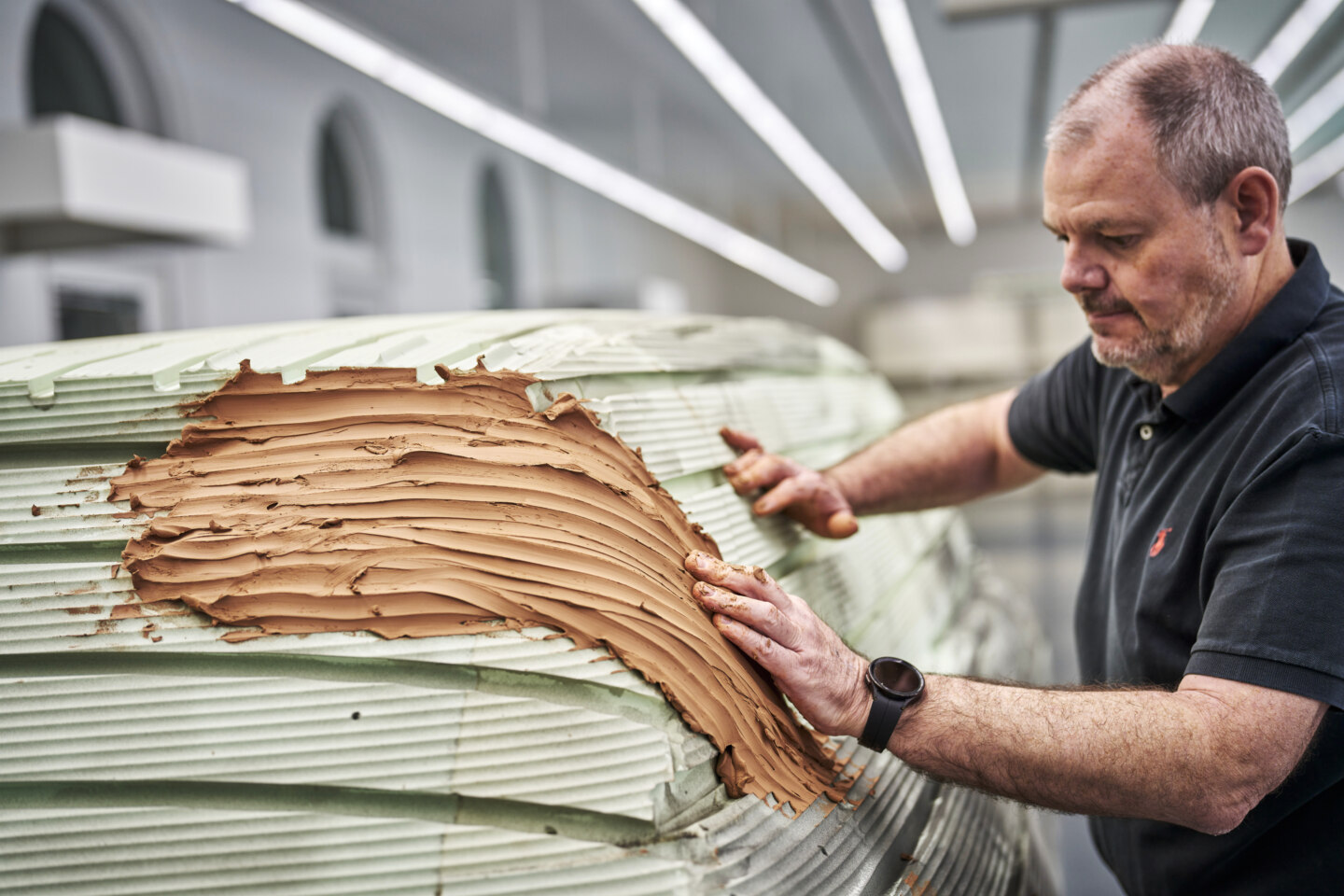 Mick Allbutt applies a layer of clay.
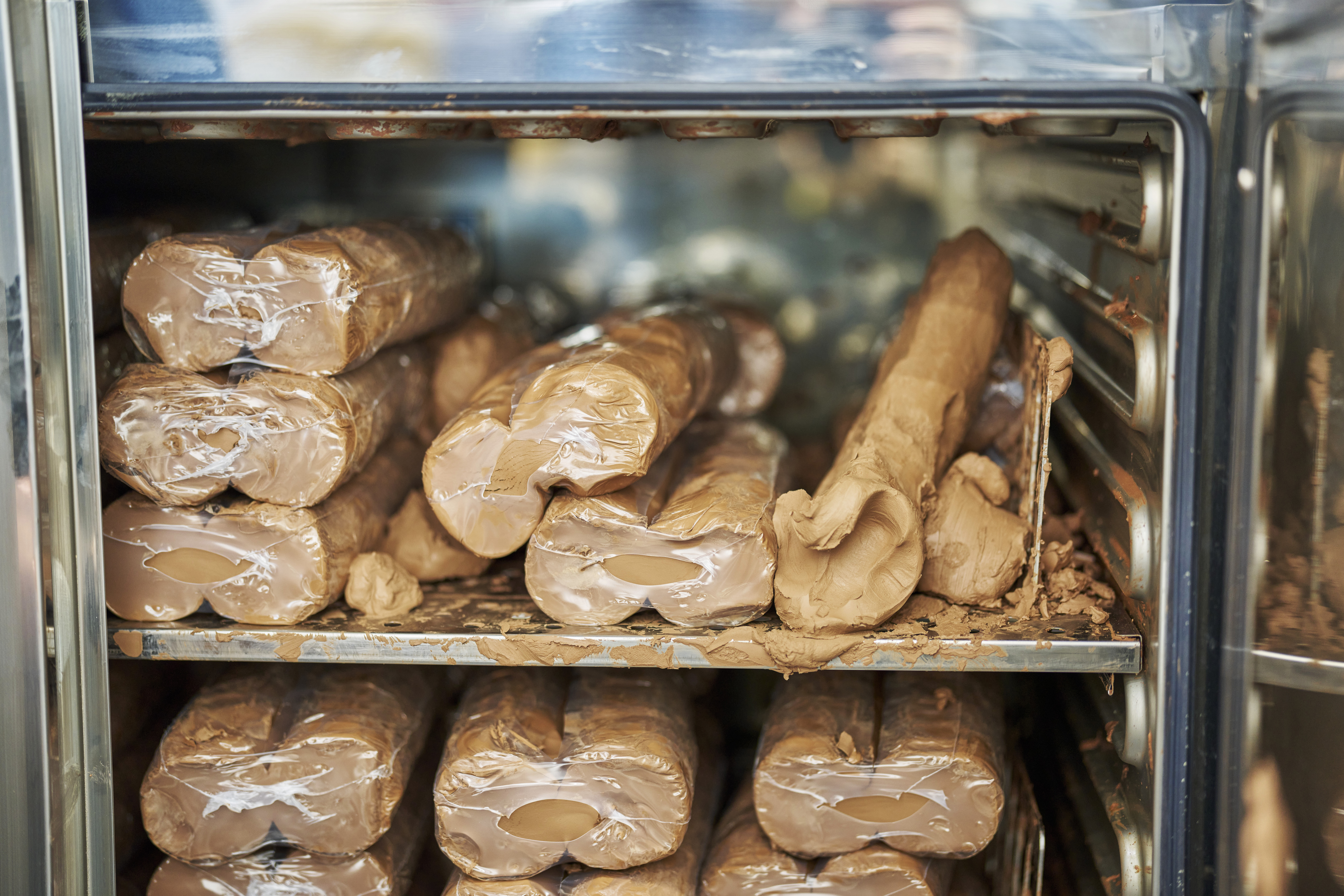
Before application, the clay needs to be softened by heating it in special ovens to 60°C. A full load takes about four to five hours to heat, and roughly four ovens' worth of clay is used per model. The clay is applied gradually, in layers—starting with a 10 mm layer to cover the foam of the skeleton.
“Six modelers apply this initial layer over about two hours,” says Allbutt. Because the polyurethane foam retains heat, it takes a while for the clay to cool and harden. When adding clay onto already cooled clay, the process is faster—about two hours for a new layer to set and cure. Still, modelers let the clay rest and cool overnight to ensure it is fully hardened before moving on.
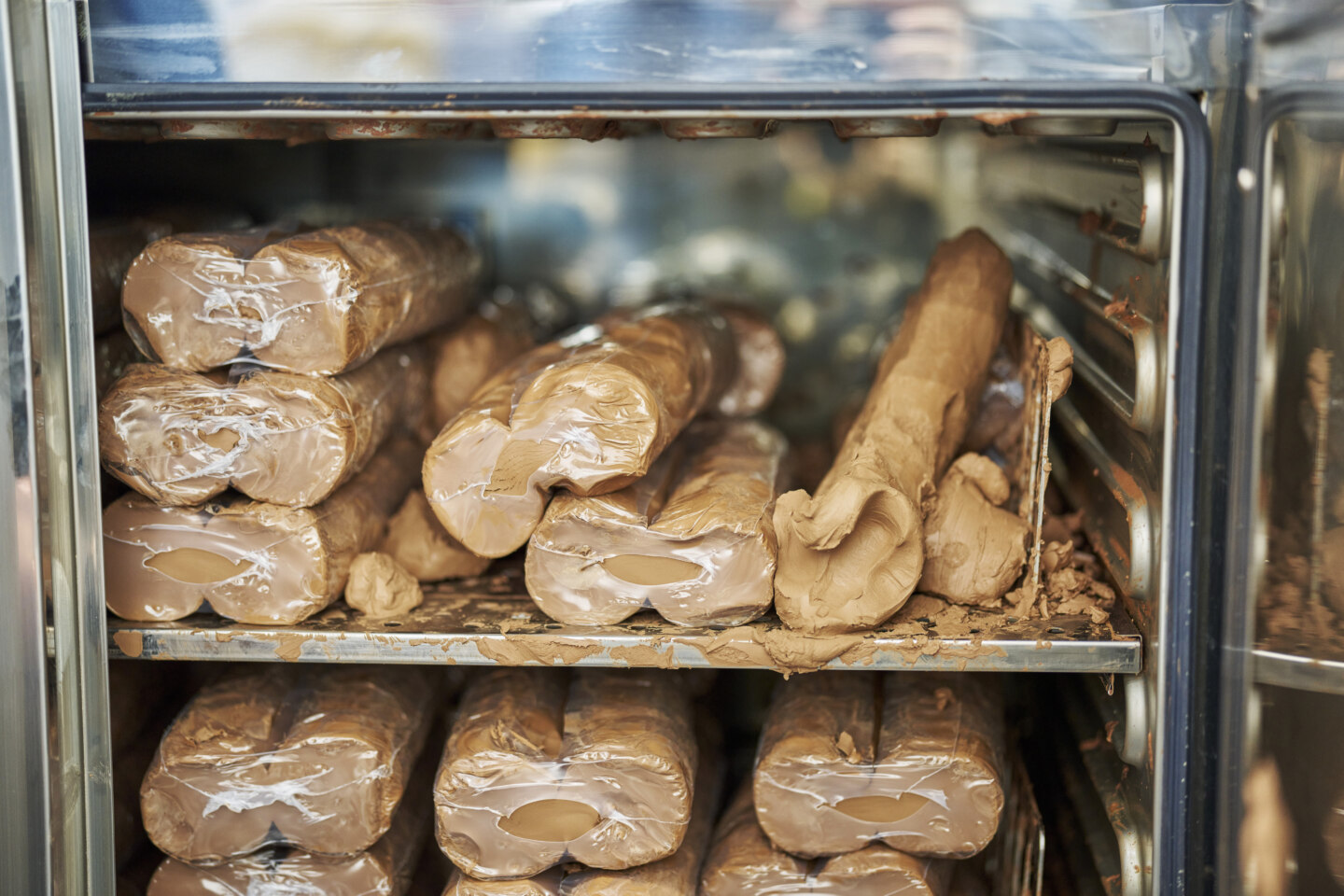 Heating the modelling clay to 60 °C before application

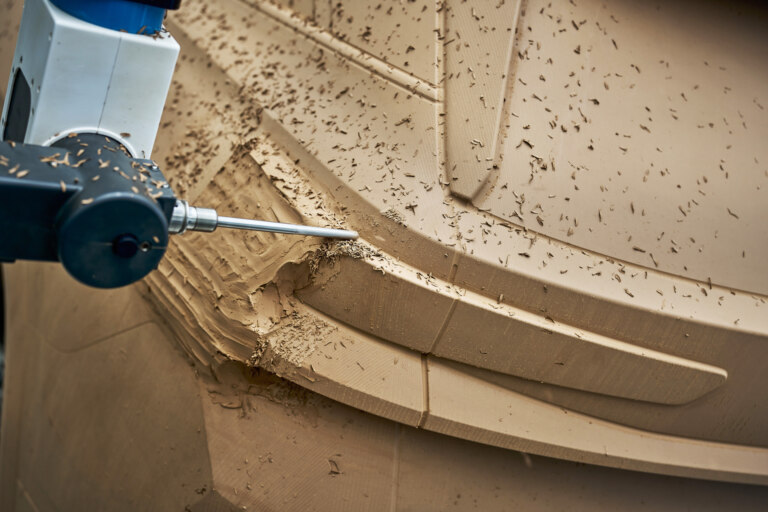
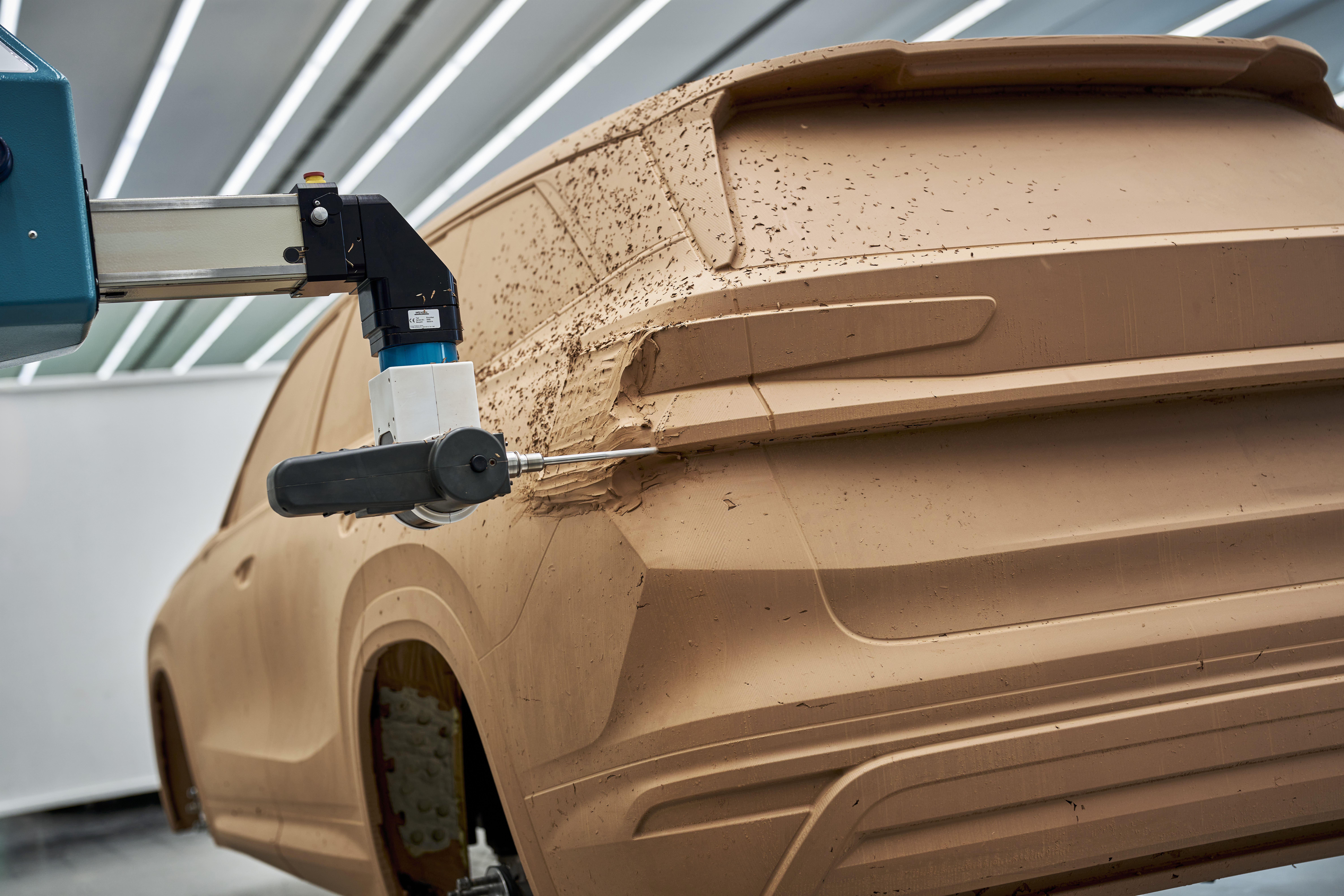
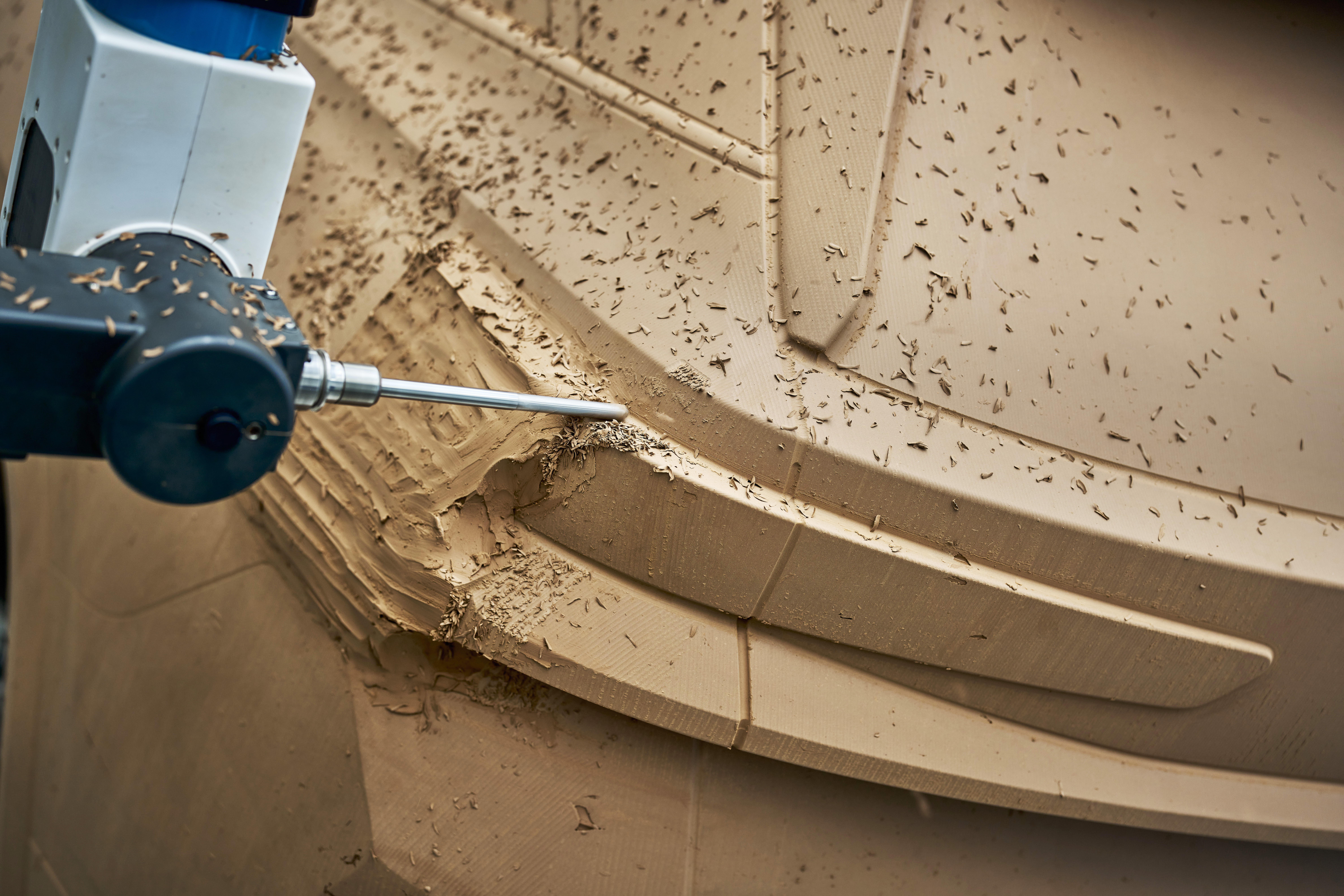
This is where modelers step in, refining surfaces the machine can’t reach and giving the model its finished look. They can also make manual shape changes, ranging from subtle tweaks to major adjustments. This flexibility is one of clay’s biggest advantages—it allows for easy and relatively fast modifications. “Altering a single design detail might only take a few hours,” says Andy Settle.
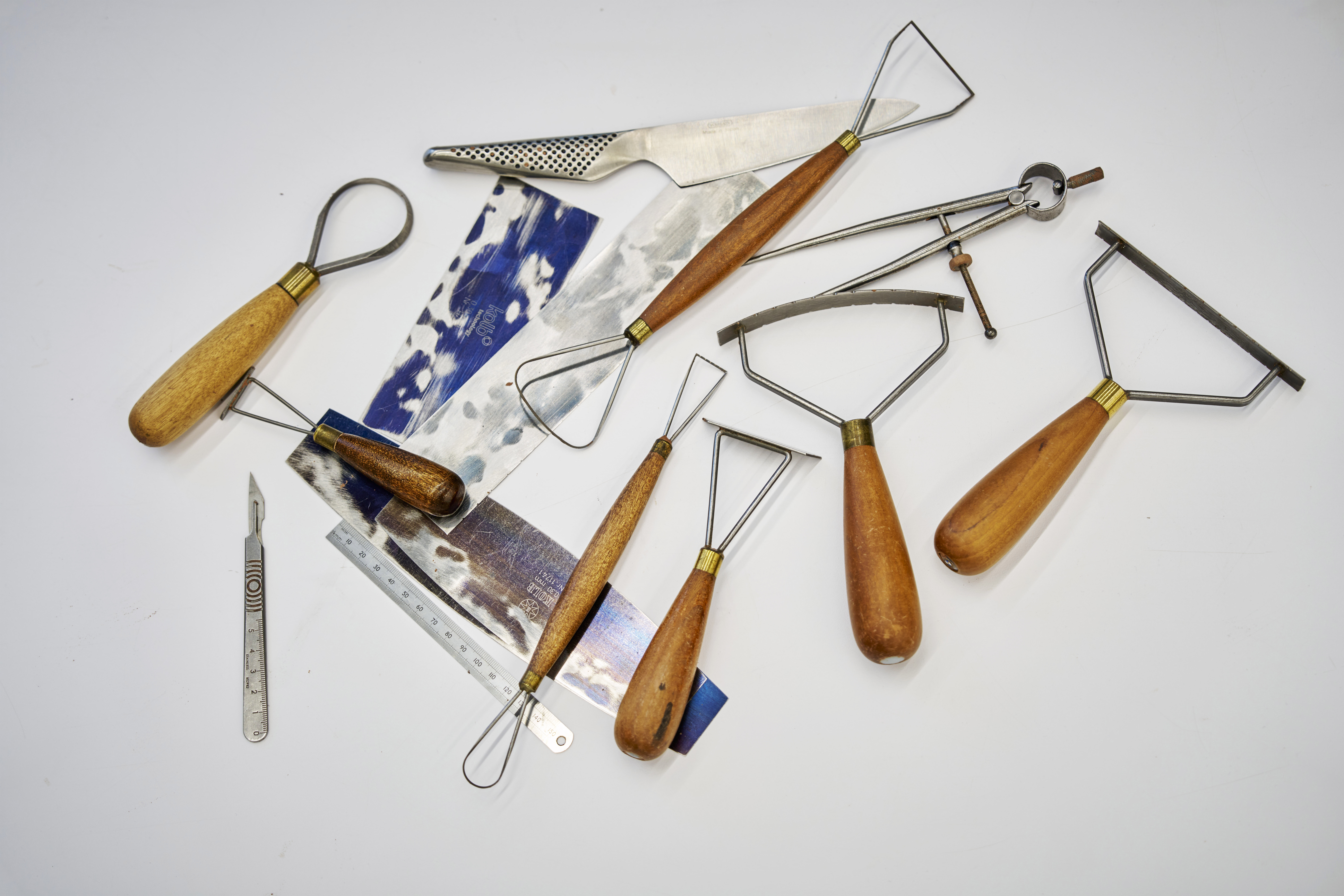
Modelers use traditional hand tools: smoothing paddles, rasps, scrapers, knives, and other sharpened implements. A special rasp (Clay plane) is used to shape surfaces from below; scrapers remove clay in 5 to 30 mm layers; and flexible steel paddles of various shapes help smooth and refine large areas.
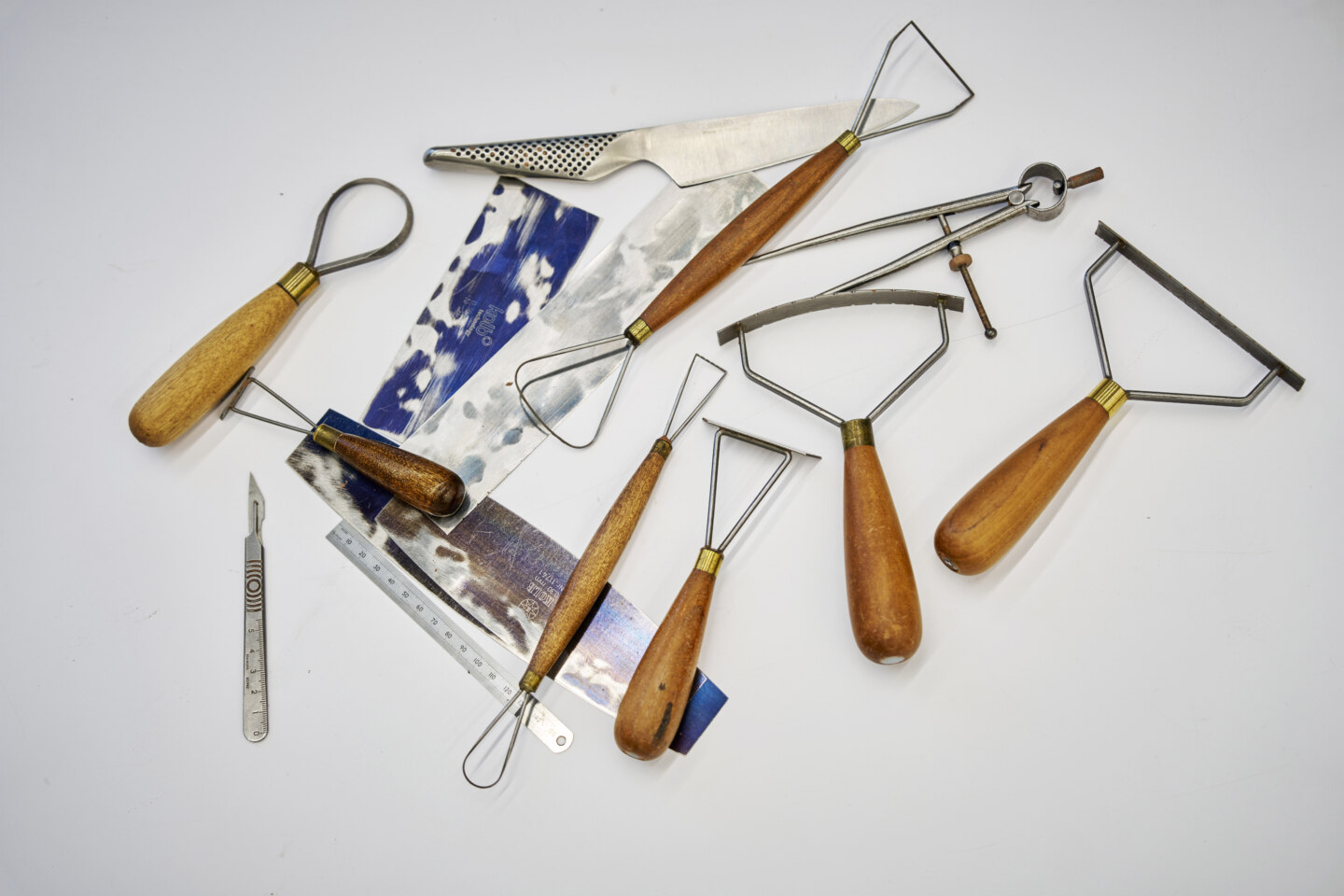 Smoothing paddles, rasps, scrapers and knives are common tools in the model shop.
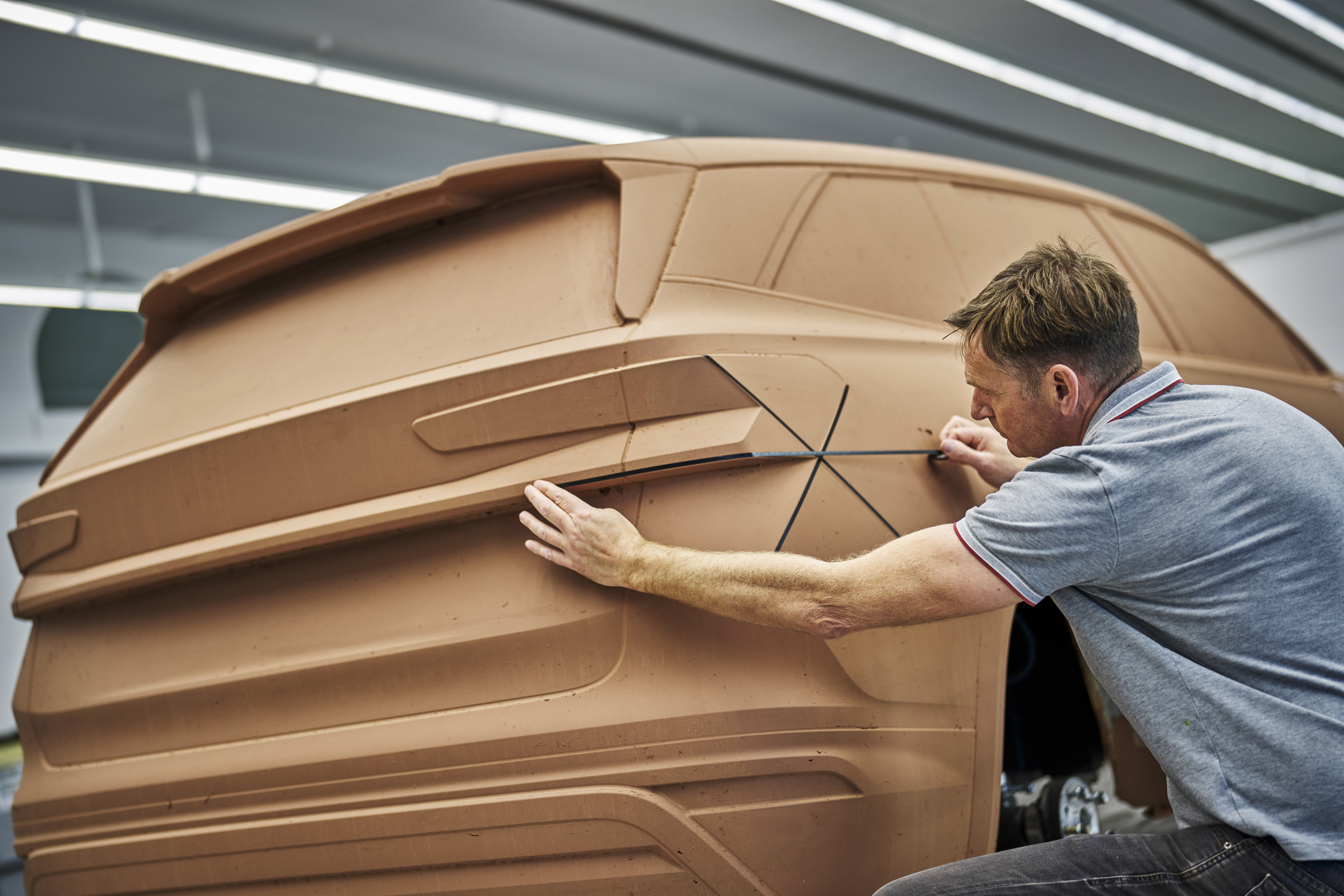
Knives help refine seams and emphasize edges, often first marked out with thin adhesive tape. “The tape helps us visualize and check shapes. But in the end, our most important tools are our eyes,” Andy Settle explains. Modelers’ hands and tools are incredibly precise—they can fine-tune surfaces by shaving off the thinnest flakes of clay.
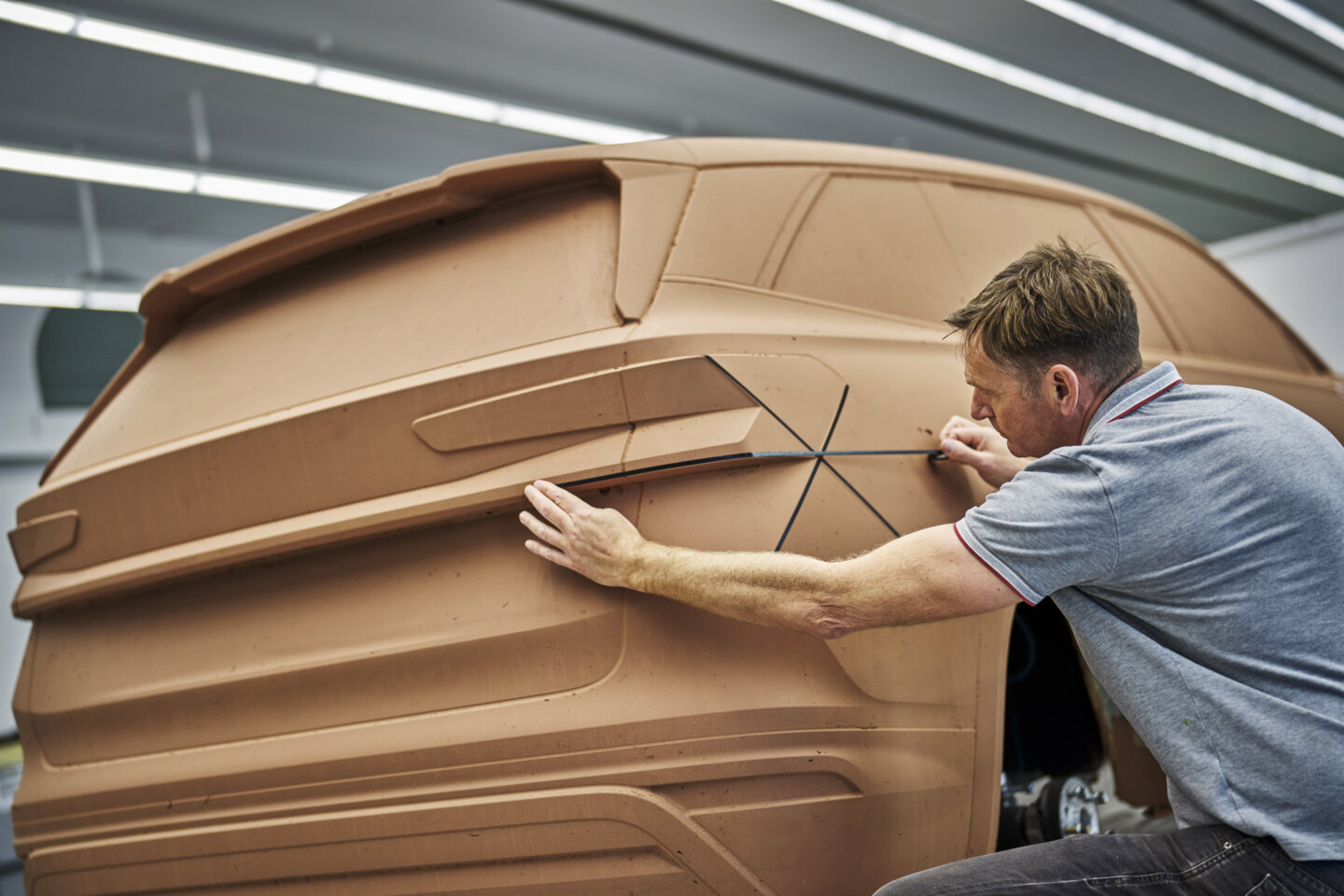 Andy Settle controlling the lines.
Lots of details
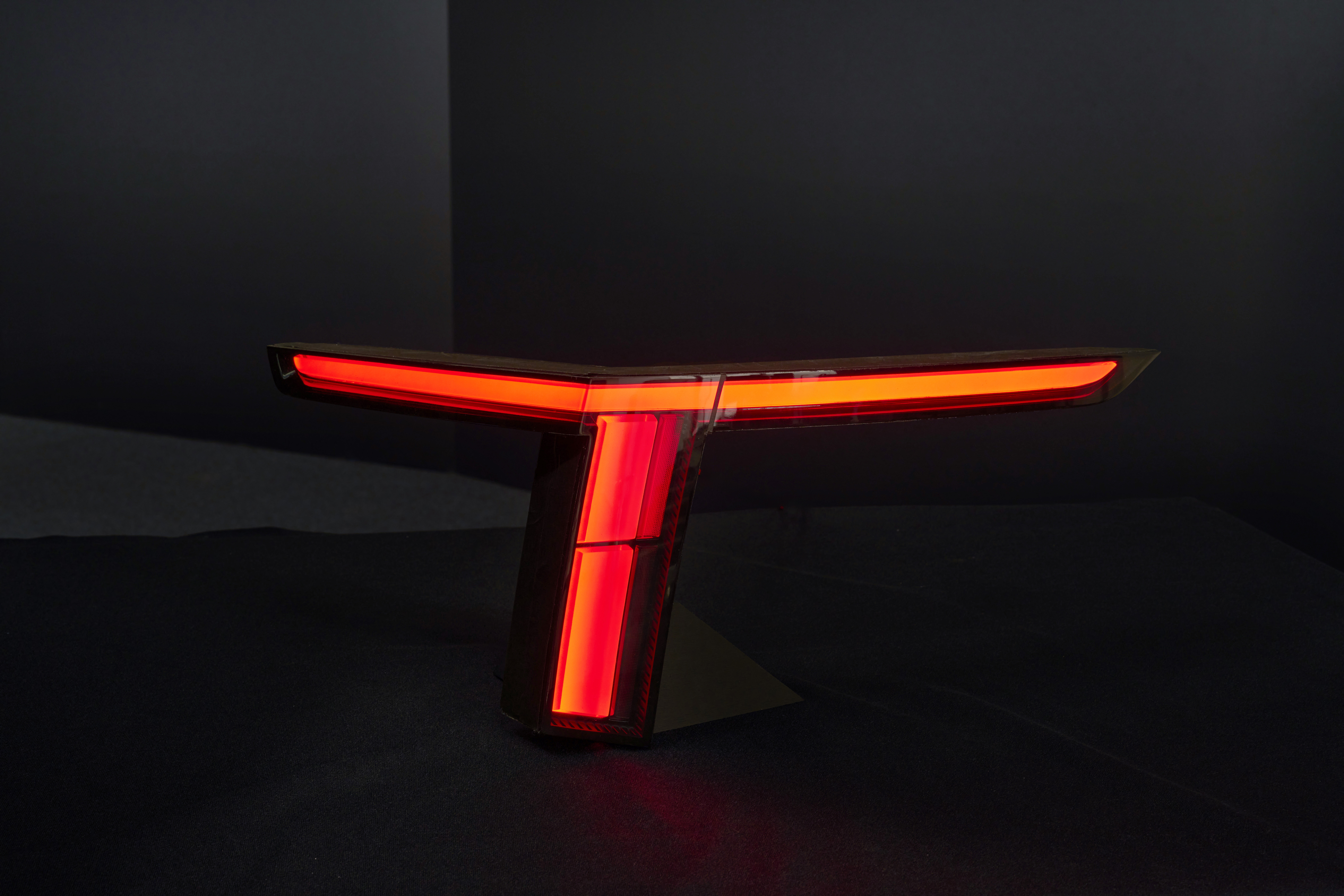
While the main team of modelers and designers focuses on shaping the overall vehicle, other specialists work on individual insert parts. As the model progresses and matures, more of these parts are added. Many of them are crafted separately to allow detailed evaluation. The so-called component studio also creates parts for interior models.
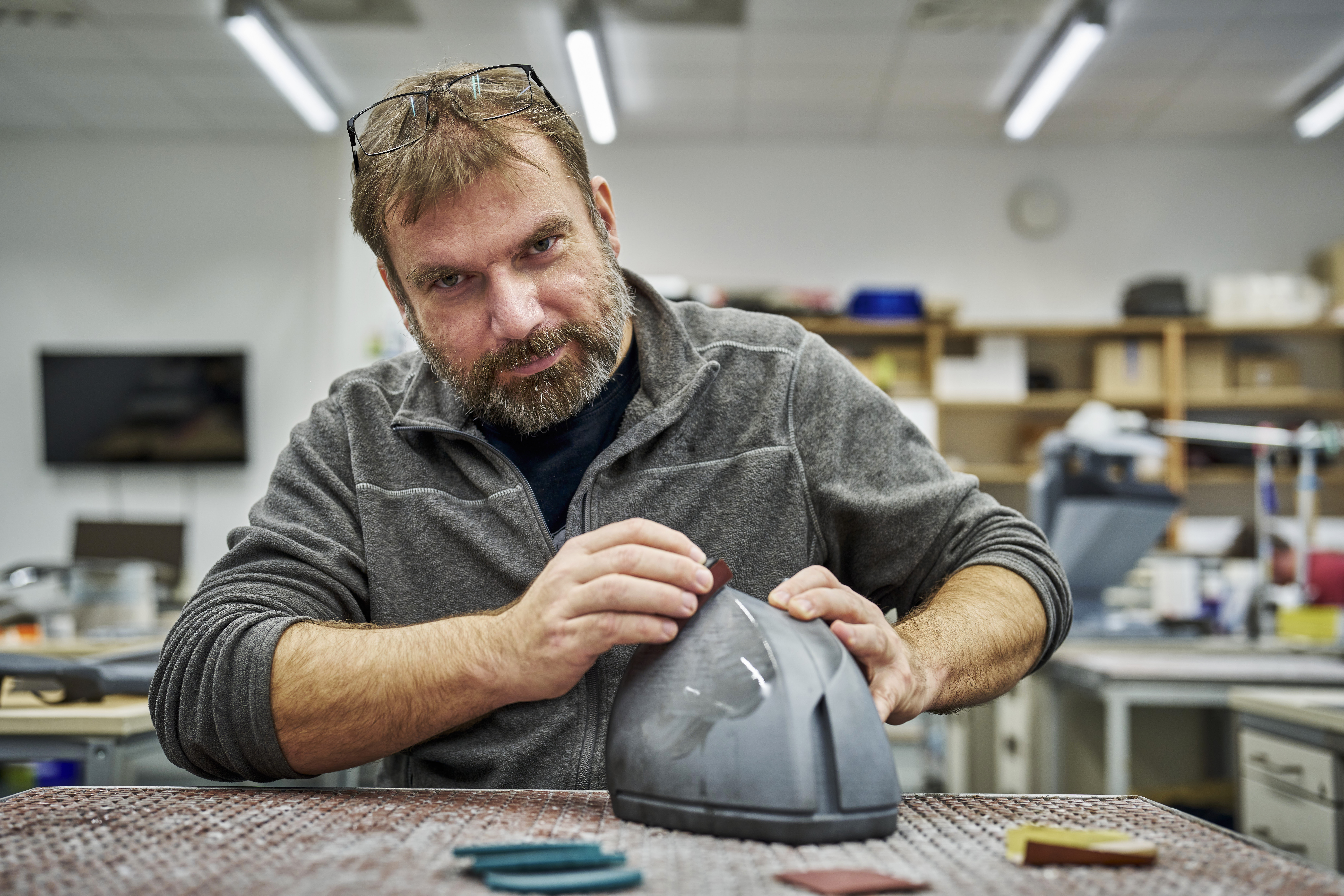
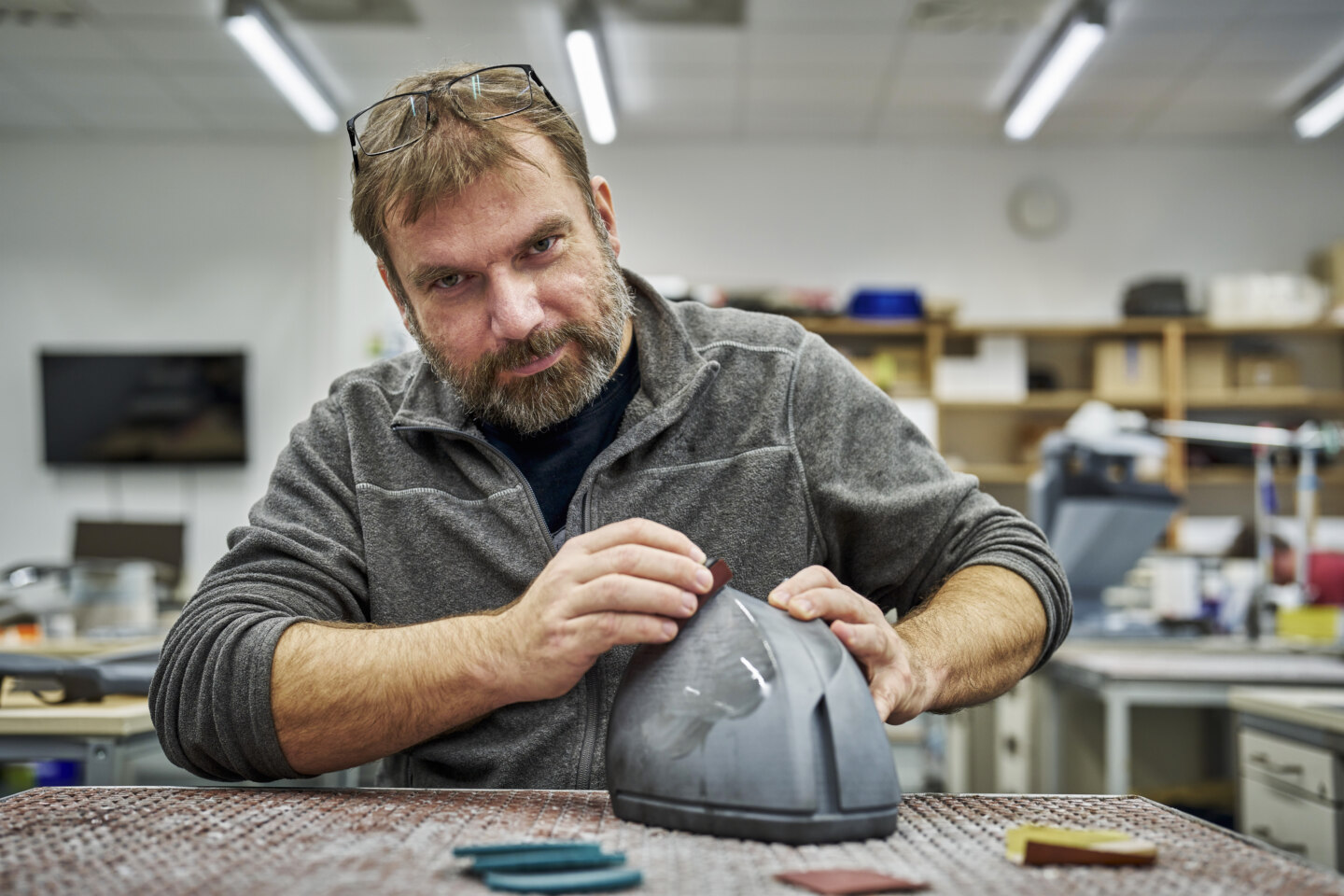 Dušan Stejskal preparing the mirror
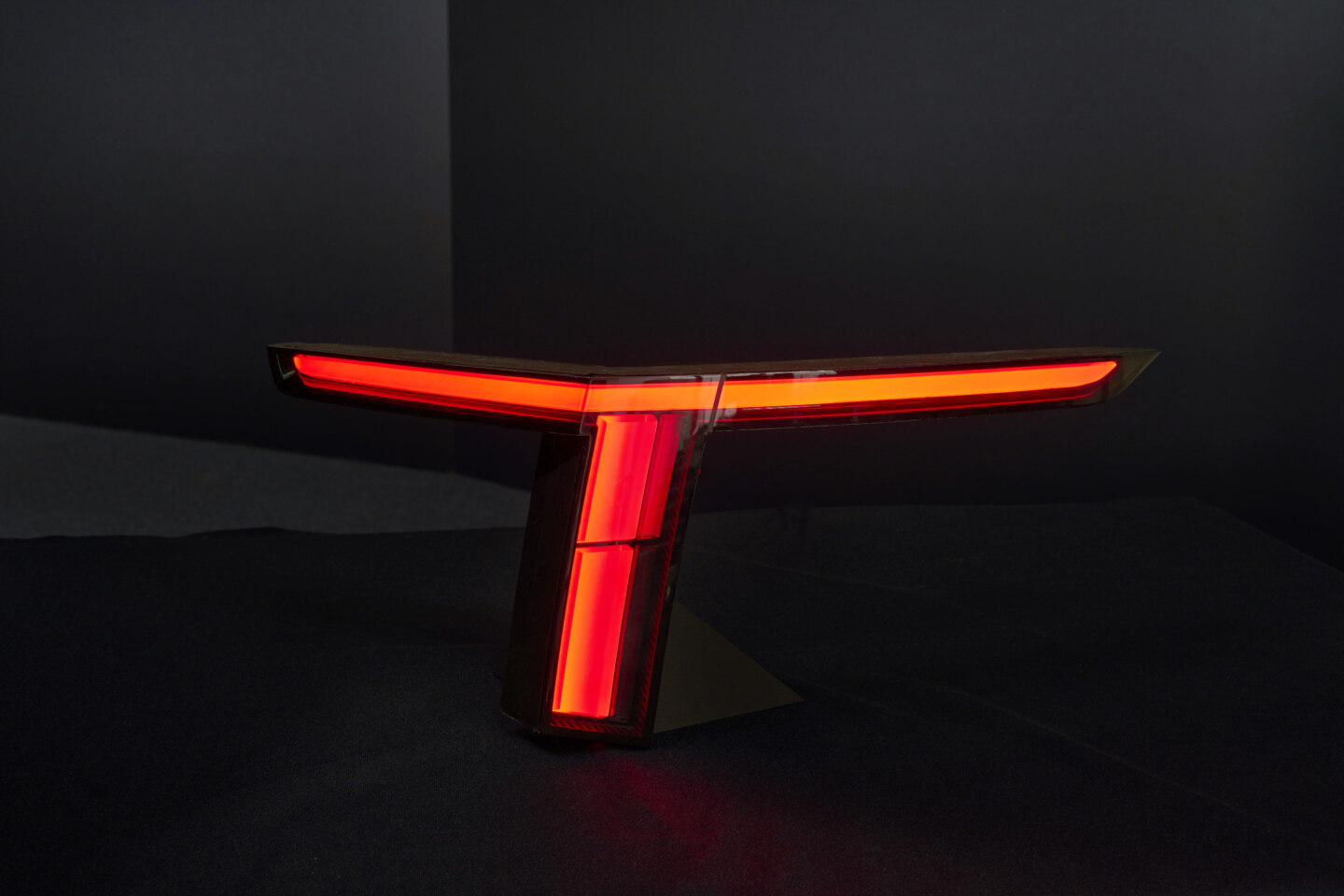
That´s why modelers here function like versatile artisans and DIYers. While 3D printers often help build the base shape of a part—such as a headlight—modelers manually refine many of the details. Working with digital modelers and designers, they figure out how the parts should be assembled. “Even a simple air vent is actually a small puzzle of multiple pieces,” explains Dušan Stejskal. Interior elements are often upholstered, wrapped in films, or polished by hand.
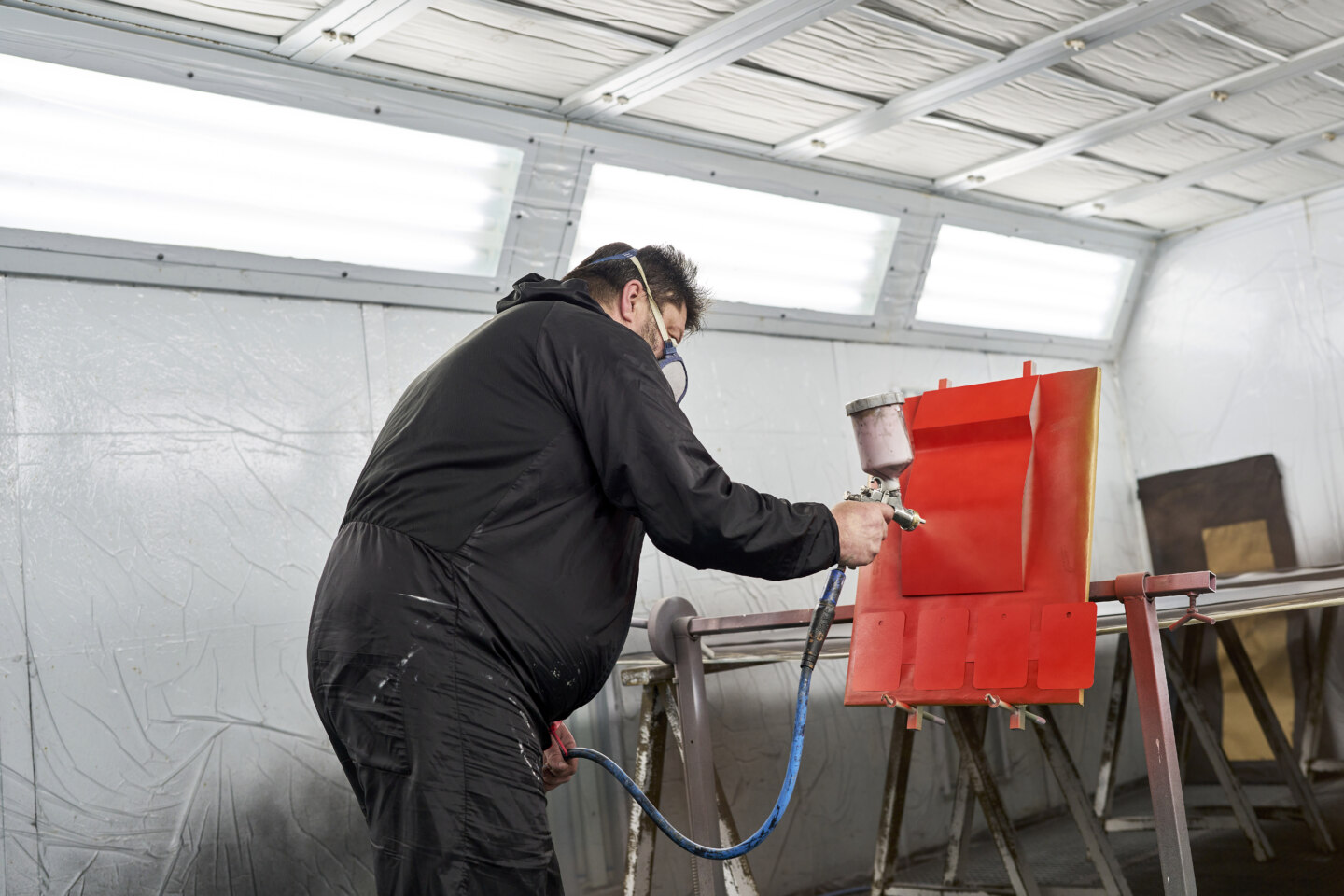
Many parts also need painting to achieve their final look, including headlamps—especially the rear ones. Škoda Design has its own in-house paint shop, where various finishes are used: transparent, matte, glossy, and metallic, depending solely on the need and desired appearance of the part. Often, the paint replicates the appearance of a specific material, such as unpainted plastic.
Be the first
to get the latest stories
Explore more



Media Box
12 images

Show more
Show less
