Small parts instantly, a bumper in a few days: 3D printing accelerates development
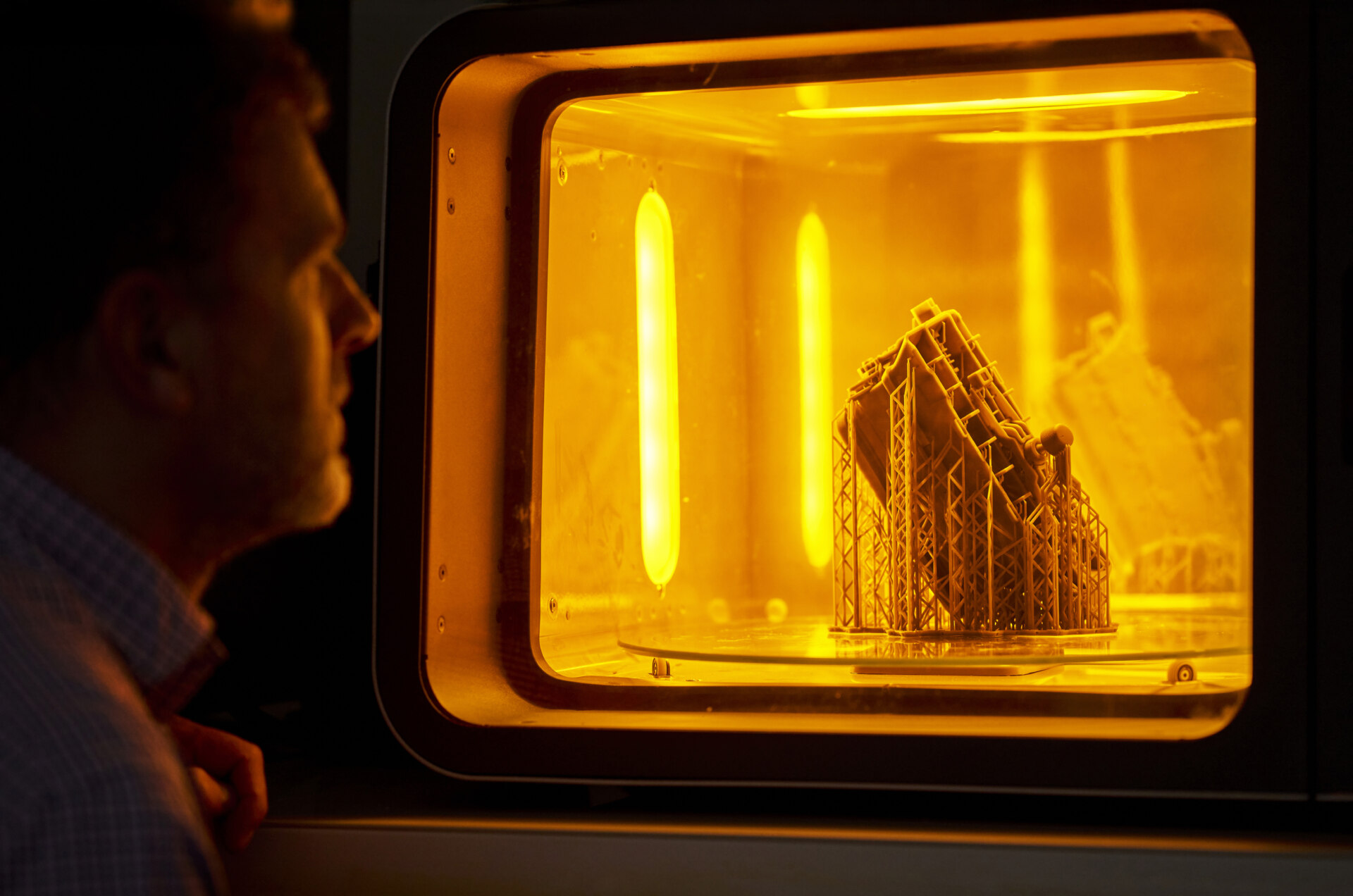
Škoda Auto has been using 3D printing in its development department for almost 30 years. The company recently opened a new 3D printing centre equipped with 16 printers, many of which operate almost continuously. Around 15,000 components are produced here every year for development purposes. Modern manufacturing methods not only expedite the development process but also help reduce the cost of future vehicle development.
13. 11. 2025 Škoda World Florian Weymar
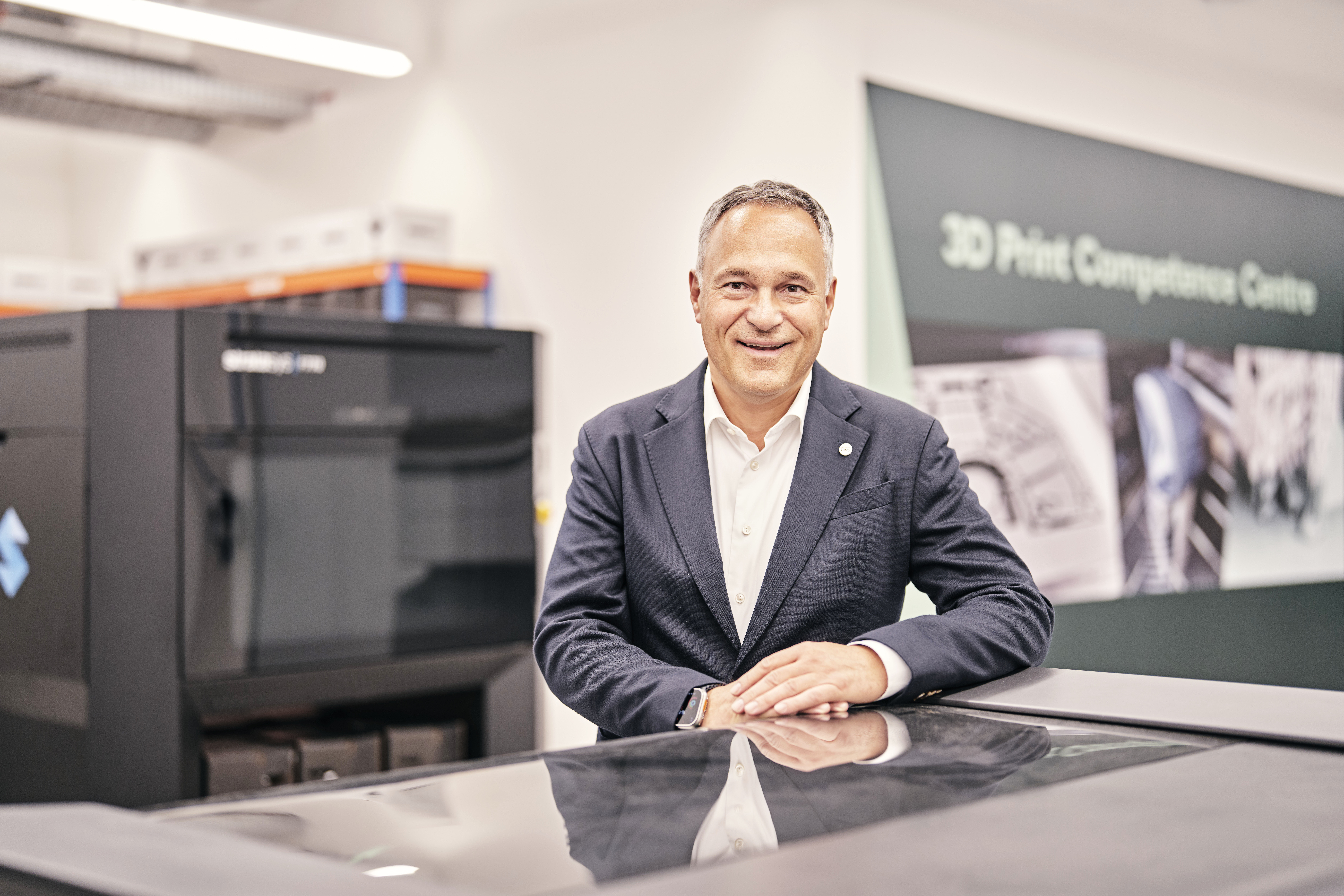
Head of Integration, Verification, and Validation of the Entire Vehicle
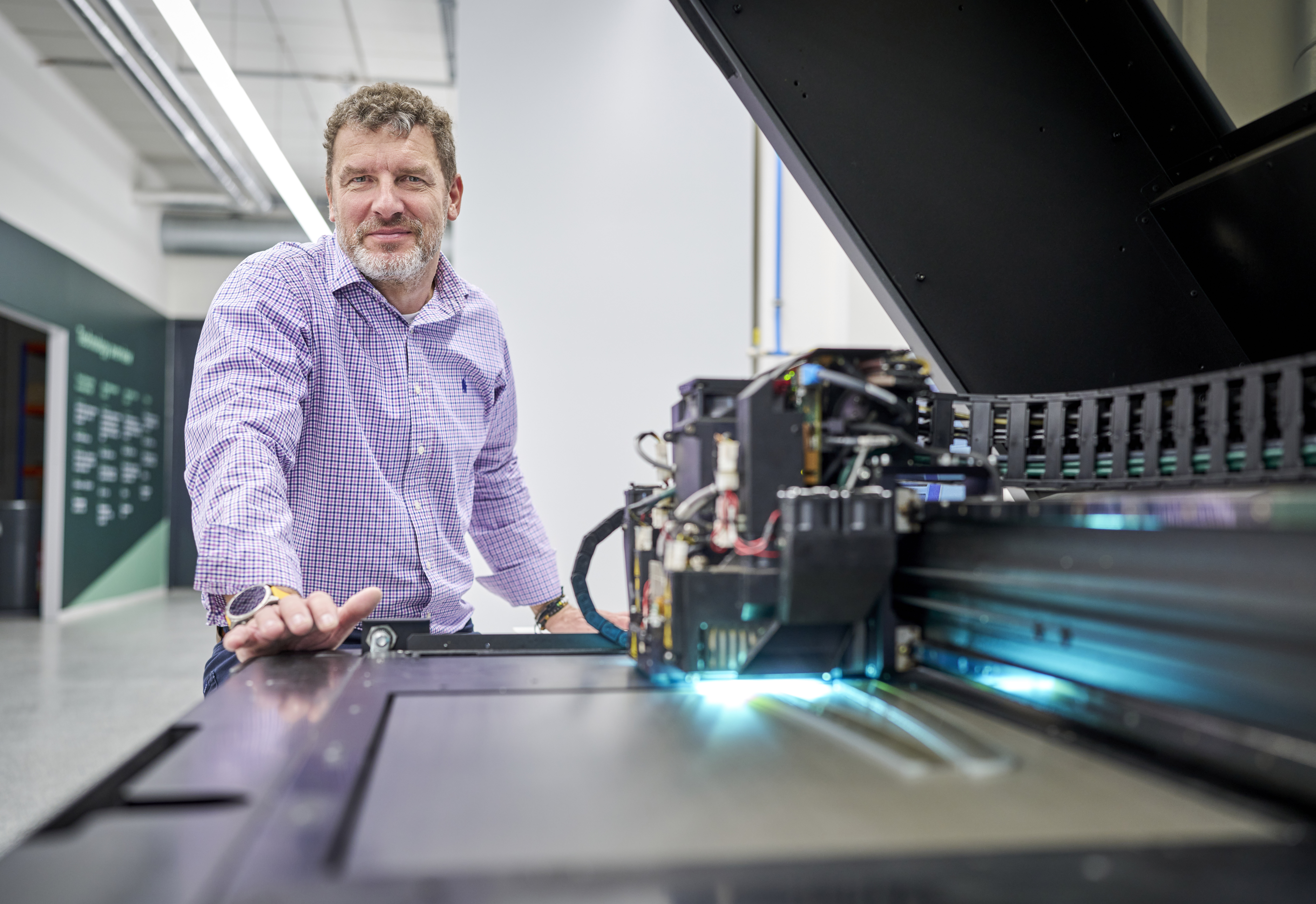
Today, Škoda Auto operates a dedicated centre equipped with 14 industrial 3D printers and two smaller machines like those used by hobbyists. “We use four different printing technologies in total. At the beginning, we could only print components up to 30 centimetres in size; today, we can produce parts up to one meter long,” explains Martin Sova, coordinator of the 3D Printing Competence Centre in Technical Development.
Faster and more confidential
The purpose of the 3D Printing Centre is to accelerate and simplify the development of new vehicles and components. Škoda Auto produces prototype parts in-house that would otherwise require a more complicated or costly process or would have to be outsourced to external suppliers. “Using 3D printing saves us a considerable amount of time. And since all data remains within the company, this approach also offers enhanced confidentiality,” Sova points out, highlighting the advantages of this technology. The 3D printed models can also be recycled.
Small and simple components can be prepared for Technical Development almost immediately, while producing and printing more complex parts, such as large bumper sections, takes approximately three to five days, depending on their complexity. Even this timeframe is significantly faster than outsourcing to a supplier. “Flexibility is another advantage. If changes are introduced during the preparation stage, we can easily and quickly implement them,” Sova explains.
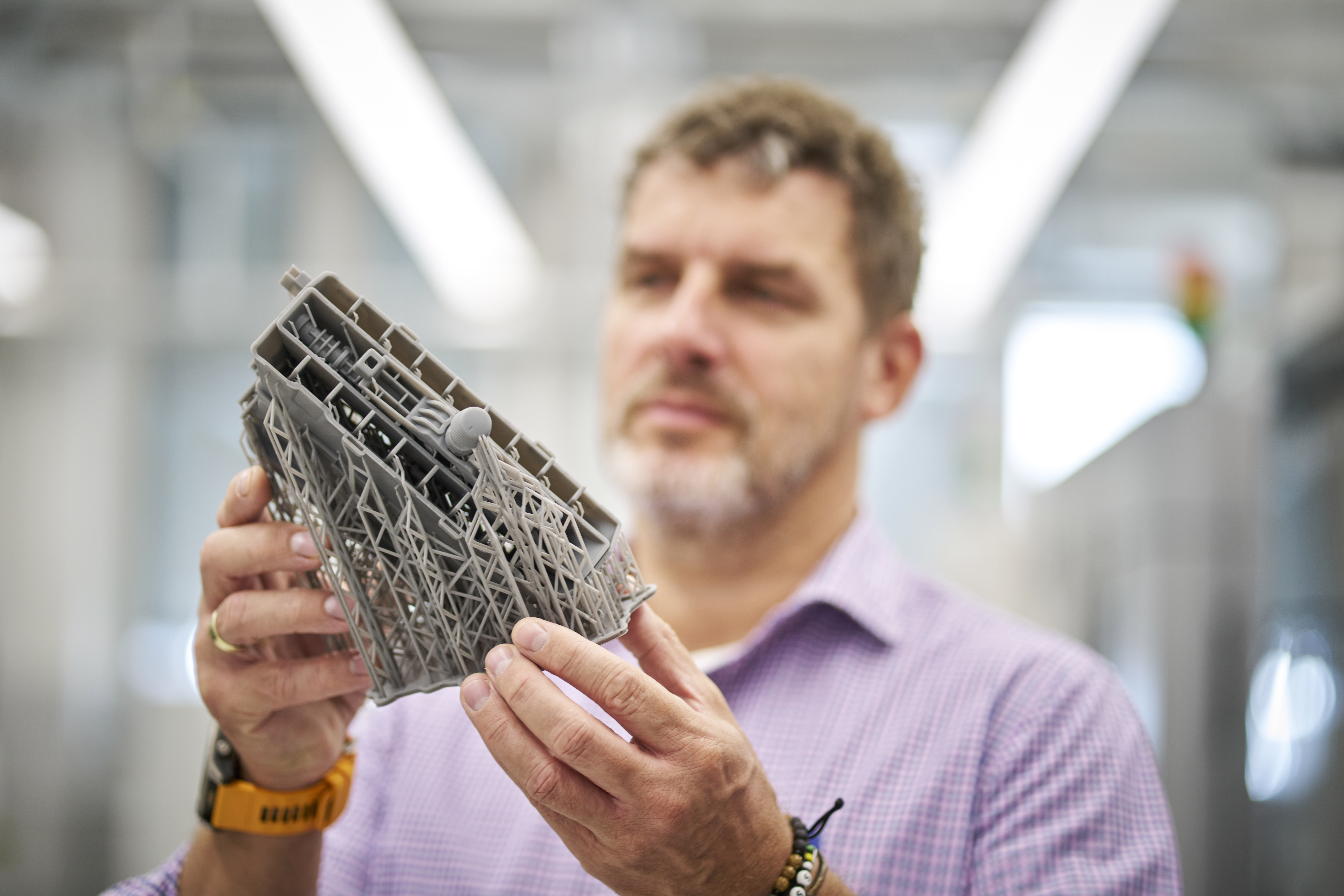
The center's equipment operates virtually around the clock. According to Sova, the largest printers, which use FDM (Fused Deposition Modeling) technology, run for approximately 7,500 hours a year—equivalent to 312.5 days— with downtime occurring only during maintenance, servicing or company holiday.
Each year, the 3D Printing Centre produces around 15,000 parts—some very small, others up to one meter in size. “For example, we print bumpers in several sections and then assemble them,” says Sova. Some parts are used in their raw, unfinished state, but many undergo post-processing, including painting and finishing carried out by other departments such as the model shop or prototype workshop.
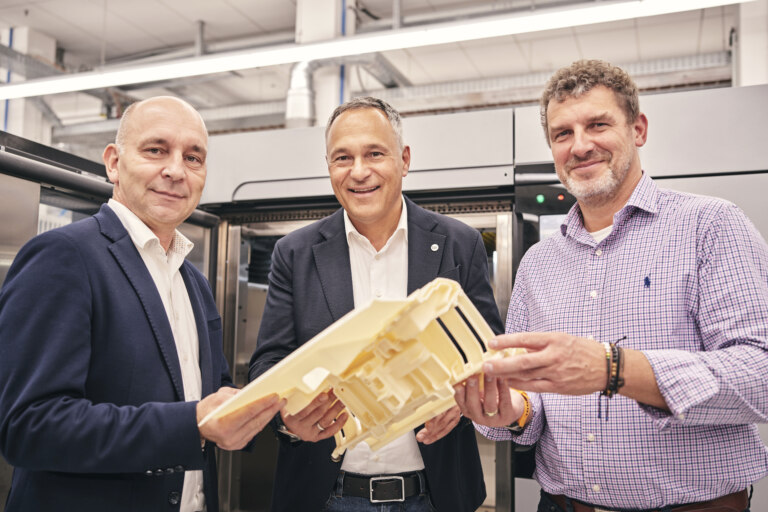
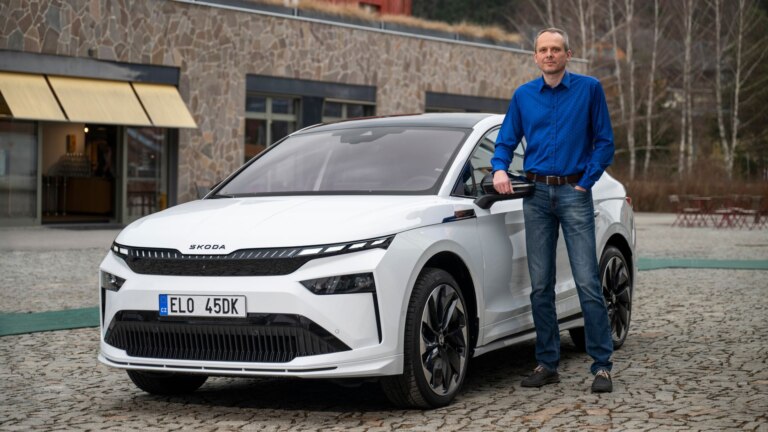
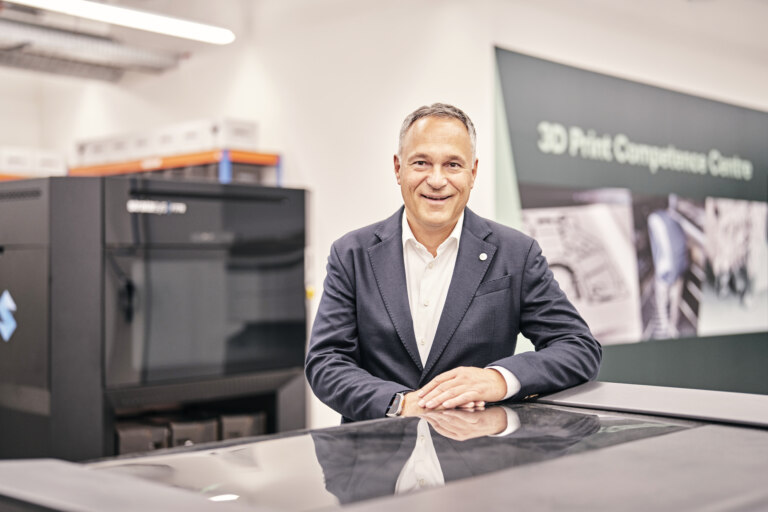
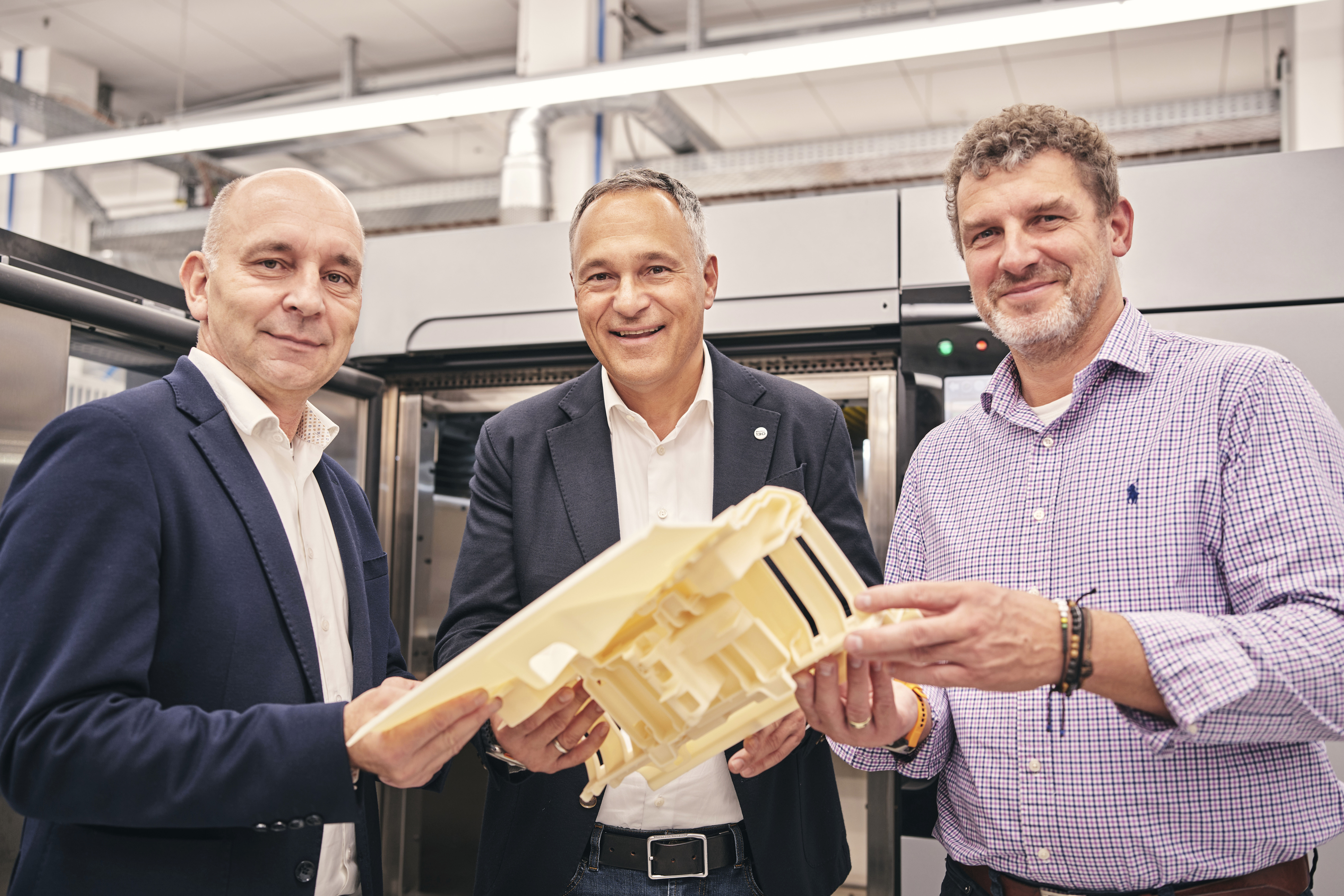
From left: Jan Novák (Head of the Test Vehicle and Model Production Center), Florian Weymar (Head of Integration, Verification, and Validation of the Entire Vehicle), Martin Sova (Coordinator of the 3D Printing Competence Center)
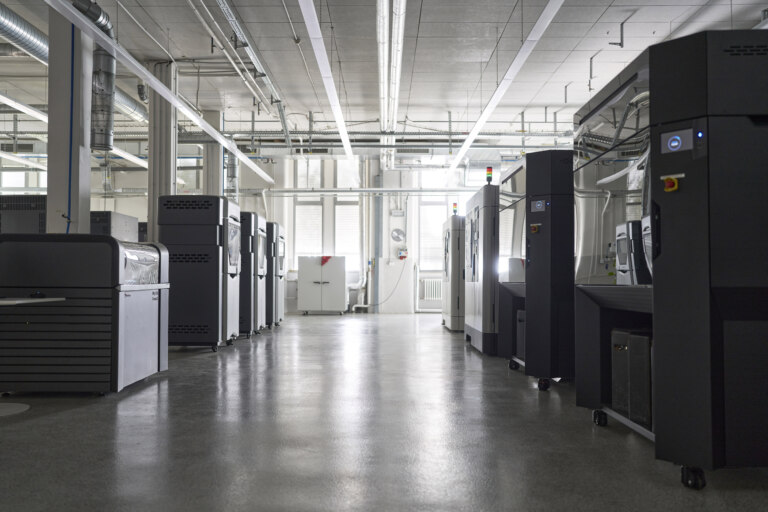
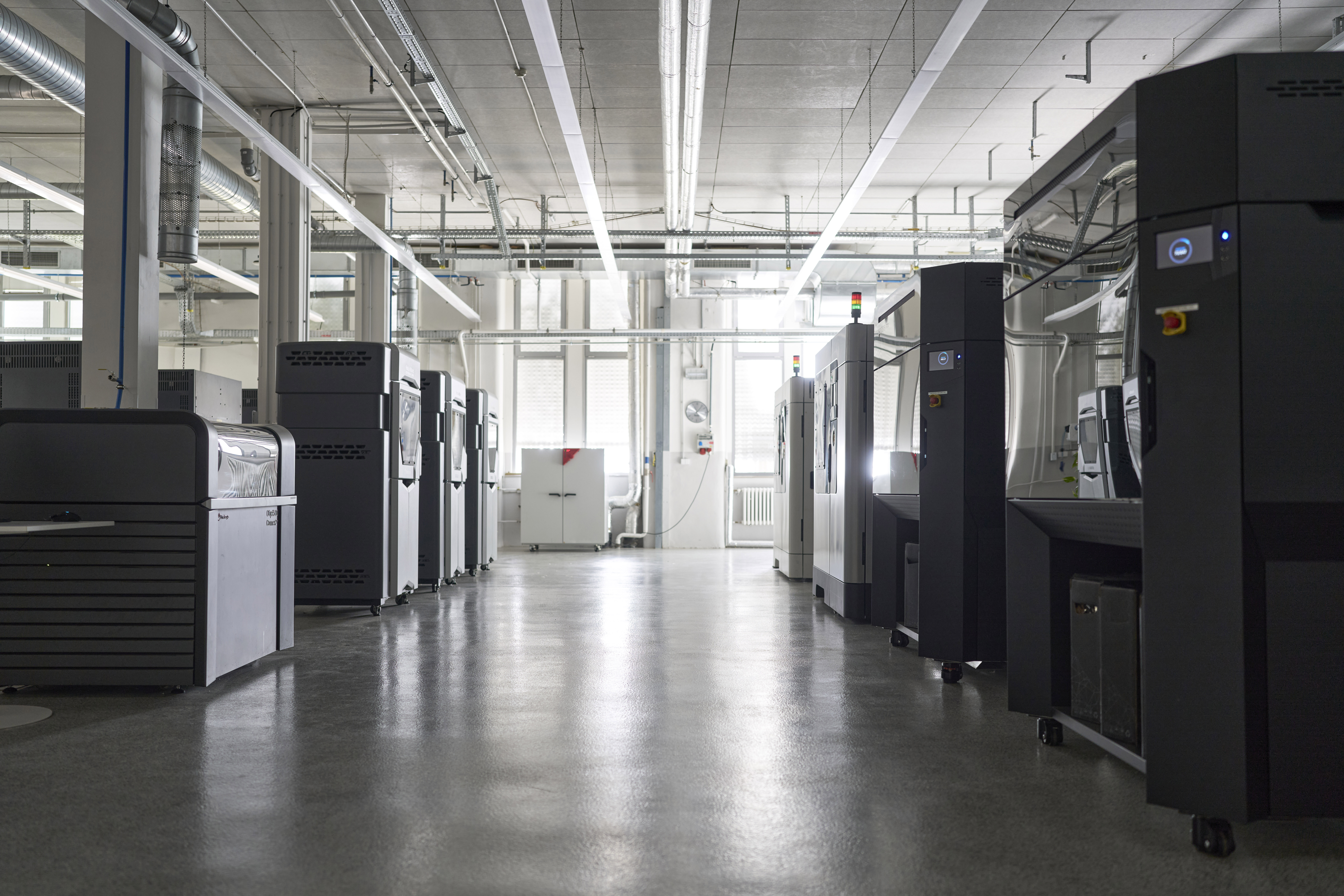
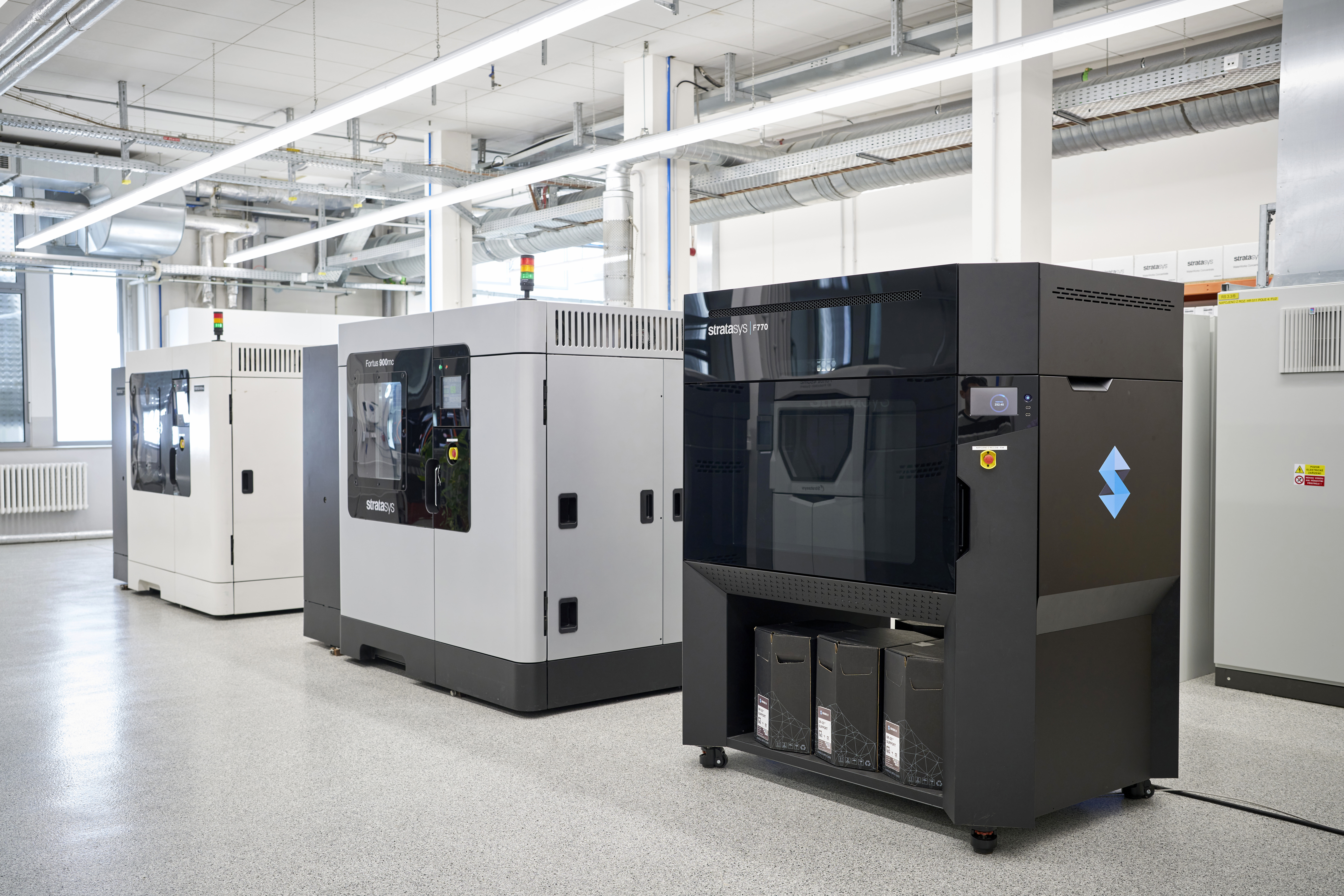
The main hall of the 3D Printing Competence Center. It is dominated by large printers for FDM printing
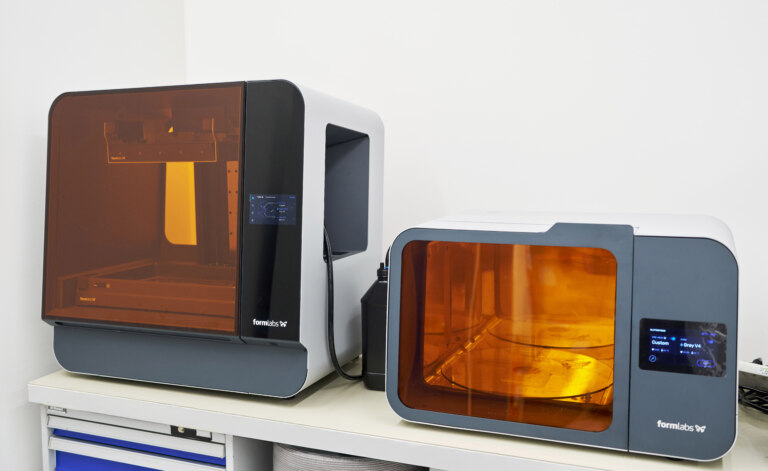
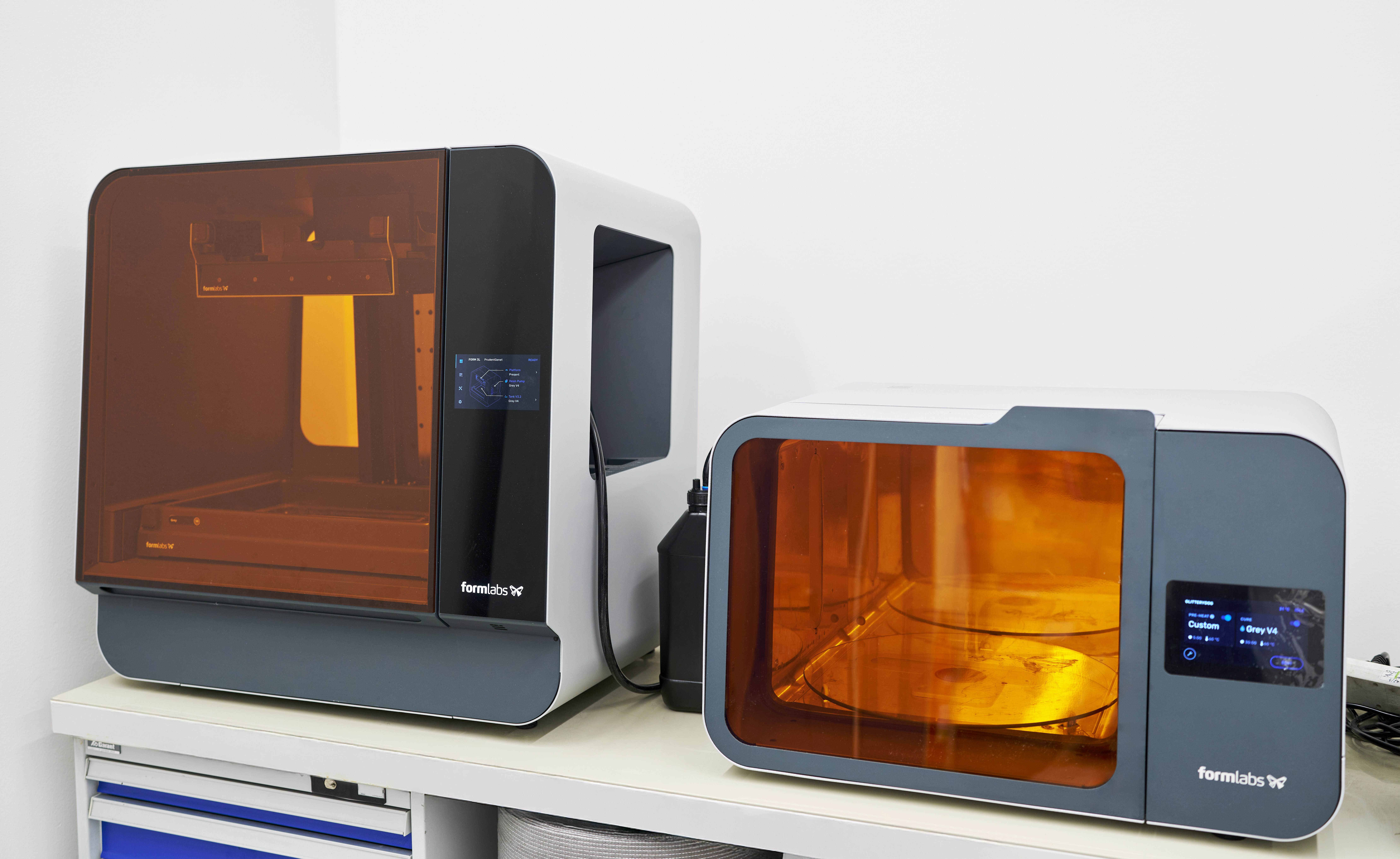
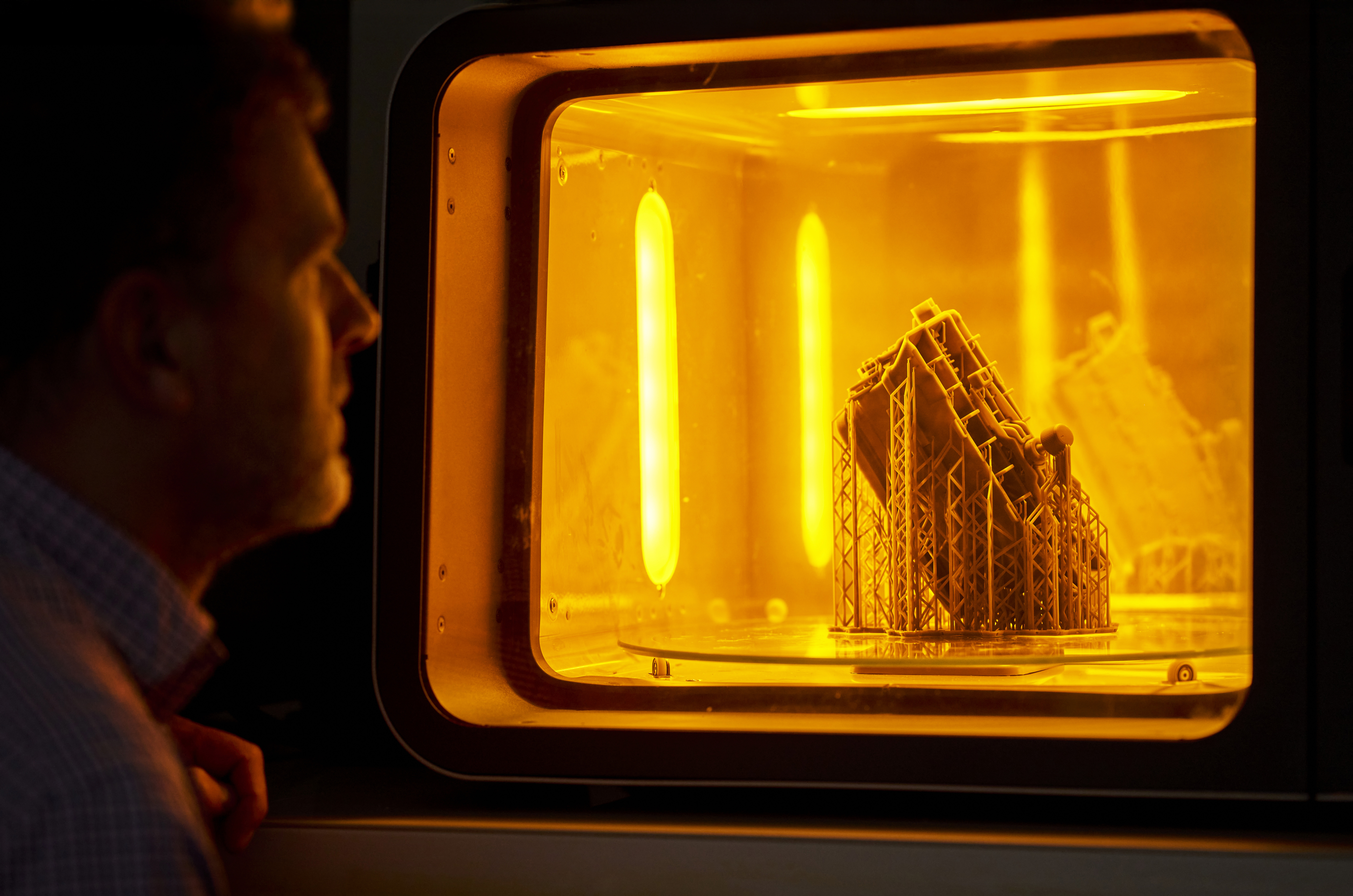
Stereolithography (SLA) printing devices enable the printing of multi-component parts
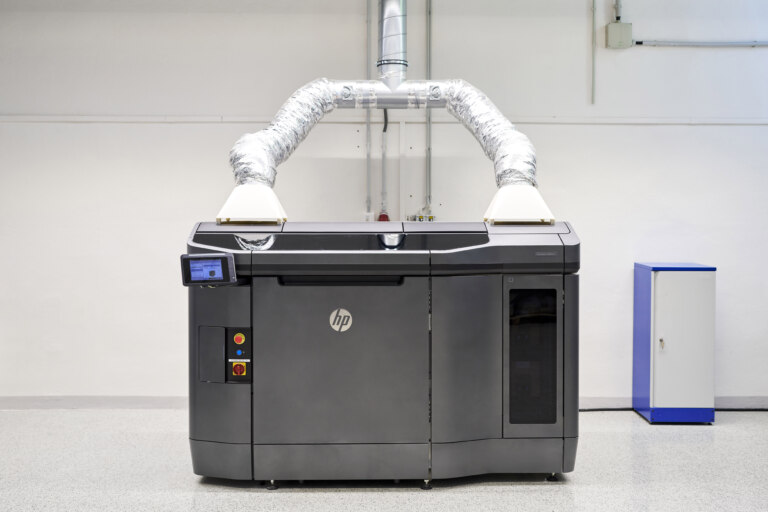
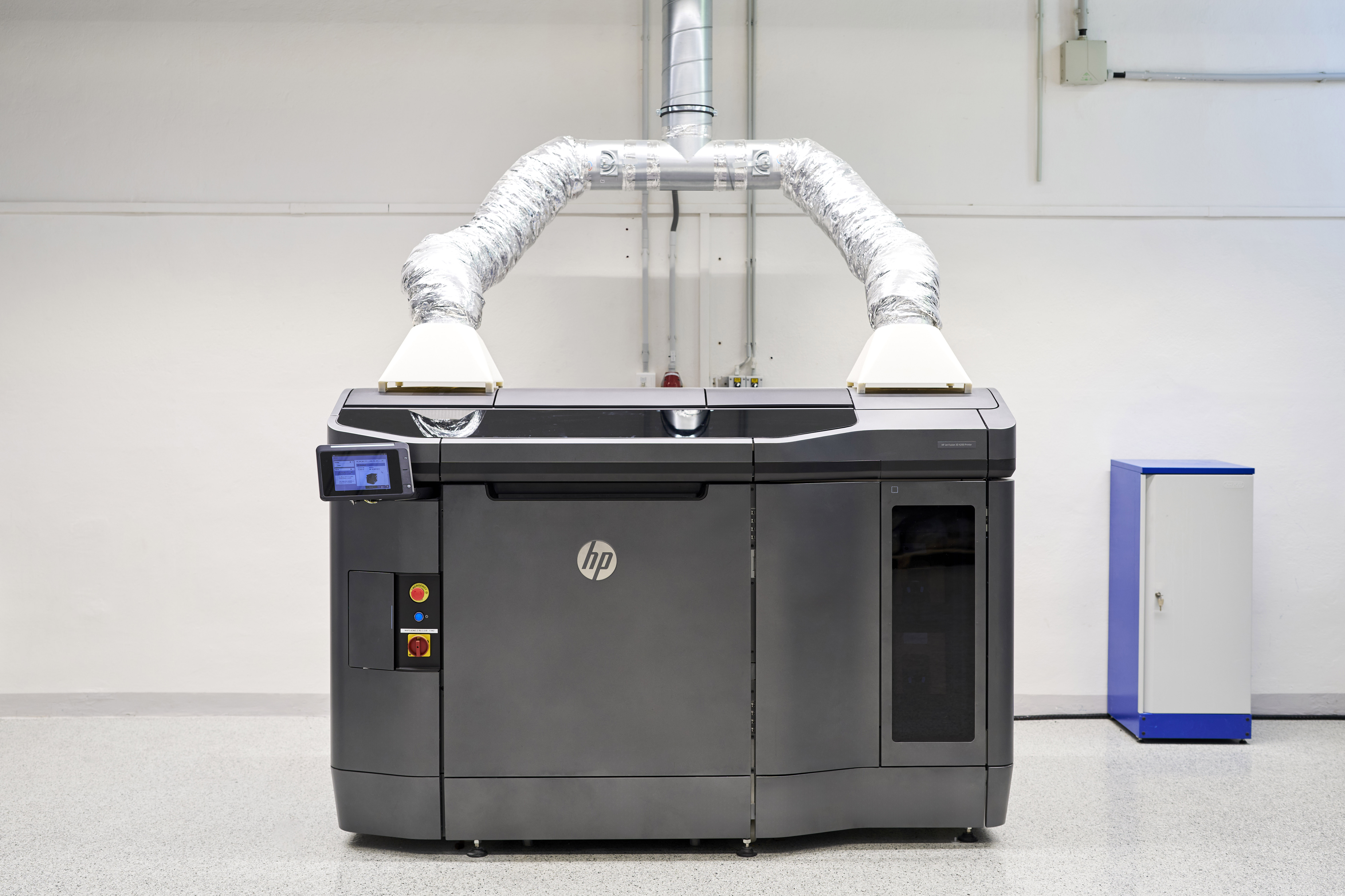
When printing using the Multi Jet Fusion method, the part is created by sintering layers of plastic powder and a binding agent using infrared heaters
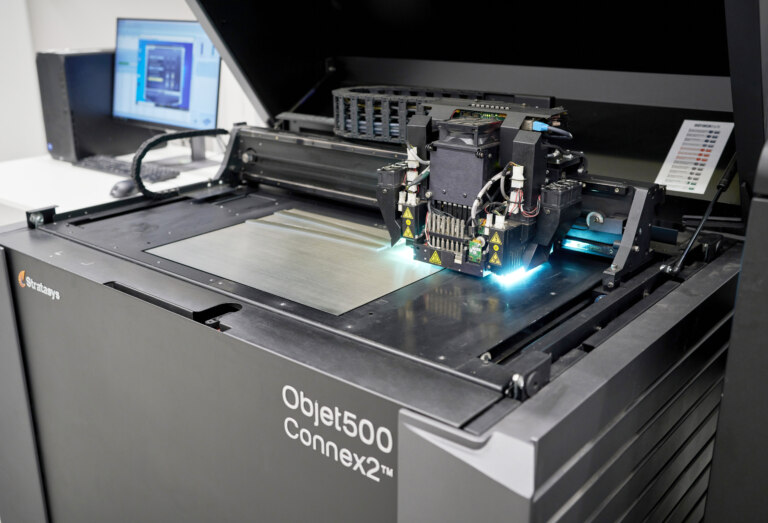
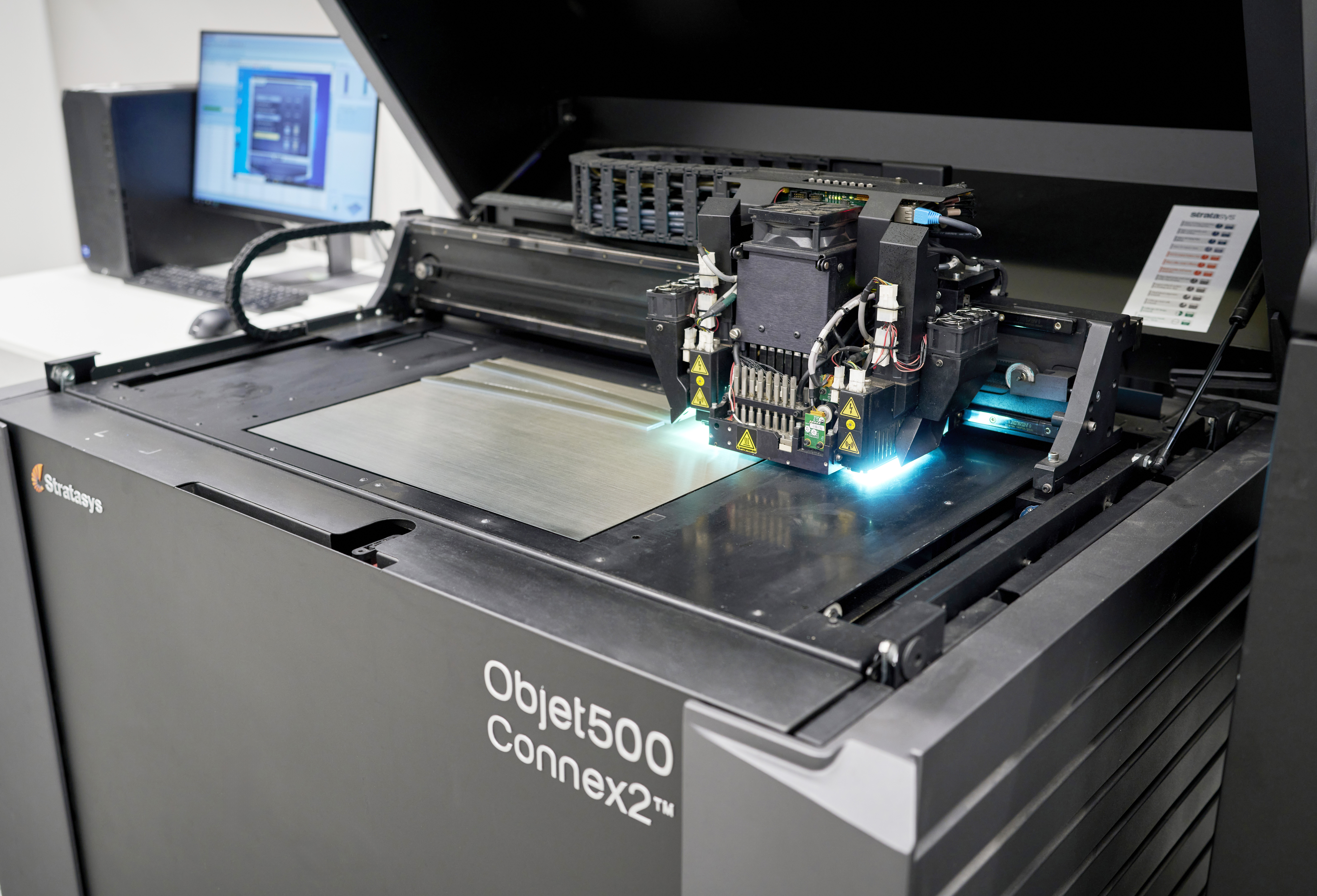
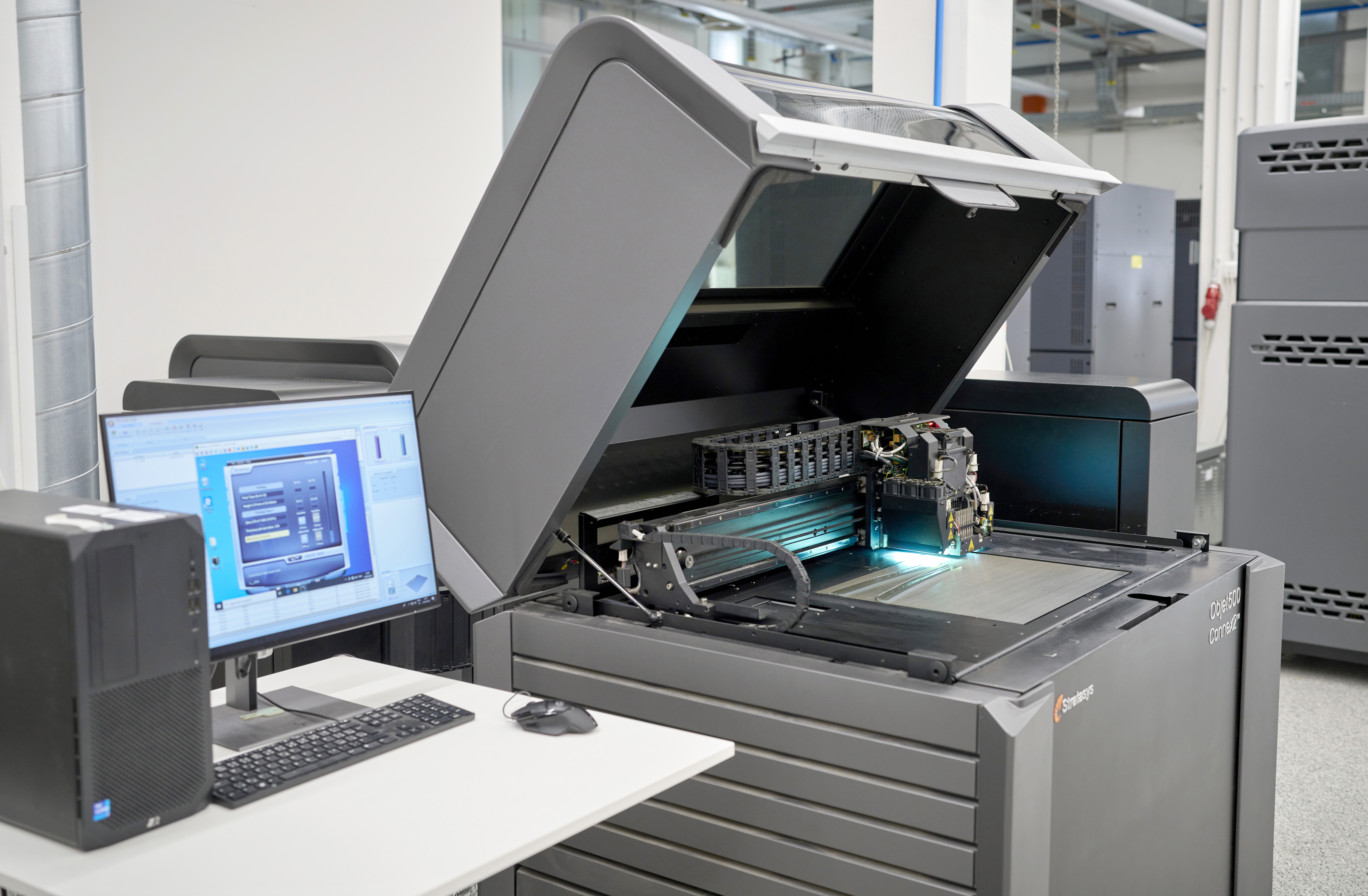
When printing using the Polyjet method, the model is created by curing liquid photopolymer with UV light
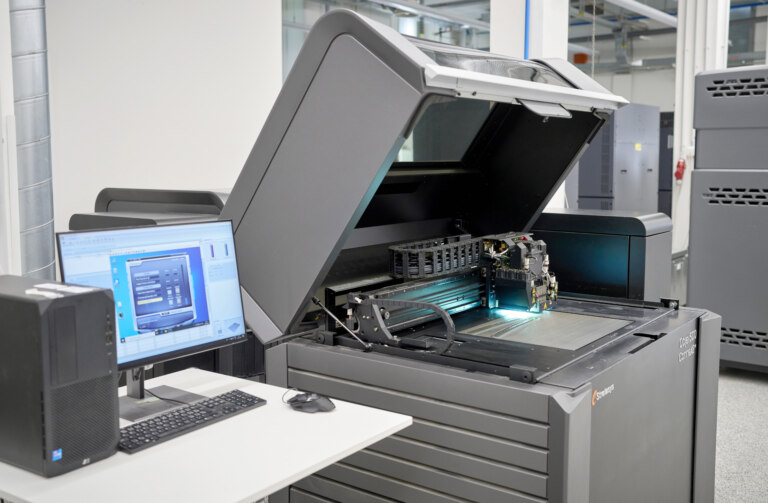
The Polyjet method allows multiple materials to be used in a single print
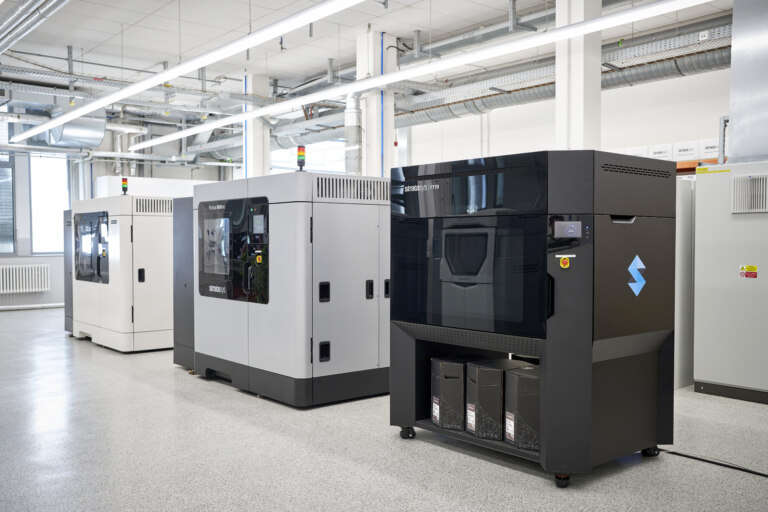
Large printers for FDM printing enable the printing of parts up to one meter in length
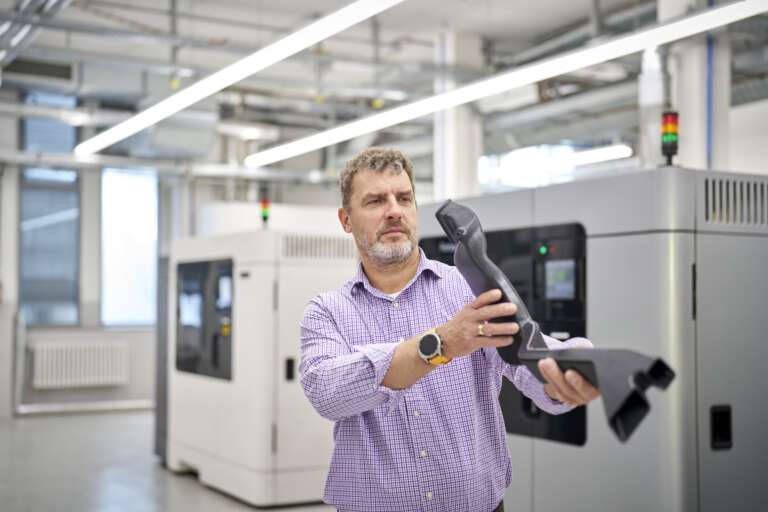
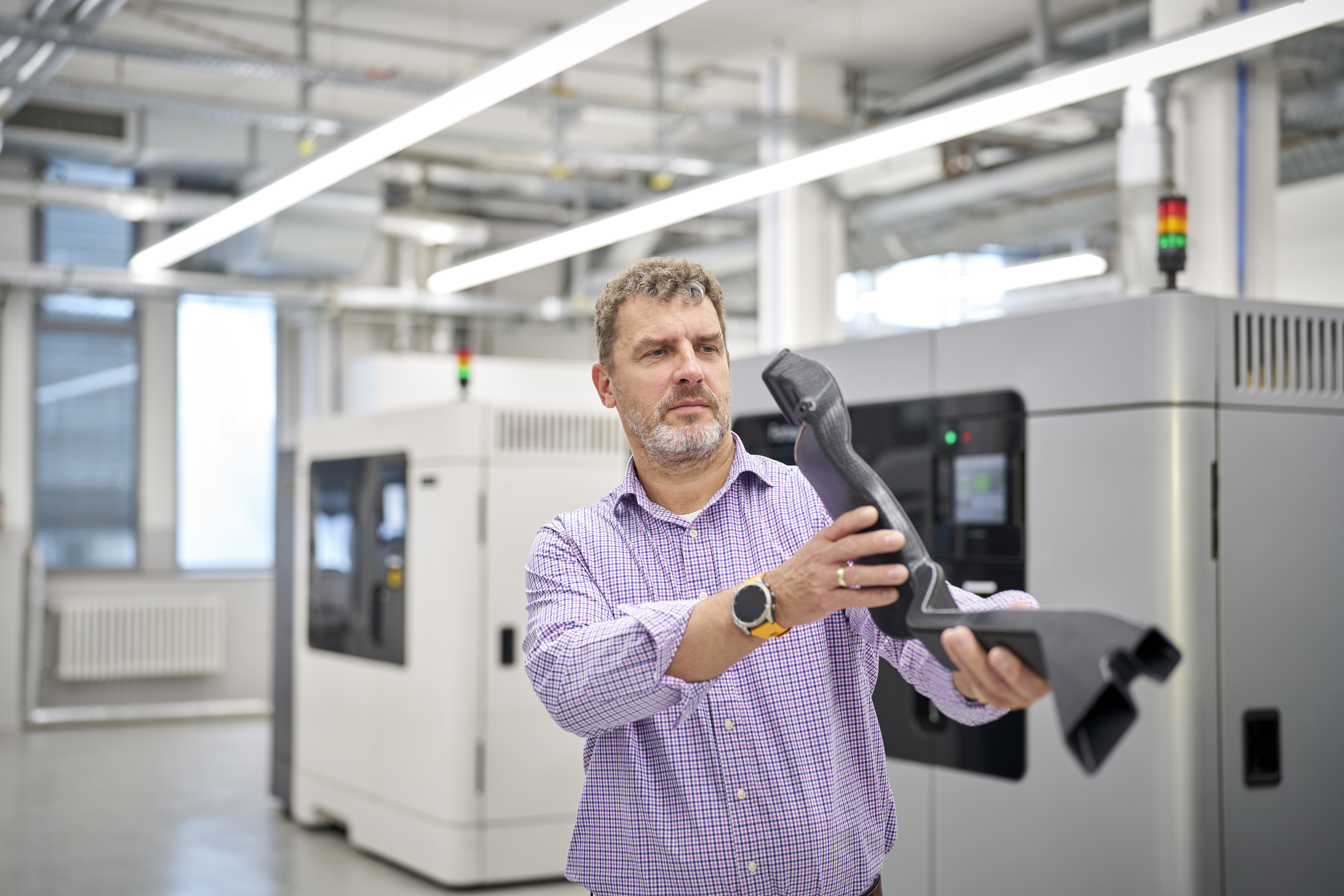
Typical outputs of the 3D Printing Department include prototypes of exterior parts, such as bumpers, spoilers, and aerodynamic wheel covers. The team also produces interior components, including dashboards, door panels, and hidden elements like air-duct channels. “Among the most complex parts we make are various air vents. They are intricate, highly detailed, must be fully functional, and have very tight tolerances. We usually prepare several versions,” “Martin Sova reveals a somewhat surprising challenge.”
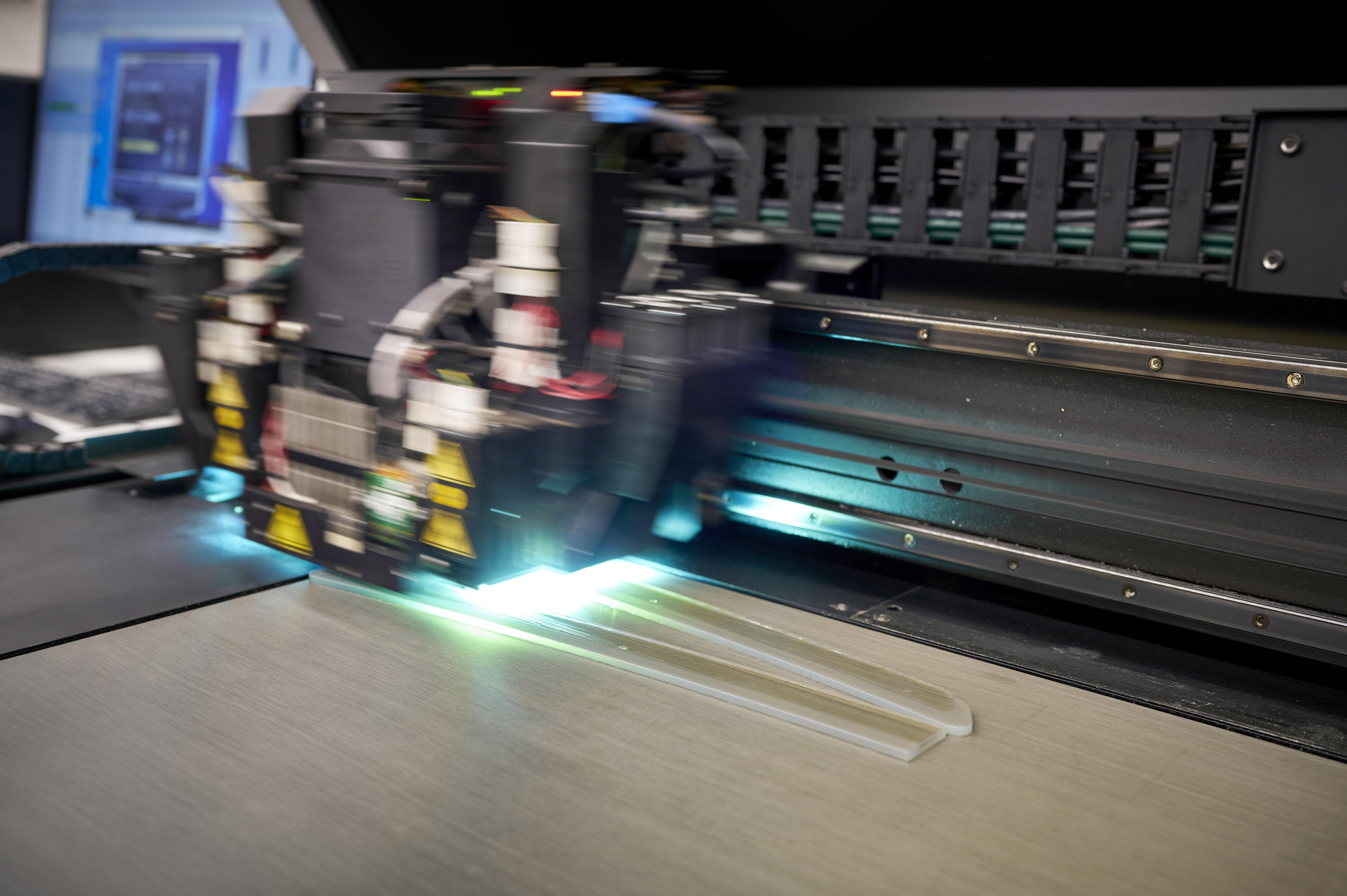 When printing using the FDM method, the printer also prints supports for the parts, which are then removed by the modelers

Be the first
to get the latest stories
Explore more


Media Box
13 images
Show more
Show less