Tap, pump, crank: starting the first car from Mladá Boleslav
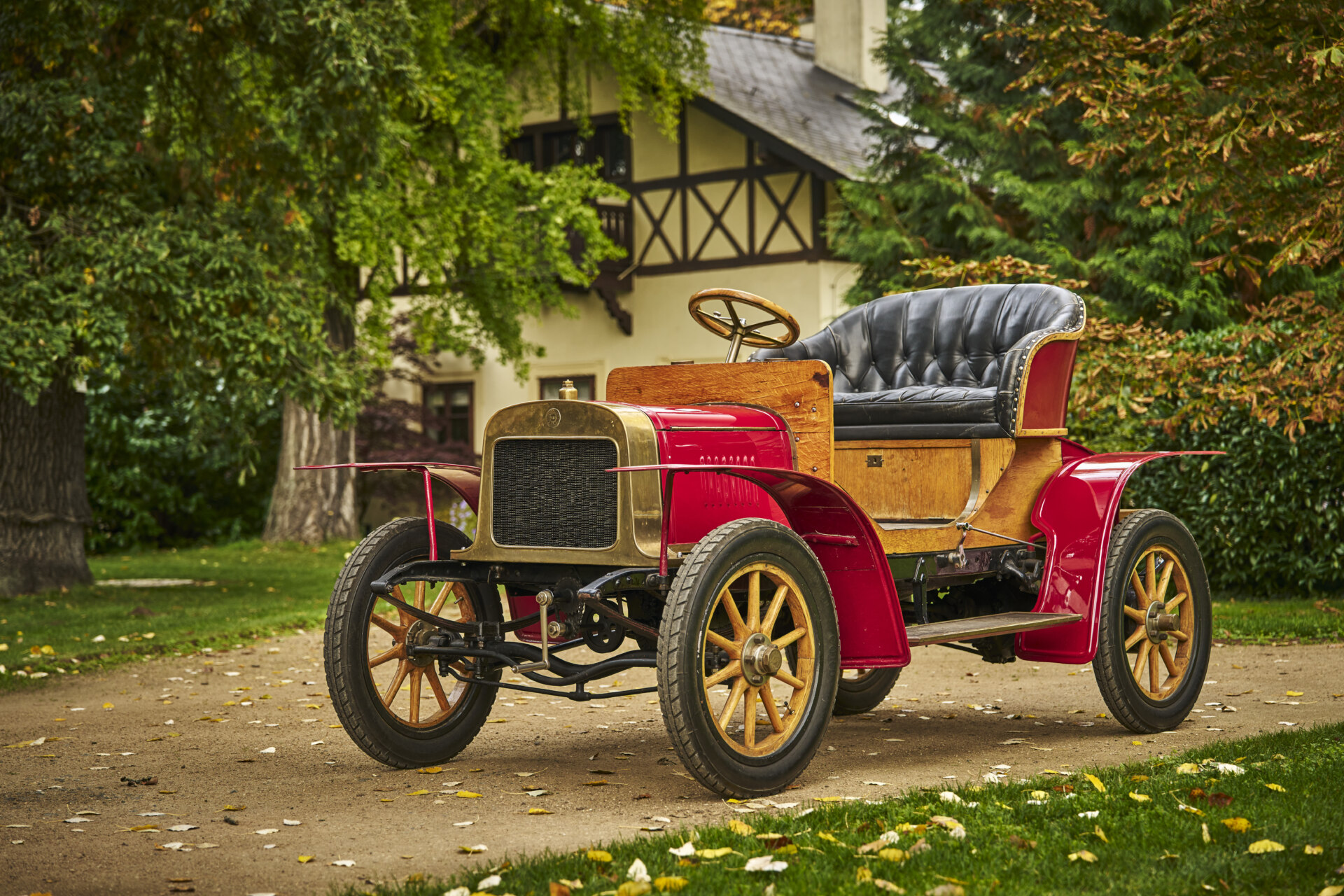

The Laurin & Klement Voiturette A motor carriage marked the brand’s transition from two wheels to four. This automotive grandfather thus laid the foundations for the dynamic development of the entire car manufacturer. Discover how it was operated.
19. 3. 2026 Škoda World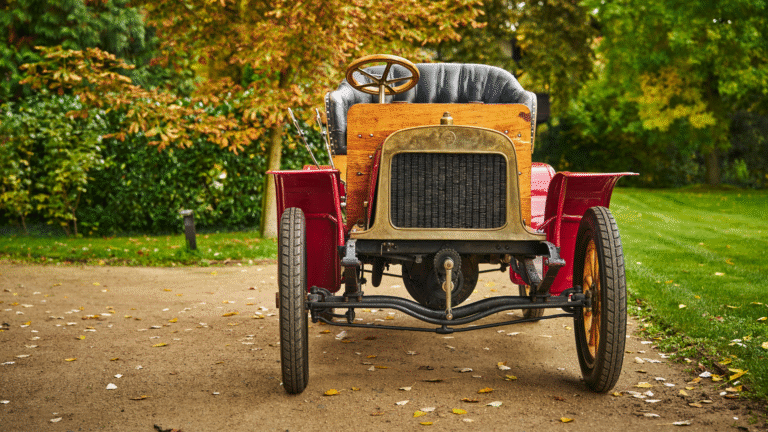
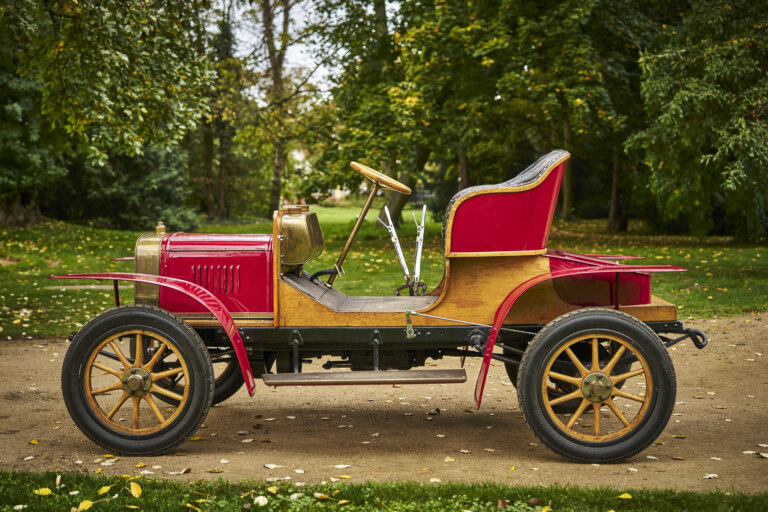
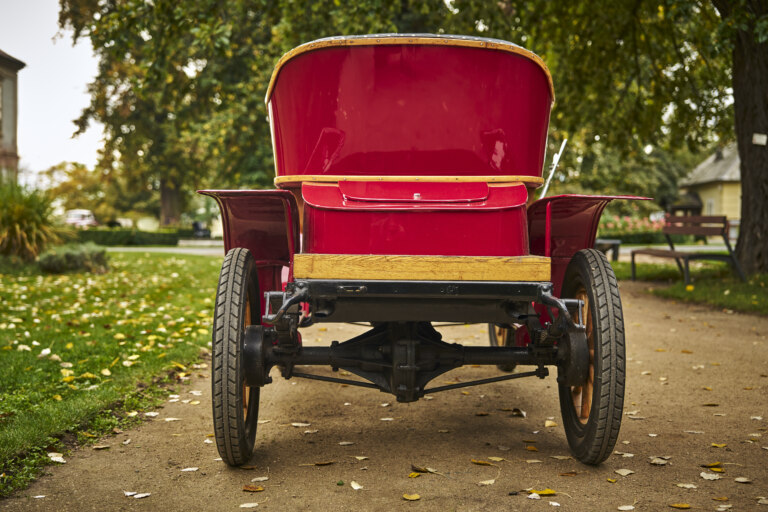
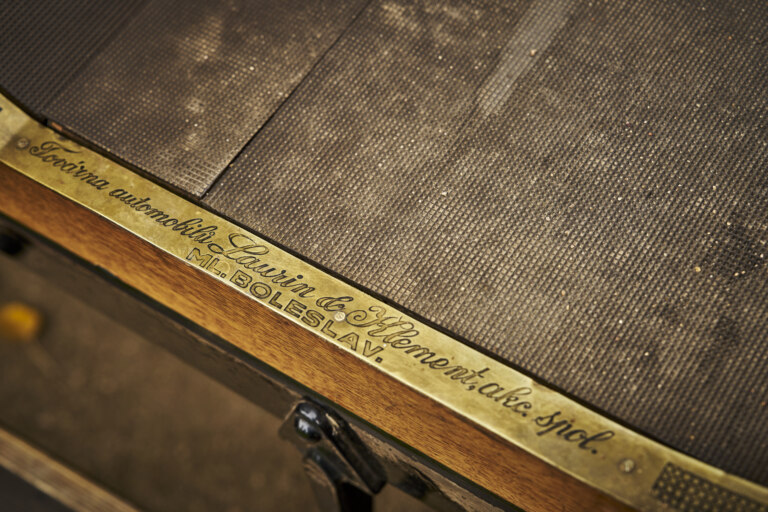
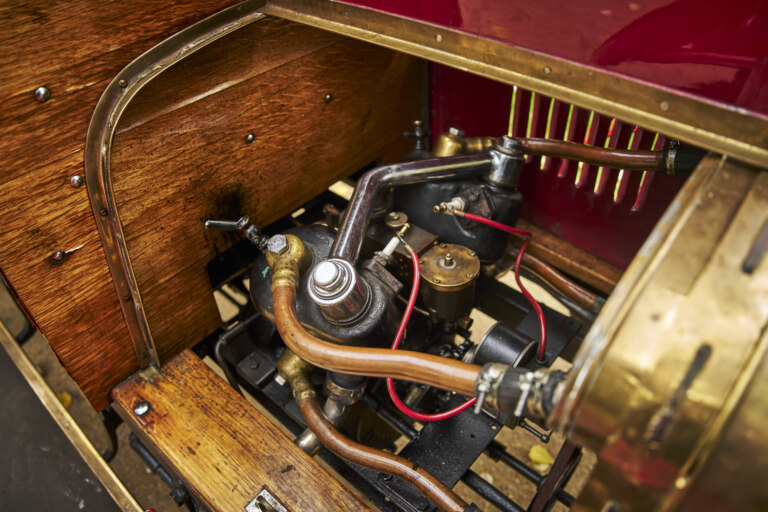
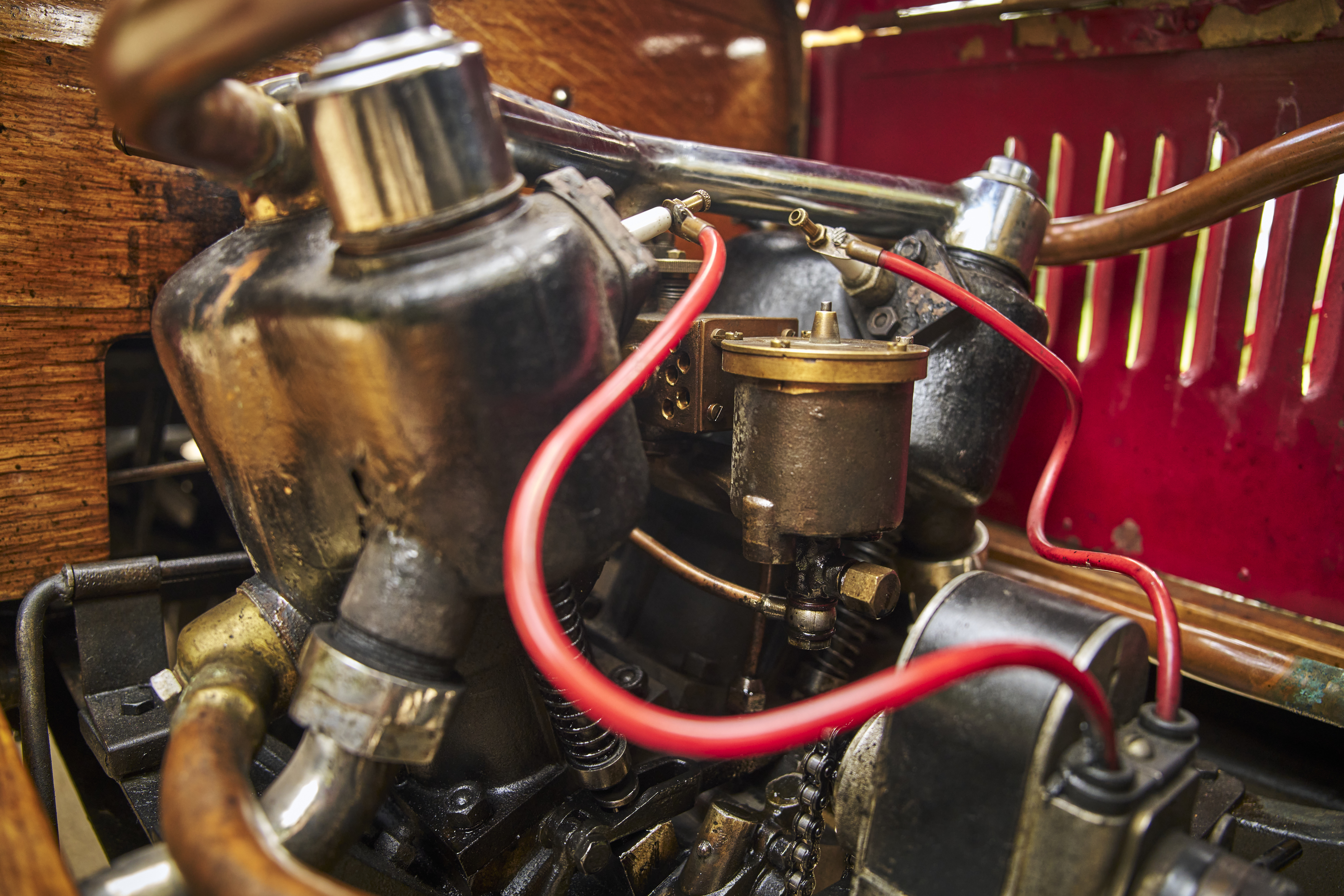
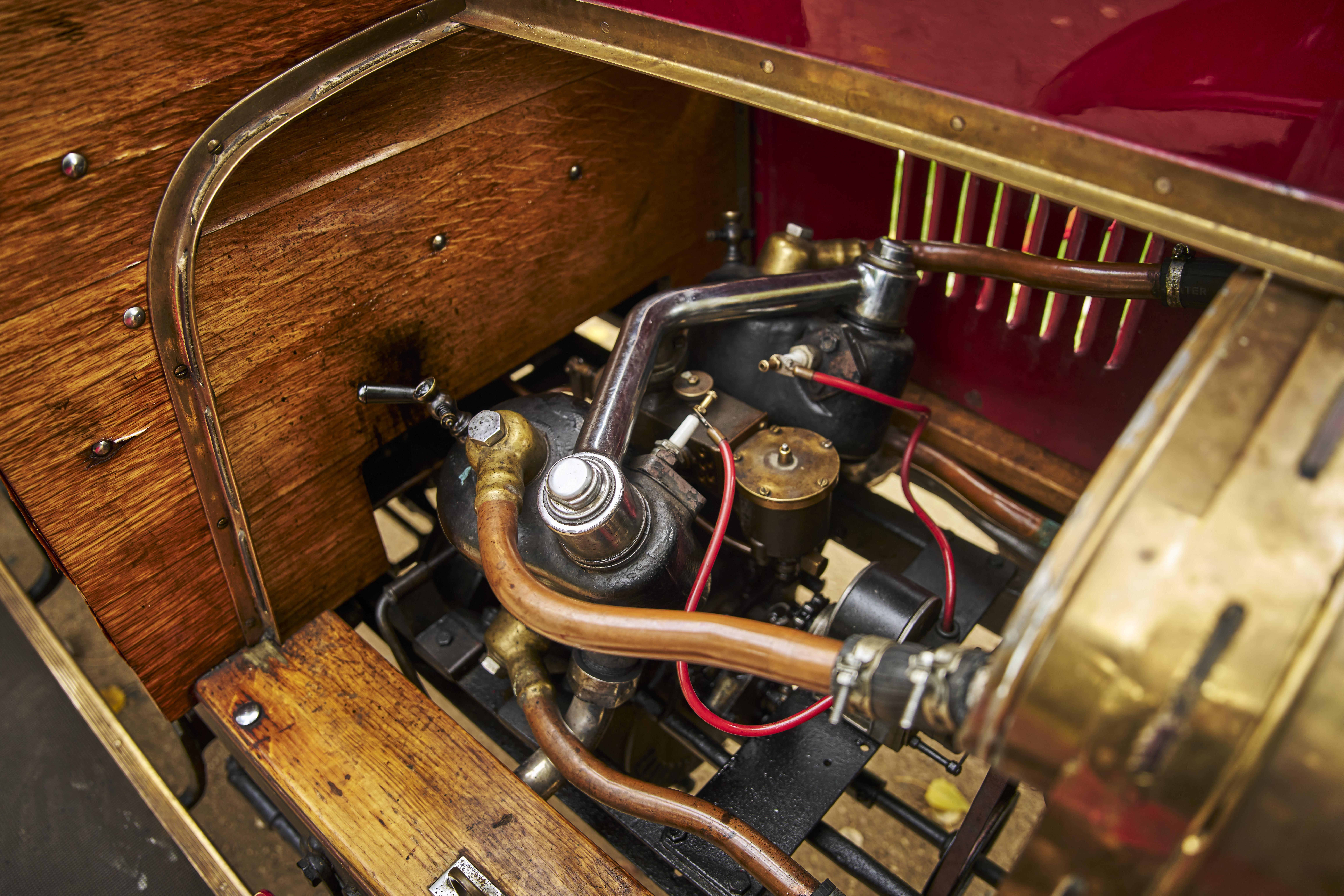
Laurin & Klement Voiturette A is powered by a V-twin engine with an output of seven horsepower
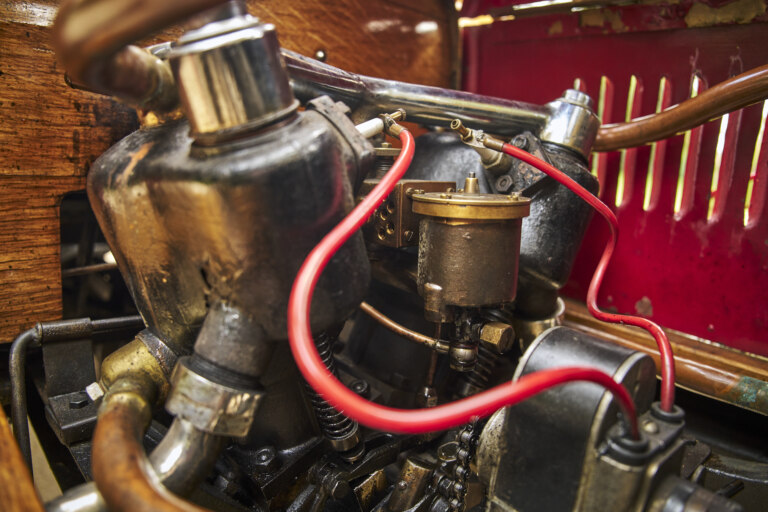
From today's perspective, this modest performance was sufficient to propel the car to speeds of up to 40 km/h
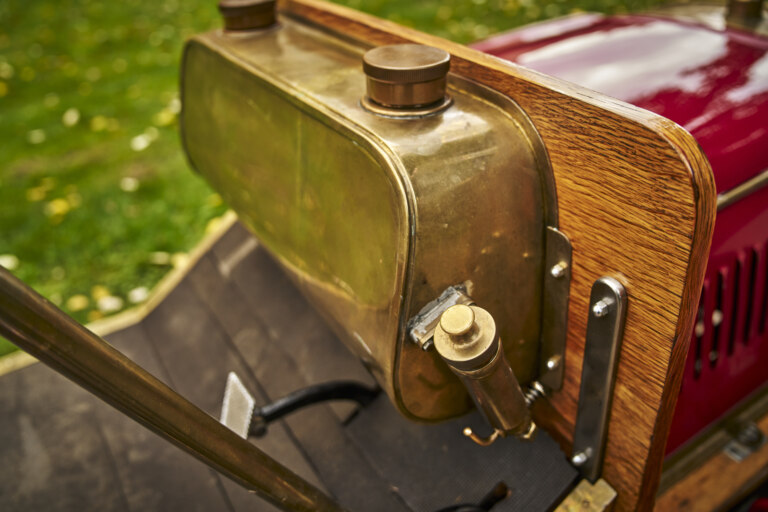
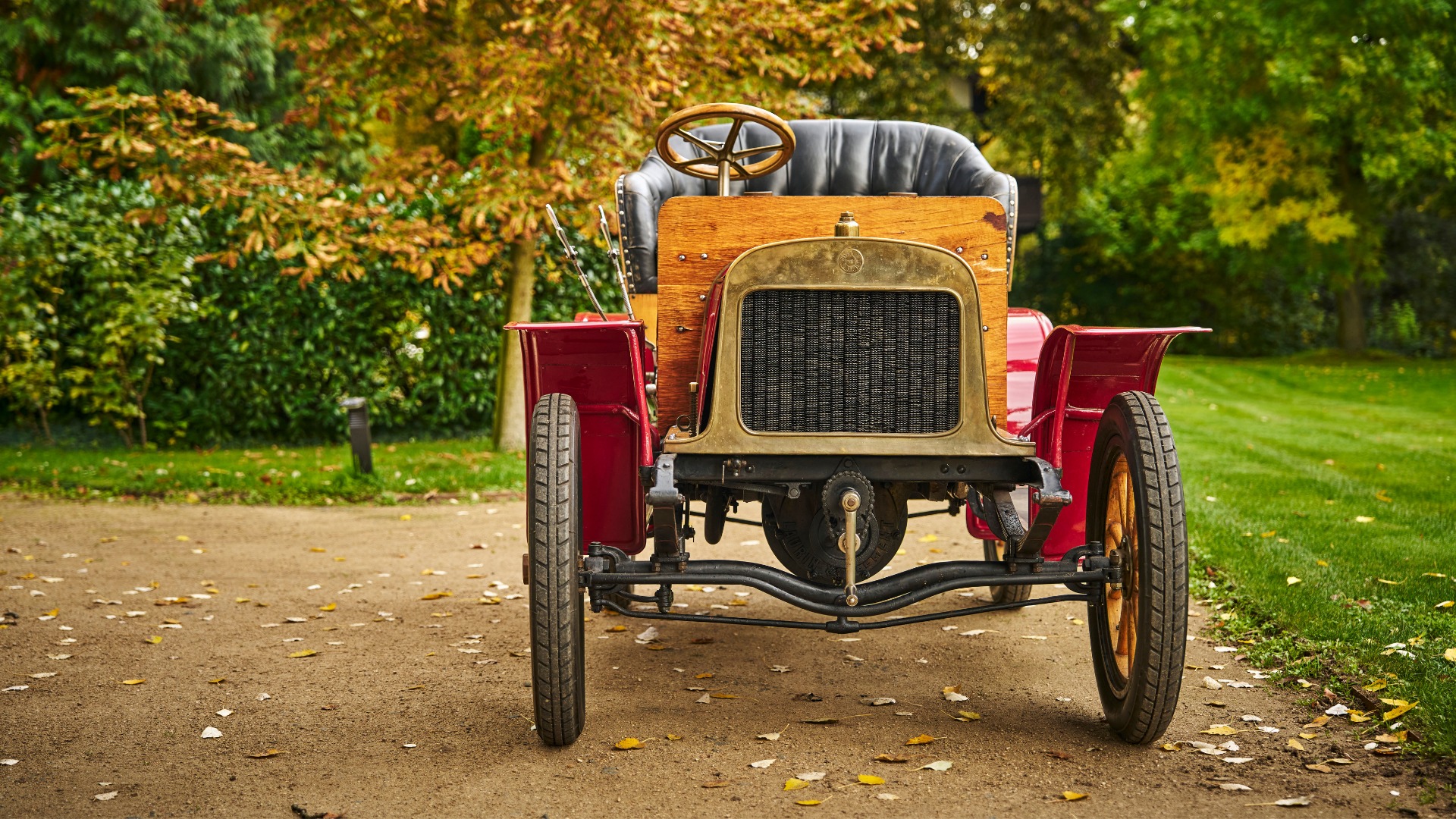
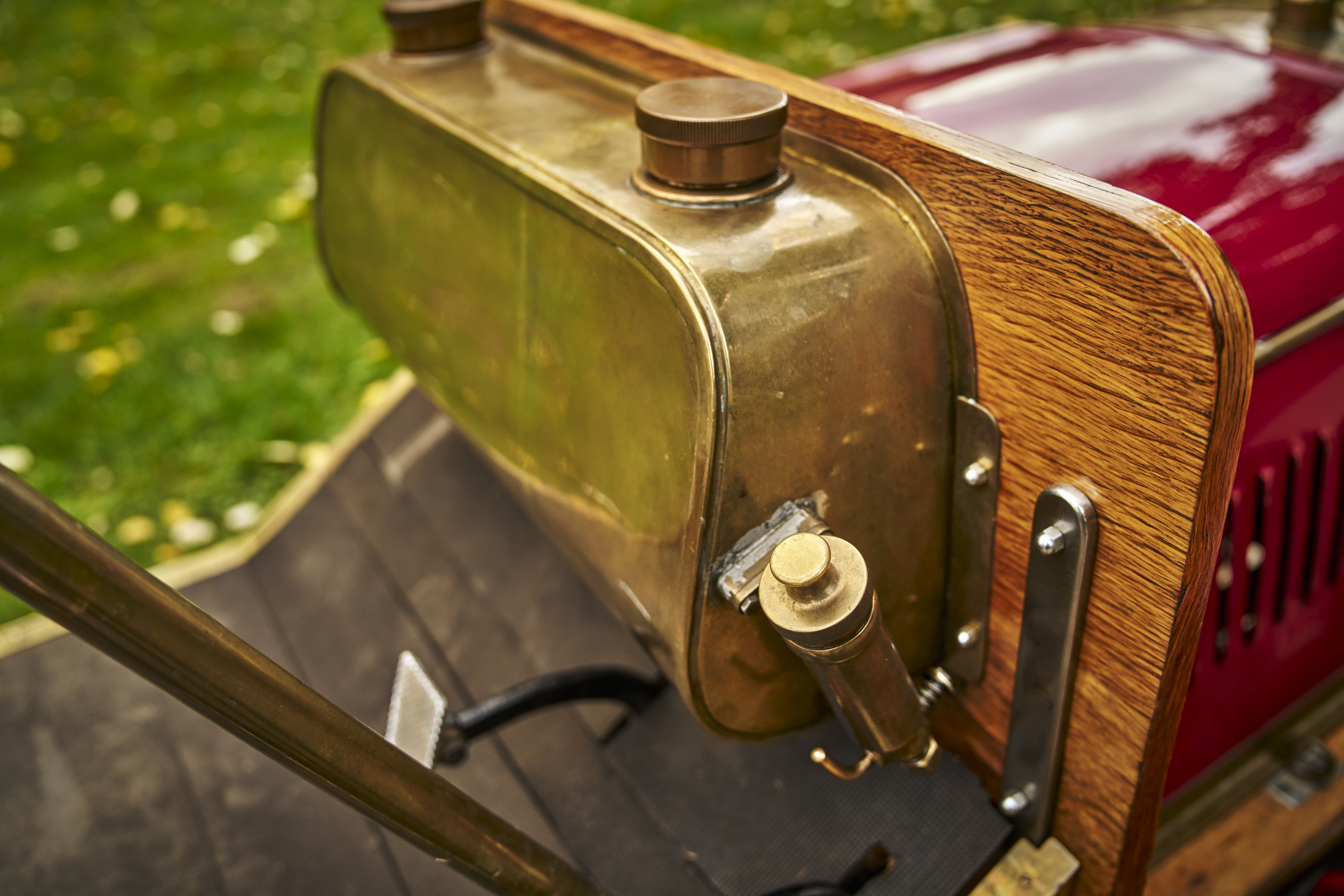
The fuel tank is located in a similar place to where modern cars have their dashboard
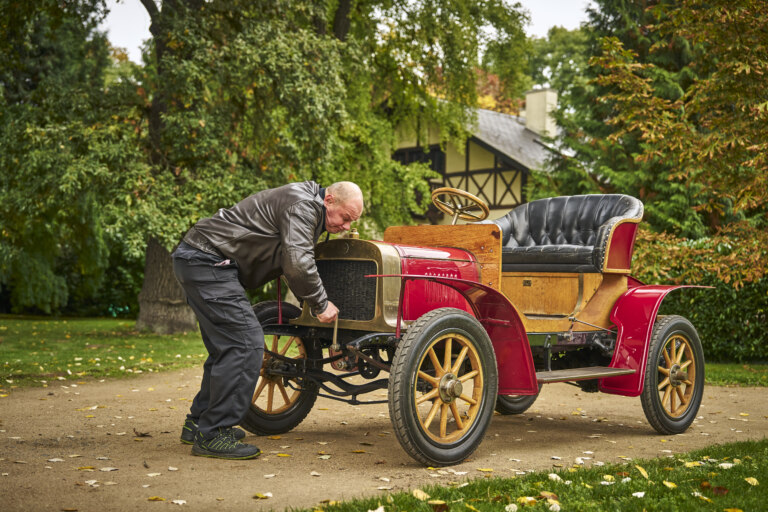
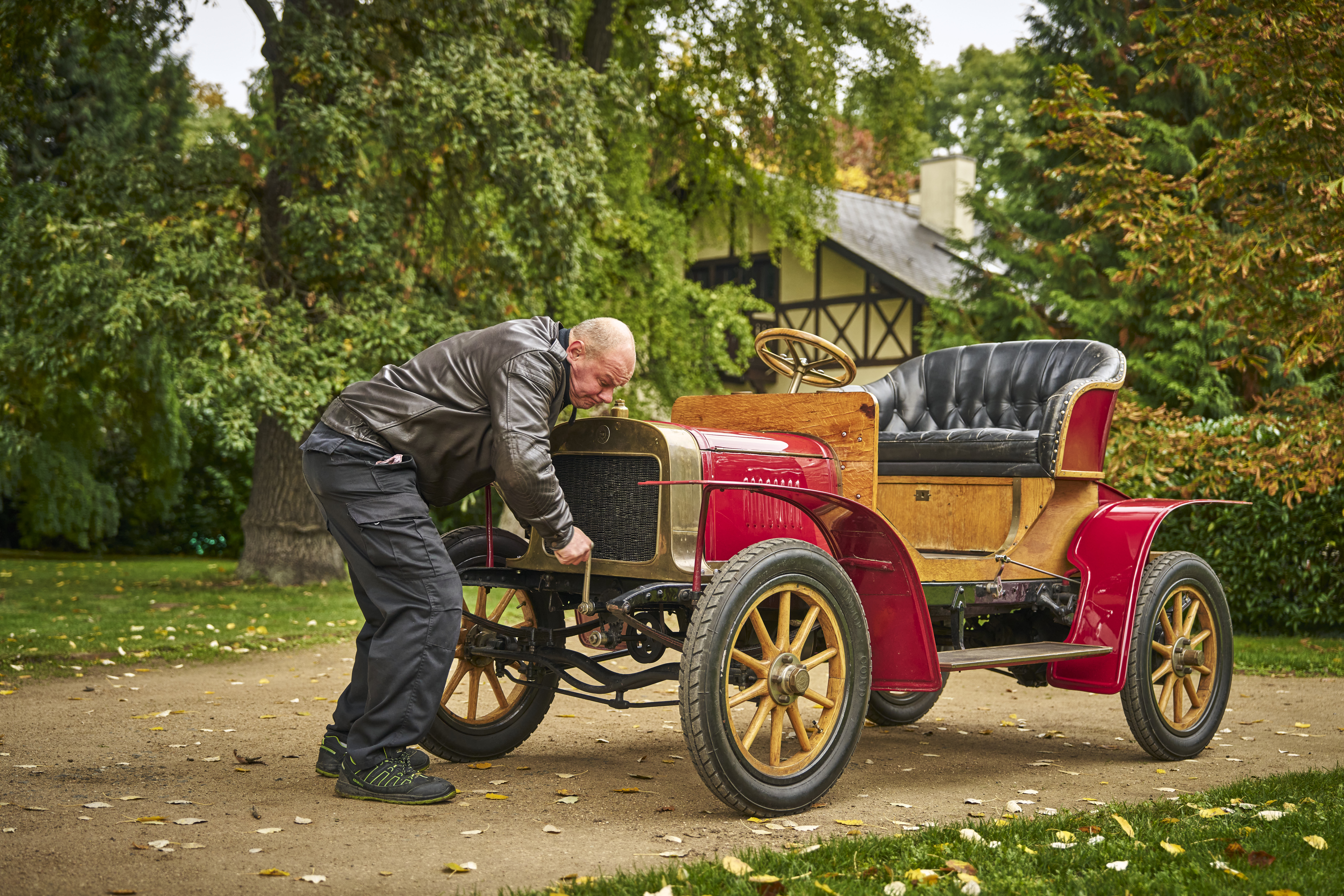
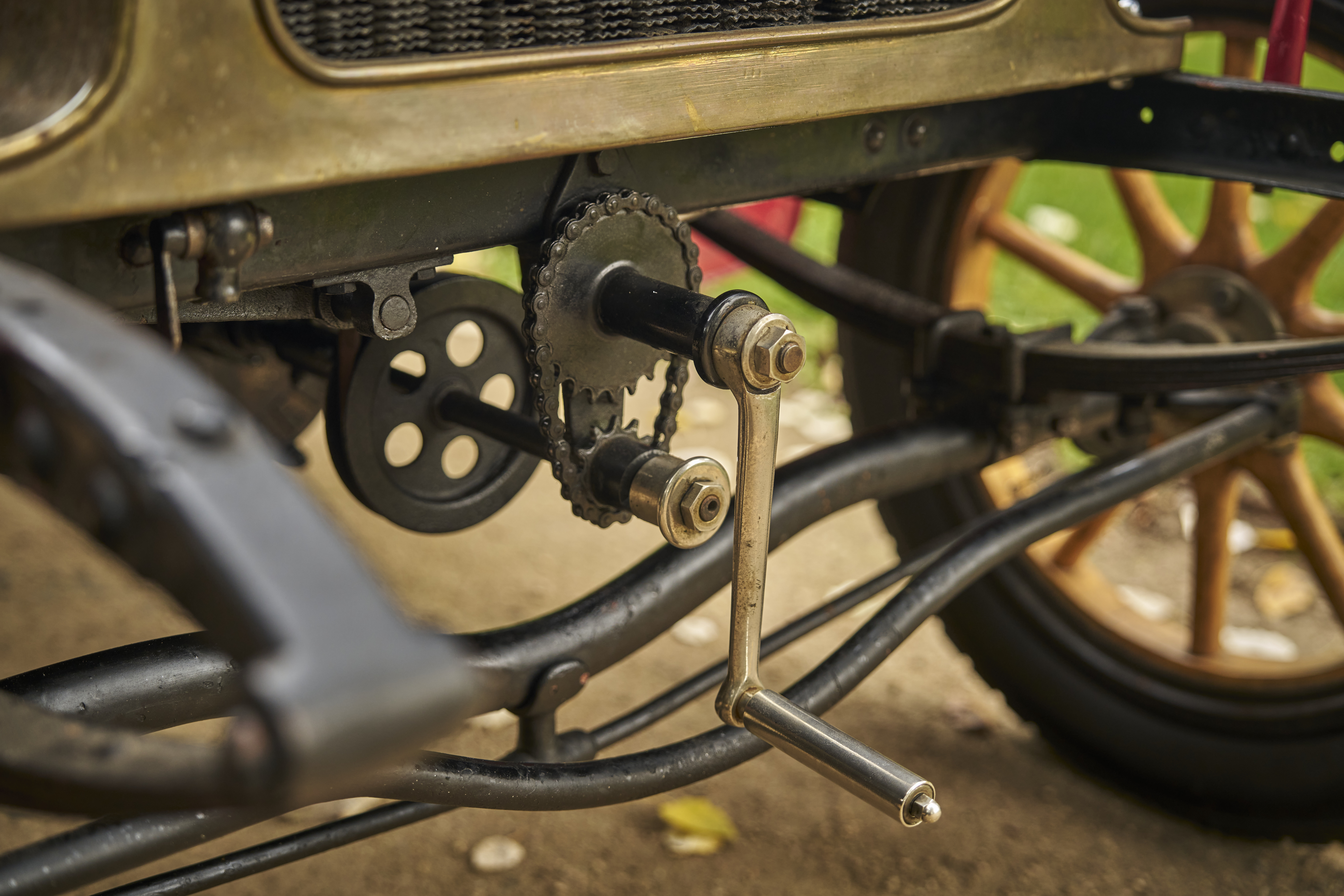
Set the correct engine speed in advance on the steering wheel, then just give the crank a good swing and you're ready to go
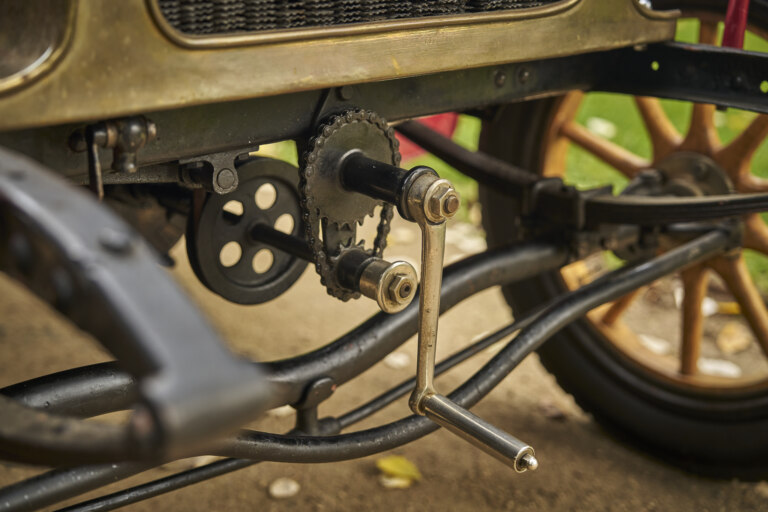
The luxury of starting the engine with a key or button came much later. 120 years ago, the driver had to stand in front of the car
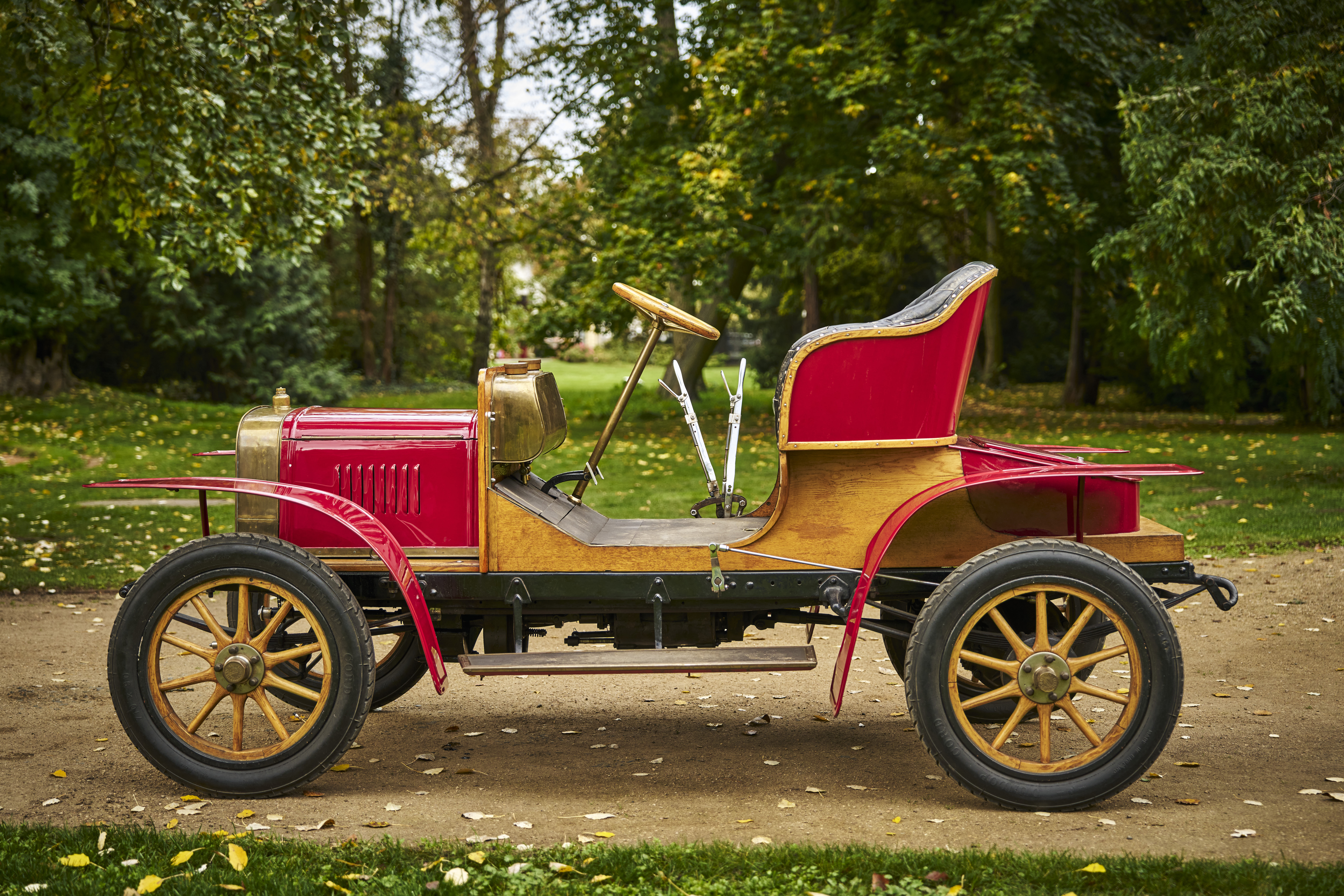
With the engine started, how does one set off? To the right of the driver there are two levers. The left one is used for shifting gears, while the right one serves as a handbrake acting on the rear wheels. The left pedal operates the clutch, as it does today, while the right pedal controls a brake acting on the gearbox. Throttle input is also controlled by a lever on the steering wheel while driving. In the hands of an experienced driver, the car could thus reach speeds of up to 40 km/h.
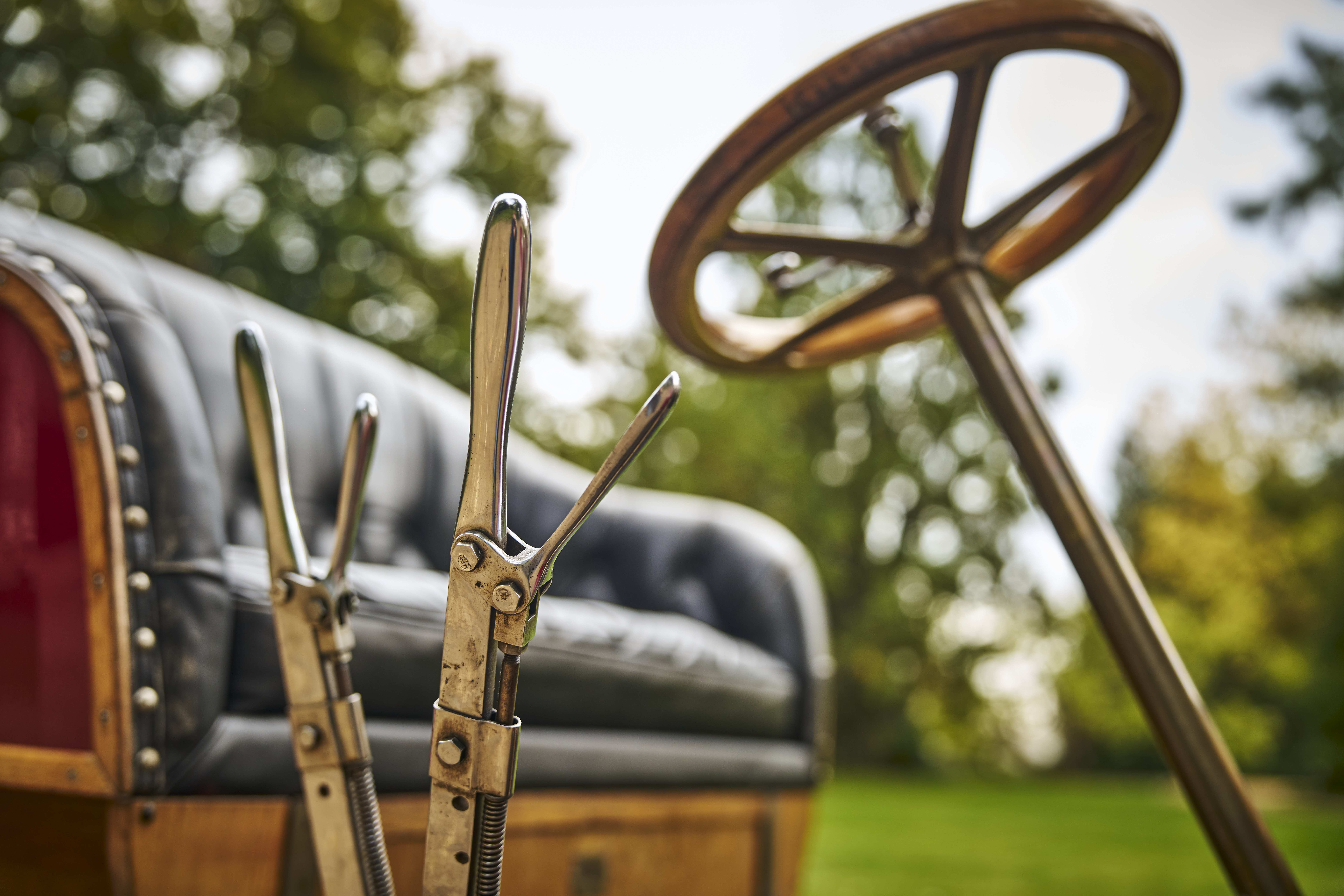 There are two levers to the right of the driver. The left one is used for shifting gears, the right one as a handbrake for the rear wheels
Be the first
to get the latest stories
Explore more
Media Box
11 images
Show more
Show less