Testing never stops. Take a peek behind the scenes
Testing never stops. Take a peek behind the scenes

The Škoda Fabia Rally2 programme, which includes the current Fabia RS Rally2, is the most successful in its category in every respect – it boasts the highest number of podium finishes and is renowned for its speed and durability. One of the key ingredients of this success is meticulous and rigorous testing. Take a closer look at how it’s done.

10. 4. 2026 Škoda World
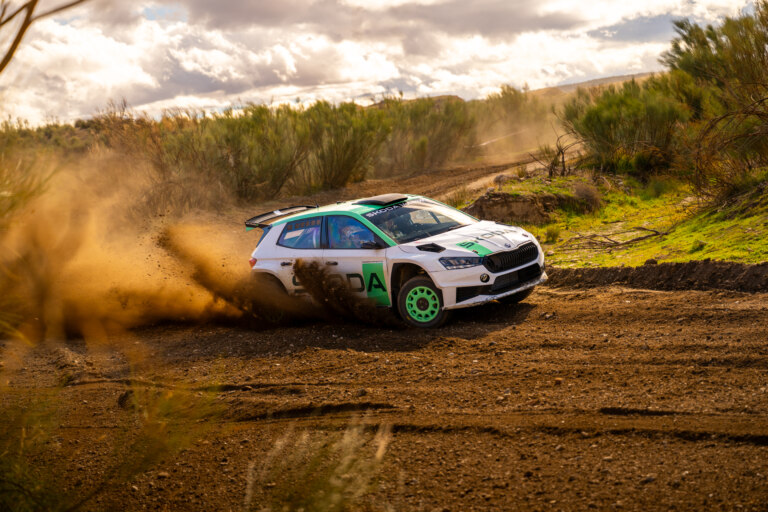
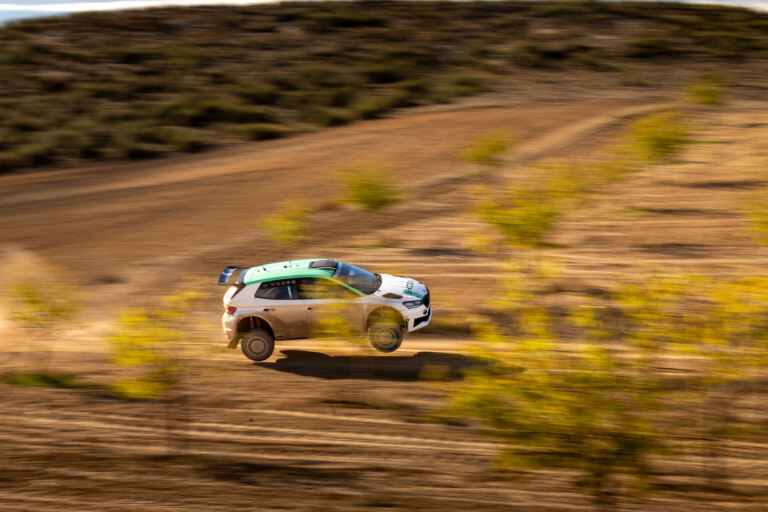
A successful rally car is defined by a strong foundation. Cars from Mladá Boleslav have always been regarded as solidly engineered, durable and reliable. Consider, for example, the pioneering Škoda 130 RS, which proved competitive even against more powerful rivals in its era, or the Škoda Octavia WRC, whose resilience on the demanding Safari Rally contributed to the brand’s best-ever result in this premier category. A comprehensive testing programme has always been an integral part of Škoda Motorsport activities, and this still remains the case today. 

Ready for Anything  

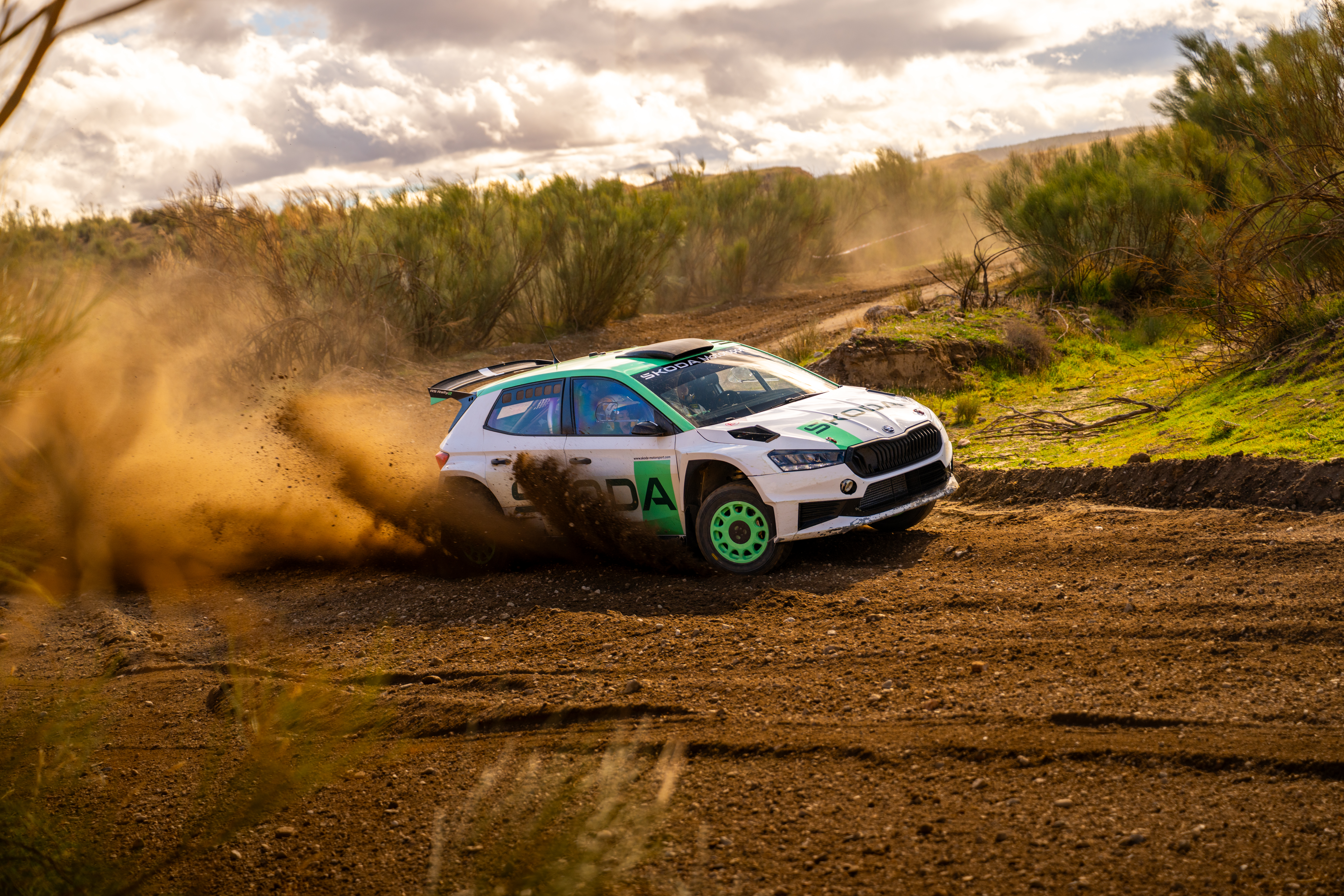
The Škoda Fabia RS Rally2 builds on the proven development philosophy of its predecessors. Testing represents a key phase of preparation both prior to homologation by the FIA and ahead of each season and individual rally event. During its development, the Fabia has already experienced various types of asphalt, rough gravel roads, as well as snow and ice. Only in this way can functionality and durability in harsh conditions be thoroughly tested and verified. 

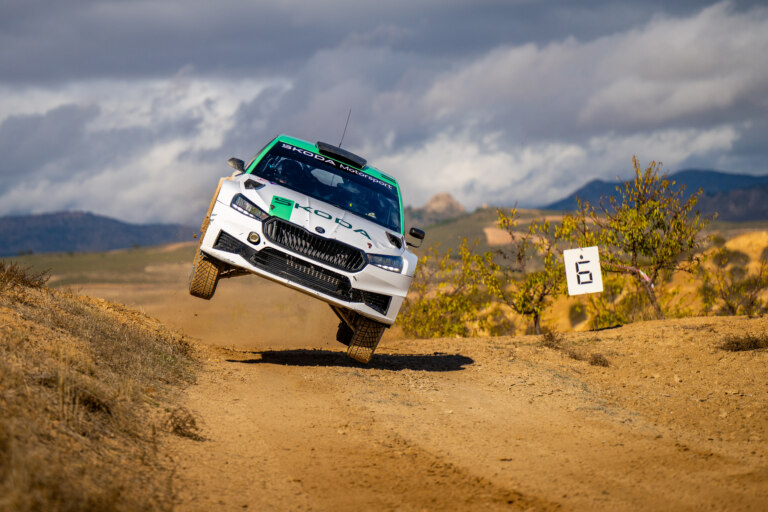
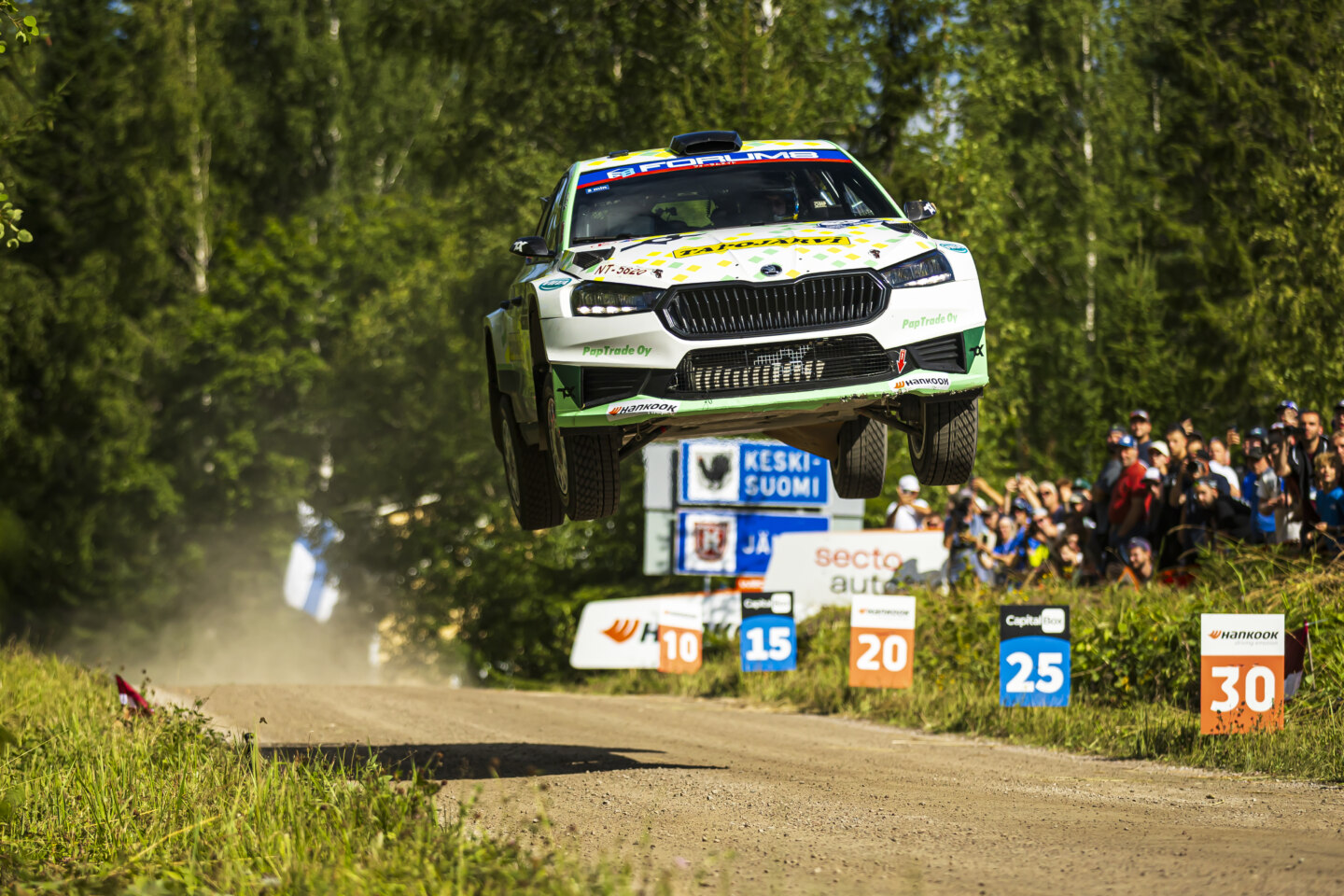
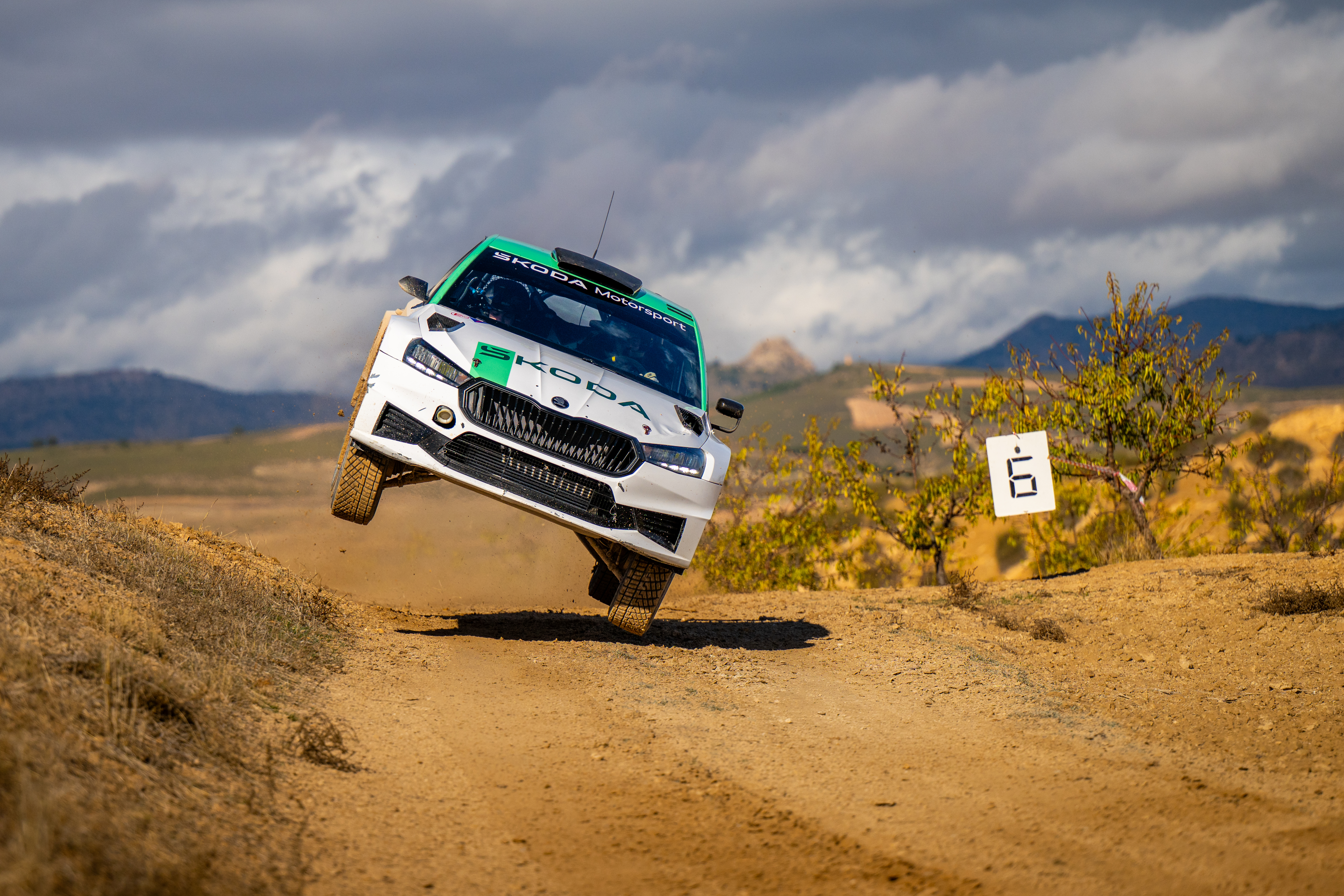
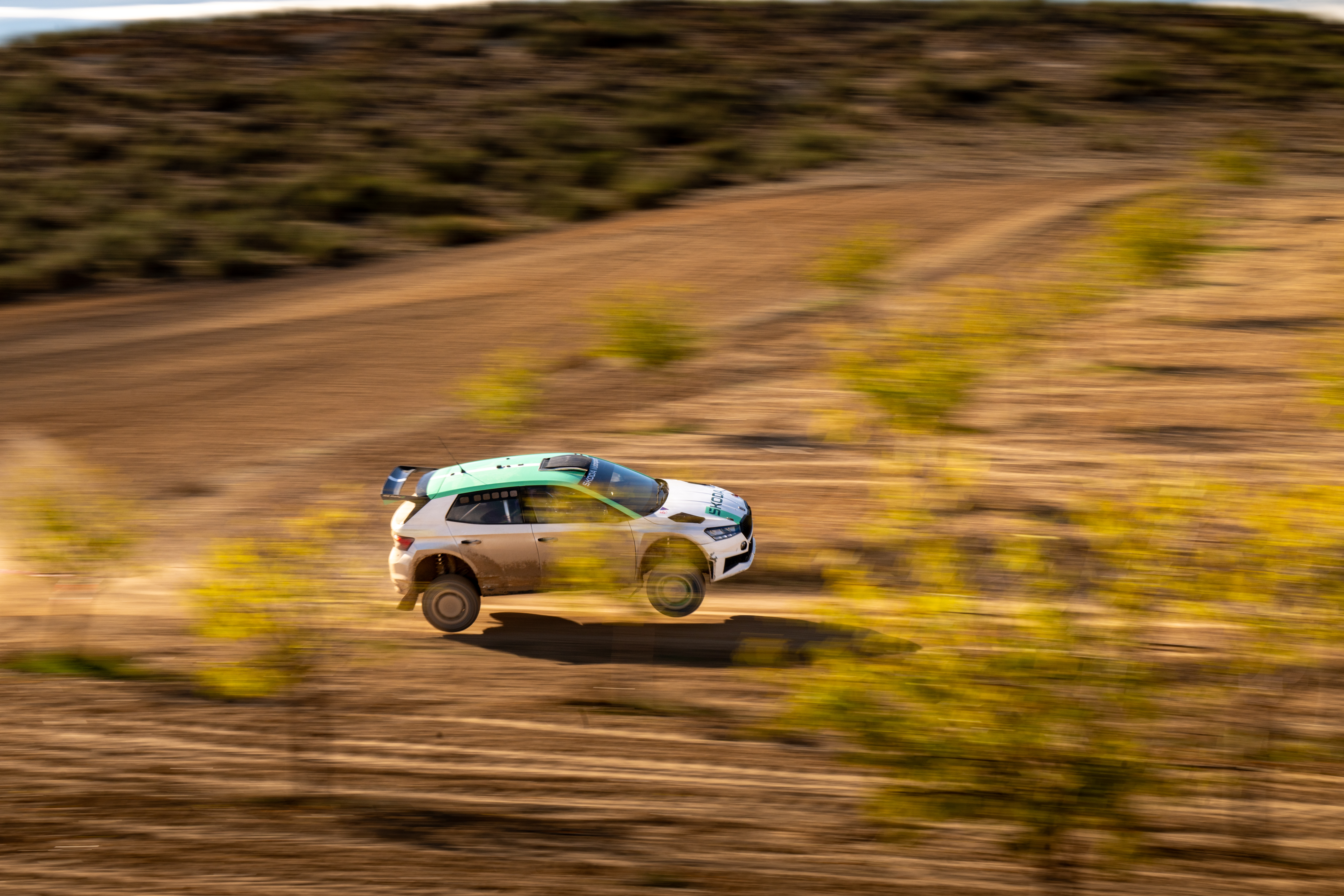
Development testing evaluates the entire car and provides answers to crucial questions. The vehicle must perform confidently in a wide range of scenarios, withstand dust, stones and water, and operate reliably in extreme heat – whether in Turkey or Africa – as well as in sub-zero temperatures in northern regions. Jumps, typical of fast rallies in Finland or Estonia, also represent an essential discipline. At the same time, seemingly minor details such as mirror aerodynamics or various sealing elements are fine-tuned – all contributing to a championship-winning result. 

For this reason, the team’s testing programme is highly demanding. “Throughout the year, we conduct up to 40 days of testing in various parts of Europe, typically in three- to four-day test sessions. During these, we alternate between stages and crews to obtain the most comprehensive feedback possible. Depending on the scope of the test, preparation takes approximately two months, during which we coordinate with organisers on the final stage selection, permits, logistics and the overall test plan,” explains Eric Mommey, Chief Engineer of the Škoda Motorsport team. 

Škoda always delivers results  

Successful homologation does not mean the end of the work carried out by Škoda Motorsport engineers. Throughout the homologation cycle, the car continues to be refined through ongoing development and testing. The team constantly evaluates new components aimed at reducing weight and thereby improving acceleration. At the highest level of motorsport, every gram counts. Once again, even the smallest new component must undergo thorough testing. 

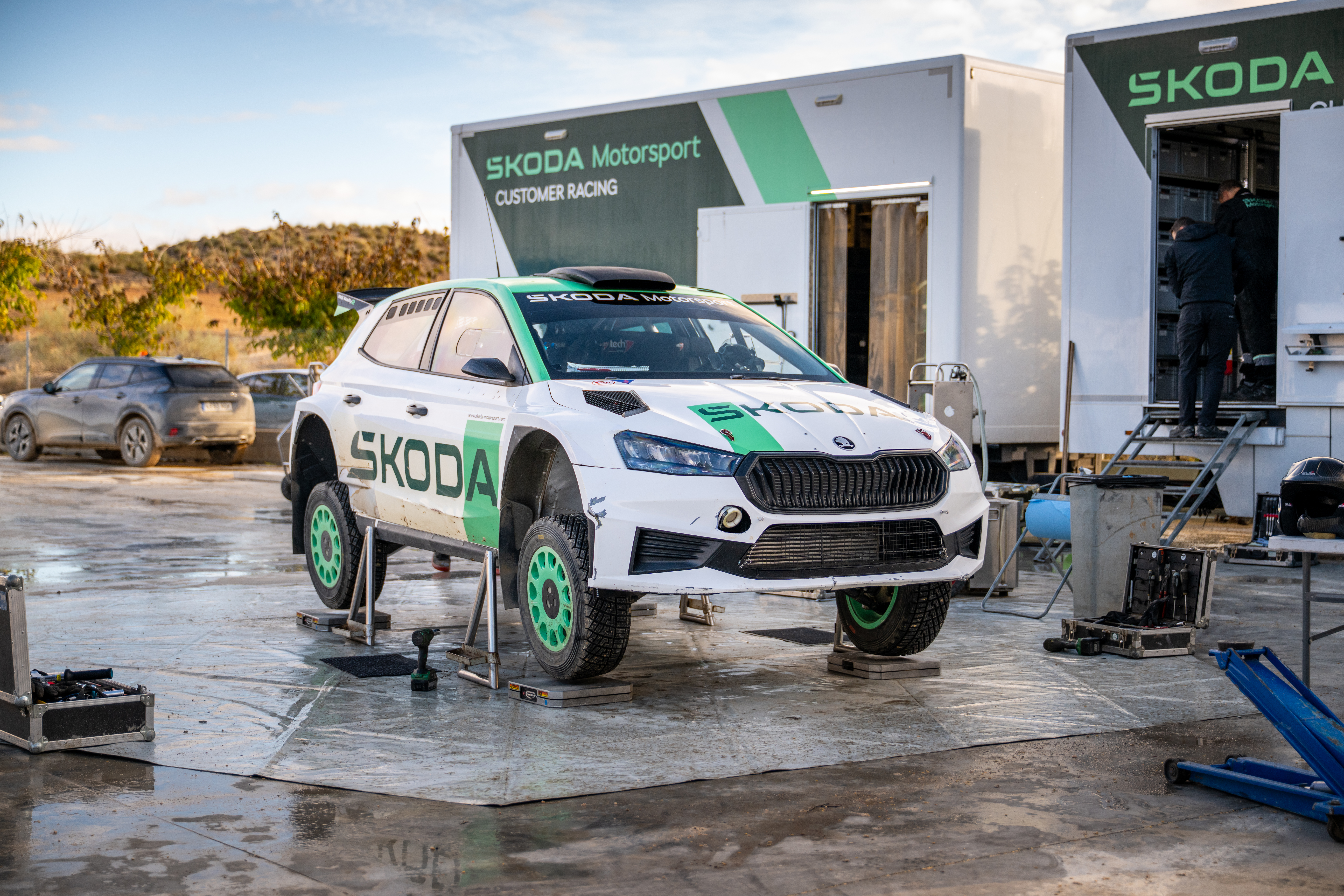
Testing also benefits teams competing with Škoda cars. A major advantage offered by the Škoda Motorsport customer programme is year-round set-up testing. This ensures that teams always have a recommended base set-up available for individual rallies, regardless of where in the world they choose to compete. 

The range of set-up options for a rally car is vast, and each event requires an optimal configuration to achieve peak performance. Acquiring the necessary know-how takes years, and Škoda Motorsport helps private teams save both time and resources when searching for the ideal configuration of all components. Drivers can then fine-tune the set-up to suit their individual driving style and preferences. 

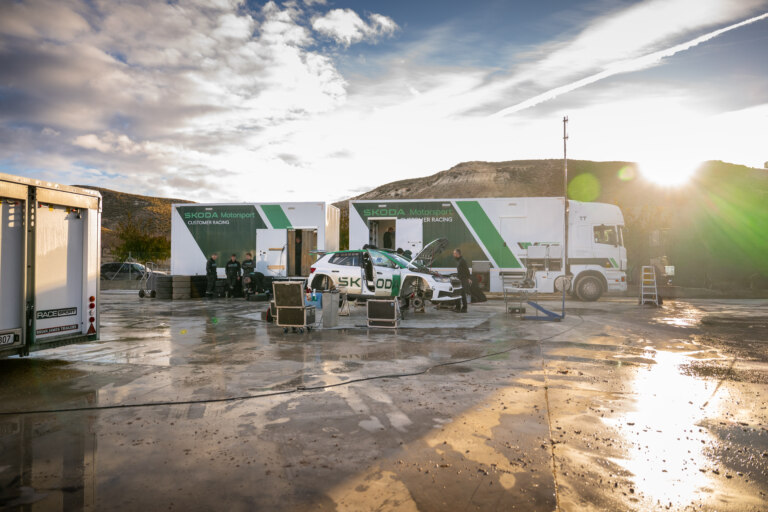
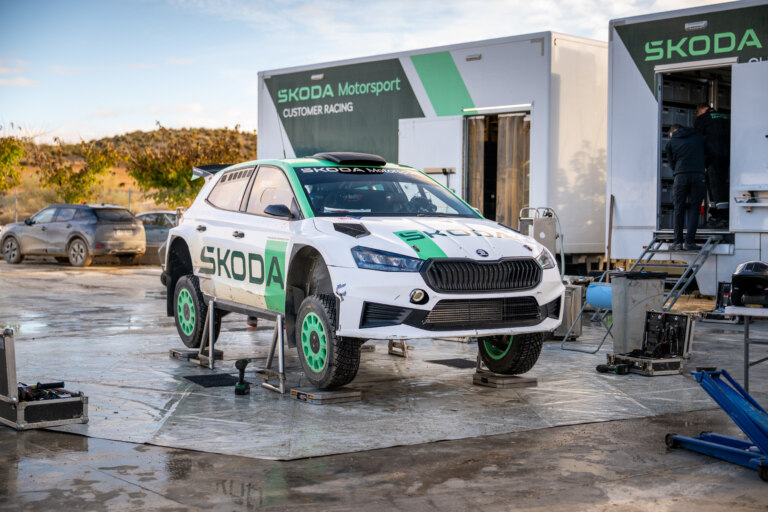
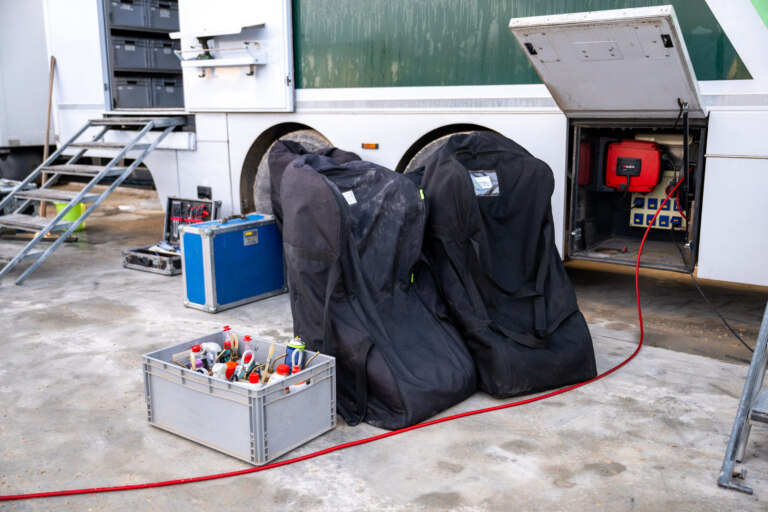
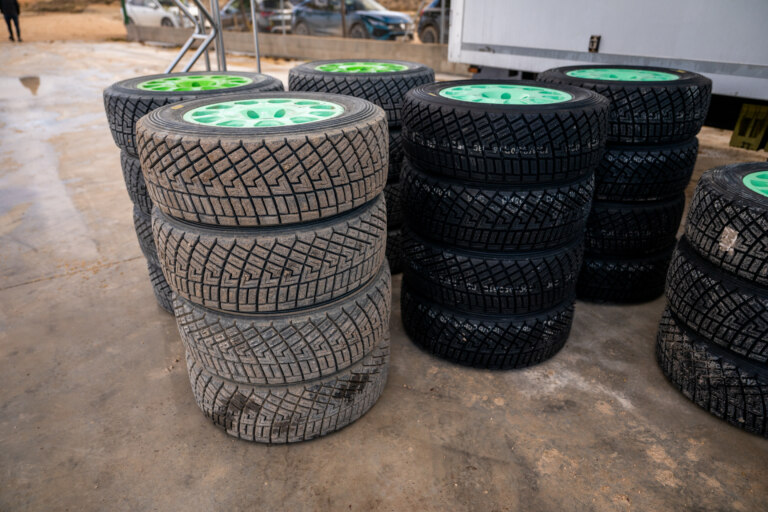
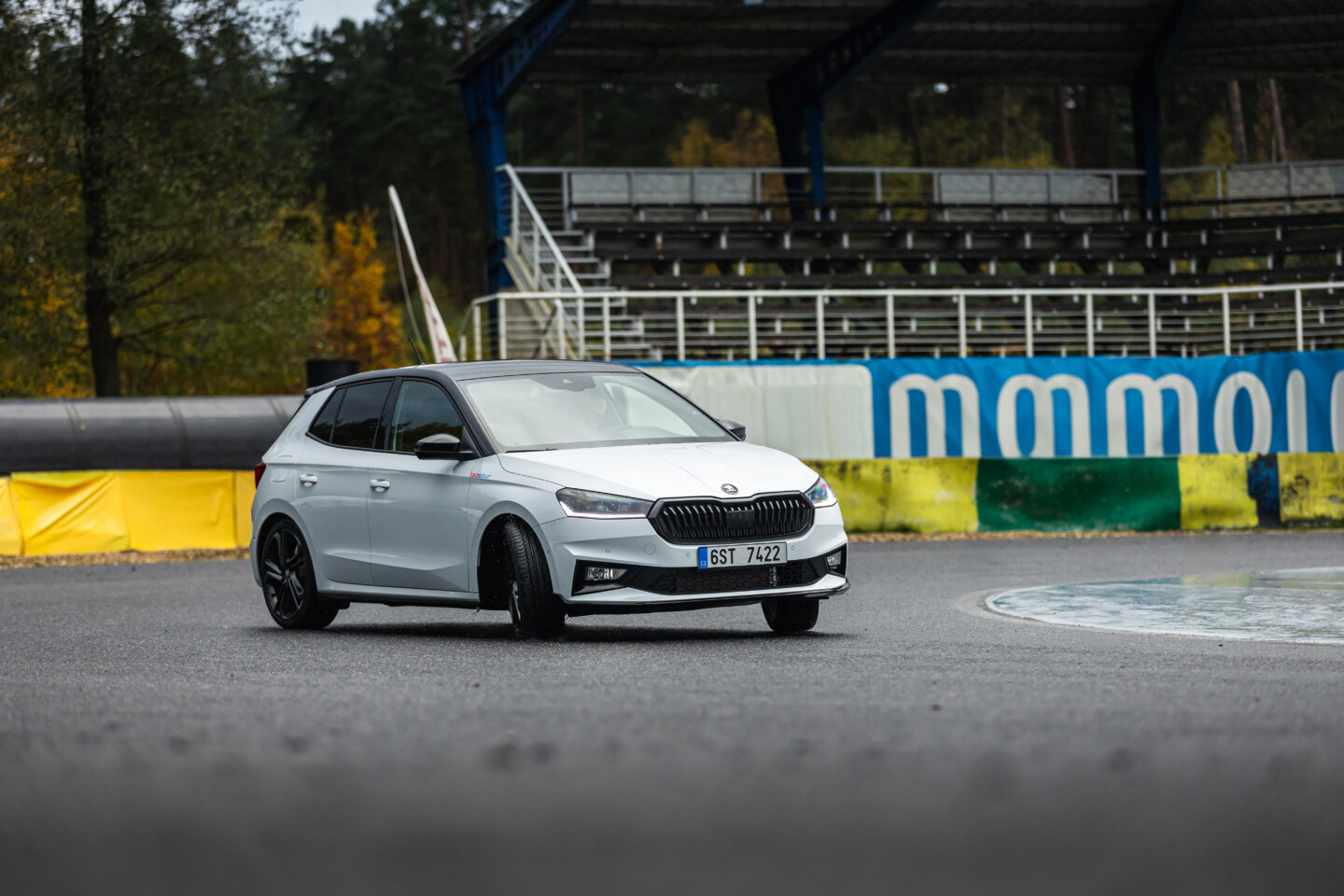
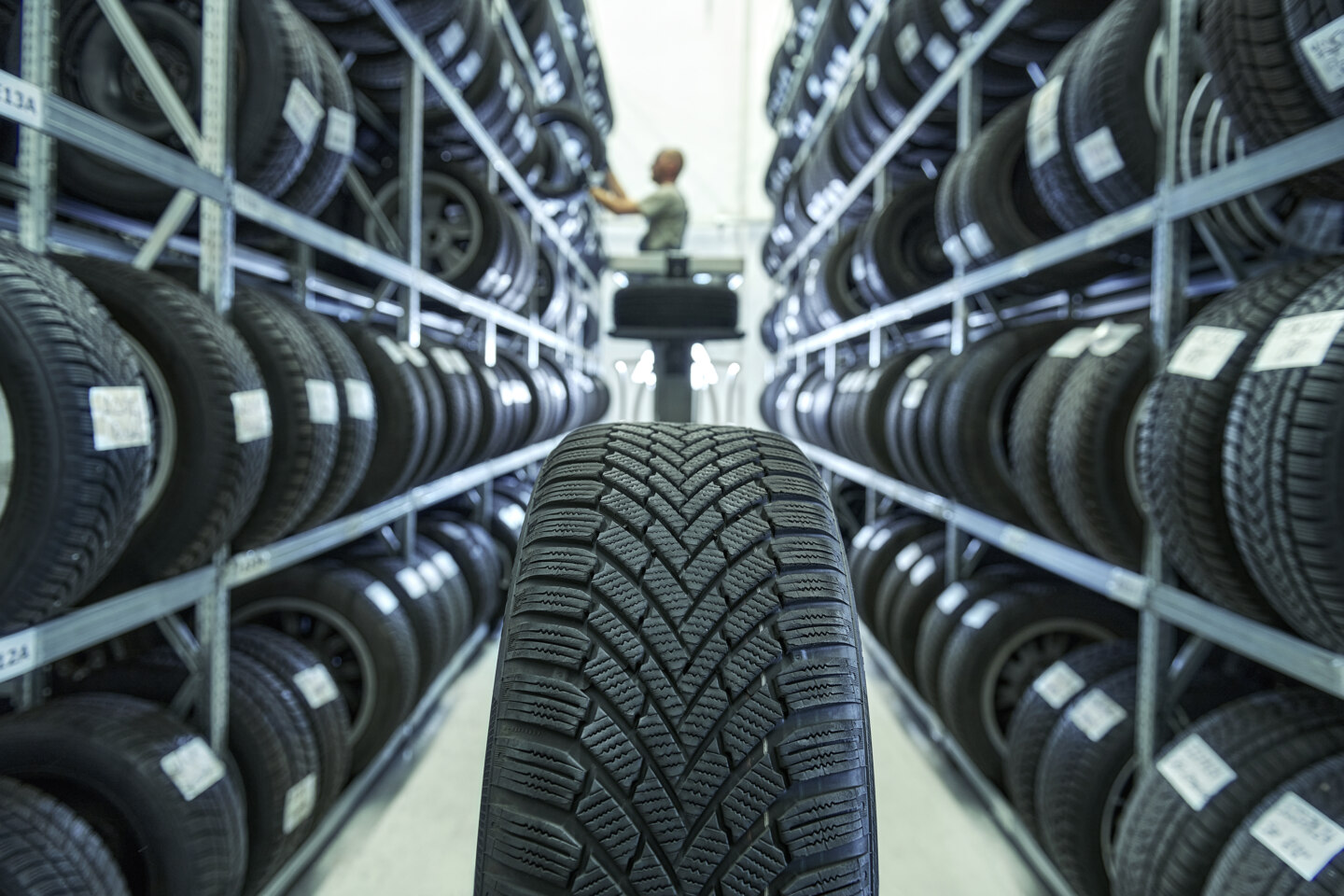
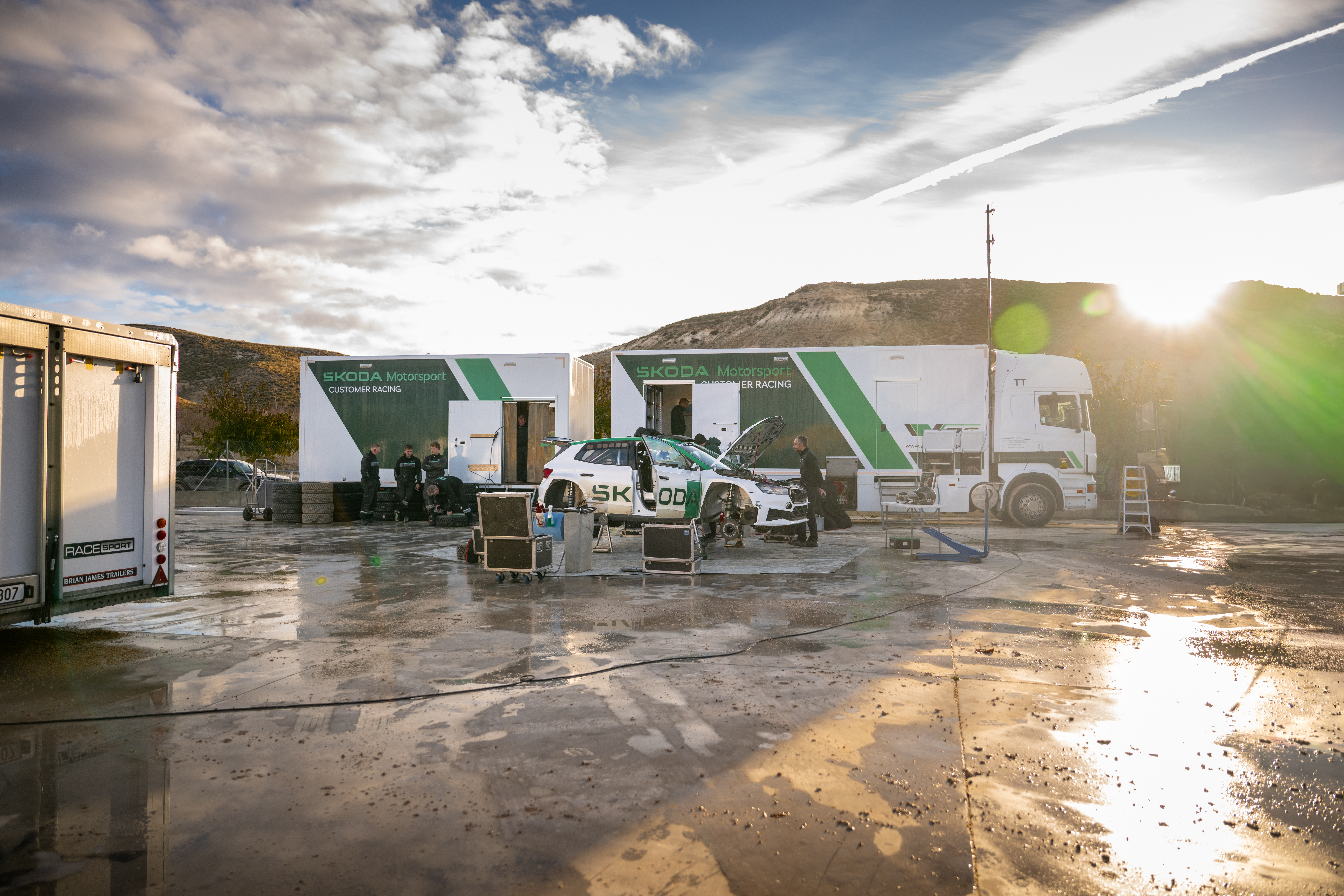
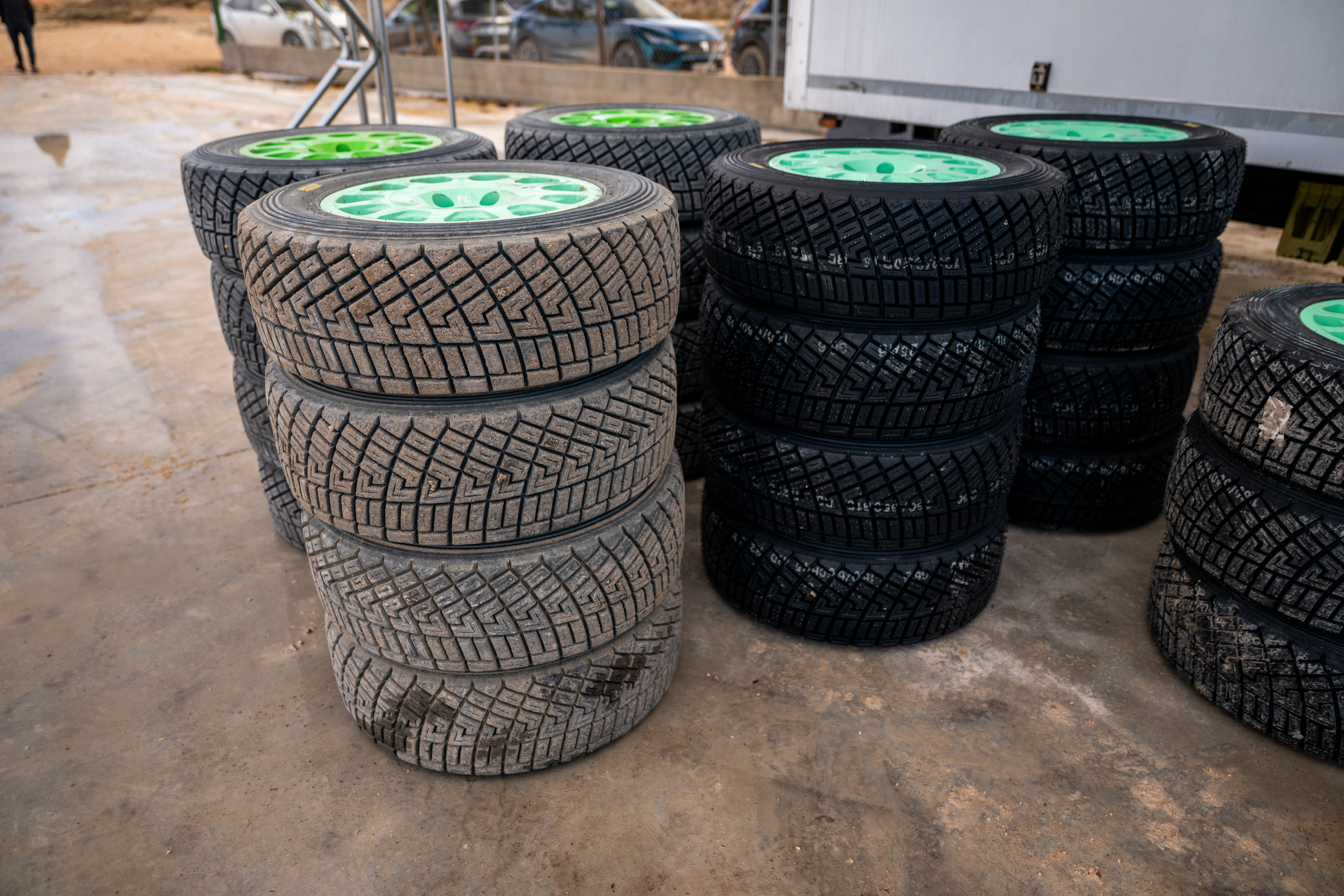
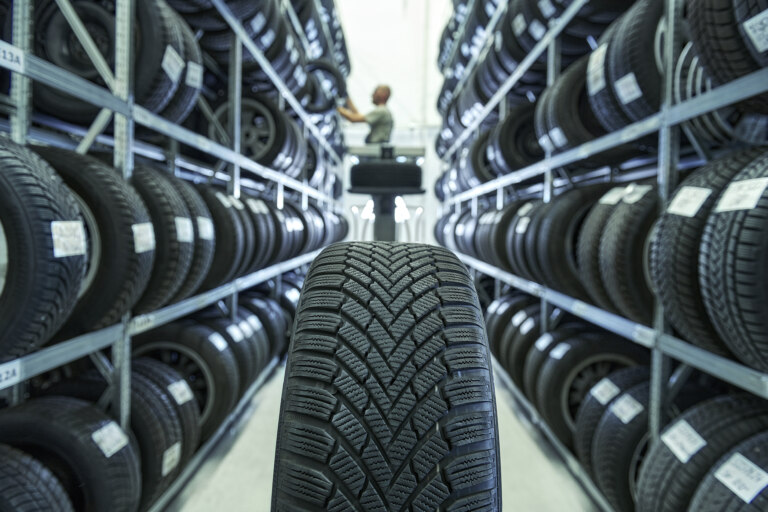
During a typical test day, a car may cover up to 300 kilometres of actual driving at competitive pace, placing extreme demands particularly on the crews, as a comparable distance would normally be completed over a 3day FIA WRC event. Testing takes place in rapid succession, and recognition is also due to the mechanics, who must adjust the car set-up as quickly as possible in line with engineers’ requirements. This is especially demanding during tyre testing. 

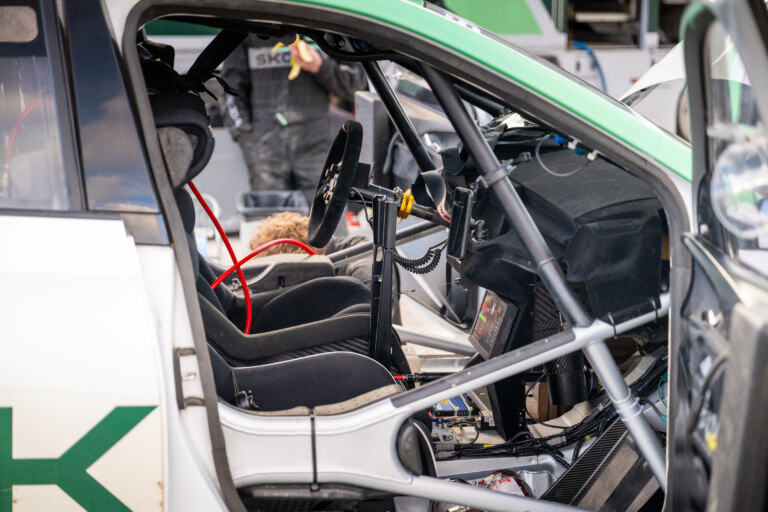
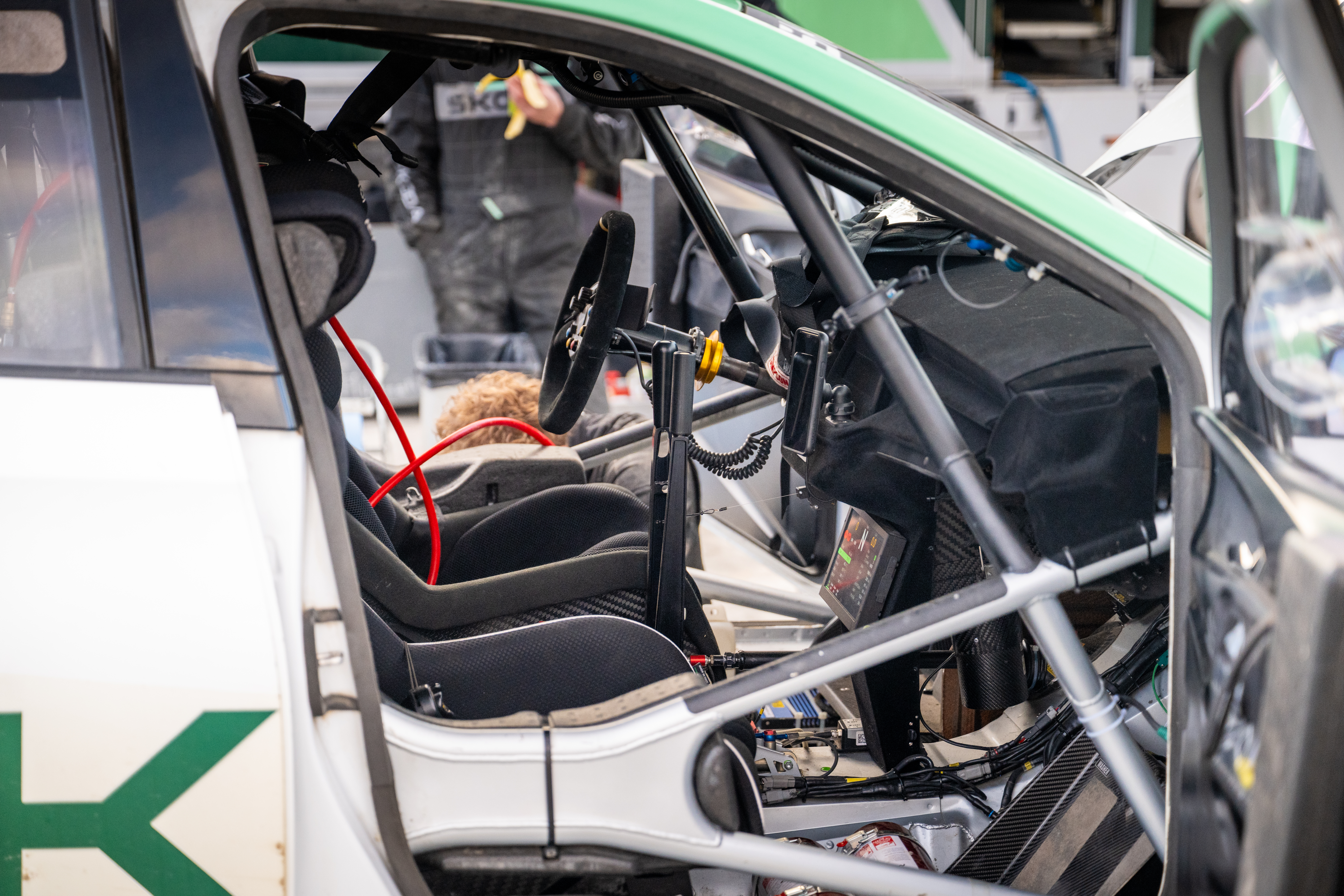
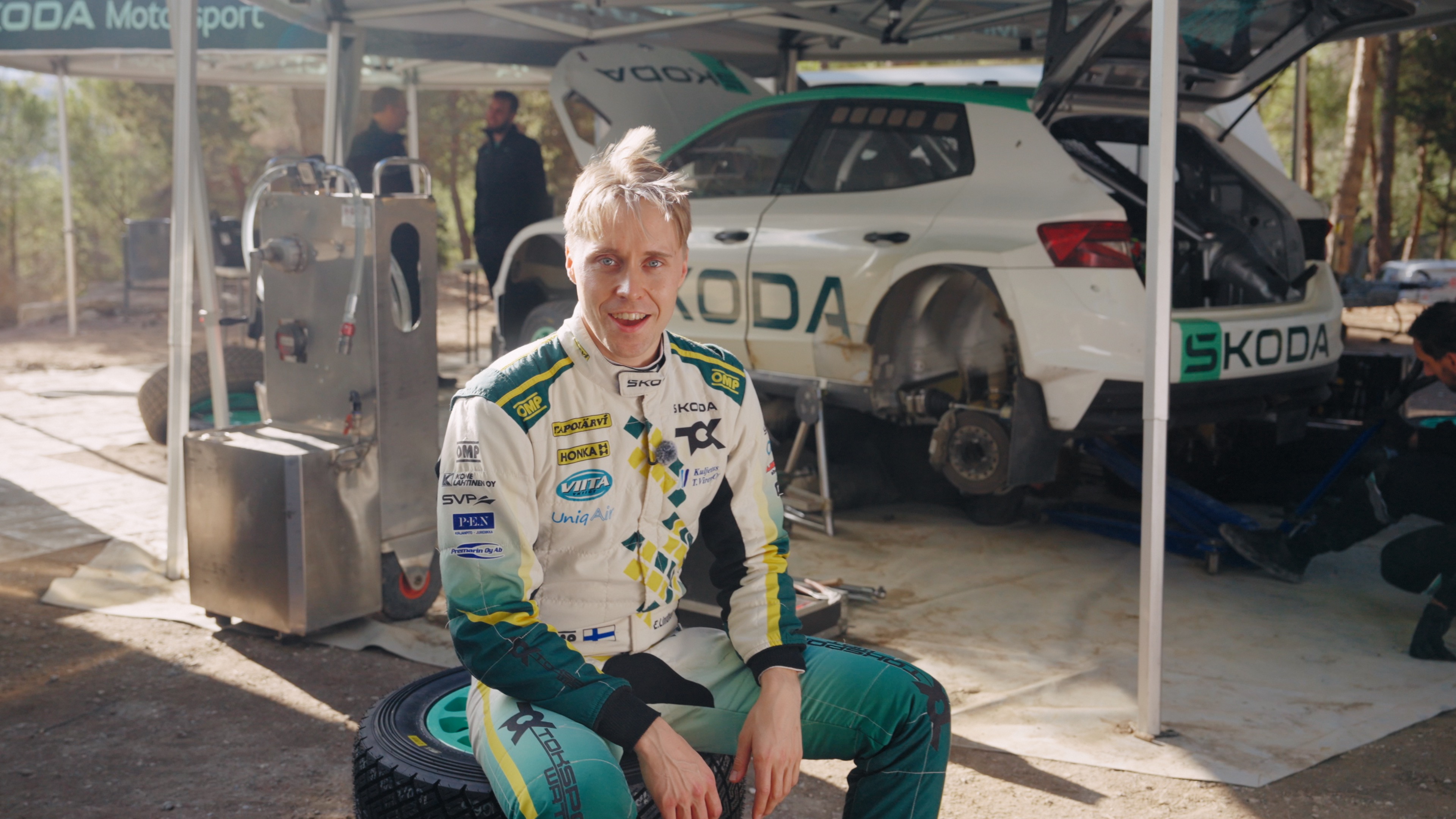
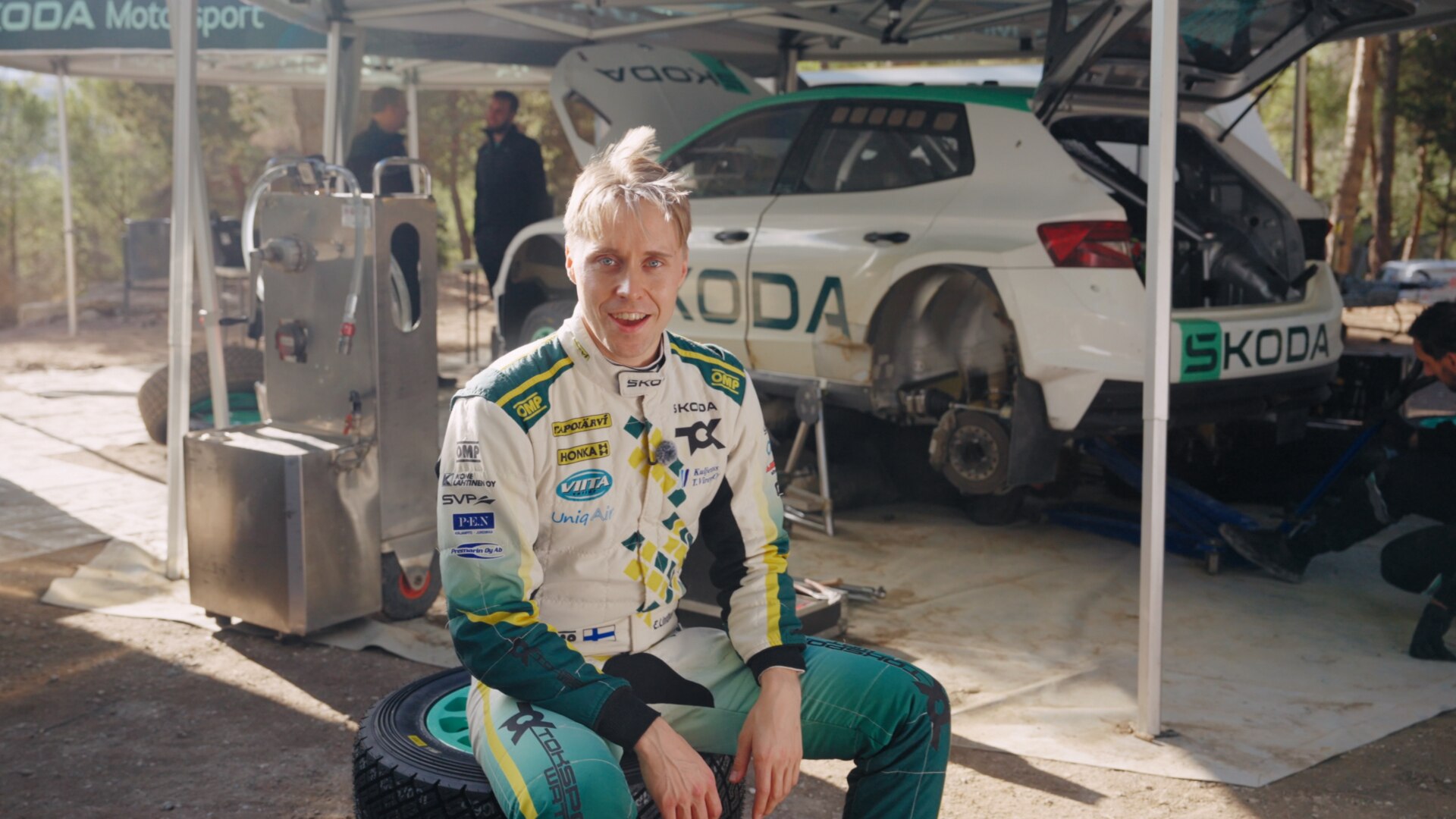
Over the course of the entire development programme, some development and test cars easily clock more than 10,000 kilometres. They are equipped with hundreds of sensors to measure even the smallest details with precision. Equally important is the immediate feedback provided by test drivers, who must accurately perceive and describe differences between individual set-ups. Currently, Škoda Motorsport test duties are carried out, among others, by WRC2 World Champion Emil Lindholm, who describes a typical test day in the accompanying video.