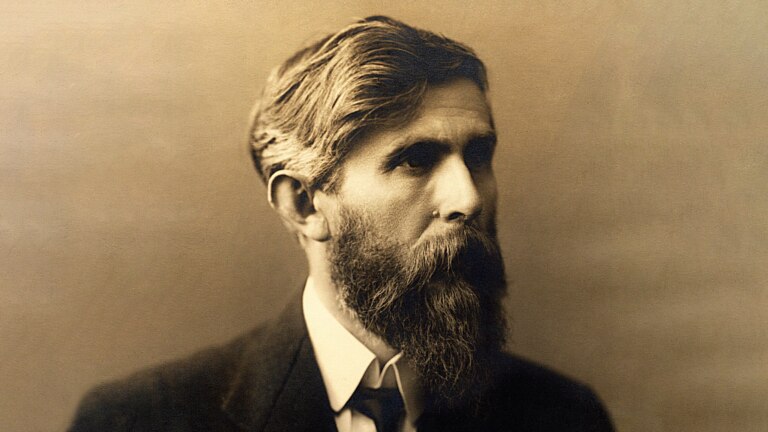
The founder Klement secured the first automotive laurel
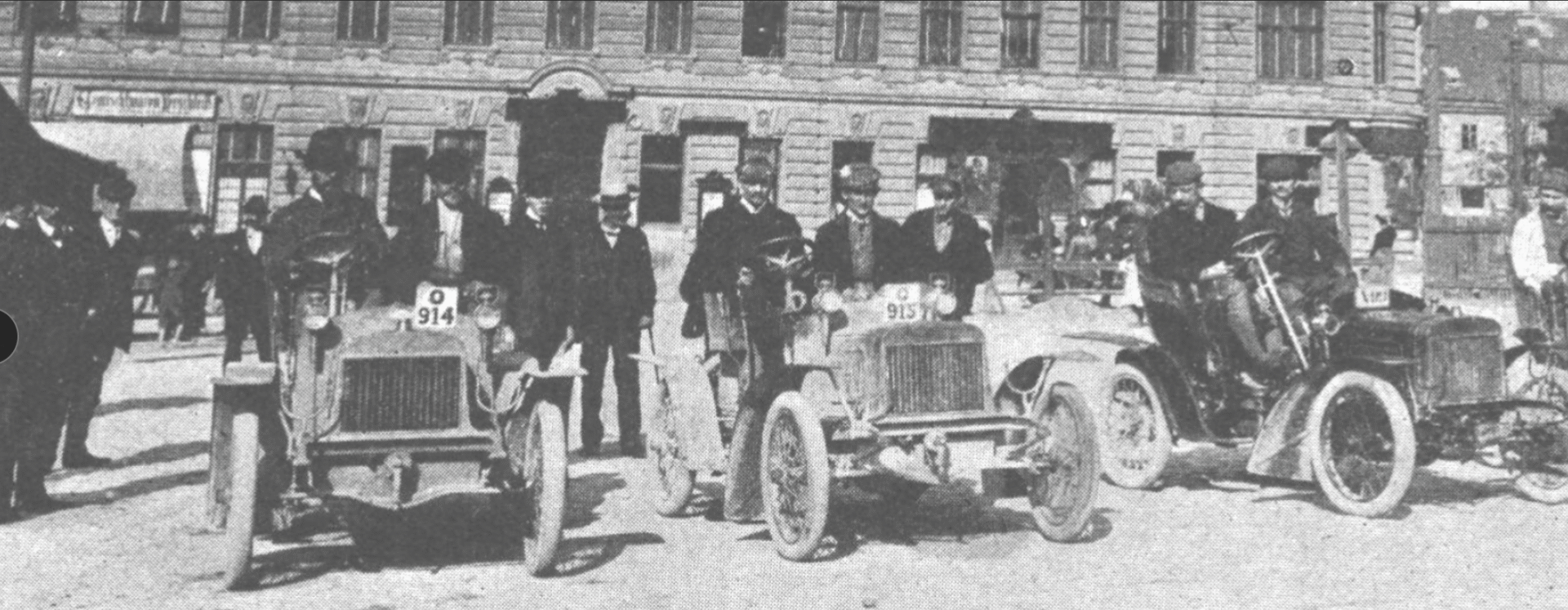
During a May weekend in 1906, a success was written into history—one that the Škoda brand continues to build upon to this day. As befits a founding father, Václav Klement himself was present at this milestone achievement.
29. 1. 2026 Škoda WorldFrom Saturday 12 May to Sunday 13 May 1906, the Austrian Automobile Club organised an international endurance race designed to test the capabilities of light touring cars, known as voiturettes.
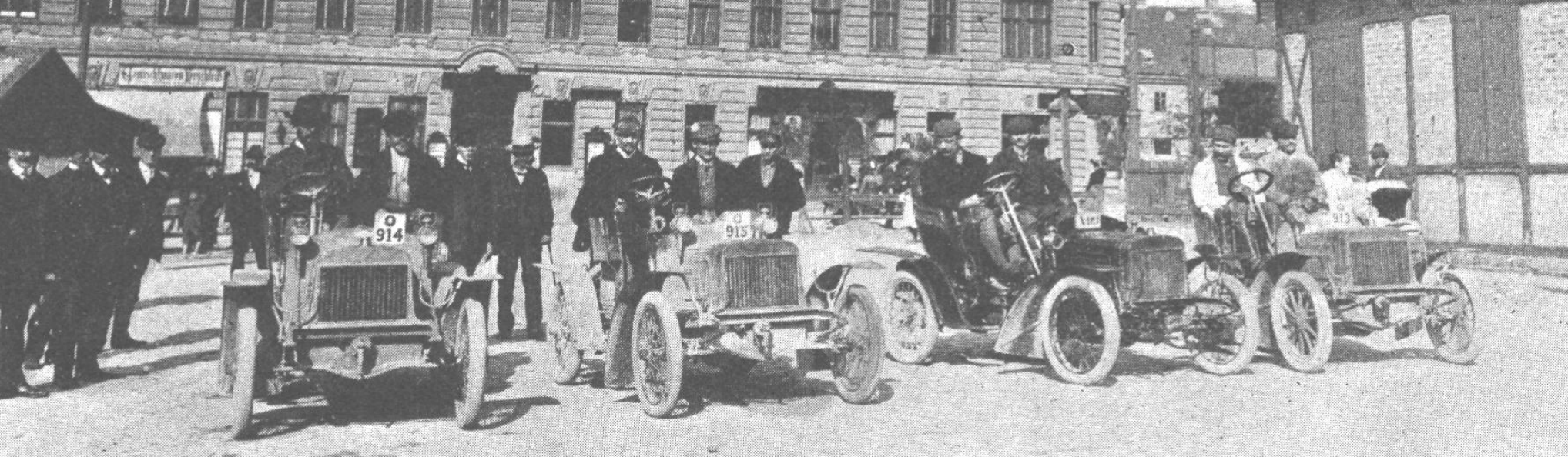
At the time, Laurin & Klement was already an established manufacturer of bicycles and motorcycles, with which the company had also enjoyed racing success. In the world of automobiles, however, the Mladá Boleslav-based firm was still a newcomer. Four of its cars were entered for the event. In addition to Václav Klement himself, the drivers included Karel Kollarz, head of the L&K Vienna branch; experienced motorcycle racer Václav Vondřich; and engineer Karl Slevogt. Each competed in the twin-cylinder Voiturette B model, which had premiered just one month earlier.
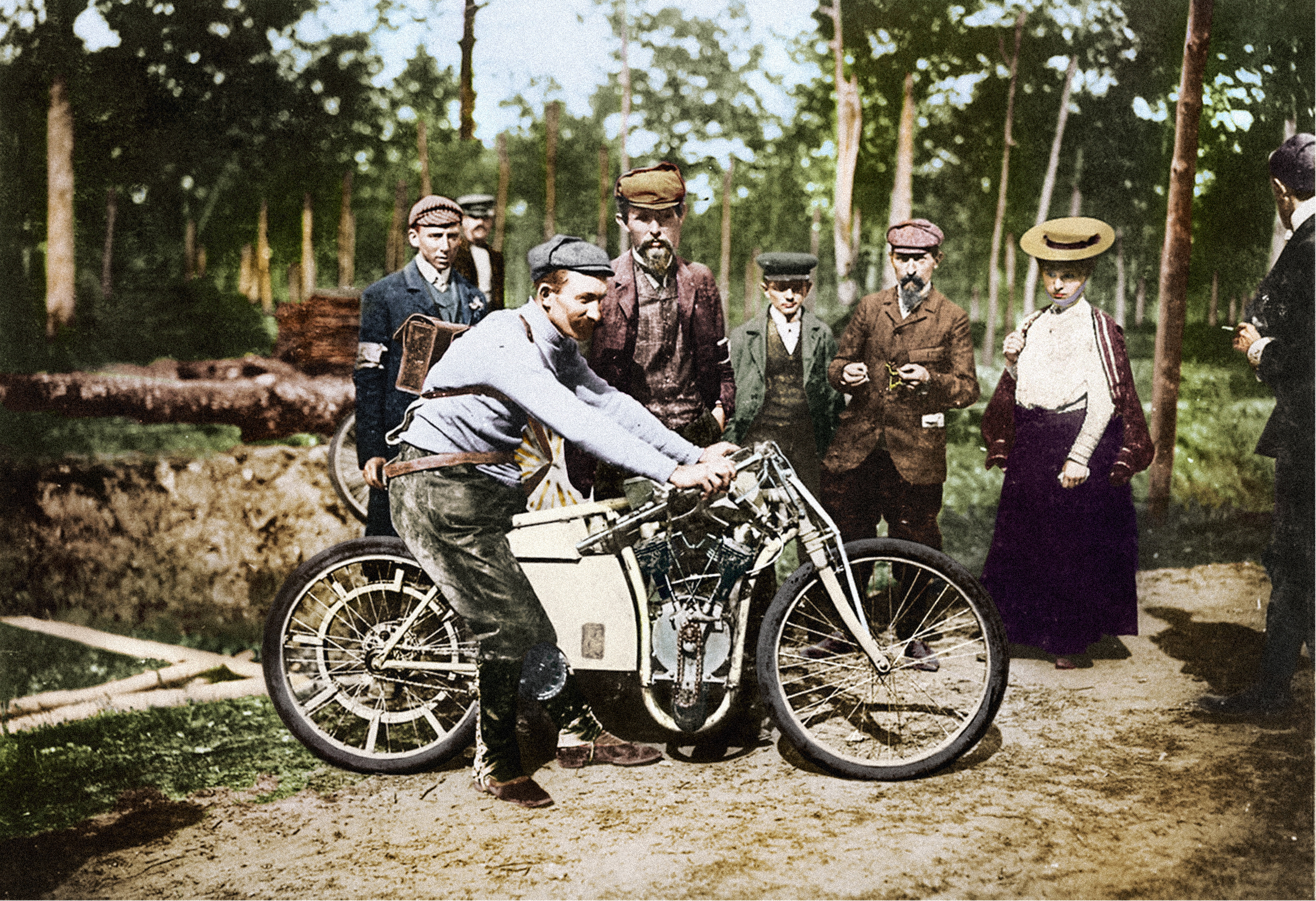 Václav Vondřich was also a motorcycle racer. Here he is pictured at the finish line of the unofficial world motorcycle championship. Václav Klement is standing in the middle
The route was divided into two stages: Saturday’s leg from Vienna to Graz, and Sunday’s return to Vienna. Each stage measured 205 kilometres, making a total distance of 410 kilometres. Naturally, competitors could not rely on the comfort of smooth asphalt; instead, they faced dusty roads and cobblestone surfaces. The course also included more demanding terrain, such as the climb through the Semmering mountain pass.
Contemporary newspaper Allgemeine Automobil-Zeitung reported that vehicles began lining up at the Saturday start in Vienna as early as five o’clock in the morning, with a total of 25 participants. The Laurin & Klement team, led by Václav Klement, stayed together at the start and set off towards Graz in the early morning hours. Karel Kollarz was the first L&K driver to arrive at the end of the opening stage, followed by Slevogt and Klement. Václav Vondřich did not complete the first stage due to an accident.
Afterwards, the cars were taken to a remote garage, where participants were not allowed to carry out any repairs or modifications. They did not see their vehicles again until shortly before the following morning’s start. Conditions on the second day proved favourable at first, as overnight rain had washed dust from the roads, reducing visibility issues. Complications nevertheless arose: Václav Klement suffered a puncture caused by a nail and carried out the repair directly at the summit of the pass. From there, he likely also observed the approaching storm that would make the final leg into Vienna more difficult.
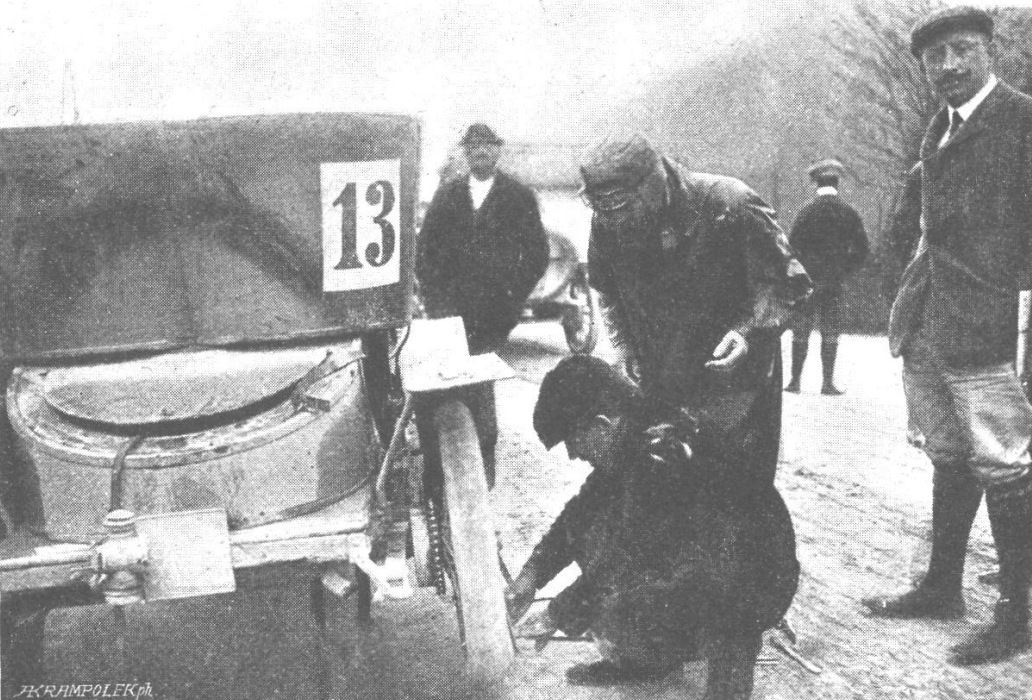 Václav Klement captured in the Algemeine Automobil-Zeitung newspaper repairing a tire on a mountain pass. The puncture was caused by a nail.
At the finish, a large crowd and high-ranking representatives of automobile clubs awaited the competitors, welcoming participants soaked by the storm and dirtied by the demanding journey. Among them was Václav Klement, who, despite the puncture, ultimately secured third place in the twin-cylinder voiturette category with 130 penalty points. Slevogt finished sixth in the category, while Kollarz placed eighth.
Thus, the very first automotive competition for Laurin & Klement became a success—one that vehicles from Mladá Boleslav have continued to build upon ever since.
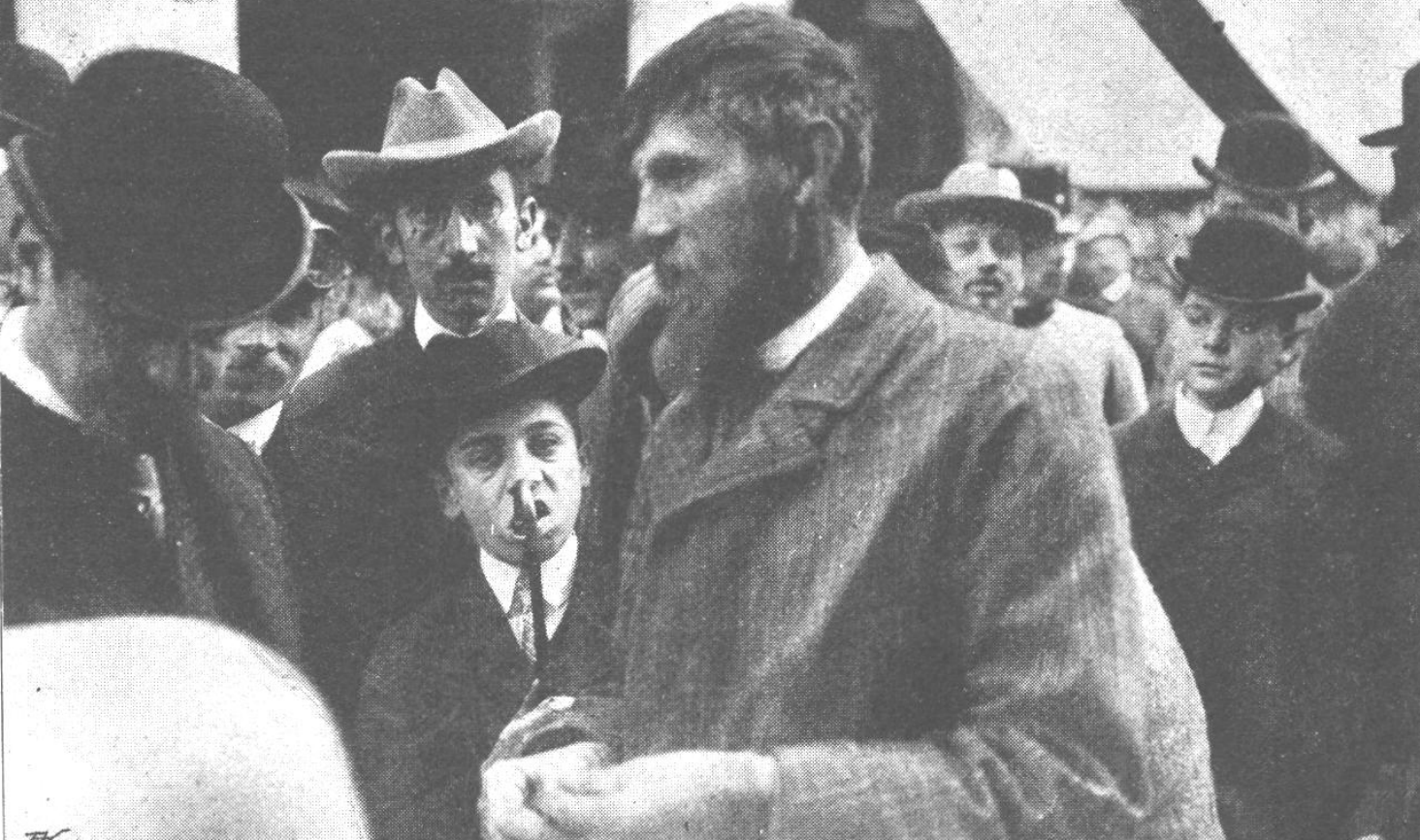 Václav Klement is in the newspapers again; according to the caption, he is talking about his experiences at the finish line
125 years at full throttle
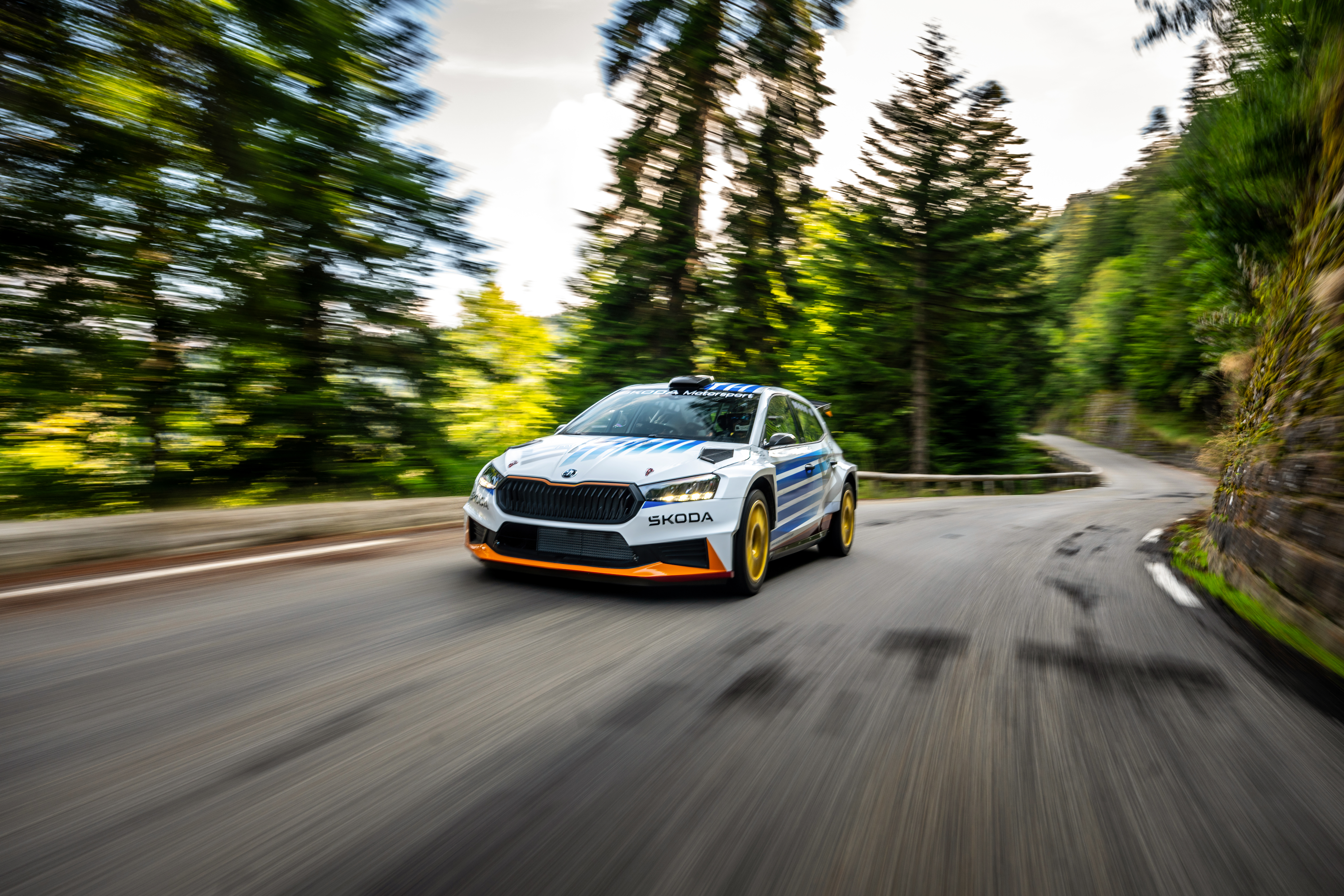
The foundations of Škoda Motorsport were laid on Thursday, 27 June 1901, when two Laurin & Klement motorcycles took part in the international race from Paris to Berlin. Today, this legacy is continued through victories and titles in the FIA World Rally Championship WRC2 category, the FIA European Rally Championship, and numerous regional and national rally series. Over the course of 125 years, true icons have been born in Mladá Boleslav, including the Škoda 130 RS, Škoda Octavia WRC, and the current Škoda Fabia RS Rally2.
Be the first
to get the latest stories
Explore more

Media Box
5 images
Show more
Show less