“An electric car approaching,” says the license plate. But only in some countries
How can you tell an electric car apart from its internal combustion counterparts? Certainly, by the sound it makes while driving, yet in some countries, all you have to do is to simply look at the license plate.
3. 9. 2026 eMobilitySpecial licence plates are used for a variety of purposes – they may designate historic, diplomatic or military vehicles, for example. Today, in many markets, they are also widely used for electric and other zero- or low-emission vehicles, typically including plug-in hybrids.
“Electric vehicle plates facilitate access to benefits and enable automatic identification. Norway has traditionally offered EV owners a range of incentives, including reduced tolls, lower ferry fares and exemptions from certain road charges,” explains Alexander Ulvestad Hjermind, Communications Manager of Škoda Norway, outlining the practical significance of such plates in his country.
Special licence plates also allow emergency services to identify electric vehicles at a glance. The method of differentiation and the associated benefits vary from country to country; nevertheless, certain common features can be observed.
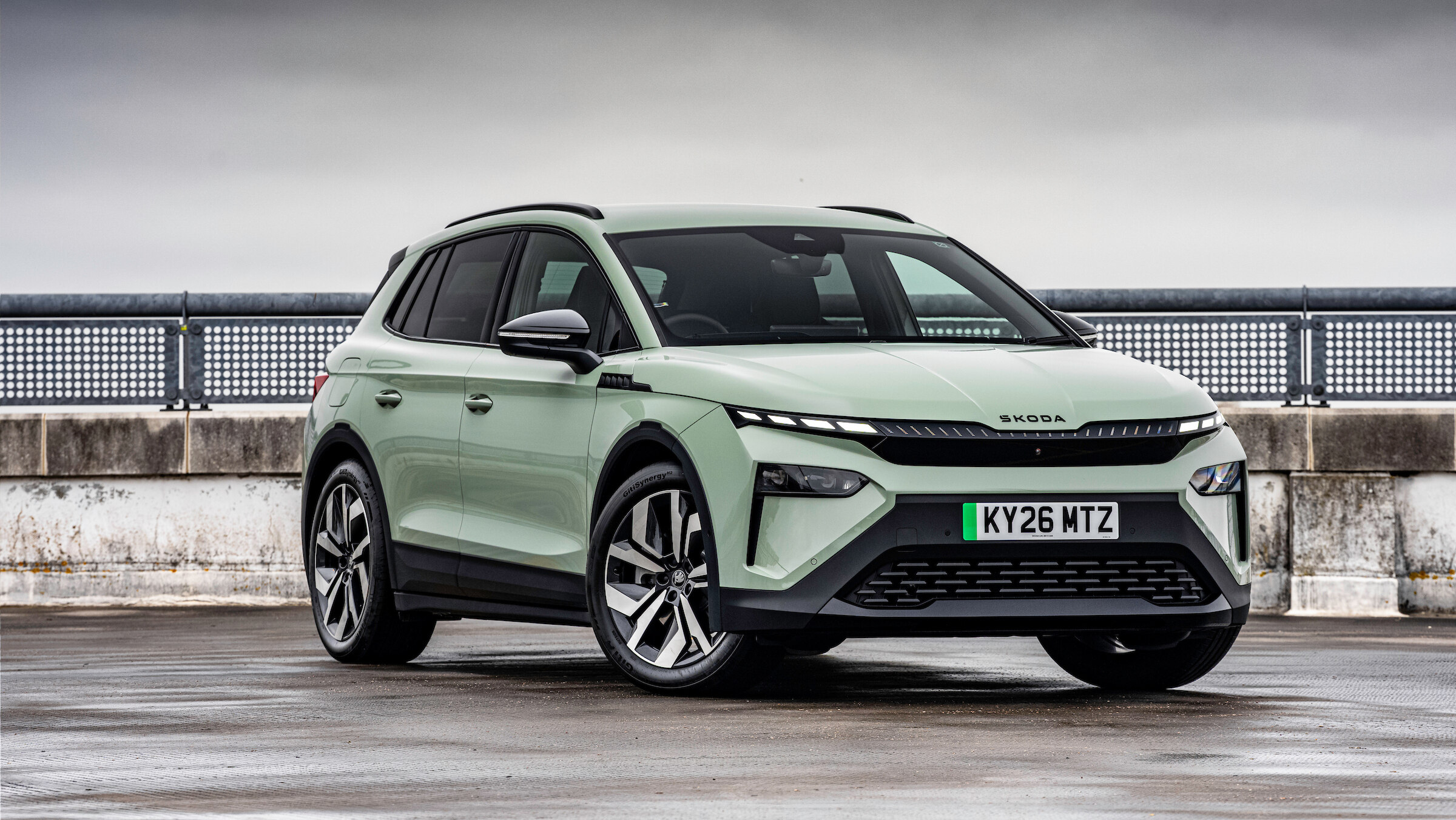
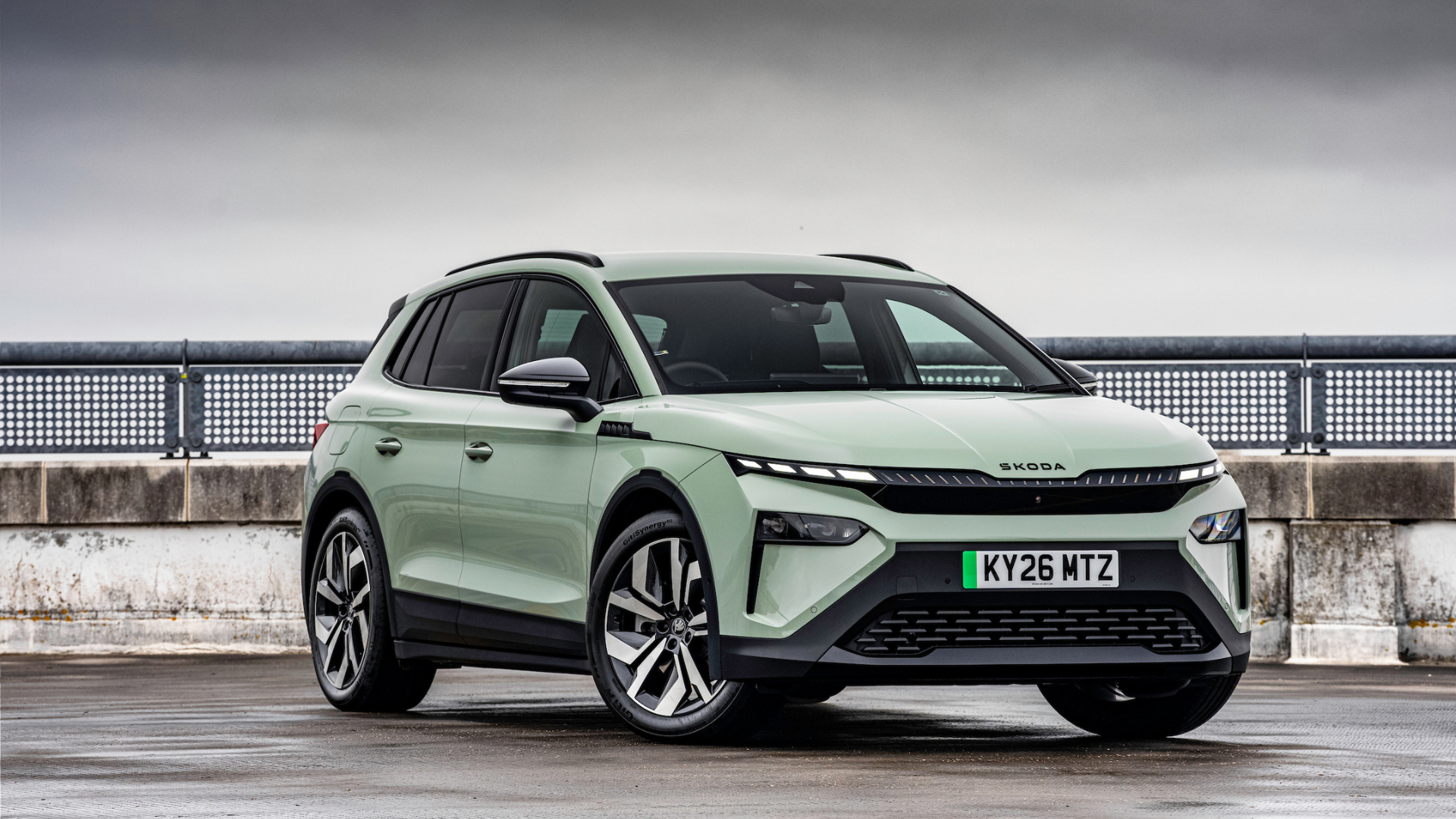 In the United Kingdom, electric vehicles have license plates with a green stripe on the left side
Coloured background for clearer distinction
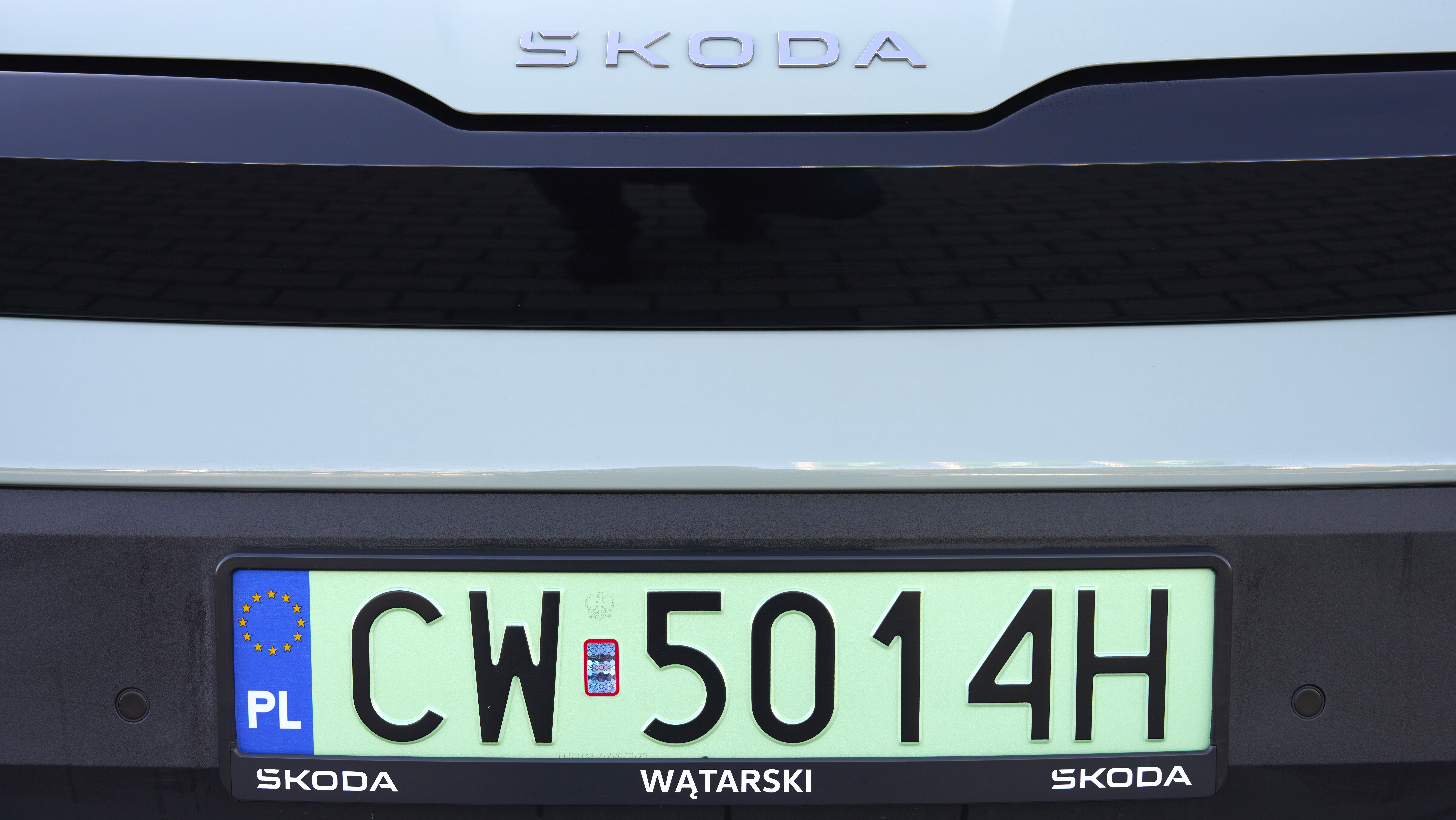
While coloured characters may not be immediately noticeable, a change of background colour is far more distinctive. This approach is used, for instance, in Poland and Hungary, where electric vehicles feature licence plates with a light green background and black characters. India has also joined the group of countries using a distinctive background colour, with white characters on a green background. In none of these countries are the special plates issued to plug-in hybrids (in Hungary they were available until 2024).
In India, electric vehicles are subject to lower taxation (5% compared to 18–40% for conventional vehicles). In certain regions, they are also exempt from or benefit from reduced road tax, registration fees, tolls or parking charges, and dedicated parking spaces are available. In Poland, vehicles with the appropriate licence plates are permitted to enter zones where internal combustion vehicles face restrictions.
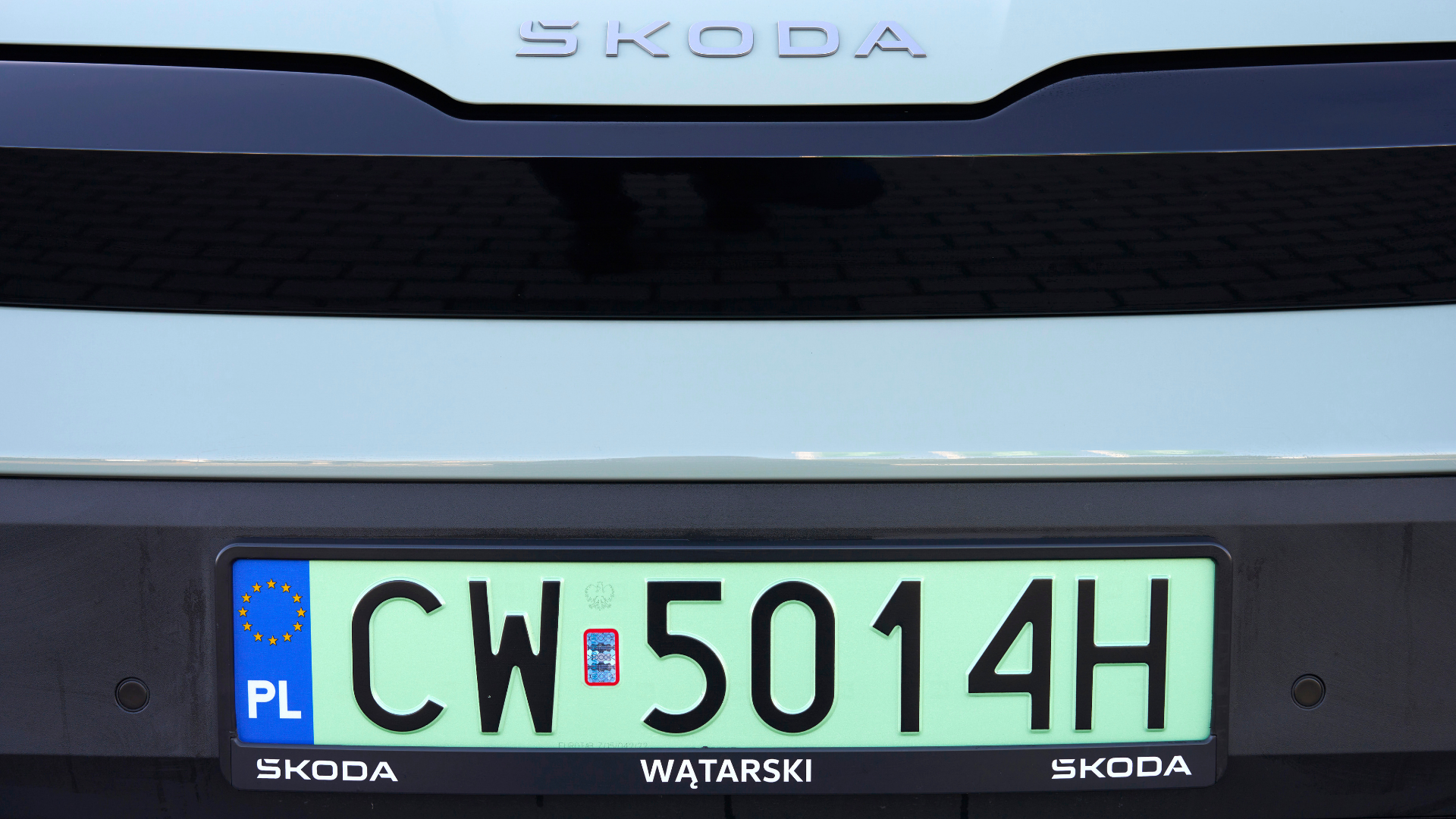 In Poland, electric cars are being issued license plates with a light green background
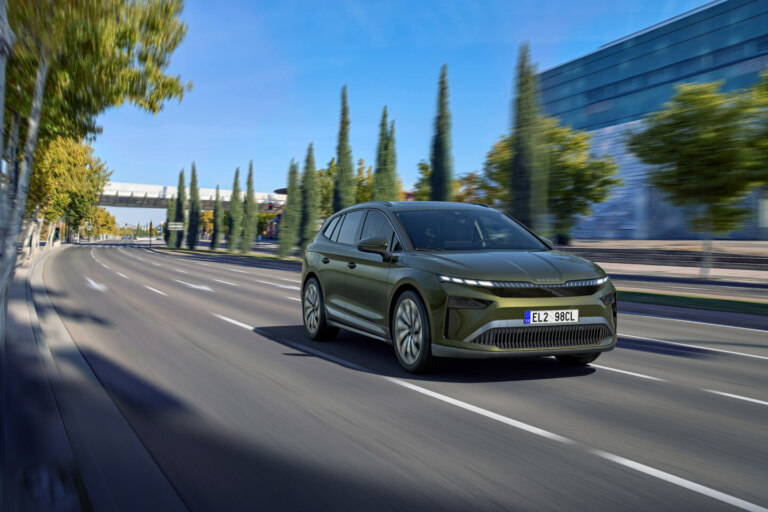
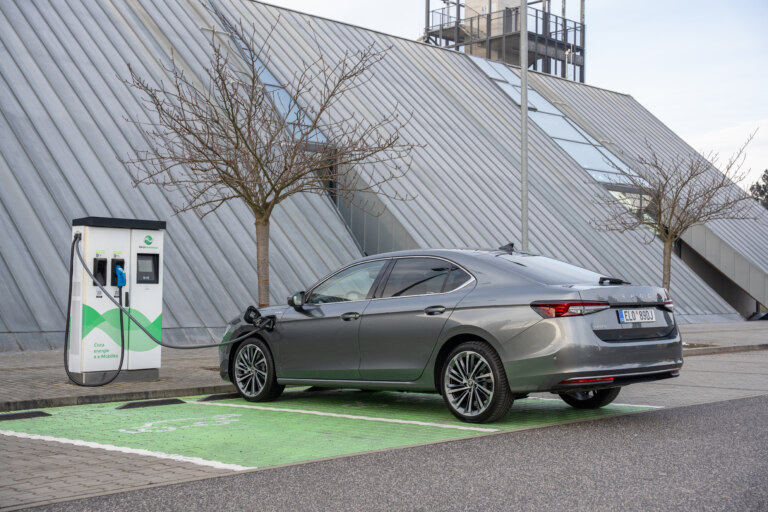
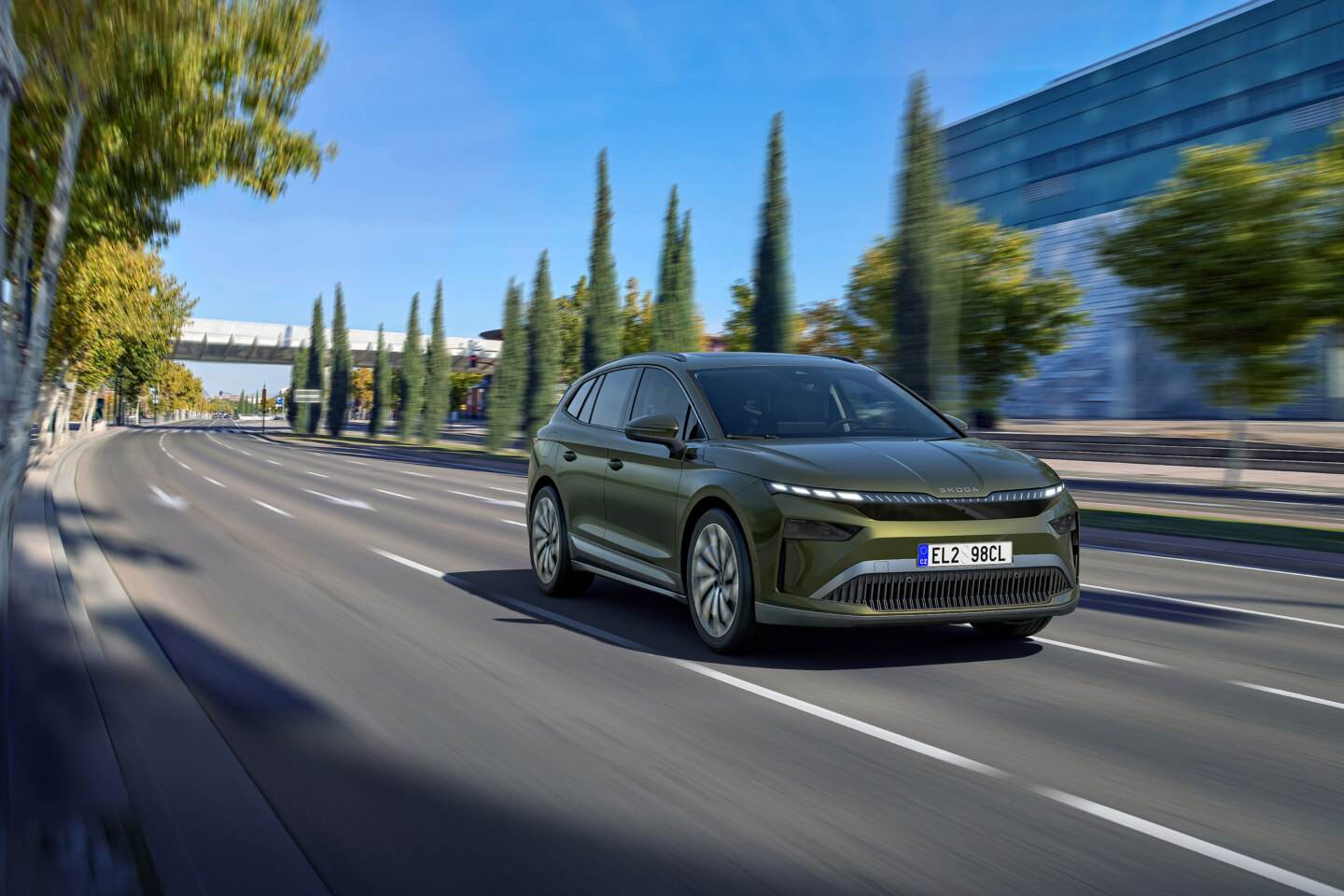
In the Czech Republic, electric vehicle license plates begin with the letters EL
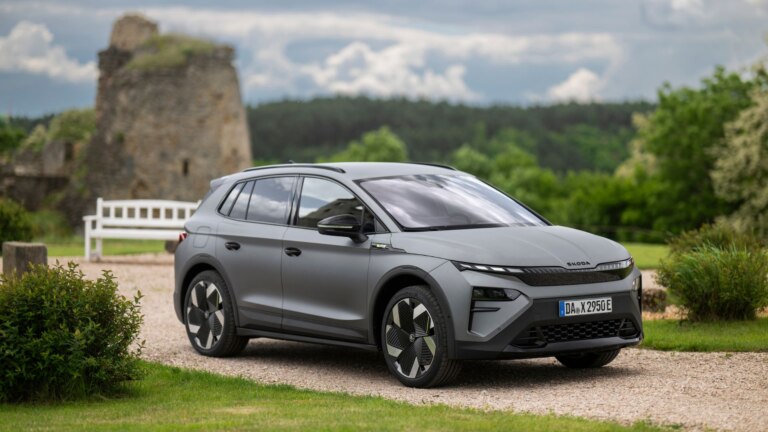
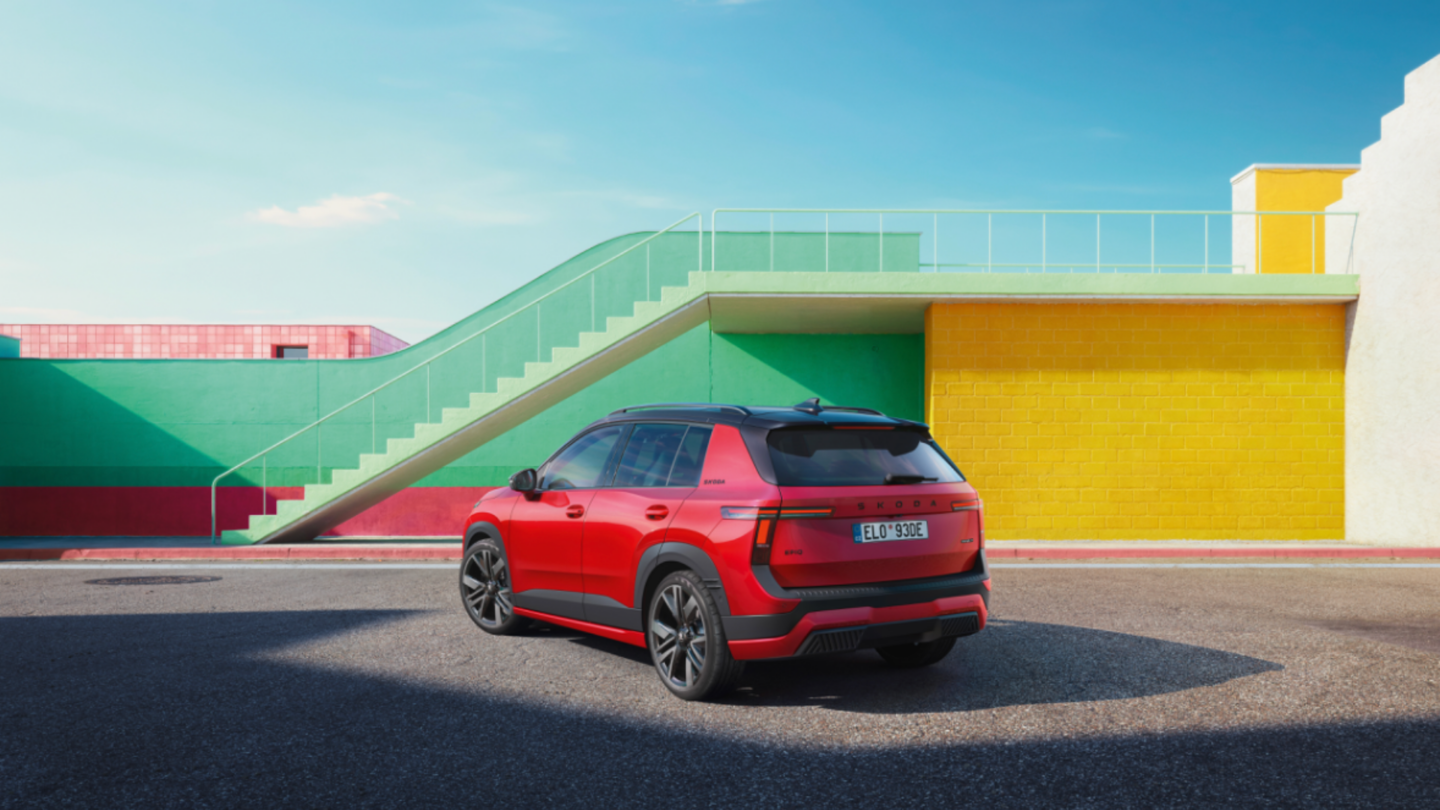
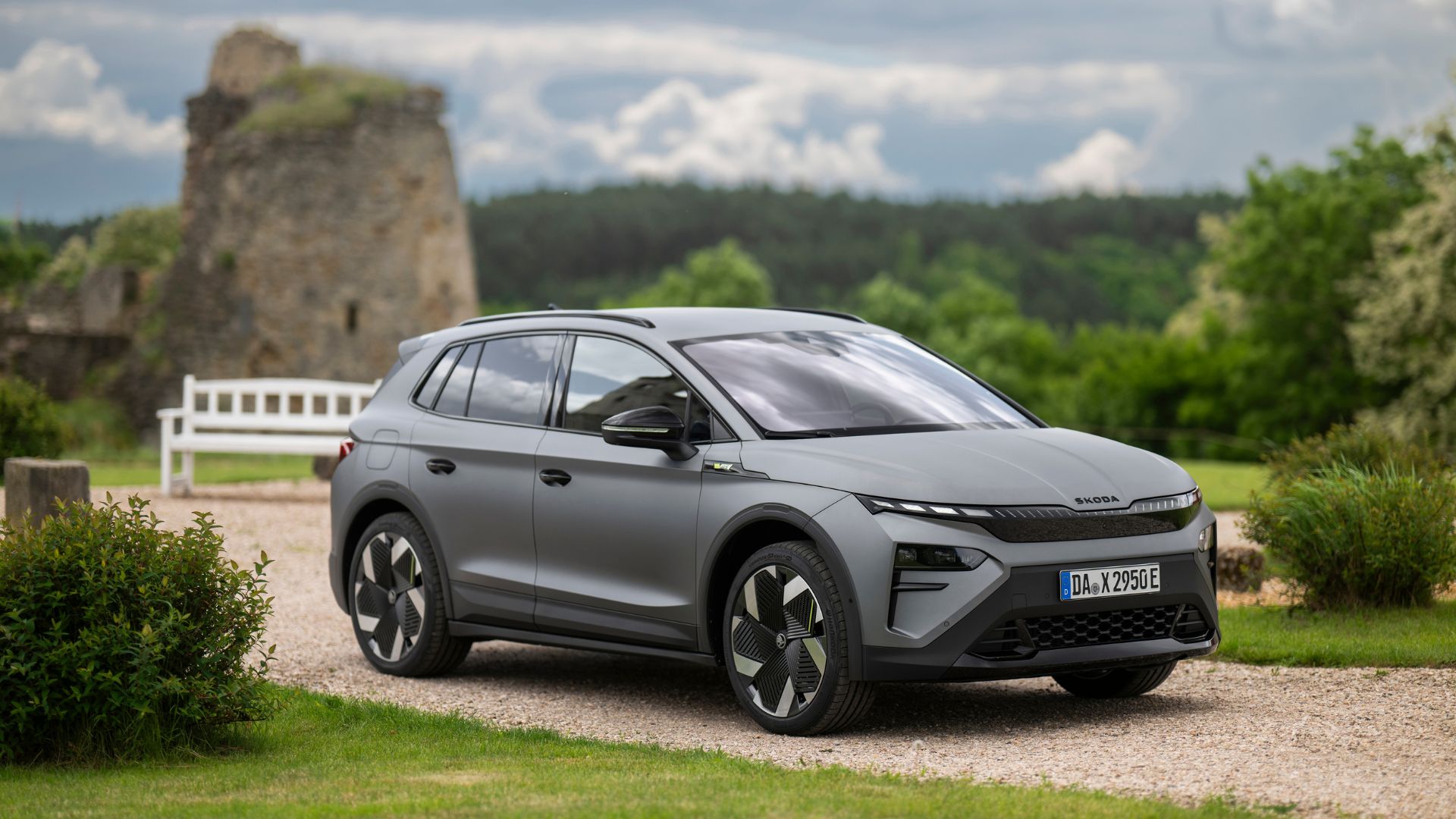
In Germany, the letter E is placed at the end of the license plate sequence for electric vehicles
Not only cars, but motorcycles as well
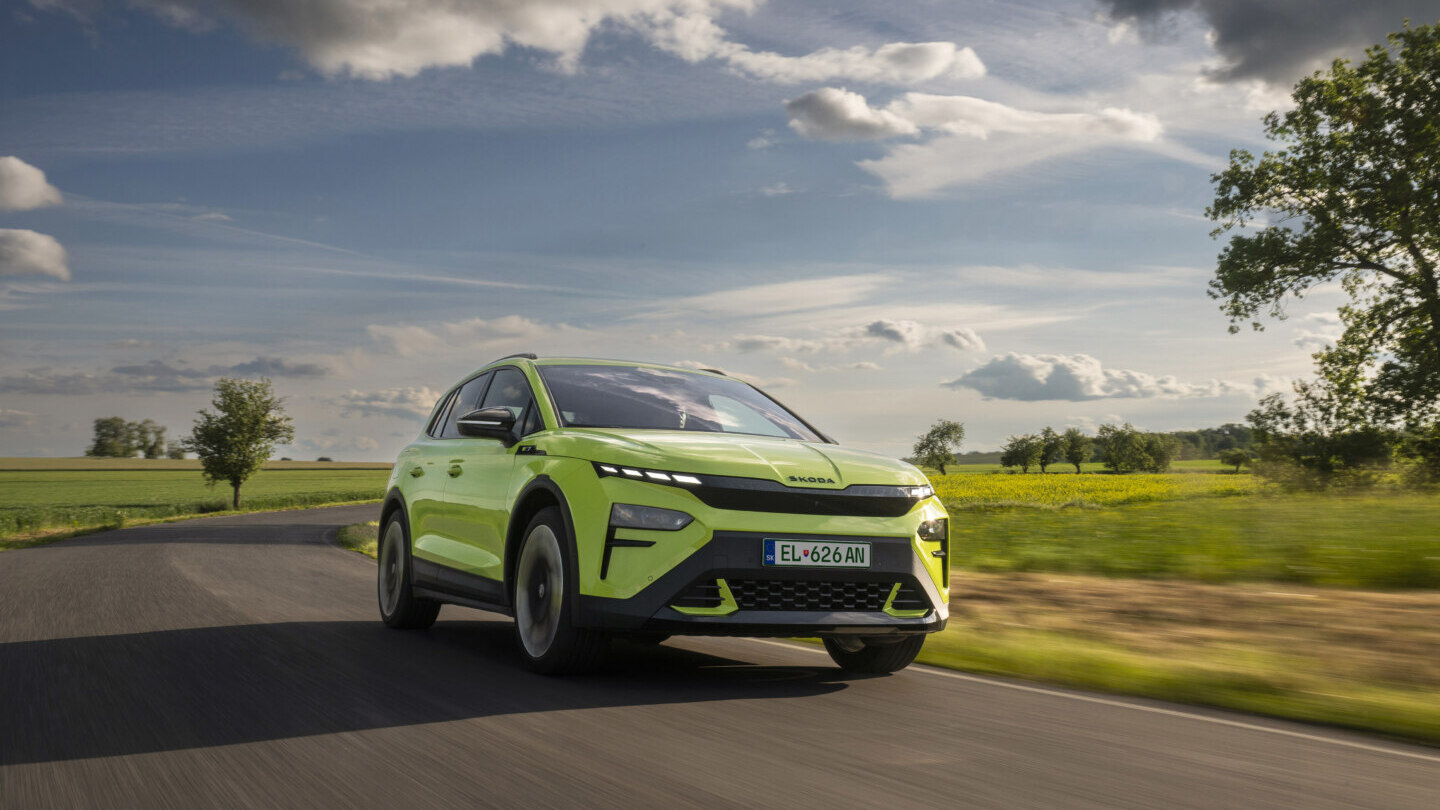
Licence plates for electric vehicles take various other forms. In Slovakia, a turquoise background was initially used; since 2023, plates feature a white background, dark green characters and the letters “EL” or “EV” at the beginning. A similar system is applied in Bulgaria, where the characters are again green and they start with either EA (for cars) or EM (for motorcycles).
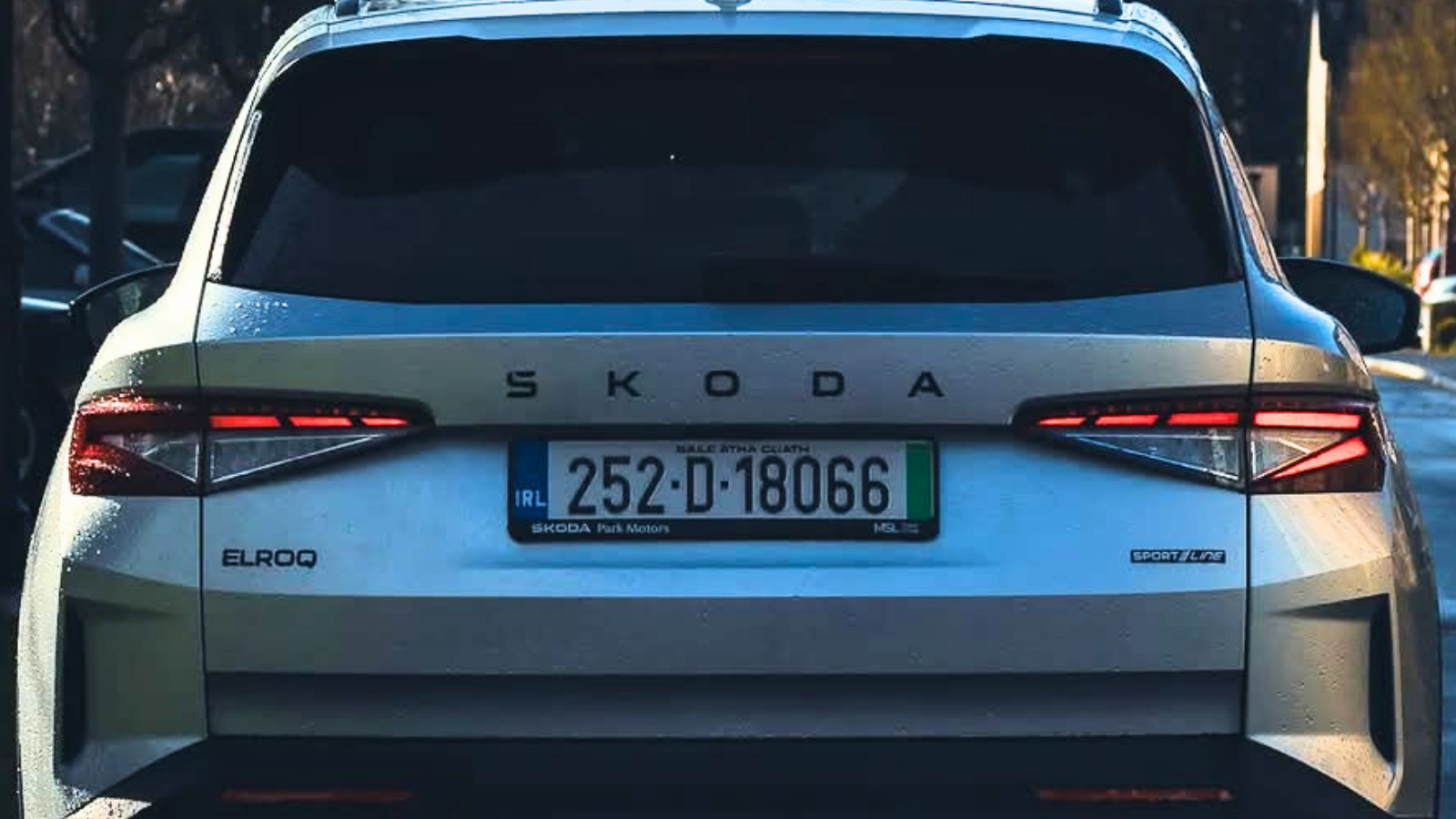
In the United Kingdom and Ireland, largely standard licence plates are used, supplemented by a green stripe. In the UK, the green stripe is positioned on the left-hand side, while in Ireland it appears on the right. The Irish system is among the most recent in Europe, having been introduced in 2025; electric vehicles in the country do not yet benefit from certain user advantages such as free parking or reduced tolls, although significant tax incentives are in place.
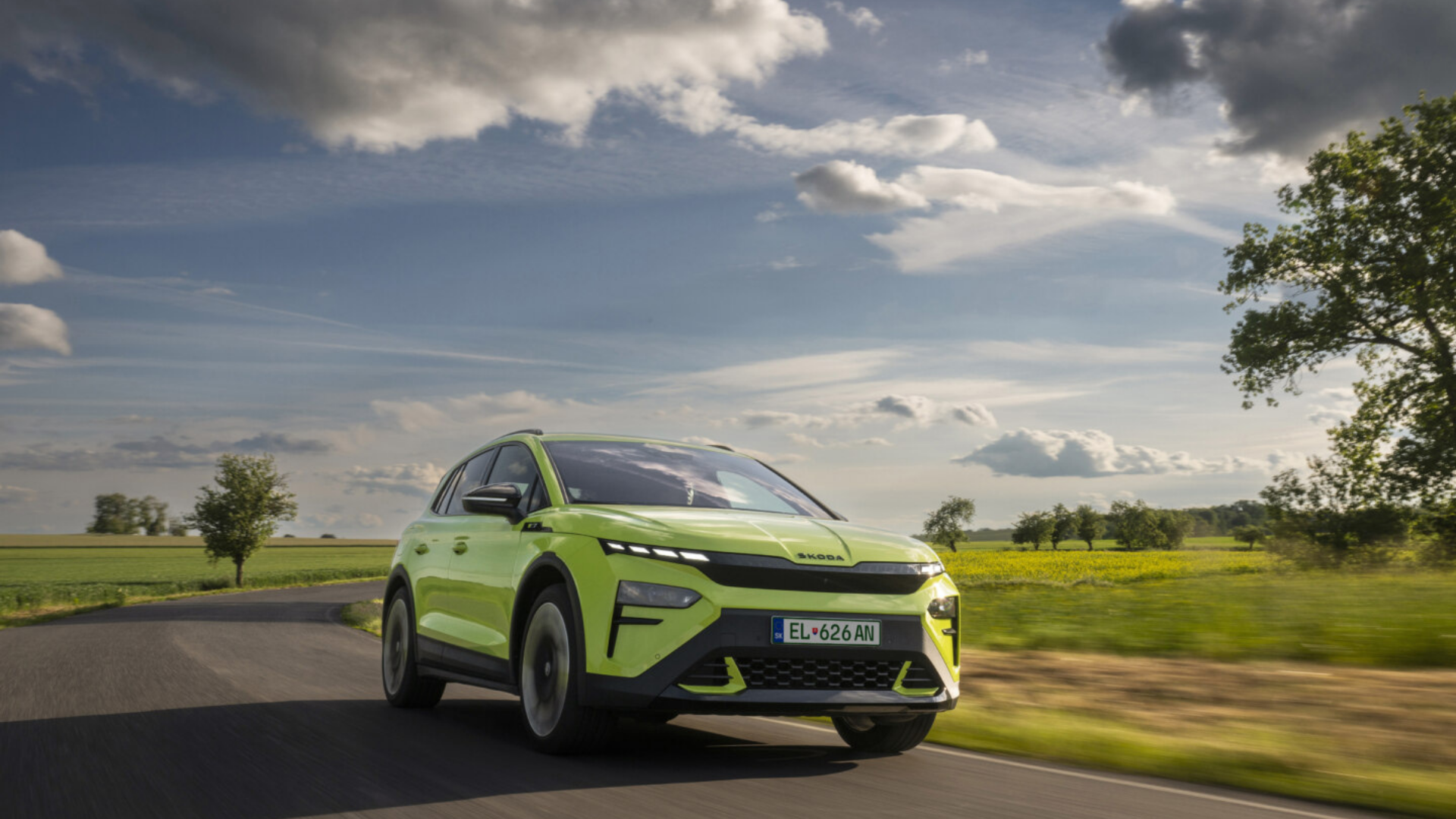 In Slovakia, electric vehicles have license plates with green lettering and the letters EL or EV
Be the first
to get the latest stories
Explore more

Media Box
6 images
Show more
Show less