Enyaq in electrical services
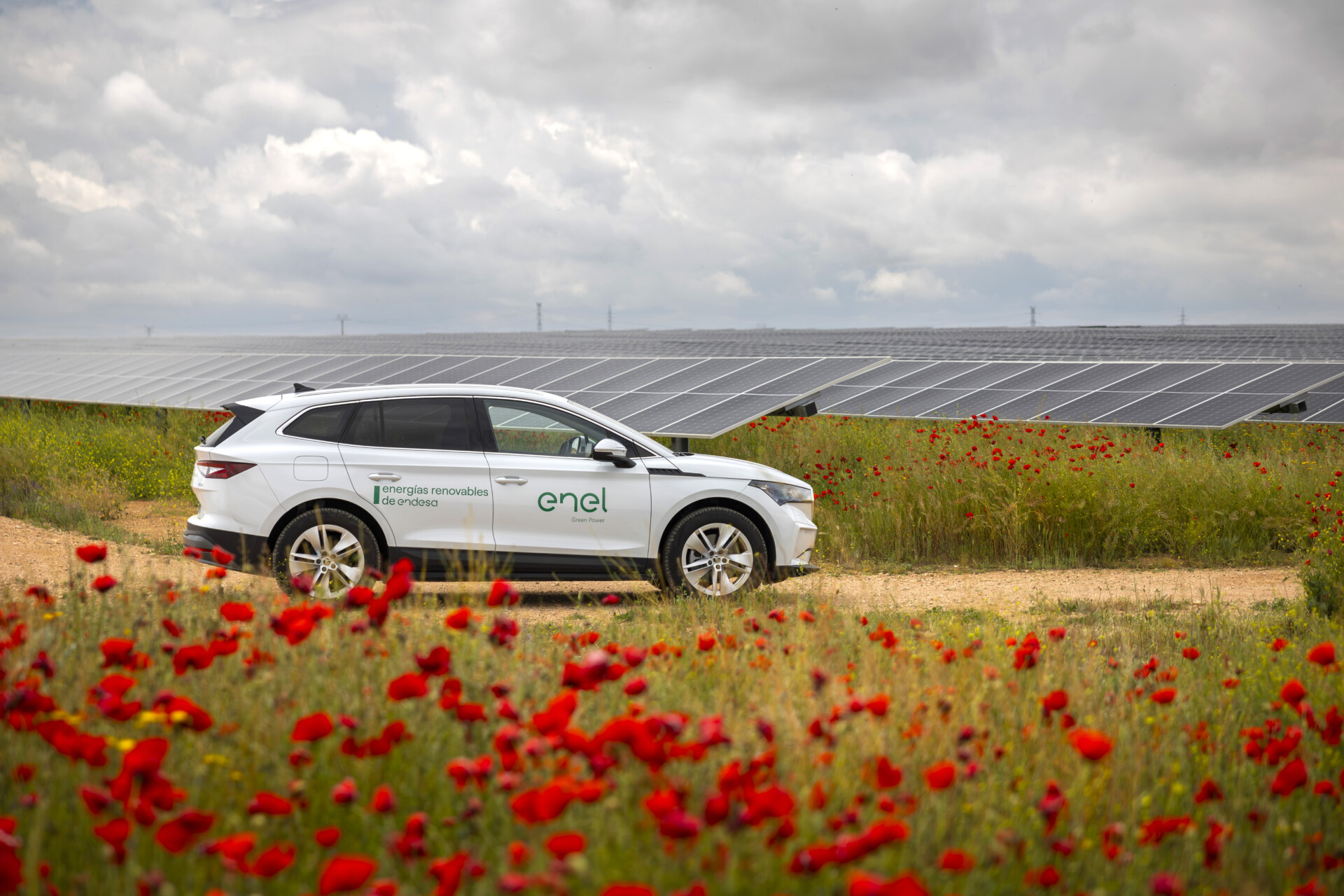
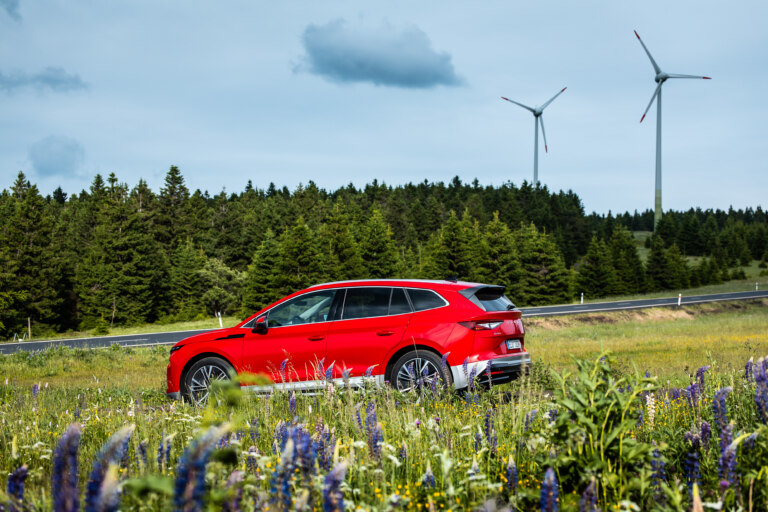
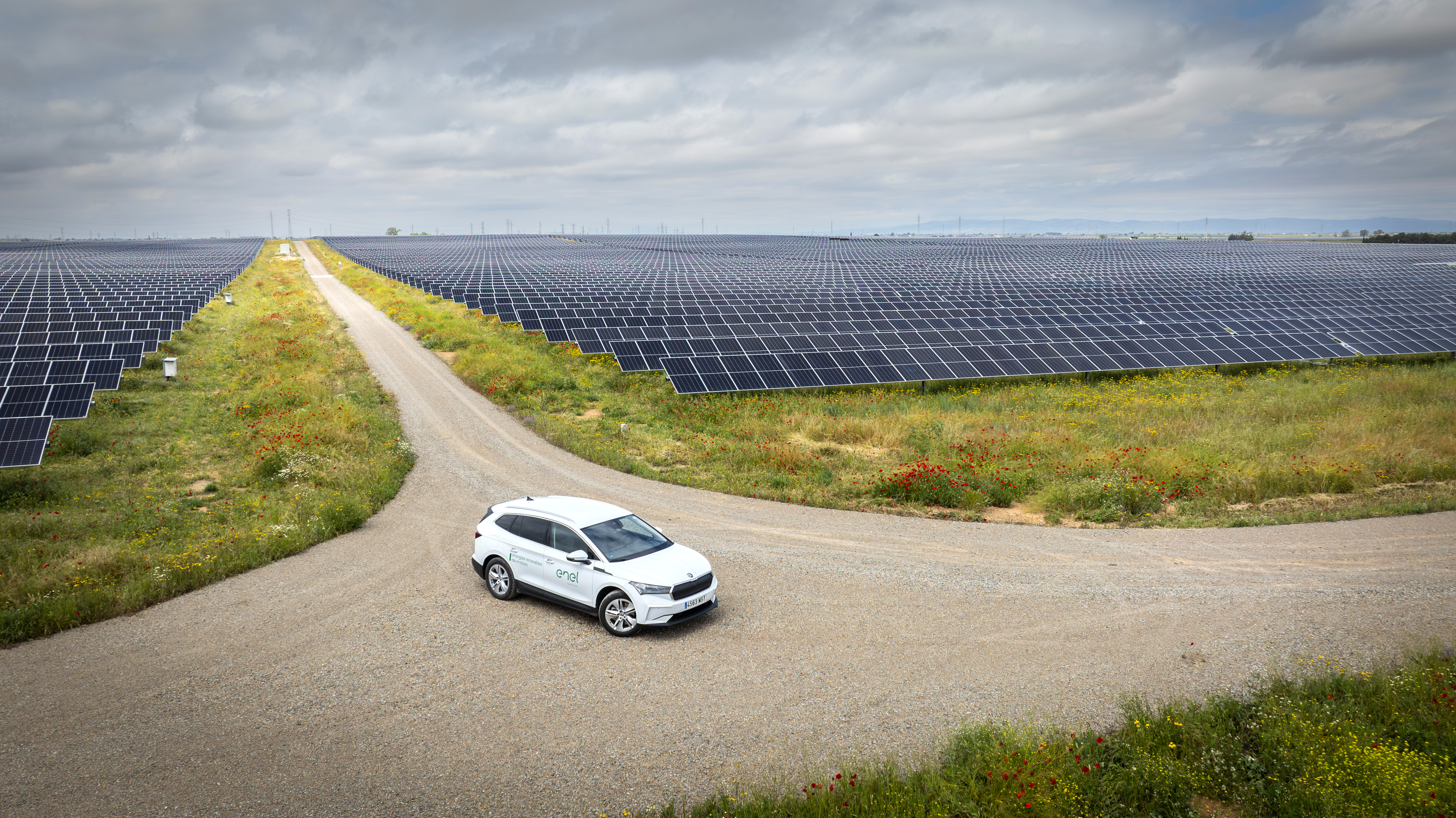
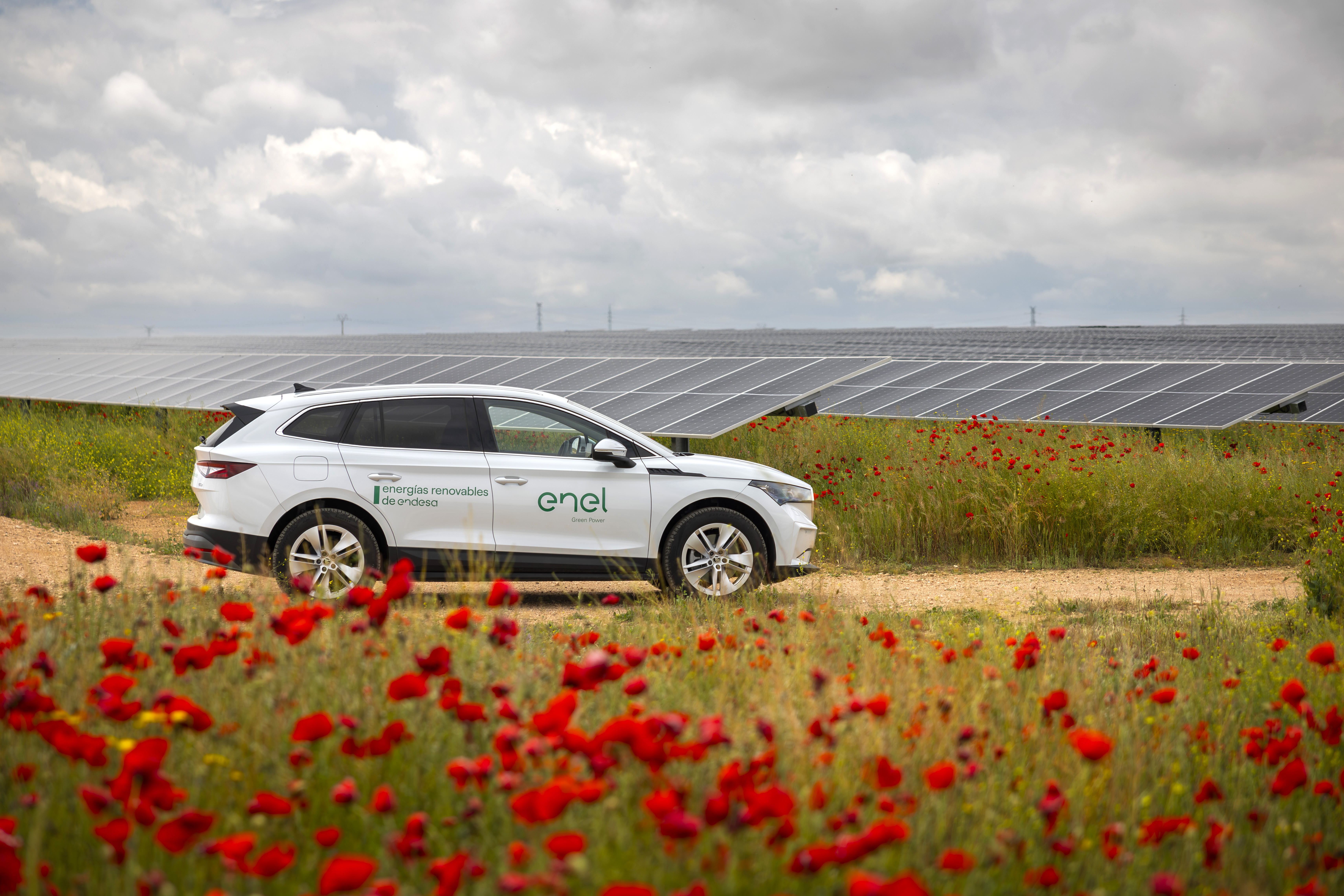
Spain's largest energy company, Endesa, relies on Škoda Enyaq electric cars for its daily operations. The company praises the cars for their efficiency and low operating costs, and thanks to their all-wheel drive, they can also reach less accessible locations.
18. 11. 2025 eMobility Pablo Samaura
Head of Corporate Mobility
Endesa
Endesa is Spain’s largest electricity company and the second largest in Portugal. It supplies to around 10 million customers and produces approximately 60 TWh of electricity annually. Nuclear energy remains the largest contributor to its generation mix, closely followed by renewable sources — hydro, wind, and solar. Two-thirds of Endesa’s electricity output come from these renewable resources. The company not only generates but also distributes electricity. Since 2007, Endesa has been part of the multinational Enel Group.
Endesa operates a fleet of mostly electrified cars, which make up most of its fleet, with the following breakdown by powertrain type:
● Electric cars: 495 cars
● Plug-in hybrids: 940 cars
● Hybrids: 129 cars
● Internal combustion engine: 515 cars
 Jose Villalba
Endesa’s Fleet Manager
Positive experiences
Endesa employees have grown fond of the Škoda Enyaq — and for good reason. Samaura, who also drives an electric car privately, appreciates the Enyaq’s all-round capabilities: “I’ve owned and driven an electric vehicle daily since 2020. Compared to that car, the Škoda Enyaq 85x is a surprisingly well-balanced vehicle. With a full charge and quick charging capabilities, it easily covers more than 500 km with just a short 15-minute stop. That’s enough to handle 95% of my annual business trips,” he says, also praising the sustainable materials used in the car´s sophisticated interior design.
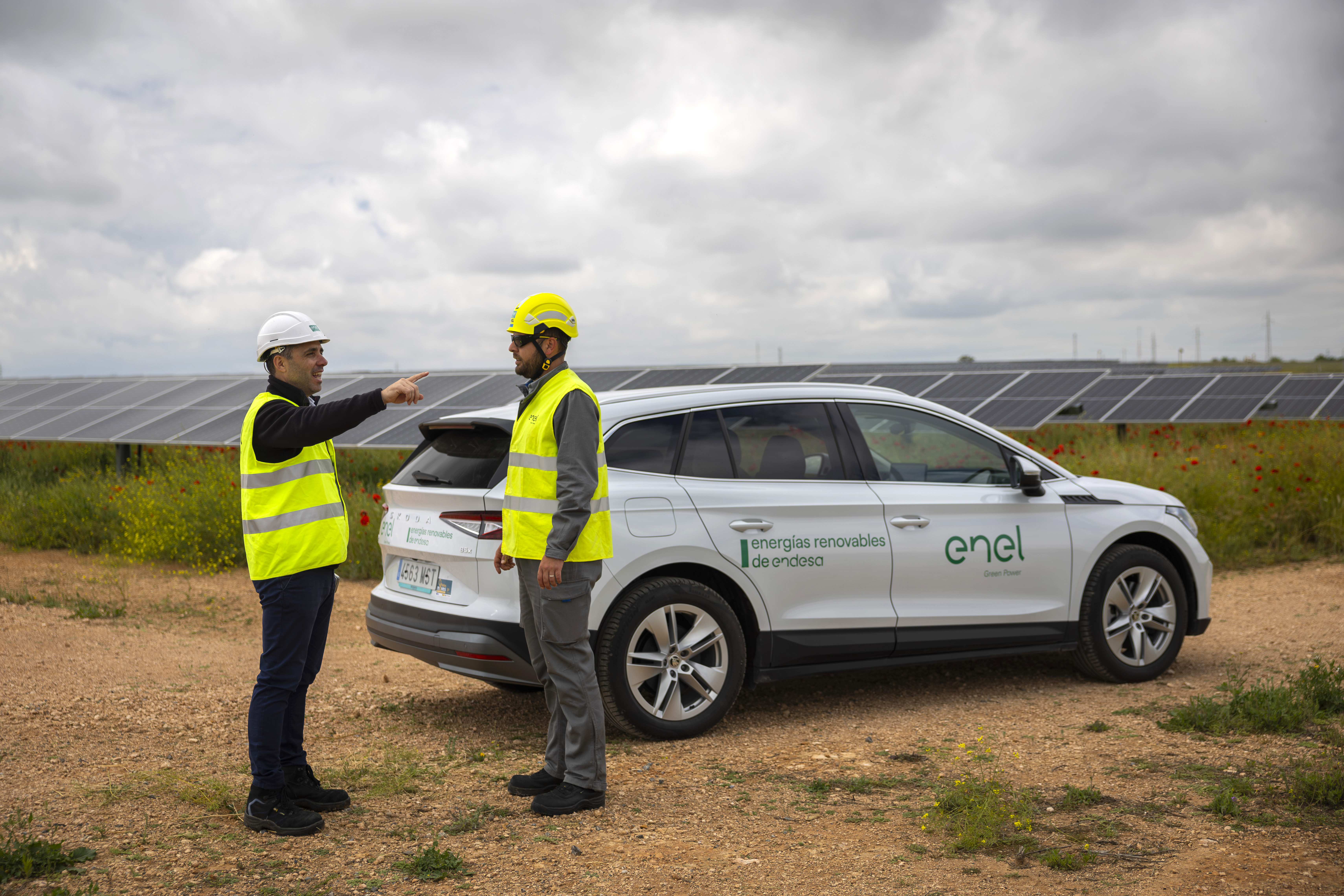
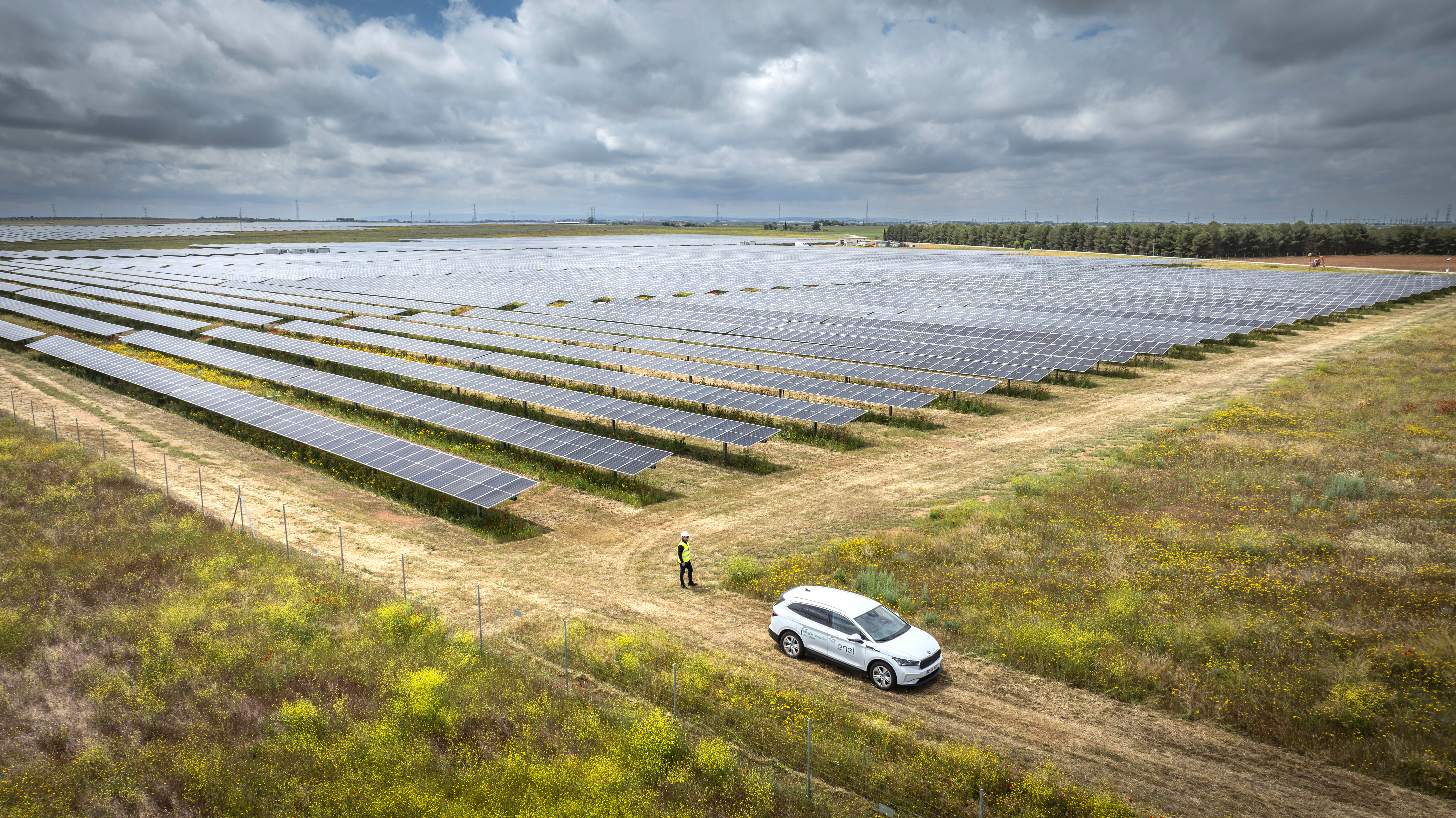
Antonio Hermosilla, head of solar operations for the eastern region, drives the Enyaq almost every day: “It’s a great car for daily travel. The driving range is more than sufficient to reach any destination on time,” he notes. While Hermosilla admits he had to adjust his route planning to account for charging stops, he emphasizes that the system works seamlessly and reliably.
“The Enyaq is especially efficient in city traffic — the energy consumption is impressively low,” he adds. Longer journeys are equally comfortable thanks to the vehicle’s long range and overall refinement: “The quietness and smoothness of the drive are amazing.” Hermosilla mentions the important features of the electric car. In the hustle and bustle of everyday life, the Enyaq truly feels like an oasis of calm.”
The calm and peace of mind also extend to company management: “The running costs of the Škoda Enyaq are significantly lower than those of combustion vehicles,” says Villalba. “At Endesa, we are committed to electromobility and reducing our carbon footprint — and the Enyaq fits perfectly into that vision.”
Škoda Auto in Spain
Škoda has been present in Spain since 1991, operating under Volkswagen Group España Distribución (VGED) alongside Volkswagen, Volkswagen Commercial Vehicles, Audi, and Ducati. According to Laura Gomez Palet, Country Manager of Škoda Spain, the brand has been performing exceptionally well in recent years.
How has Škoda’s position in the Spanish market evolved, and which models are the most popular?
Škoda has increased its market share from around 2% (2011–2017) to over 3.5% in 2024, driven by new model launches, the introduction of SUVs, and network expansion. The goal for 2025 is 40,000 deliveries. The most popular models are compact and mid-size SUVs like the Kamiq and Karoq, while corporate customers also favour the Fabia and Octavia.
What are the key preferences of Spanish customers?
The most sought-after vehicles are small and mid-size SUVs. Due to legal regulations, customers also prefer models with eco labels, such as mild hybrids.
How does Škoda attract fleet customers in Spain? Is Endesa the most notable success?
Škoda holds a strong position in the fleet and leasing segment, with a market share above 5% in 2024, ranking among the top eight brands. Close cooperation with independent leasing companies and VWFS has helped boost the residual value of Škoda vehicles — a key factor in competitive leasing rates. Endesa represents Škoda’s largest fleet success in electric mobility, though the brand also counts major clients such as Cellnex, Mapfre, and Repsol among its partners.
How many Škoda cars does Endesa currently operate?
As of today, Endesa’s fleet includes 170 Škoda Enyaq vehicles, delivered in June 2024. Škoda is also participating in Endesa’s 2025 fleet tender, which could bring significant orders for the upcoming Škoda Elroq.
What are Škoda’s strategic goals for the future?
Škoda’s strategic goal is to achieve a 5% overall market share in Spain. The brand aims to accelerate electrification with new models launching from 2026 onward, while also expanding its dealer network to over 120 locations in cities with more than 50,000 inhabitants.
 Laura Gomez Palet, Country Manager of Škoda Spain
Be the first
to get the latest stories
Explore more

Media Box
7 images
Show more
Show less