Škoda Enyaq RS Race: The future arrives quickly
Škoda Enyaq RS Race: The future arrives quickly

We found out what happens when you entrust a production of Škoda Enyaq RS electric car to the Škoda Motorsport workshops last year. But now it's time for an upgrade. And it's not just about looks. How does a rally driver feel about the news?

17. 7. 2025 eMobility
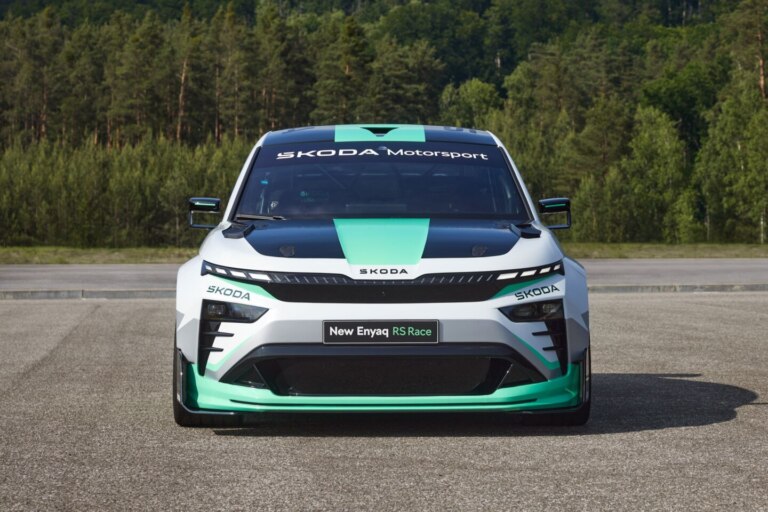
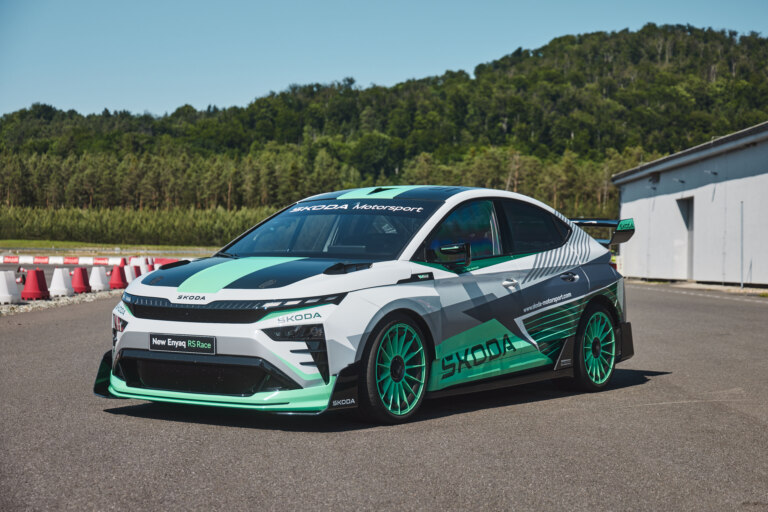
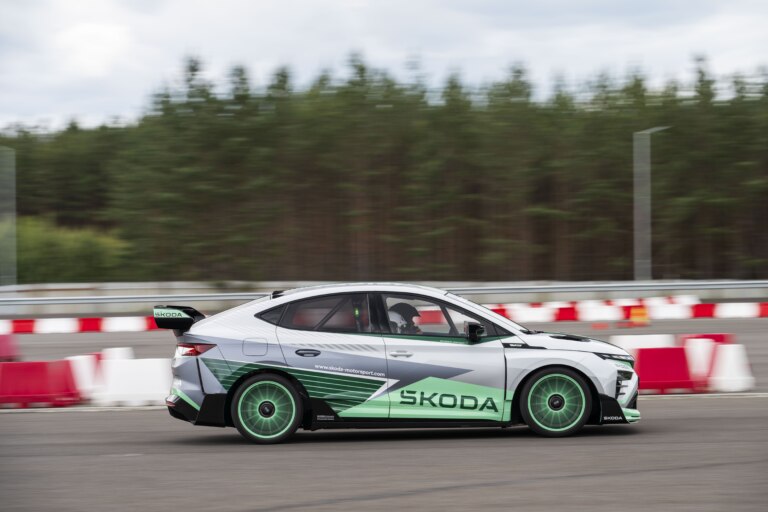
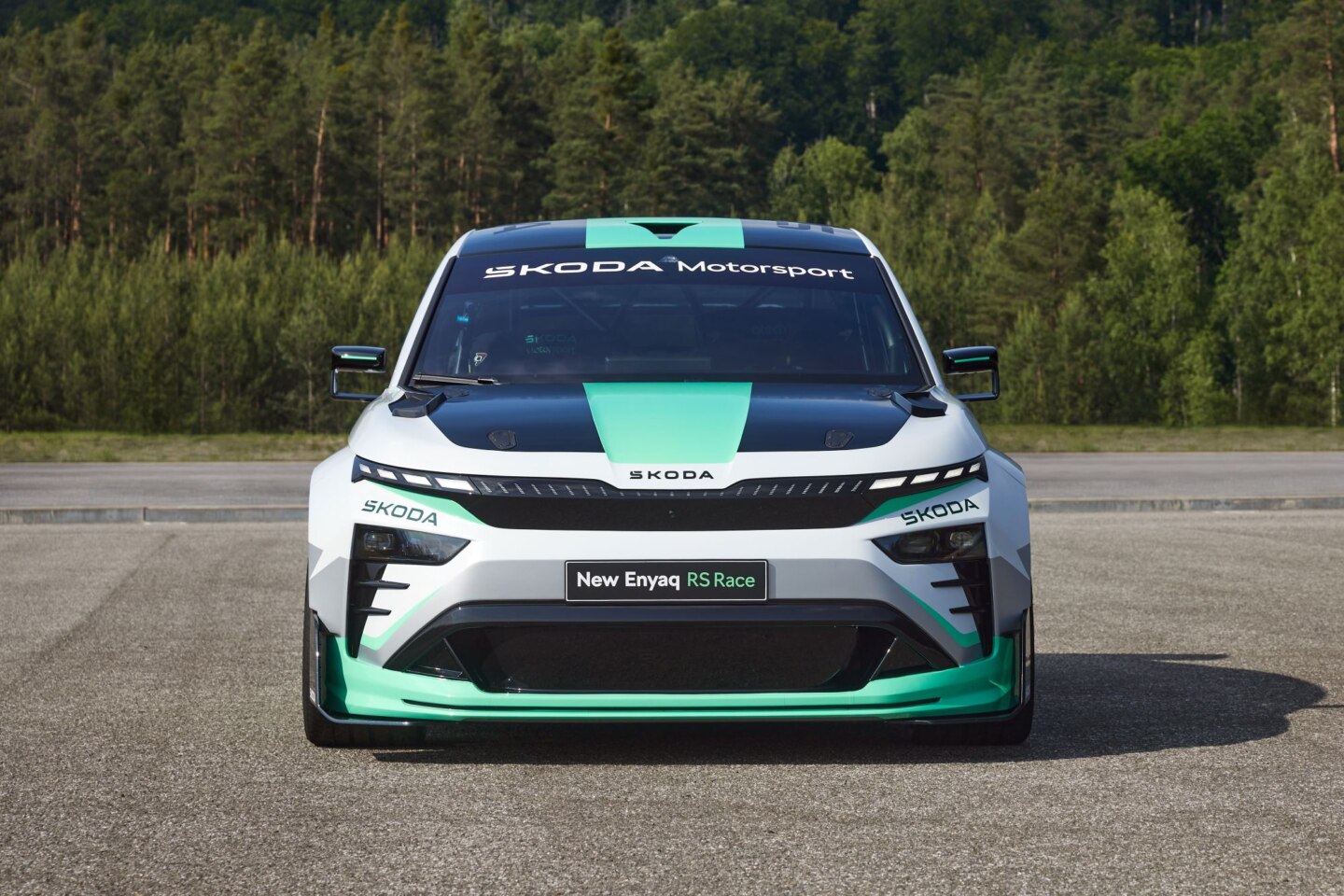
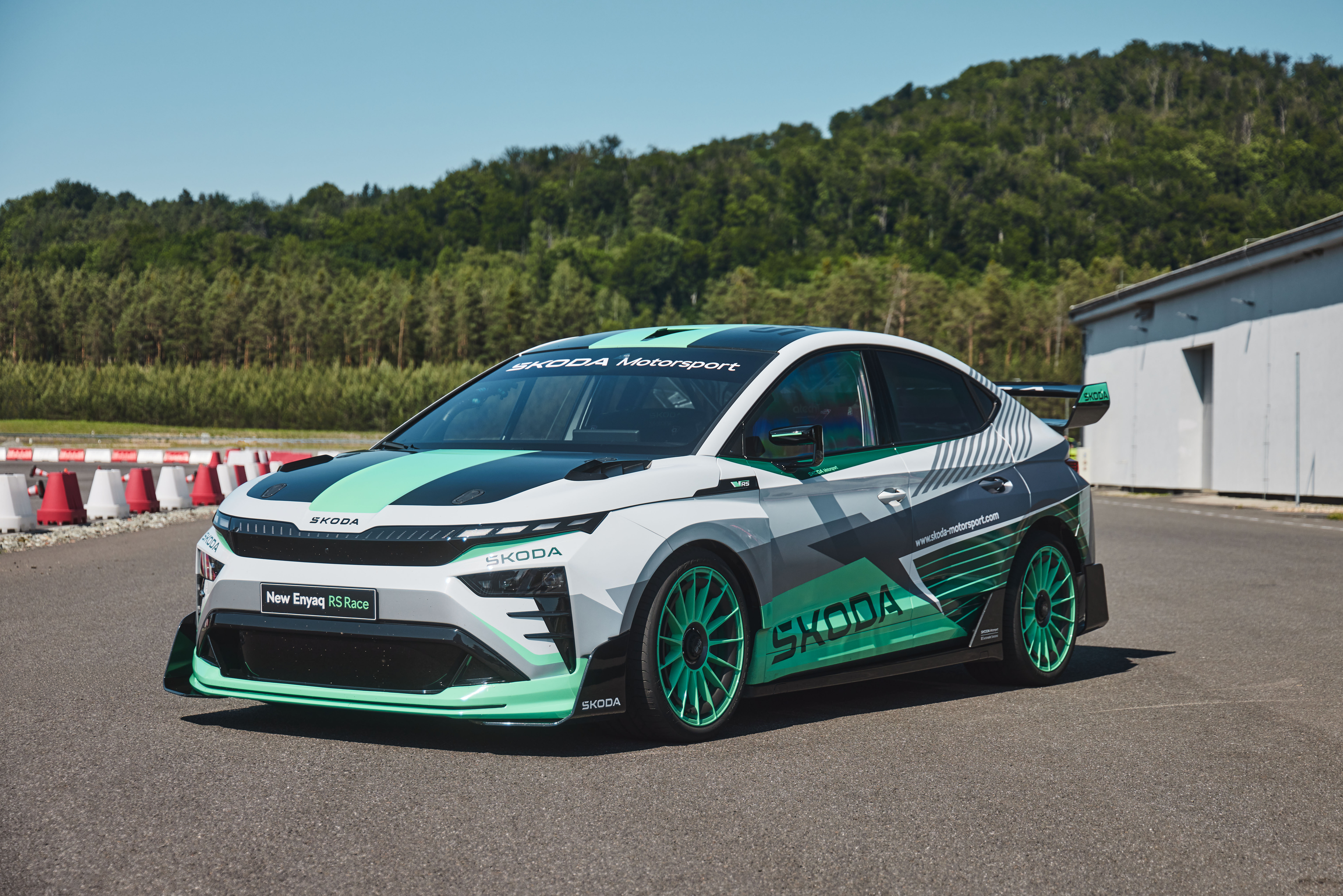
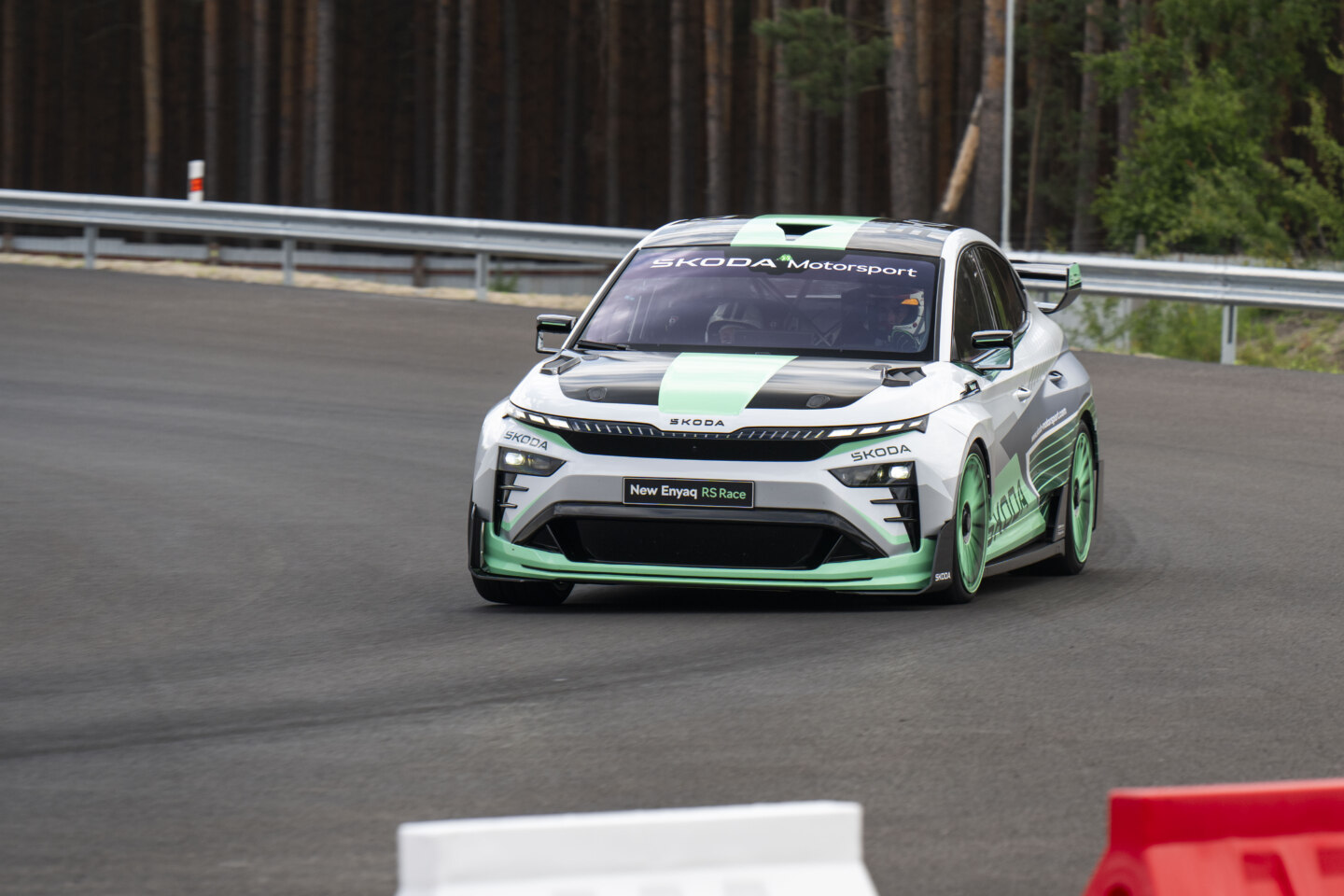
The Škoda Enyaq RS Race shows that even a concept car can be improved. Taking its cue from the new Škoda Enyaq Coupé RS, the competition special adopts the Modern Solid design style and adds a number of other modifications to it. The Škoda Motorsport designers decided to take the project to the next level, capitalising on the experience gained with last year's car and taking another important step towards the development of electrified motorsport and a sustainable future.

"I think electric cars in general have a future. And from a race car perspective, electric propulsion offers a lot of benefits that you can take advantage of as a driver. For example, There's a lot of torque and instant response to the accelerator." points out Emil Lindholm, driver of the Škoda Fabia RS Rally2 competition car and 2022 WRC2 World Champion.


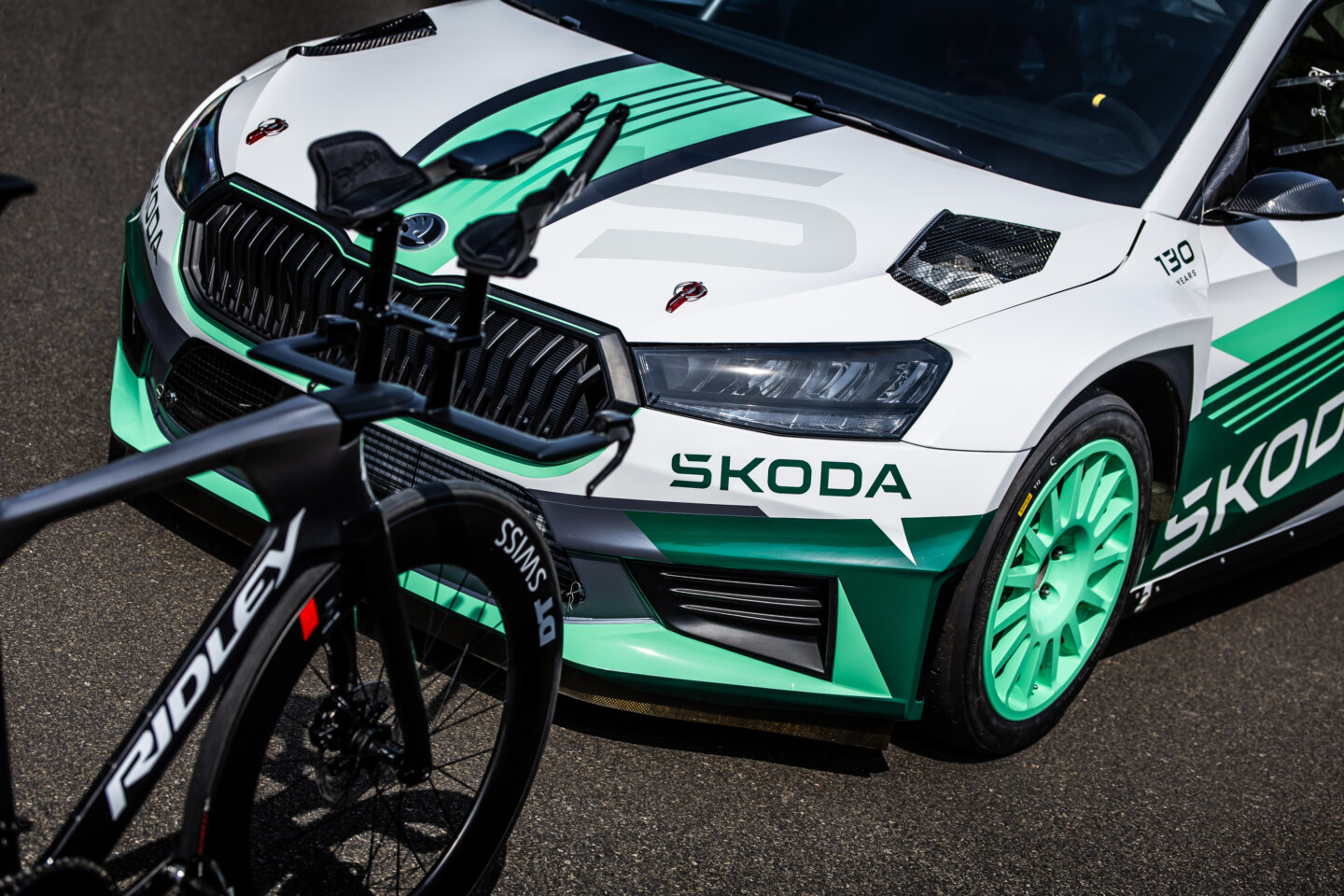
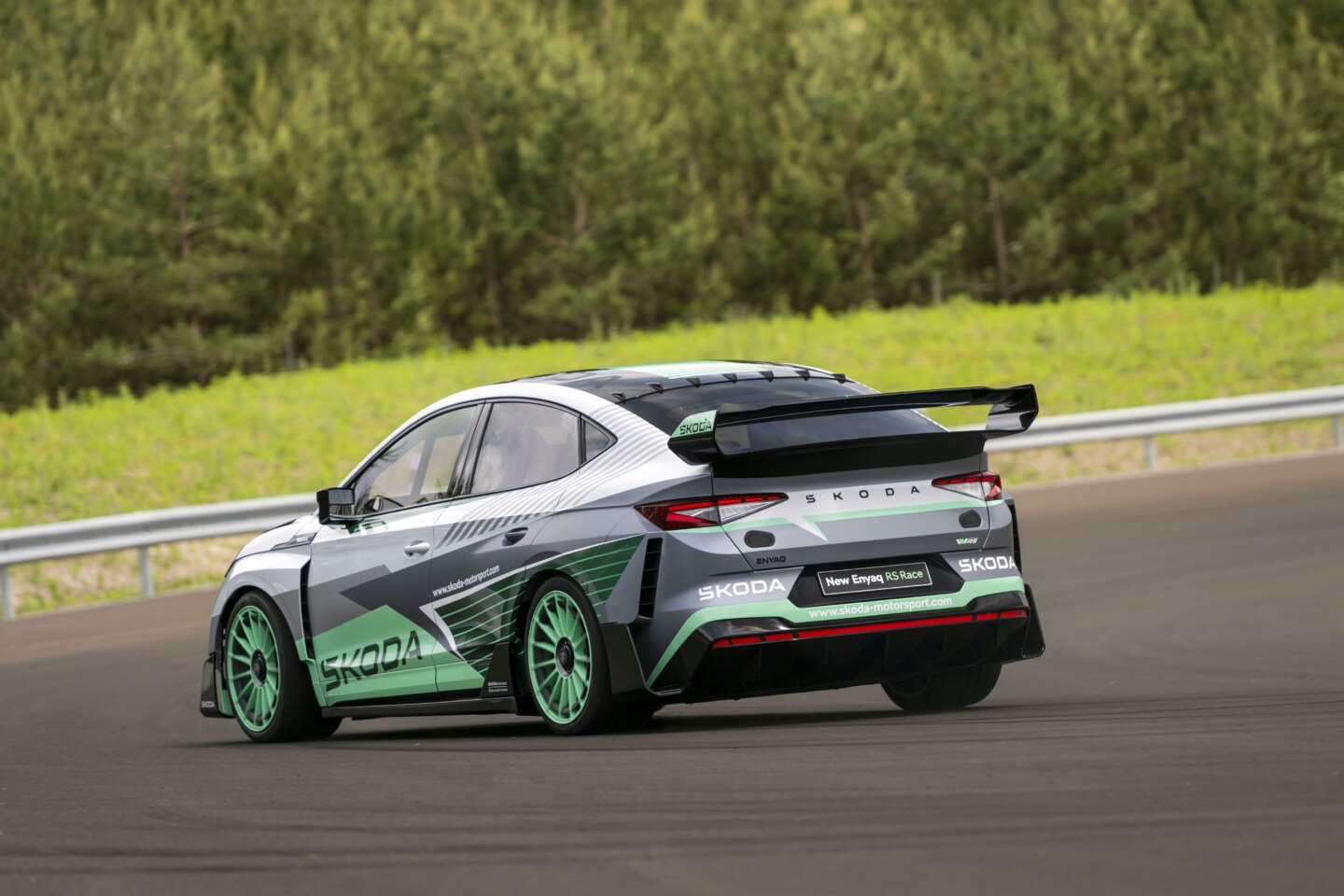
Compared to its predecessor, the new Enyaq RS Race has an optimised front end based on the production base and also gets a "war" livery in the form of Skoda Auto's corporate colours. Lightweighting is also important for a competition car. New materials and a careful "slimming treatment" helped the concept car save 316 kilograms compared to the production model, despite the addition of safety features such as a safety frame or special rails to protect the chassis components.

A sustainable future not just in motorsport  

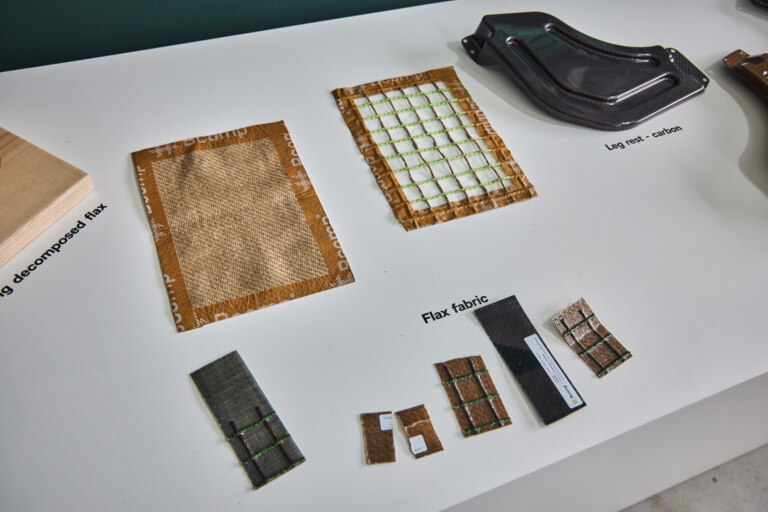
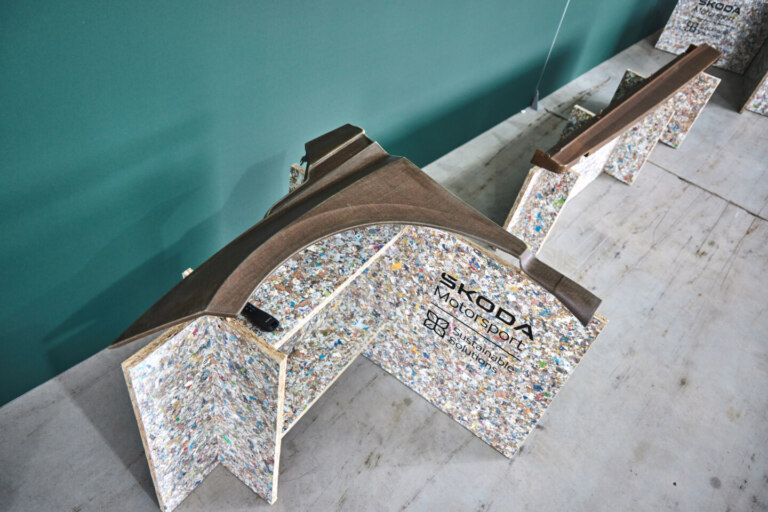
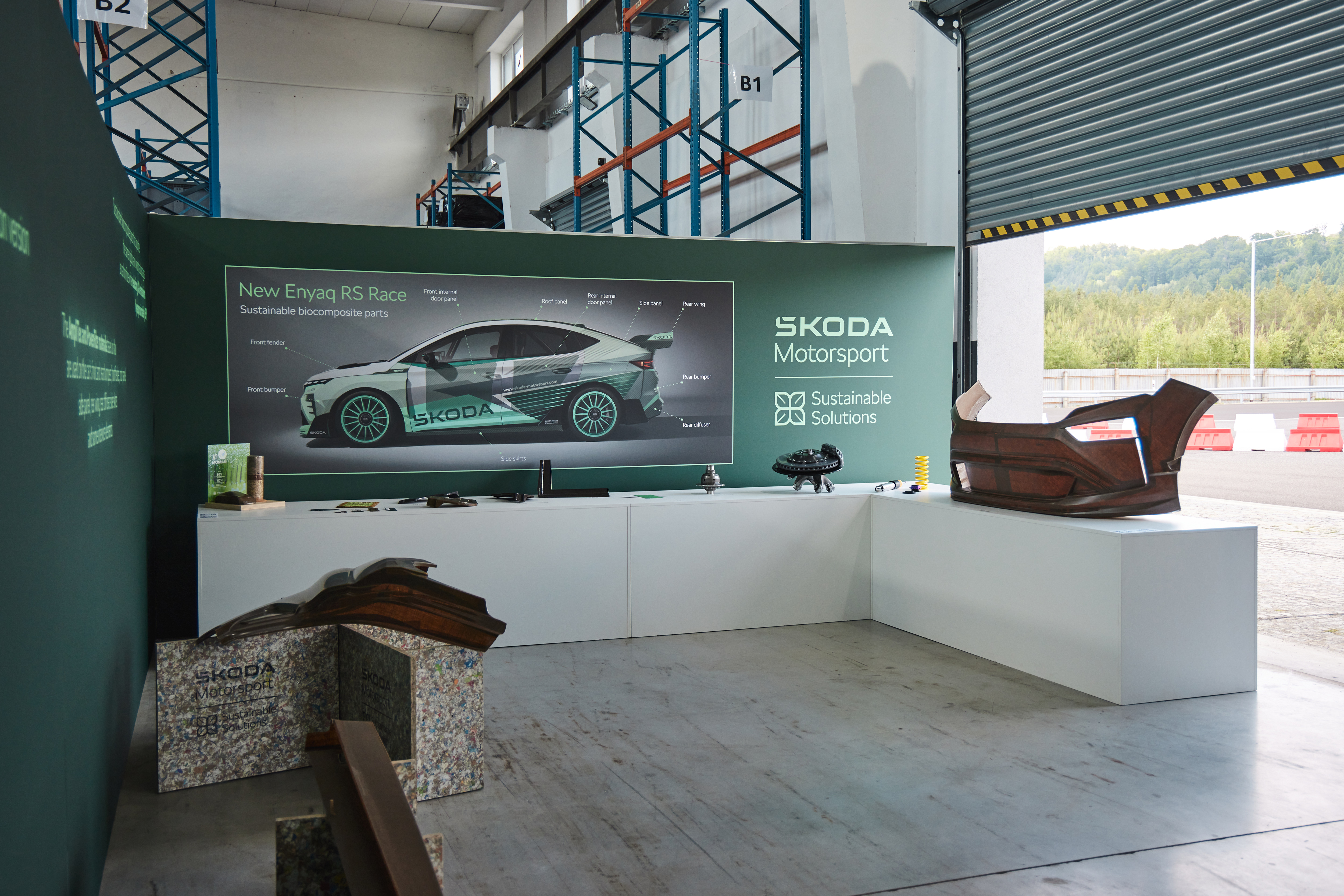
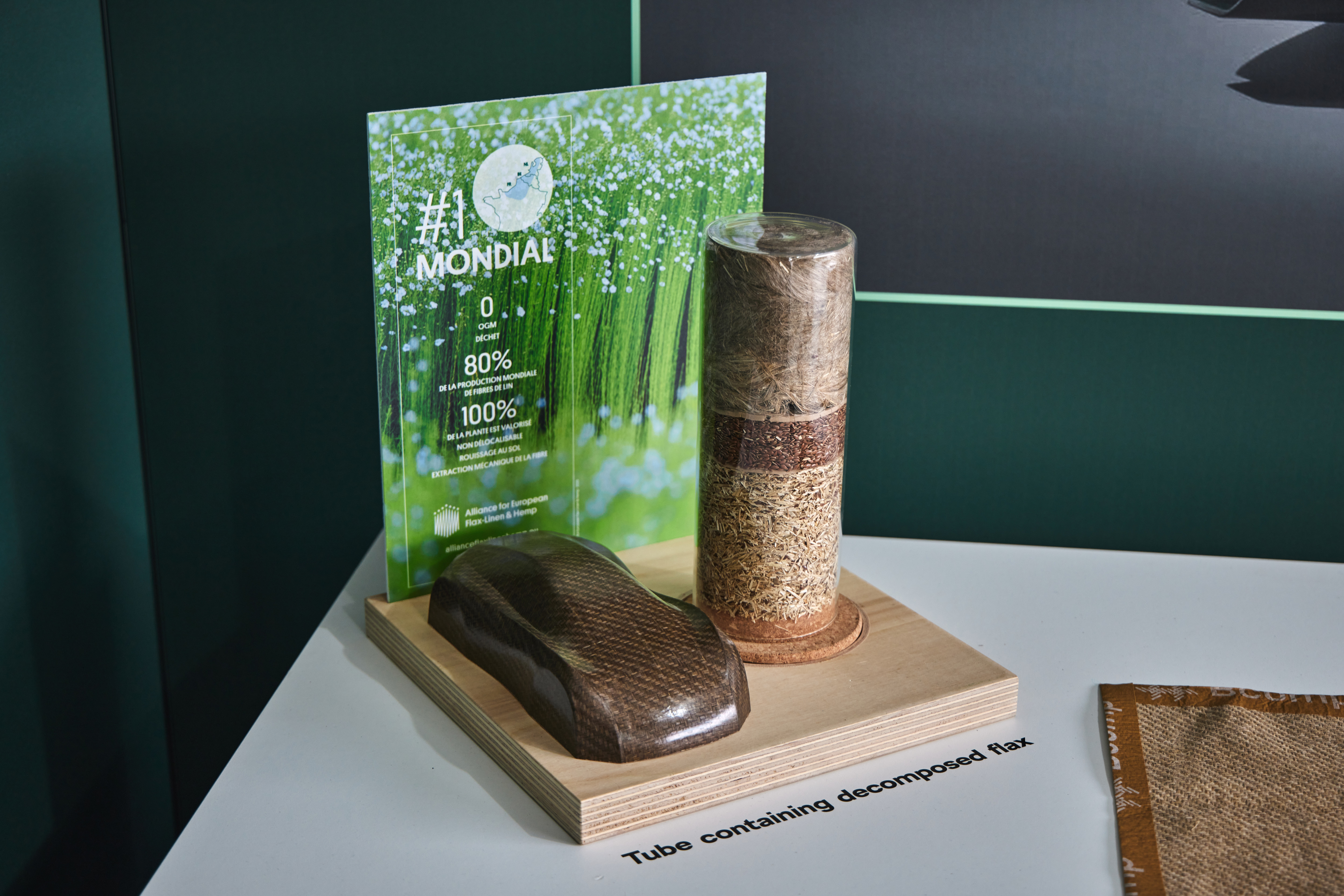
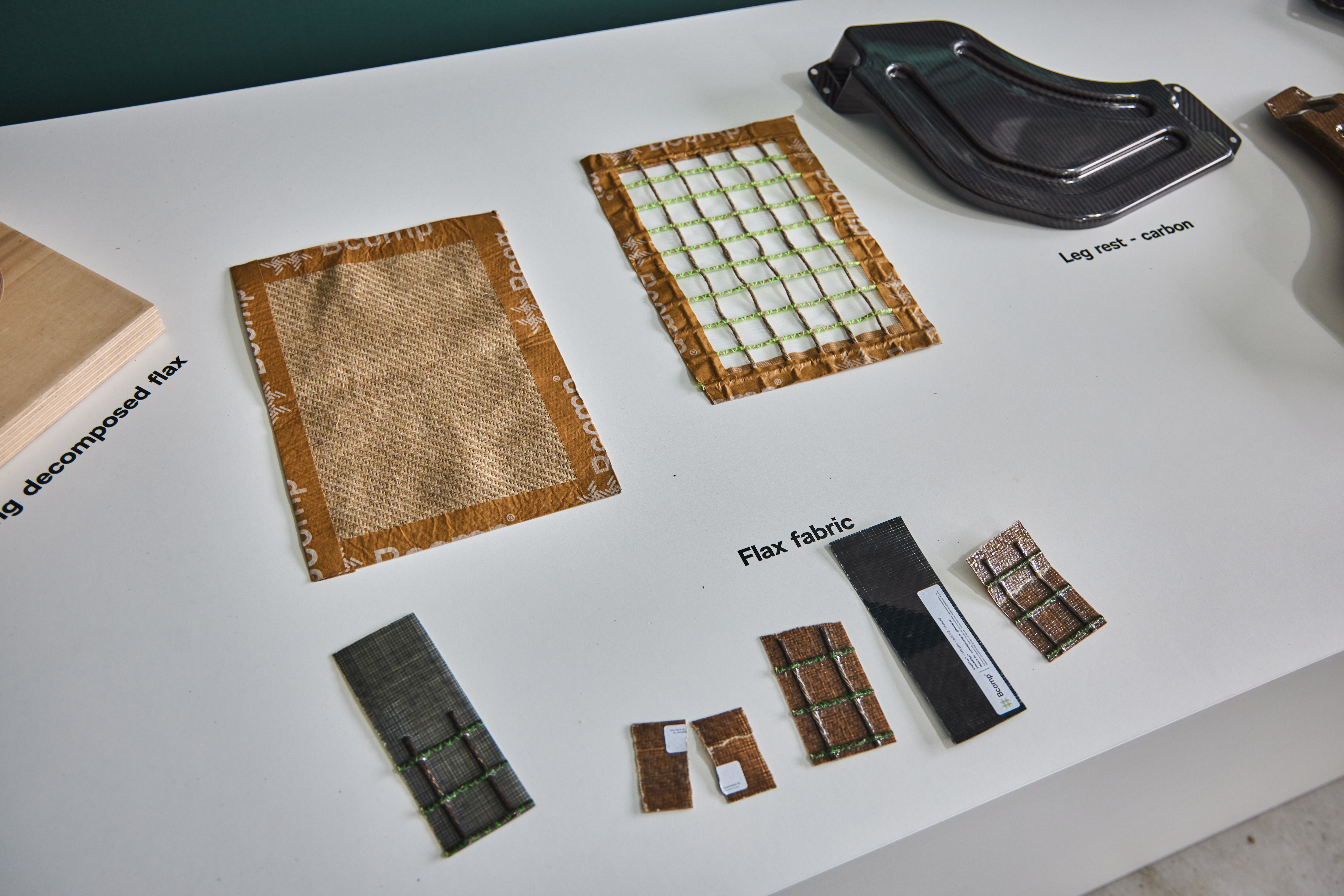
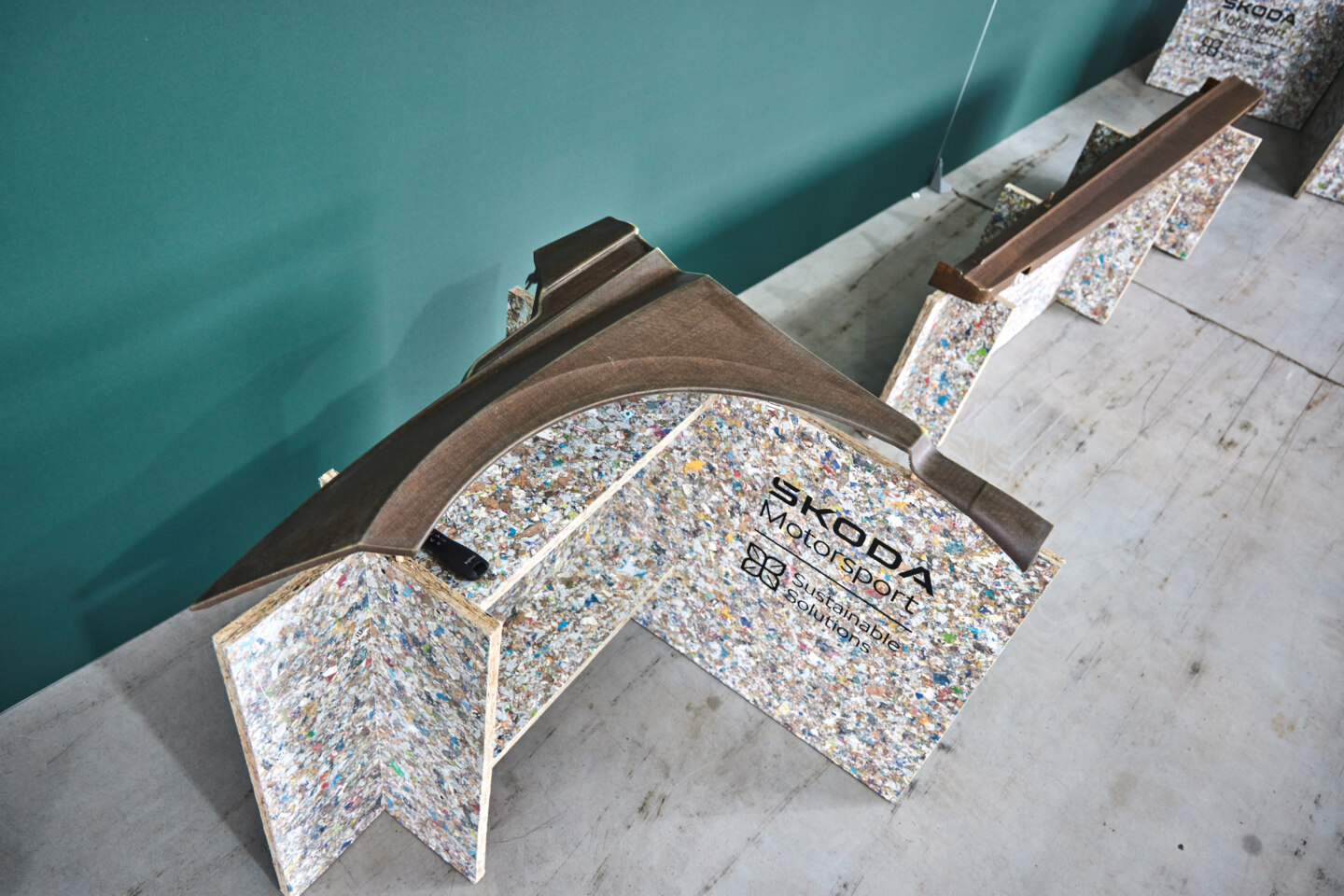
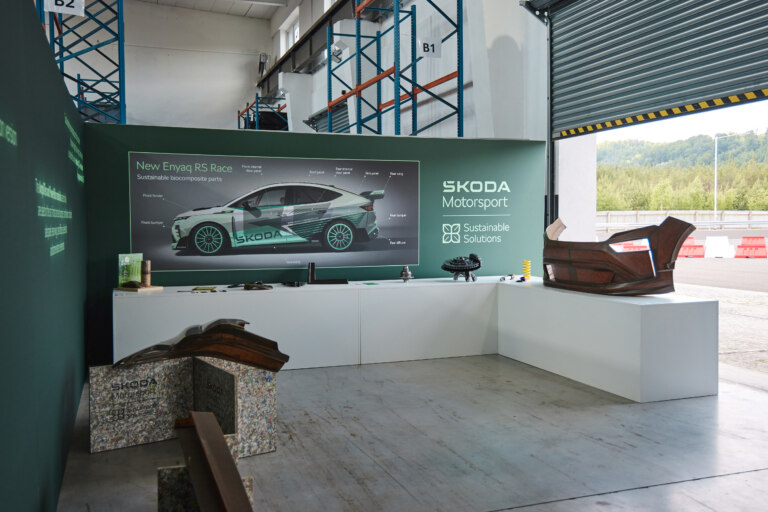
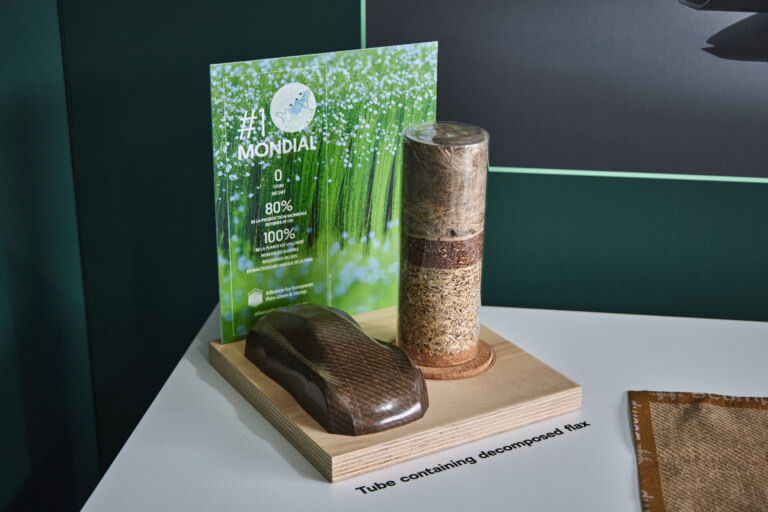
The Enyaq RS Race concept features a total of 16 components made from sustainable materials. One of these is the AmpliTex reinforcement fabric made from renewable flax fibres grown in Europe. The material can be shaped in different ways and retains its high strength and light weight. It is a greener alternative to carbon fibre, which is produced at high temperatures and emits large amounts of CO2. Also made from flax are PowerRibs, which, for example, reinforce thin-walled body panels. These lightweight parts can be found in the interior and on the body, including the bumpers, fenders, side panels, roof and rear wing.

The lightweight and reinforced concept car has also been given proper racing gear. Special sports shock absorbers are complemented by ceramic brake discs, the pedal system from the Škoda Fabia RS Rally2, 20-inch wheels with low-profile tyres or limited-slip differentials on both front and rear axles. The RS Race takes its combined 250 kW (340 hp) electric motors from the production Enyaq Coupé RS. Thanks to its light weigh, it boasts of acceleration from 0 to 100 km/h (62 mph) in less than five seconds.

"The Enyaq RS Race is actually easy to drive. It's responsive, stable and doesn't behave unpredictably. You can also feel that it has a very low centre of gravity behind the wheel thanks to the battery located in the floor. When you have two engines, you can play more freely with the distribution of power between the axles, which gives us a lot of options for the future," says Emil Lindholm about the car's behaviour.

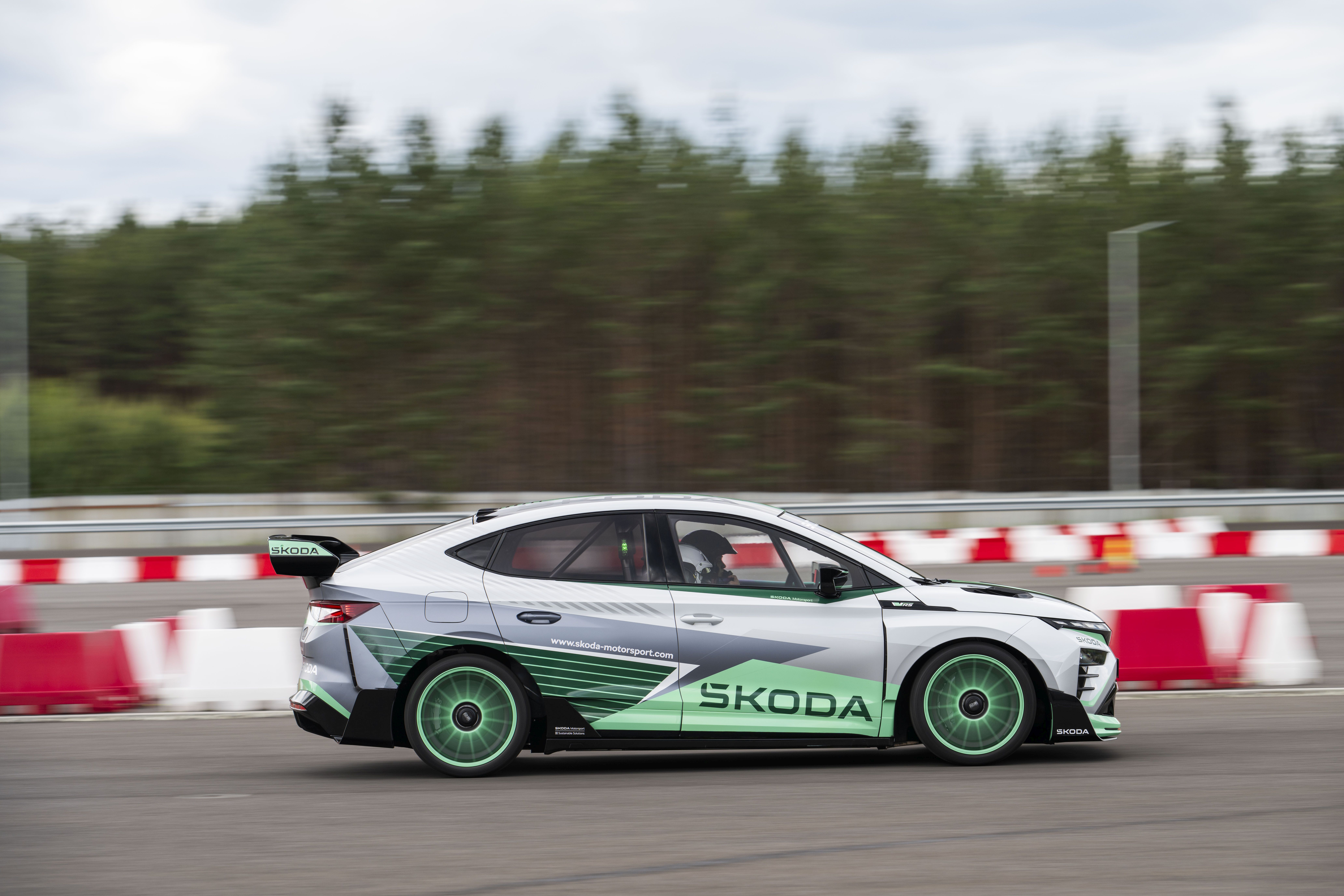
The Škoda Enyaq RS Race is not just a concept car, but a real working racing machine, whose capabilities were tested by Emil Lindholm in demonstration runs. Moreover, due to the use of new technologies, the concept car will also have uses beyond the race tracks, as it will also serve as a mobile laboratory for development and testing for series production.


Enyaq RS Race is a concept car.