Dual clutch for Europe, torque converter for extreme conditions, manual for fun

Škoda Auto has a long tradition of developing manual transmissions and has also gained considerable expertise in automatic transmissions, both dual-clutch and hydrodynamic converter types. According to experts, all three types will continue to play an important role for many years to come, each offering unique advantages.
11. 12. 2025 LifestyleThere is no universal solution
Škoda manufactures vehicles with all three transmission types both at its home base in Mladá Boleslav and at foreign production sites. Although AQ gearboxes are not intended for European-market vehicles, they are installed in the Czech plant into cars destined outside the EU. As Milan Litoborský, Head of Transmission Development at Škoda Auto, explains, each type will remain relevant despite the growing trend of electrification and the rising popularity of automatic transmissions.
“All transmission types for combustion-engine vehicles still have a long future ahead of them, both in the EU and globally,” says Litoborský. According to him, none of the systems is a universal solution: “It’s practically impossible to design a transmission that performs equally well in every part of the world.” That is why Škoda relies on several different concepts to cover all use cases and market requirements.
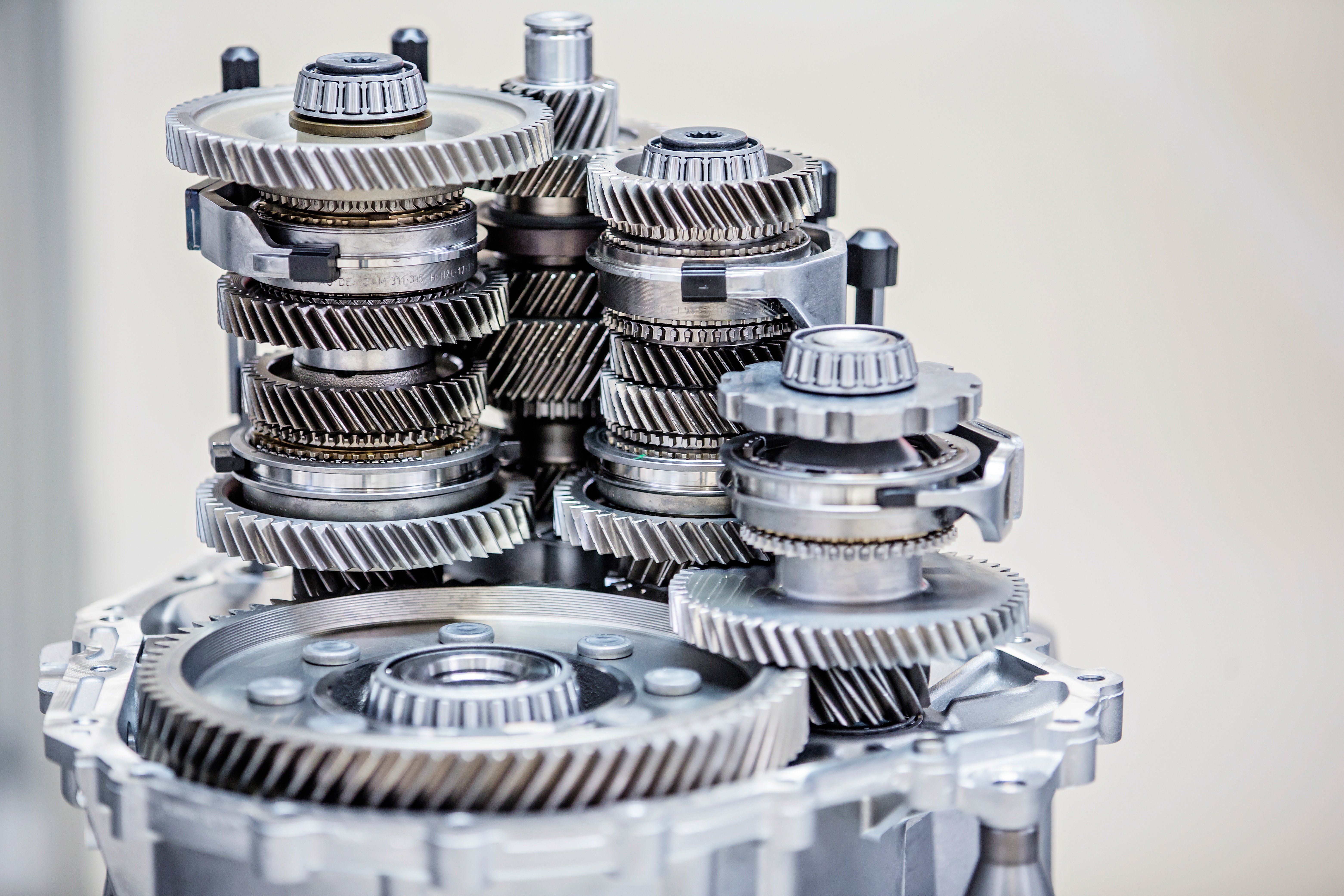 Dual-clutch automatics DQ200
The manual: fundamental and fun
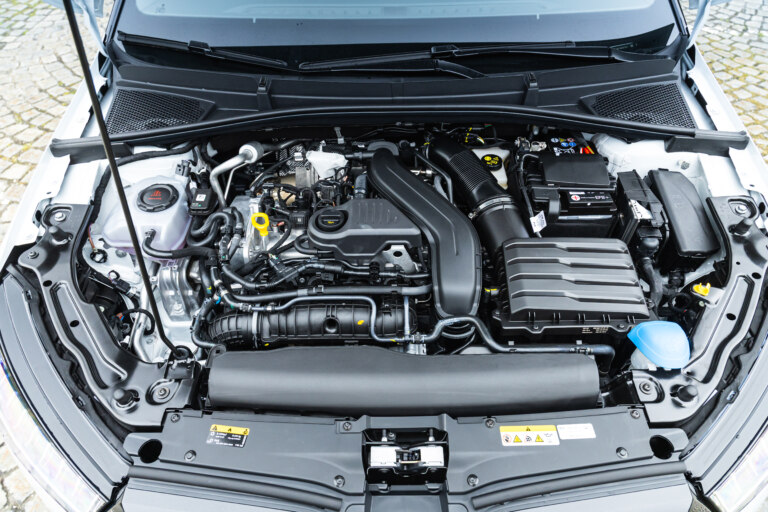
Manual transmissions—designated MQ—are the most traditional type, and Škoda has accumulated decades of experience with them. This has made the carmaker one of the leading developers of manual transmissions for high-volume Volkswagen Group brands. “The advantages of manual transmissions include a certain mechanical simplicity and, of course, a lower cost,” Litoborský notes. They also deliver a stronger sense of driver involvement, something many enthusiasts prefer for sporty driving.
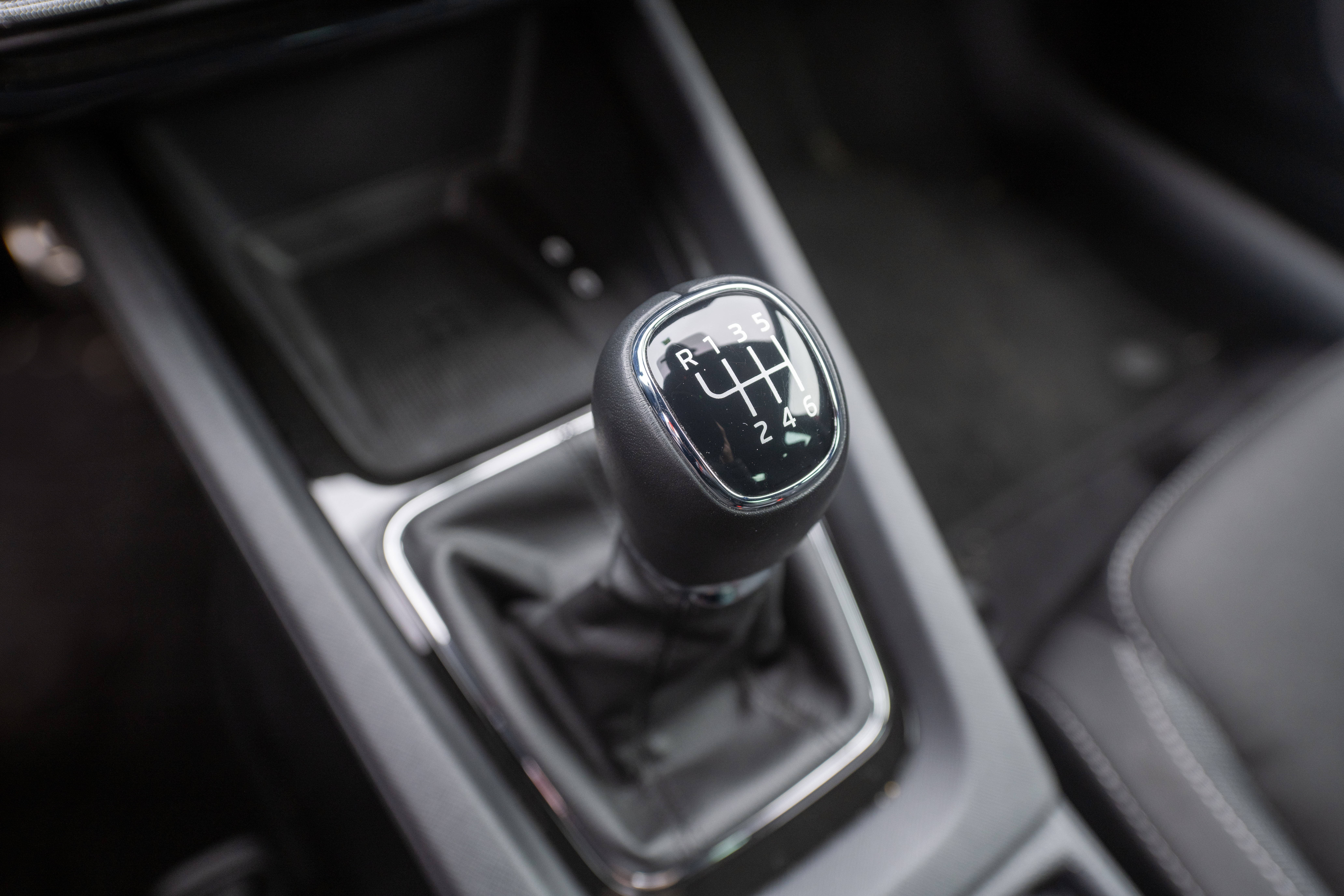
“The ‘brain’ of a manual transmission—its control unit—is the driver,” he adds. The driver directly influences not only the driving style but, to some extent, also the mechanical limits of the vehicle. “A skillful driver can do a hill start on a steep incline or tow a heavy trailer with a manual, but the clutch may suffer over time,” Litoborský explains, noting that automatics are generally more comfortable and safer for most drivers in such demanding situations.
Unlike manuals, automatic transmissions also enable deeper integration of advanced driver-assistance systems. “You can’t rely on the driver to shift or declutch exactly when the assistance system requires it,” he says.
Due to their fully mechanical nature, manual transmissions are already close to their peak development potential. “There’s very little room for mechanical improvements left. Further progress will mainly come from new materials, improved manufacturing processes, and better lubricants,” Litoborský concludes.
Dual-clutch transmissions are fast and comfortable
Automatic transmissions are increasingly popular in modern vehicles. Their more complex construction makes them more expensive, but they reward drivers with comfort and consistent performance. “Automatics can prevent user errors during shifting,” Litoborský points out.
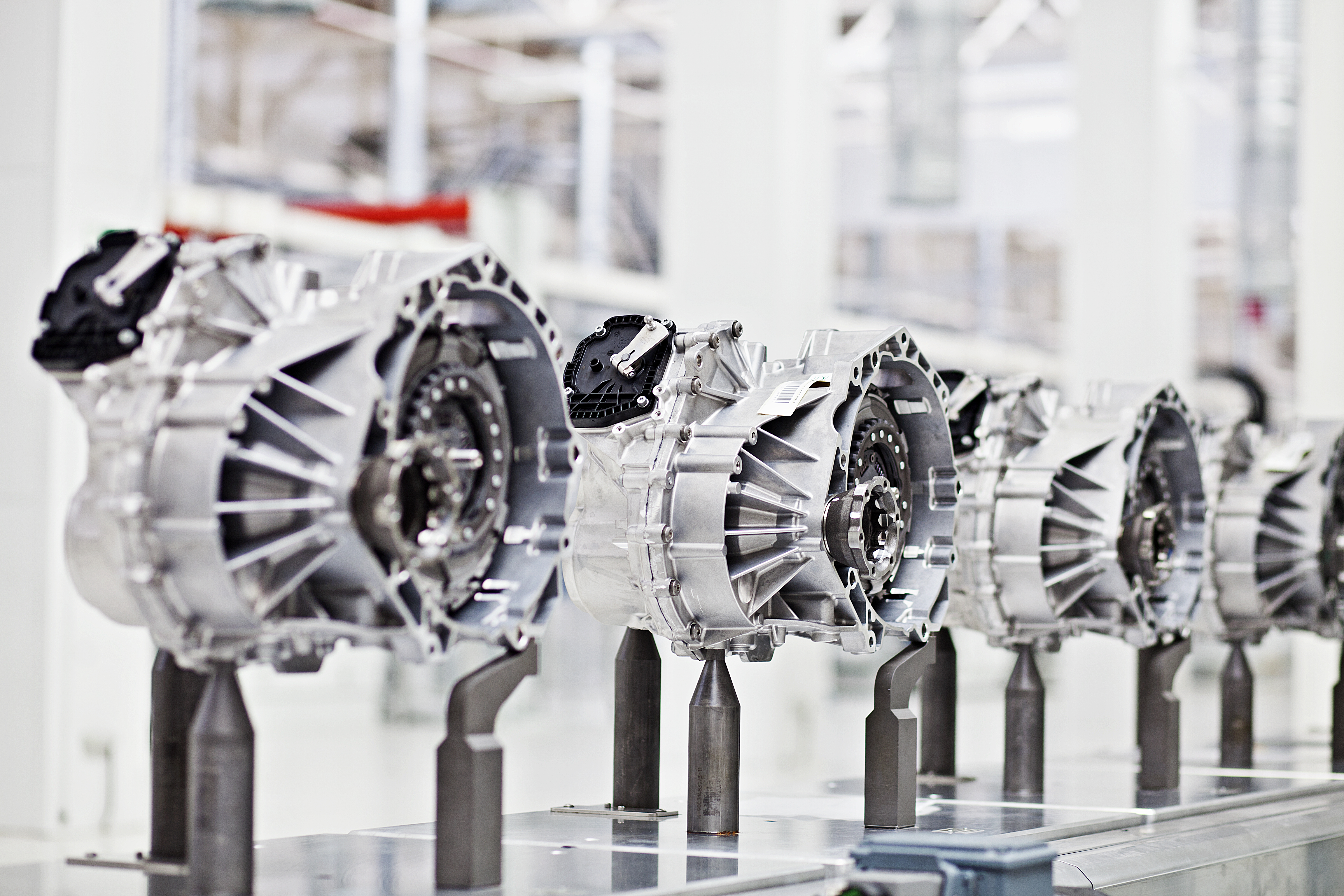 Production of DQ200 automatic transmissions at the Škoda Auto plant in Vrchlabí
Among automatic concepts, dual-clutch transmissions—labelled DQ—are currently the most popular in Europe. They feature two input shafts, one carrying the odd gears and the other the even gears. The control unit alternates between them by engaging and disengaging two separate clutches, allowing the next gear to be pre-selected and enabling very rapid, seamless shifts.
Key advantages include efficiency, comfort, and exceptionally quick shift times. “We can tune a dual-clutch transmission so precisely that the driver barely notices the shift in terms of vehicle movement— they only notice the change in revs. At the same time, they deliver both a very comfortable and a purely sporty driving experience,” says Litoborský.
The smooth power transfer contributes to high drivetrain efficiency and helps reduce fuel consumption and CO₂ emissions. Thanks to ongoing progress in electronics and software, dual-clutch transmissions capabilities continue to expand. Their main mechanical limitation lies in the clutches themselves, which can suffer in extreme conditions.
The torque converter: built for harsh conditions
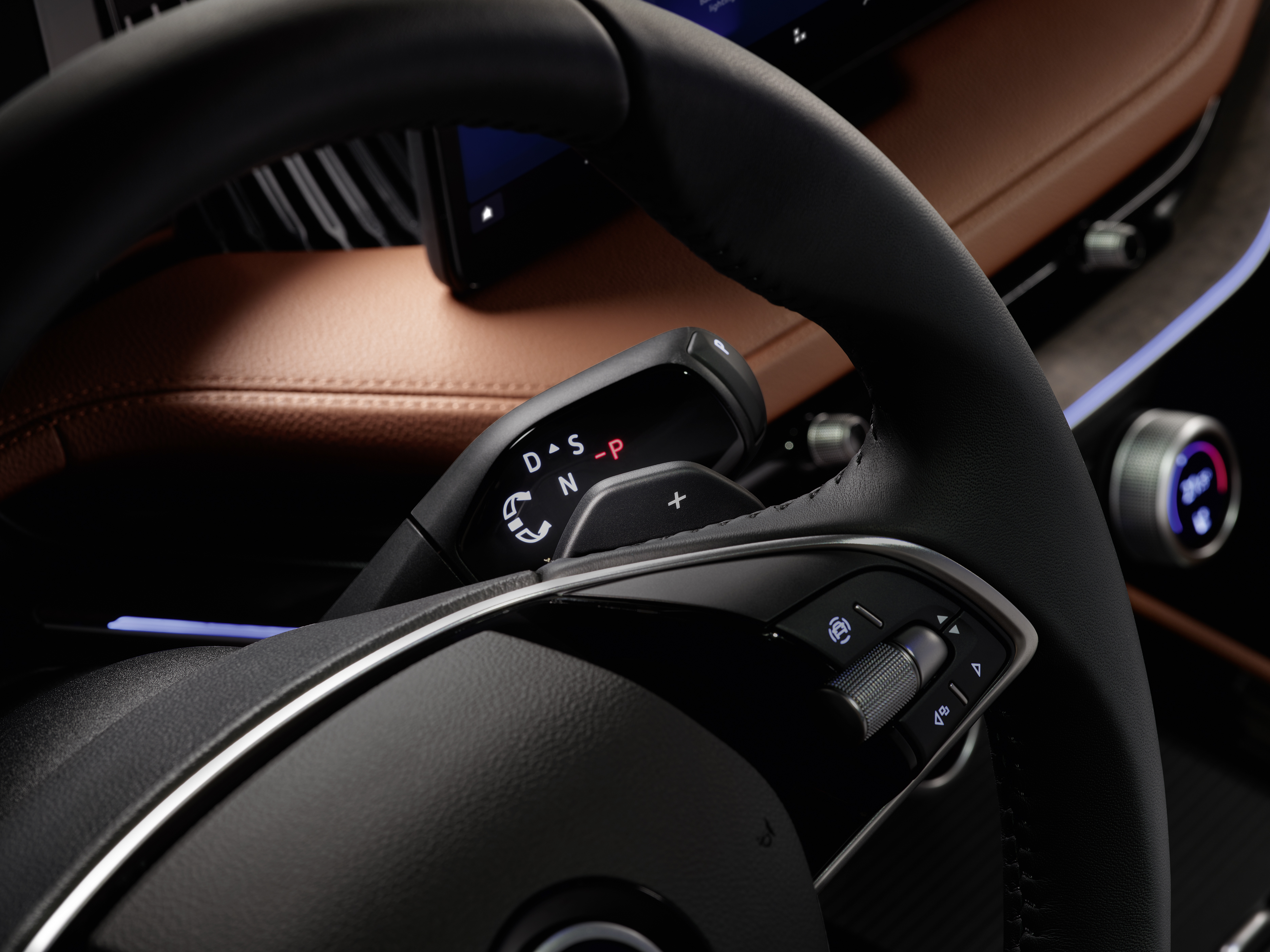
For truly demanding environments, Škoda deploys torque-converter automatics. These transmissions dispense with traditional friction clutches and instead use fluid (oil) to spin the impeller and turbine inside the hydrodynamic torque converter. Gear changes are typically handled by sets of planetary gear systems. According to Litoborský, this concept is most suitable where conventional clutches would suffer severely. “These gearboxes are ideal for regions with extreme temperatures, high humidity, and heavy stop-and-go traffic. And believe me—compared to some parts of the world, Europe doesn’t really know what a traffic jam is,” smiles the expert.
In temperatures well above 40 °C, in extremely humid environments where moisture can infiltrate the gearbox, and in gridlock where vehicles crawl forward for hours, both dual-clutch transmissions and manual clutches would experience significant wear. That’s why Škoda chooses AQ torque-converter automatics for such markets.
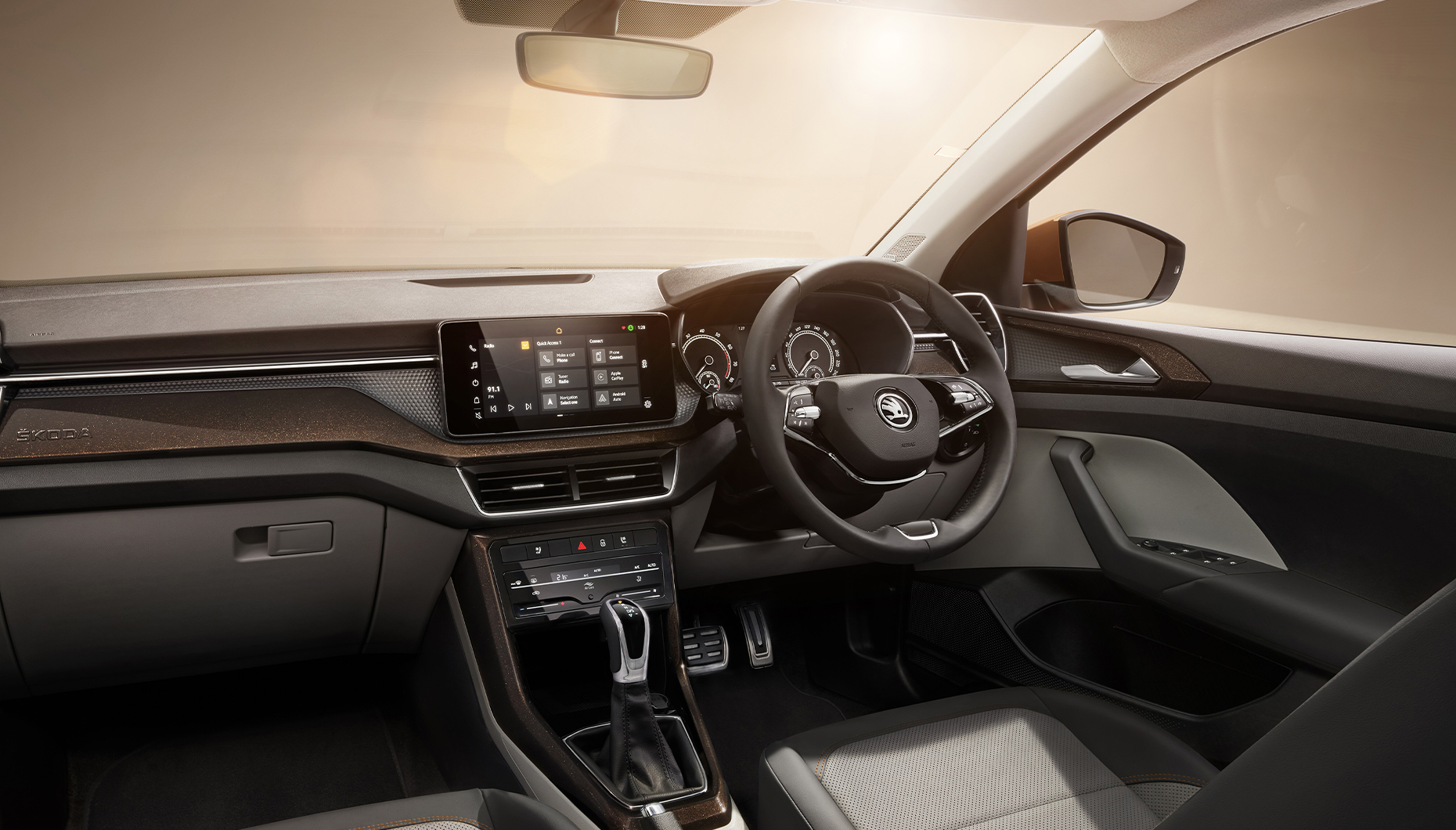 Torque converter automatics in Škoda Kushaq dedicated for indian market
They are common, for example, in Škoda models sold in India and other regions with similarly demanding conditions. Compared to dual-clutch transmissions, torque-converter automatics exhibit slightly longer shift times and higher mechanical losses, resulting in increased fuel consumption and emissions. However, in terms of driving functionality and compatibility with assistance systems, they offer the same capabilities as their dual-clutch counterparts.
Be the first
to get the latest stories
Explore more


Media Box
5 images
Show more
Show less