Iconic rally locations: A jump into Portugal
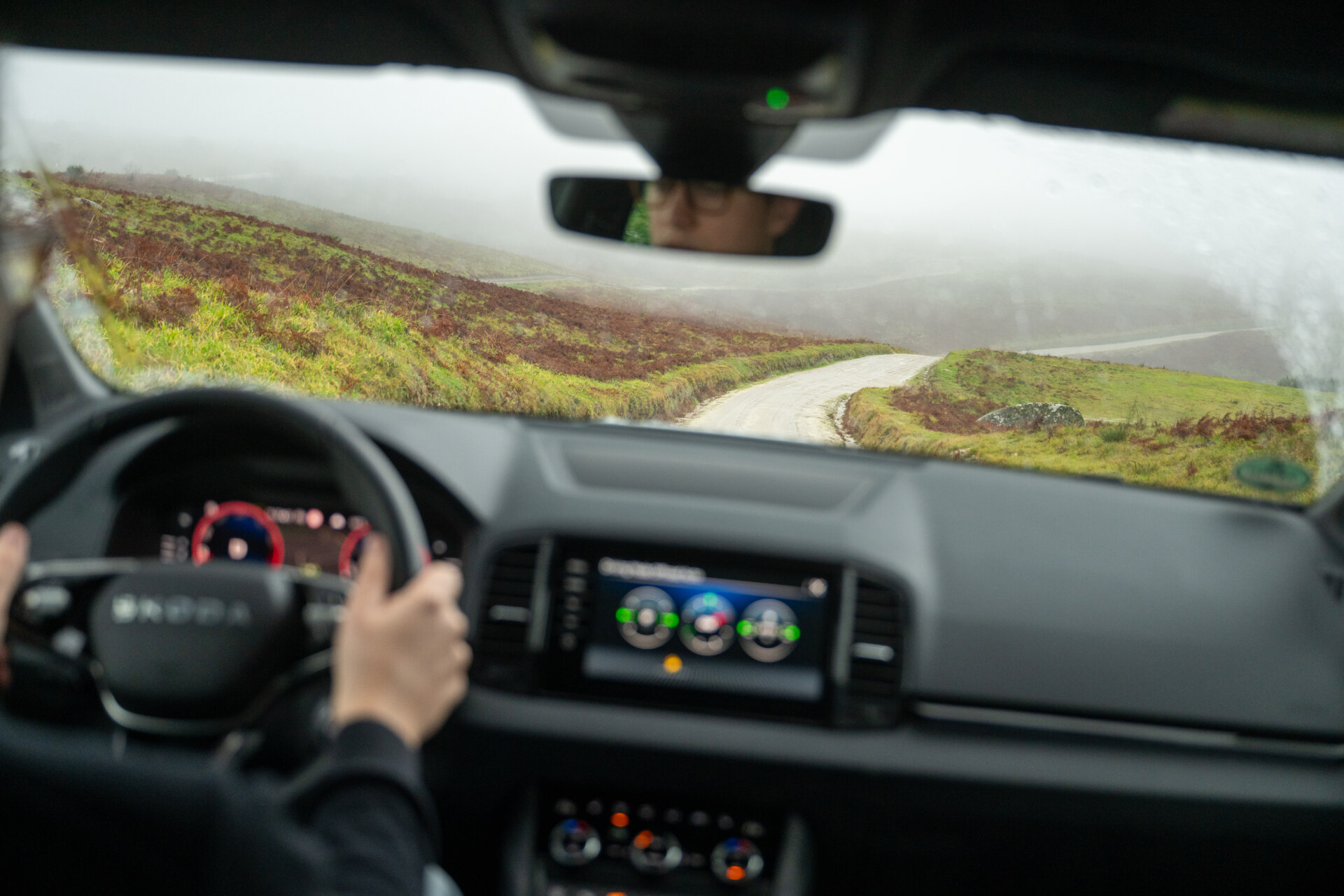
A long straight, a turn-in…. and suddenly nothing… just a view of the sky and several dozen meters in the air. Join us on the iconic jump of the WRC calendar in Portugal, which tests both the drivers’ commitment and mechanical durability.
23. 4. 2026 LifestyleOne of the most famous rallies is the Rally de Portugal. First held in 1967, it has been part of the World Rally Championship since its inception in 1973. It ranks among the more demanding events on the calendar, which only adds to its appeal. The Fédération Internationale de l’Automobile (FIA) has even awarded it the prestigious “Best Rally in the World” title on five occasions.
Rally de Portugal features predominantly unpaved gravel stages, offering excitement for both competitors and spectators. Due to the lower grip compared to asphalt, a rally car in the hands of an experienced driver appears almost as a dance across the surface. At the same time, flying stones and clouds of dust put both the durability of the machinery and the concentration of the crew to a severe test.
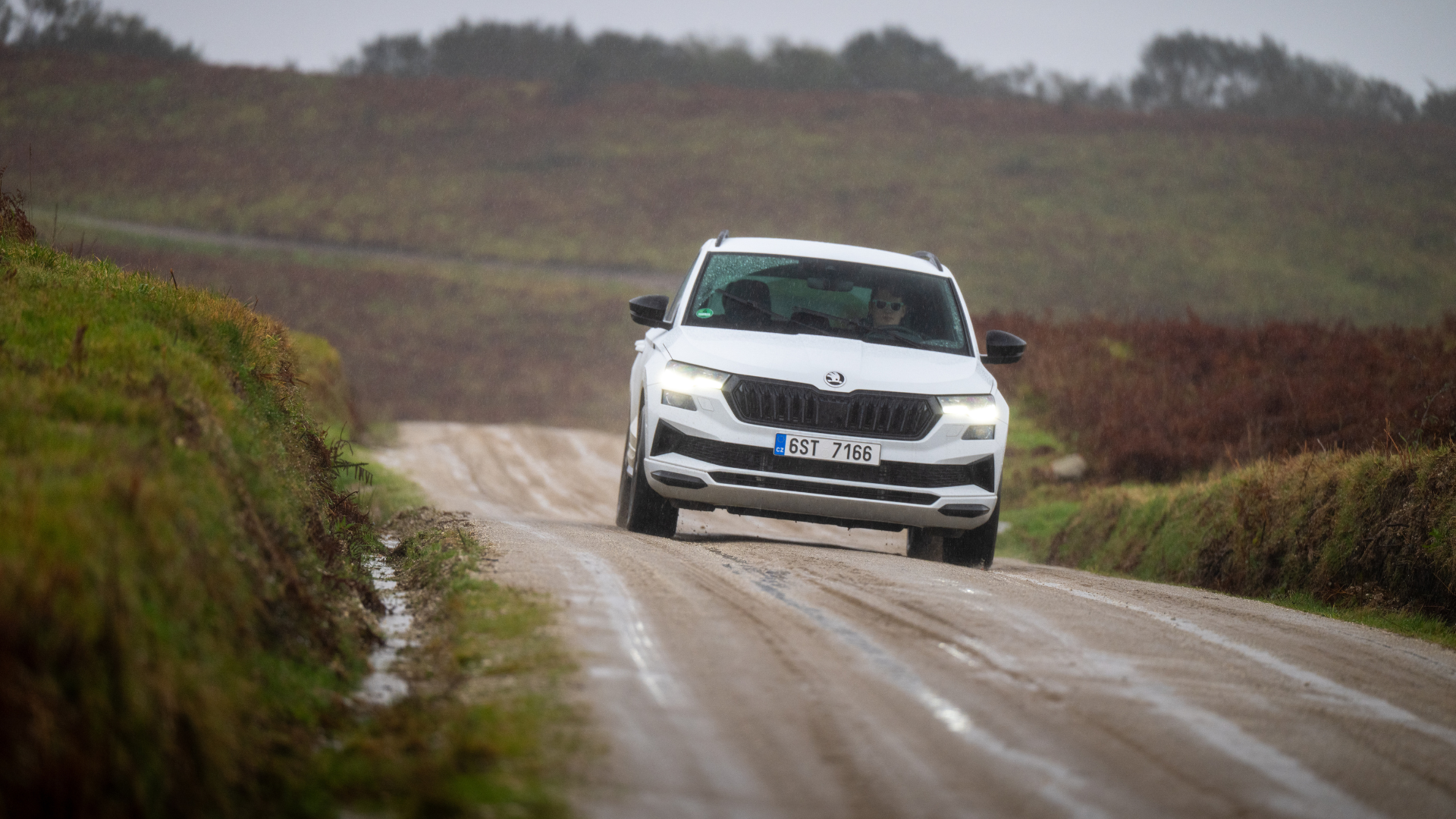 Gravel stages are highly attractive for spectators and are equally popular among drivers
The Portuguese event features several memorable locations, but one in particular stands out. It attracts fans from all over the world, some of whom even camp overnight to secure the best viewing spots. This is the special stage near the town of Fafe, traditionally serving as the ceremonial finale of the rally. It is run as the Power Stage, where not only overall classification times matter, but additional bonus points are awarded to the five fastest crews—raising the stakes significantly for all competitors.
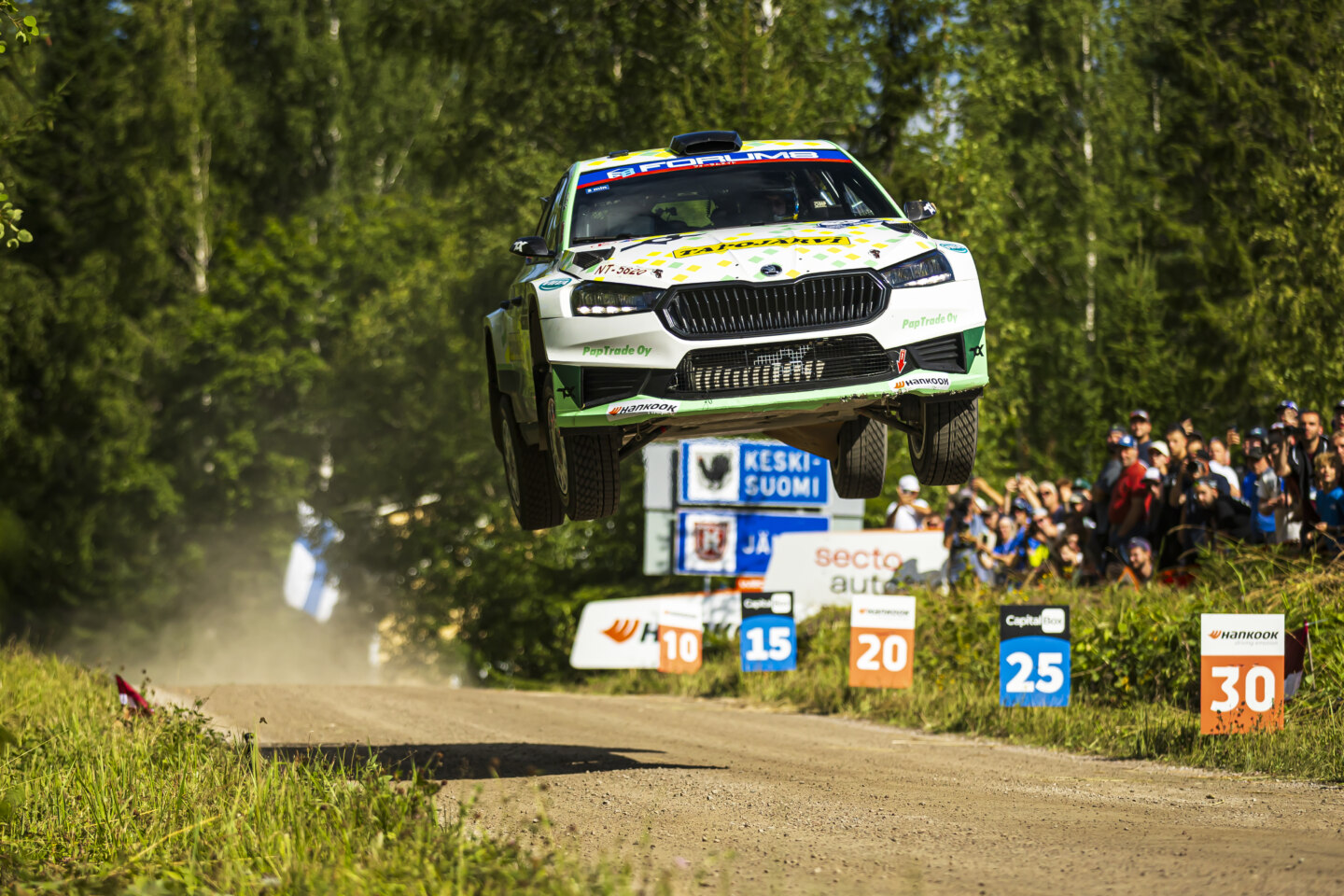
It is at the very end of this final special stage in Fafe where some of the most iconic, poster-worthy, images in rallying are captured—the legendary Salto da Pedra Sentada jump. This is where WRC cars quite literally take flight. Driven by the prospect of extra points, drivers keep their foot firmly on the throttle, producing some of the most committed and aggressive jumps of the season. The drama is further intensified by the placement of the finish line just beyond the horizon—it is, quite literally, a jump into the finish.
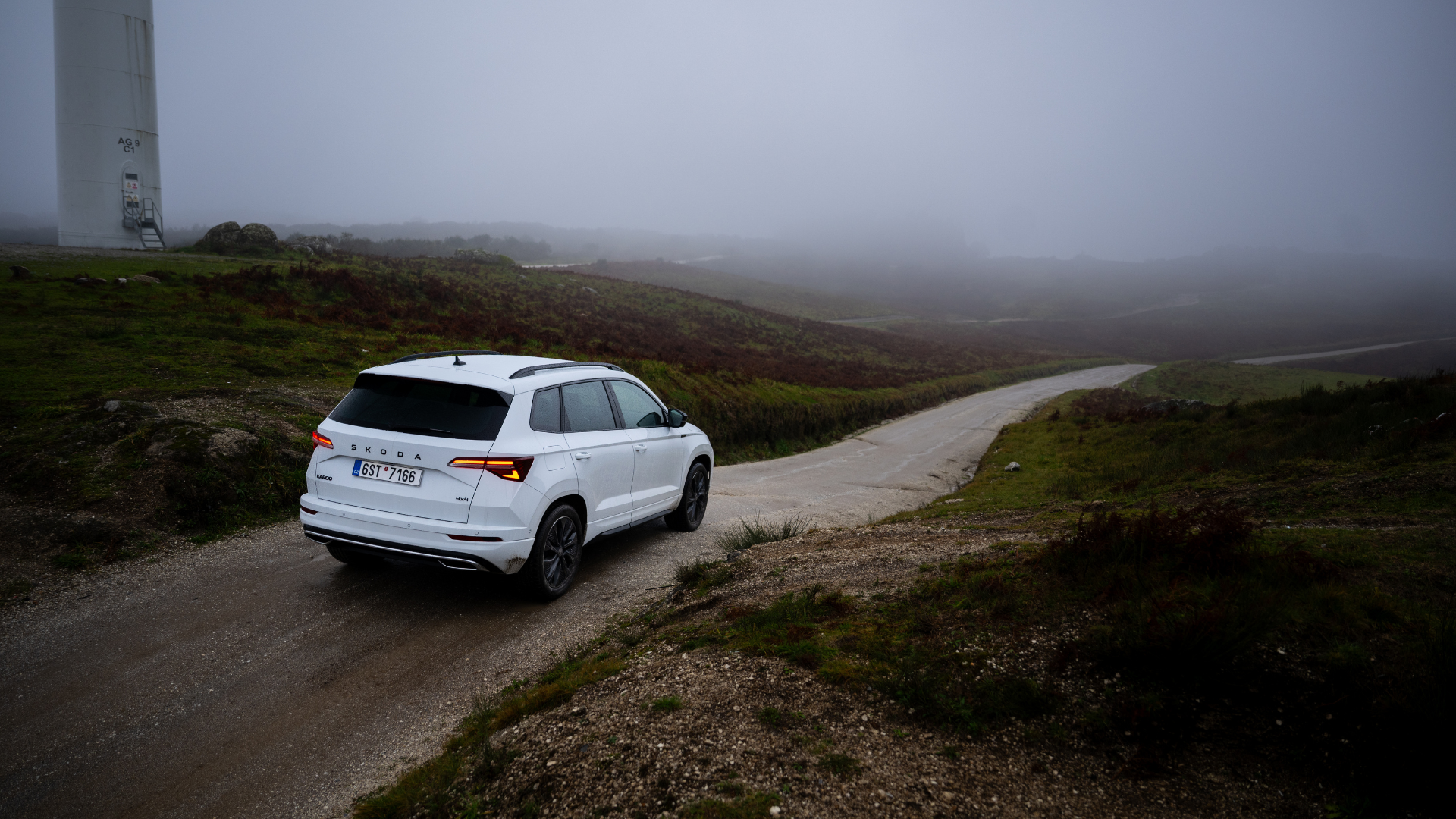 The downward slope of the path below the jump simply increases the distance of the flight
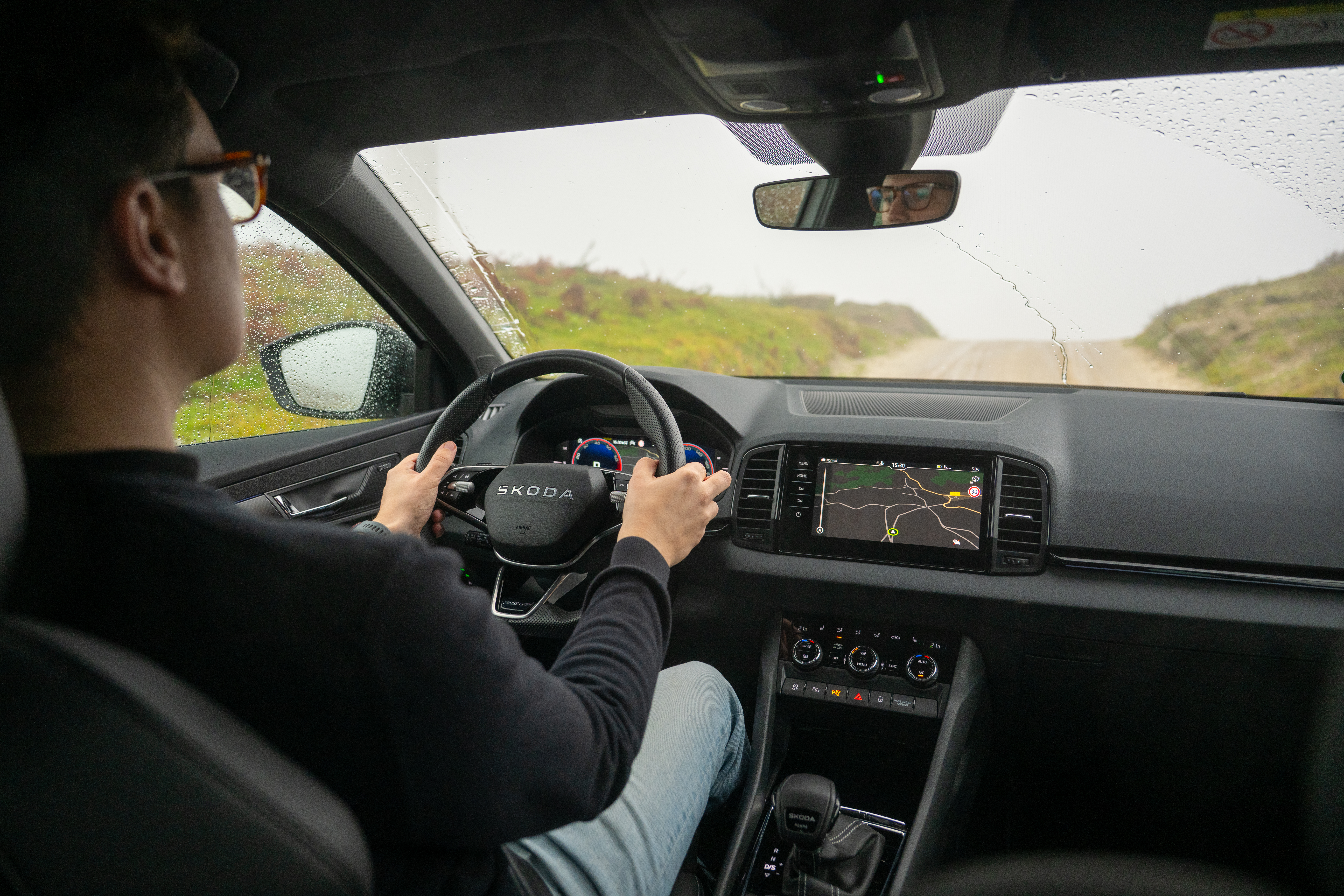
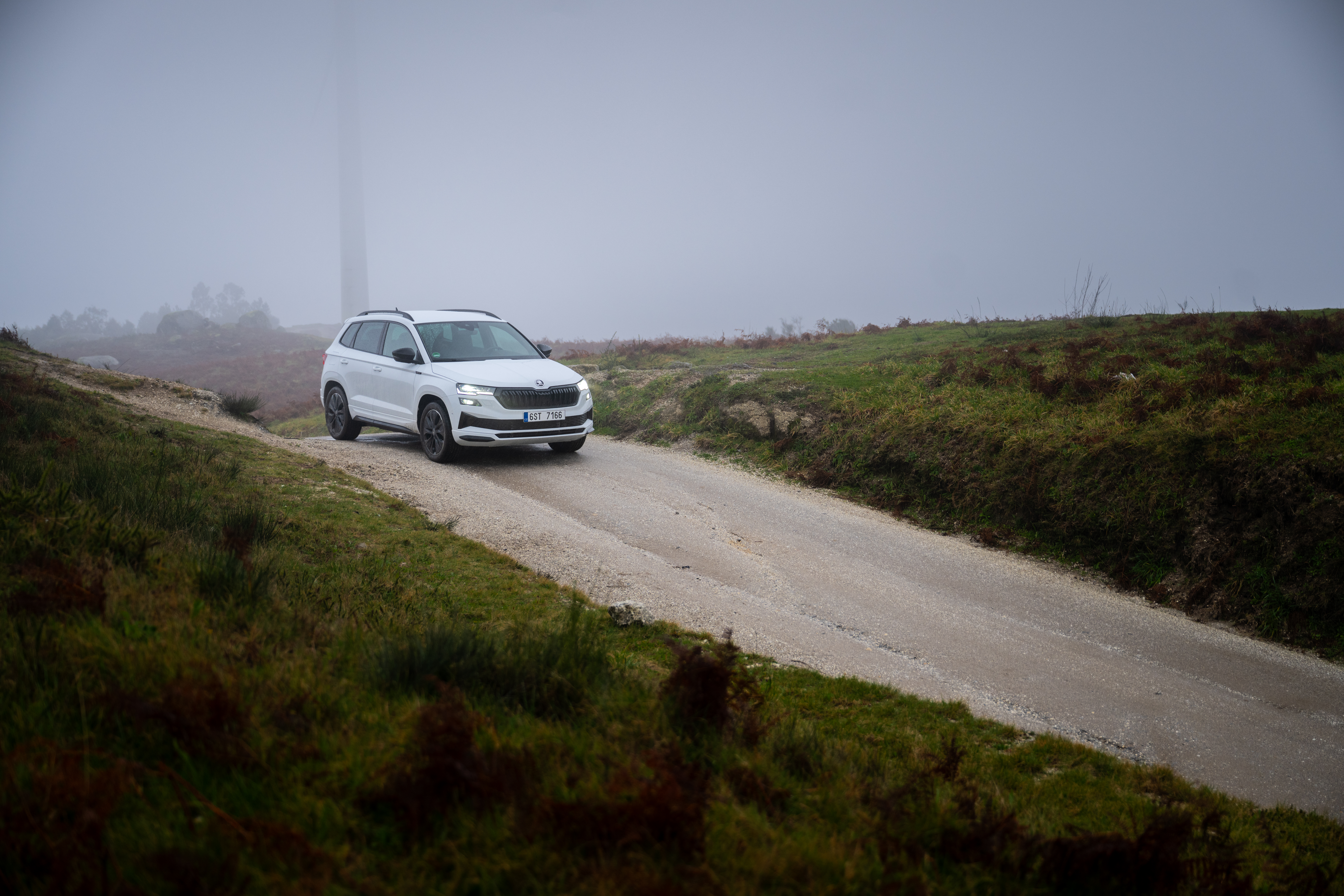
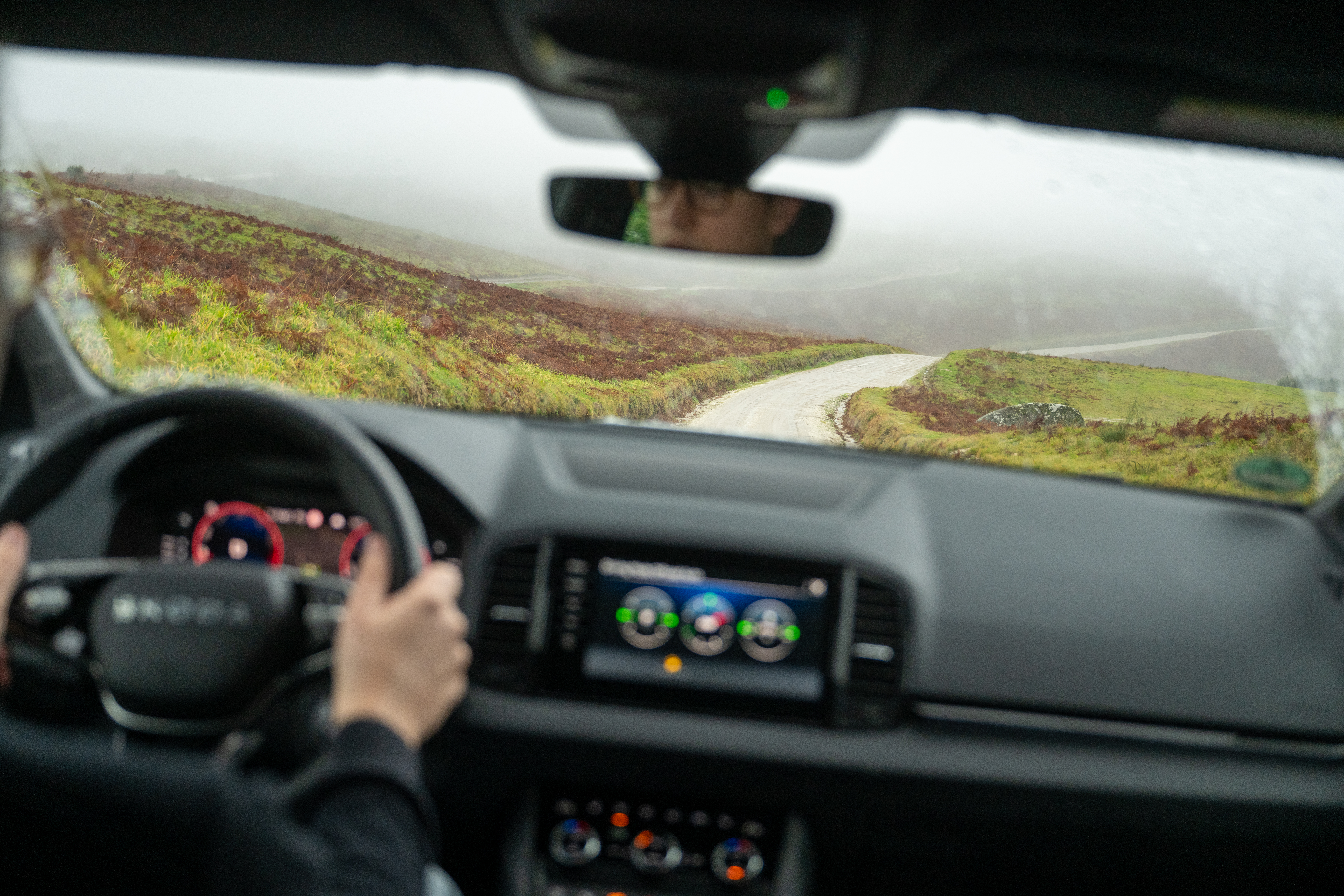
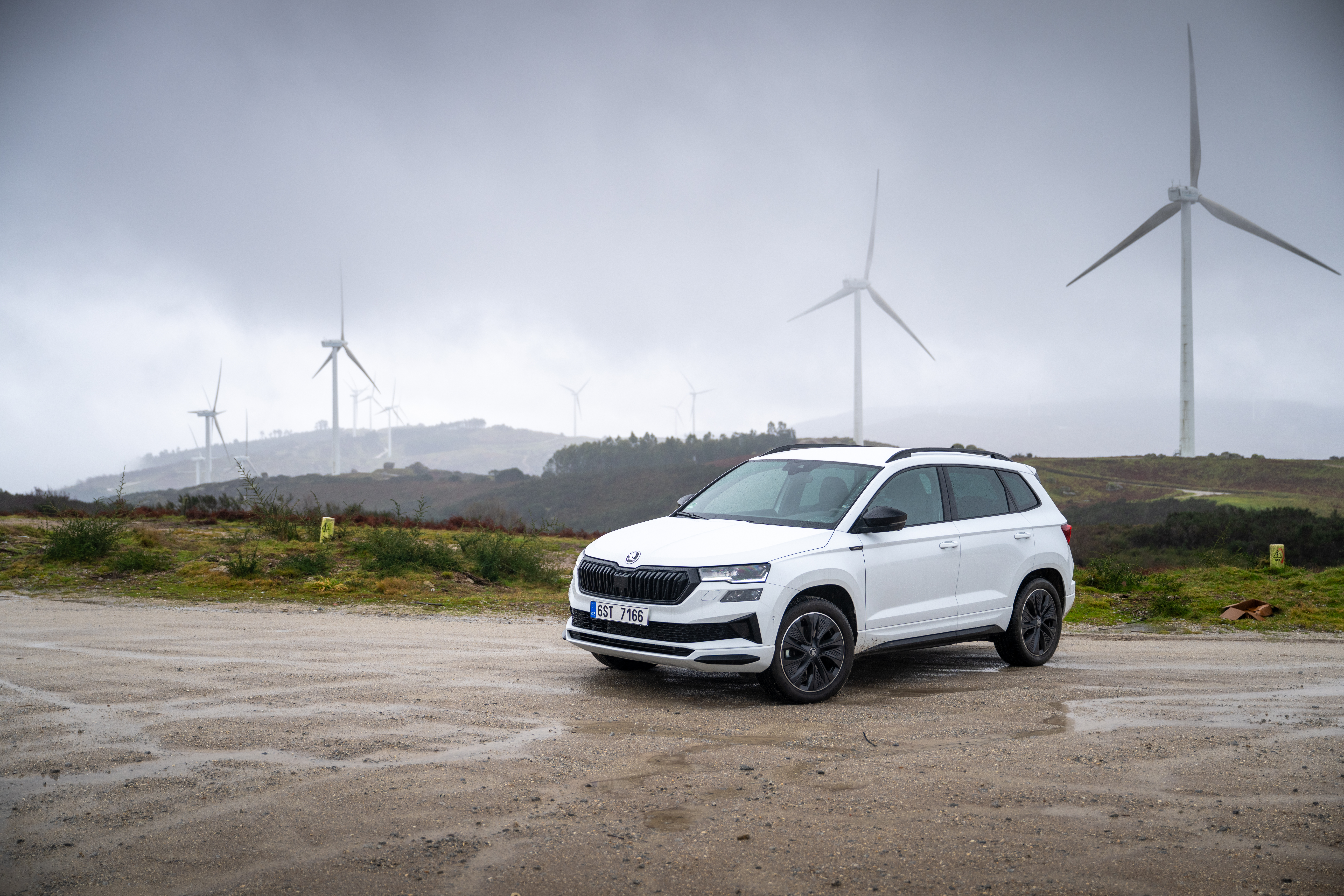
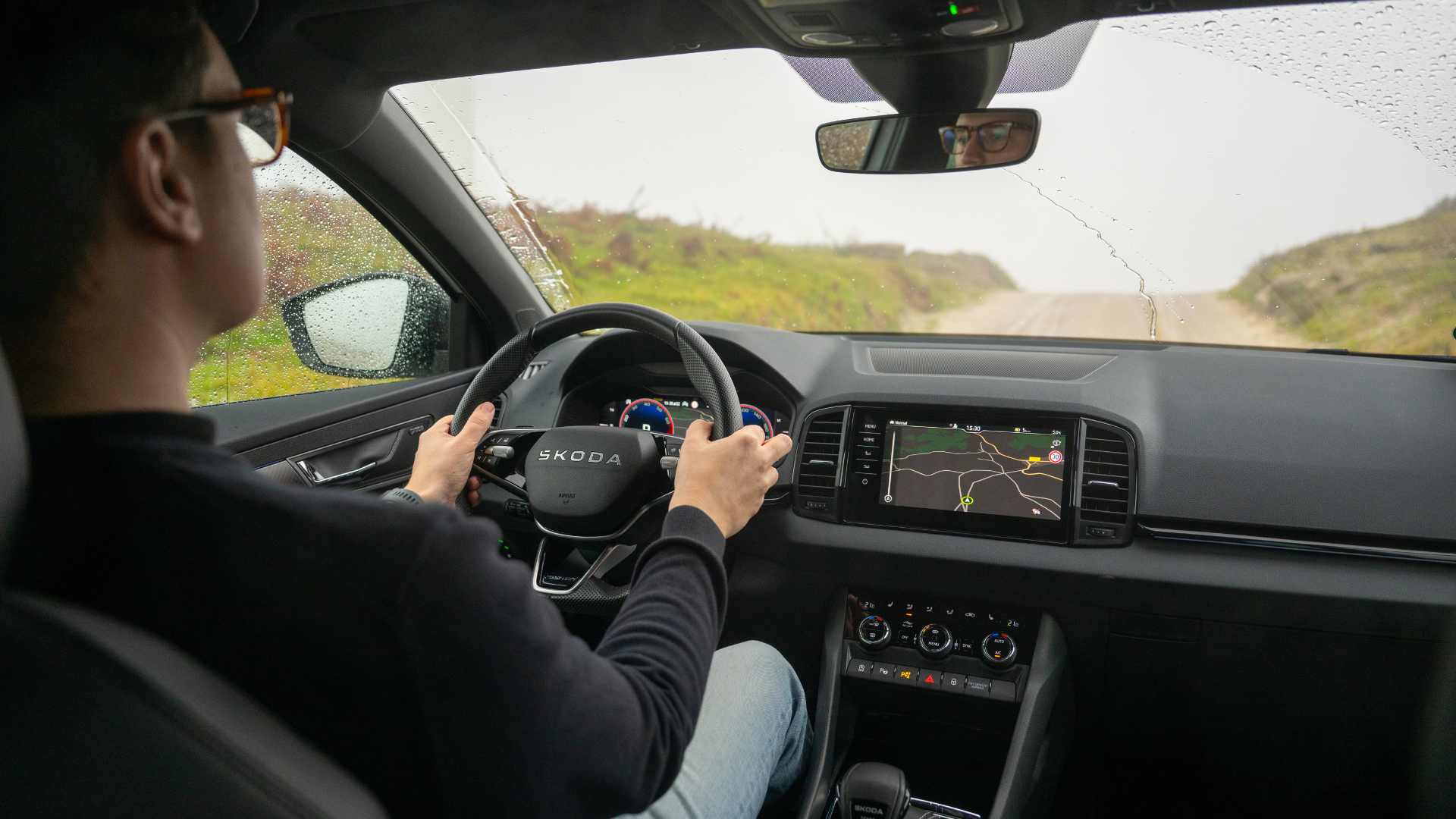
The Fafe stages are run on public roads, meaning they can also be driven in a standard road car. The competitive sections are located approximately one hour’s drive from the city of Porto. The jump itself is unmistakable, and some navigation systems will even guide you directly to it.
 At one moment, the road disappears entirely from view, leaving the driver gazing up at the sky
The art of the jump
Jumping requires proper technique; it’s not just about building up as much speed as possible before the jump. For example, just before large jumps, drivers briefly tap the brake pedal or ease off the gas to shift the weight to the front axle, preventing the car from pitching backwards. Aerodynamics also play a significant role, as does the landing, where precisely tuned suspension is essential to ensure a safe touchdown.
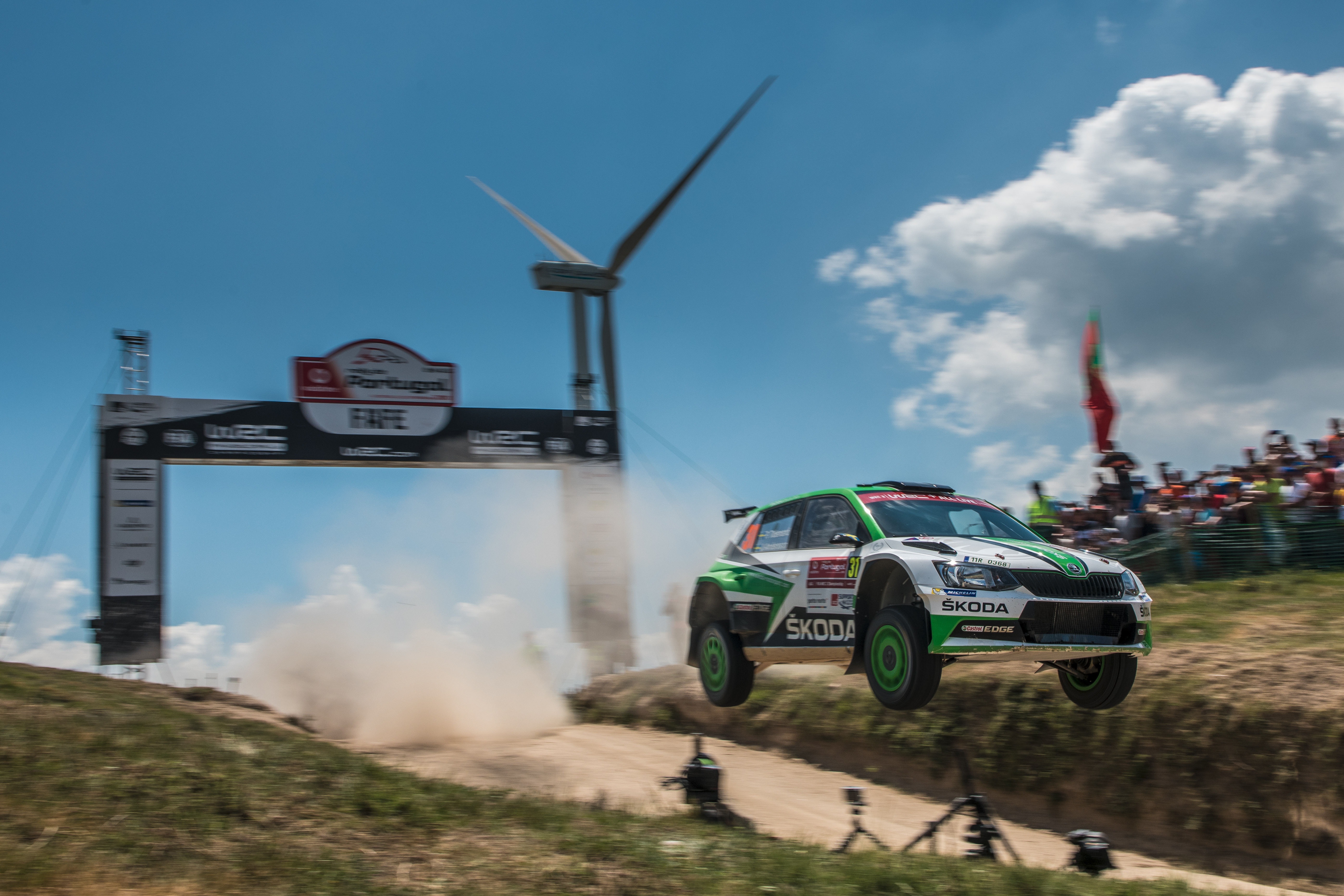 This is what it looks like when everything is executed perfectly
The jump is spectacular, but also unforgiving. Here, driver commitment directly translates into flight distance. A notable benchmark at Fafe was set by Armin Schwarz, who, driving a Škoda Octavia WRC in 2000, recorded a jump measuring 73.5 metres. For comparison, that distance exceeds the length of an ice hockey rink or an Olympic swimming pool. It also demonstrated the renowned robustness of machinery from Mladá Boleslav, as the car landed without sustaining chassisdamage after its remarkable flight.
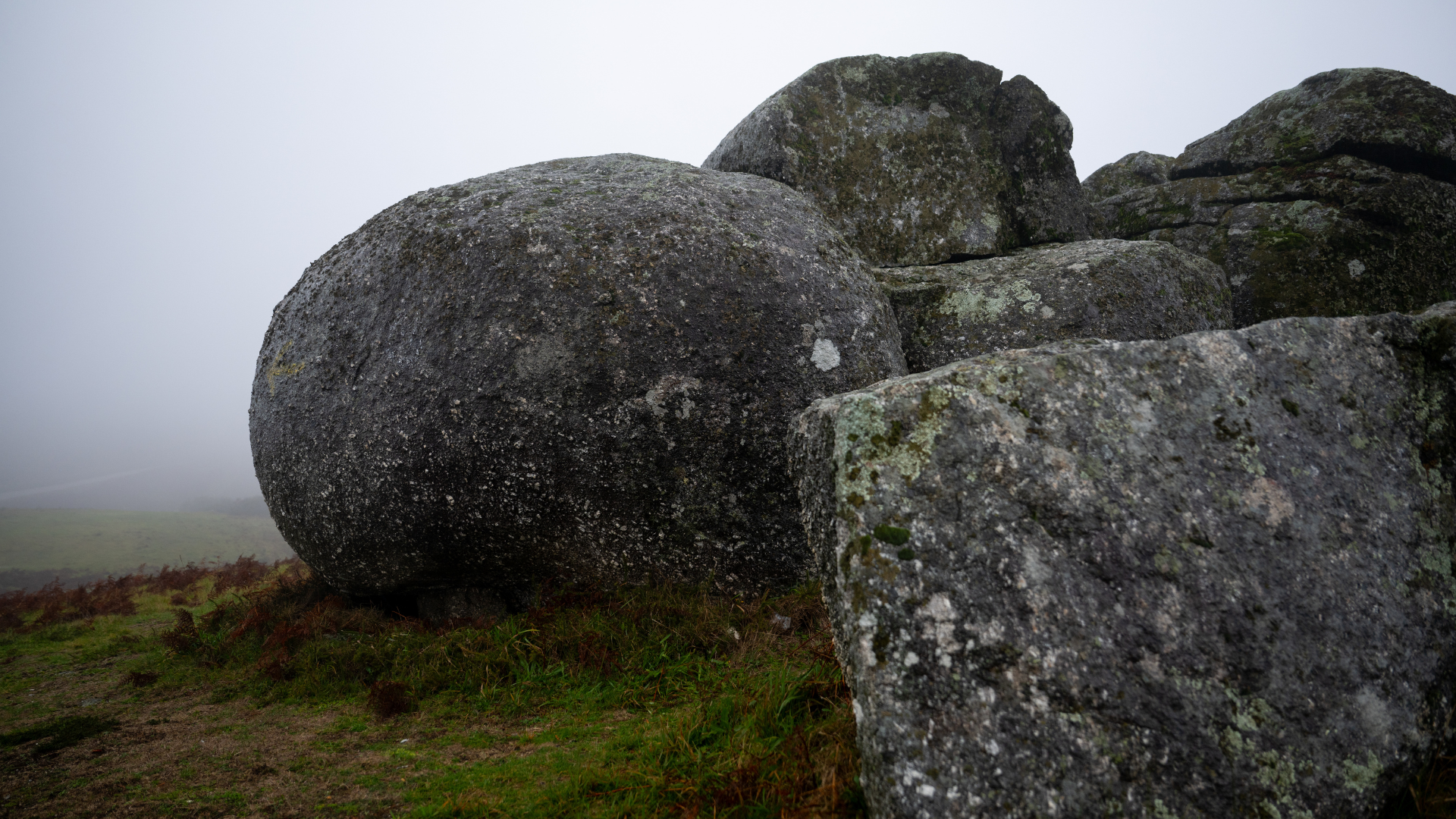 The literal translation of the jump’s name is “the jump at the sitting stone”—this is the stone
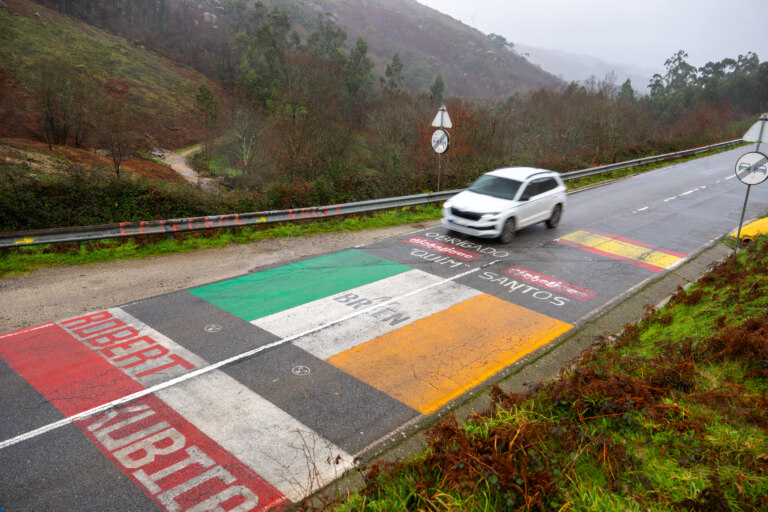
A short asphalt stretch is decorated by fans, much like the roads of the Tour de France
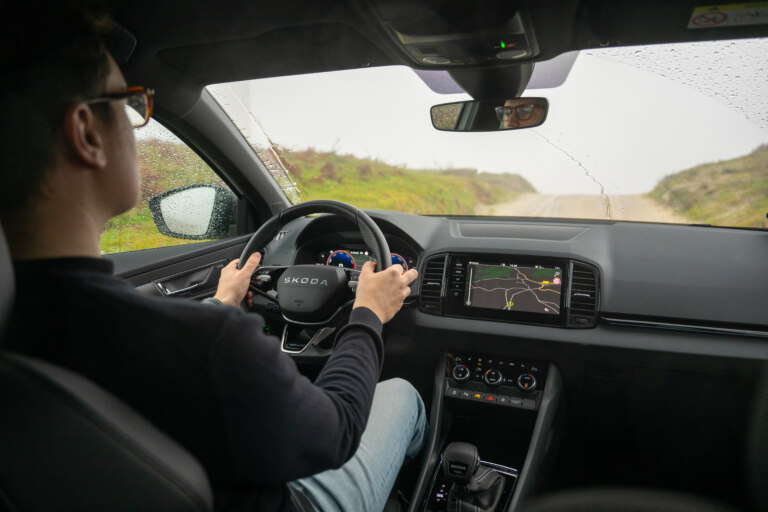
The special stages in Portugal are intense and thrilling – an experience to remember
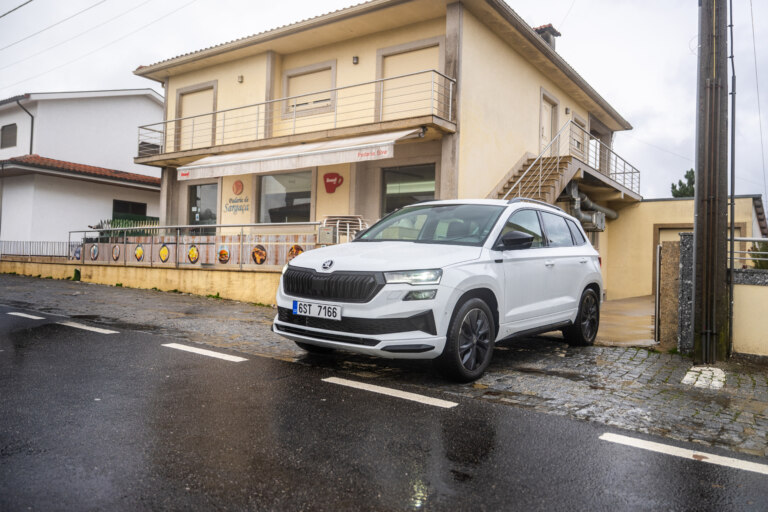
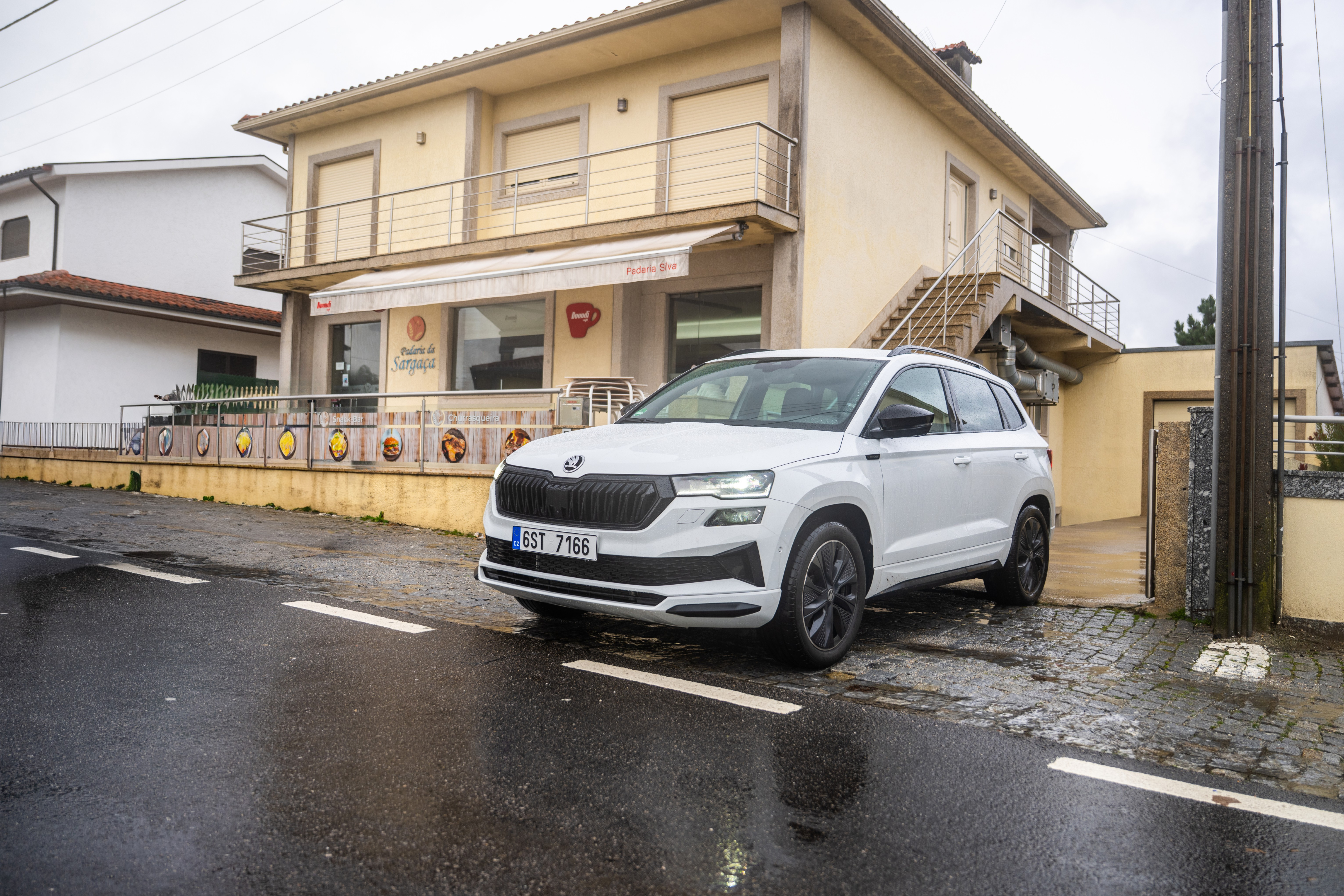
A nearby bakery has also become something of a pilgrimage site for rally fans, serving as a meeting point during the event.
Be the first
to get the latest stories
Explore more
Media Box
11 images
Show more
Show less