Škoda DuoBell: A bicycle bell that outsmarts even smart headphones

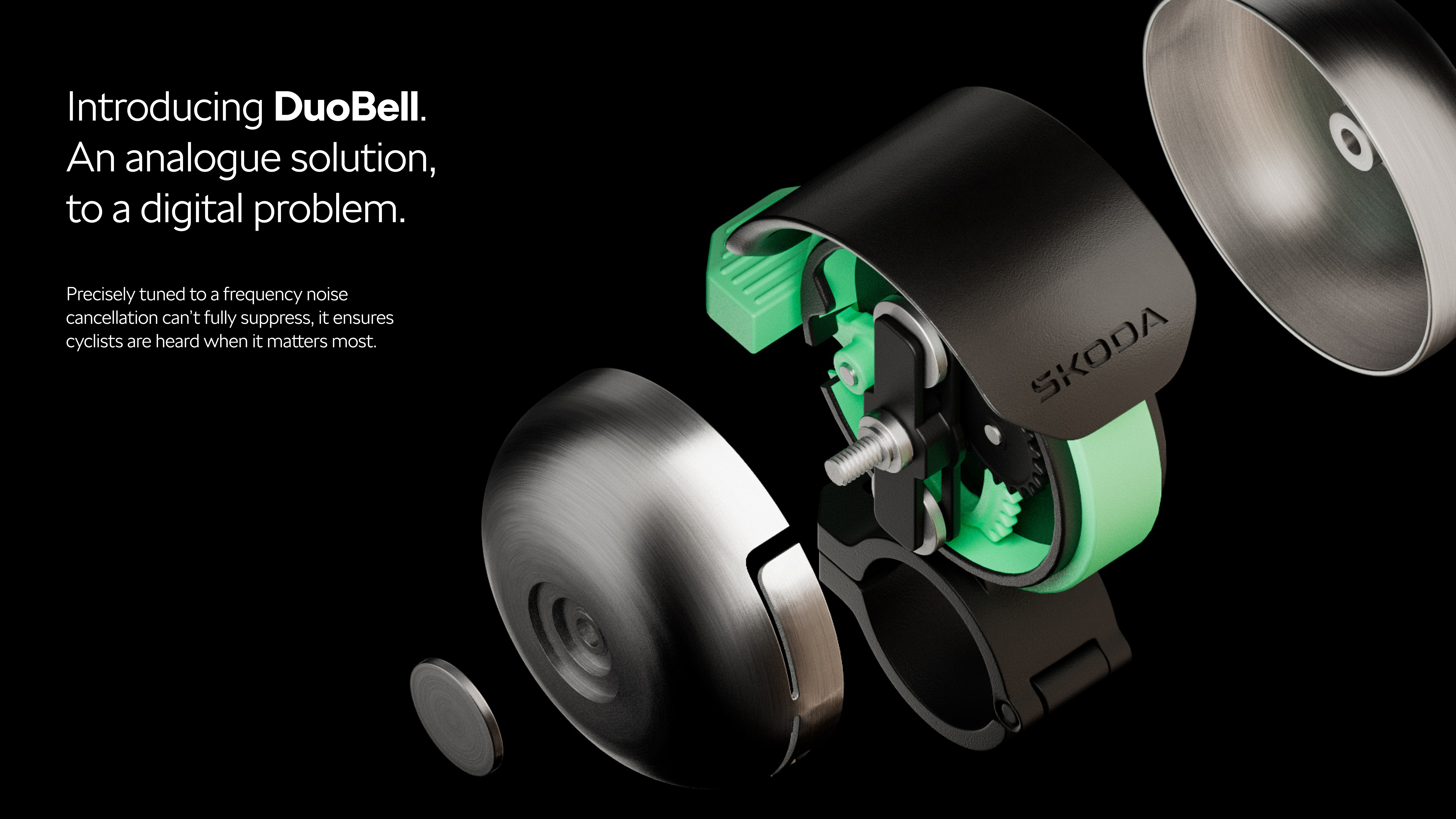
Pedestrians wearing headphones are exposed to an increased risk of accidents. In an effort to reduce collisions with cyclists, Škoda Auto, in collaboration with scientists, introduces an innovative bicycle bell whose sound can penetrate even active noise cancellation systems. In doing so, it helps prevent injuries to both pedestrians and cyclists.

7. 4. 2026 Škoda World

The DuoBell, a bicycle bell whose sound outsmarts the algorithms of headphones equipped with active noise cancellation (ANC), has been developed by the car manufacturer in cooperation with scientists from the University of Salford. Researchers and audiologists from the University of Salford, together with the Škoda, examined how ANC affects the audibility of conventional bicycle bells. The company intends to make the underlying research findings and insights publicly available. The material is intended to support broader expert discussion and contribute to increased safety in urban traffic. 


“For Škoda, exploration has always been fundamental. This project is an excellent example of how a simple, yet clever idea can help make exploration safer for everyone,” said Meredith Kelly, Global Head of Marketing at Škoda Auto. 

Meredith Kelly
Global Head of Marketing at Škoda Auto
Tackling Inattention 

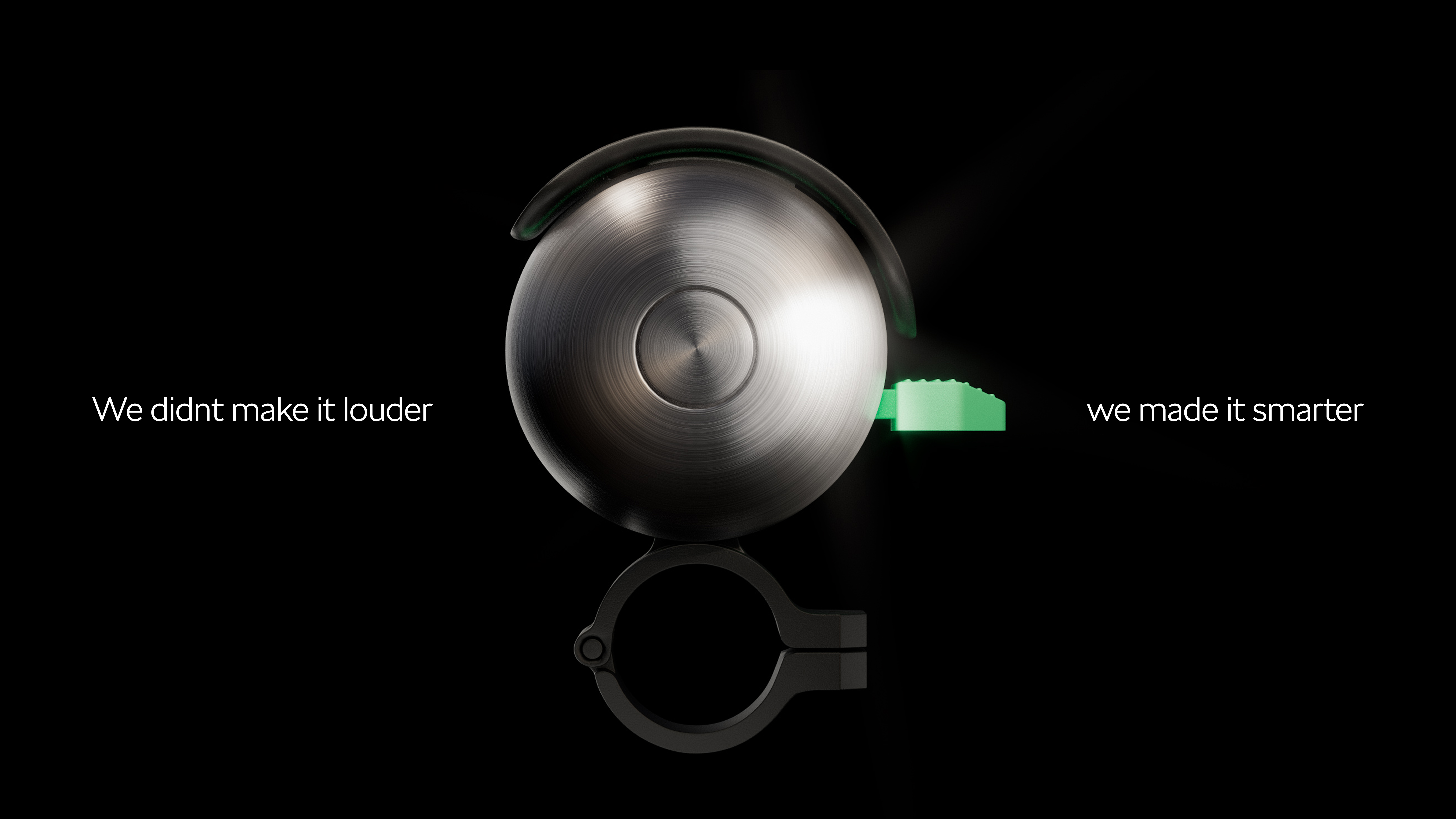
The redesign of a safety feature that is more than 100 years old originated from a simple need. “Bicycle bells have remained almost unchanged for over a century, but the world around them has not. Škoda DuoBell is the first bell ever designed to penetrate noise-cancelling headphones. It is a smart analogue trick that outsmarts the artificial intelligence algorithms in these headphones. It is a small adjustment that will improve safety on city streets,” said Ben Edwards from AMV BBDO, the agency involved in developing the concept. The idea was also supported by the agency PHD, while production company Unit9 contributed to the development of the prototype. 

The number of cyclists in major cities worldwide is increasing. For example, in London, the number of cyclists is expected to surpass the number of car drivers for the first time in history this year. At the same time, however, the risk of collisions between cyclists and inattentive pedestrians is also rising. In 2024 alone, according to data from Transport for London, the number of such incidents increased by 24%.

This trend is partly driven by the growing popularity of headphones equipped with active noise cancellation, which reduce pedestrians’ ability to perceive and respond to their surroundings. In the streets of London, up to half of pedestrians wear such headphones. Many of them are so effective that even the ringing of a conventional bicycle bell does not penetrate them. 

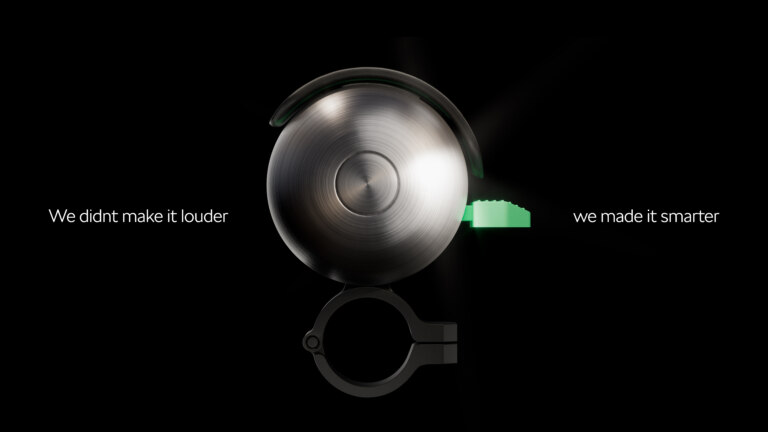
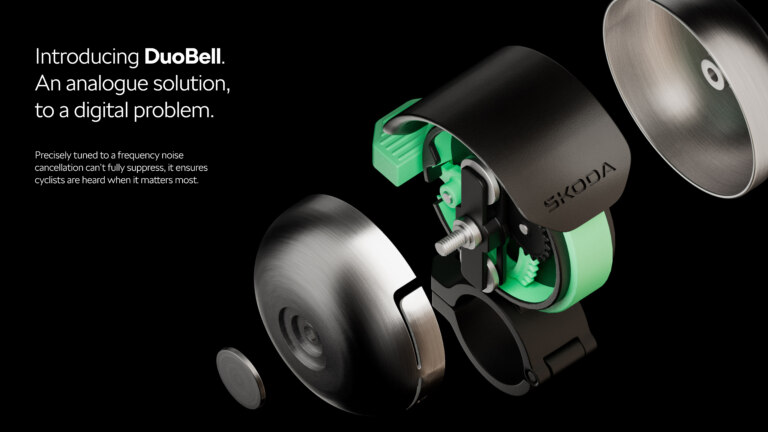
The response is DuoBell: an analogue solution to a digital problem – a fully mechanical bell that deceives smart headphone algorithms and significantly increases the likelihood that pedestrians will detect its sound. 

Scientific Approach 

The key to the success of the new design lay in understanding how noise-cancellation algorithms in headphones operate and how they can be overcome. Scientists from the University of Salford, in collaboration with Škoda Auto, therefore conducted one of the first studies to examine how ANC technology affects the audibility of traditional bicycle bells. 

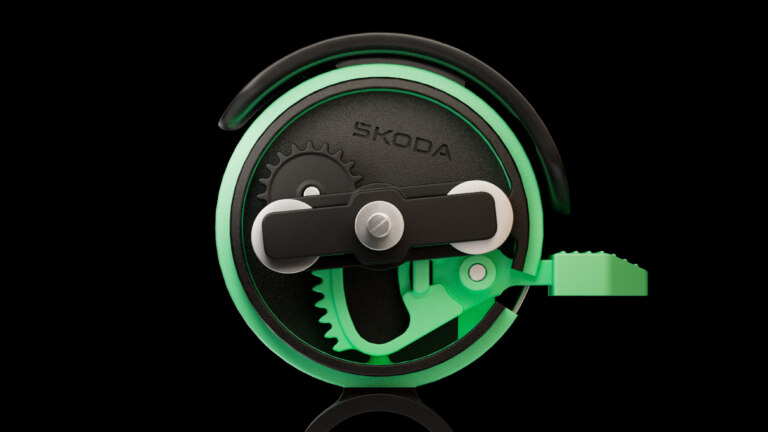
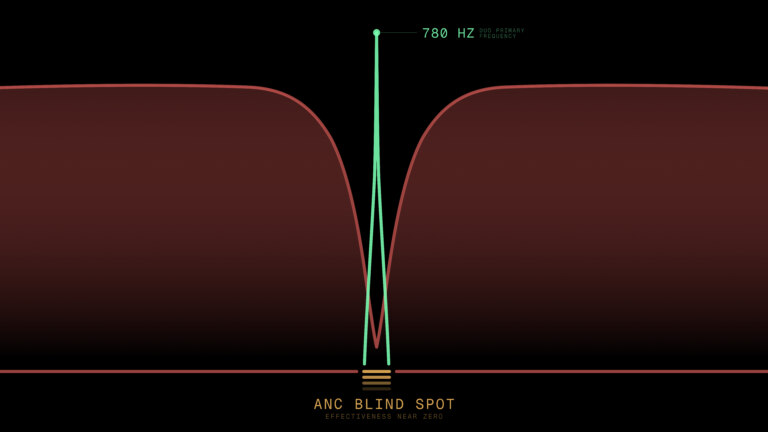
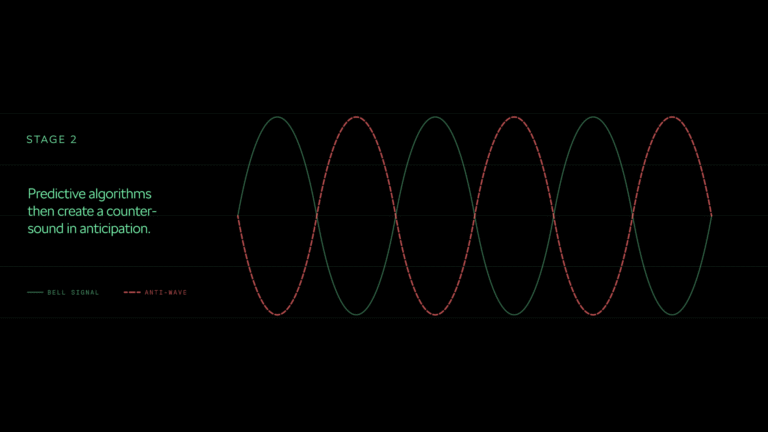
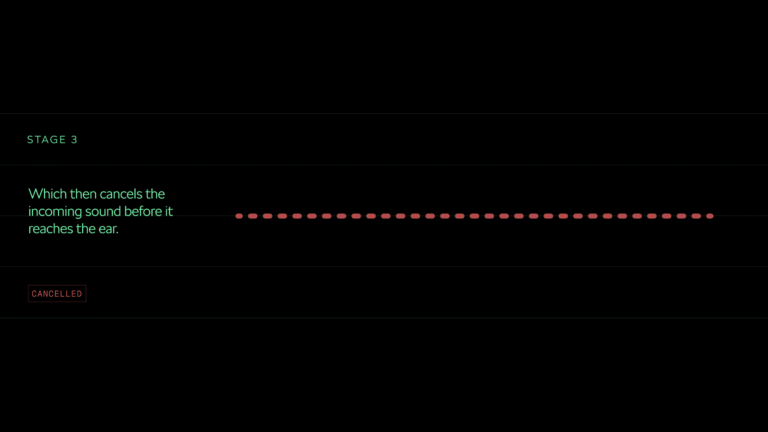
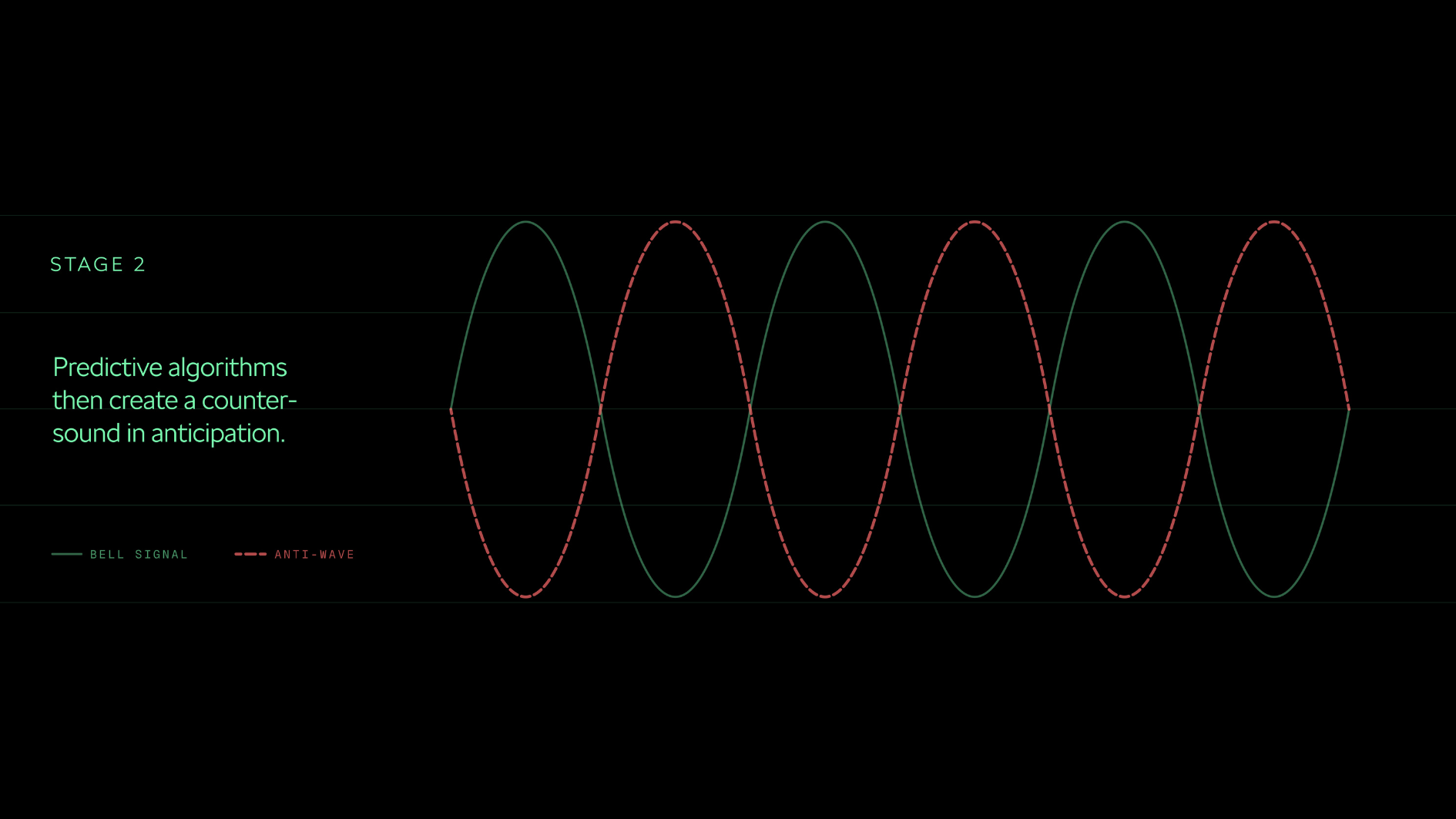
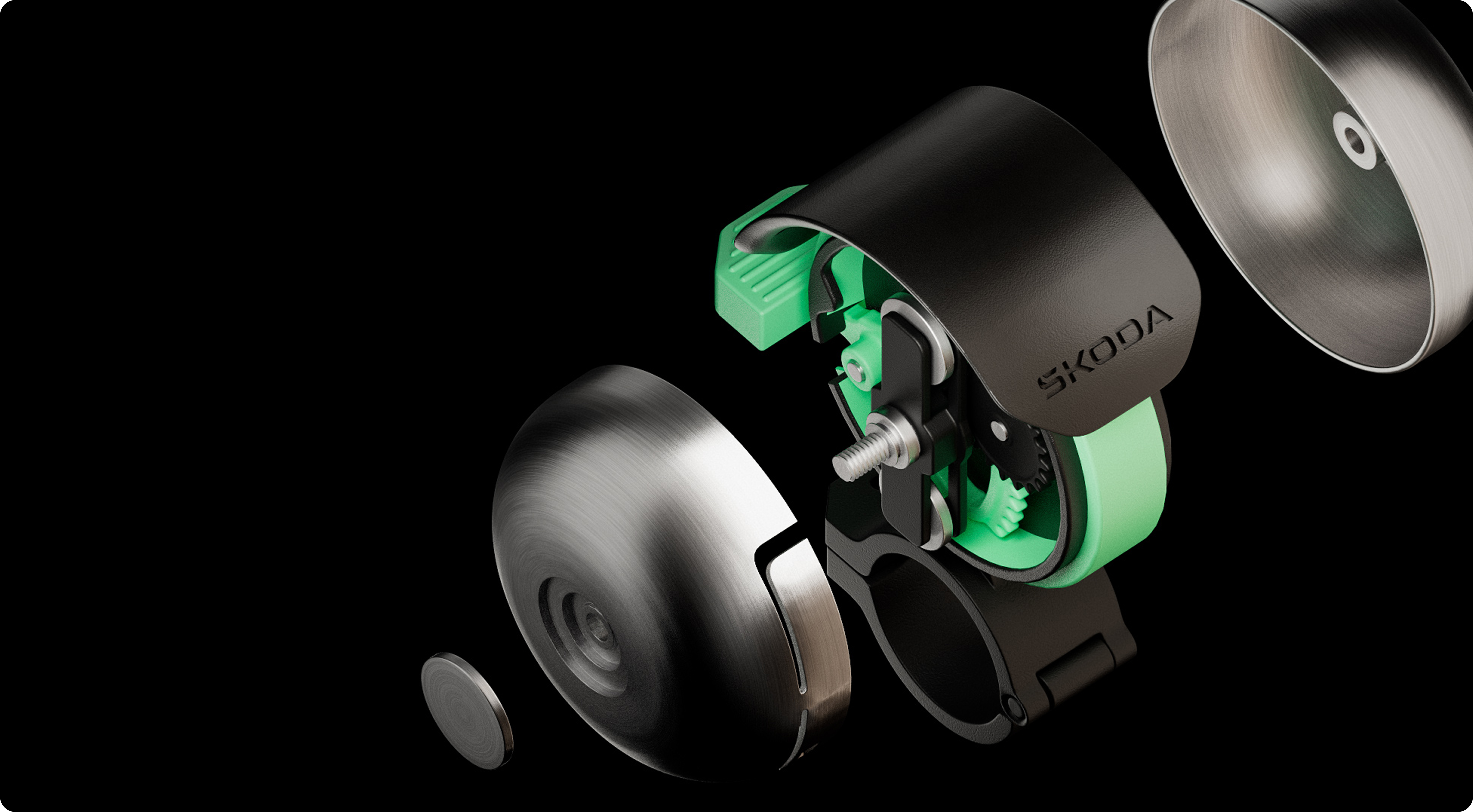
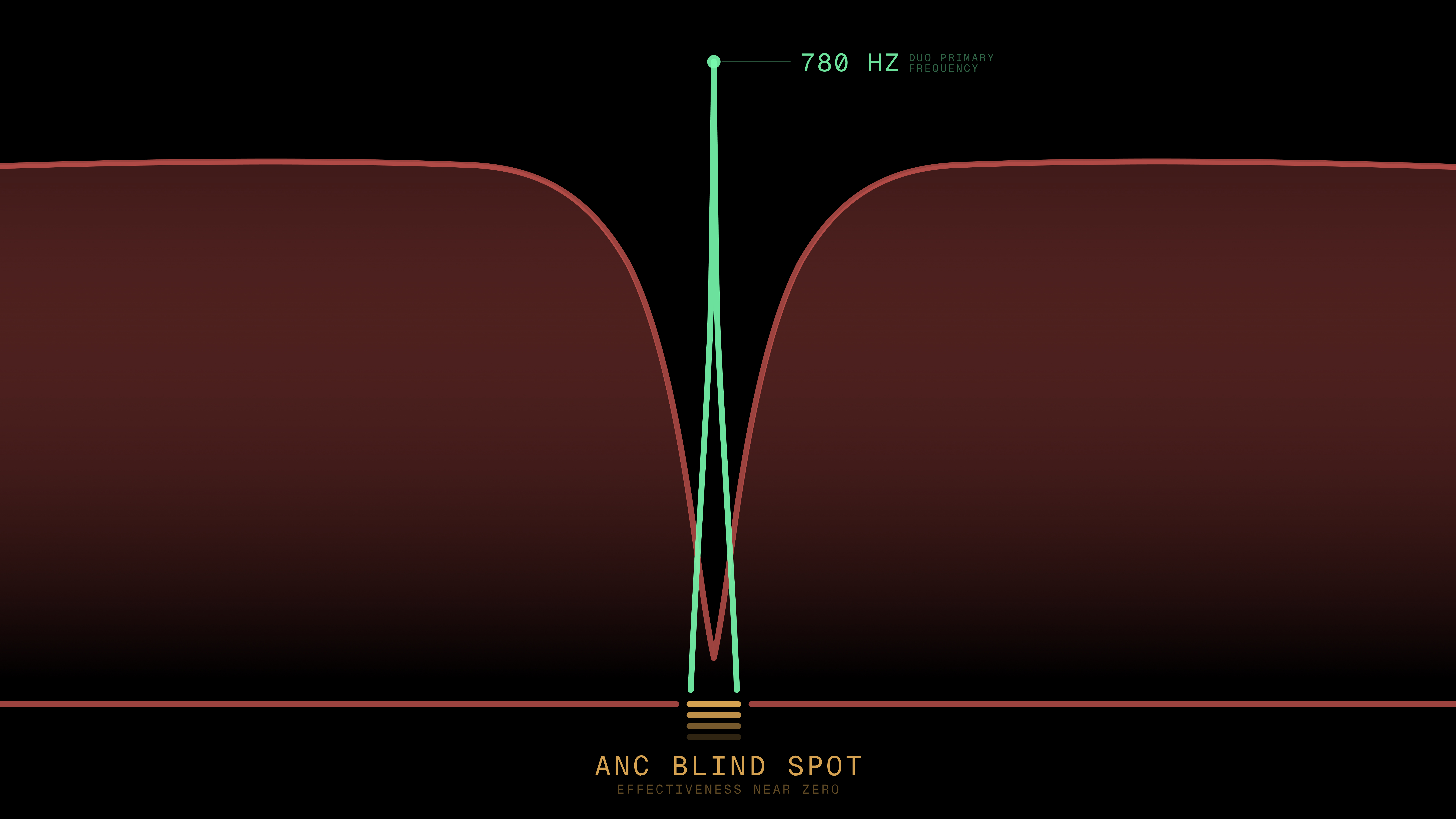
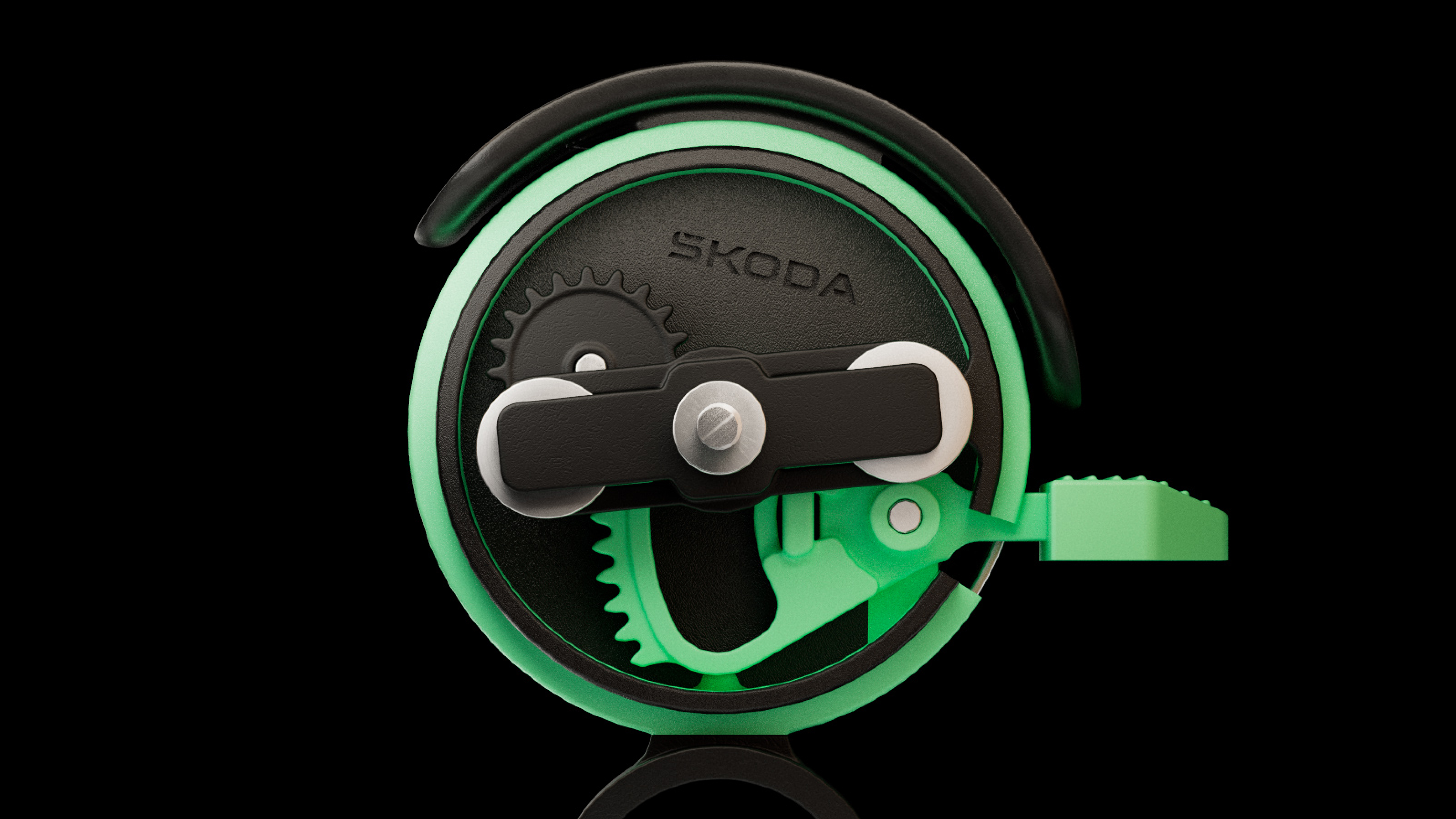
Through acoustic testing, the research team identified a narrow frequency band – a “safety gap” – capable of penetrating ANC headphone filters. This range lies between 750 and 780 Hz. The bell therefore emits sound at this frequency. It also features an additional resonator (hence the name DuoBell), tuned to a higher frequency, and, thanks to a specially designed hammer mechanism, produces rapid and irregular strikes. This generates sound waves that ANC algorithms are unable to process quickly enough to suppress. 

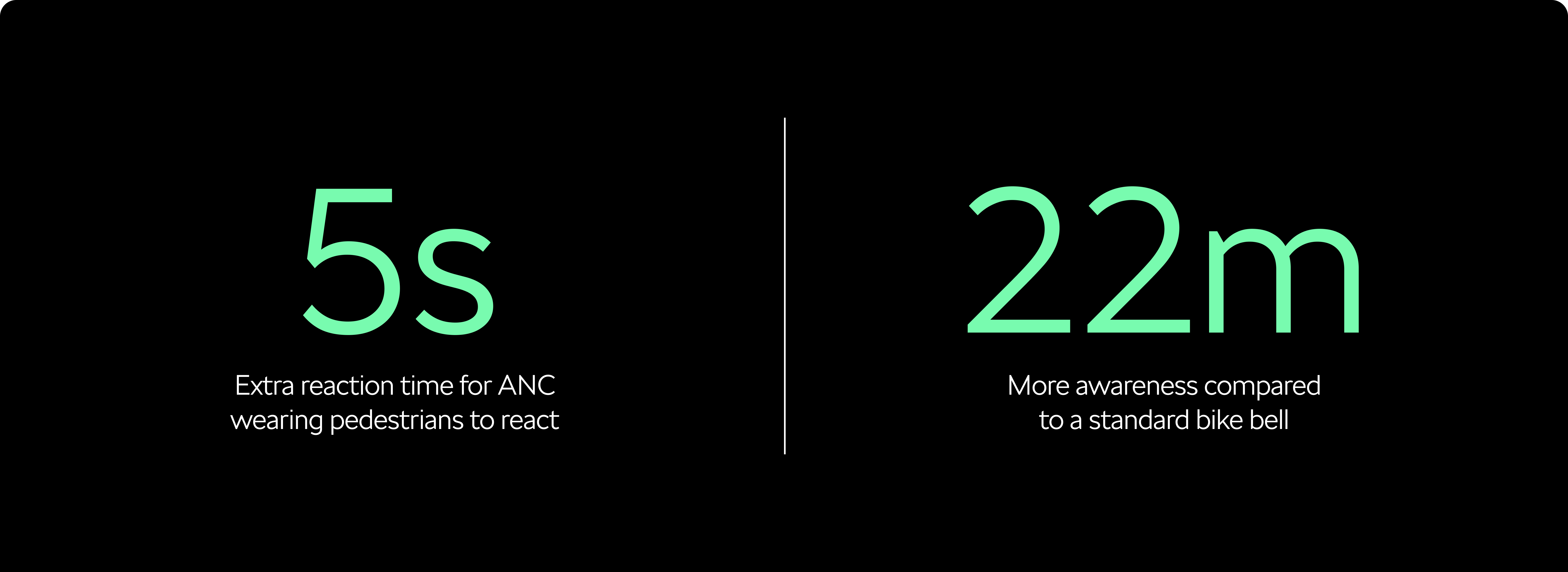
Measurements conducted during testing also demonstrated that pedestrians wearing active noise-cancelling headphones had up to 22 metres of additional reaction distance when DuoBell was activated, representing a crucial safety margin. In real-world trials conducted on the streets of London in February, in cooperation with Deliveroo couriers, the bell proved so effective that couriers expressed a desire to keep it. 
Content-Frame-3_368735ae

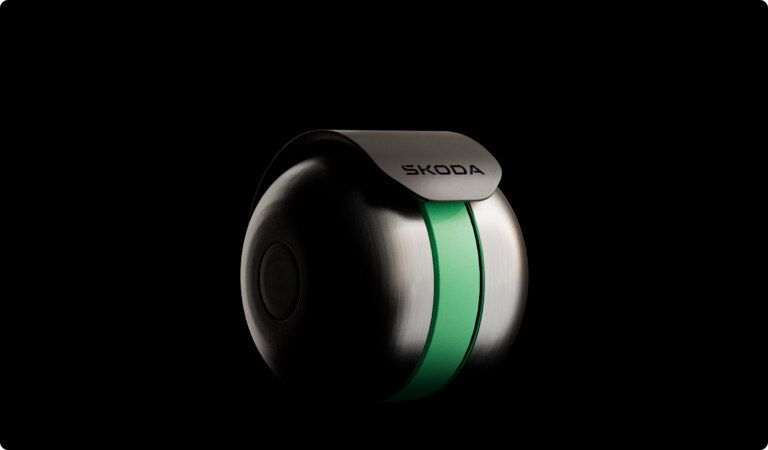
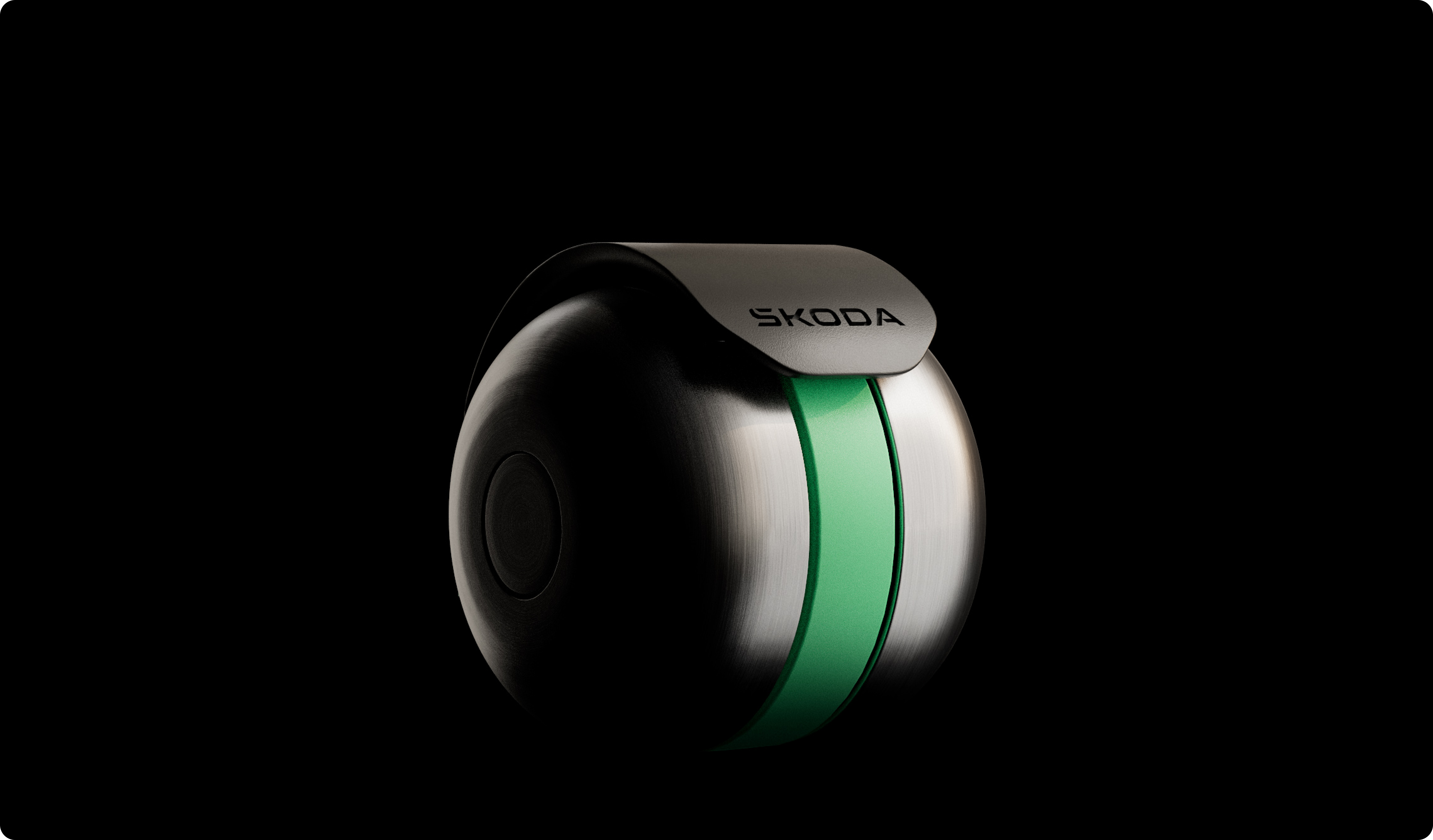
The bell prototypes were also created as a tribute to Škoda’s current Modern Solid design language. The colours, surface finishes and materials draw inspiration from solutions used in Škoda vehicles. Naturally, the bell also features the new Škoda Auto logo. 


“This project is an expression of our design principles. It´s what we call at Škoda "Simply Clever,” says Oliver Stefani, head of design at Škoda Auto. 

oliver-stefaniOliver Stefani
Head of design at Škoda Auto

Škoda and Cycling  

More than 130 years ago, Škoda began by manufacturing bicycles, and it remains active in cycling to this day, as well known to all fans of the legendary Tour de France. Škoda also supports other cycling events, including the renowned road races La Vuelta, Paris–Roubaix and Liège–Bastogne–Liège. For the 2026 season, the company is also a partner of the Union Cycliste Internationale (UCI) for the UCI Mountain Bike World Championships and the UCI Gravel World Championships. Cycling enthusiasts can also engage with the Škoda We Love Cycling platform.