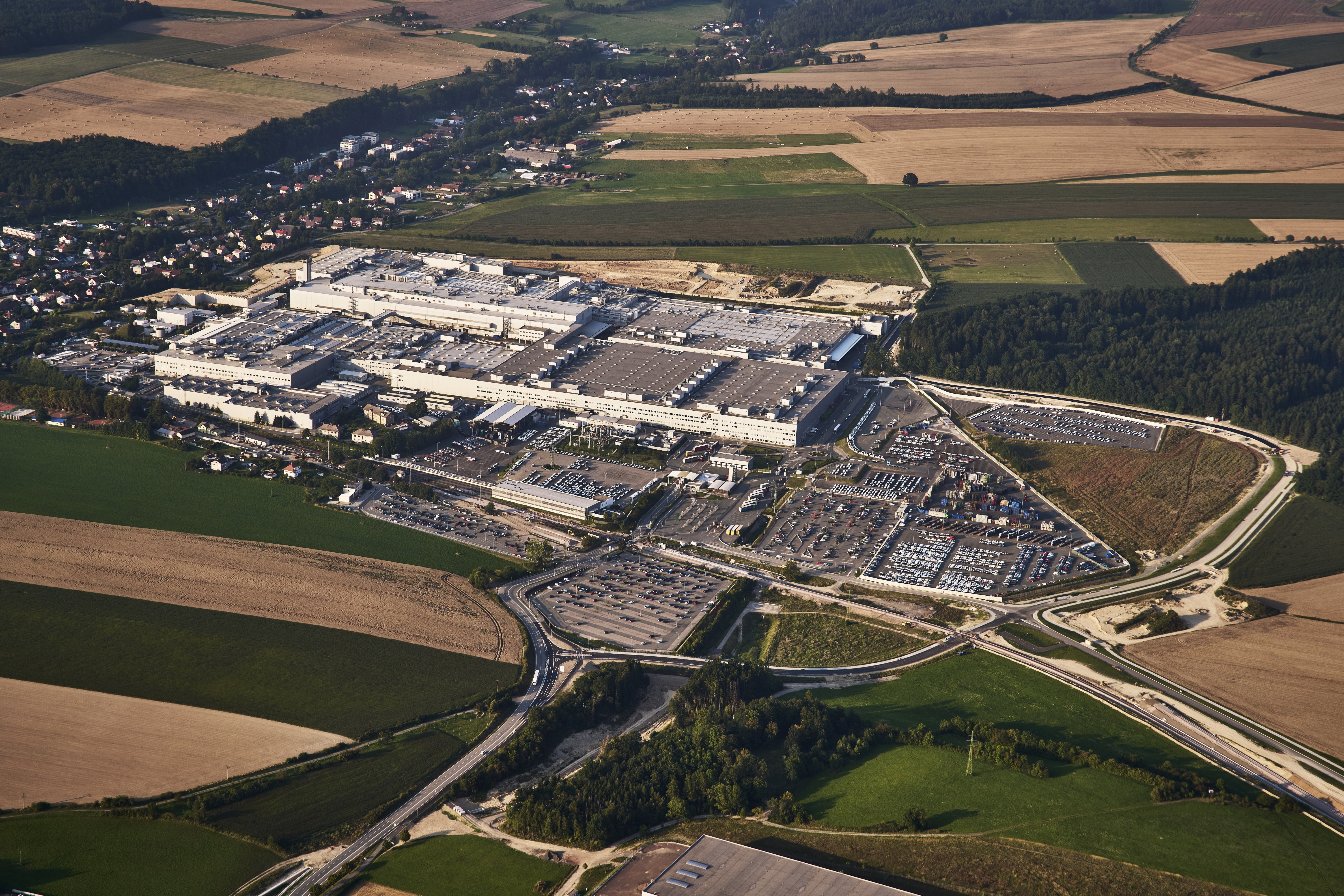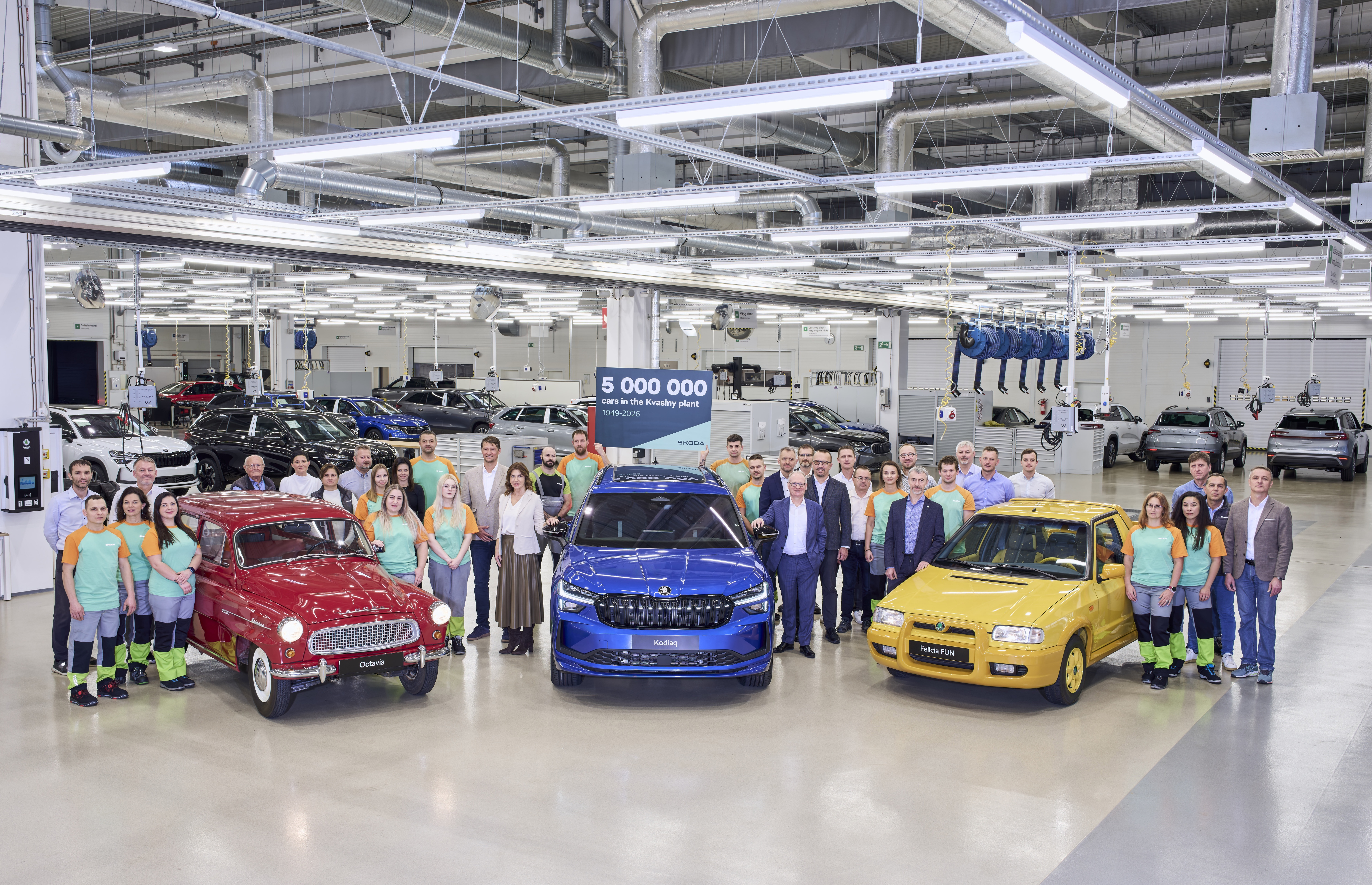
“Producing our five-millionth vehicle is a milestone for our Kvasiny plant. For almost 80 years, it has been a mainstay of our production network. Its storied history – spanning affordable volume models, upper-range models, sports cars and SUVs – demonstrates its ability to adapt to changing market demand. Ongoing modernisation and increased output through improved efficiency reflect the exceptional dedication of our colleagues at Kvasiny. I congratulate the entire team on this achievement and thank all colleagues and the KOVO Trade Union for their long-standing, successful collaboration, which gives us a strong foundation for the plant’s future.”
Andreas Dick, Škoda Auto Chief Production Officer
Kvasiny: home to some of the most popular Škoda models
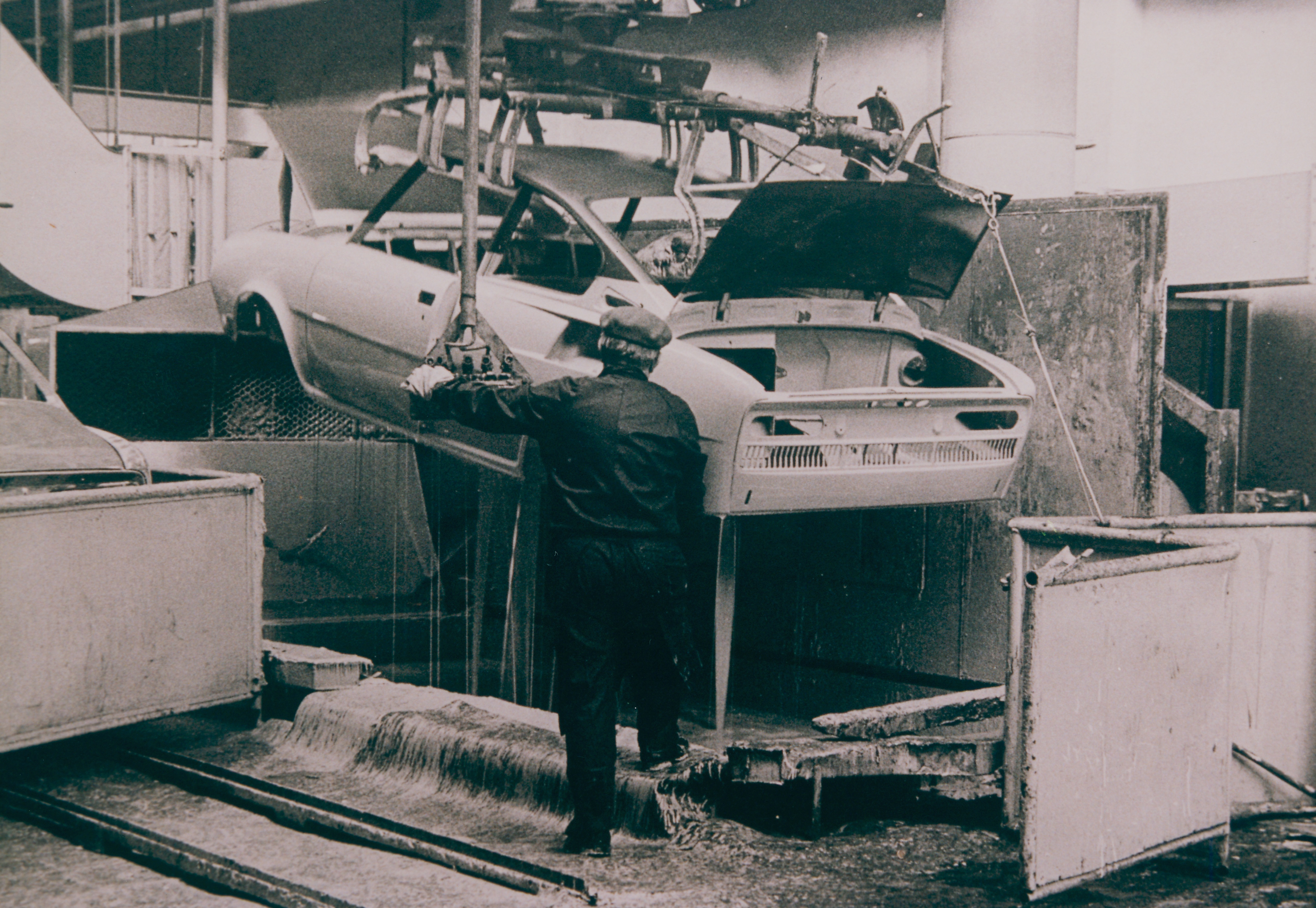
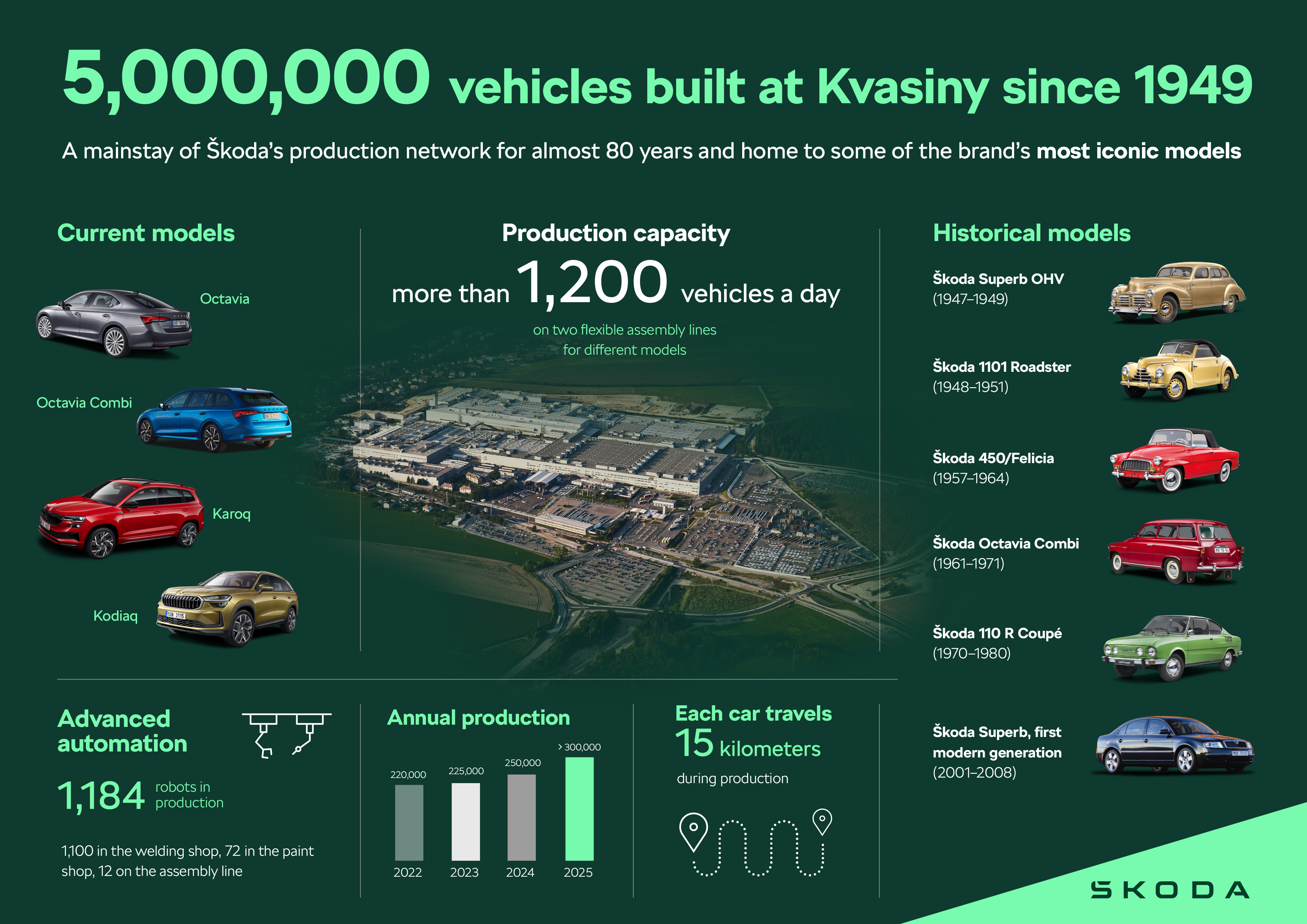
The site began assembling car bodies in 1934, moving to complete vehicle production when it joined Škoda in 1949 as part of the then national automotive enterprise AZNP (Automobilové závody, národní podnik). The Škoda 1101 Roadster, production of which began under an agreement even before the plant’s official incorporation into AZNP, was among the first models produced at Kvasiny, alongside the flagship Superb OHV. The plant has built a wide range of Škoda’s most popular models, including the iconic Škoda 450/Felicia roadster from 1957 to 1964, the Octavia Combi between 1961 and 1971, and the 200 RS and 130 RS racing cars, along with the 110 R, Garde and Rapid production coupés.
In the 1990s, the Kvasiny plant produced two versions of the Pick-up commercial vehicle: one based on the Škoda Favorit and the other on the Škoda Felicia, with the latter also built there as the VW Caddy.
Kvasiny today: Octavia and popular SUVs drive record production in 2025
The production launch of the first-generation Superb in 2001 marked a turning point for Kvasiny, prompting significant expansion and modernisation. Further models followed, including the Roomster (2006-2015), the Škoda Yeti SUV (2009–2017), which laid the foundations for the brand’s success in the segment, and the Superb iV, Škoda’s first plug-in hybrid.
Through continuous modernisation of its production processes and facilities, Kvasiny today combines flexible production with advanced automation. Two assembly lines offer full flexibility to build different models, allowing the plant to respond quickly to changes in demand. Škoda Auto has also commissioned an automated small parts warehouse, opened a multifunctional competence centre and a training centre, and expanded the welding shop. In 2019, the plant introduced the dProduction project, setting a new standard through the digitalisation of production processes and work instructions.
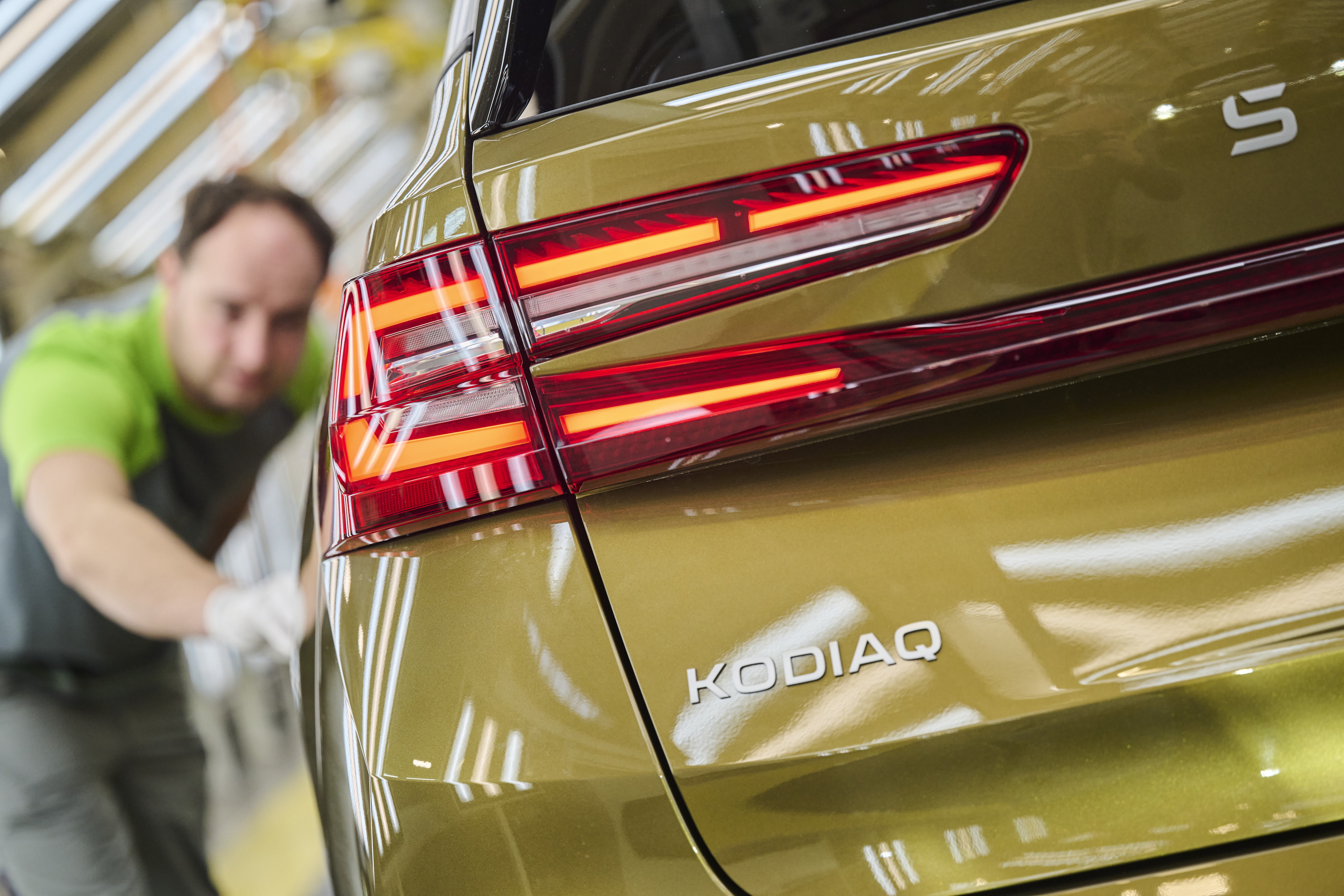
Additional upgrades followed this year: a new chassis pre-assembly section enables the production of plug-in hybrid and hybrid models. Automation of the Kodiaq line in the welding shop has further improved ergonomics for employees, while the paint shop’s topcoat line has been rebuilt and the paint application robots have been replaced.
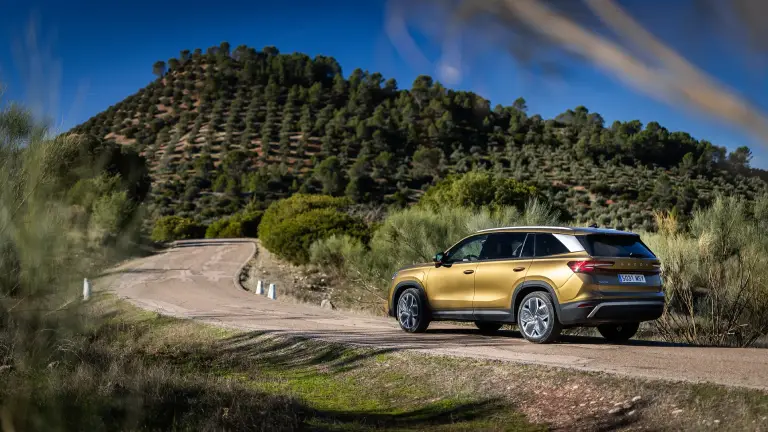
Today, Kvasiny produces the popular Karoq and Kodiaq SUVs. Since 2024, it has also manufactured the Octavia, Škoda’s long-standing bestseller. The addition helped the plant achieve a record output of 301,500 Škoda vehicles in 2025. The one-millionth Karoq also rolled off the production line at Kvasiny this summer.
Frequently Asked Questions:
How many vehicles has Škoda Auto’s Kvasiny plant produced since 1949?
Five million vehicles.
Which Škoda models are currently produced at Kvasiny?
Octavia including the Combi version, Karoq and Kodiaq.
How many Škoda vehicles were produced at Kvasiny in 2025?
A record 301,500 vehicles.