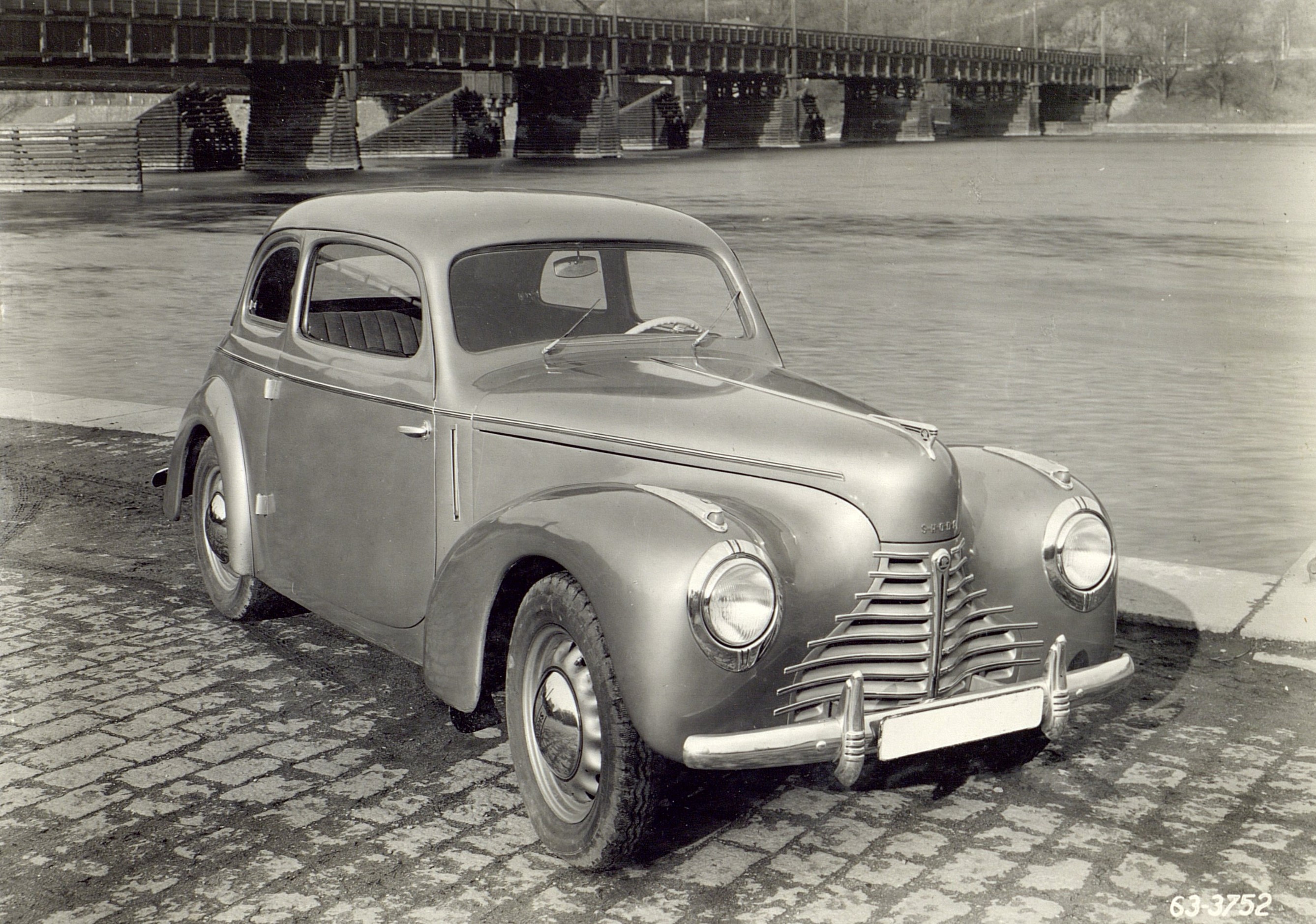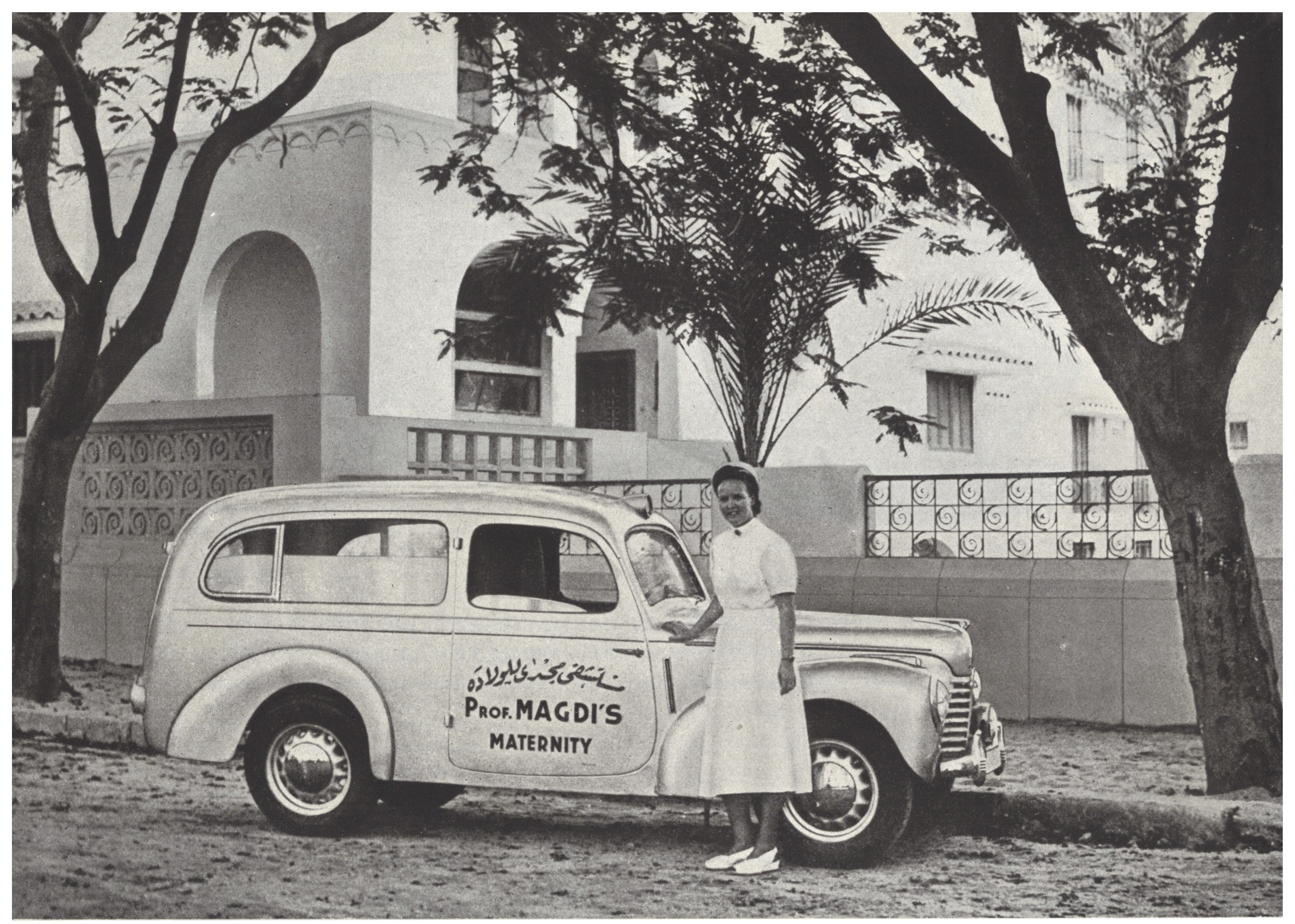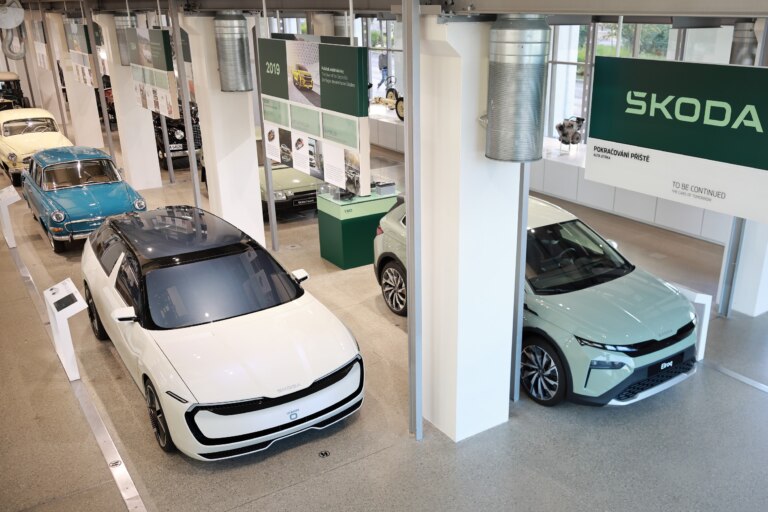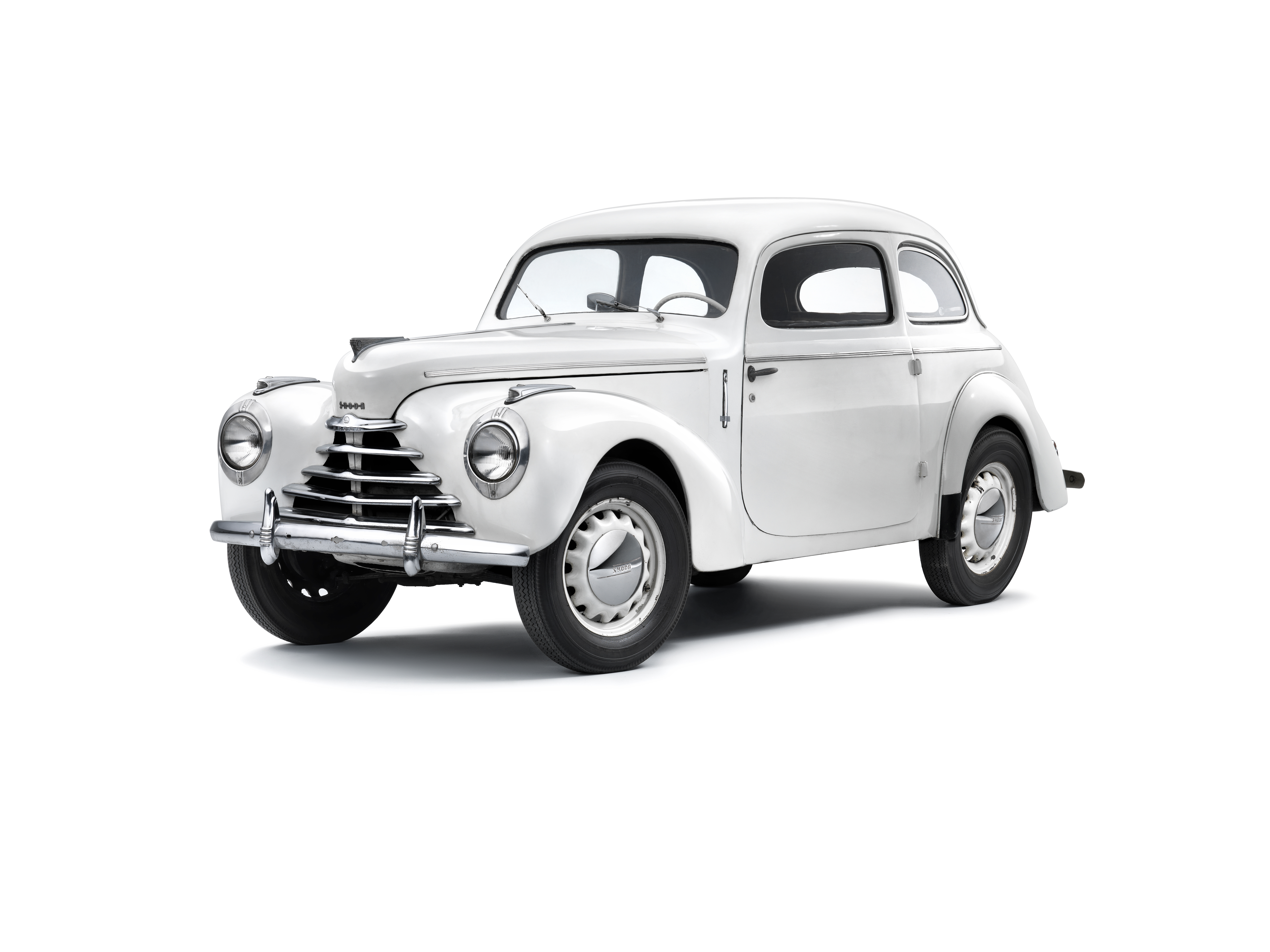
The production of the Škoda 1101 'Tudor' began on 6 May 1946, at the Mladá Boleslav plant, with additional support from the Kvasiny and Vrchlabí sites. The model was produced until 1952, with a total of 66,904 civilian units and 4,237 special versions for the armed forces. The vehicle found customers in more than 70 countries, over 65 percent of the produced cars were exported. The nickname "Tudor" is derived from the British term "two-door," reflecting the two-door design of most produced versions.
A practical classic with universal body styles
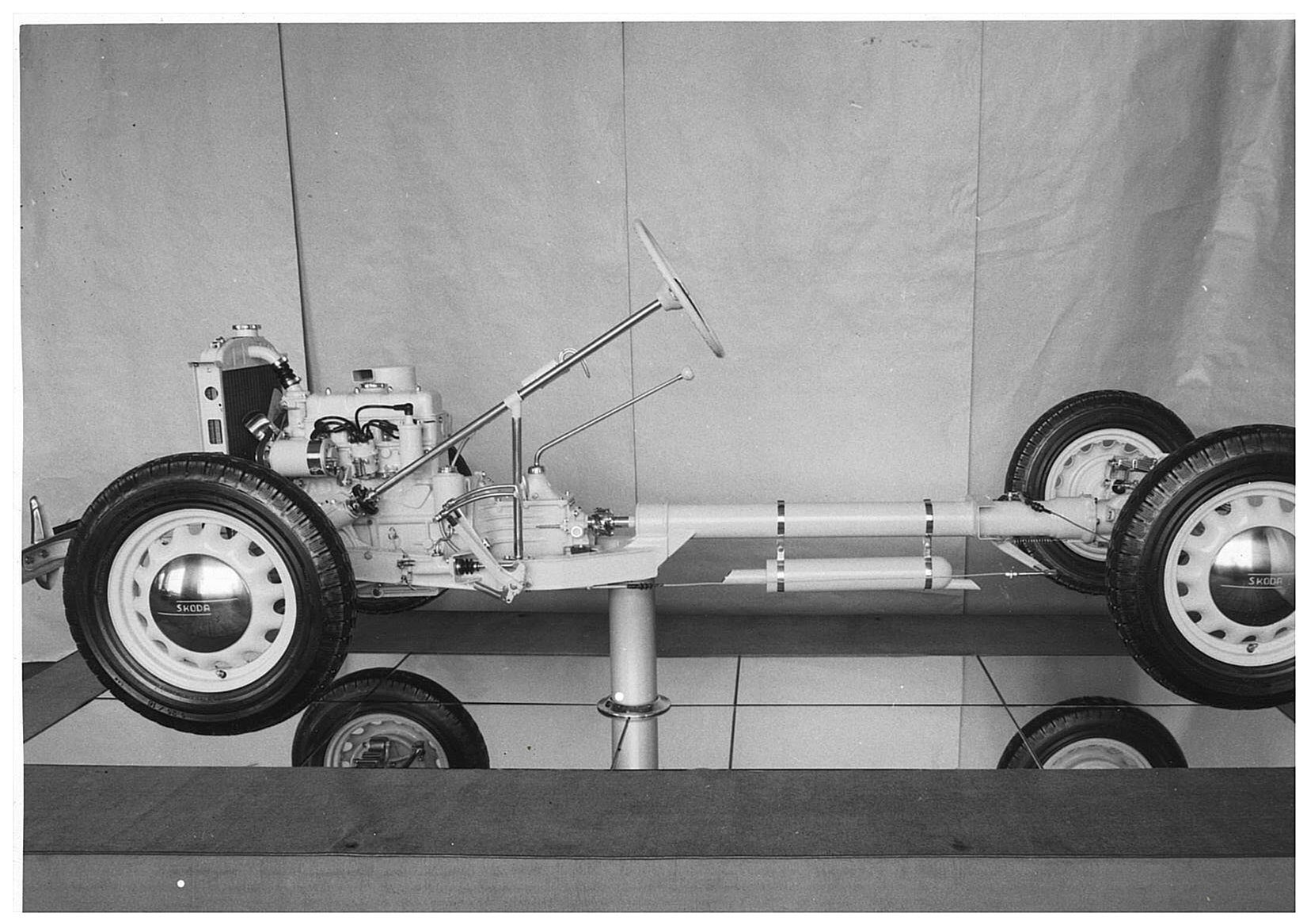
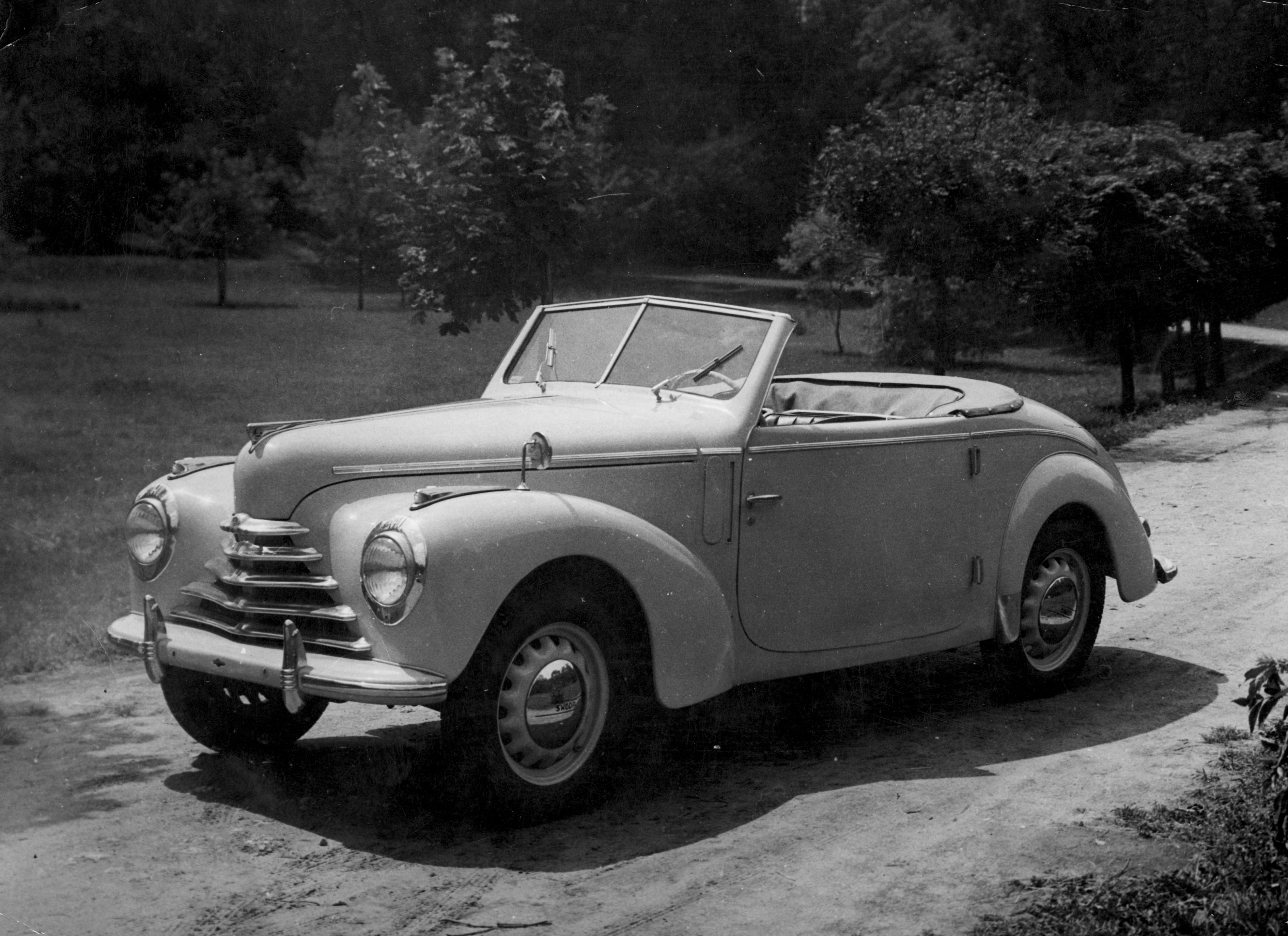
The Škoda 1101, whose construction and design were based on the pre-war Škoda Popular, featured a four-stroke, in-line four-cylinder engine with a displacement of 1089 cc, generating 32 horsepower. It was paired with a four-speed gearbox, allowing the vehicle to reach speeds of up to 100 km/h. The vehicle featured a rigid and relatively light central tube frame with all-round independent suspension. The bodywork design included a wooden skeleton and steel sheet panels for durability. The Škoda 1101 was available in various body styles, including limousines, roadsters, vans, and ambulances. Furthermore, the cabriolet version provided an open-top driving experience.
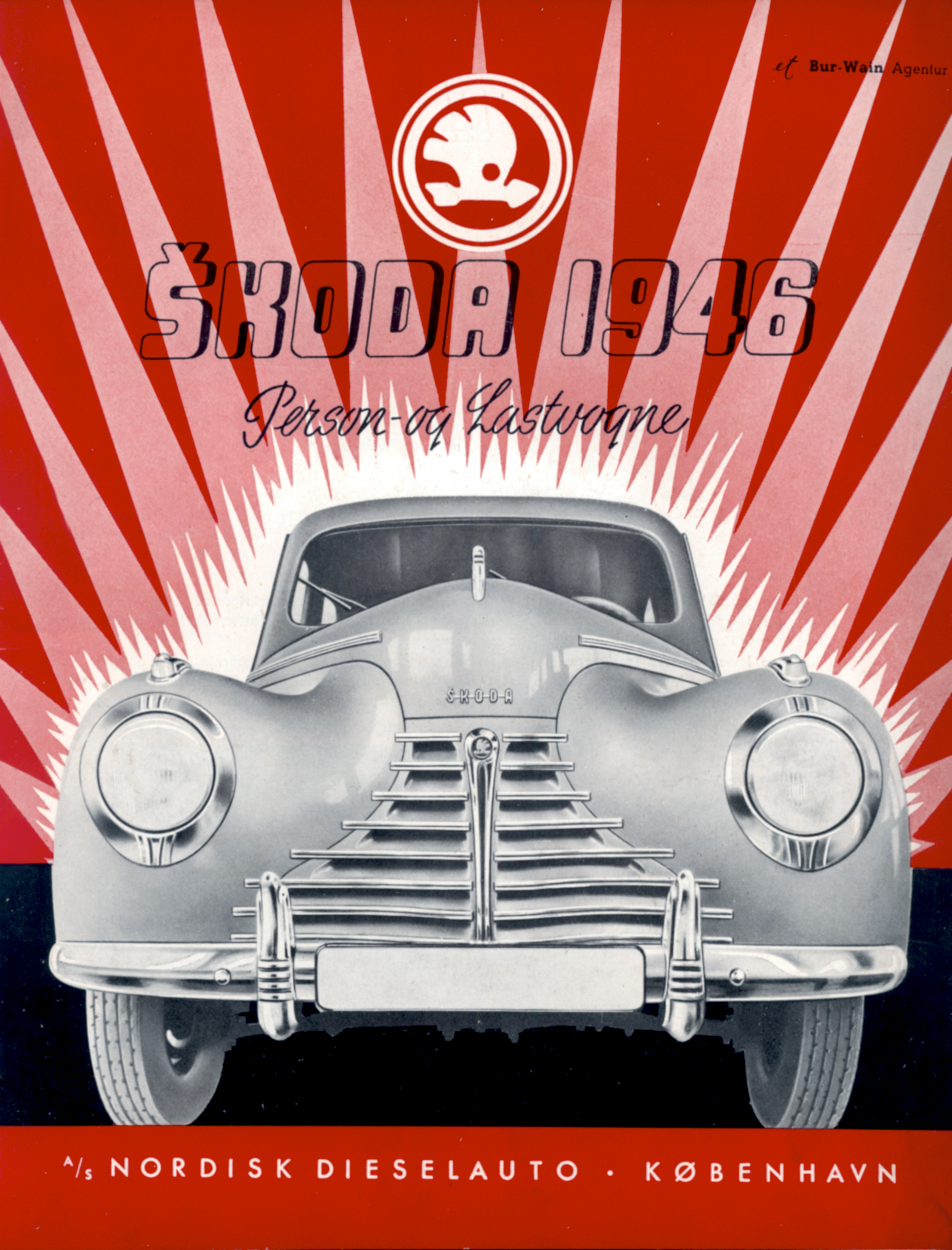
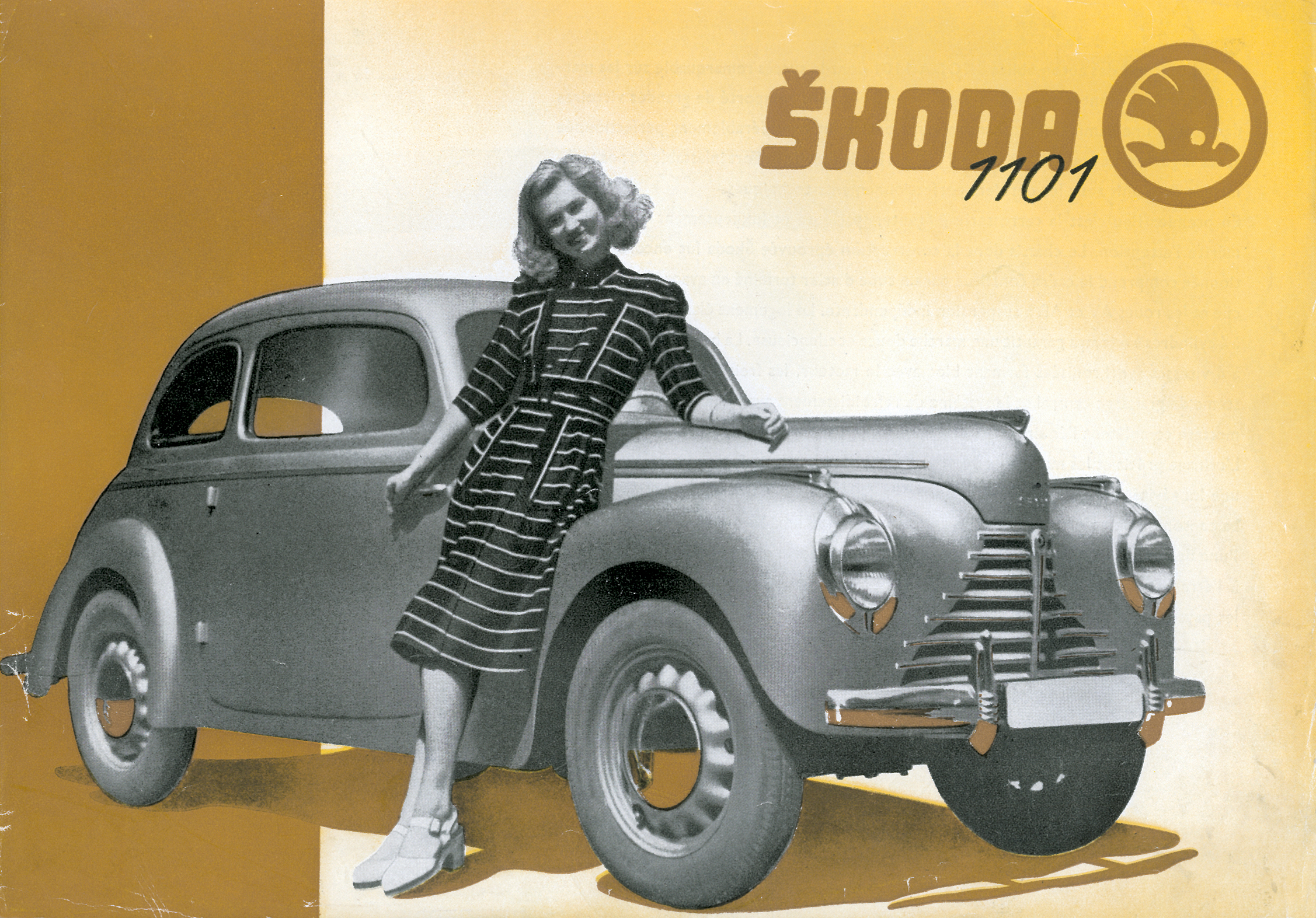
Differences between Škoda 1101 and 1102
The Škoda 1102, introduced in 1948, shared many of the mechanical components with the 1101, from which it differed primarily in terms of appearance and some interior modifications. The 1102 featured modified bumpers and a plainer radiator grille. In the interior, the gear stick was moved to the steering column, providing more legroom for both drivers and passengers.
The renovated Škoda 1101 cabriolet from 1948 at the museum
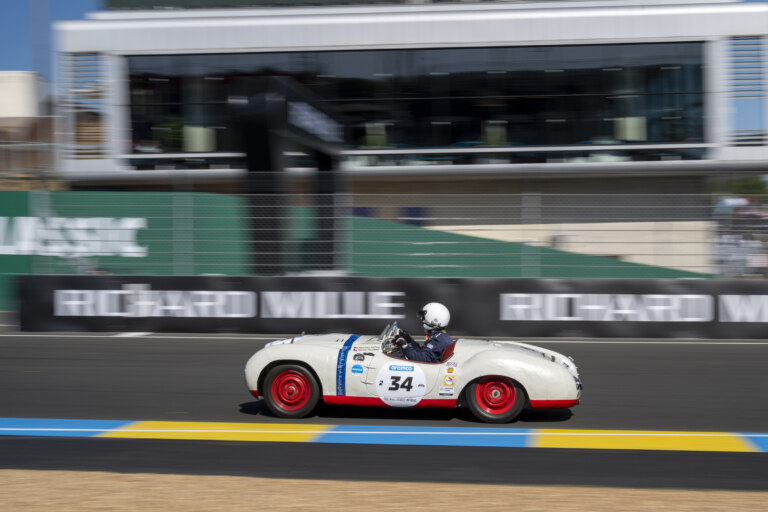
One notable example of the model is a green Škoda 1101 cabriolet completed on 5 April 1948, and handed over to the Swiss embassy on 16 April 1948. After changing ownership several times, this vehicle became part of the Škoda Museum collection in 2005. The Škoda 1101/1102 series accomplished major achievements in motorsport, including a class victory at the 24-hour race in Spa, Belgium, on 11 July 1948. The Škoda 1101 marked a new phase in Škoda Auto's history, combining design and racing success.
 |
Explore the ‘What’s up, Škoda?’ channel: go.skoda.eu/whatsapp |
 |
130 years of automotive heritage! Explore all the content related to our anniversary: go.skoda.eu/storyboard-130-years |


Vítězslav Kodym
Head of Product Communications
+420 604 292 131
vitezslav.kodym@skoda-auto.cz
Anežka Boudná
Product Communications
+420 734 298 801
anezka.boudna@skoda-auto.cz