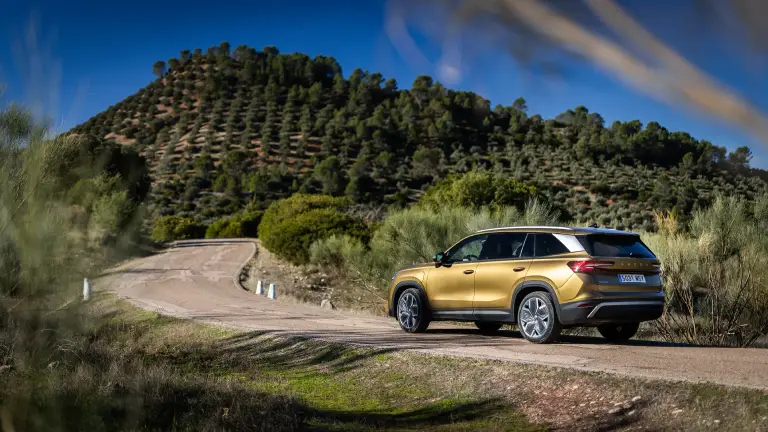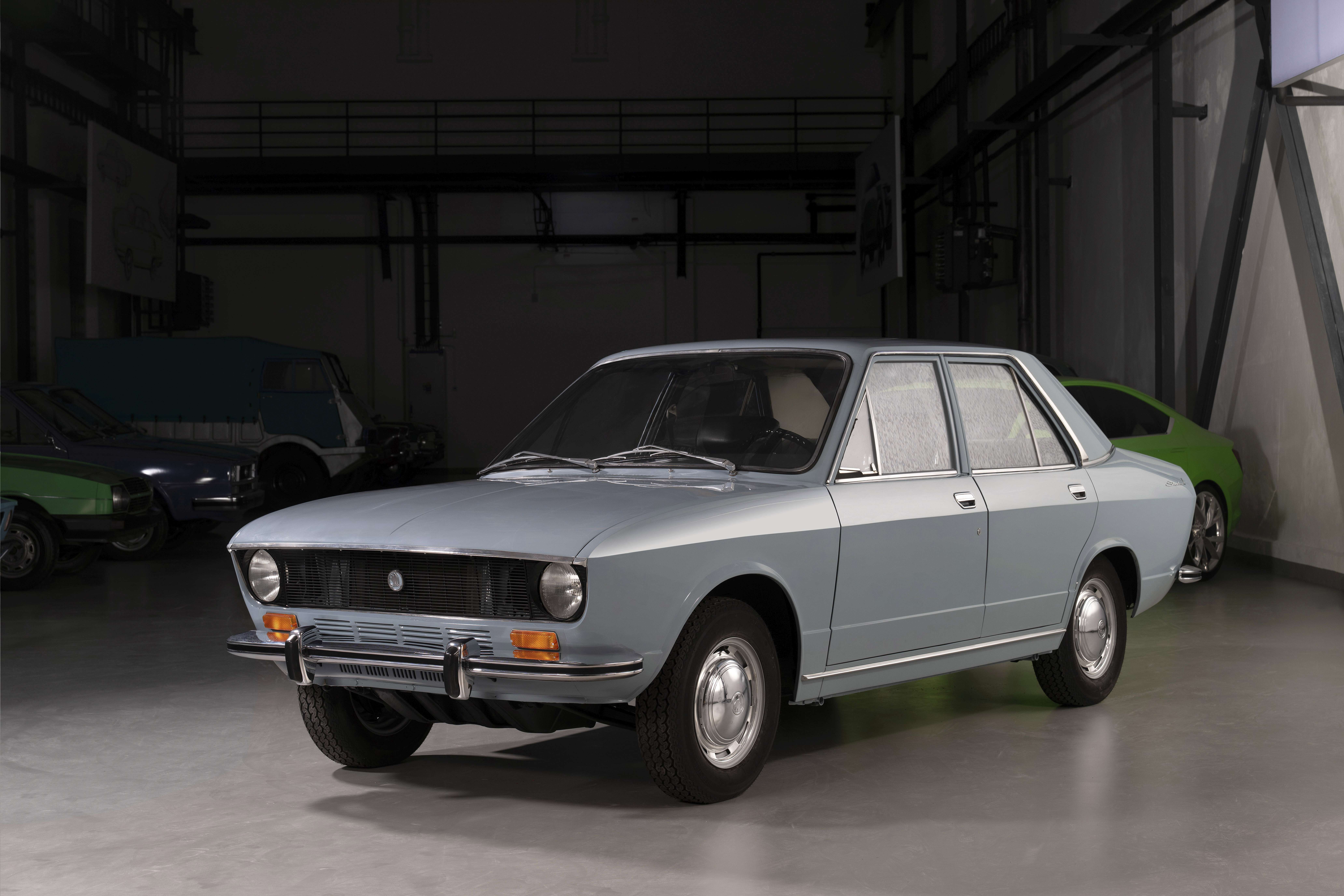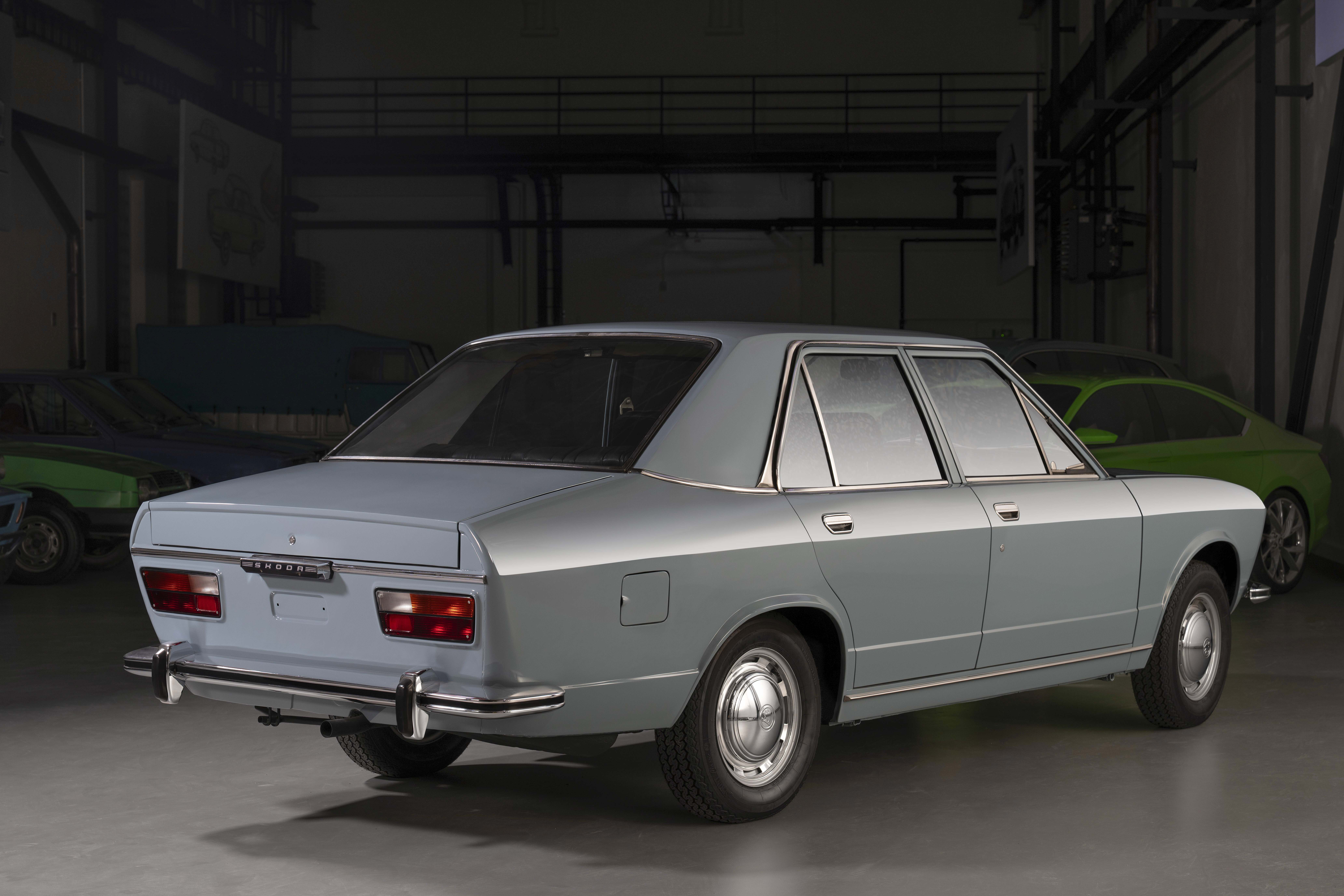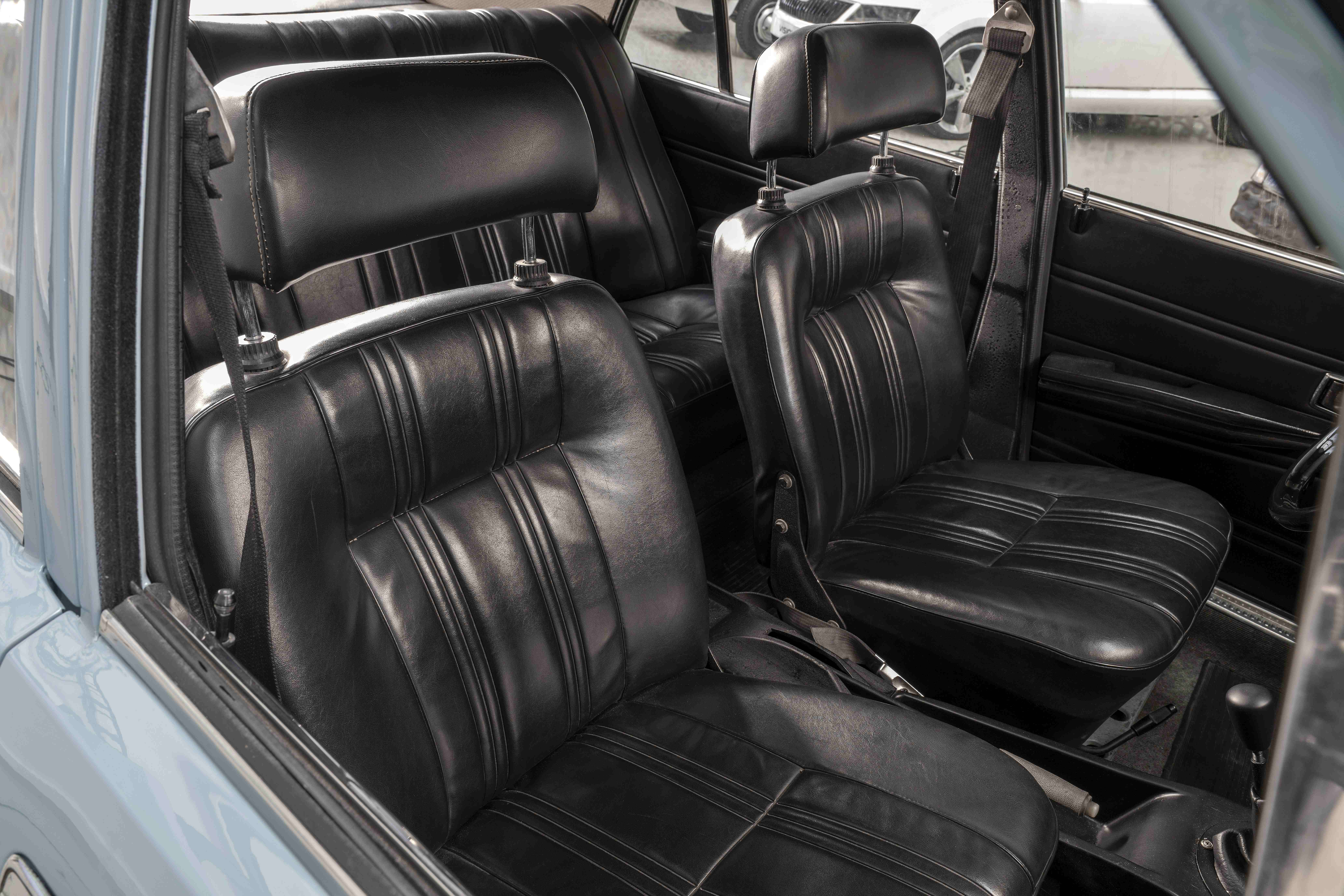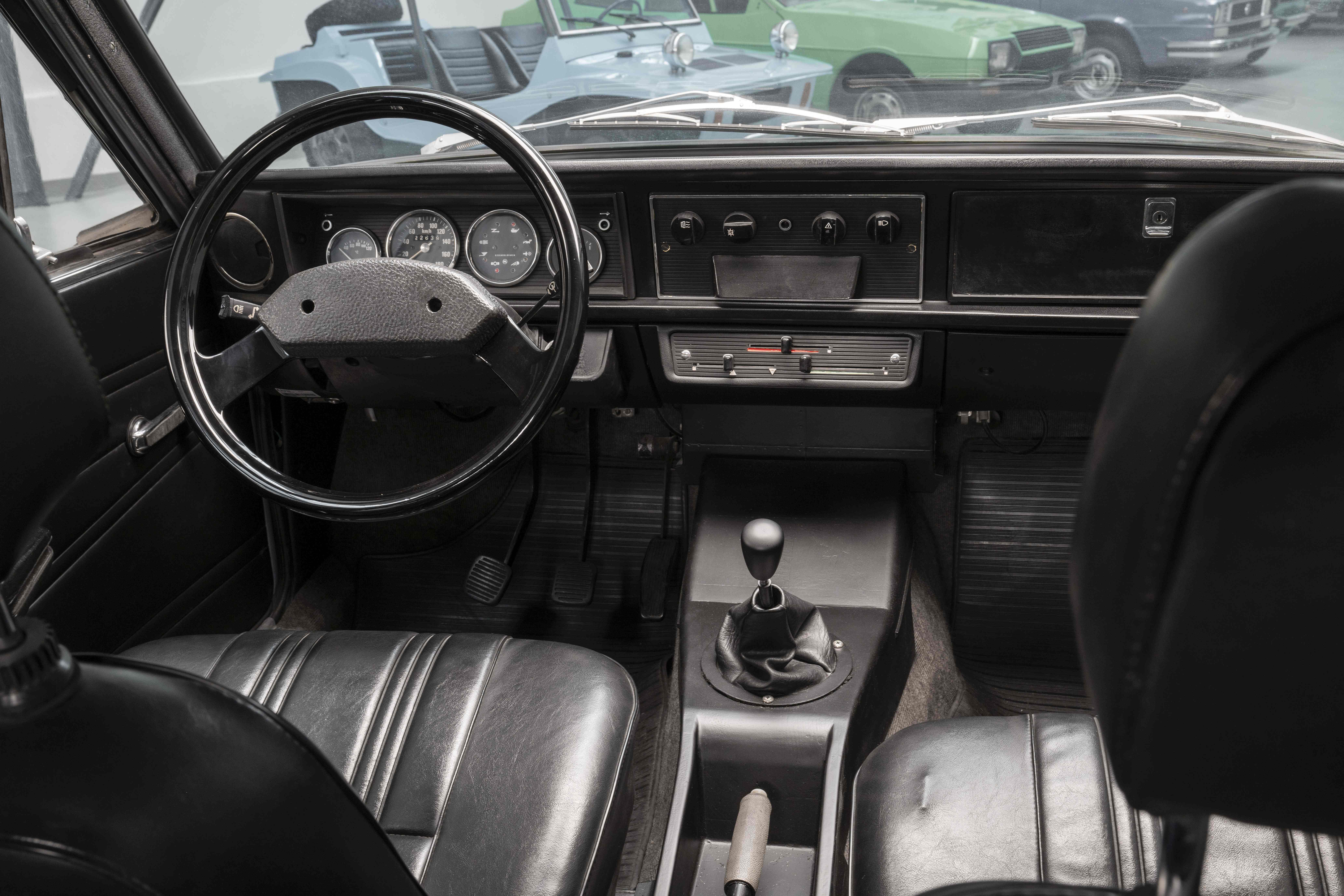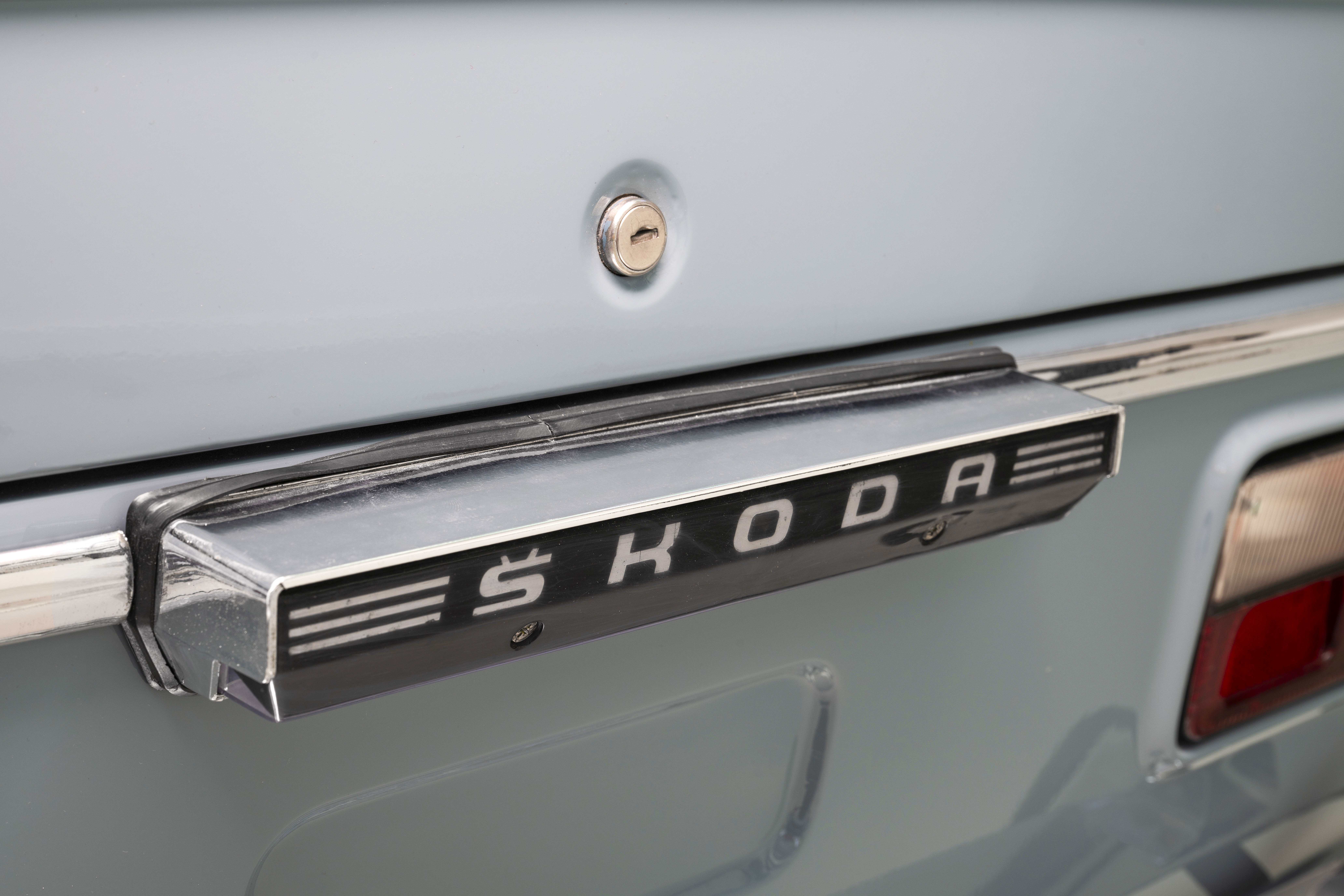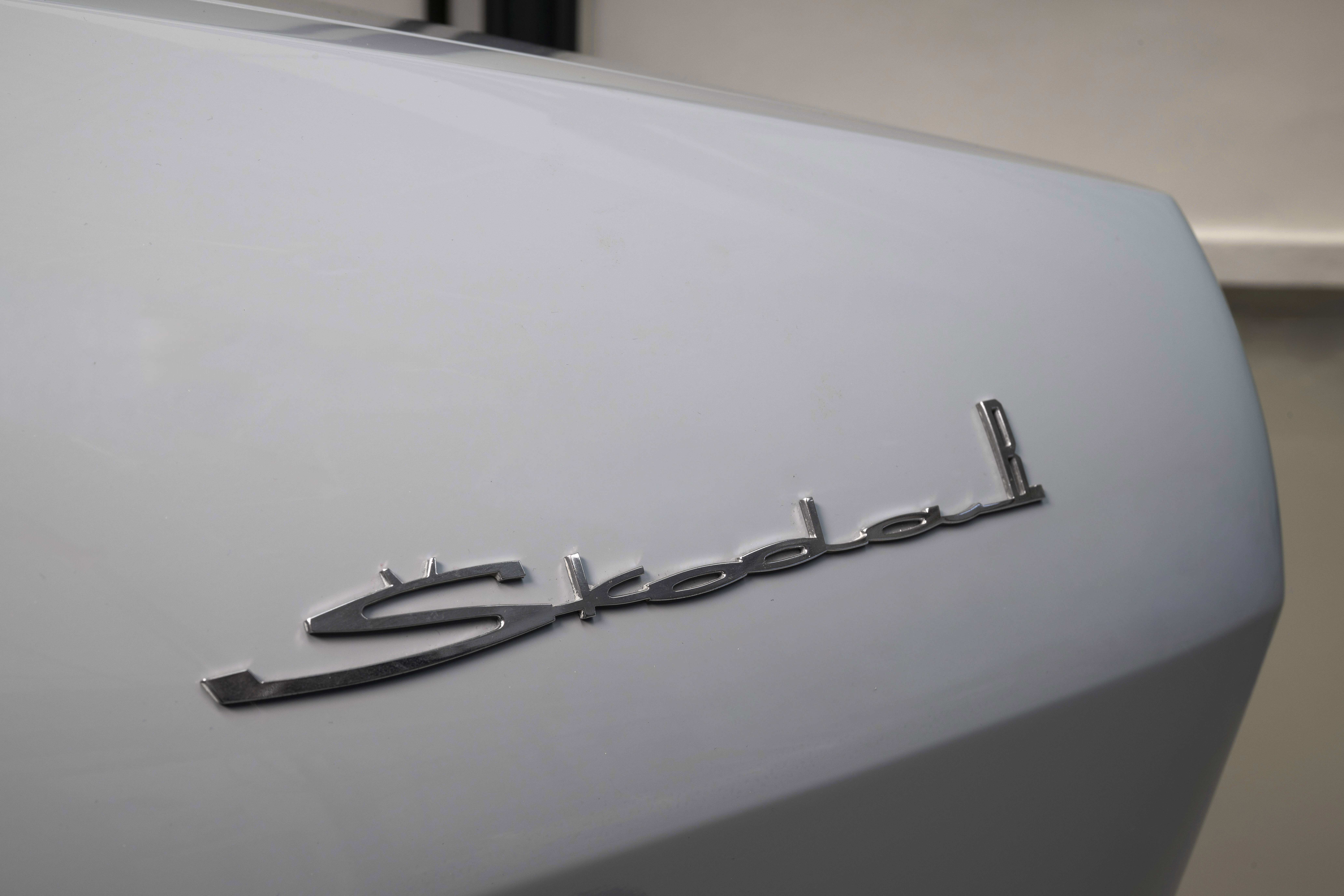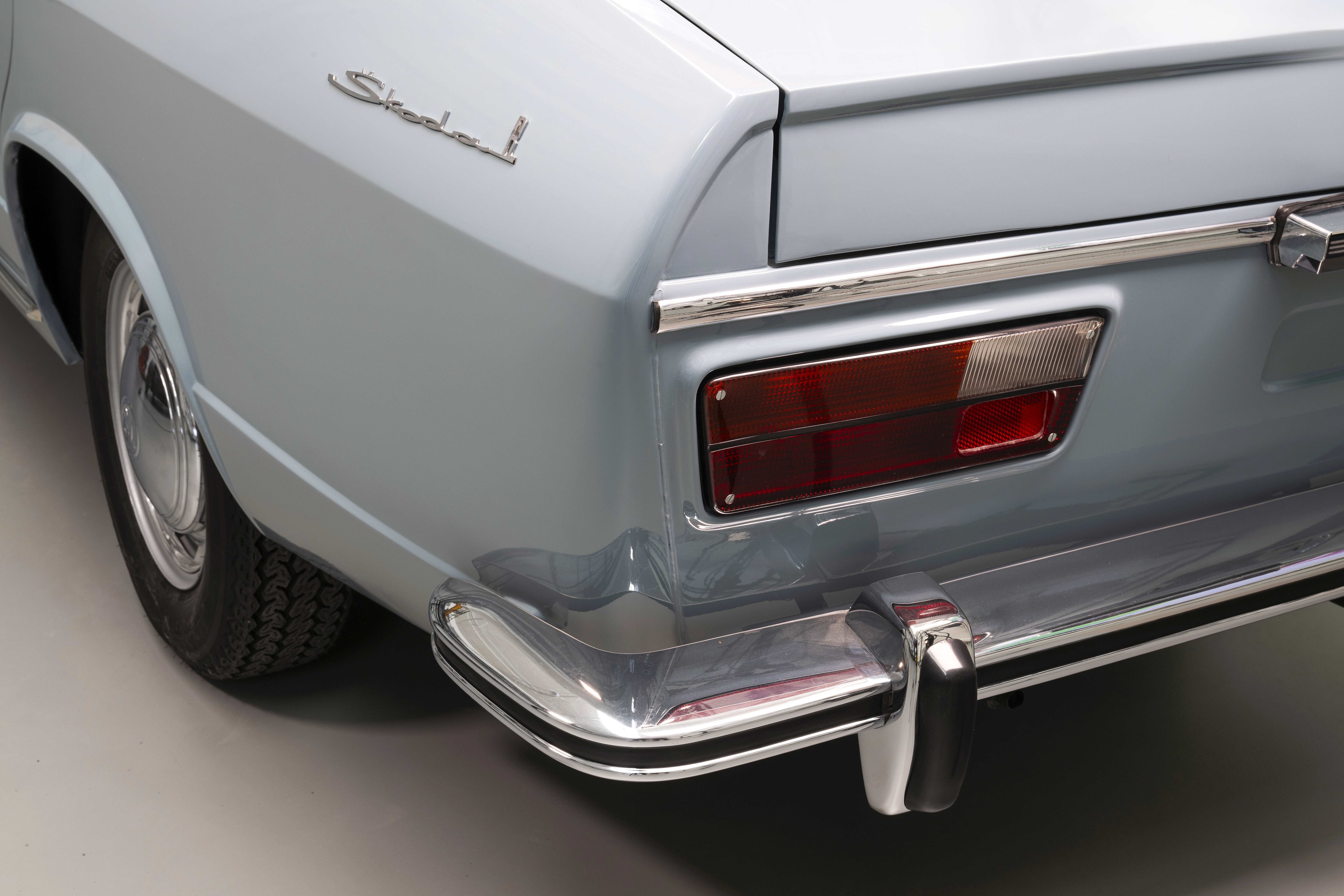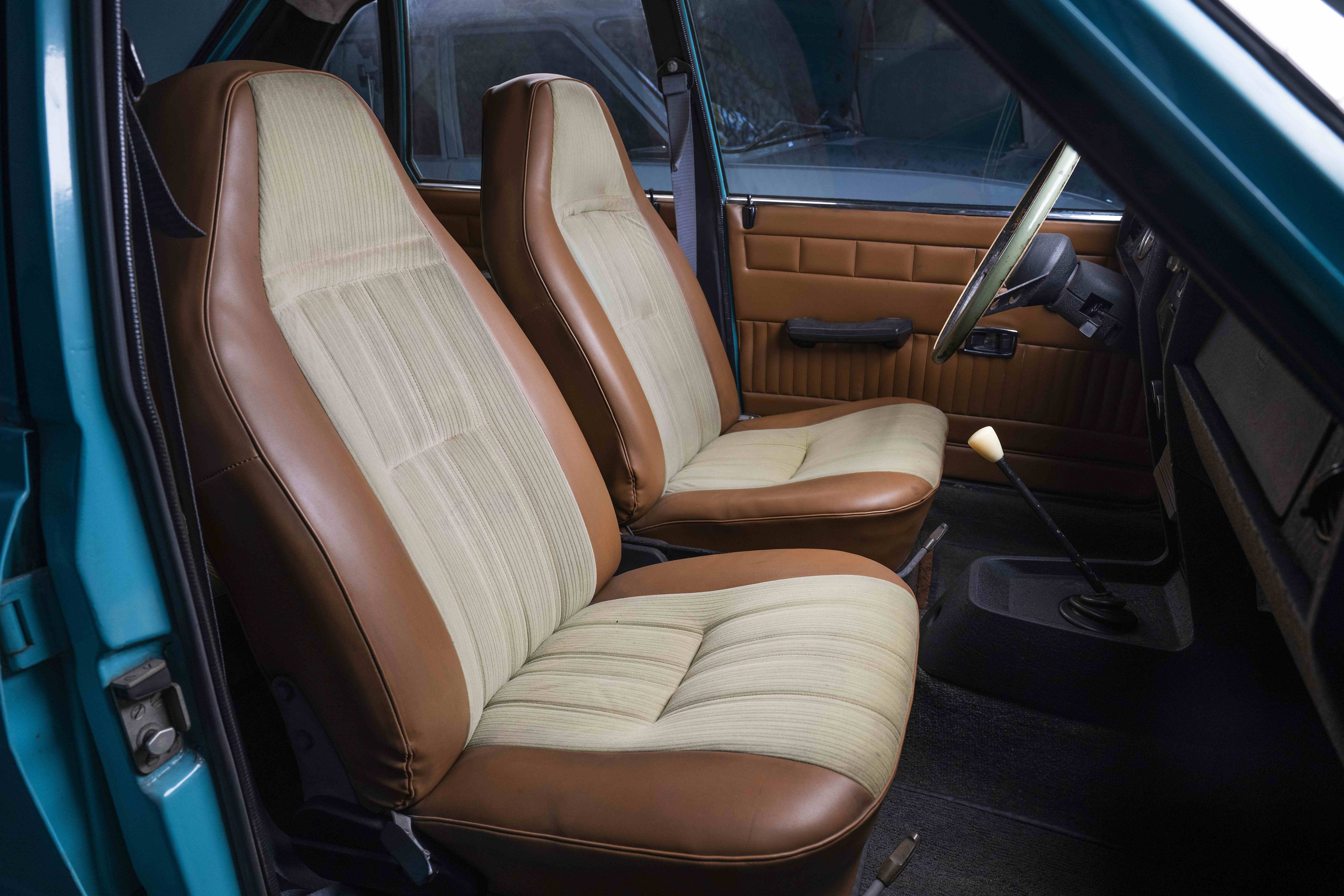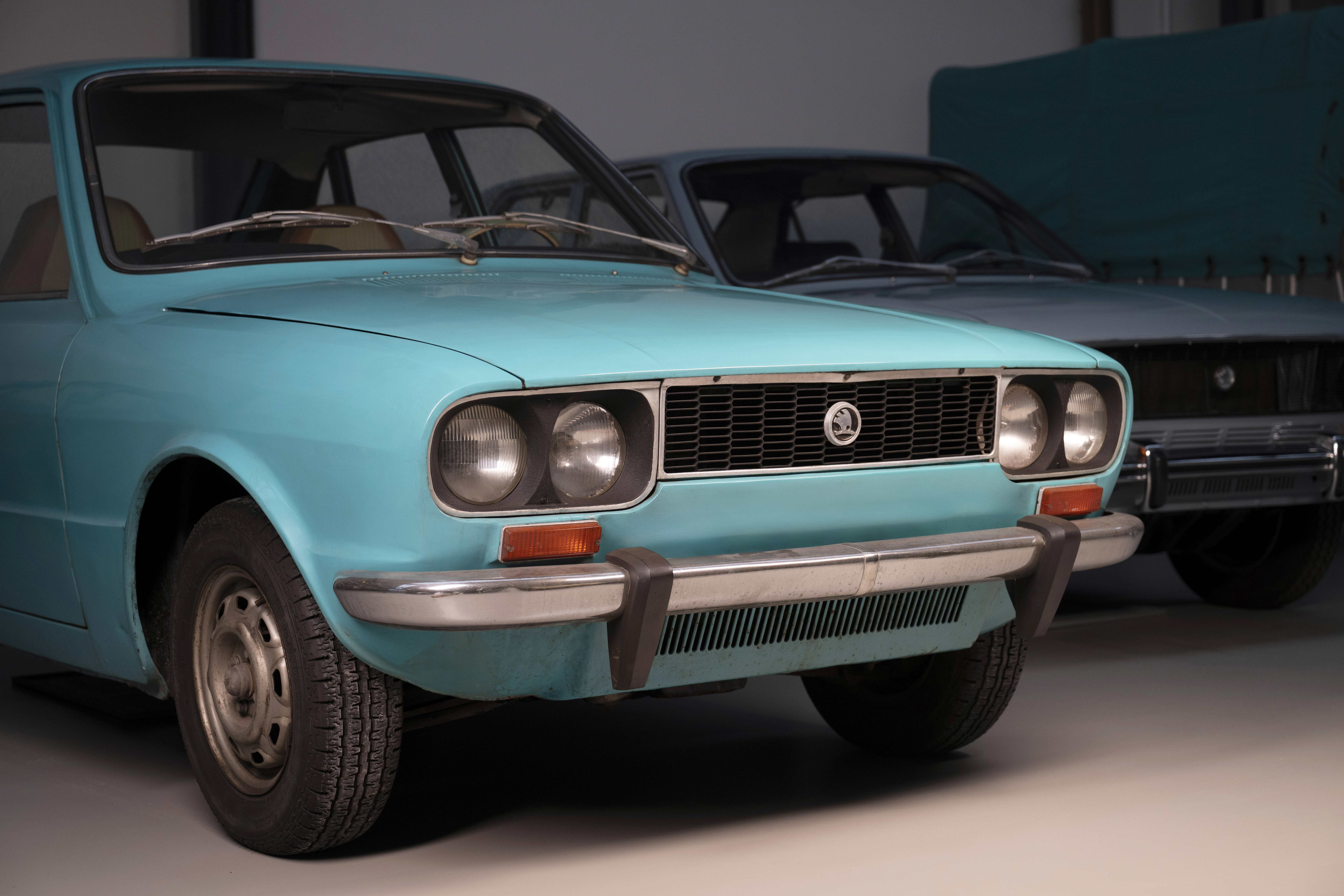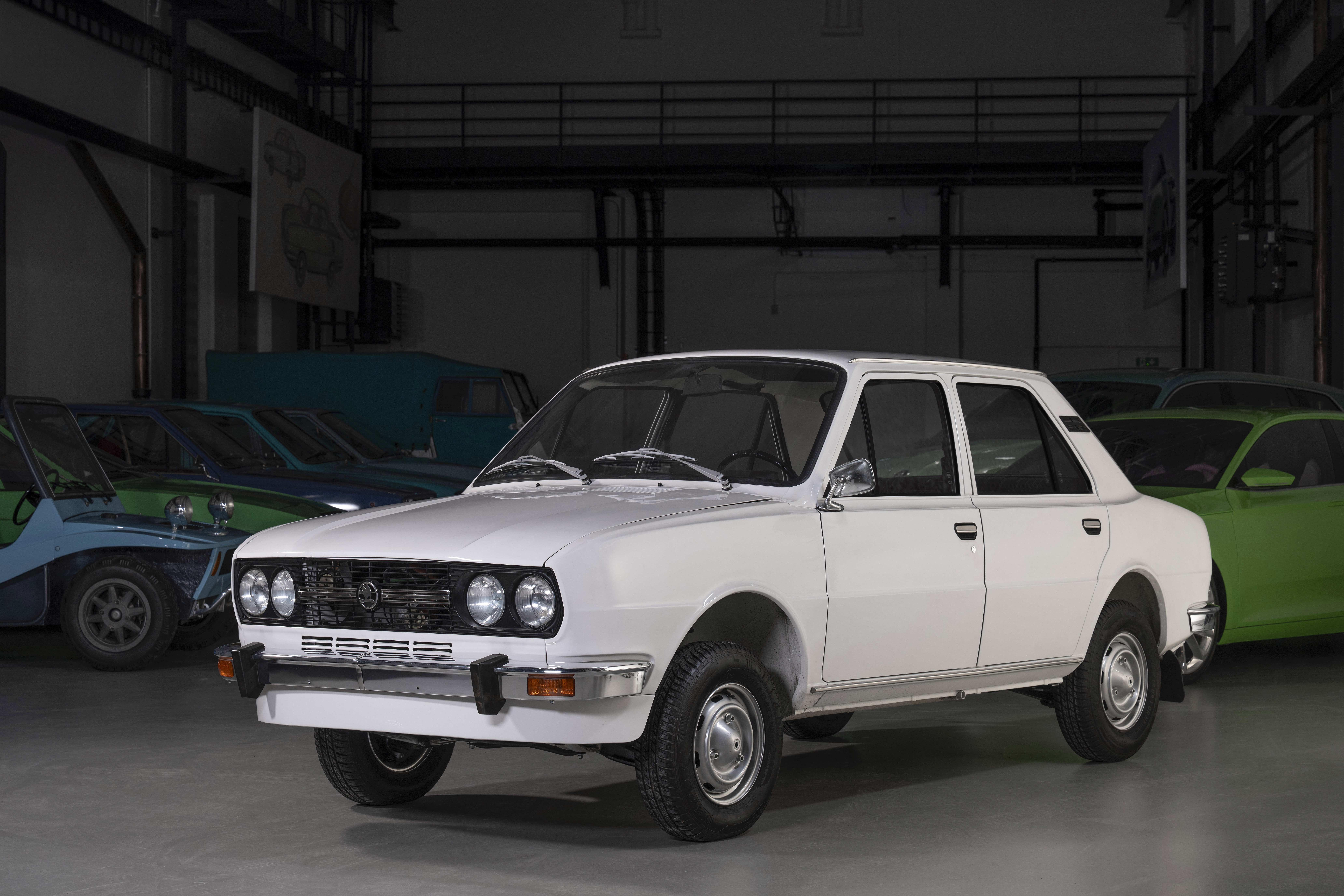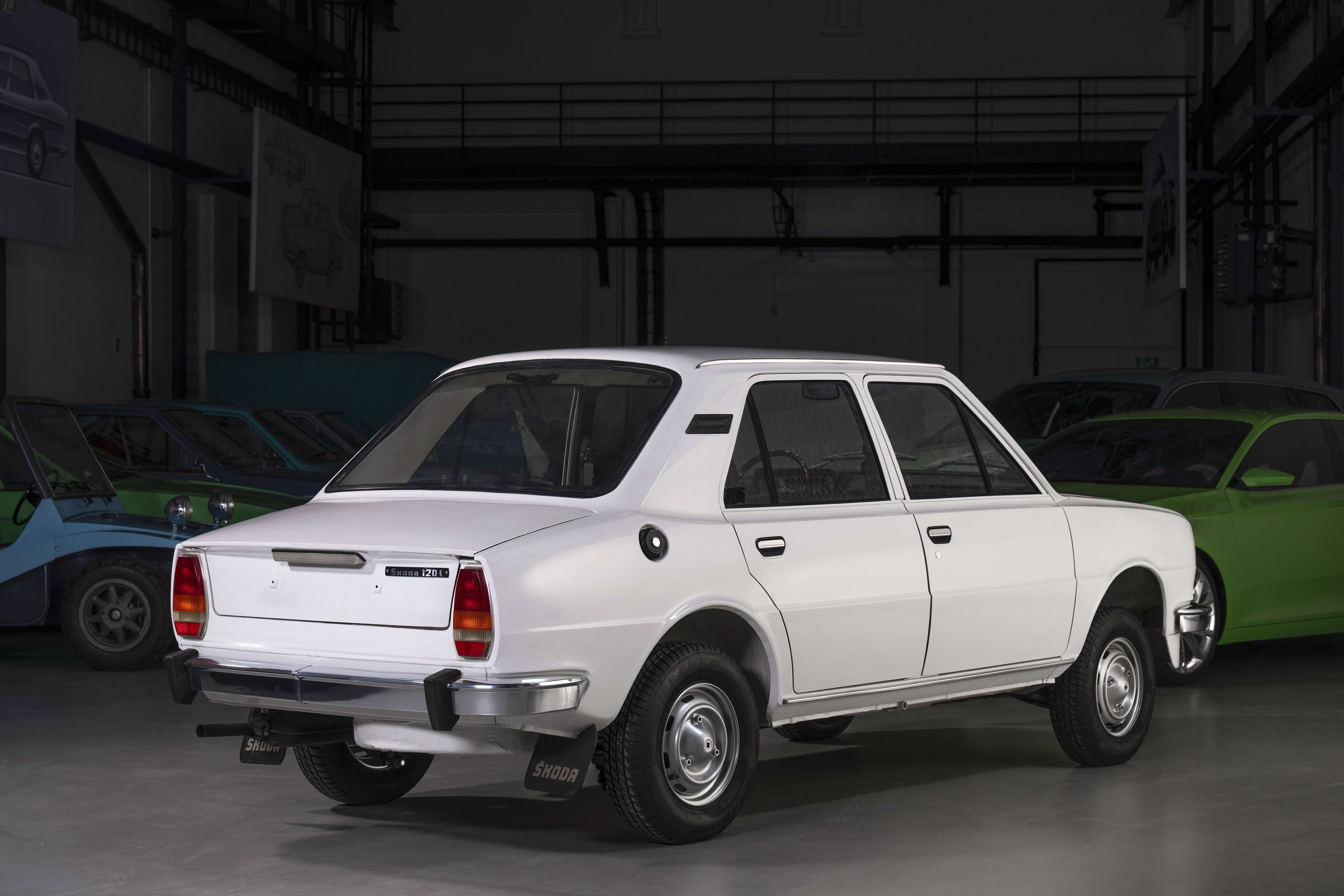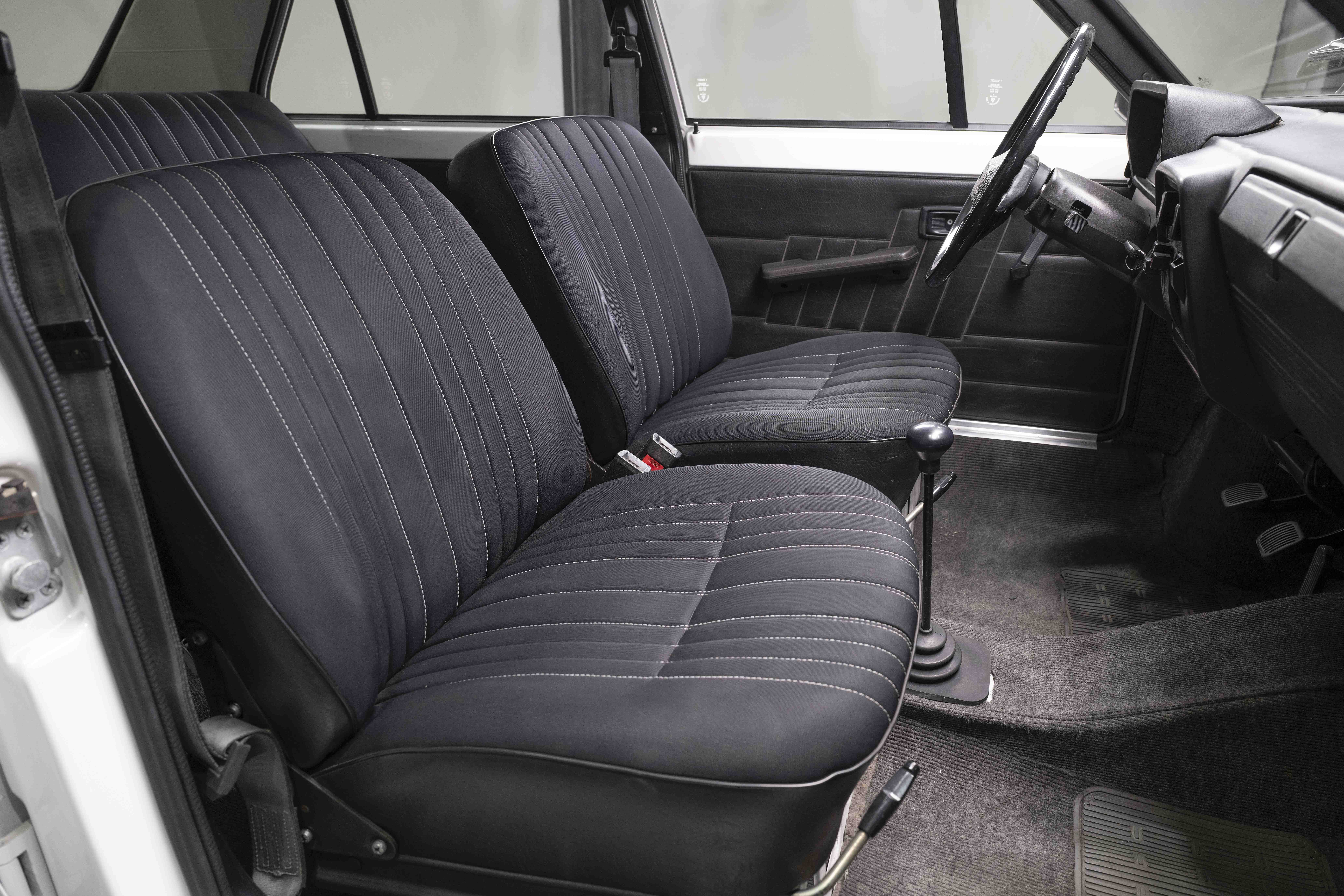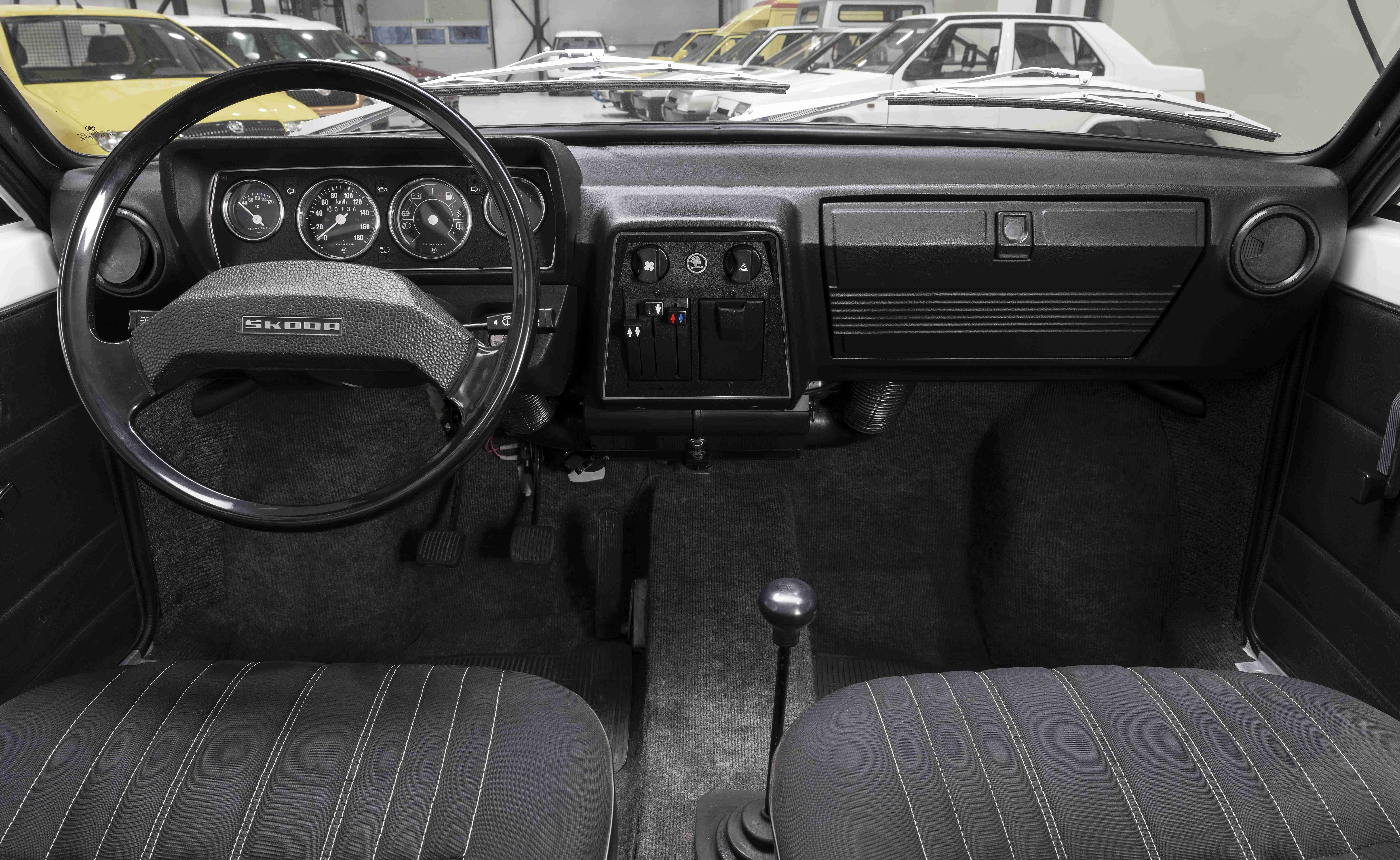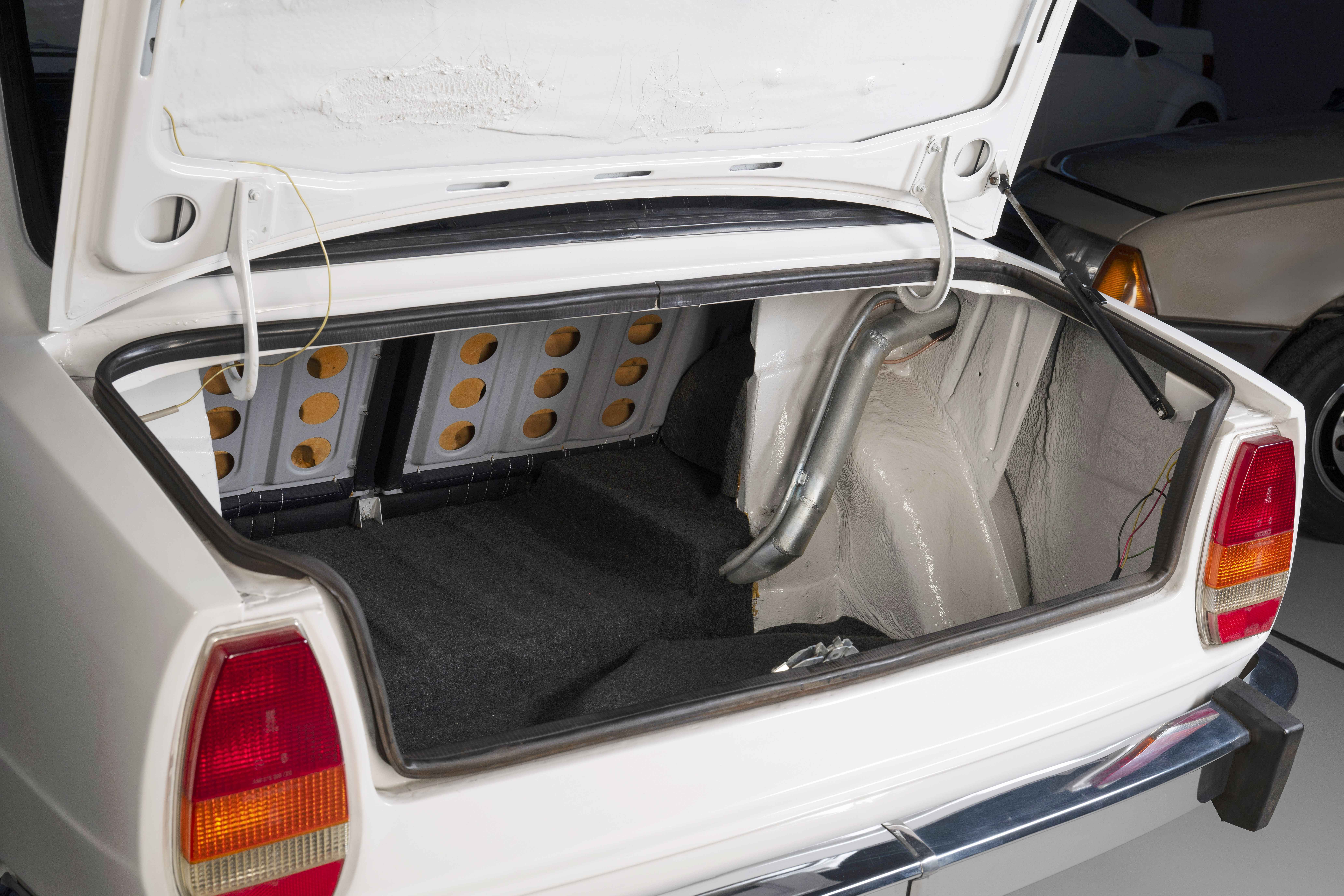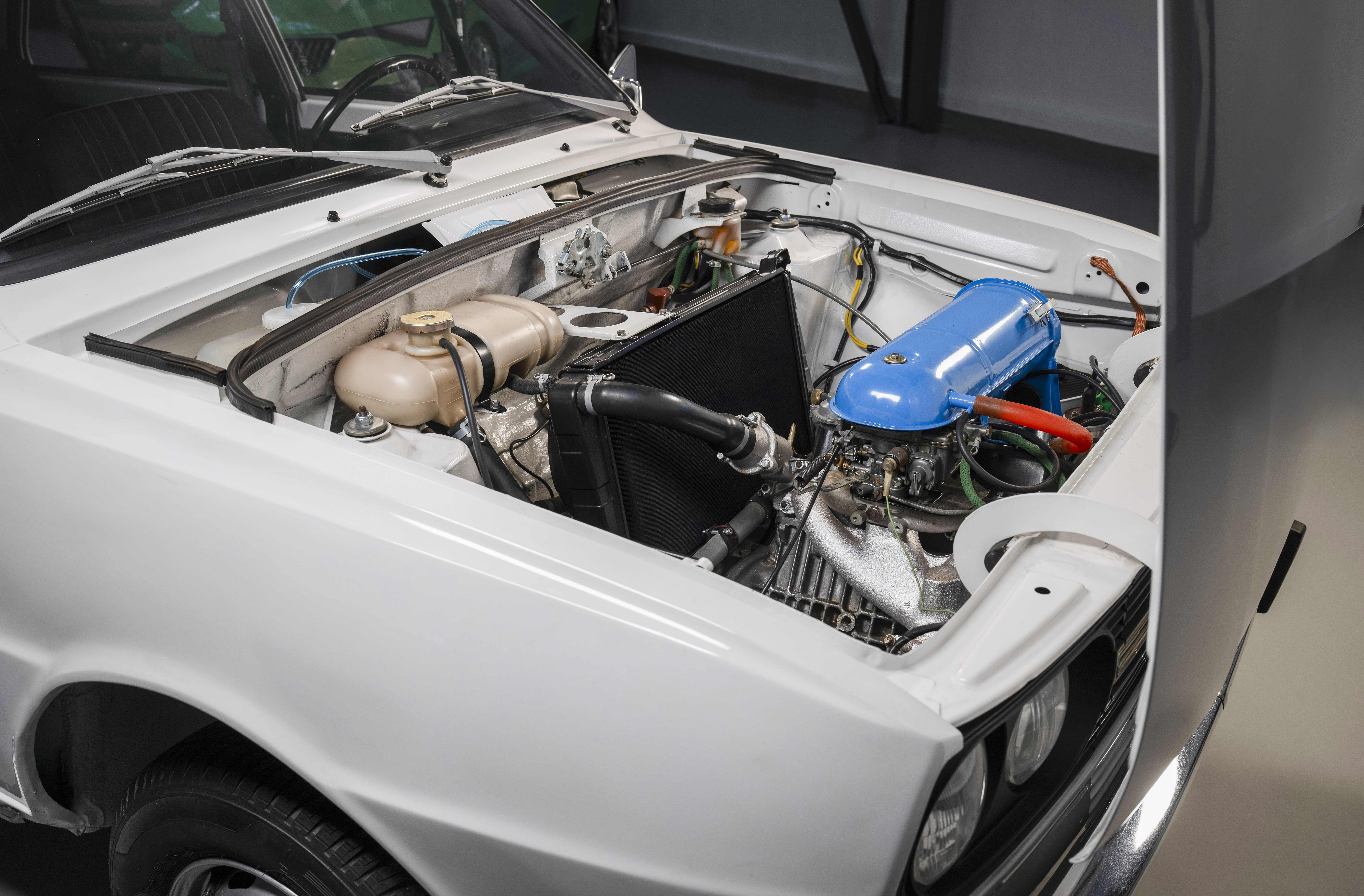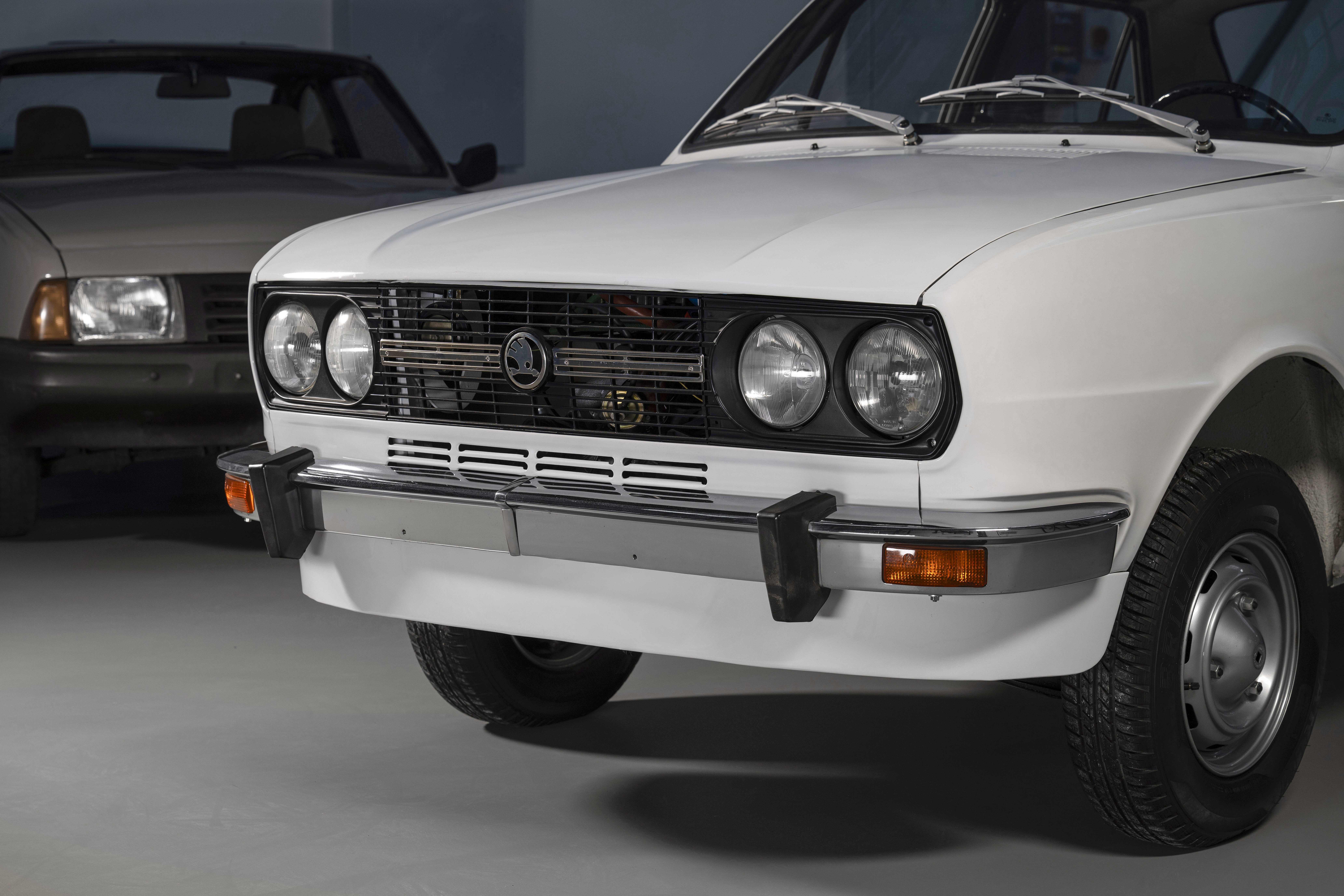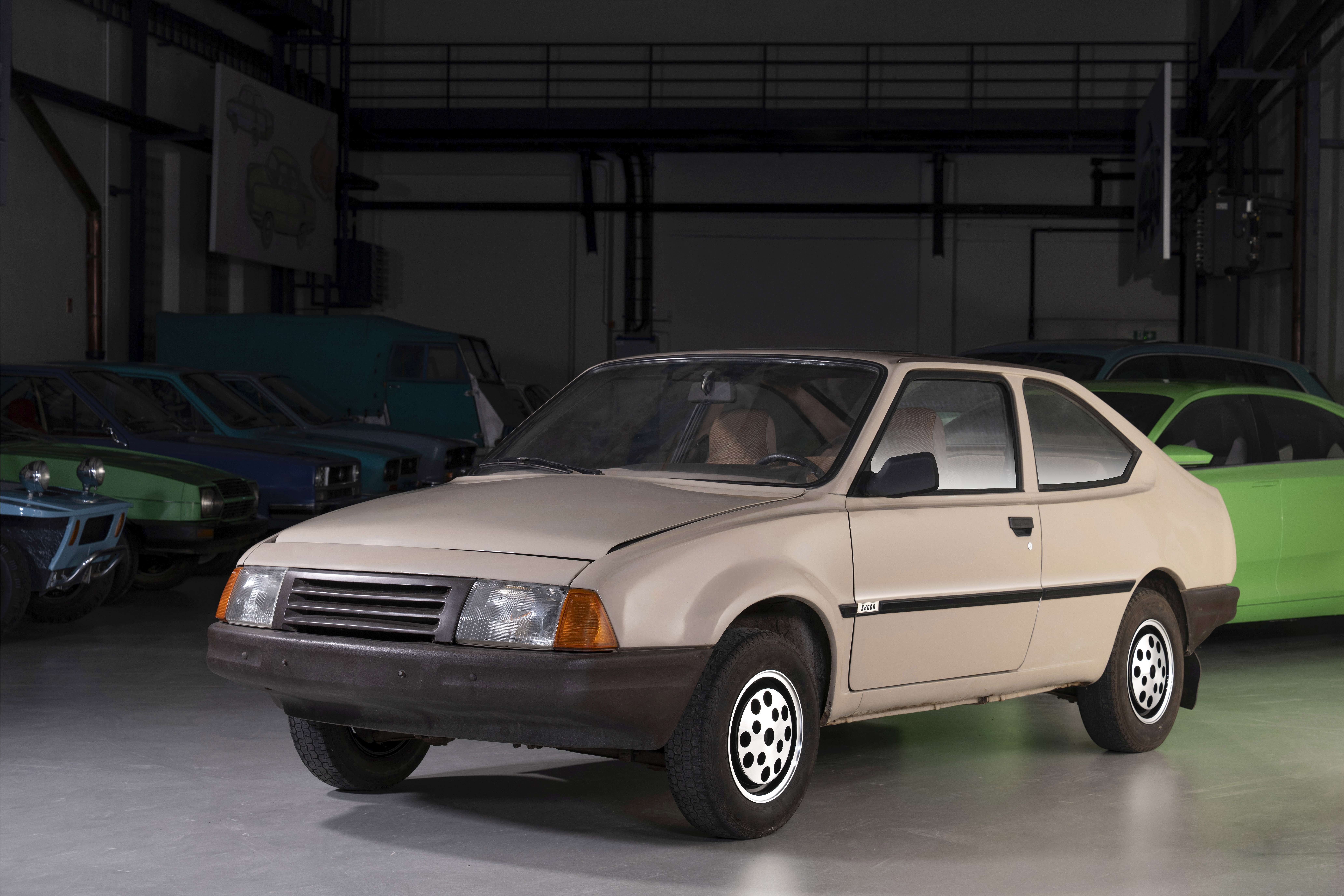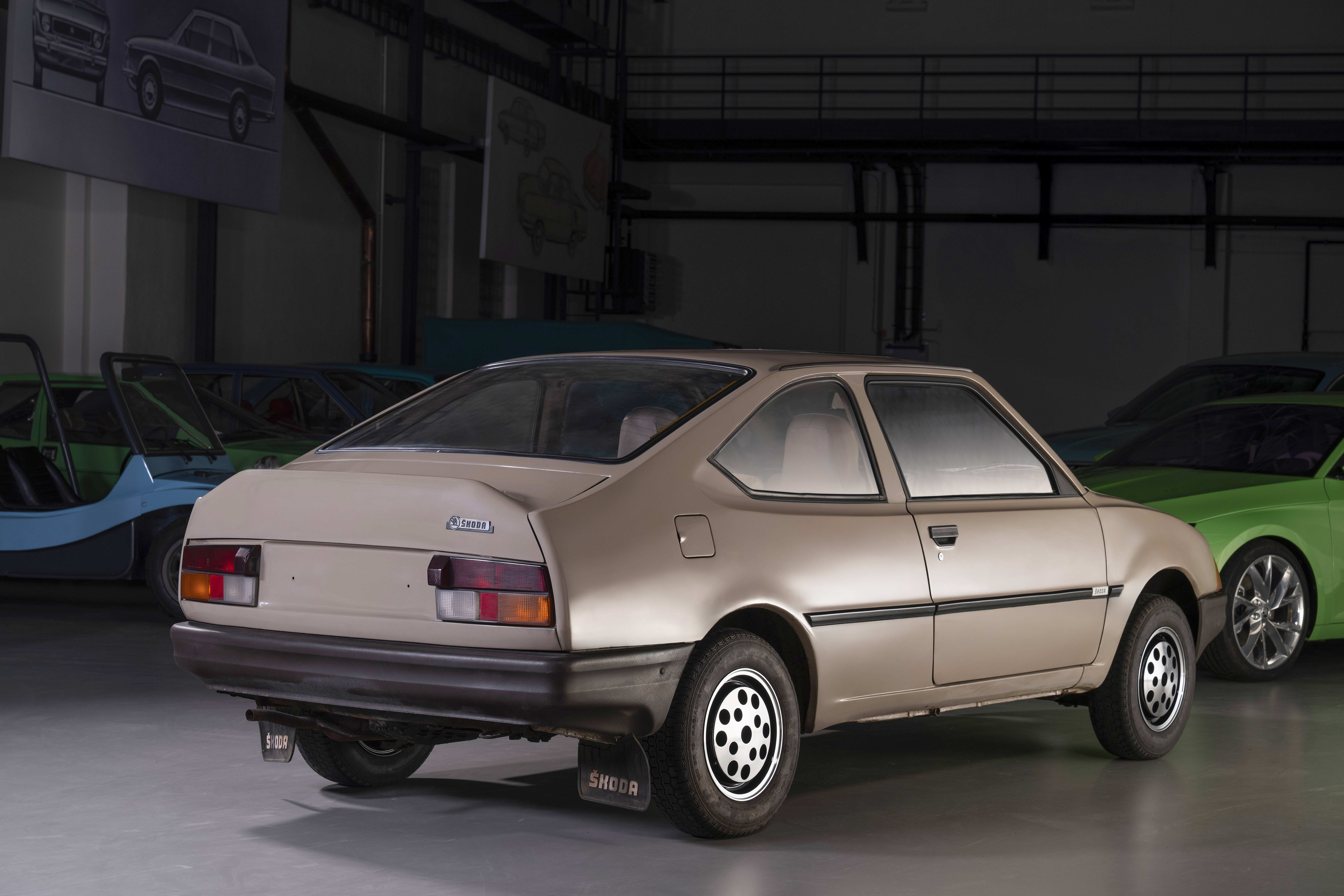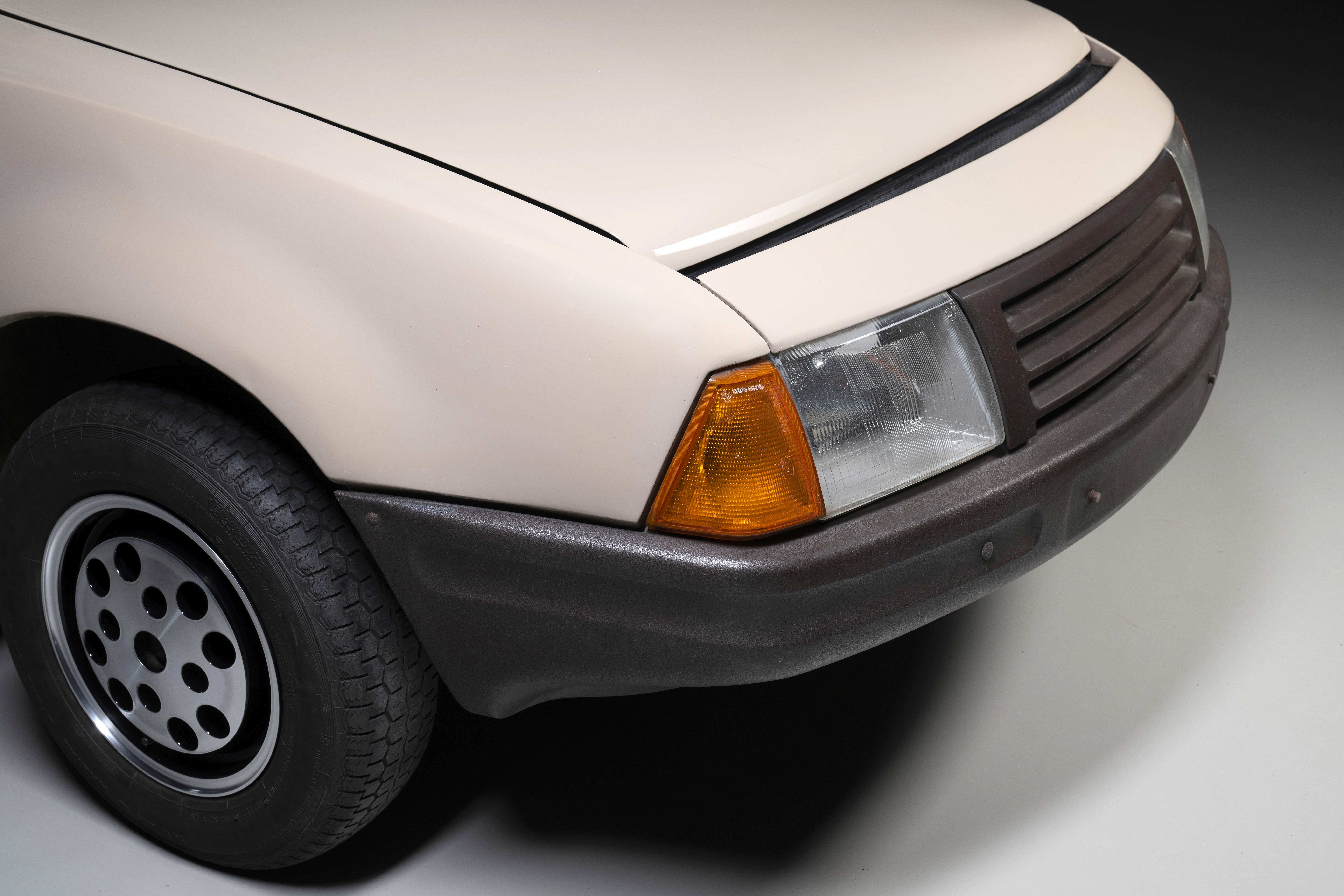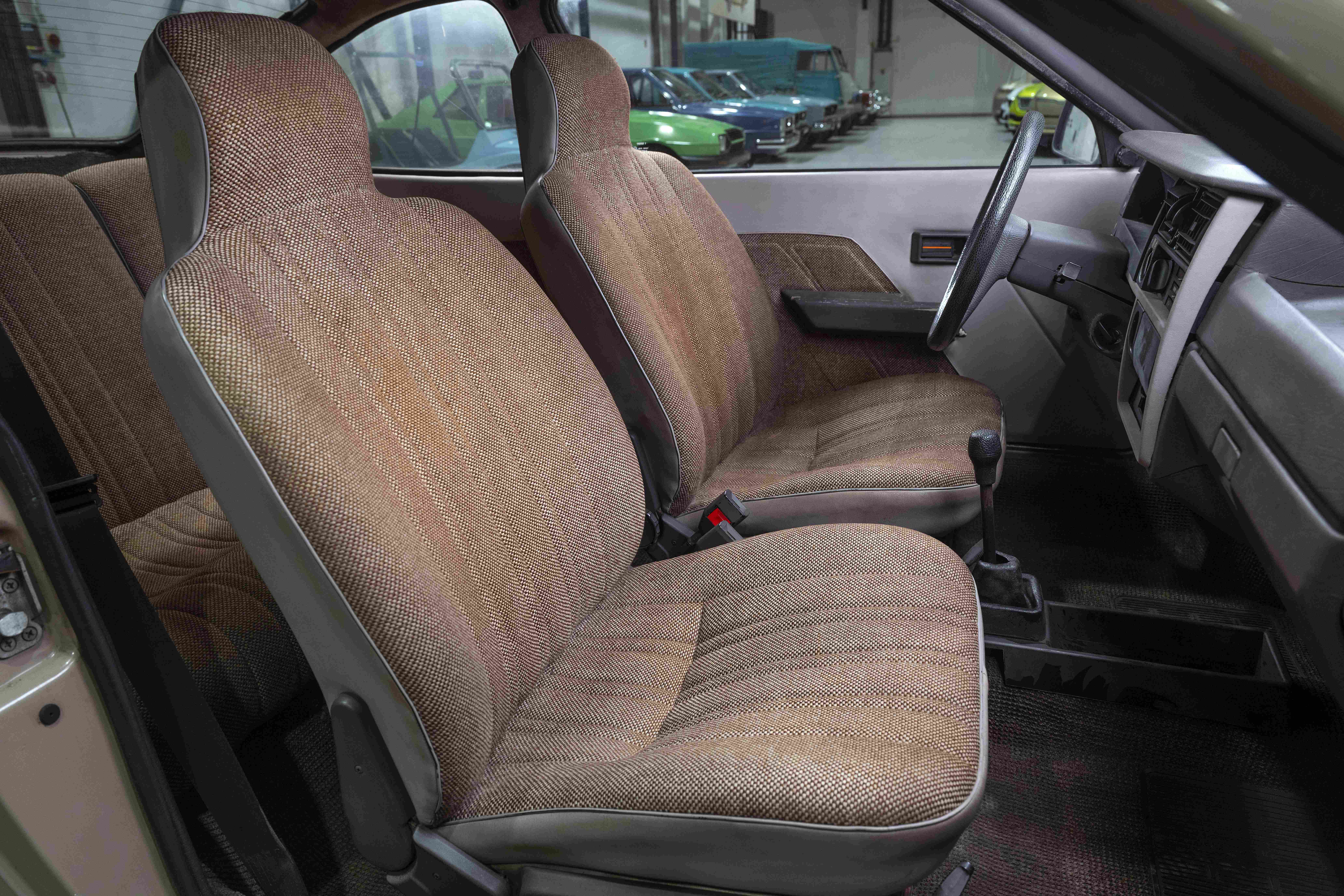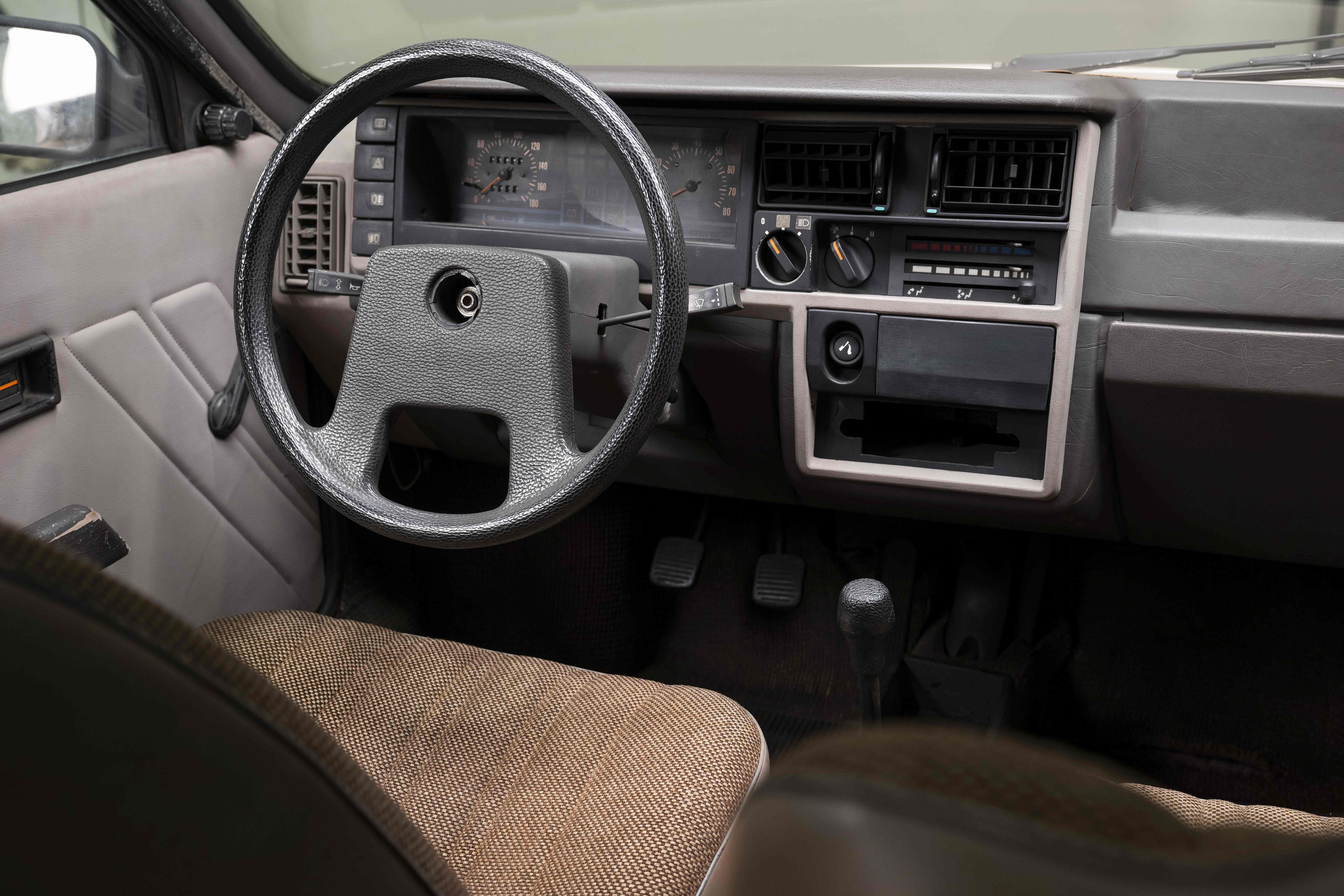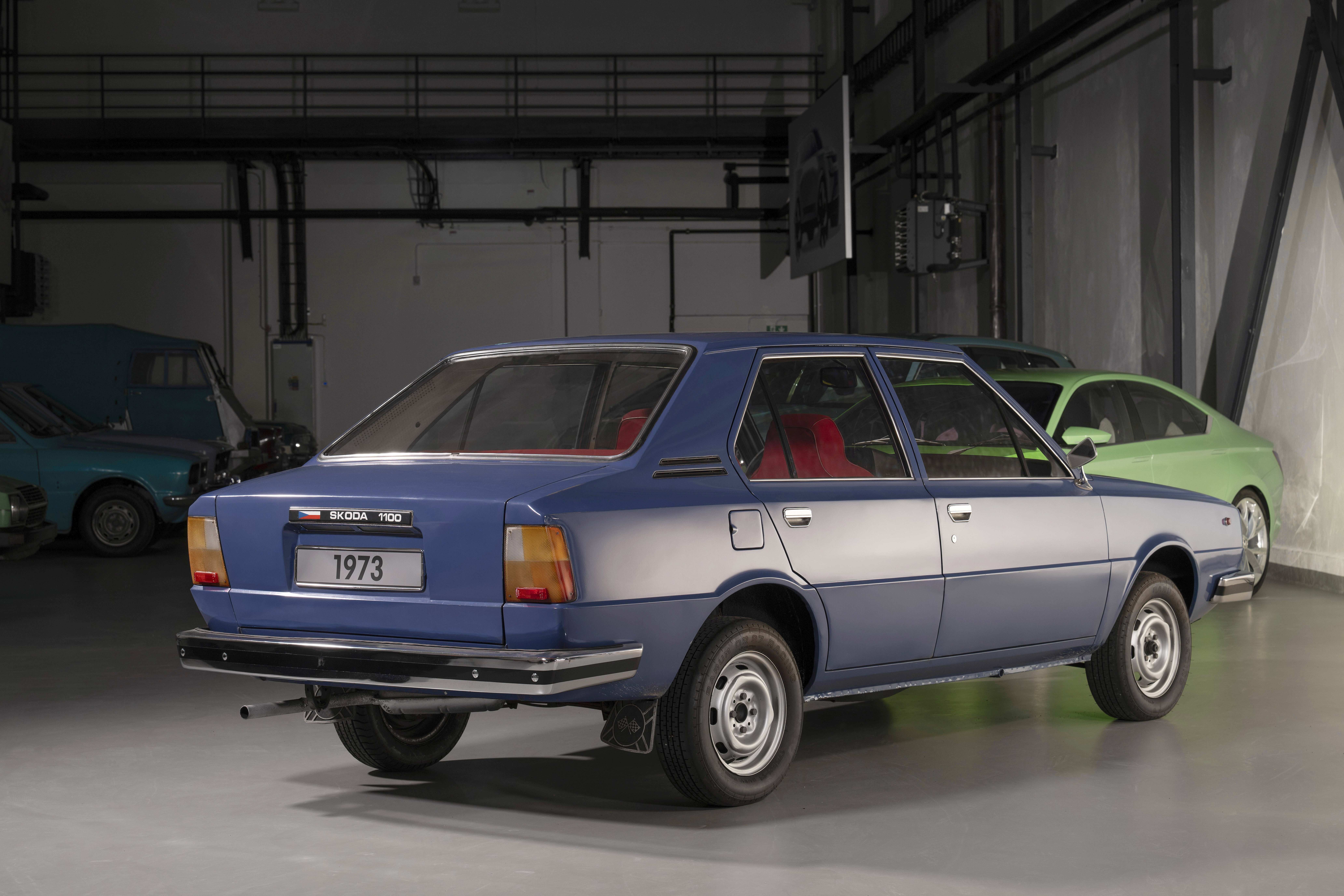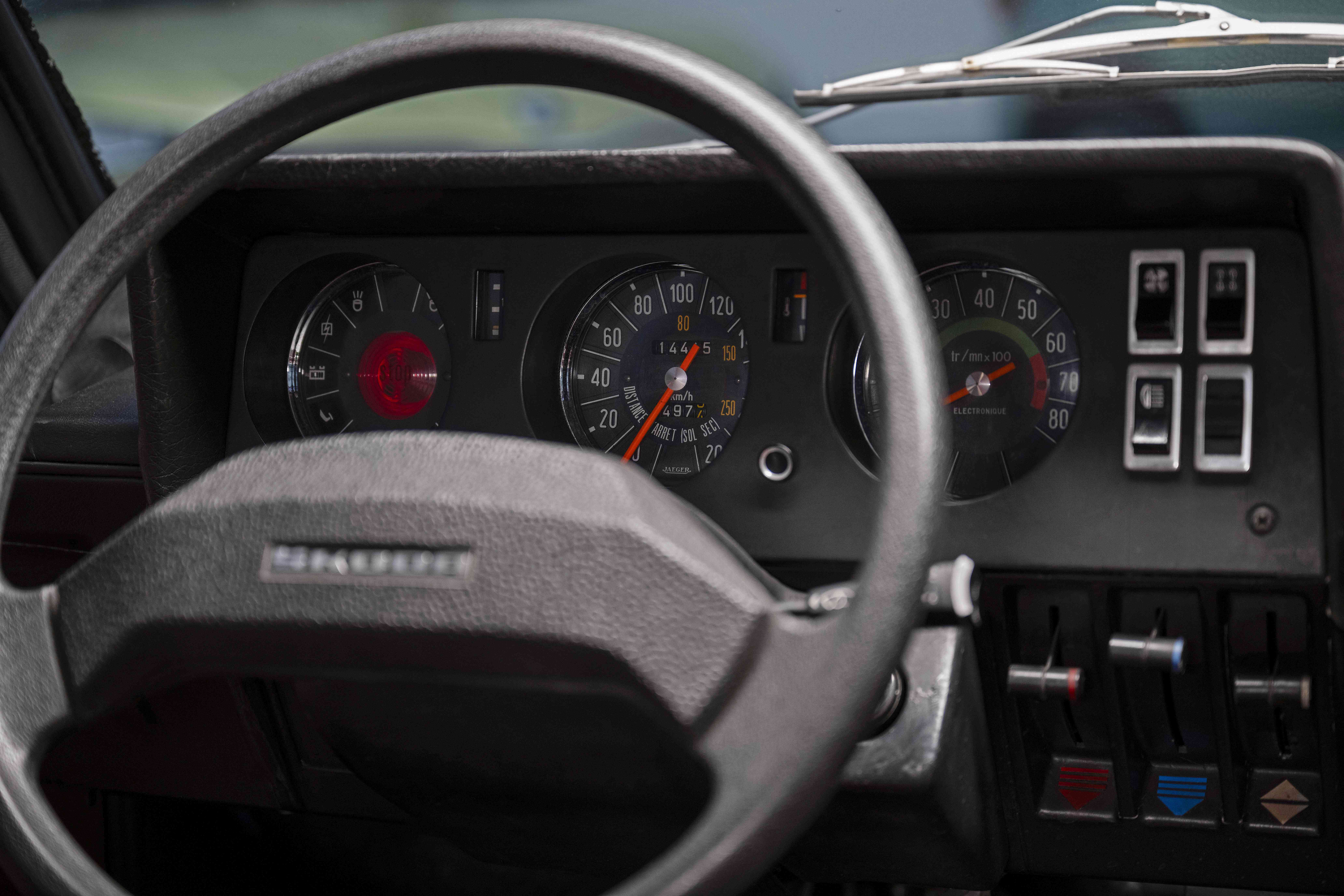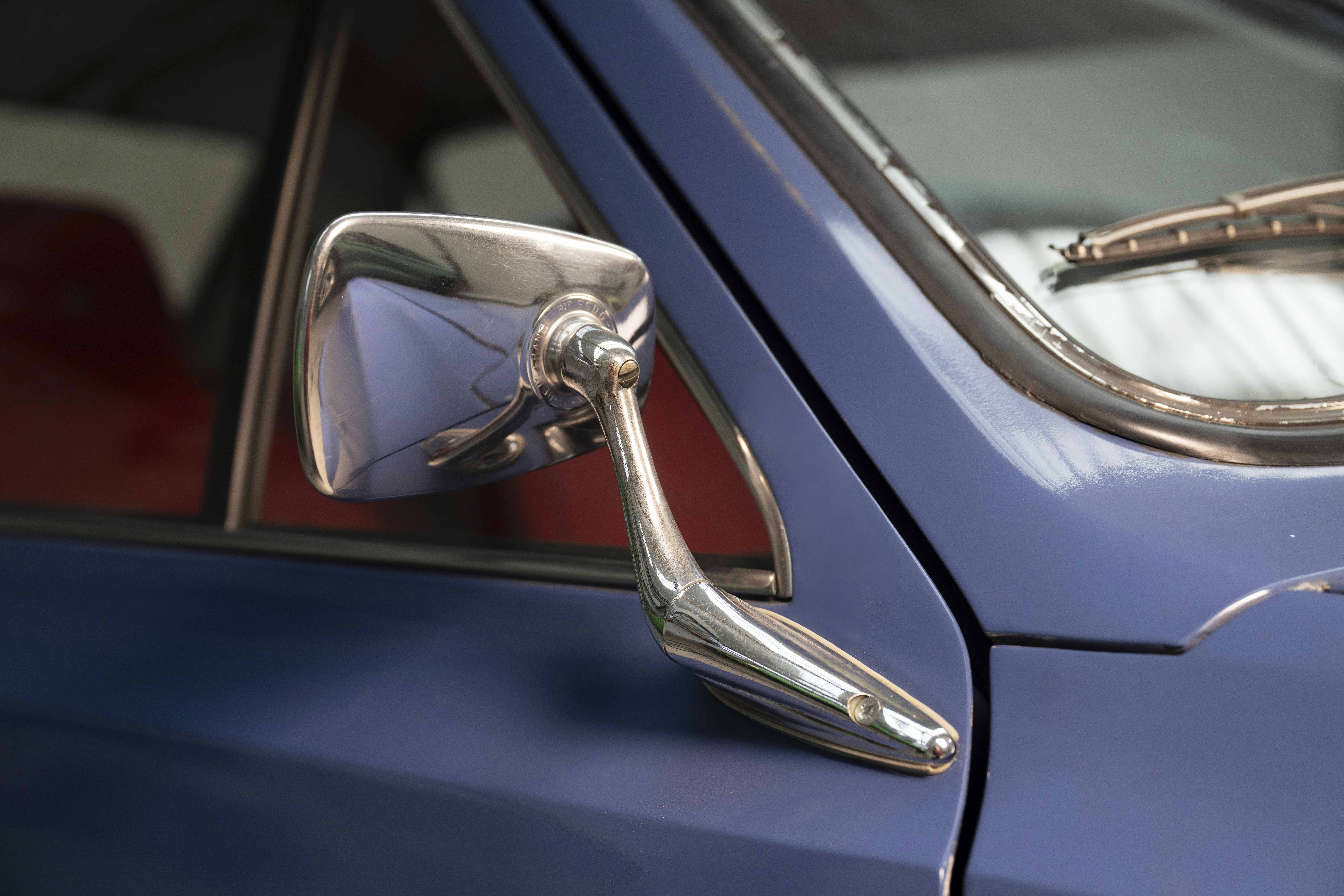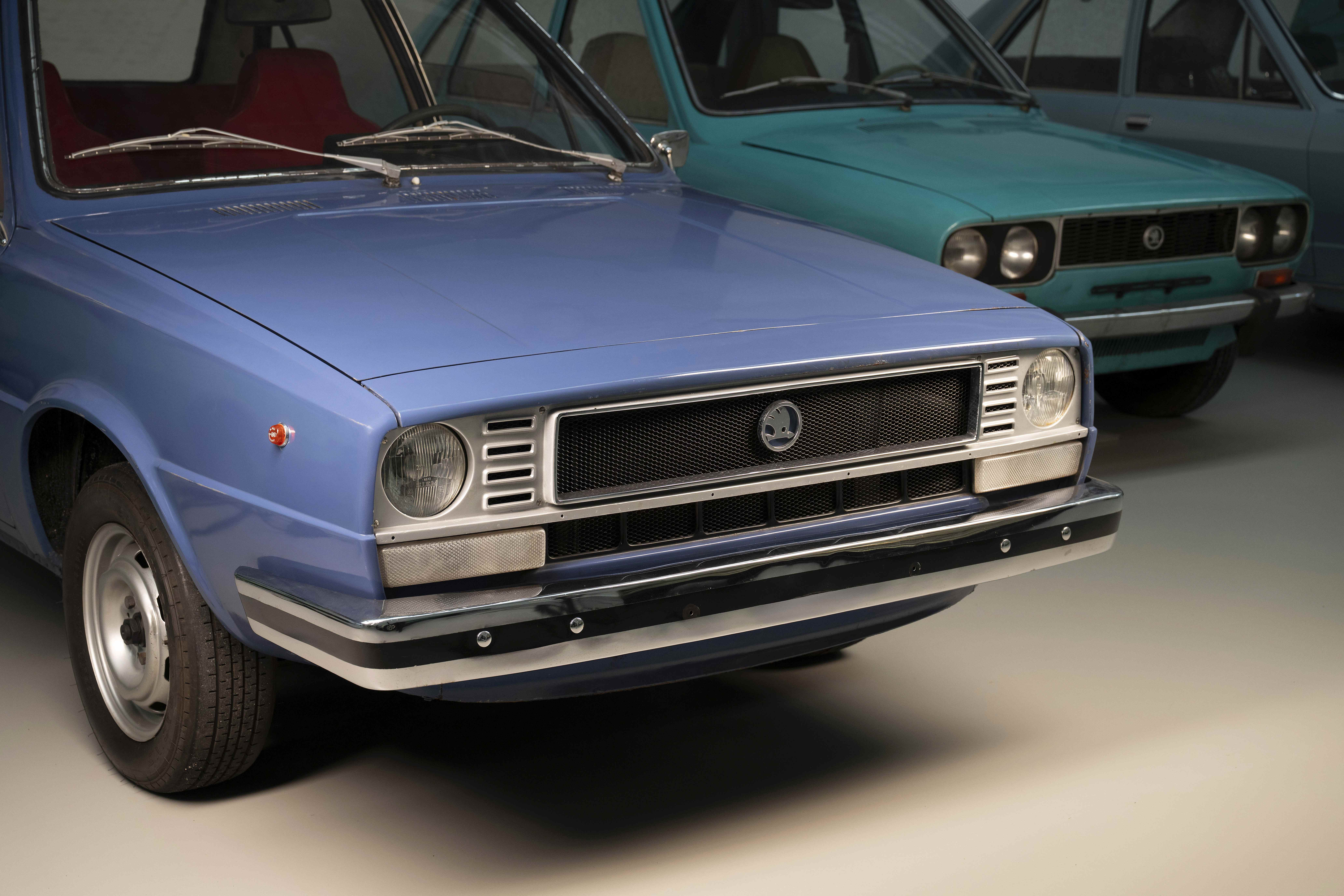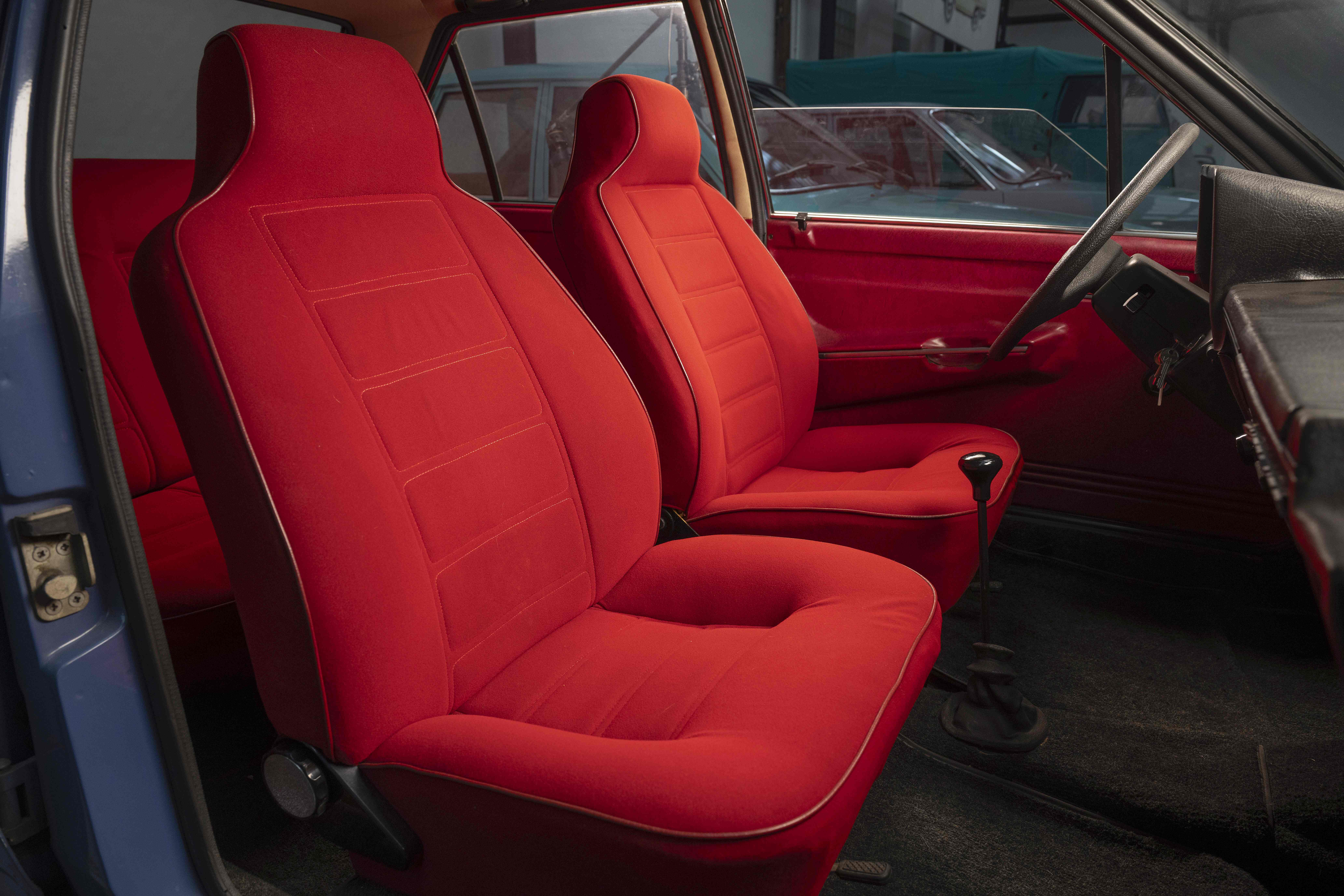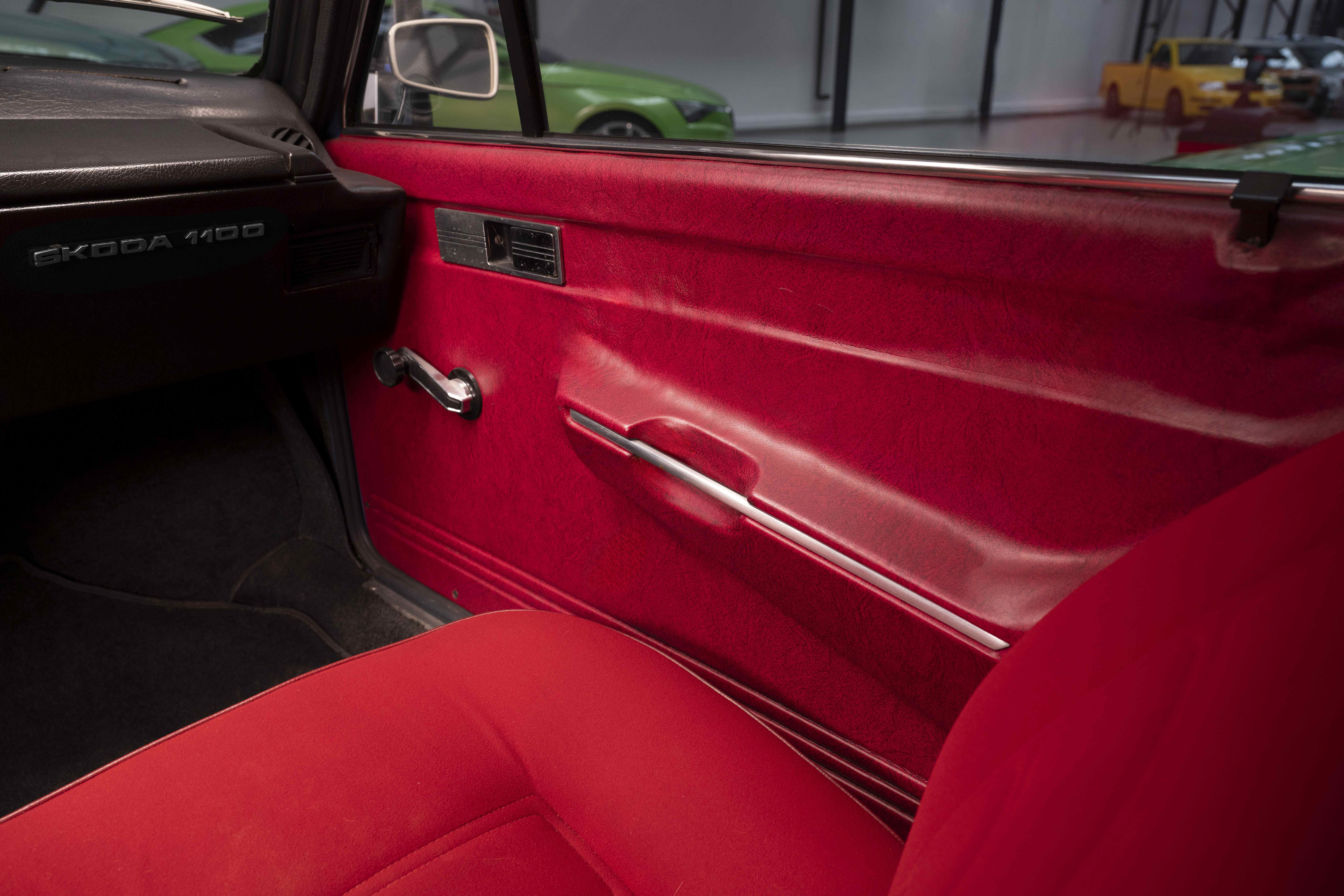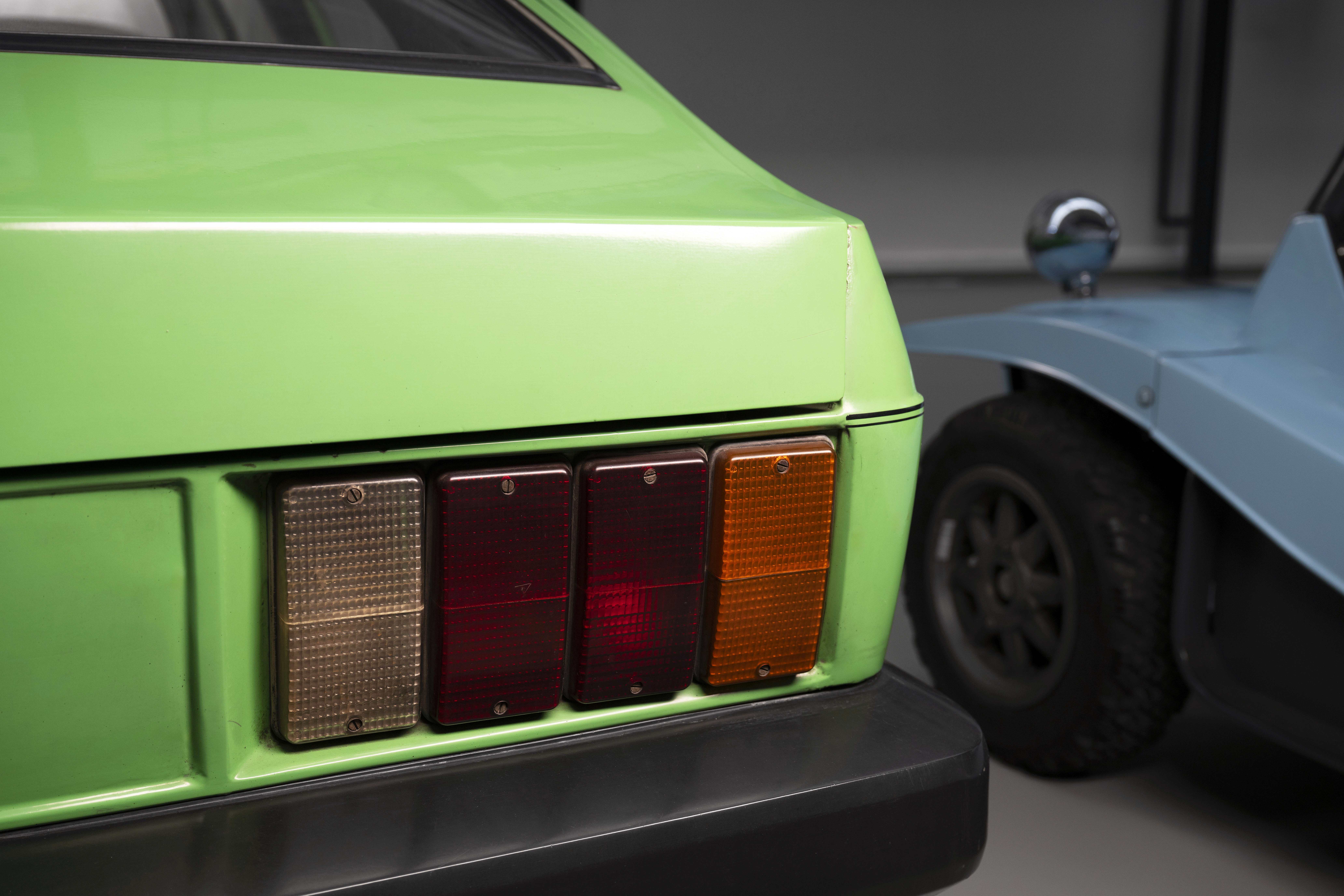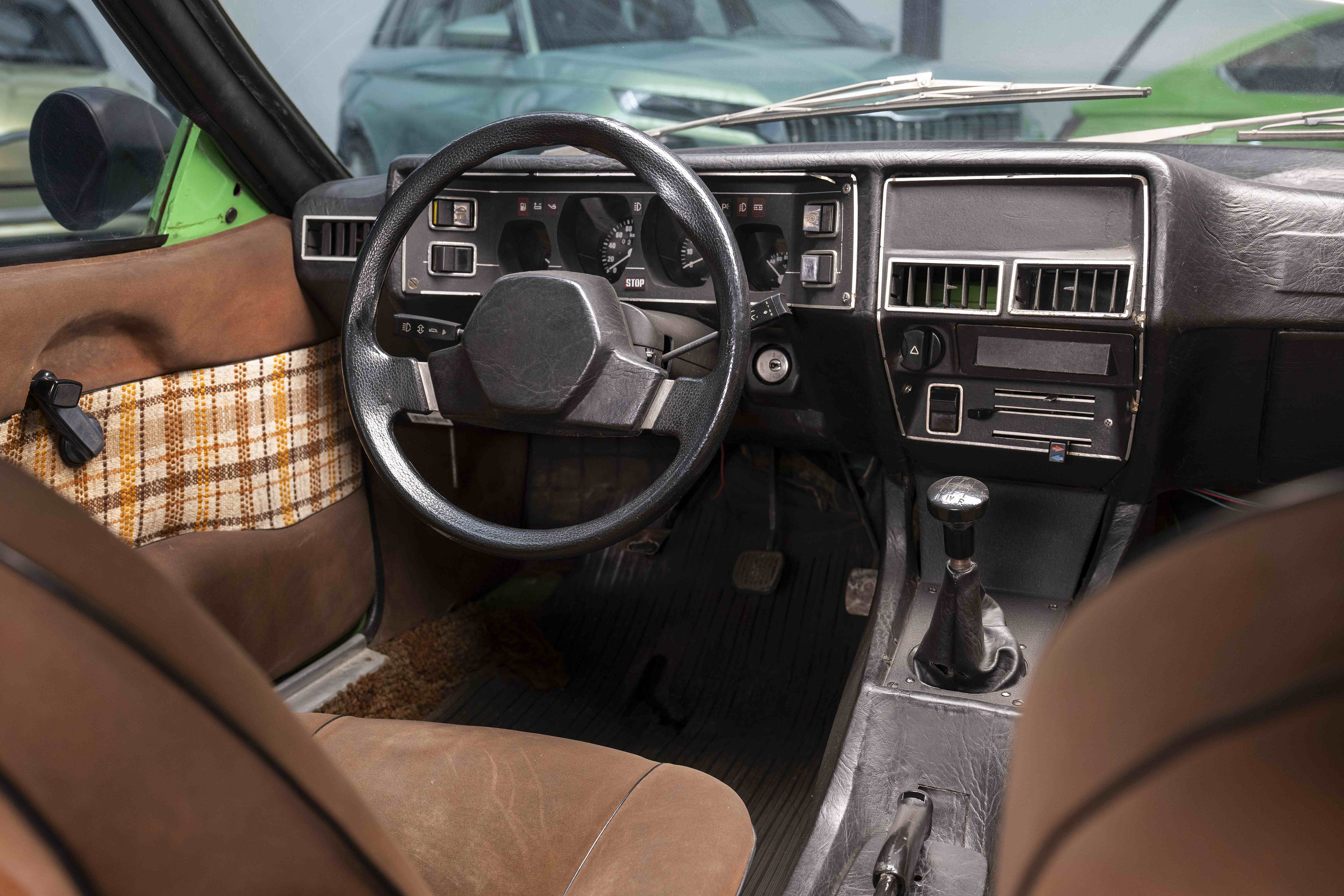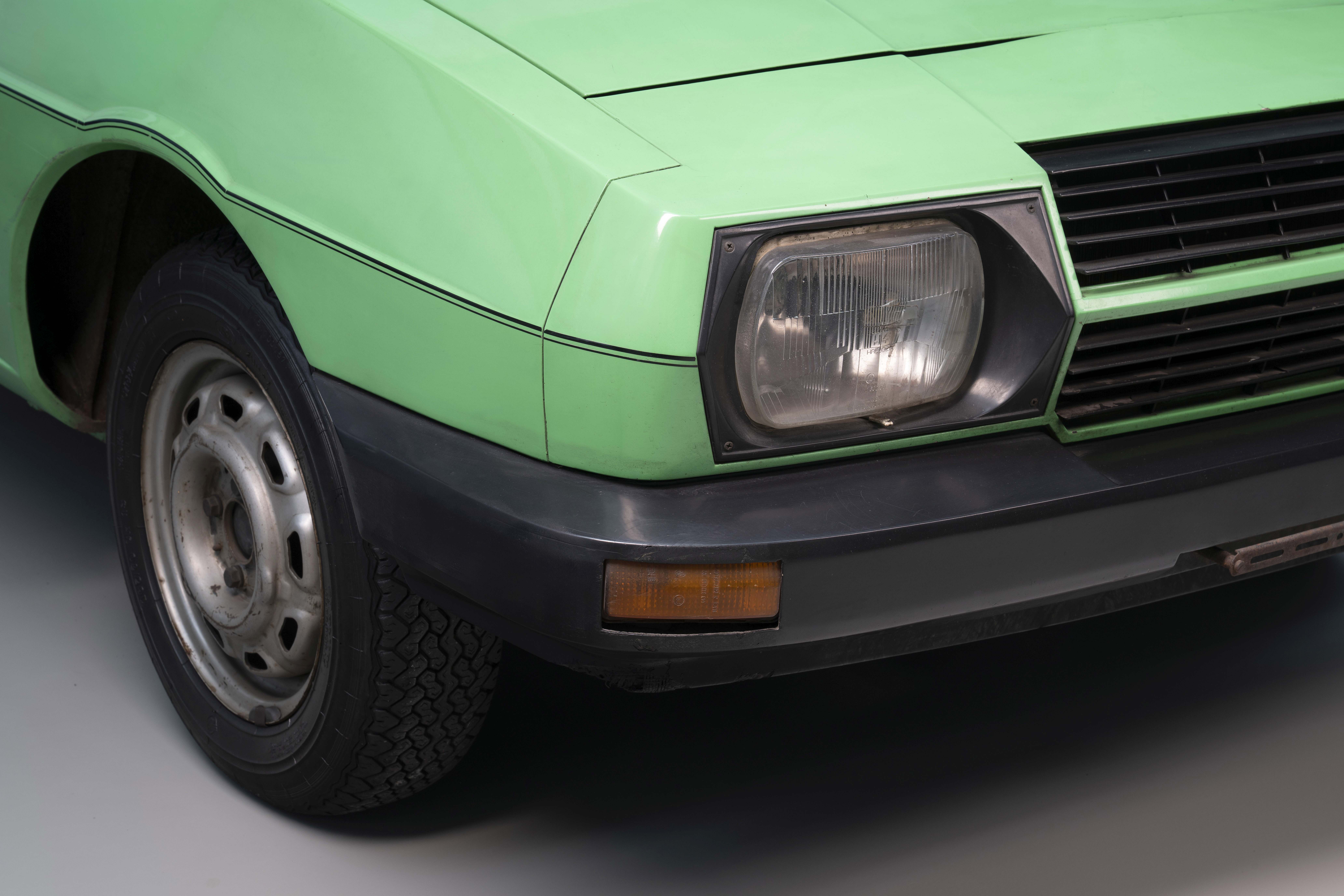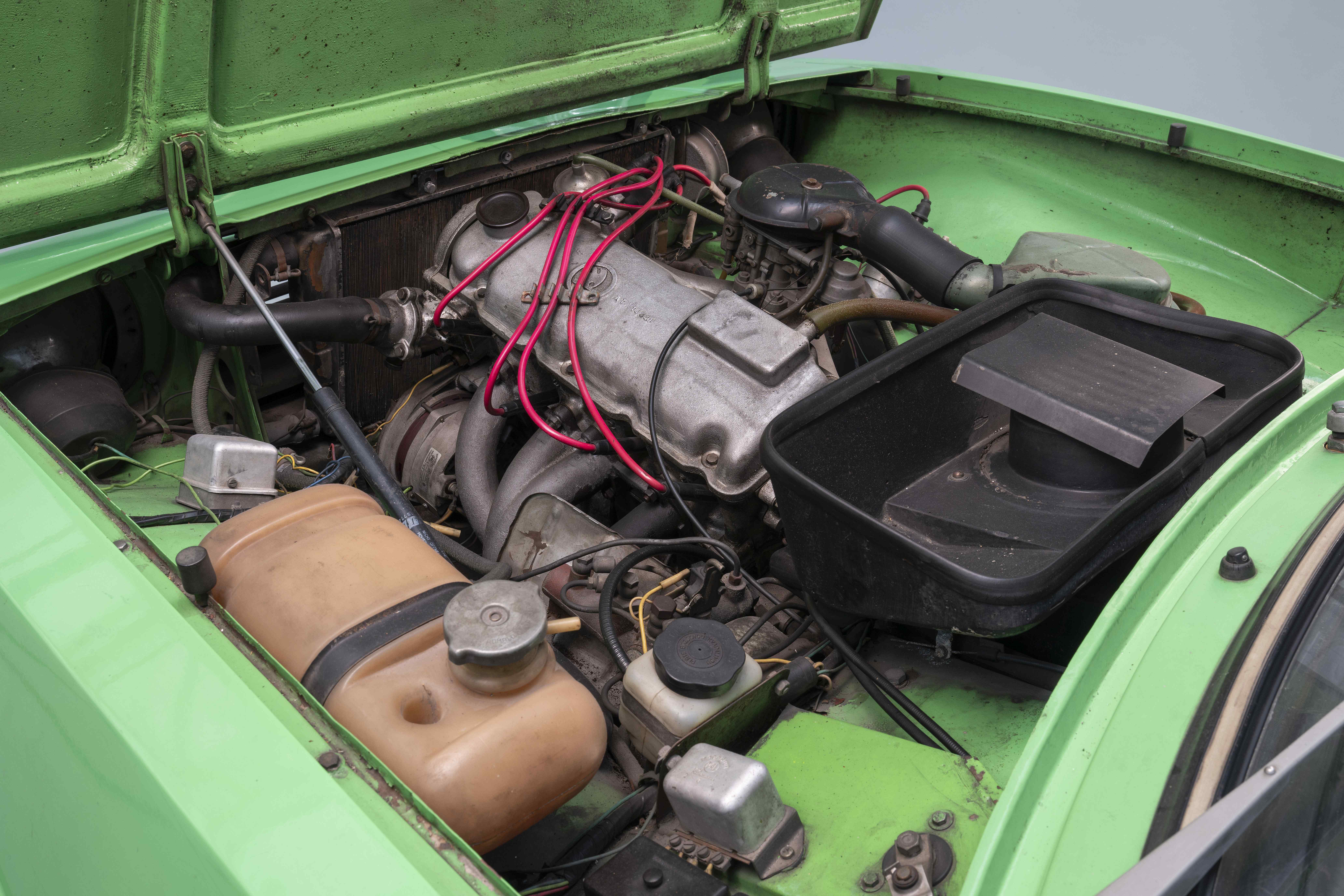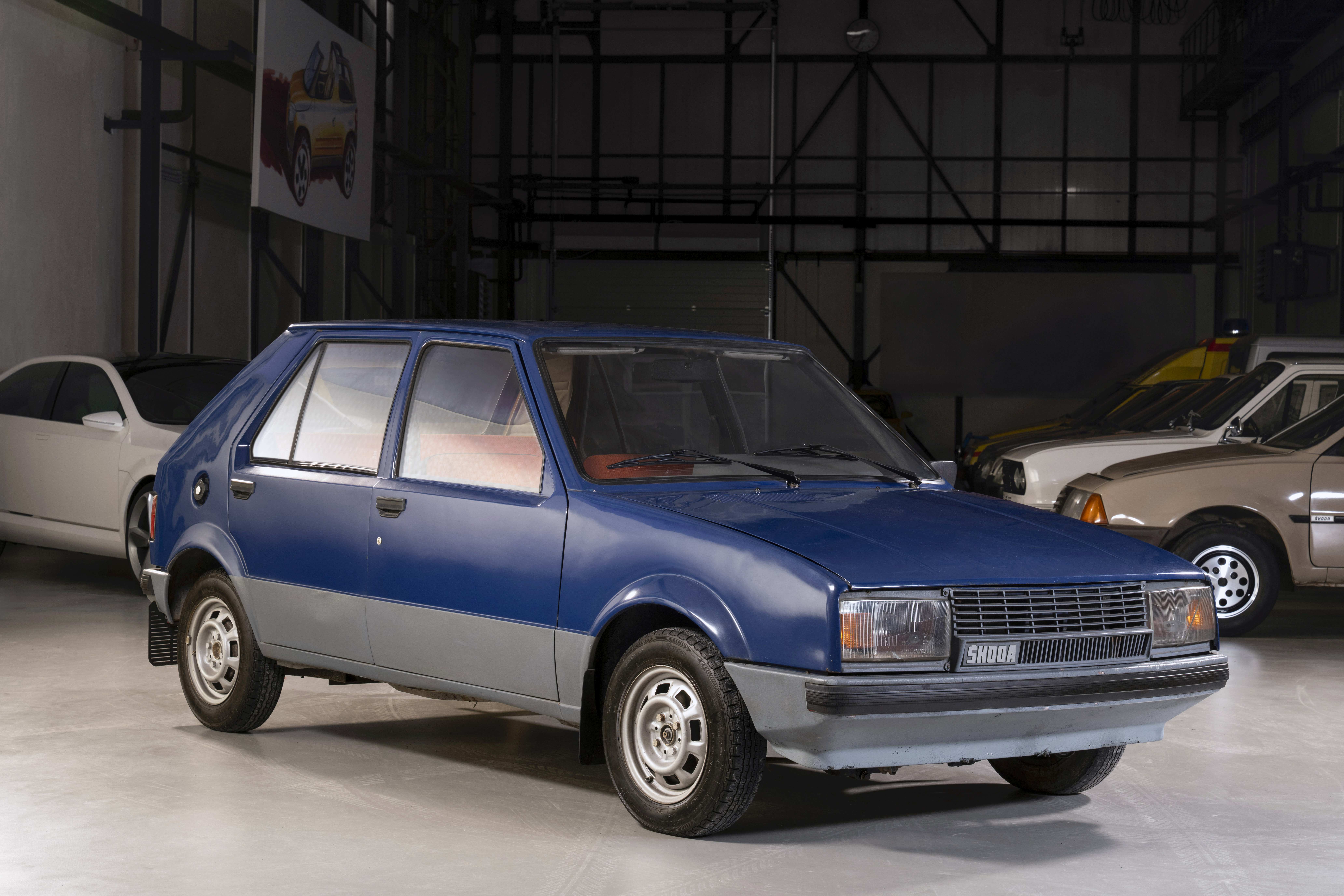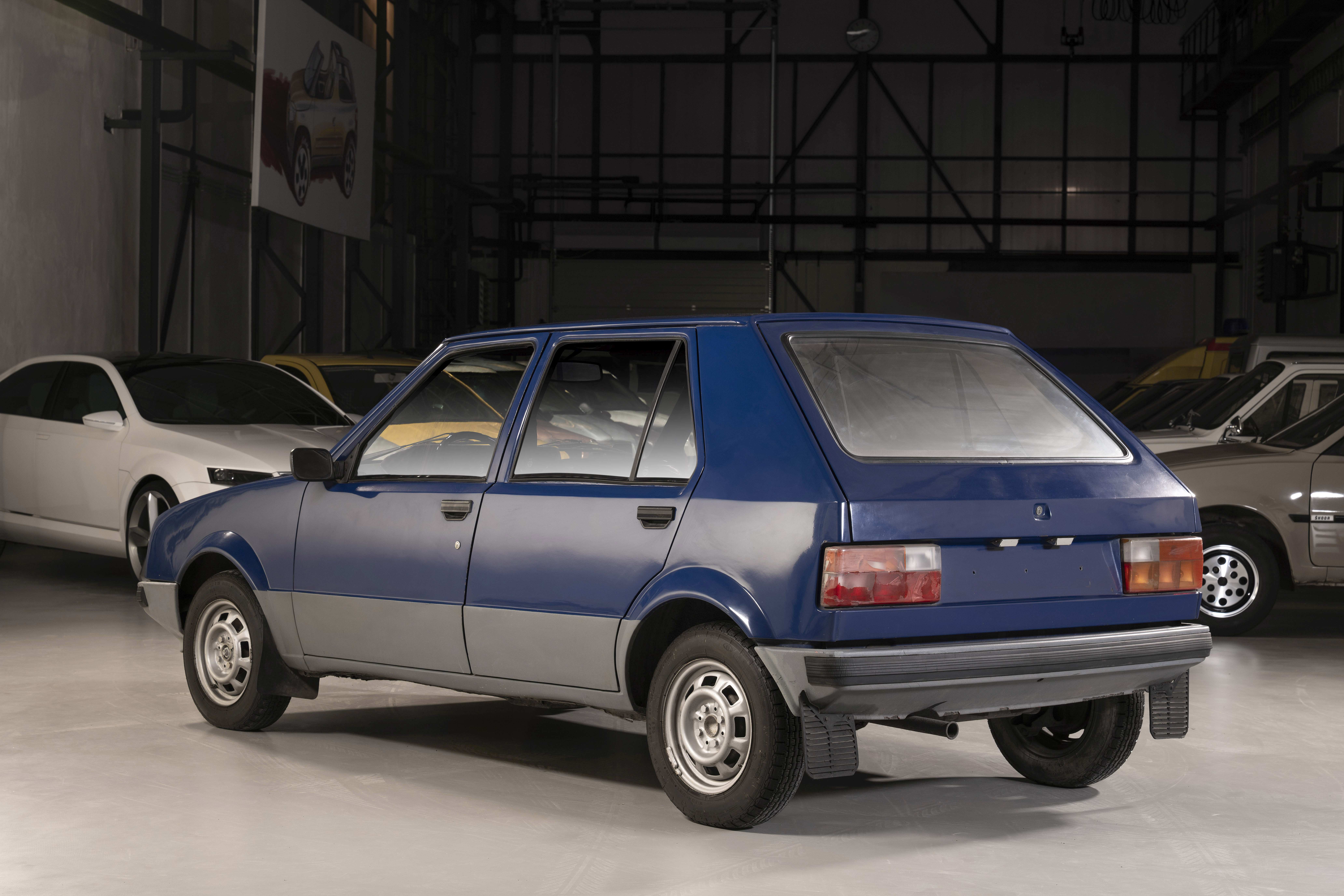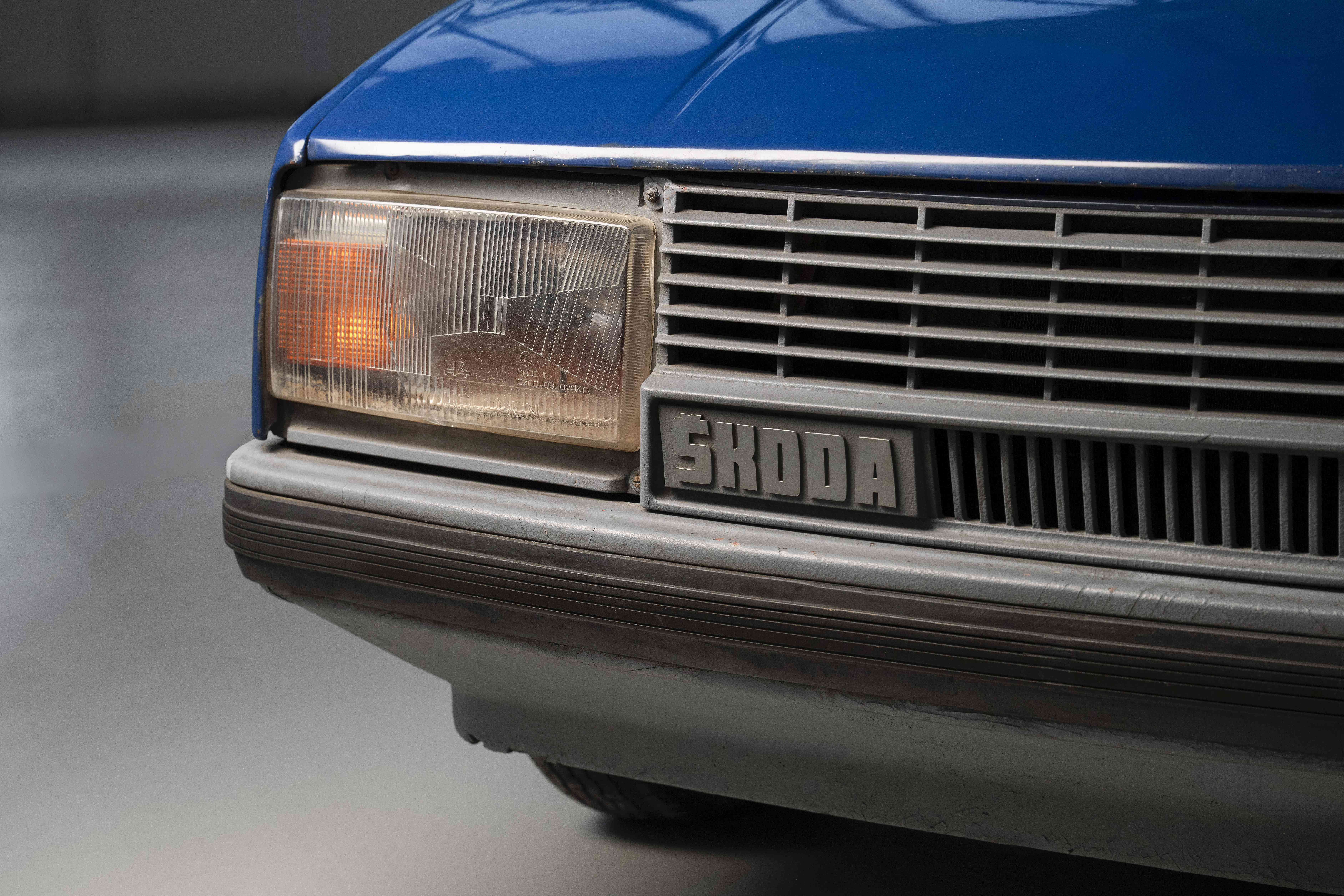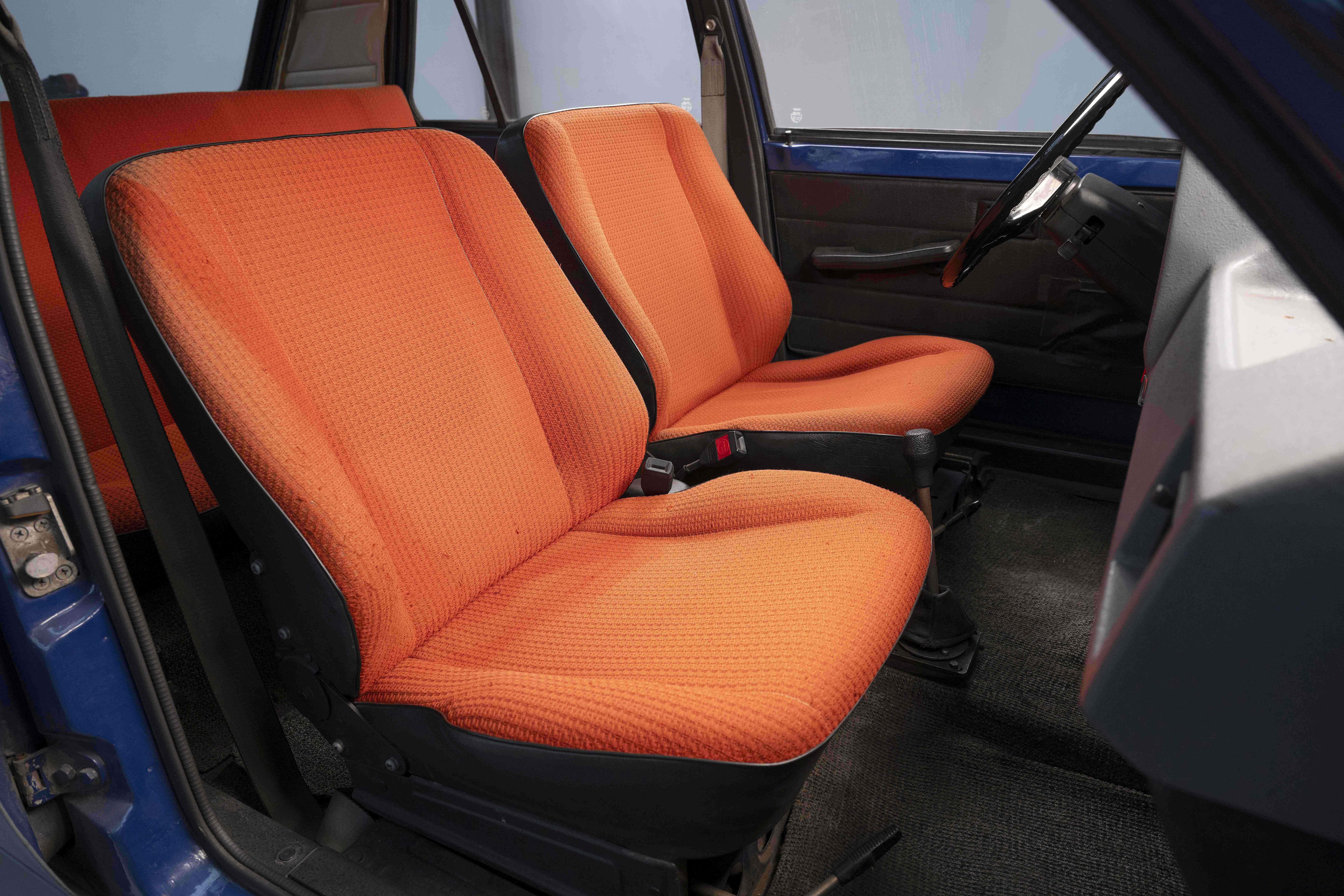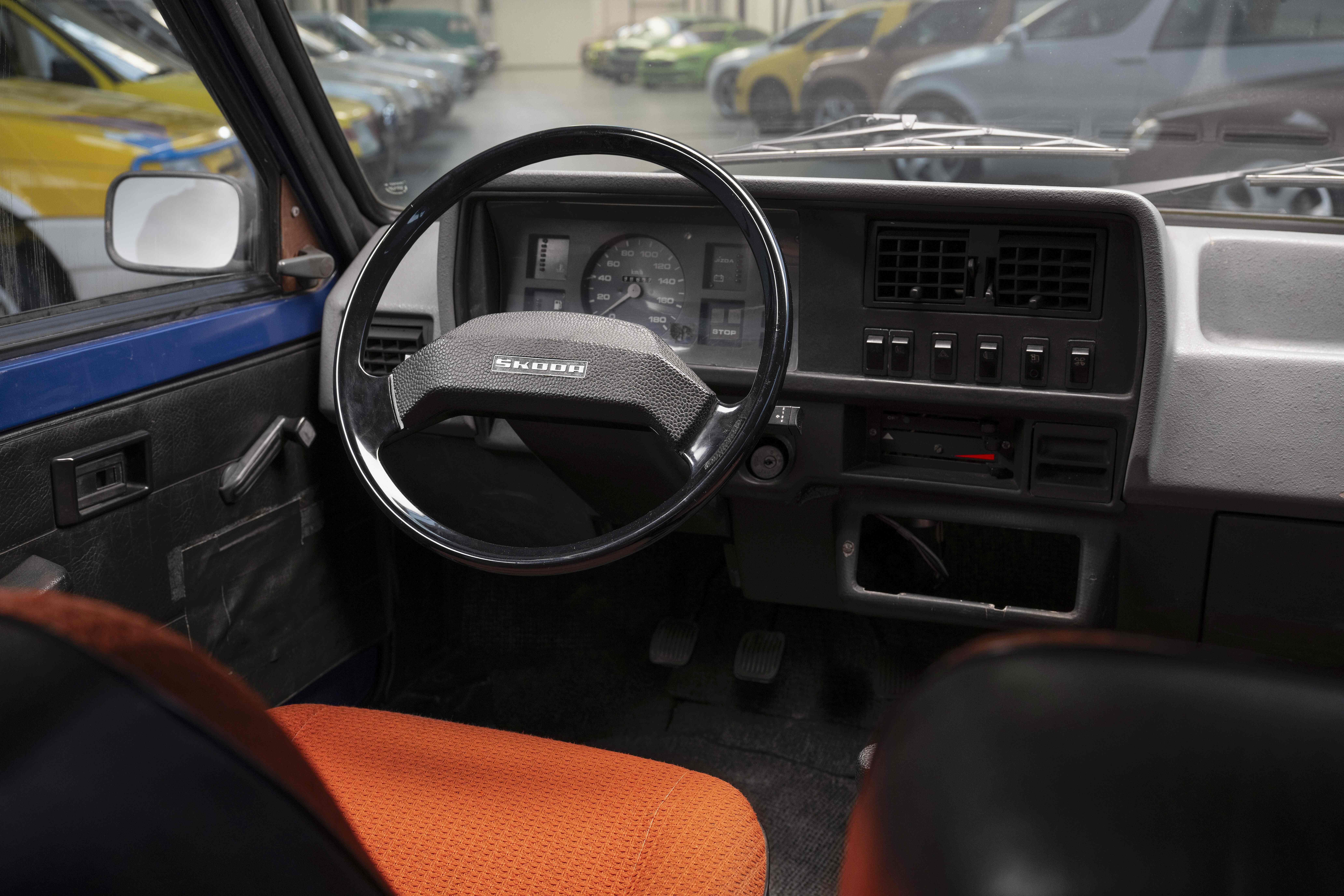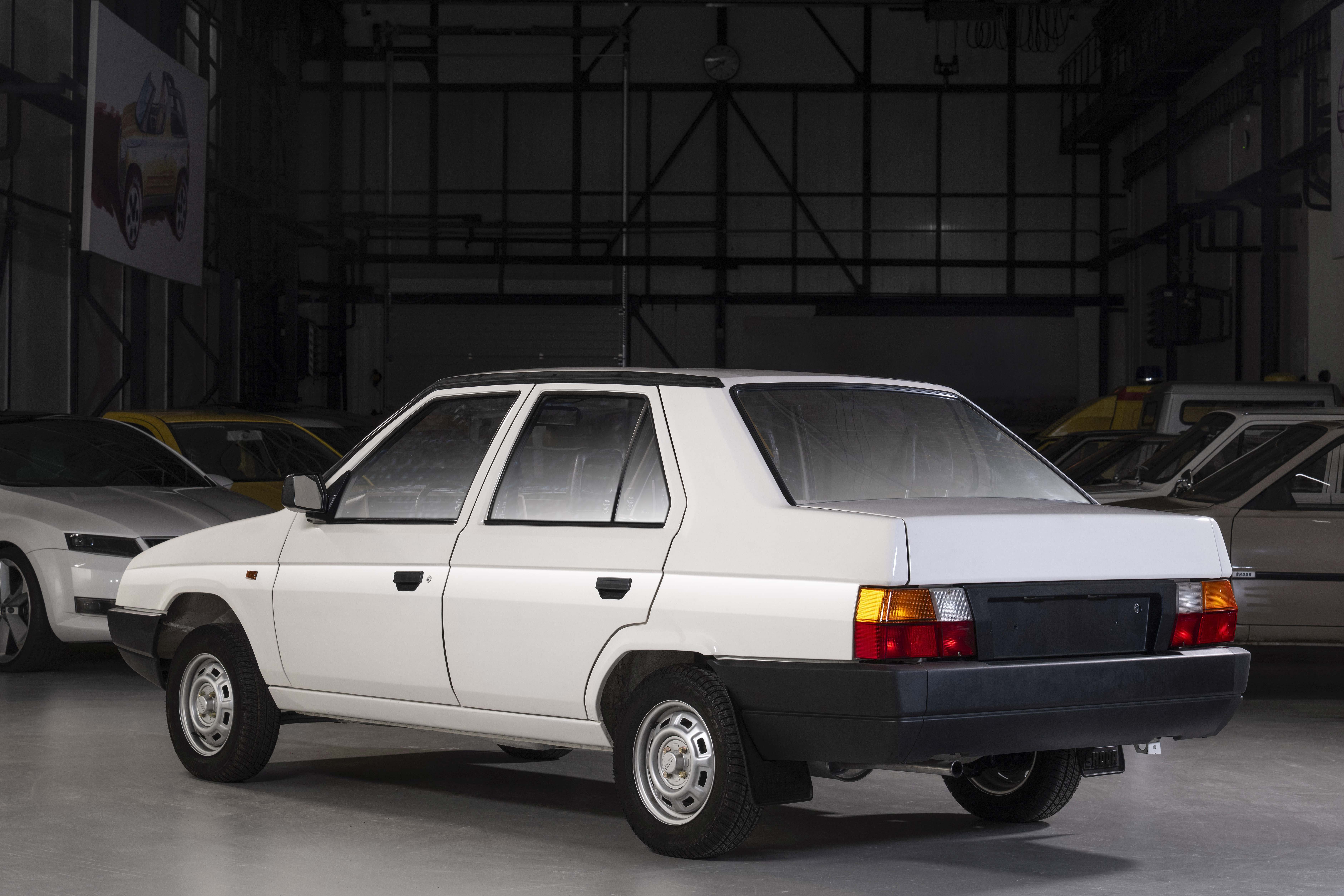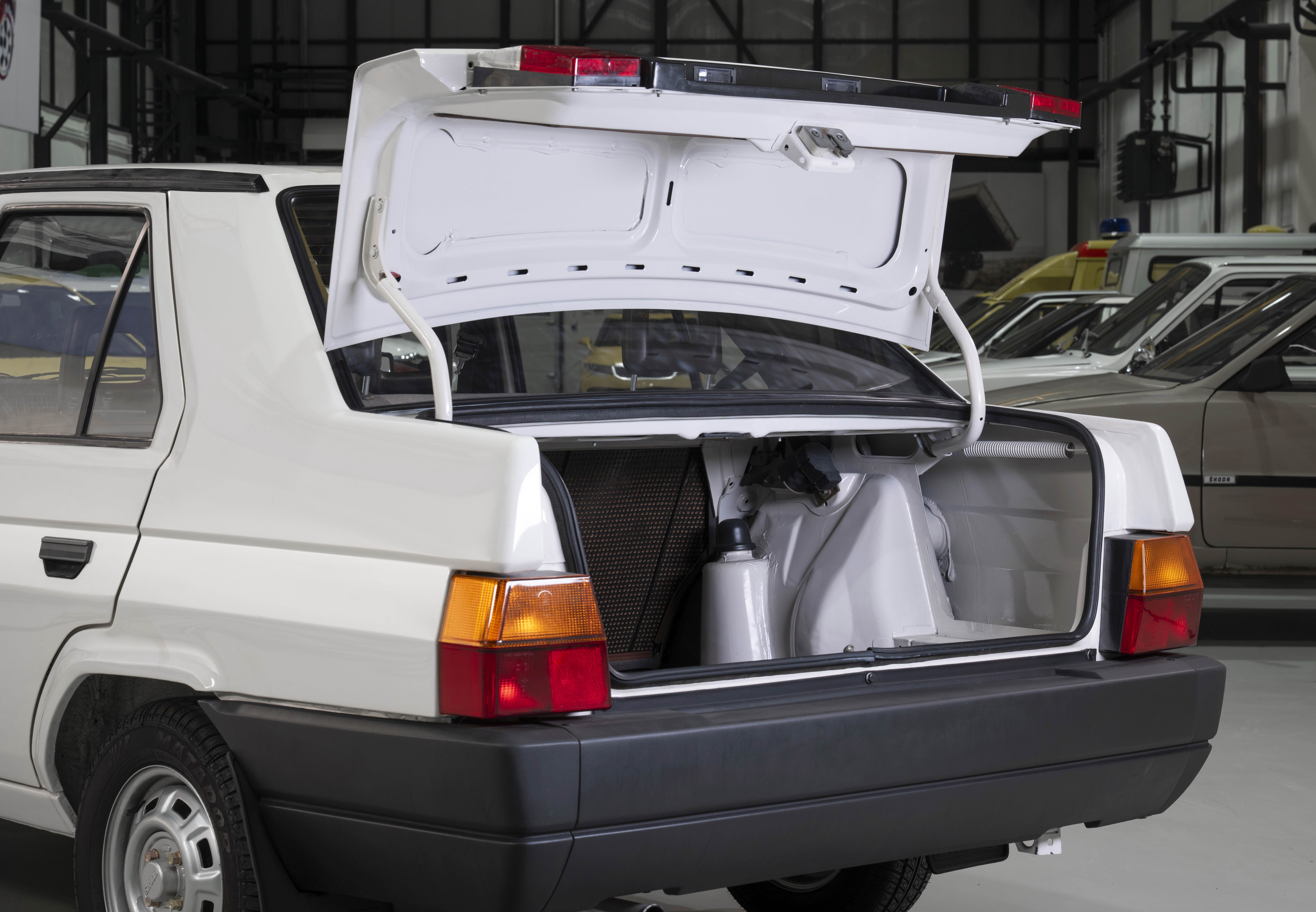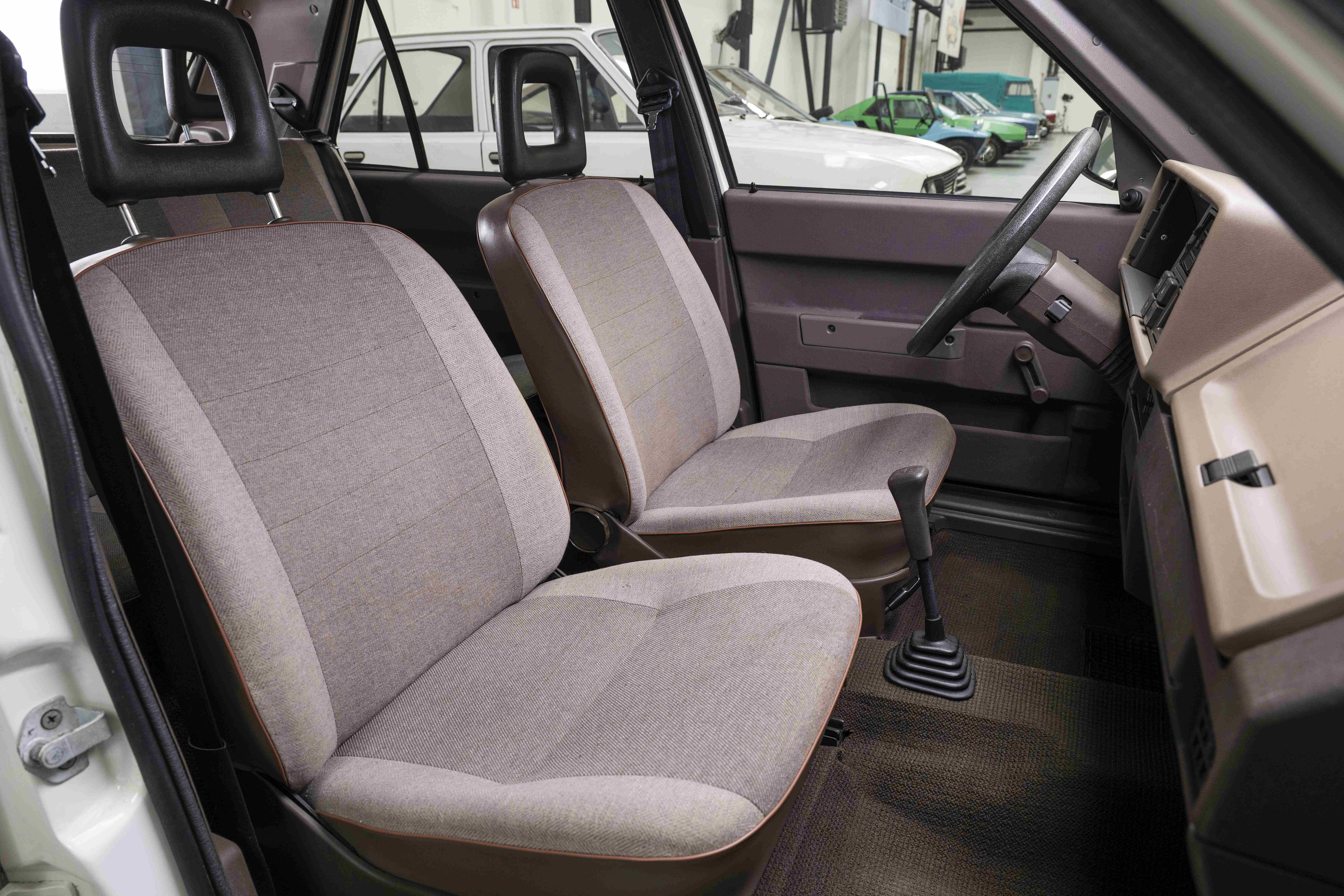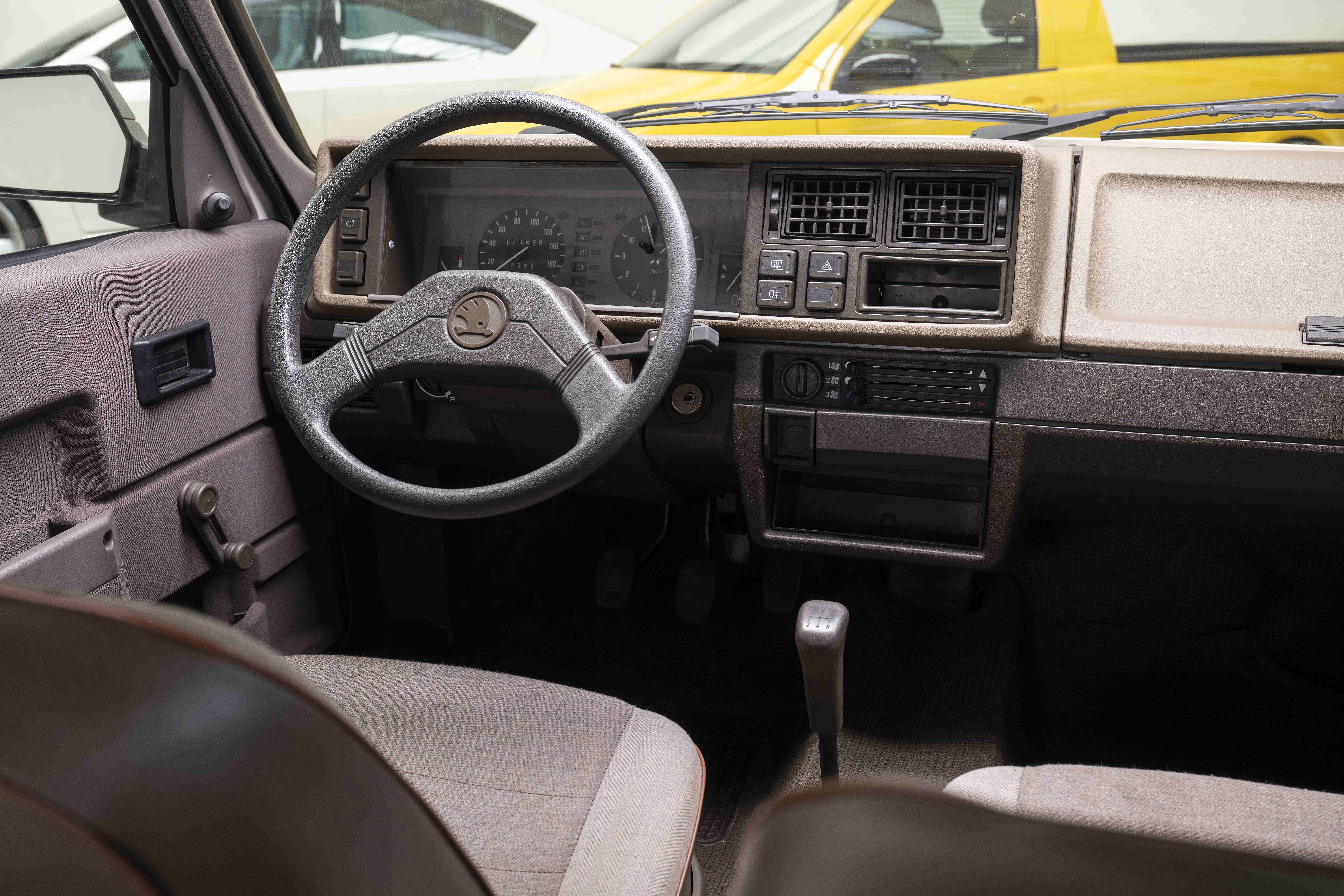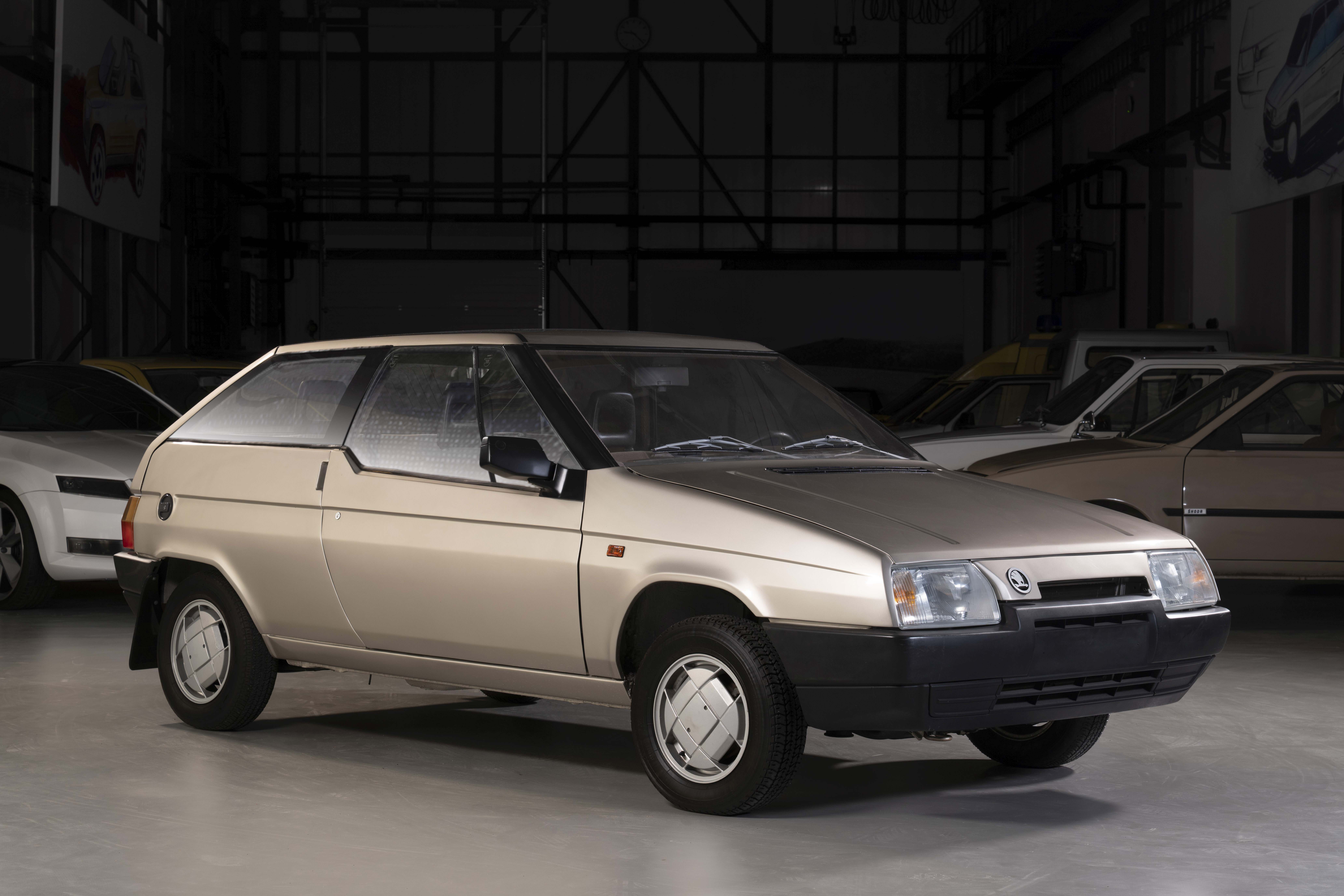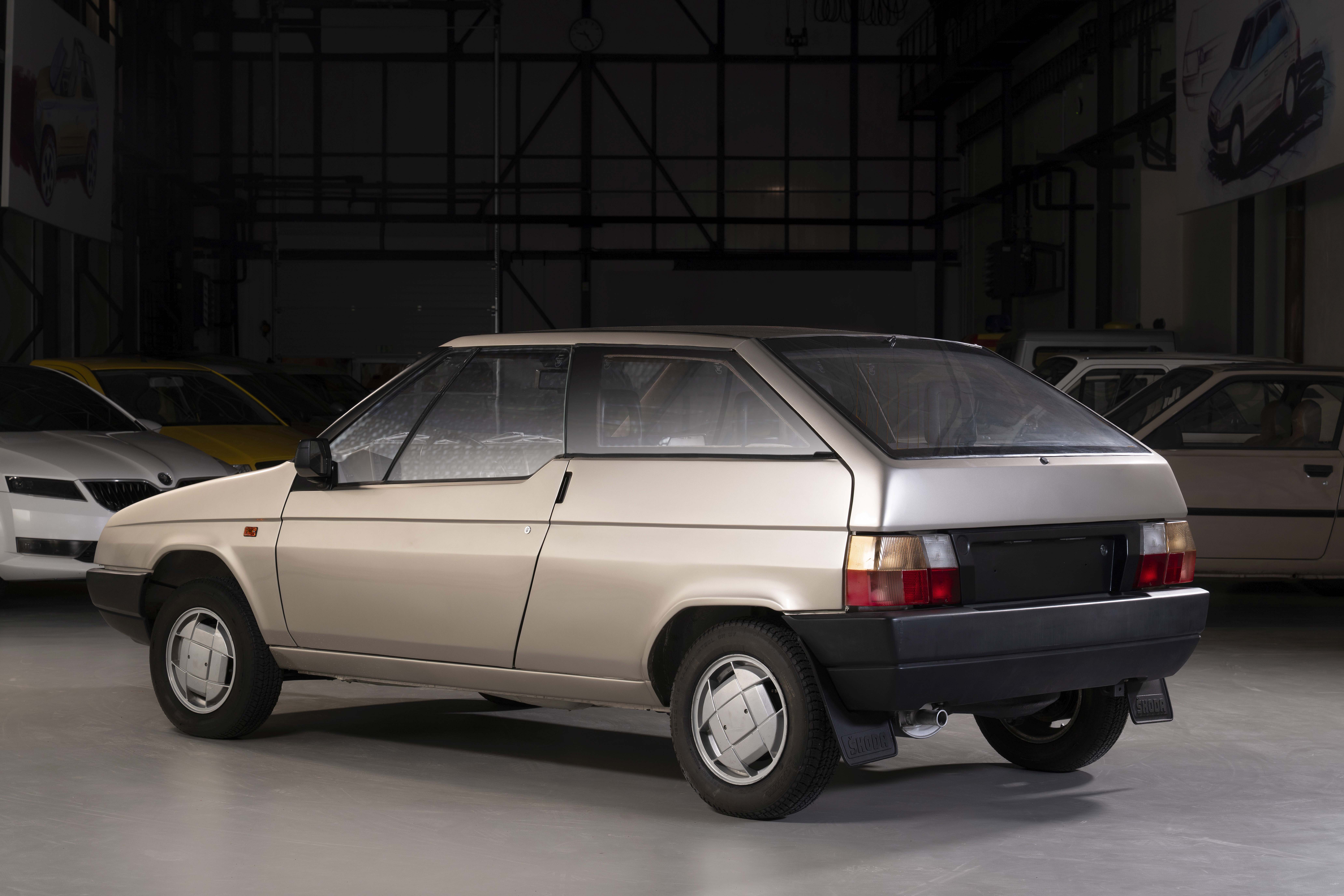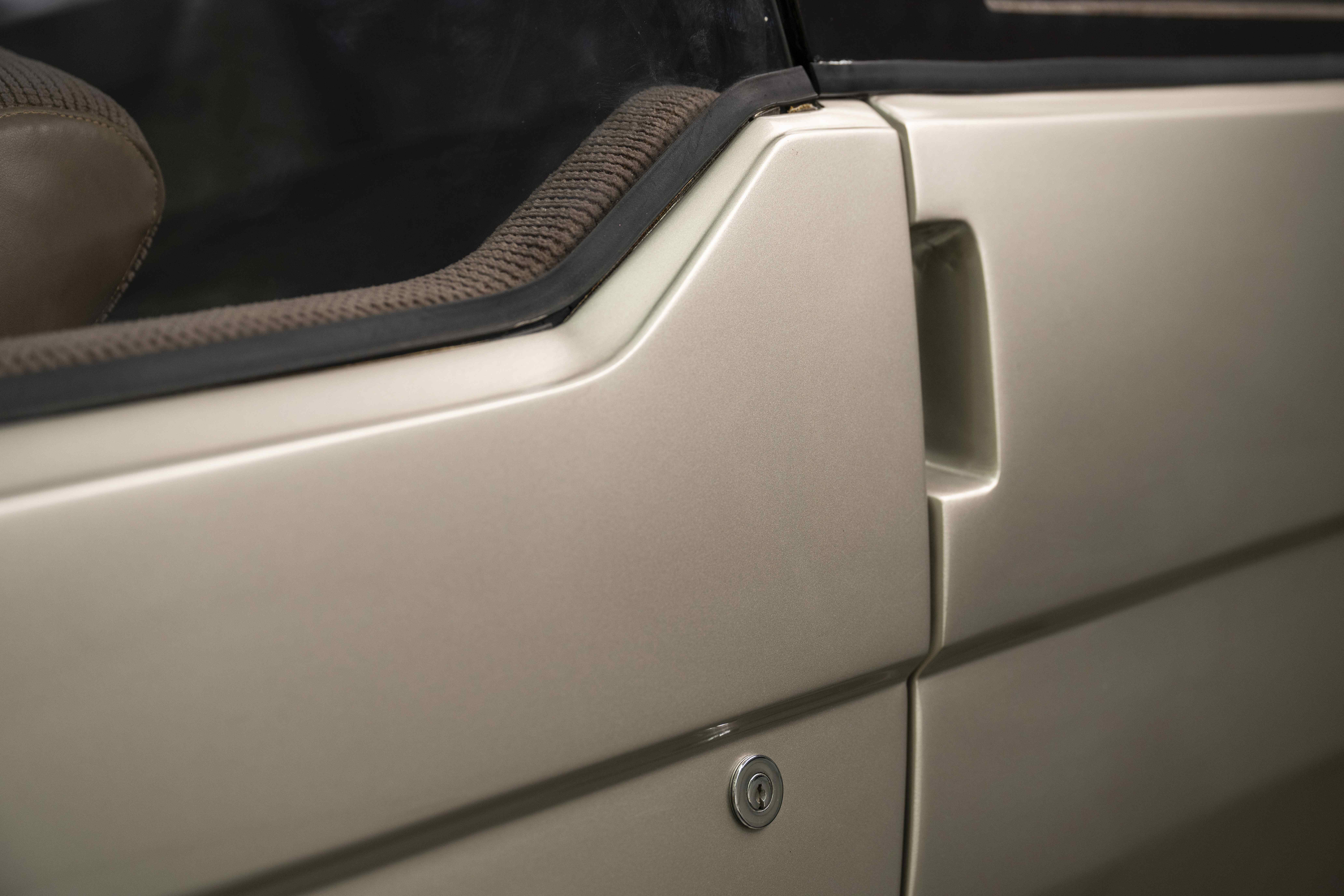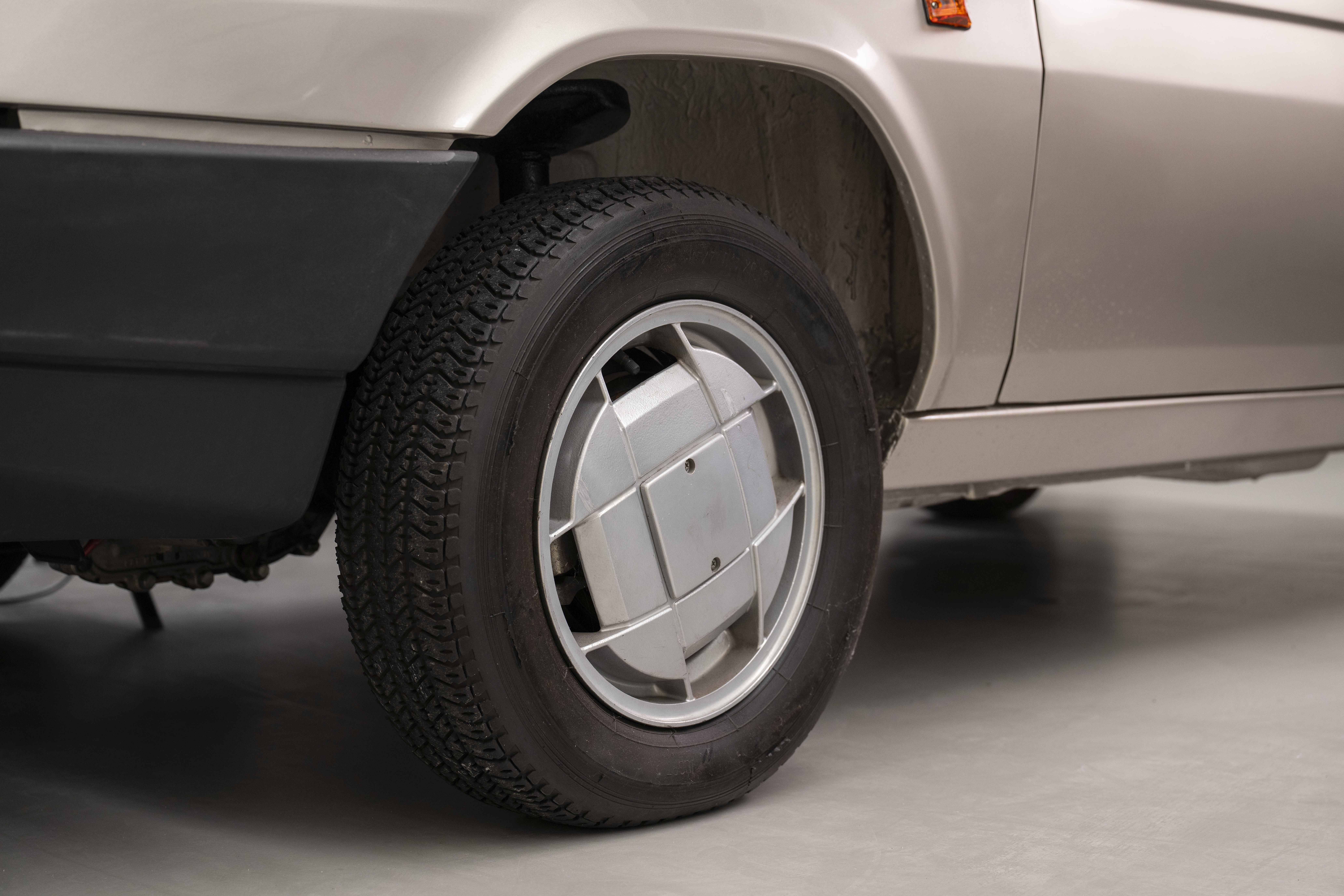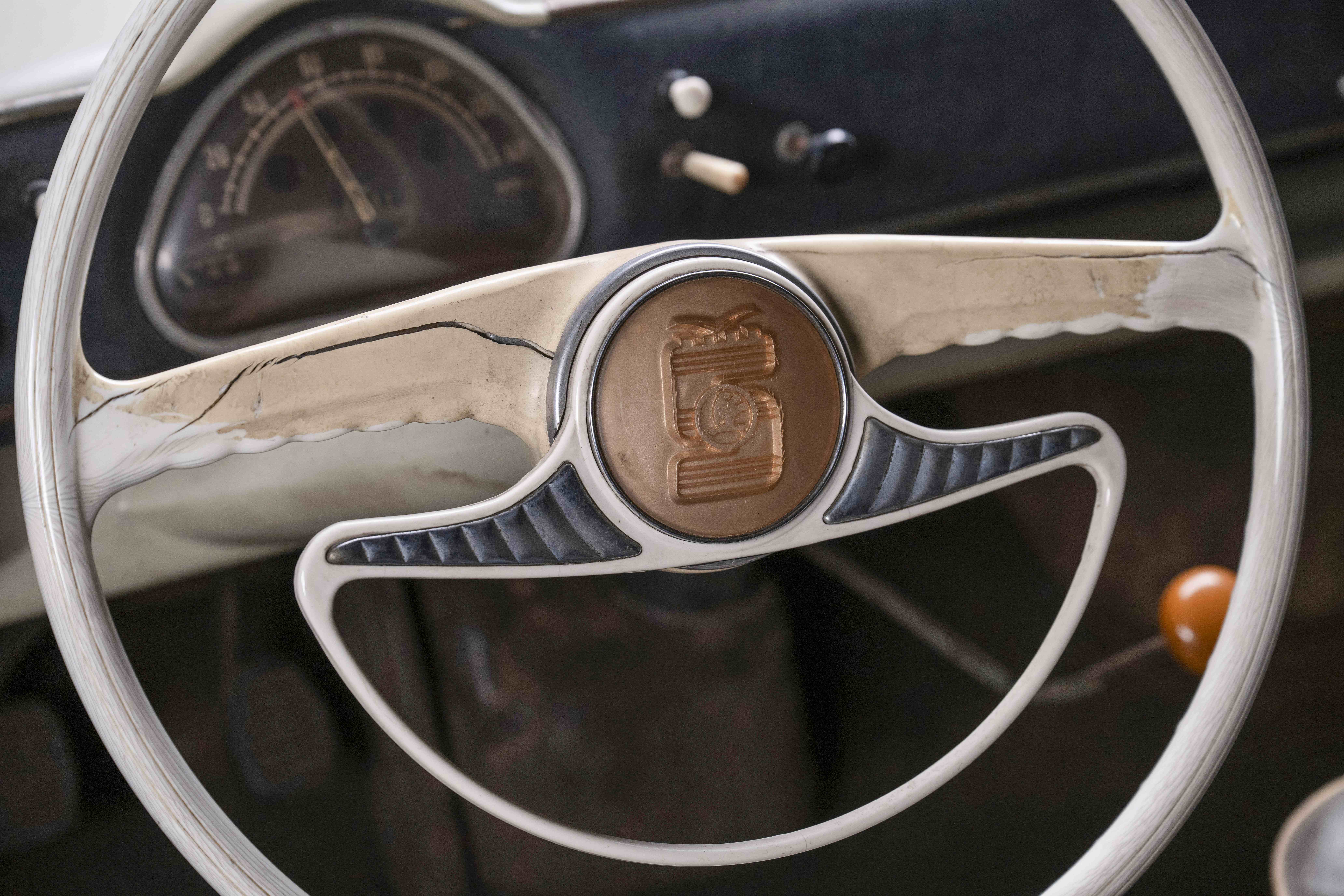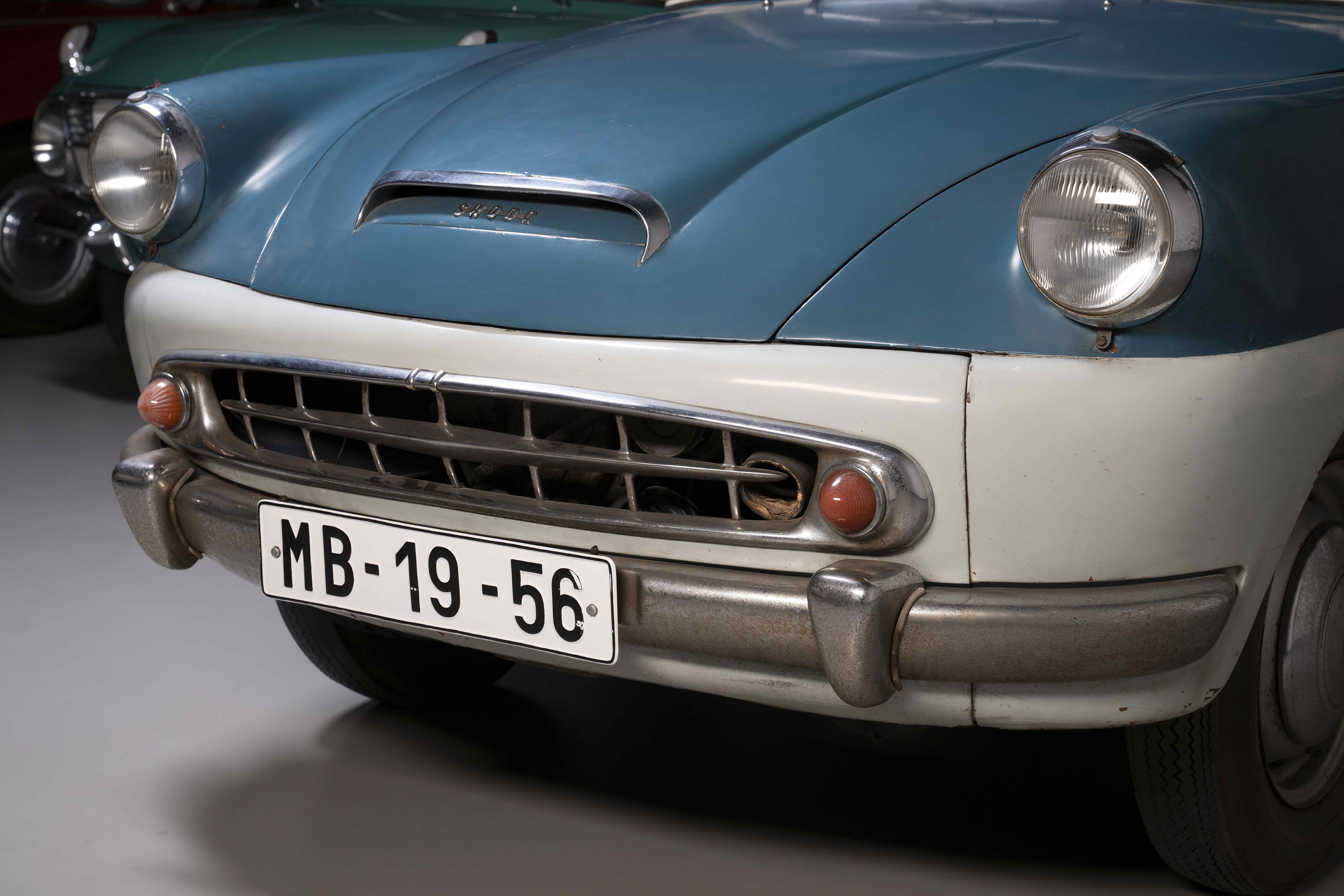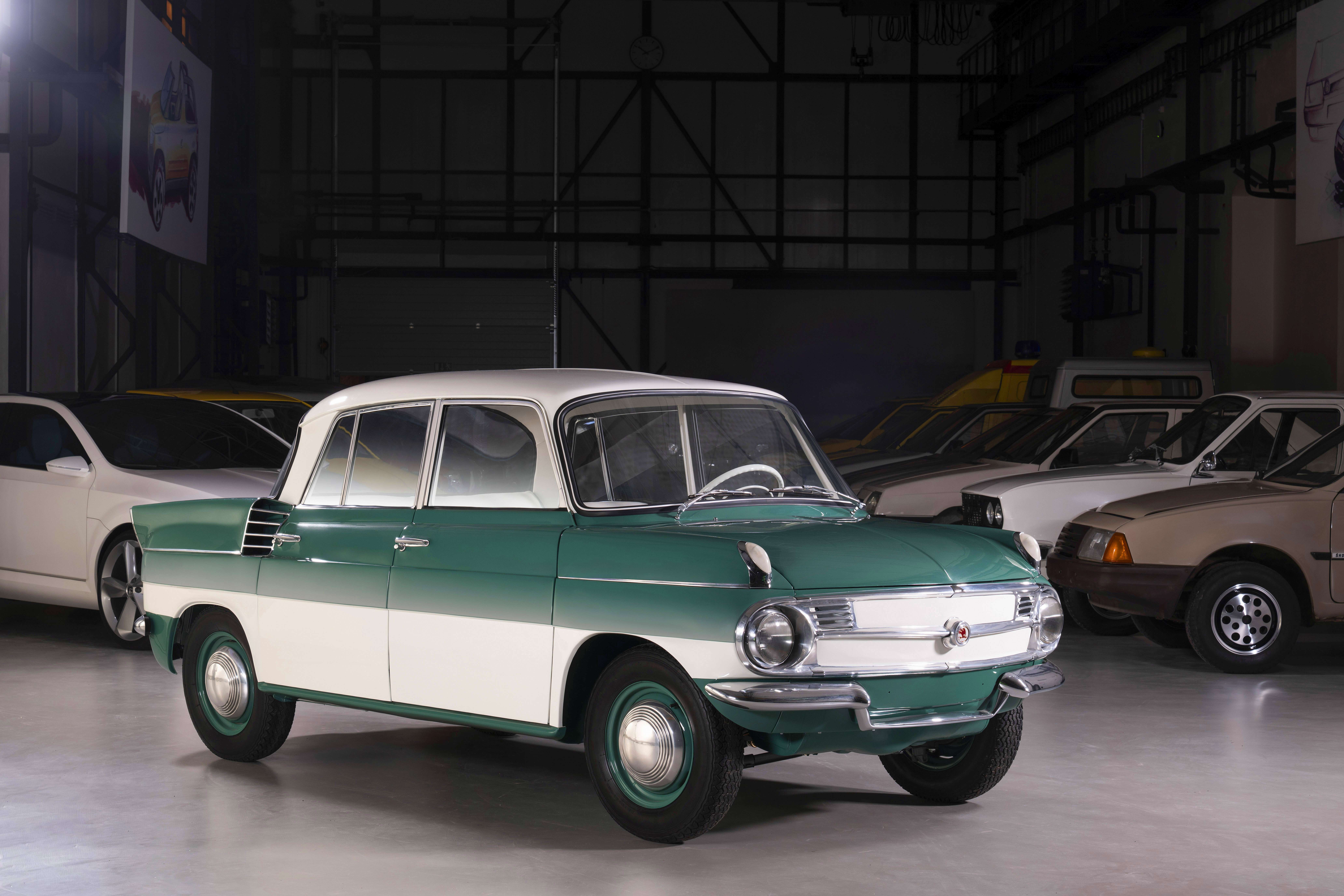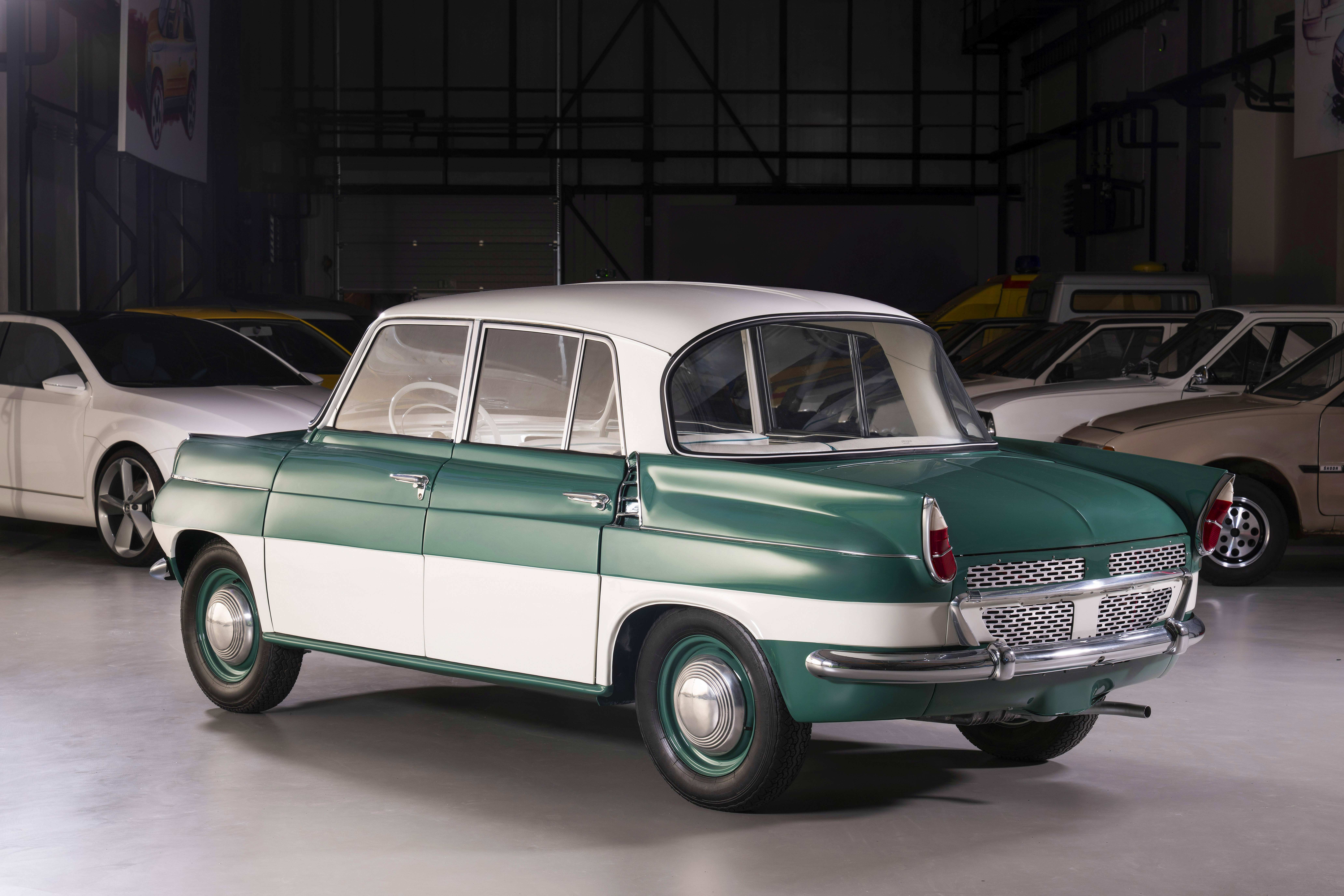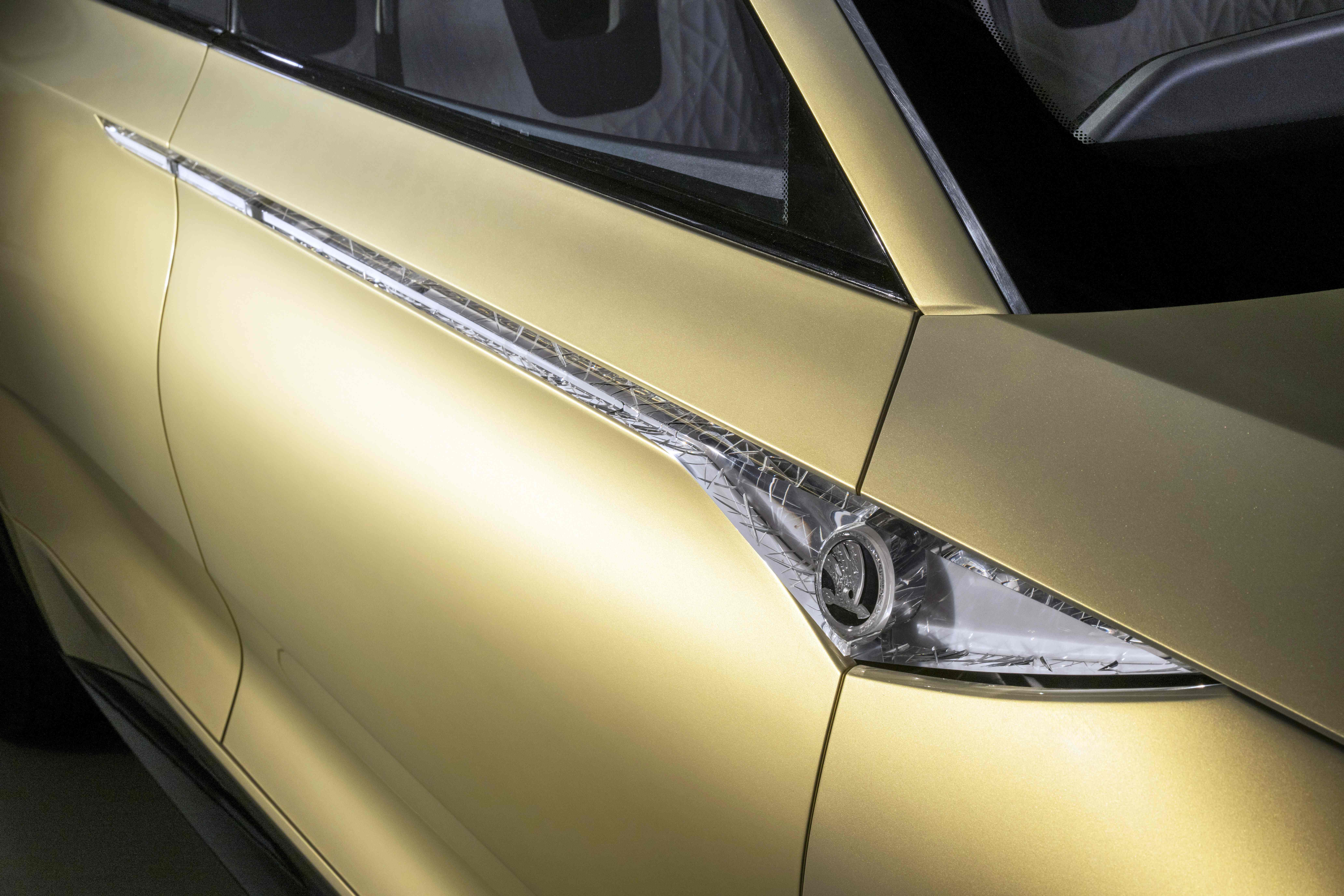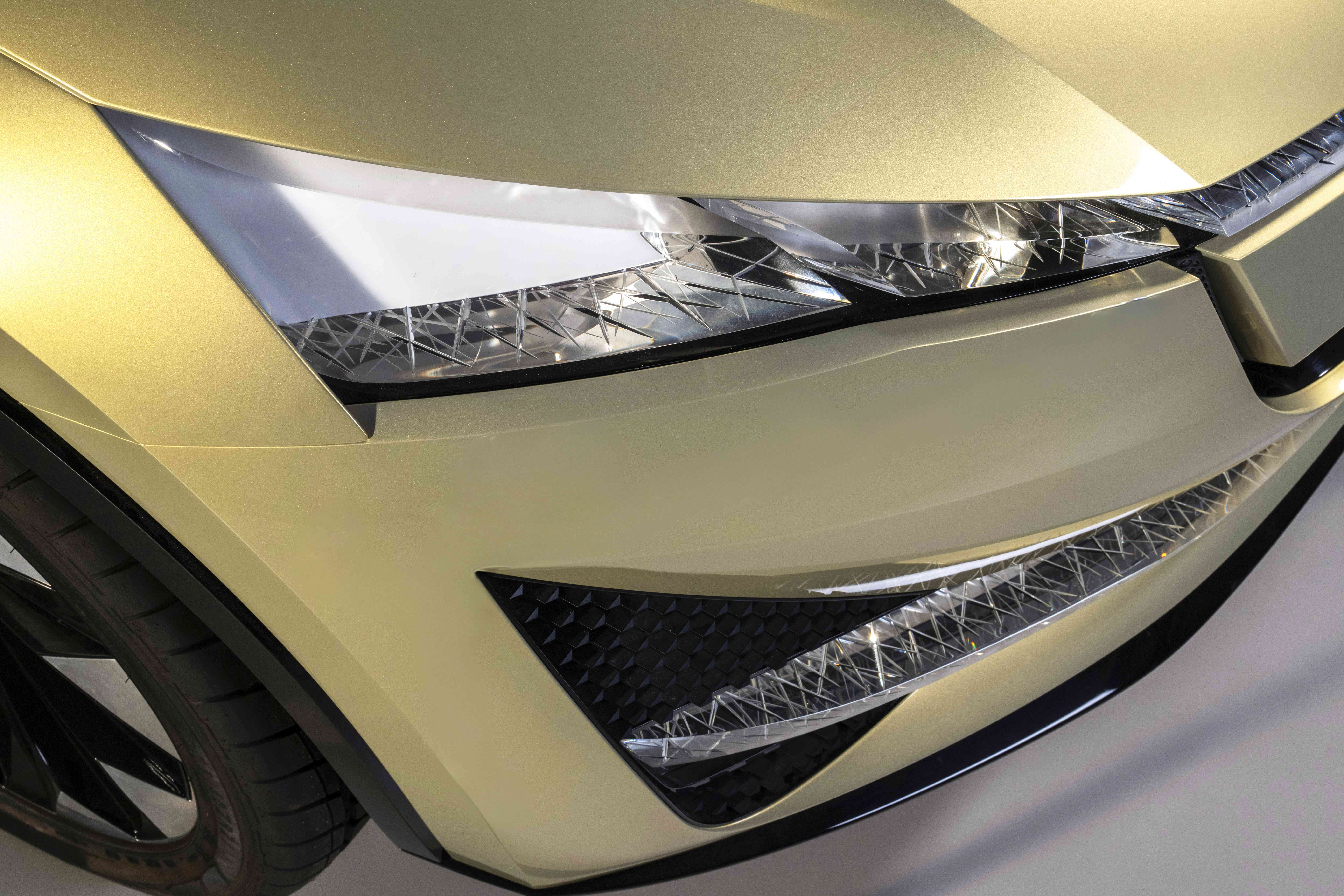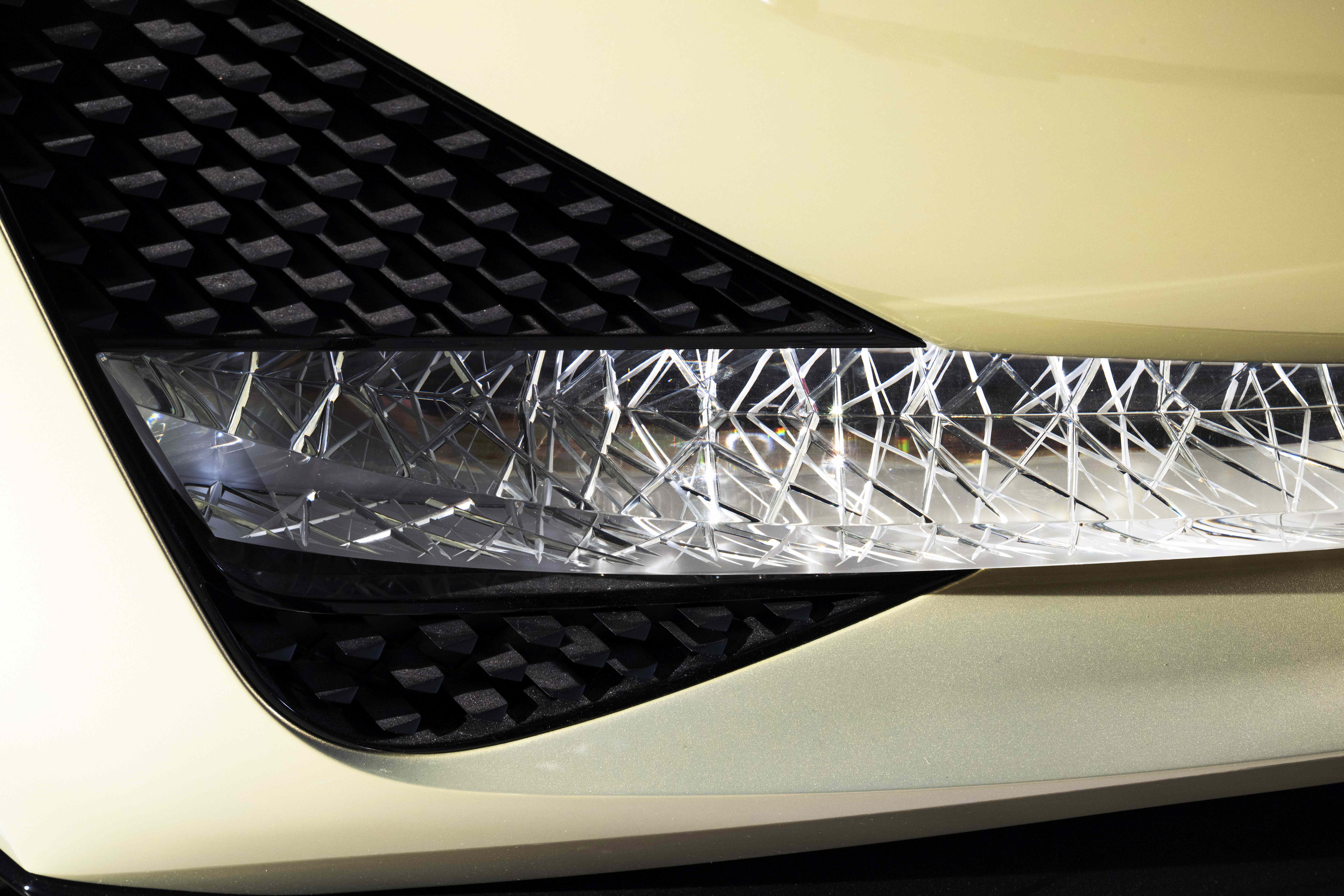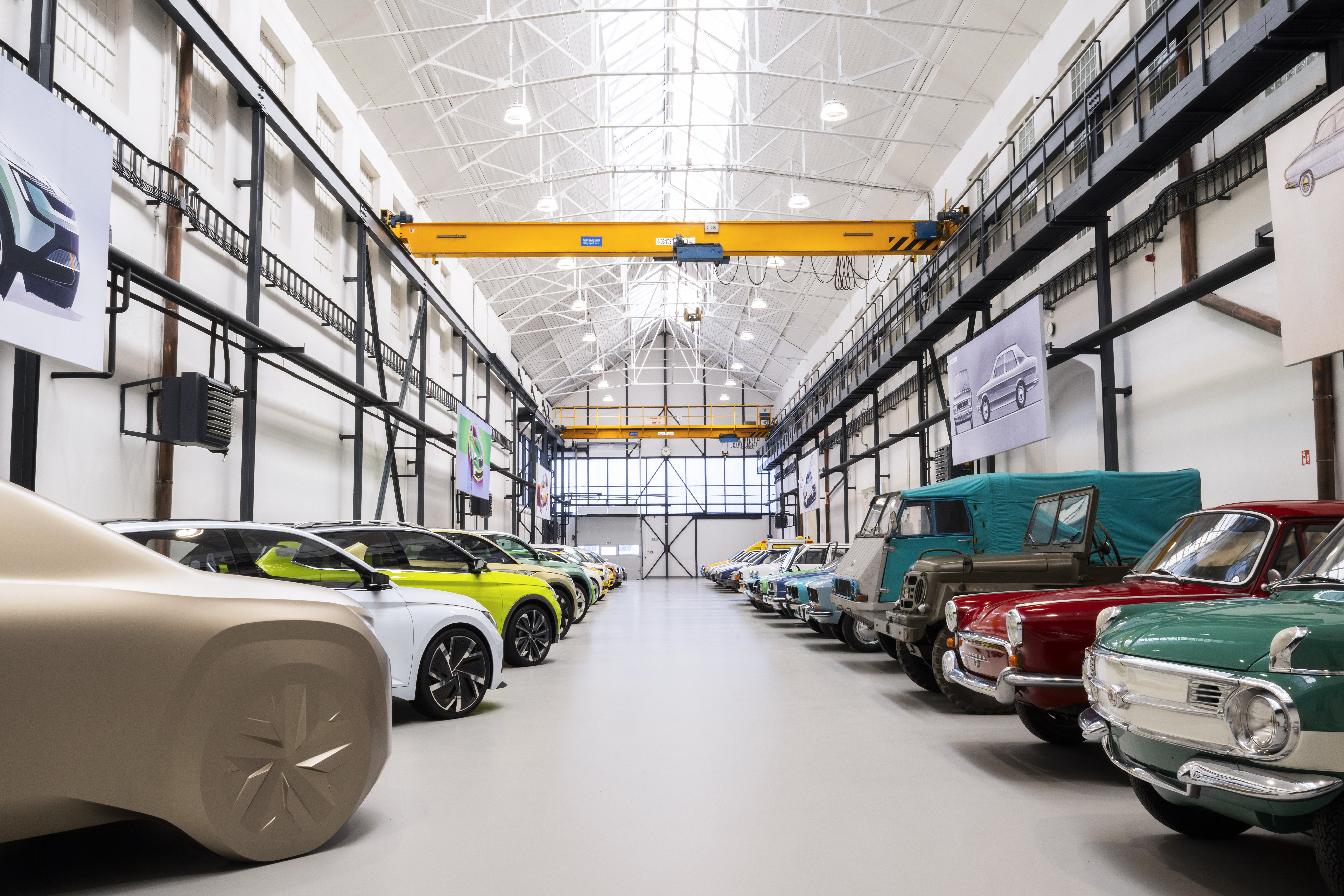
Set within the unique atmosphere of a historic factory hall dating back to 1913, the Škoda Museum has opened a new depository named ‘Concepts Unmasked’. Škoda is thus giving visitors the opportunity to look behind the curtain of history and opening up another part of its collection to the public. The newly accessible hall is home to 31 concepts, studies and prototypes, all united by the ambition to shape the future design and technical direction of the Czech car manufacturer. With its modern “garage-style” exhibition concept, the newly opened hall naturally follows on from the existing ‘Sleeping Beauties’ space. Together, they form a separate visitor circuit, which can be explored with a guide and by prior reservation. Each exhibit is accompanied by a short description, while further details are available by scanning a QR code. As with the museum’s main exhibition, the display in the new depository will also be refreshed from time to time.
The Škoda Museum in Mladá Boleslav takes visitors through more than130 years of the company’s history, from the earliest Laurin & Klement vehicles to current models and design studies. The museum opened in 1995 in the original factory buildings and underwent a complete refurbishment in 2012. The museum’s exhibitions cover 1,800 m² and include not only historic vehicles, but also prototypes, motorsport specials and motorcycles. The oldest exhibit is an 1899 Slavia bicycle. A visit to the museum can also be combined with a tour of Škoda’s production plant in Mladá Boleslav, or the plants in Vrchlabí and Kvasiny, as well as a trip to Ferdinand Porsche’s Birth House in Liberec-Vratislavice.
Photographs of all exhibits on display in the newly opened ‘Concepts Unmasked’ depository are available to download free of charge from Škoda Storyboard.
Profiles of the exhibited vehicles
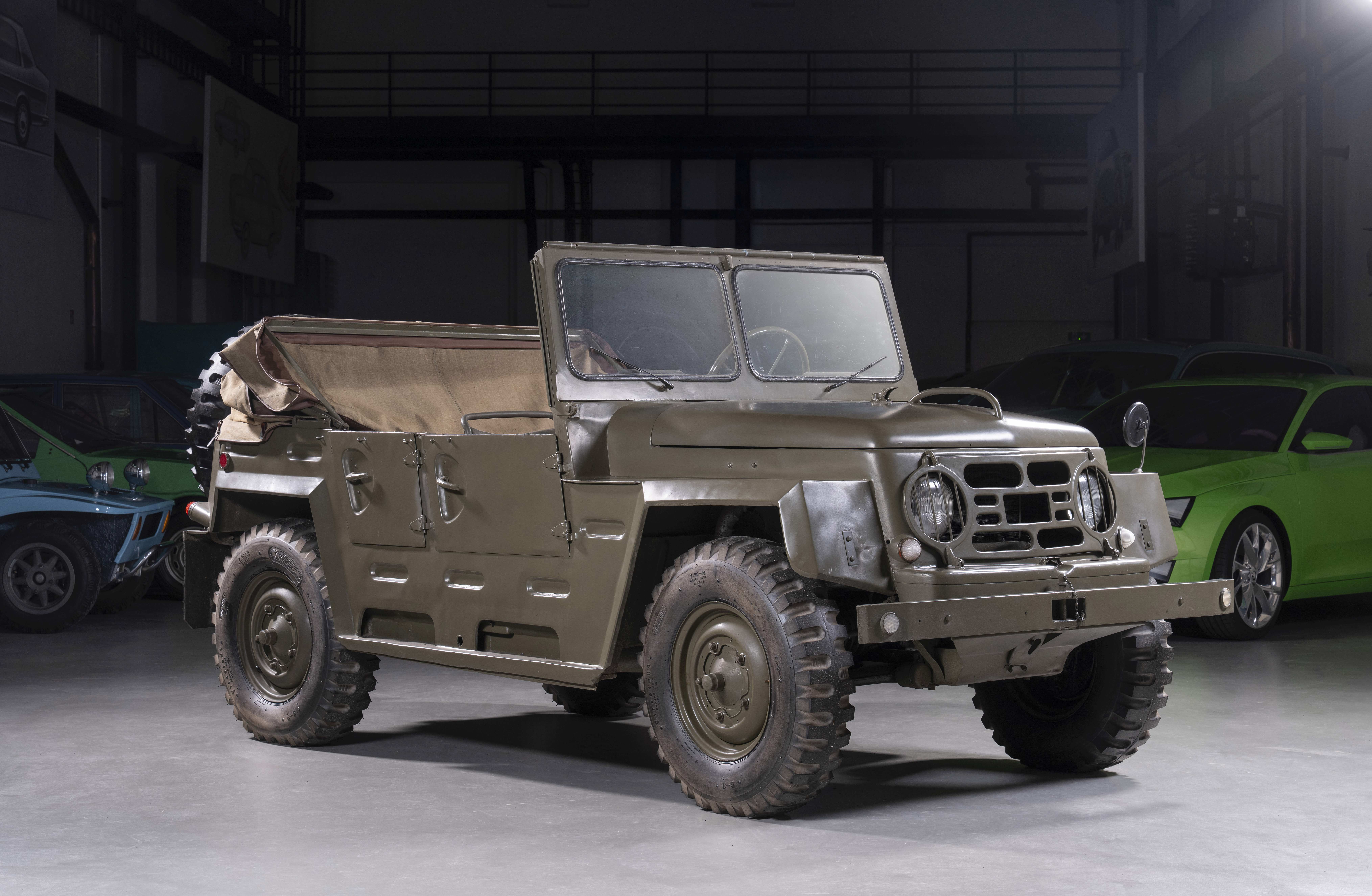
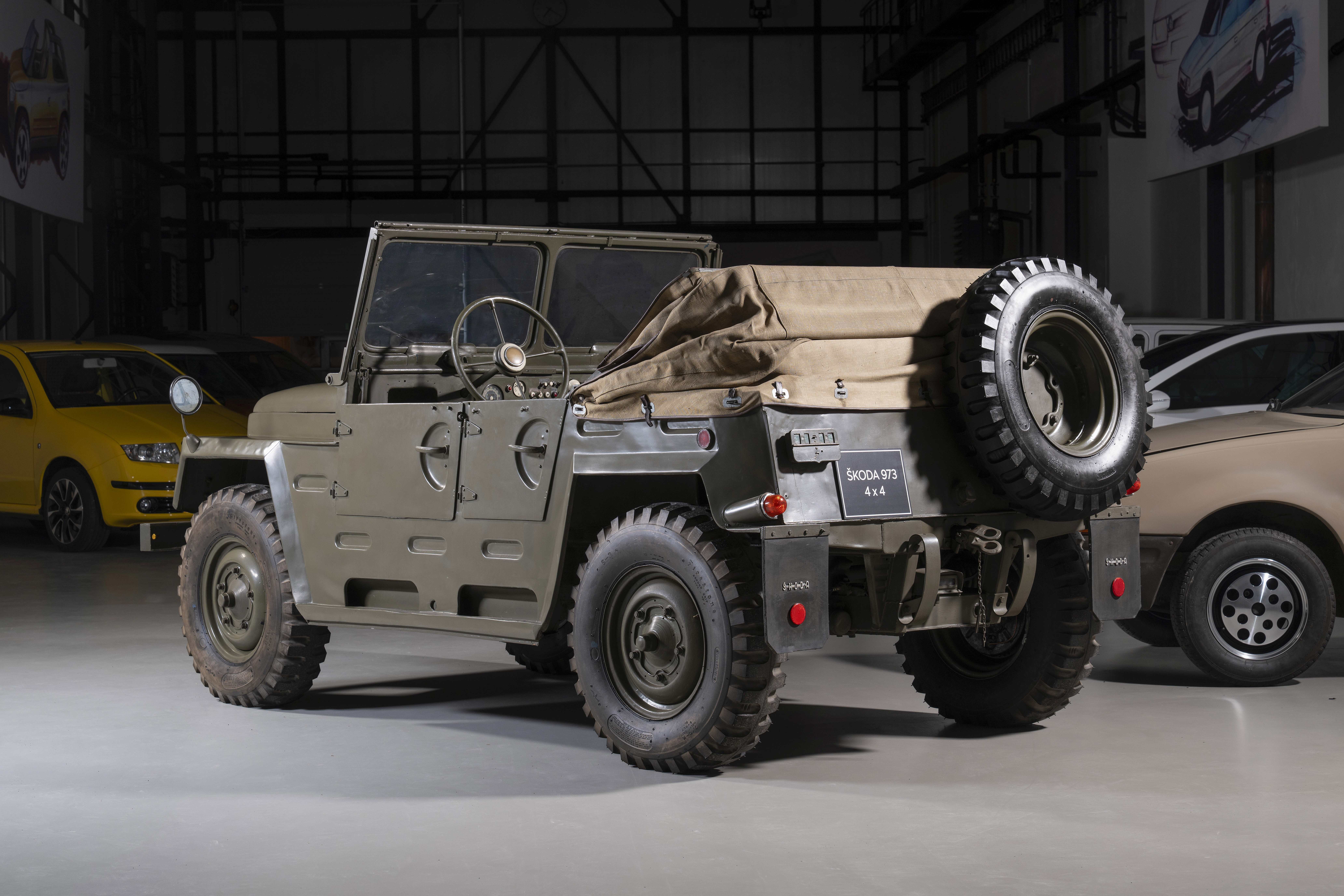
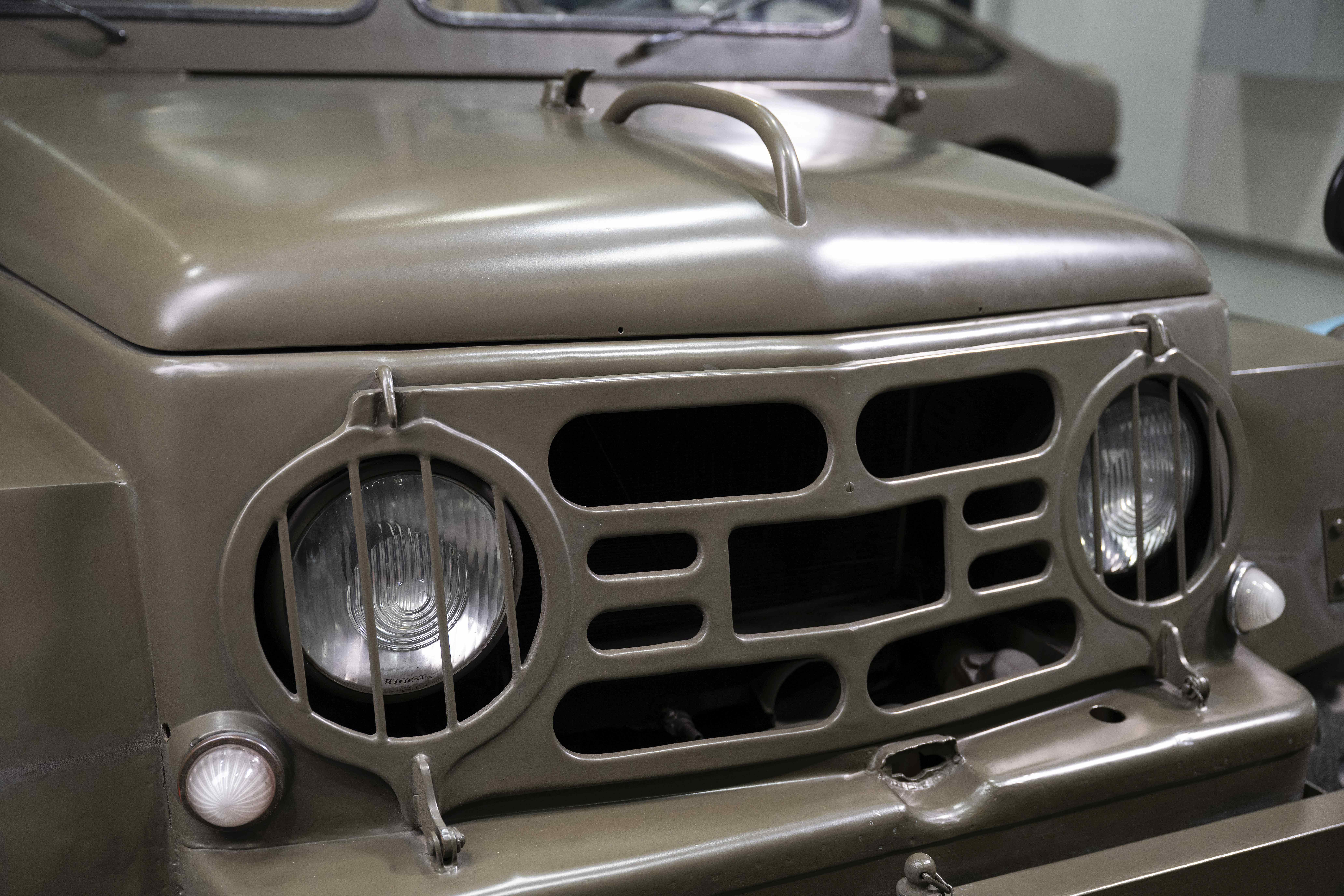
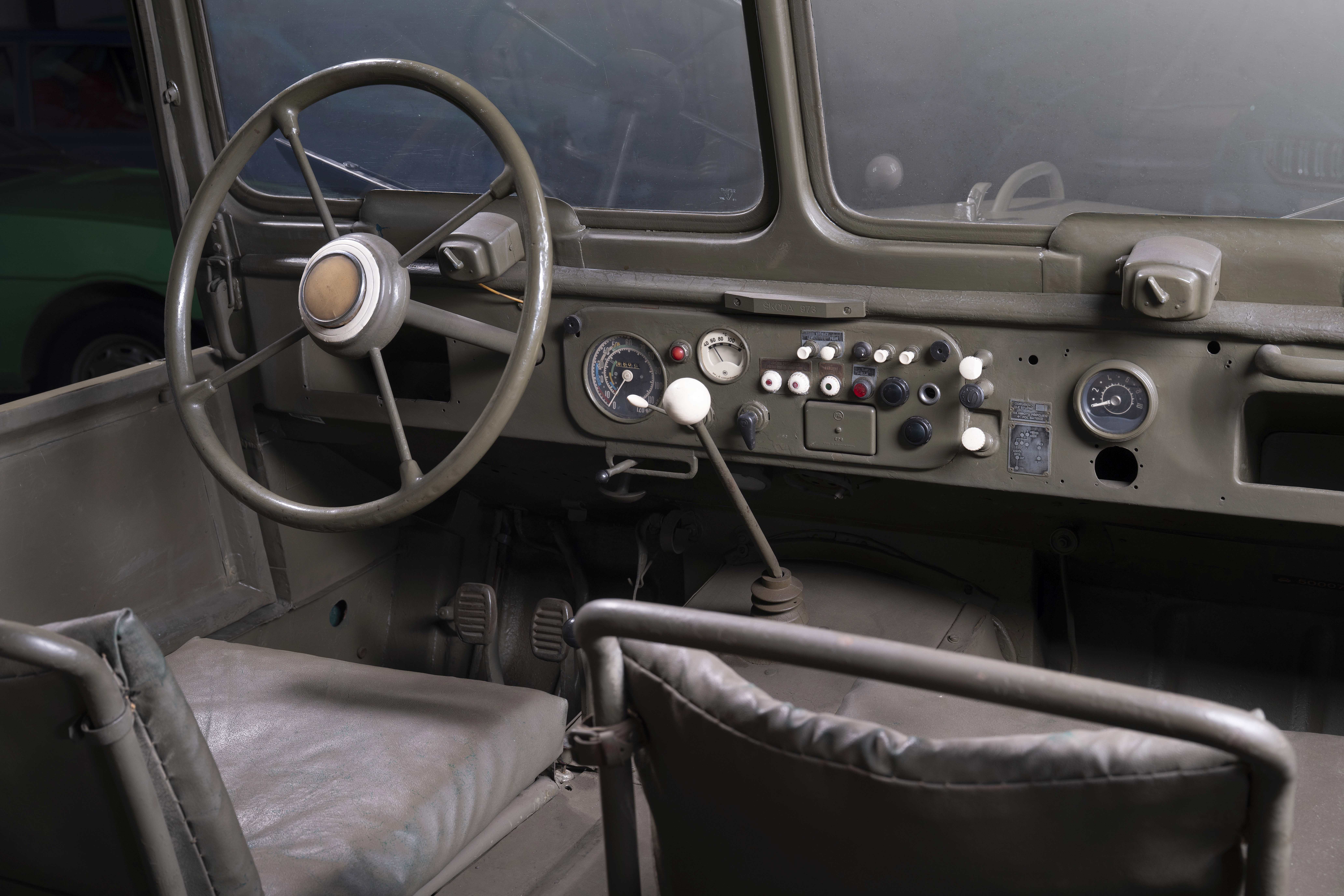
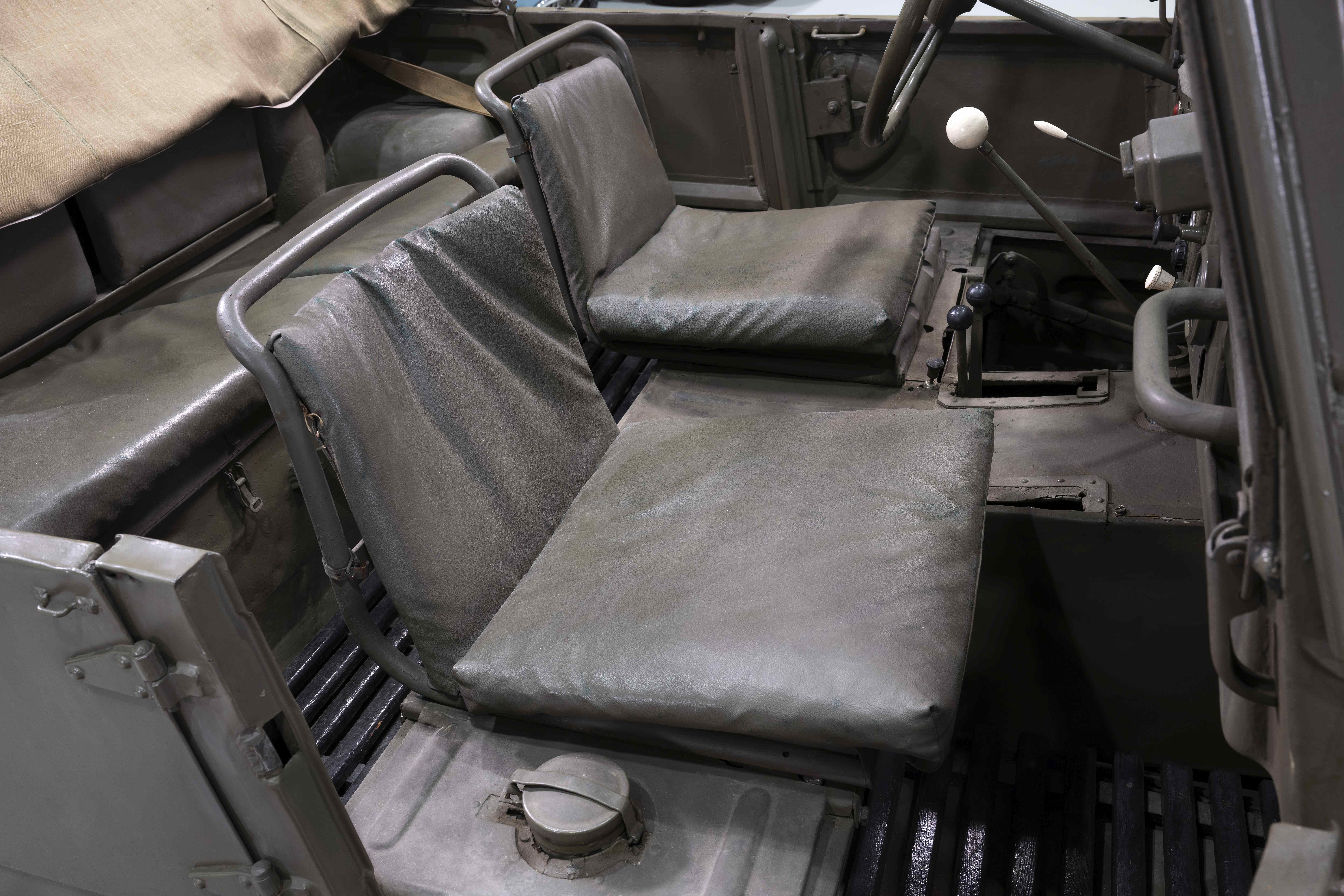
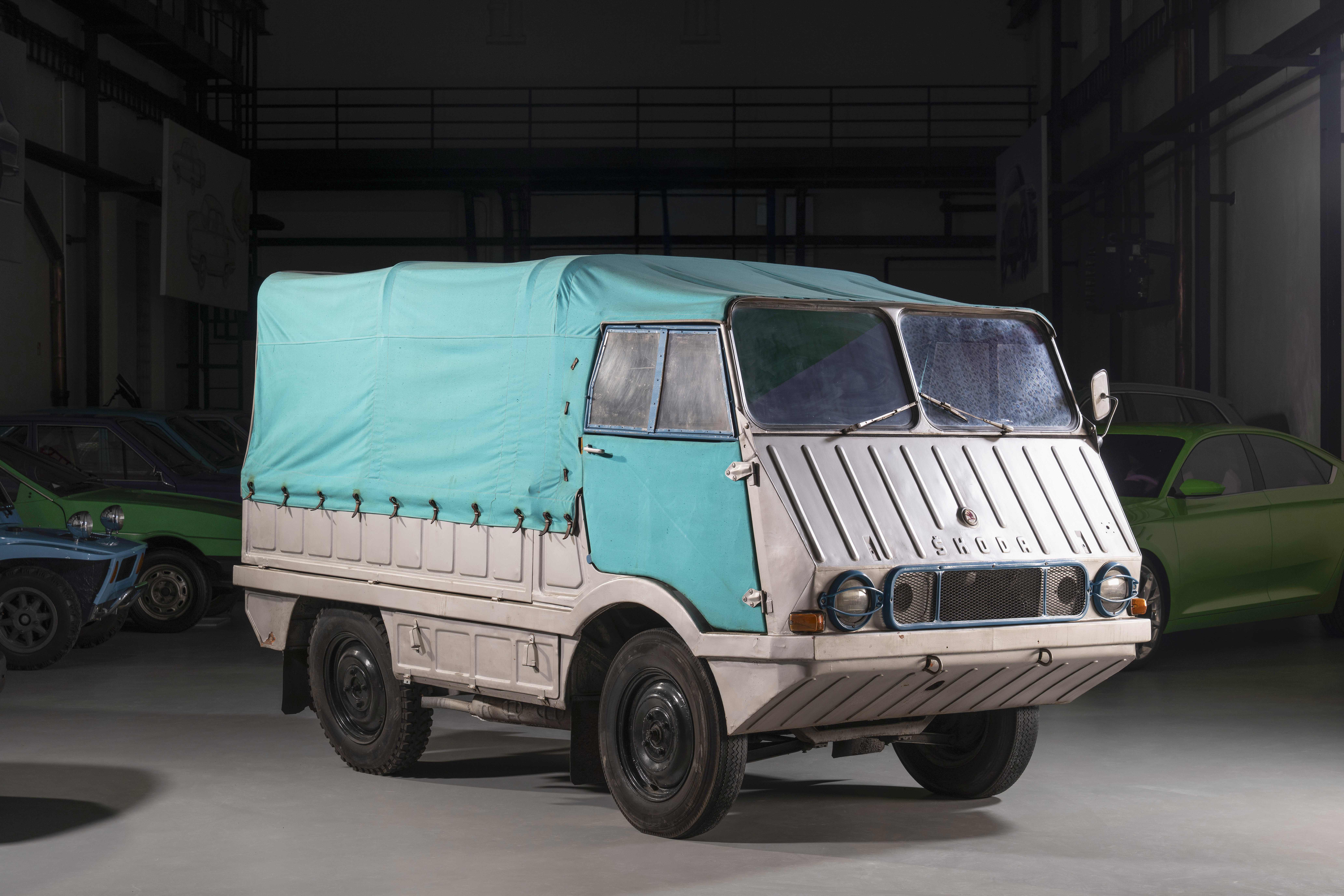
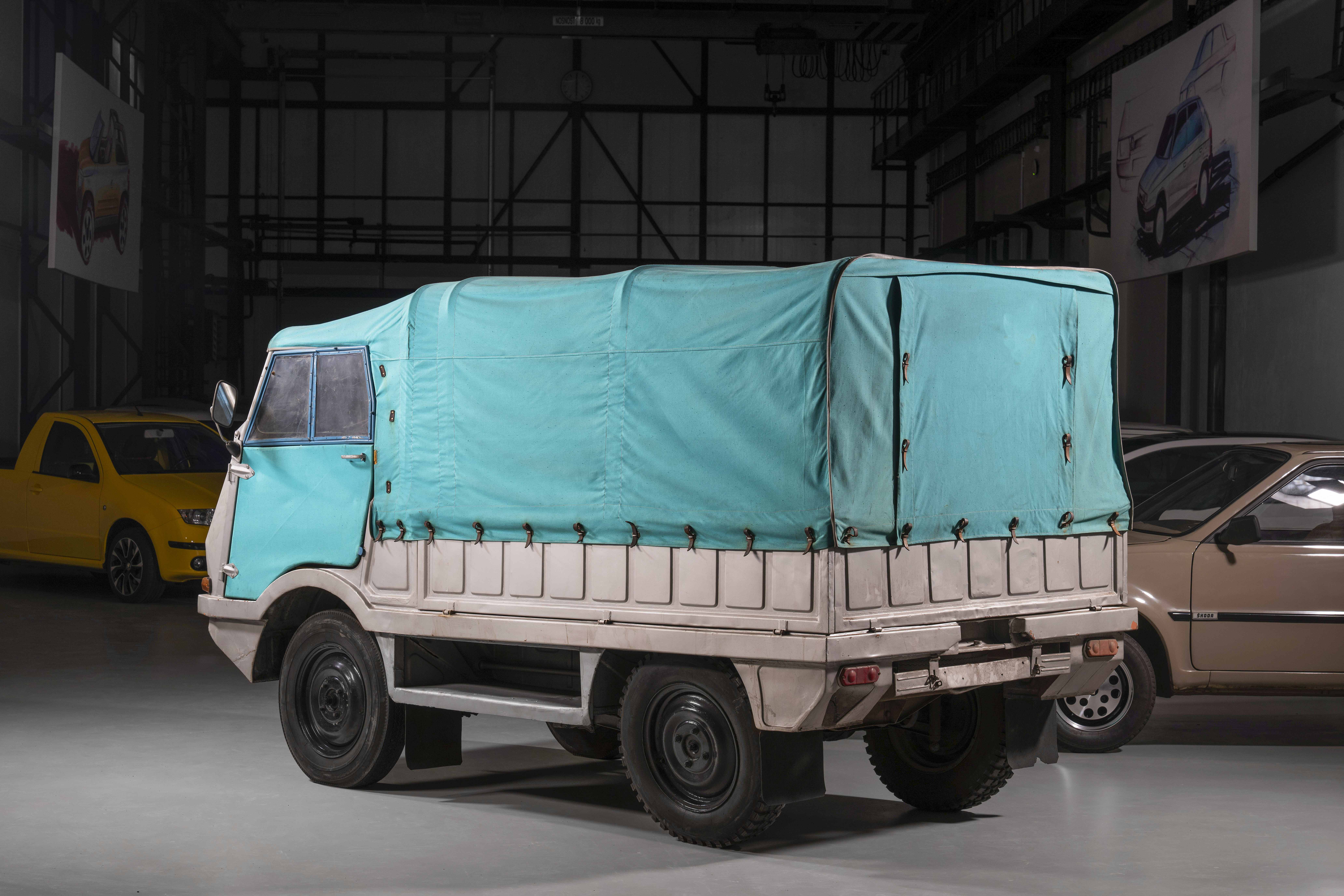
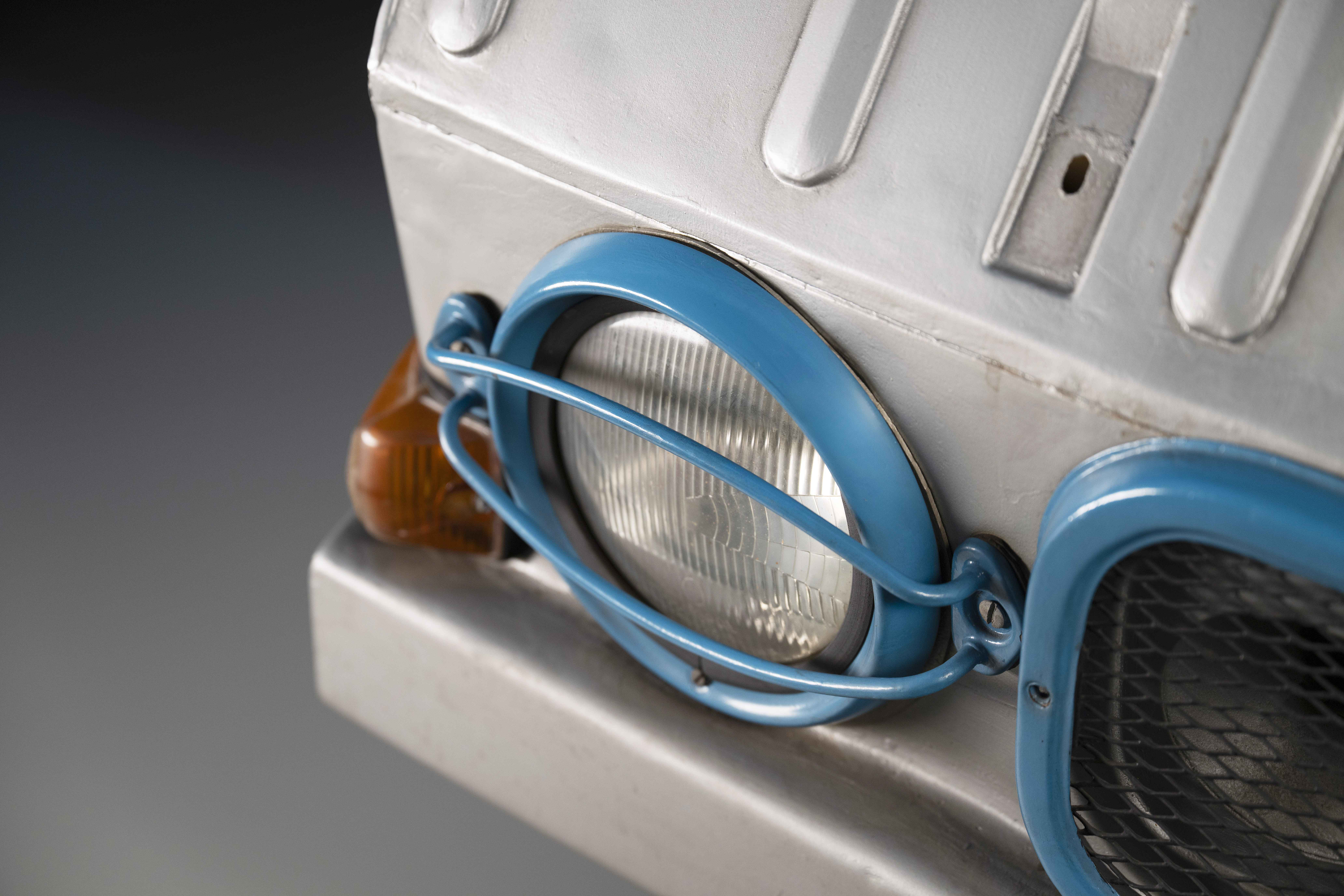
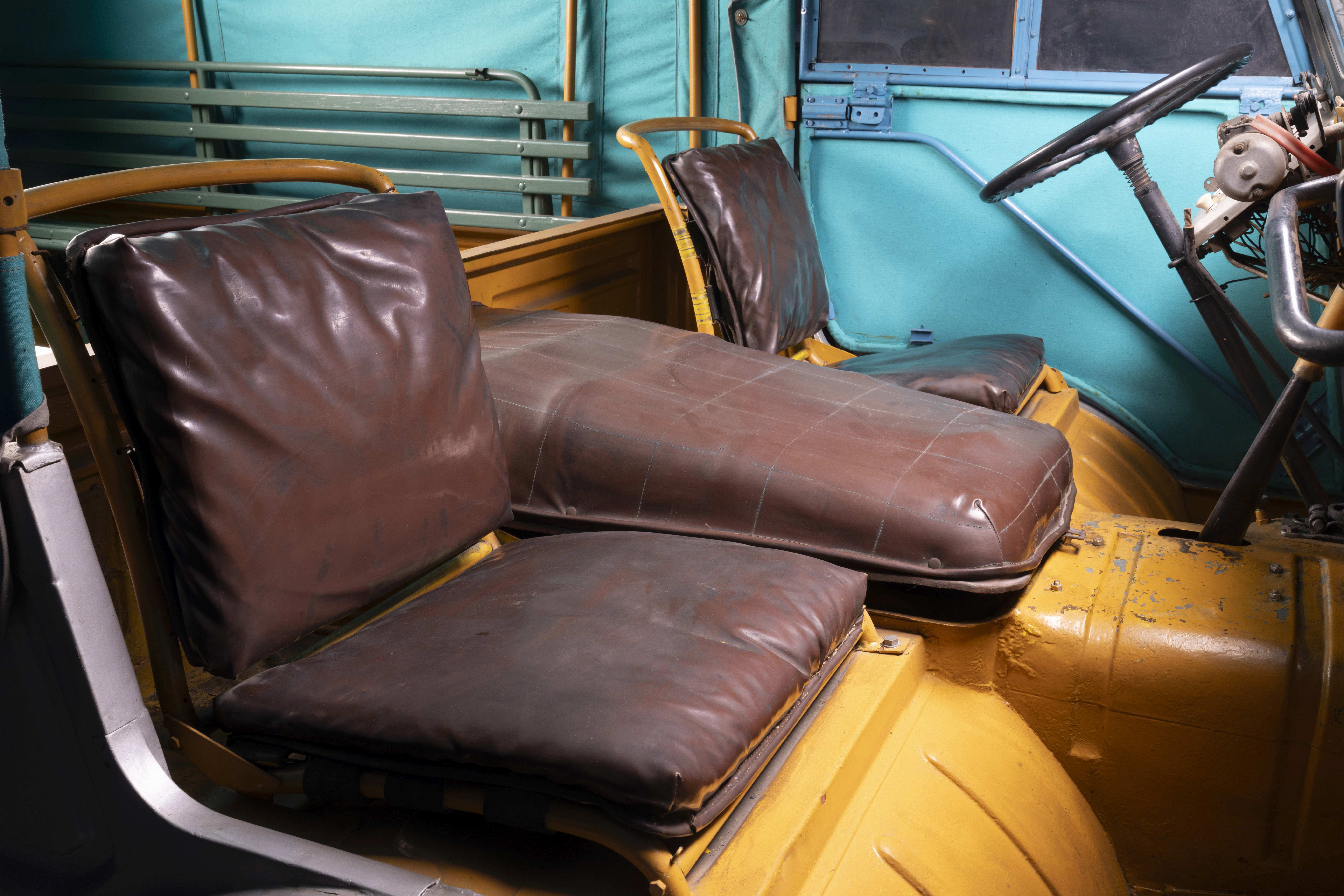
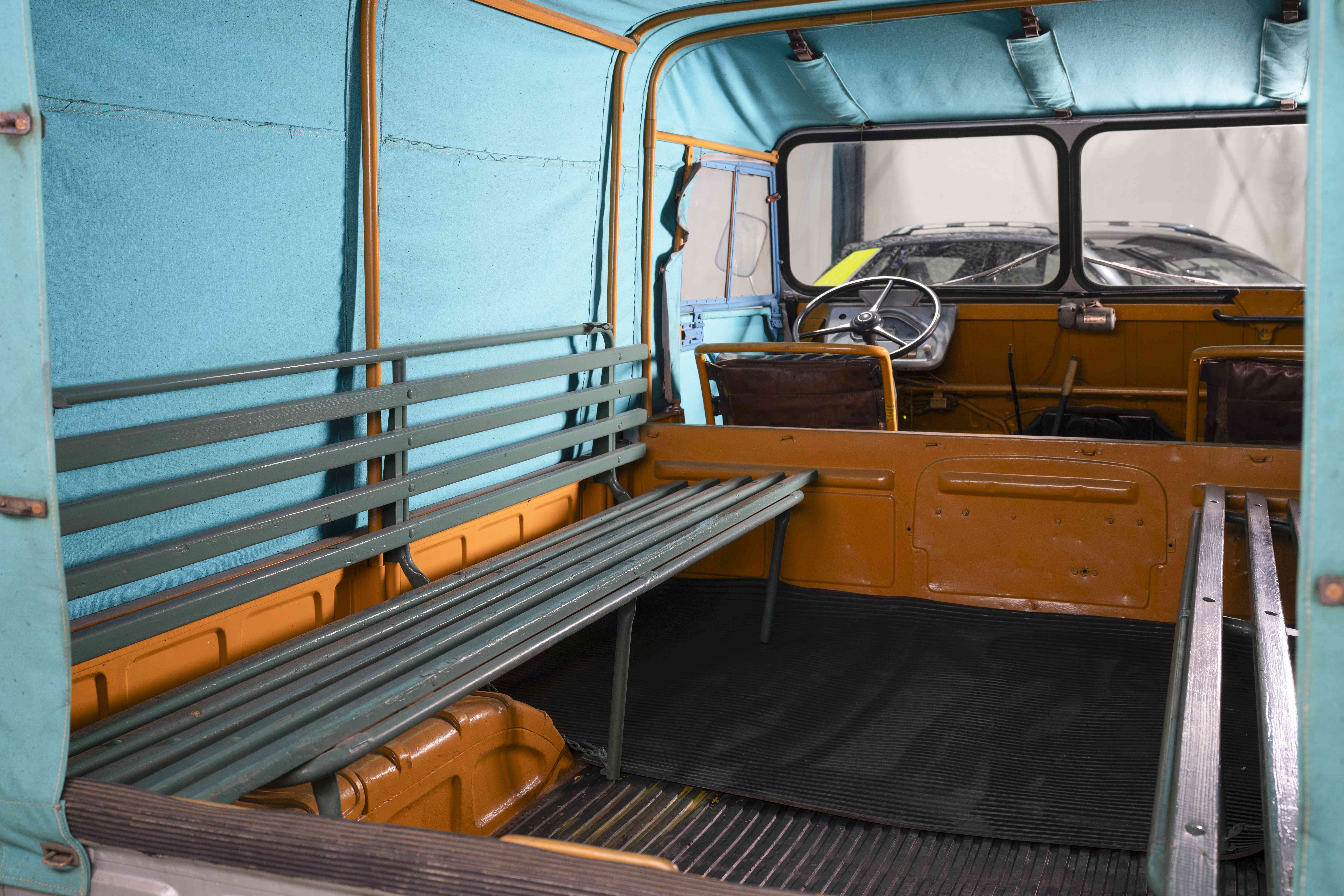
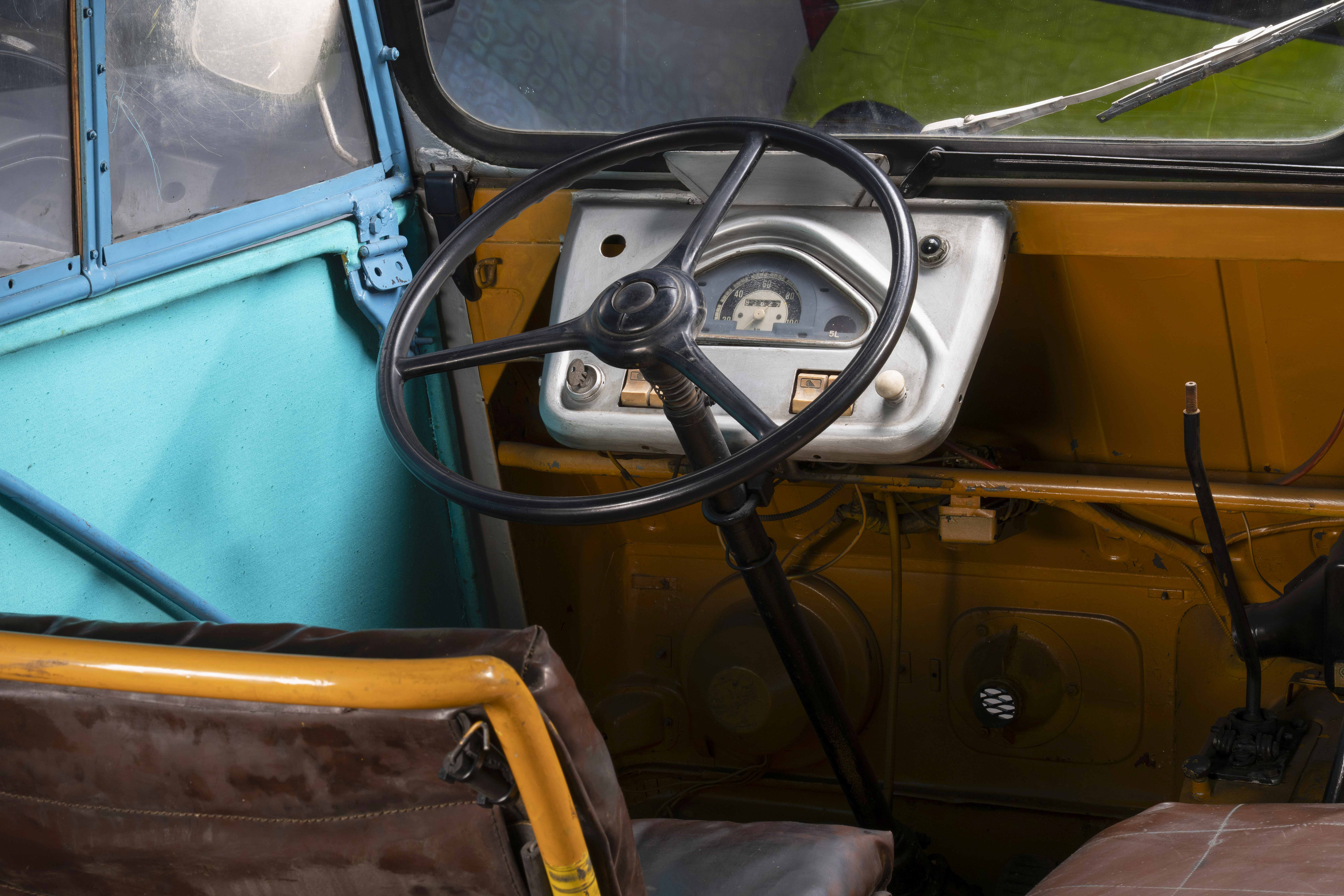
Škoda 973 ‘Babeta’ (1953)
This prototype off-road vehicle for the Czechoslovak Army featured four-wheel drive and good off-road capability. Only around 30 units were built. The vehicle became more widely known mainly through its appearance in the Czechoslovak musical film If a Thousand Clarinets (1964), which featured the hit song Babeta Went Out into the World and gave the vehicle its nickname, Babeta.
Škoda 976 (1956)
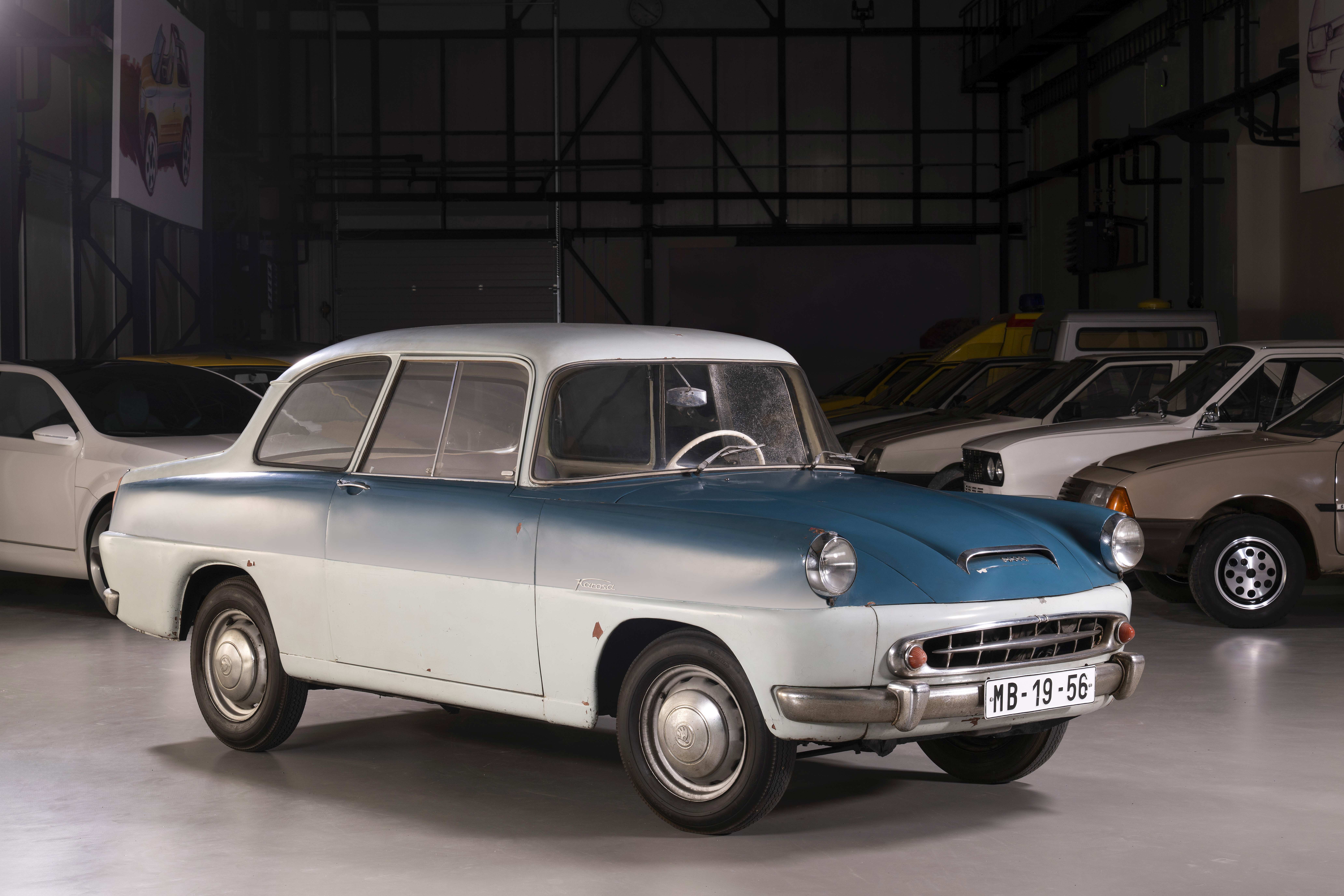
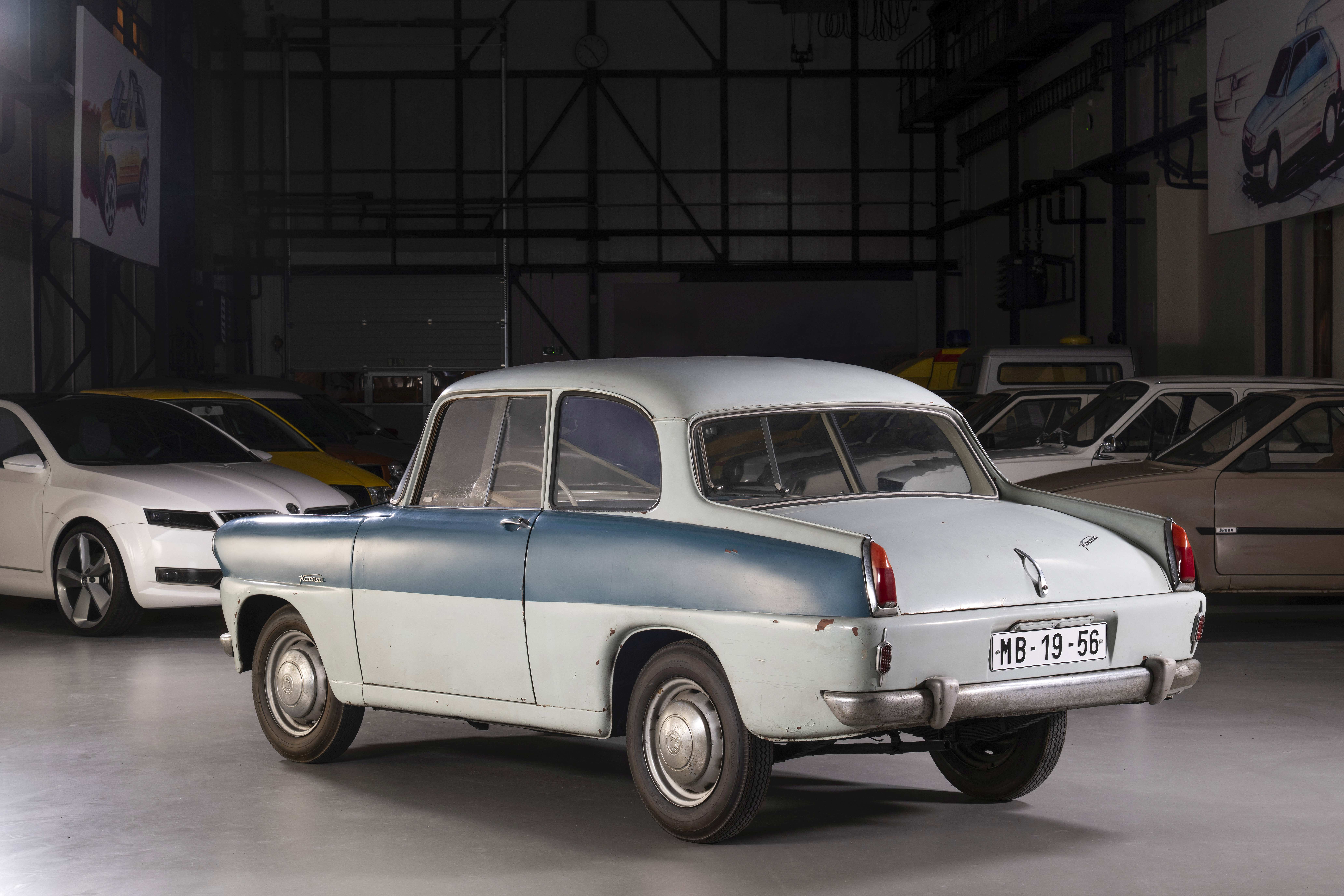
This prototype was built as one of the studies for the planned NOV (new passenger car), in this case with a front-mounted engine and front-wheel drive. Later, however, the rear-engine layout was selected for further development, eventually leading to the successful Škoda 1000 MB.
Škoda 988 (1958)
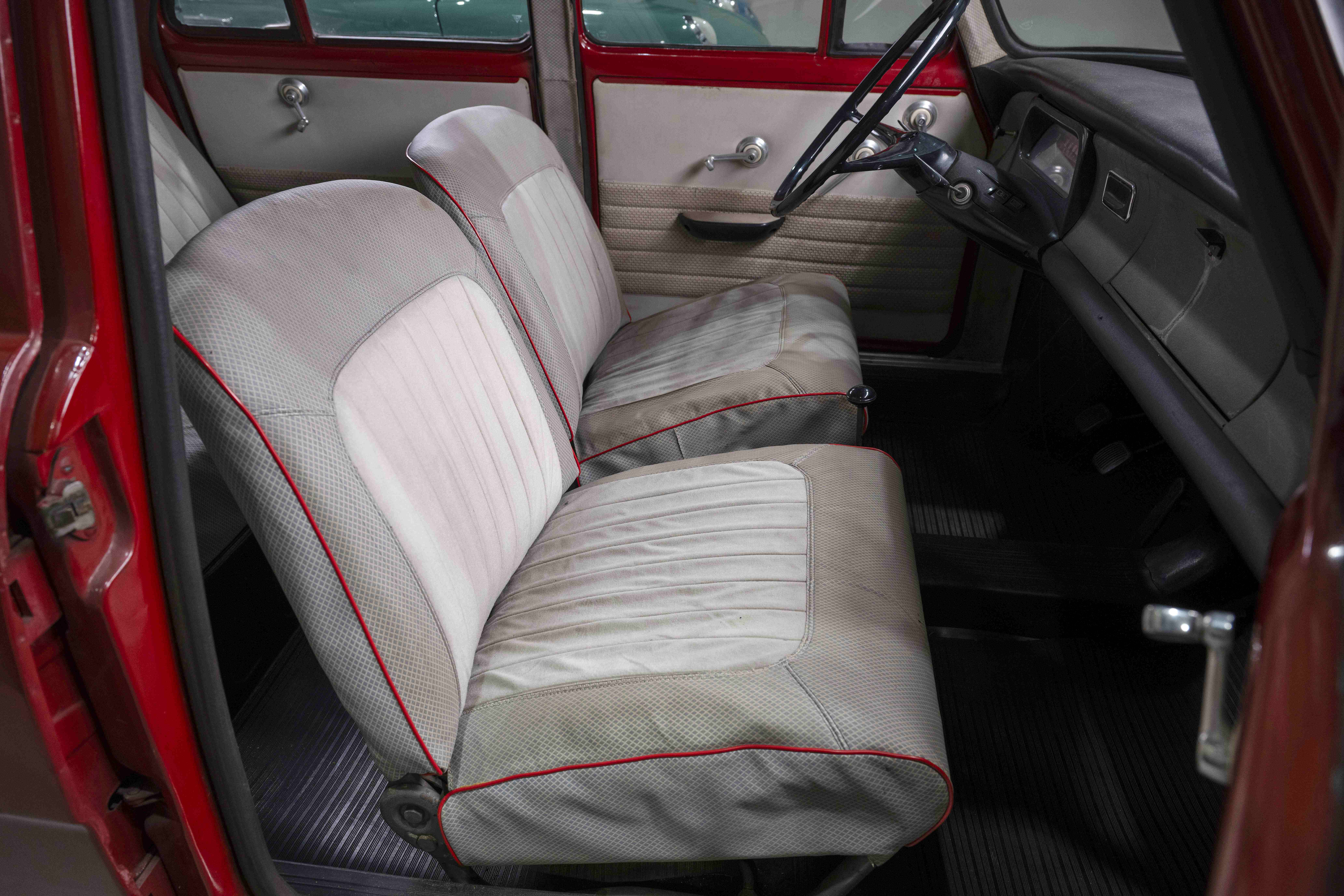
A prototype of the later Škoda 1000 MB, this vehicle already had a rear-mounted engine and rear-wheel drive. It was produced between 1957 and 1958 in four examples, each differing in appearance. This particular car has been part of the Škoda Museum collection since 2006. It has an all-metal self-supporting saloon body and, as the only one of the four, was fitted with a prototype OHC engine.
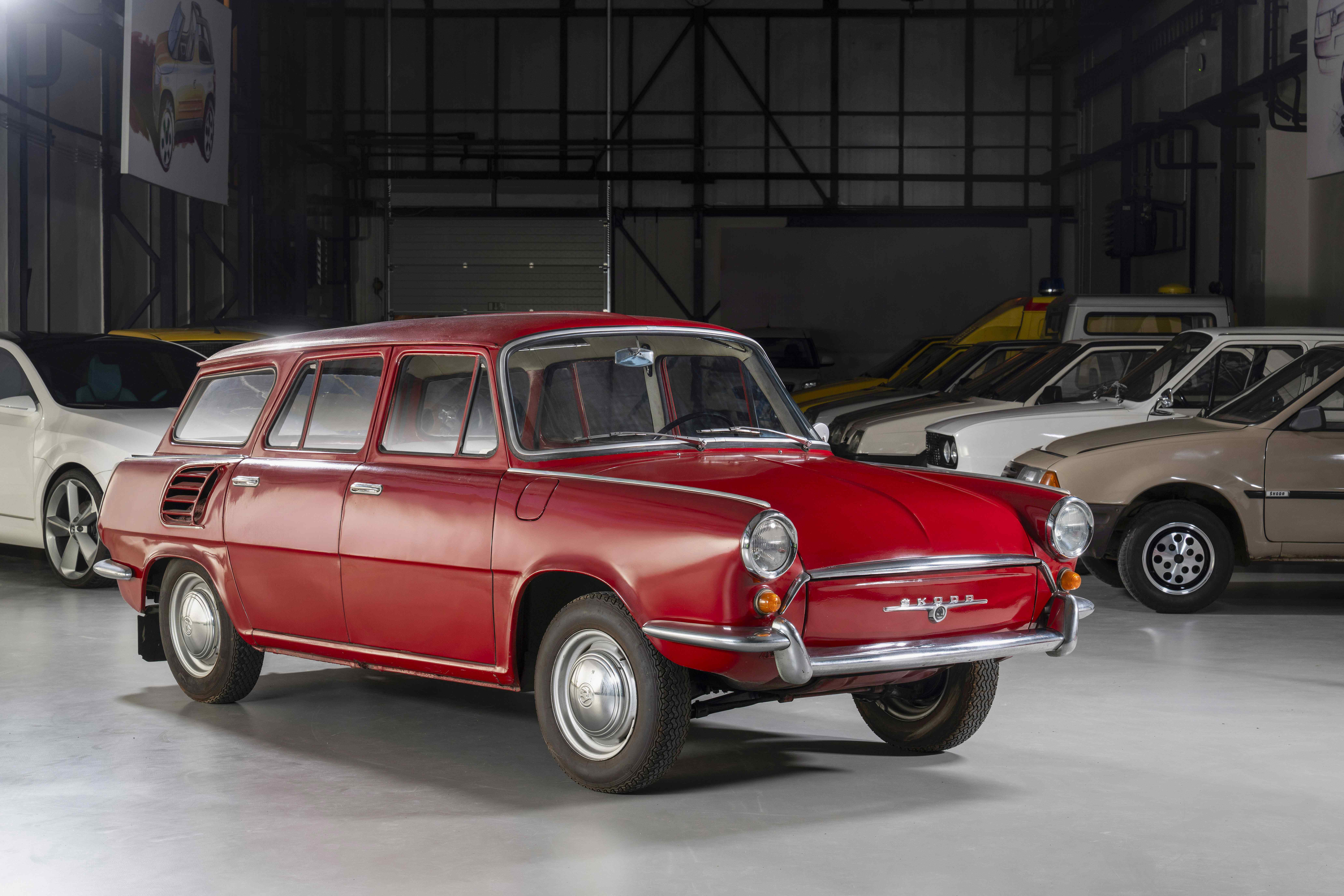
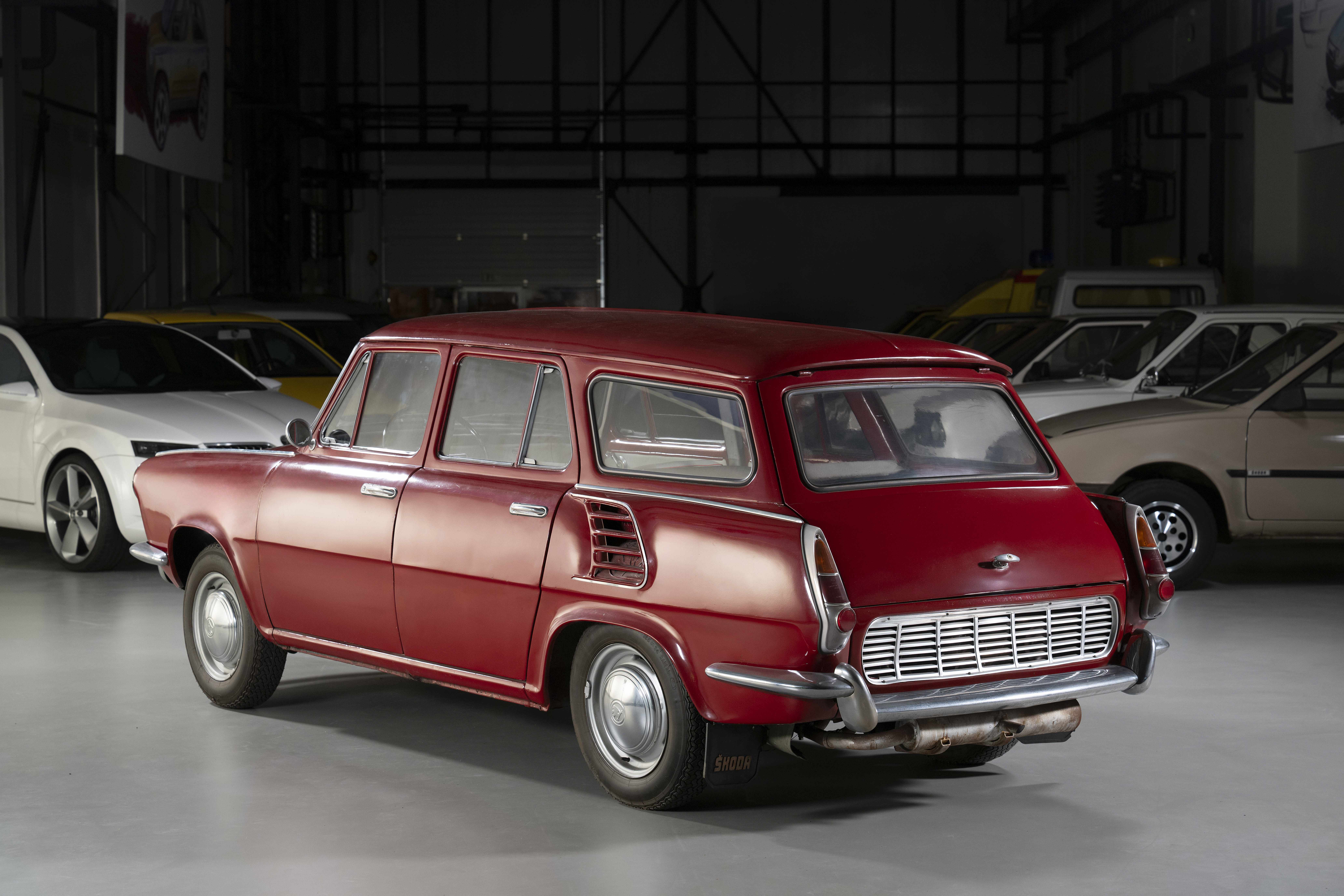

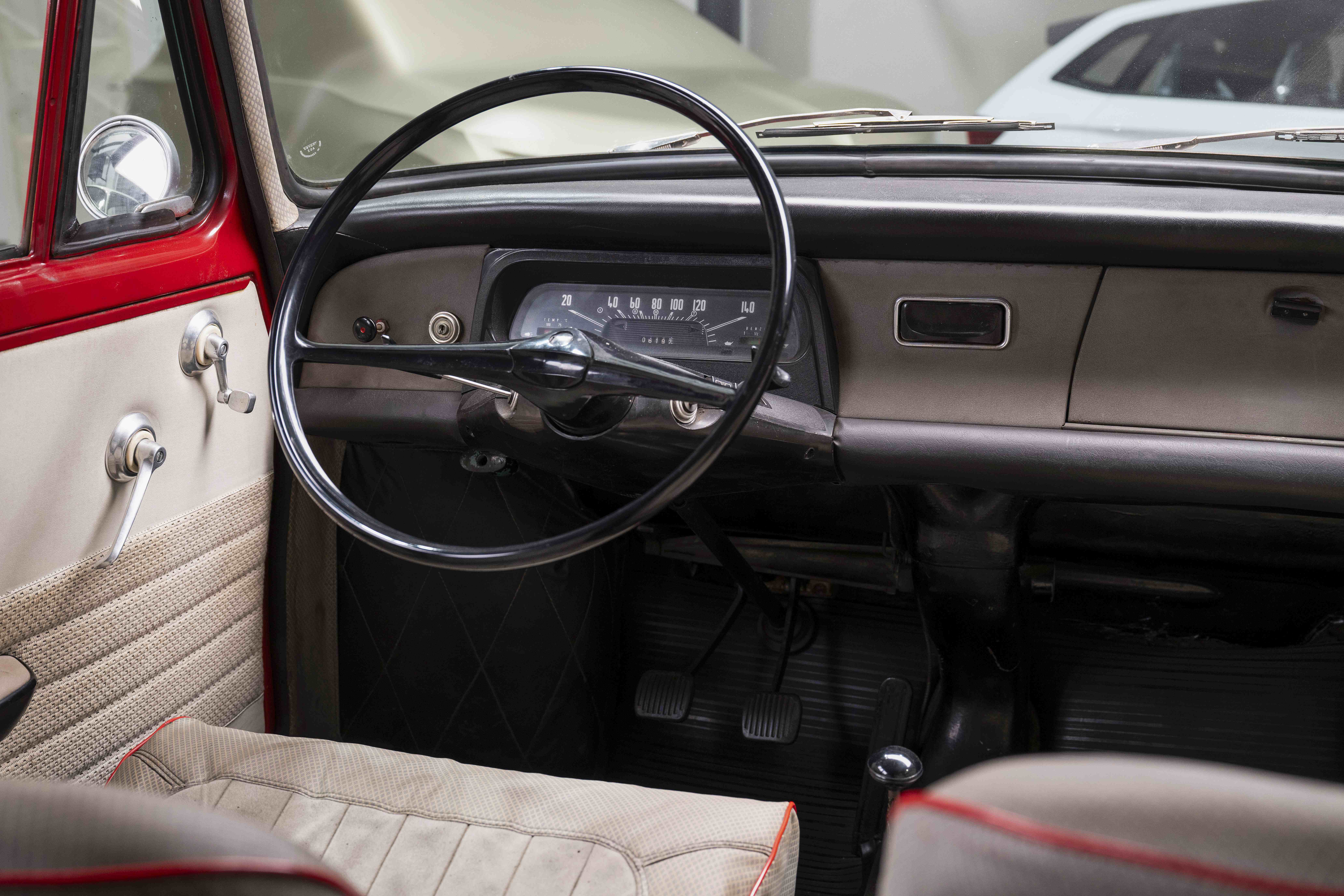
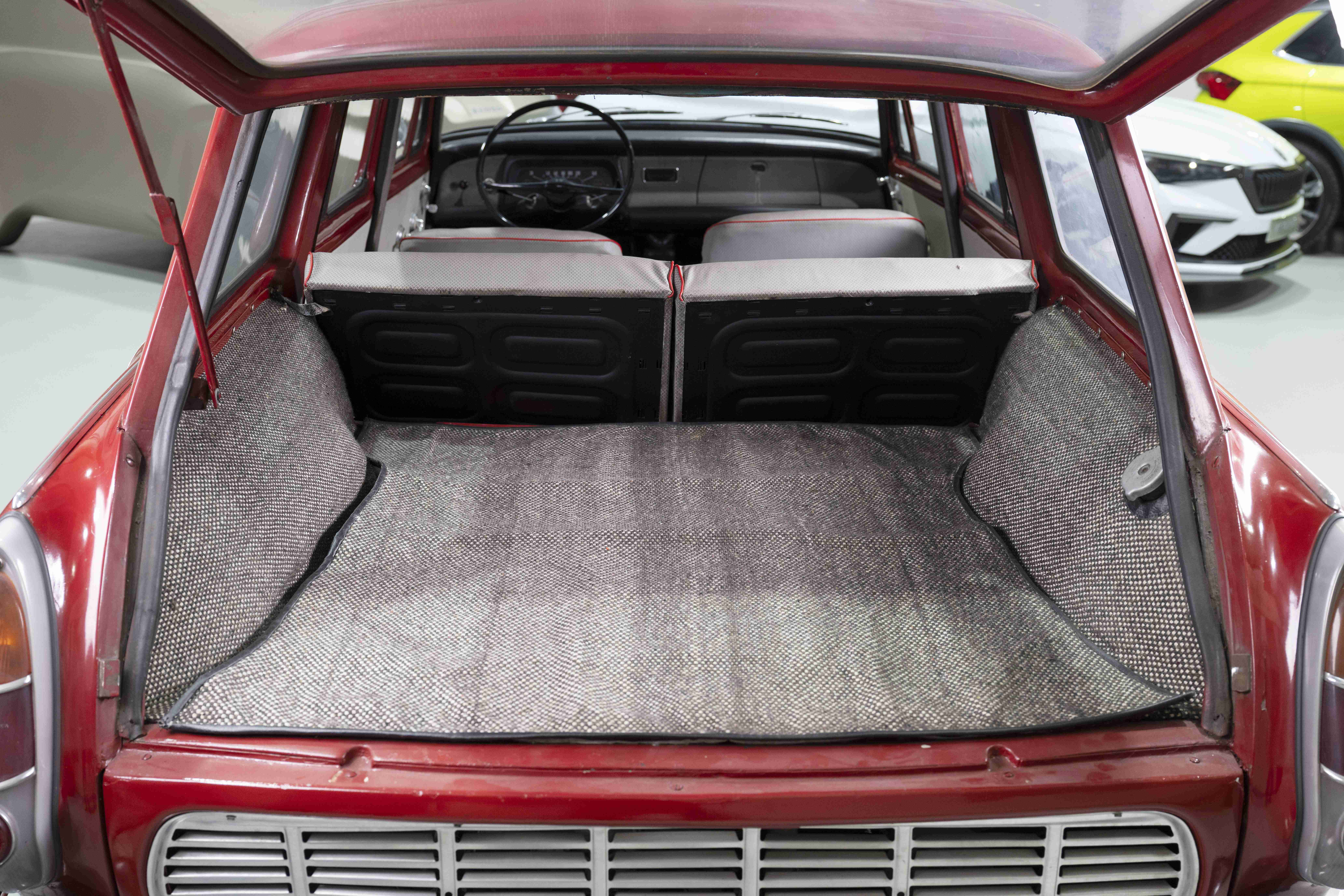
Škoda 990 NOV Combi (1963)
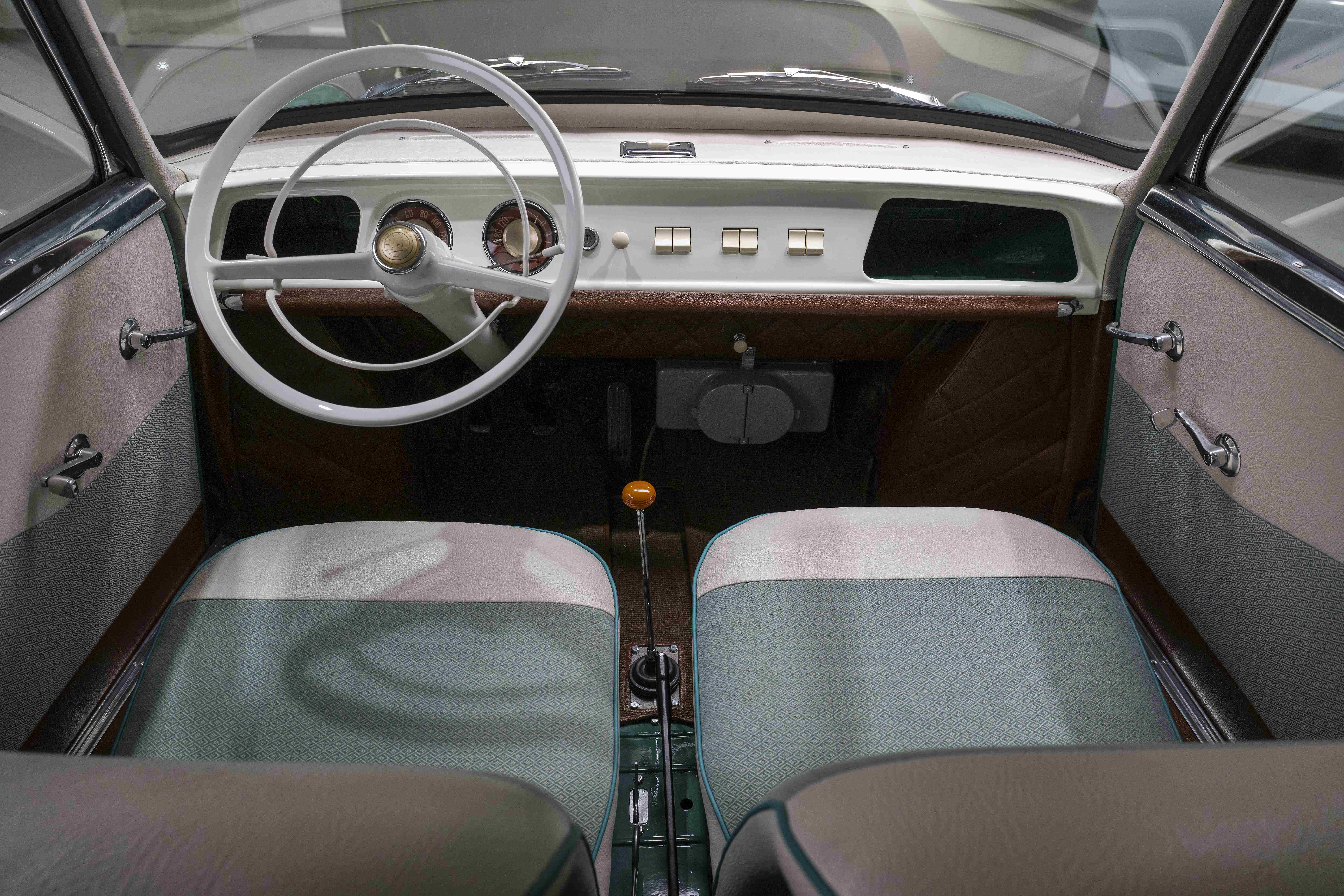
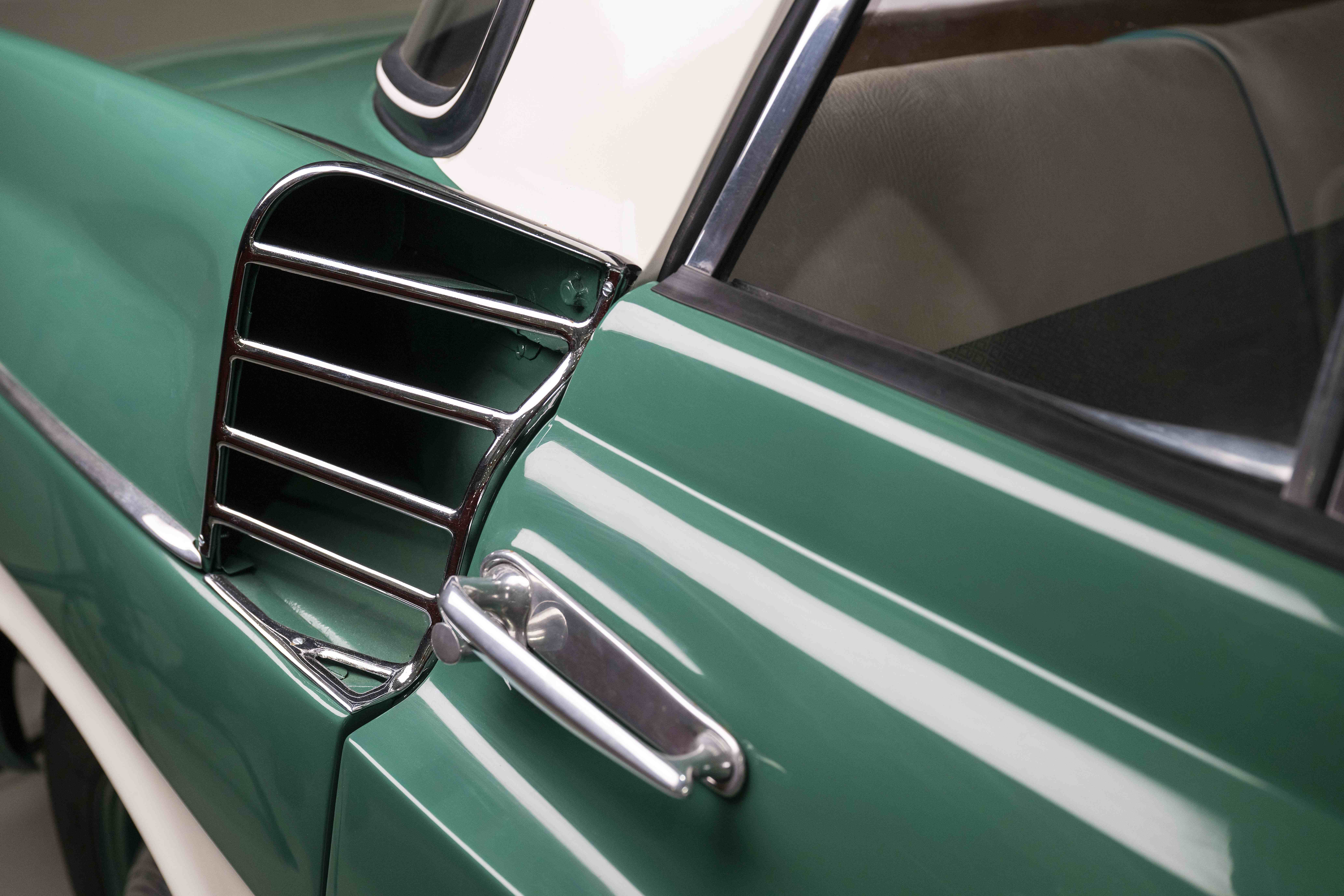
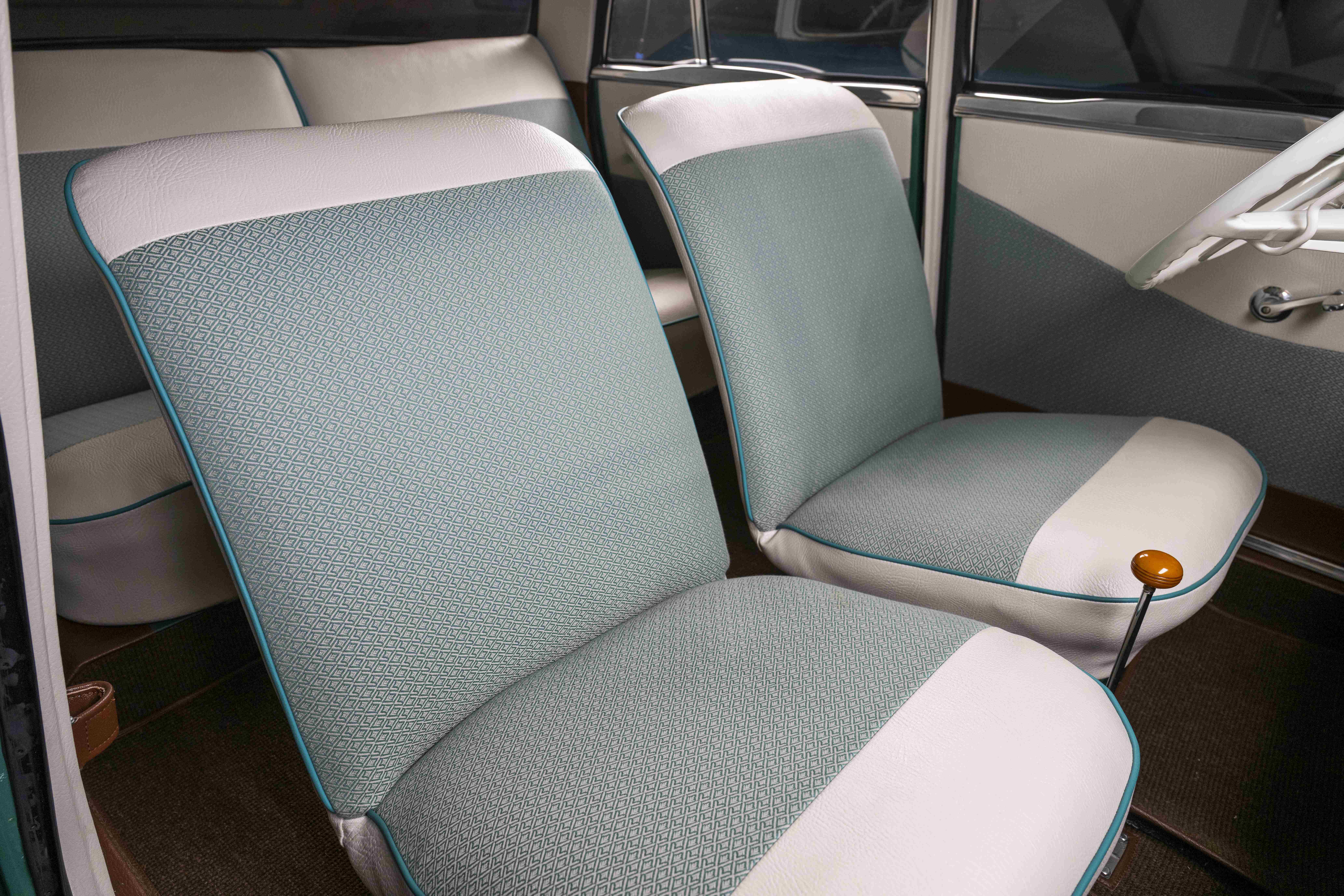
One of the variants considered for the Škoda 1000 MB was a practical estate version. During test drives, its prototype covered 7,000 kilometres. However, it featured a complicated flat engine installation beneath the luggage compartment floor and was never put into series production.
Škoda 998 Agromobil (1963)
This utility vehicle with four-wheel drive was intended for farmers, foresters and the army. Škoda developed it jointly with Česká zbrojovka Strakonice, where it was also due to be produced. In the end, however, it remained at prototype stage only – three examples were built in 1962 and a further ten a year later.
Škoda 720 (1971)
A prototype of a modern mid-size car with a front-mounted engine and rear-wheel drive. The first Škoda 720 with bodywork designed by Italdesign studio head Giorgetto Giugiaro was completed in August 1969. The vehicle on display is the so-called repeated prototype OP-1.
Škoda 740 (1971)
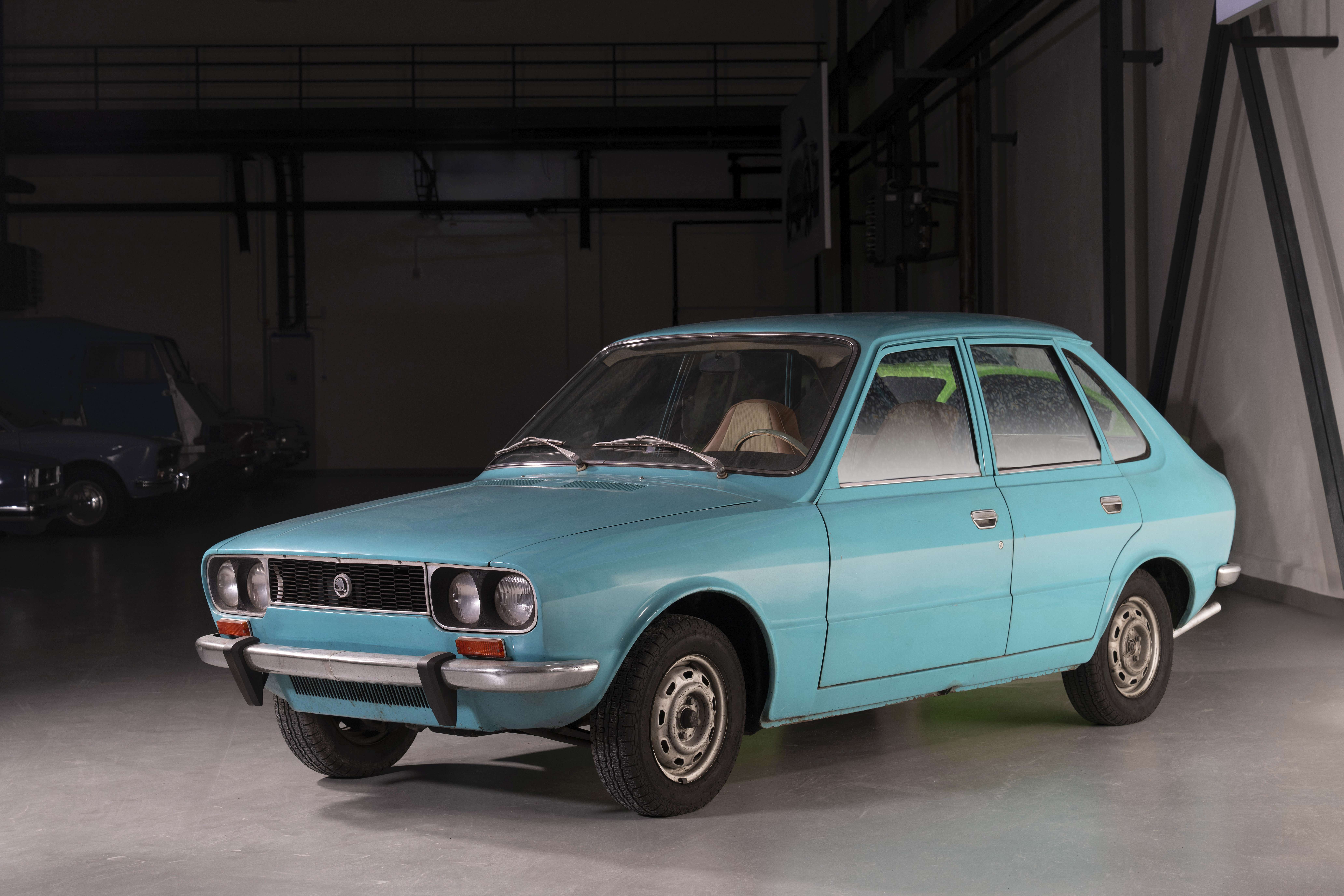
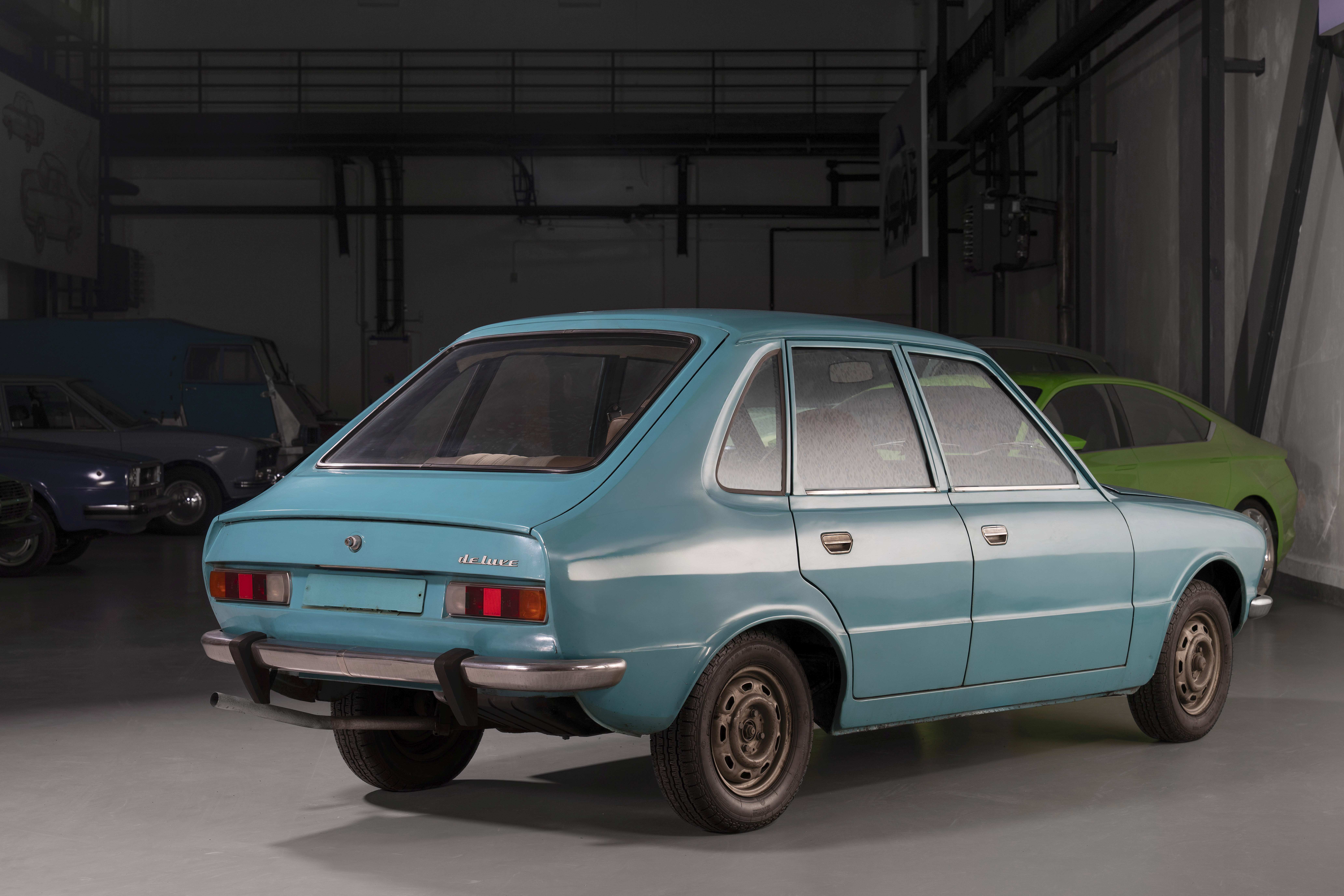
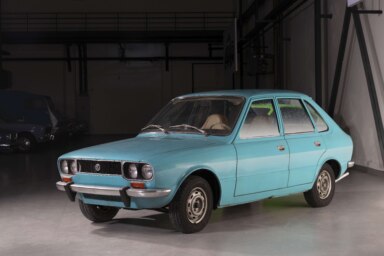
The Škoda 900/1100 project, internally designated Š 740, began in 1969 as a compact car of conventional layout, originally planned in two body sizes and two engine capacities. The five-door car was designed by Josef Čech, and road testing took place in 1971–1972. Soon afterwards, however, development was halted for political reasons.
Škoda 760 ID (1973)
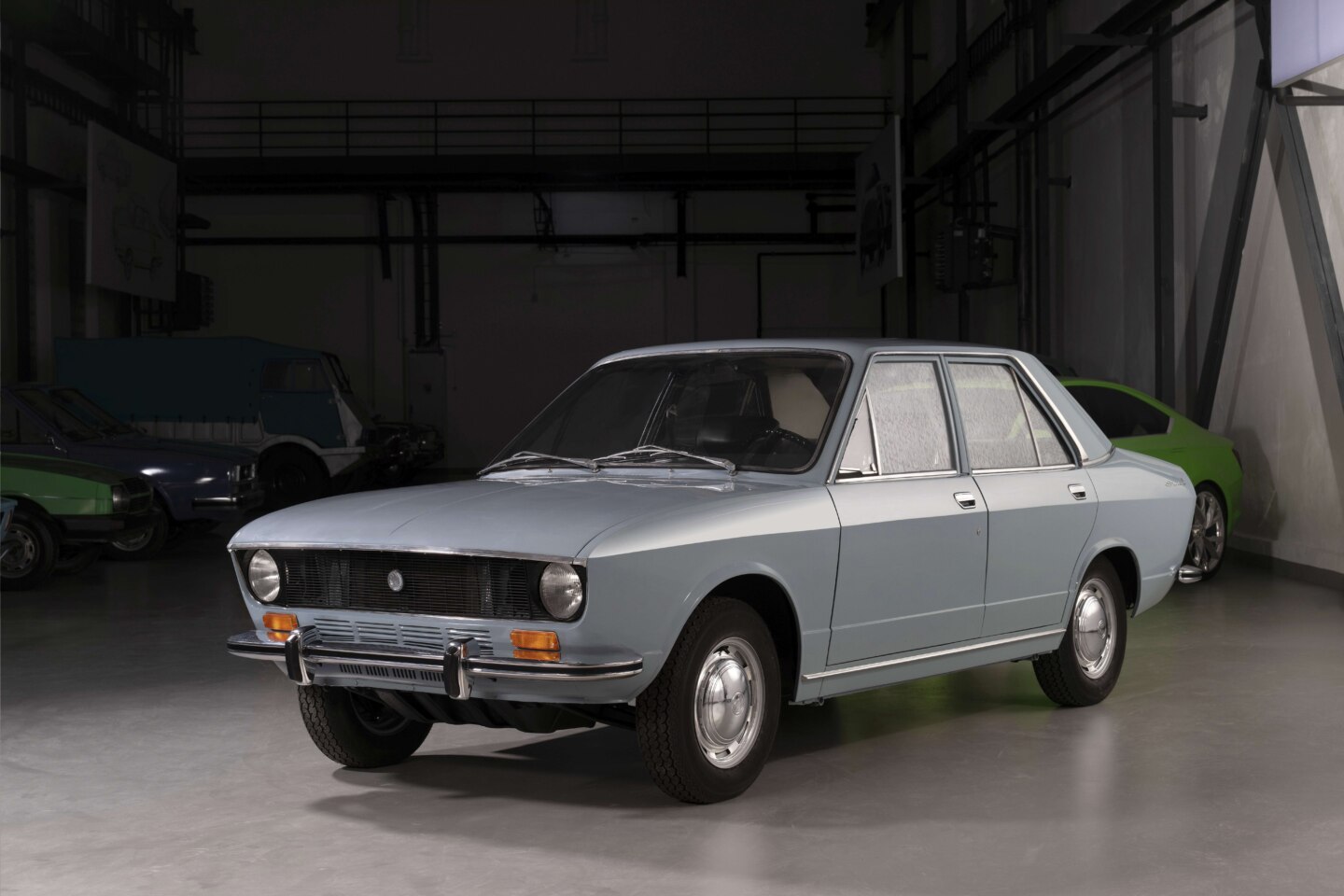
In 1971, work began on the front-wheel-drive Škoda 760 passenger car project, which was to involve cooperation with East German factories in Zwickau and Eisenach. Giorgetto Giugiaro’s Italdesign was once again brought in and designed the bodywork of what became the fourth prototype in the 760 series. This elegant saloon was completed in 1973, but political reasons brought the project to an end a year later.
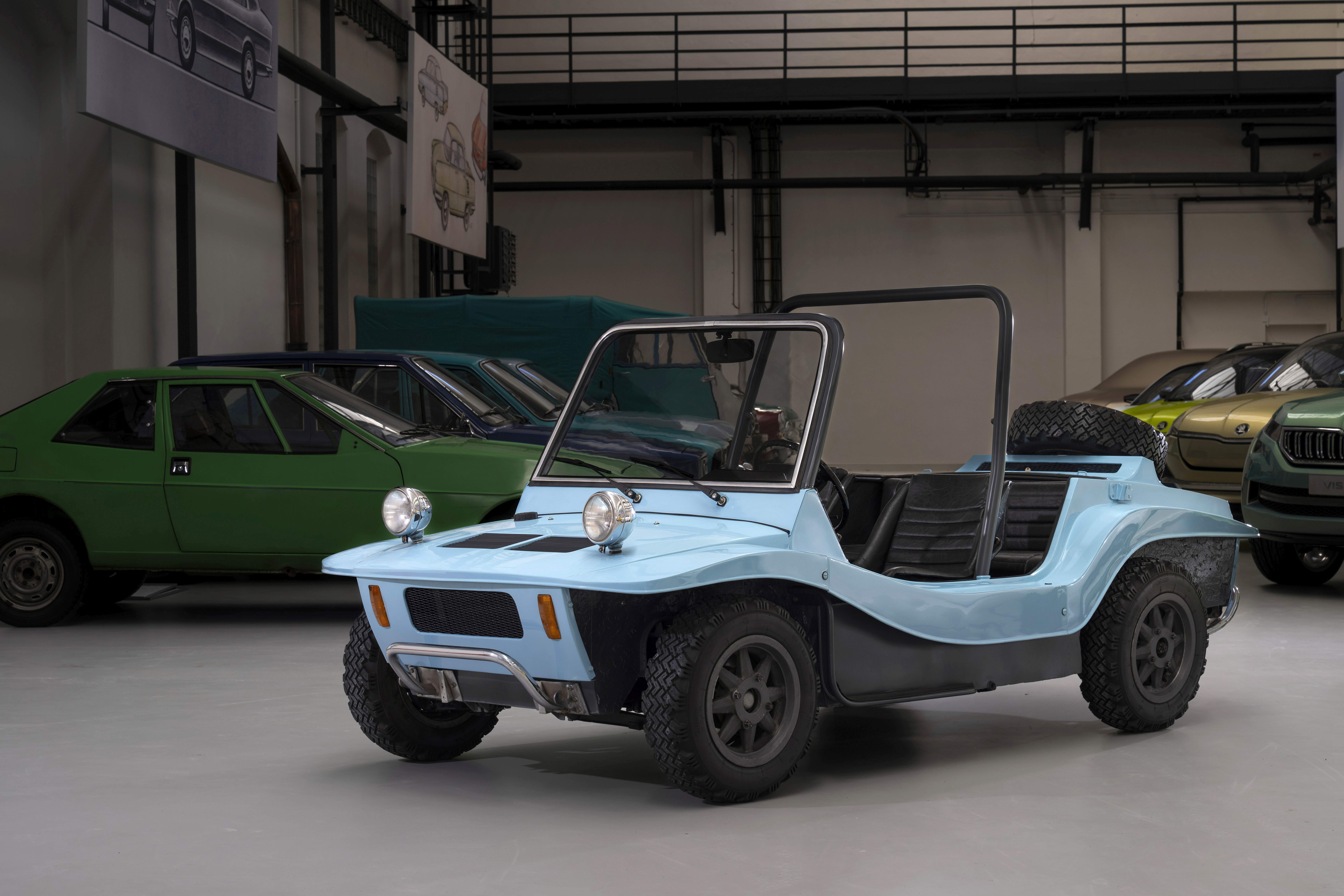
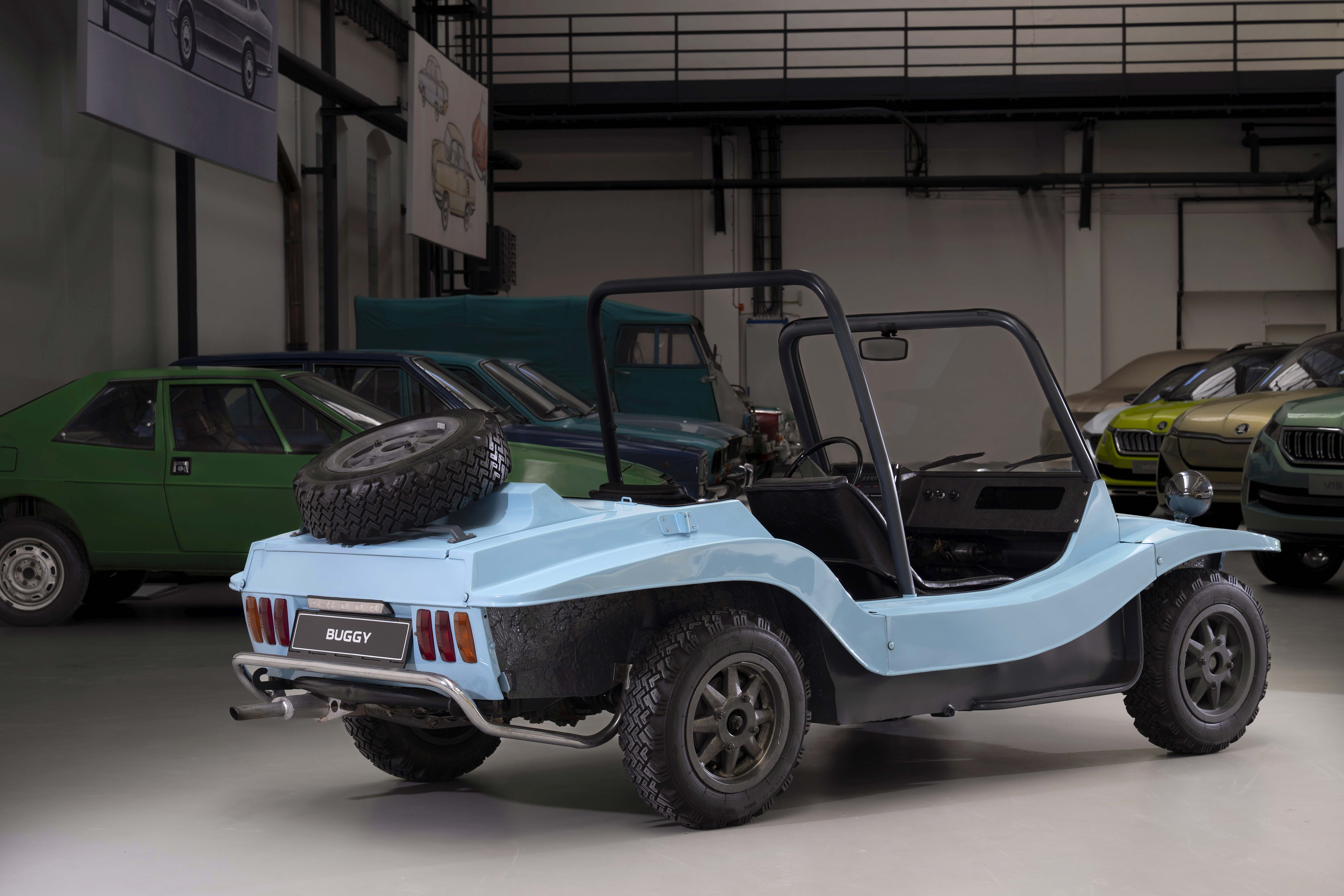
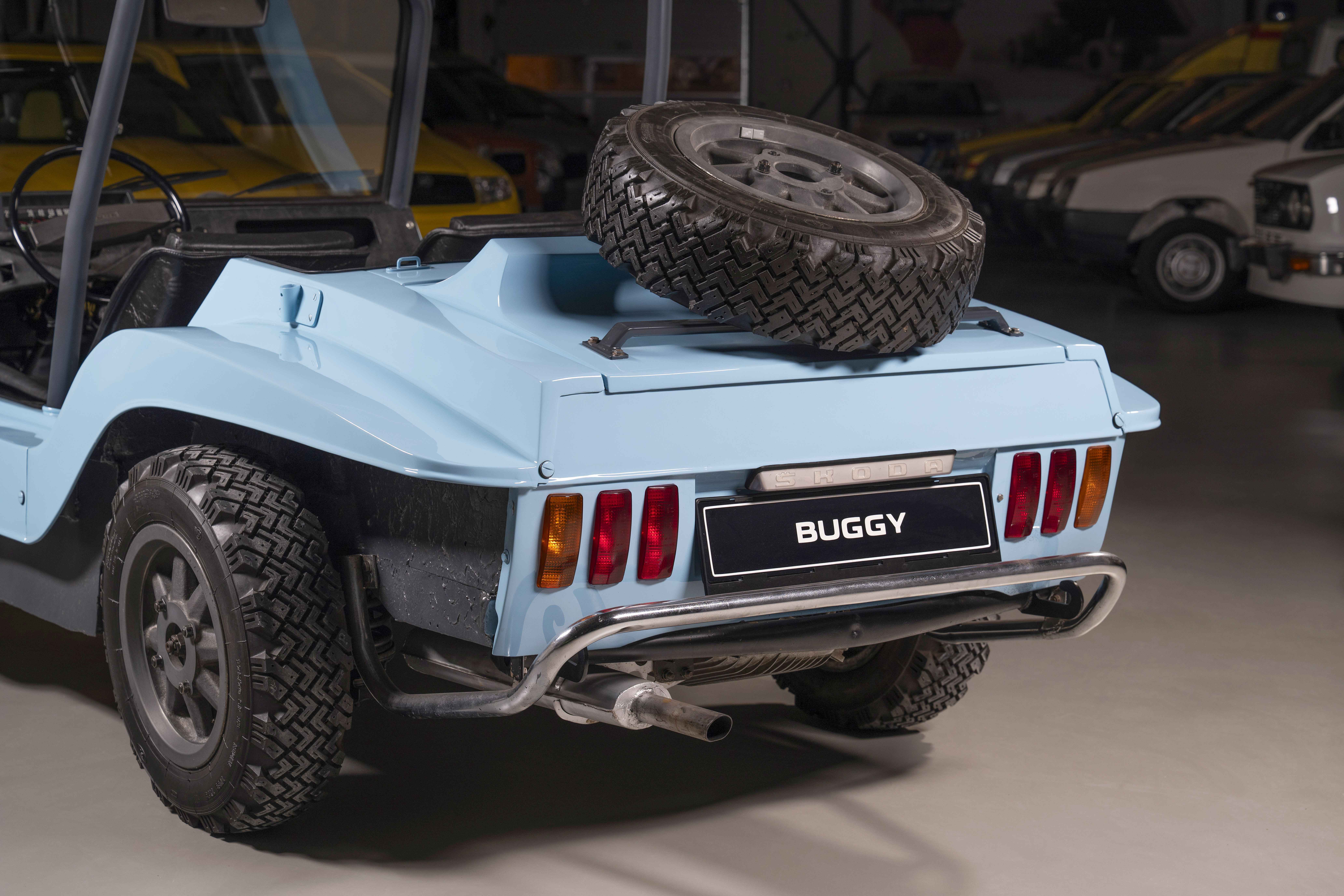
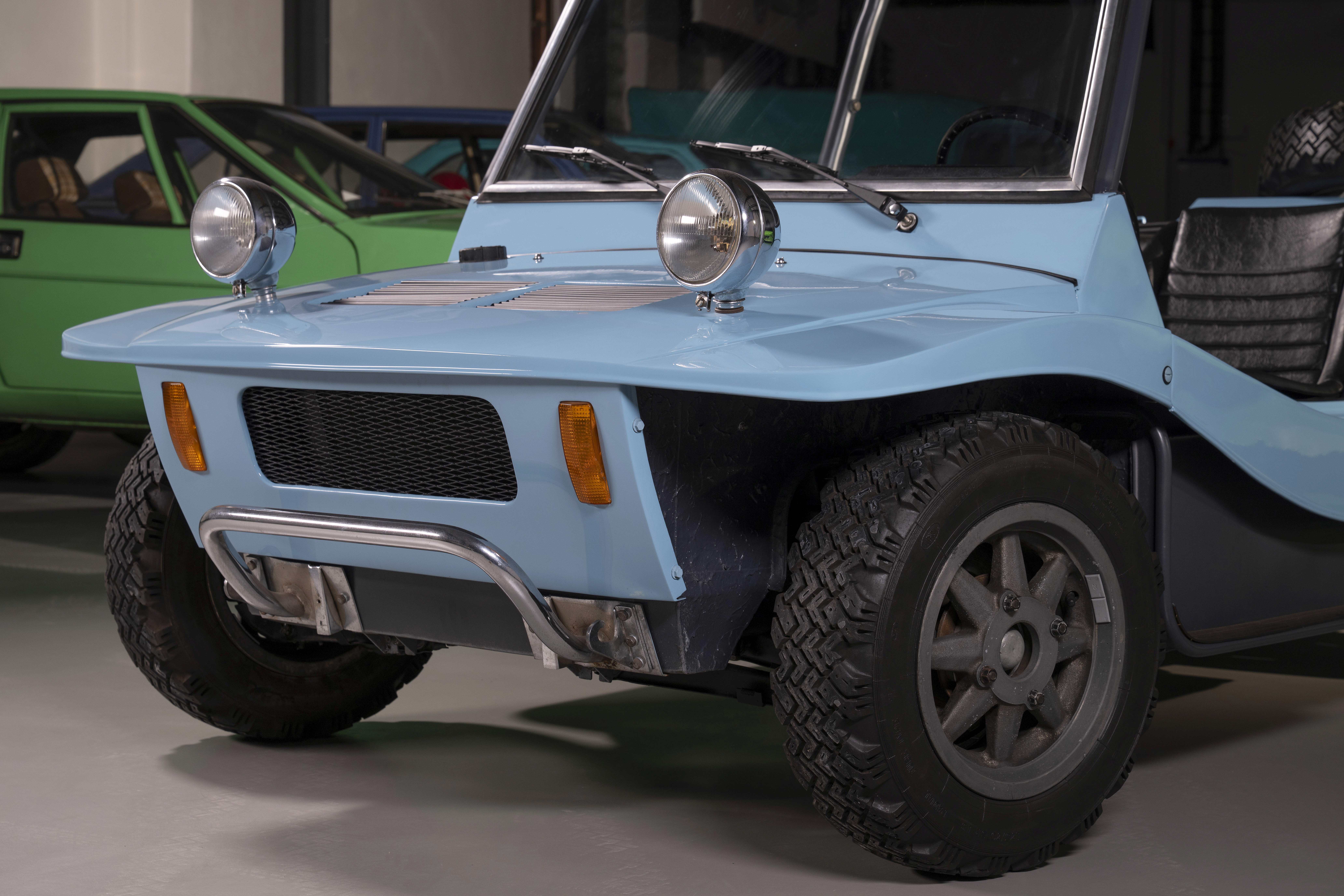
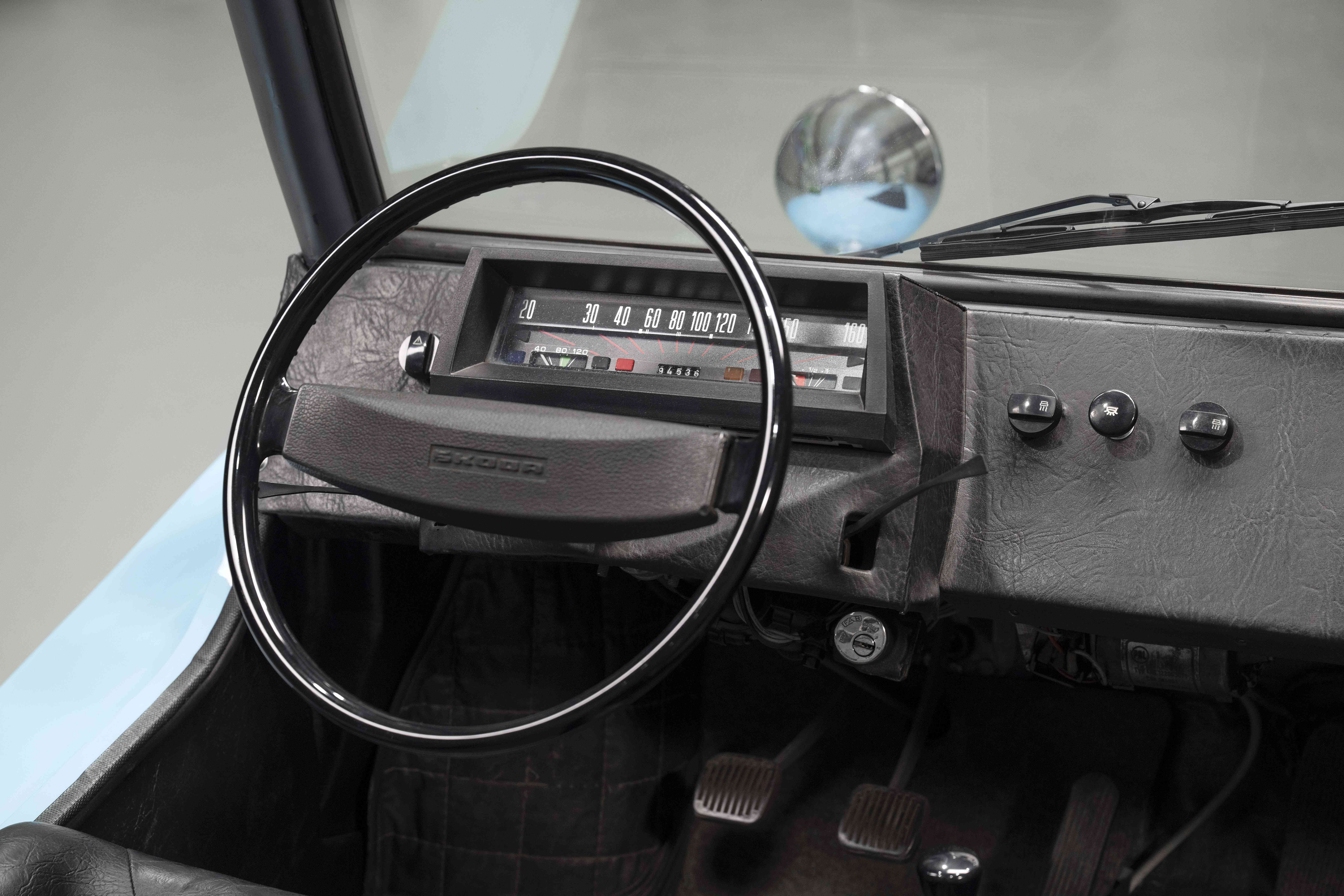
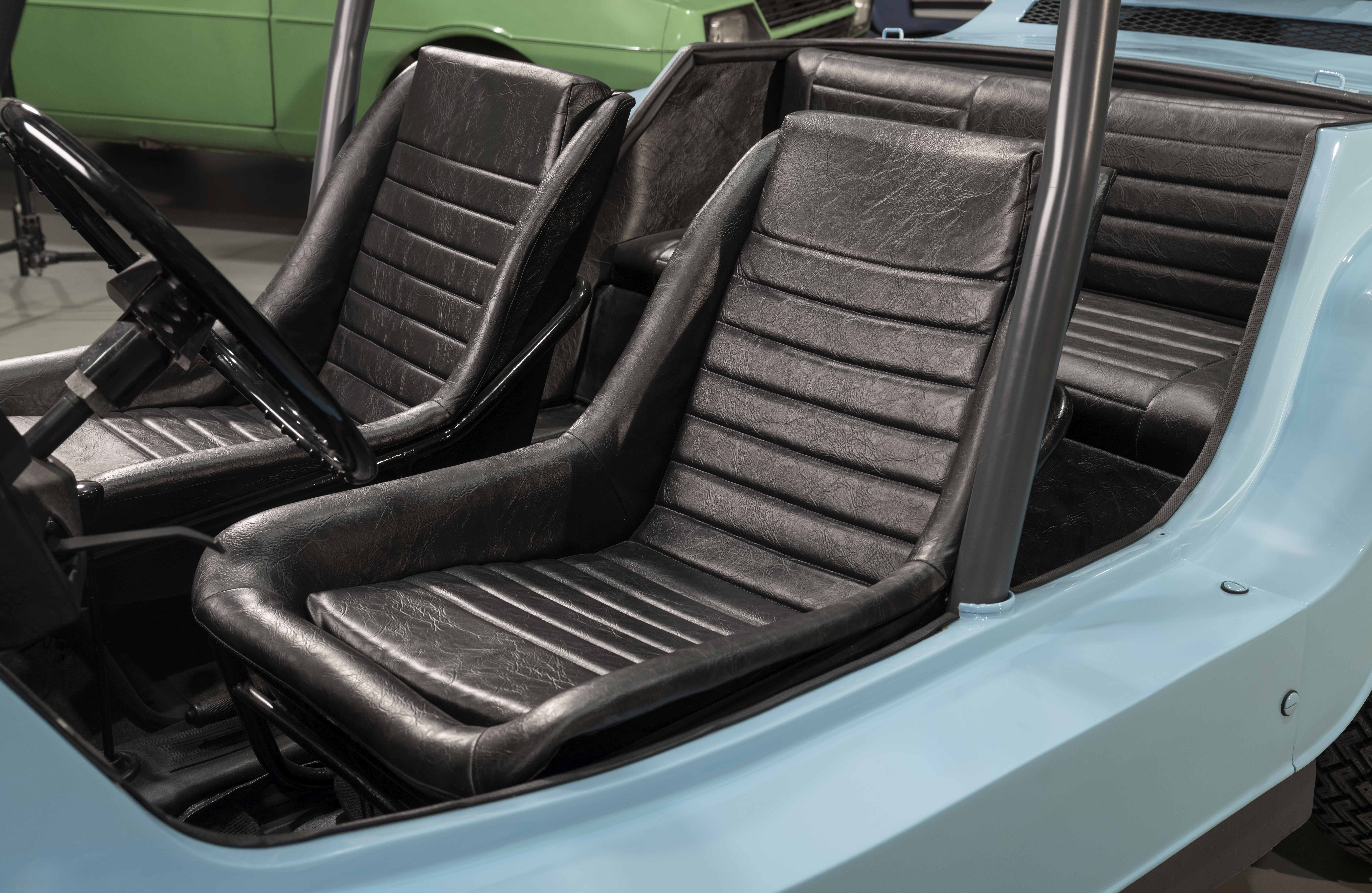
Škoda 736 Buggy (1975)
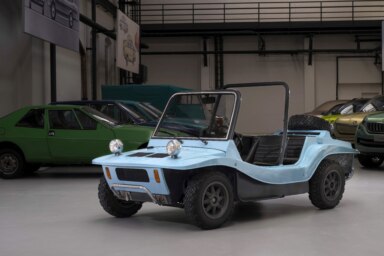
Based on a design by AZNP stylist Josef Čech, the beach-style Škoda Buggy was developed in the first half of the 1970s using modified Škoda 110 L mechanical components. The body was produced at the carmaker’s vocational training centre as part of student training. The model never reached series production, although one of the completed vehicles served as a FOLLOW ME car at Prague Airport.
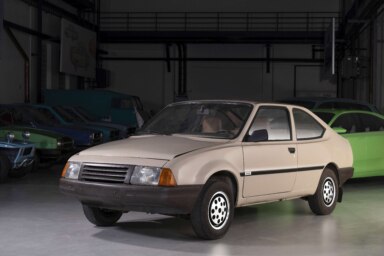
Škoda 763 (1977)
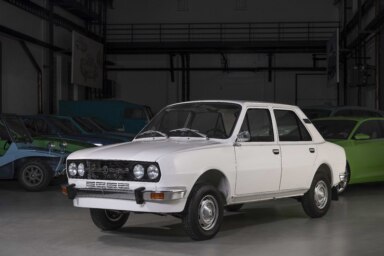
A functional prototype from the development line that followed the earlier 760 series, which never reached series production. Several prototypes in different body styles were designed and built: hatchback (761), saloon (762), coupé (763), estate (764) and extended estate (765). All featured a conventional layout, with the engine and transmission mounted at the front and rear-wheel drive.
Škoda 742 P (1978)
At the end of the 1970s, several modified vehicles based on the rear-engined, rear-wheel-drive Škoda 105/120 (Type 742) were built to test alternative powertrain layouts. One example was created with an “all at the front” configuration, with the engine and gearbox mounted longitudinally at the front and driving the front wheels.
Škoda 748 (1985)
Even during the successful competition career of the Škoda 130 RS, intensive work was already under way on its successor. One option was to adapt the forthcoming Type 743 series (the Garde and Rapid models). Between 1979 and 1980, three prototypes were therefore created on the Škoda 130 RS chassis, each with differently designed front and rear body sections. The example in the Škoda Museum collection is the fourth and final prototype, built in Kvasiny in 1985.
Škoda 781 FV2 (1981)
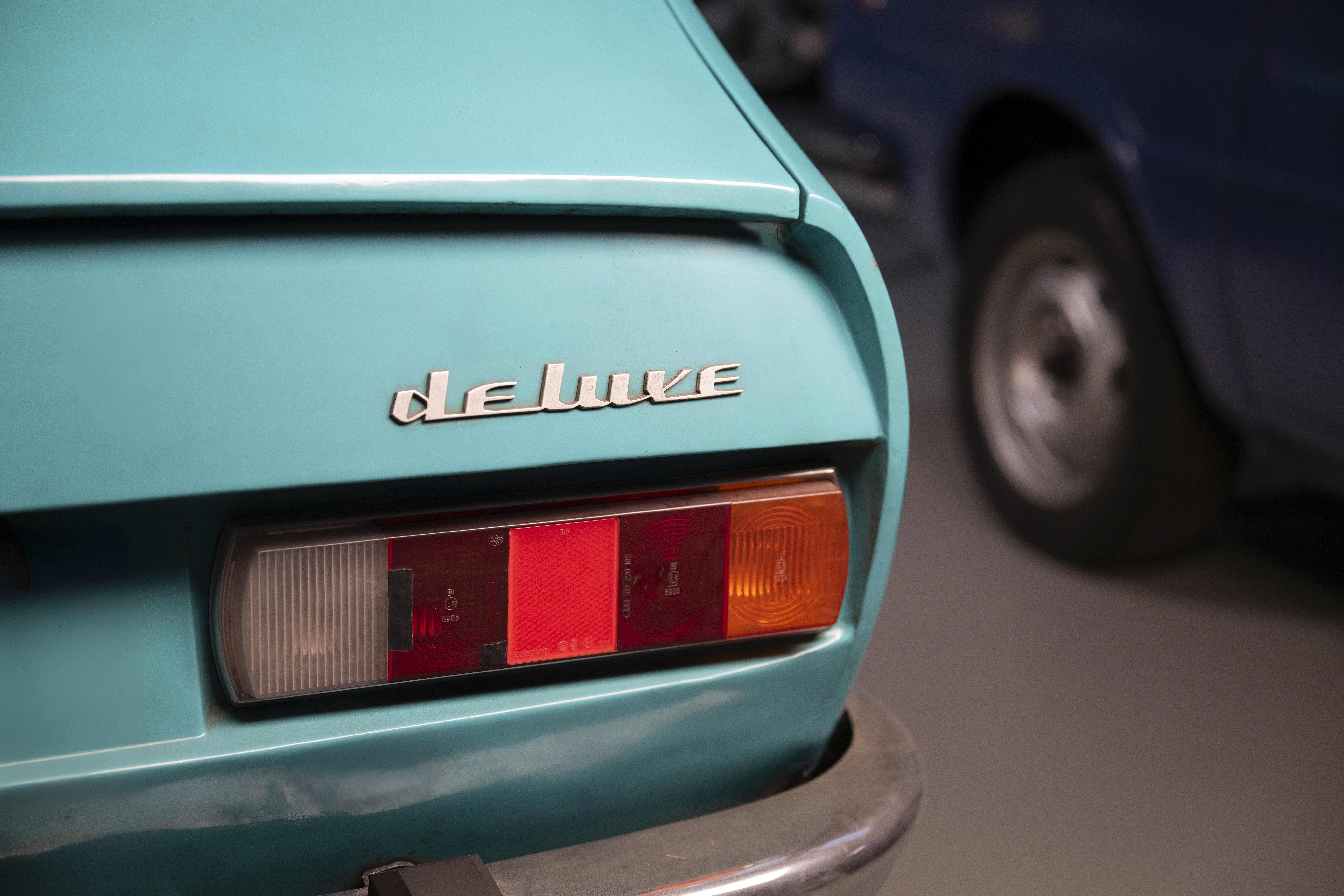
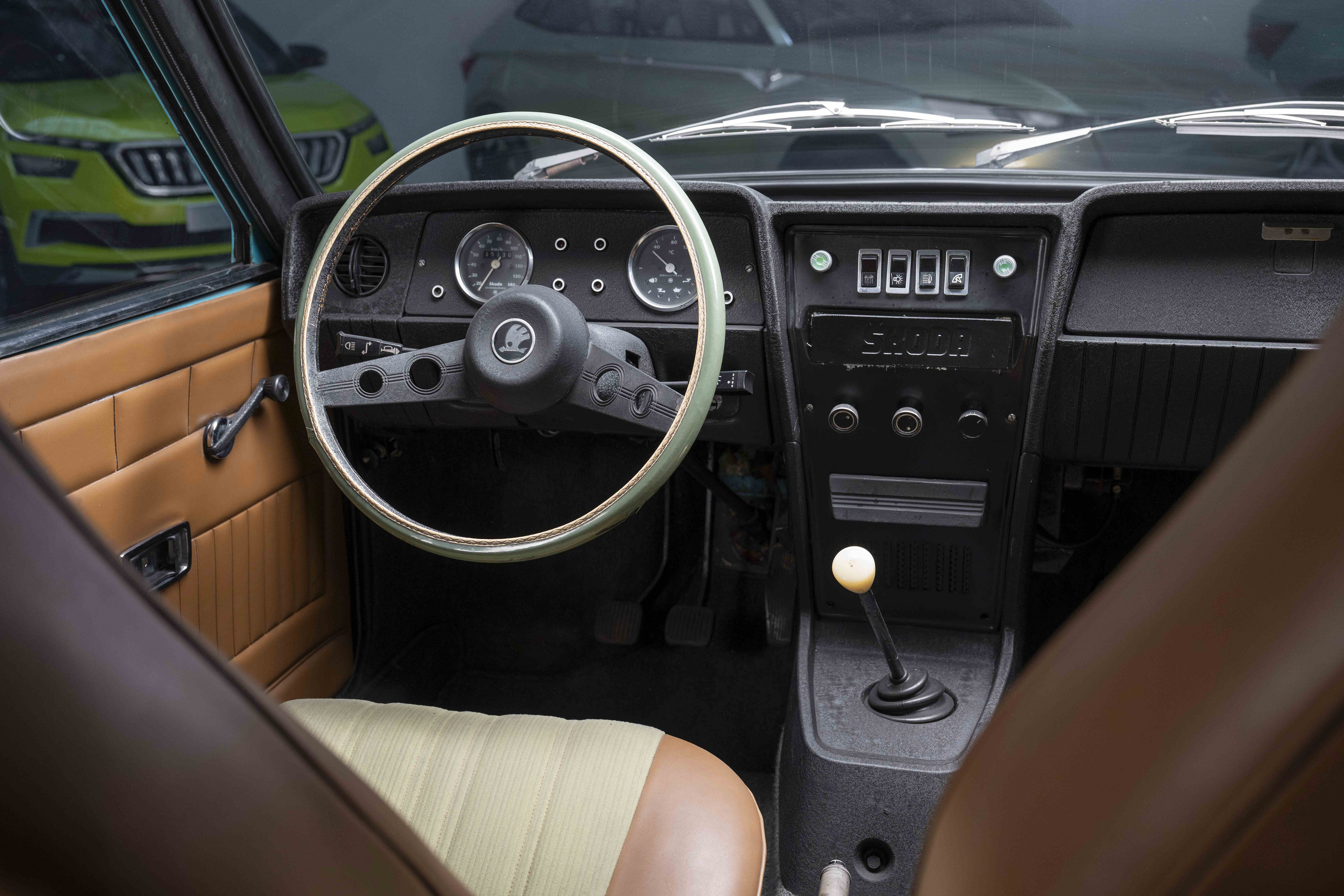
Development of the new front-engined, front-wheel-drive Škoda Favorit began as early as 1979 under the designation Škoda 781. Two study samples (SV), two functional samples (FV) and four repeated prototypes (OP) were built. The vehicle on display is the second functional sample. It was produced in a two-tone De Luxe specification and covered more than 90,000 kilometres during testing.
Škoda 782 (1986)
A saloon from a series of unrealised variants of the Škoda 781 Favorit line, designed by Stile Bertone. Several prototypes in different body styles were designed and built, all featuring a front-mounted engine and gearbox with front-wheel drive. Series production was envisaged from 1990, but in the end it never went ahead.
Škoda 783 (1987)
Another prototype based on the Škoda 781 Favorit. Work on the three-door coupé began in 1985, initially as a set of sketches and a quarter-scale model at the Bertone studio. The necessary documentation was then prepared in Mladá Boleslav and Kvasiny, and the body was built in 1986. The coupé first took to the road in 1987, but series production was ultimately never realised.
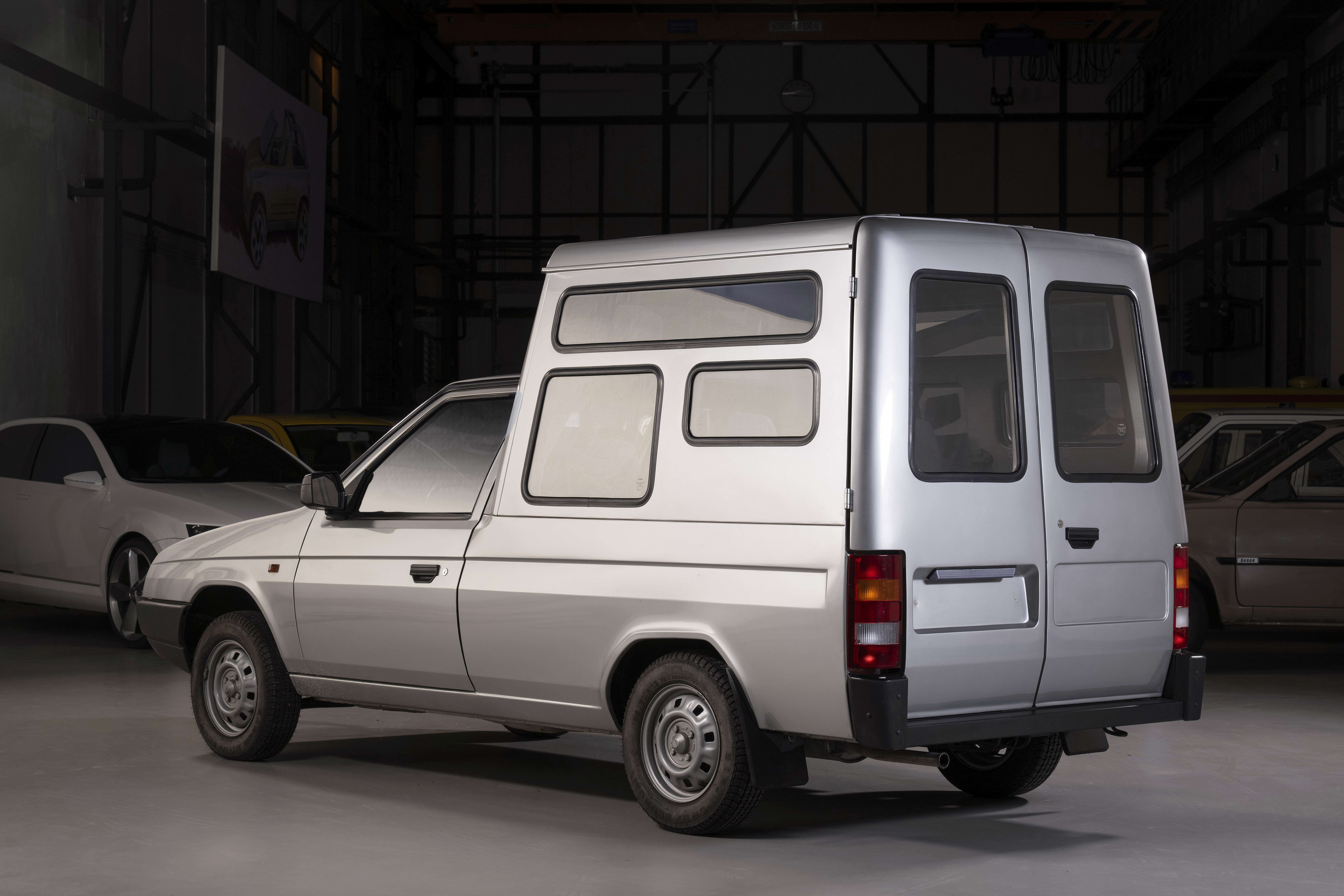
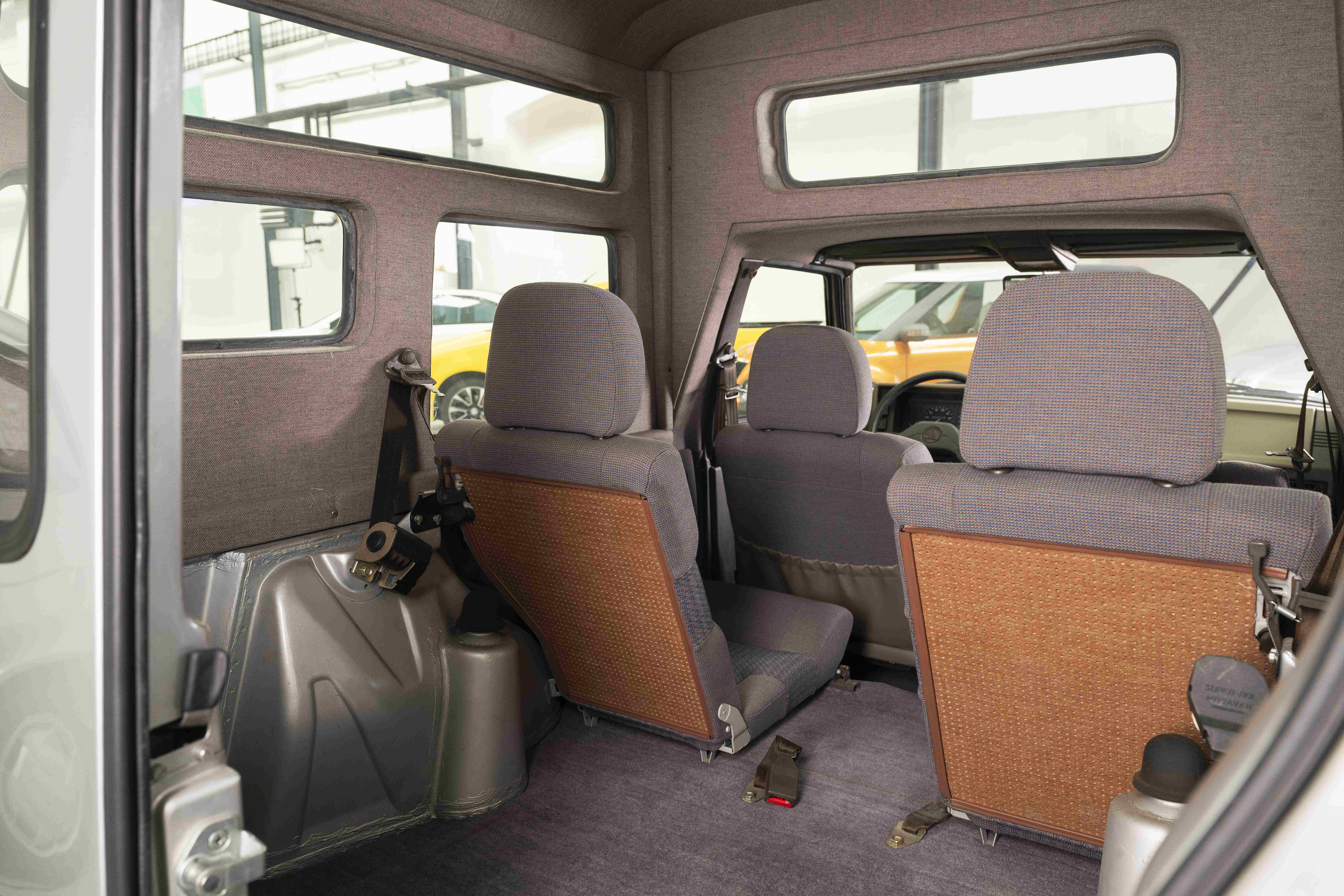
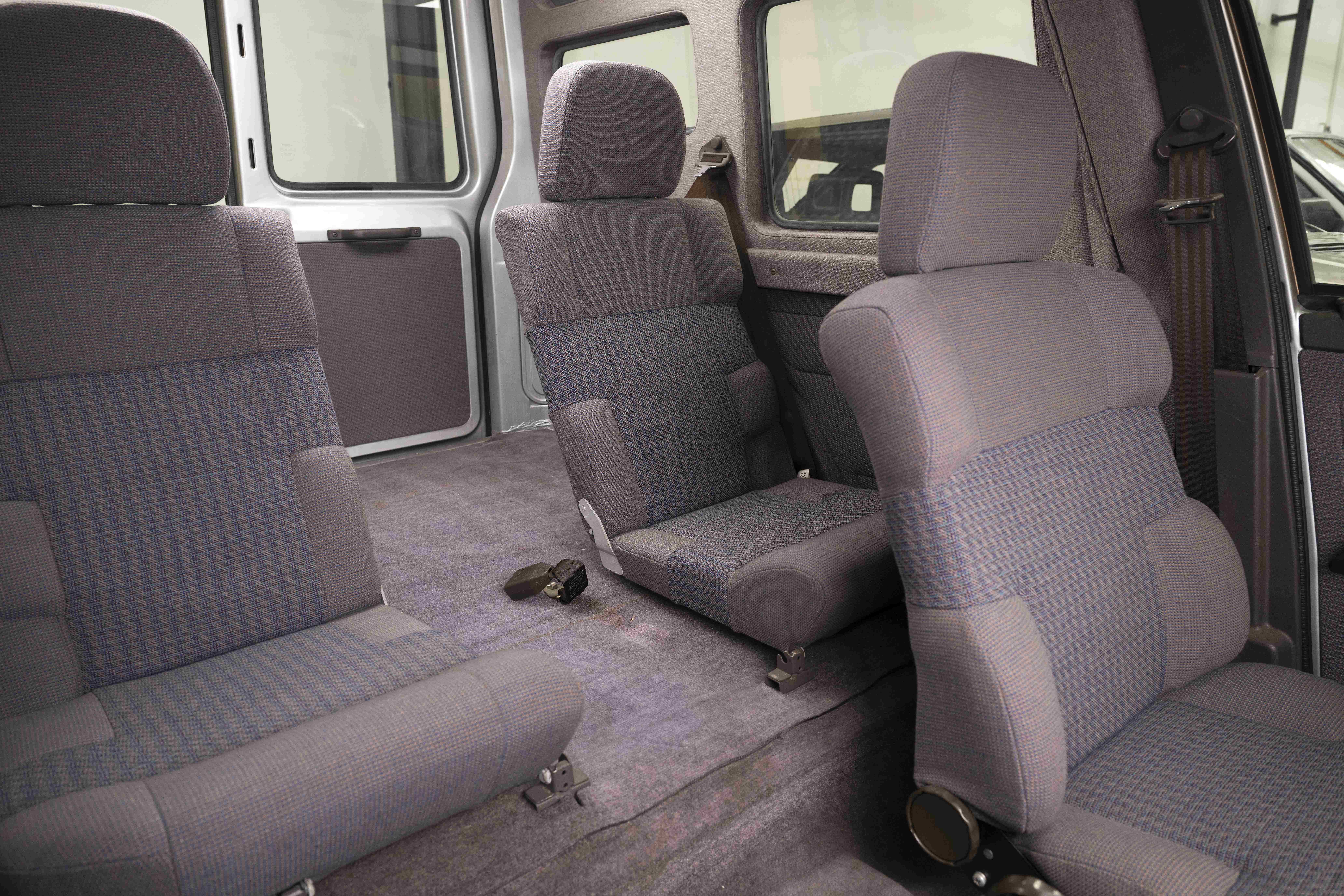
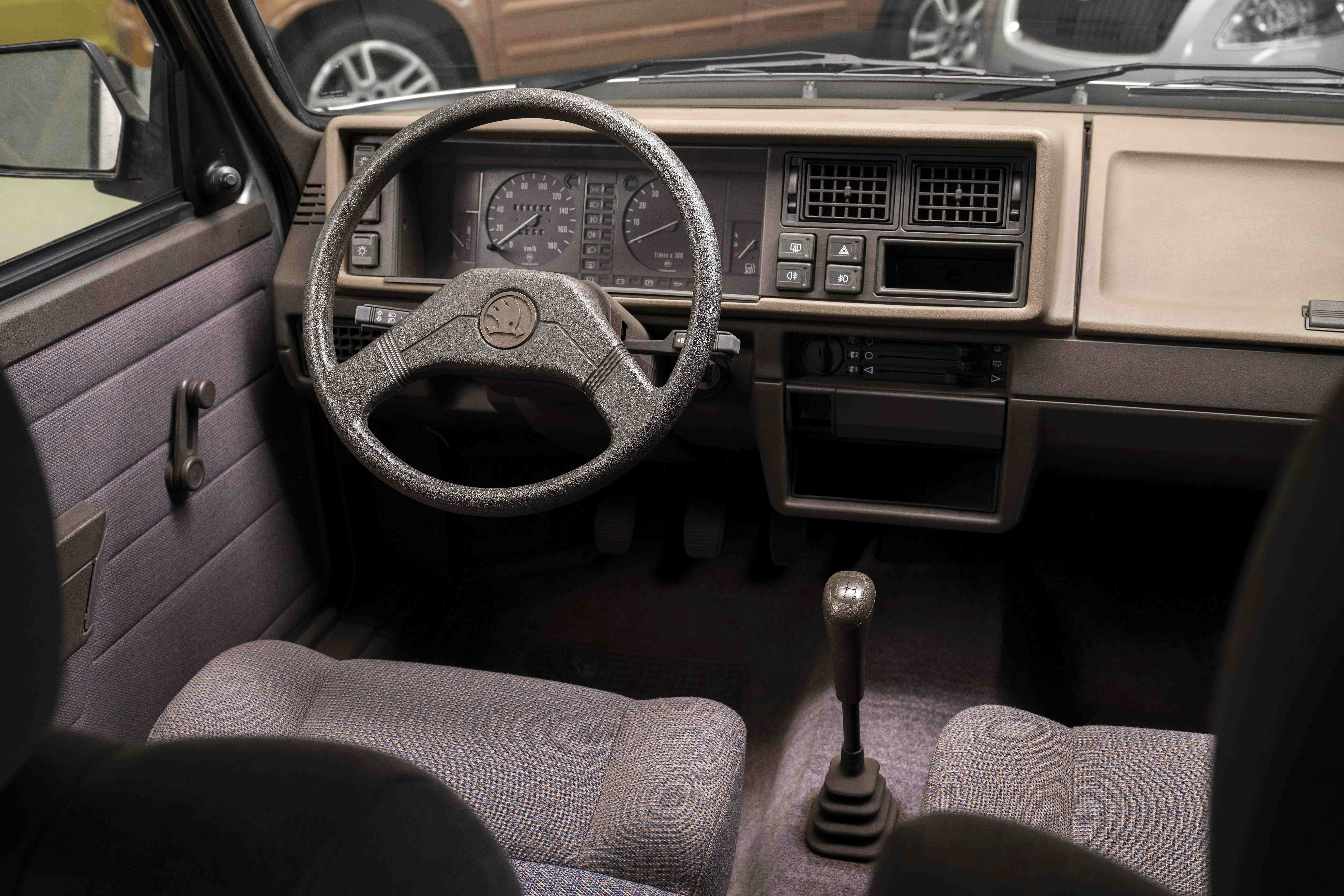
Škoda 784 COM (1987)
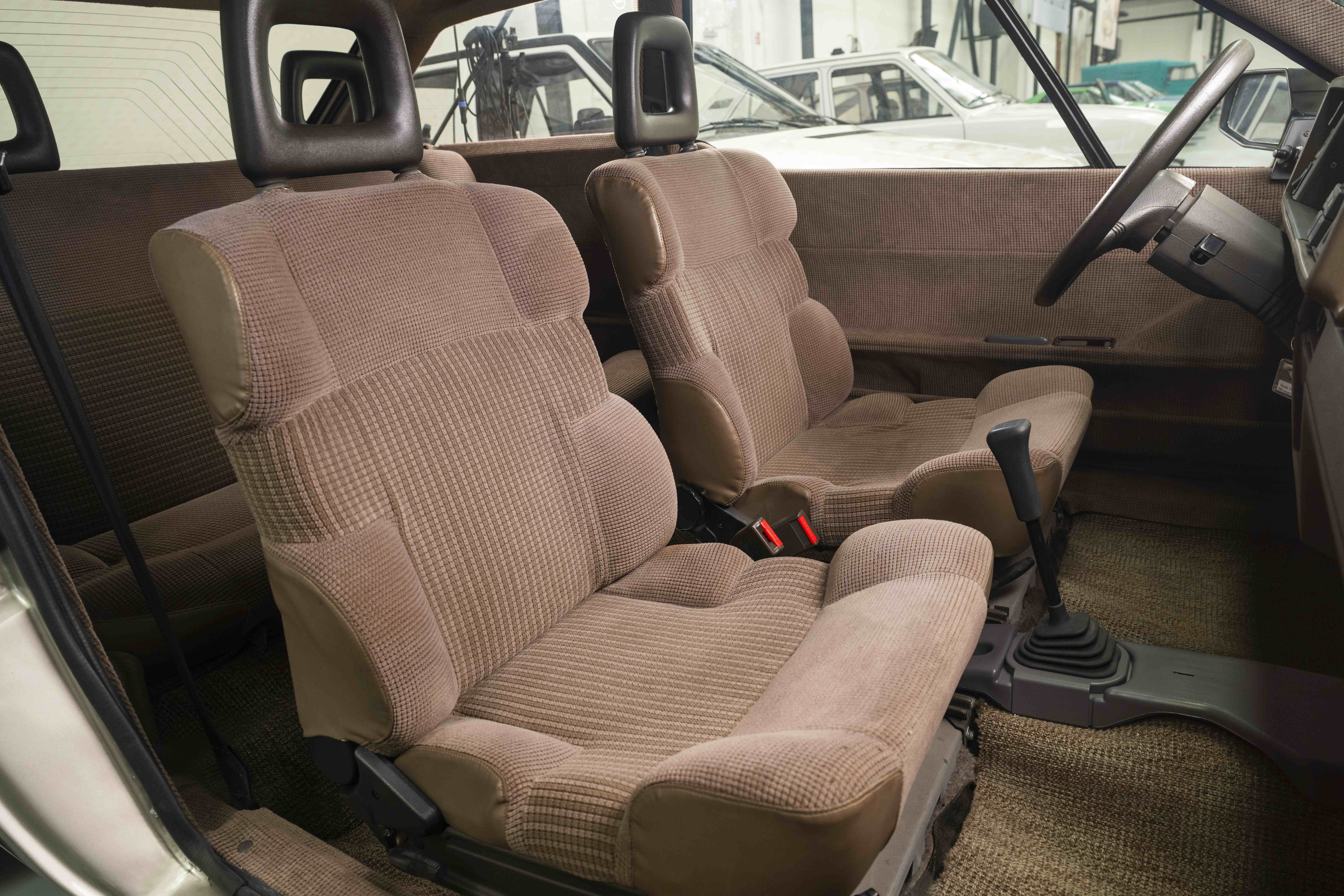
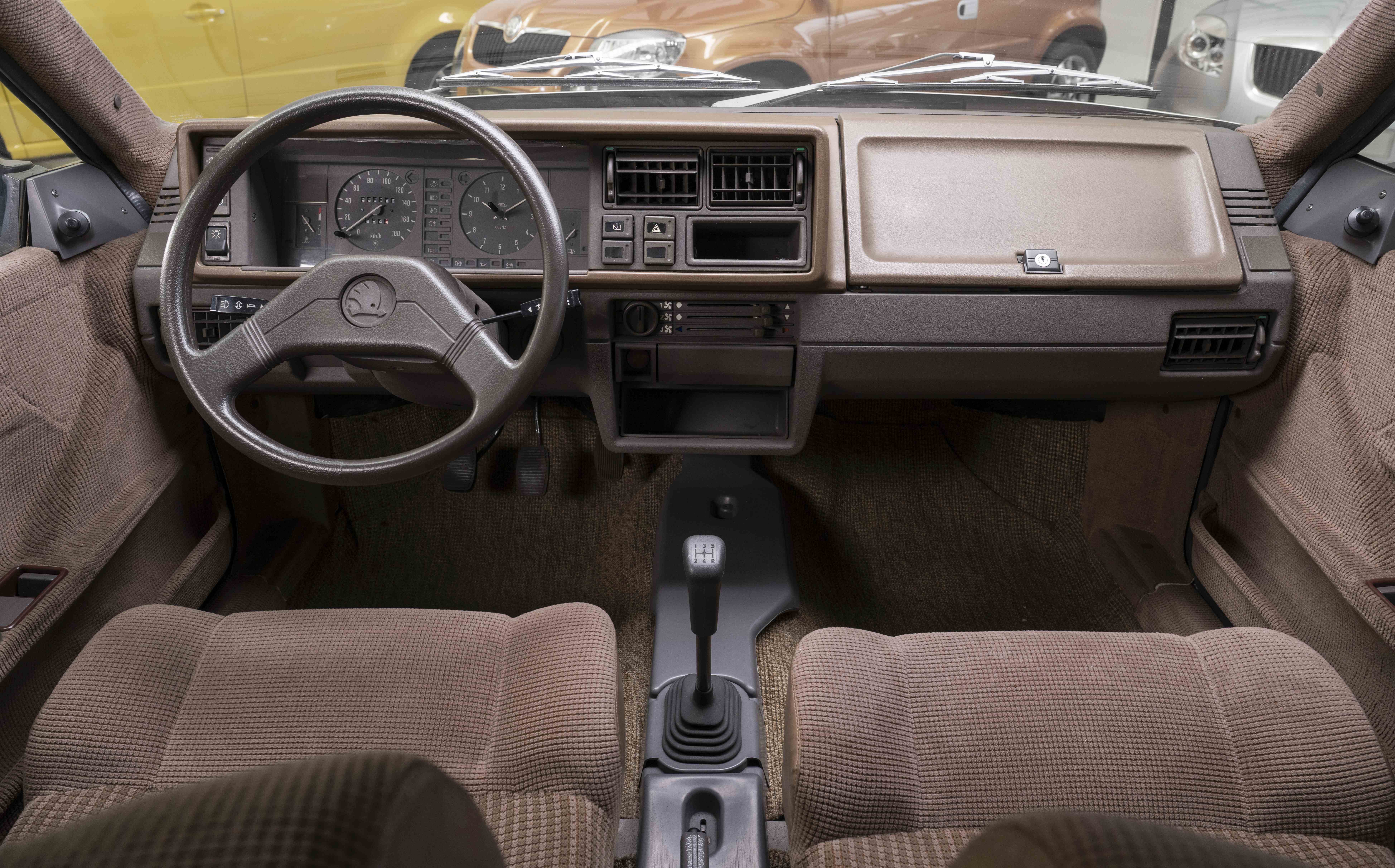
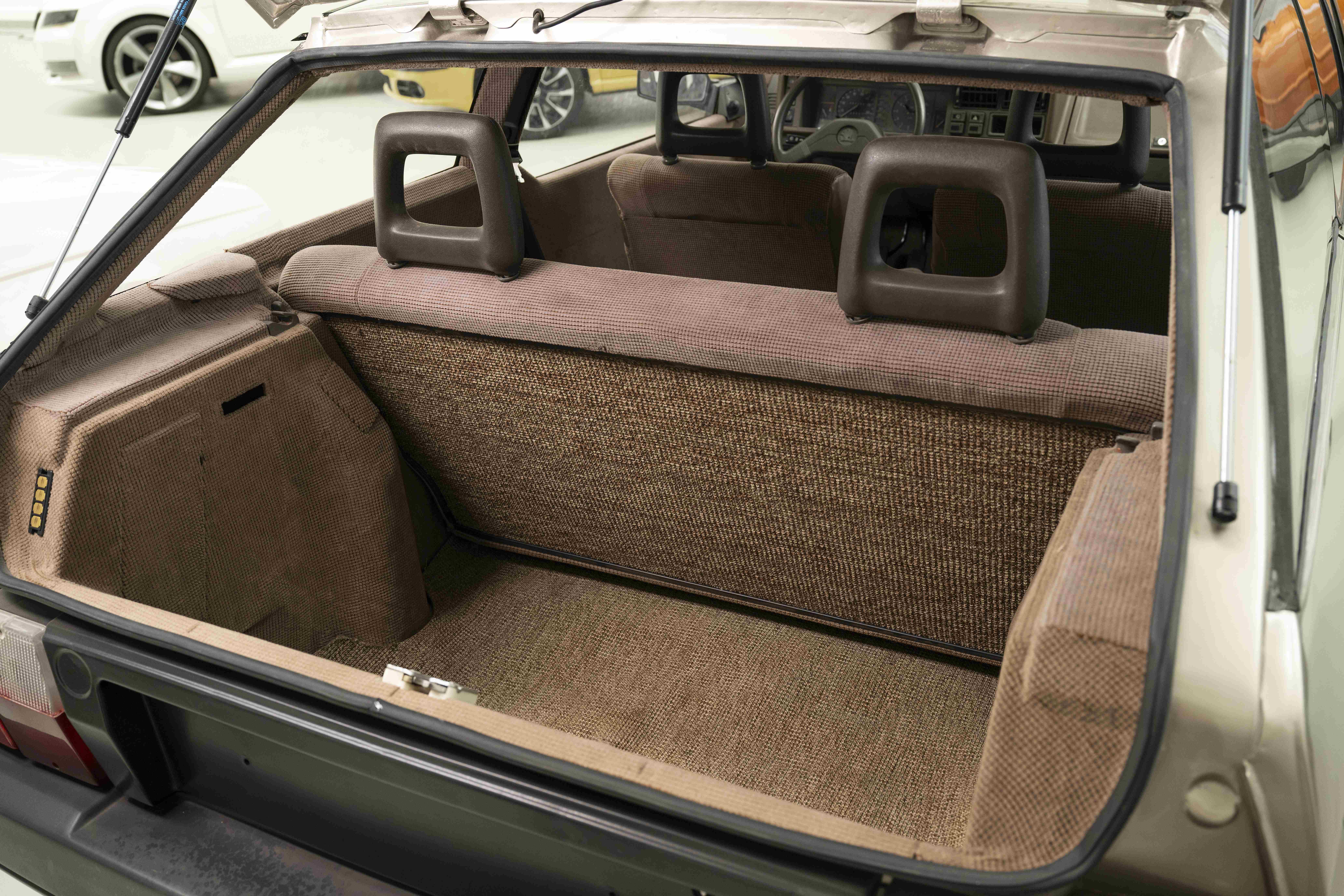
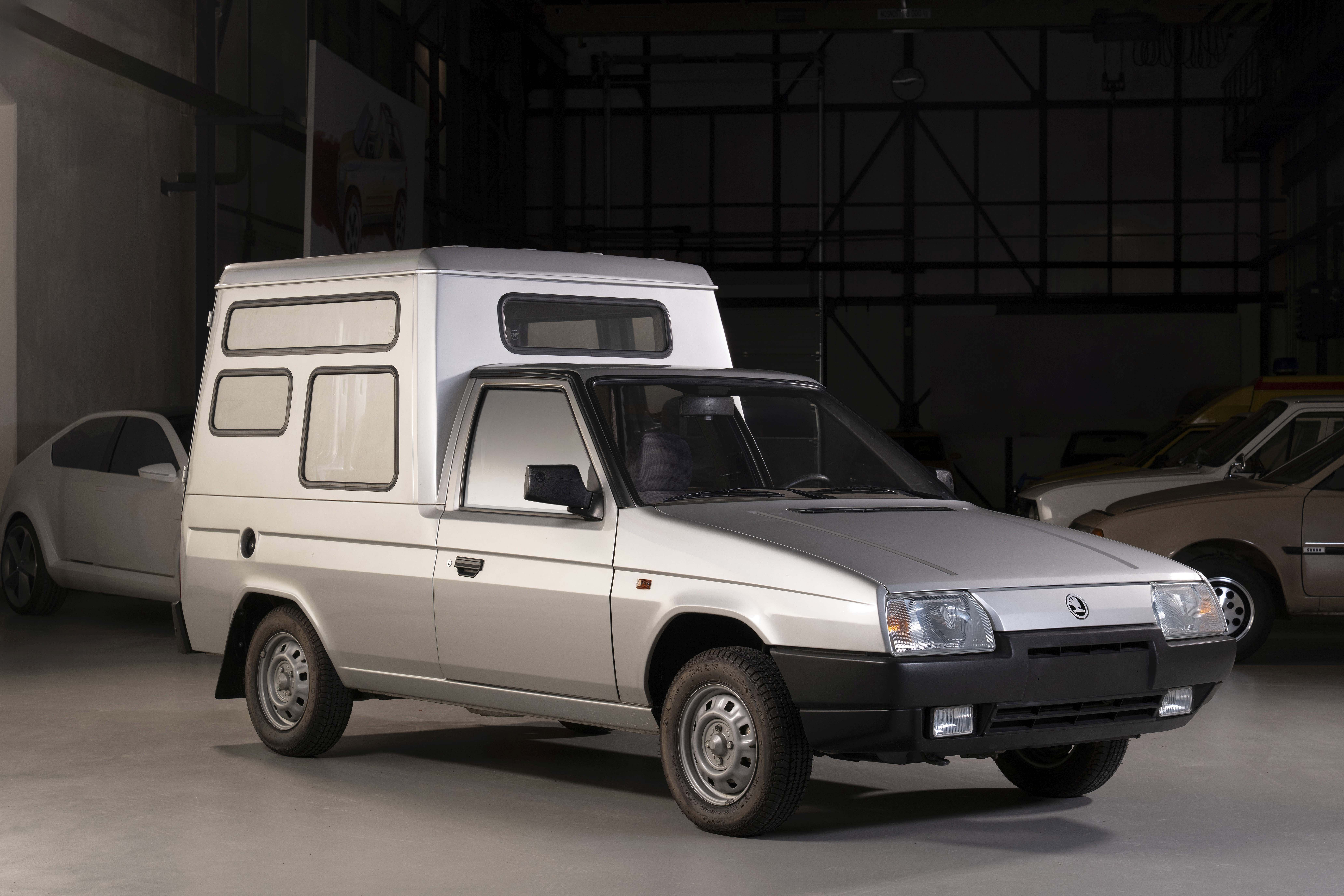
This estate version based on the Škoda Favorit/Forman was created in 1991 as the raised “Savana” variant. In addition, several other prototypes in different body styles were designed and built on the same platform.
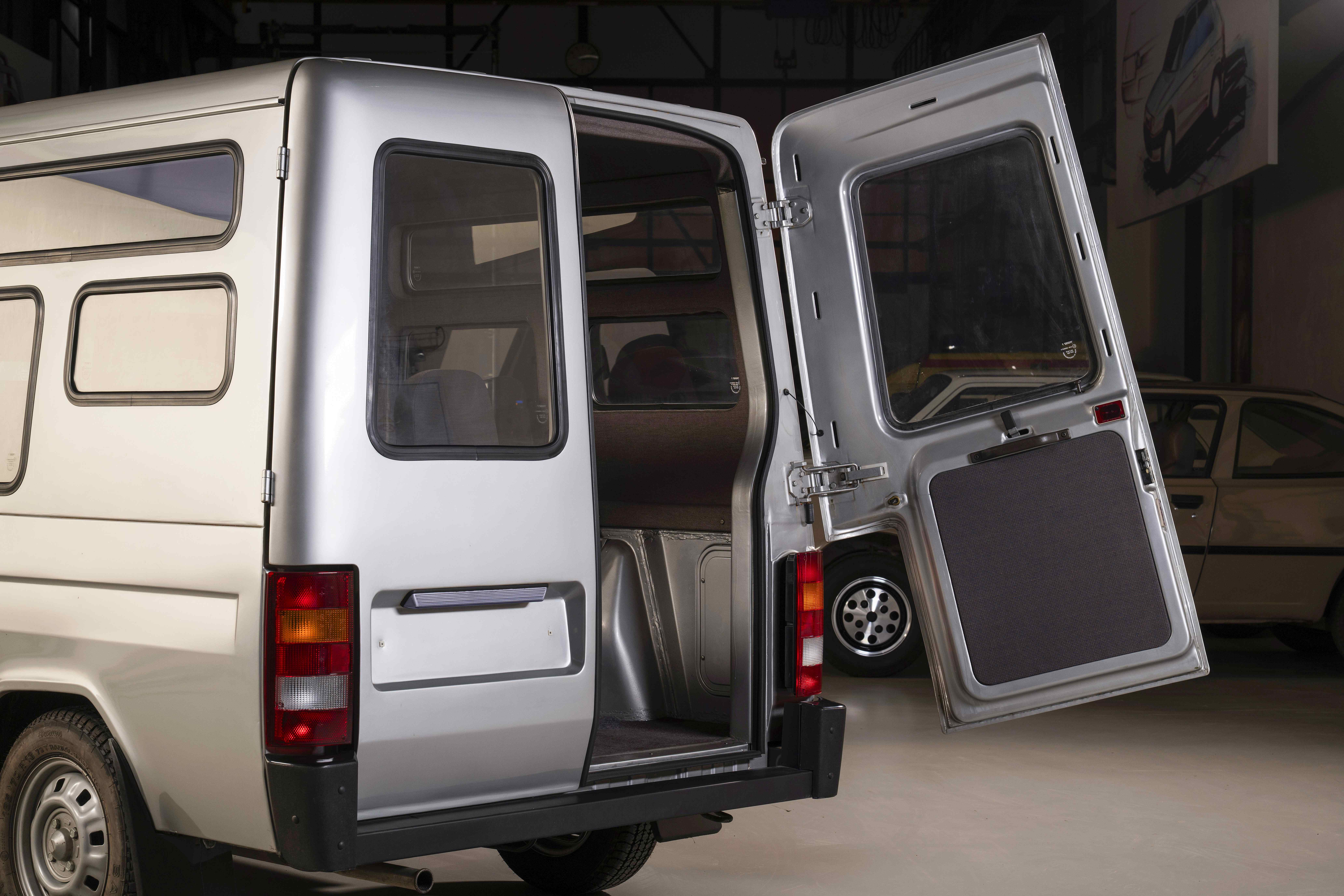
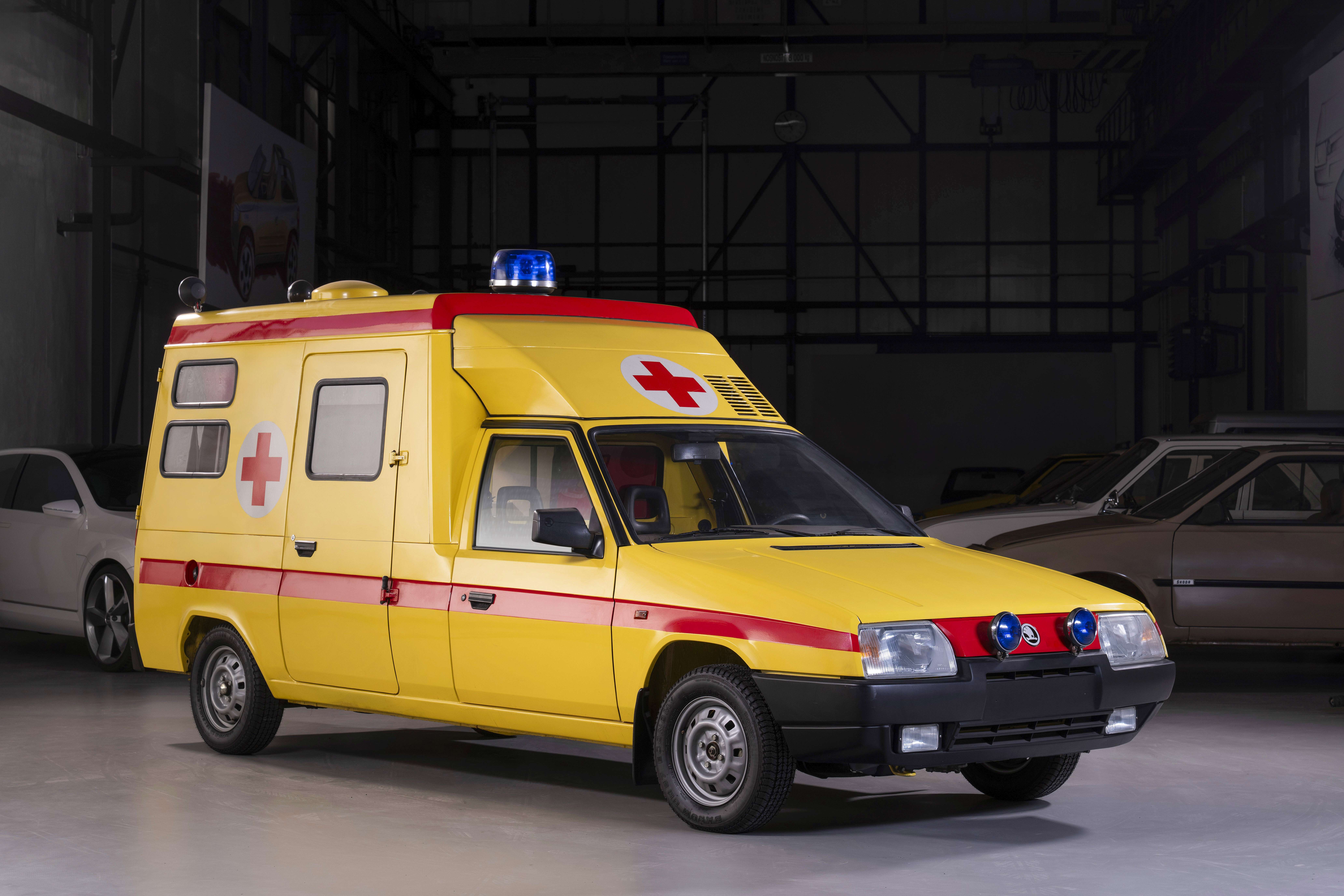
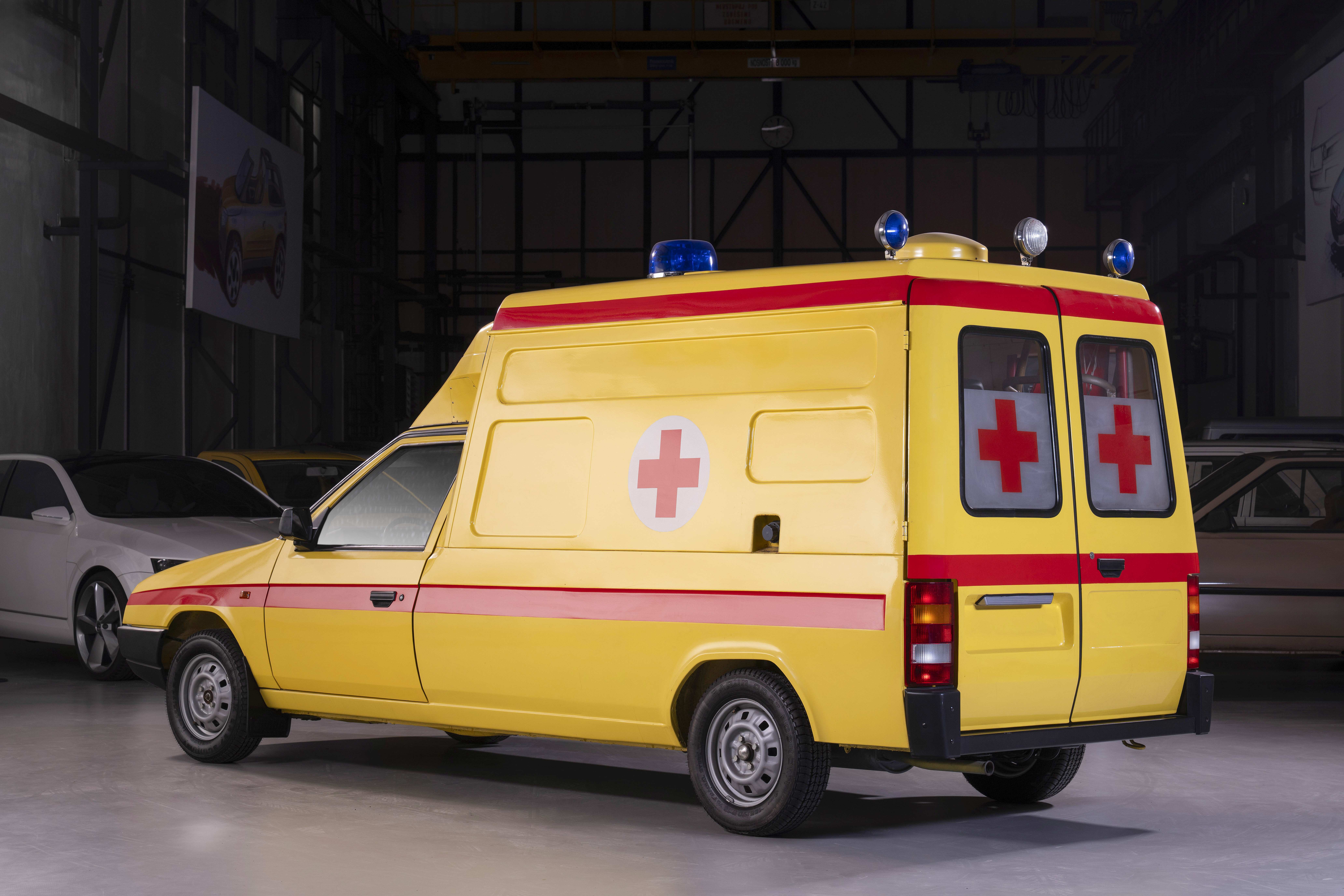
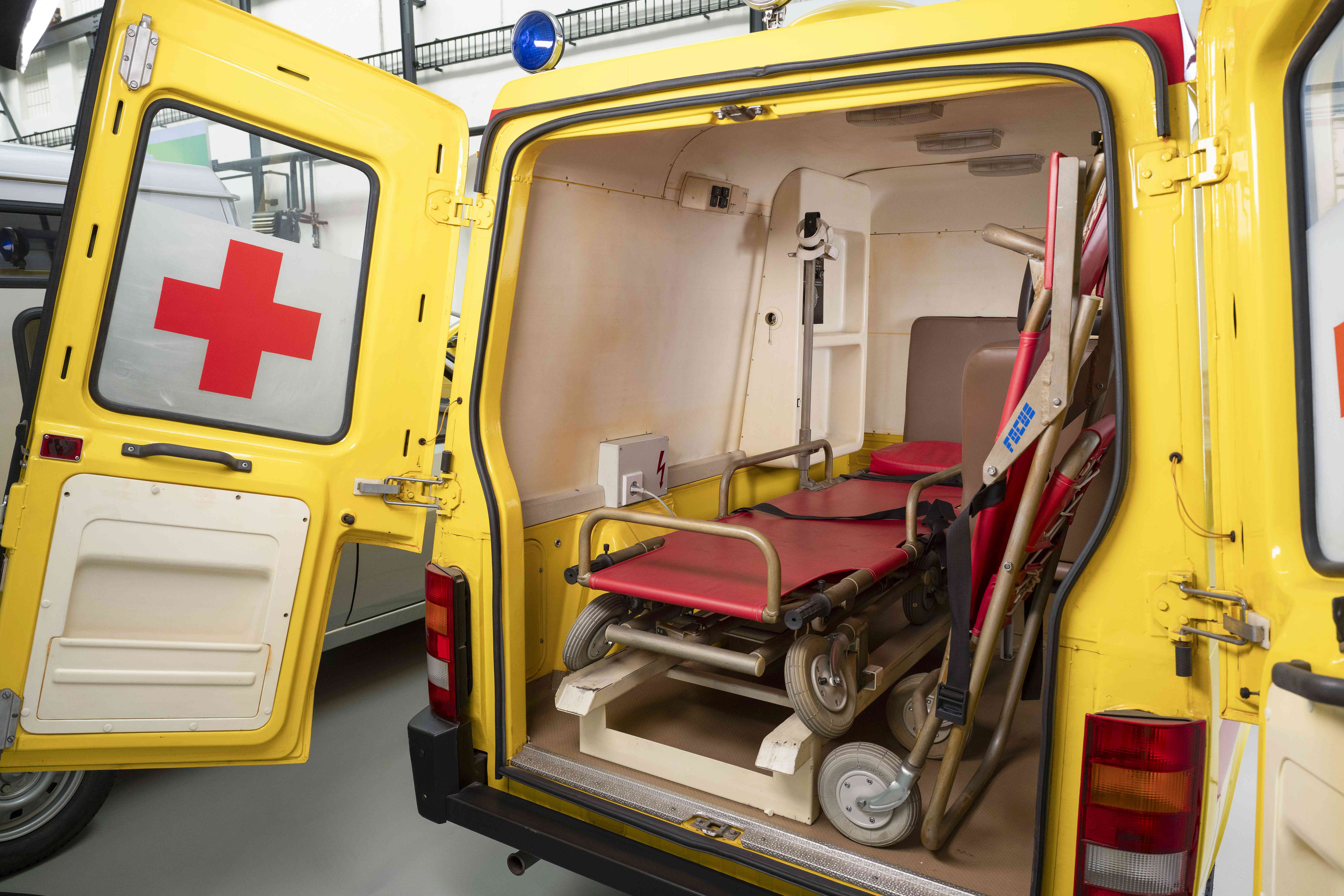
Škoda 788 (1991)
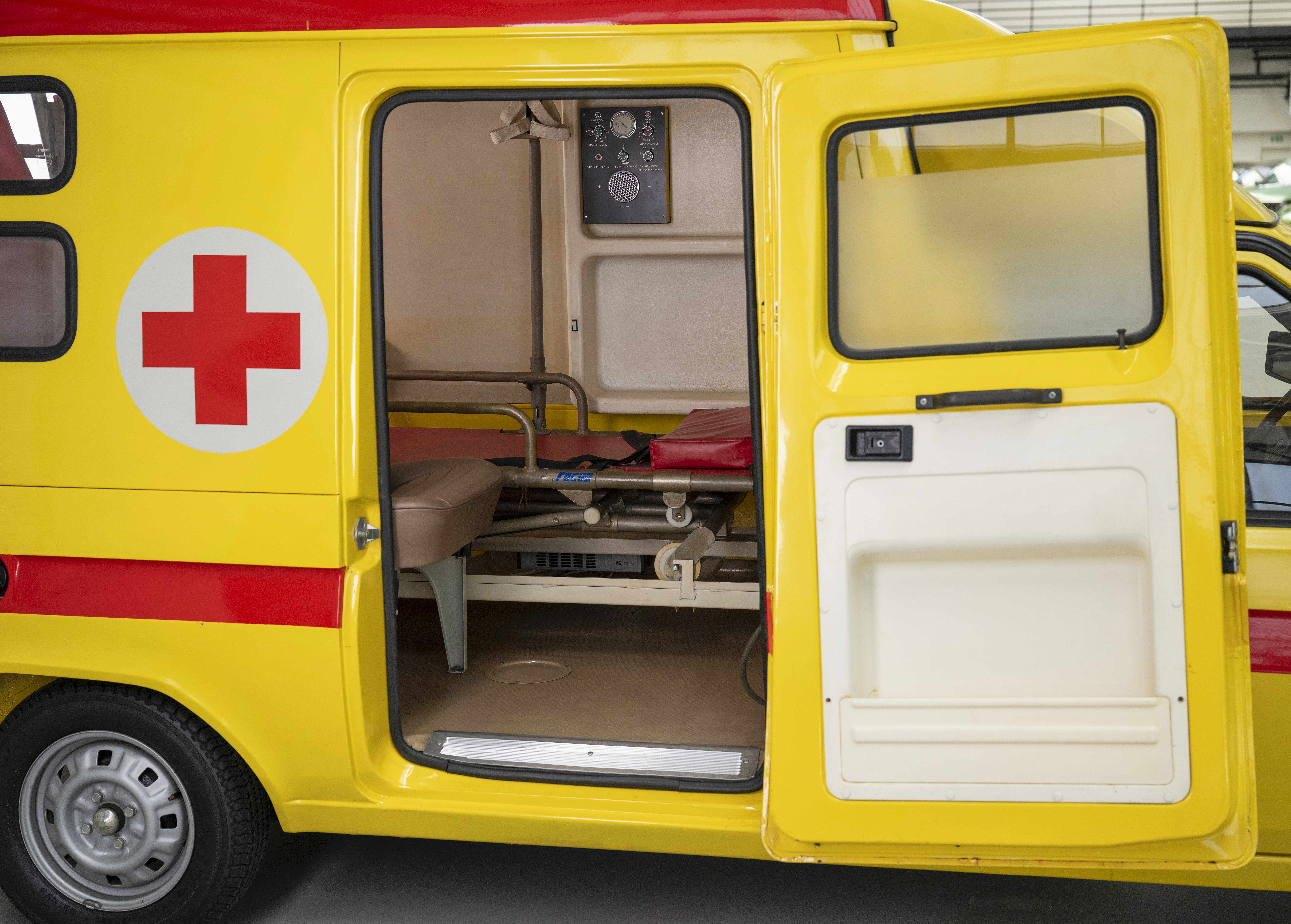
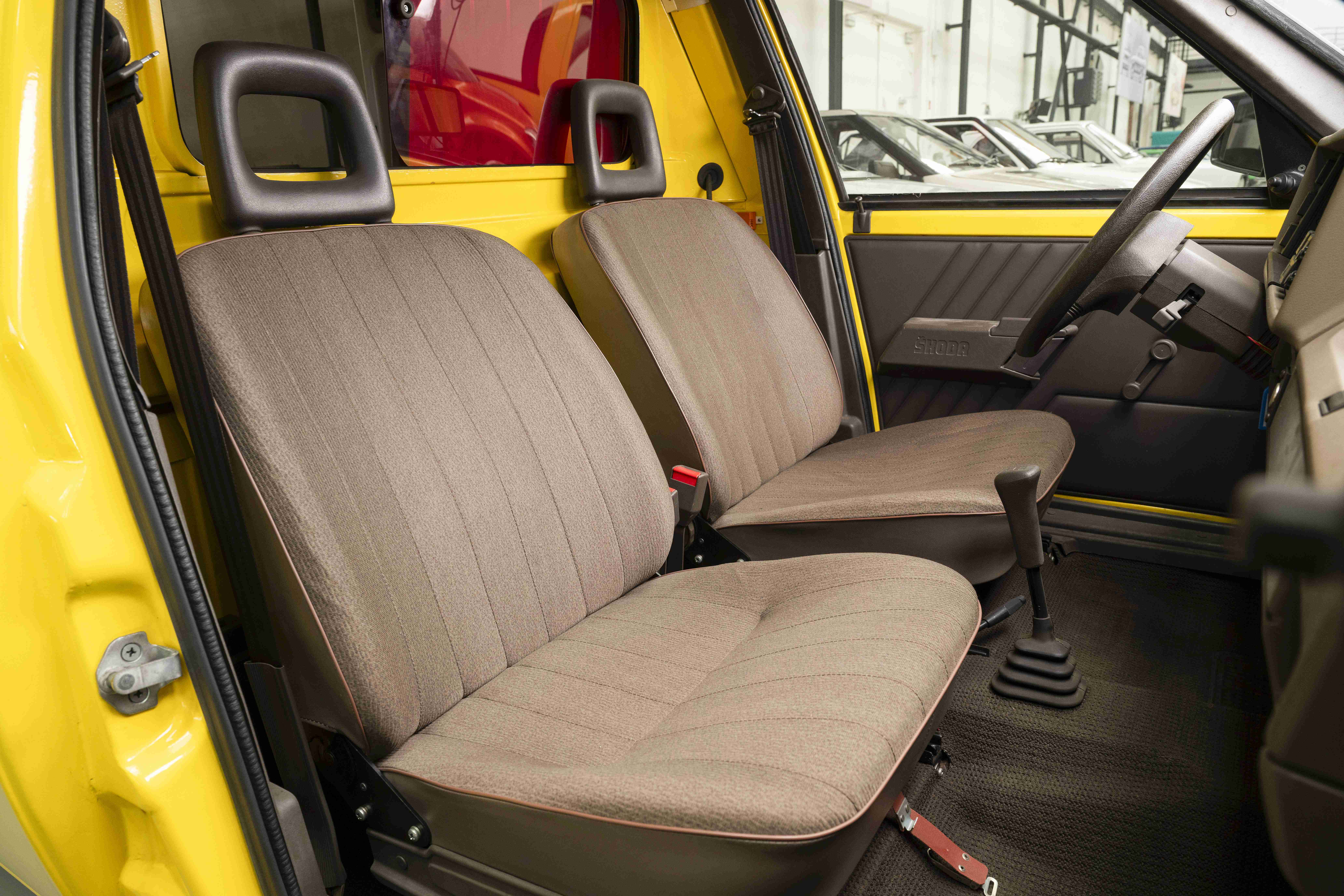
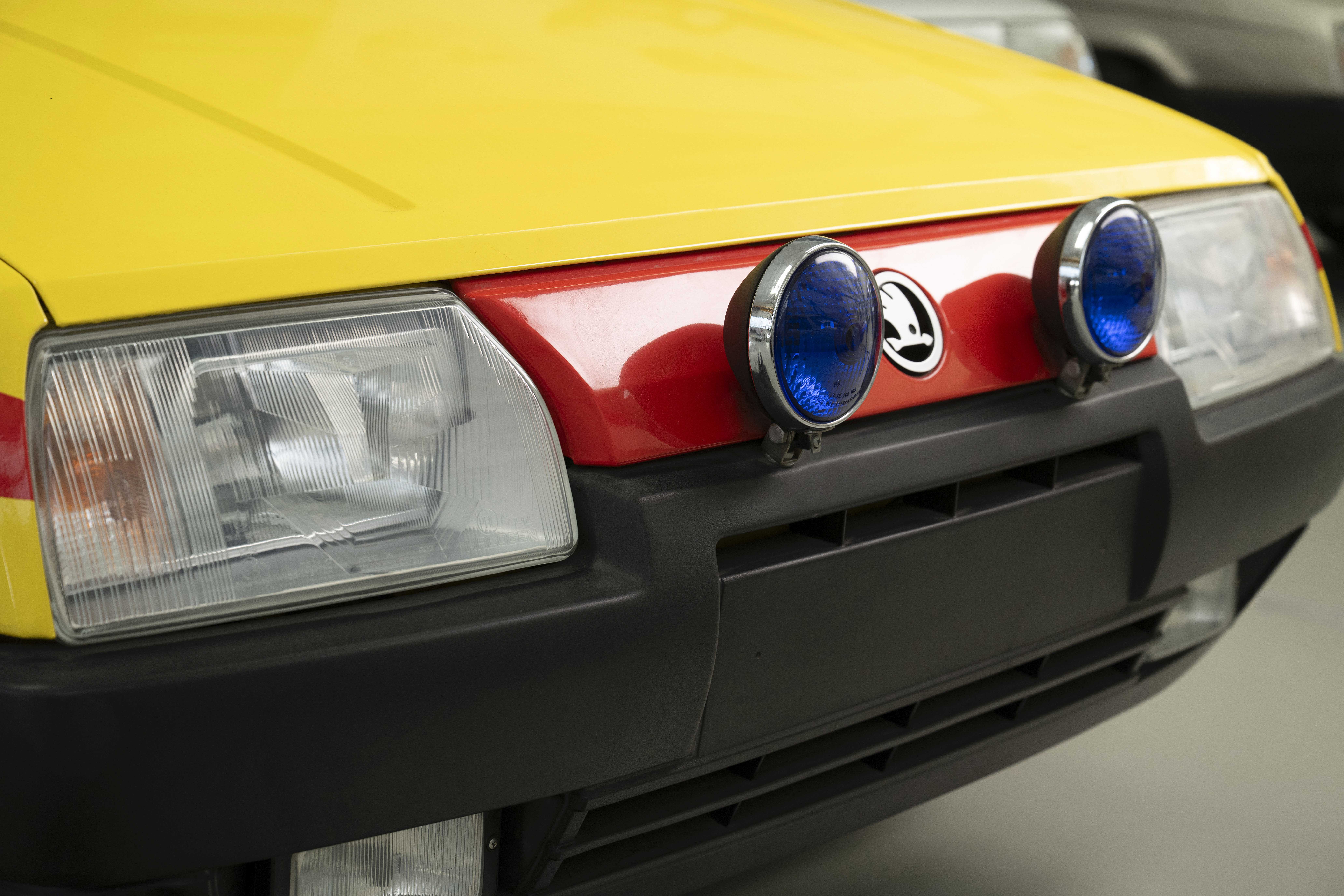
An ambulance prototype based on the Škoda Forman, featuring an extended wheelbase. Built in 1991, it also underwent a series of road tests. Ultimately, only two examples were made, as ambulances based on light commercial vehicles were already becoming the standard at the time.
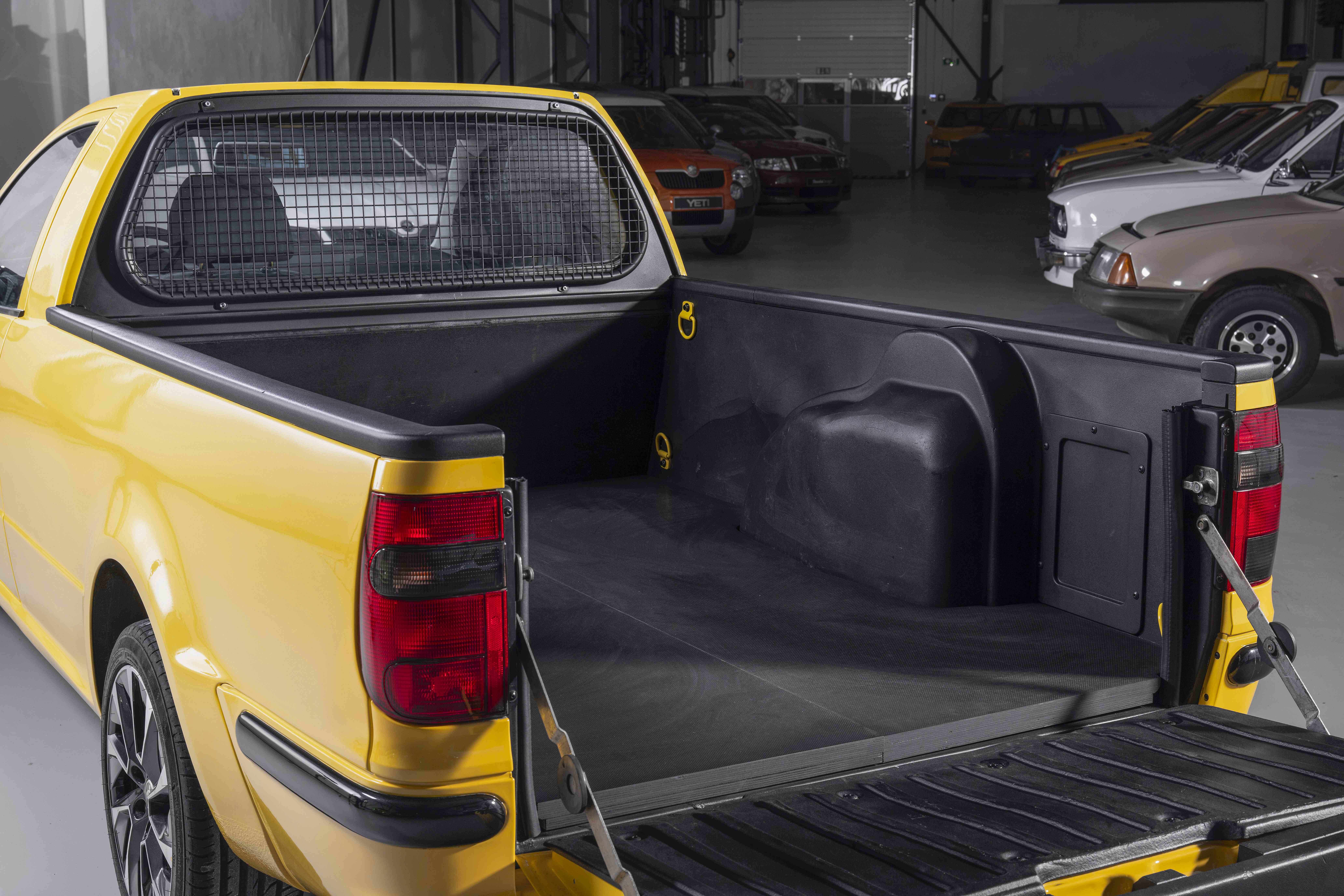
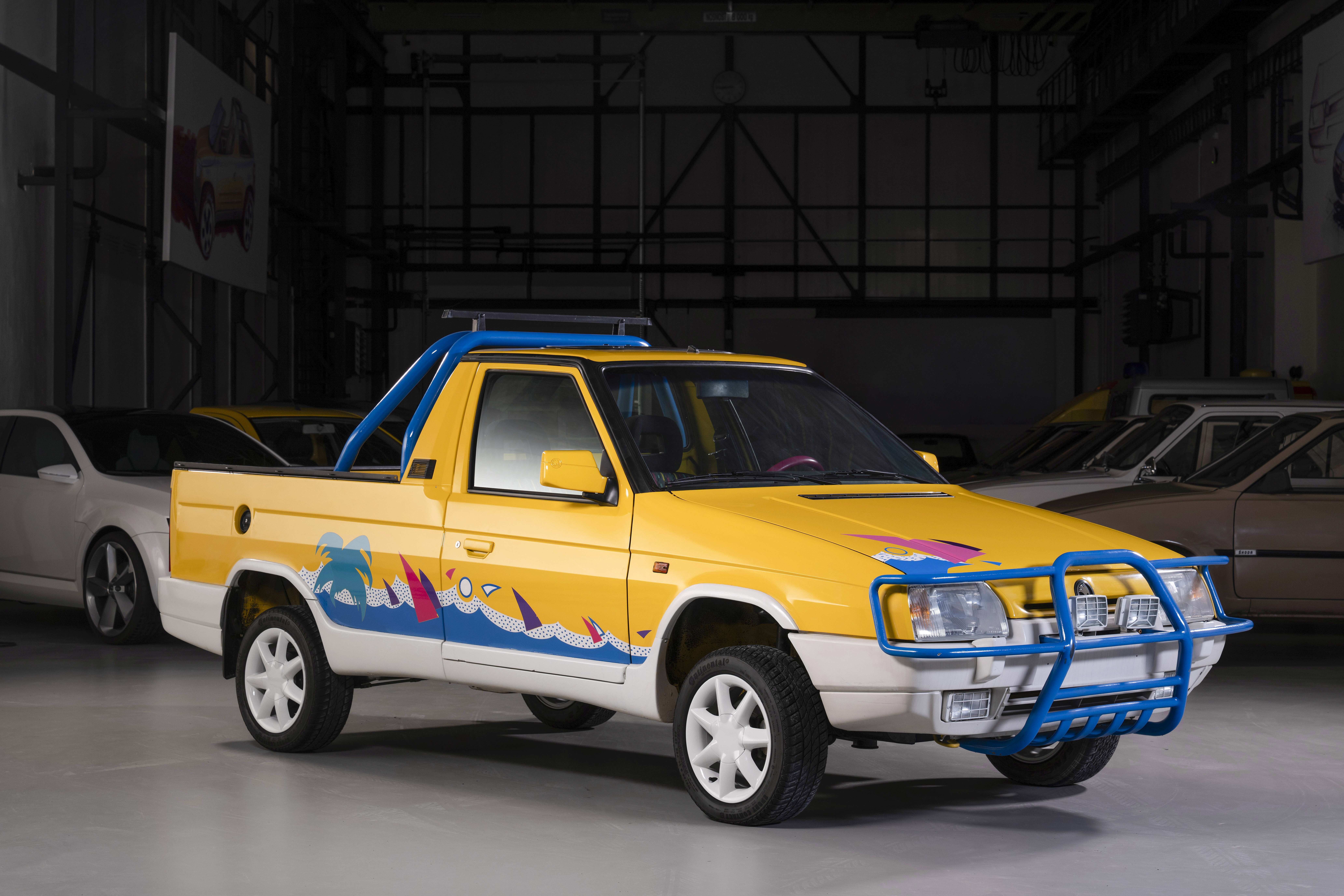
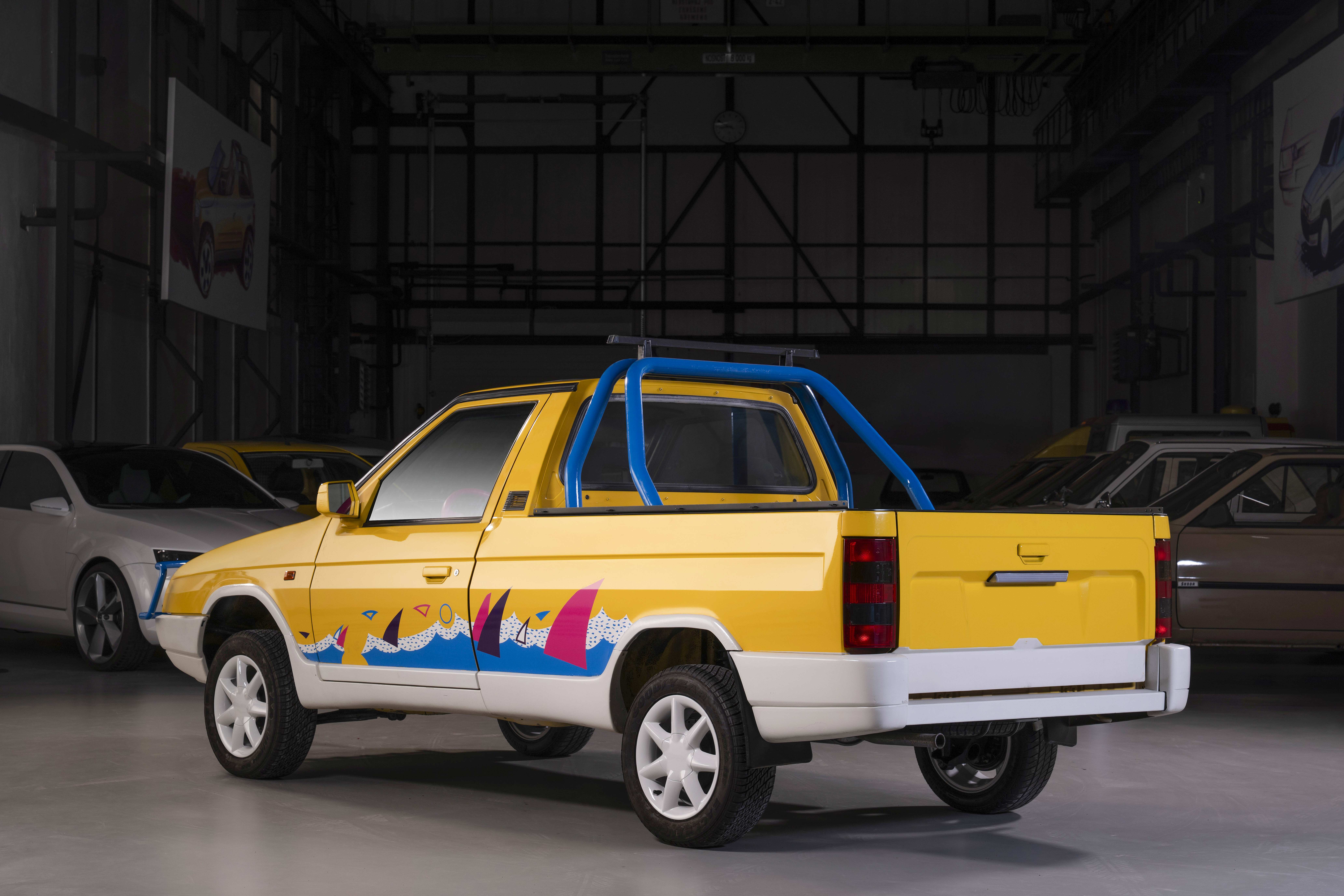
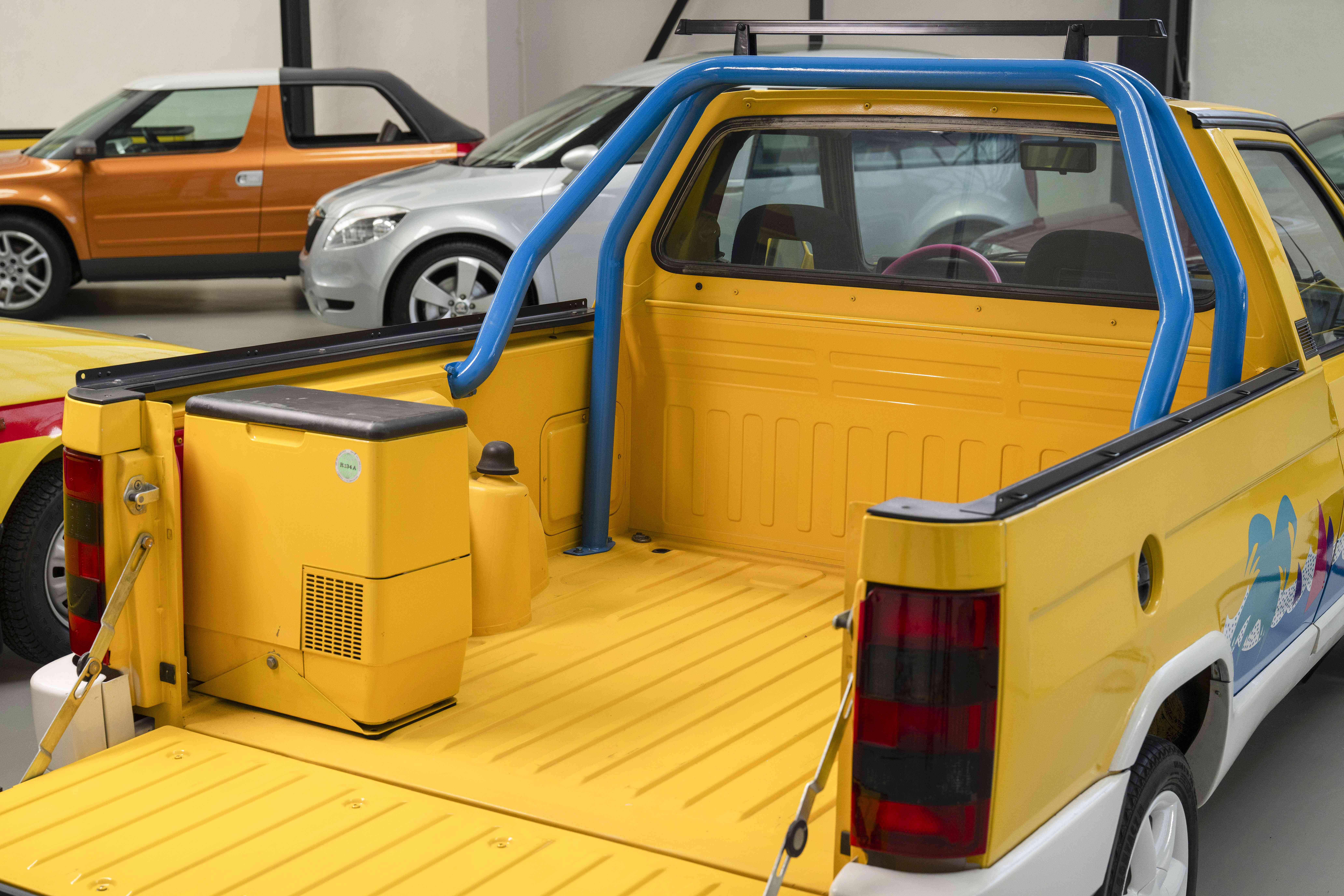
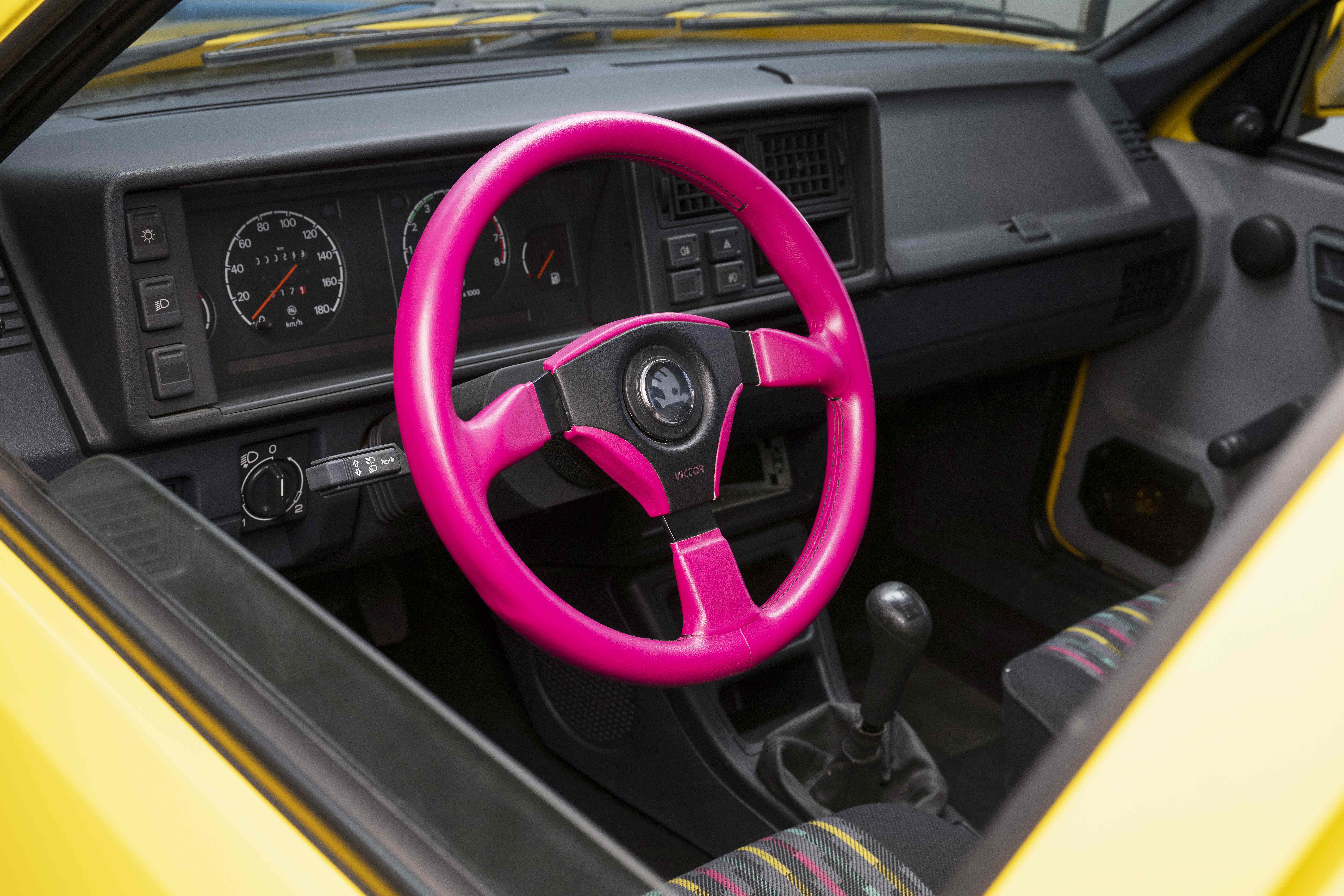
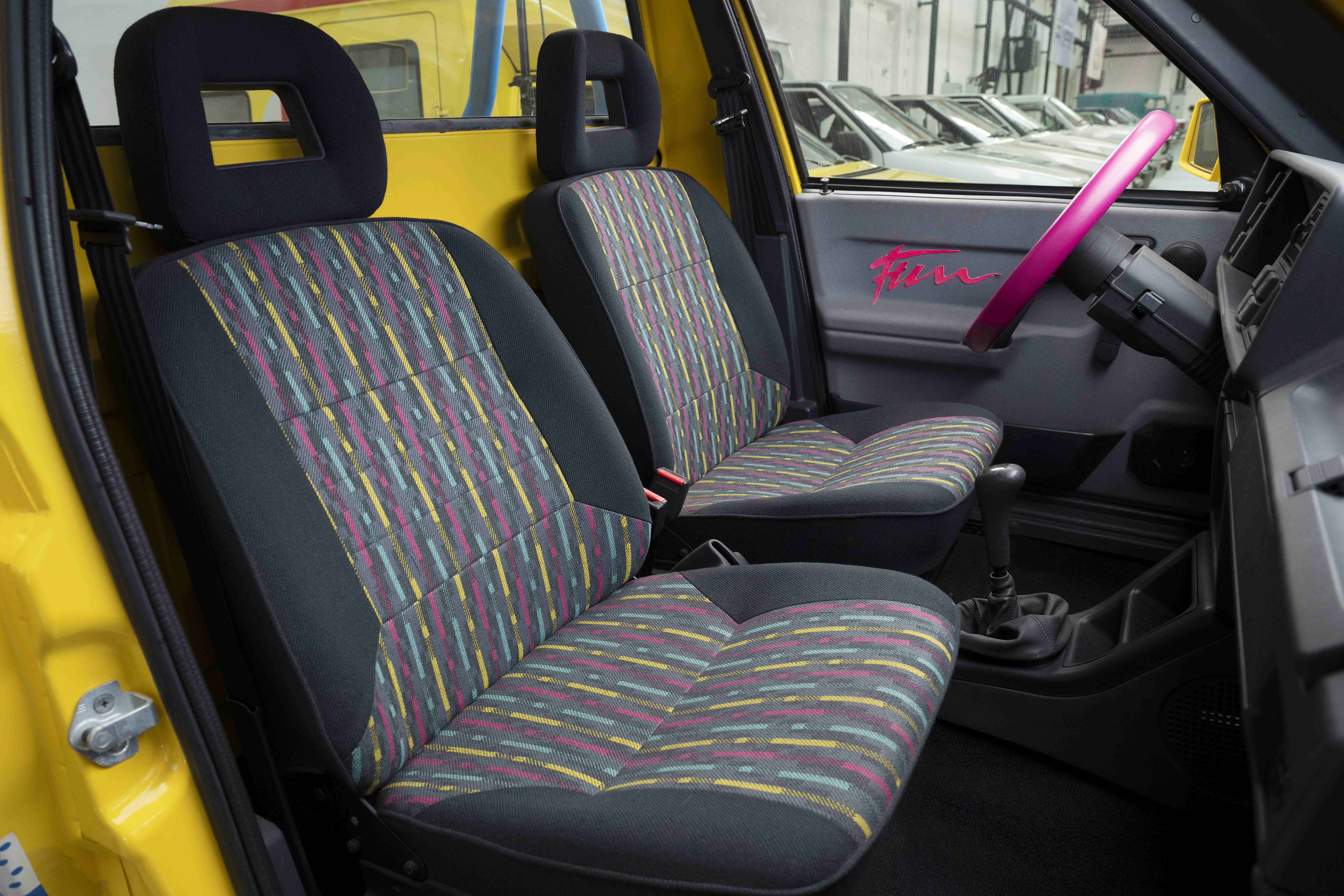
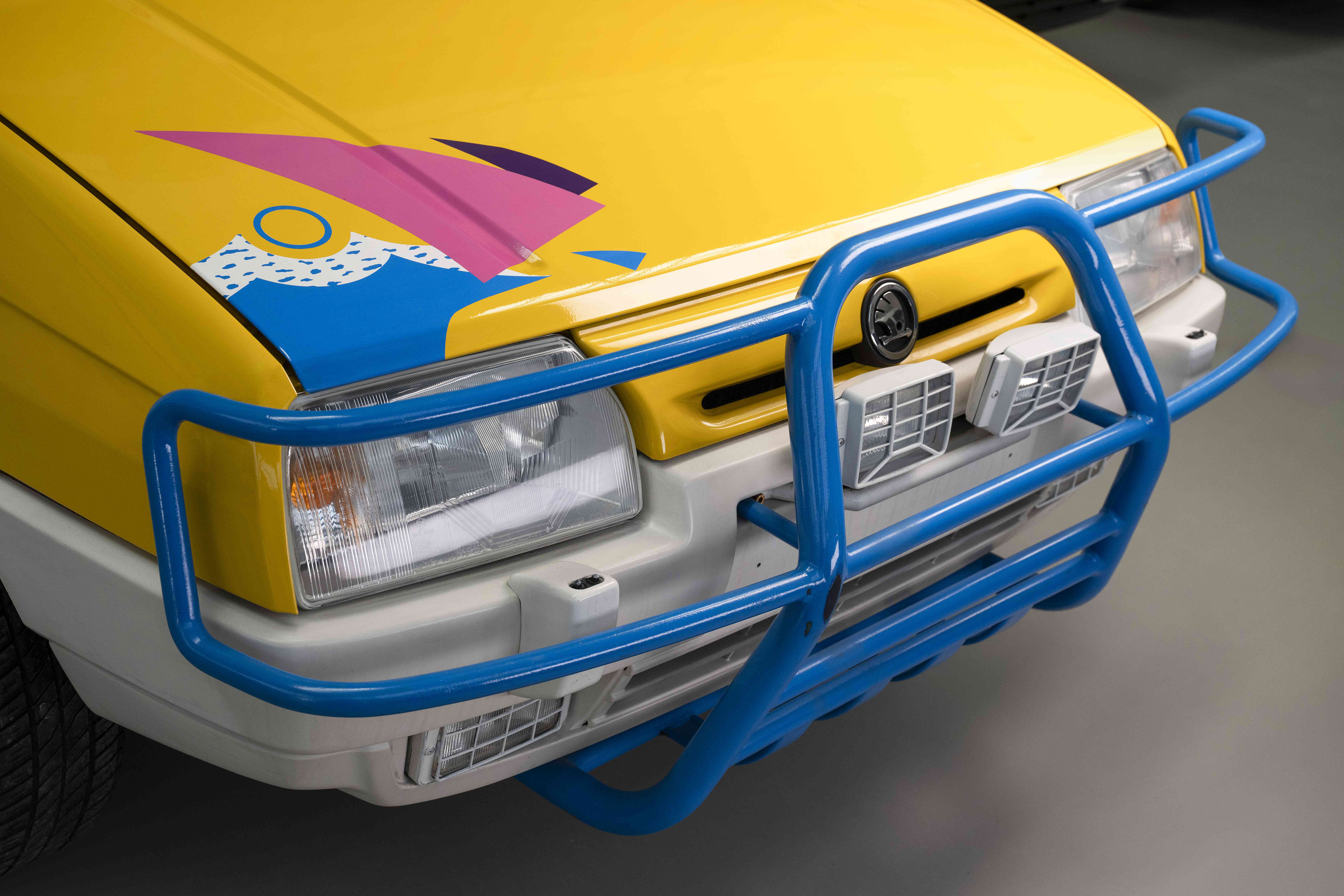
Škoda FUN (1993)
The brand’s first-ever show car – a concept created purely for exhibition purposes, with no plans for production – was developed under the direction of Brazilian designer Günter Karl Hix after Škoda joined the Volkswagen Group. Two examples of this leisure-oriented vehicle, based on the Škoda Pick-up, were built in 1992–1993. Thanks to the positive response, the idea was later followed in 1996 by the Felicia Fun series.

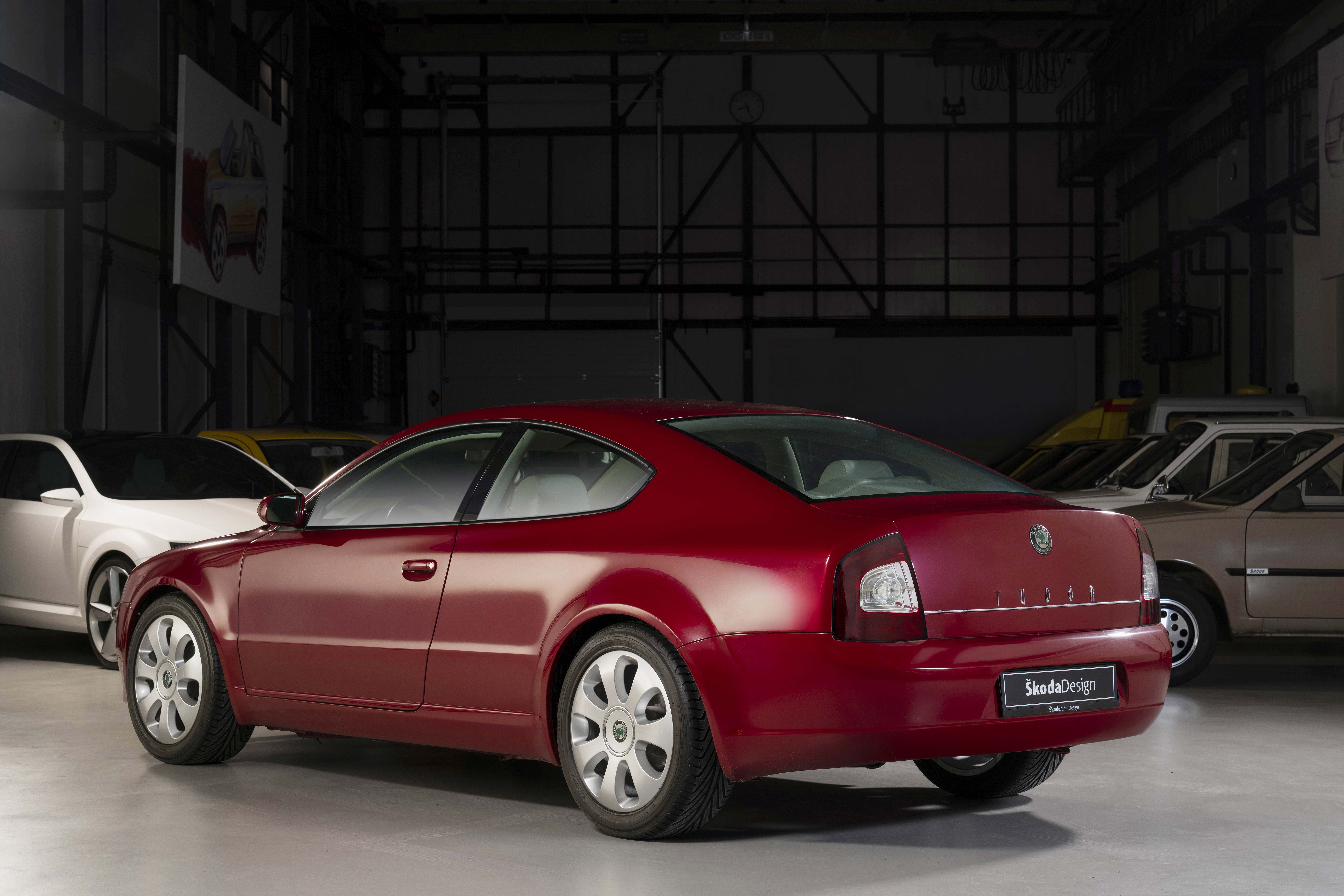
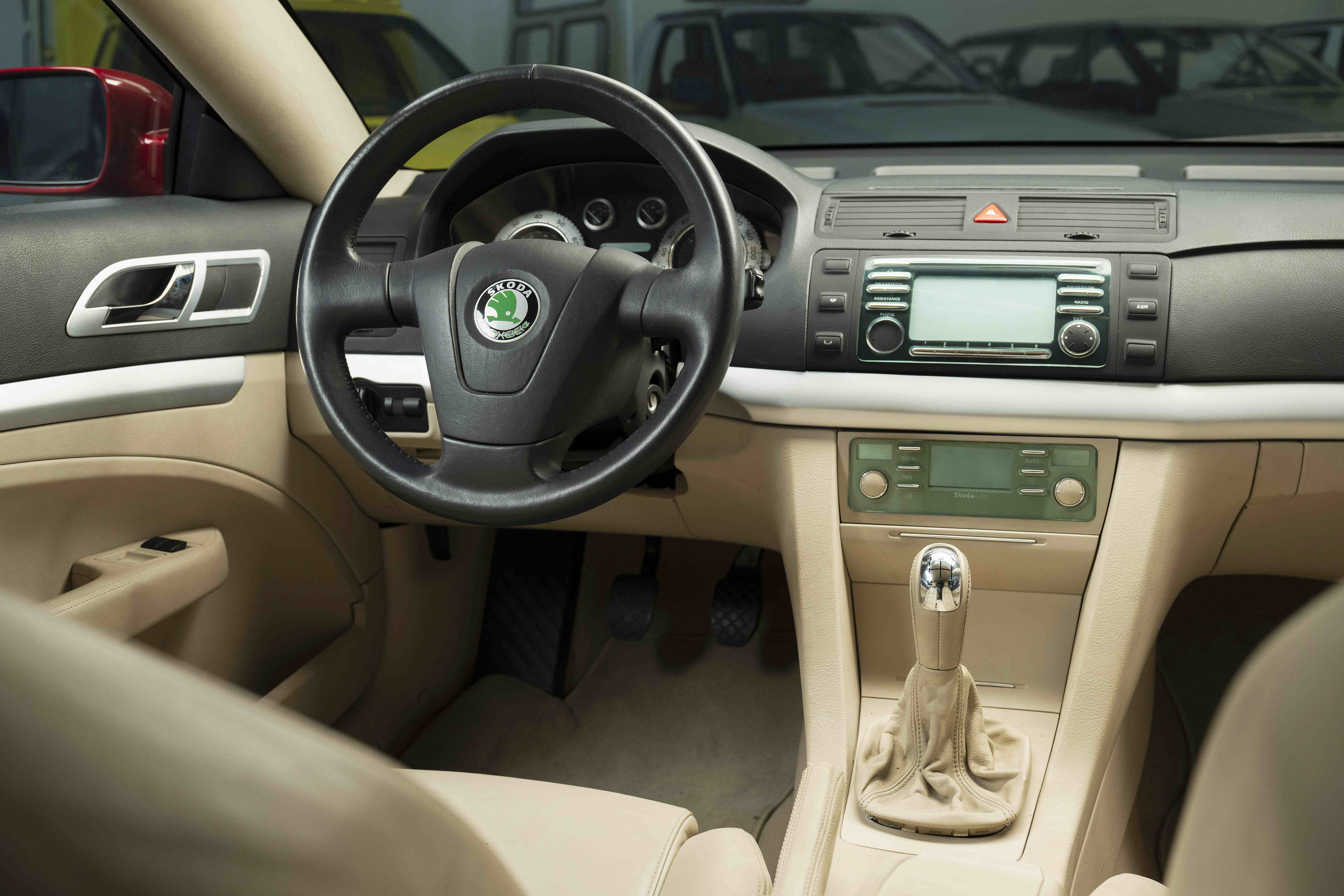
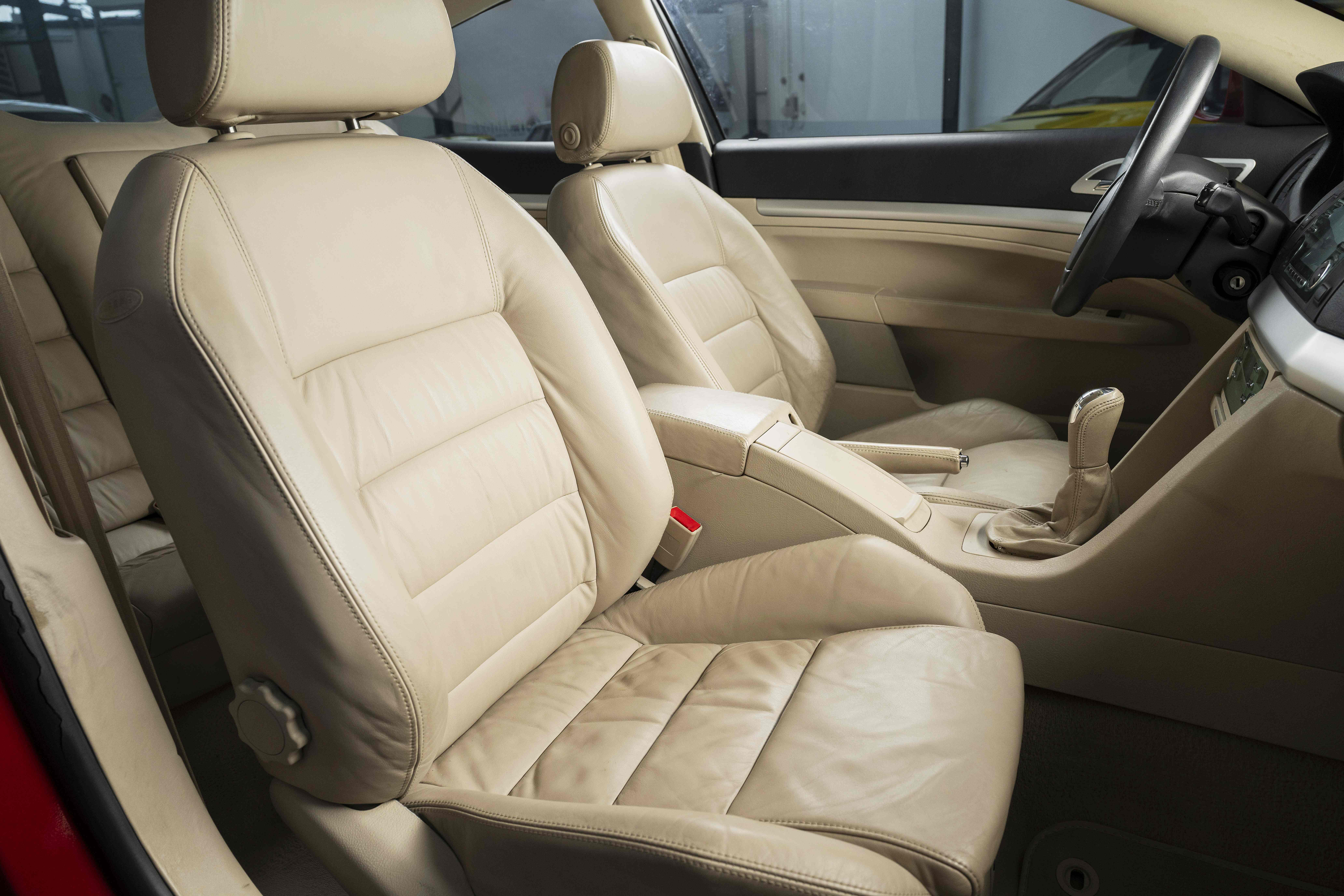
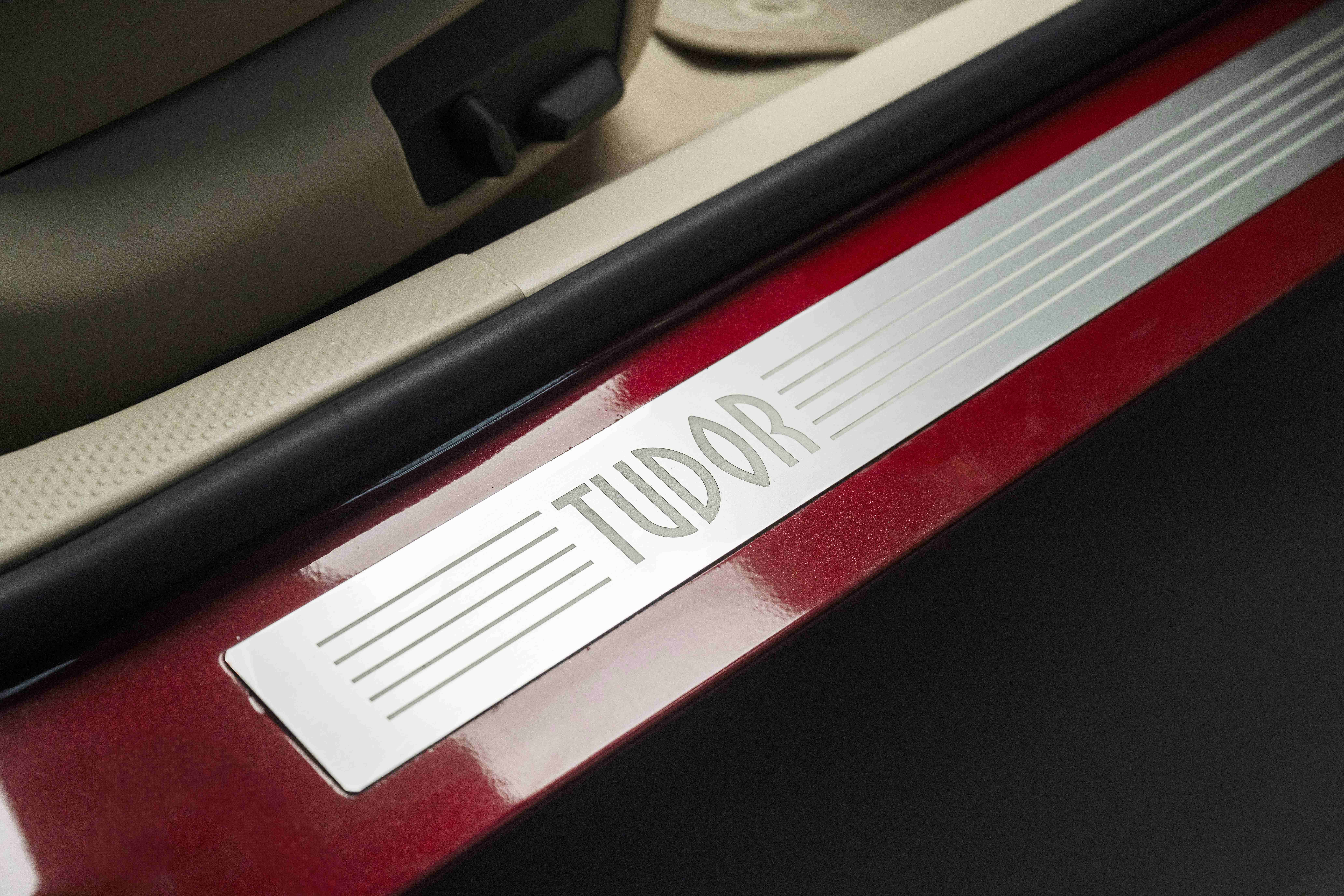
Škoda Tudor (2002)
Based on the first-generation Škoda Superb saloon, this design study of a two-door, four-seat sports coupé was created for the 2002 Geneva Motor Show under the direction of designer Thomas Ingenlath. The elegant car attracted considerable attention with its timeless design, although production was never planned.
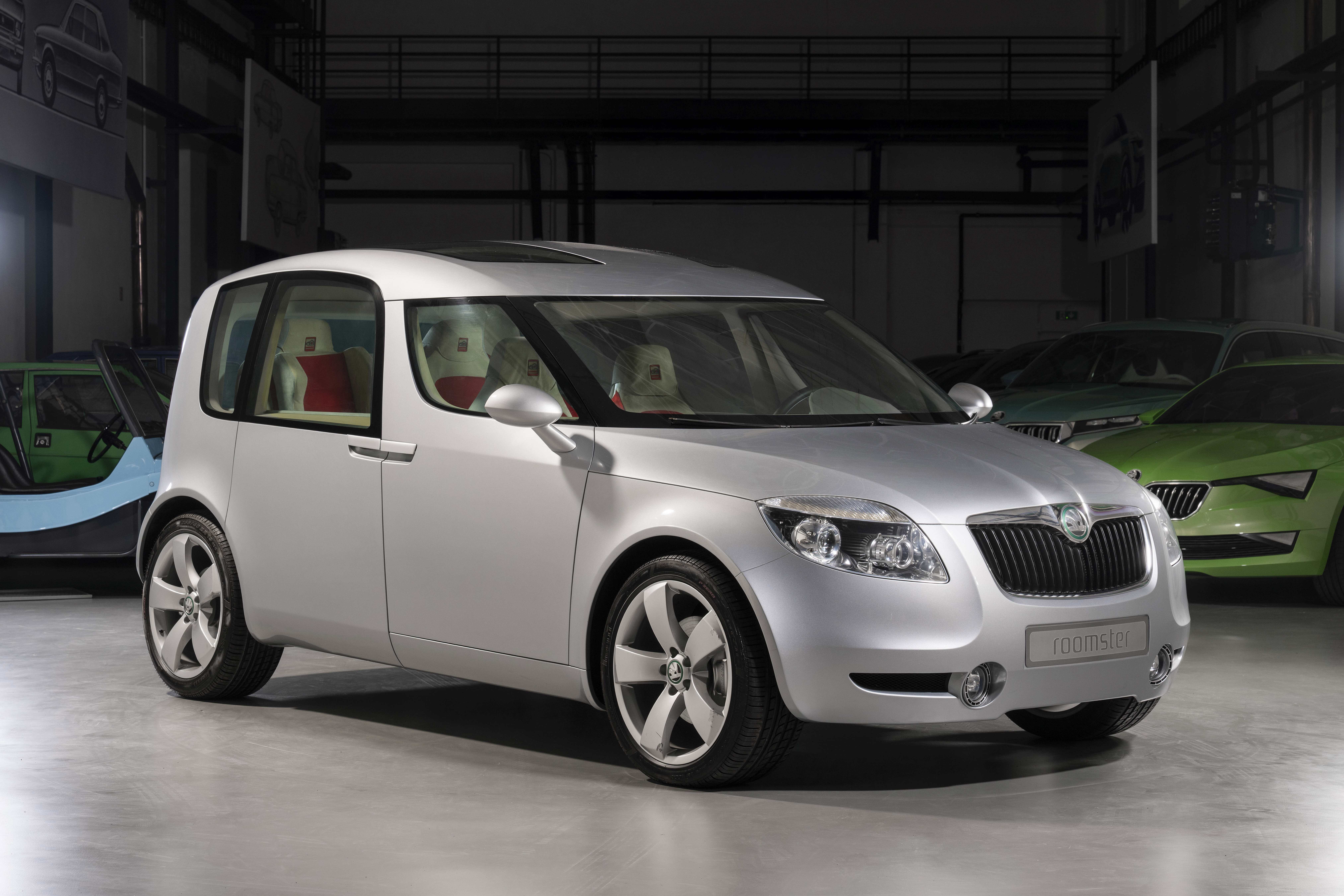
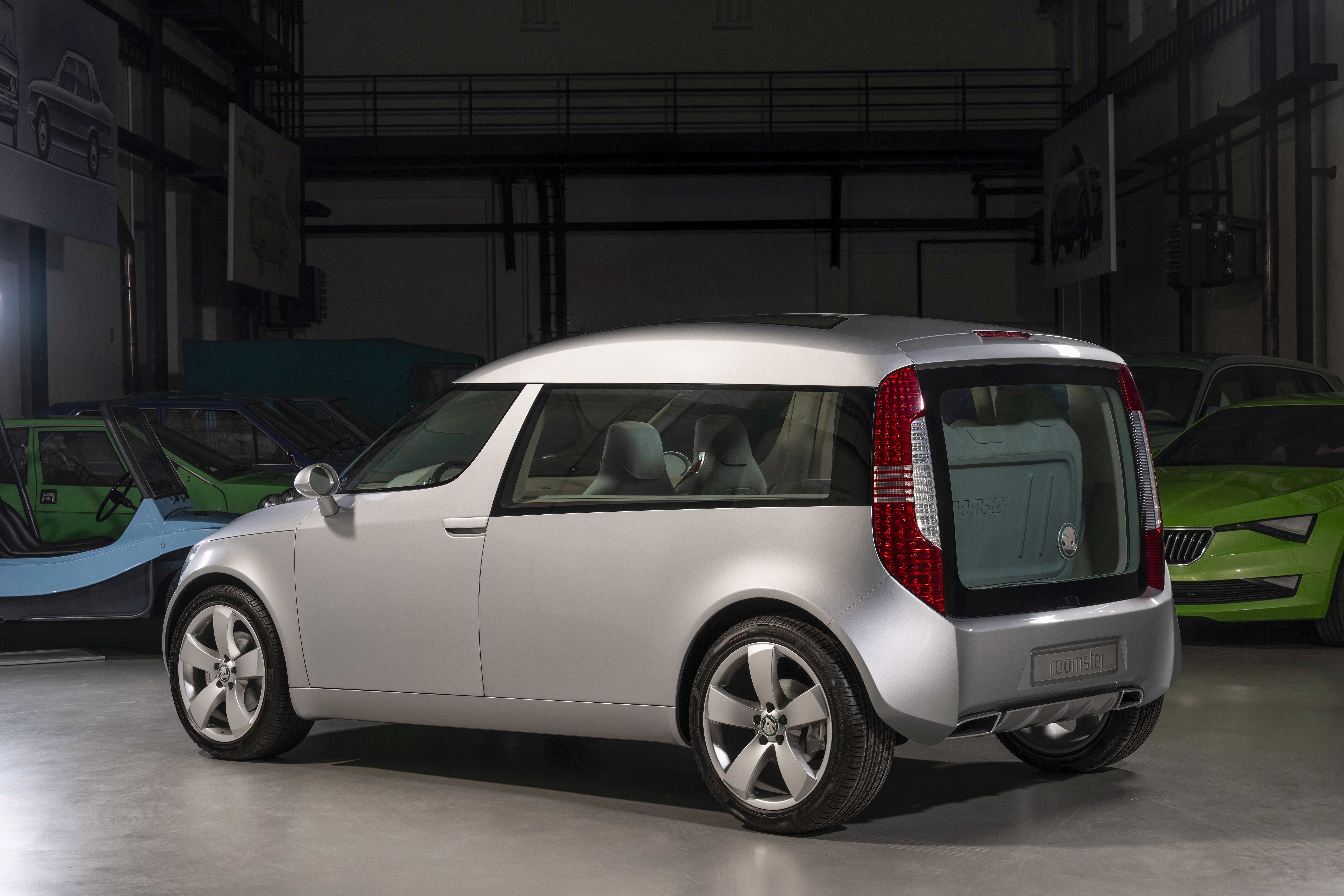
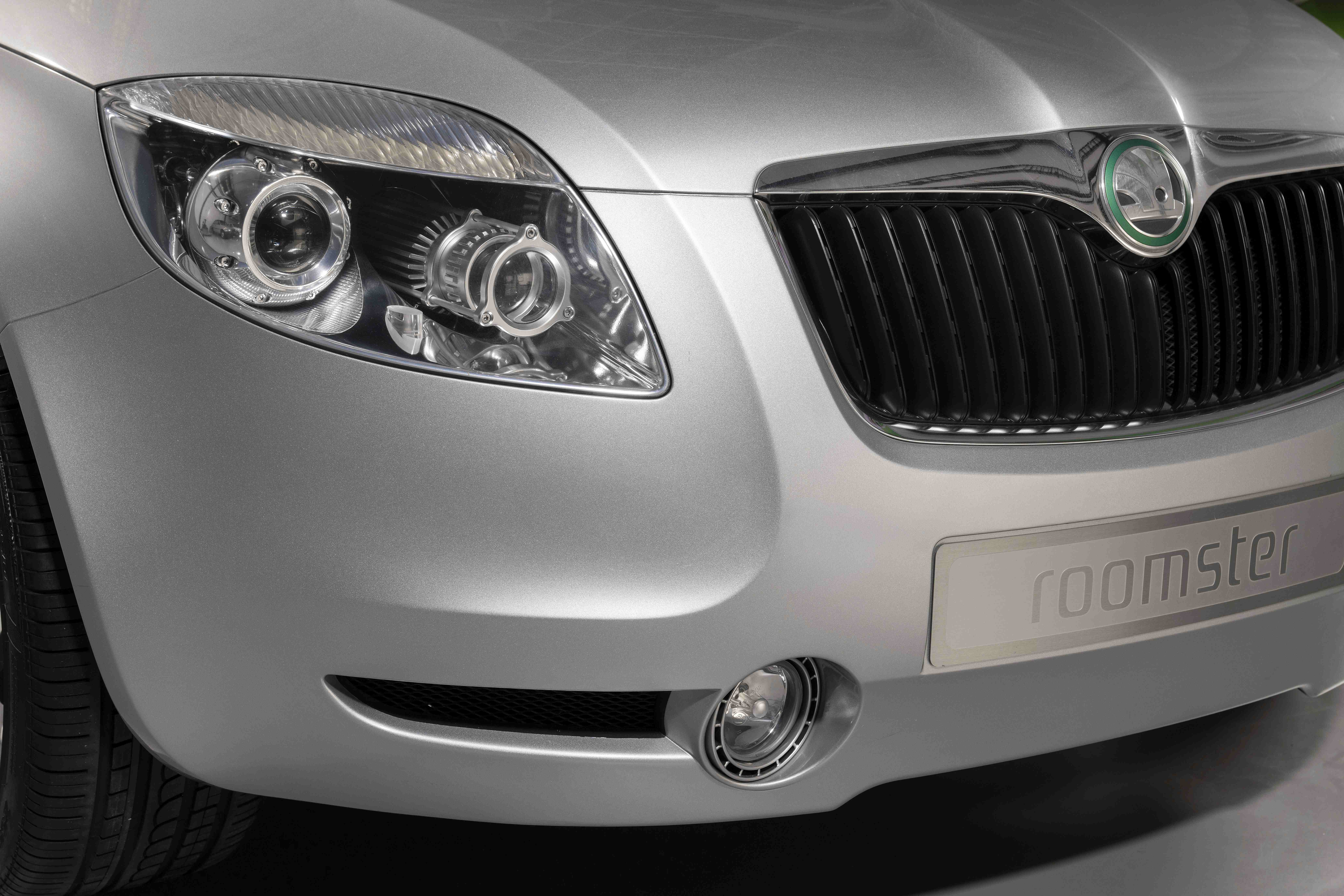
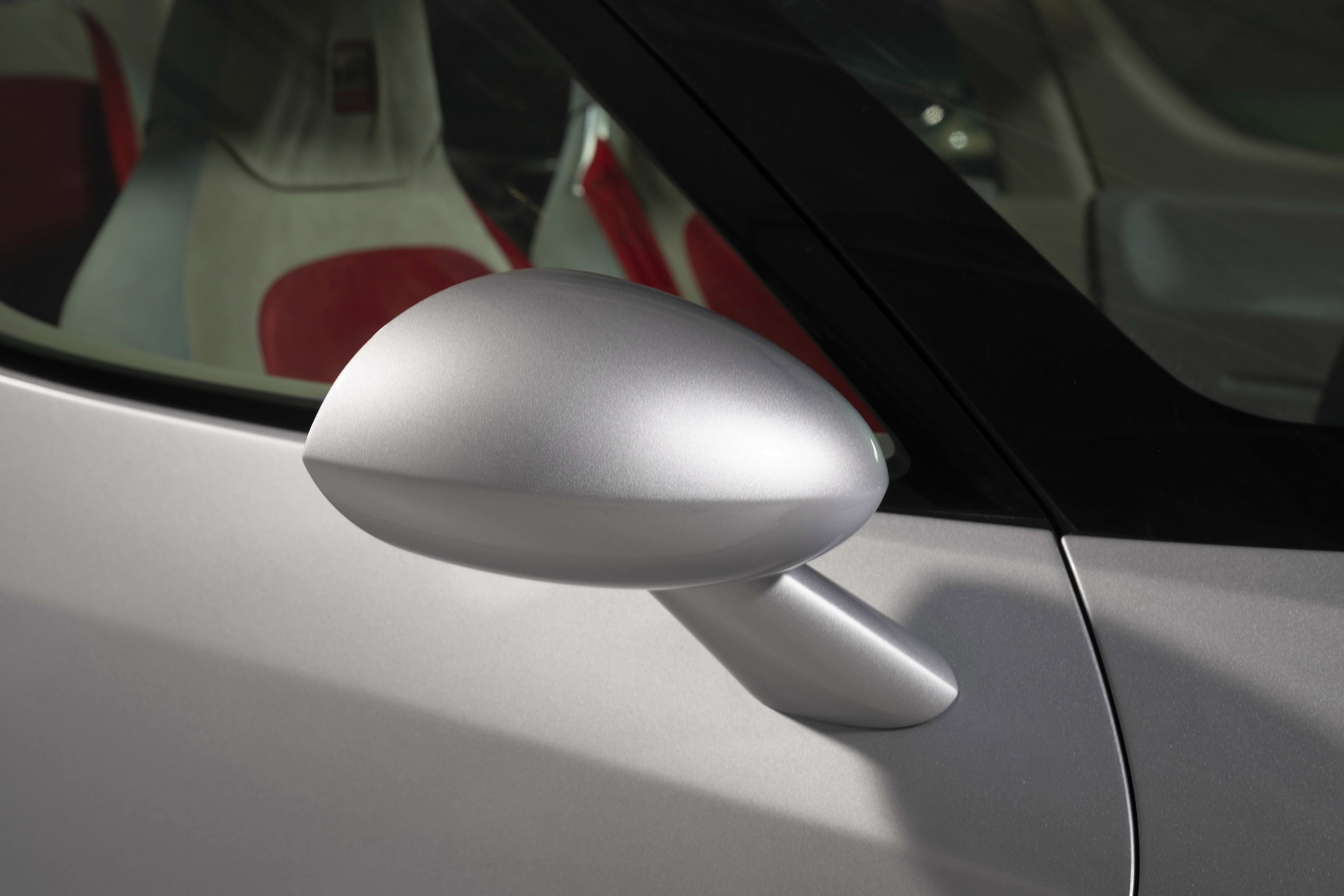
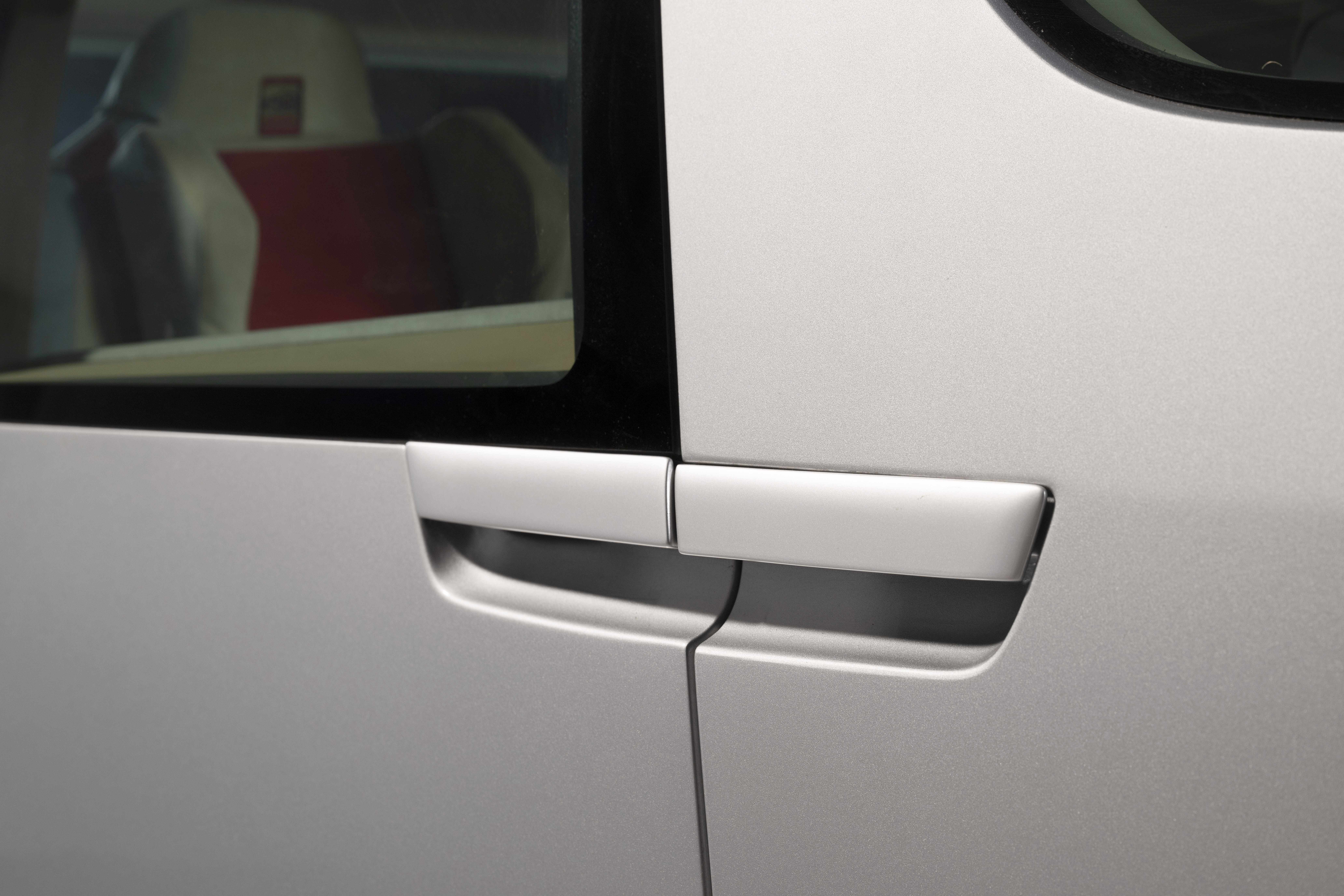
Škoda Roomster (2003)
At the 2003 Frankfurt Motor Show, Škoda presented a design study for a compact car with an exceptionally spacious and versatile interior. Its distinctive design, created by Thomas Ingenlath, combined with groundbreaking use of space and impressive versatility, generated such strong public interest that the production model went on to become a firm part of the brand’s portfolio from 2006 to 2015.
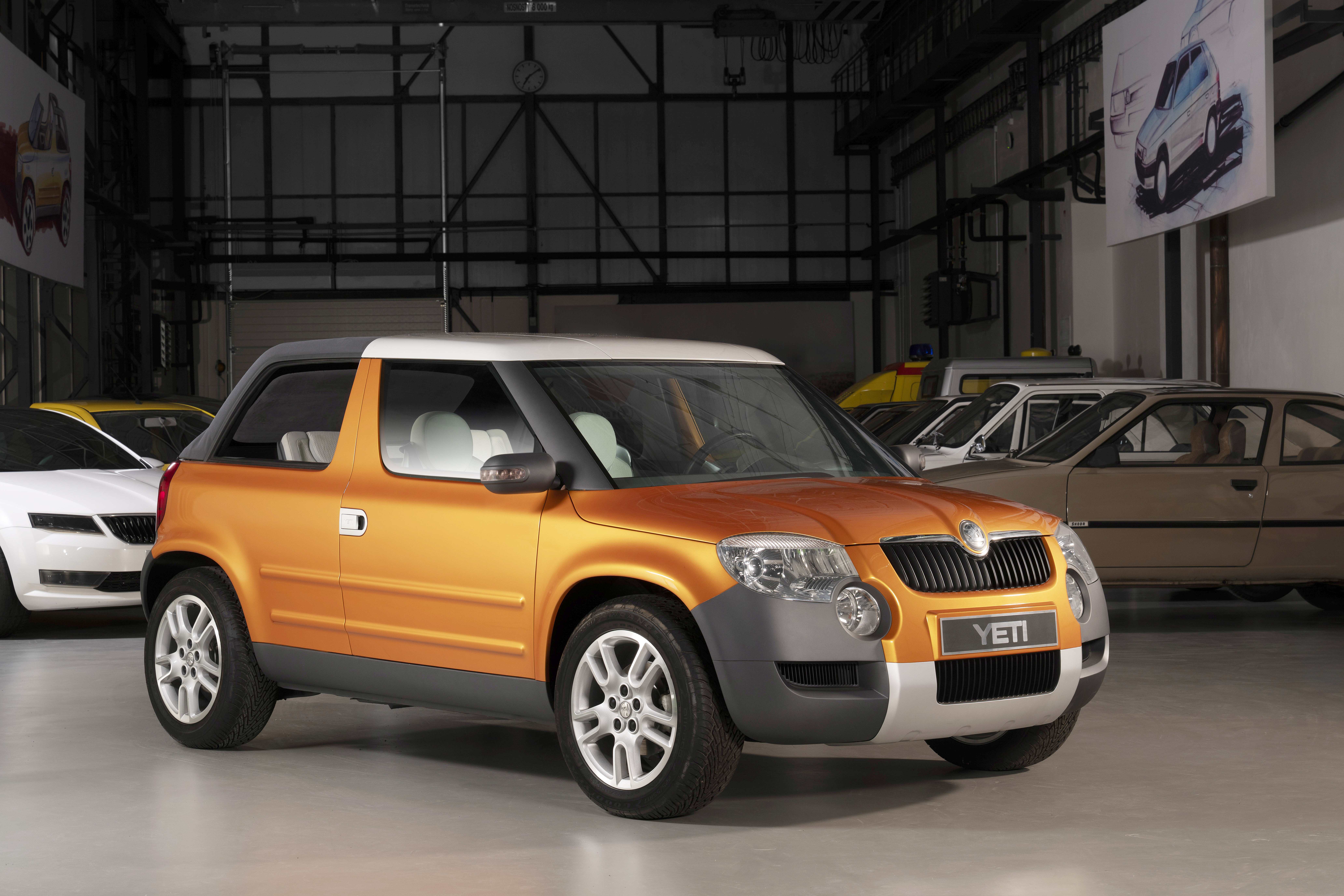
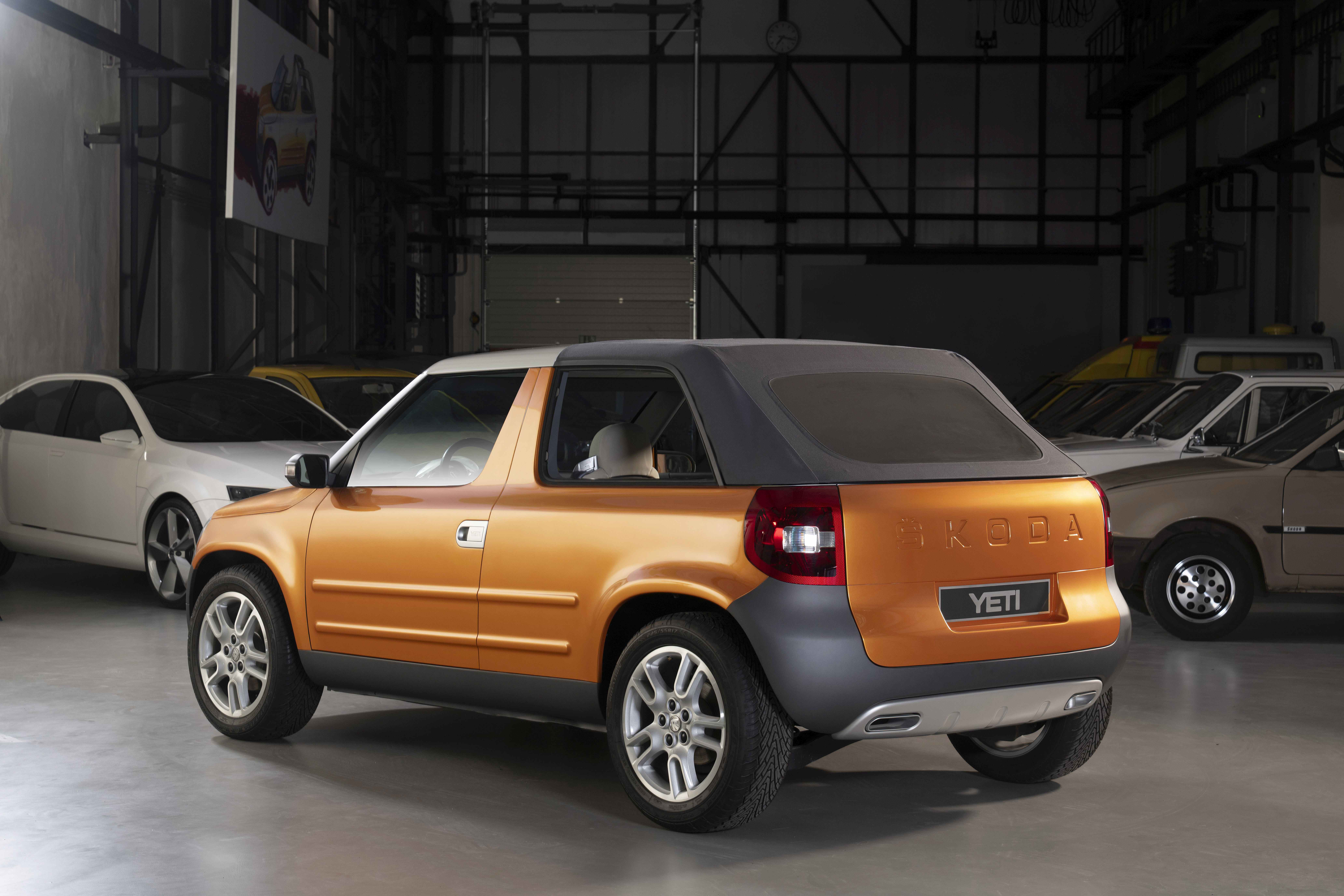
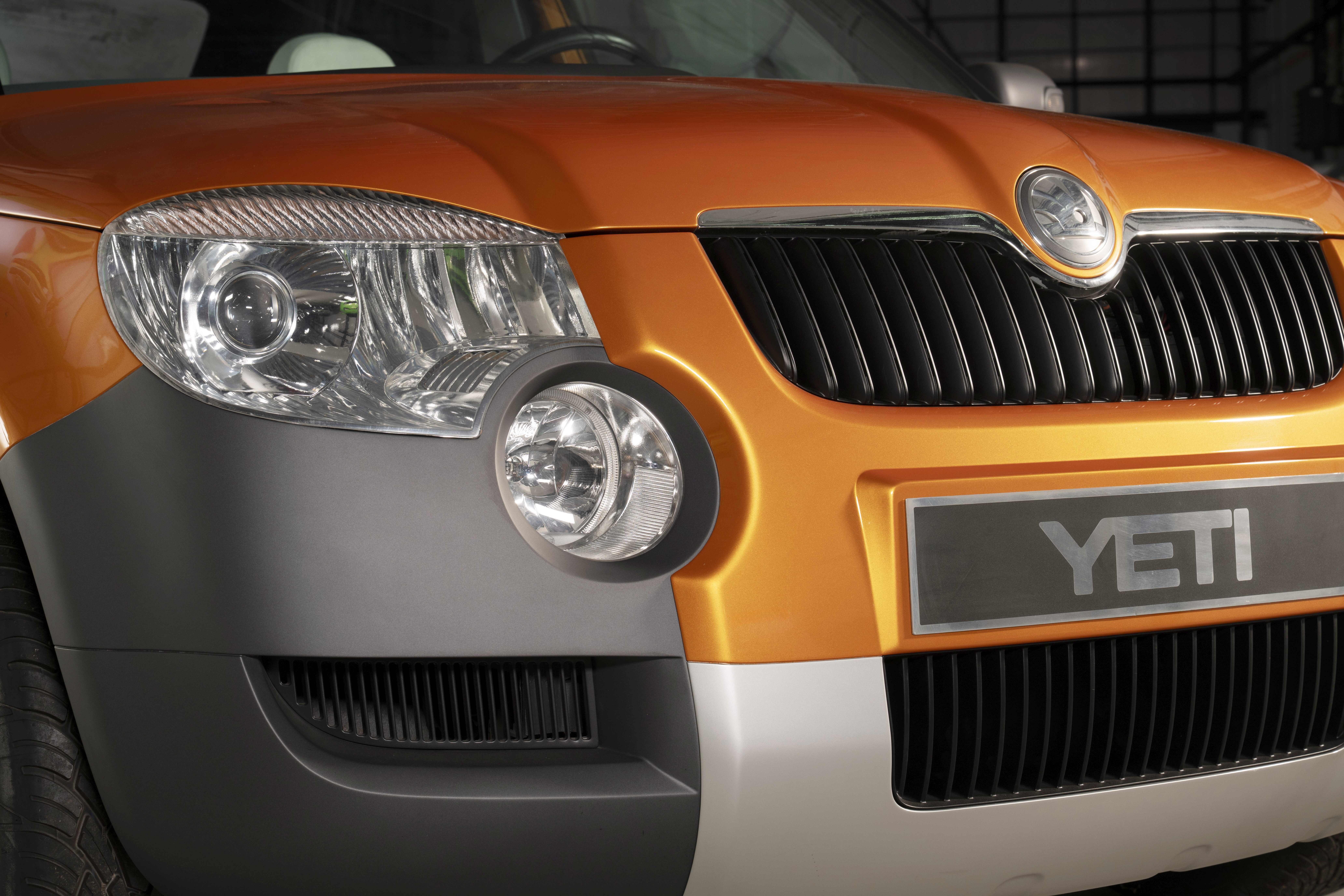
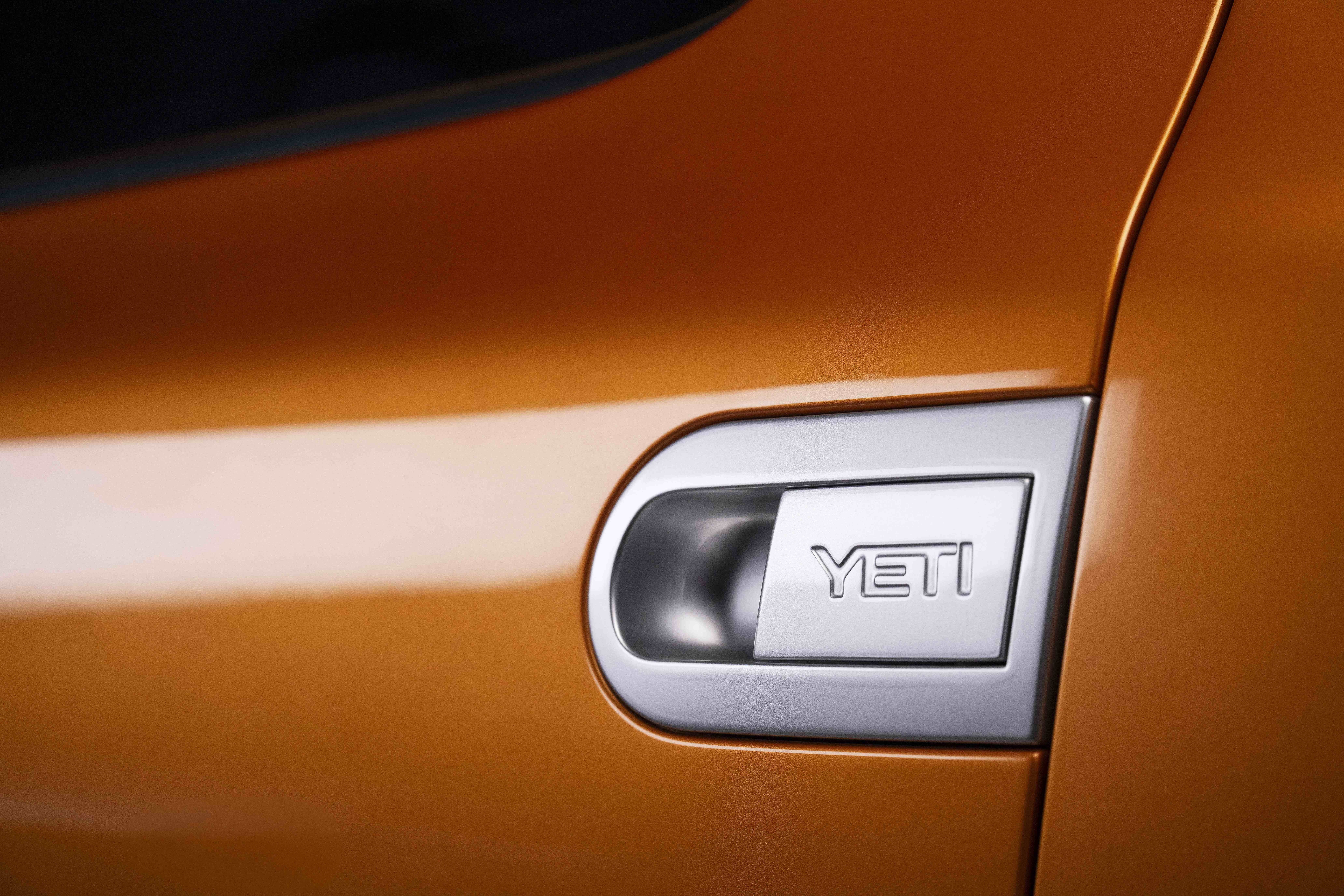
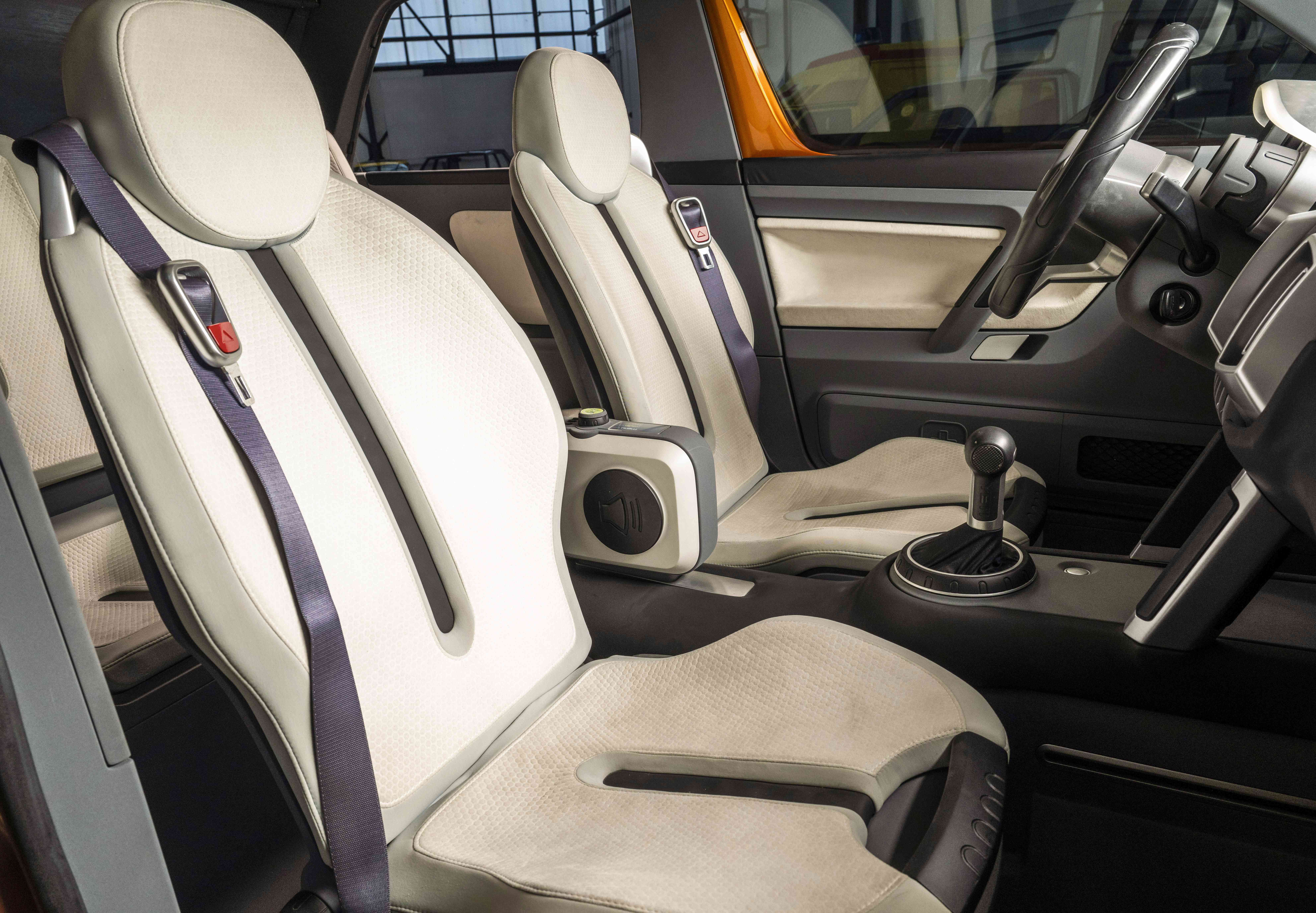
Škoda Yeti Cabrio (2005)
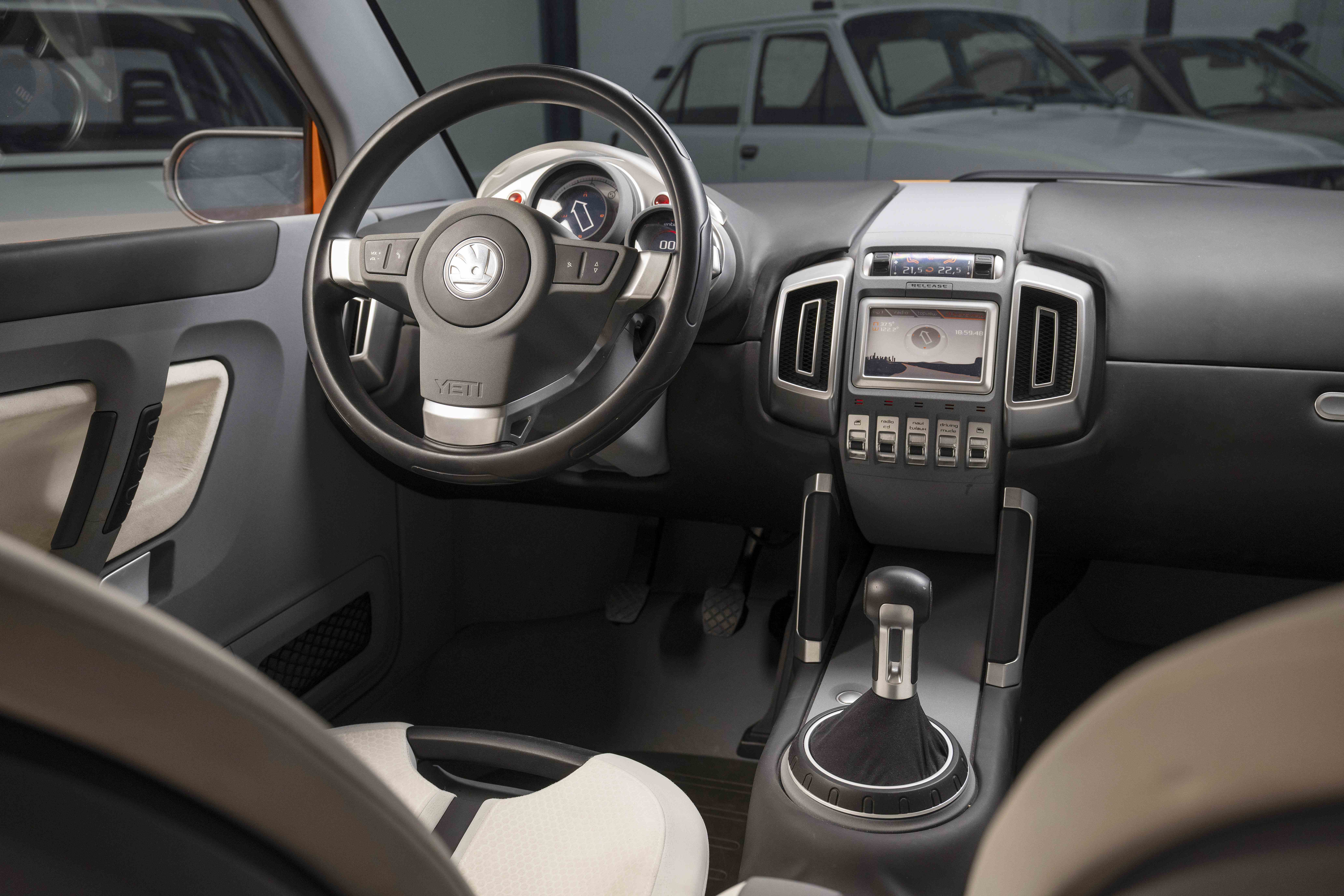
At the 2005 Geneva Motor Show, Škoda unveiled a study of a compact SUV in closed form, and six months later at the Frankfurt Motor Show the Yeti appeared as an open-top cabriolet. Once again, designer Thomas Ingenlath focused on expressive styling combined with maximum functionality and a range of clever solutions. The production Škoda Yeti was subsequently built from 2009 to 2017.
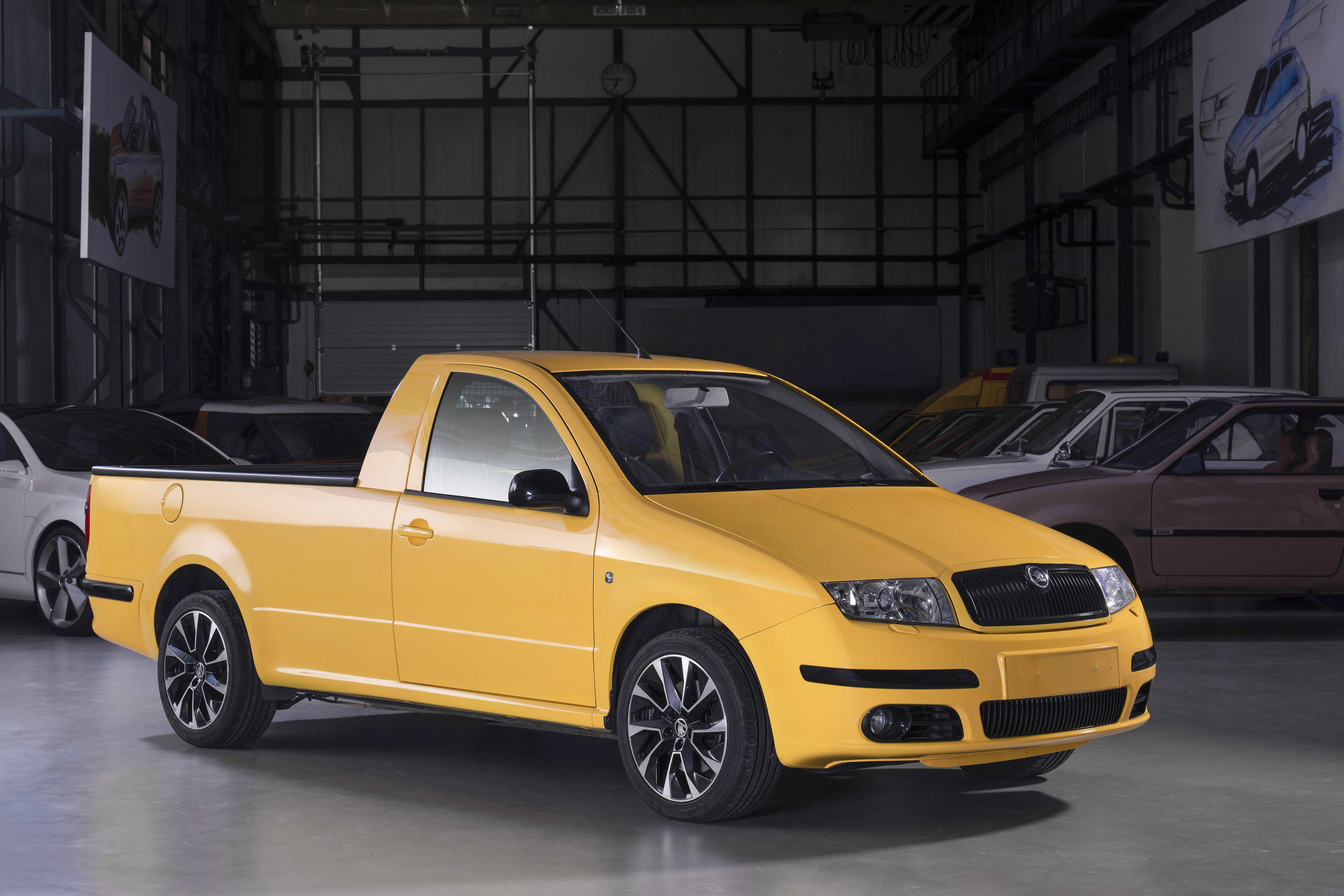

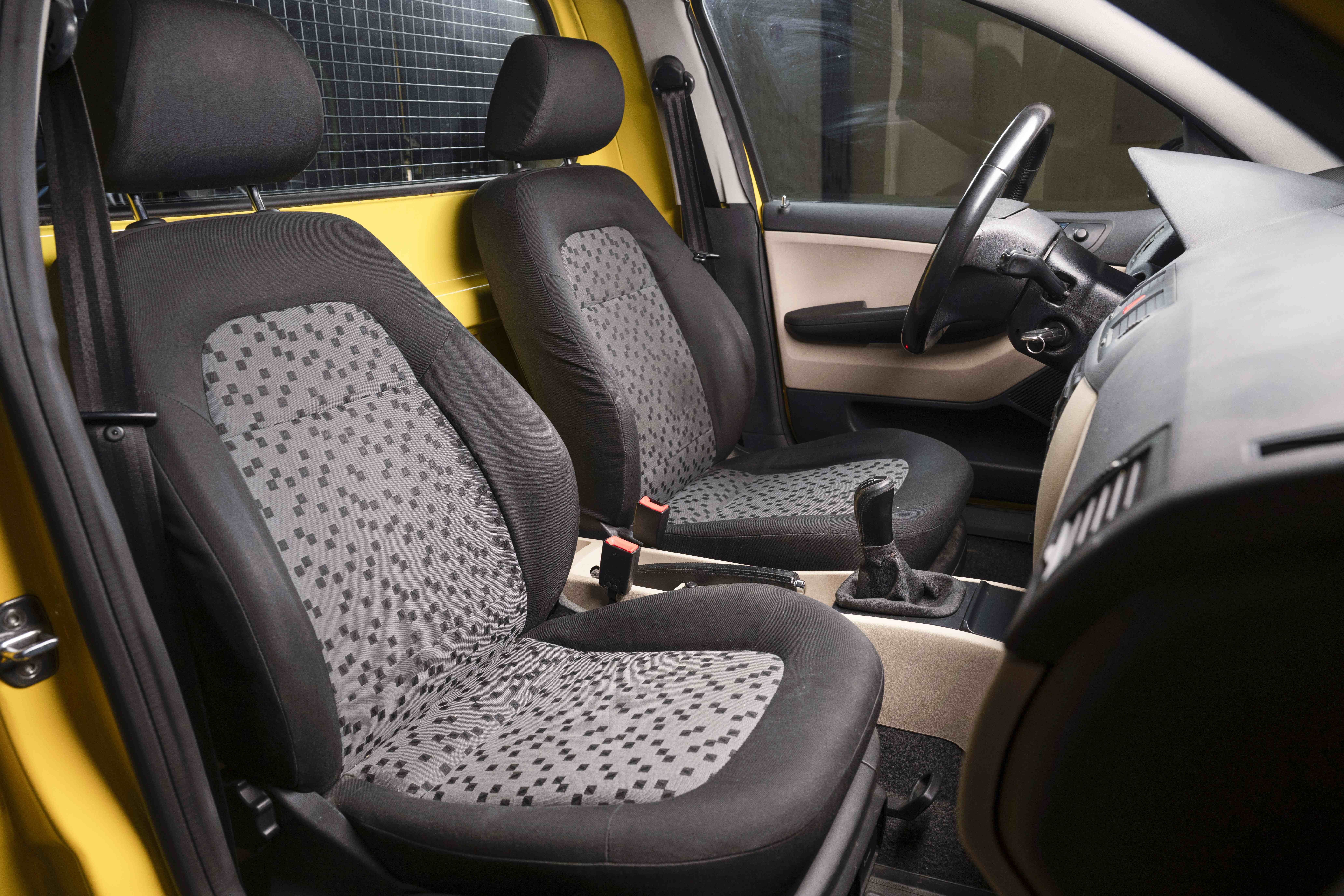
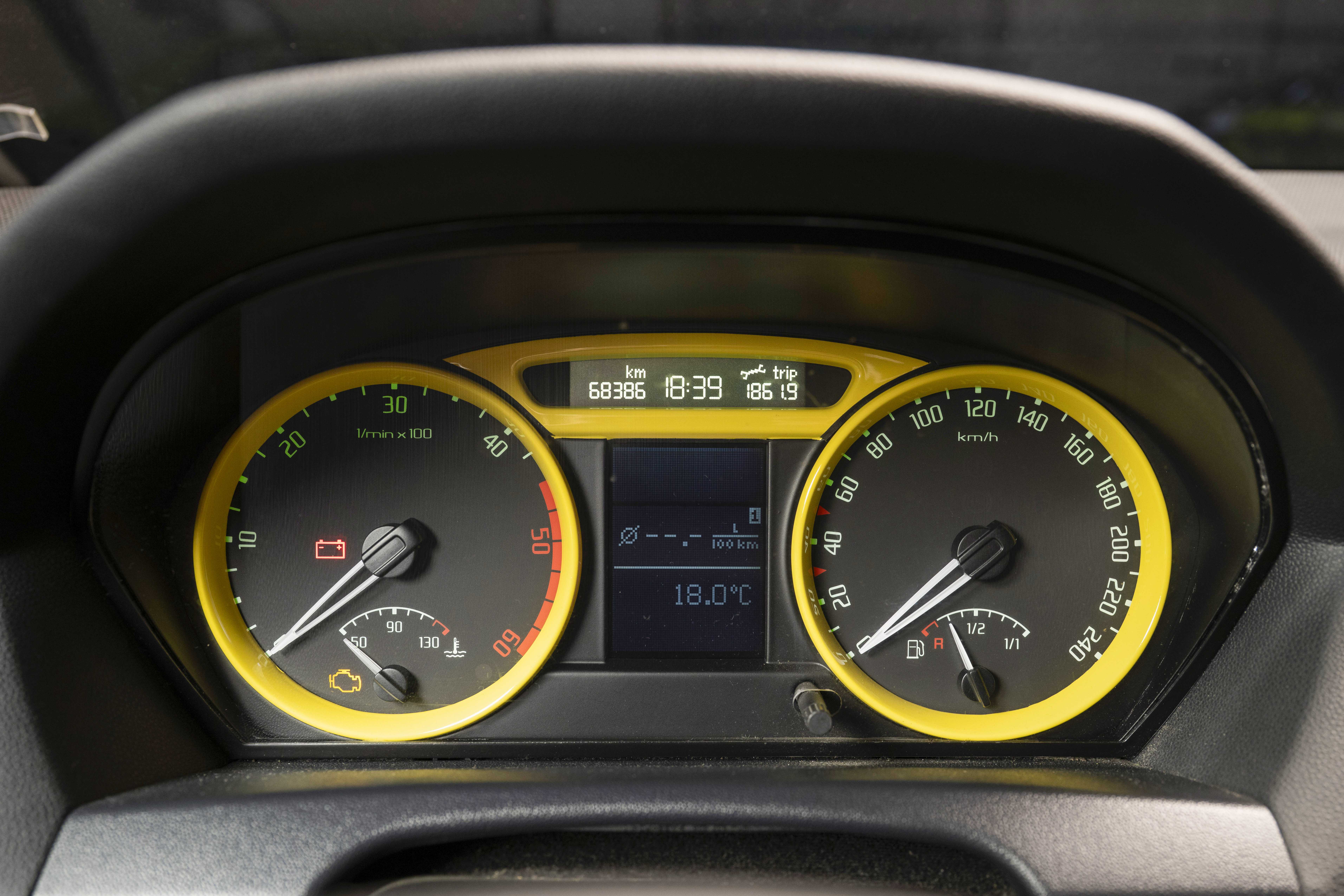
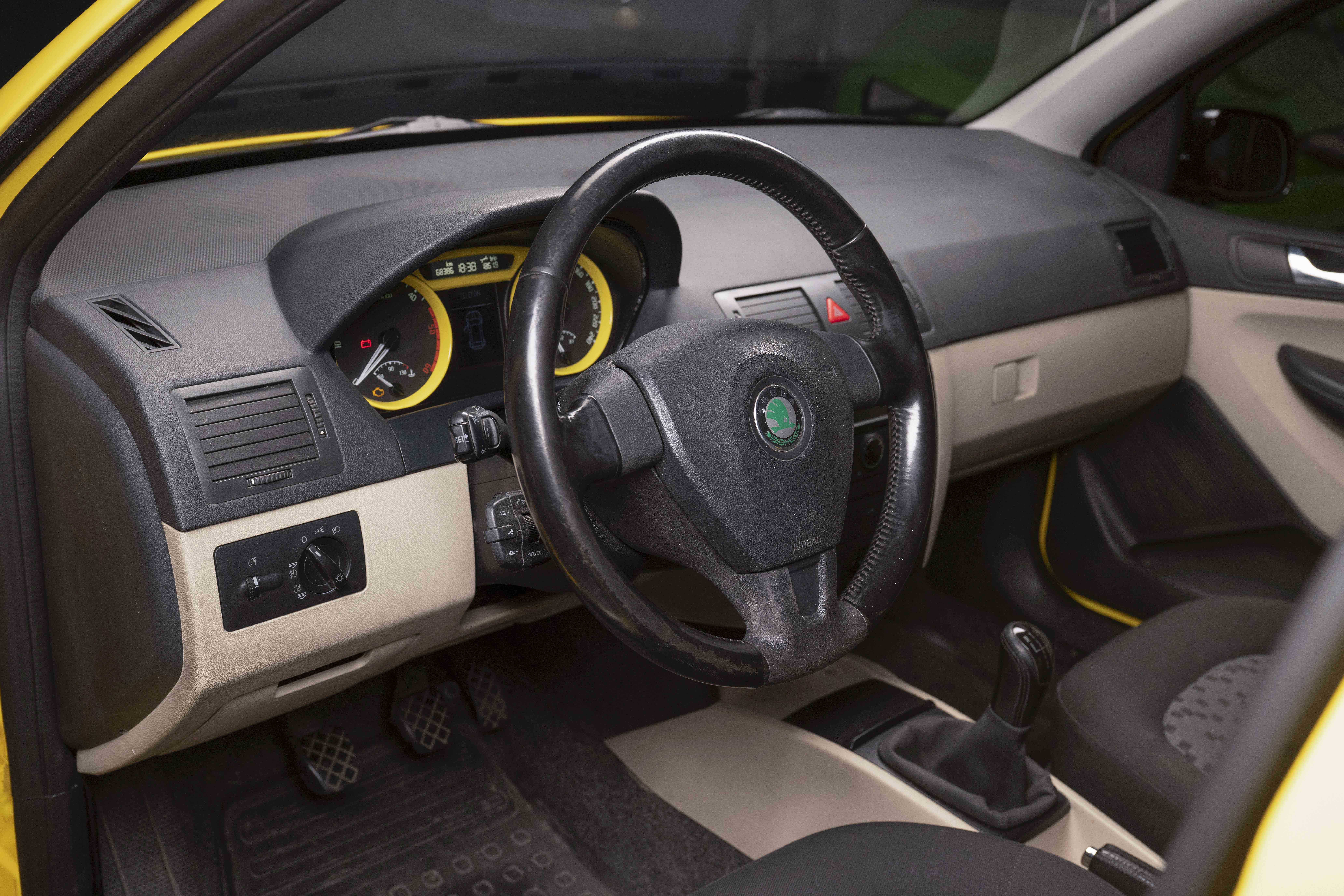
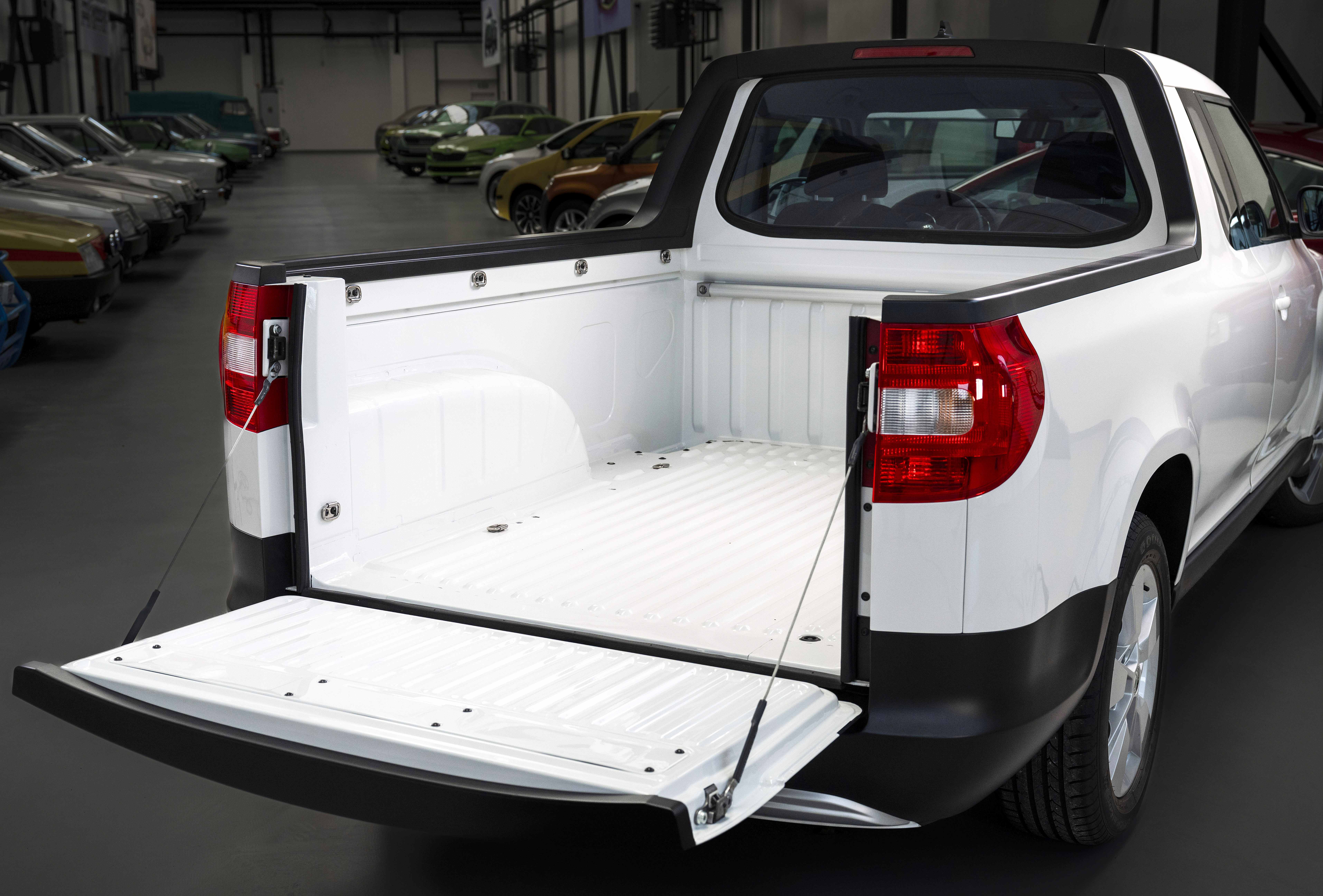
Škoda Fabia Pick-up (2007)
Four pick-up vehicles were built for the logistical needs of the Prototype Construction department within Technical Development. The front section is identical to that of the first-generation Fabia, while the rear section is entirely bespoke and uses the axle from the Škoda Roomster. Power comes from a 1.9 TDI engine producing 74 kW, and the maximum rear-axle payload is almost 1,000 kg.


Škoda Yeti Pick-up (2012)
This one-off concept was built in 2012 by the Prototype Construction department. The front section is identical to the production Škoda Yeti, while the rear load bed is a prototype design using VW Caddy Maxi components with robust leaf-spring suspension. Compared with the production version, this four-wheel-drive vehicle is 644 mm longer overall, with its wheelbase extended by 428 mm.

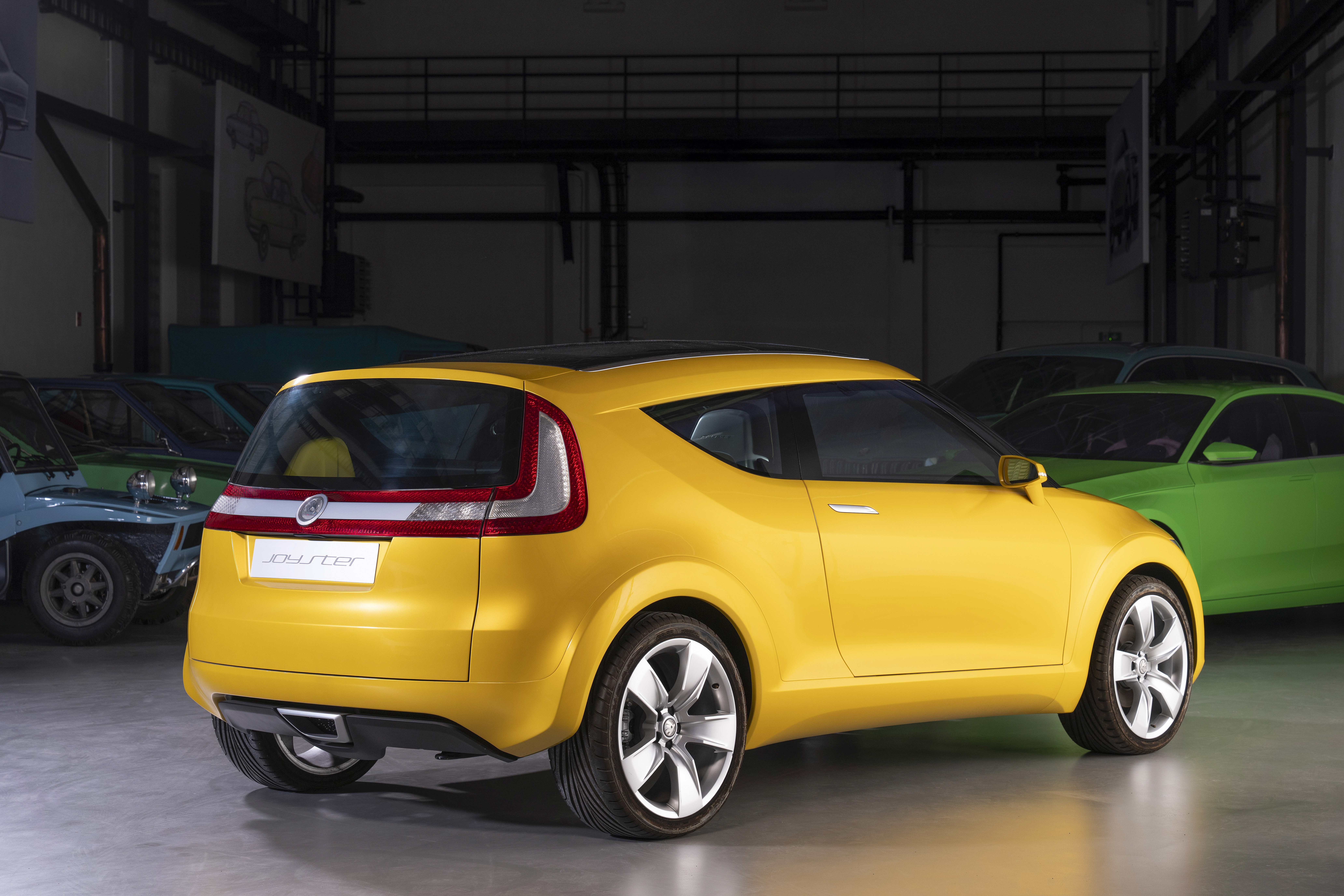
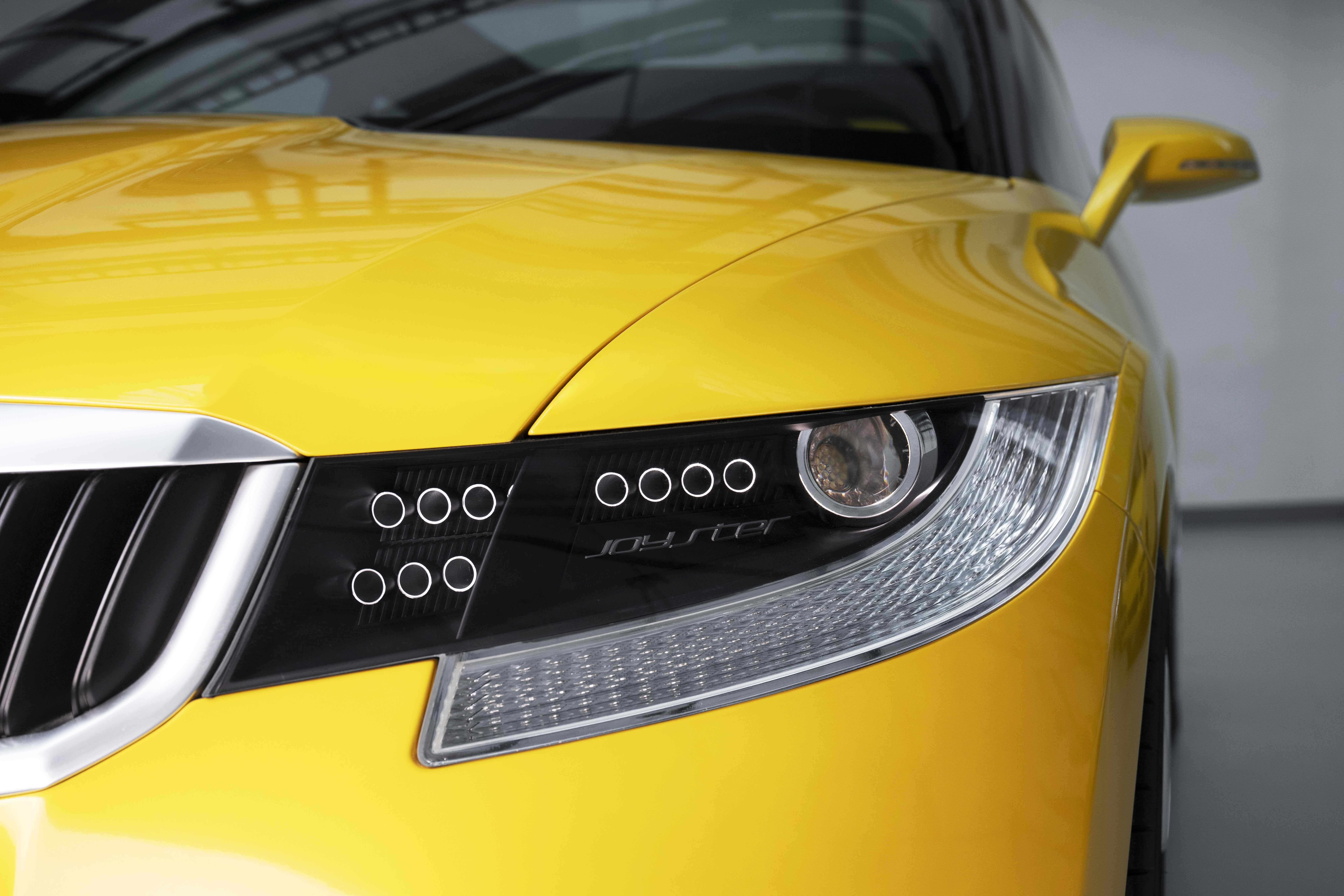
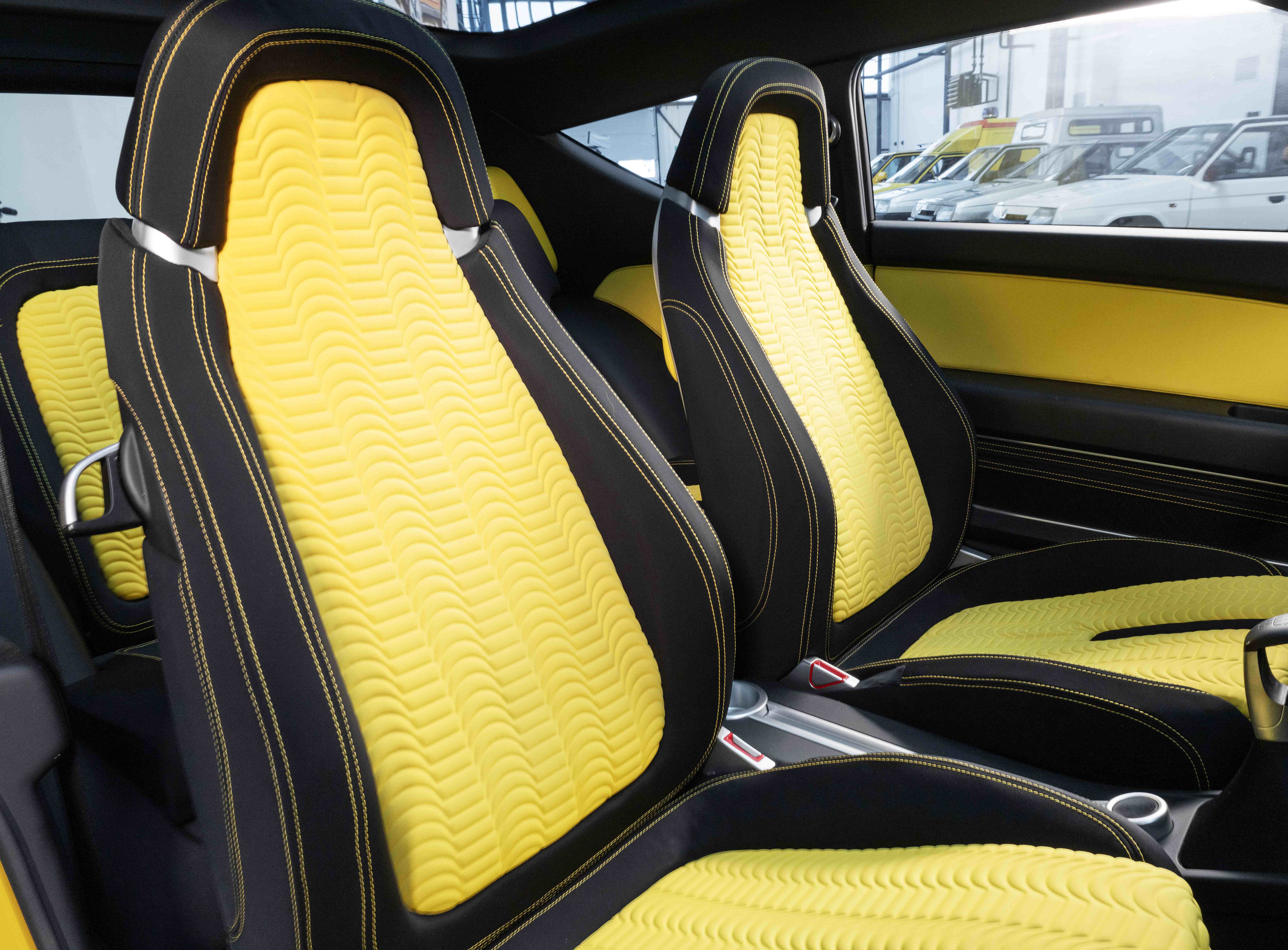

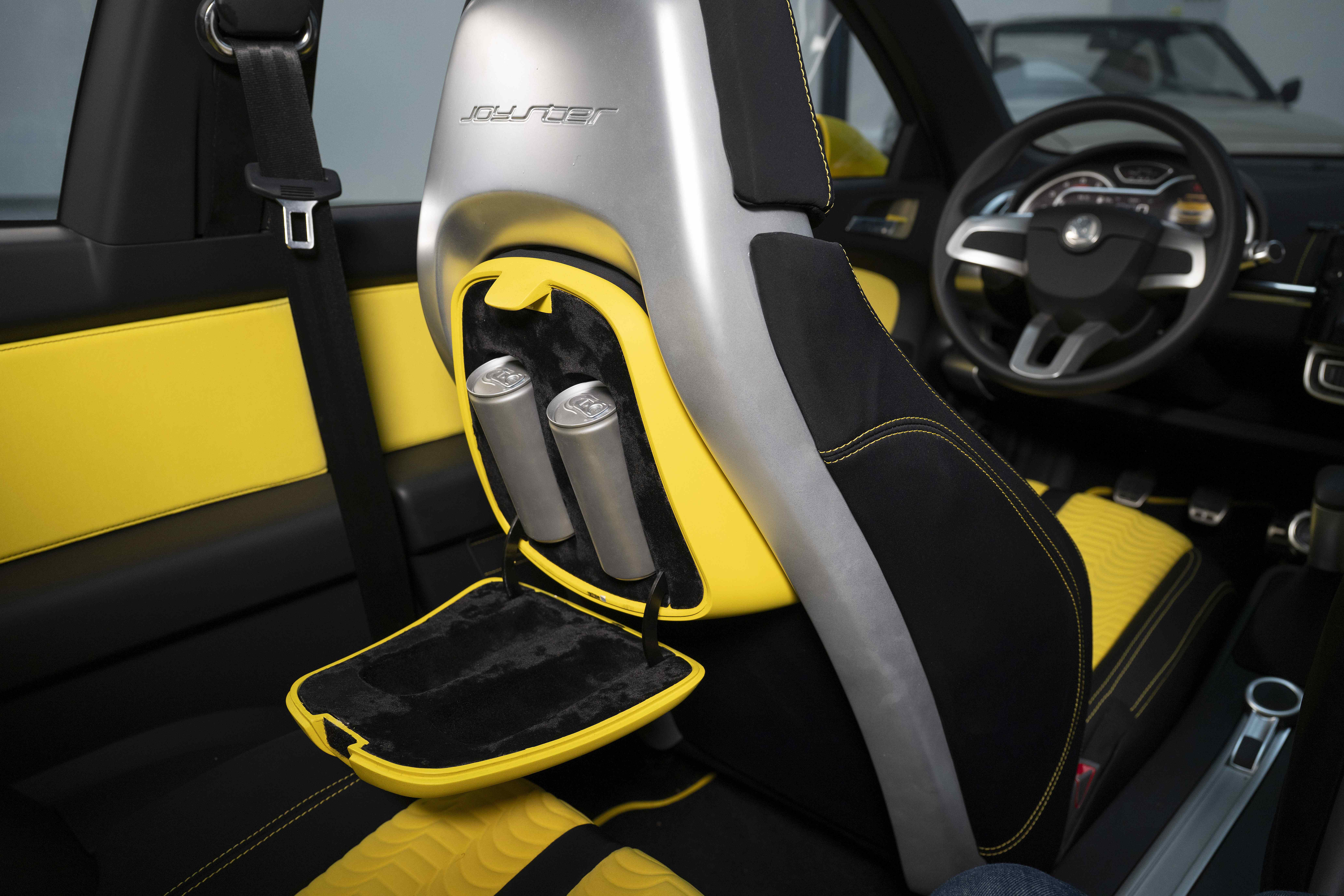
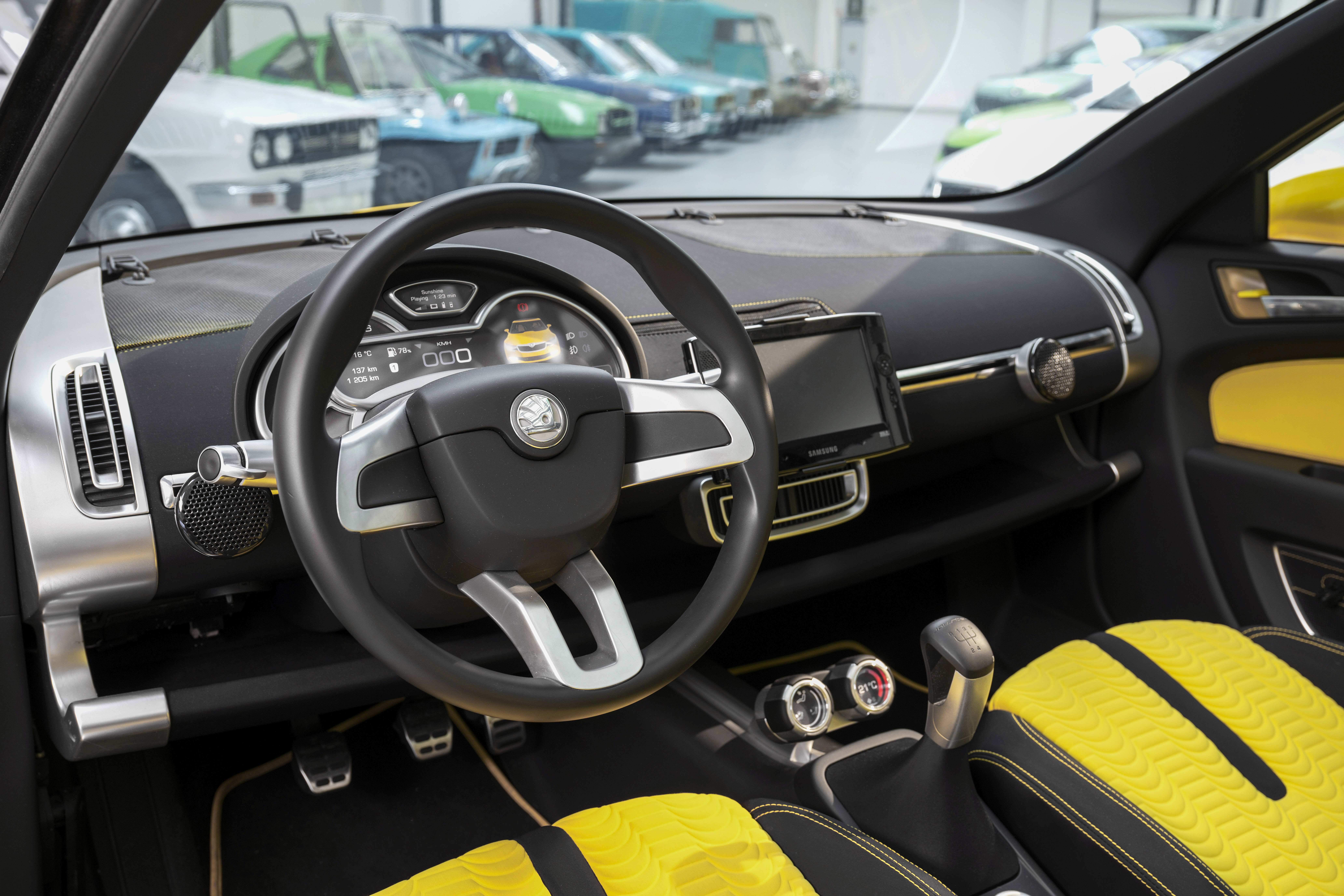
Škoda Joyster (2006)
This three-door compact concept by designer Jens Manske was one of the highlights of the 2006 Paris Motor Show. Joyster offered a glimpse of the further development of Škoda’s core design features and also introduced a range of popular “Simply Clever” solutions designed to make everyday driving easier.
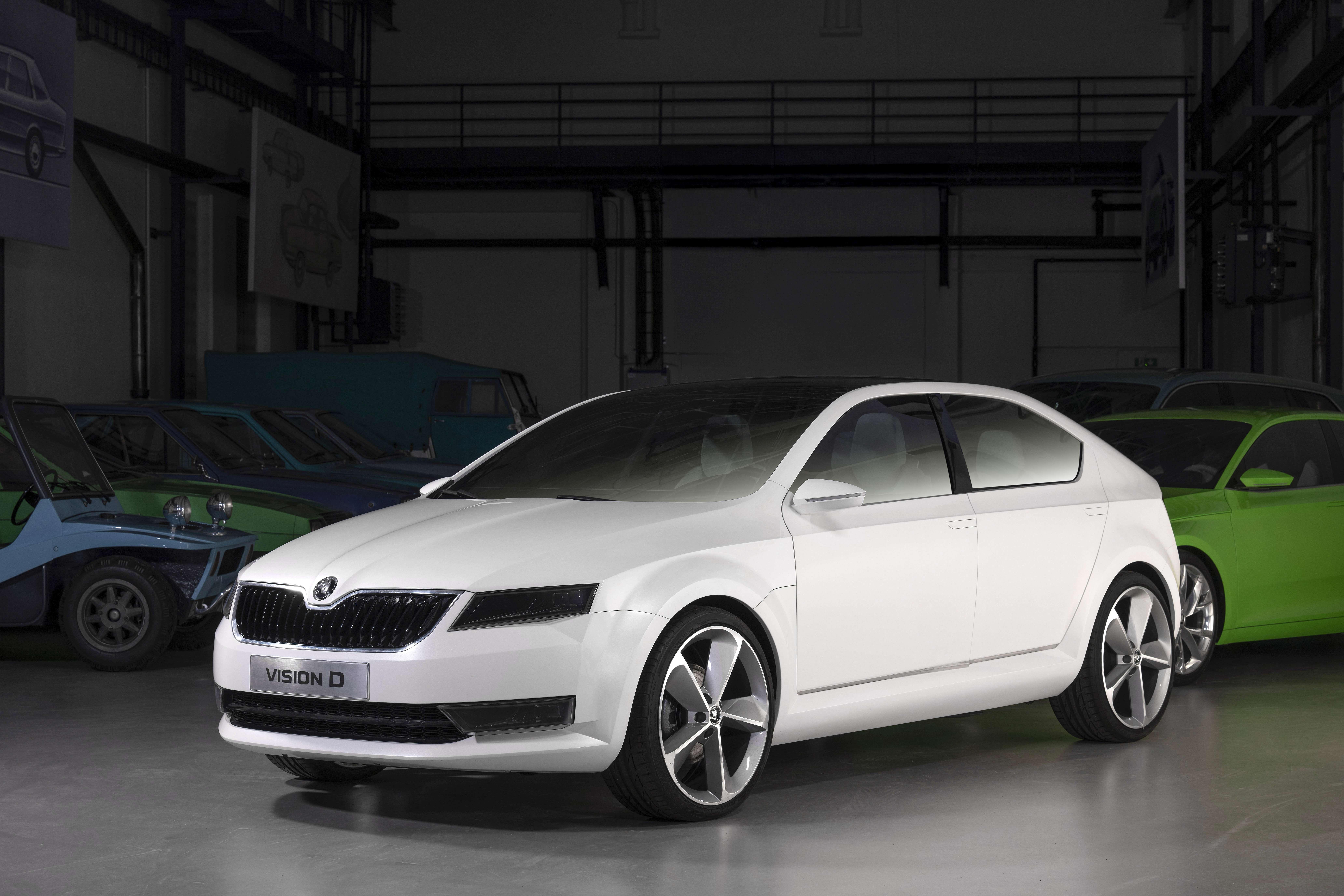
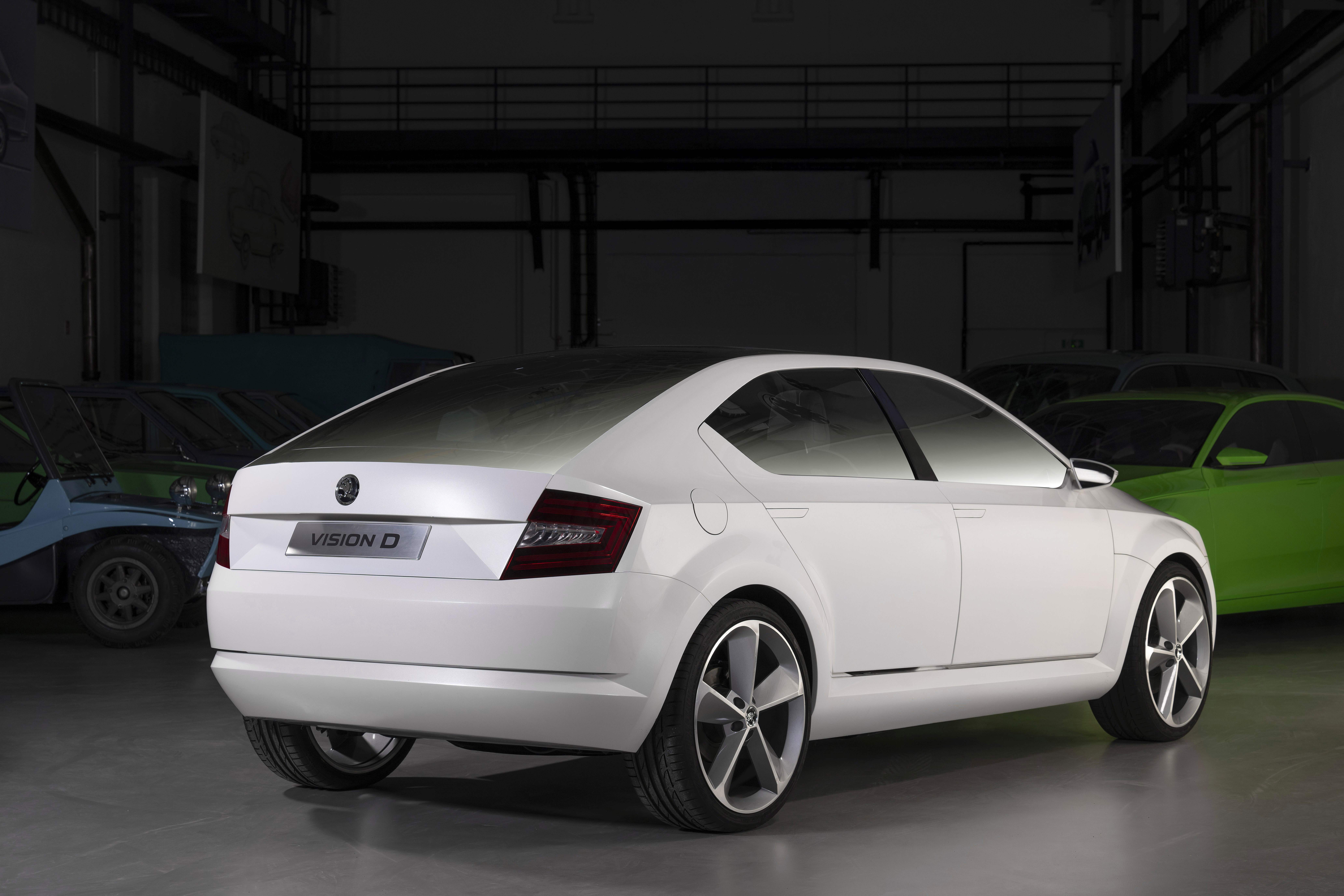
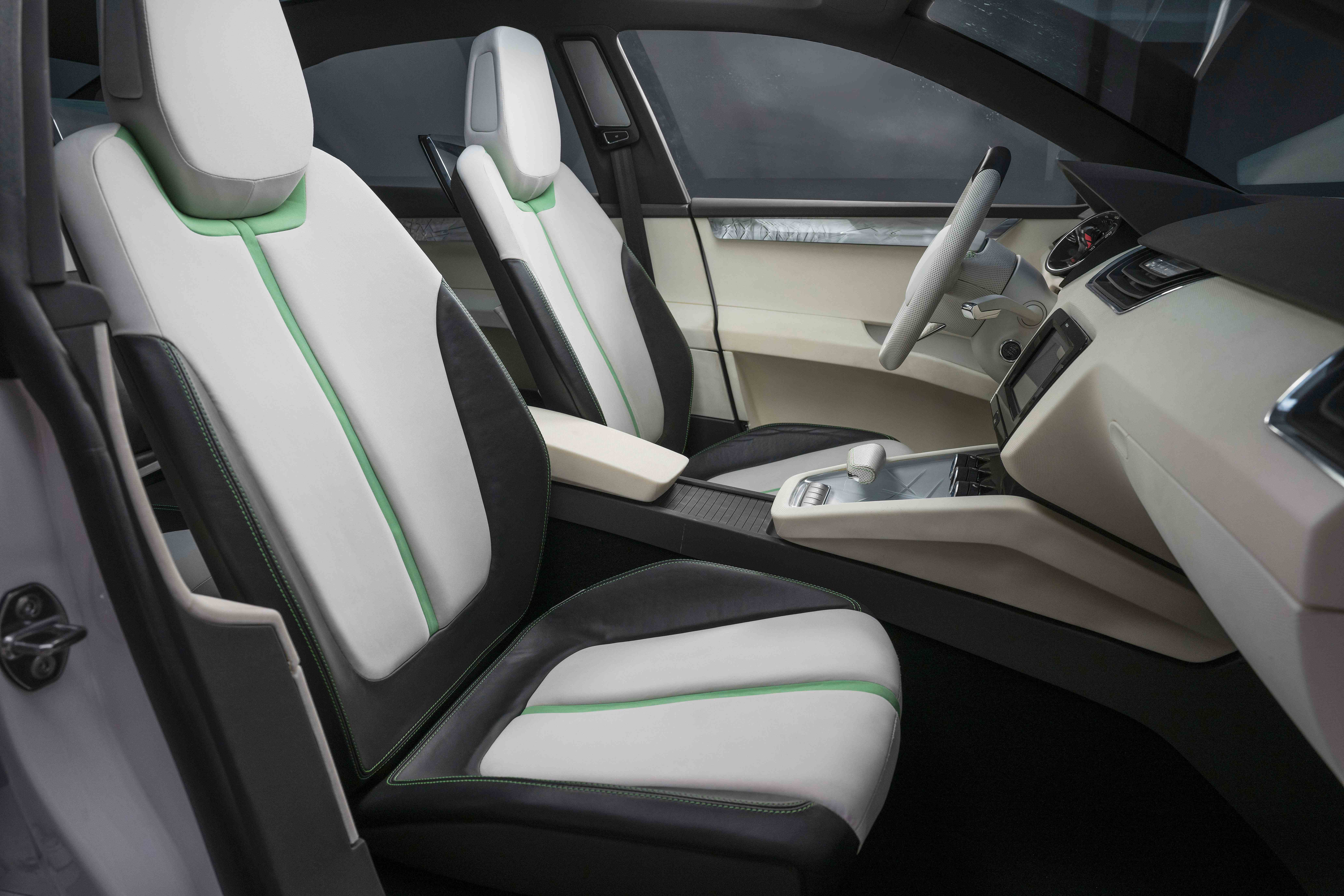

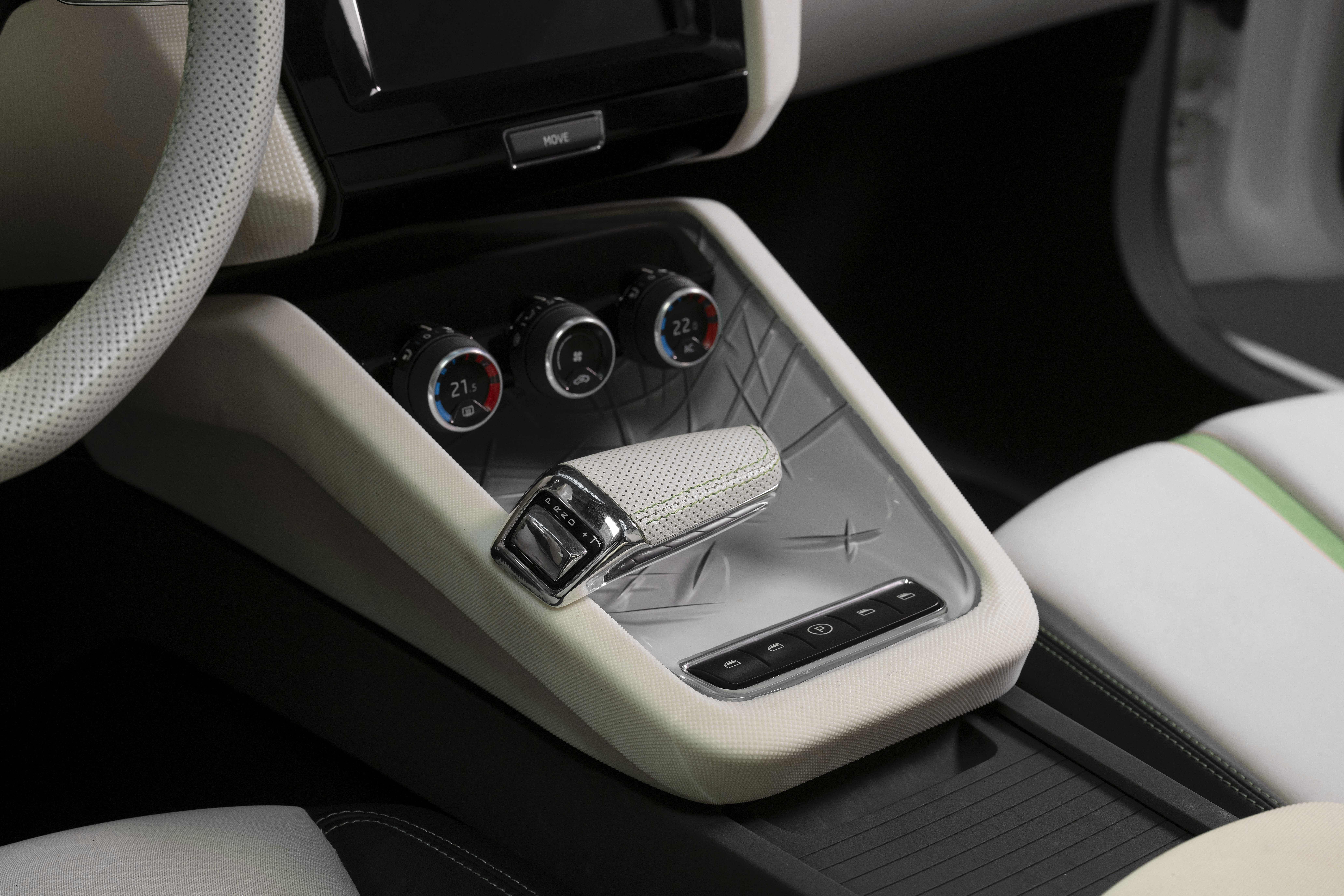
Škoda Vision D (2011)
This five-door compact study by designer Jozef Kabaň, unveiled in Geneva in 2011, marked a major step forward in Škoda design. It retained the characteristic features of Mladá Boleslav’s models while adding sharp, clean lines. Design elements from this study later appeared on the production Škoda Rapid.
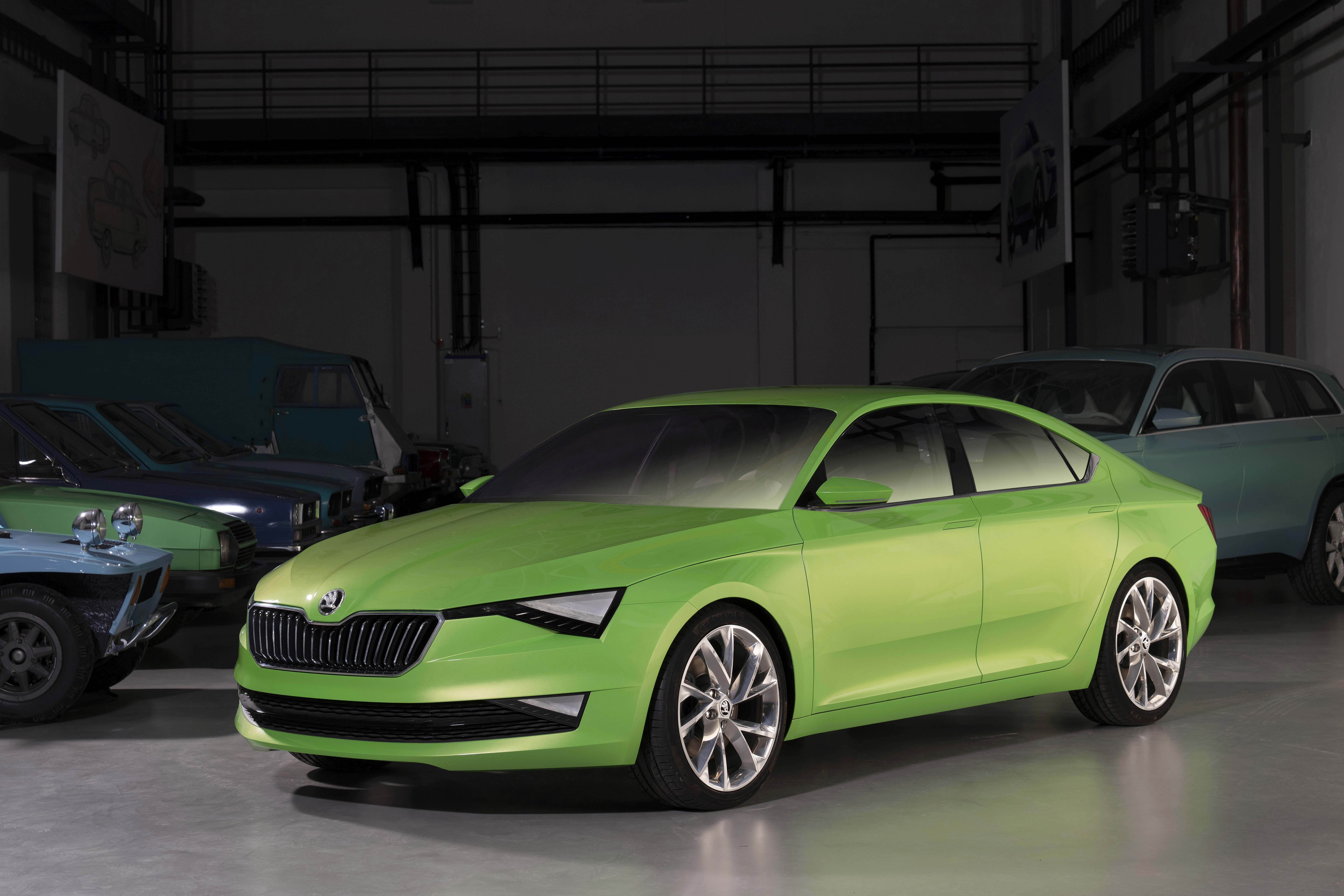
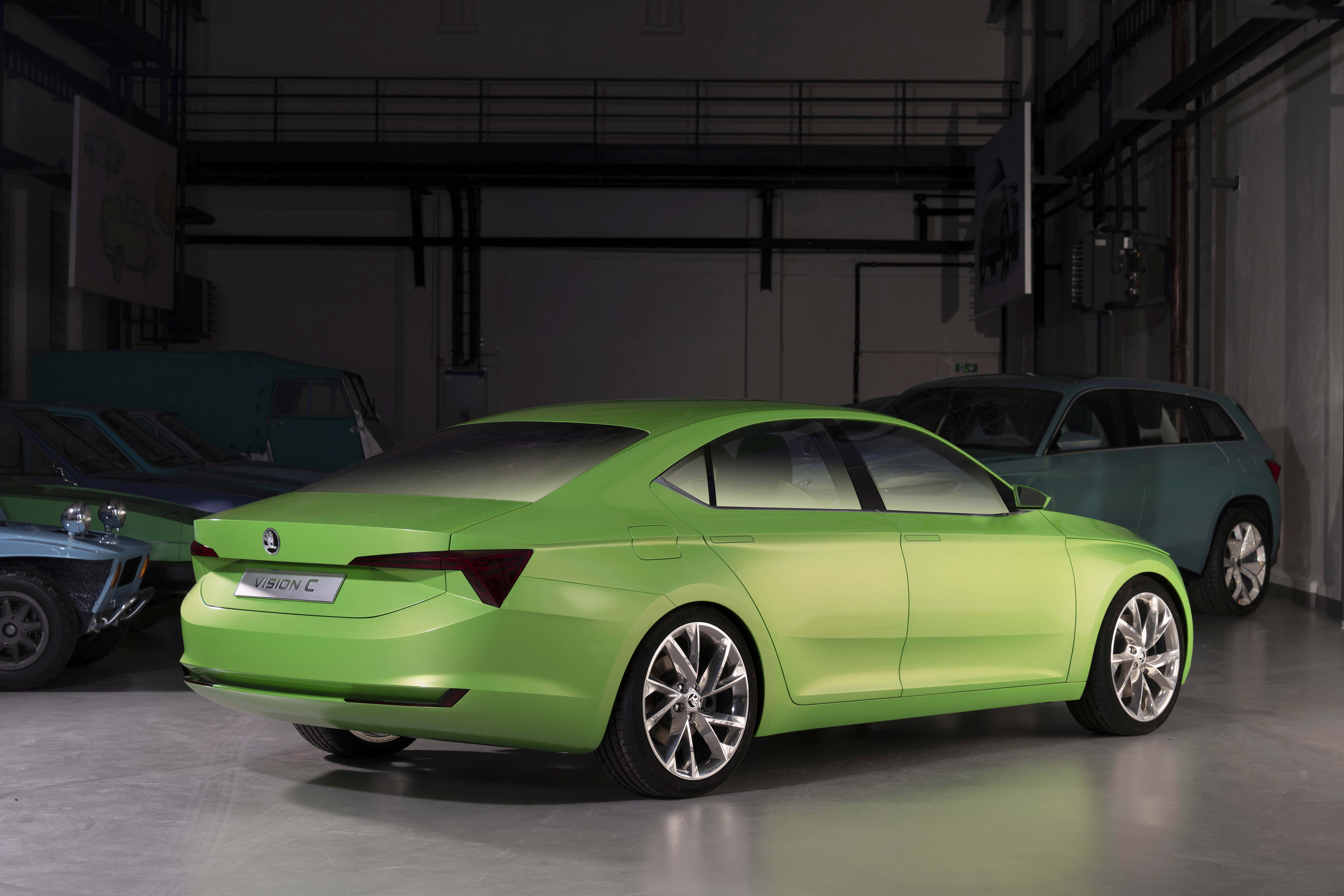
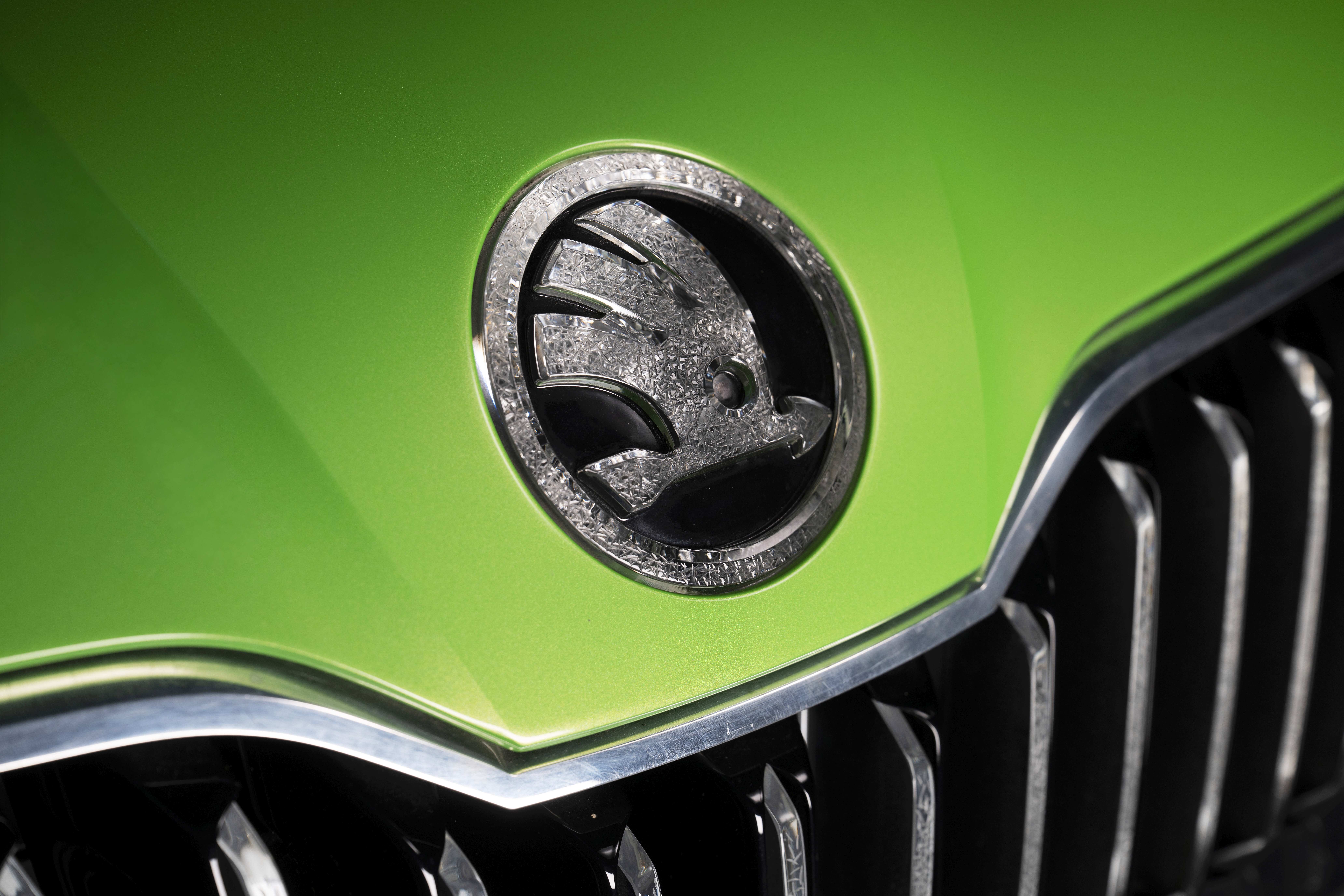

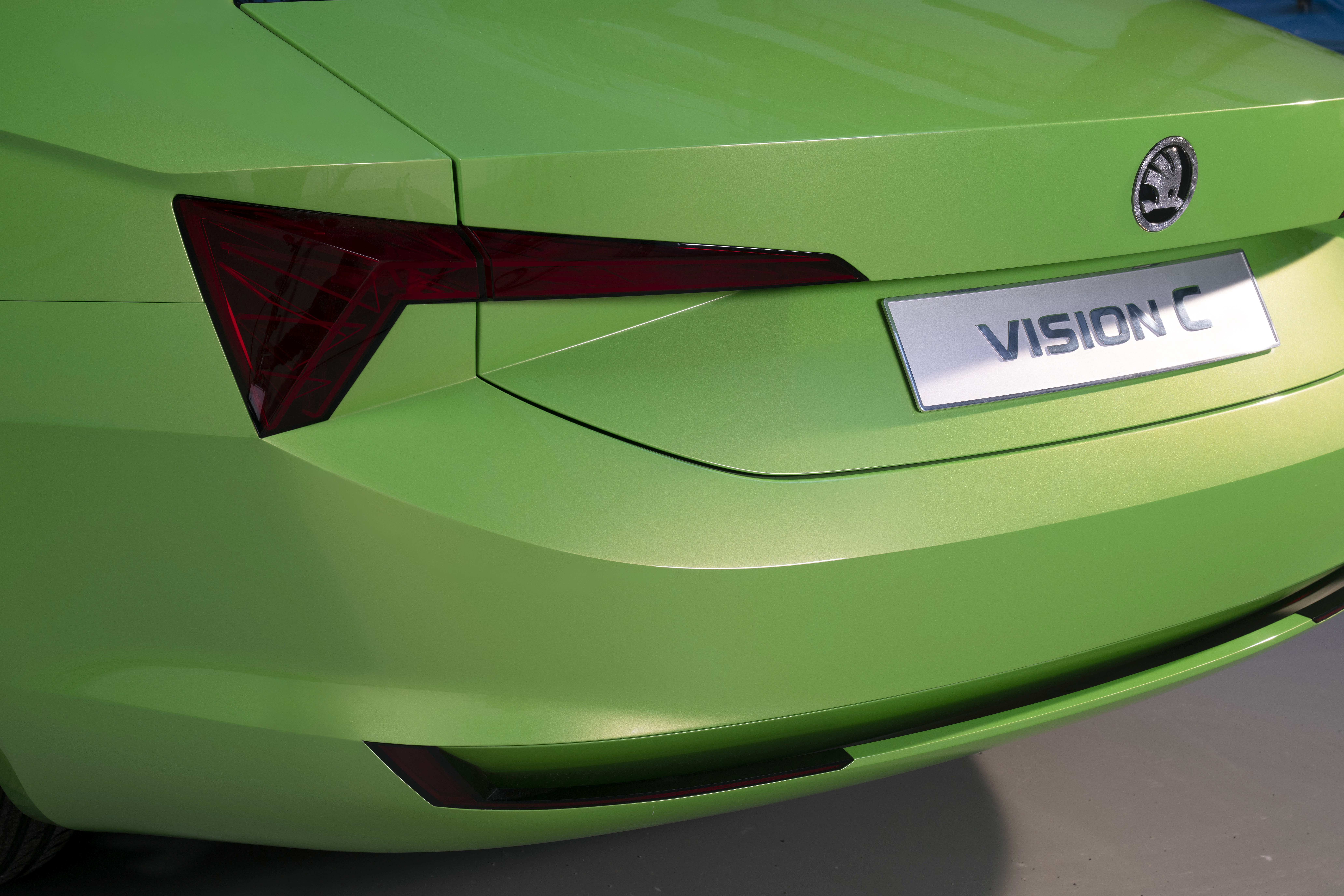
Škoda Vision C (2014)
This five-door coupé, presented as a vision of the brand’s next design direction under Jozef Kabaň, combined a dynamic, elegant silhouette with striking details. The study was unveiled to the public at the 2014 Geneva Motor Show, and its key design features were first carried over into production on the third-generation Škoda Superb, launched in 2015.
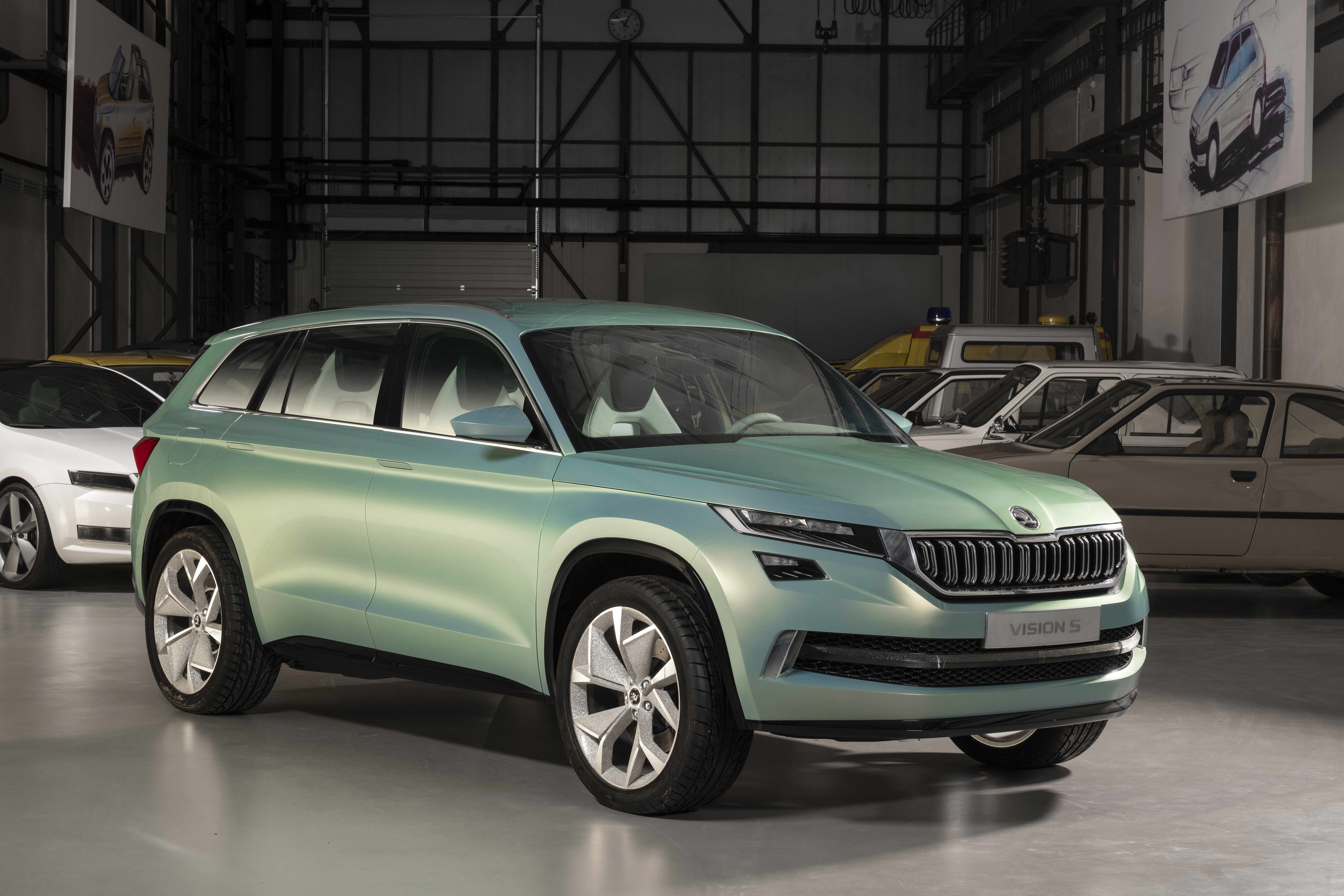
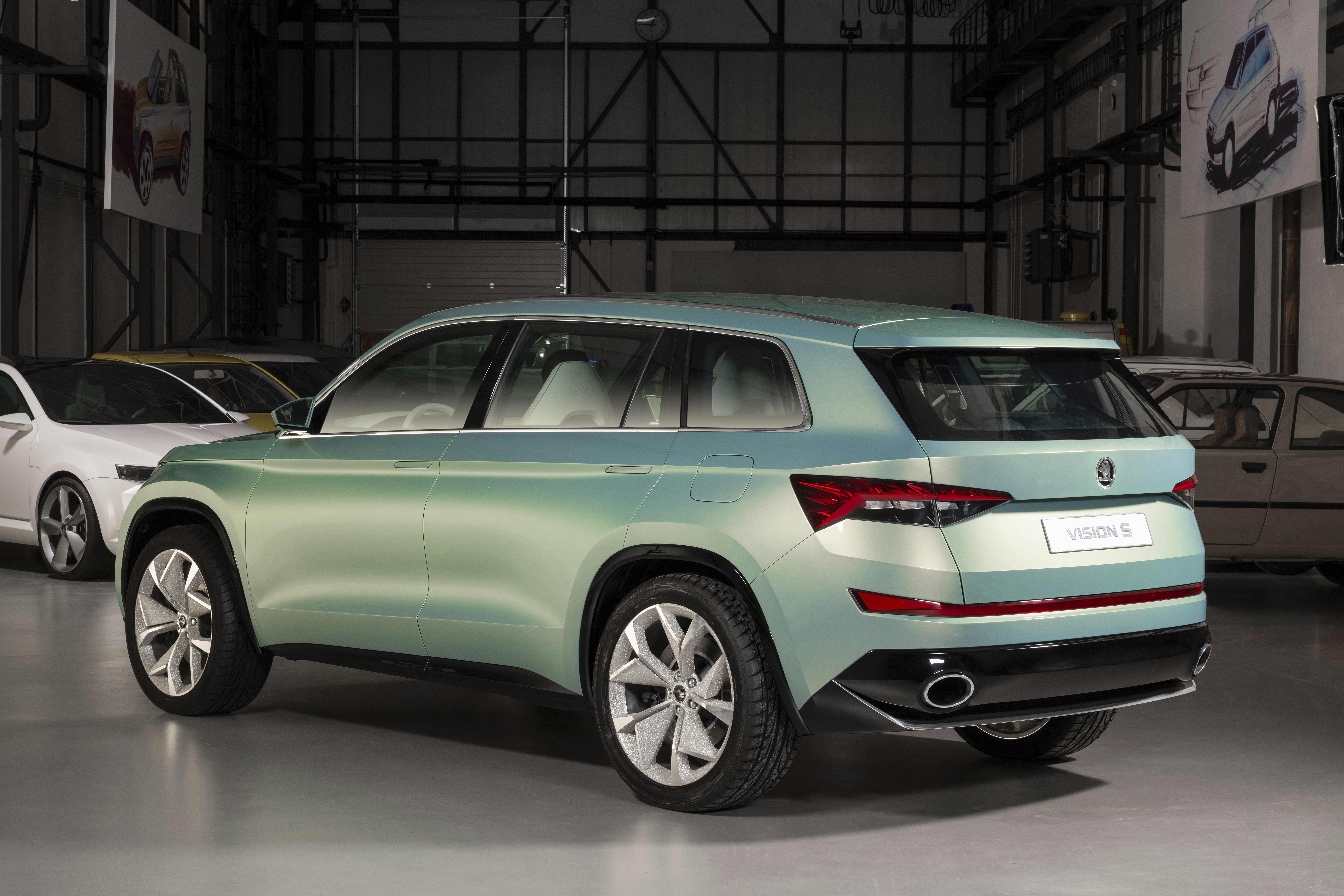
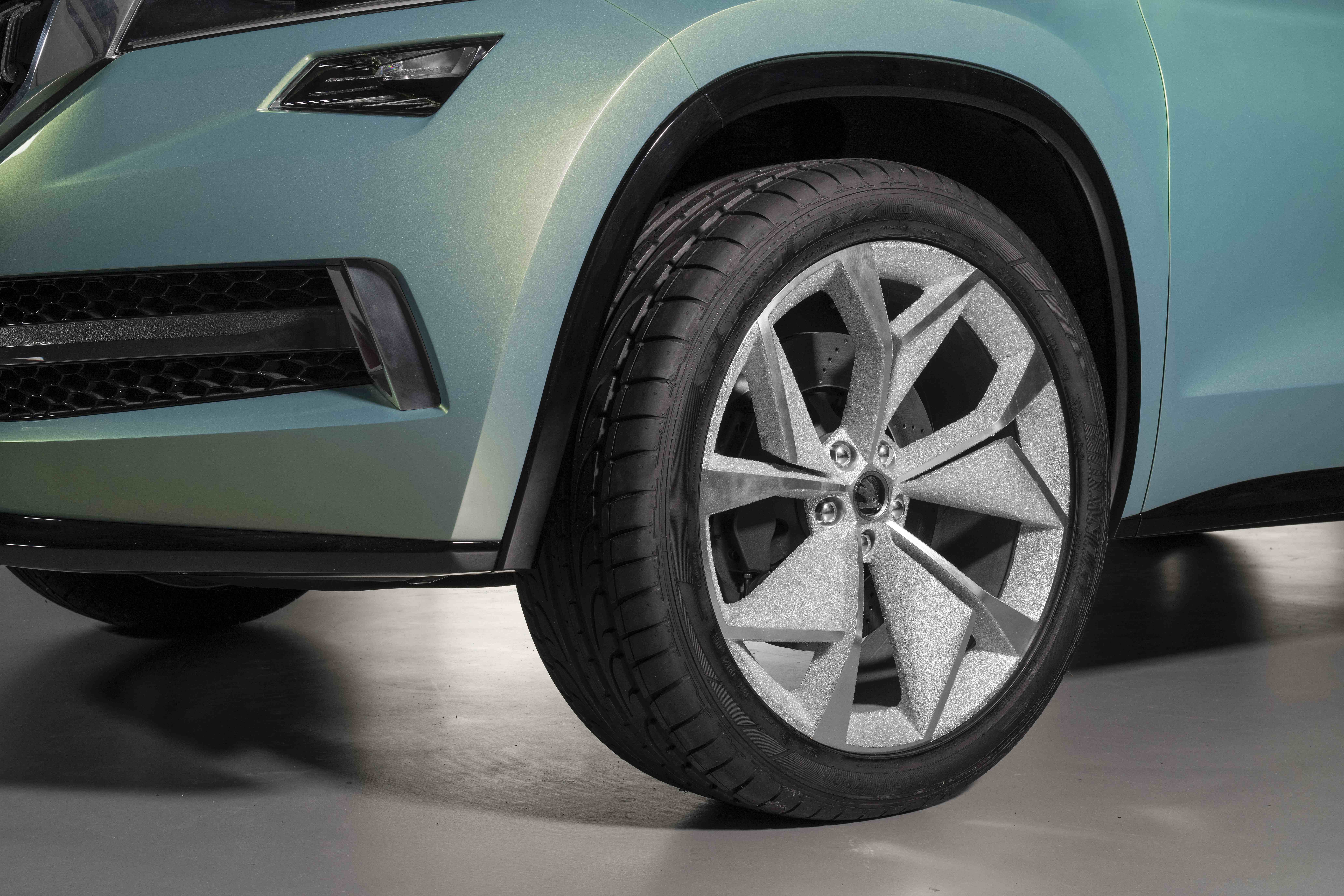
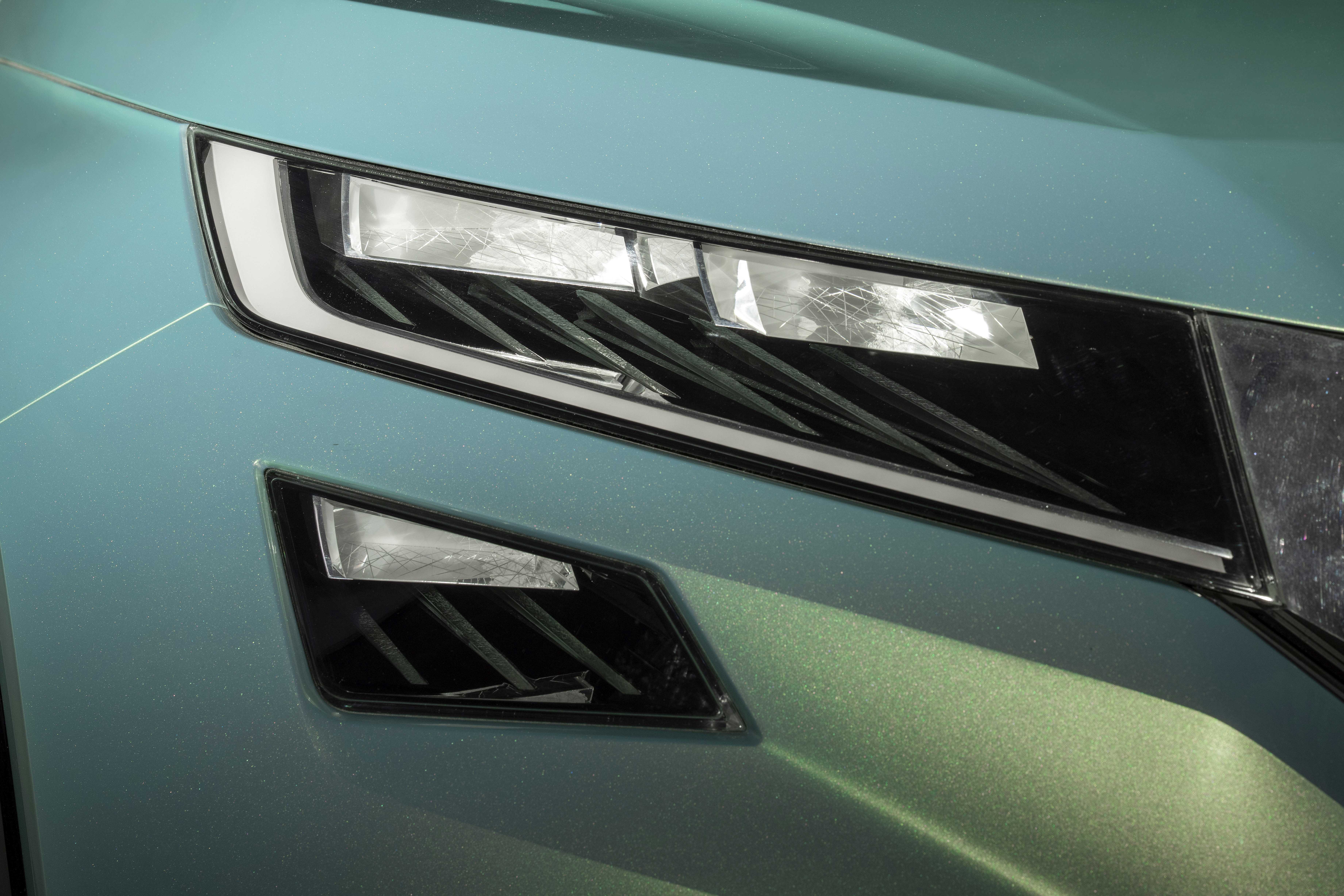
Škoda Vision S (2016)
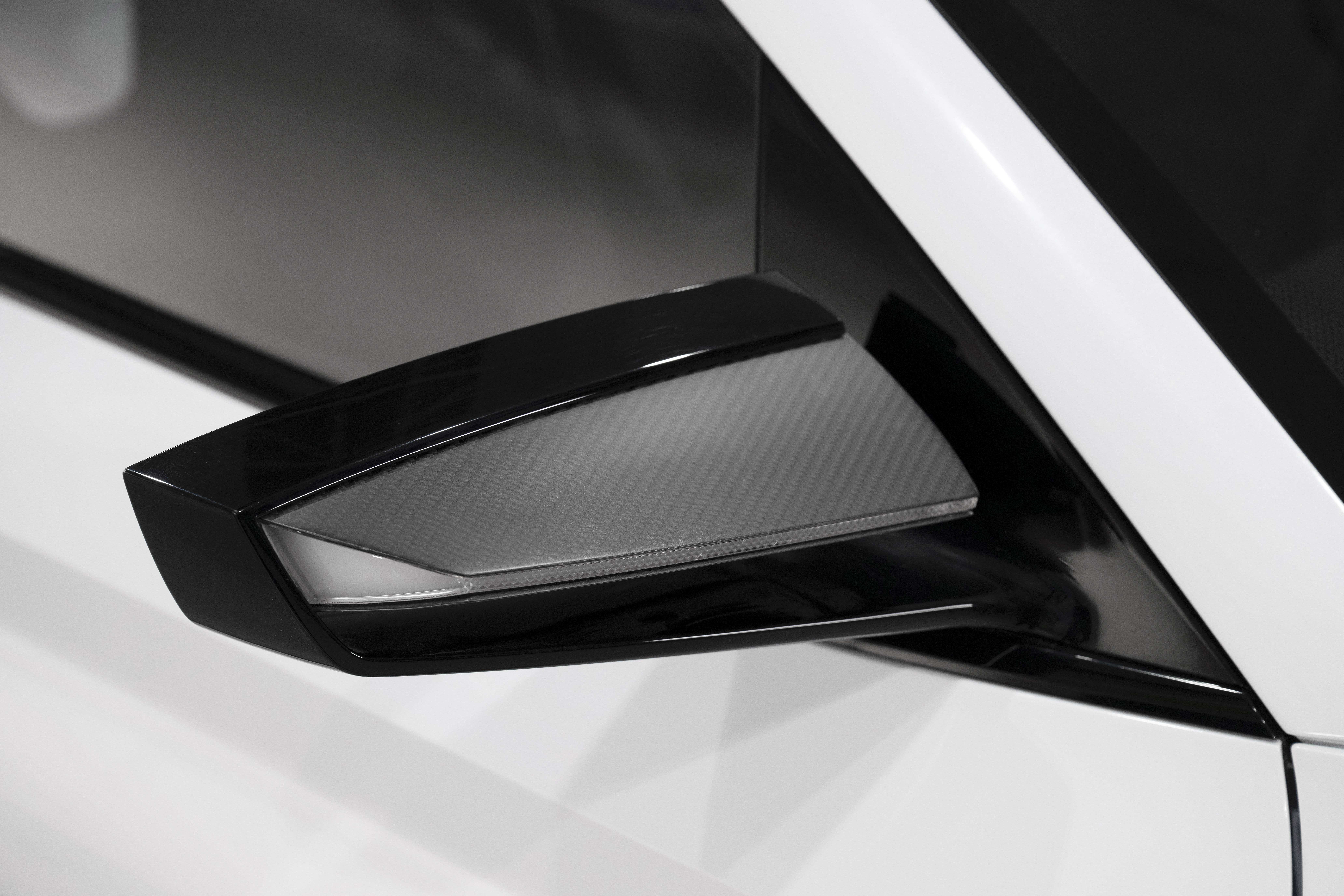
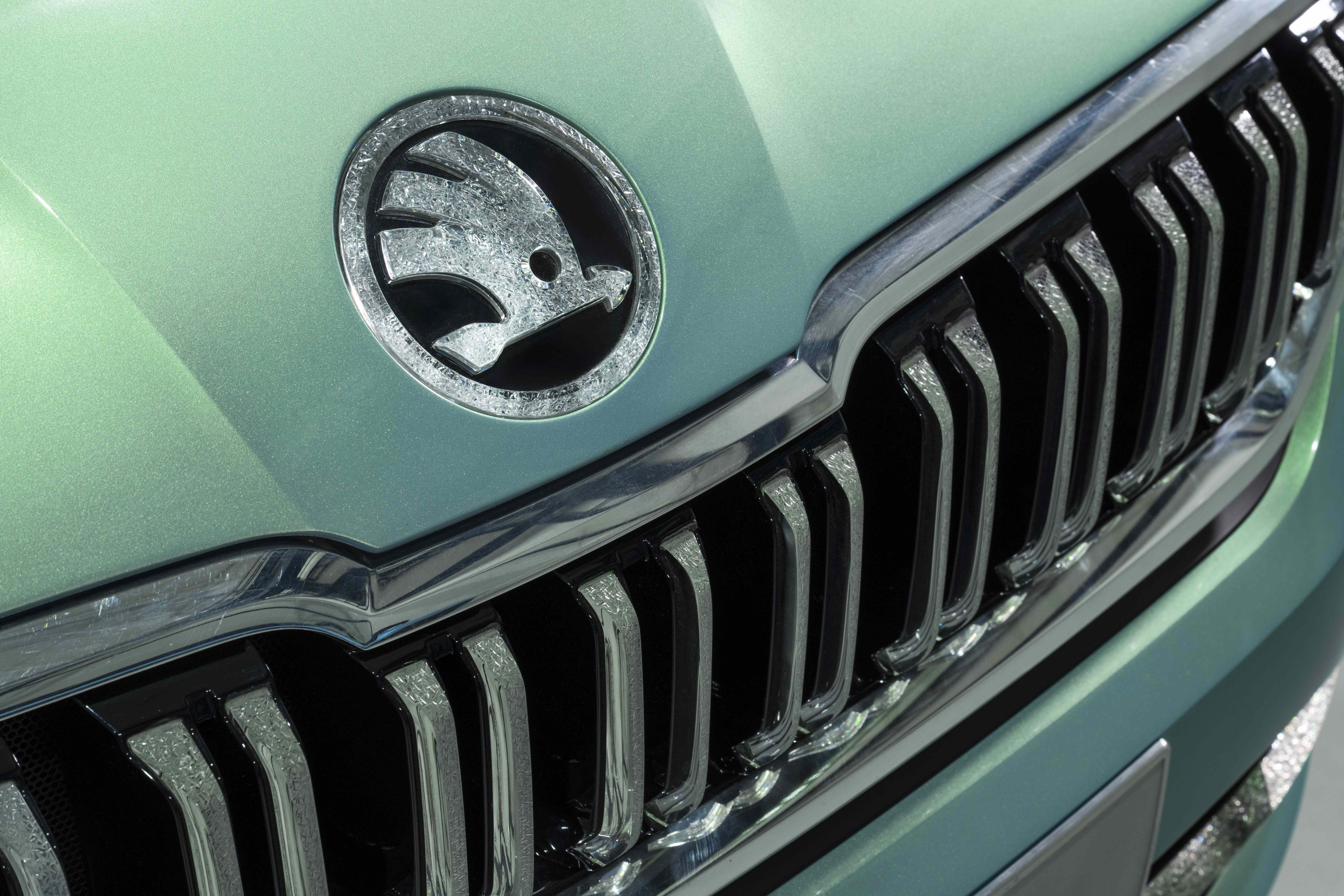
This crossover study by designer Jozef Kabaň, shown at the 2016 Geneva Motor Show, applied the brand’s new design language to the SUV segment. Its design drew inspiration from Czech Cubism and the traditional Czech art of crystal glassmaking. The seven-seat study became the forerunner of the Kodiaq SUV, which entered production in 2016.
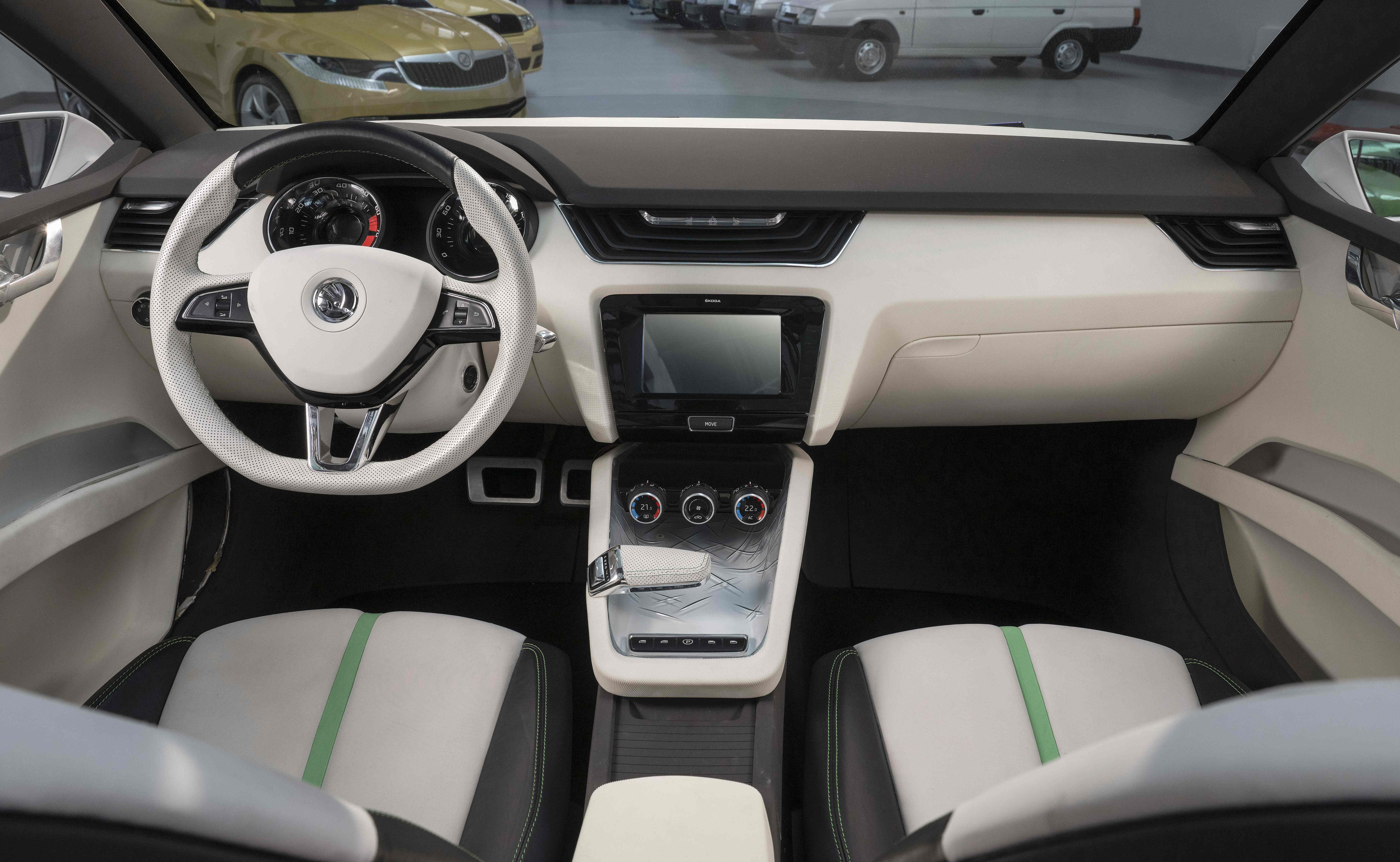
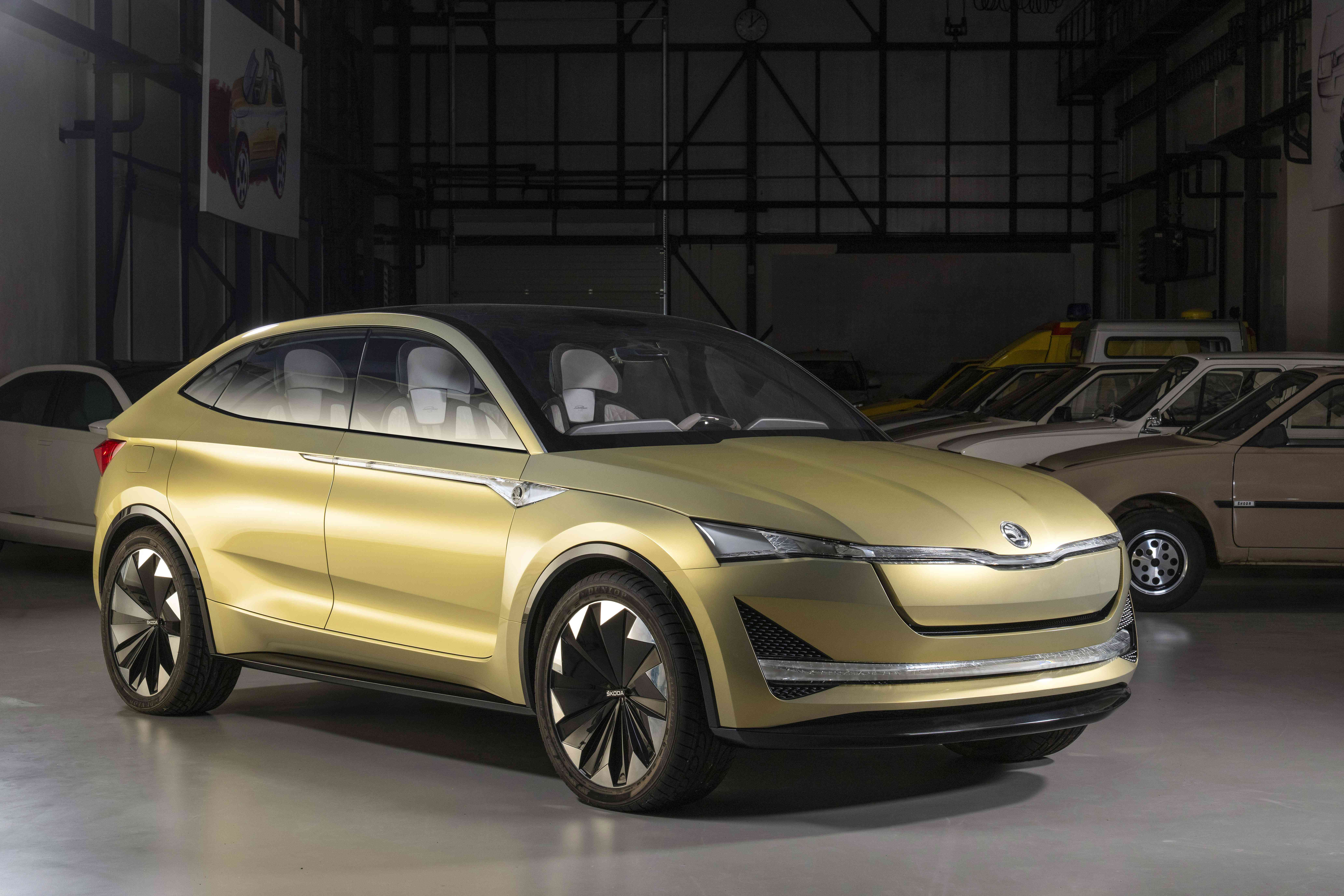
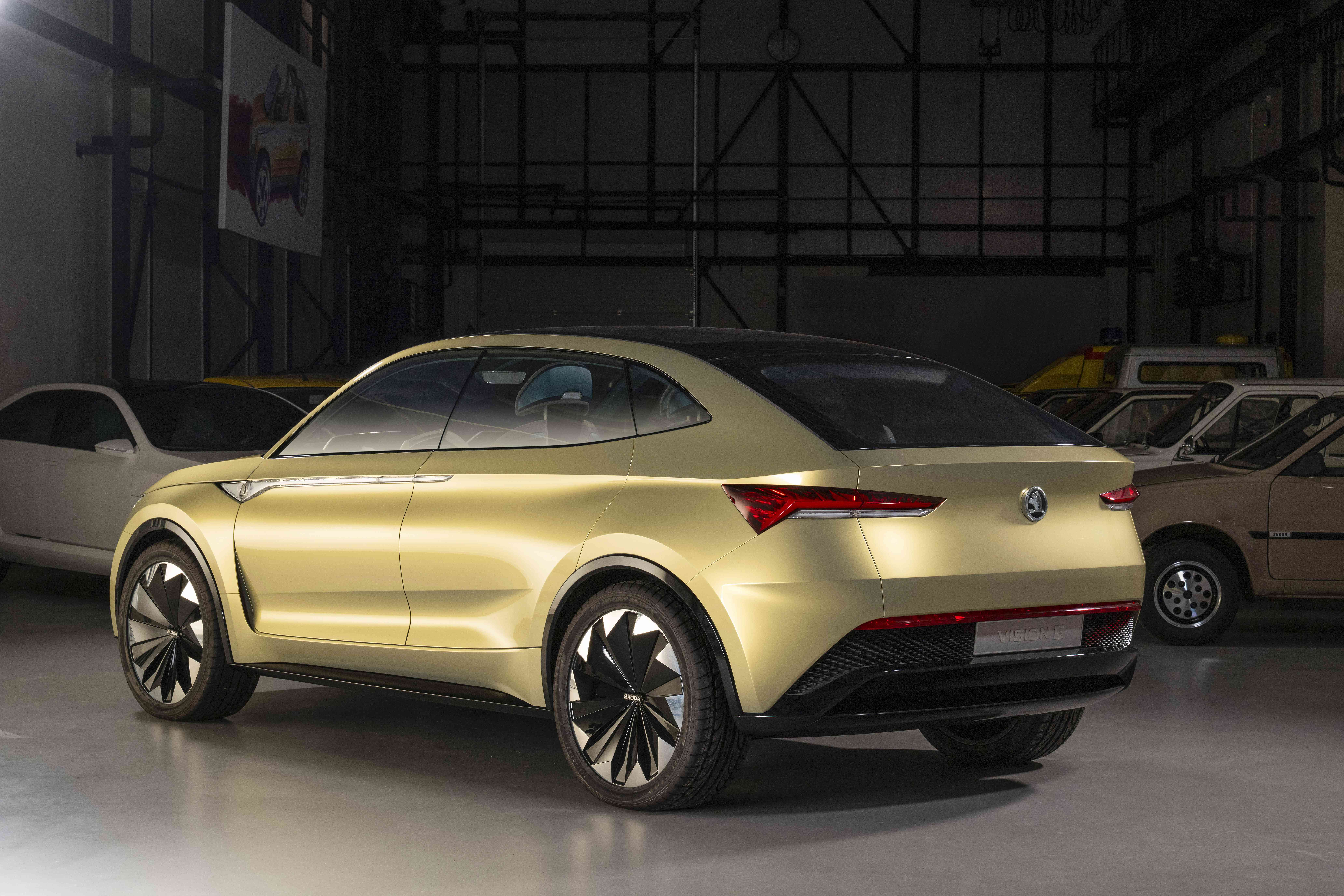
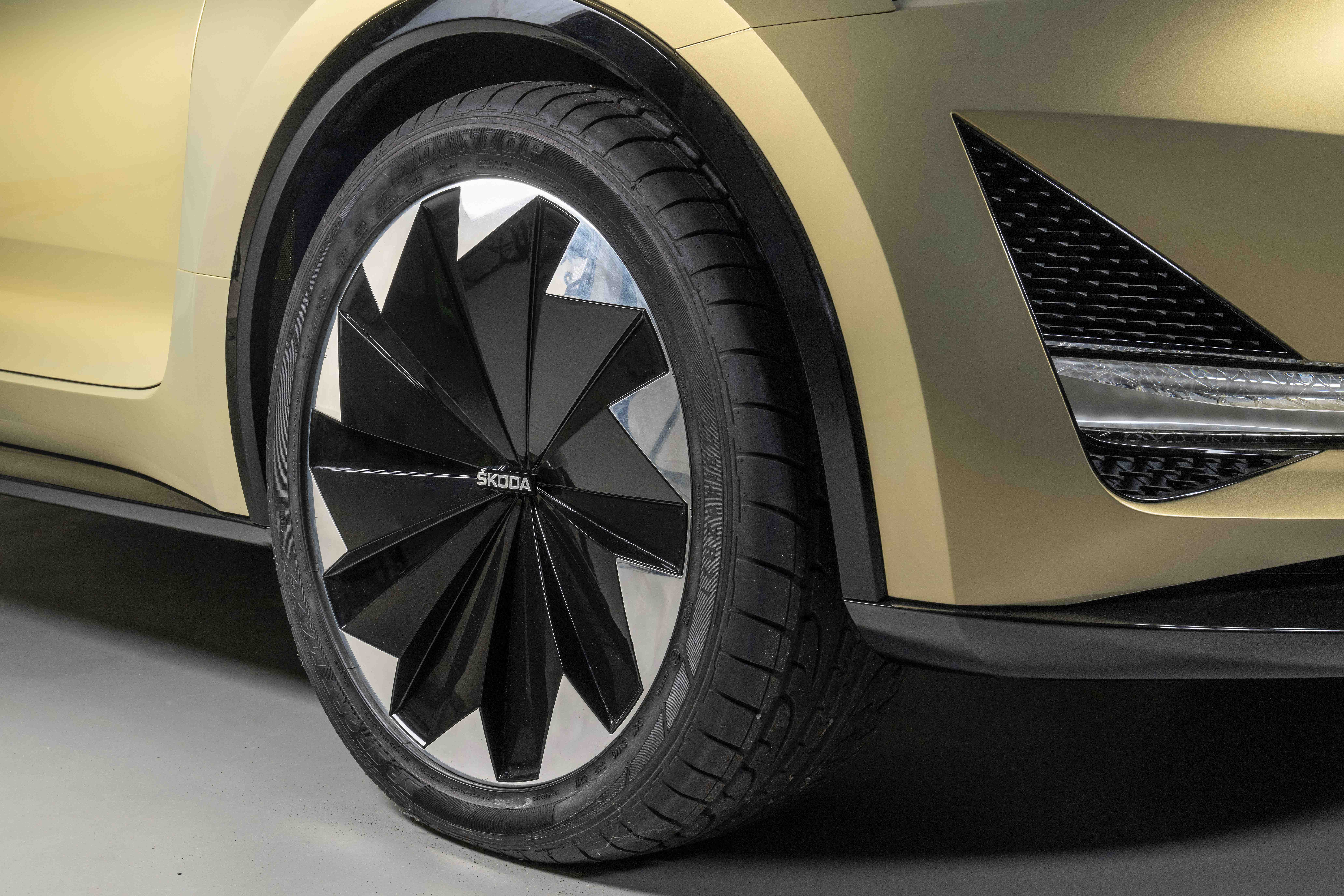
Škoda Vision E (2017)

This all-electric crossover study, first unveiled in Shanghai in 2017 and later shown in Frankfurt, marked a major step towards the brand’s electric future. Vision E featured Level 3 autonomous driving and advanced connectivity. Alongside the digital instrument cluster and central touchscreen, each passenger had their own interactive display.
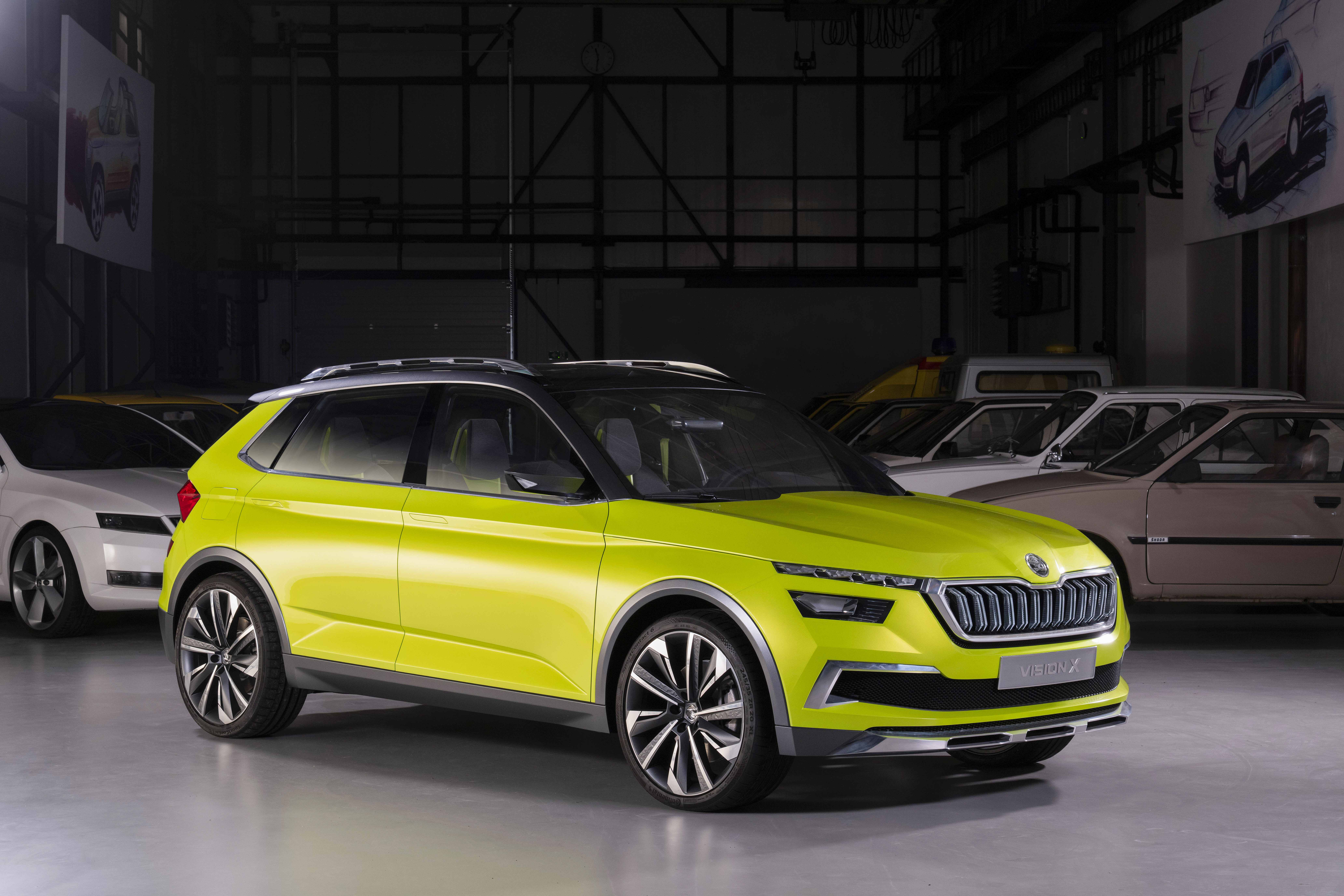
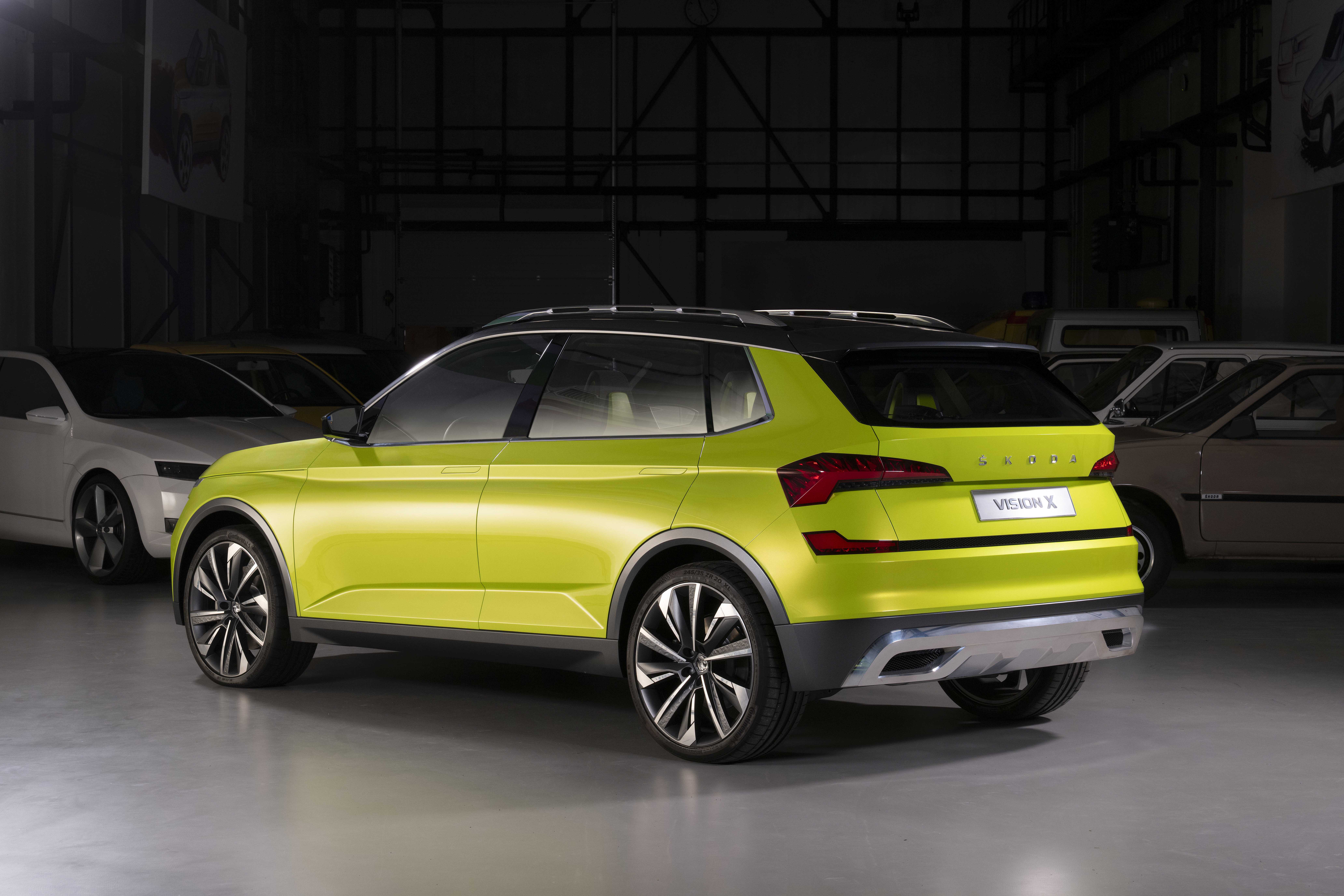
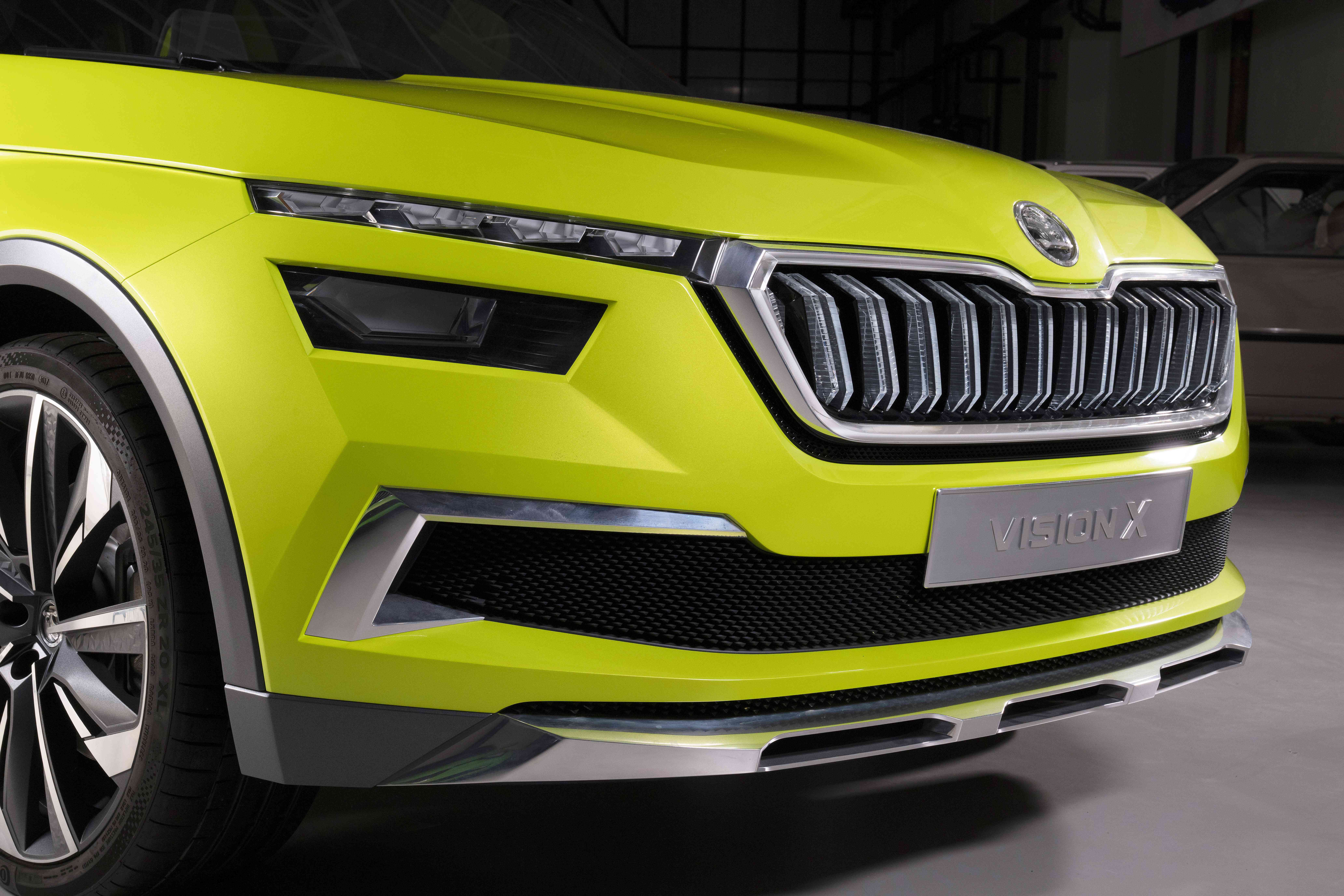
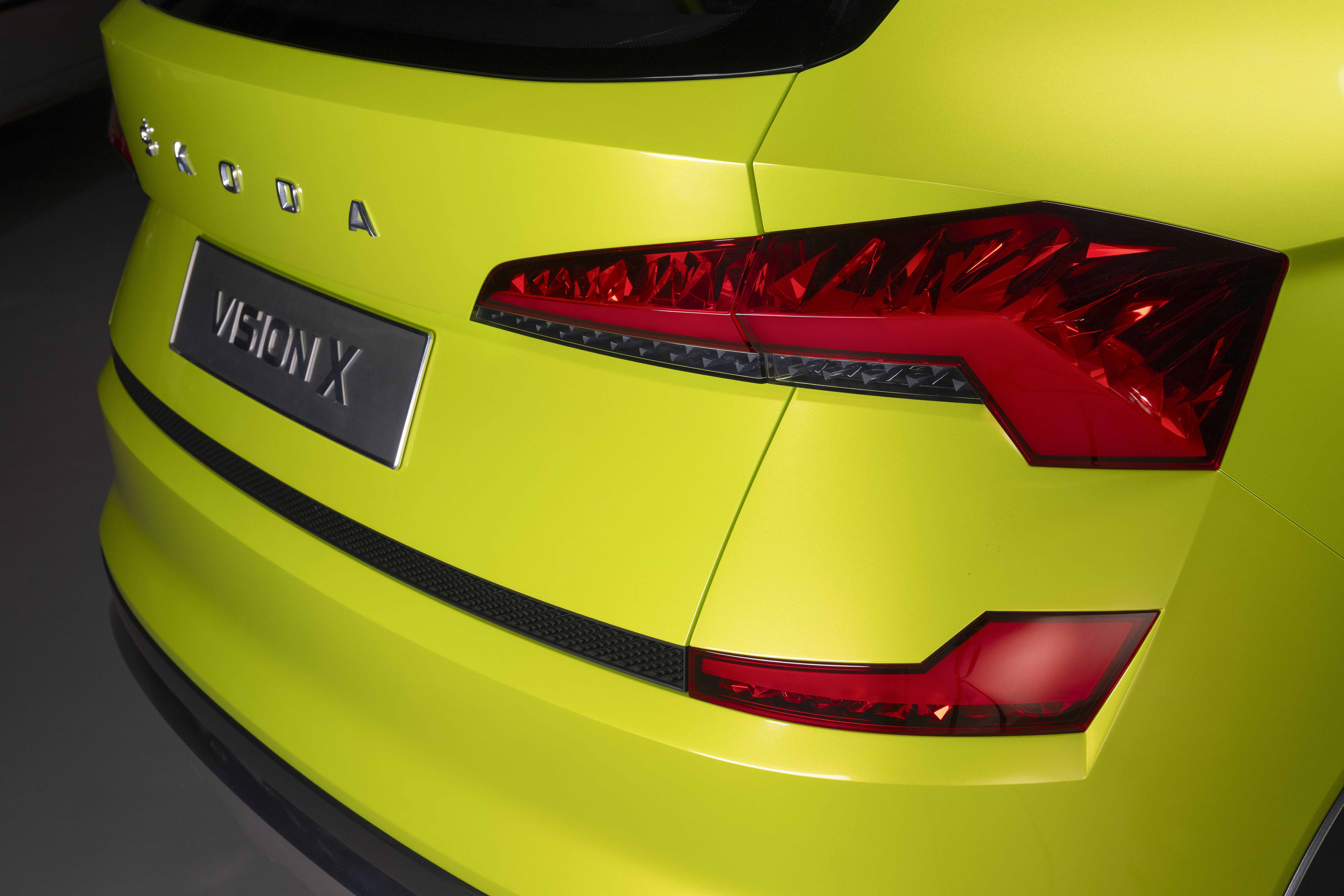
Škoda Vision X (2018)
This urban crossover concept by designer Oliver Stefani, unveiled in Geneva in 2018, was the first hybrid vehicle in Škoda’s history. It combined a front-mounted turbocharged engine running on either CNG or petrol with an electric drive system for the rear wheels. The study further developed the design language of the brand’s SUV models, later seen on the Škoda Kamiq.
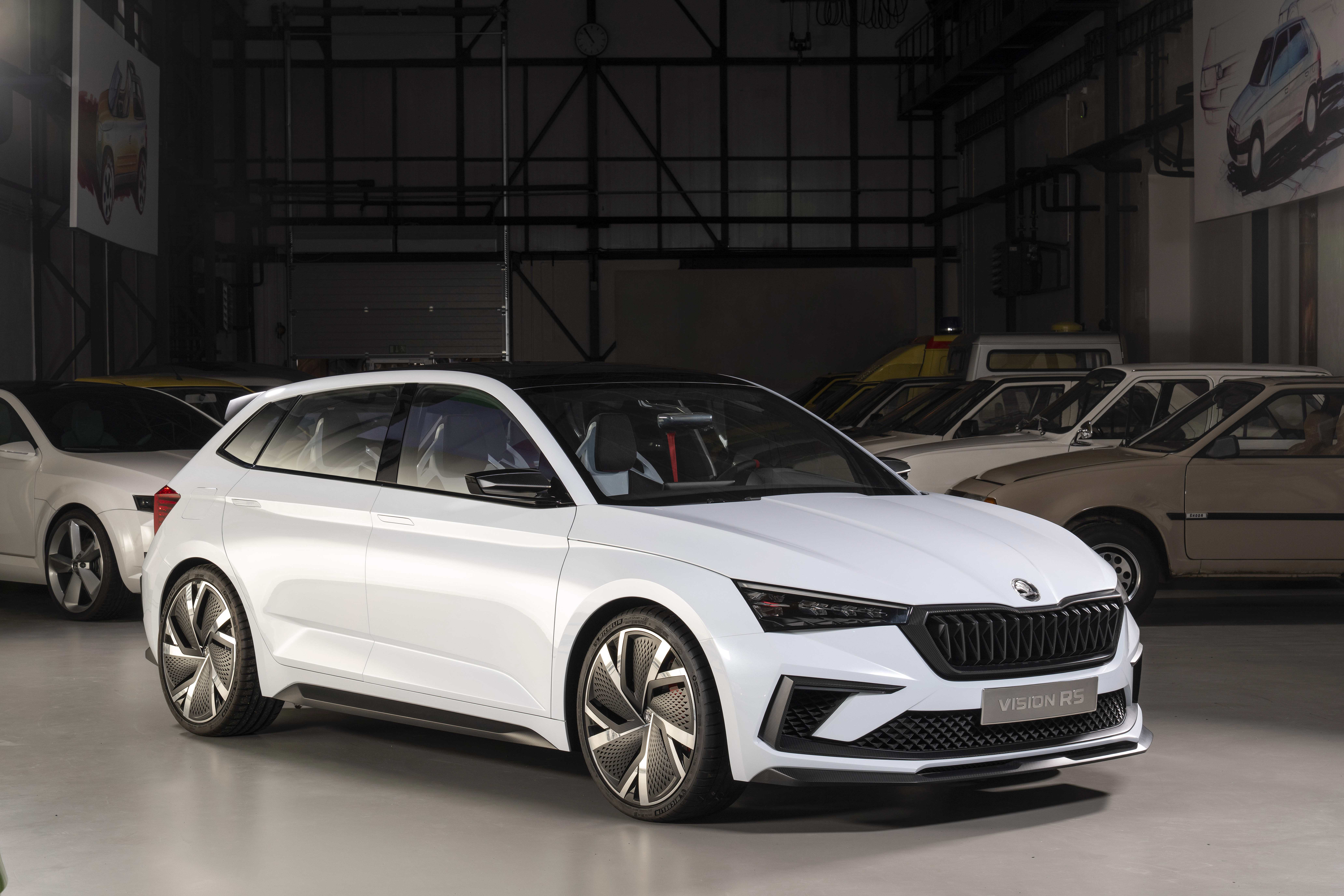
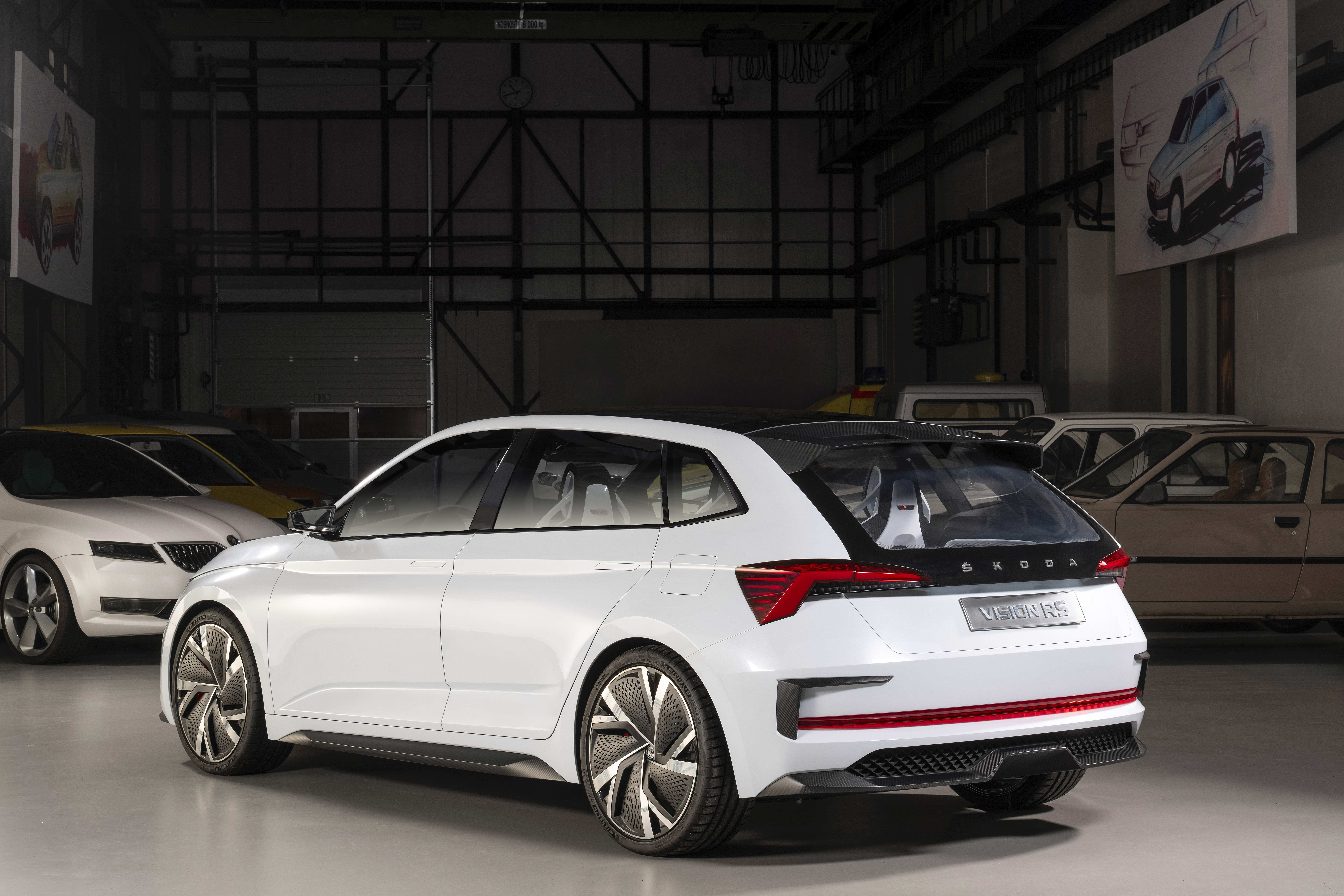

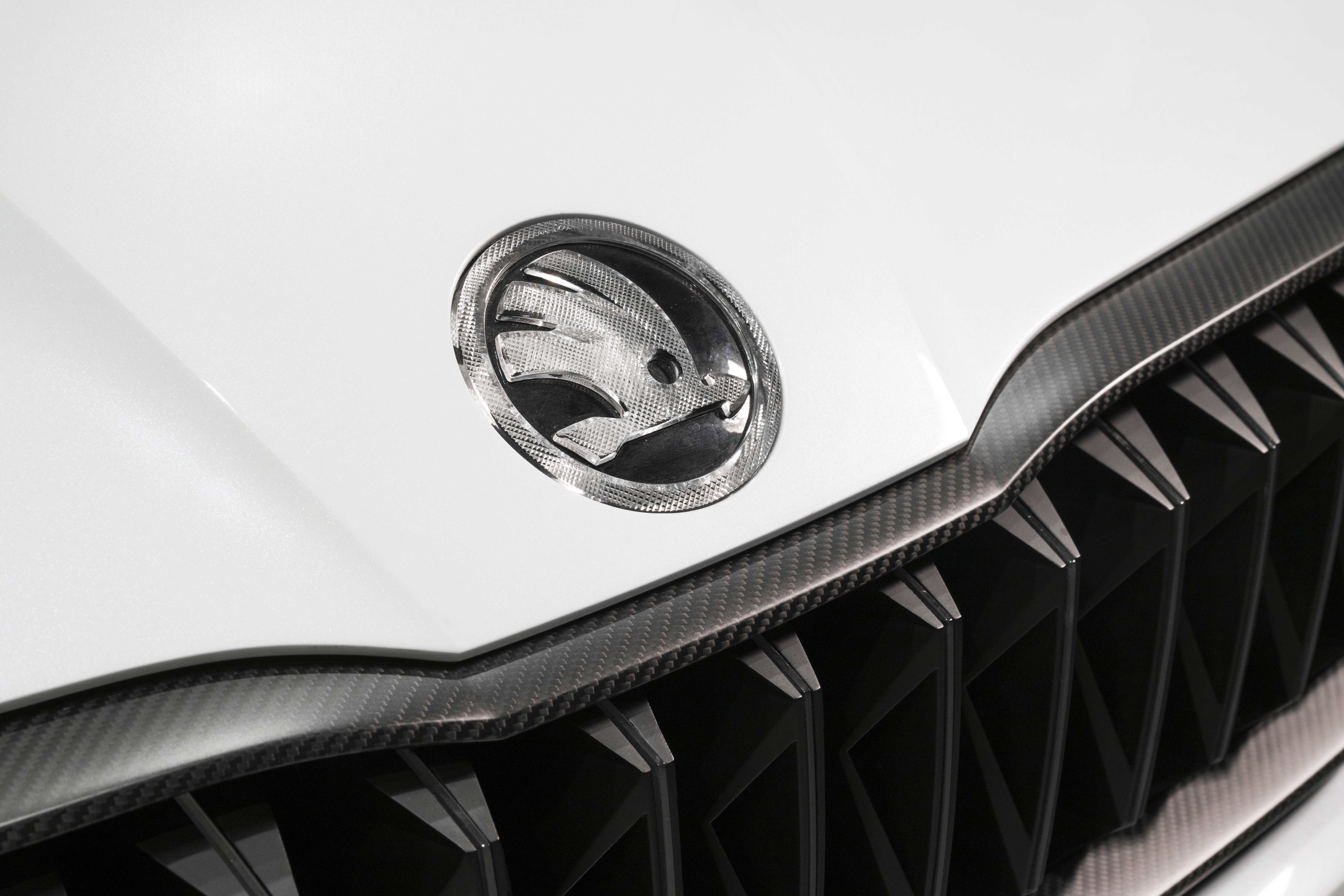
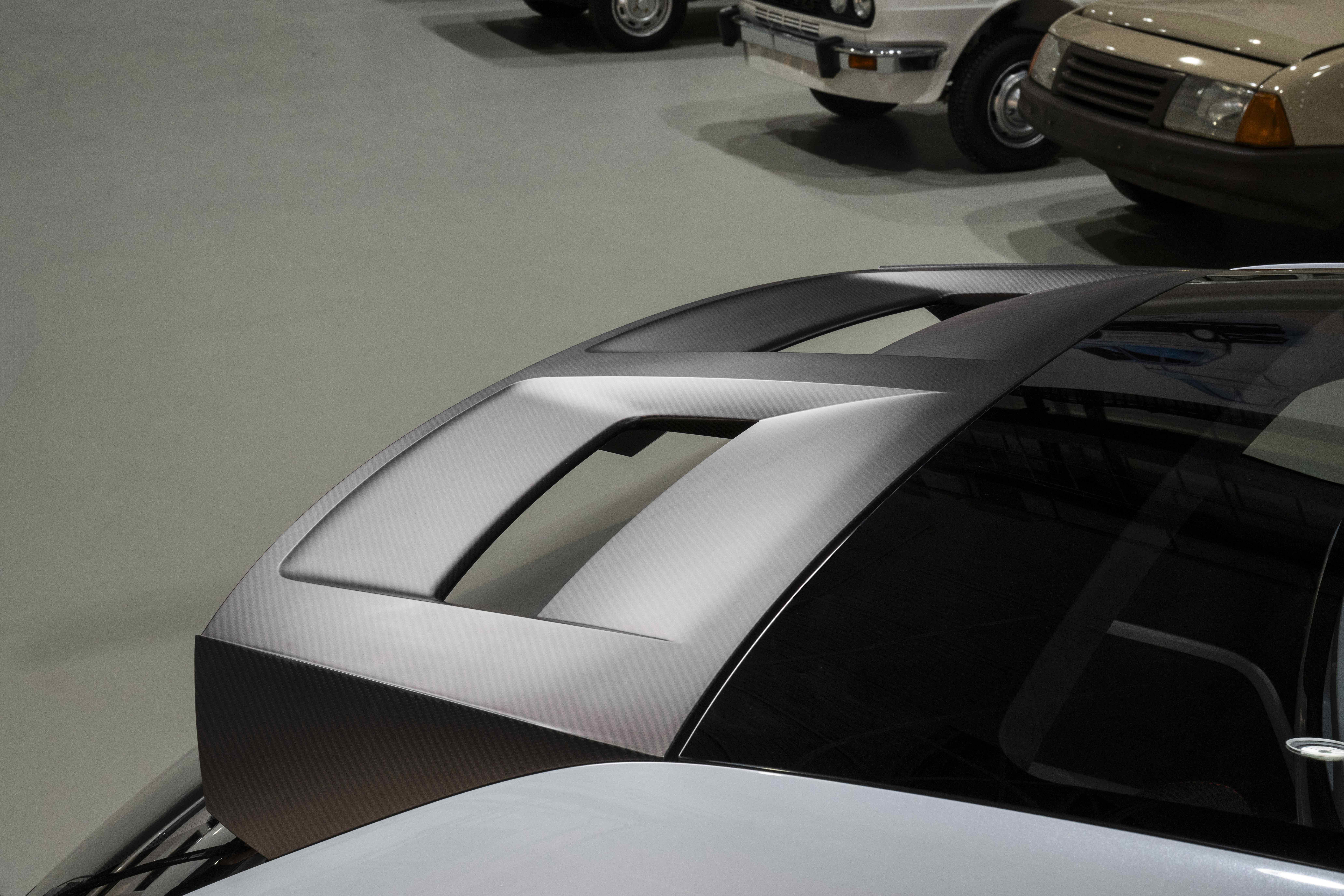
Škoda Vision RS (2018)
This dynamic hatchback concept, shown in Paris in 2018, presented the future of Škoda’s RS sporting DNA and hinted at the look of a new model in the compact segment. The design team drew inspiration from the world of racing and motorsport, aiming to create a shape full of emotion, dynamism and energy. Inside, the sporty appearance is combined with minimalist, precise design.
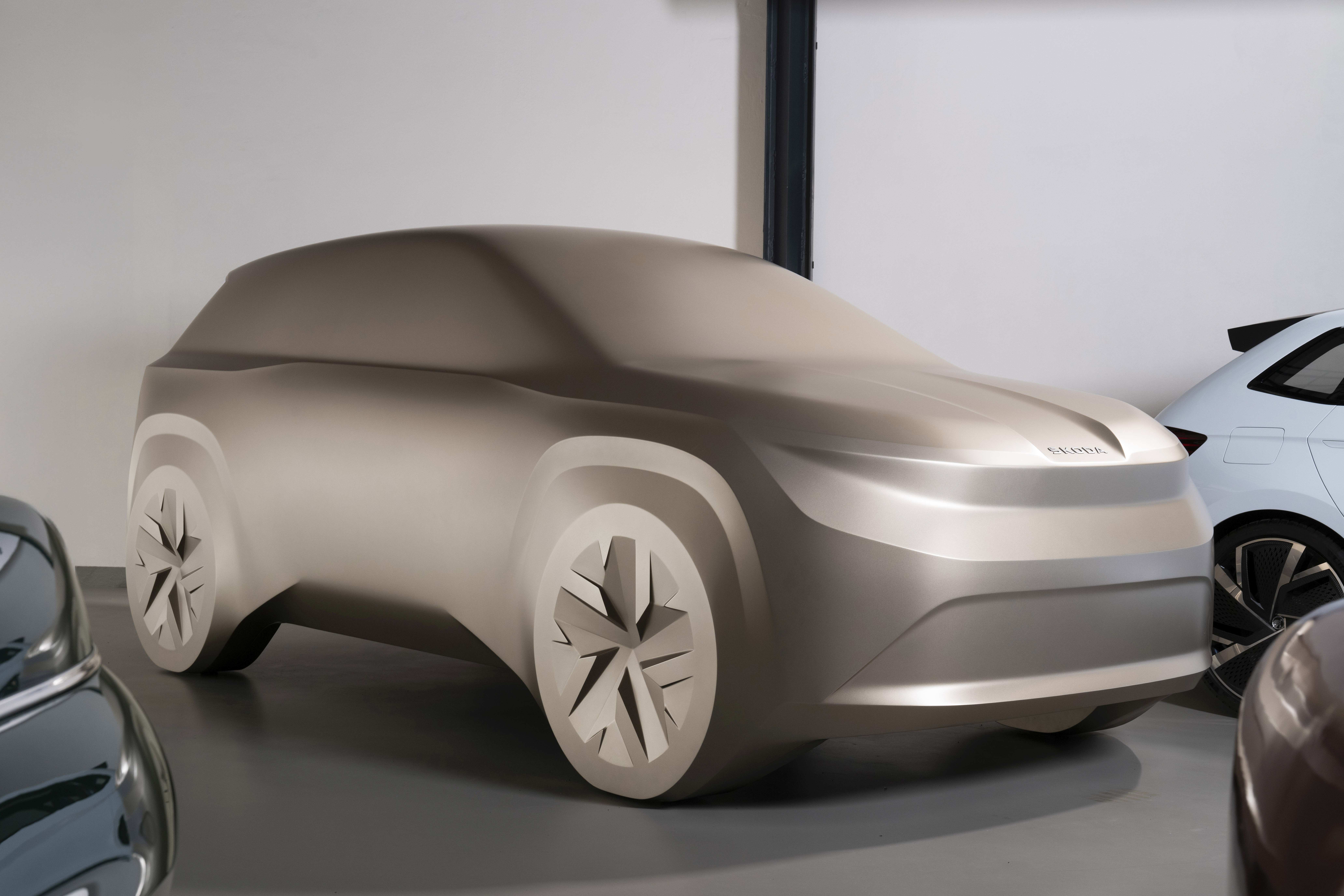
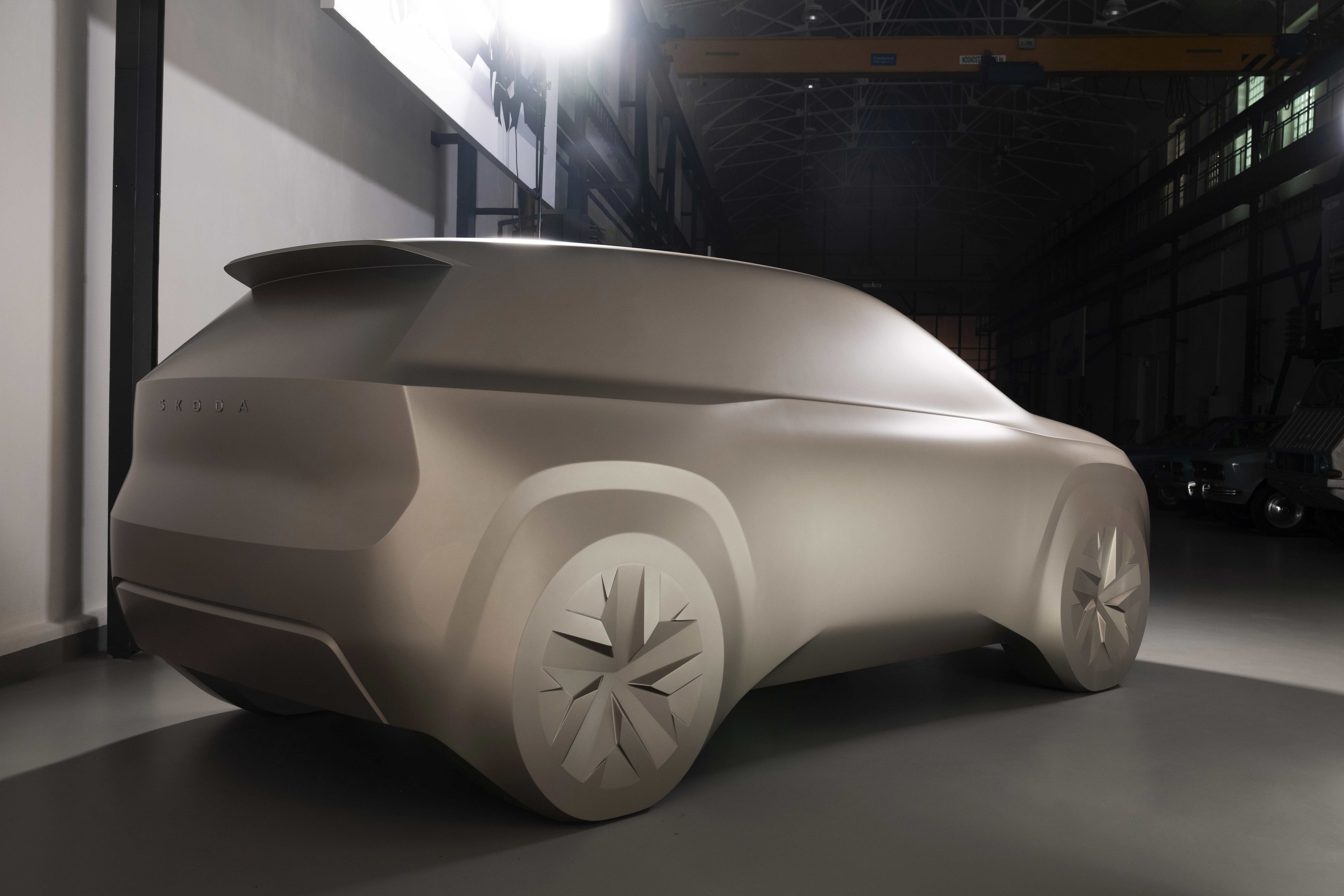
Škoda Modern Solid Small (2023)
This exhibit, a sculptural model of a small electric SUV by Head of Design Oliver Stefani, was loaned by the Škoda Design department and presented during the brand’s 2023 Let’s explore event showcasing its planned electric models. It represented a compact electric car around 4.2 metres long, which will appear in production form this year as the Škoda Epiq.