Škoda’s smarter wireless charging goes beyond phones
Škoda’s smarter wireless charging goes beyond phones

Wireless phone charging has become a familiar convenience in modern cars. Škoda’s latest system takes it to the next level, with faster charging, precise magnetic positioning and active cooling.

9. 7. 2026 Lifestyle

Škoda first introduced wireless phone charging in 2016, when the Octavia and Superb were offered with the Phonebox inductive charging system. Since then, the feature has gradually been rolled out across the range and refined with each new generation. The current third generation of in-car wireless chargers uses the new global Qi2 standard. Škoda Auto is also the first automotive brand in Europe to bring Qi2 technology with magnetic phone positioning to production vehicles. 
022_skoda_peaq_91187e87-1920x1281_d2e8d464

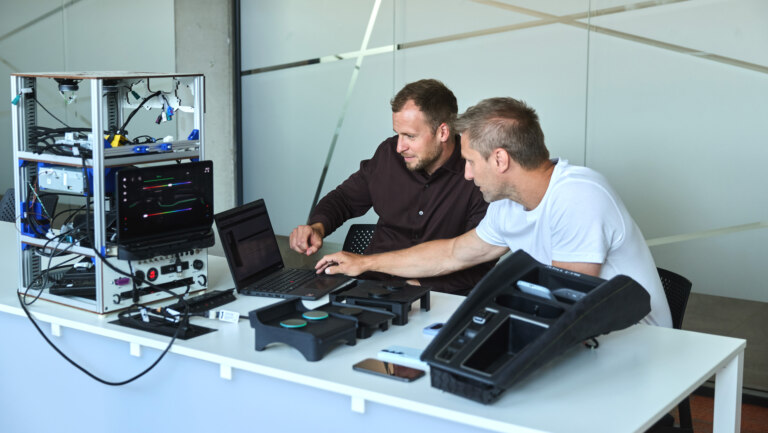
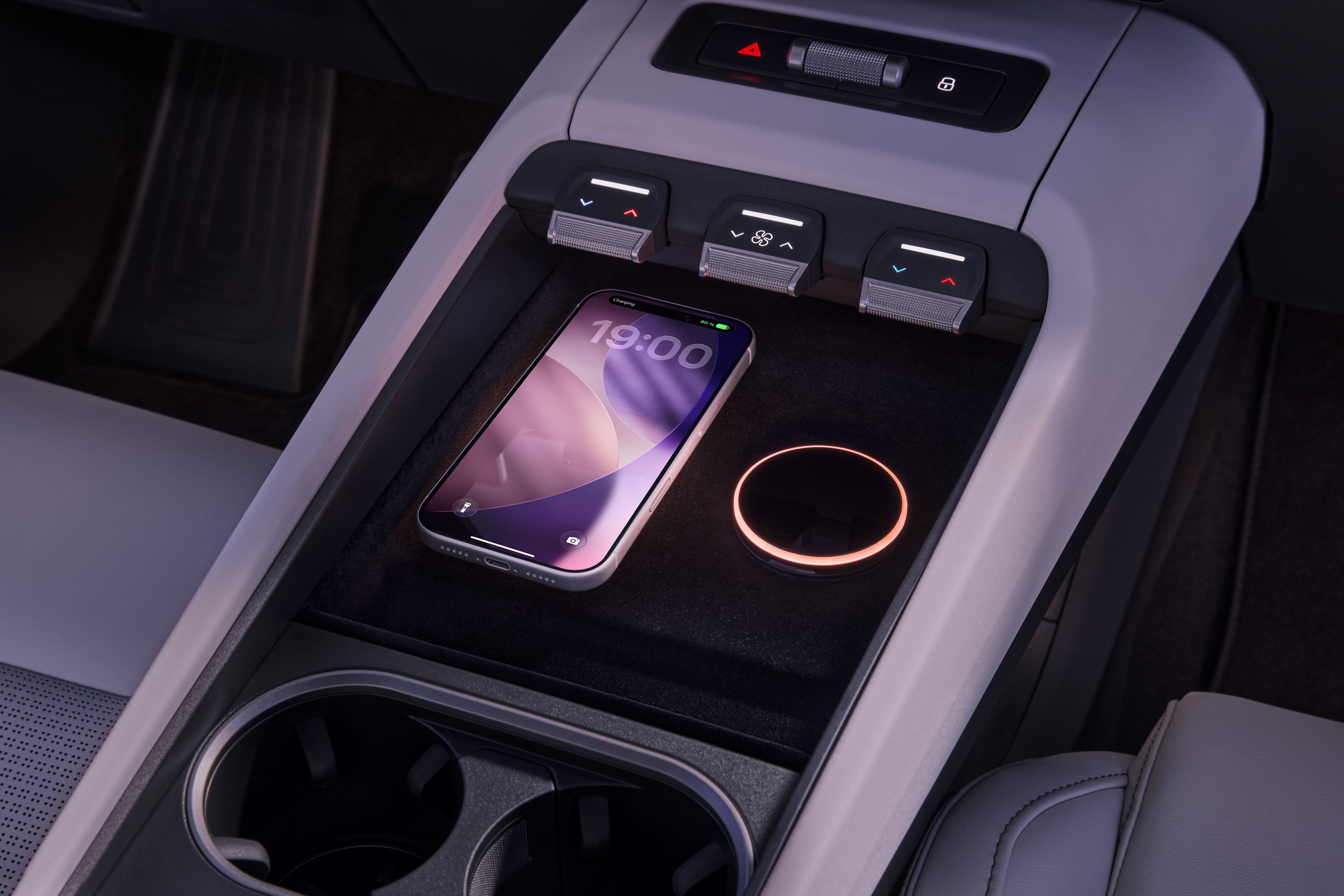
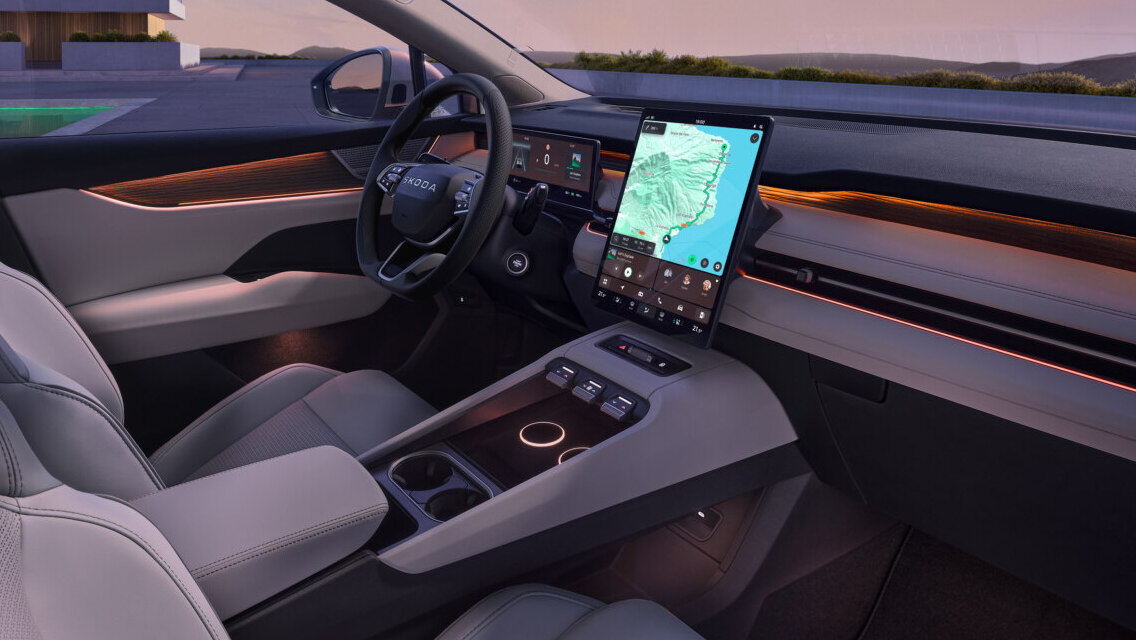
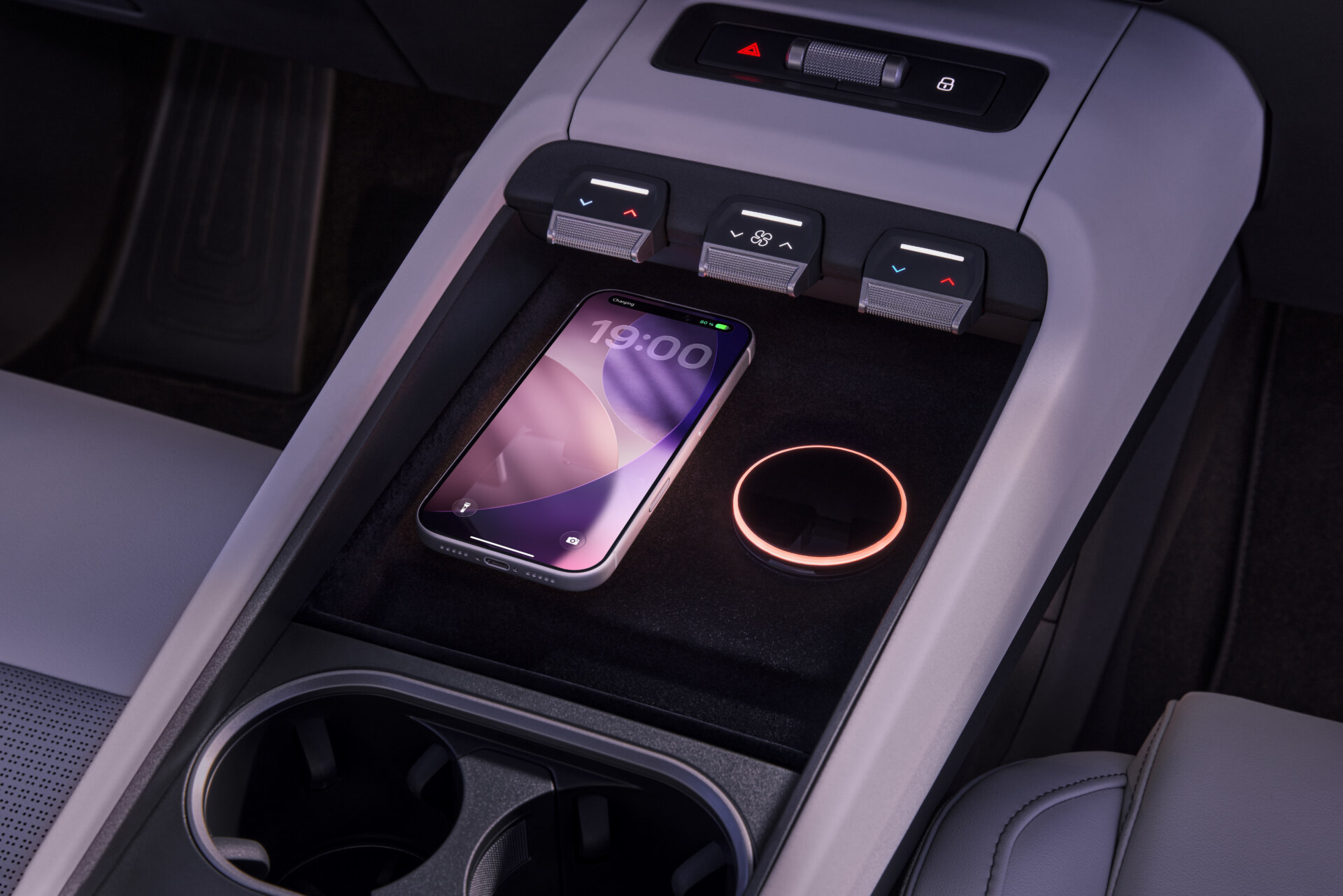
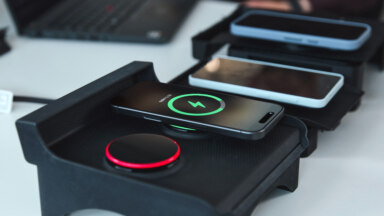
Integrated into the centre console, the new charging compartment supports the latest Qi2 Magnetic Power Profile standard. It is fully compatible with Apple MagSafe and can charge devices at up to 25 W. The system also incorporates active cooling, helping to ensure stable, safe wireless charging over the long term – not only for mobile phones, but also for devices such as wireless earbuds. 

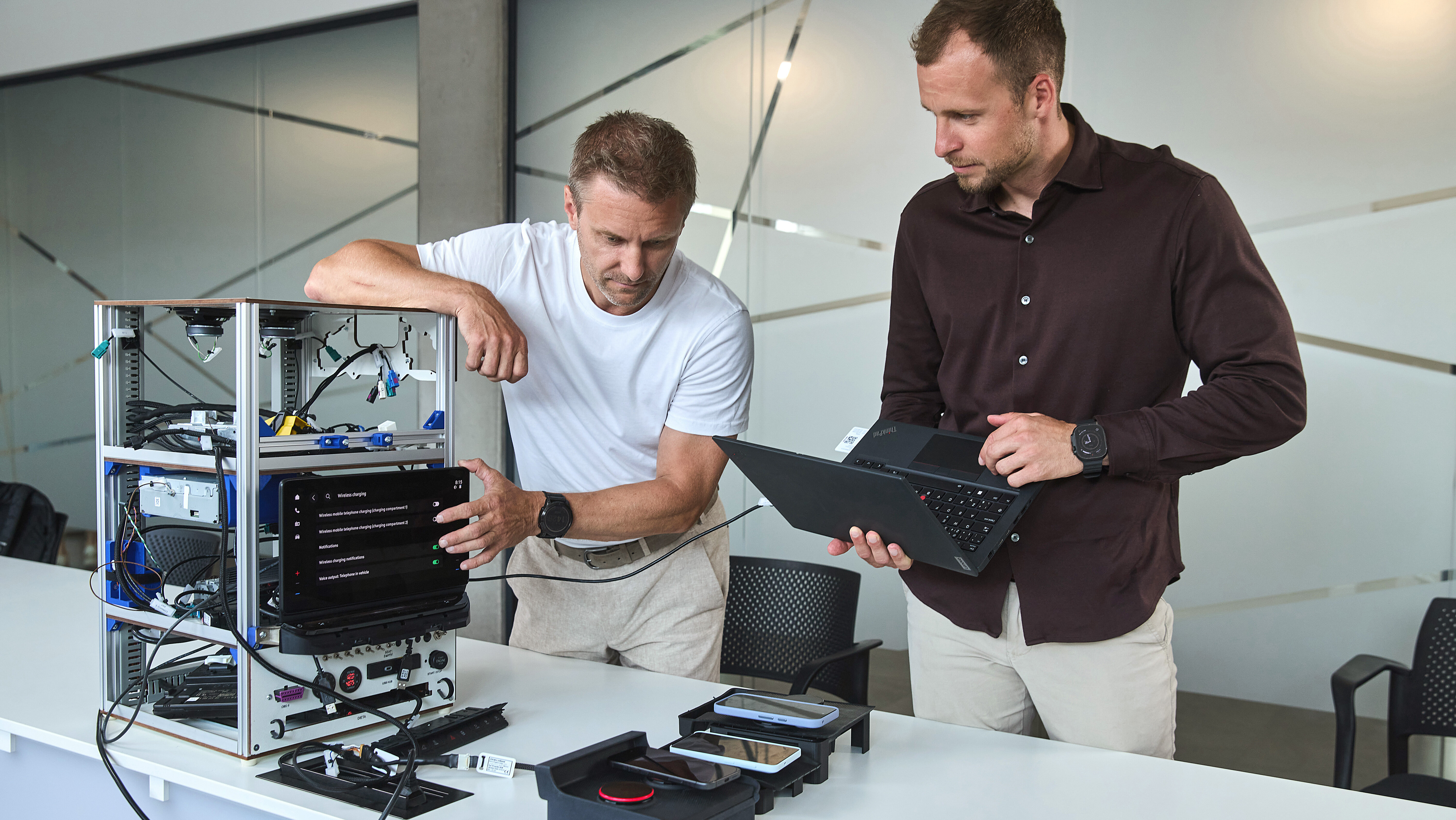
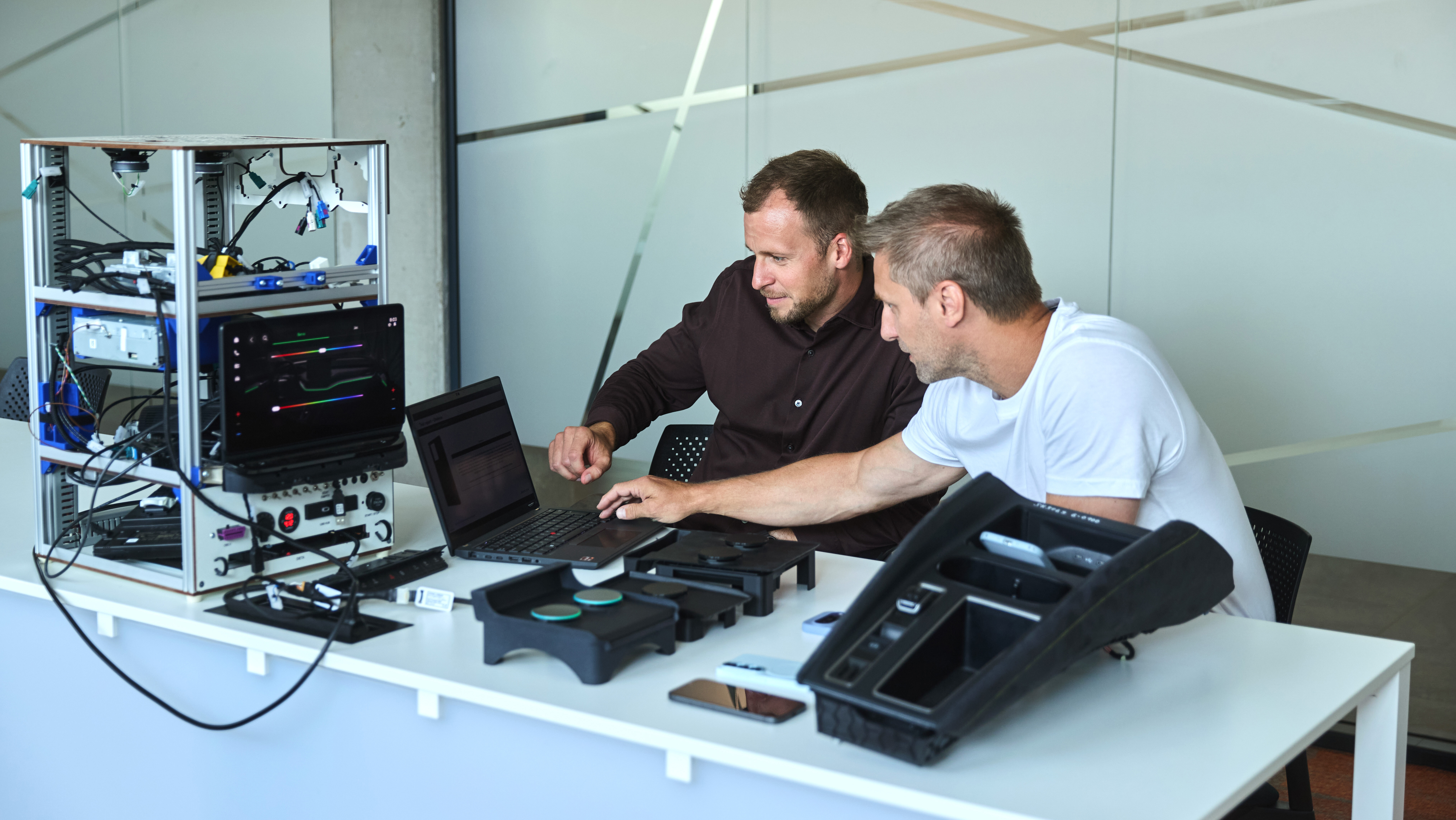
The system was developed primarily in Mladá Boleslav, with the intention that it would subsequently be used by other Volkswagen Group brands as well. 
 
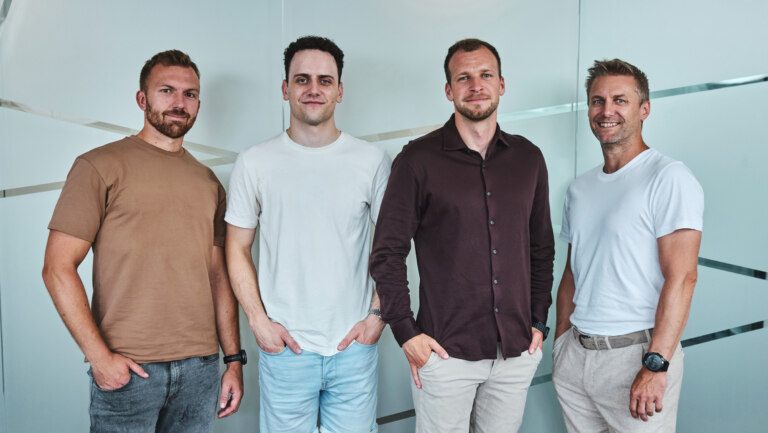
Michal Zajíc, Head of Infotainment and Sound Development, explains, “This technology offers more than higher charging power; it also makes everyday use much more convenient. Magnetic centring puts the phone in the right position every time, which makes charging markedly more efficient. I am delighted that Škoda Auto is the first car manufacturer to bring this solution to the European market.” 
 
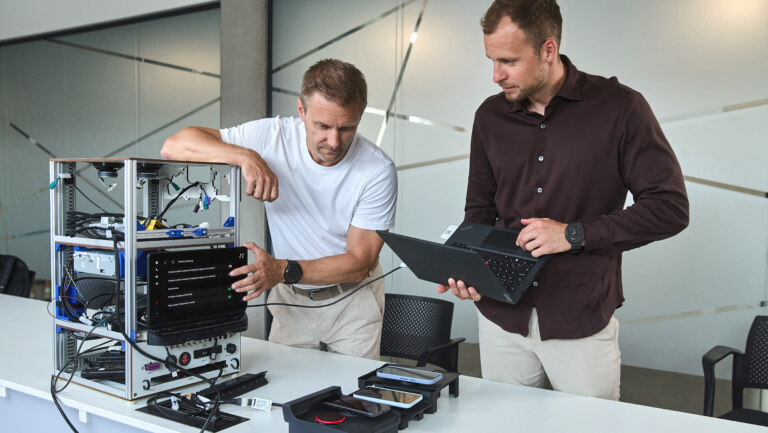
The Mladá Boleslav team brought the system from initial concept to series production in around 18 months – roughly half the usual development period for a comparable automotive component. Reaching production so quickly was possible thanks to experience gained from previous generations of Phonebox, close co-operation between the development teams and Škoda Auto’s long-standing in-house expertise in connectivity and infotainment.

At the heart of the new system is its magnetic positioning function. Wireless charging relies on electromagnetic induction between a coil in the charger and one in the phone. When those coils are not aligned precisely, charging power can drop, charging may be interrupted and the device can generate more heat. Qi2 addresses that problem by ensuring accurate positioning. 
 
Patrik Mlacki from Škoda Auto Technical Development says, “The integrated magnetic ring draws the phone into the optimal position and holds it securely in place. With the coils perfectly aligned, charging power can reach up to 25 W.” 

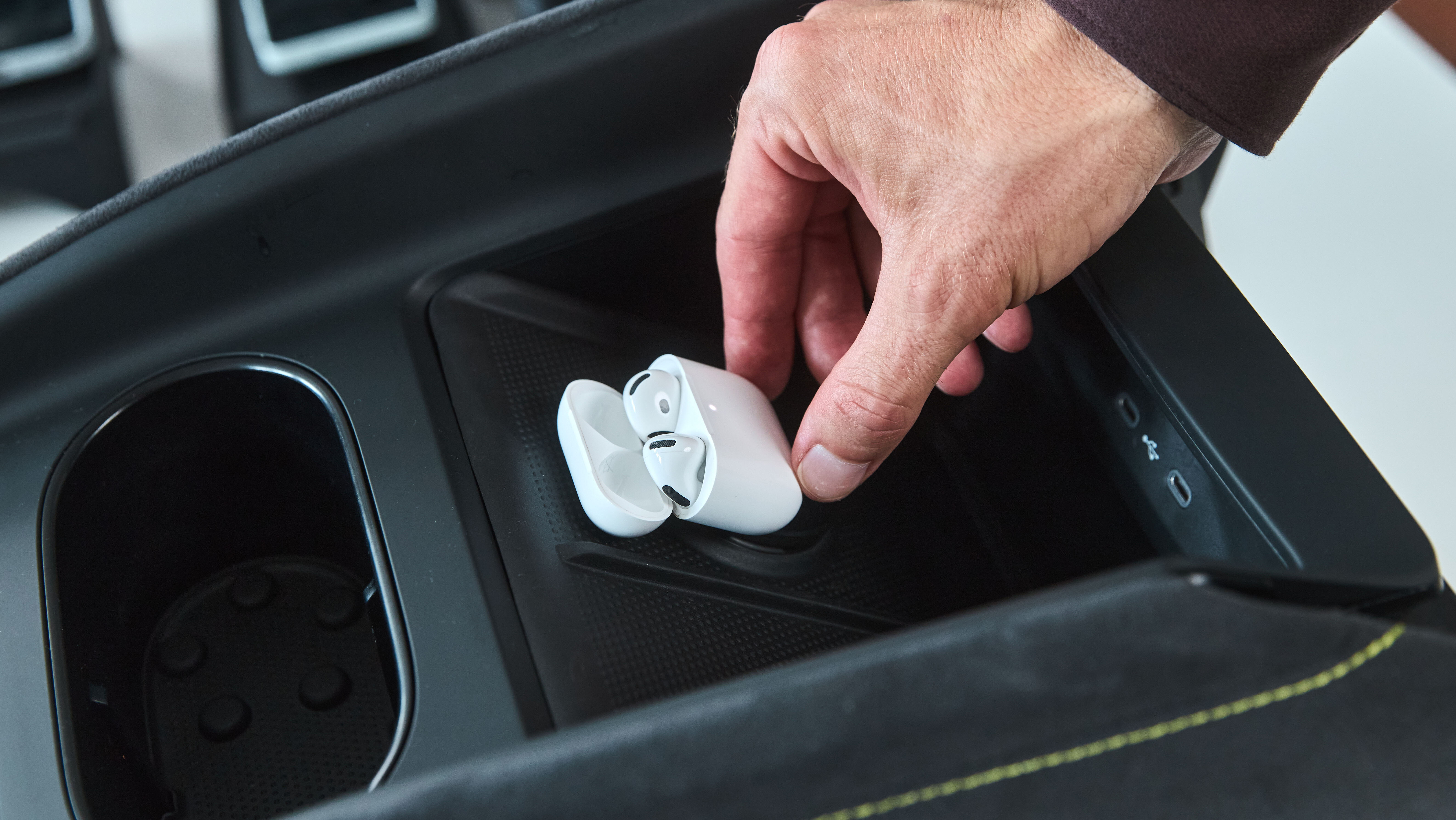
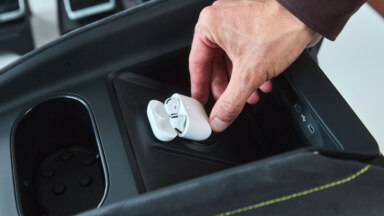
The same magnetic ring can also position a wireless-earbud case accurately and securely in the charging compartment, allowing it to charge without any problems. 
IMG_0268_b38ef417

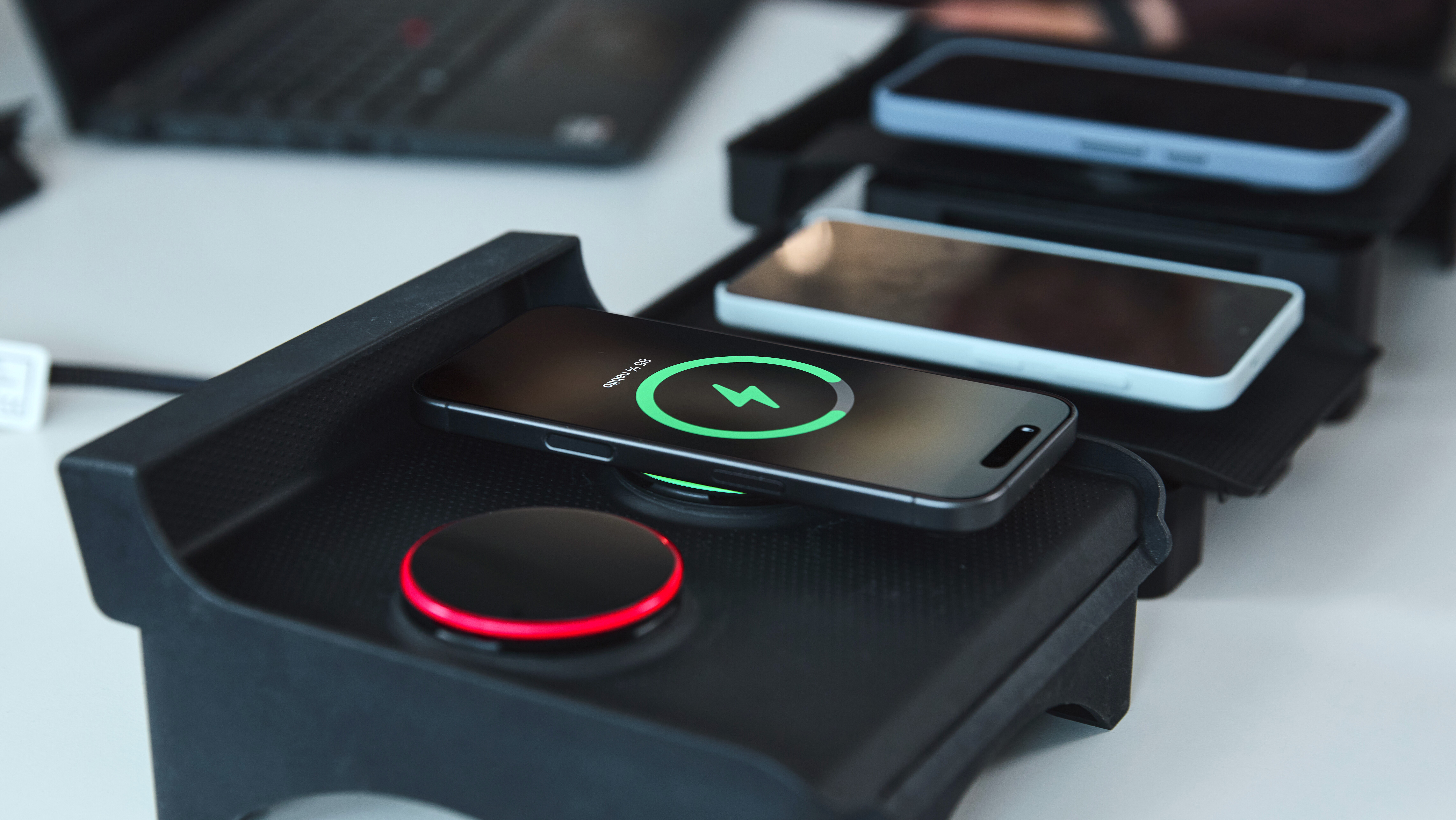
Higher charging power places greater demands on thermal management. That is why Škoda’s new charging compartment uses active cooling to help keep the phone at an appropriate operating temperature while it is charging. Maintaining a stable temperature allows the system to sustain higher charging power for longer while placing less strain on the device’s battery. 
 
The charging surface has been designed with modern phones in mind, including models with larger camera modules. It also accommodates the cooling system without compromising the design of the interior. 
 
Qi2 builds on the magnetic principle familiar from Apple’s MagSafe system. Unlike MagSafe, however, Qi2 is an open standard that can be adopted by phone manufacturers across the market. 
 
Magnetic alignment is expected to become a standard feature of most new smartphone generations across a wide range of brands. Phones without built-in magnets can still be charged wirelessly in Škoda’s new charging compartment. To make full use of the magnetic function and achieve maximum charging performance, however, users should fit a MagSafe- or Qi2-compatible case, or attach a simple magnetic ring. This is particularly relevant to some Android phones, which support wireless charging but do not include magnetic attachment as standard. With the right accessory, they can benefit from magnetic charging just as easily. 
IMG_0253_9de46576

Five questions for Michal Zajíc

Škoda Auto is the first car manufacturer in Europe to bring Qi2 technology to series production. What was the biggest challenge during development? 
 
The main challenge was creating a solution that was technically advanced, cleanly designed and straightforward to integrate into existing models whose interiors had not originally been designed with this technology in mind. 
 
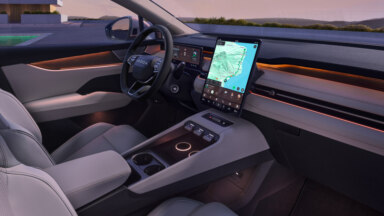
At the same time, we were developing the system not only for Škoda, but for other Volkswagen Group brands as well, so we had to balance the requirements of several different partners. I think the result is an elegant, practical solution, enhanced by ambient lighting in the charging compartment. 

Do you test Qi2 on most phones currently available on the market?  
 
Testing every phone and other device that supports wireless charging would be extremely time-consuming and costly. Full compatibility verification is the responsibility of the charging-module supplier, which must provide its test results as part of the Wireless Power Consortium certification process. 
 
Škoda Auto also carries out its own testing. We focus primarily on the latest Qi2-compatible phones, alongside selected popular models that use the earlier Qi 1.3 standard. This gives us confidence that, in everyday use, the system will work reliably with the vast majority of devices. 
 
Some users are concerned that wireless charging can overheat a phone and shorten its battery life. Are those concerns justified? 
 
We paid particular attention to this during development. The charging compartment has a powerful active cooling system, which reliably removes excess heat from the device while it is charging. 
 
Precise magnetic alignment also improves the efficiency of energy transfer. As a result, less waste heat is produced than with previous generations of wireless charging. 
 
You have worked at Škoda Auto for more than 23 years. How has infotainment development changed over that time? 
 
It has changed enormously! What began as a car radio has gradually evolved into a central system that manages almost every aspect of communication between the driver and the vehicle – and, increasingly, between the vehicle and the wider digital world. 
 
The latest generation of infotainment is based on the Android Automotive operating system, which creates significant scope for the further development of functions and services. As artificial intelligence becomes more widespread, I expect infotainment to become a genuine travelling companion: actively helping the driver, learning their habits and adapting to their needs. 

Where do you see in-car wireless charging heading next? 
 
Charging power will continue to increase, and magnetic phone mounting will become more widely adopted. That will give designers greater freedom when shaping vehicle interiors. 
 
Phones will no longer need to sit only in a conventional storage compartment. Magnetic mounting will make a range of new, more ergonomic solutions possible, while also freeing up space for additional storage. Wireless charging will become an even more natural part of the vehicle interior.