› The Trekka was developed jointly by Škoda in Mladá Boleslav and its New Zealand importer
› The Octavia Super provided the technical basis for a vehicle designed for both commercial and leisure use, with some off-road capability
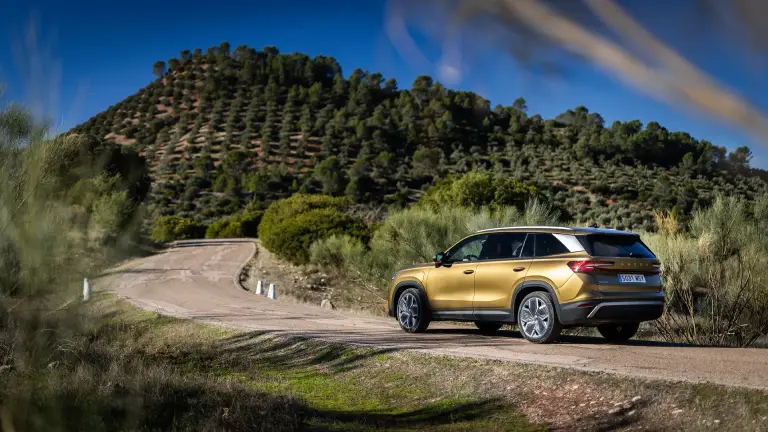
› The Trekka probably remains New Zealand’s only series-produced car and is regarded as an early forerunner of today’s Škoda SUVs
Mladá Boleslav, 12 October 2026 – Škoda vehicles have made their mark around the world. In some countries, they even gave rise to vehicles tailored to local needs – fascinating curiosities from today’s perspective. One such example is the Trekka, regarded as an early forerunner of Škoda SUVs, although it did not carry a Škoda badge.
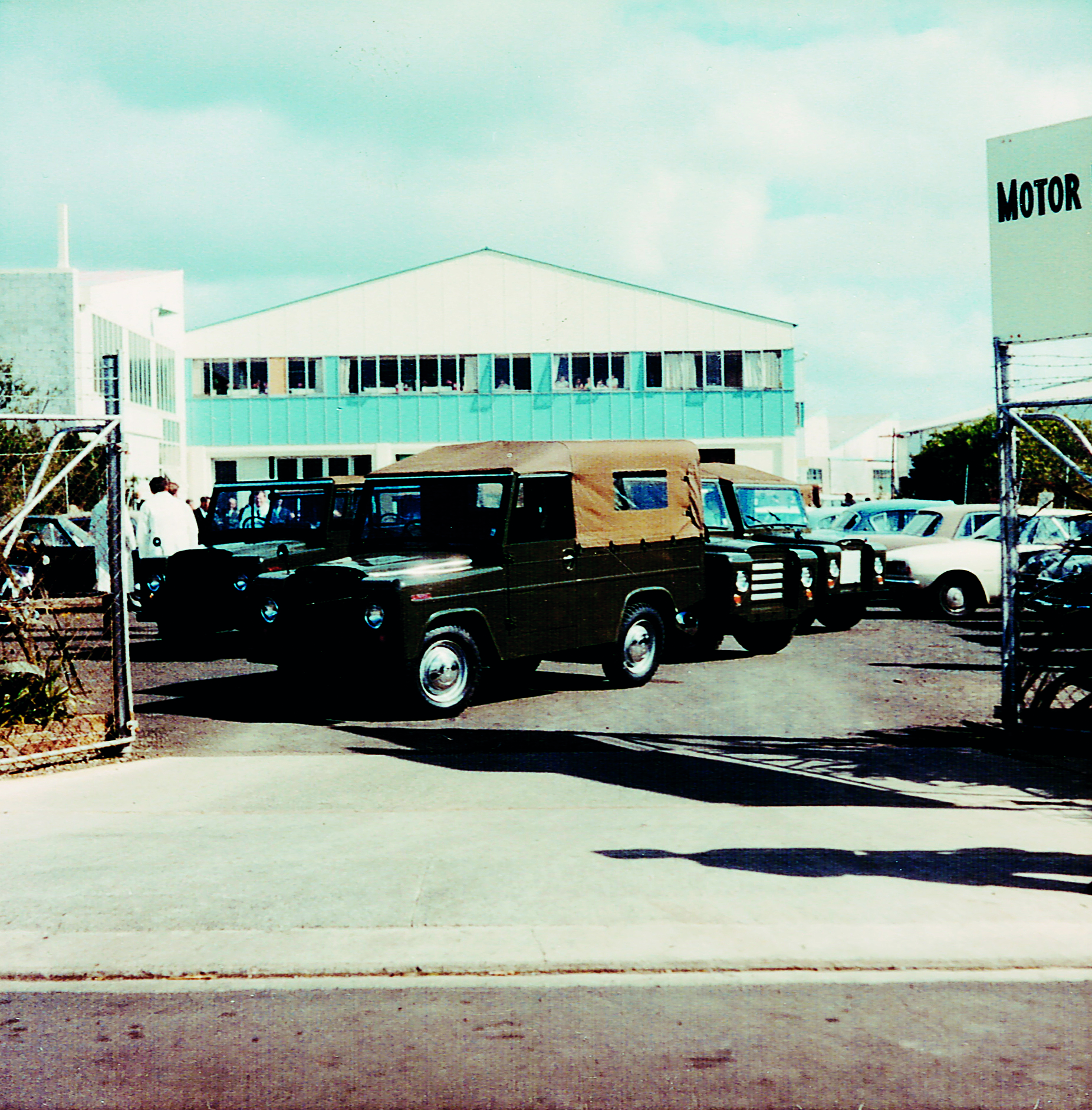
The first Škoda Octavia, produced from 1959, proved popular with customers in dozens of countries, not least because of its practicality. For logistical, tax, or customs reasons, it was imported into some countries as CKD (completely knocked down) kits. This was also how it reached New Zealand, where final assembly was carried out by Škoda’s general importer, Motor Industries International.
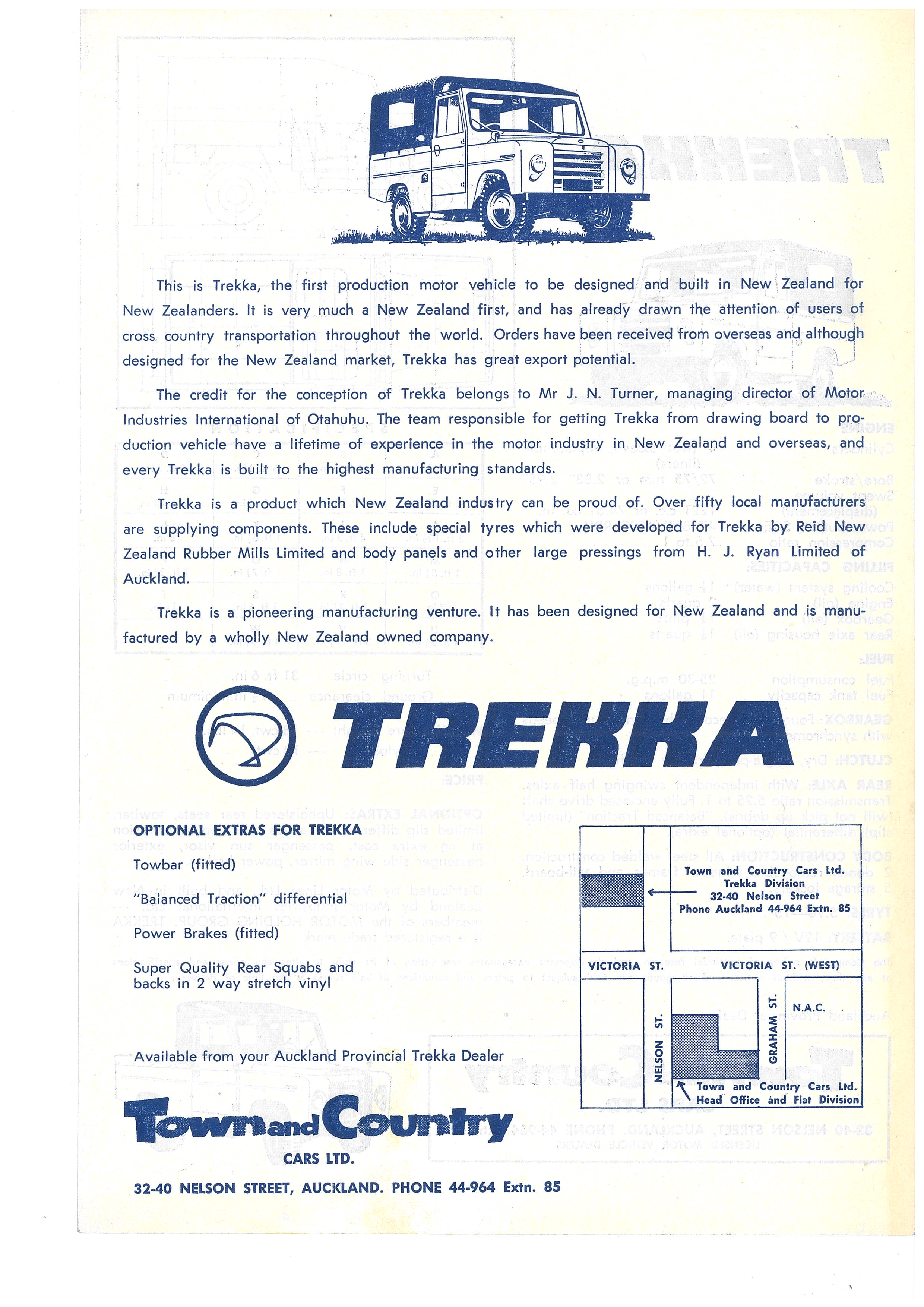
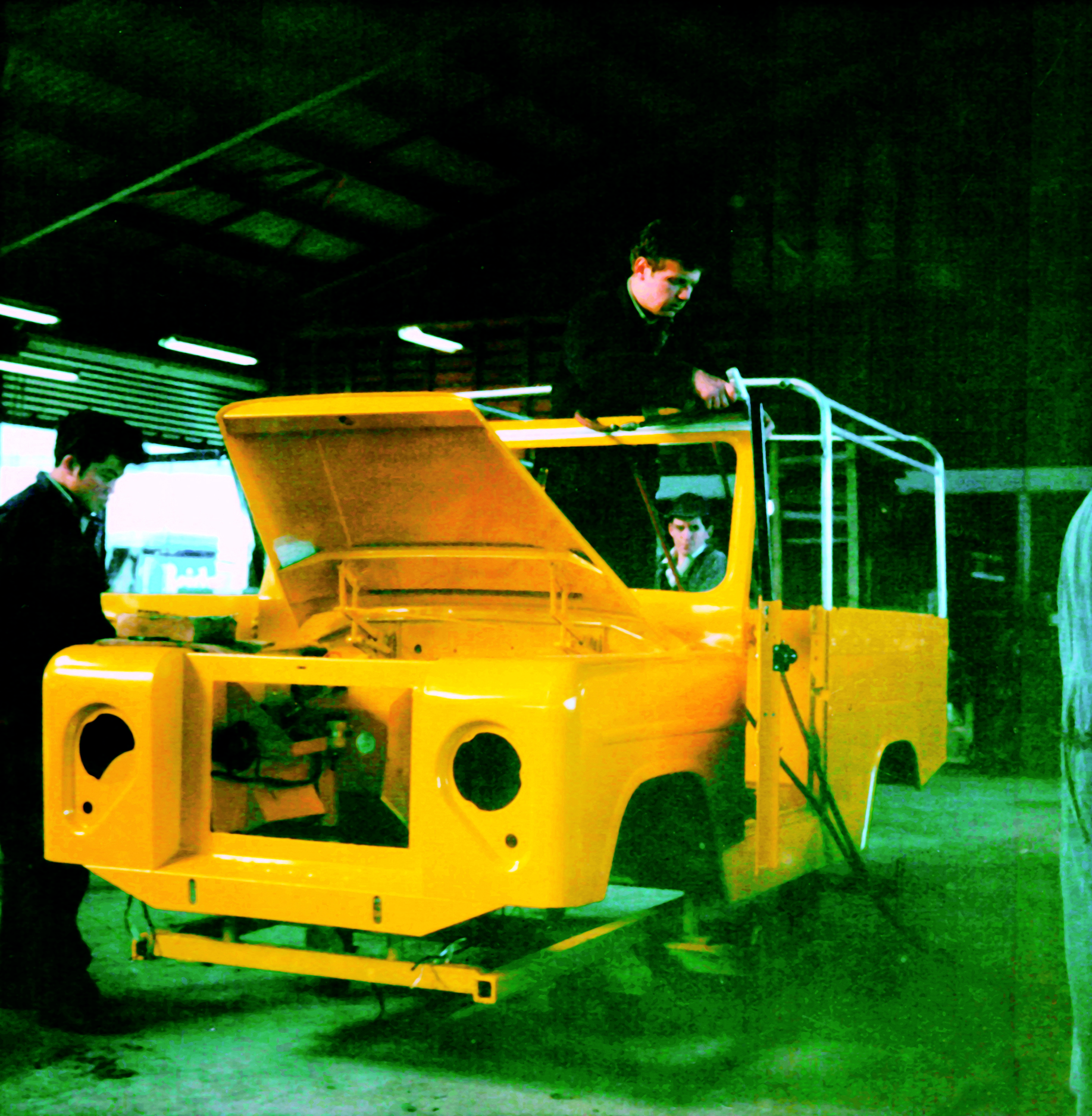
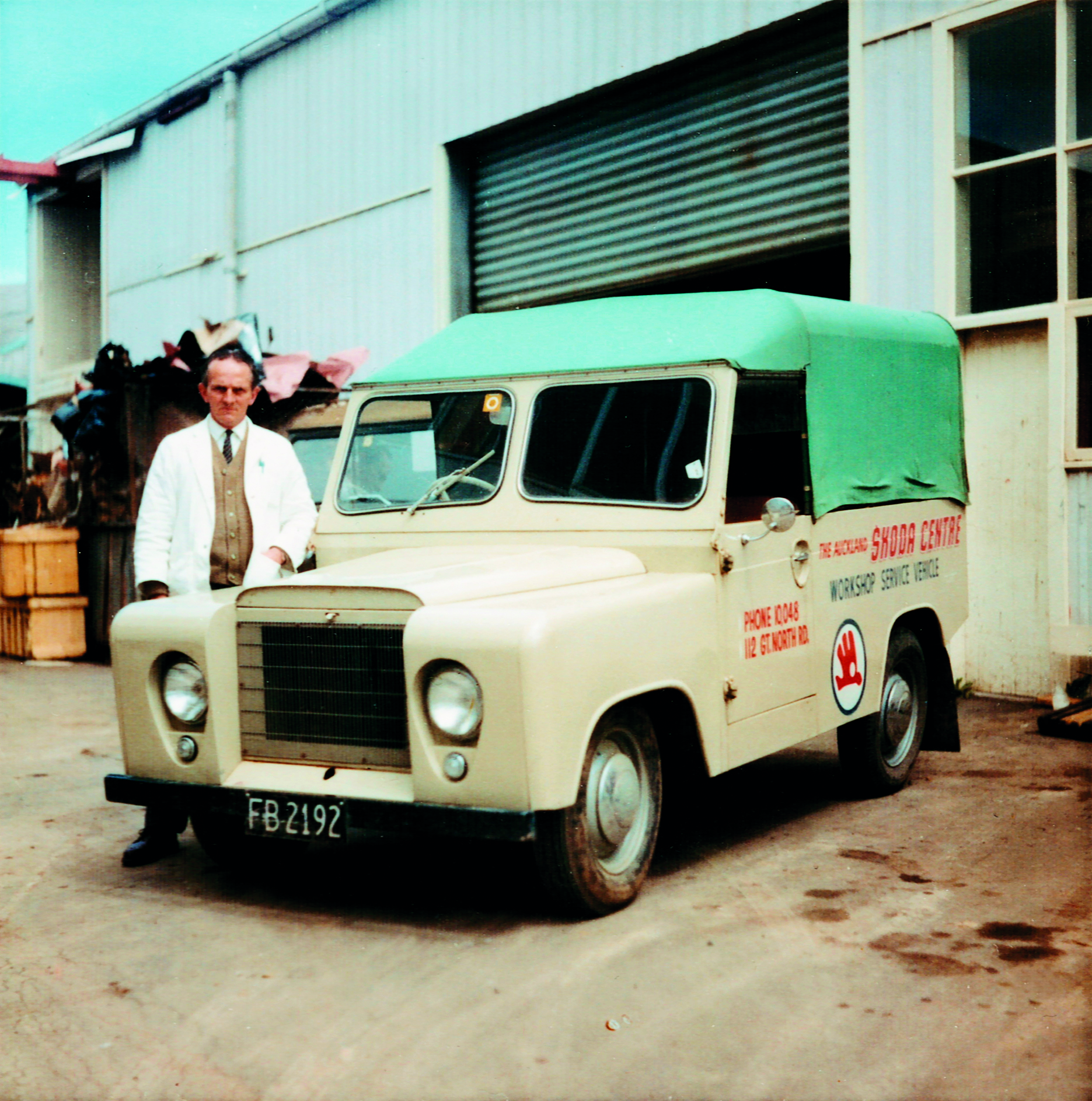
Škoda’s New Zealand importer came up with the idea of an affordable vehicle for local customers that would suit both commercial and leisure use while offering enhanced off-road capability. Motor Industries International worked with local specialist companies and Škoda in Mladá Boleslav to develop the vehicle. Several designs and prototypes were created in 1965 and 1966 by Josef Velebný, Škoda’s former head of body development, and New Zealand-based designer George Taylor.
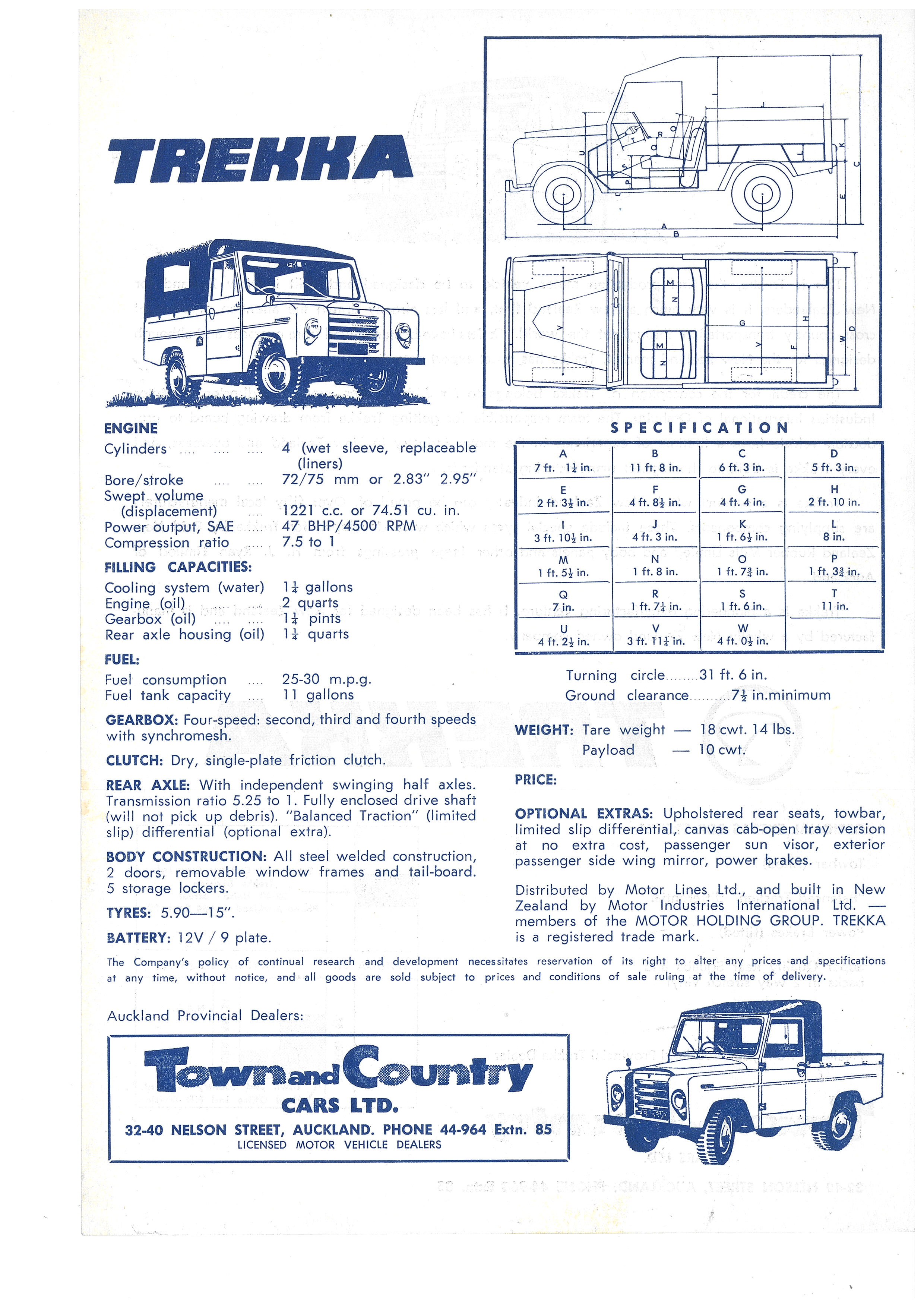
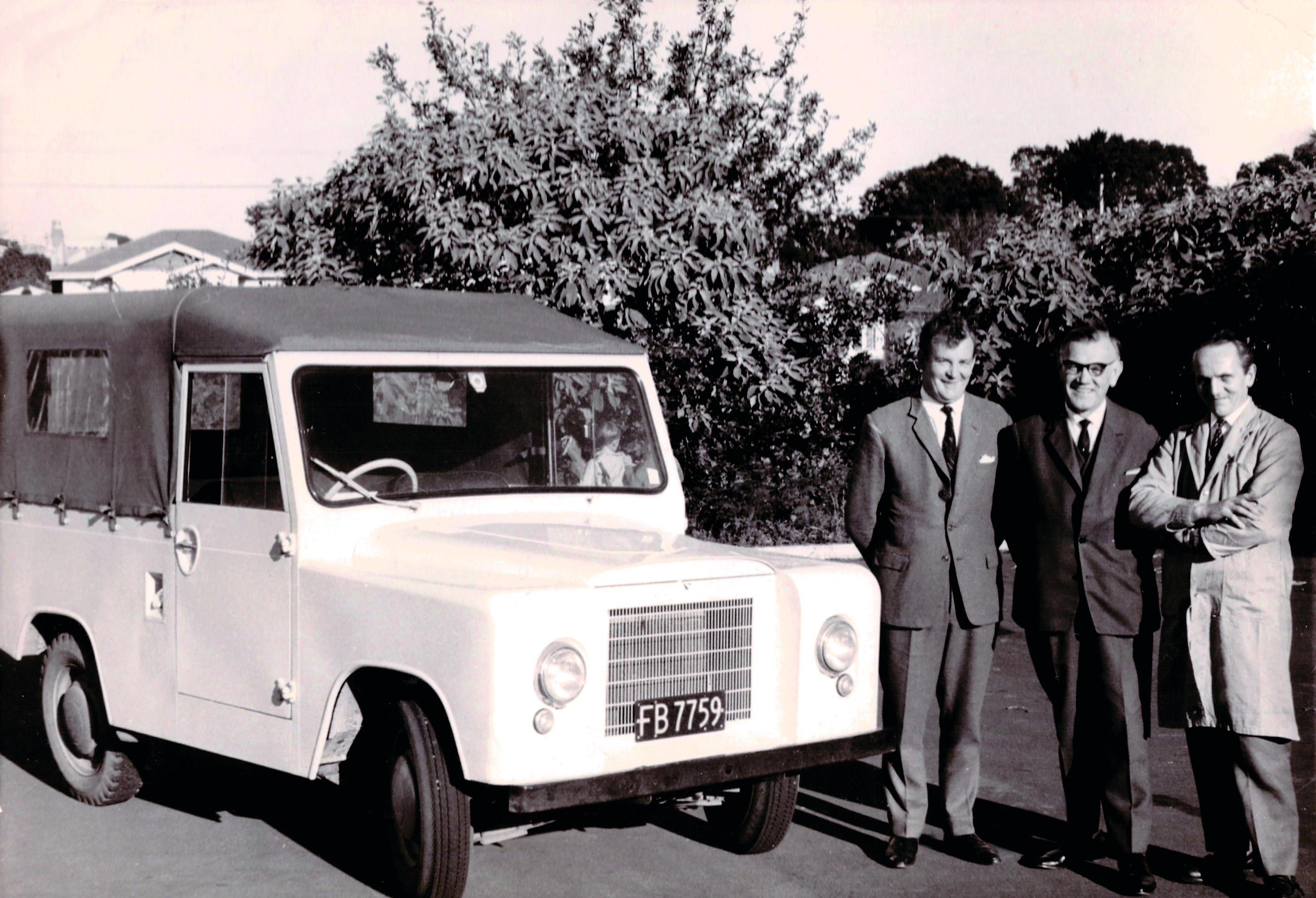
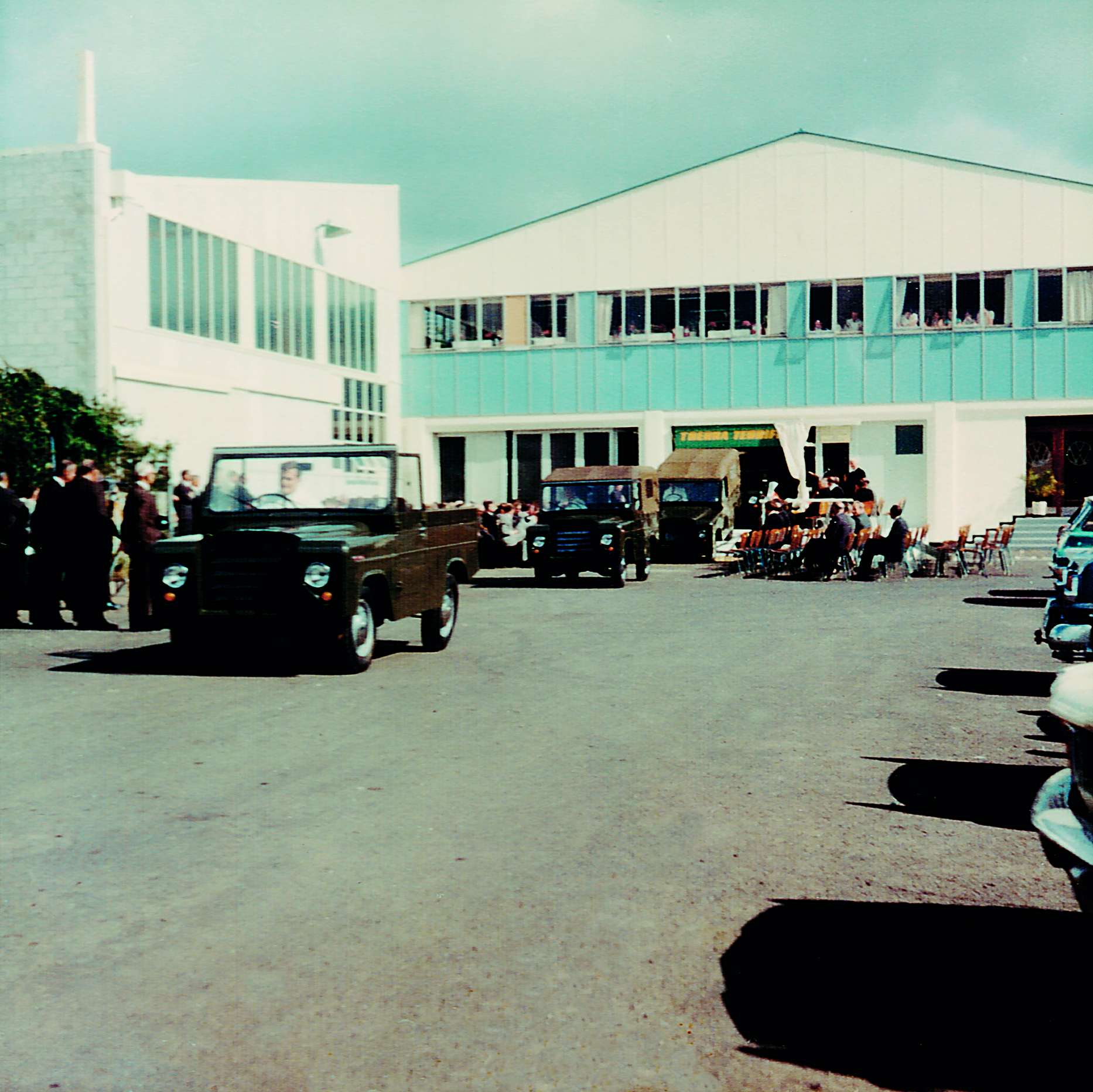
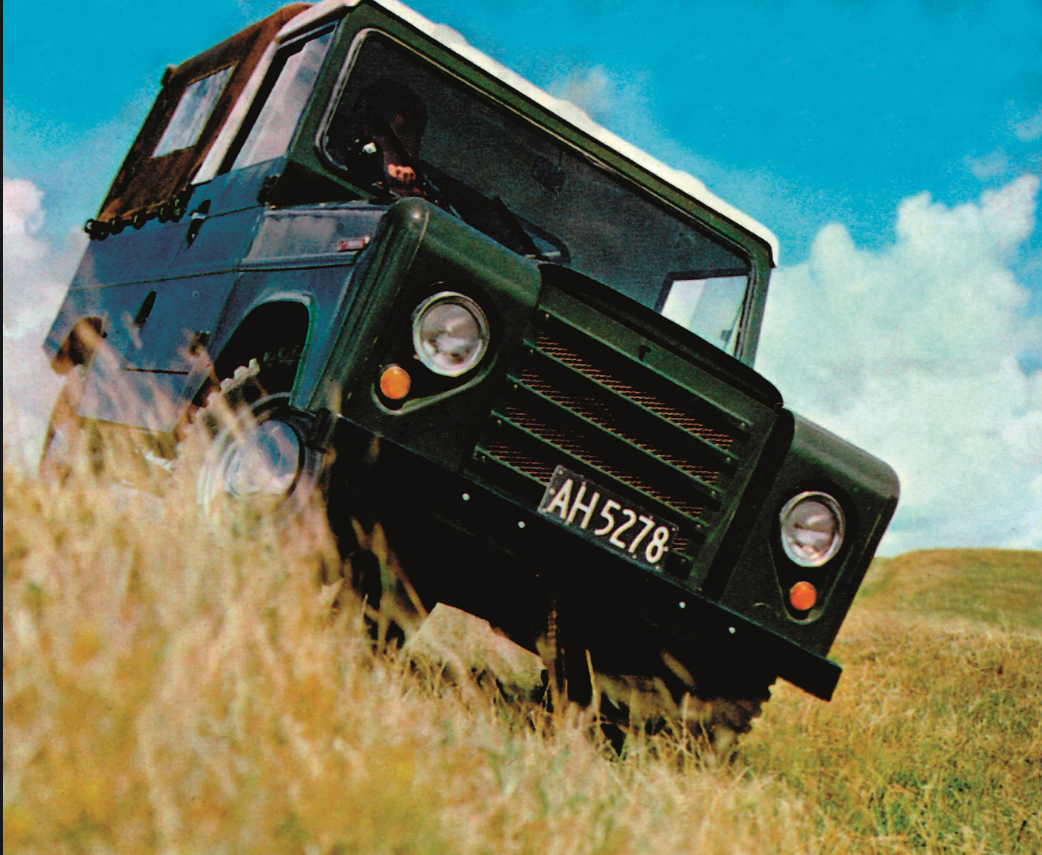
The resulting vehicle was named the Trekka. Production began in Otahuhu in 1966, using components from Mladá Boleslav alongside locally sourced parts, and the first vehicles took to the road on 2 December. Based on a modified Škoda Octavia chassis, the Trekka had a rigid backbone frame and independent wheel suspension. The chassis was imported from Mladá Boleslav with its wheelbase shortened from 2,389 to 2,165 mm and its final-drive ratio changed from 4.78 to 5.25. Together, its 190 mm ground clearance and 5.90 × 15-inch tyres made it easier to negotiate rough terrain.
The basic version of the Trekka was just 3,550 mm long and 1,600 mm wide. Depending on the version, its height ranged from 1,785 to 2,040 mm. Kerb weight ranged from 920 to 980 kg, with a payload of up to 500 kg. It used the Octavia Super’s powertrain. Its 1,221 cm³ OHV four-cylinder engine was mounted longitudinally at the front and delivered up to 34 kW (47 hp) at 4,500 rpm and maximum torque of 87 Nm at 3,000 rpm. Paired with a four-speed synchromesh gearbox, the engine gave the Trekka a top speed of up to 110 km/h, with average fuel consumption of around 11 l/100 km.
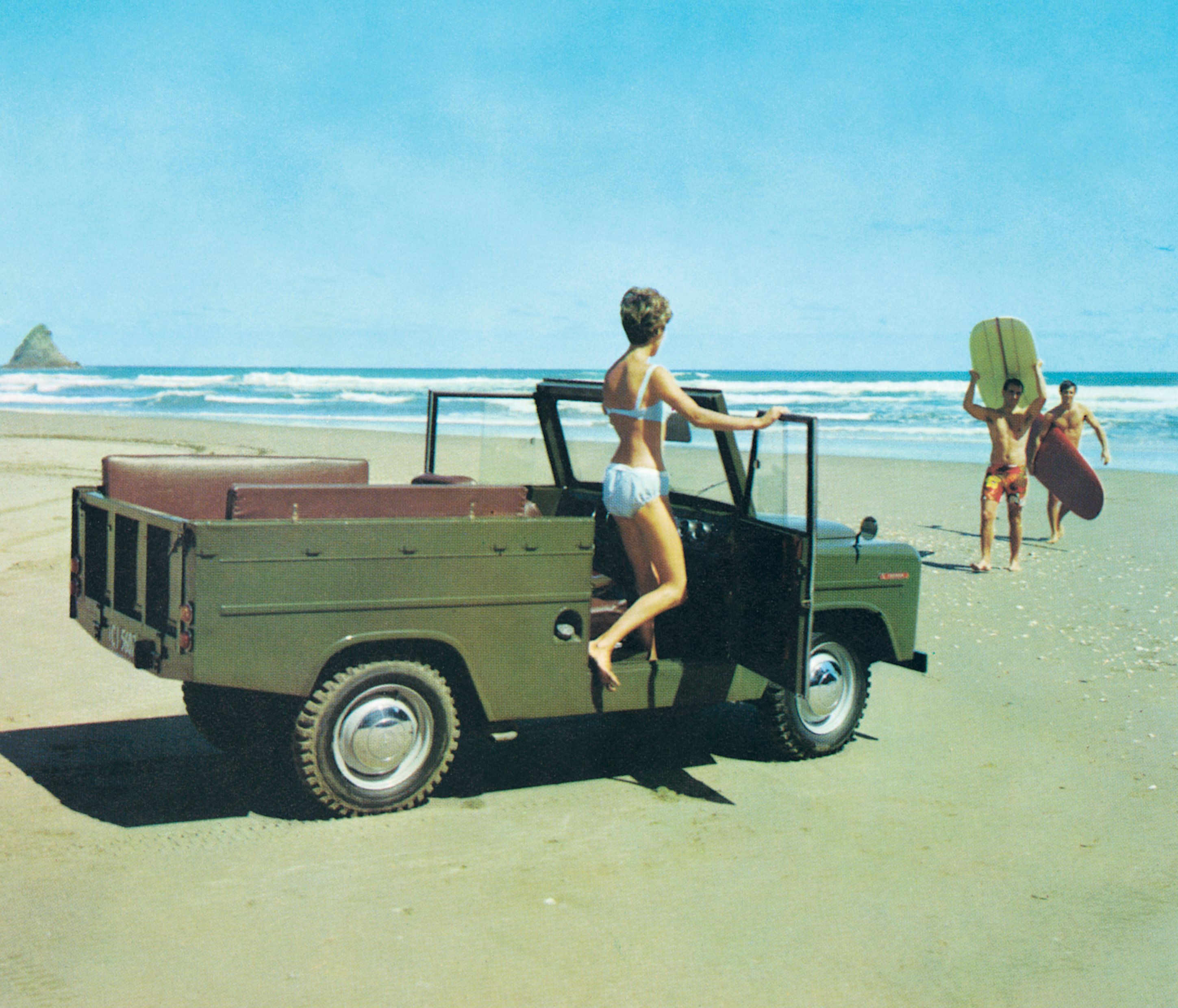
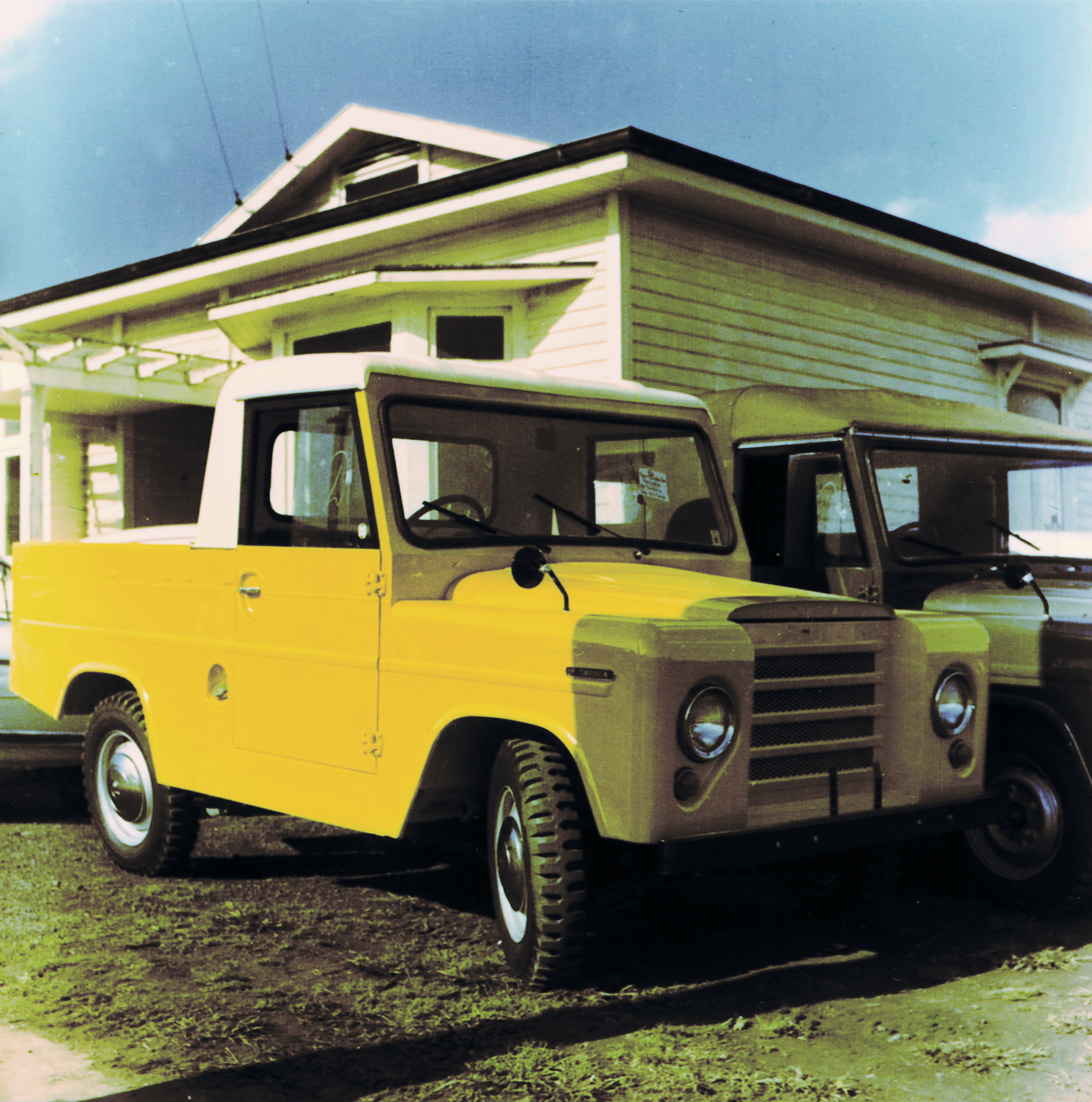
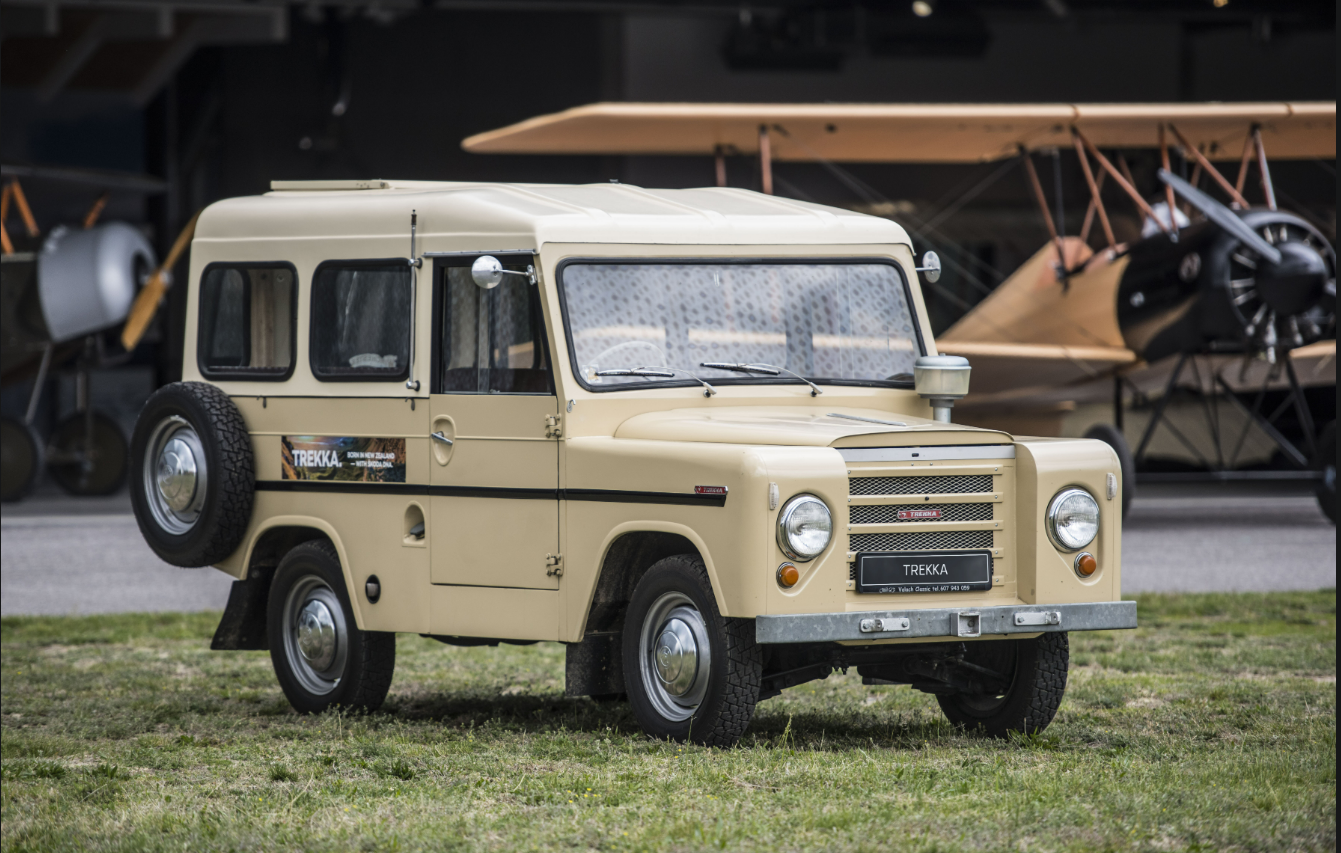
Thanks to local production, the Trekka was available with virtually no waiting time, and New Zealand customers could choose from several body styles, including a three-door version with between two and eight seats and a choice of a fixed roof, a retractable canvas roof, or a removable plastic roof. An estate (STW) and a beach version were also available.
By 1967, the 750th customer had taken delivery of their Trekka, and the milestone 1,000th unit was assembled in Otahuhu in January 1968. New Zealand relaxed its rules on imports of light commercial vehicles in 1970, while production of the Octavia Combi in Czechoslovakia ended in 1971. Trekka production consequently declined, coming to an end in 1972. Around 2,800 were built in total. The last vehicles in stock were sold in 1973.
The Trekka was also exported from New Zealand to Fiji and other Pacific islands. Several vehicles were shipped in knocked-down form to Pakistan and Australia, and a few were even used as ambulances in Vietnam. Over the years, a number of Trekkas found their way to the Czech Republic, one of which is now part of the Škoda Museum’s collection.
The Trekka probably remains the only vehicle developed and series-produced in New Zealand. Škoda subsequently applied the knowledge and experience gained from its involvement in the Trekka project elsewhere. One example was the Skopak (Škoda-Pakistan) pick-up, developed for the Pakistani market, which entered production in May 1970. The Trekka is also regarded as an early forerunner of today’s popular Škoda SUVs. Škoda continues to operate successfully in New Zealand today.
 |
Explore the ‘What’s up, Škoda?’ channel: go.skoda.eu/whatsapp |


Vítězslav Kodym
Head of Product Communications
+420 604 292 131
vitezslav.kodym@skoda-auto.cz
Kateřina Boukalová
Spokesperson Product Communications
+420 734 299 812
katerina.boukalova@skoda-auto.cz