King of space and long-distance travel: Škoda Superb celebrates 25 years
King of space and long-distance travel: Škoda Superb celebrates 25 years

The modern Škoda Superb has been on the market for 25 years. A symbol of comfort, spaciousness and technical sophistication, it has won over almost 1.8 million customers and continues to attract new ones with its qualities. Take a look back at the model’s journey through the years.

29. 9. 2026 Škoda World
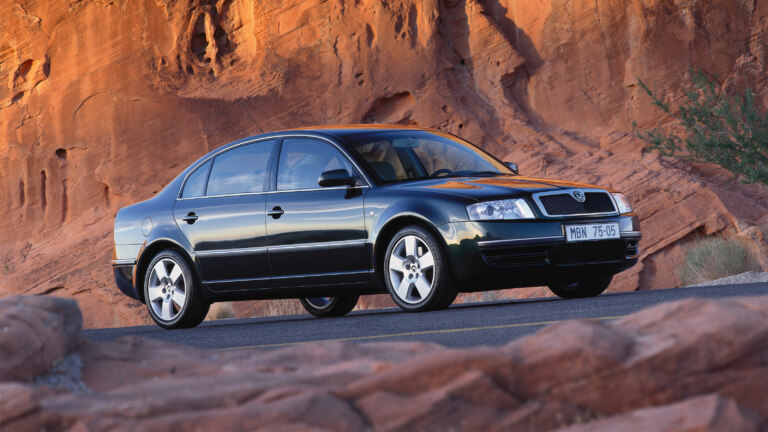
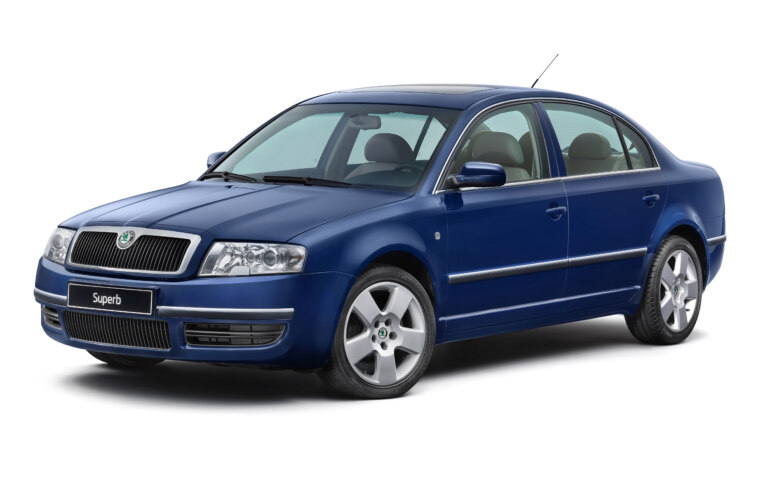
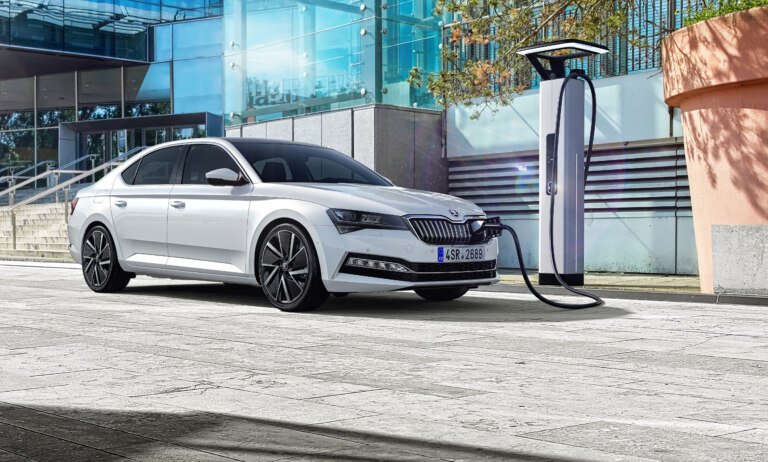
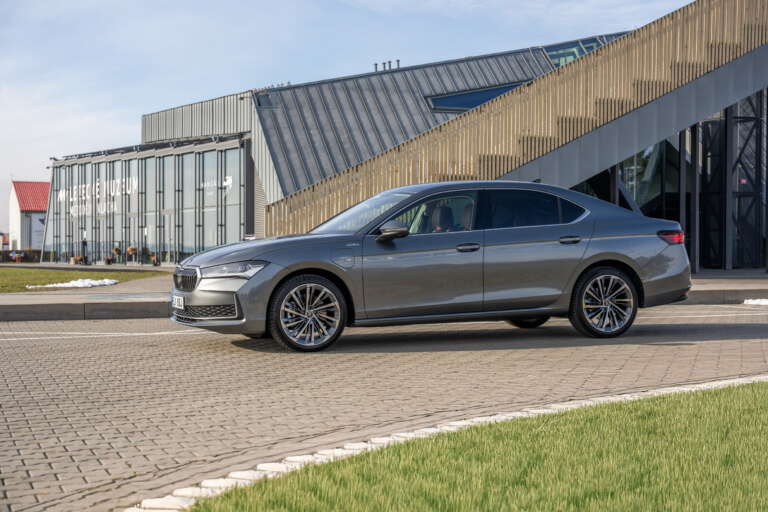
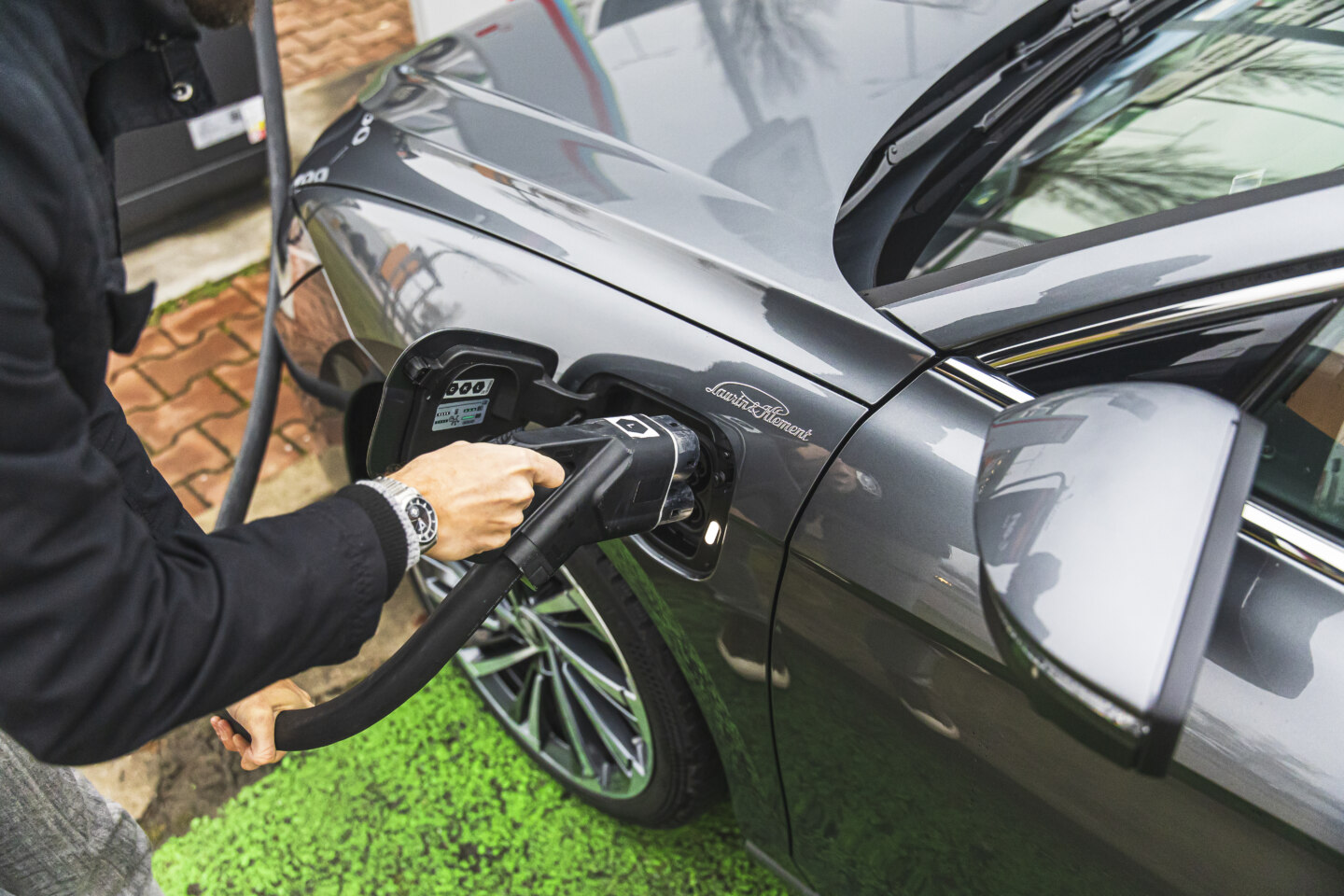
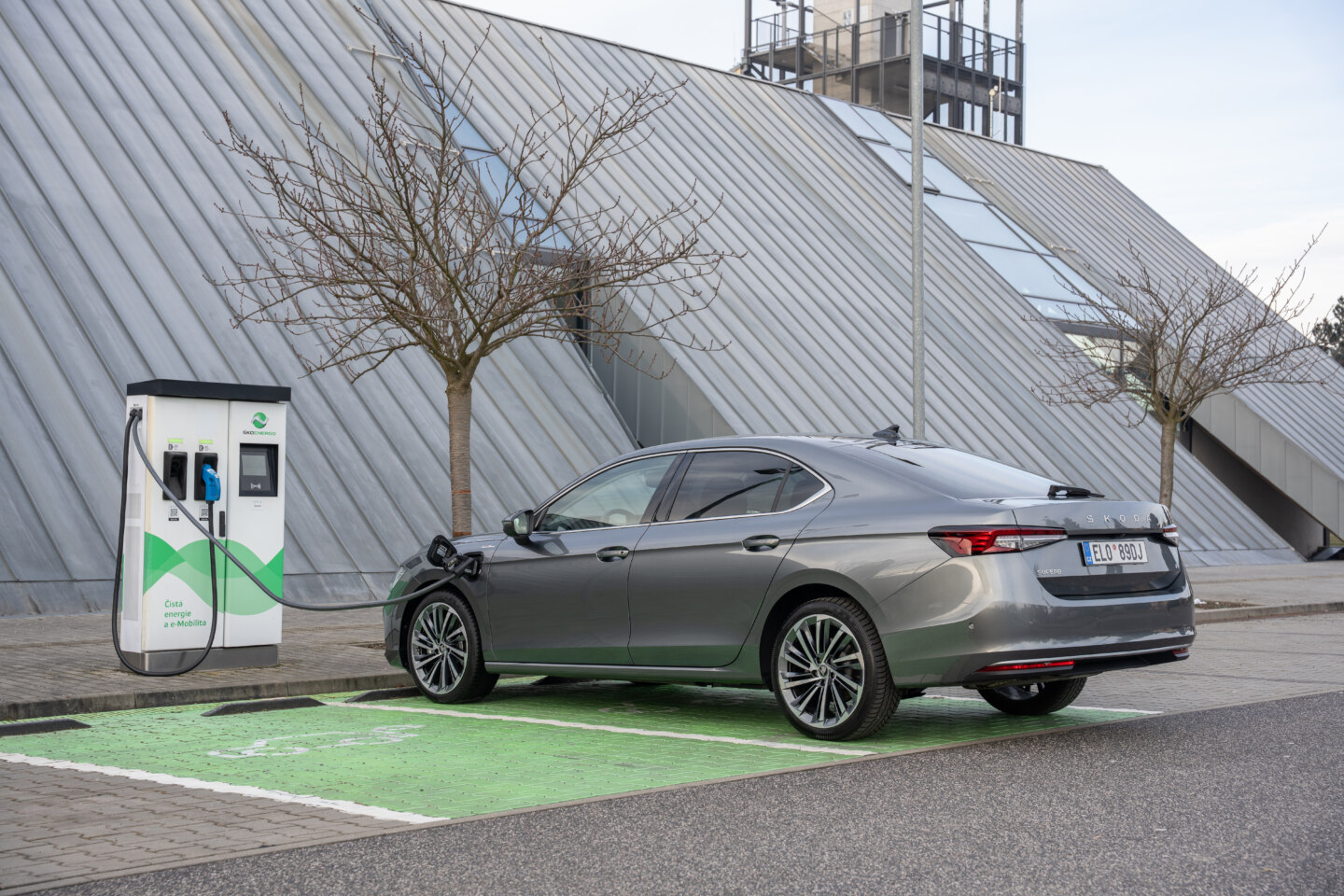
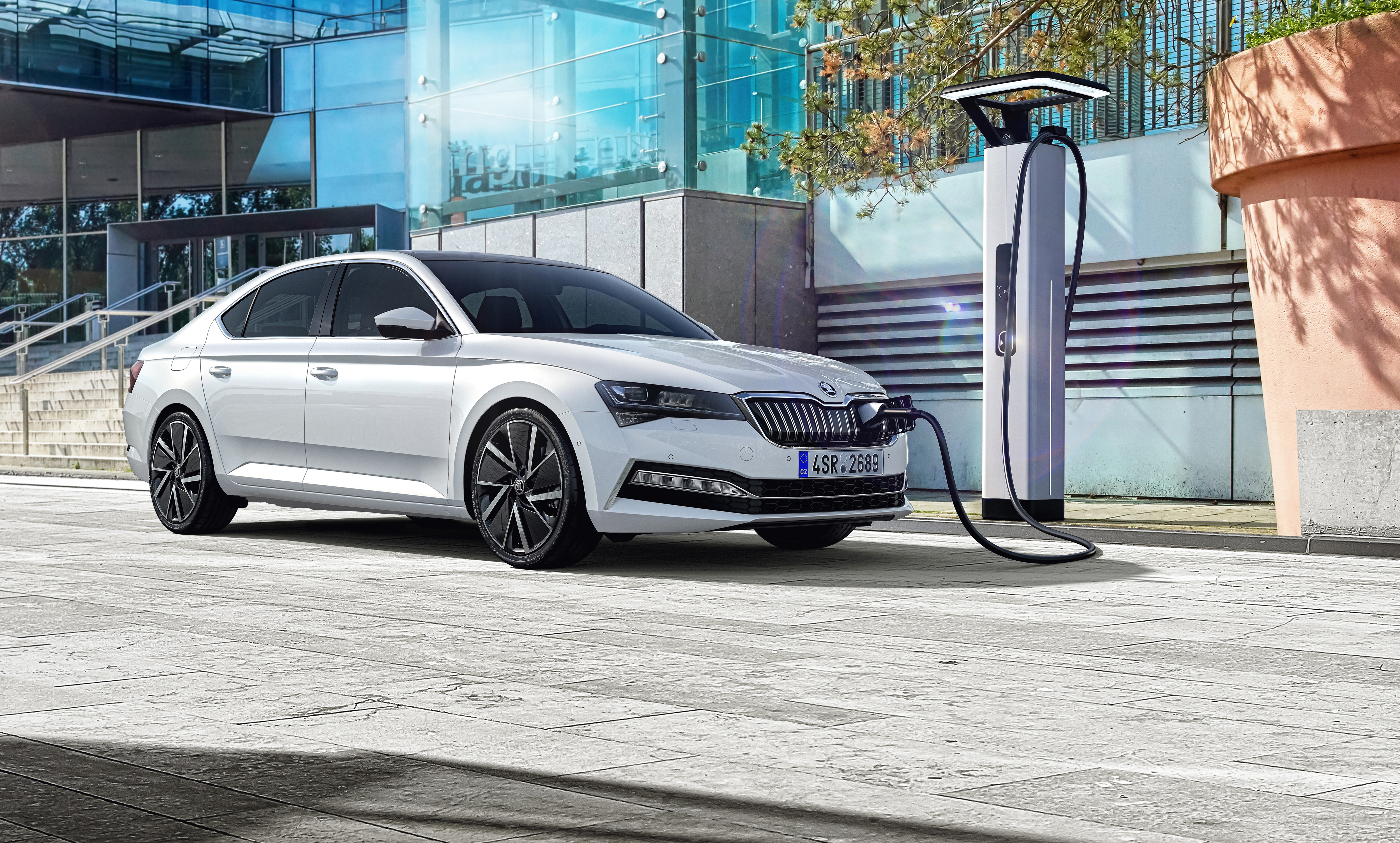
A quarter of a century has passed since the launch of the modern Škoda Superb. The car, unveiled at the Frankfurt Motor Show on 11 September 2001, is now in its fourth generation, offering the broadest range of powertrain in its history, including two plug-in hybrid versions with an electric range exceeding 120 kilometres.

The groundbreaking first generation

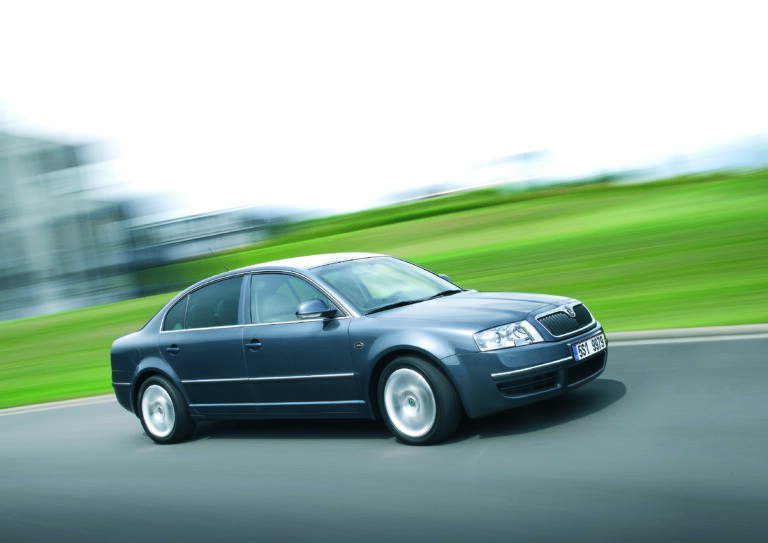
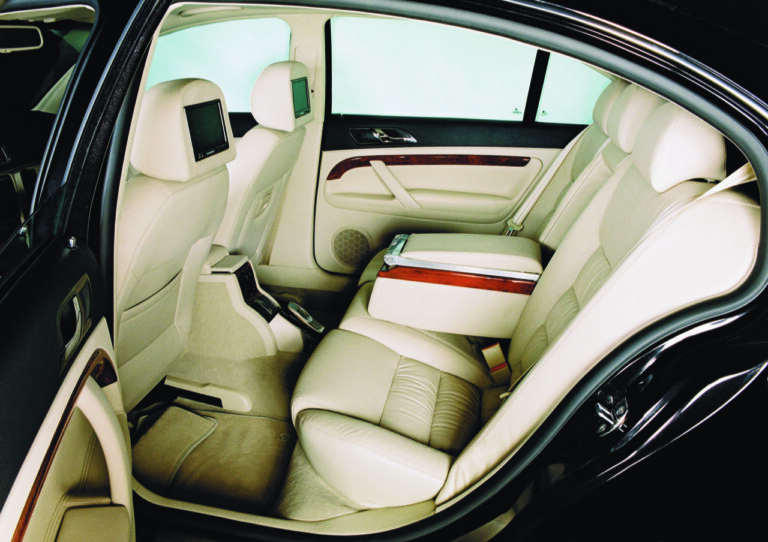
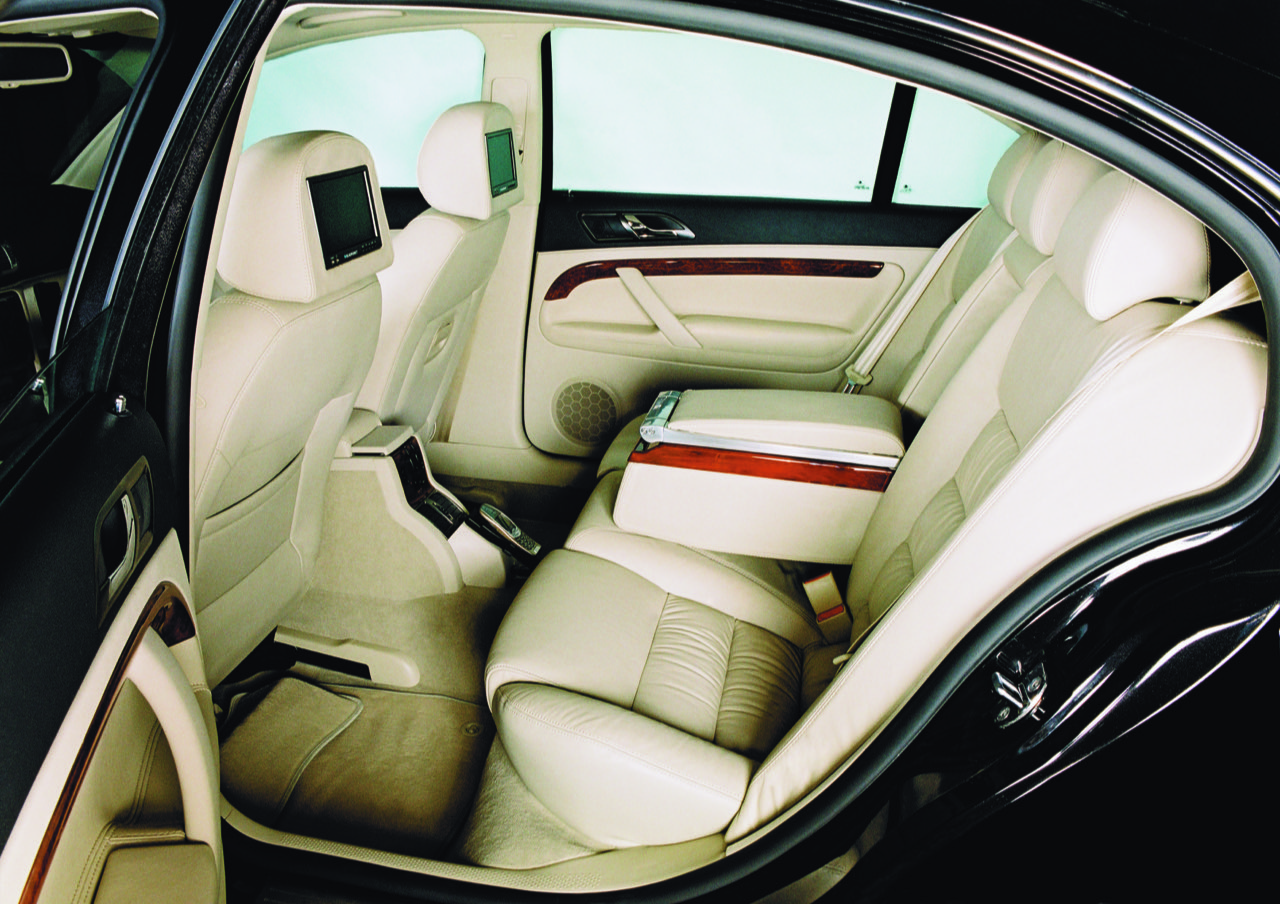
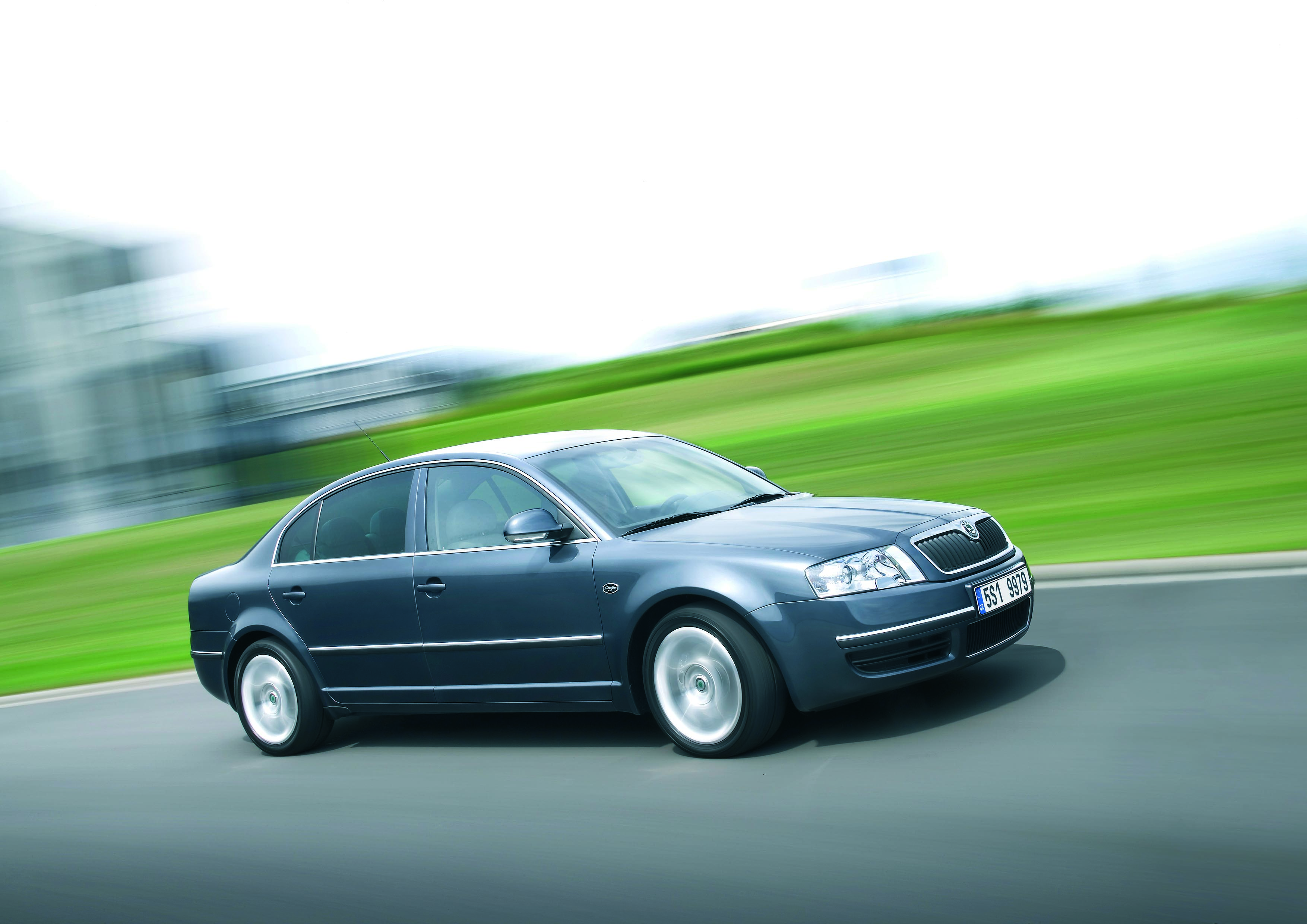
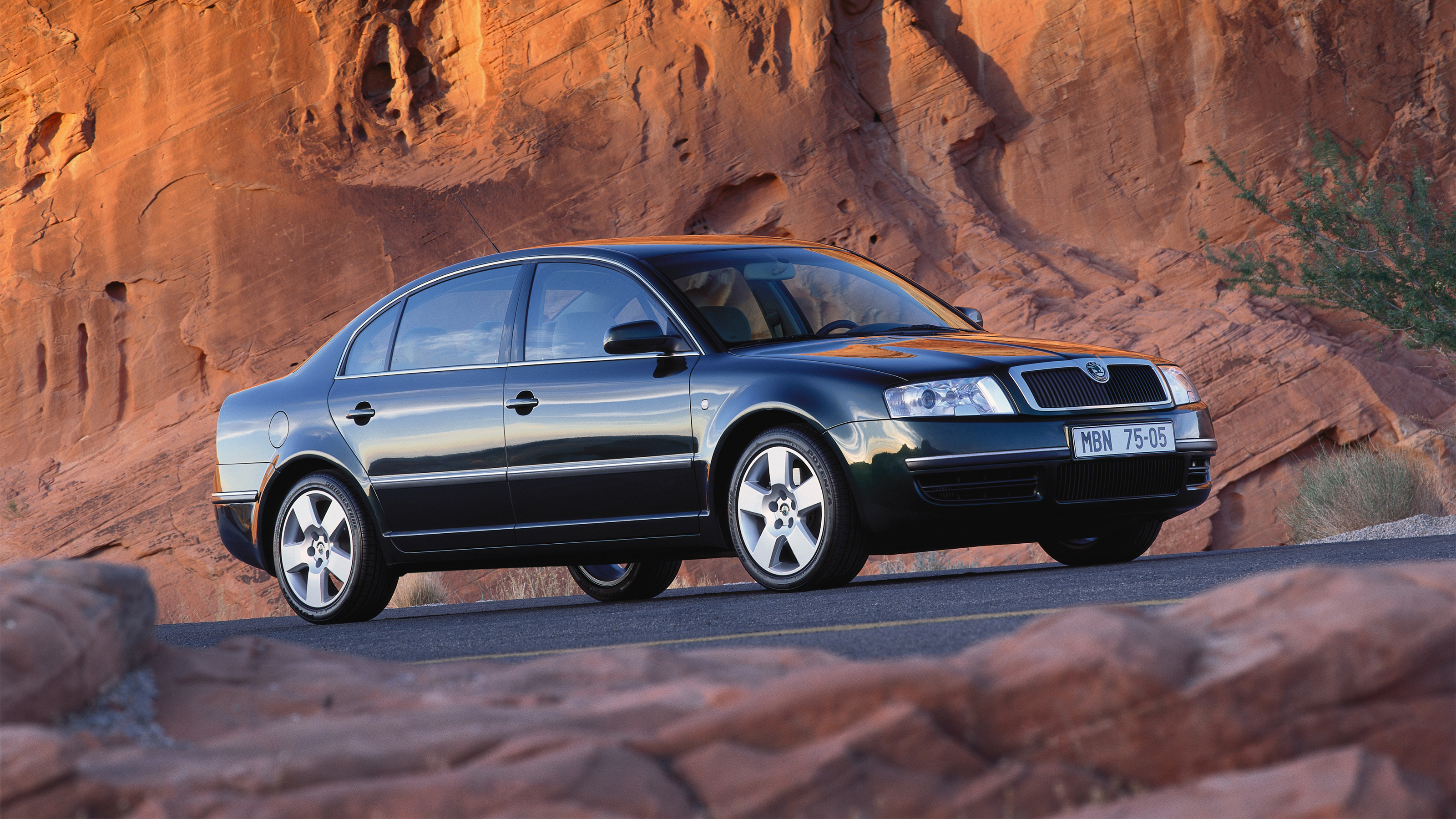
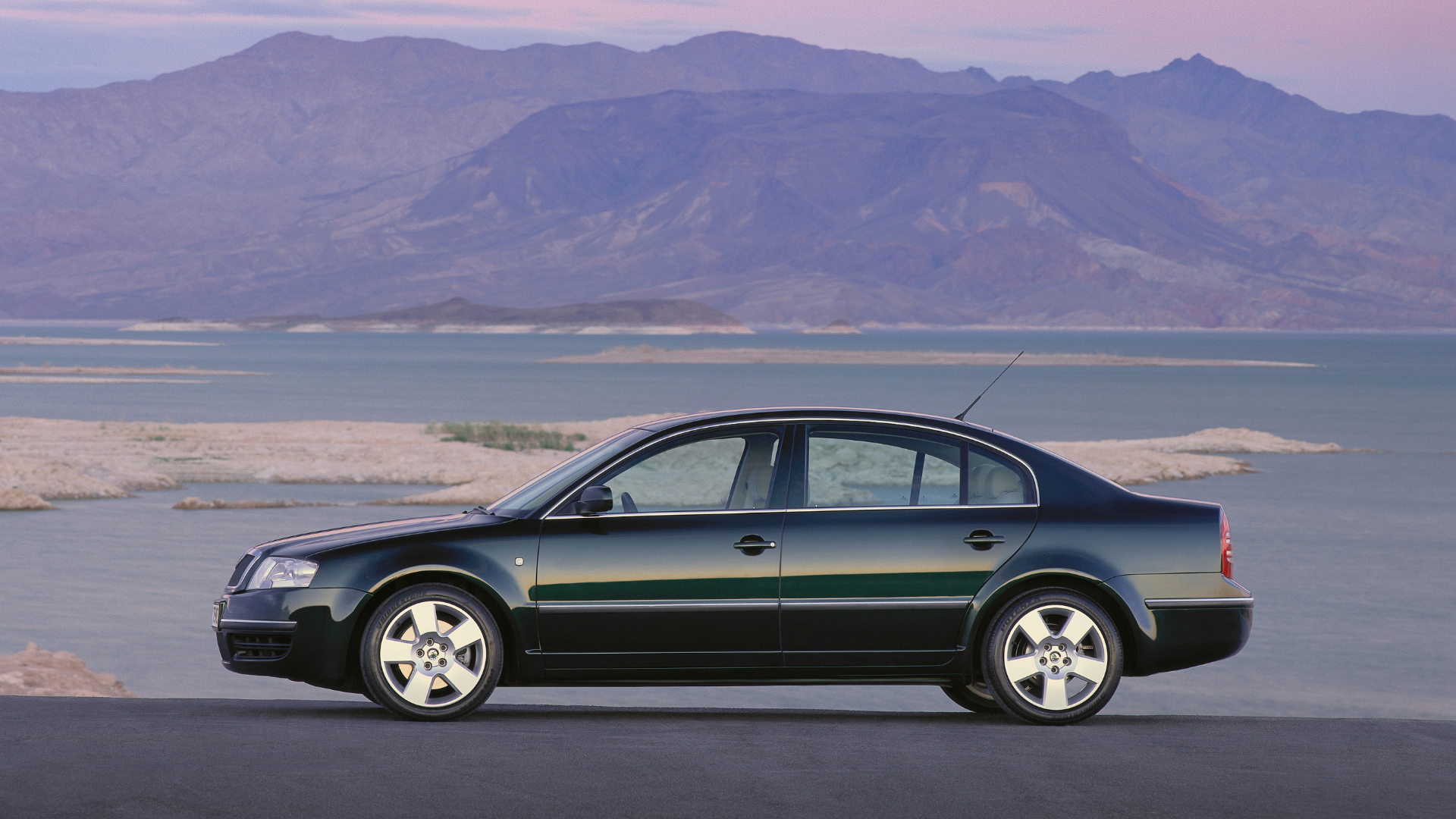
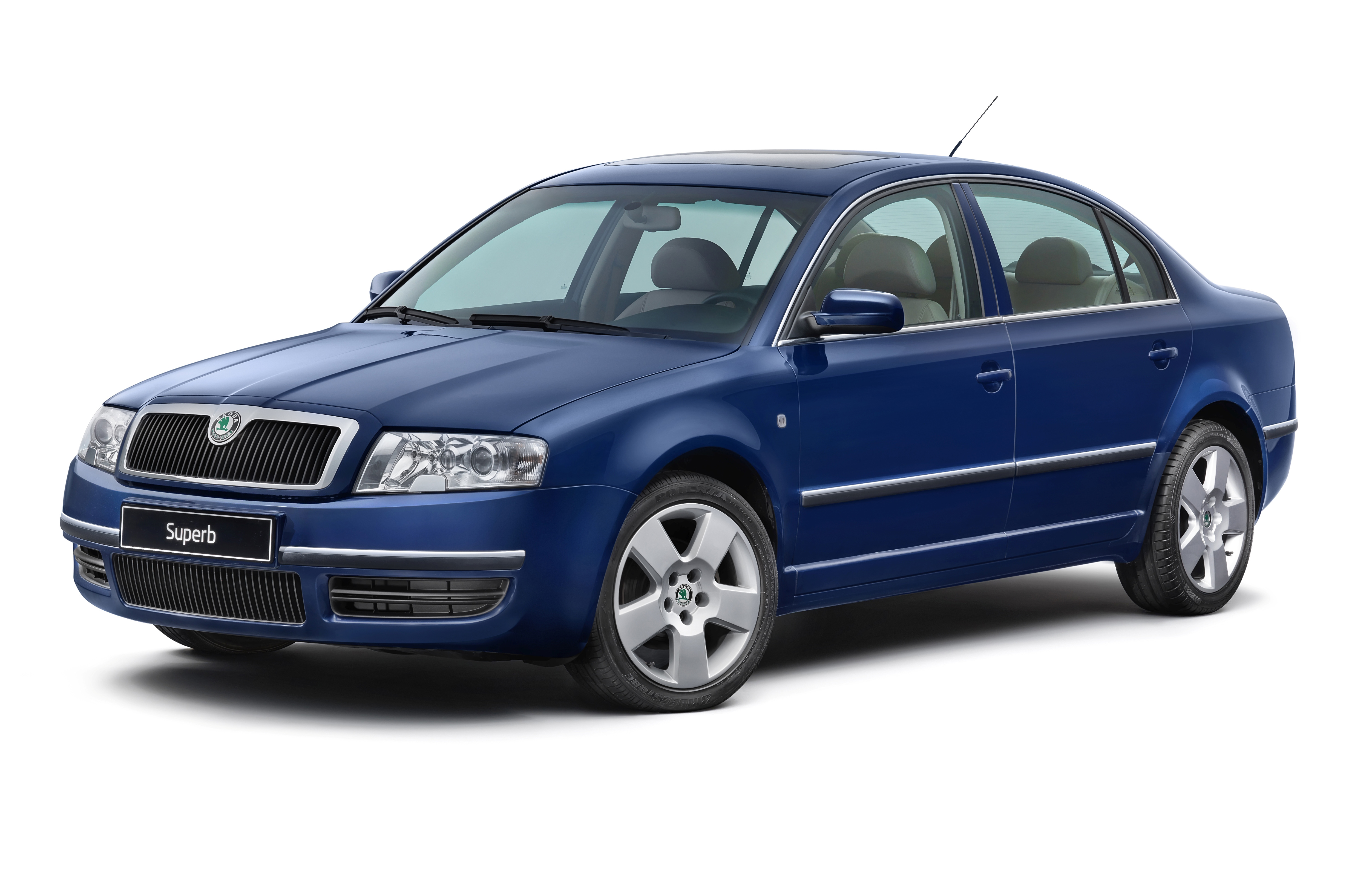
The first-generation Superb was truly a milestone for the brand. For the first time in Škoda’s modern history, customers had the opportunity to purchase a genuinely large car featuring a range of advanced technical solutions and a more luxurious character. 

"What surprised me was that Škoda would even venture into such a segment. It was an area the brand had not been involved in before. I saw the finished model virtually on my first day on the job. The car really impressed me – it was unusually large. To me, it was a bold move," recalls Jiří Hadaščok, then an intern and today Exterior Design Coordinator.

Škoda Superb Milestones / Timeline:

● February 2001 – The Montreux concept study, unveiled at the Geneva Motor Show, previews the future Superb.  
● September 2001 – World premiere of the Superb.  
● 1 December 2001 – Market launch.  
● March 2002 – The Tudor concept hinted at another possible Superb body style, although it never reached production.  
● July 2005 – Limited Edition 100 series launched to mark the centenary of automobile production, featuring Black Magic pearlescent paint finish and Edition 100 badging.  
● 2006 – First-generation facelift introduced, including the flagship, top-of-the-line Laurin & Klement version.  
● March 2008 – Premiere of the second-generation Superb, featuring a liftback body style with the innovative TwinDoor system.  
● September 2009 – Premiere of the second-generation Superb Combi.  
● April 2013 – Facelift of the second generation.  
● March 2014 – VisionC concept unveiled, showcasing design elements of the future Superb.  
● February 2015 – Premiere of the third generation, launched simultaneously as liftback and Combi.  
● 6 June 2015 – Sales of the liftback commenced.  
● 19 September 2015 – Sales of the Combi commenced.  
● May 2019 – Third-generation facelift introduced, bringing the first plug-in hybrid variant and the Scout version.
● November 2023 – Premiere of the fourth generation, again launched simultaneously as liftback and Combi; the plug-in hybrid offers an electric range of up to 120 kilometres.  
● February 2026 – Introduction of the upgraded 200 kW plug-in hybrid version for the liftback. 

The design of the first generation remains elegant even today, more than 25 years after its creation. "At that time, European cars used clear lines and proportions. They were easy to read, balanced, elegant and even beautiful. That was the prevailing trend at the time," explains Zdeněk Cibulka, one of the co-authors of the first-generation design, highlighting similarities with today’s design philosophy. 

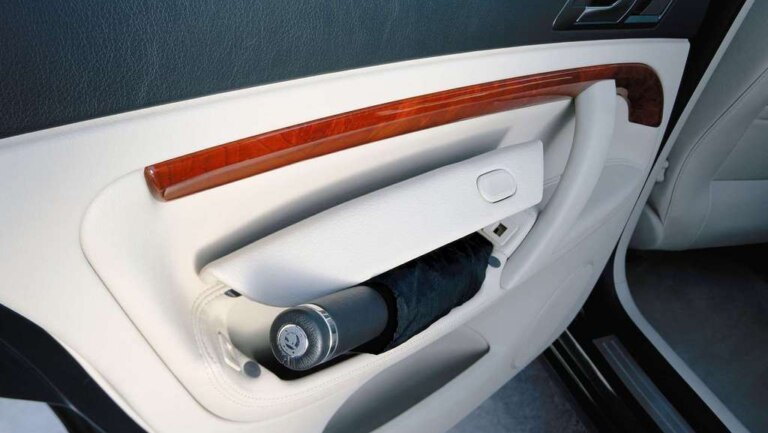
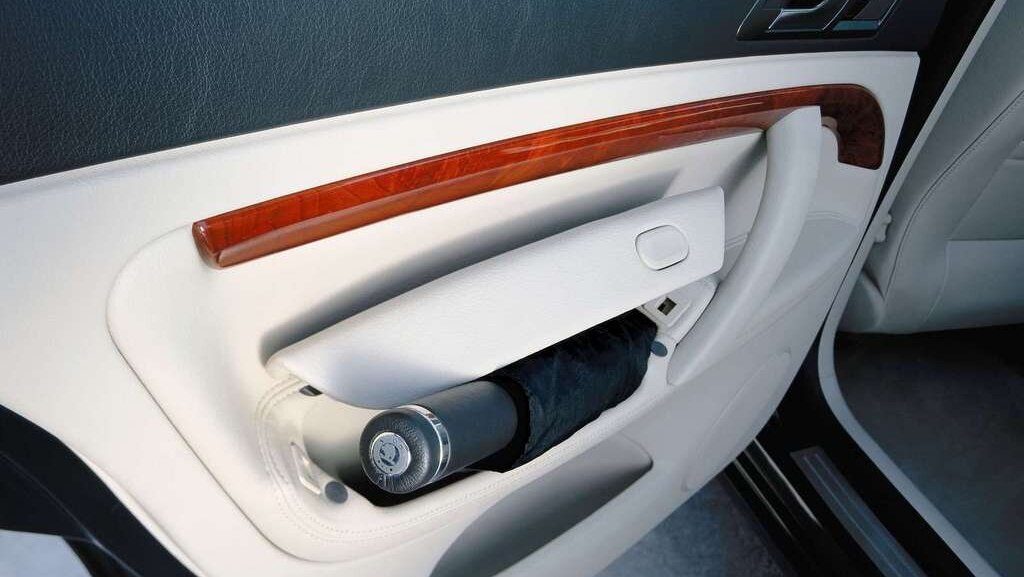
The first-generation Superb also introduced several brand firsts. It was the first modern Škoda model to offer V6 engines, and it introduced a feature that would later become a staple of the brand: an umbrella stored in the door, at the time located in the rear door. By the end of its production run, nearly 137,000 customers had purchased the pioneering model.

The second generation expanded the possibilities

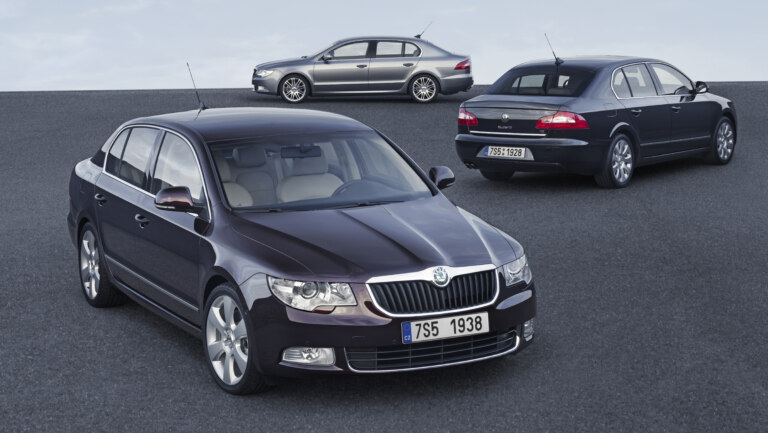
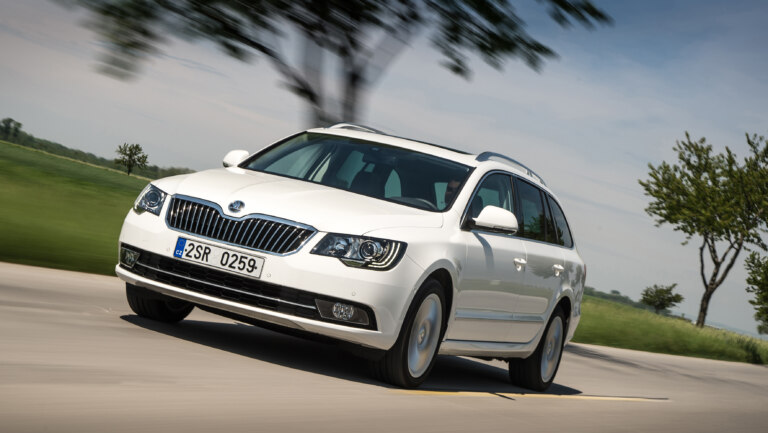
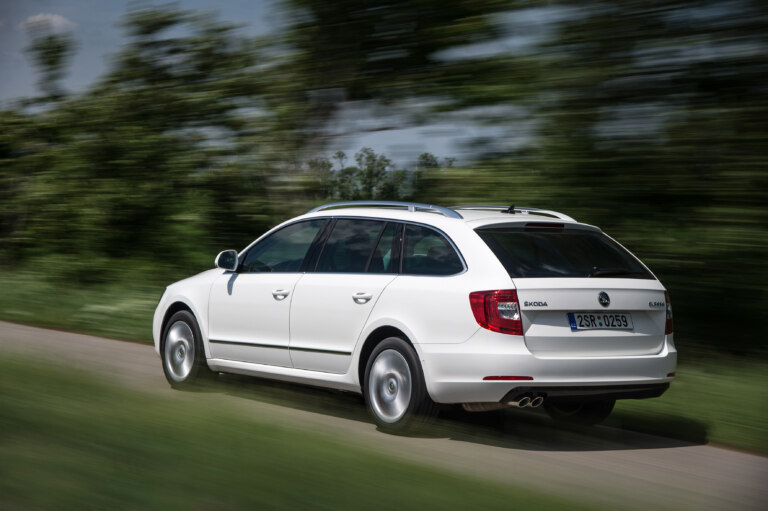
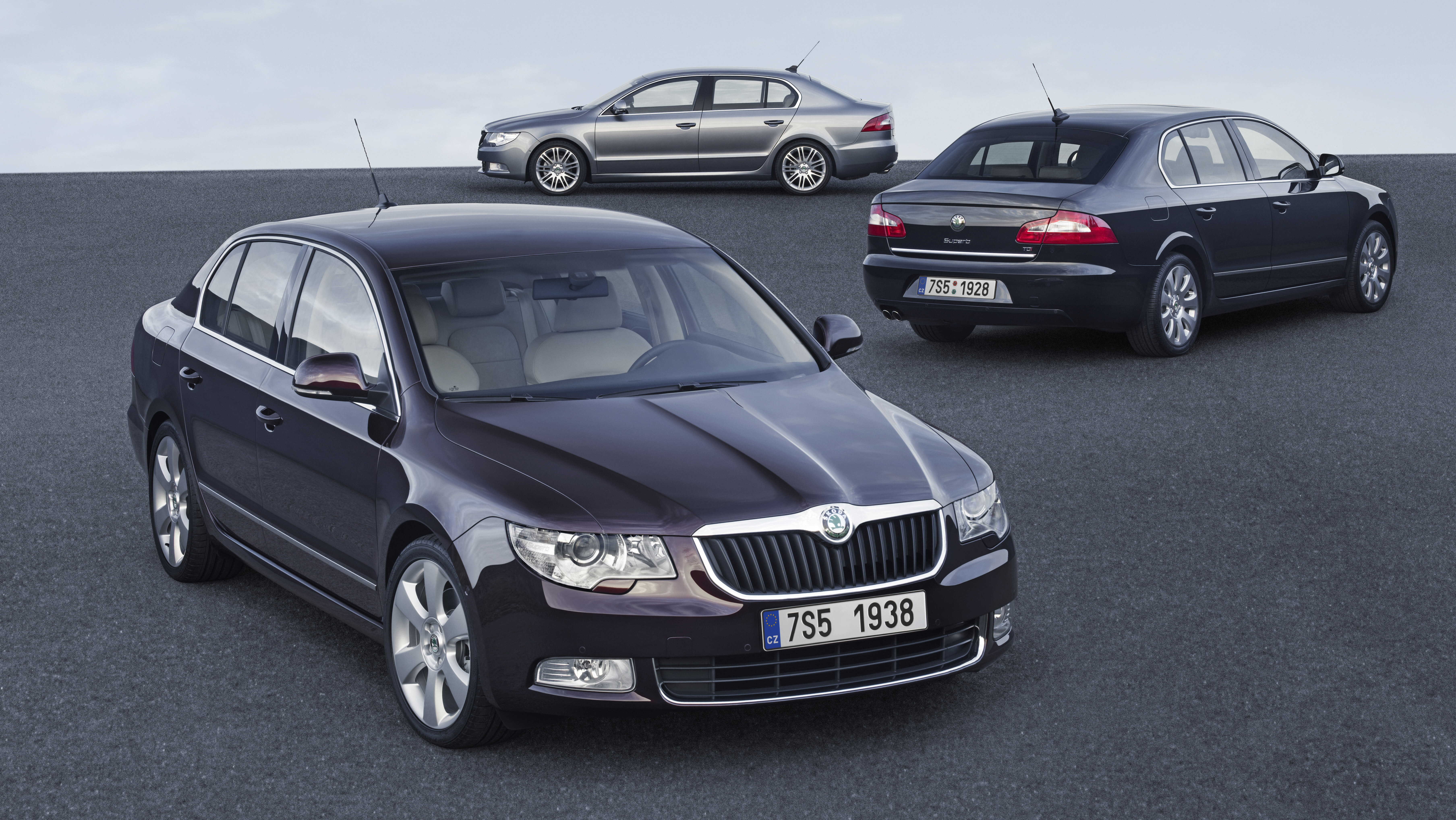
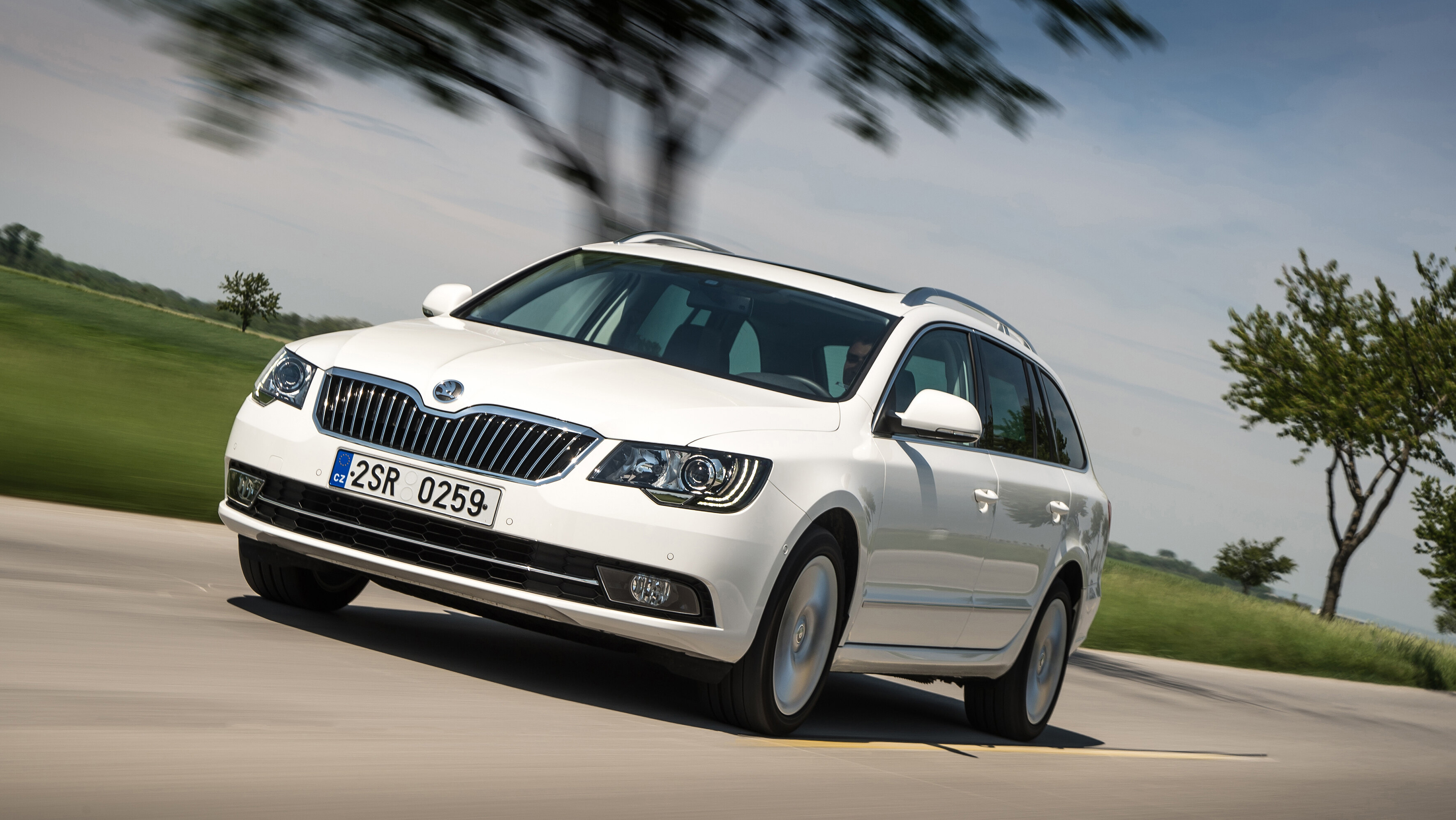
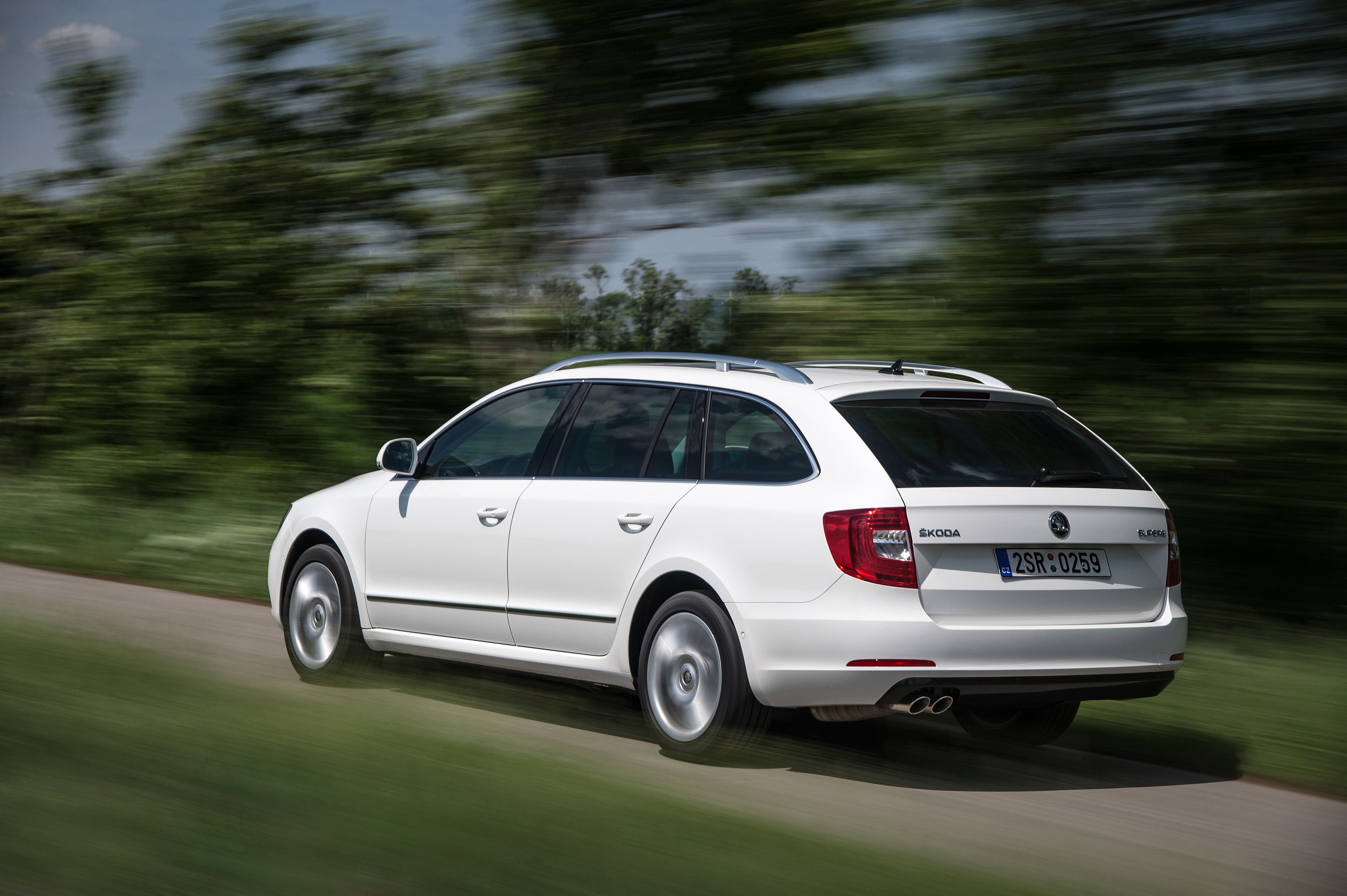
In March 2008, Škoda unveiled the second-generation Superb, featuring an unusual technical solution for the rear hatch. Developed by Škoda Auto and named TwinDoor, the system allowed the car to function as both a saloon and a hatchback, enabling users to choose how they opened the luggage compartment. A fully fledged Combi version followed a year and a half later, while all-wheel drive became available for the first time. 

The second generation also introduced a distinctive design that clearly reflected Škoda’s design language while standing out from the crowd. "I also worked from the idea that the car should build on the first generation. For example, I started with a horizontally inverted interpretation of the headlights and developed the design from there," explains Zdeněk Cibulka, author of the exterior design. The Combi version was designed by Karl Neuhold, then one of the newcomers to the company and today Head of Exterior Design. 

Overall, the second generation further developed the premium character of its predecessor, demonstrated by the availability of a 3.6-litre V6 engine and all-wheel drive. At the same time, it placed even greater emphasis on practicality. "What I generally like about the Superb is that it allows you to drive a limousine without appearing ostentatious. It can be a perfectly normal family car while delivering the comfort of vehicles that are significantly more expensive. It is an incredibly honest car, and the second generation strongly reinforced that concept," said designer Petr Nevřela. A total of 618,000 customers purchased the second-generation Superb.

The third generation: A technology flagship

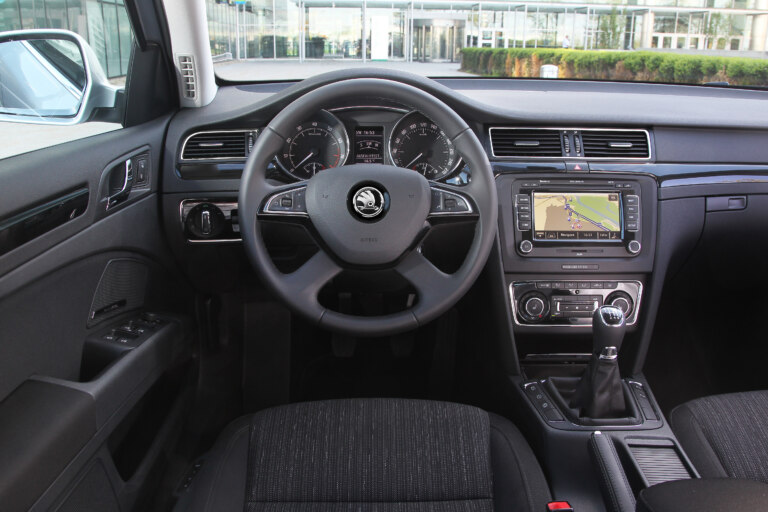
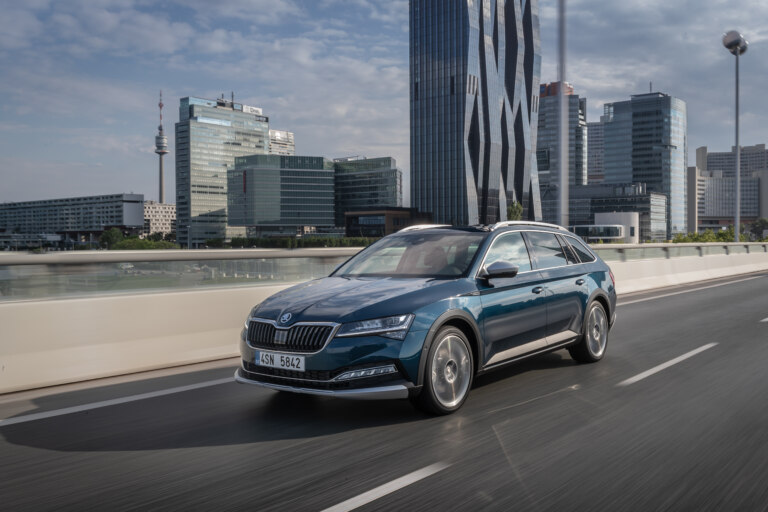
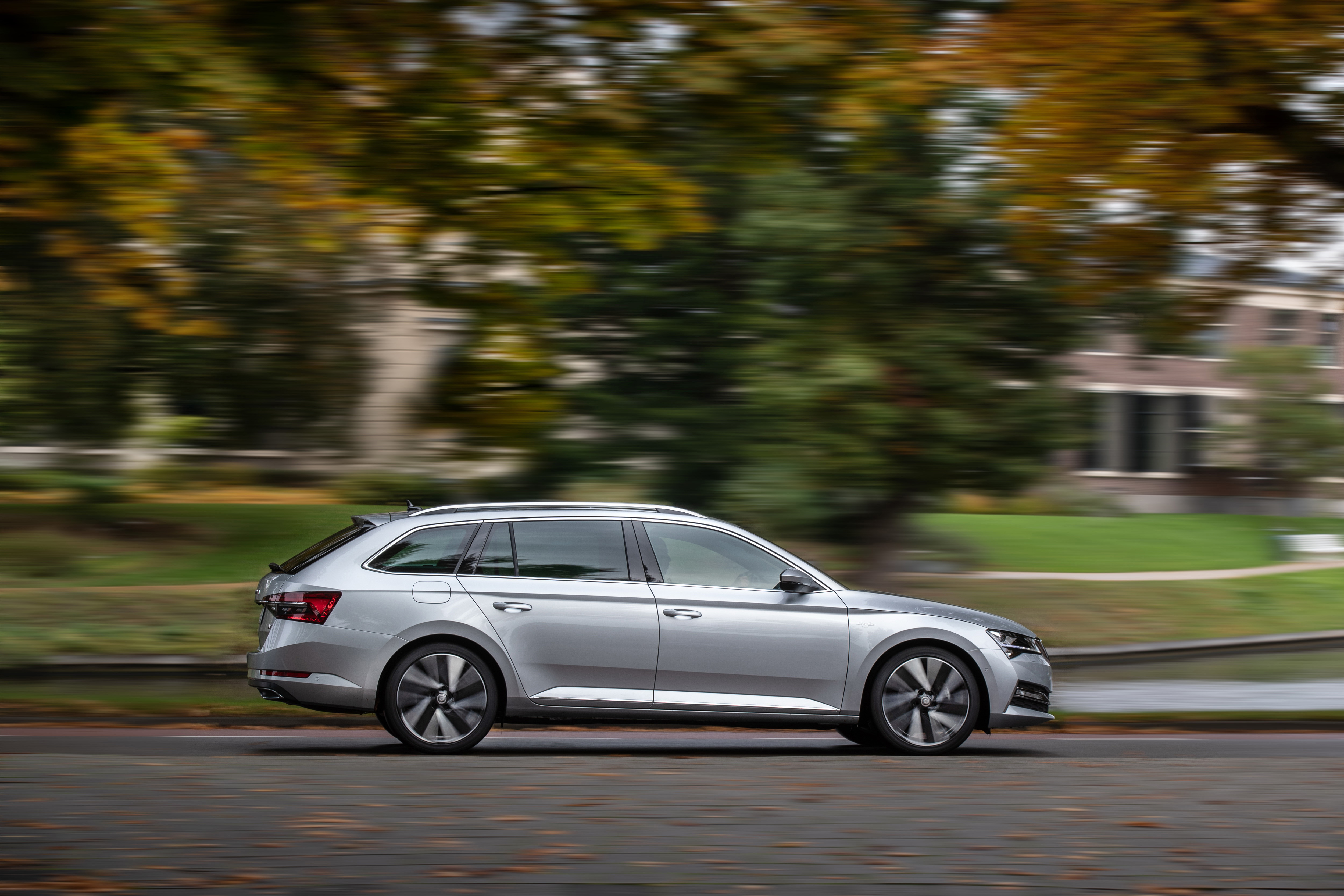
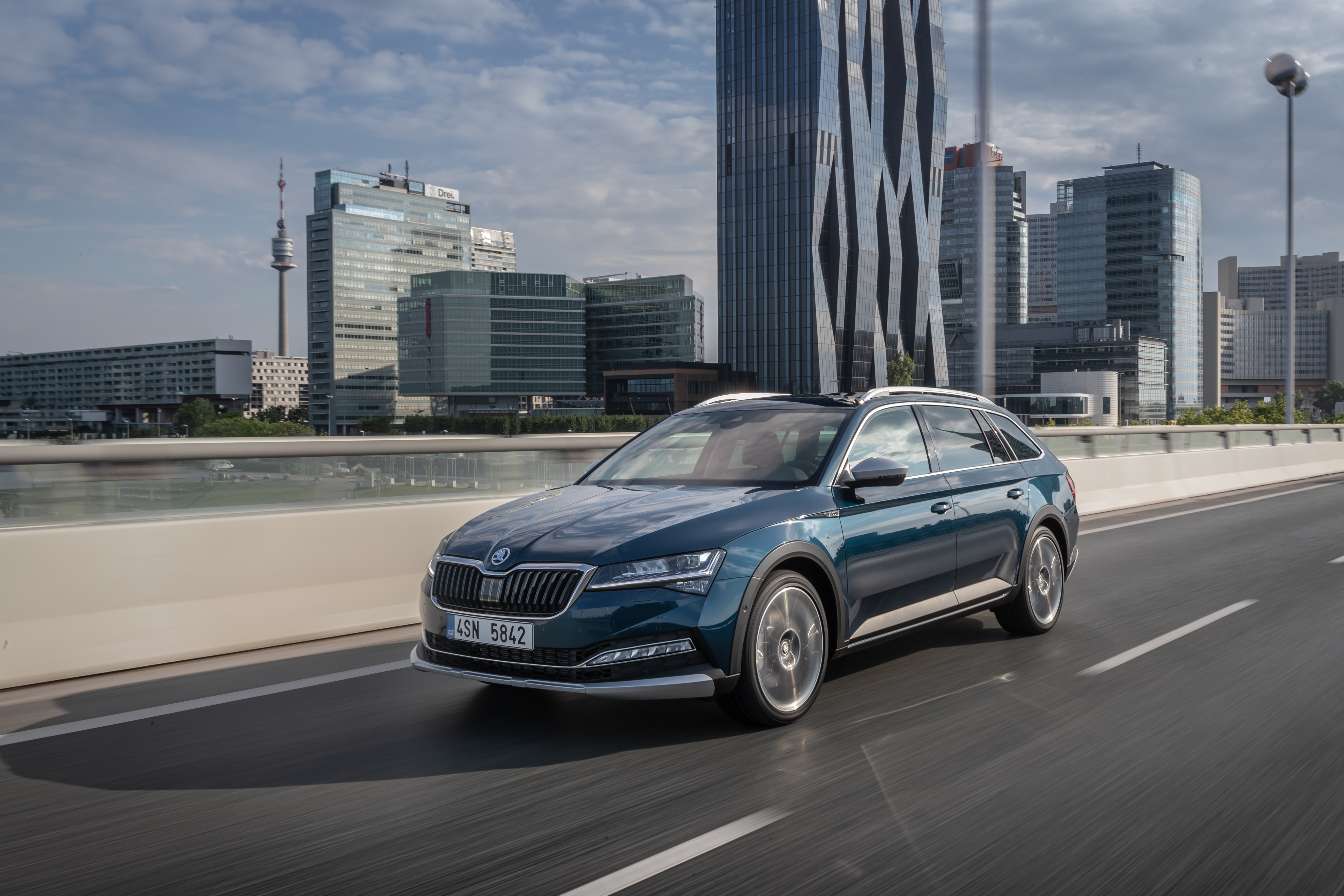
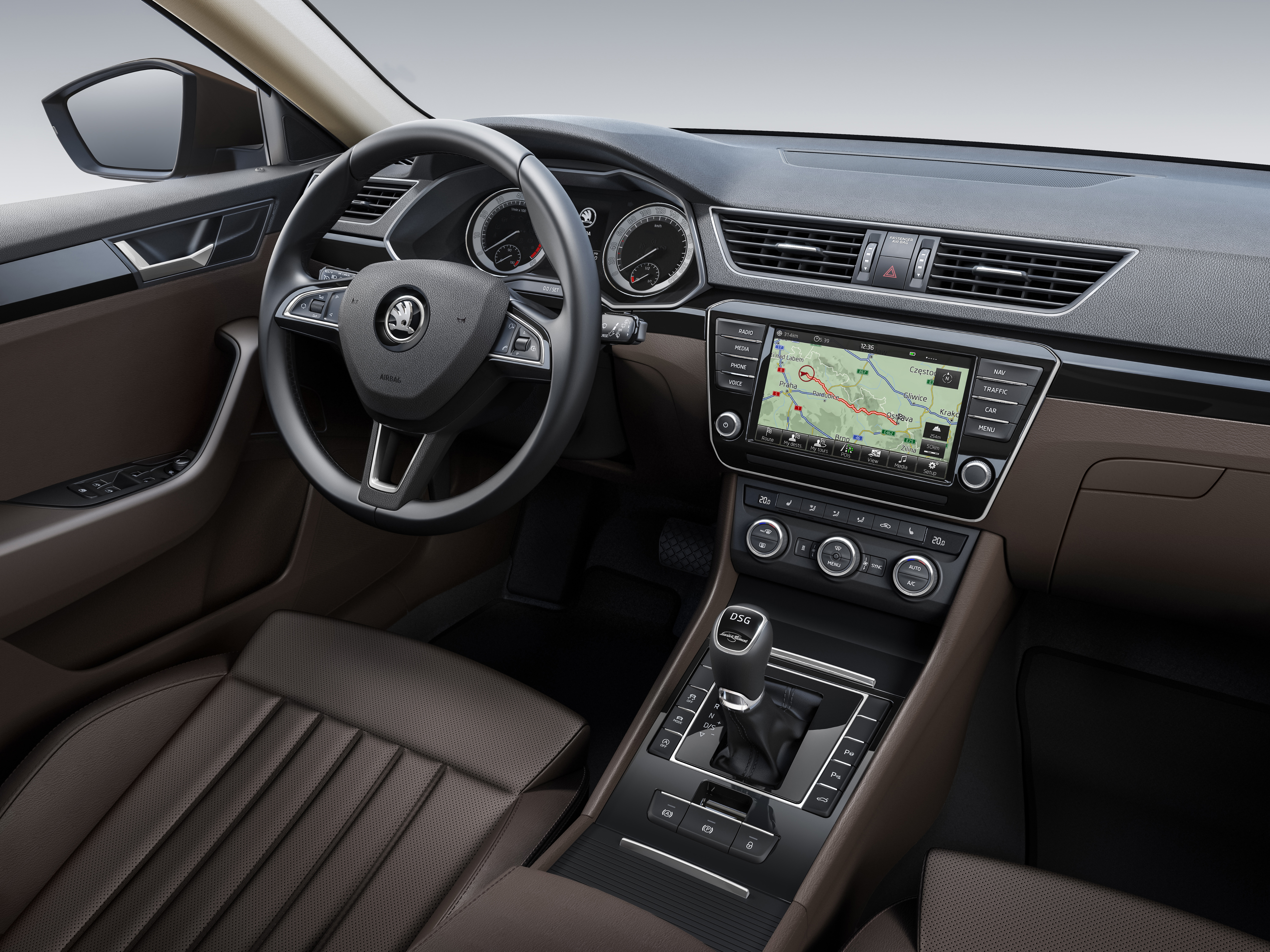
While the second generation marked a step towards greater premium appeal and practicality, the third generation added cutting-edge technologies that remain highly relevant even today, 11 years after its introduction. Alongside a new infotainment system and connectivity features, modern driver assistance systems were introduced. The 2019 facelift brought a plug-in hybrid powertrain and the Scout variant with enhanced off-road capability. 

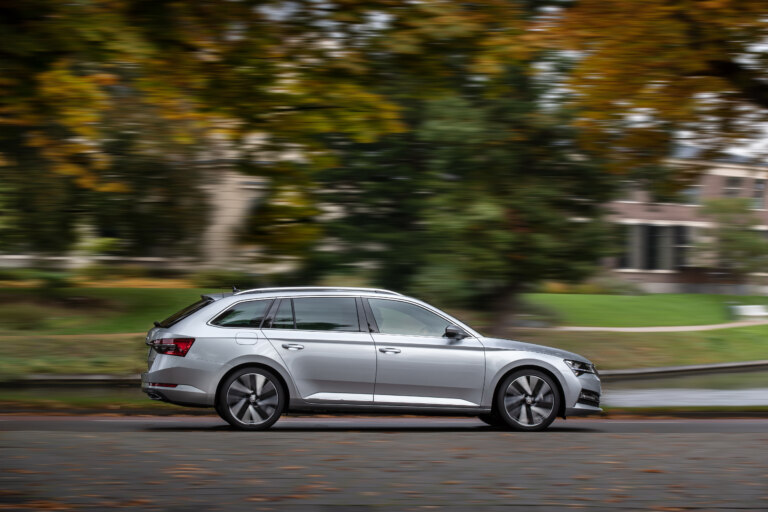
The importance of the Combi version was underlined by the simultaneous launch of both body styles. In fact, of the 805,000 third-generation Superbs sold, 56 per cent were Combi models. The estate offered the largest luggage compartment in the model’s history at the time and, together with the liftback, introduced Škoda’s new crystalline design language, characterised by elegant surfaces and striking details. 

"Our goal was precision in every aspect of the design. LED technology helped us achieve this, but we still had to push suppliers to meet our requirements. For example, the ends of the C-shaped signatures in the rear lights measure only 2.5 millimetres, and achieving such precision was a major challenge," recalls Petr Nevřela, Lead Exterior Lighting Designer. The third-generation Superb continues to receive praise for its timeless appearance to this day.

The fourth generation: truly versatile

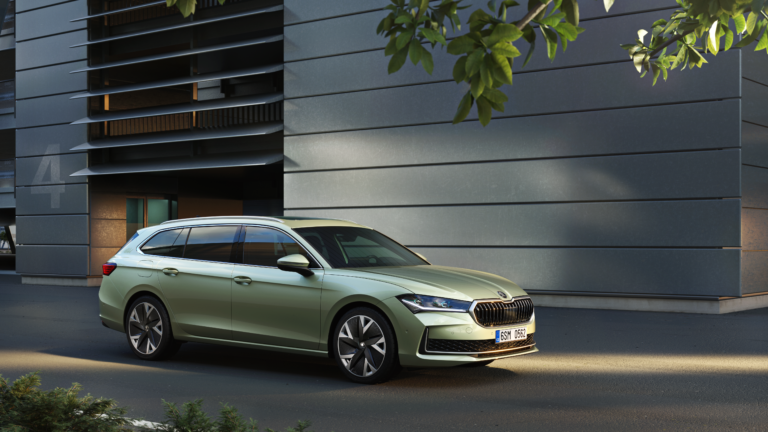
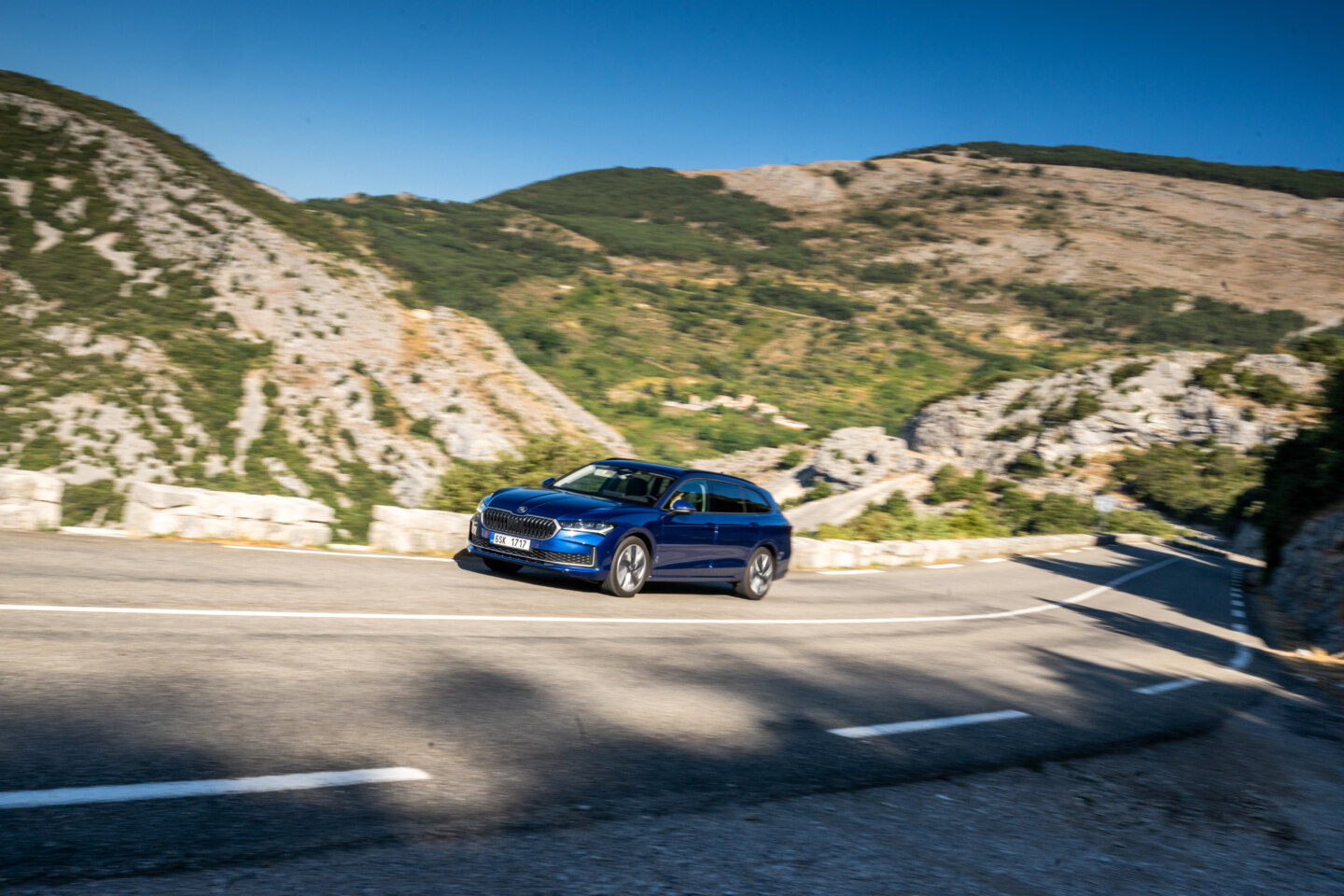
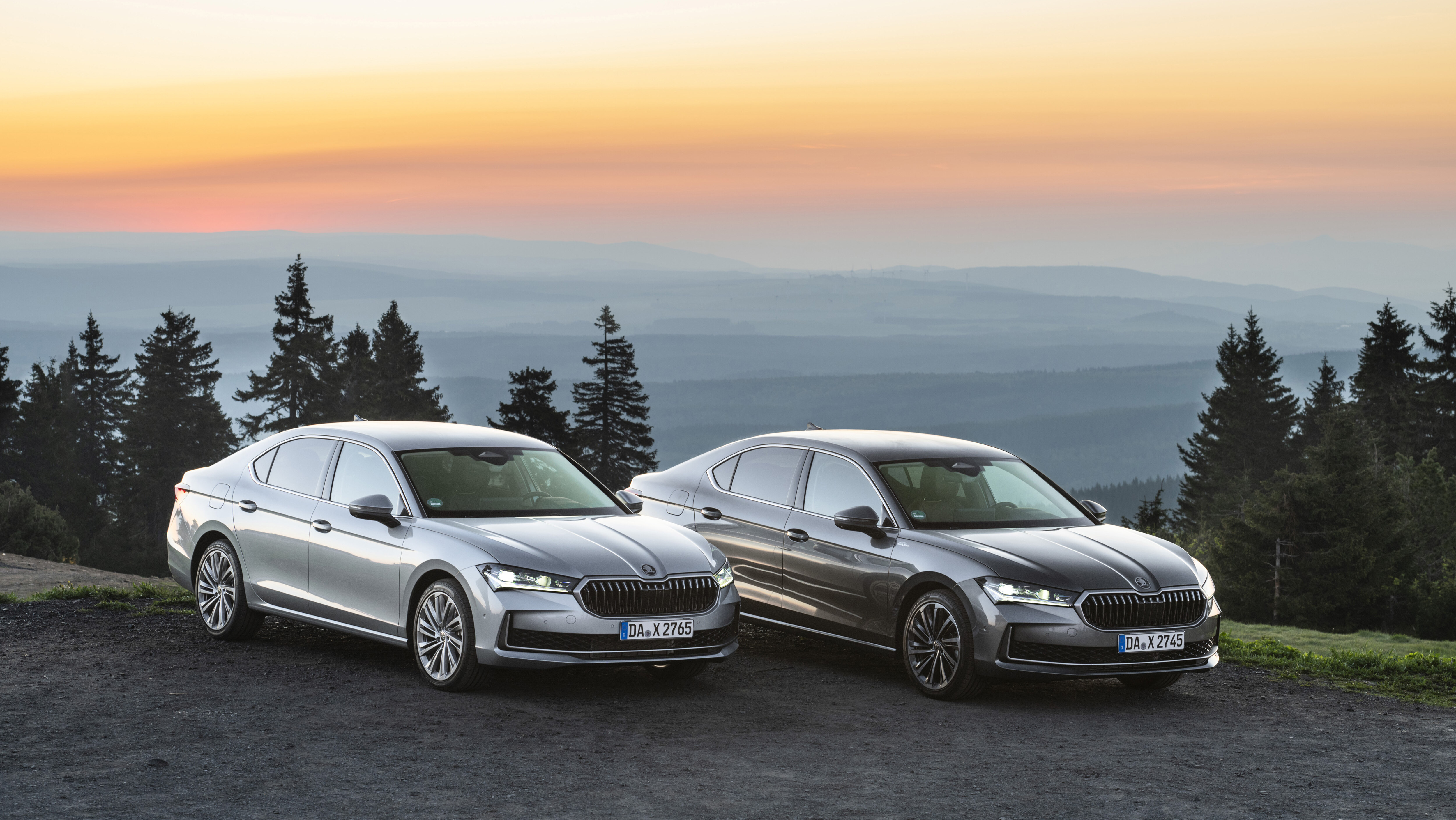
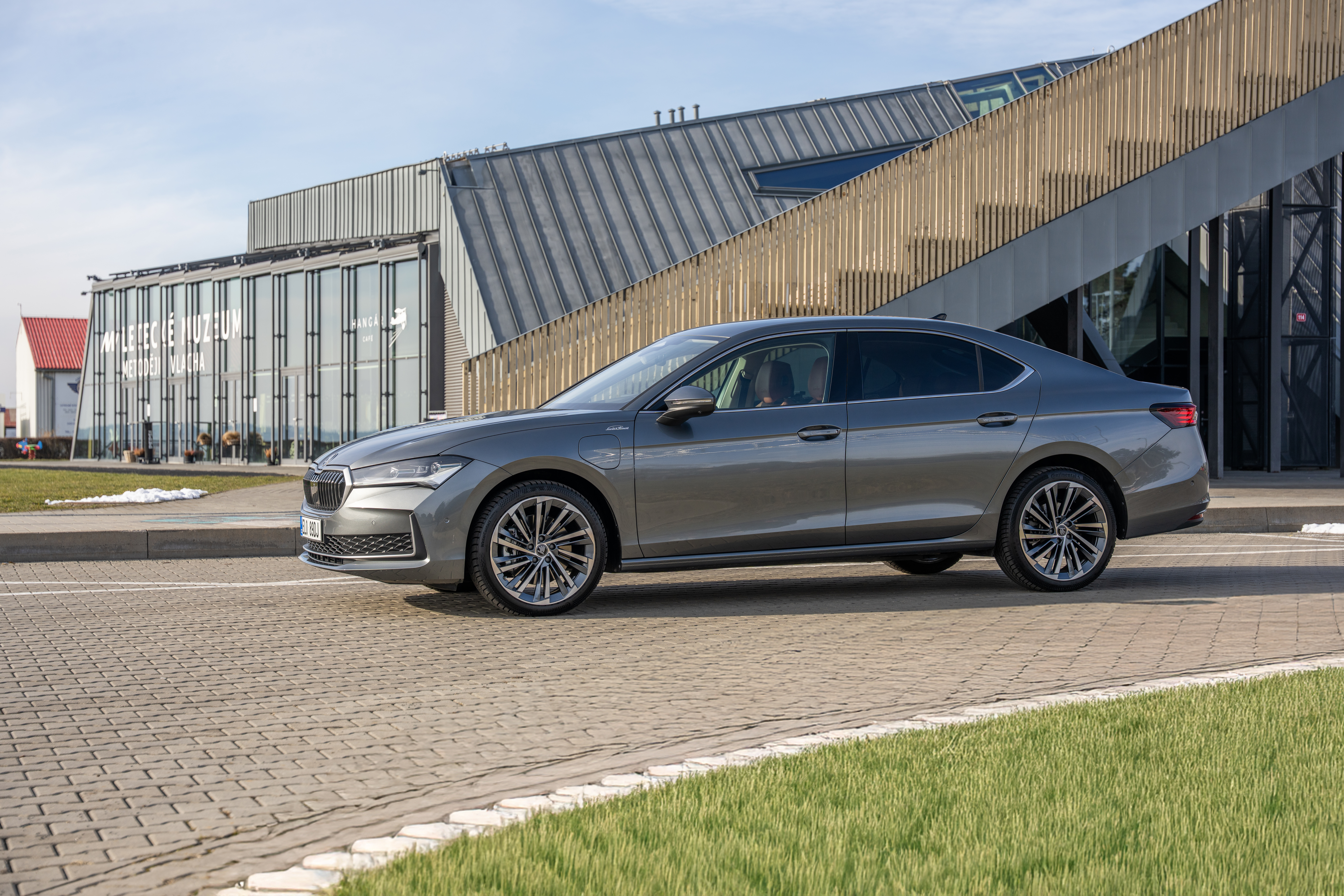
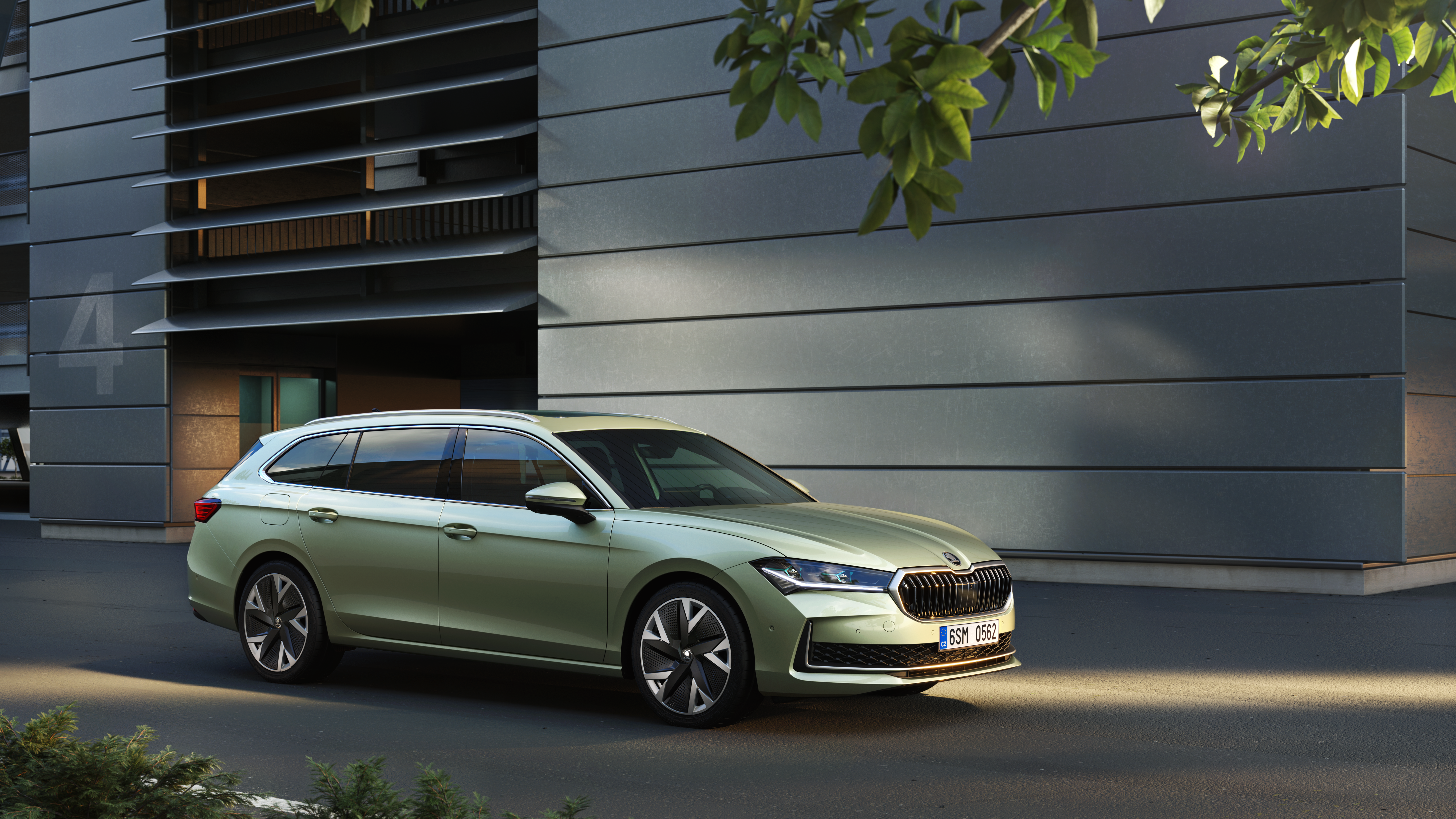
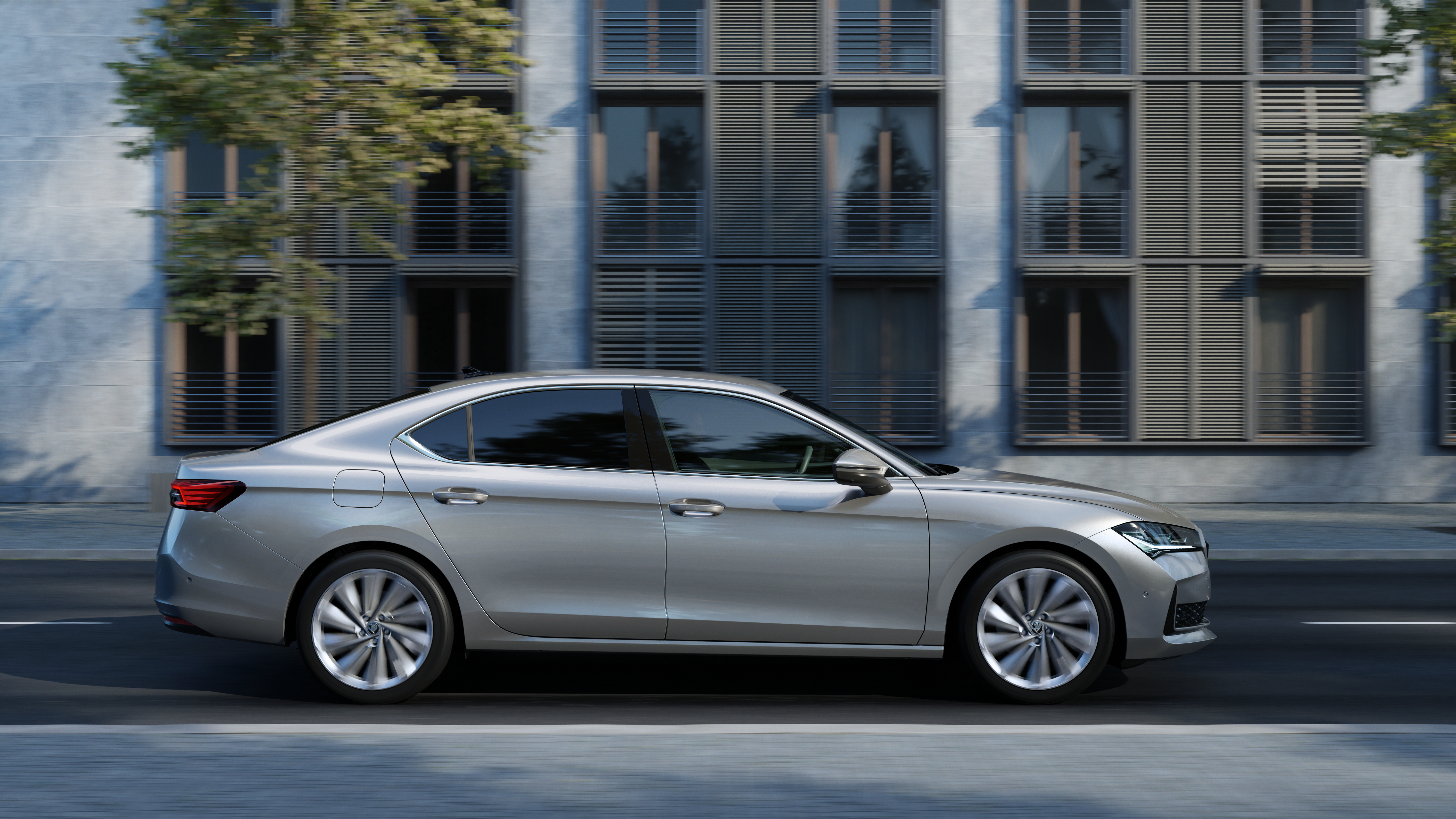
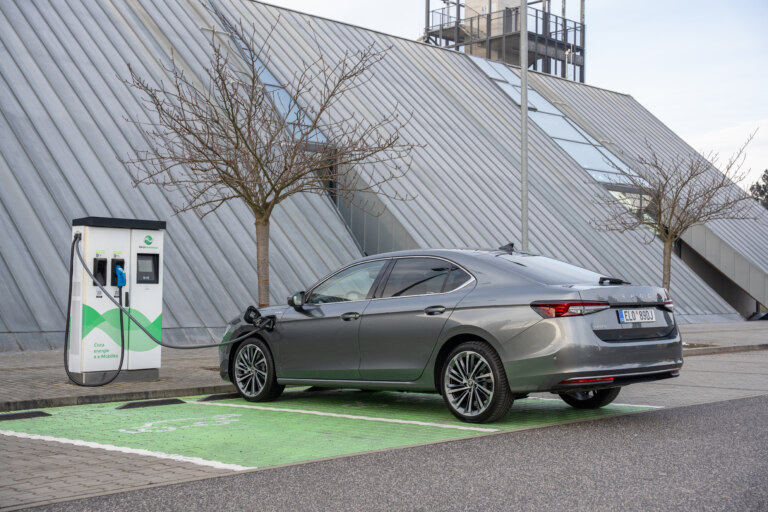
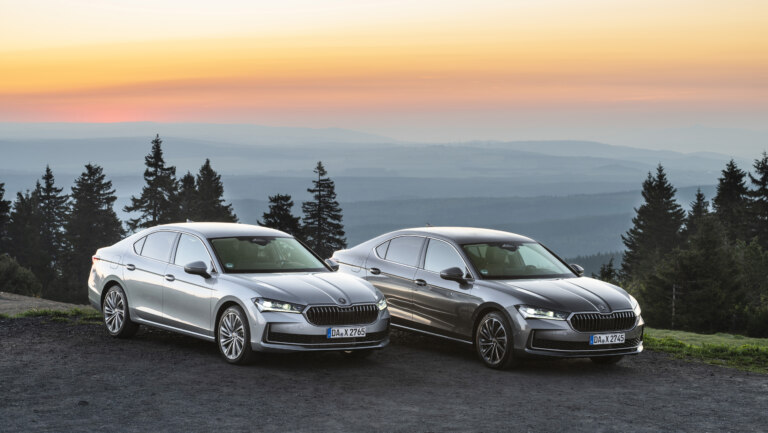
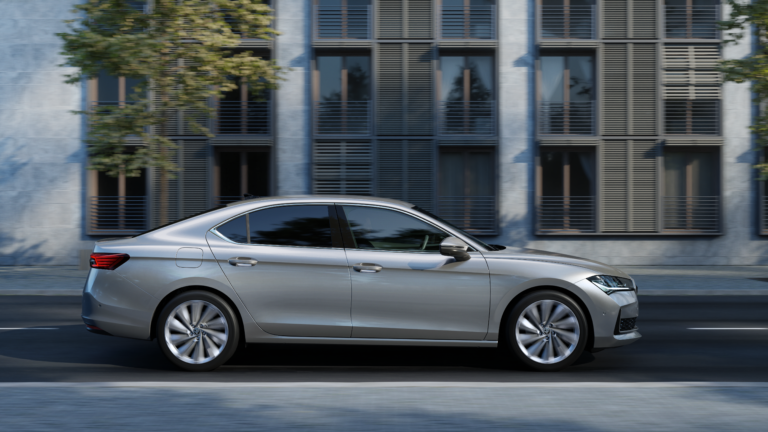
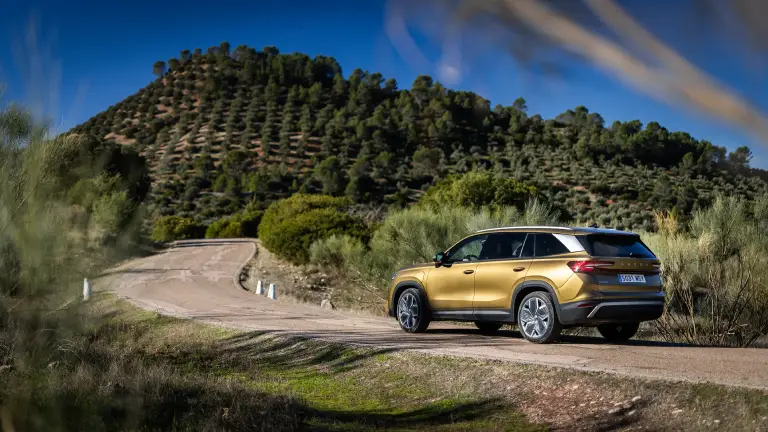
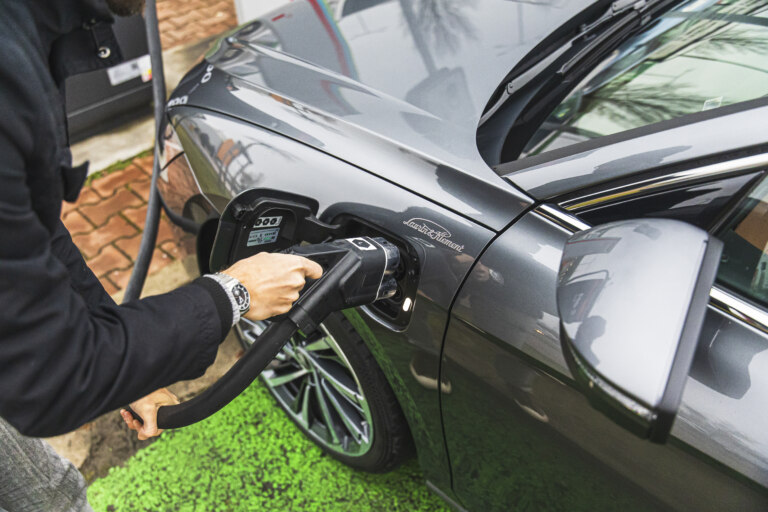
In its current fourth generation, the Superb places even greater emphasis on versatility while remaining faithful to its DNA as a large car featuring clever engineering. Alongside traditional petrol and diesel engines, the range now includes two plug-in hybrid versions offering an electric range of more than 120 kilometres on a single charge. 

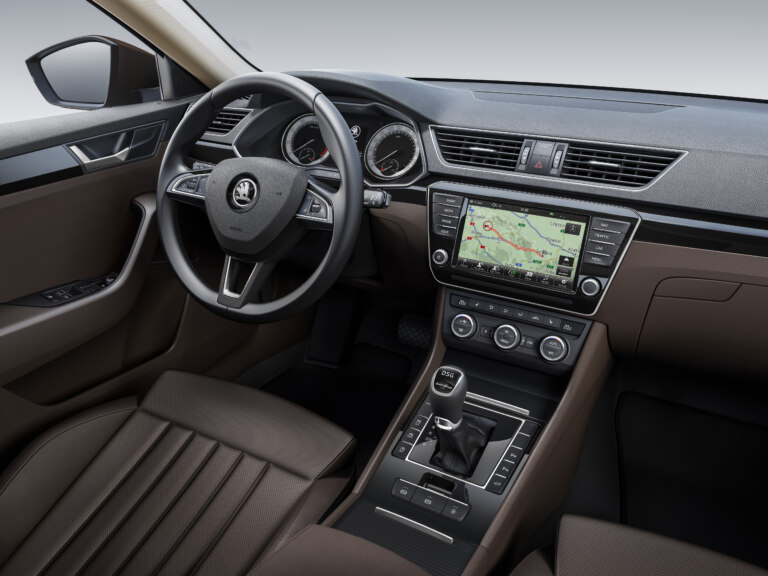
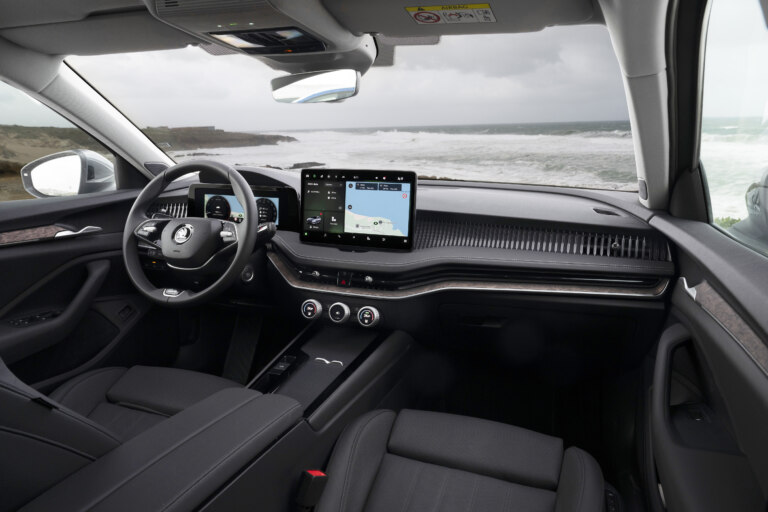
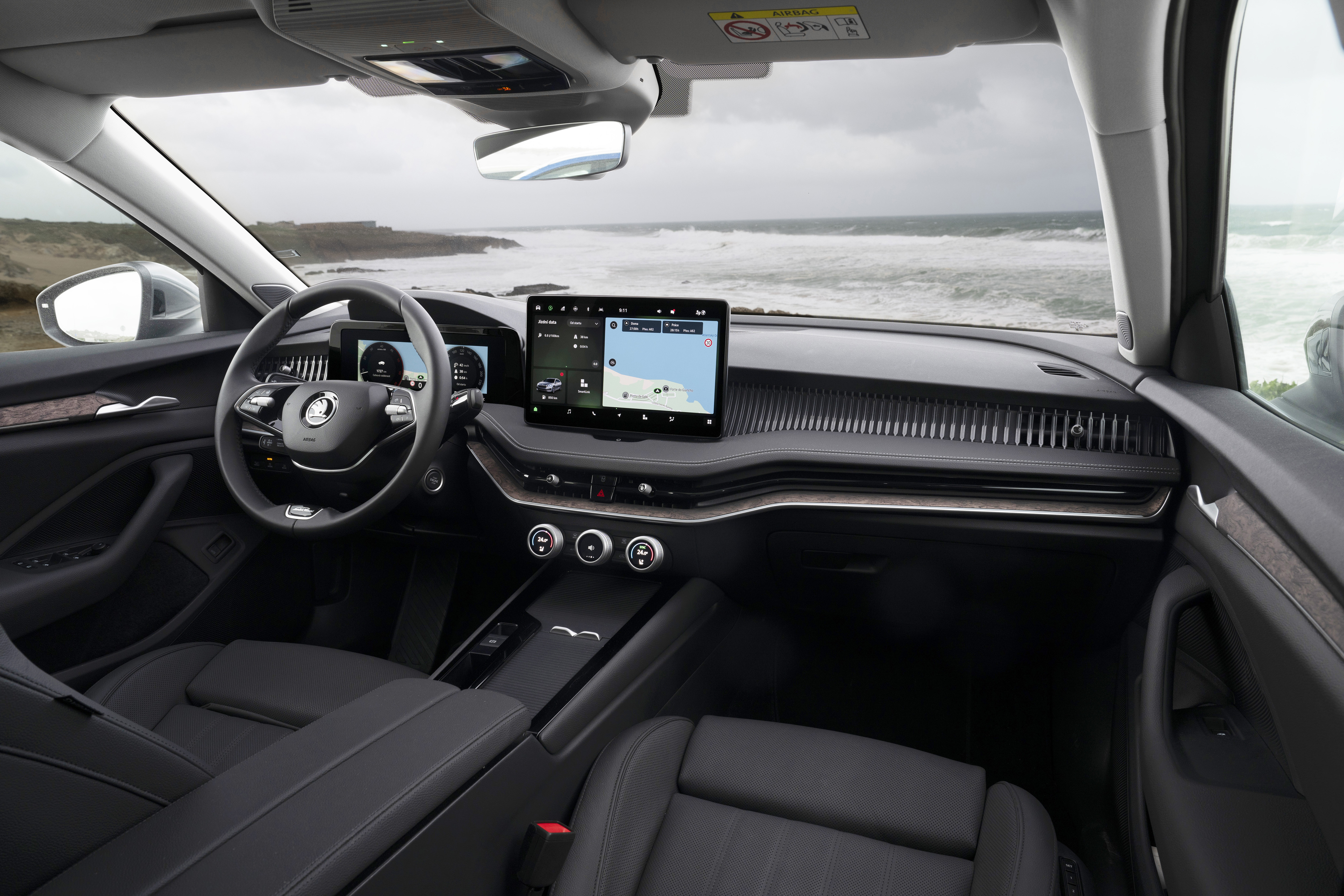
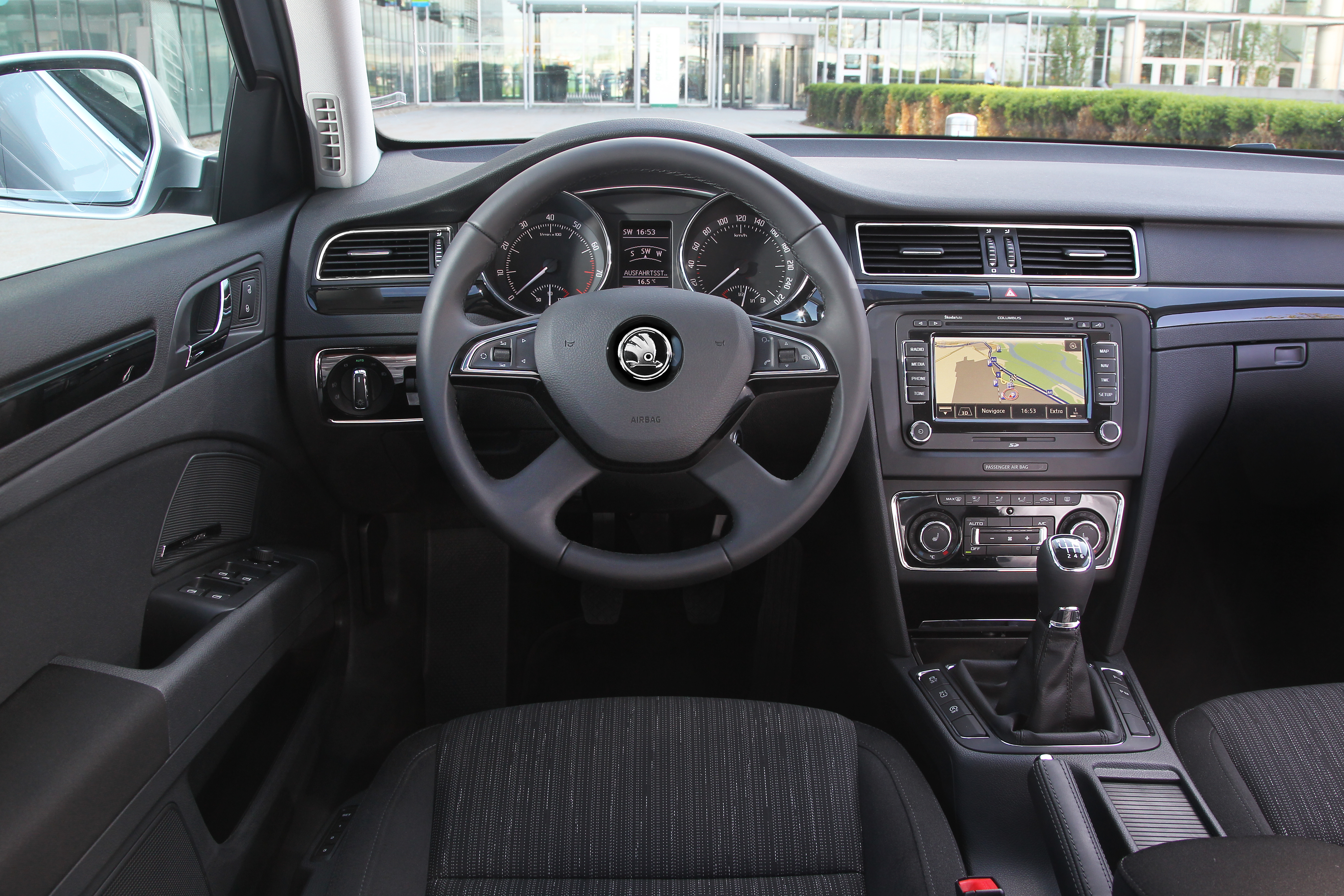
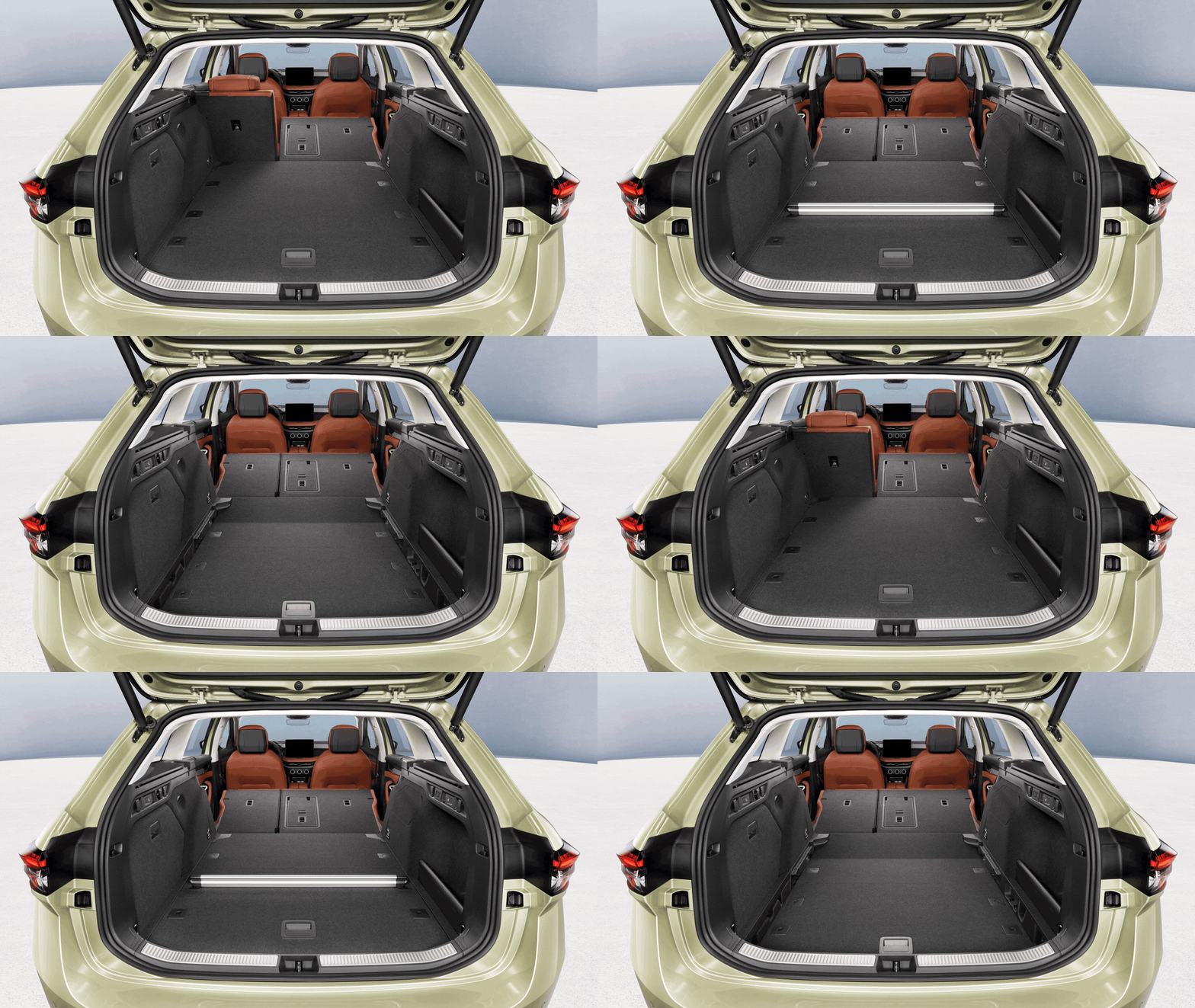
The fourth-generation Superb is also an excellent example of how Škoda combines modern requirements for vehicle digitalisation with ergonomic controls. The answer is Smart Dials, the multifunctional rotary controls that blend digital and physical operation. Interior spaciousness has once again reached record levels, including luggage capacity of 645 litres in the liftback and 690 litres in the Combi.
Superb_combi_GIF_adc8d1d3  
"The Superb has traditionally helped shape Škoda’s design language, and the fourth generation will continue that role. Its appearance is characterised by sharply defined lines, clearly defined dynamic proportions and a modern sculptural and crystalline style. We have also significantly improved the aerodynamics of both body styles while providing even more interior space for passengers," said Škoda Auto Head of Design Oliver Stefani at the car’s premiere. 

Since its market launch at the beginning of 2024, approximately 240,000 customers have already purchased the current Superb, further confirming the model’s enduring popularity.
Historic Superb

The Superb name has a long history at Škoda. It was first used on a model produced between 1934 and 1949, which already occupied the top position in the Czech manufacturer’s portfolio. A total of 890 civilian versions of the comfortable limousine, capable of seating up to seven passengers, were produced, alongside 1,630 military derivatives, including a unique all-wheel-drive variant.
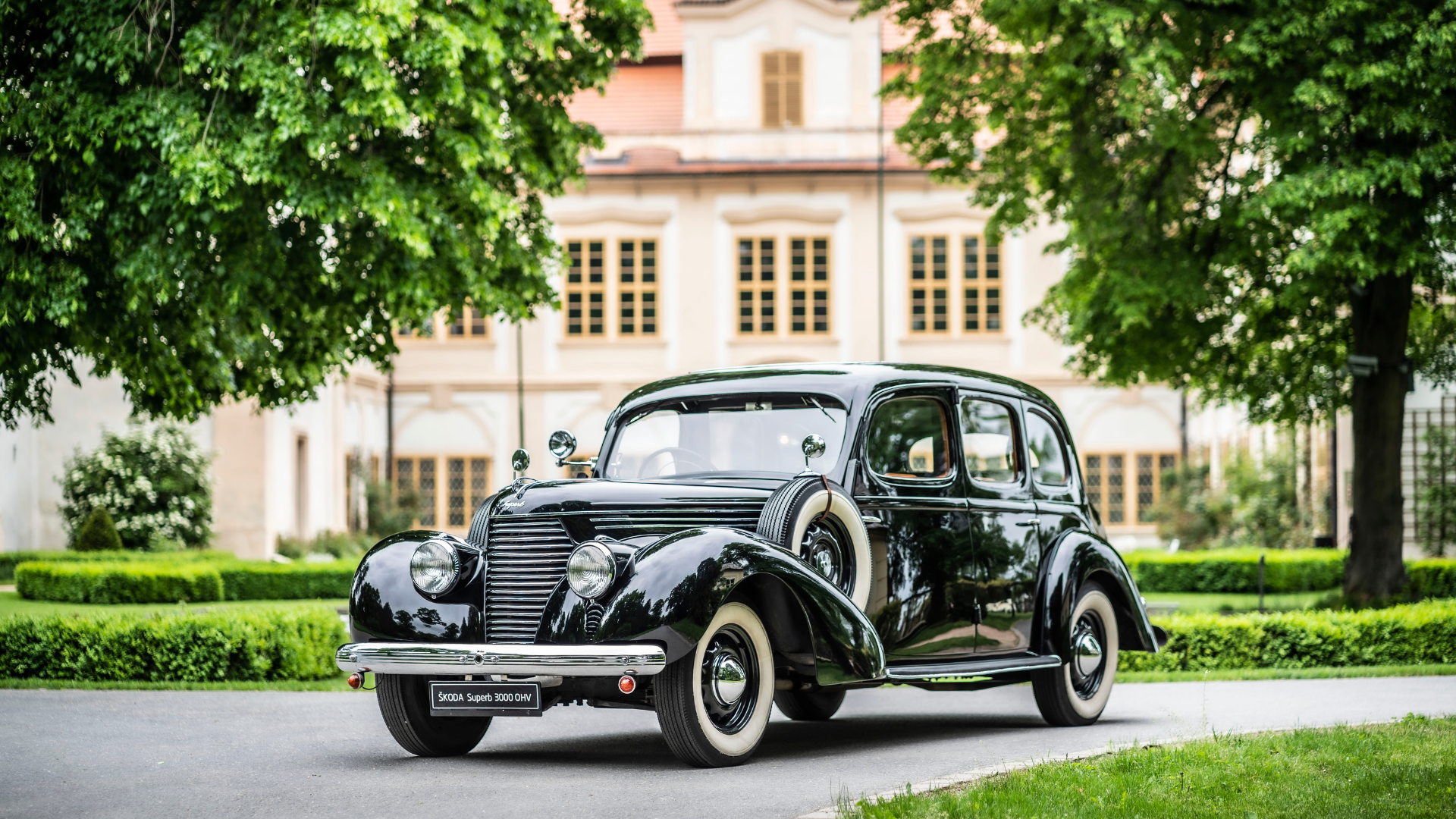
ŠKODA SUPERB 3000 OHV (1939)

Media Box

21 images
Show more Show less
Related Stories Based on tags: 2026, Superb