Octavia Arrives with a New Full-Hybrid Powertrain
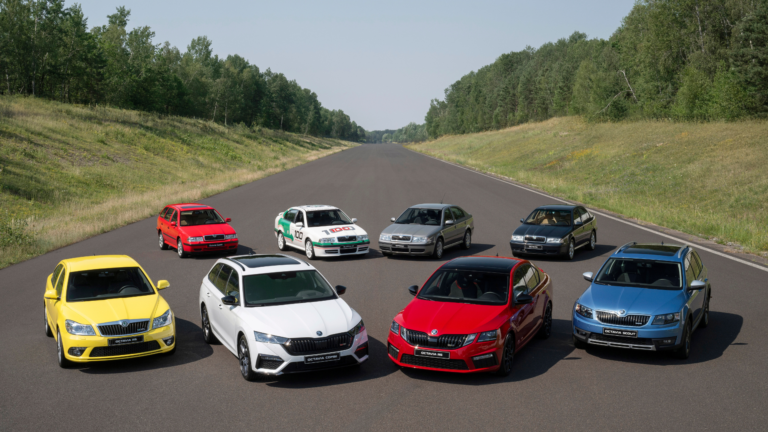
Over the course of its 30-year modern history, the Škoda Octavia has featured a remarkably broad range of powertrains. Now another one is joining the line-up: a new full hybrid. This electrified Octavia can also run purely on electric power, yet it does not require charging via a cable.
5. 10. 2026 Škoda WorldThe Škoda Octavia is receiving a new electrified powertrain. In addition to the mild-hybrid version already available, the range is now being expanded with a so-called full-hybrid. In this configuration, the electric motor is no longer used merely as a supporting element but is also capable of powering the vehicle on electricity alone. And it does so without the need for external charging, as electrical energy is recovered through regenerative braking or, when required, generated by the internal combustion engine.
In terms of the degree of electrification, the new powertrain represents an intermediate step between the mild-hybrid versions (Octavia, Superb and Kodiaq) and the plug-in hybrid models (Superb and Kodiaq). Equipped with this powertrain, the Octavia Hybrid offers excellent everyday usability and low fuel consumption. At the same time, it prioritizes simplicity and user-friendliness.
Two Versions Available
The full-hybrid Octavia will be offered in two versions. From a technical perspective, both are identical, differing only in their available system output: 100 kW or 125 kW. As with the mild-hybrid variants, the heart of the powertrain is a 1.5 TSI petrol engine, producing either 96 kW or 110 kW depending on the trim.
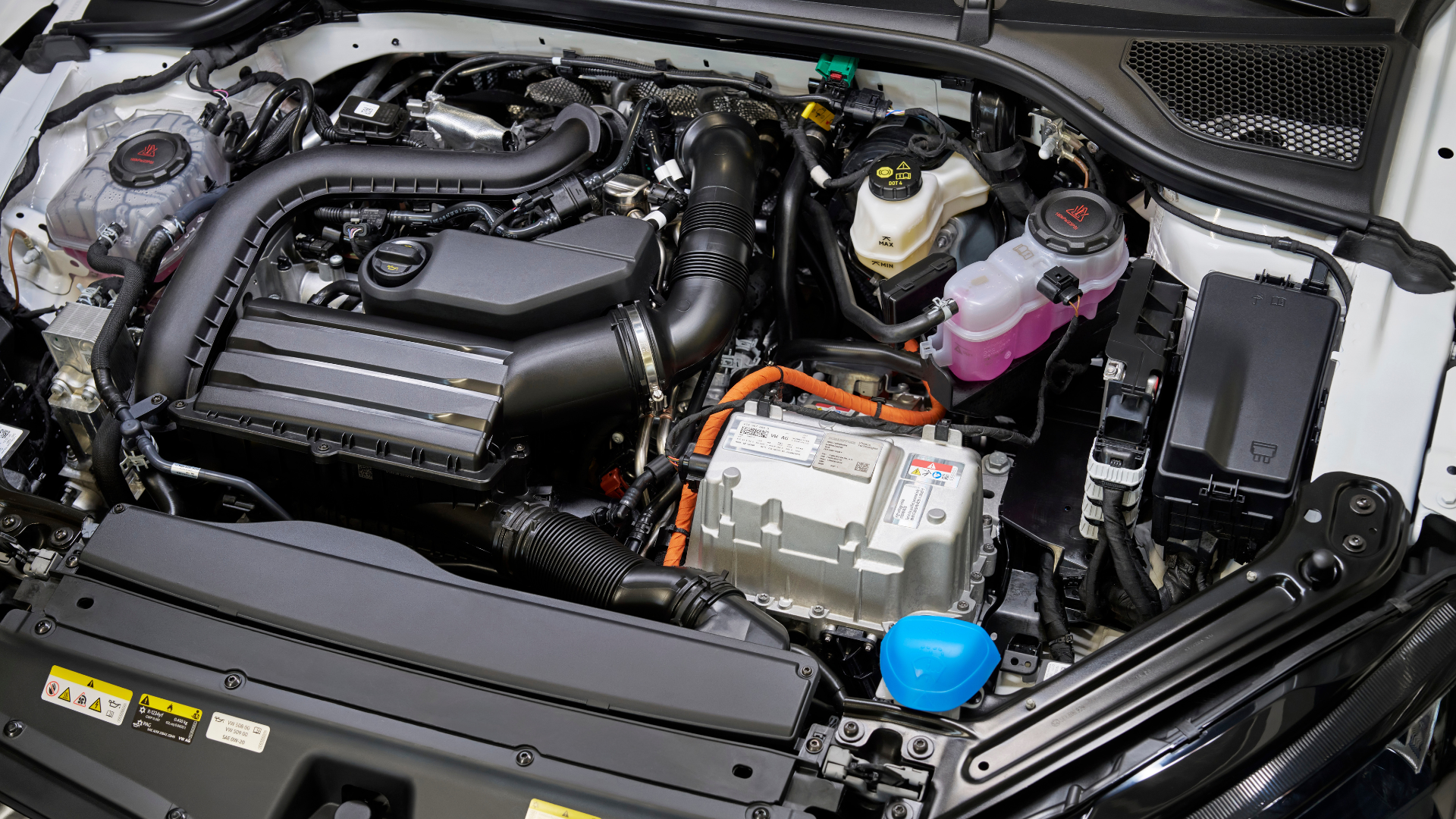
It is complemented by two electric motors: a 110-kW generator, a 125-kW traction motor, a 1.6 kWh NMC battery and a new TQ250 single-speed automatic transmission designed for a series-parallel hybrid powertrain.
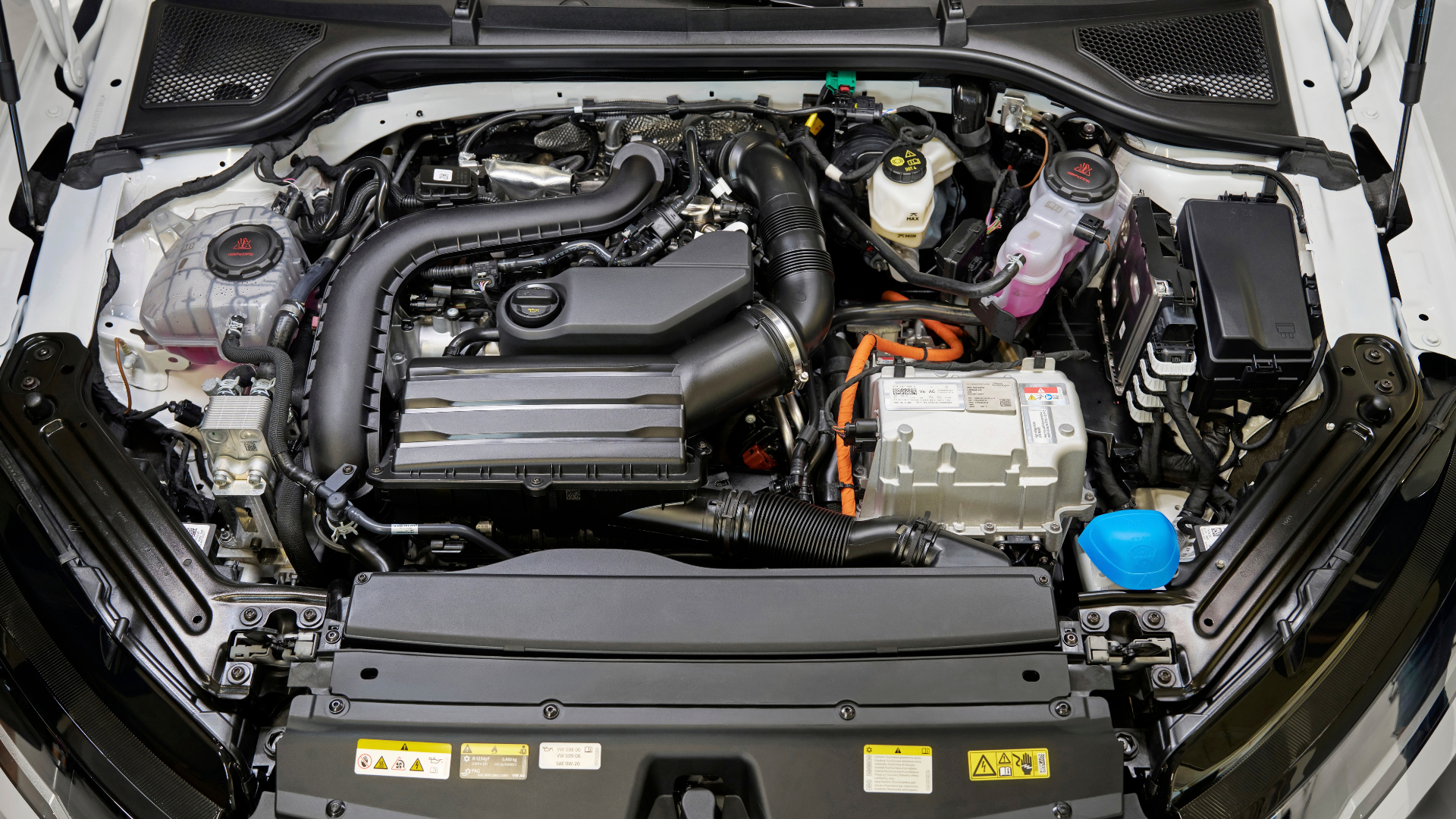 The Octavia Hybrid combines a traditional internal combustion engine with electric propulsion, which is evident even under the hood.
Series and Parallel Operation
A distinctive feature of the new powertrain is its ability to operate both as a series hybrid and as a parallel hybrid. In series mode, the internal combustion engine is not mechanically connected to the wheels via the transmission. In such a configuration, the vehicle essentially behaves like an electric car: propulsion is provided exclusively by the electric motor, while the internal combustion engine serves, when required, to drive a generator producing electrical energy. The Octavia Hybrid prefers this operating mode at speeds of up to approximately 60 km/h.
At higher speeds, the car switches to parallel mode, in which the internal combustion engine is connected to the wheels through a clutch and the single-speed transmission. The outputs of the internal combustion engine and the traction motor can then be combined as required, while the generator may simultaneously be used to produce electricity. When stronger acceleration is needed, the electric motor takes the leading role, delivering rapid response and pleasant driving dynamics.
Changes Compared to Existing Versions
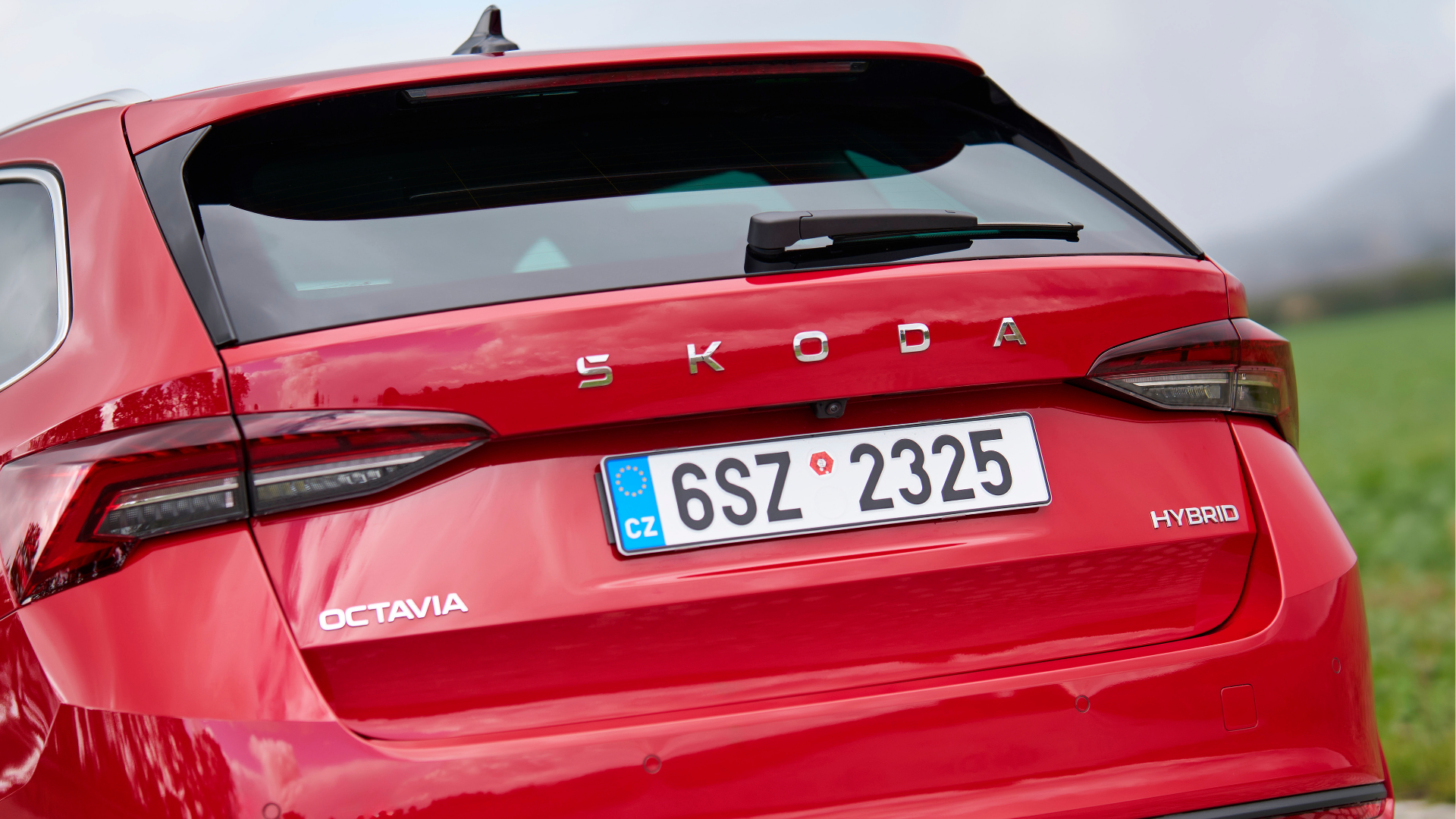
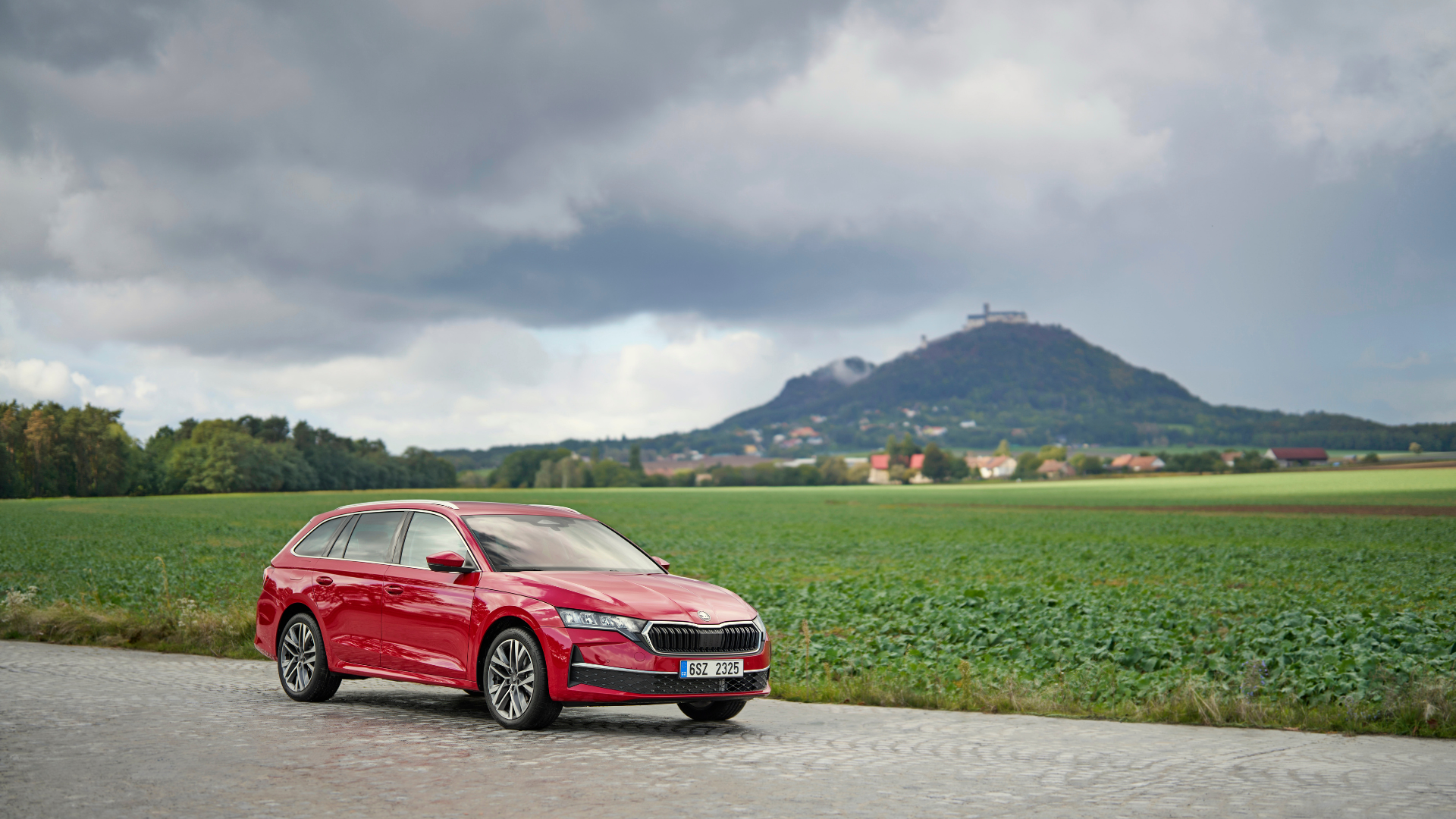
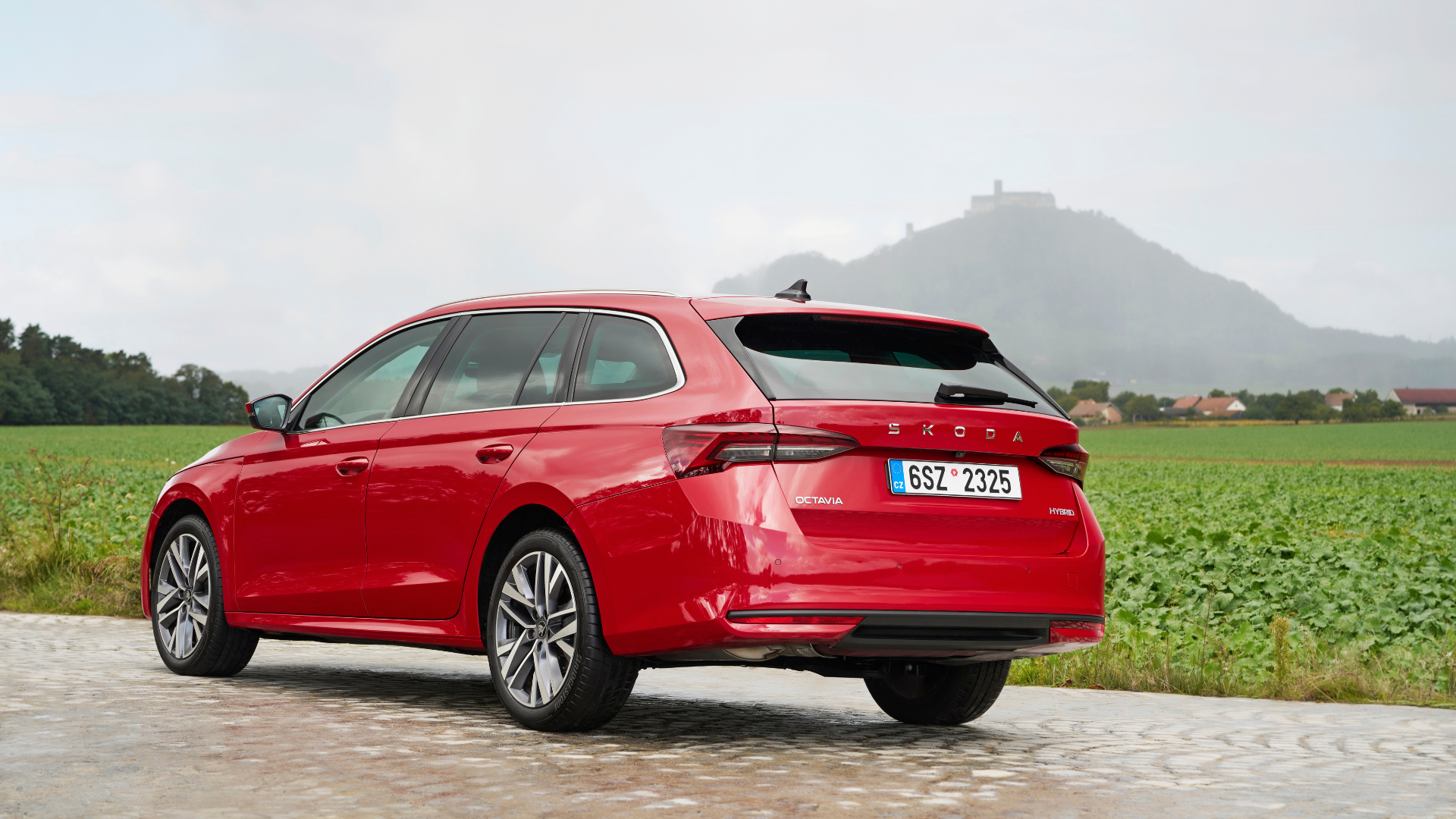
The main distinguishing feature of the hybrid version of the Octavia is, naturally, its powertrain. Compared with other versions, however, it also features several specific characteristics. As standard, it comes equipped with 17-inch Mensa alloy wheels and Hybrid badging. A 13-inch infotainment display is also included as standard equipment. Conversely, the variable boot floor and spare wheel are not available, as the battery is locatedbeneath the luggage compartment floor. The hybrid version also cannot be ordered with the lowered sports suspension or the rough-road package.
Be the first
to get the latest stories
Explore more
Media Box
5 images
Show more
Show less