How the Škoda Octavia reached 365 km/h
How the Škoda Octavia reached 365 km/h

Over the 30 years since its debut, the modern Škoda Octavia has achieved a number of remarkable milestones. However, one accomplishment stands out among them. Looking back to 2011, this is the story of the speed record set on the Bonneville Salt Flats.

11. 8. 2026 Škoda World
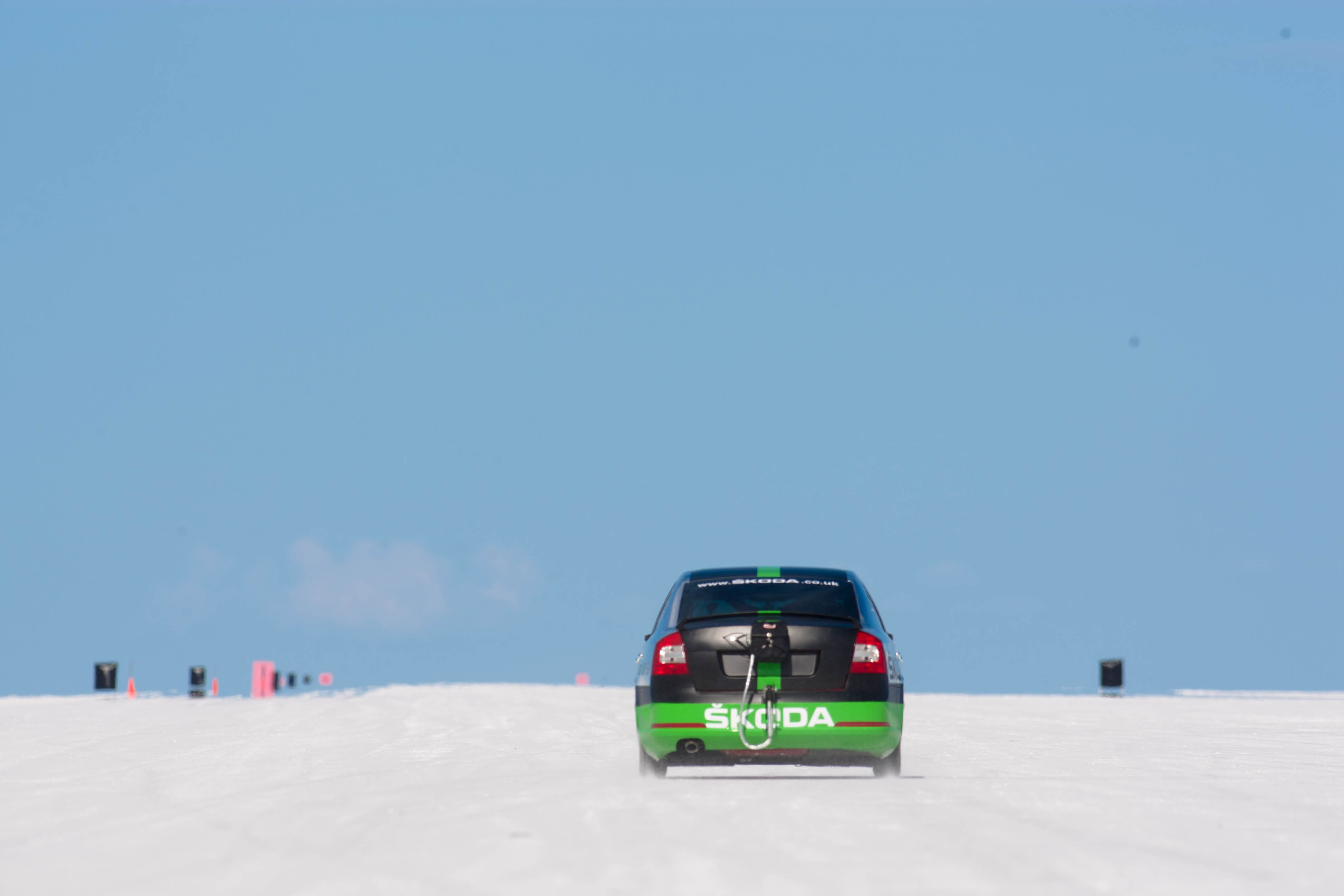
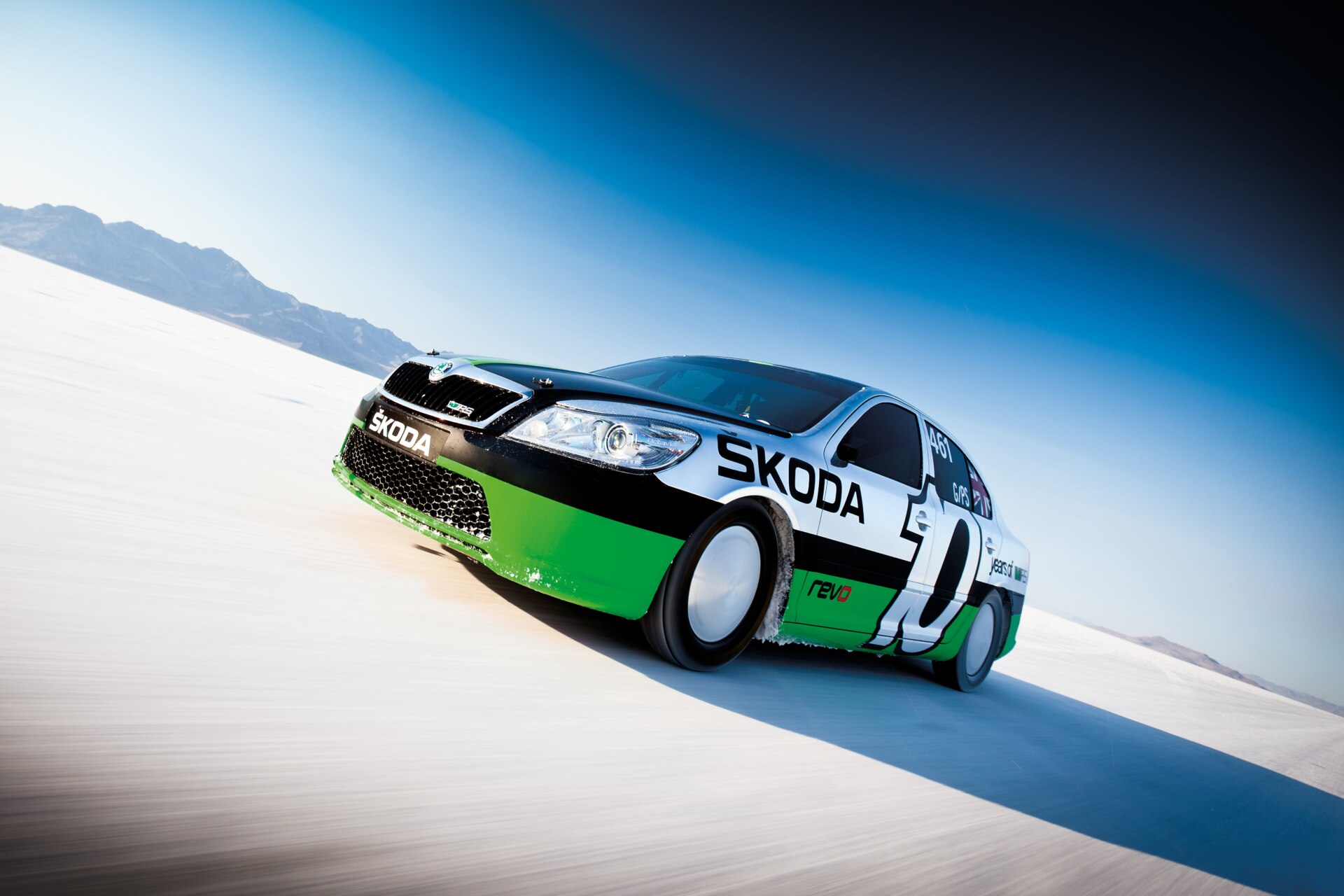
 In prehistoric times, the area now occupied by the US state of Utah was covered by a vast saltwater lake, now known as Lake Bonneville. Today, only a small amount of water appears during the spring months before evaporating in summer, while the wind smooths out any remaining depressions. The result is an immense expanse covered by a hard salt crust, whose exceptionally flat surface and enormous size have made it a legendary venue for speed enthusiasts pursuing outright records. Many records have been set there over the years, and one of them is still held by Škoda. Fifteen years ago, an Octavia RS reached a speed of 367.97 km/h here. 

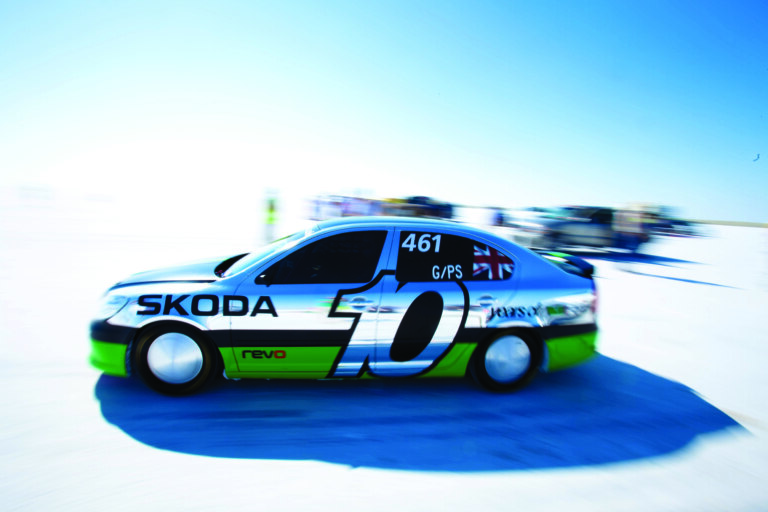
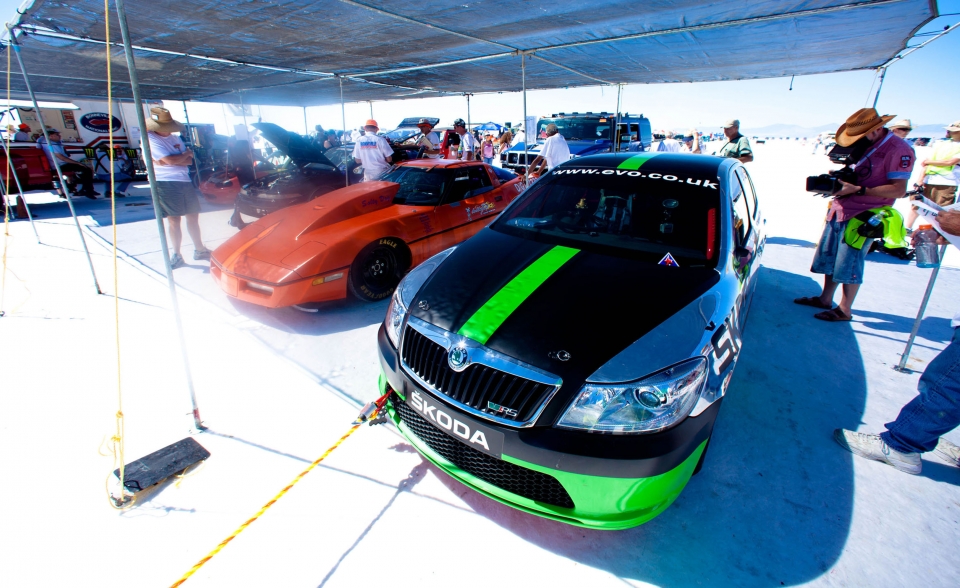
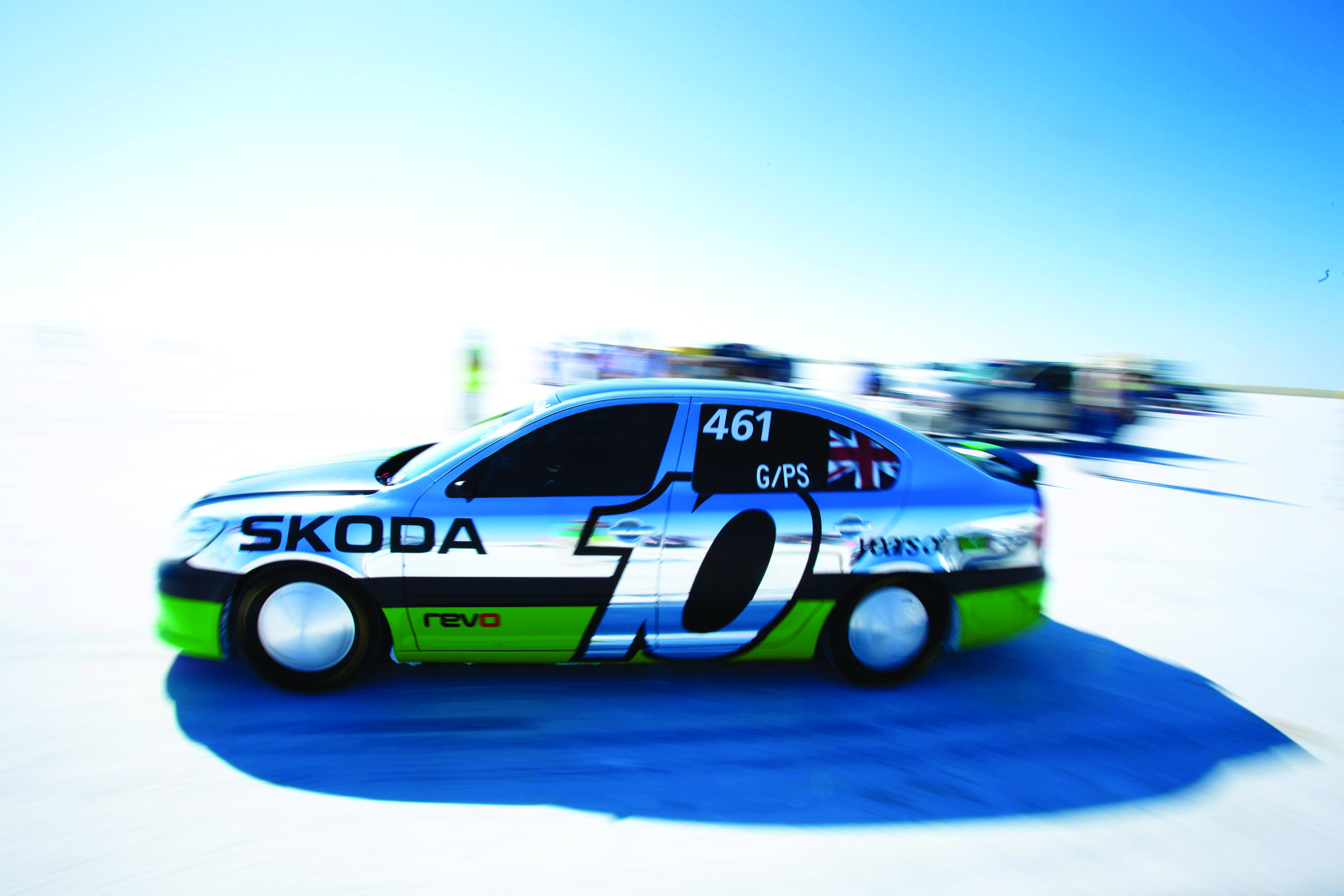
The idea of creating an ultra-high-speed Octavia originated within the communications team of Škoda's British importer as part of celebrations marking 10 years of the RS performance models (marketed in the United Kingdom as vRS). The objective was to travel to the salt flats and surpass the 200 mph (320 km/h) barrier in a car powered by a 2.0-litre engine. The car fell into the G/PS (Gas/Production Supercharged) category, where the existing record at the time was 216 mph (348 km/h).

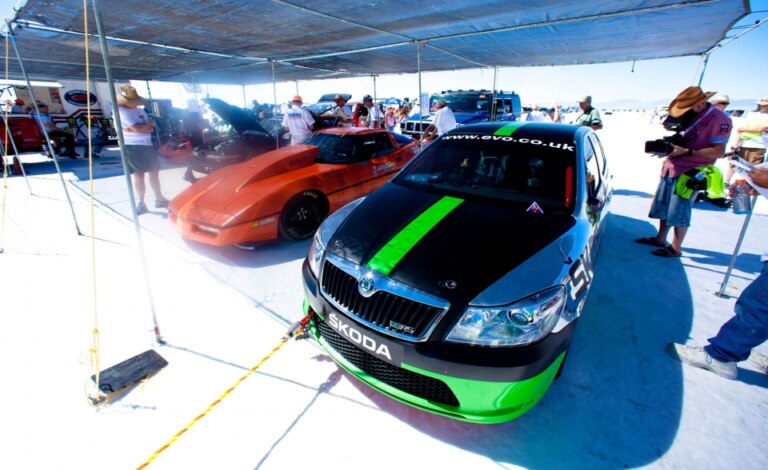
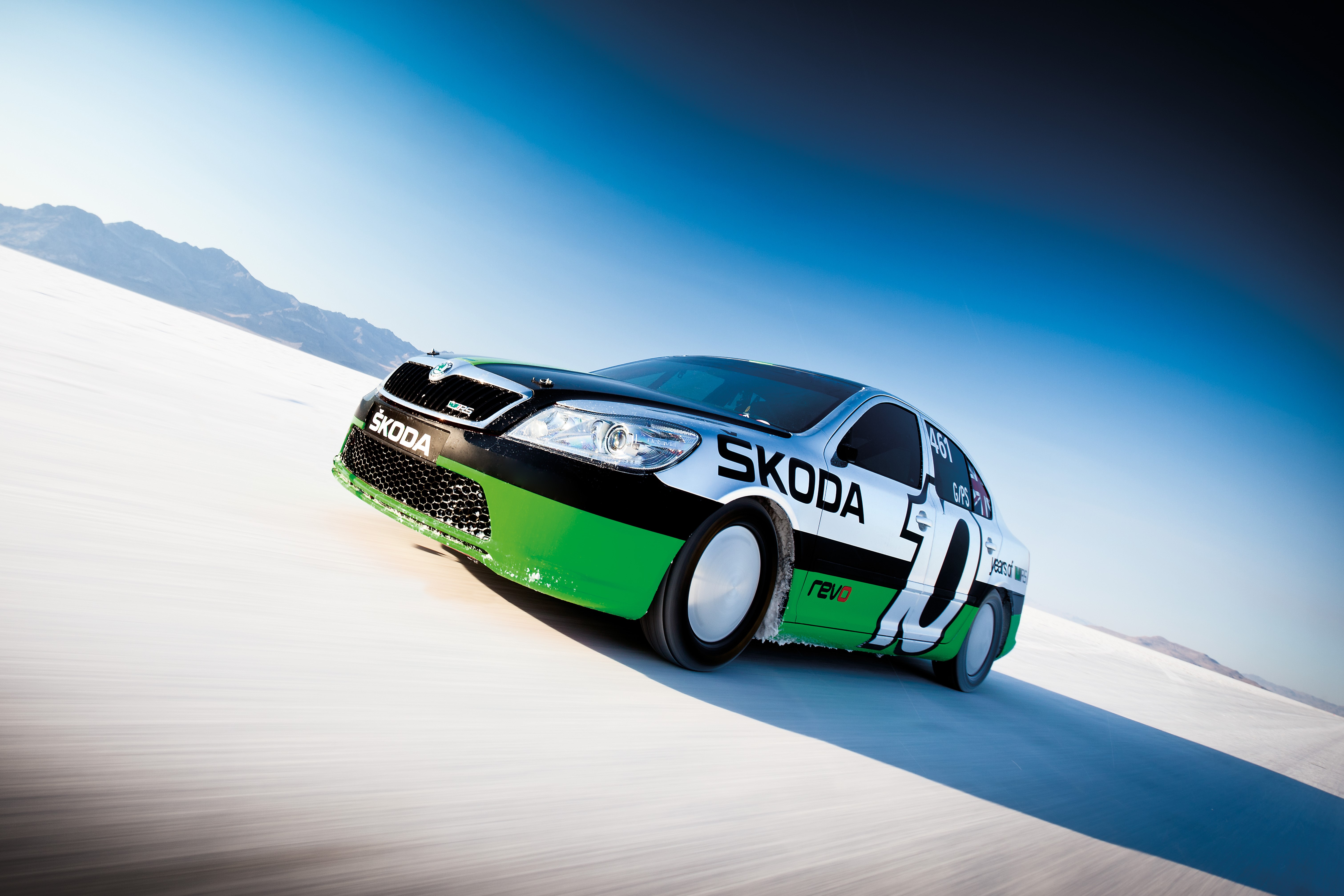
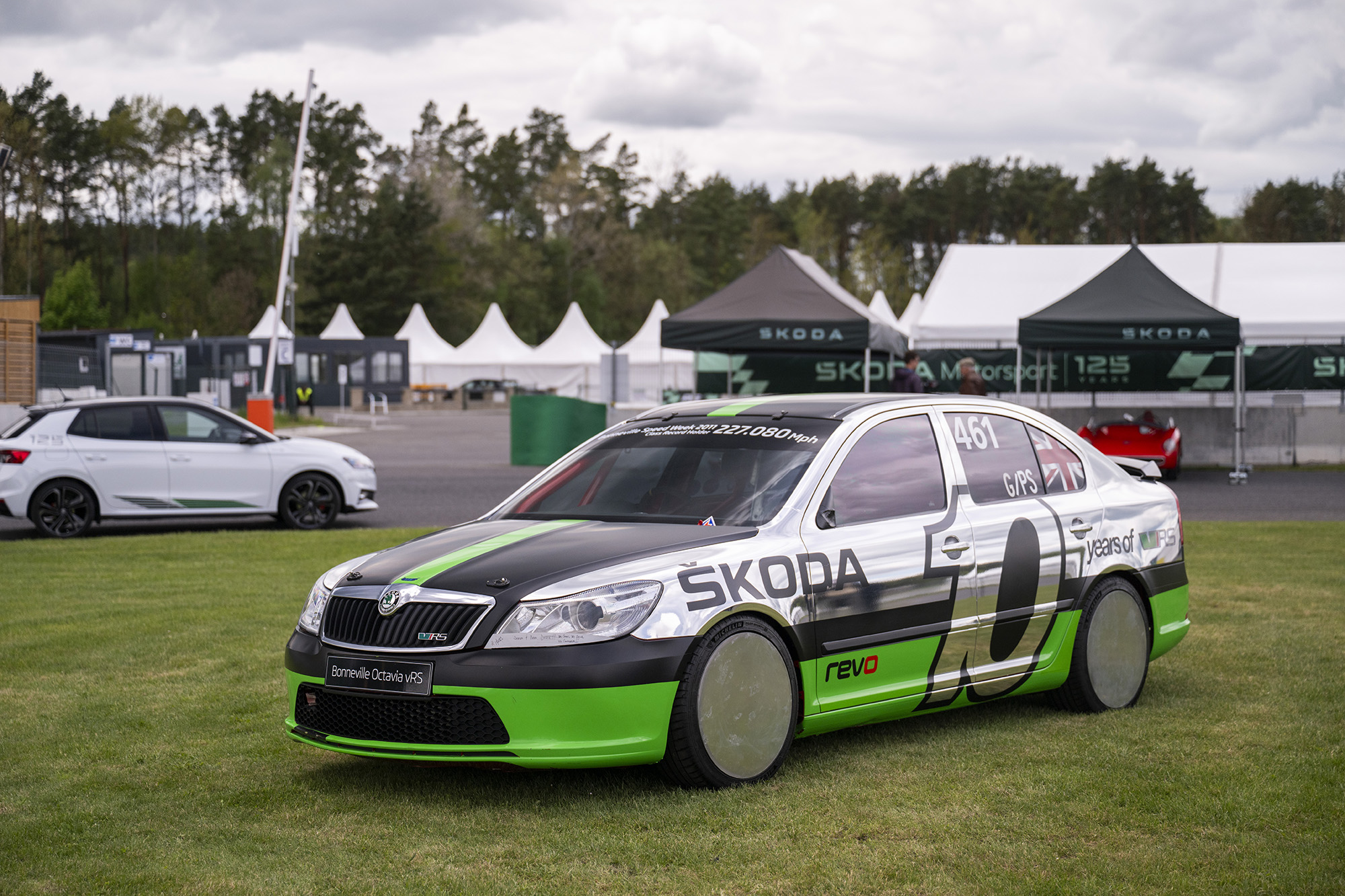
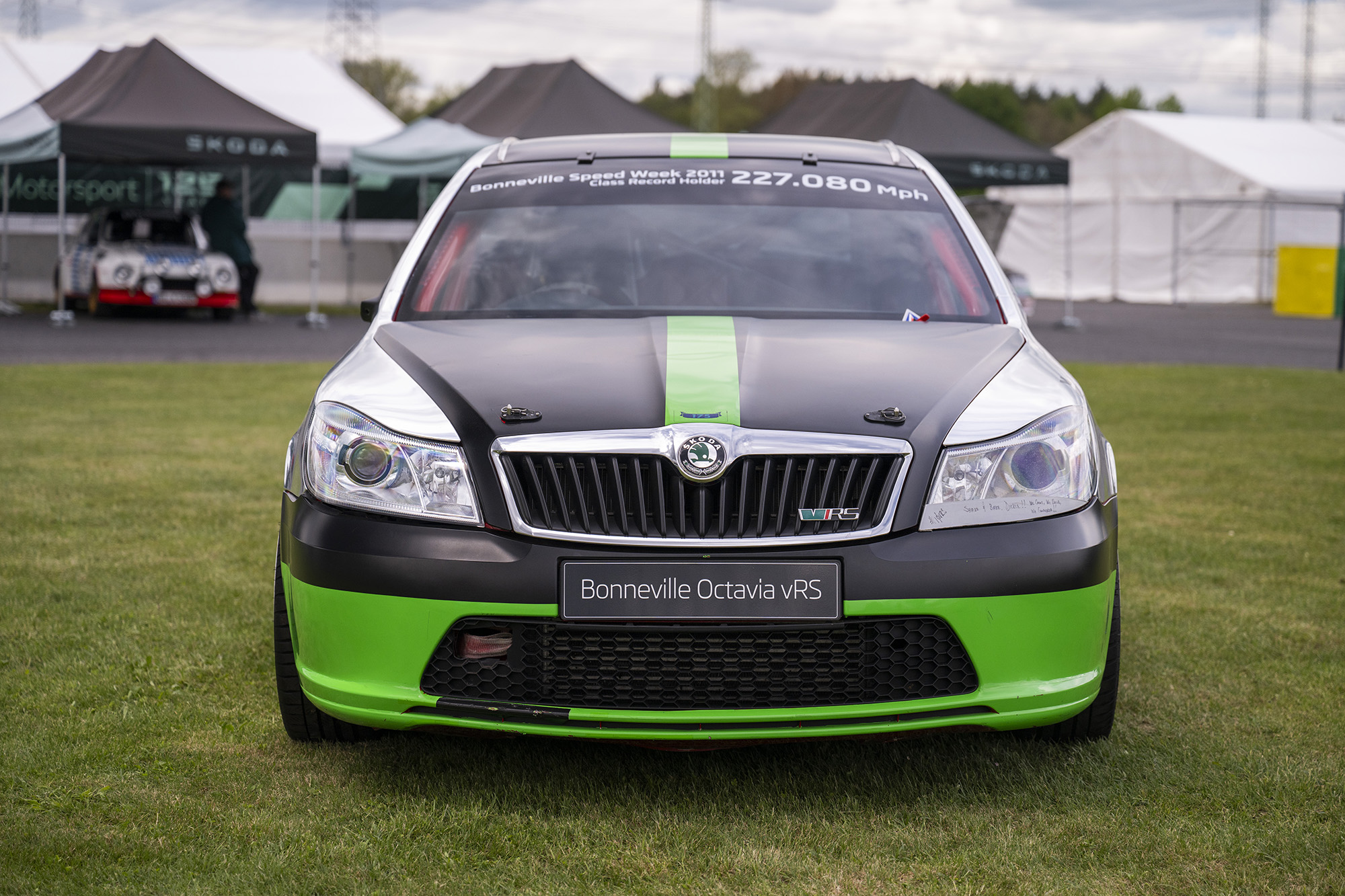
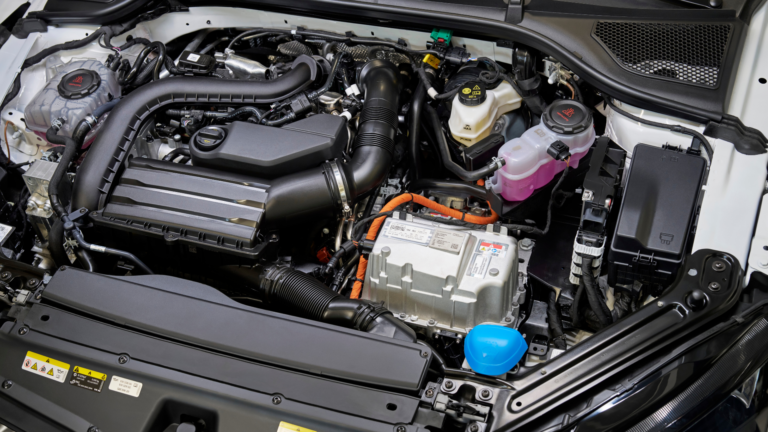
The Bonneville special began life as a standard Škoda Octavia RS finished in Corrida Red and was originally intended for press loans. Its transformation into a speed-record contender took place in Milton Keynes in cooperation with professional tuning specialist Revo Technik. In order to increase the car’s maximum speed by more than 100 km/h beyond the production model, extensive modifications and a significant power increase were required. Nevertheless, components such as the engine block, pistons and crankshaft remained identical to those used in the standard production car. 

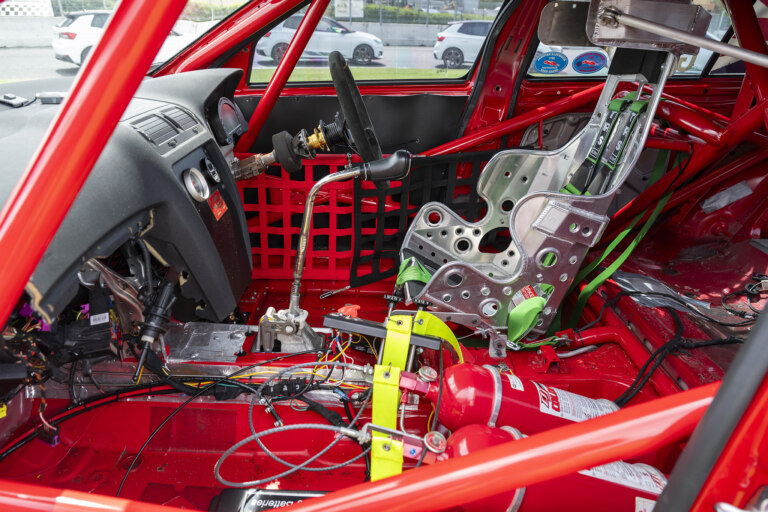
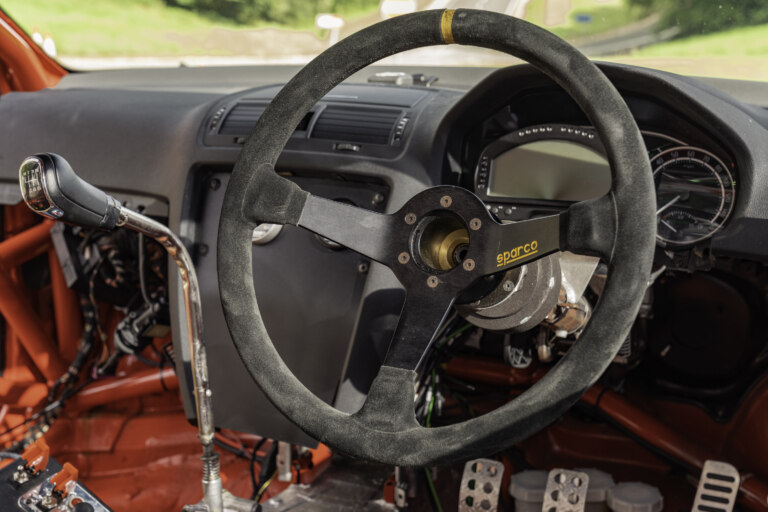
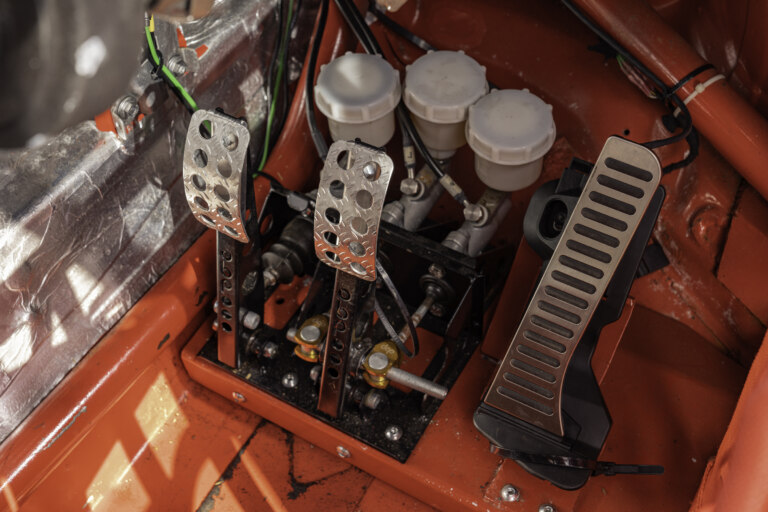
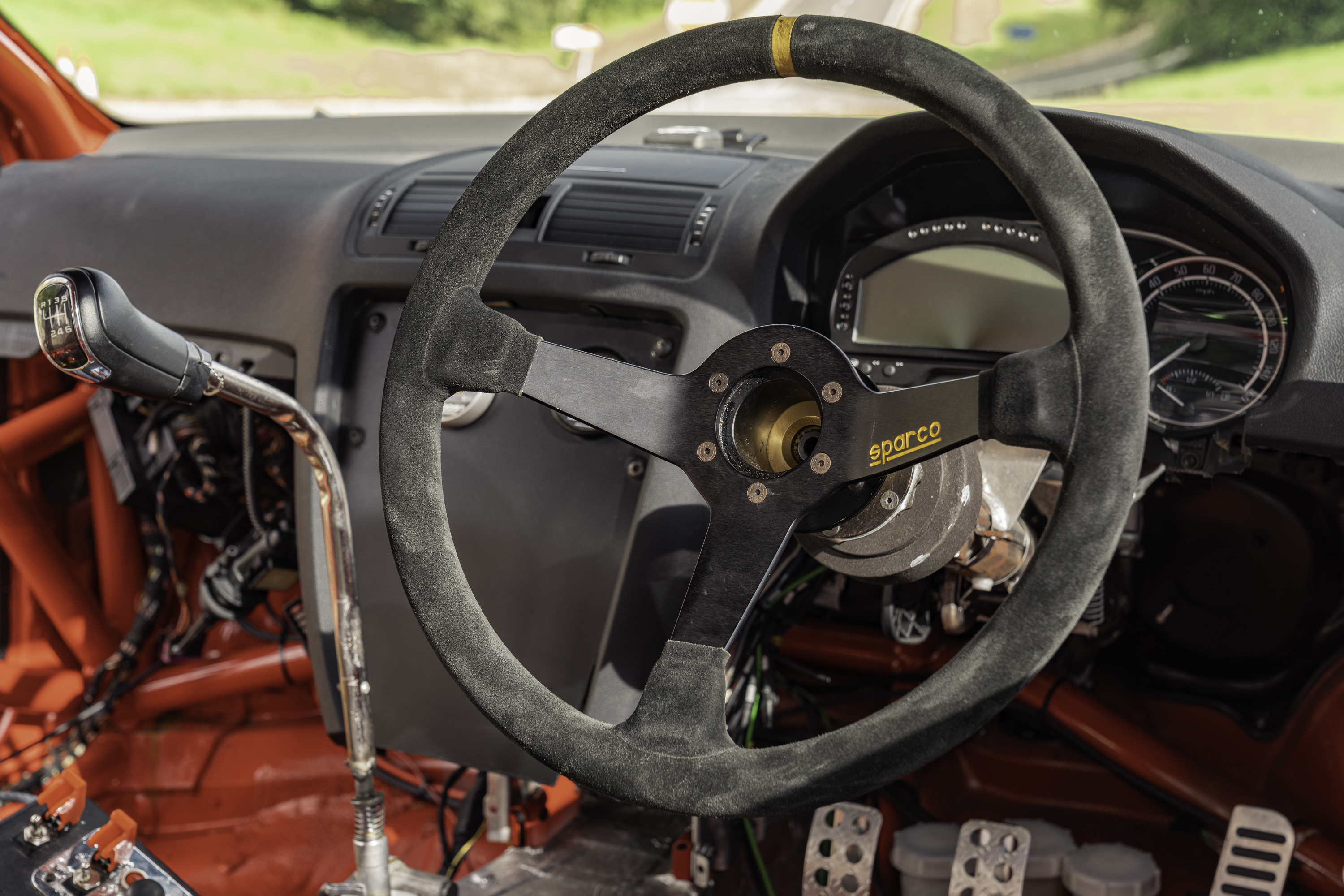
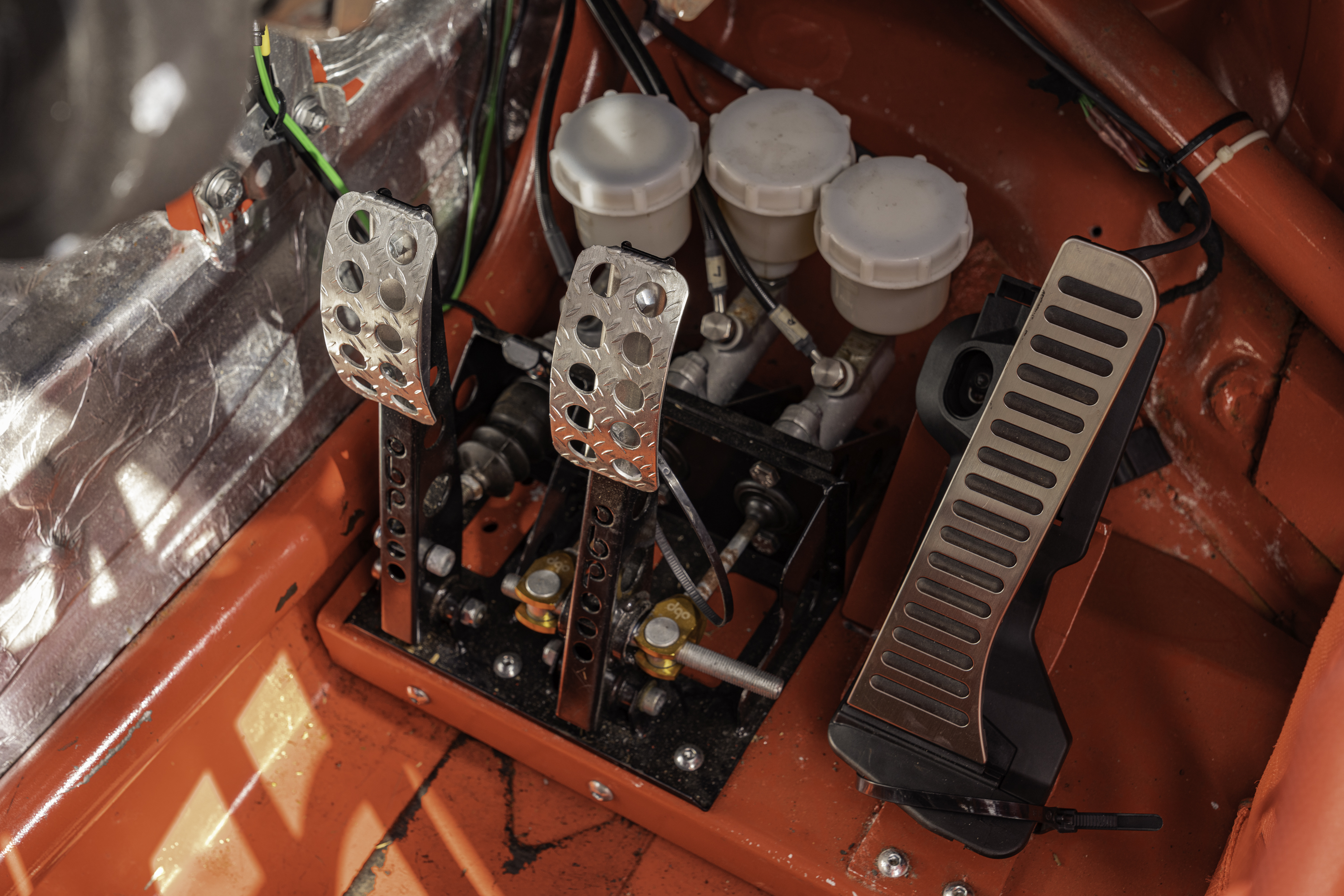
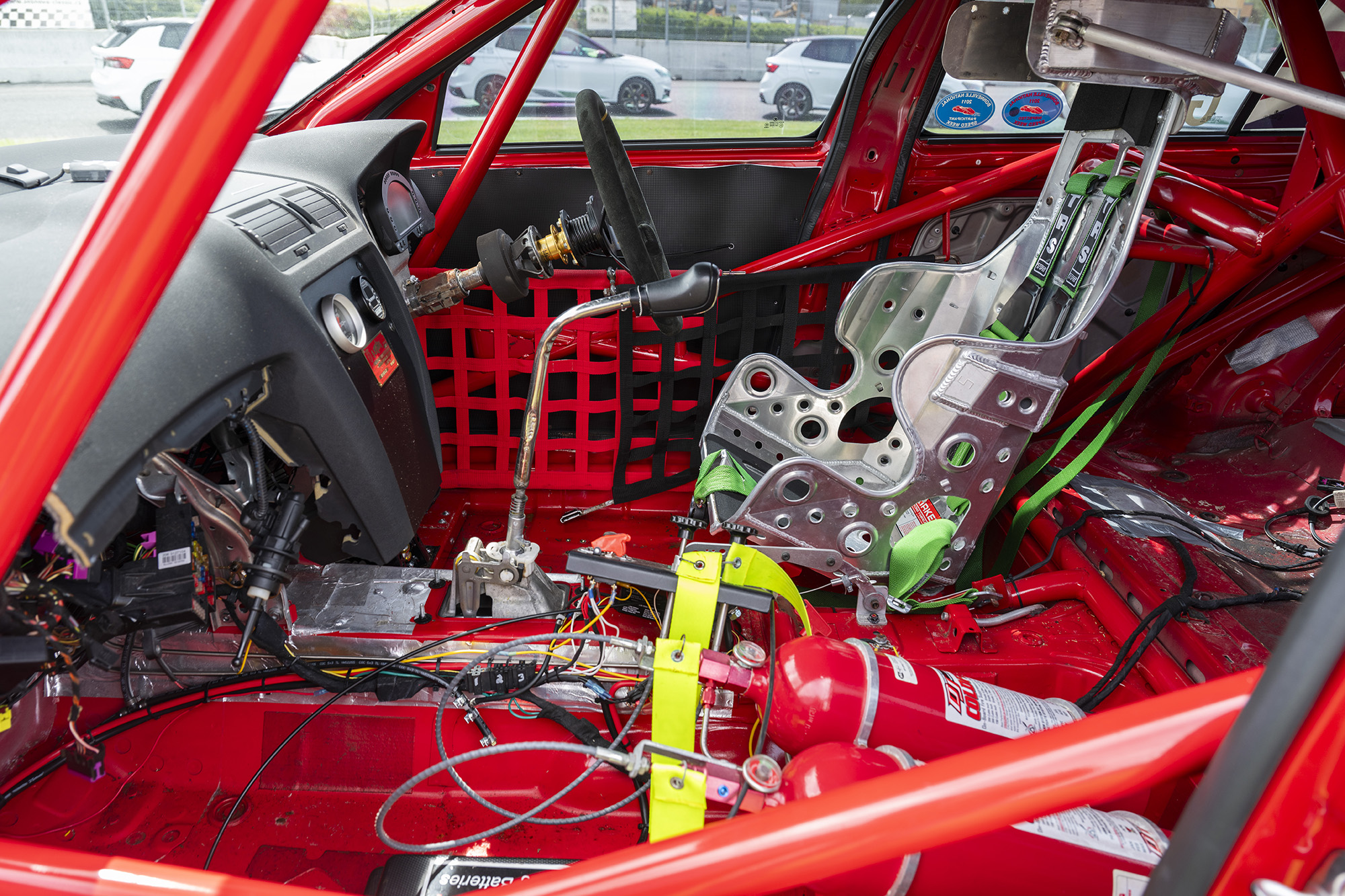
Power output was increased to more than 600 hp thanks to a larger Garrett turbocharger and an upgraded fuel injection system. A gearbox sourced from the fuel-efficient Octavia GreenLine variant, featuring longer gear ratios, also contributed to the higher top speed. Cooling was improved, while substantial weight reduction played a major role as well. Inside, the car retained little resemblance to the production model apart from the shape of the dashboard. Otherwise, it was a pure racing machine equipped with a safety roll cage and fire extinguishers.

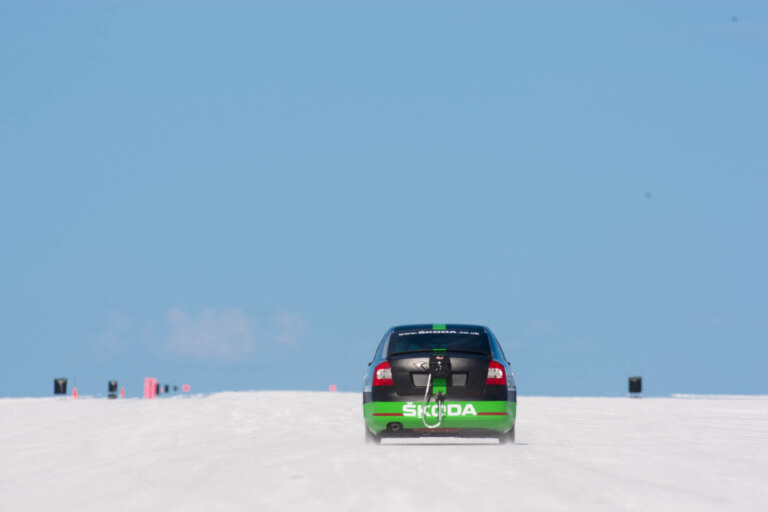
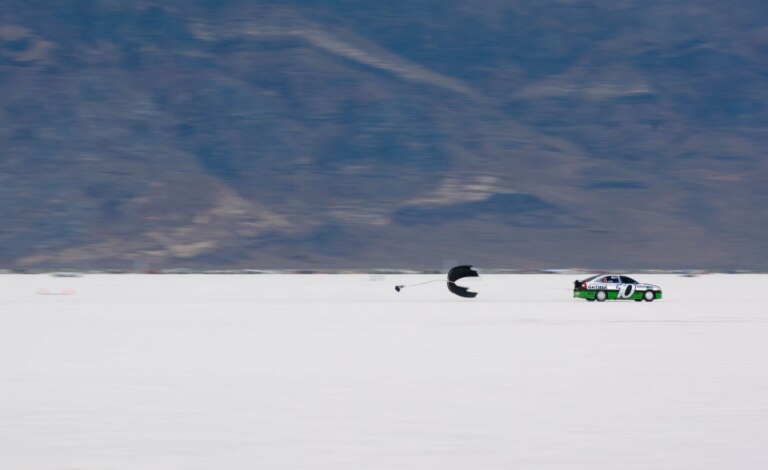
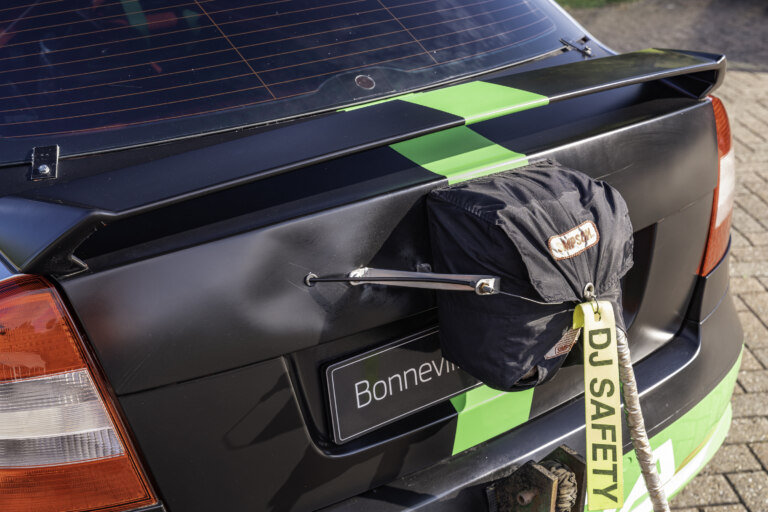
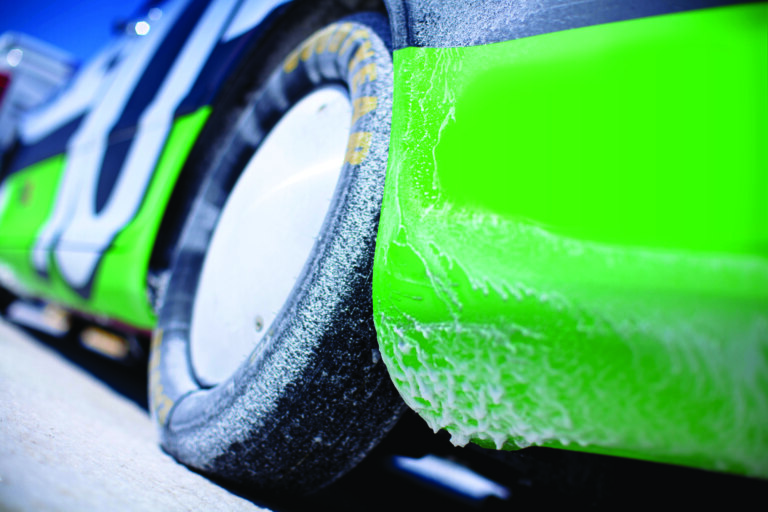
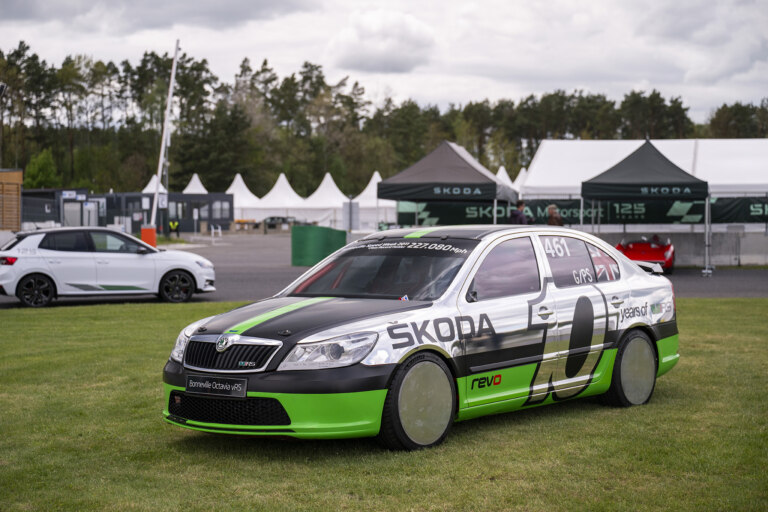
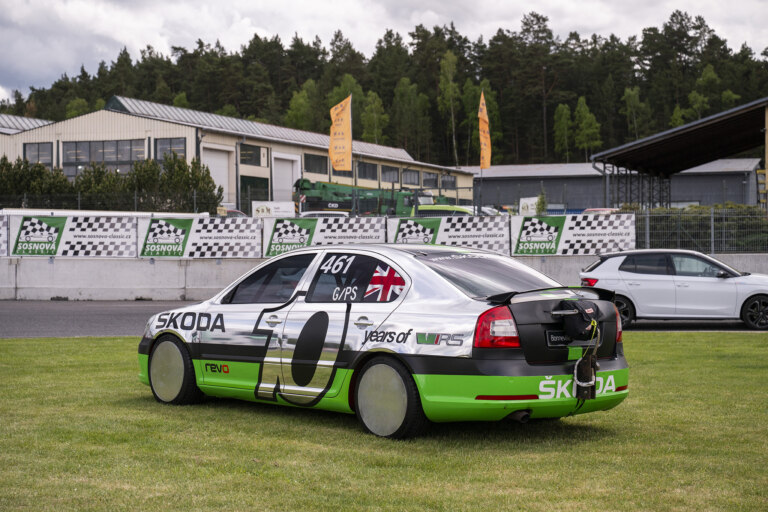
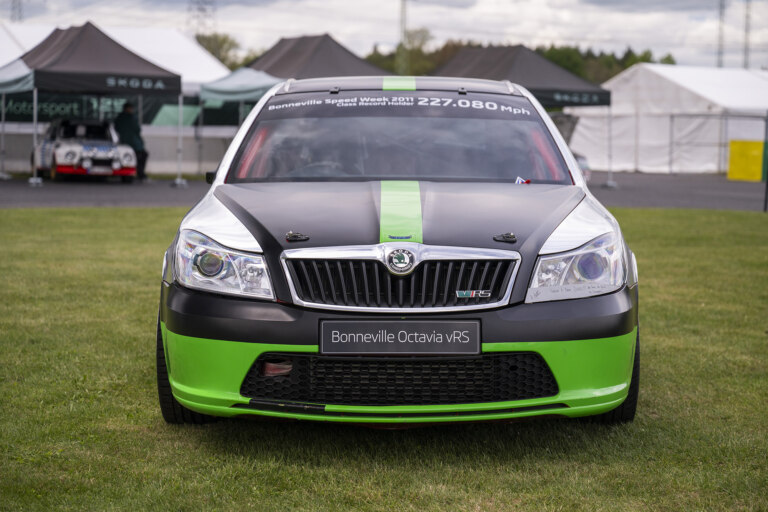
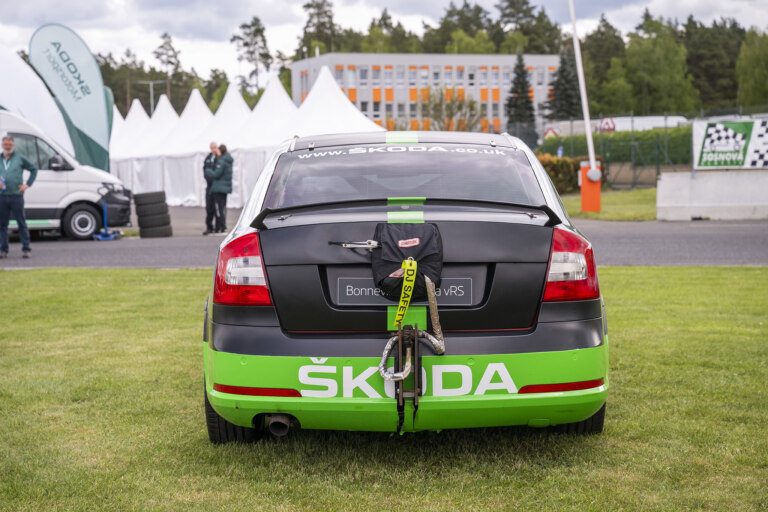
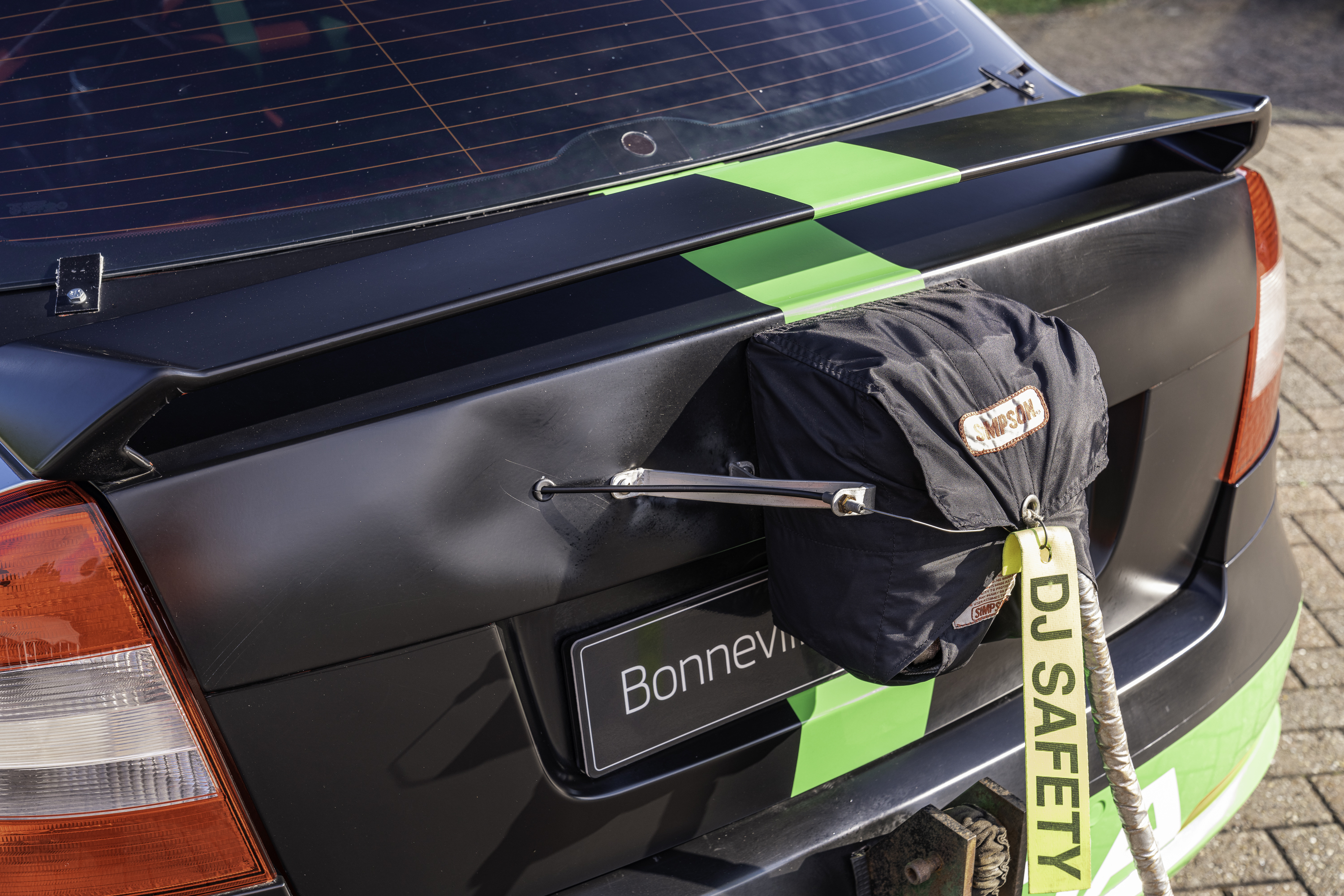
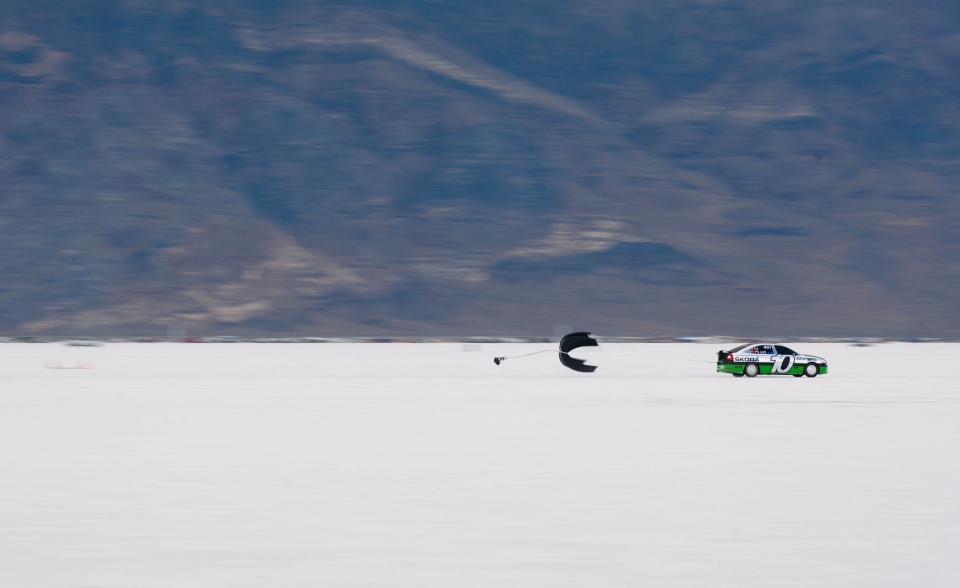
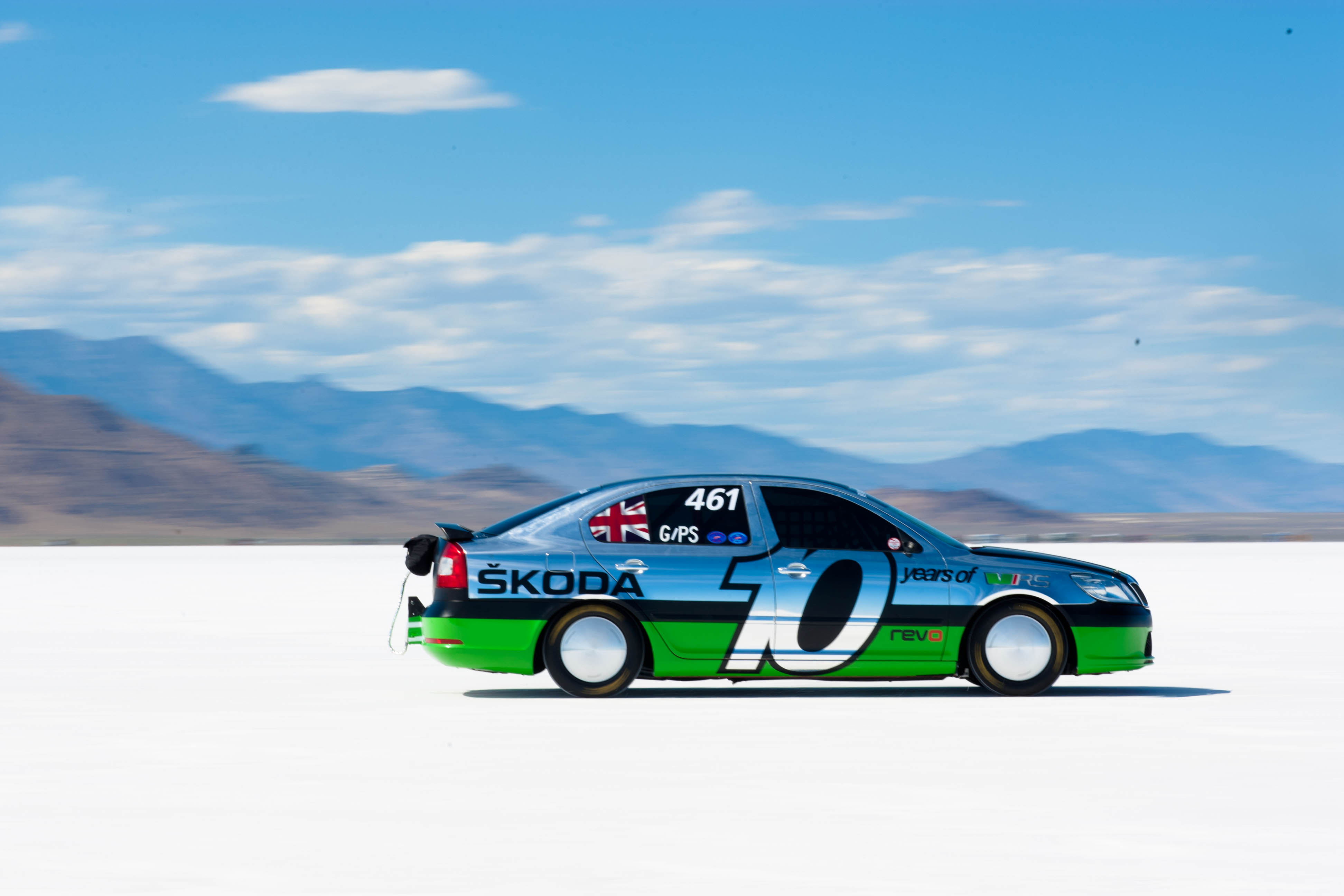
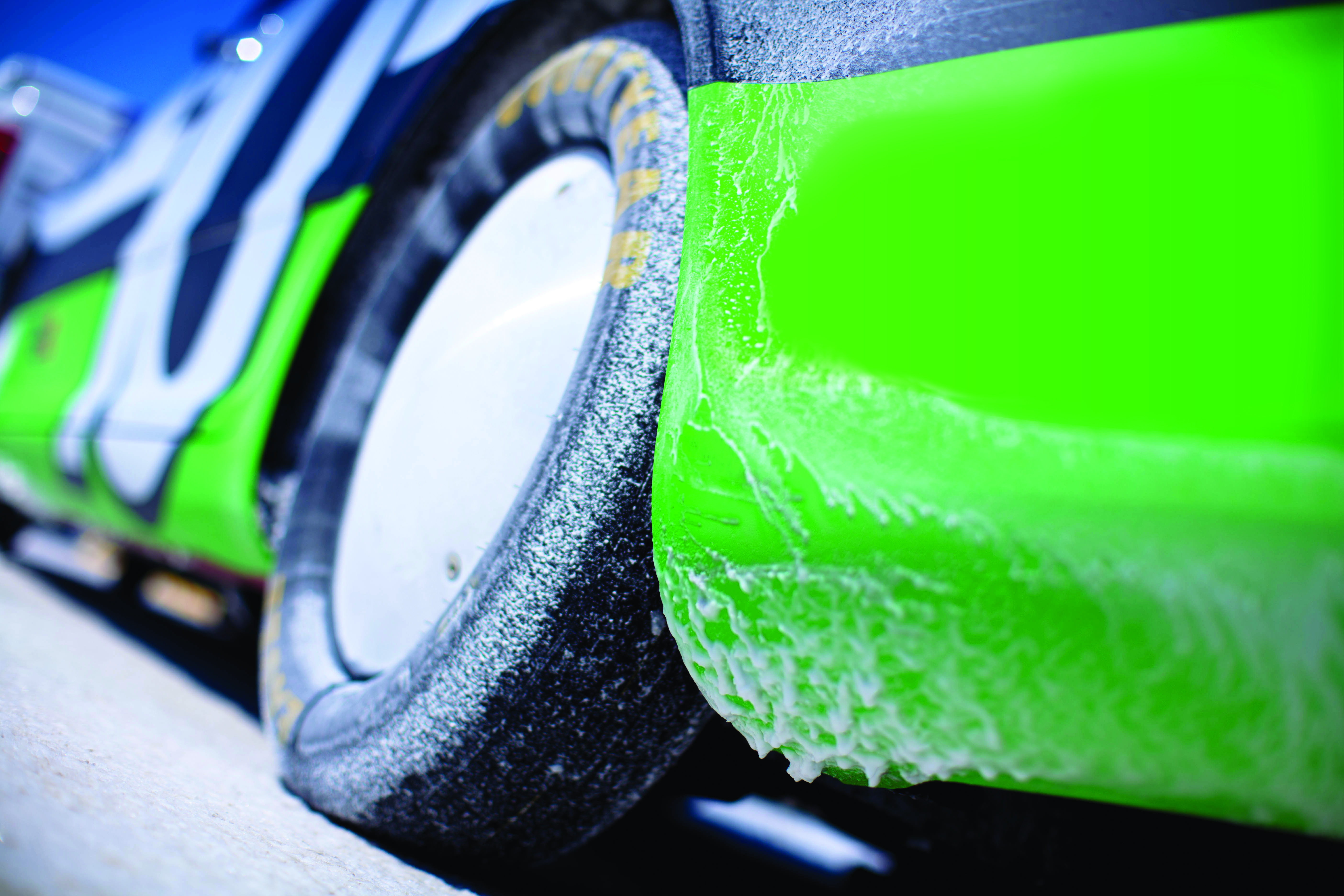
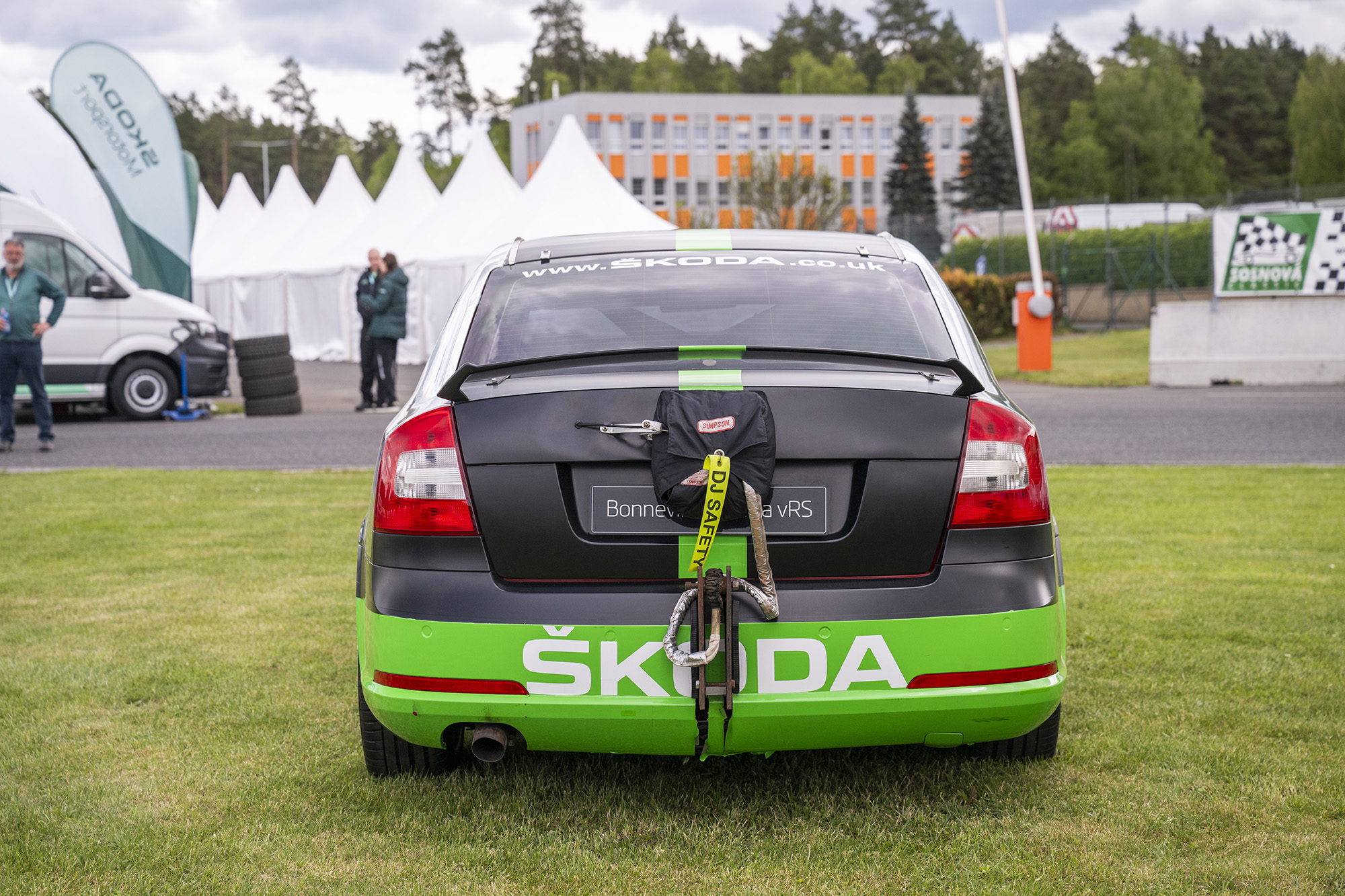
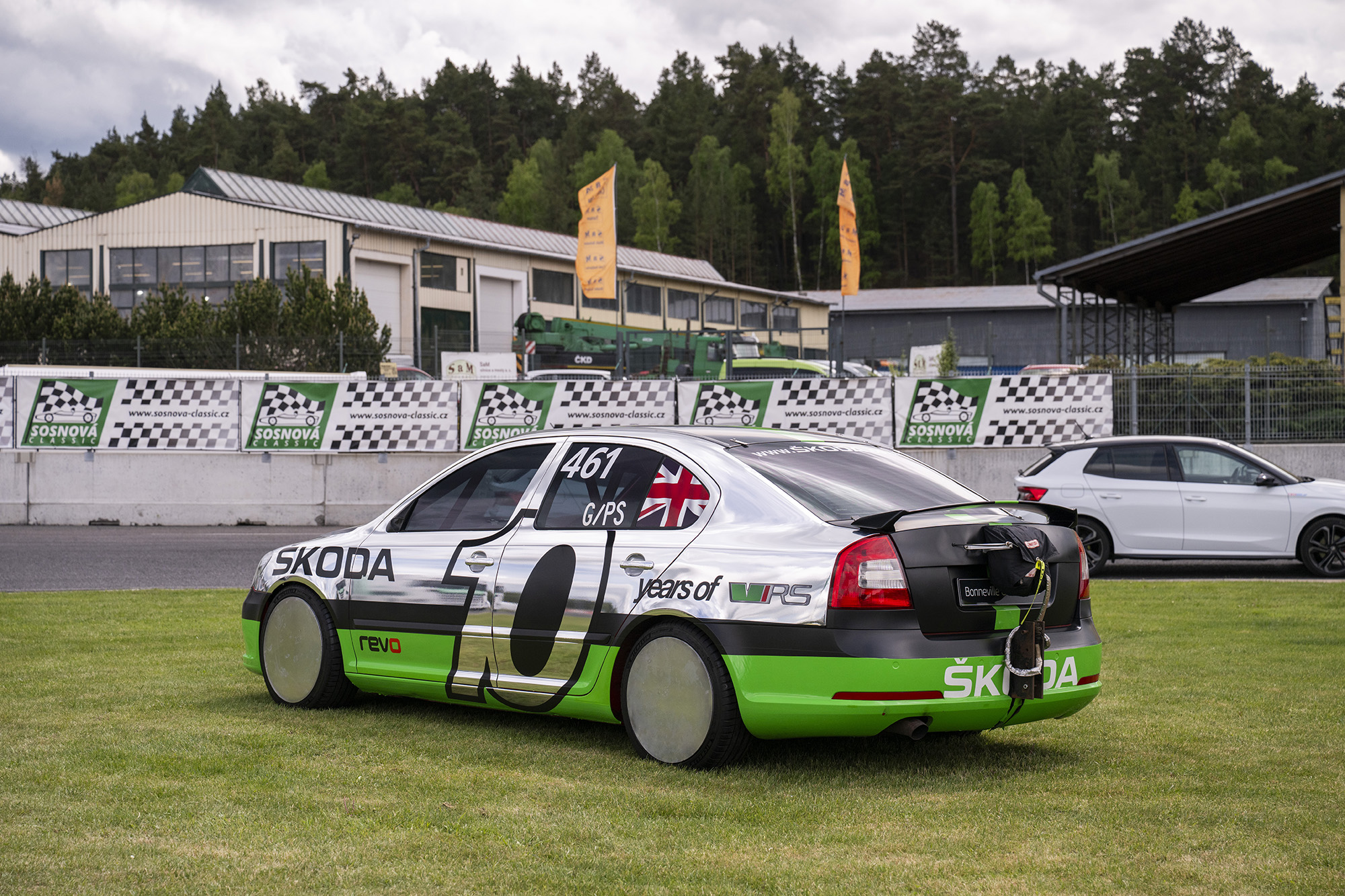
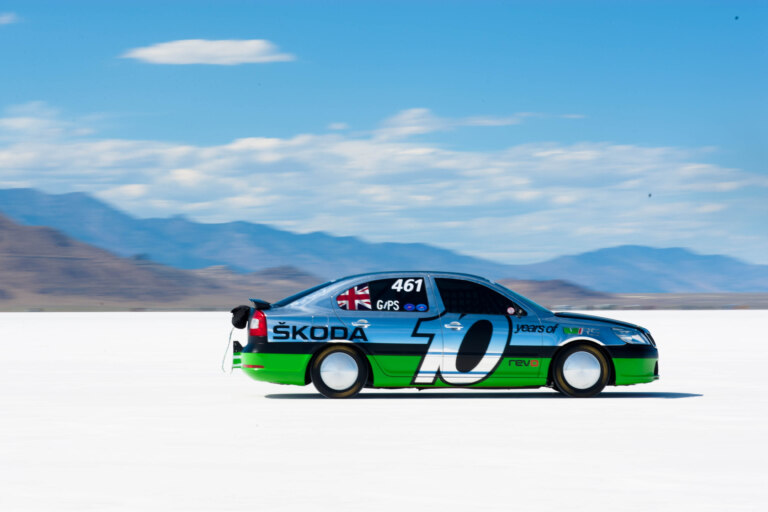
Externally, however, the finished car differed surprisingly little from the standard production model and appeared almost road legal at first glance. The most obvious clues were the aerodynamic wheel covers, smoothed body openings designed to optimise airflow and, of course, the parachute mounted on the boot lid. This parachute provided the primary means of deceleration from high speeds, while the conventional braking system was used only for bringing the vehicle to a complete stop and for manoeuvring.

With preparations complete, the car travelled to the Bonneville Salt Flats together with the Škoda UK team for the iconic Bonneville Speed Week event, where record attempts are conducted under the supervision of the SCTA (Southern California Timing Association). British motoring journalist Richard Meaden took the wheel. The coveted 200 mph barrier was surpassed early in the event, on 15 August during the car’s sixth run. With four days of competition still remaining, the team decided to attempt to break the absolute category record as well. 

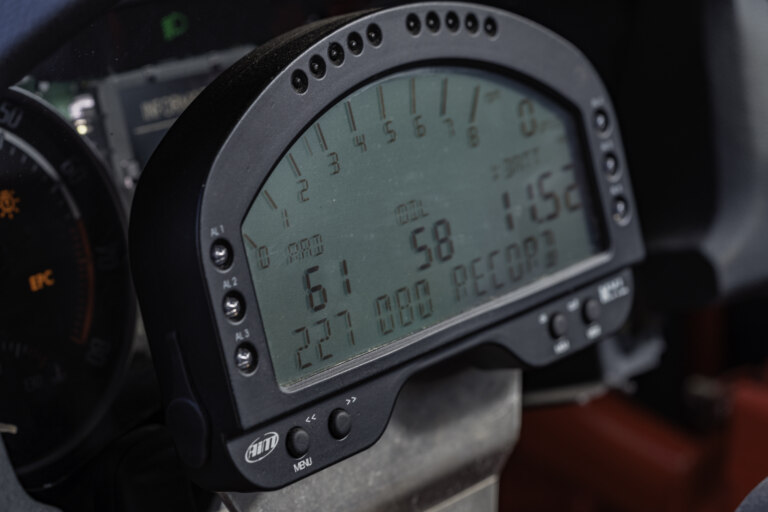
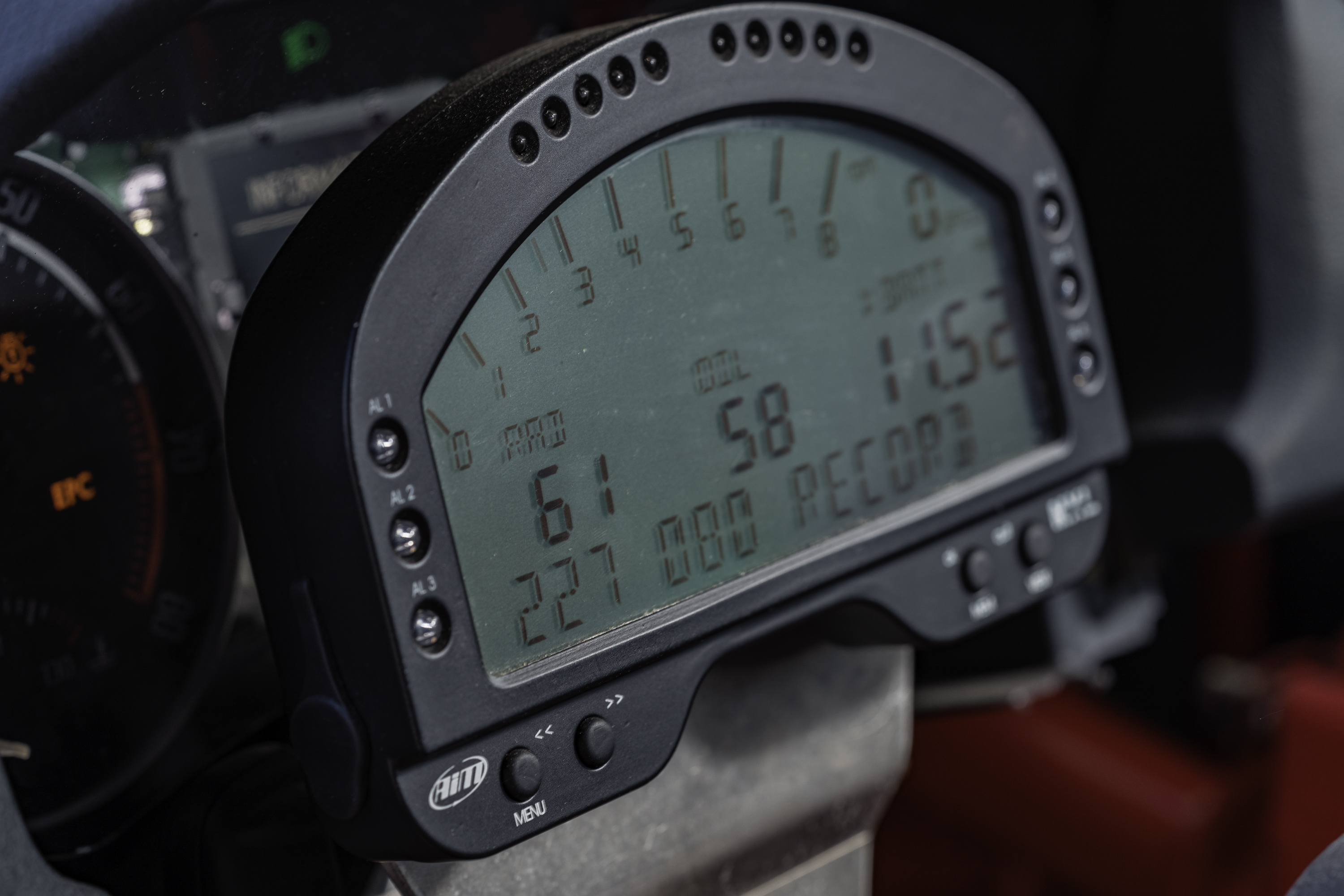
Their efforts proved successful. On Friday, 19 August, the Škoda Octavia vRS Bonneville officially became the fastest production-bodied 2.0-litre turbocharged engine on the Bonneville Salt Flats. The record was established on the basis oftwo runs completed on Thursday and Friday, with the official result determined by the average speed achieved across both attempts. The final figure was 365.45 km/h. The highest speed recorded during the programme was approximately three kilometres per hour faster still.

Recalling ŠKODA’s record-breaking visit to Bonneville, Meaden said: “Driving the salt flats was a dream come true. It always felt like a privilege to be allowed to charge flat-out down the salt. Knowing how much passion and hard work went into getting the Octavia to Speed Week made that privilege all the greater. I’m incredibly proud of what we all achieved and will never forget how it felt to break a record or to be part of such an exceptional group of people.”  

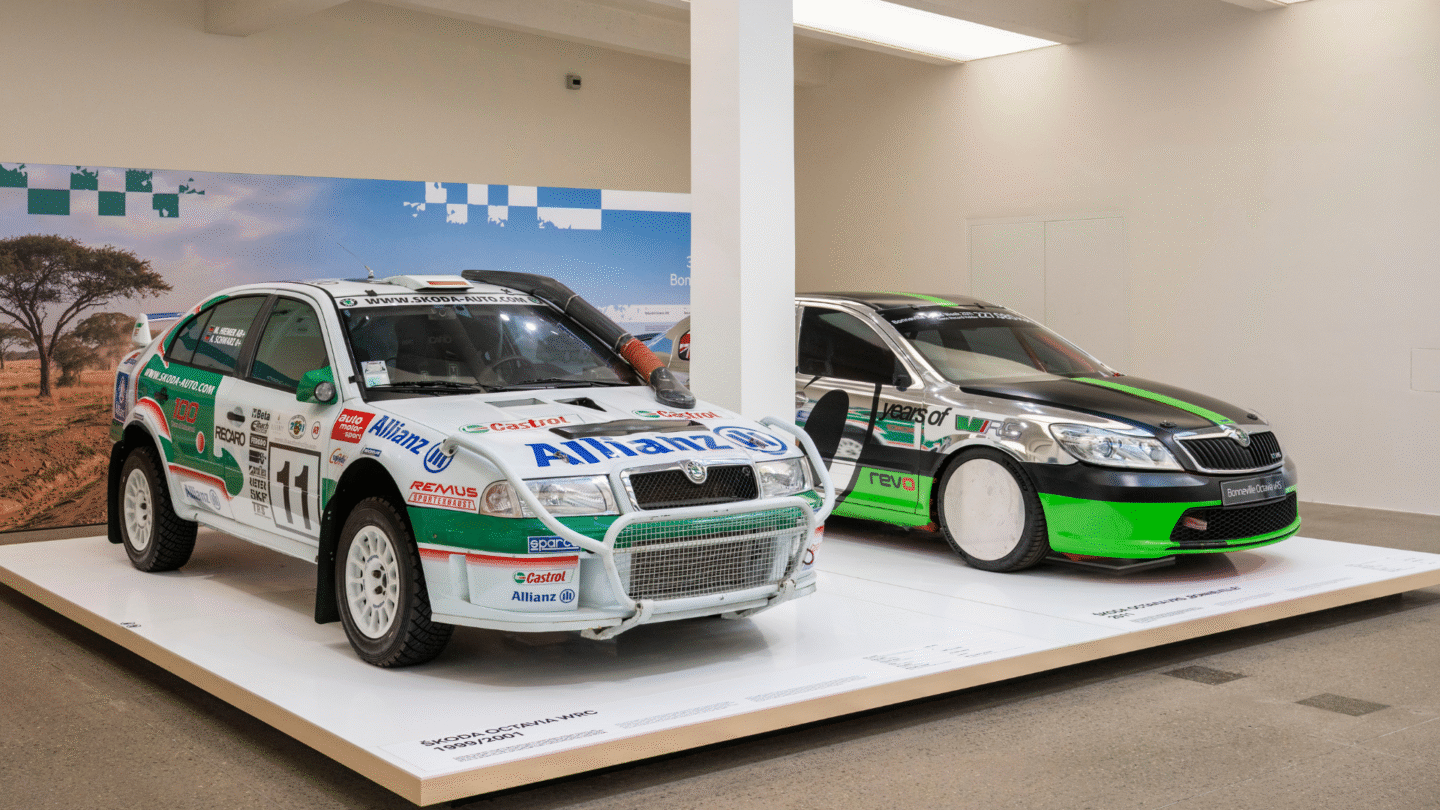
Following its remarkable adventure, the car returned to the United Kingdom, where it remained in a collection. Earlier this year, it travelled to the Czech Republic and, after a brief appearance at the Sosnová circuit, took up temporary residence in the main exhibition of the Škoda Museum in Mladá Boleslav as part of a special exhibition celebrating 125 years of Škoda Motorsport.

Media Box

16 images
Show more Show less