The Versatile Octavia. Do you know these ones, too?
The Versatile Octavia. Do you know these ones, too?

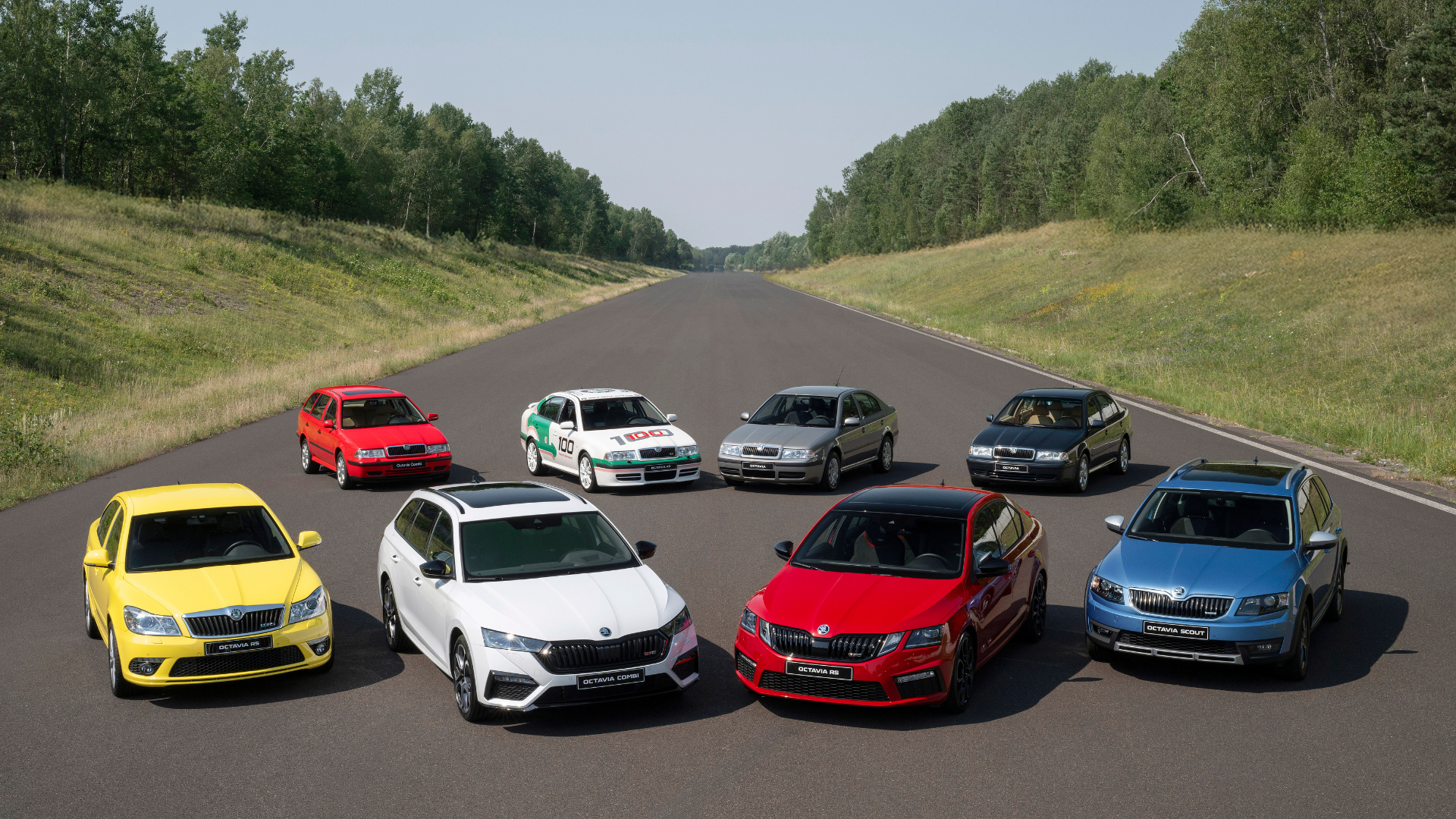
For 30 years, the modern-era Škoda Octavia has been the brand’s bestseller, with almost eight million units produced across four generations. The model’s versatility is also demonstrated by the wide range of versions developed for different purposes. Let us take a look back at some of the most interesting ones.

10. 9. 2026 Škoda World
The Škoda Octavia is an icon. Whether as a liftback or an estate, it has consistently offered customers generous space, safety, practicality and new technologies. Its flexibility has also enabled Škoda engineers in Mladá Boleslav to explore different directions and tailor it to the model to customers’ needs and wishes.

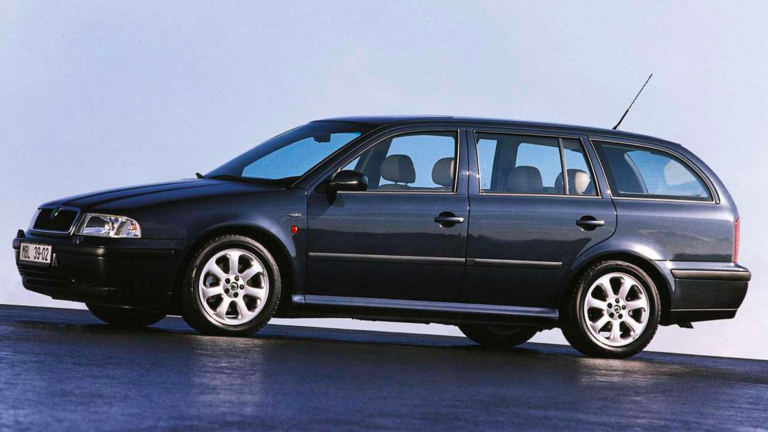
First Generation - Luxurious, Sporty, and Off-Road Capability

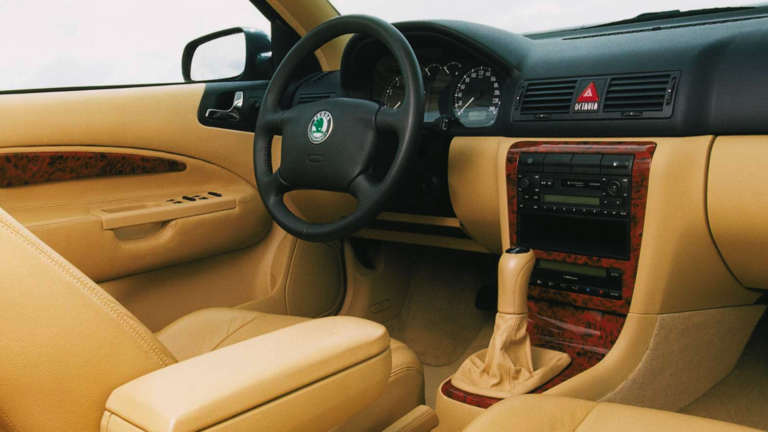
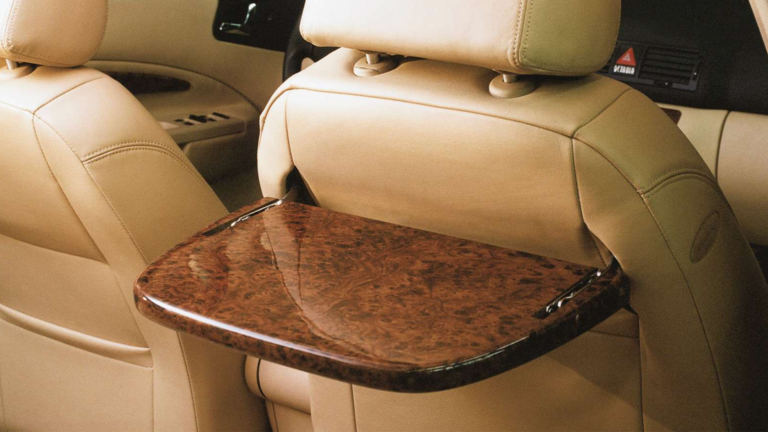
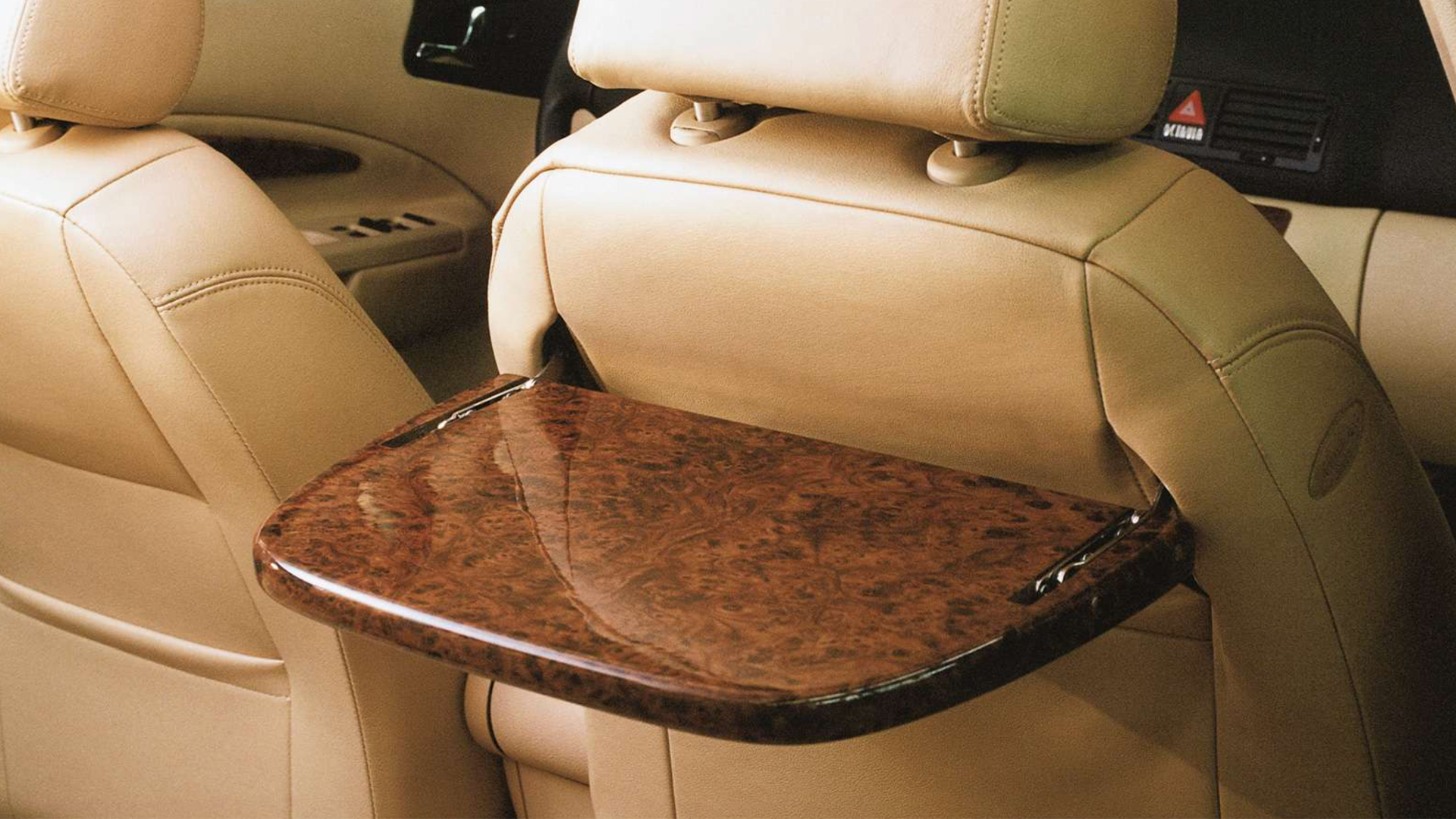
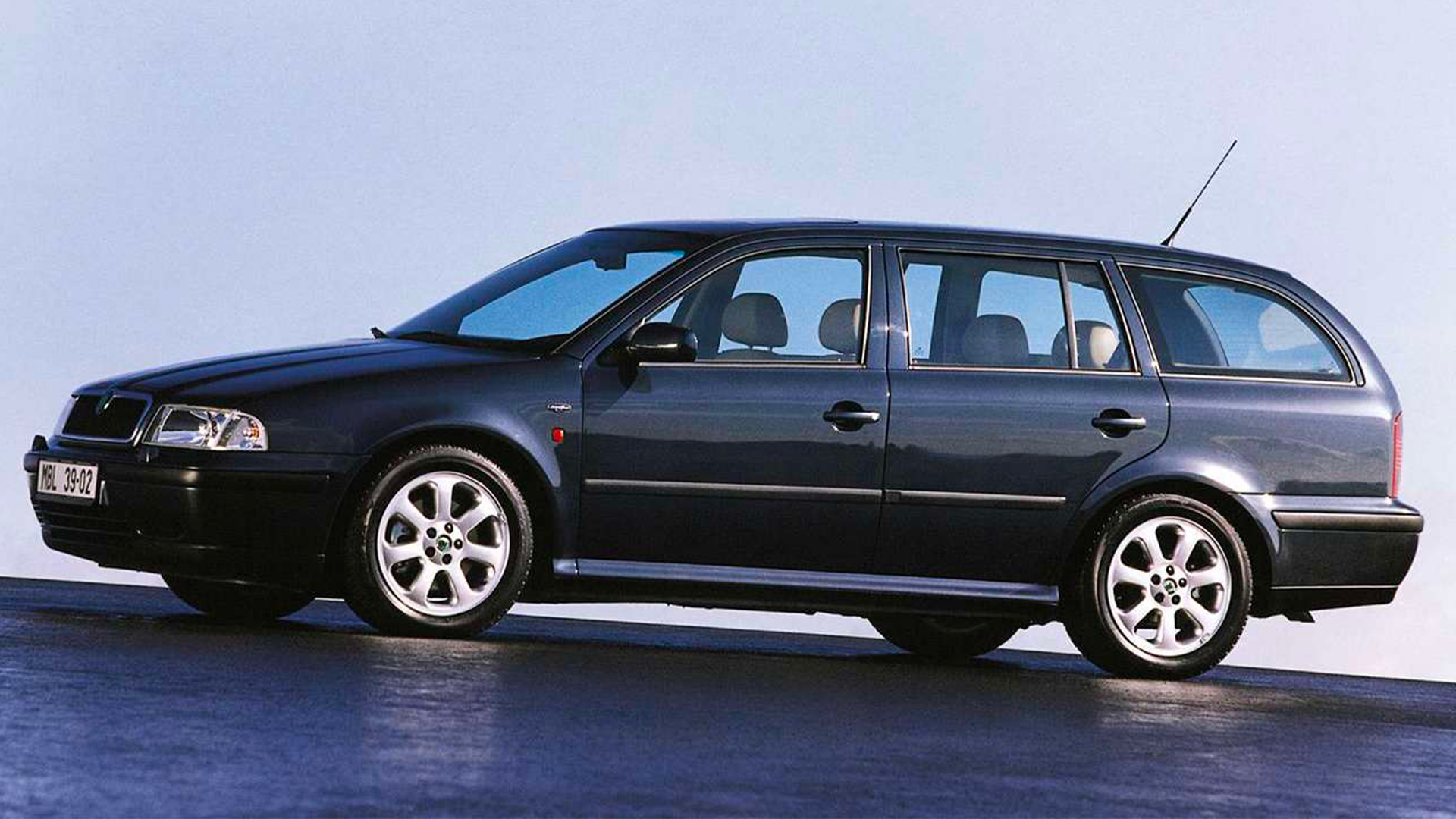
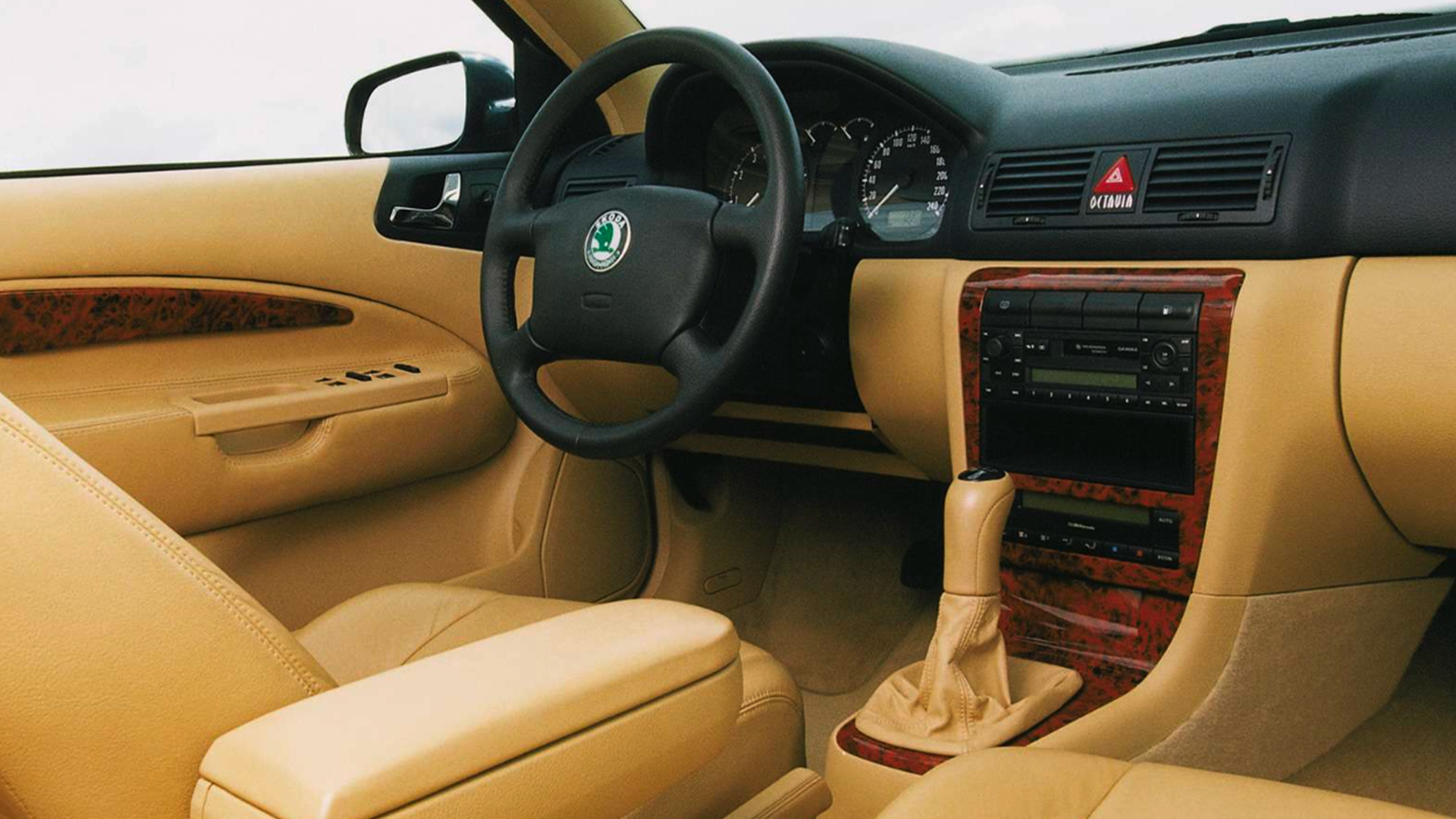
In Mladá Boleslav, only the most exclusive models equipped with premium features are named after the company’s founders. The Octavia and Octavia with Combi Laurin & Klement trim were unveiled at the Paris Motor Show at the turn of September and October 1998, three years after production of the model had begun. This highly sophisticated flagship specification boasted luxurious leather upholstery, wood trim elements and distinctive 16-inch seven-spoke alloy wheels. 

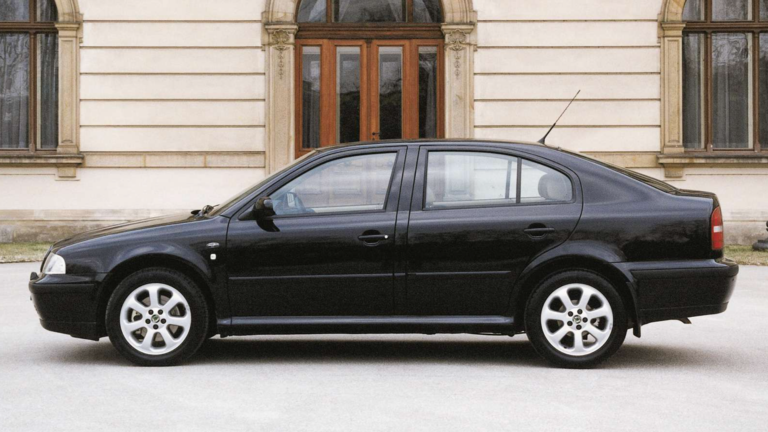
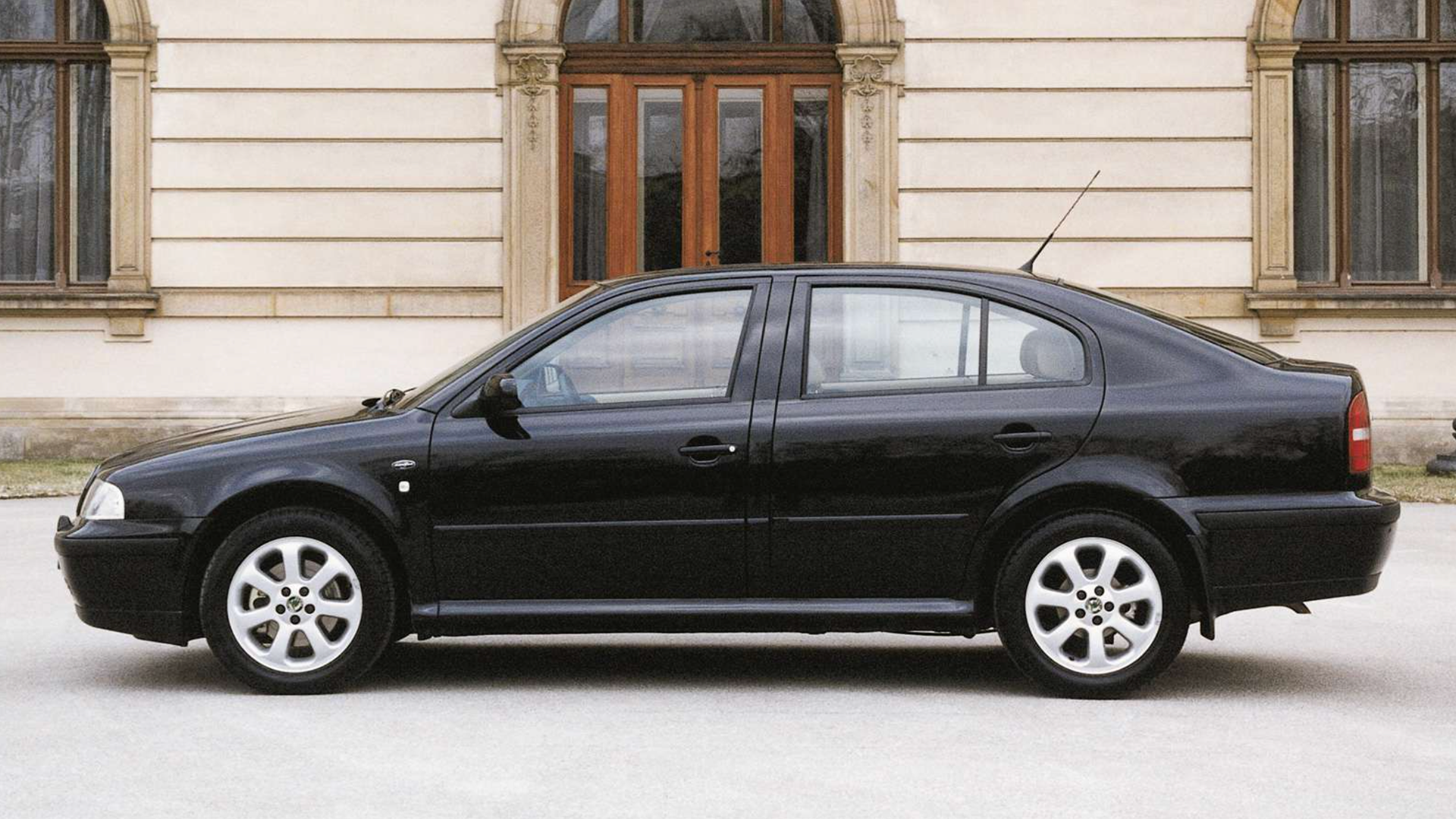
The Laurin & Klement trim package also served as the basis for one of the rarest versions of the Octavia – the Long variant. The vehicle featured a wheelbase extended by 80 mm, which required, among other modifications, extended brake lines and an entirely new roof structure. The Octavia Long was not intended for car showrooms; instead, it was supplied to government services and was also used by several business executives. A total of only 19 examples were produced before it was eventually replaced by the first modern-generation Škoda Superb. 

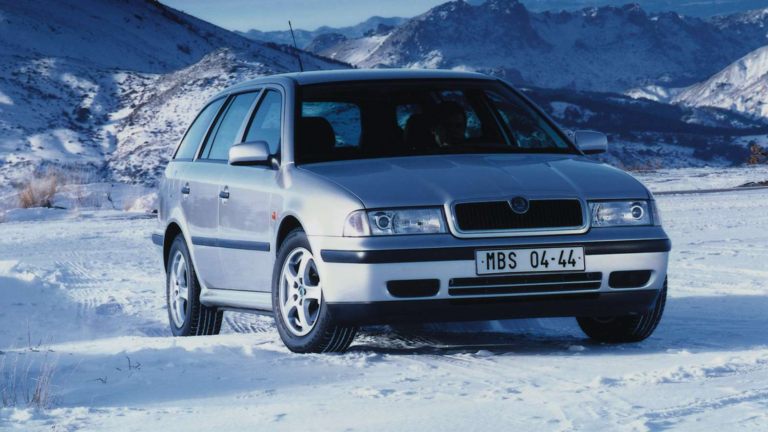
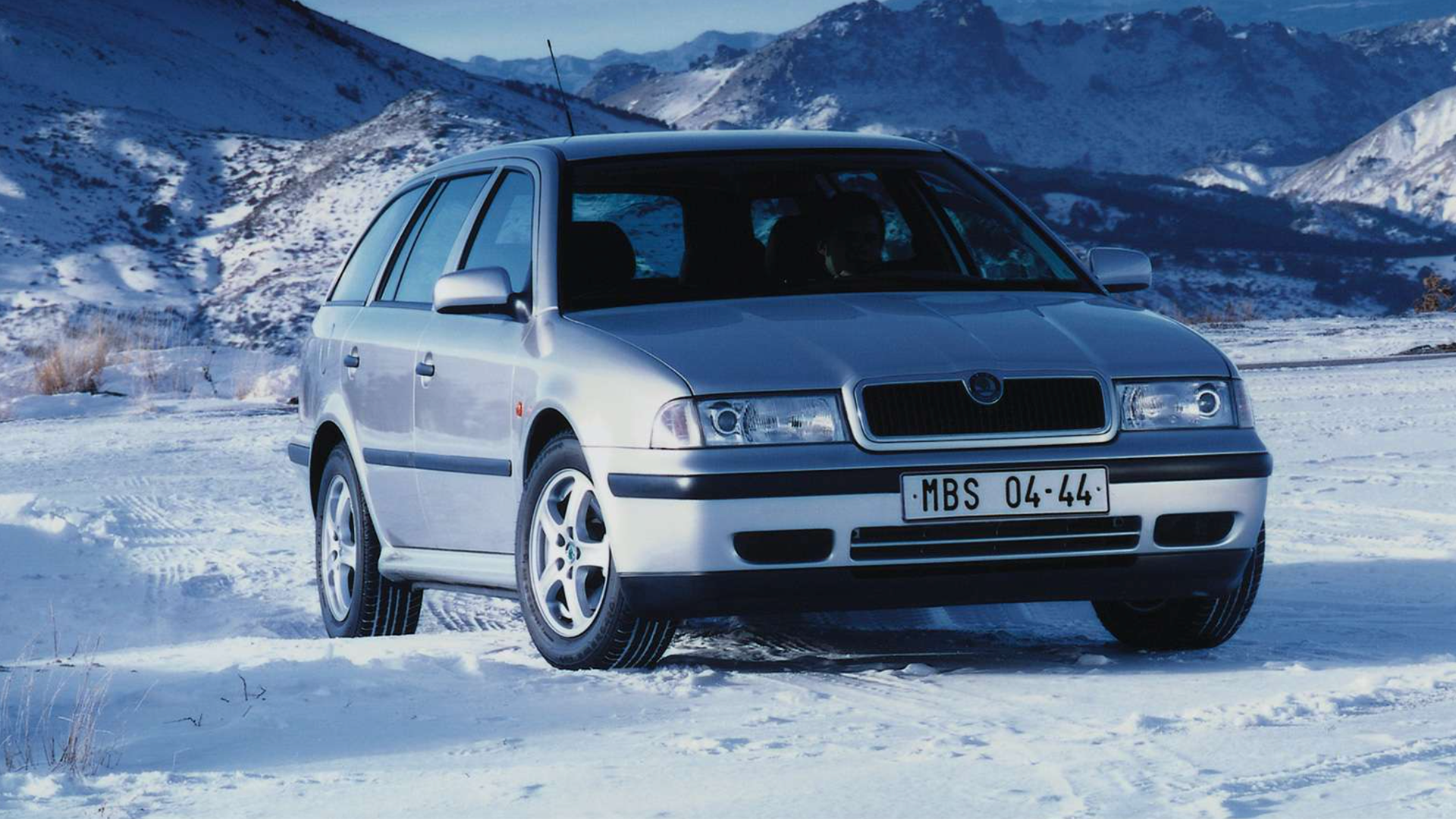
The partnership with the Volkswagen Group brought new technological opportunities to Mladá Boleslav. One of them was the introduction of all-wheel drive using a Haldex coupling, which electronically engaged the rear axle when front-wheel slip was detected. The Octavia became the first model to receive this system, making it the first passenger car in Škoda’s modern history to feature all-wheel drive. 

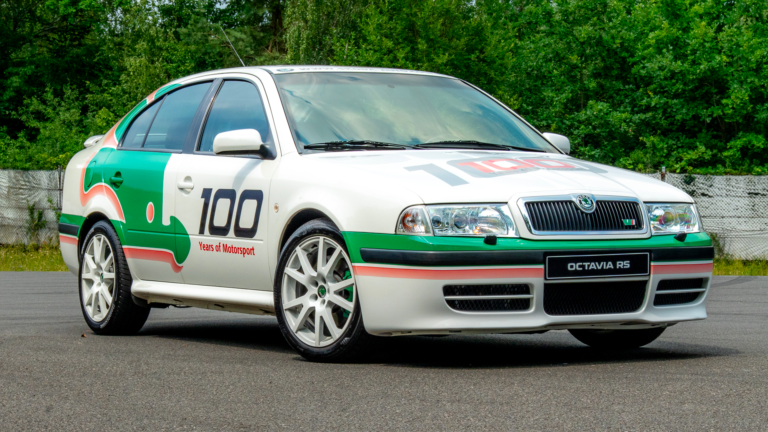
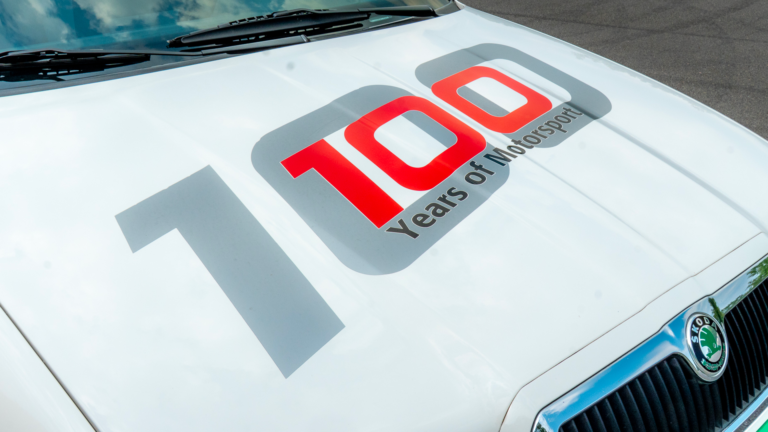
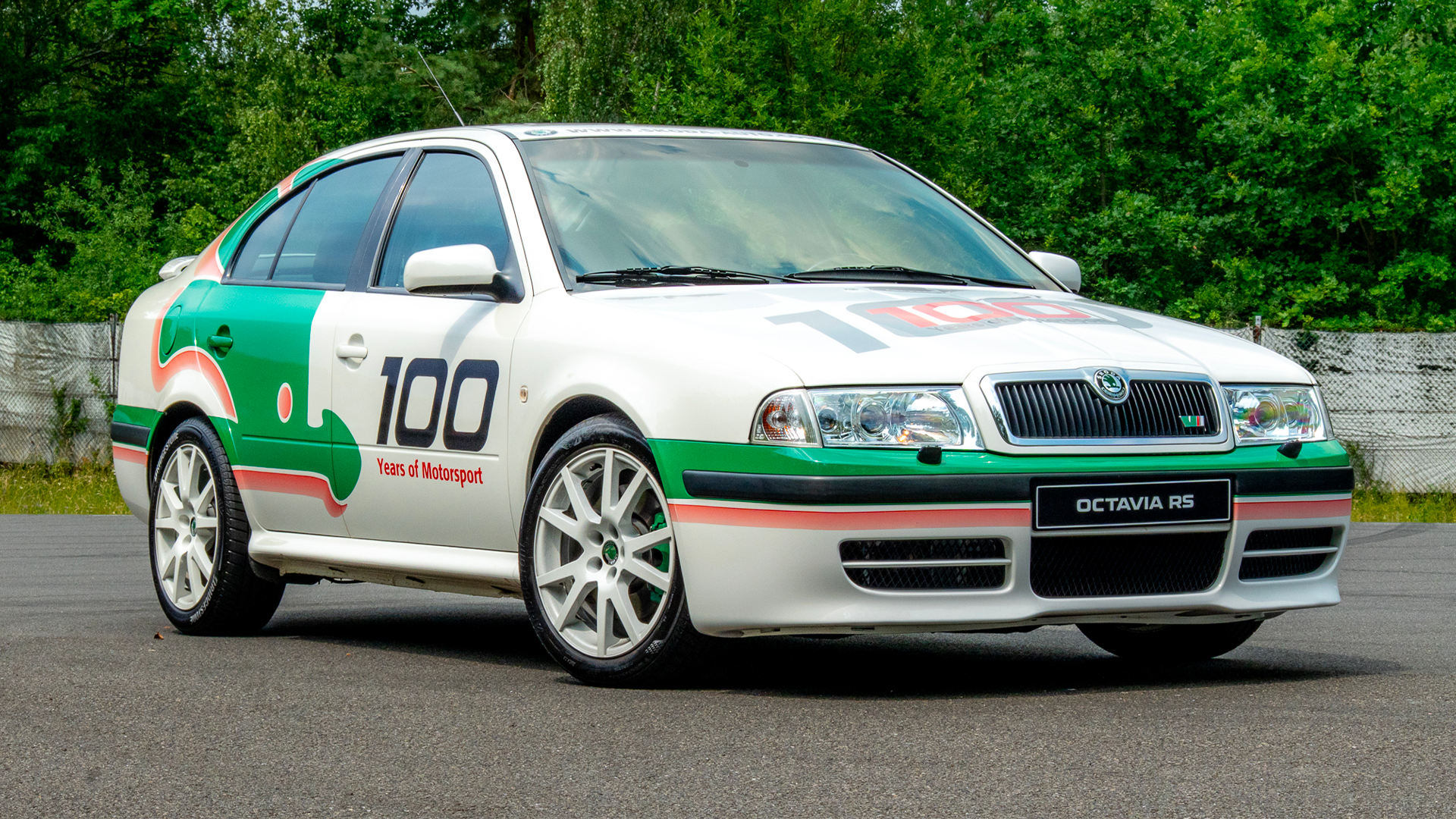
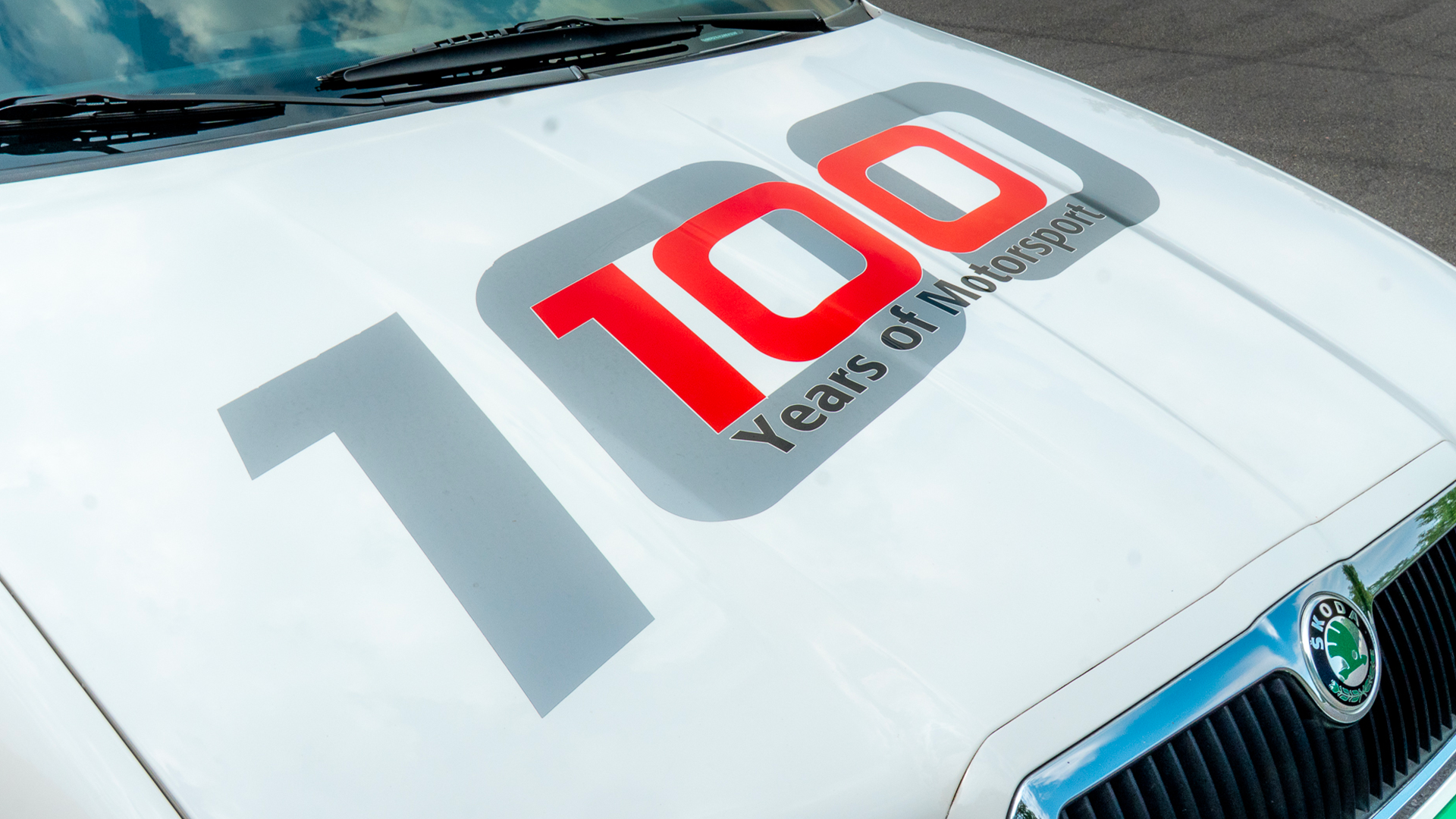
One of the versions carried over through all four generations is the sporty RS variant. In its first incarnation, it was powered by a responsive 1.8-litre 20-valve turbocharged engine producing 180 hp. To celebrate the brand’s 100th anniversary, Škoda also introduced the limited-edition RS WRC Edition, distinguished 17-inch alloy wheels and rally-inspired side decals. Only 100 examples were built, including 37 with right-hand drive.

Second Generation – The Fastest Ever and Already Electric 

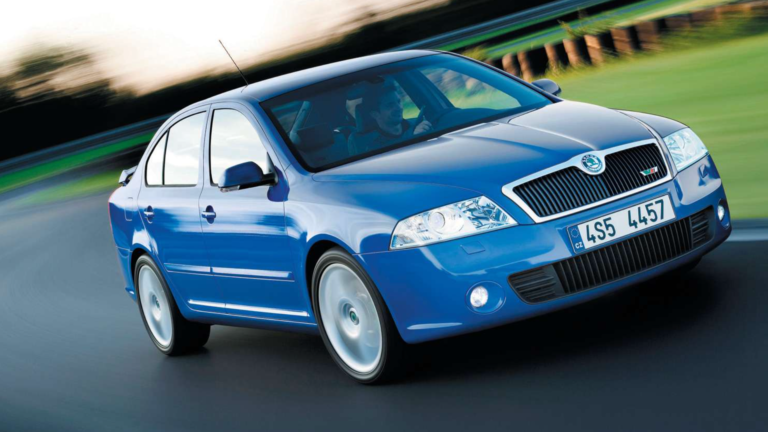
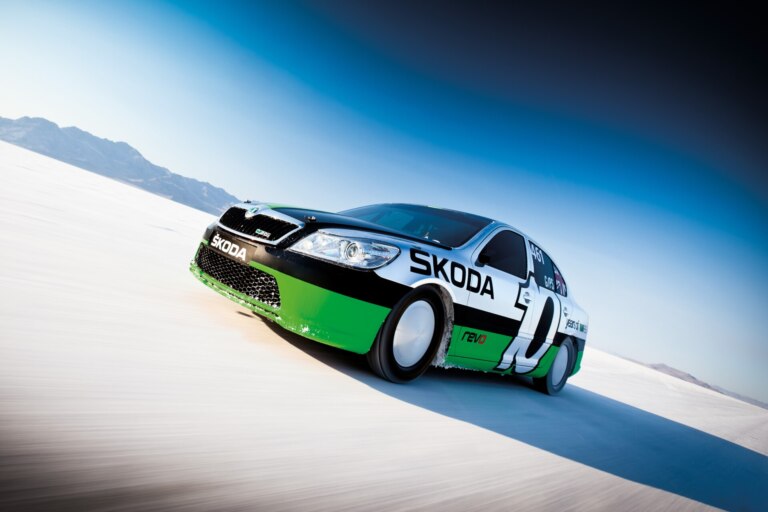
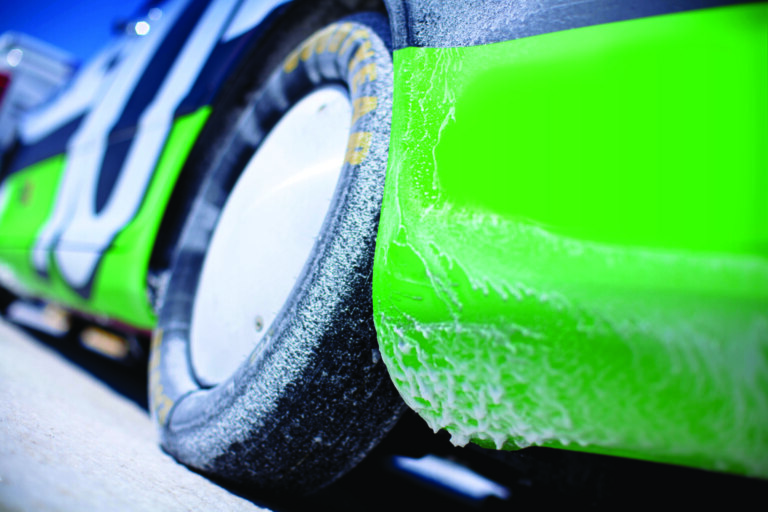
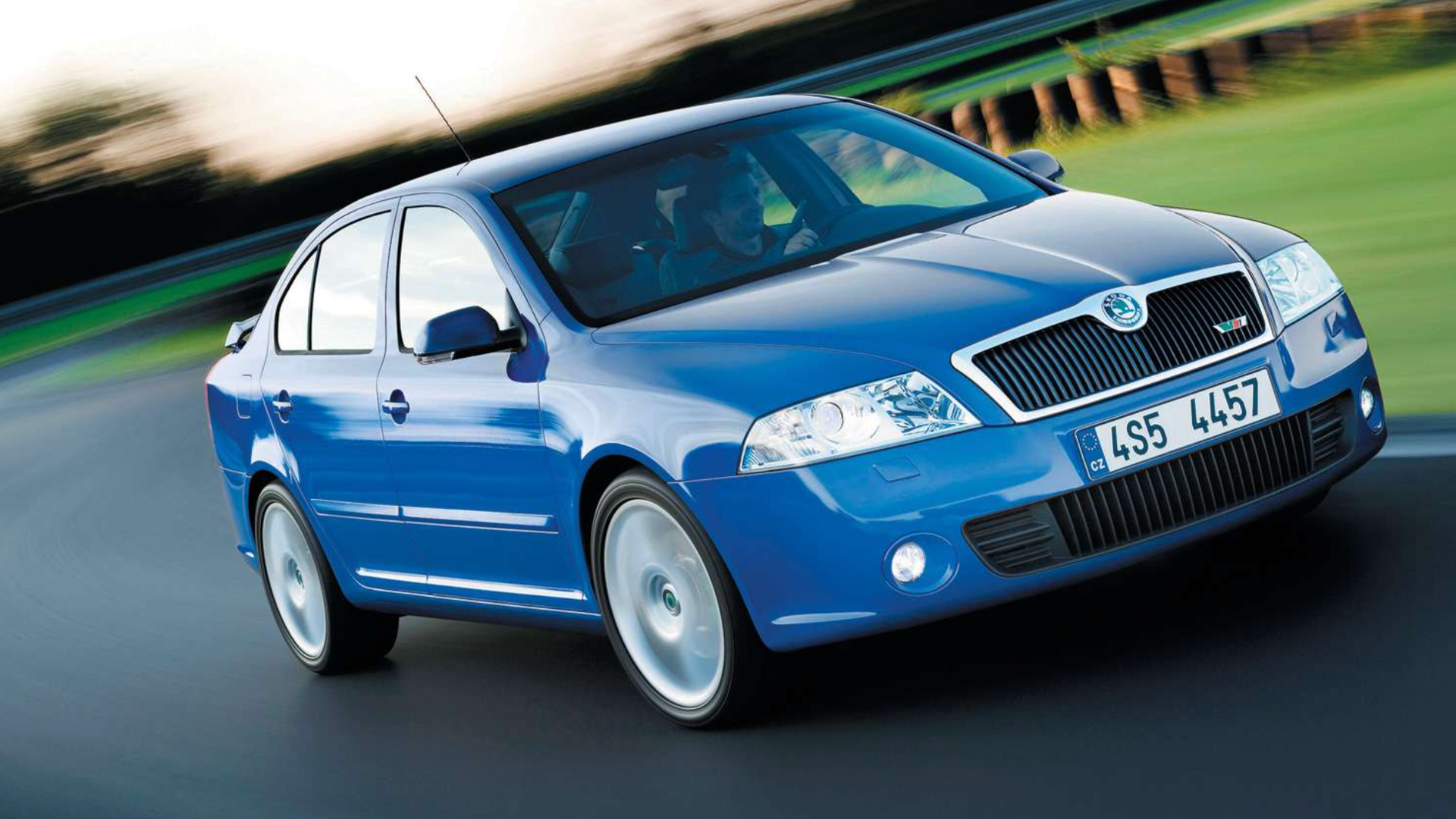
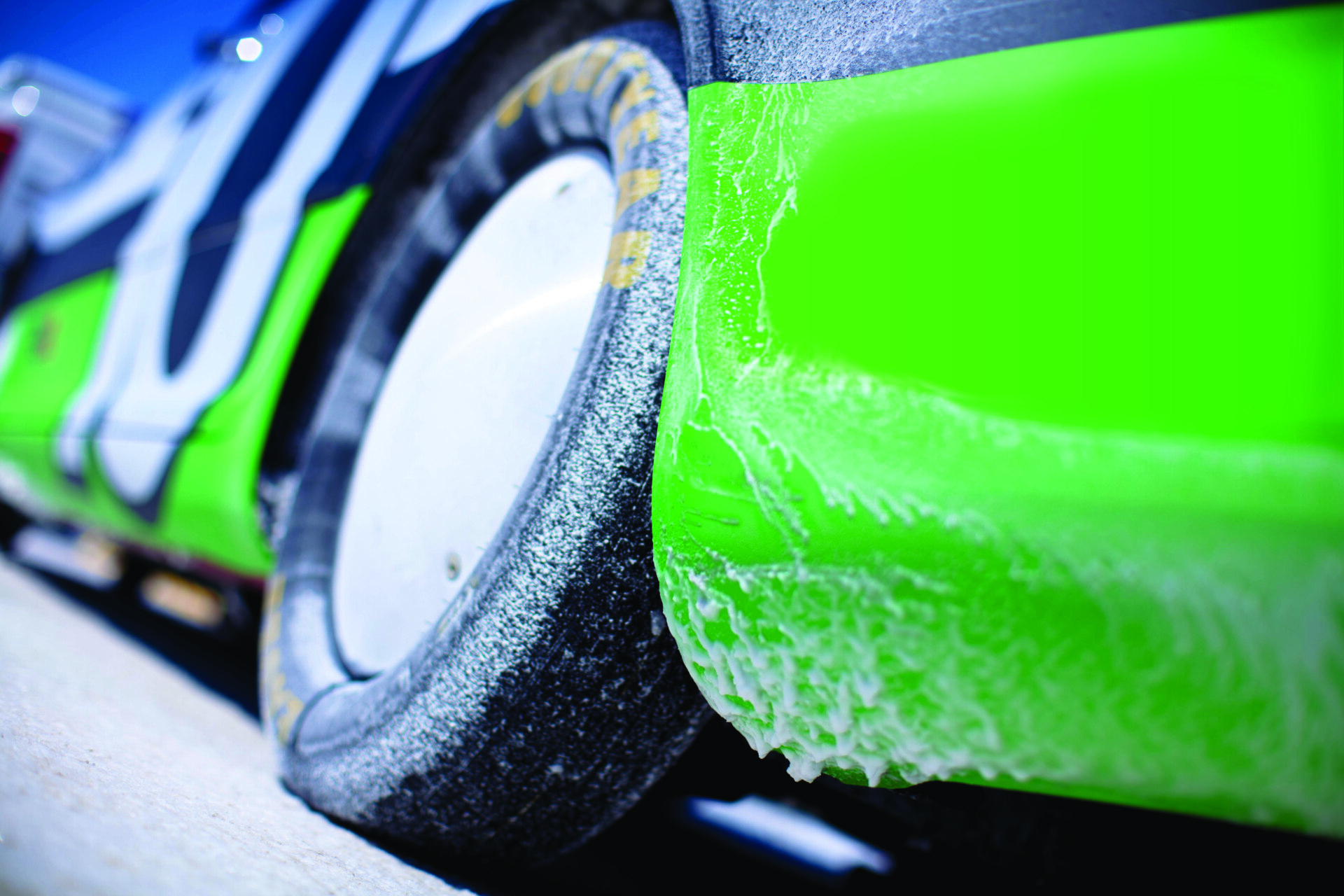
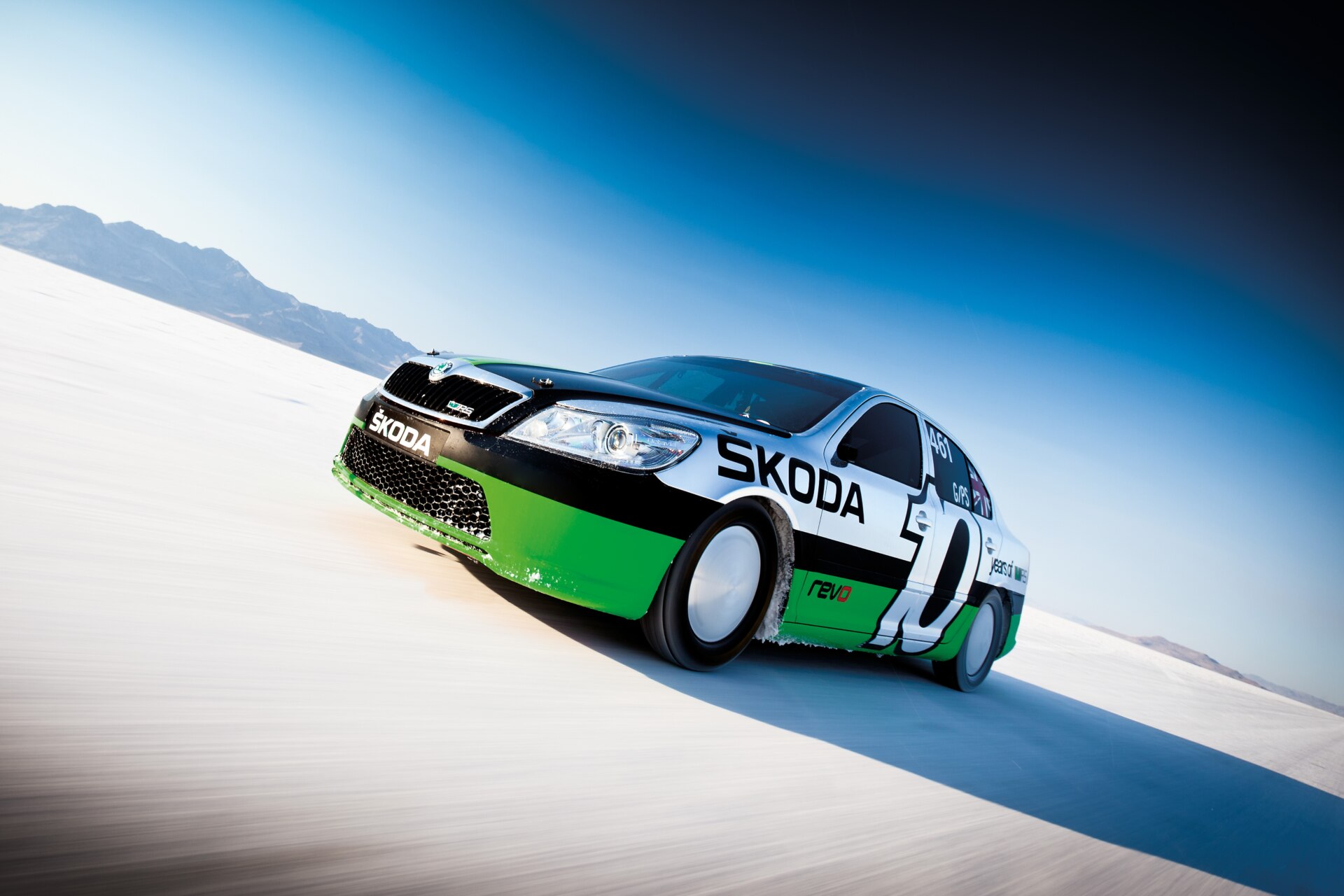
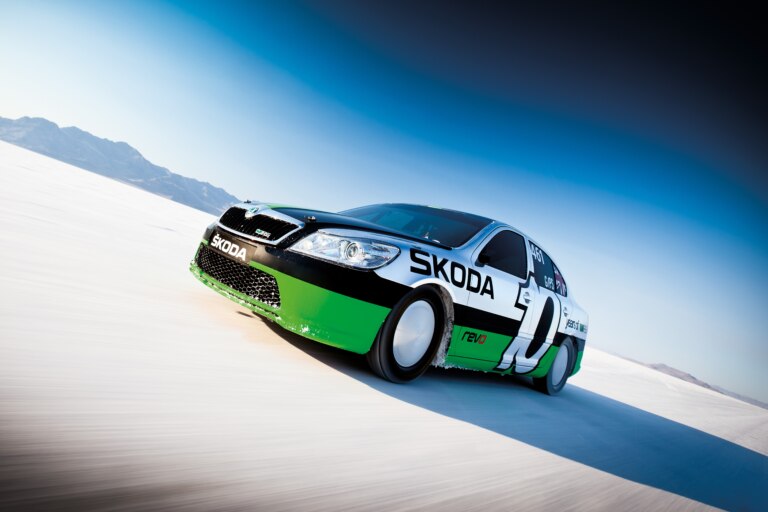
In its second generation, the dynamic RS version once again raised the bar. Equipped with a 200 hp 2.0 TSI engine, it was capable of reaching a top speed of 240 km/h. For the first time, the RS range was also available with an economical 170 hp 2.0 TDI engine, a unique proposition among performance-oriented cars at the time. One petrol-powered Octavia RS went even further, reaching an extraordinary speed of 365 km/h. This achievement took place on the Bonneville Salt Flats in Utah, where a specially modified Octavia Bonneville set a speed record that remains unbeaten in its category to this day. 

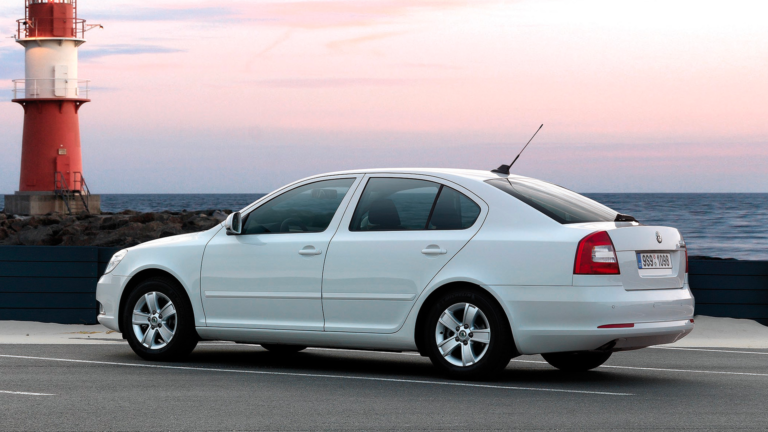
The second-generation Octavia was no stranger to electric propulsion either. As early as 2010, Škoda presented a fully functional prototype powered by an electric motor delivering a continuous output of 60 kW and a peak output of up to 85 kW. Energy was supplied by a 26.5 kWh lithium-ion battery pack, providing a driving range of approximately 140 kilometers. 

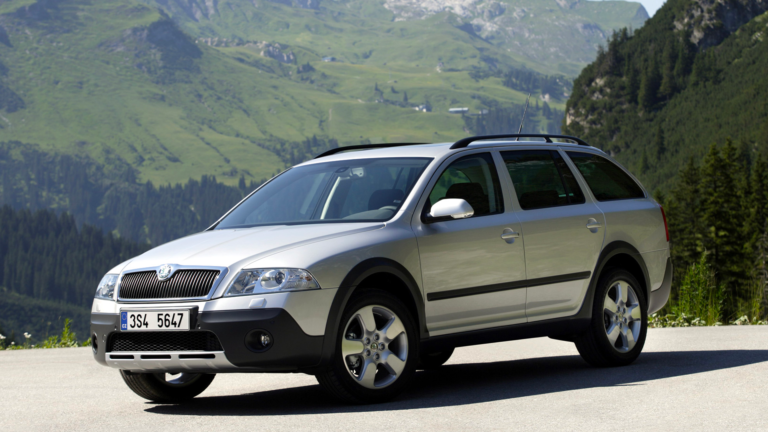
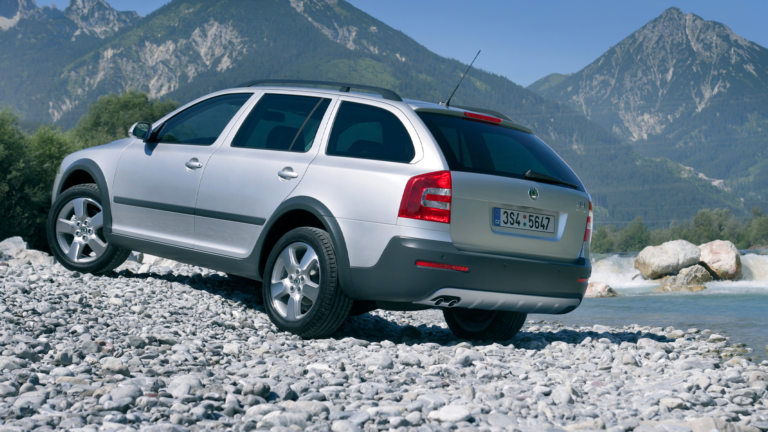
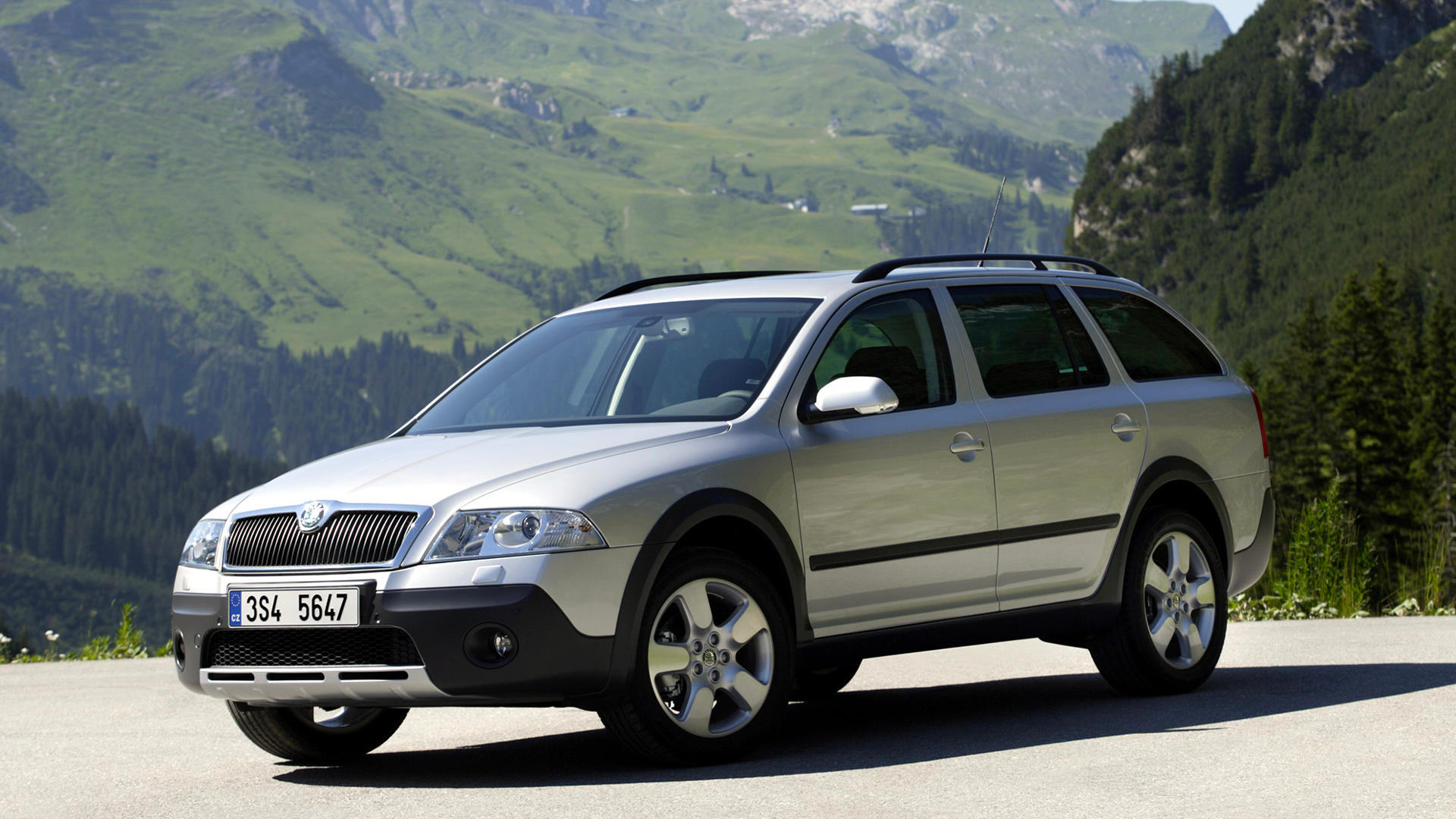
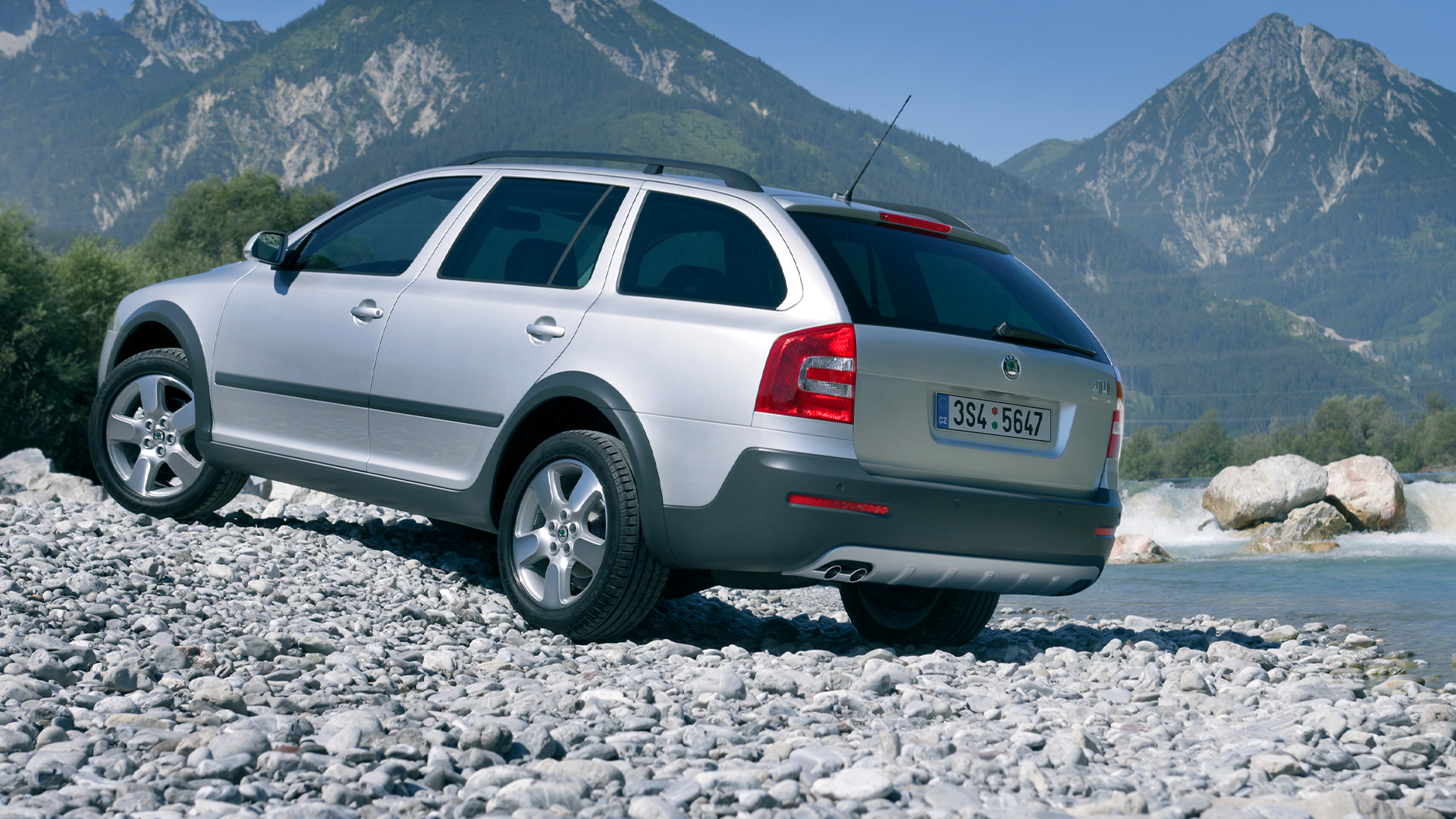
Following the introduction of all-wheel drive in the first generation, the second generation expanded the model’s off-road potential with the arrival of the Scout version. In addition to the Haldex all-wheel-drive system, it featured increased ground clearance and protective plastic body cladding, which not only improved capability away from paved roads but also gave the vehicle a rugged look and a touch of flair.

Third Generation – Natural Gas Power and a Collector’s Gem 

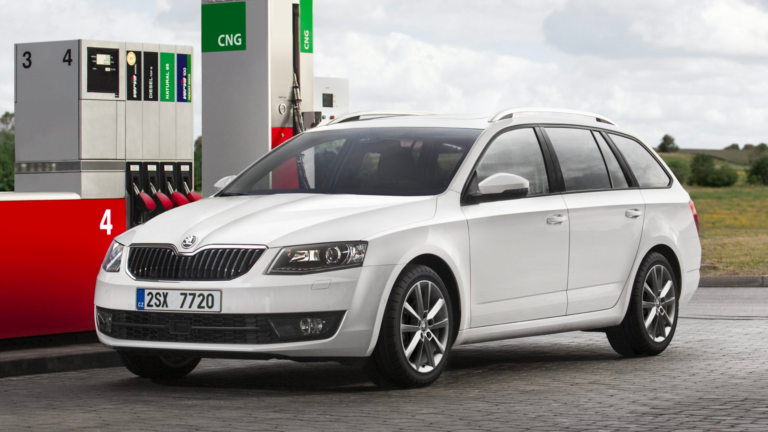
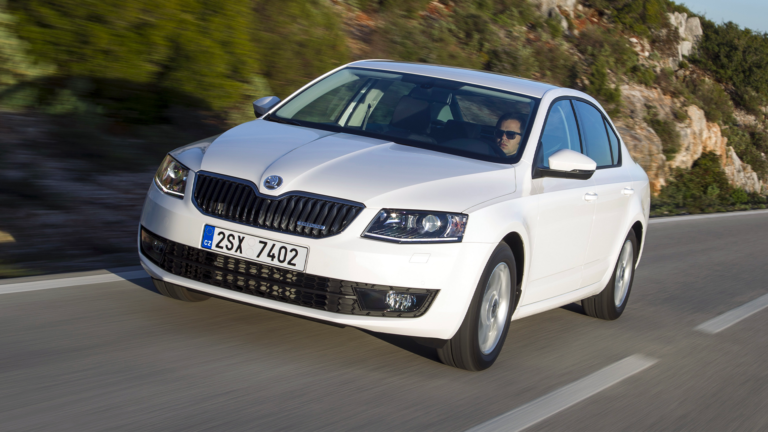
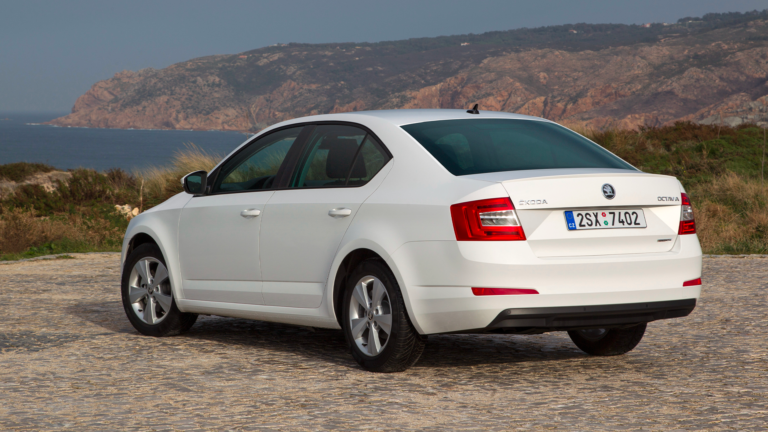
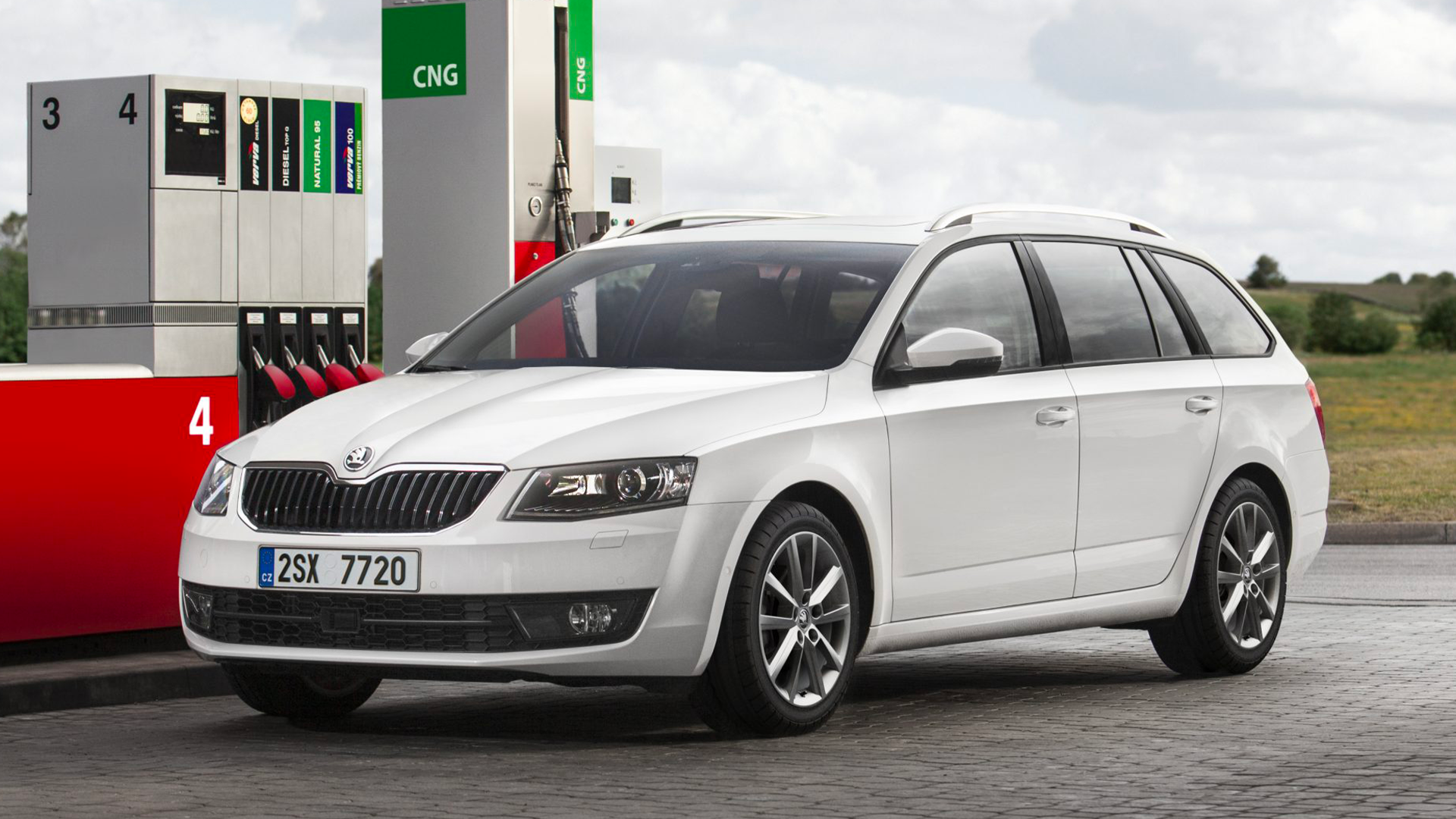
The third-generation Octavia marked the arrival of the modular MQB platform, new safety assistance systems and a new generation of engines. Alongside familiar petrol and diesel powertrains, the range also introduced a compressed natural gas (CNG) variant for the first time. Marketed under the G-TEC designation, it was initially powered by a 1.4 TSI engine. 

Its greatest strength was its exceptional combined driving range. Once the pressurised tanks containing 15 kg of natural gas had been depleted, drivers could still rely on a 50-litre petrol fuel tank. As a result, the total range exceeded 1,300 kilometres. In 2015, one such car completed a long-distance journey from Prague to Norway, achieving a remarkable range of 1,700 kilometres and once again demonstrating the Octavia’s excellence in fuel efficiency and economy. 

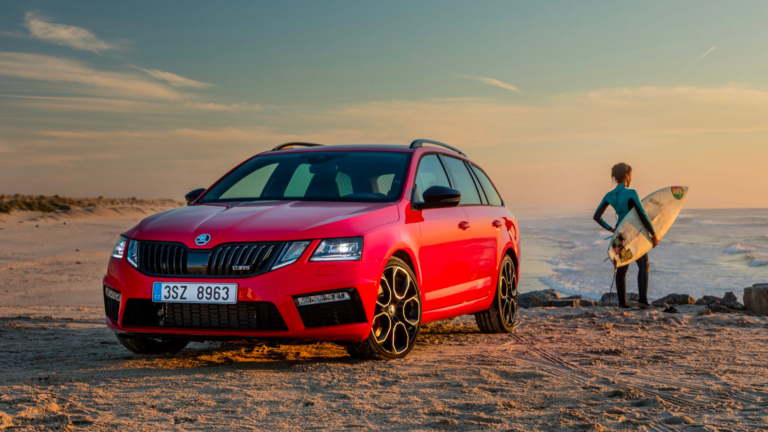
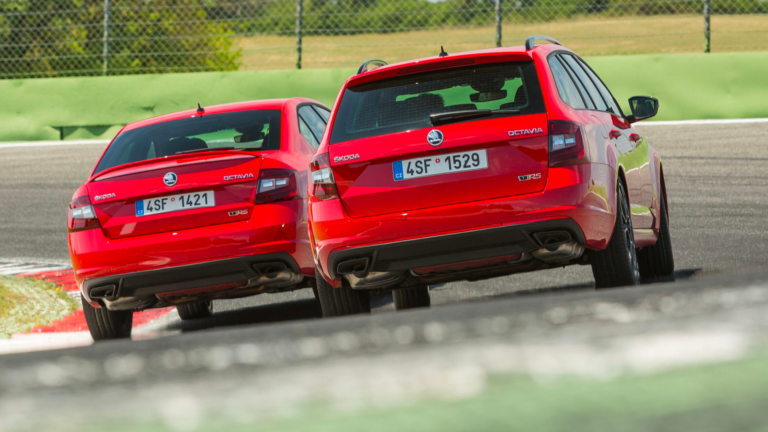
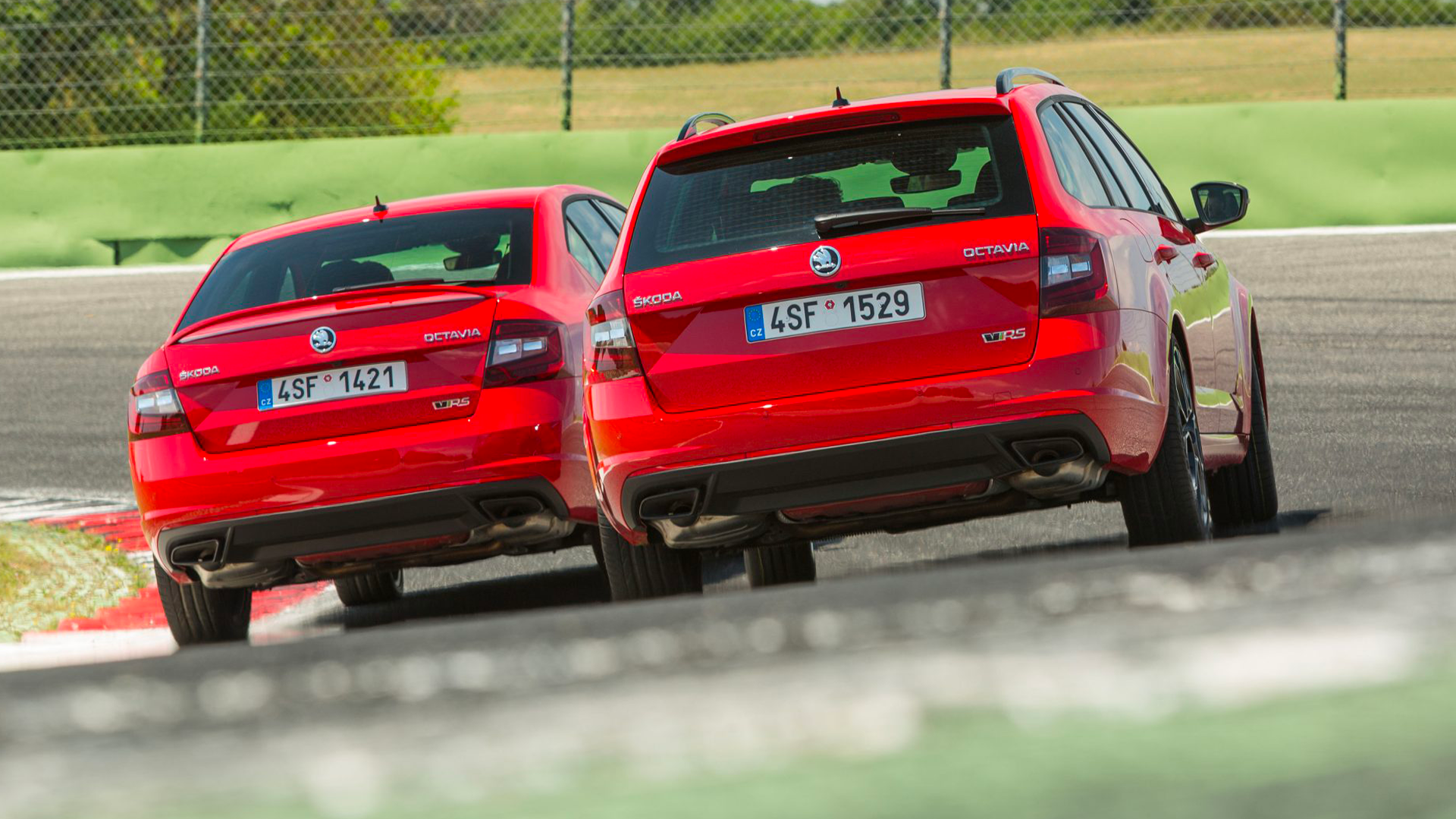
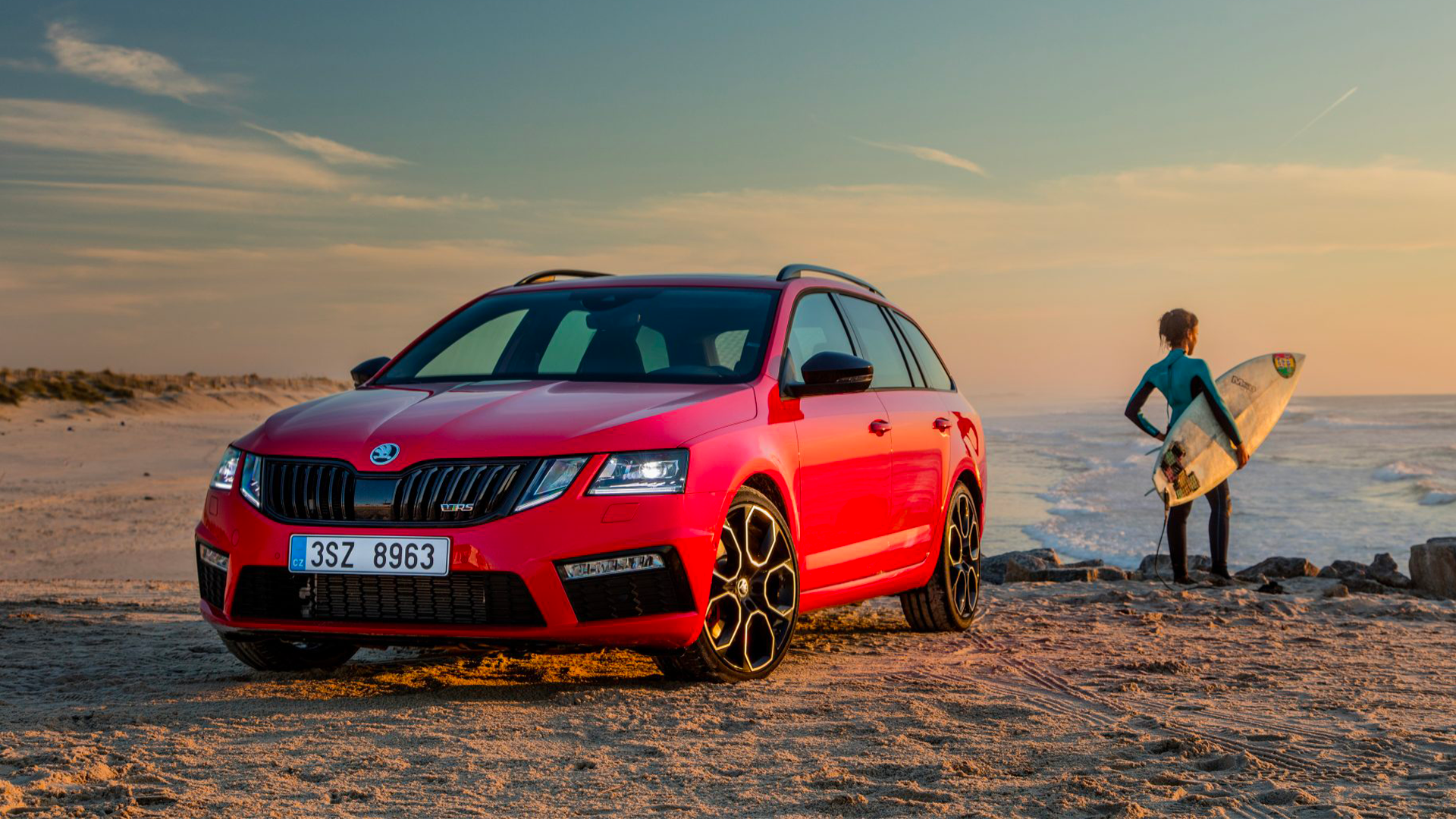
The sporty RS remained a key part of the line-up in this generation. However, following the model update in 2017, Škoda introduced an even sharper version for demanding drivers – the RS 245. Increasing the output of the four-cylinder engine to 245 hp was only the beginning. The real highlight was the chassis package, which included a VAQ limited-slip differential, a rear track widened by 30 mm and standard Dynamic Chassis Control (DCC). The Octavia RS 245 remains highly regarded among enthusiasts to this day. 

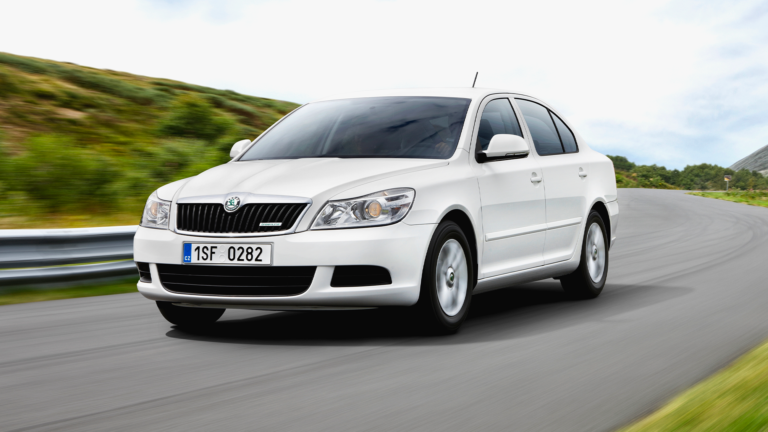
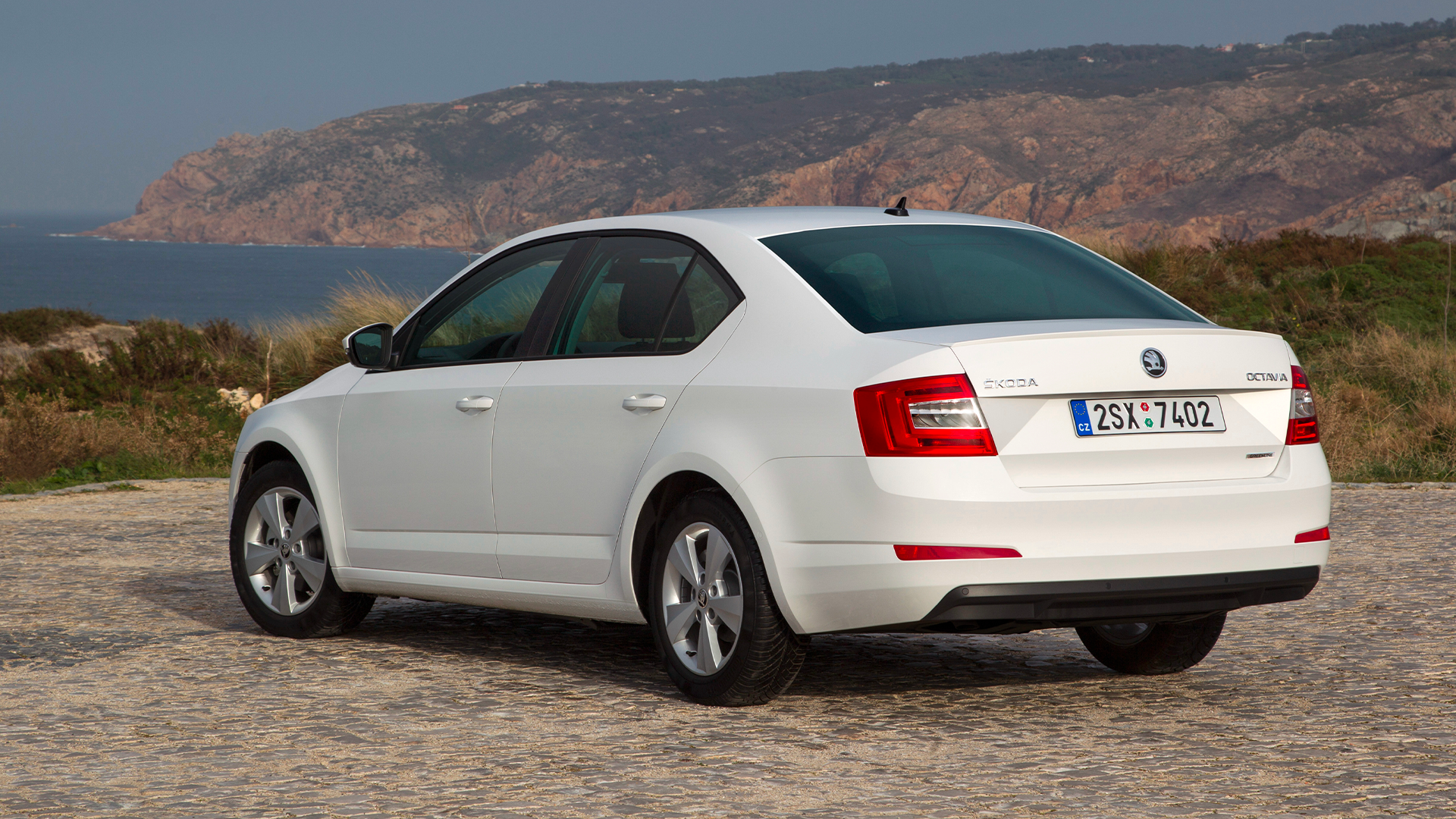
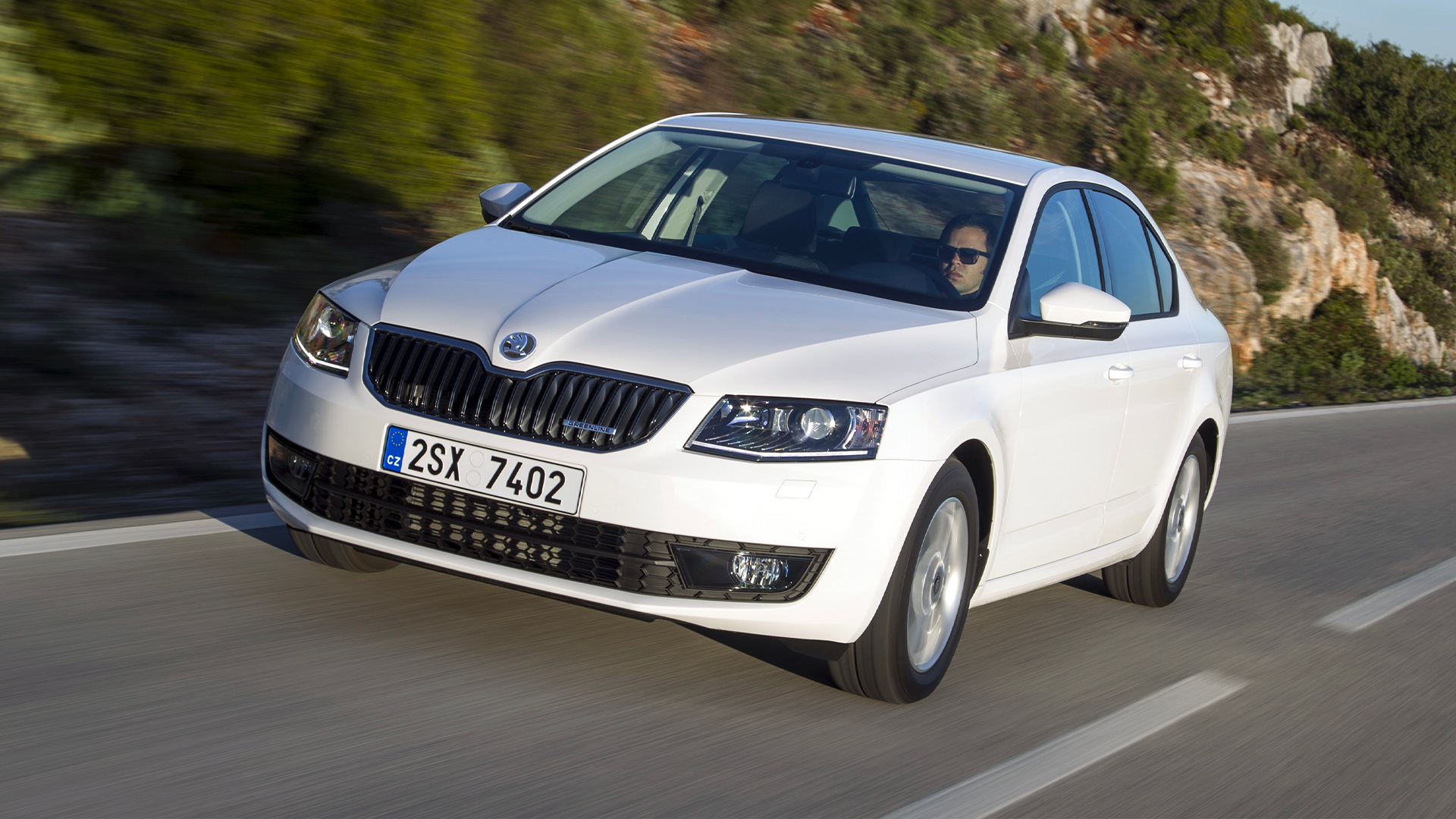
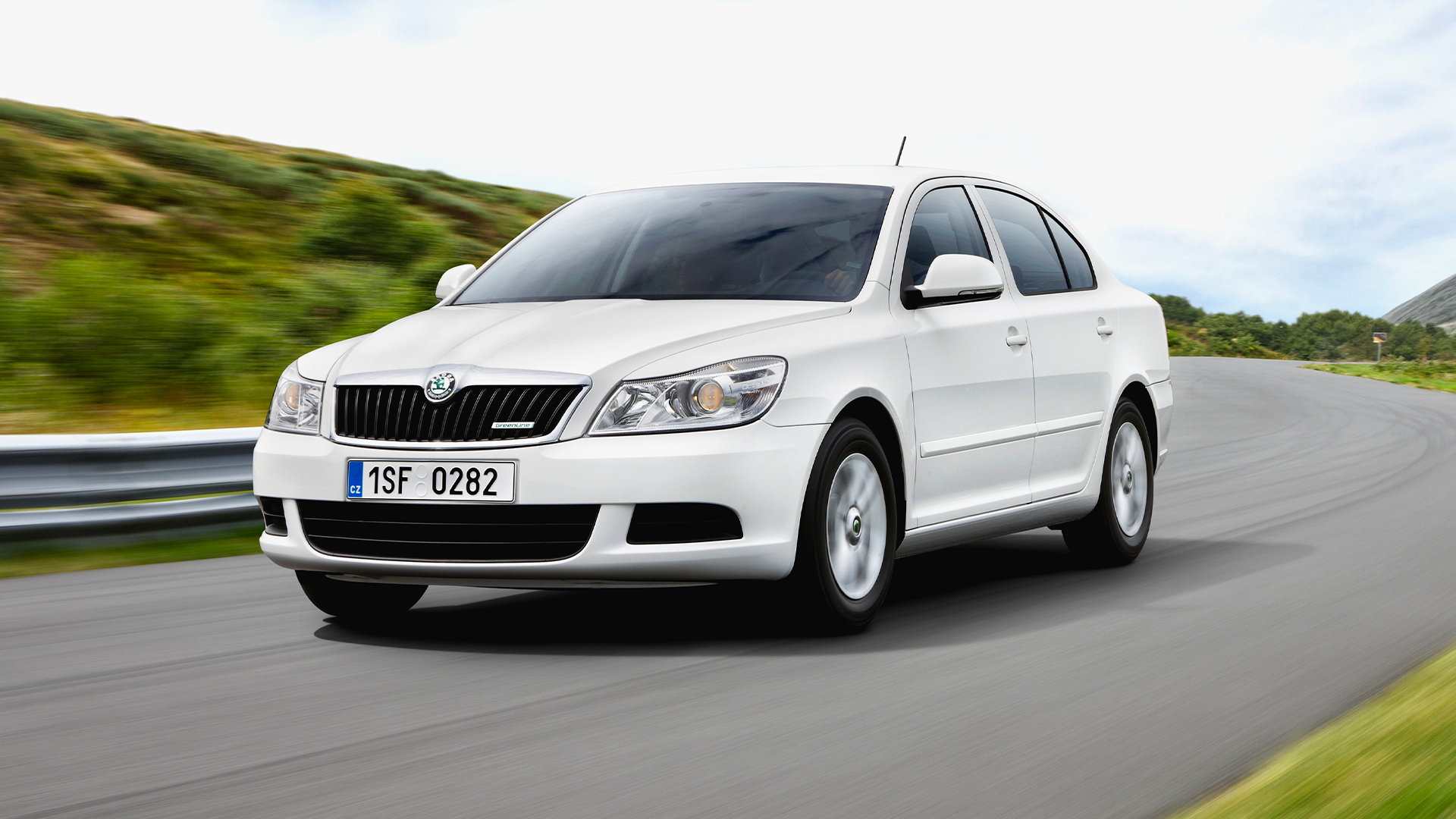
Alongside performance and record-breaking achievements, the Octavia continued to focus on efficiency. At the 2013 Frankfurt Motor Show, Škoda unveiled the Octavia GreenLine. This fuel-efficient and economy-focused model was powered by a 110 hp 1.6 TDI engine. It featured tyres with lower rolling resistance, revised gear ratios and a less permeable front grille designed to reduce aerodynamic drag. Together, these modifications enabled an impressive fuel consumption figure of just 3.3 l/100 km in the NEDC test cycle.

Fourth Generation – Hybrid Technology Arrives, Including Plug-In Capability 

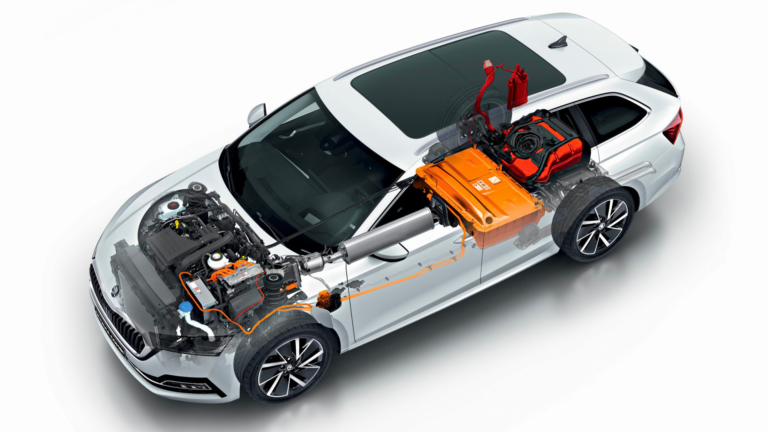
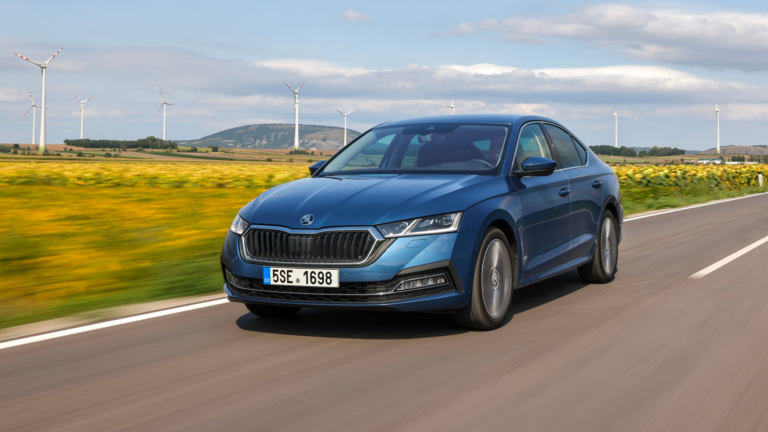
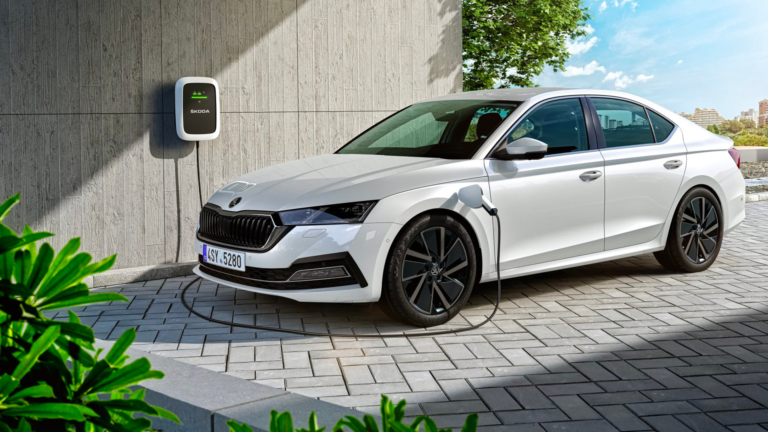
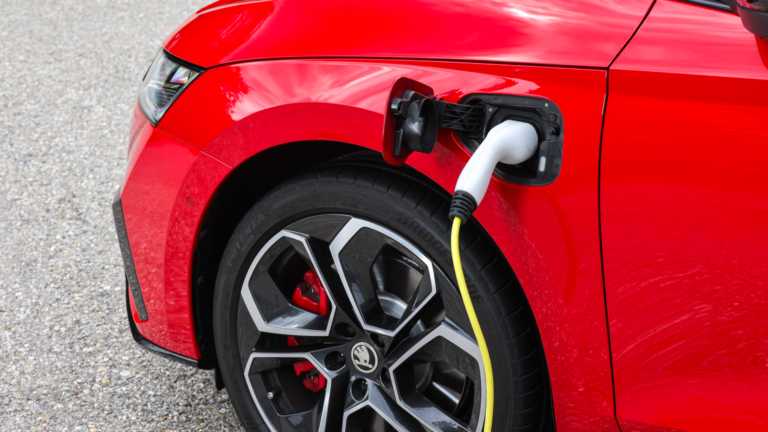
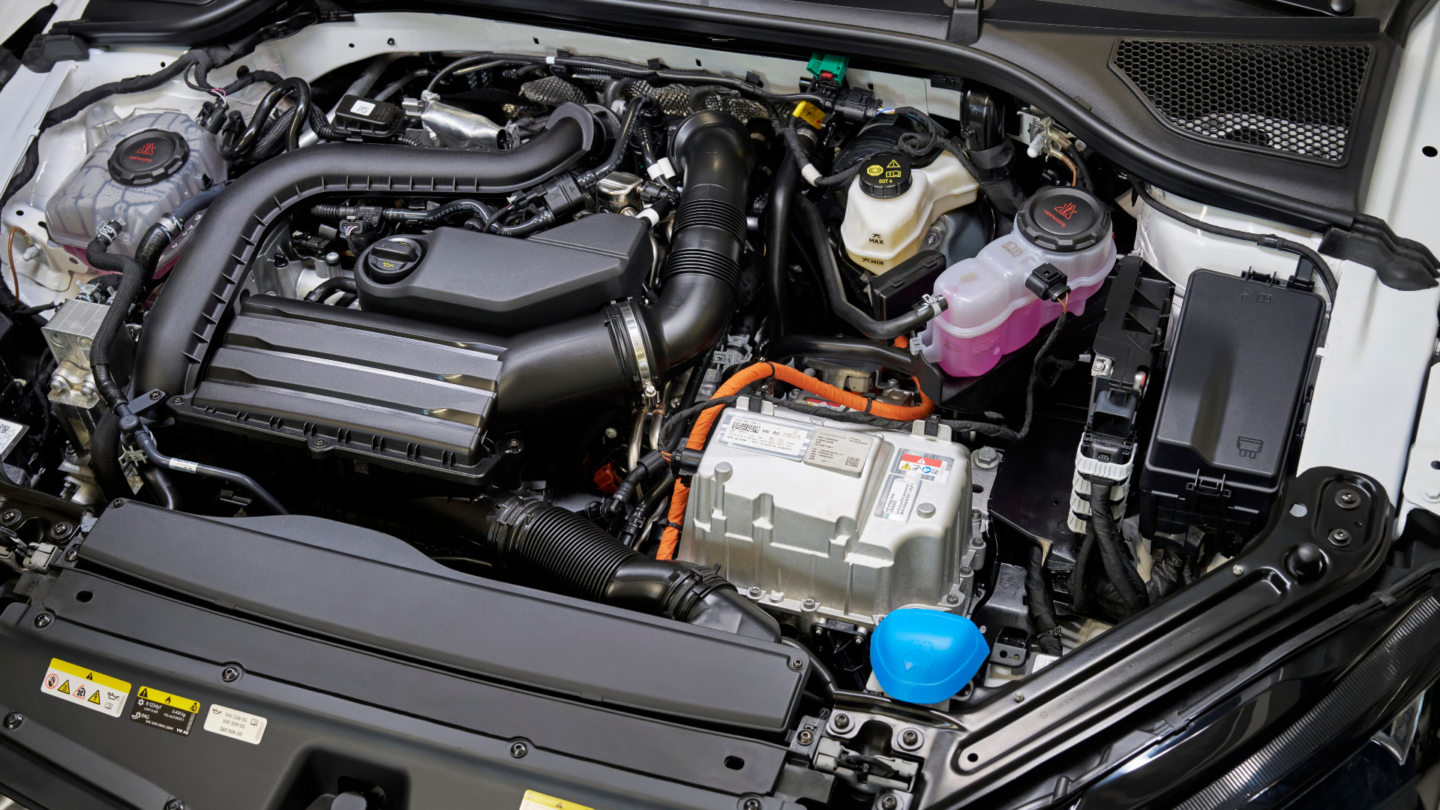
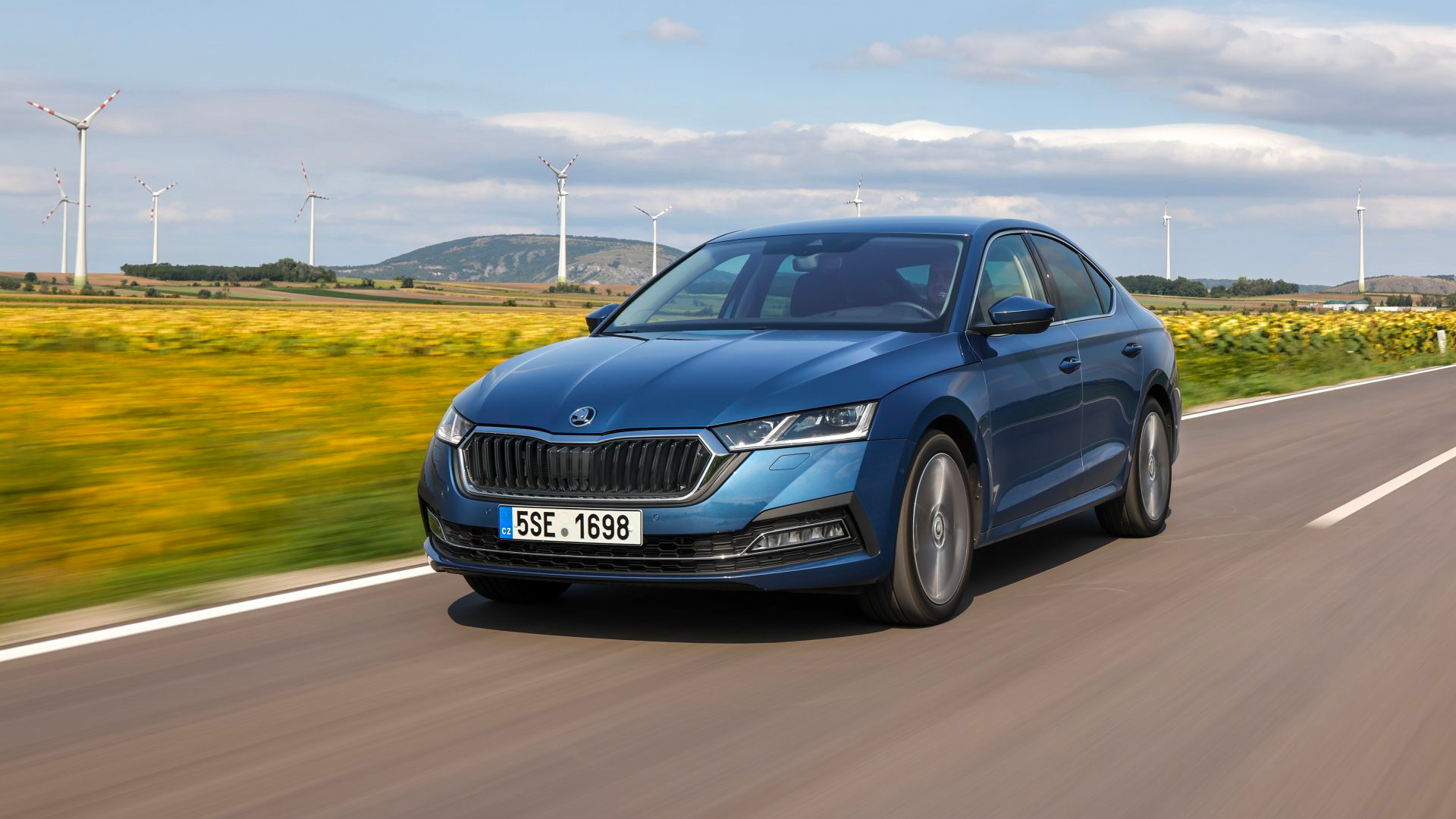
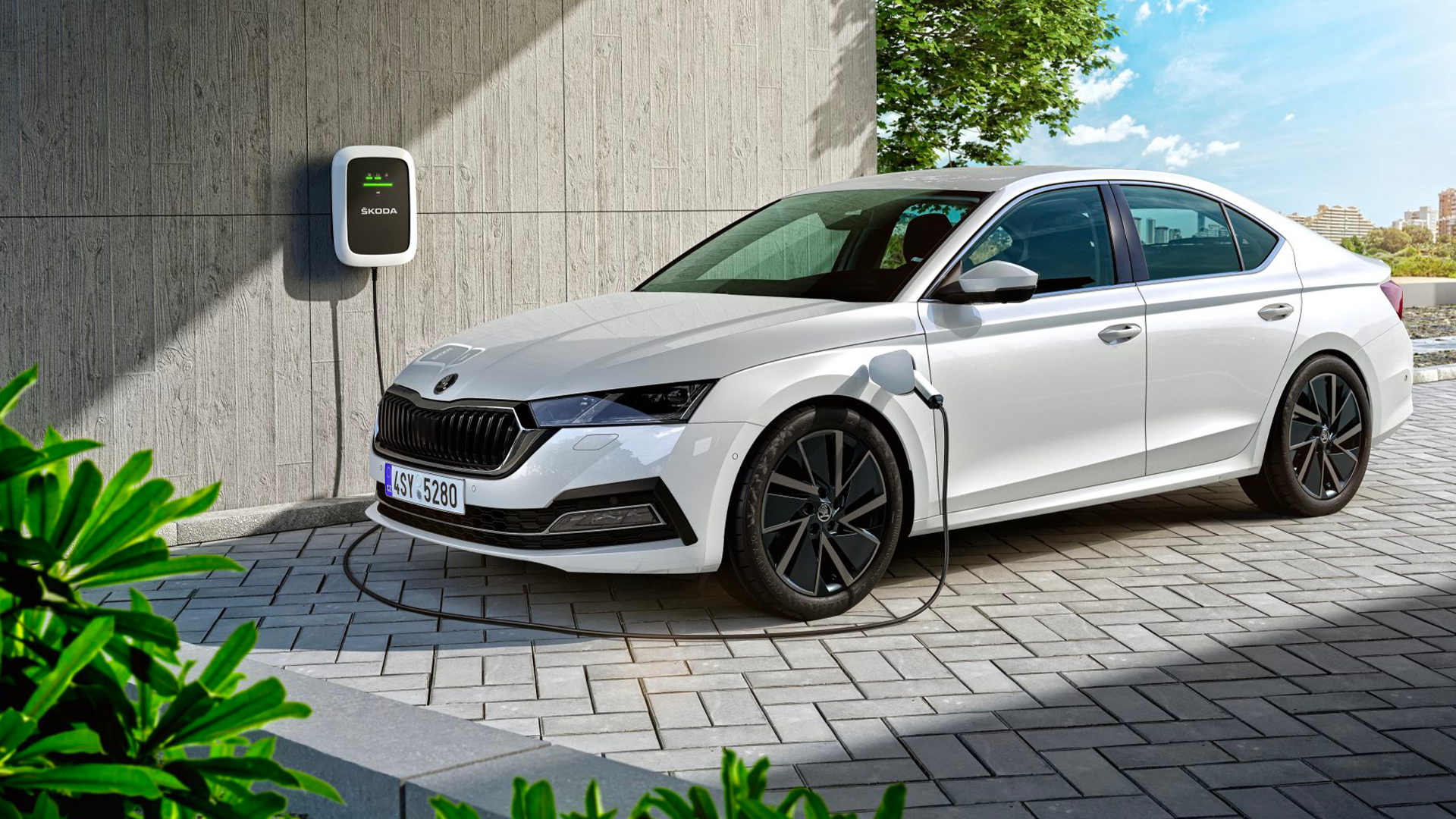
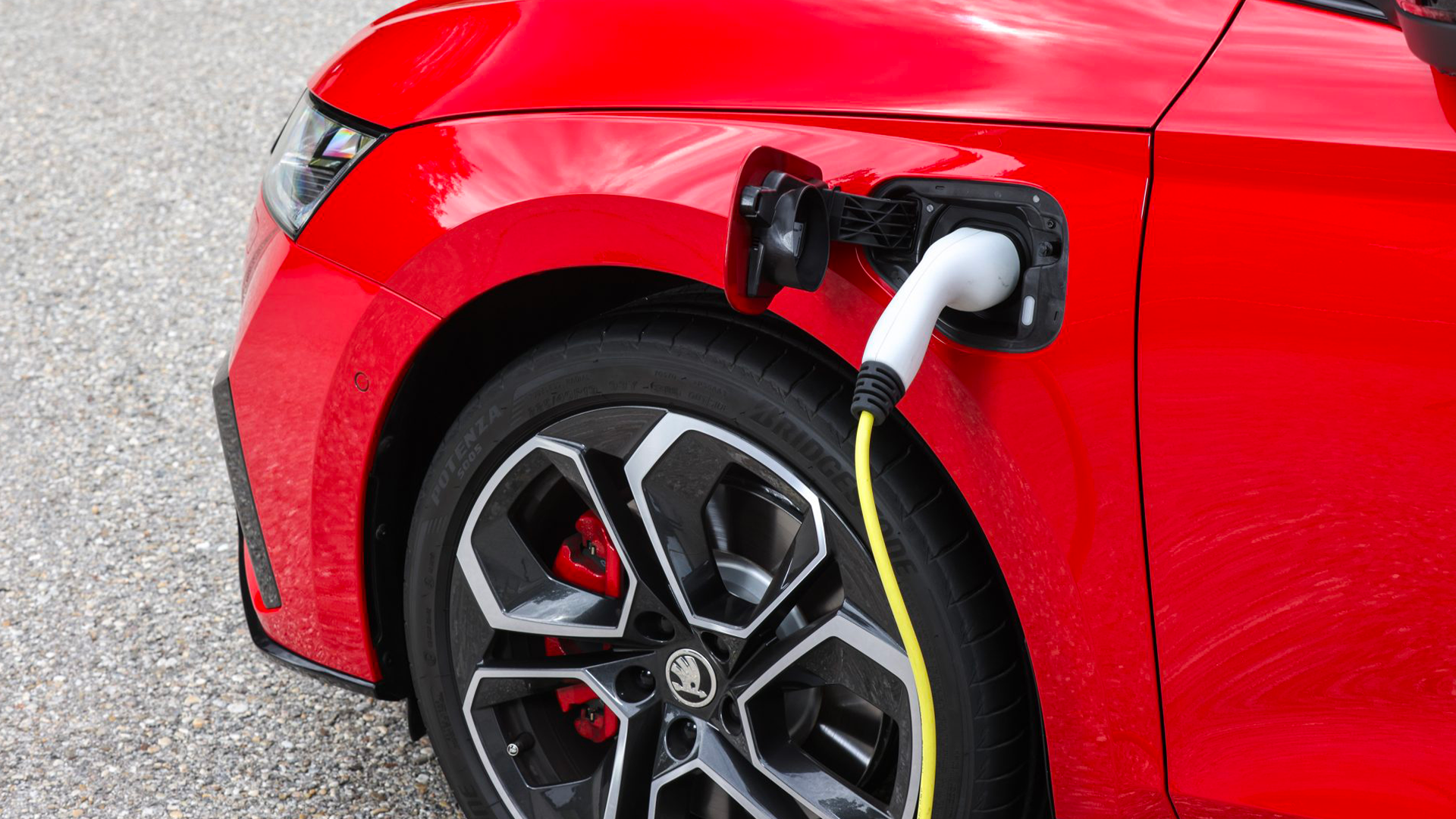
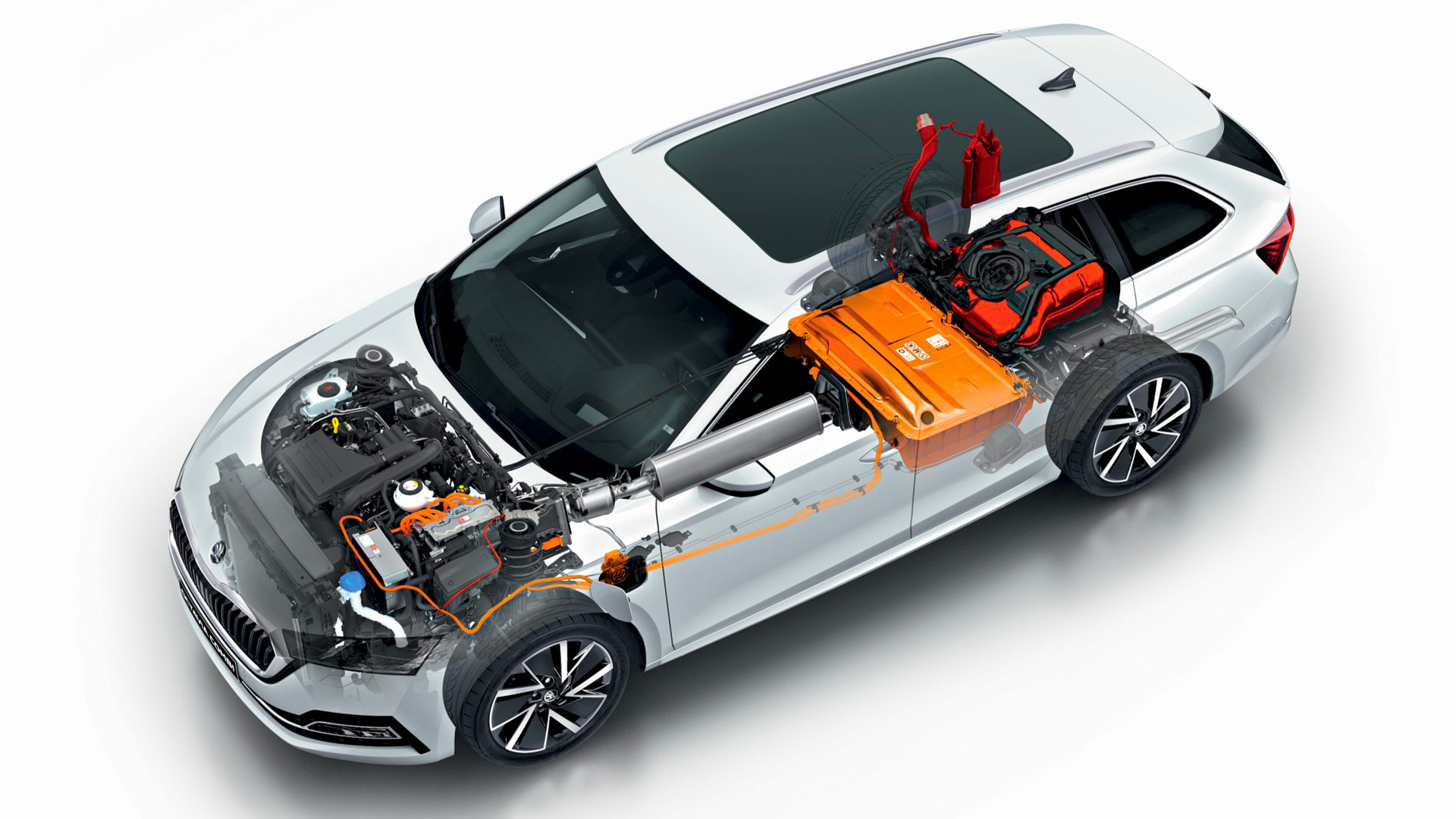
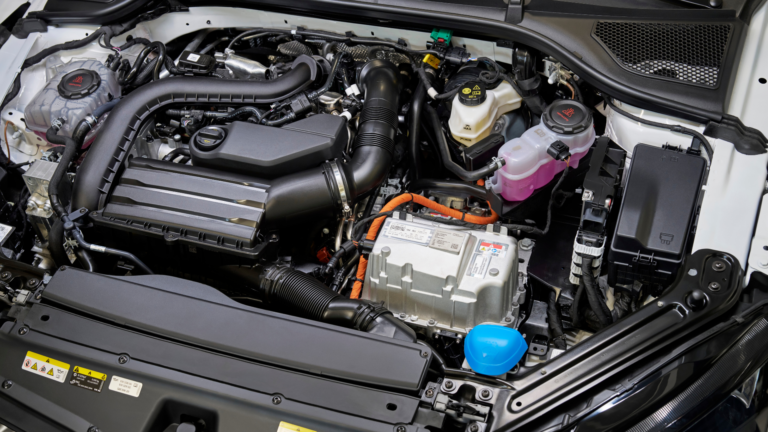
The fourth-generation Octavia made its debut in 2019. It represented a significant step forward in terms of design, equipment and digitalisation. For the first time, it combined petrol and electric propulsion through both mild-hybrid and plug-in hybrid technologies. The e-TEC designation referred to a 48-volt mild-hybrid system featuring a battery and starter-generator that assisted the combustion engine during acceleration and recovered energy during braking. The plug-in hybrid Octavia iV offered a combined output of 150 hp and utilised a lithium-ion battery that could be charged both externally and internally, enabling the vehicle to travel several dozen kilometres on electric power alone. 

Plug-in hybrid technology also found its way into the RS range for the first time. The electrified flagship introduced several innovations to the RS family, including the E-Booster function, which delivered the electric motor’s maximum torque instantly when the accelerator pedal was pressed. This helped eliminate turbo lag when accelerating out of corners. Another new feature was a sound generator, which produced a more intense engine note when Sport mode was selected. 

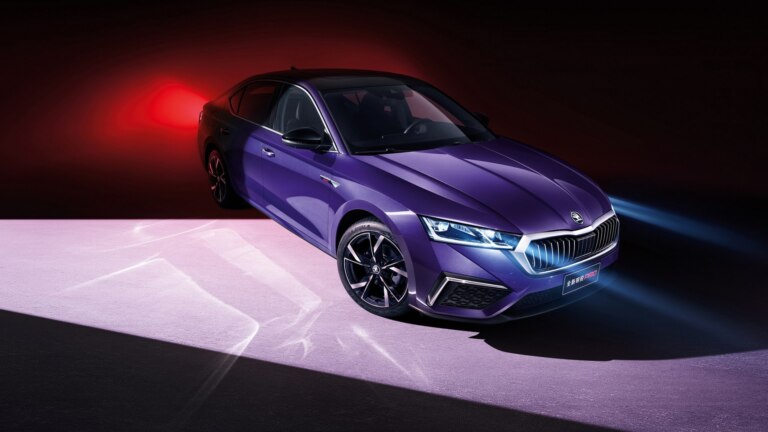
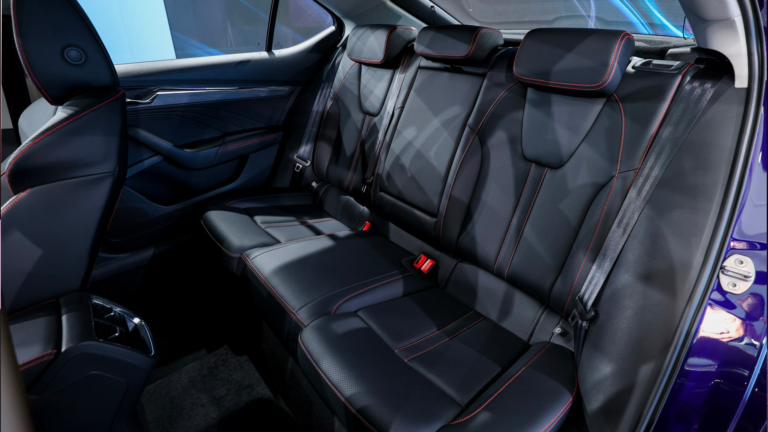
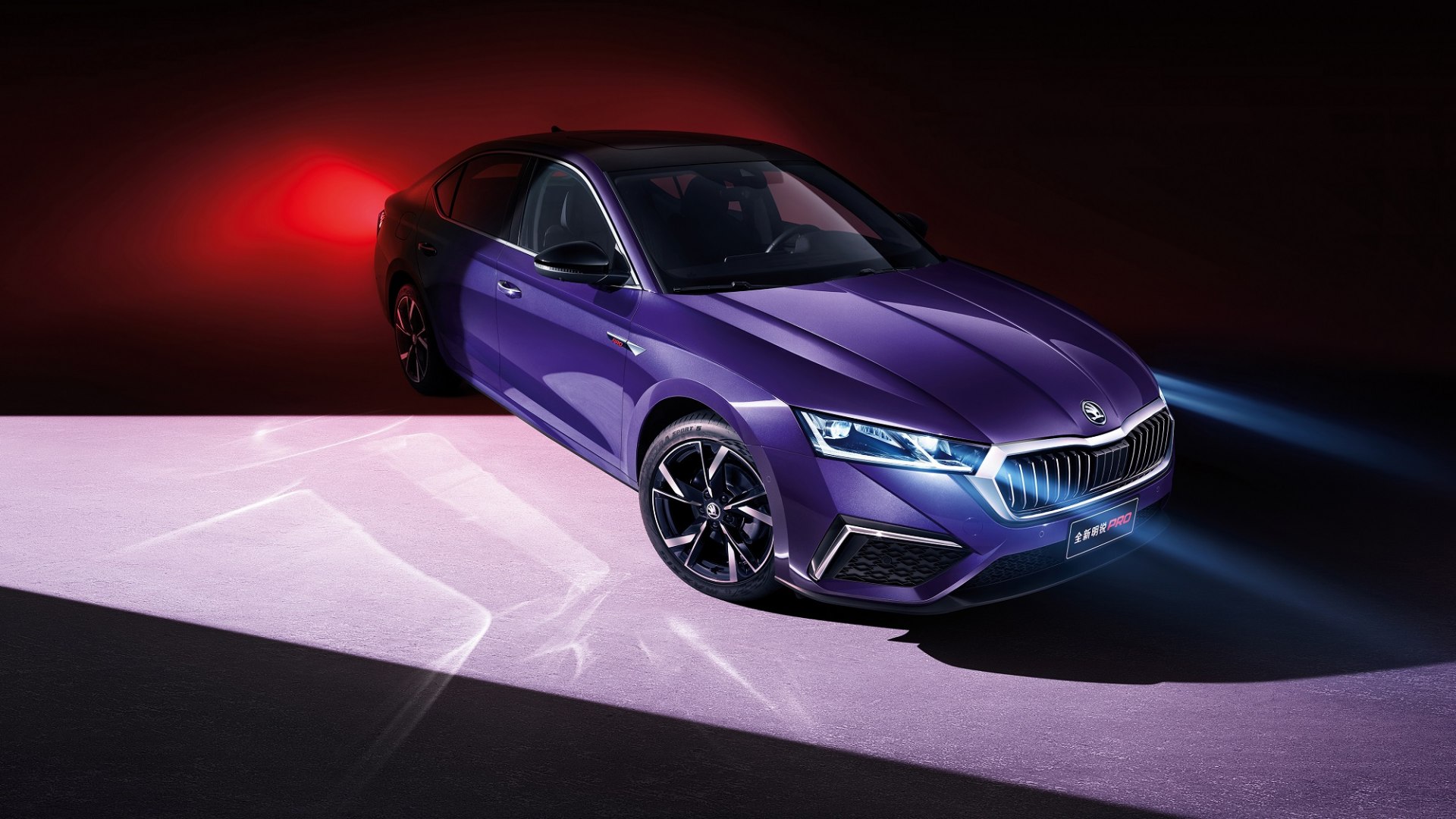
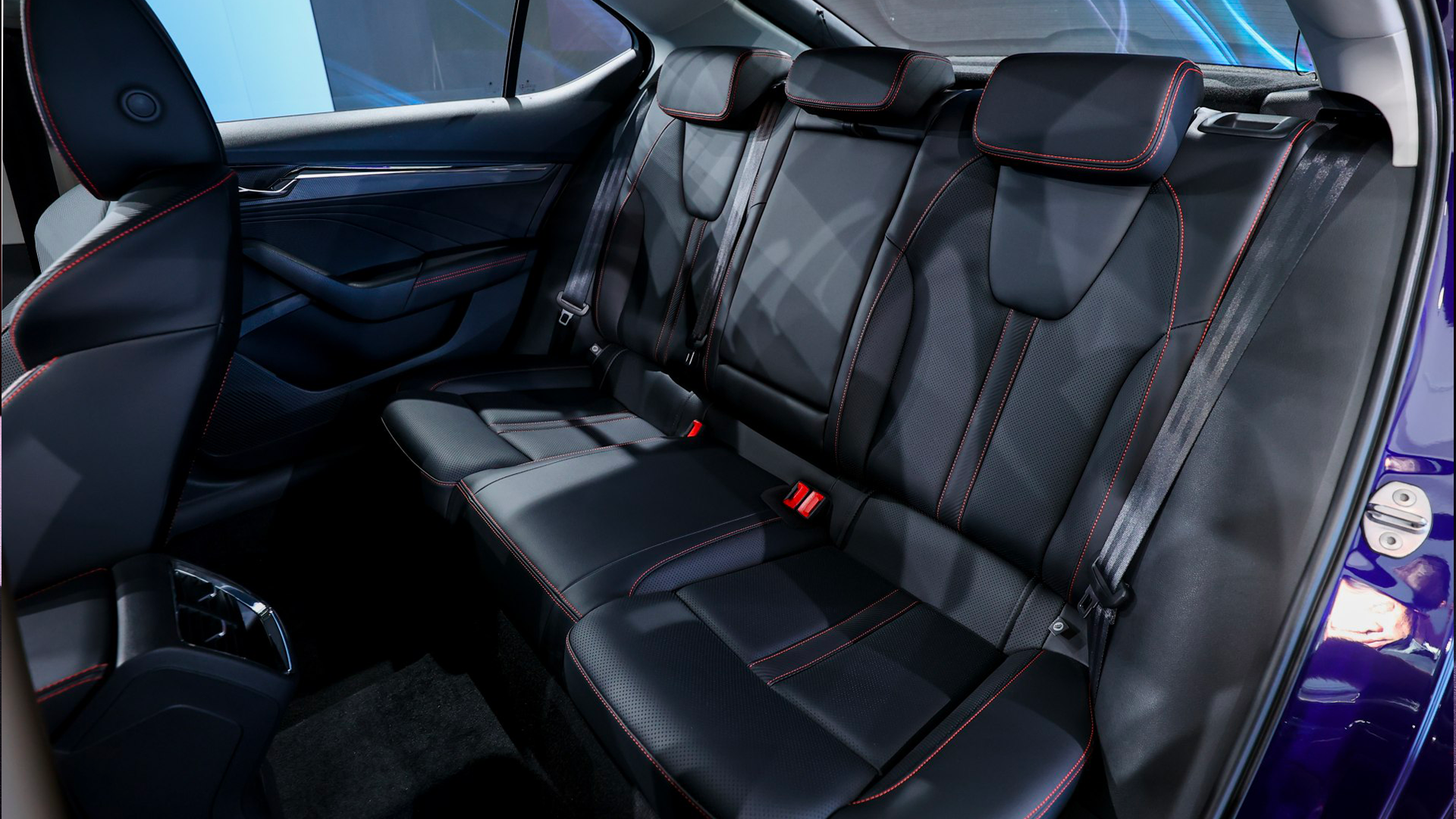
The first-generation Octavia Long was not the only slightly lengthened Octavia developed to meet customer requirements. In 2021, the fourth generation repeated the same move for the Chinese market. The Octavia Pro featured a wheelbase extended by 44 mm to a total of 2,730 mm, with all of the additional space dedicated to rear-seat passengers. The model also featured RS-inspired dynamic bumpers, 18-inch alloy wheels and a sporty three-spoke steering wheel.

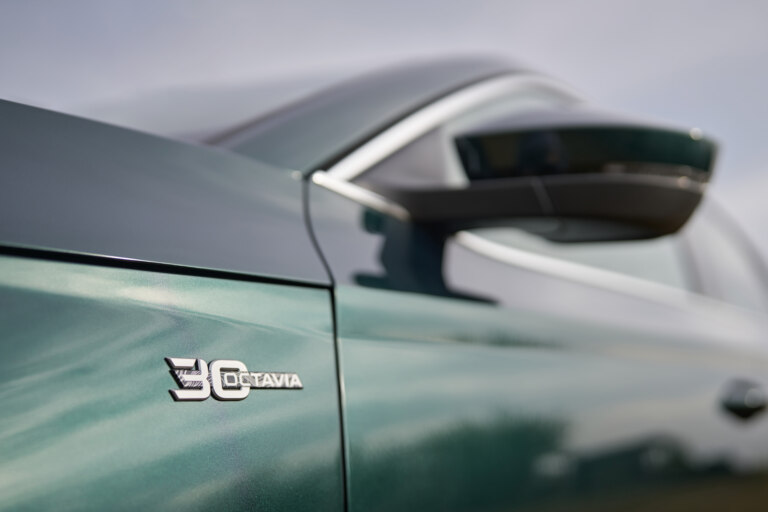
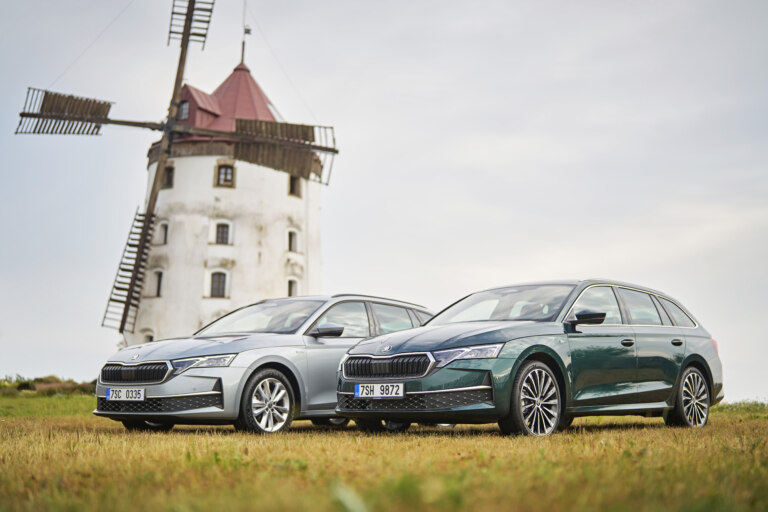
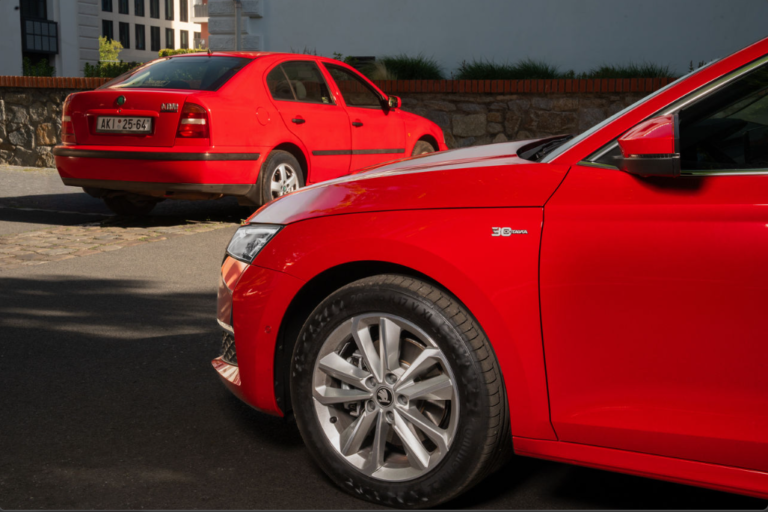
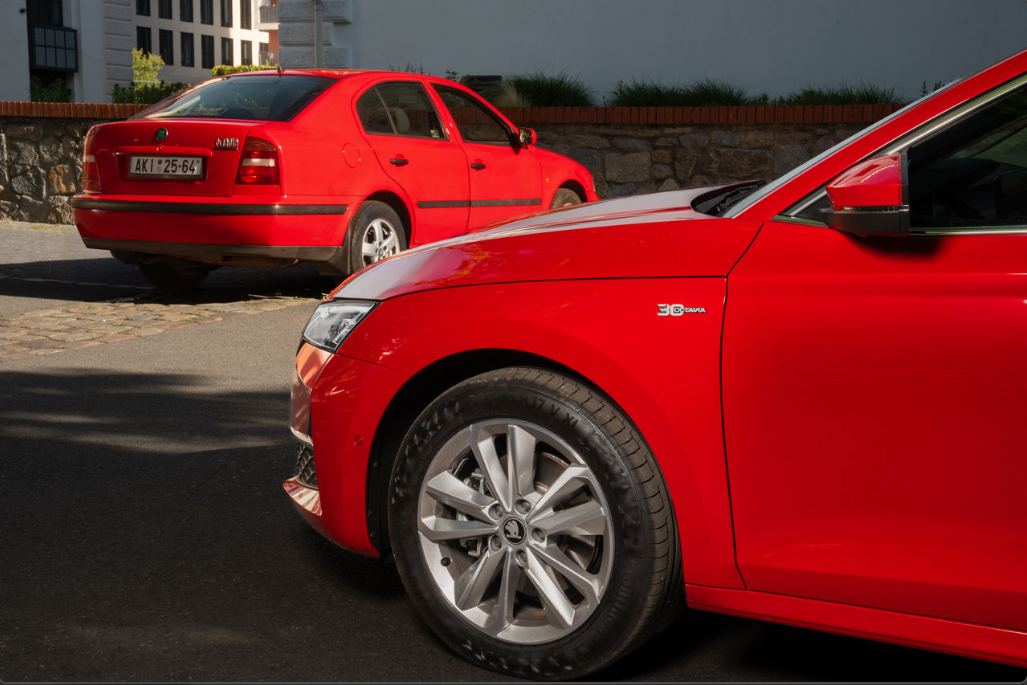
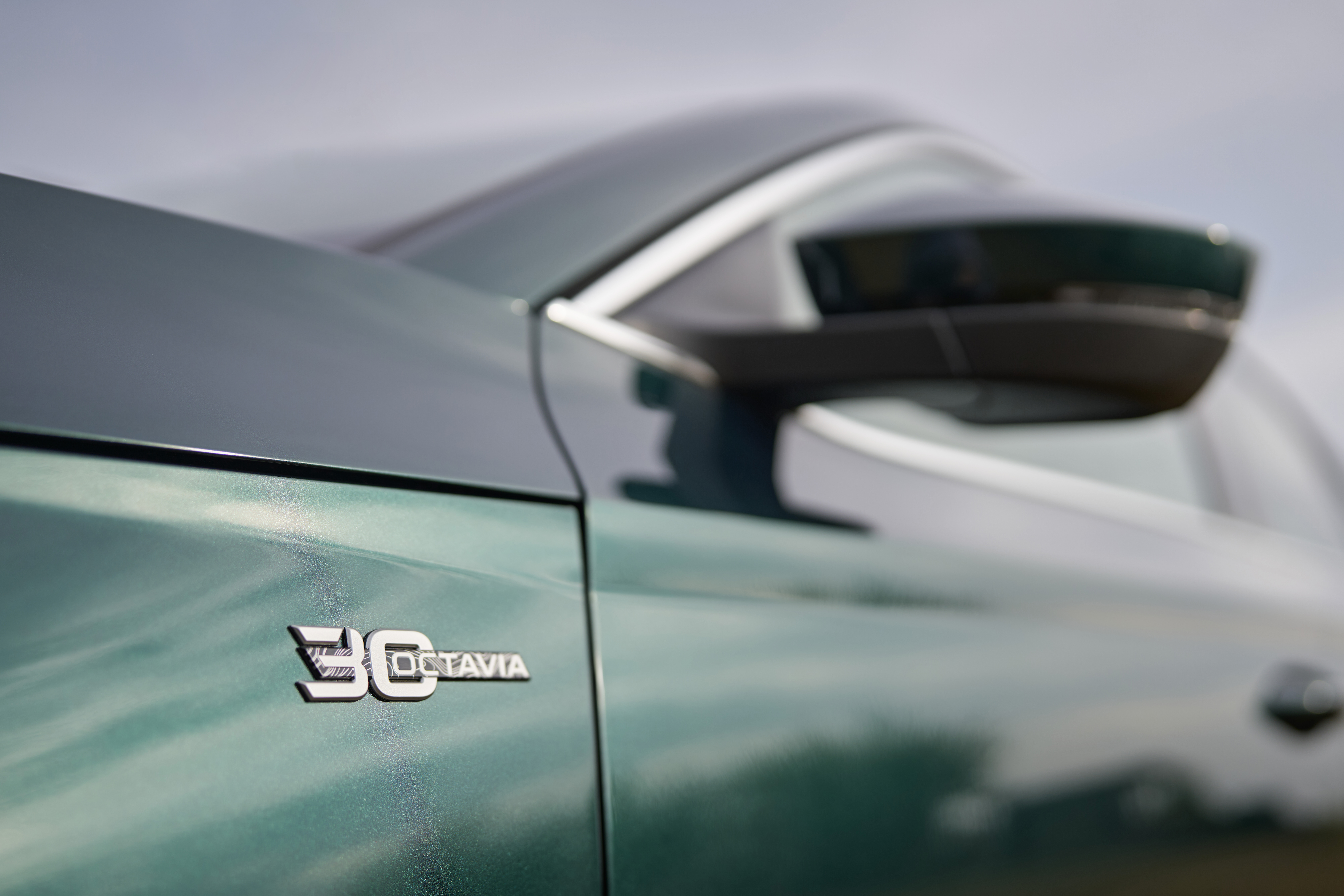
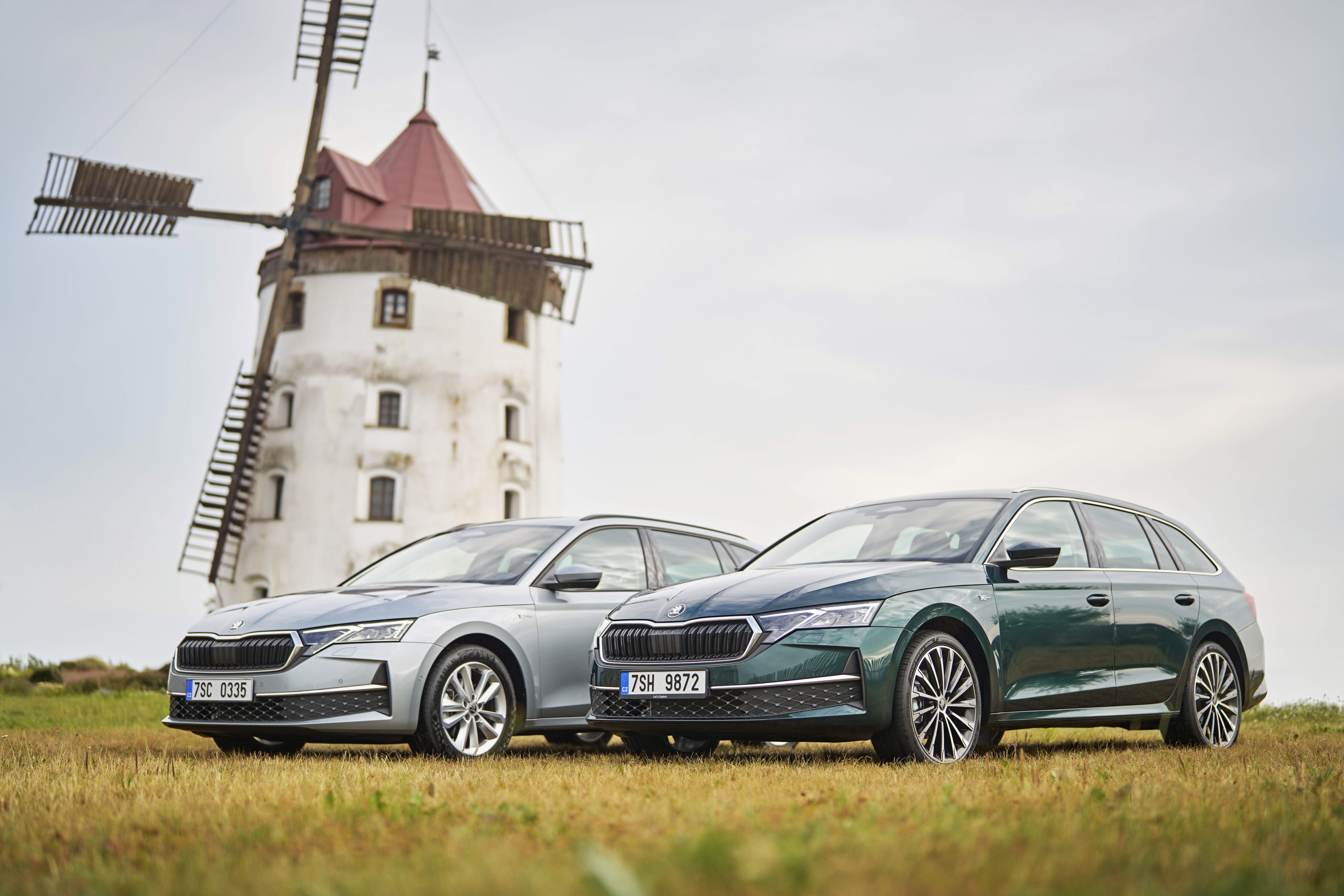
To celebrate the 30th anniversary of the premiere of the first modern-generation Octavia, Škoda Auto is launching the limited-edition Octavia 30th Anniversary Edition in selected markets. Available in both Liftback and Combi body styles, the special edition may feature market-specific specifications and equipment.

Related Stories Based on tags: 2026, Octavia