The world beneath the upholstery
The world beneath the upholstery

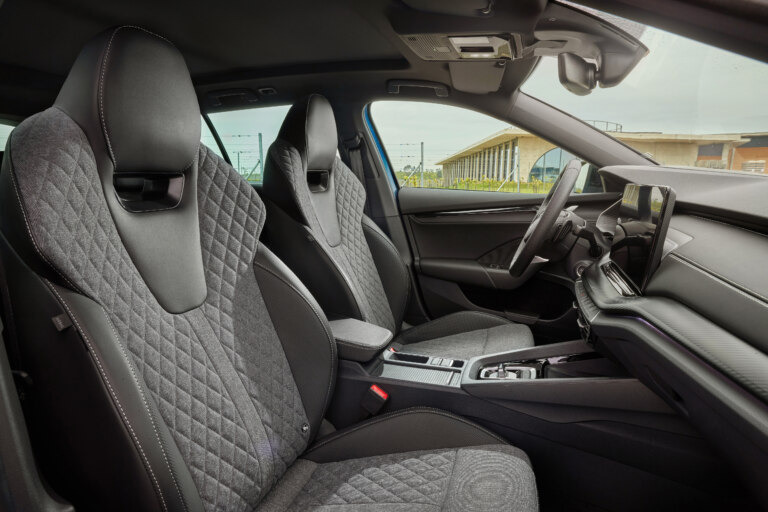
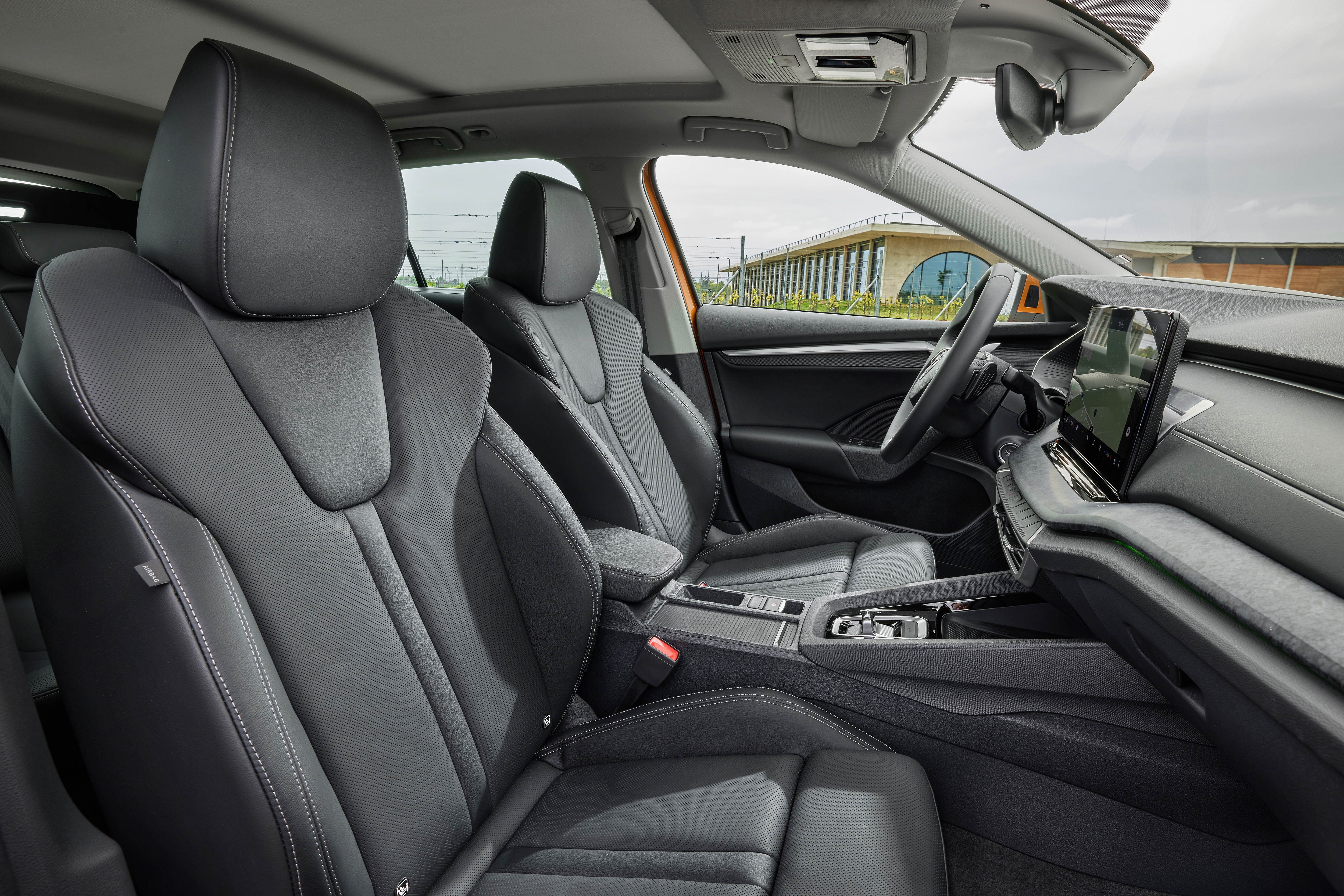
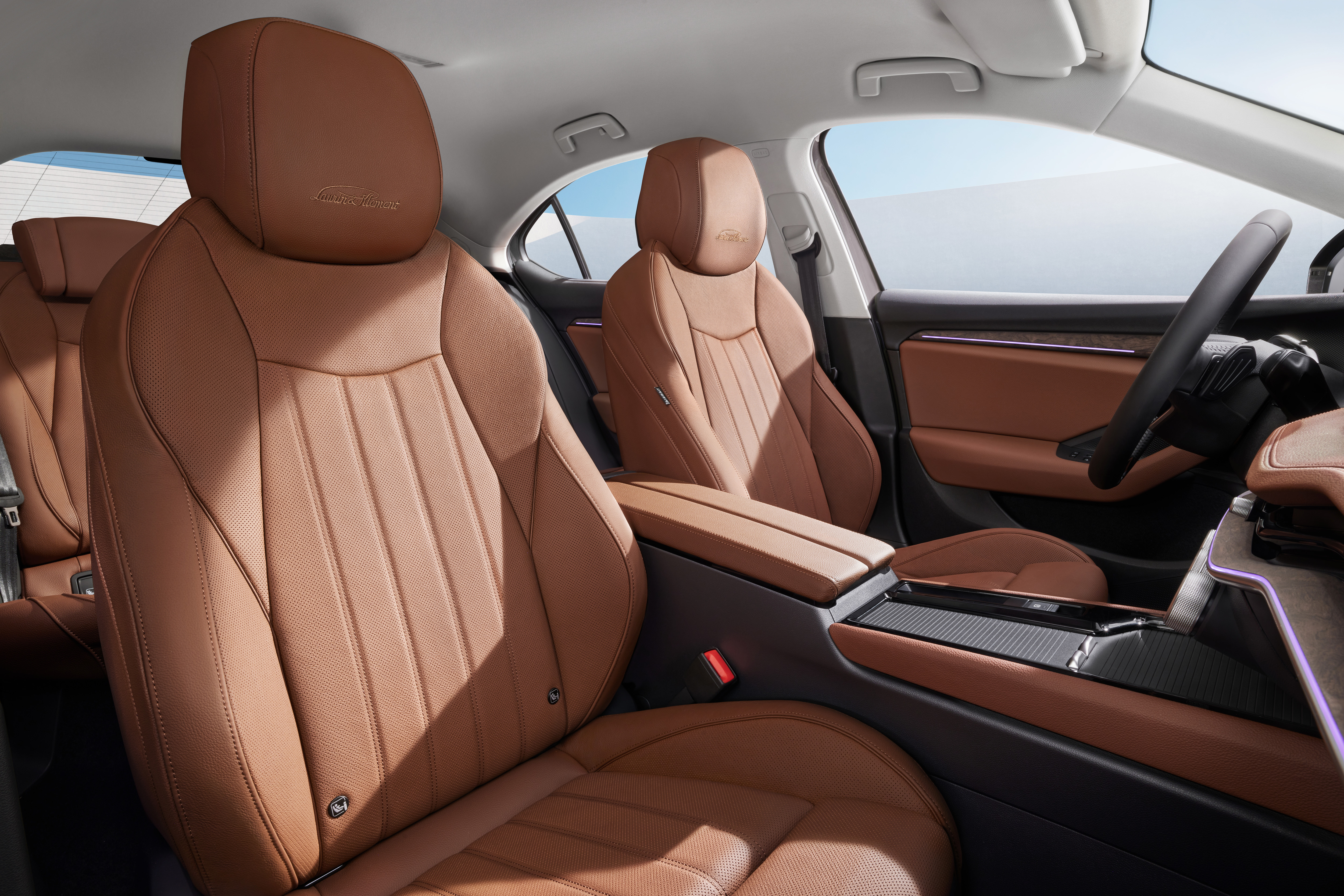
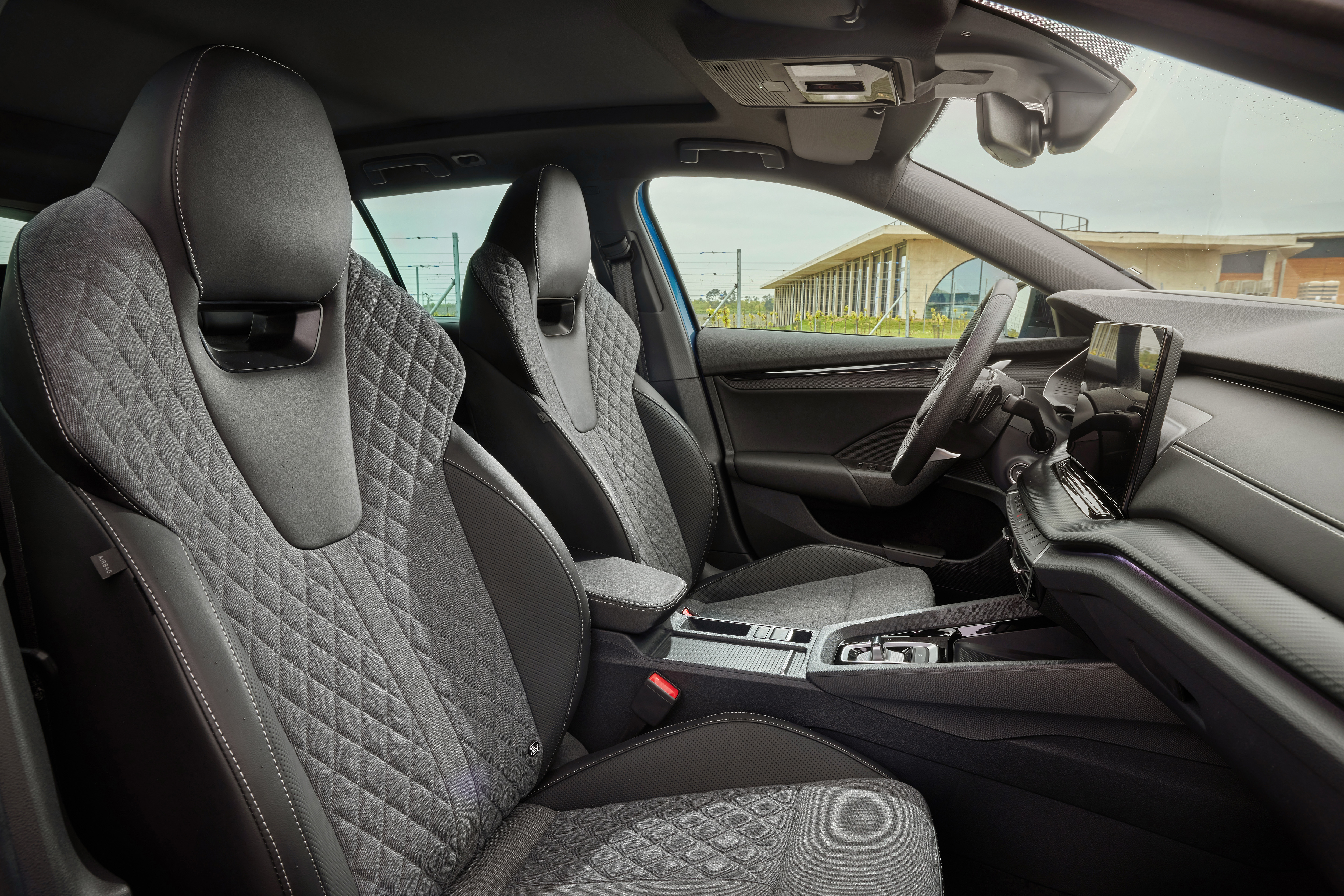
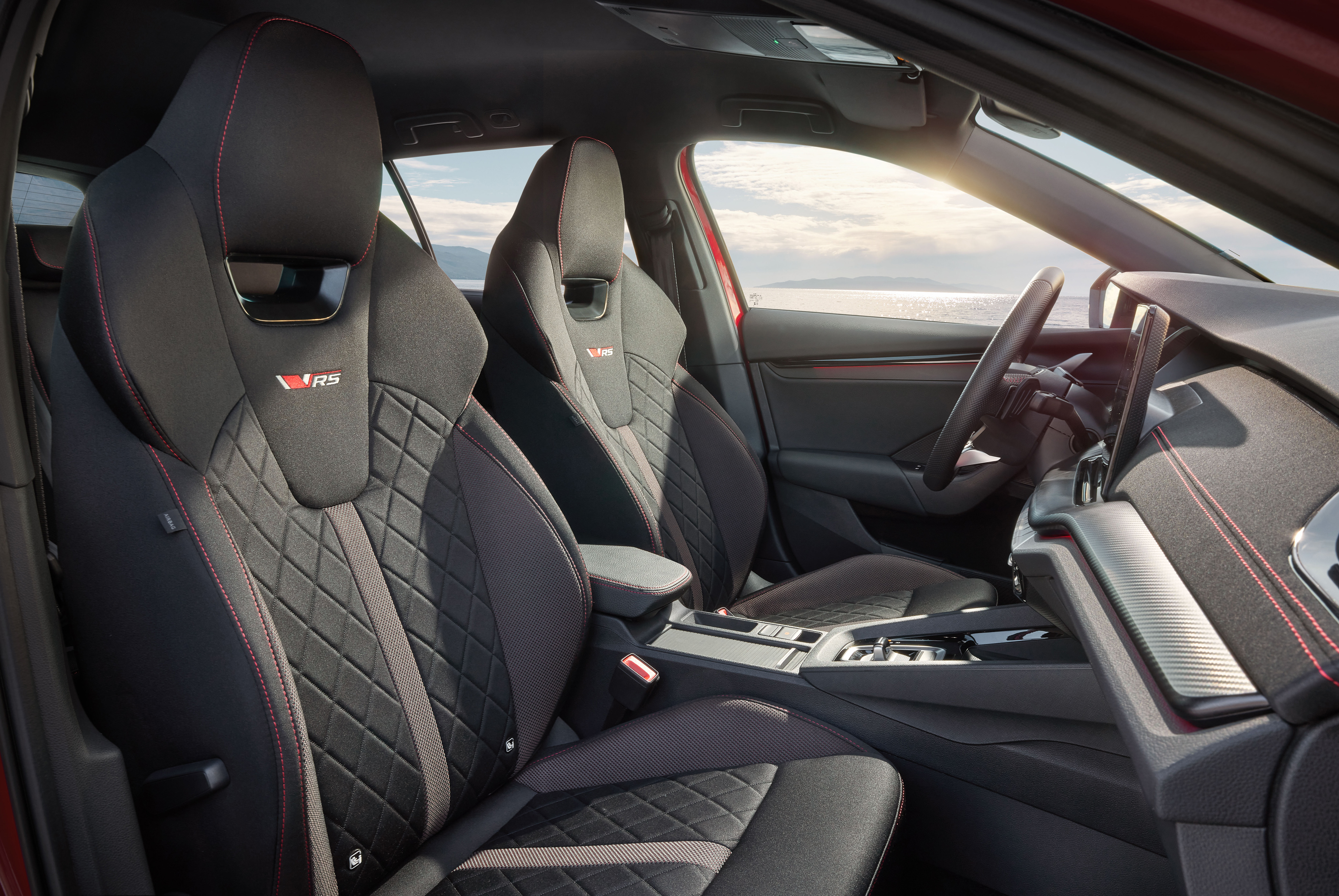
Poor seating posture can leave lasting consequences for health. This applies not only in the office, but also behind the wheel. For this reason, Škoda Auto’s developers design seats to provide optimum support for all body types. The professional pinnacle of this care is the AGR certificate. What does it mean and how is it obtained?

27. 10. 2026 Škoda World
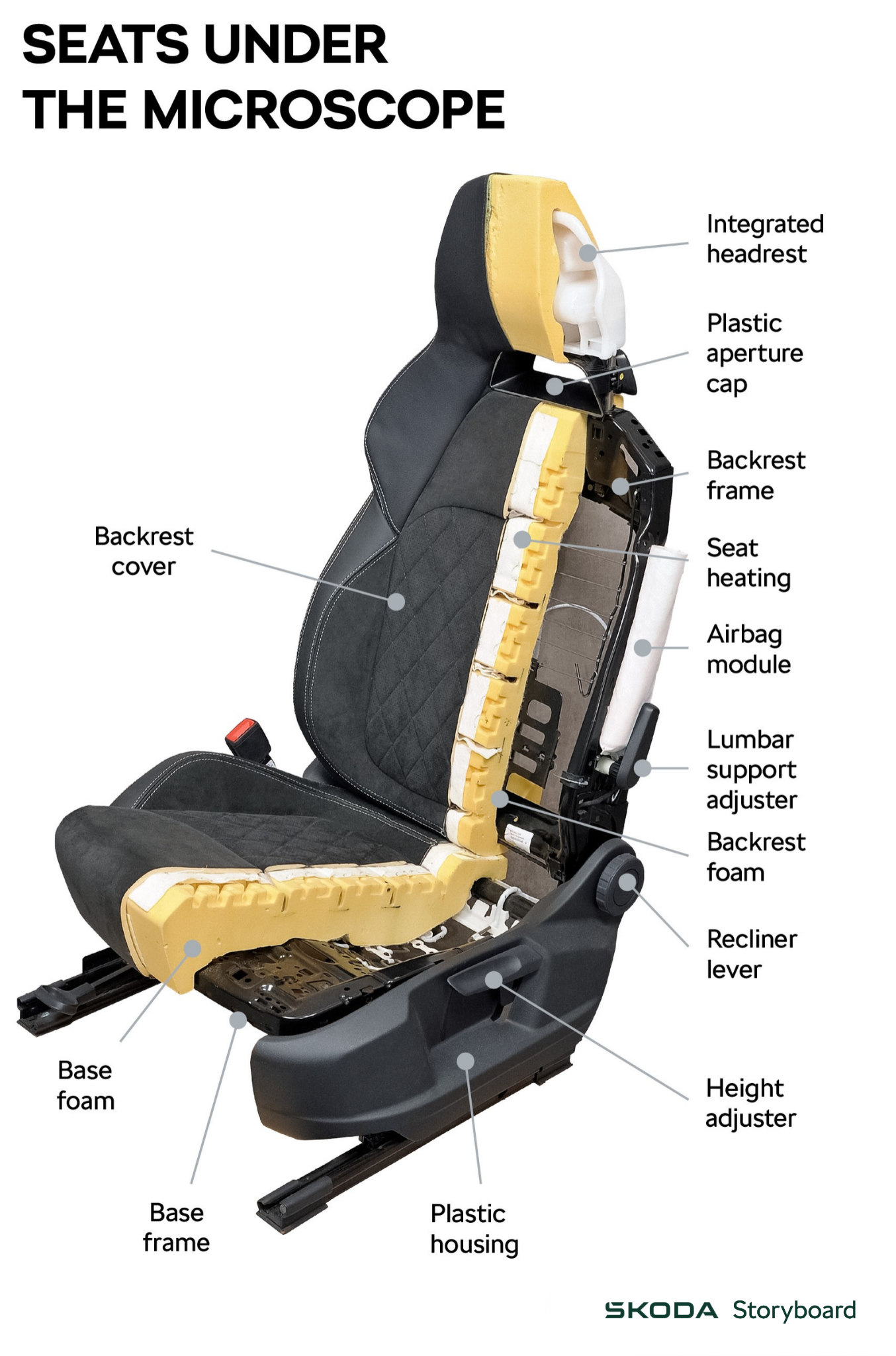
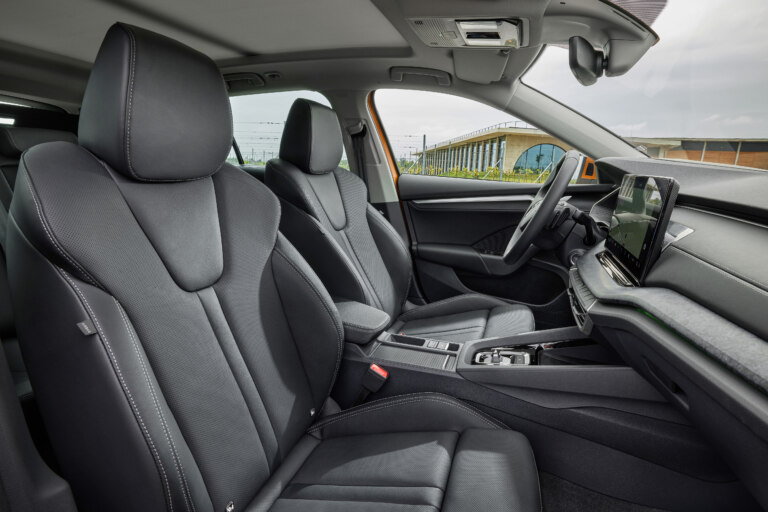
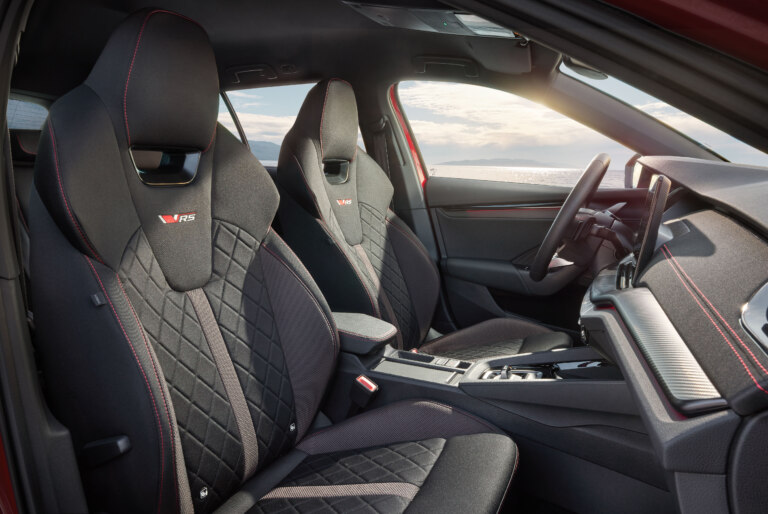
At Škoda Auto, seats, just like many other components, are developed and thoroughly tested. By the time customers take their place in them, the seats have already undergone a long journey. “Every part of a seat is developed specifically for its purpose and is complex in its own way. The foundation is a steel frame, which serves as the carrier for all other components. The frame must be versatile so that it can be adapted and fitted with additional parts,” explains Radim Doričák, Seat Development Coordinator at Škoda Auto. 

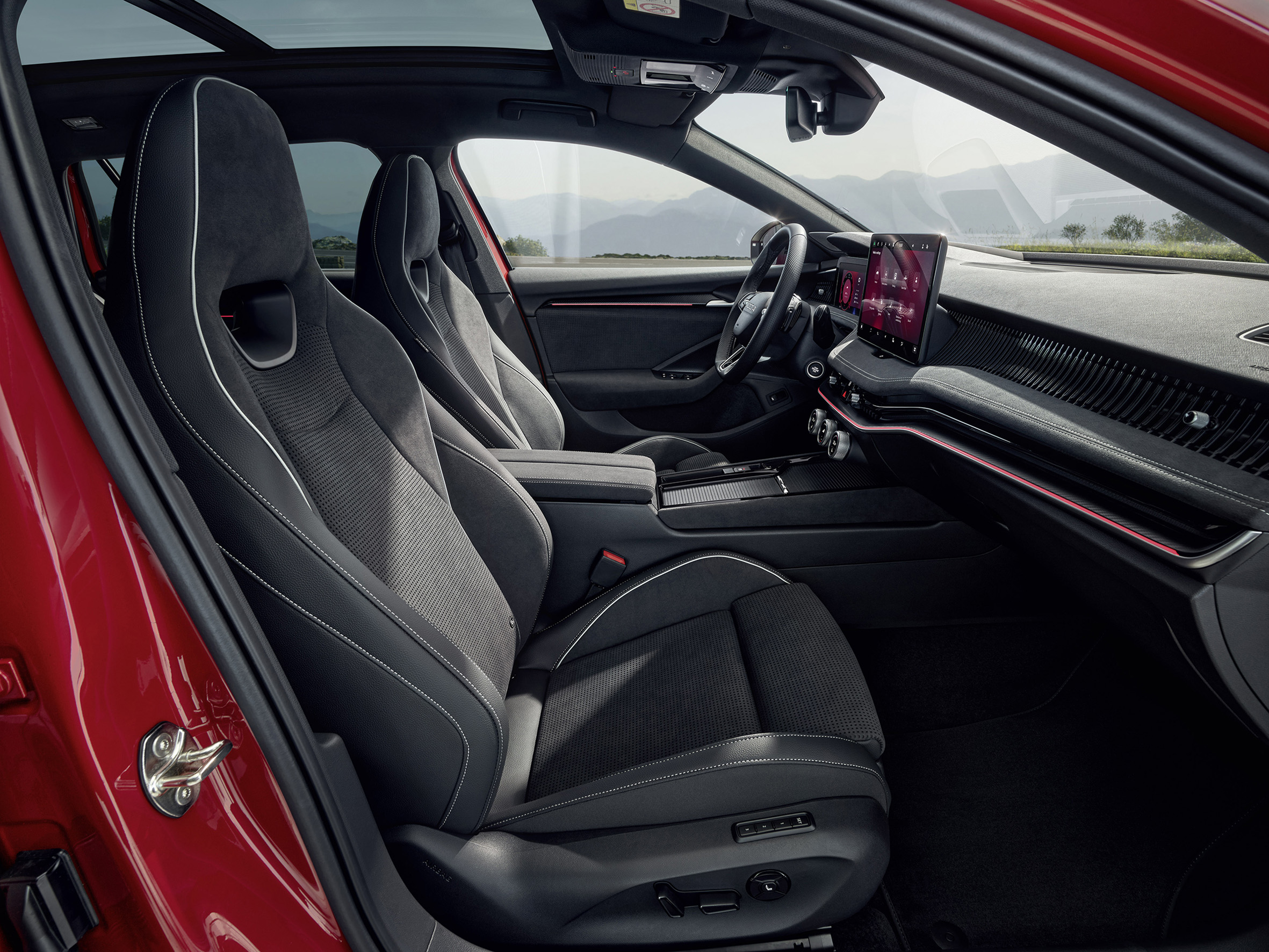
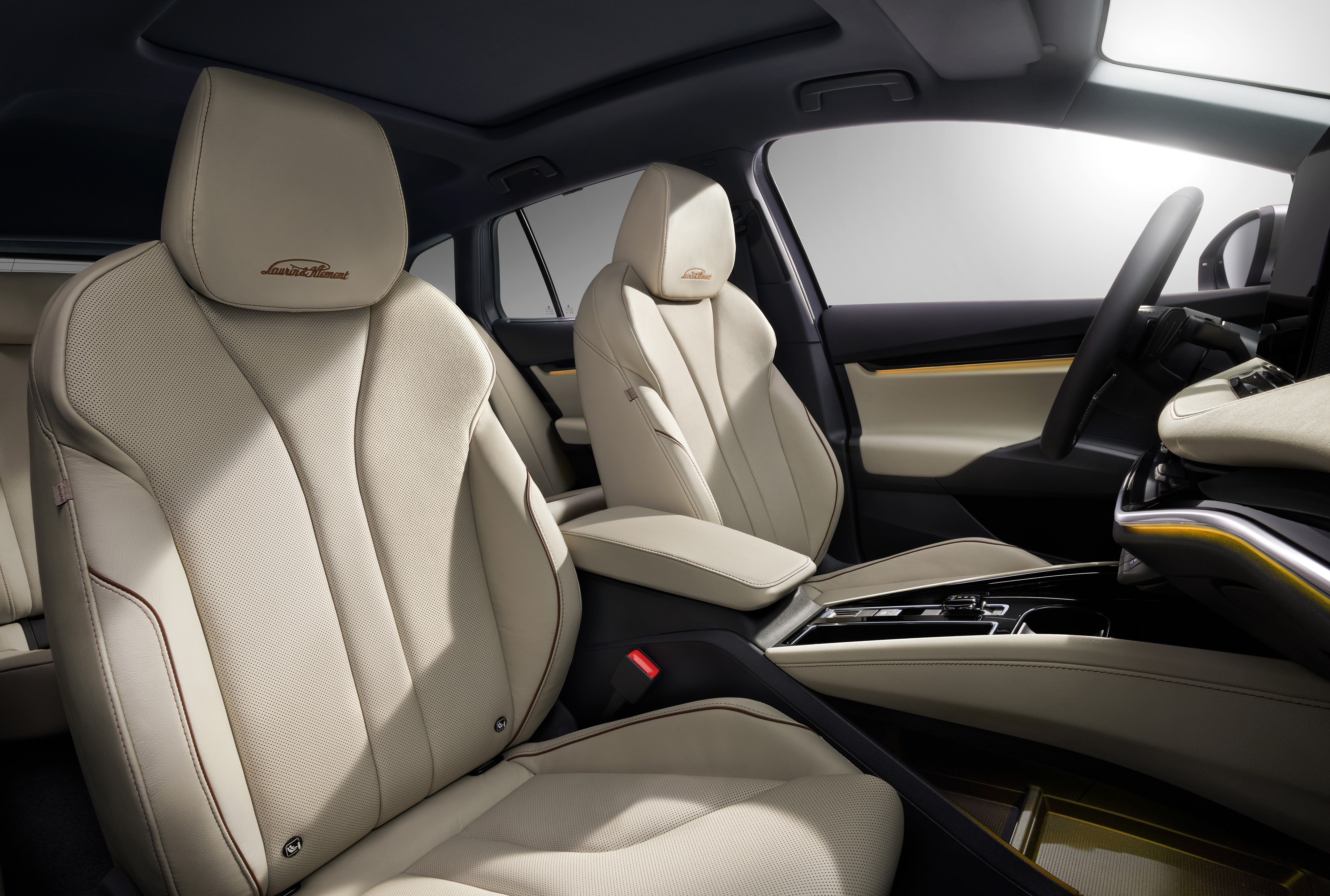
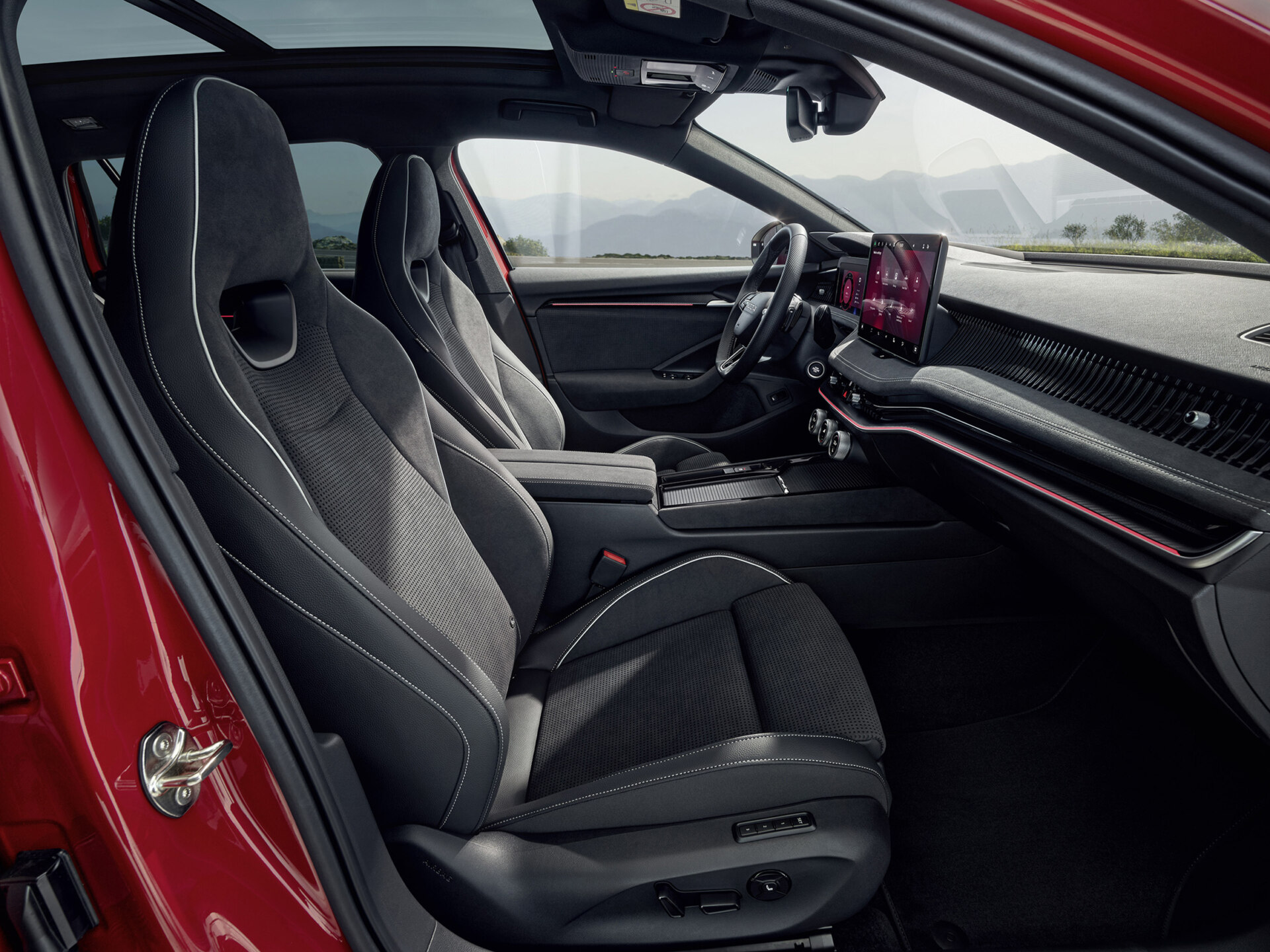
Foam components form another important part of the seat. These components must not only cover the steel frame and allow the integration of safety features such as airbags and sensors, but also give the seat its overall shape, provide body support and help maintain proper posture while driving. Beneath the upholstery there are also various comfort features, including electric seat adjustment, heating, ventilation and massage functions. 

It is precisely these comfort features that can turn seat design into a matter of millimetres. “Škoda Auto uses a pneumatic massage-seat system in its cars. When integrating it, many factors must be considered – packaging, positioning, adjustment range, noise levels and vibrations. That is the hardware side; then there is the software as well. The massage function has its own control unit, where we define the required programmes,” says Radim Doričák. 

Even details such as the airflow through the massage cushions, the timing and sequence of inflation, and the force of the massage itself must be fine-tuned. “The customer simply presses a button and the massage begins. However, there is a huge amount of work behind it that remains invisible,” Doričák says with a smile. The ventilation function also requires dedicated hardware components, and, in addition, air channels integrated into the foam structure. The heating function, meanwhile, requires a temperature sensor to prevent injury to occupants. “There is then very little space left for the foam itself, so we really are working with millimetres,” he adds. 

seat_SKODA_EN_ee945f6f

Monitoring, measuring and testing 

The basic comfort parameters of a seat are defined directly by Škoda Auto’s experts during the development process. These include seat cushion width and length, side bolster height, backrest width, backrest side bolster height, the overall height of the seat including the head restraint, and the head-restraint contact area. “Seats are refined during what we call release validation drives, during which we ask a broader sample of the population to provide feedback,” explains Radim Doričák. 

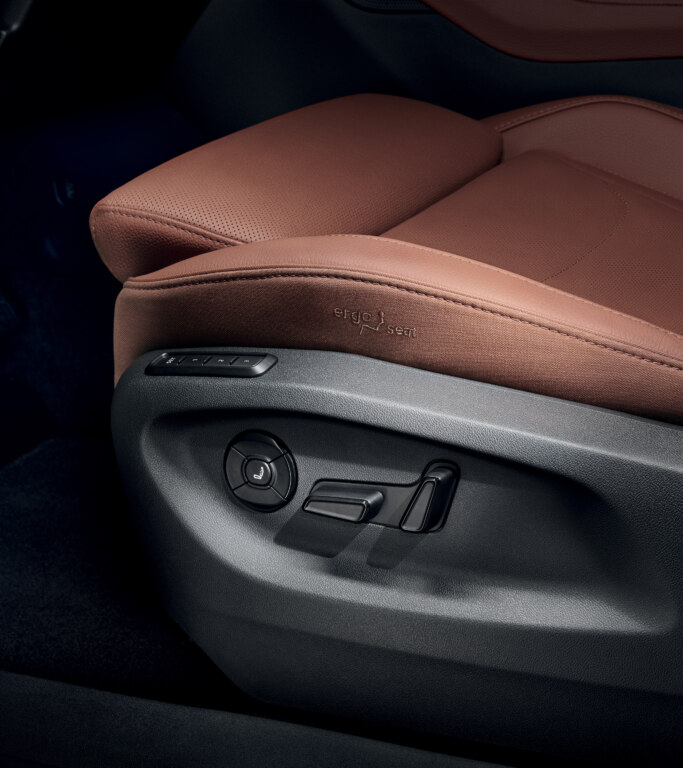
Every seat is designed to accommodate the requirements of a broad range of users. “Comfort and healthy seating must be ensured regardless of whether a petite woman or a tall, strongly built man is sitting in the car,” Doričák points out, highlighting the versatility of the seats. For example, if the seat cushion is too long, its front edge presses against the area beneath the knees and may negatively affect blood circulation in the lower limbs. Conversely, a seat cushion that is too short does not provide adequate support under the thighs and places excessive strain on the pelvis. In some models, an adjustable seat-cushion length therefore helps occupants achieve the correct seating position. 

Testing begins with the very first design proposals and continues until the vehicle’s final homologation. During this period, the seats undergo structural tests for rigidity and durability, as well as evaluations of restraint systems, including airbags and their anchorage points. Summer testing of ventilation performance and winter testing of heating performance are also carried out. 

A seal of approval from medical experts 

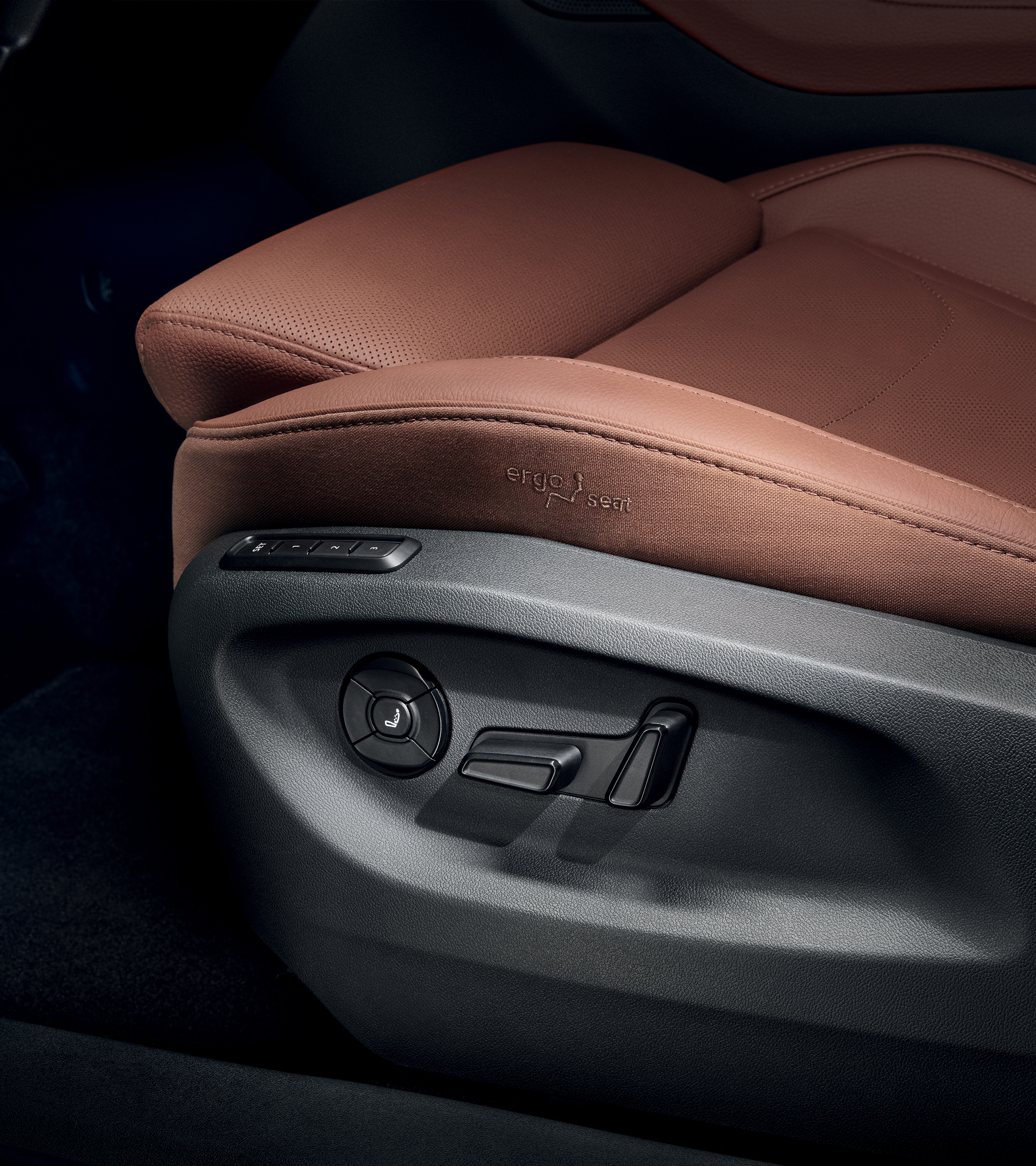
Sophisticated ergonomics and the ability to adapt to different body types open the door for seats to receive the prestigious AGR certification. AGR stands for Aktion Gesunder Rücken (Campaign for Healthier Backs), an independent German association that works together with doctors, physiotherapists and ergonomics specialists. Based on compliance with demanding criteria, these experts award seats with AGR certification. 

The assessment is conducted through a physical inspection of the seat’s parameters directly in the vehicle. “The test itself takes up to two hours, but it is preceded by months of work. Whether we intend to obtain the certification must be decided at the very beginning of the project, when the seat frame is being developed,” comments Radim Doričák. “We first carry out virtual analyses, during which we complete a parameter sheet and submit a preliminary request for our components to be considered for certification. We then take the finished seats to Germany, where specialists test them. The entire process takes place under strict confidentiality before the car’s world premiere,” he adds. 

To obtain AGR certification, seats must meet a number of requirements, one of which is an adjustable seat-cushion length. Other parameters assessed include a height-adjustable head restraint, adjustable lumbar support, the shape of the backrest and spine-friendly foam components, as well as individual seat-height adjustment. Within the Škoda Auto model range, AGR-certified seats are available in the Octavia, Kodiaq and Superb, as well as in the new Peaq with the Relax Package.