Peaq Sets a Record: From the Heart of Europe to the Sea Without Recharging
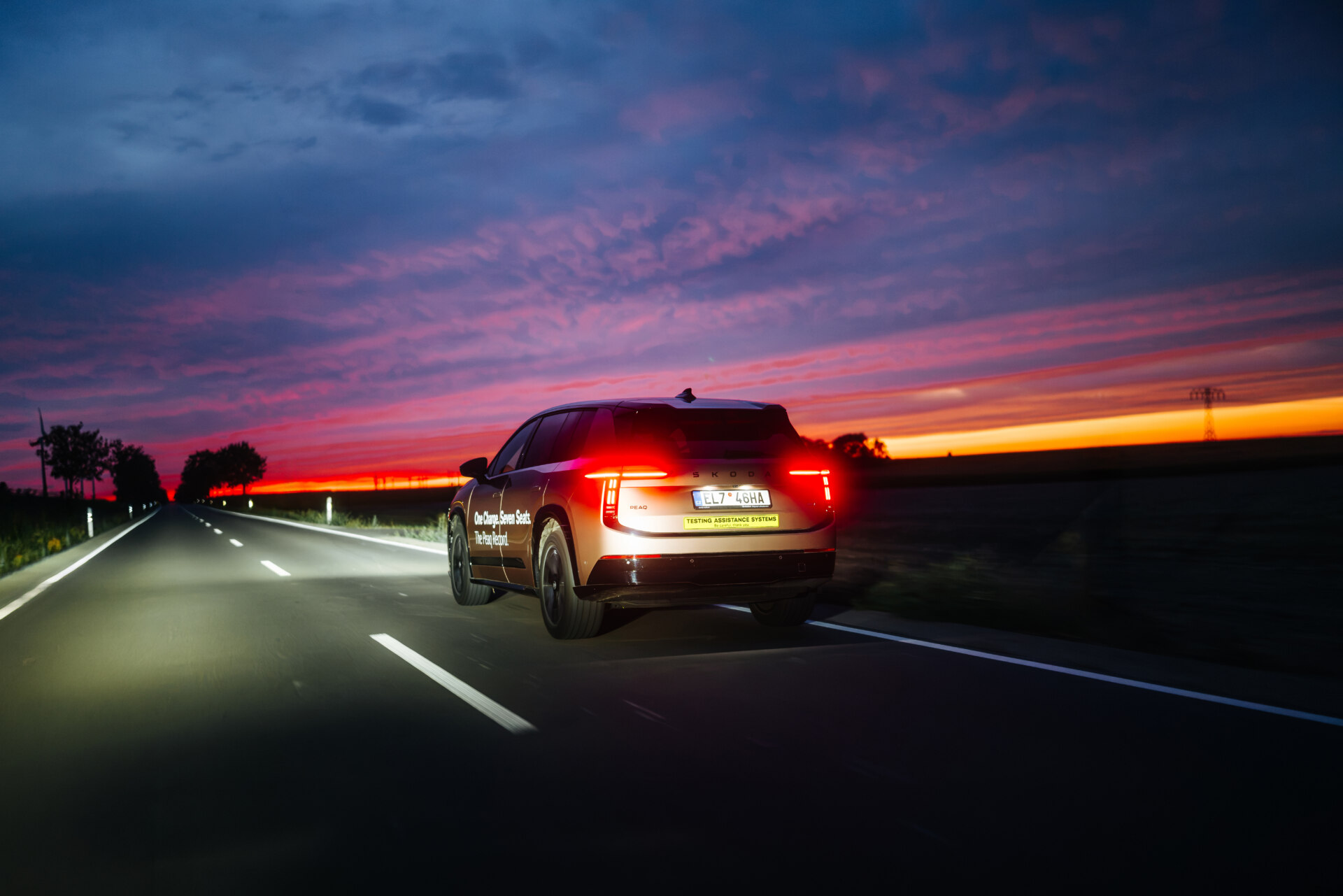
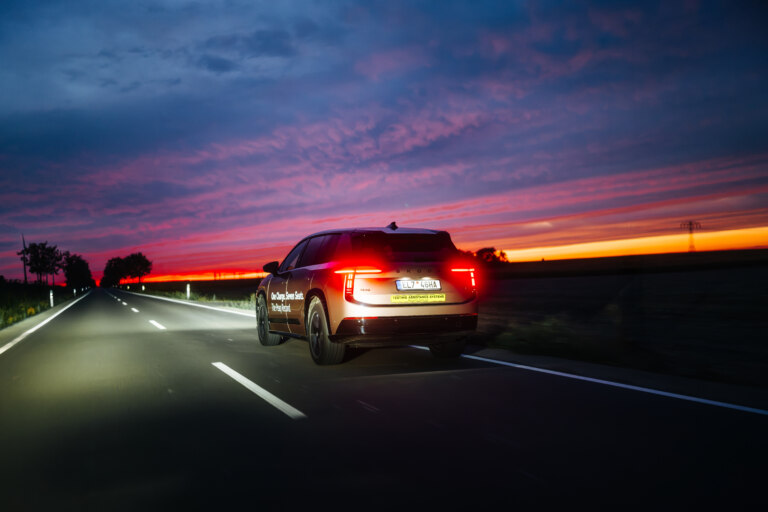
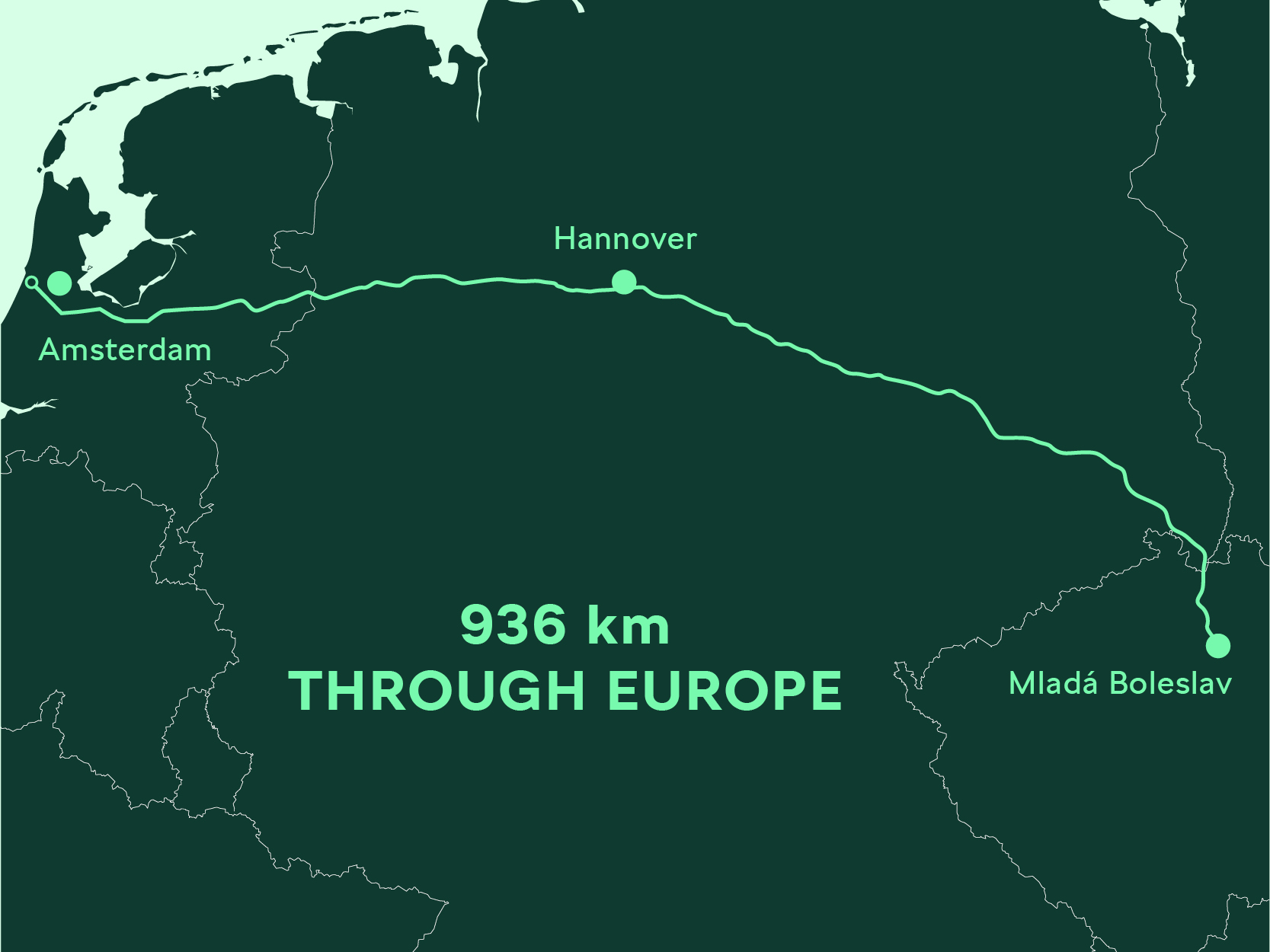
How far can it go on a single charge? That was the question two Škoda employees involved in the development of the new Peaq SUV set out to answer. They took the wheel of the seven-seat version and hit the road; setting out on a journey that ultimately covered a record-worthy 936 kilometres.
2. 9. 2026 eMobility“Our goal was to demonstrate the capabilities of the technology at the very limit of its potential. To achieve the maximum possible range, we carefully selected the most suitable route and, naturally, an appropriate driving style,” says Jakub Krs. When he is not driving the Peaq on record-range attempts, he serves as Chief Battery Officer for the model. “An average user would probably never drive the car this way. Instead, they would make full use of the Peaq’s dynamic performance, onboard infotainment and comfort features,” adds fellow driver Marek Jež, who is responsible for the Peaq programme as Project Leader.
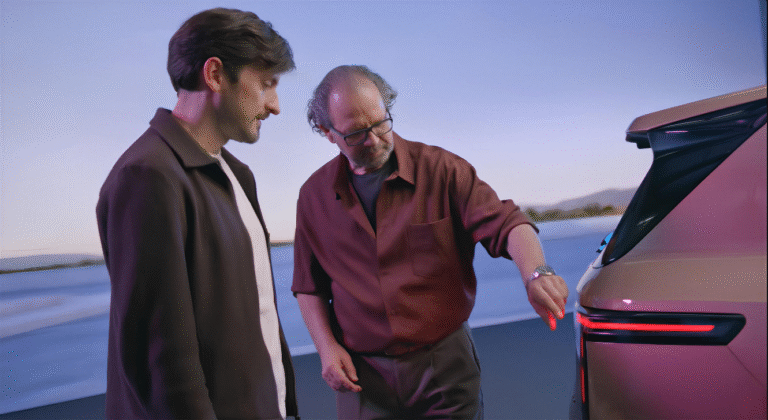
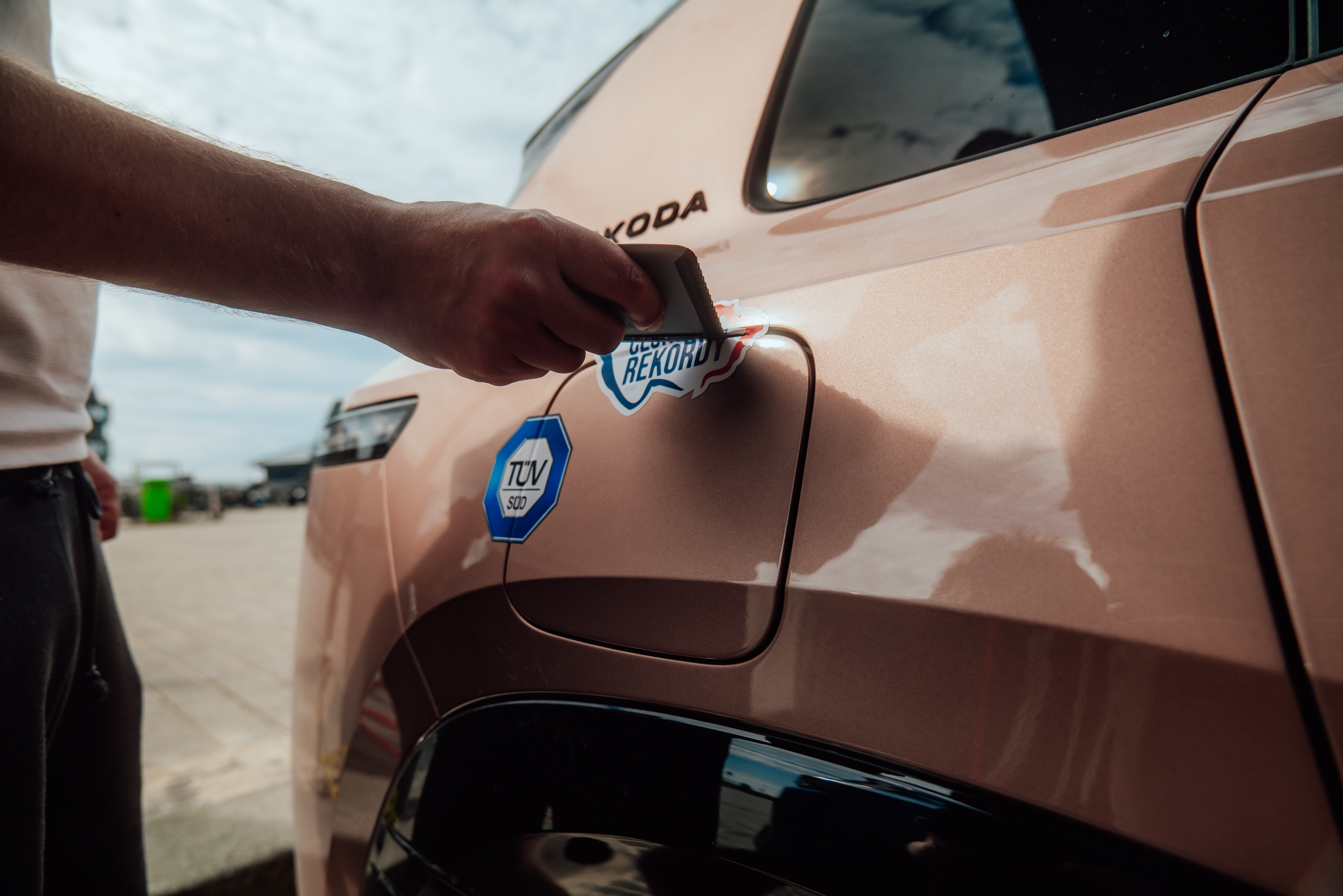
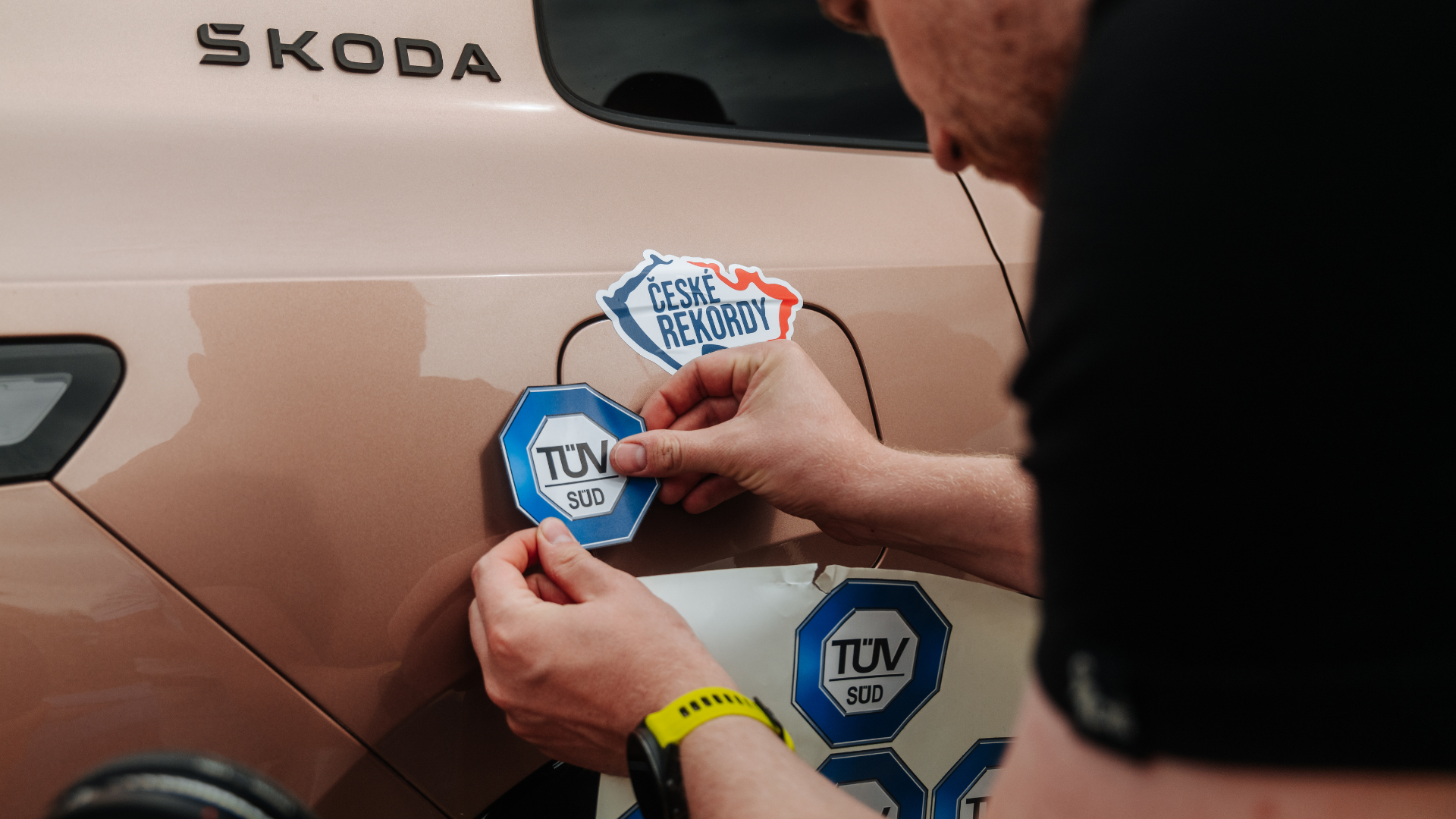 Sealing the charging port cover.
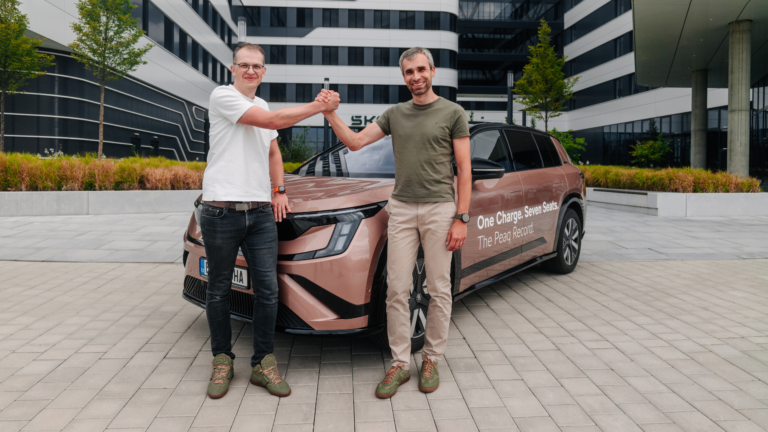
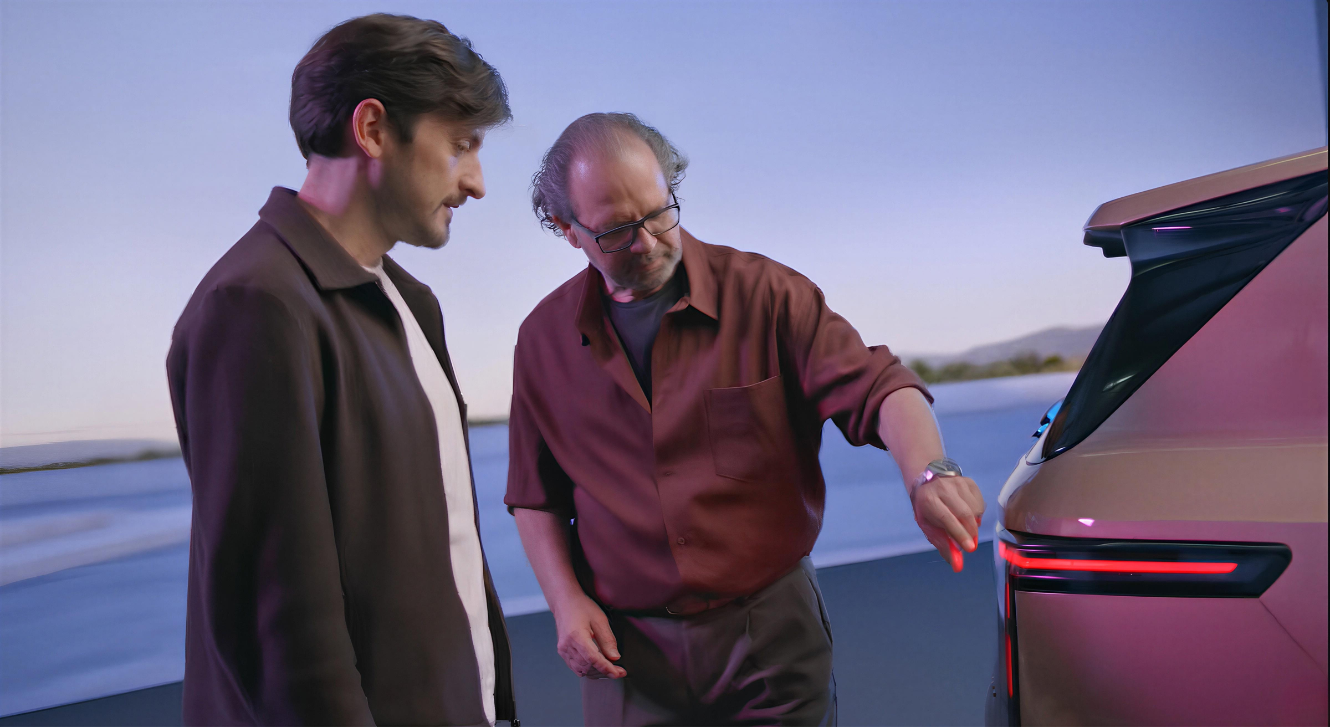
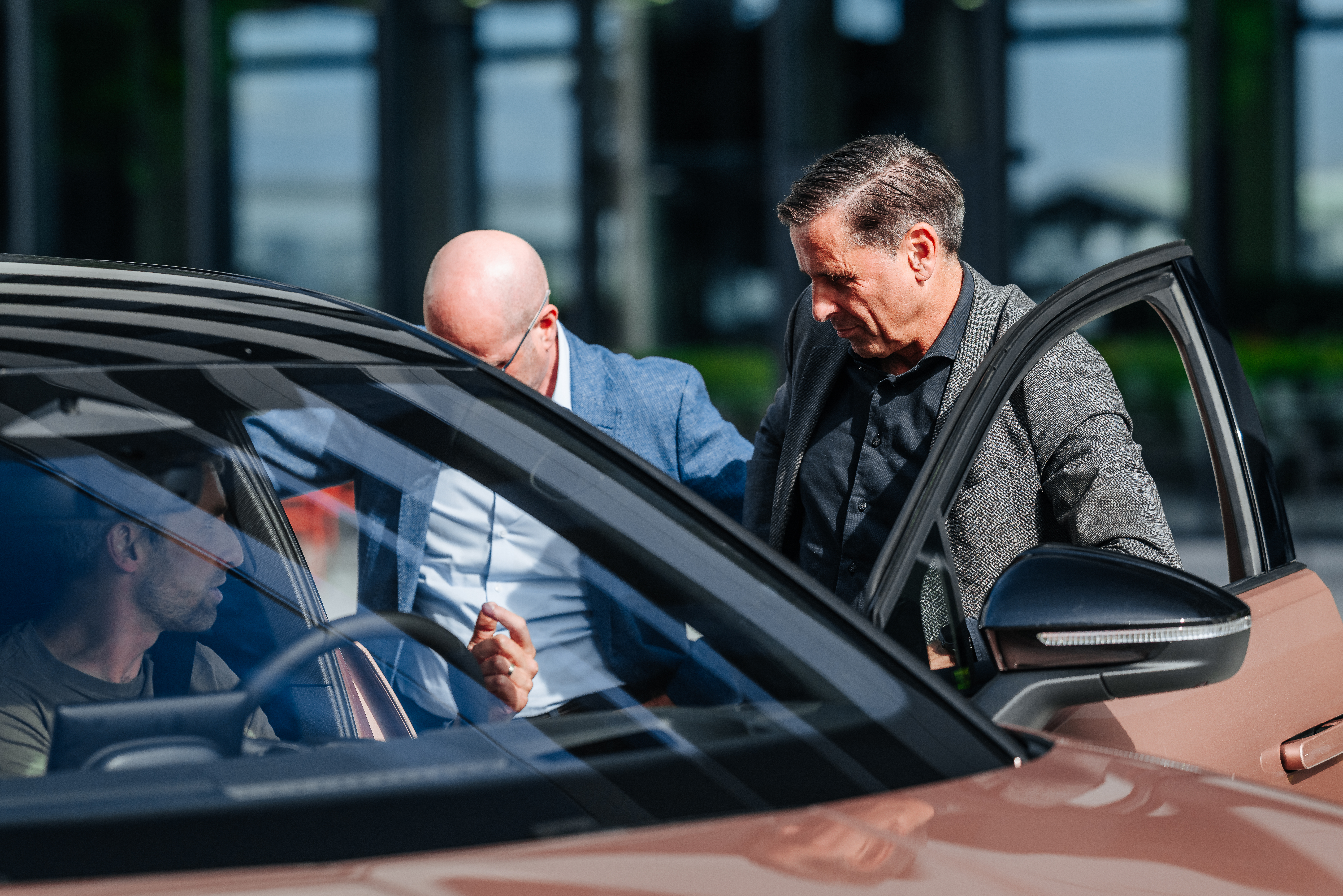
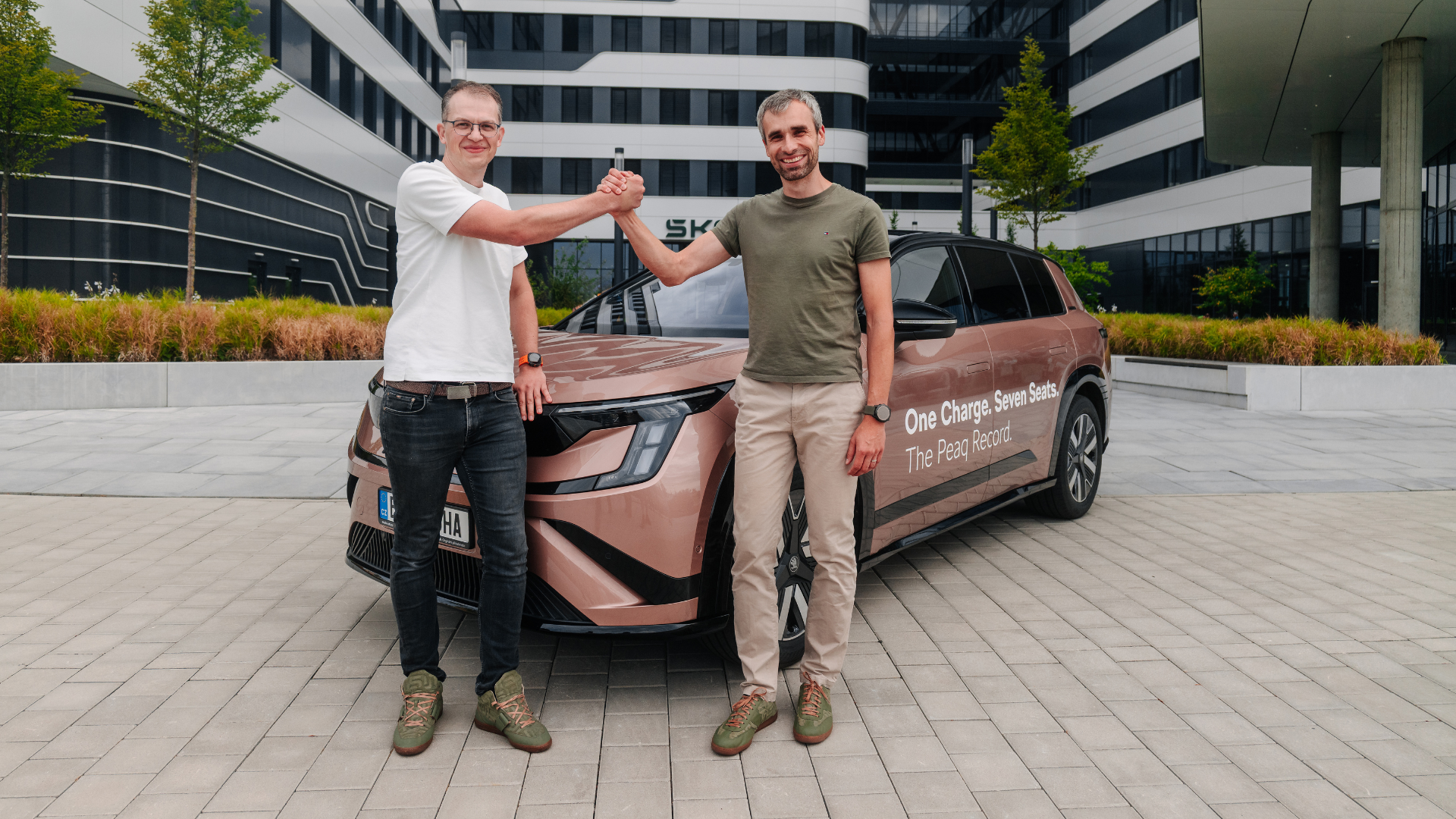
The crew: Jakub Krs (left) and Marek Jež (right)
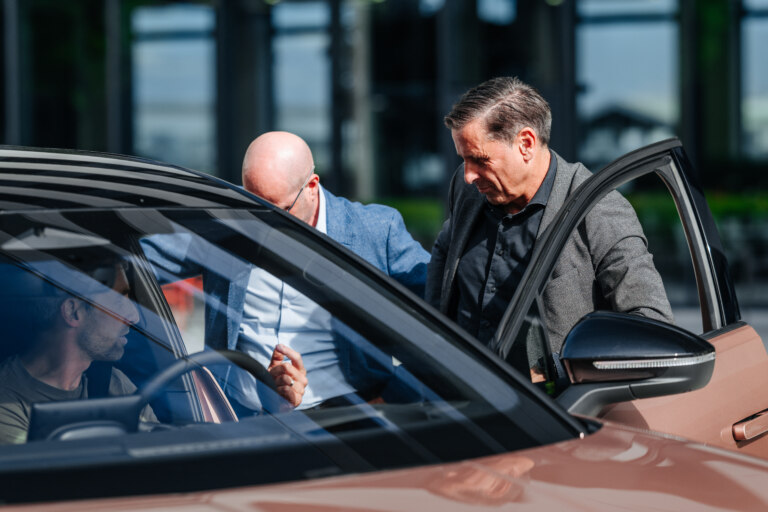
Klaus Zellmer, CEO of Škoda Auto, also personally wished the crew good luck.

Board member Johannes Neft was also present at the start.
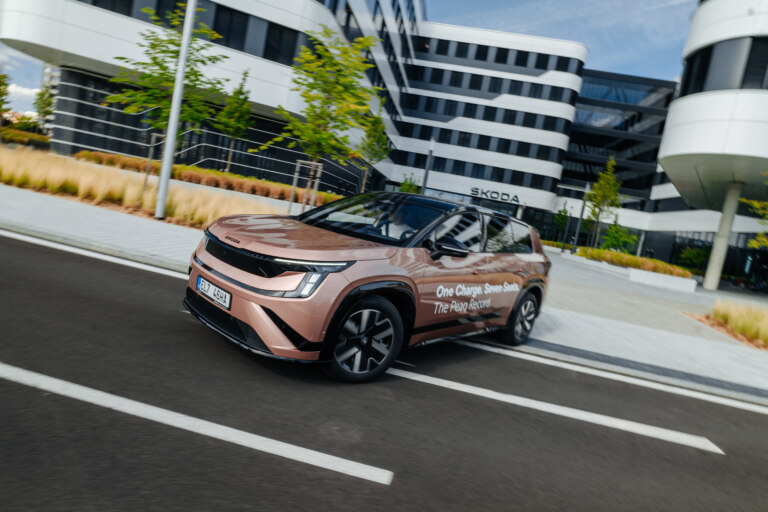
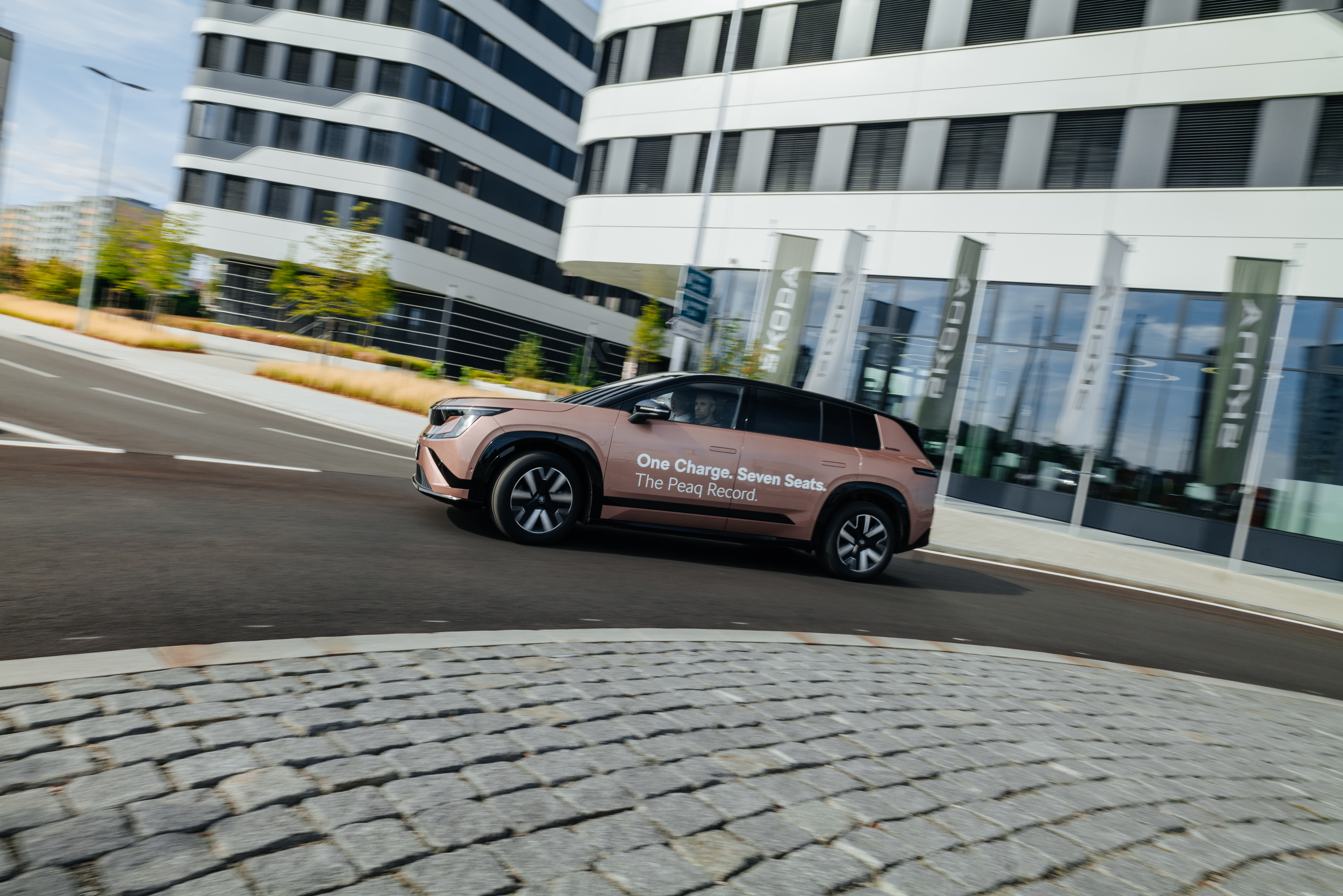
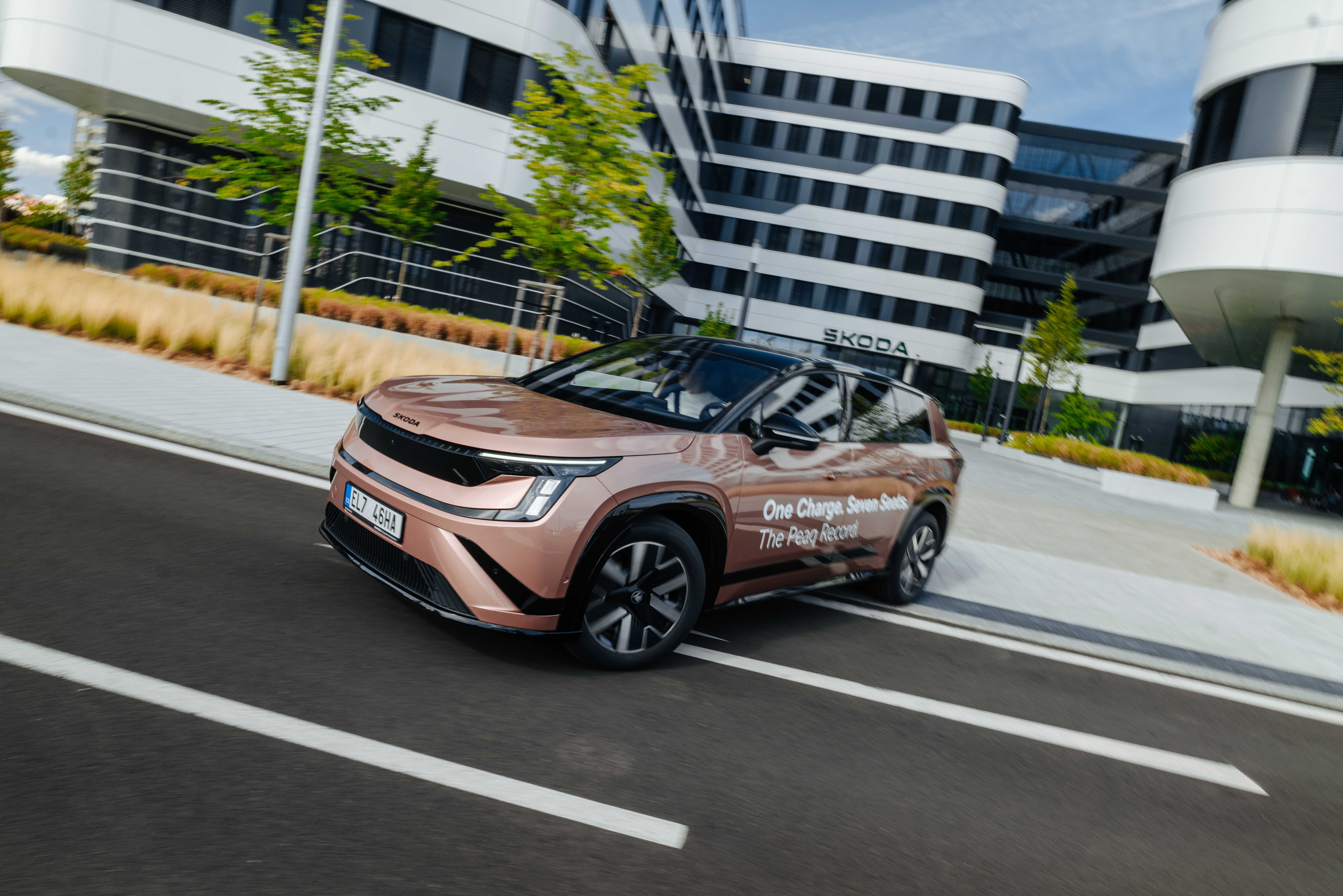
Marek and Jakub are setting out from Mladá Boleslav.
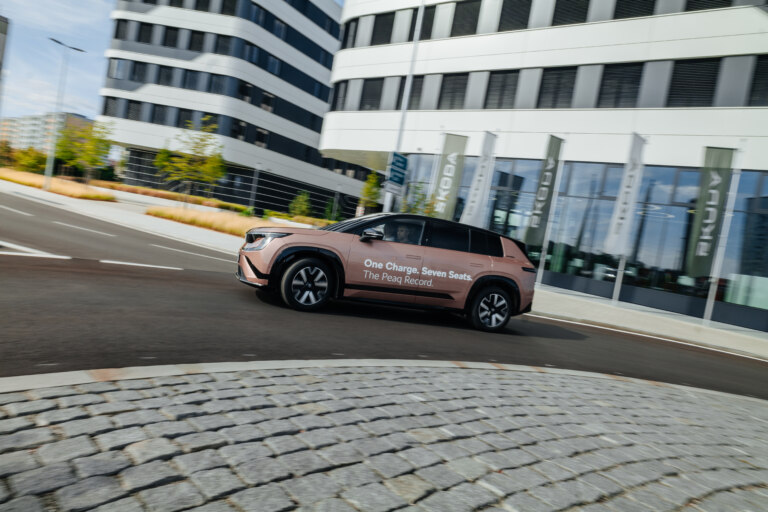
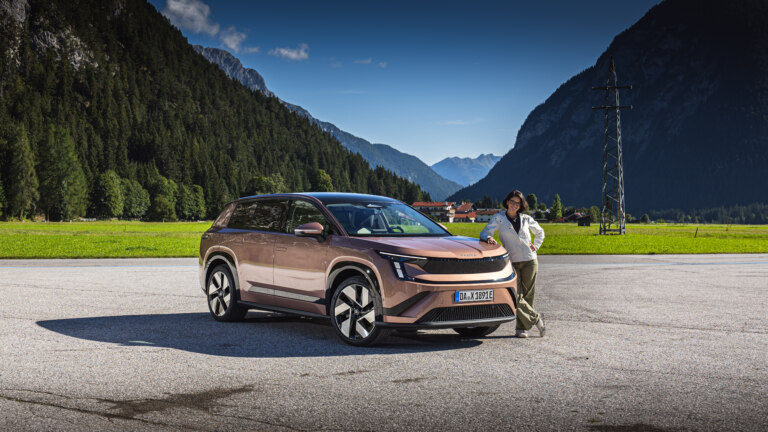
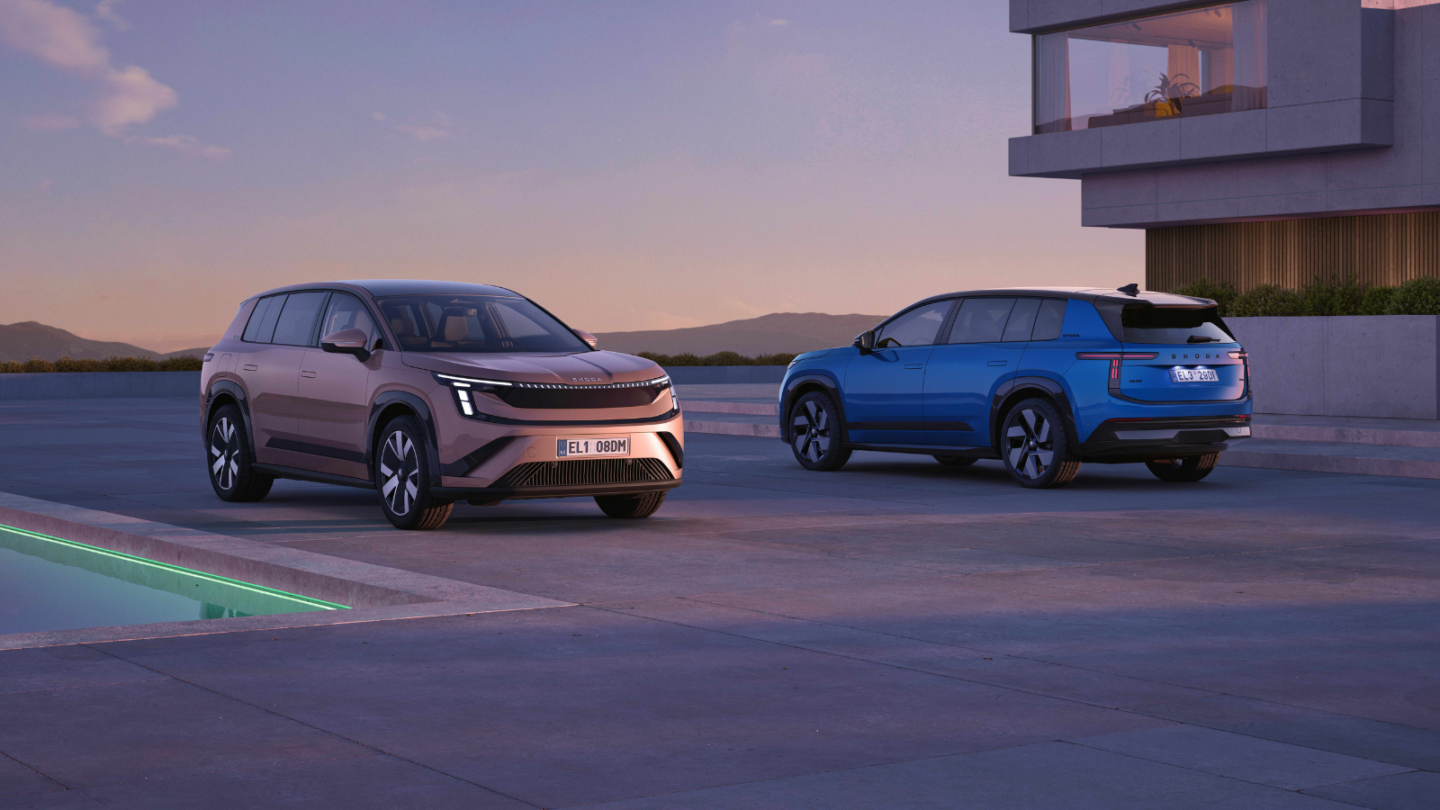
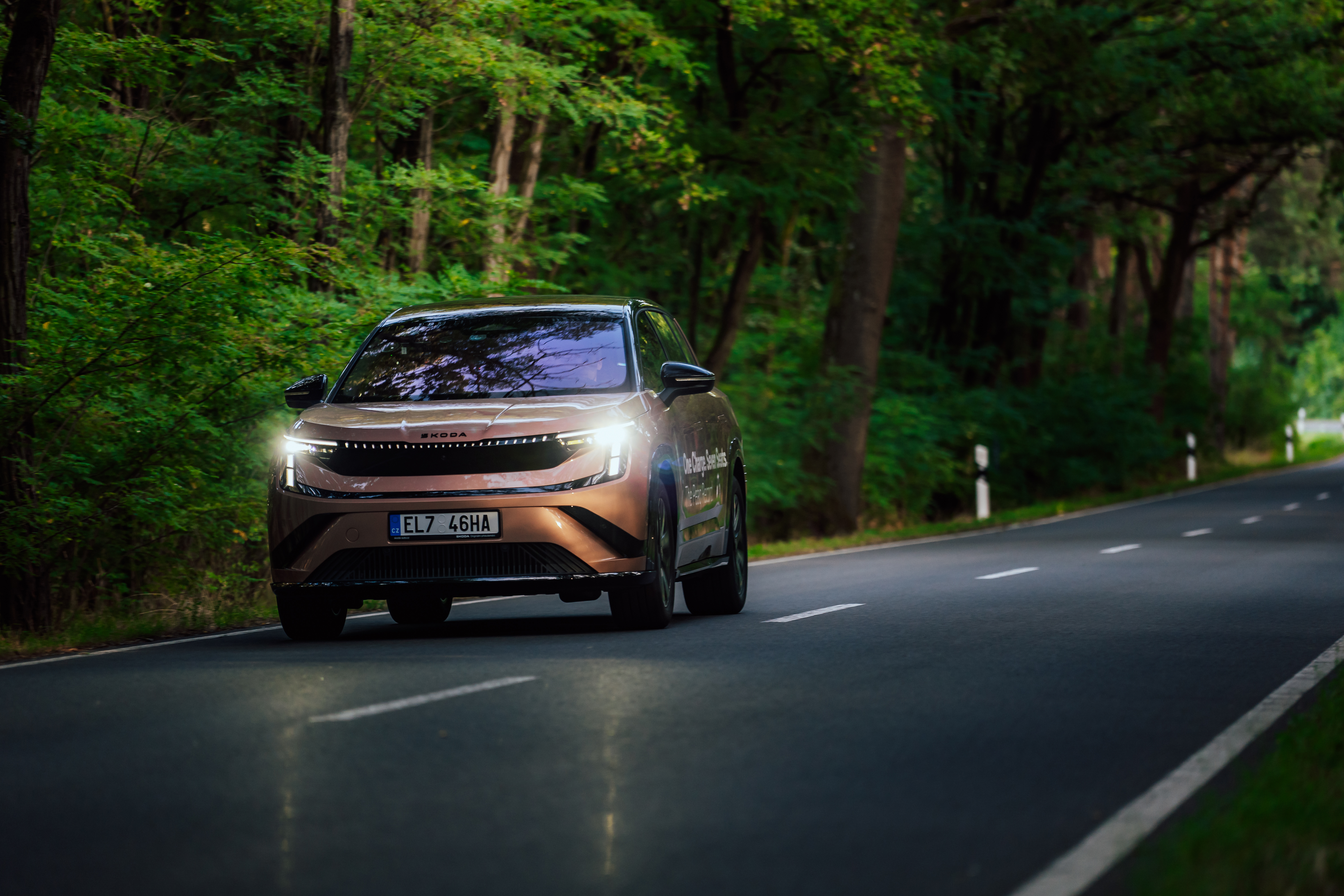
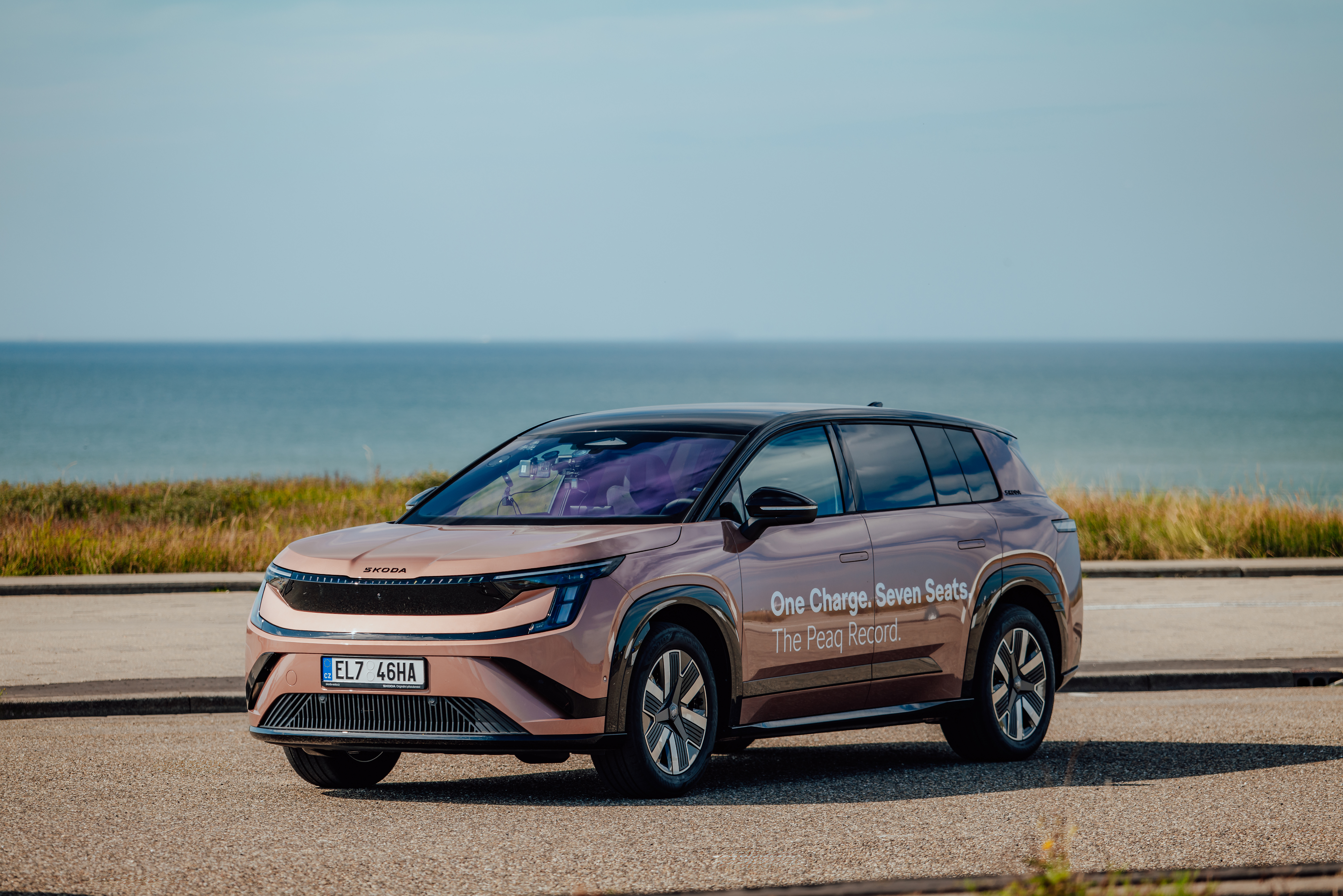
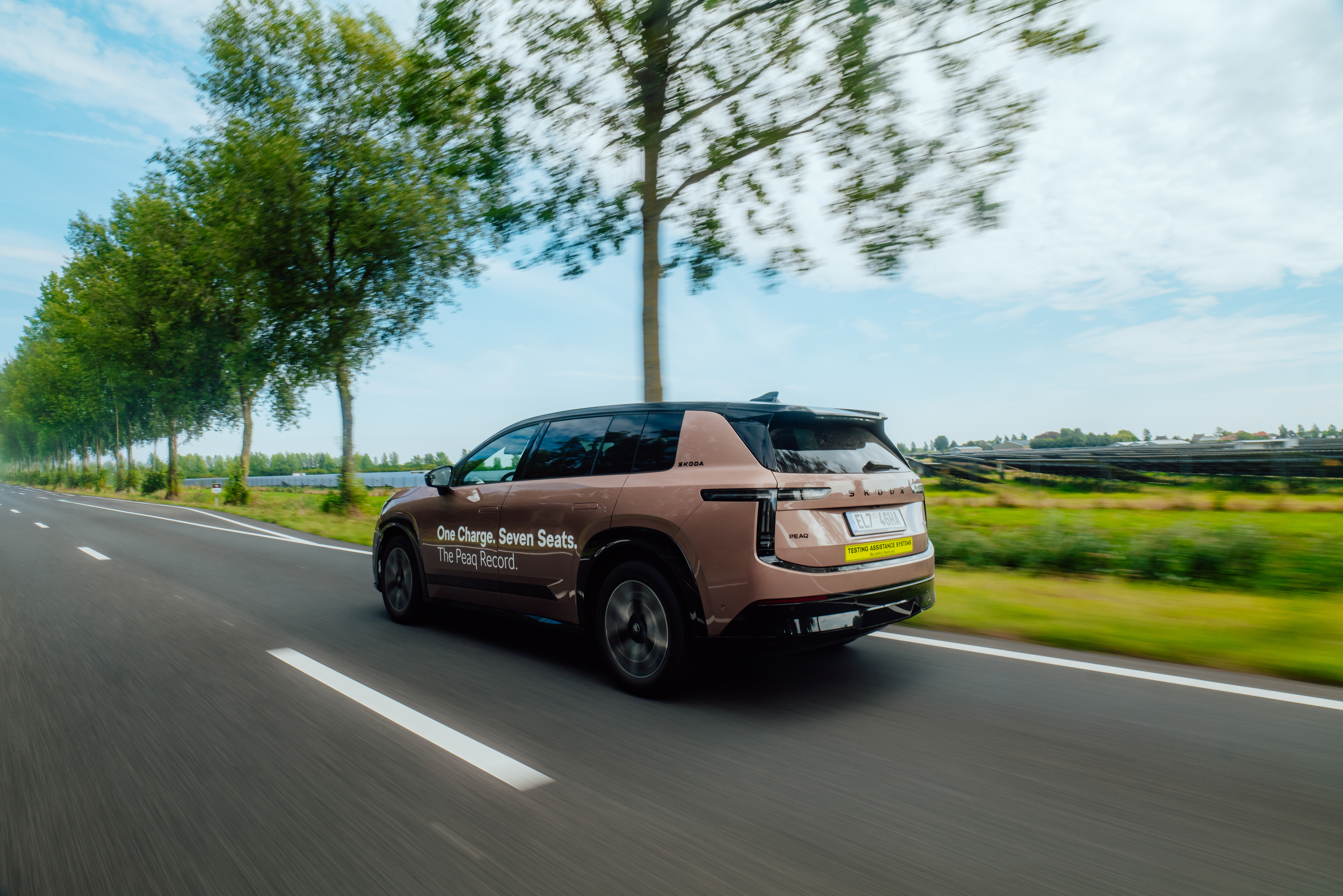
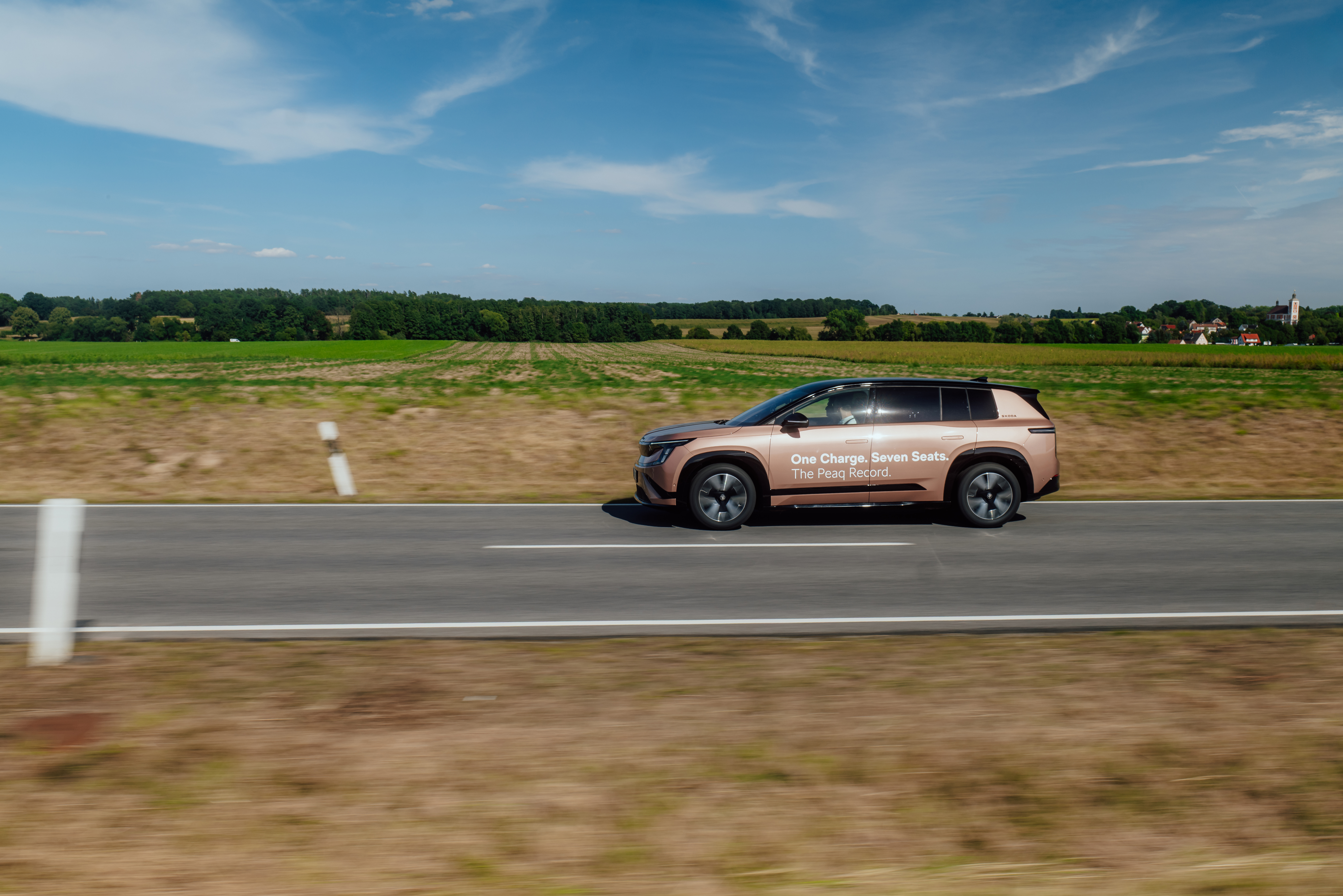
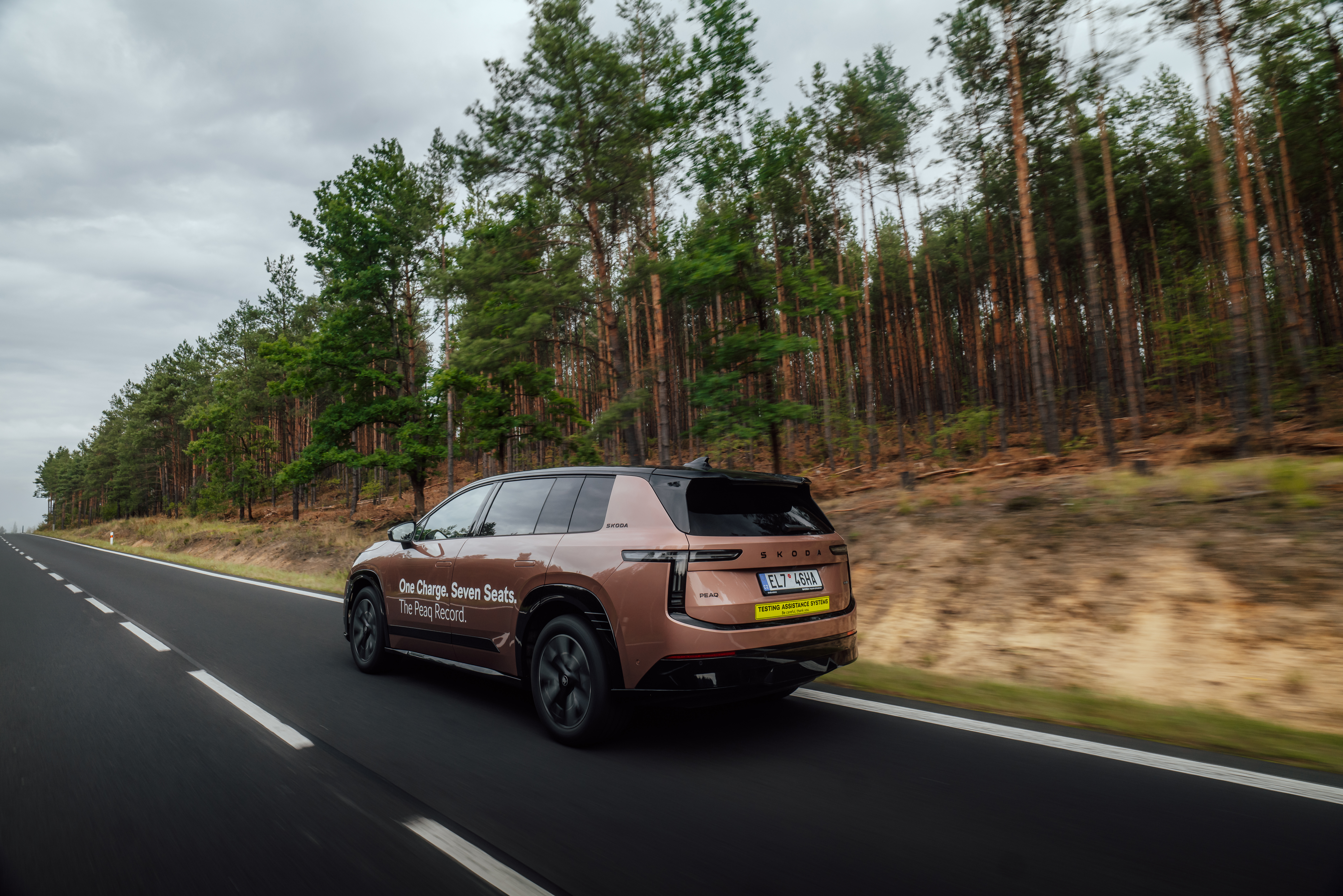
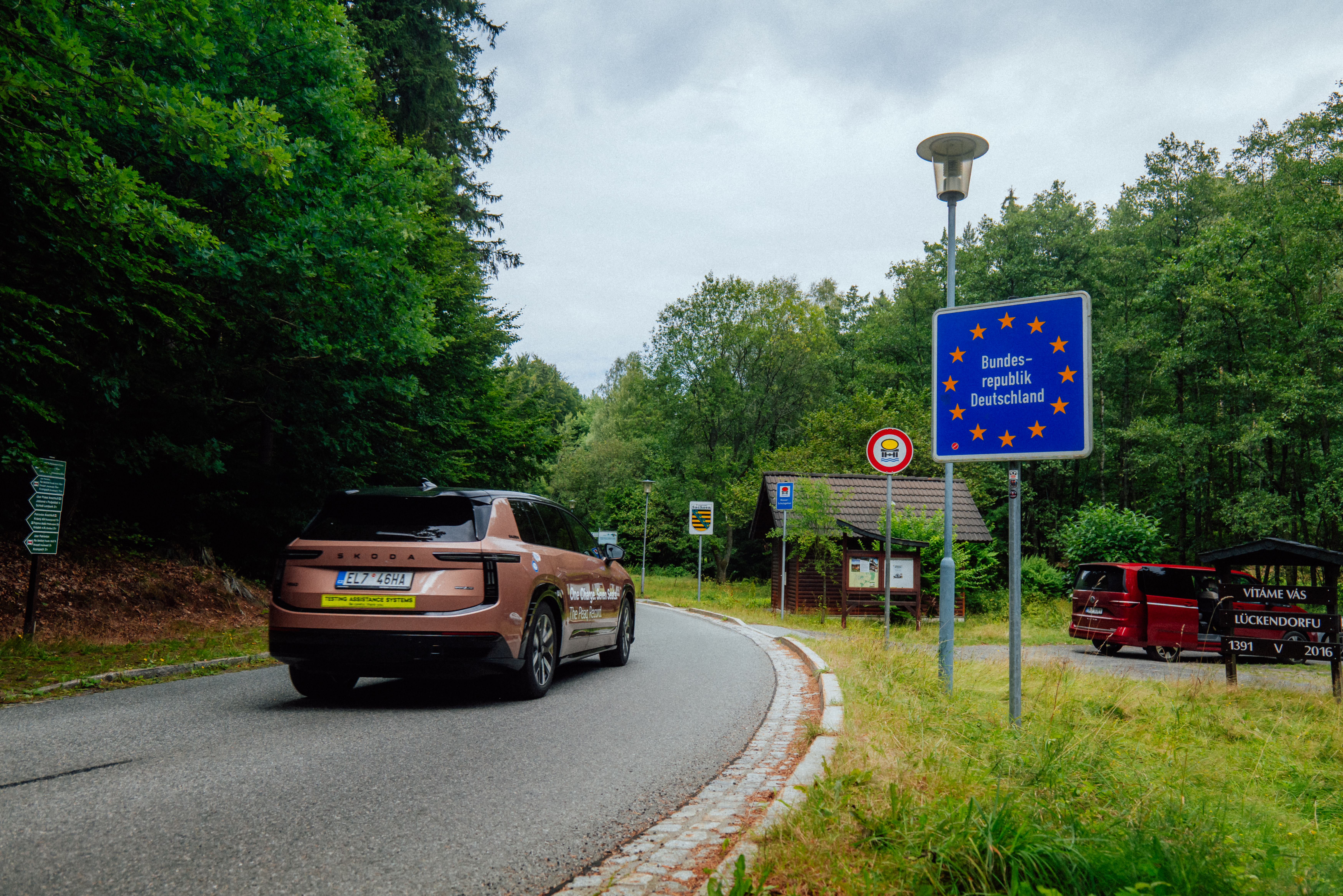
The Škoda Peaq 90 was in completely stock condition.
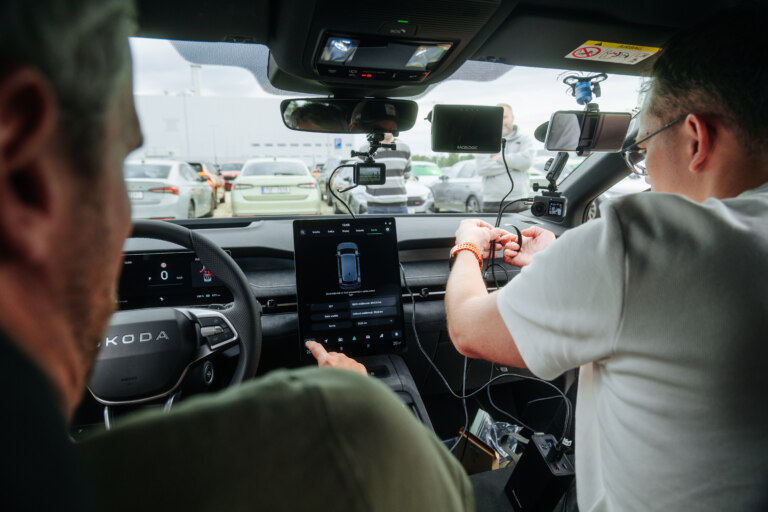
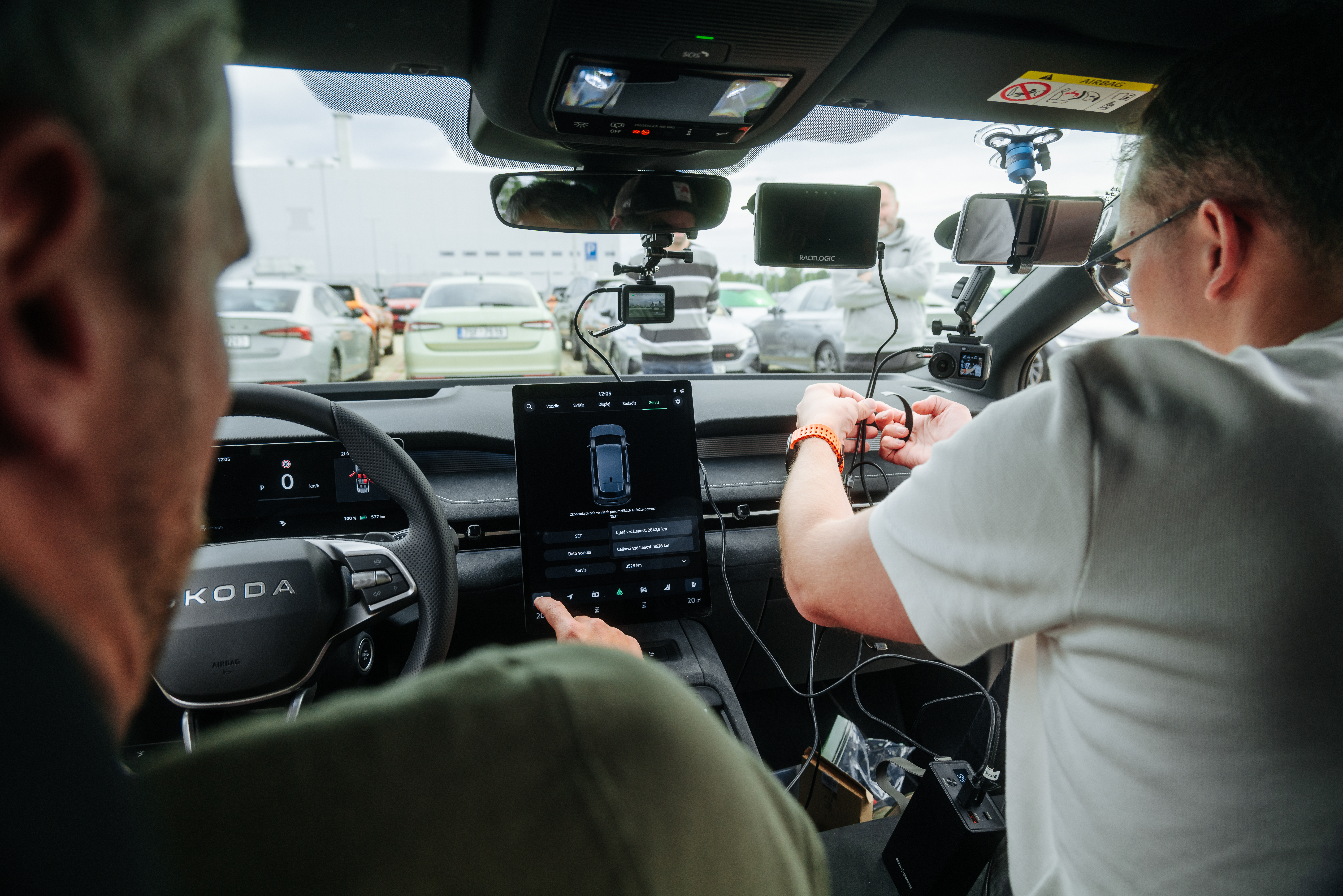
The crew sent data from the car to their colleagues, who were able to chat with them.
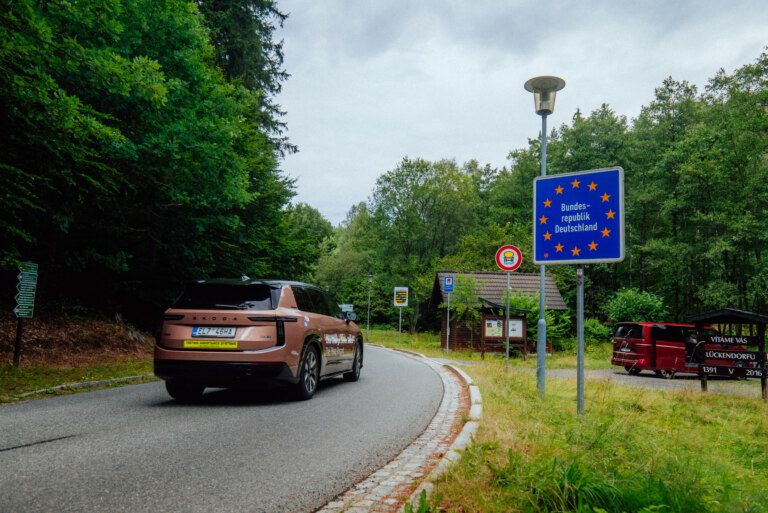
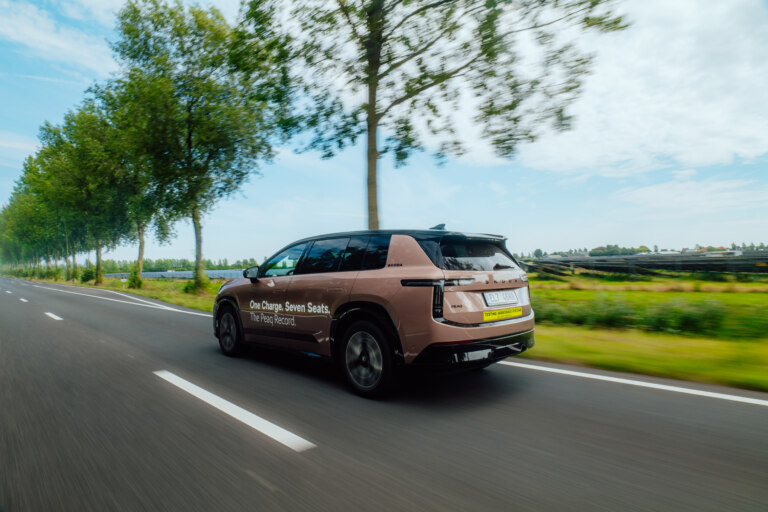
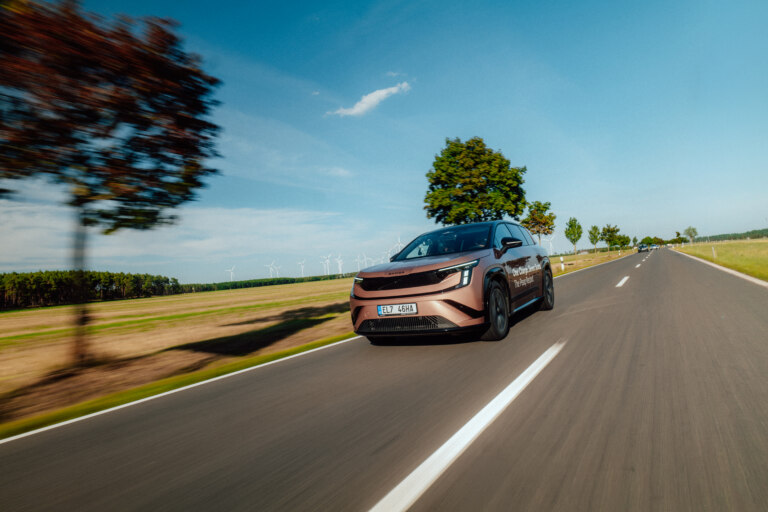
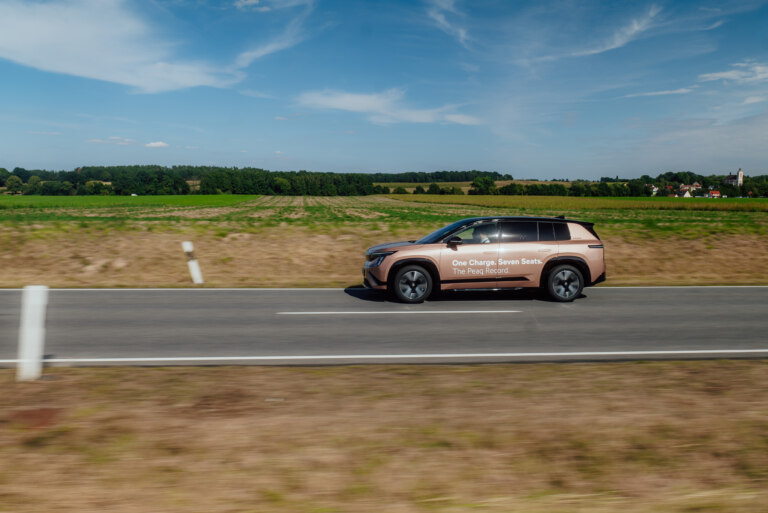
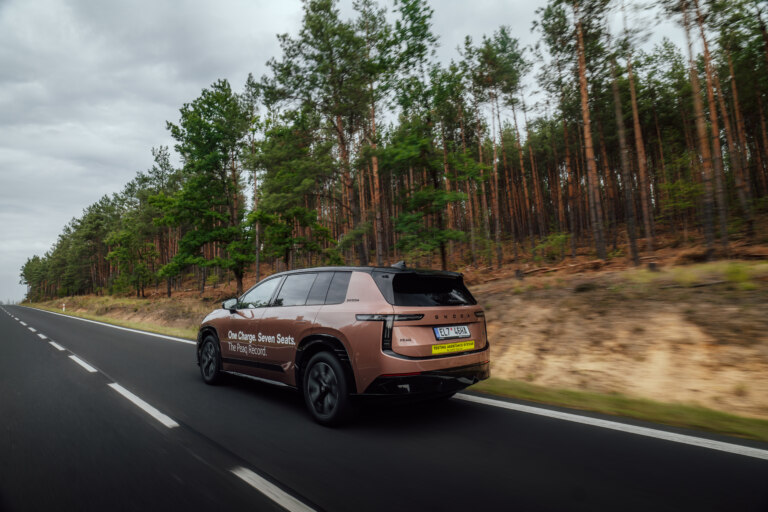
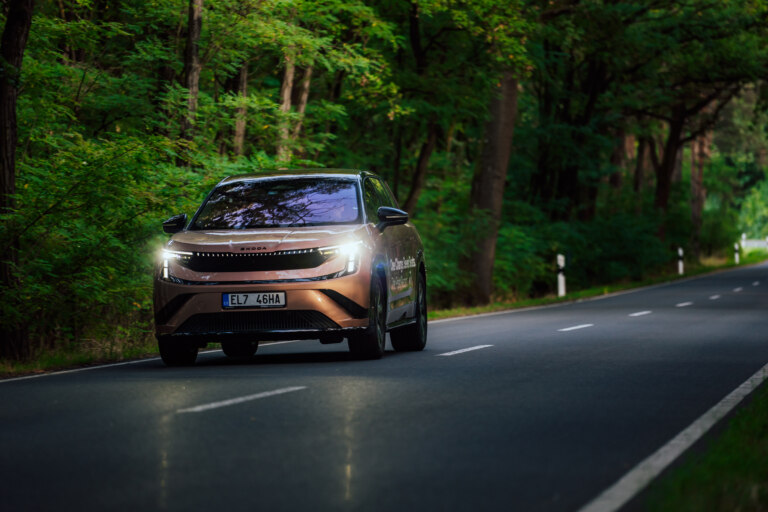
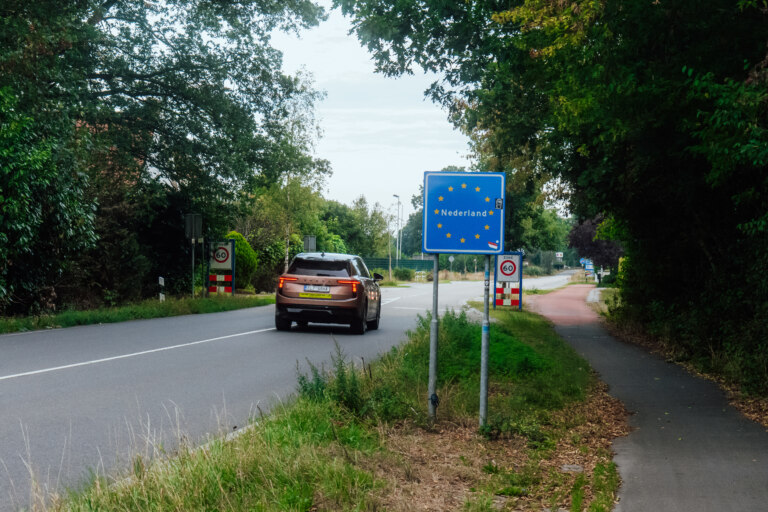
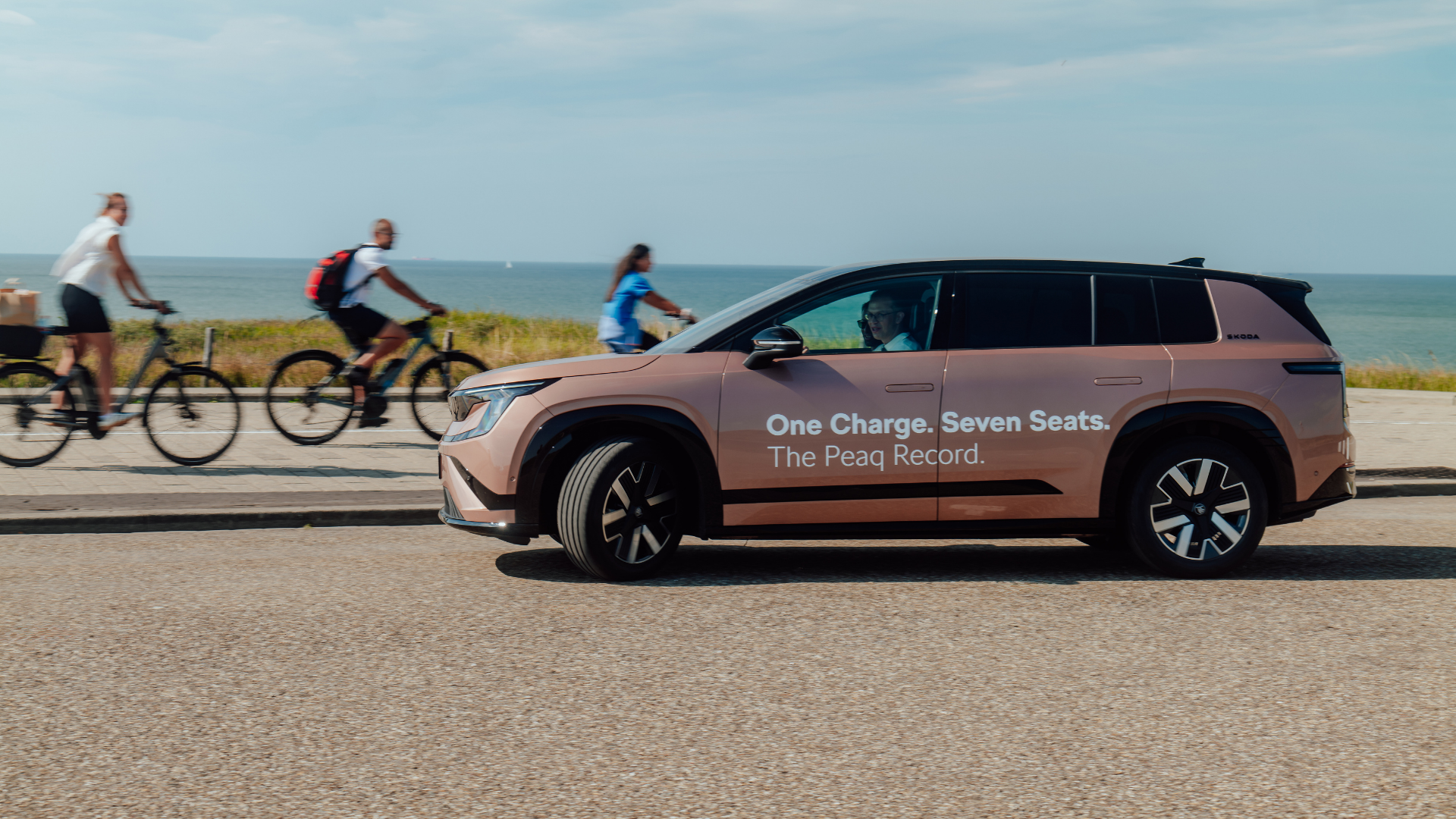
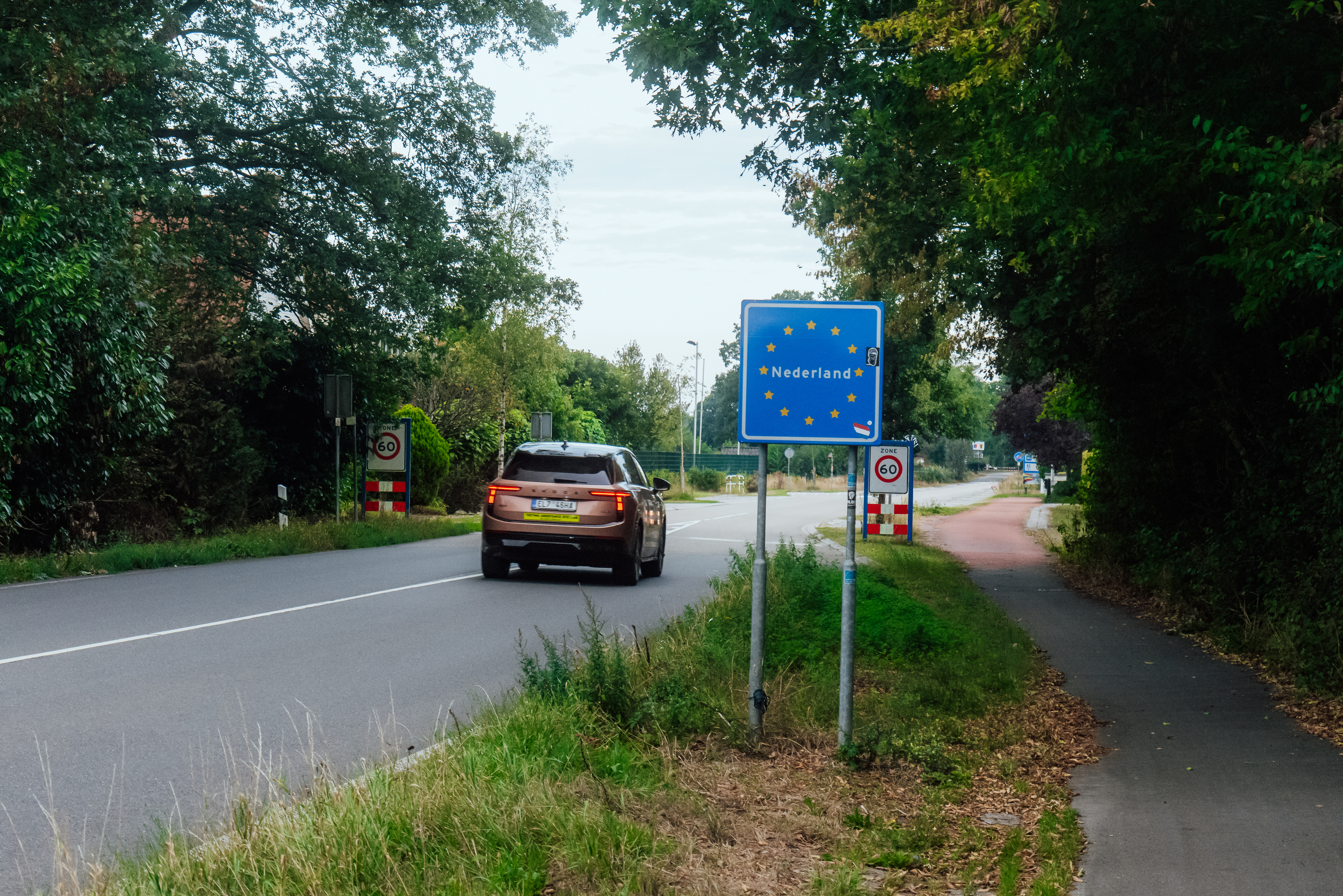
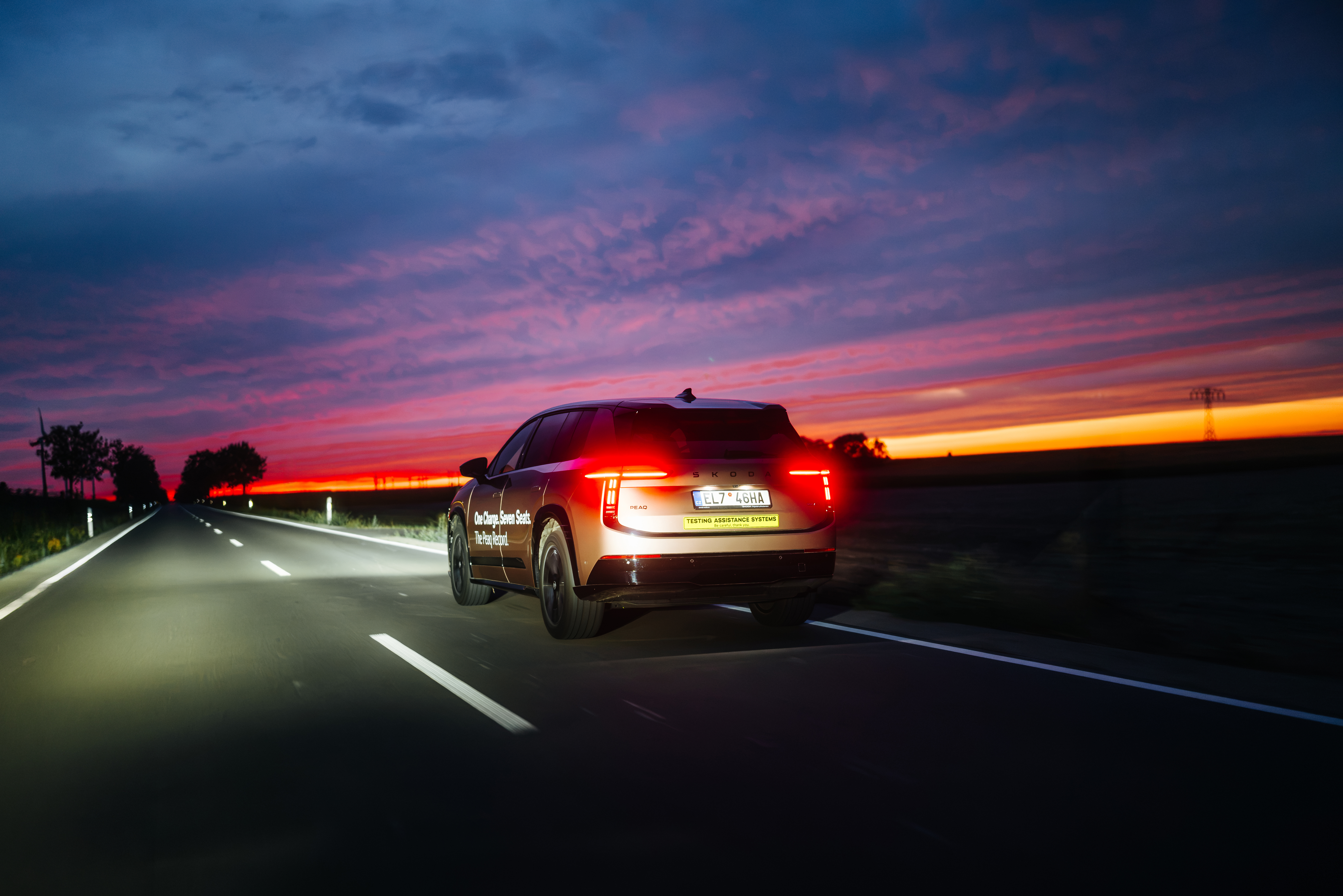
The Škoda Peaq 90 reached its destination in the Netherlands.
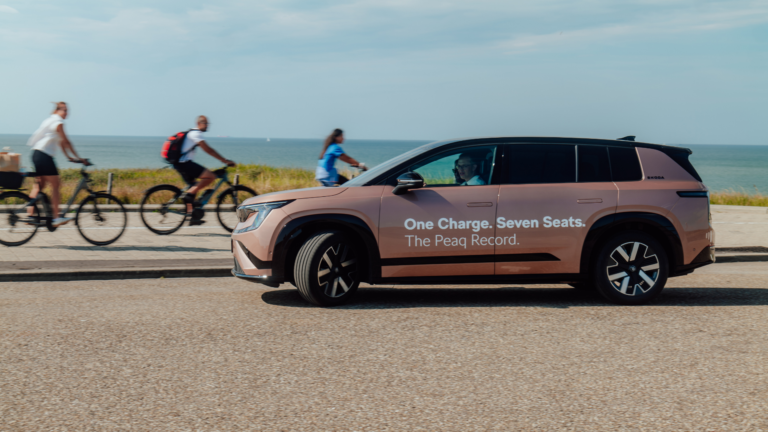
The Škoda Peaq 90 reached its destination in the Netherlands.
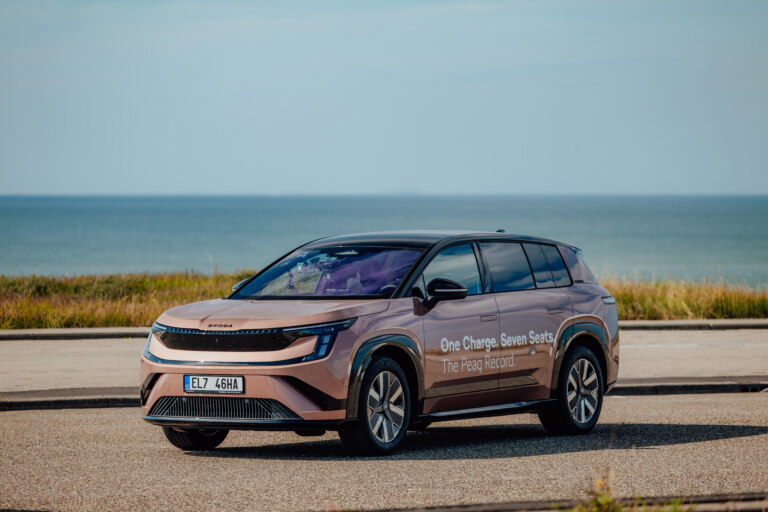
The Škoda Peaq 90 reached its destination in the Netherlands.
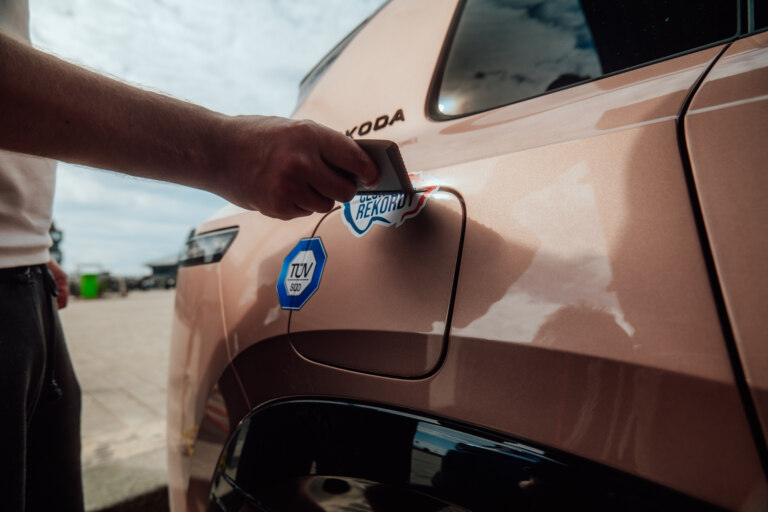
After driving 936 km, the crew was allowed to violate the seal and charge the Peaq.
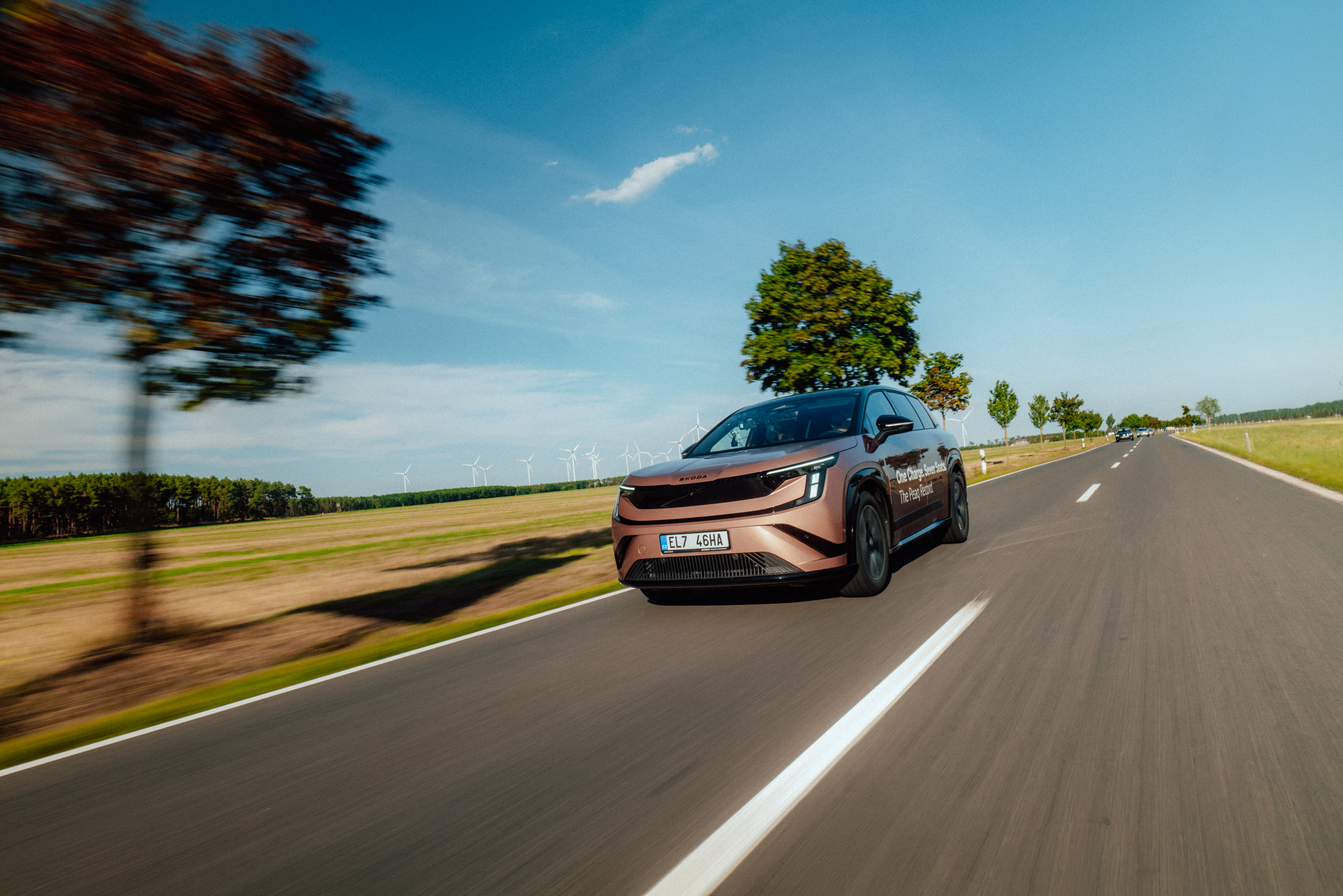
Longer, flat stretches outside cities once again reduced energy consumption, improving the outlook for the remaining distance. The situation became so promising that, during another stop – this time at a Škoda dealership in Amersfoort – Marek and Jakub began discussing an extension to the planned route. “Instead of stopping in Amsterdam, let’s drive all the way to the sea,” they agreed. That decision added approximately 50 kilometres to the original plan.
The final percentage points of battery charge, originally charged in Mladá Boleslav, were consumed along the coastal road near the beaches of Zandvoort. On the opposite side of the road, grandstands from the previous weekend’s Formula 1 Grand Prix were still being dismantled. By Wednesday afternoon, Marek and Jakub knew they had achieved their goal. They had covered 936 kilometres and recorded an energy consumption figure of just 9.2 kWh/100 km. This represents not only the longest distance ever recorded for a Peaq SUV and electric seven seater SUV in general, but also an officially recognised Czech record in the category of Longest distance travelled by an electric vehicle on a single charge.
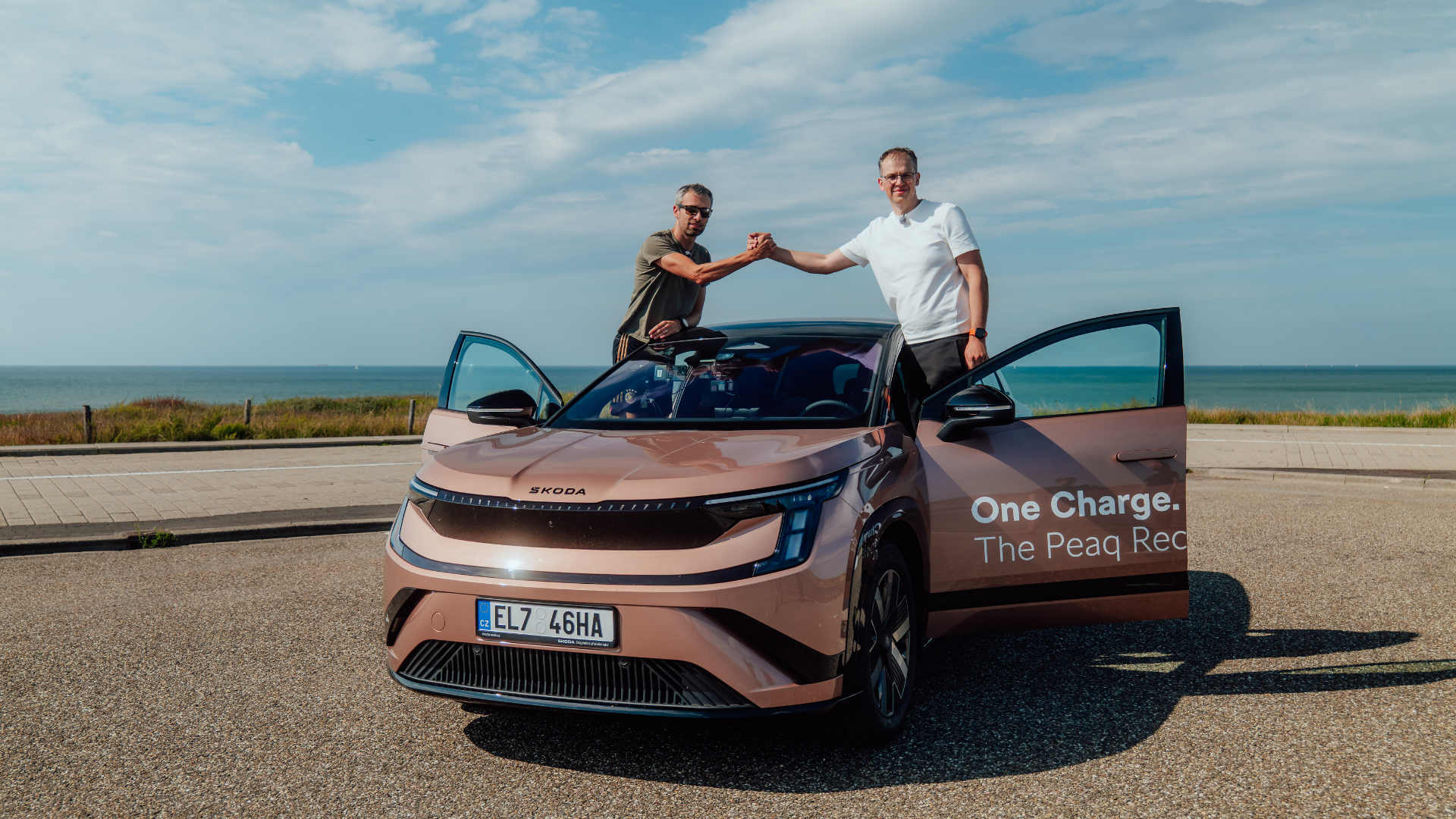
When the vehicle was finally connected to a charger after the record run, both drivers admitted that the Peaq had exceeded their expectations. Neither had anticipated such low energy consumption or such an impressive range before the journey began. They were also surprised by the level of interest from colleagues, who followed the attempt through a live online data feed from the vehicle. “They were chatting with us throughout the drive and logging back in again first thing in the morning,” says Jakub, adding that many of them were also placing bets on the final distance achieved.
When asked for additional advice on efficient driving, both drivers return to the lessons learned during their record-worthy journey. “The weather helped us as well,” Marek acknowledges. “In rain and on wet roads, we would never have achieved such a result.” “And I’d recommend bringing some entertainment into the car,” Jakub adds with a smile, recalling the many hours spent behind the wheel.
Be the first
to get the latest stories
Explore more

Media Box
19 images

Show more
Show less