Legend Chris Froome Takes You Behind the Scenes of the Tour de France
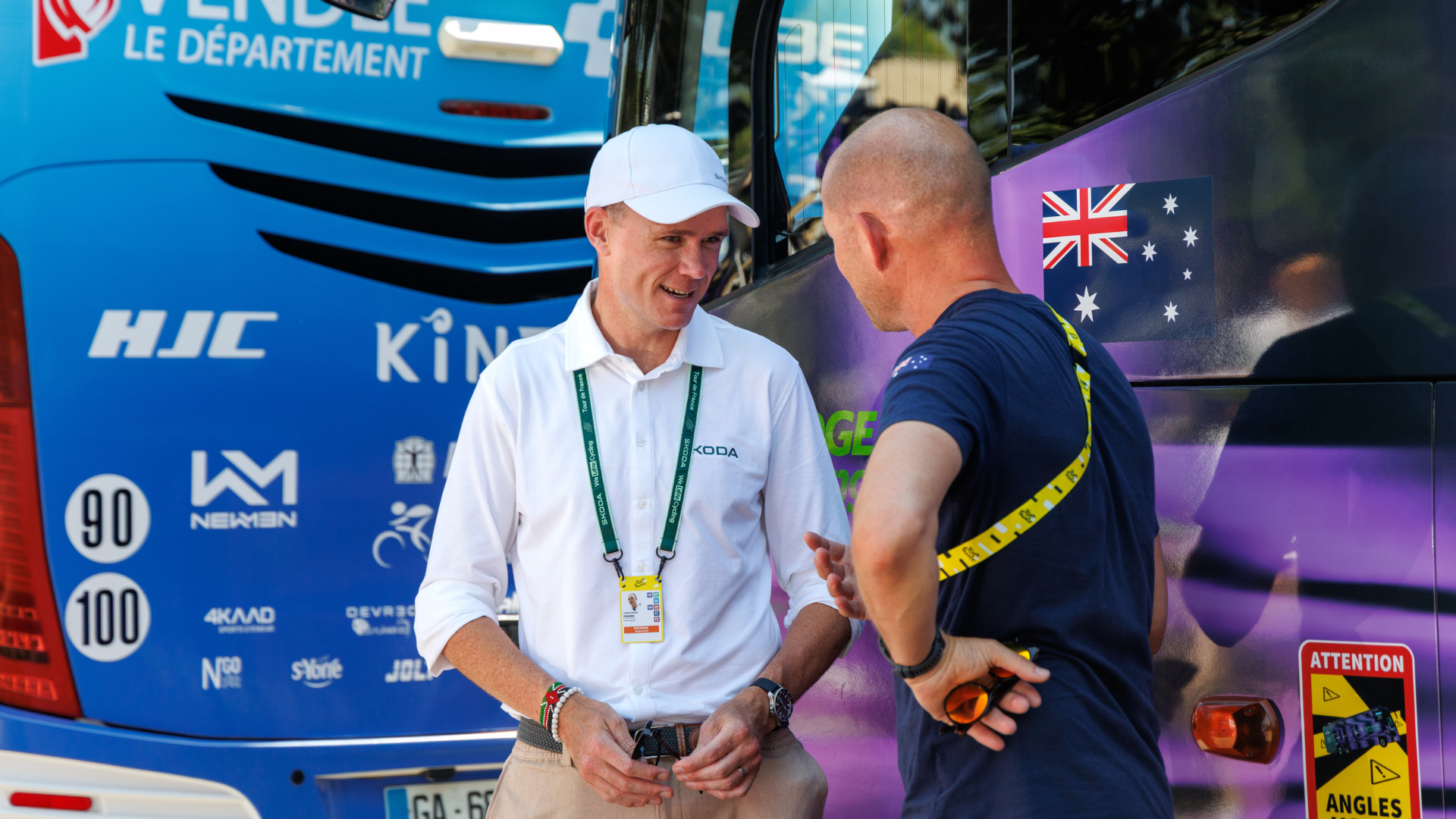
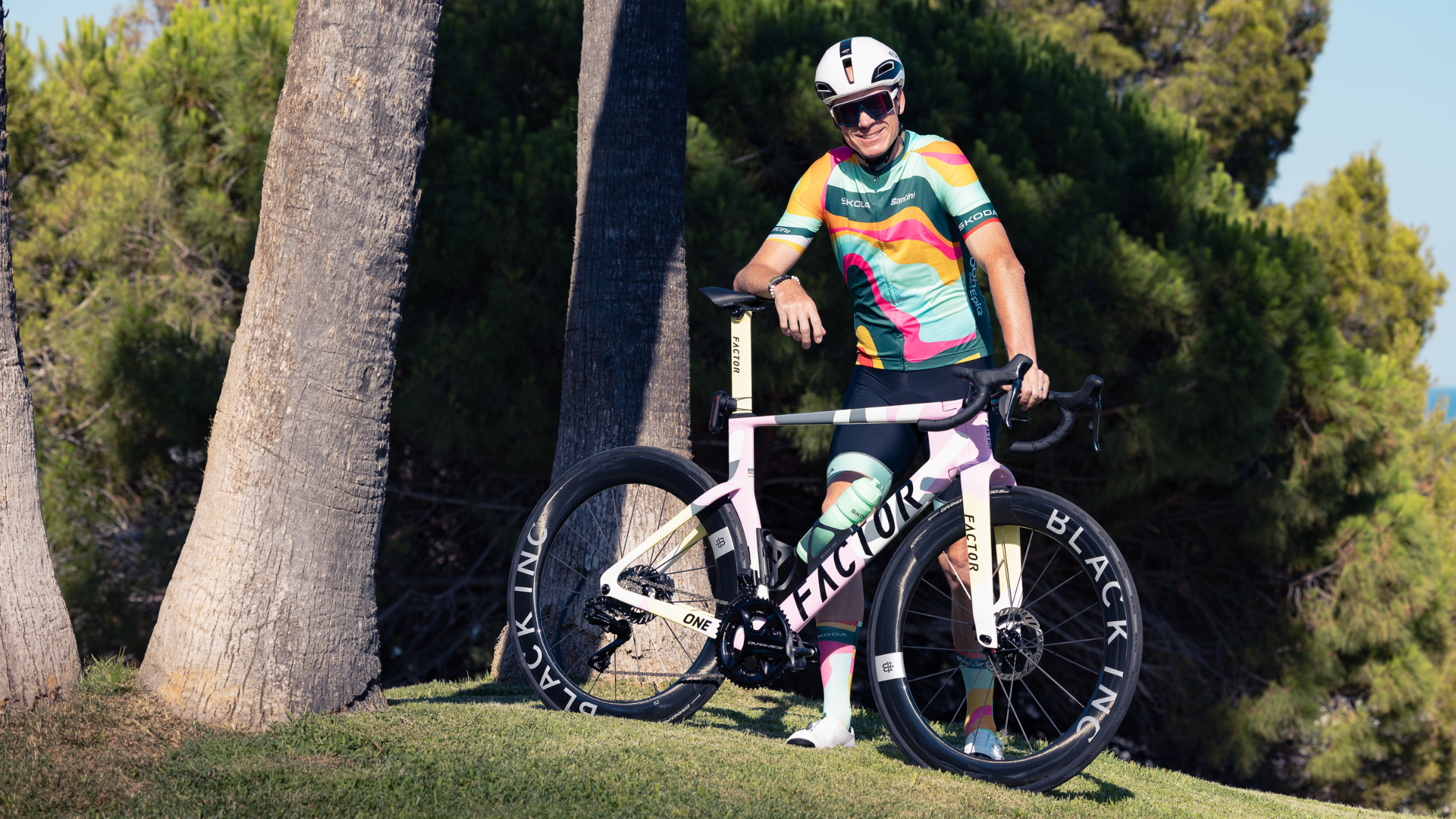
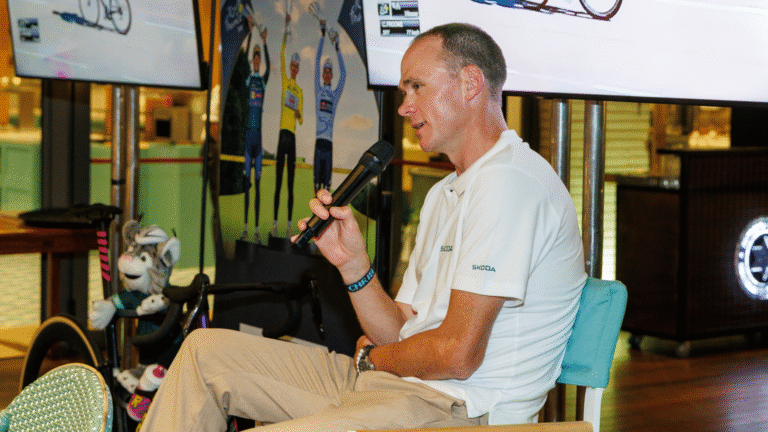
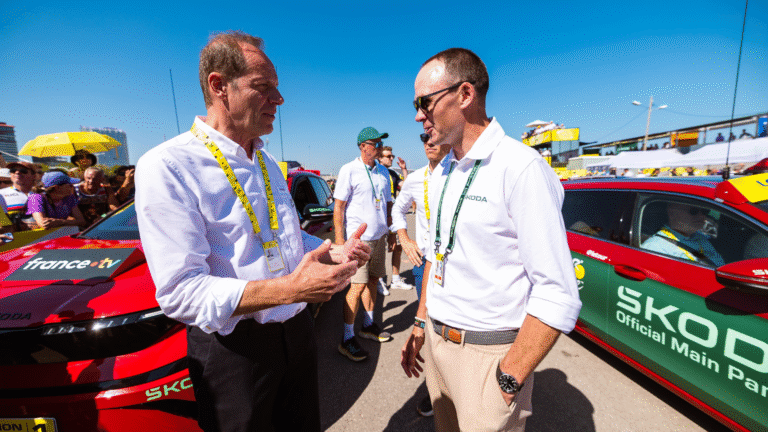
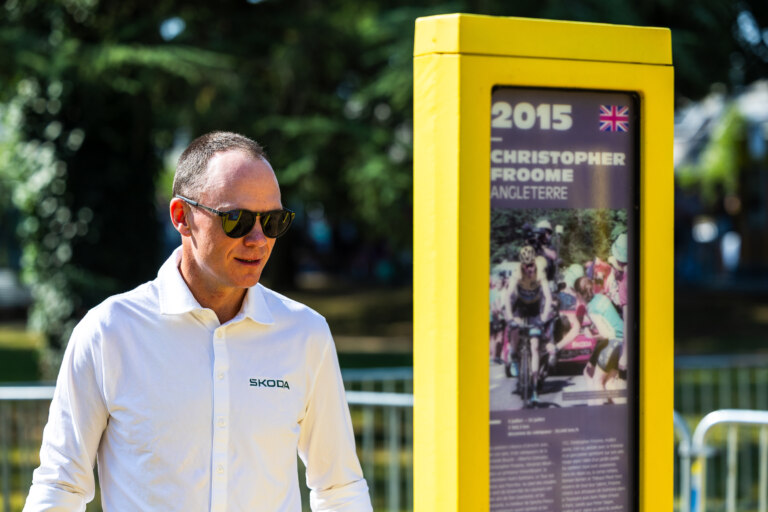
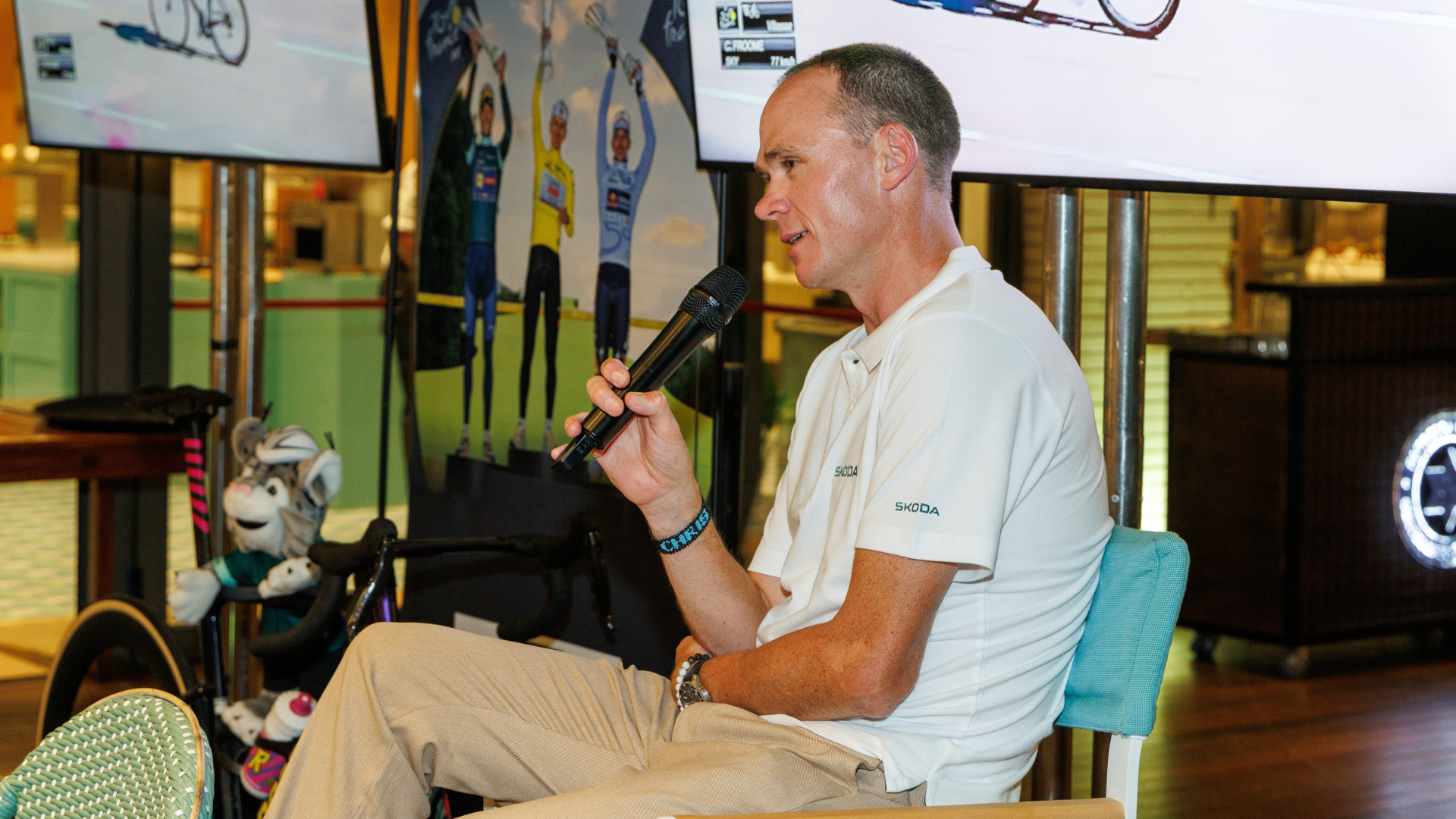
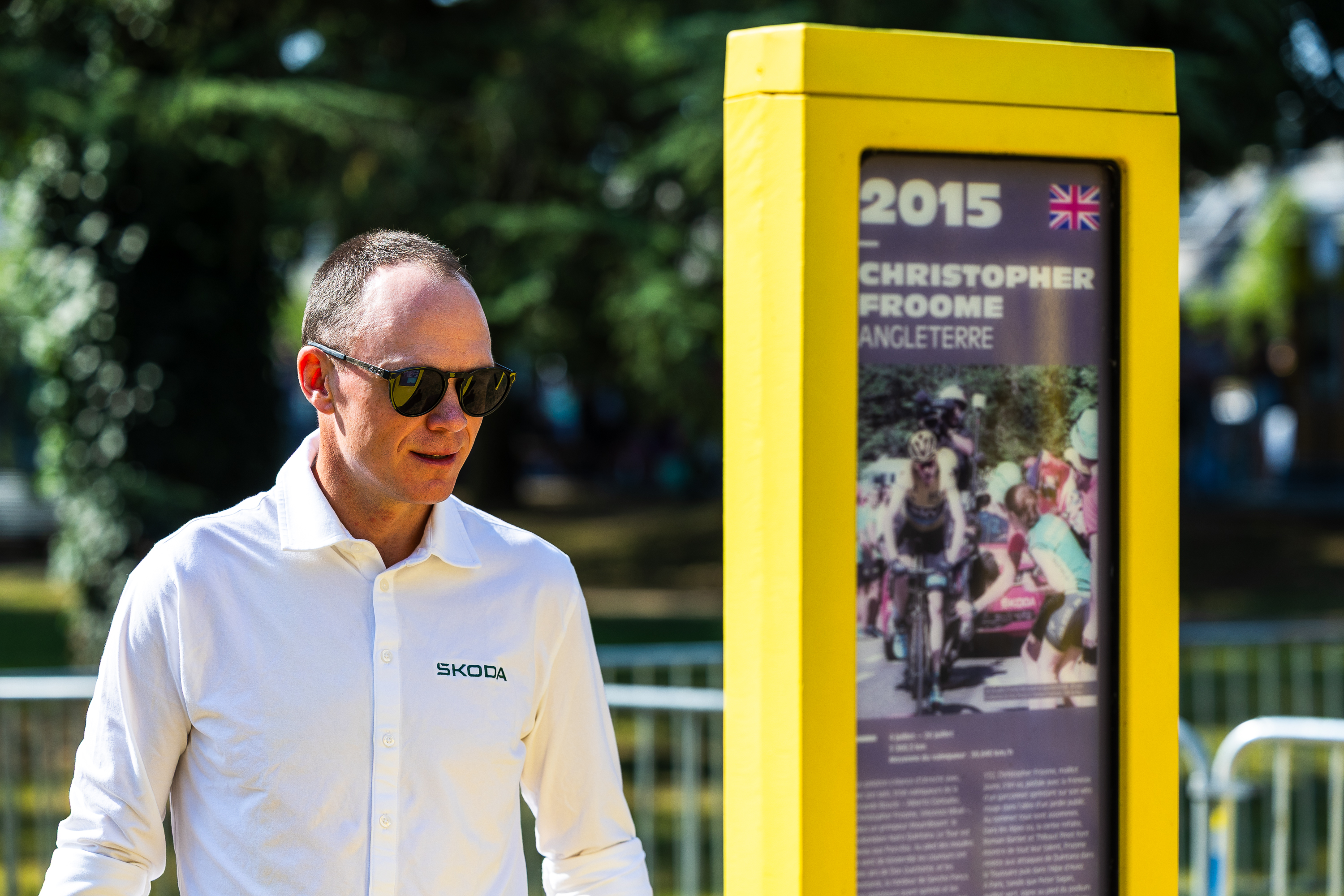
Four-time Tour de France winner Chris Froome knows this legendary race like the back of his hand. As he says himself, during his career he rode some stages literally by heart. That’s one of the reasons why this Škoda Auto cycling ambassador is one of the most qualified guides to give you a behind-the-scenes look at the Tour.
16. 7. 2026 Škoda WorldPhysical Demands as a Draw
“It’s an incredibly grueling race, both mentally and physically. Every day, you’re completely exhausted. You literally end up on your hands and knees after some stages and just climbing the steps to the team bus is an incredible effort at that moment,” Froome recalls of the race’s intensity, adding: “Mentally, you then have to come to terms with the fact that the same thing awaits you the next day. And the day after that. And the next. And on and on.”
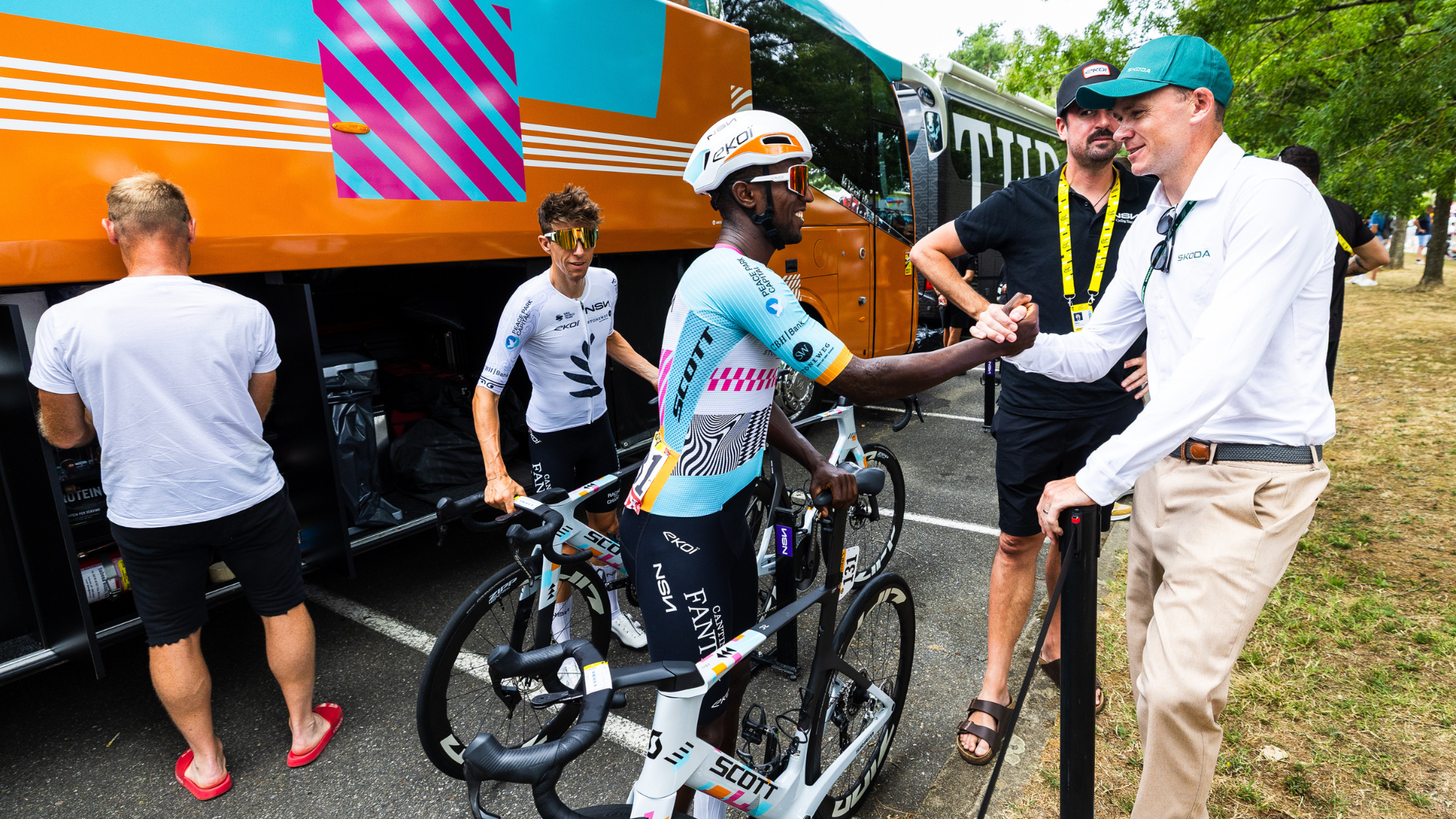
That’s also why in his view, any success—even a small one such as a stage victory—is a huge source of satisfaction. As he says, the brutality of the competition is actually what he ended up enjoying about it and he’s certainly not alone in this; even today, riders love it specifically because of its difficulty. “During my most successful years, I almost wished it were even tougher,” Froome reveals, surprisingly.
According to him, the reason is simple. Although the challenging climbs and descents are physically exhausting, for a top-tier racer they’re a sort of safe zone. “The flat stages, where a lot of cyclists were at the front, were the scariest for me. Riding in the peloton can be treacherous; the risk of a crash is high but in the mountains on tough terrain, I knew that only a handful of guys would keep up and I had the race under control. So when the race was tougher, I was somehow more at ease,” says the four-time champion.
Careful preparation helps
Sophisticated tactics often played a key role in his triumphs. “I often planned out the course of a stage,” he explains. “Because I was familiar with some of the stages, I was able to visualize the route during training and figure out what I needed to do at each stage. During the race, I often operated sort of on an autopilot; my body did what I’d planned in my head, regardless of how my legs felt,” recalls Froomey, as he’s nicknamed in Tour circles.
Favorite Summit
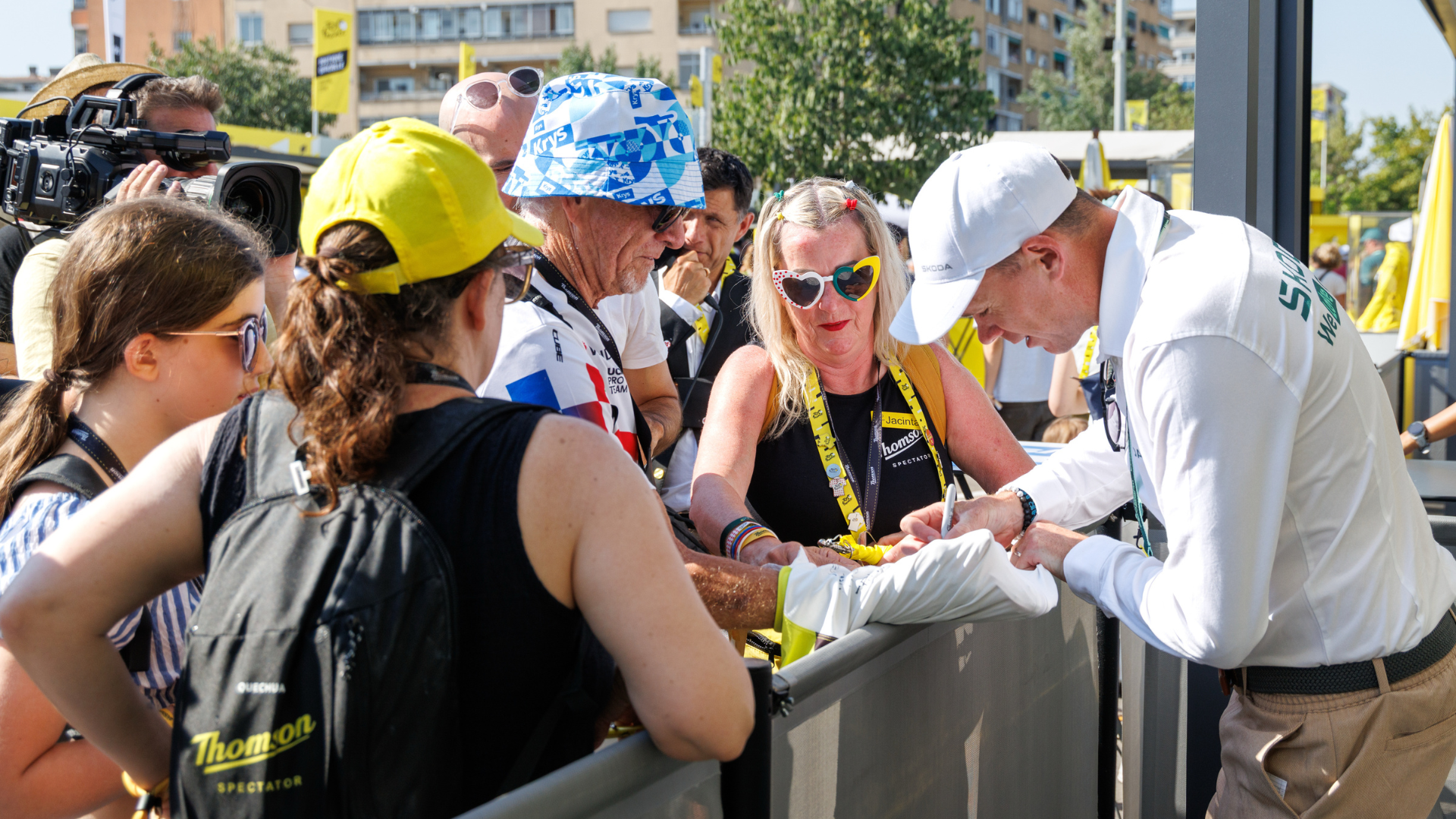
Grand Tour stage races and other cycling events are full of famous “climbs” to mountain summits. Chris Froome himself says of them: “I have favorite summits in different countries but as far as the Tour de France is concerned, I have to say it’s definitely Mont Ventoux. This climb means a lot to me and I’ve experienced a lot there.” His love for Mont Ventoux is clear proof that an experience doesn’t always have to be a good one—but above all, it has to be powerful. Froome in fact, has fond memories of the summit despite his 2016 crash, after which he ran toward the top without his broken bike. Back in 2013, he literally crushed the competition on this climb which significantly contributed to his first Tour de France victory at the time.
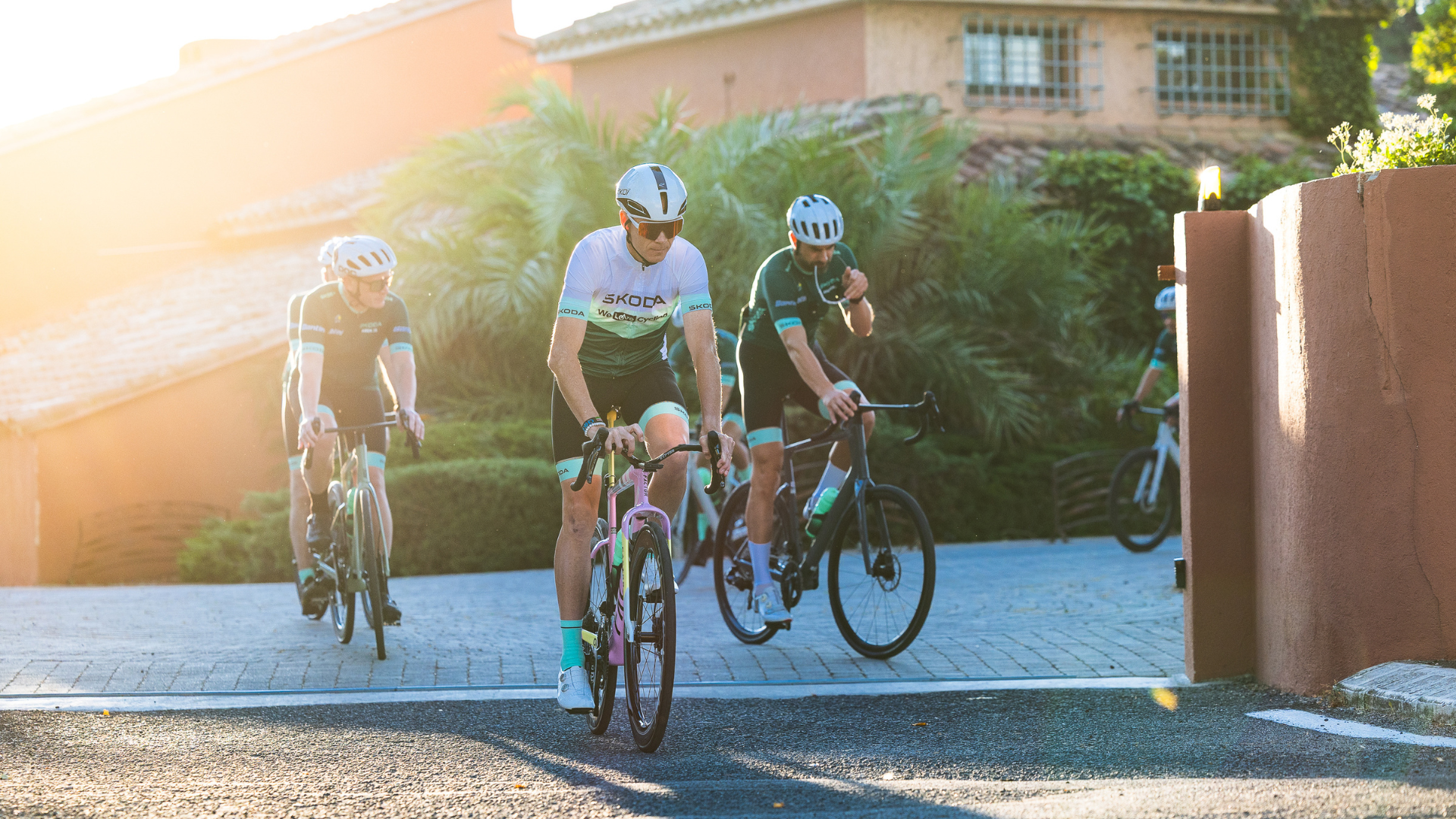
However, the Tour isn’t just about the rider’s preparation, physical condition and tactics. The bike itself is, of course, also important—it has to be in perfect condition so the mechanics give the bike the care it needs every day and the riders are constantly fine-tuning various details. “I think my mechanic must have hated me. I changed something every day. I had the saddle raised by a millimeter or lowered by a millimeter or its angle adjusted slightly, depending on what lay ahead and how my legs felt. Sometimes, we fine-tuned it right before the start,” says the champion.
Be the first
to get the latest stories
Explore more
Media Box
9 images
Show more
Show less