The evolution of hockey gear alongside automobiles
The evolution of hockey gear alongside automobiles

Škoda Auto and hockey have been inseparable partners for over 30 years. However, some connections and stories go back much further. Take a look at how cars and hockey gear have evolved over time.

13. 5. 2026 Škoda World
The 1920s and 1930s – Simple yet functional materials  

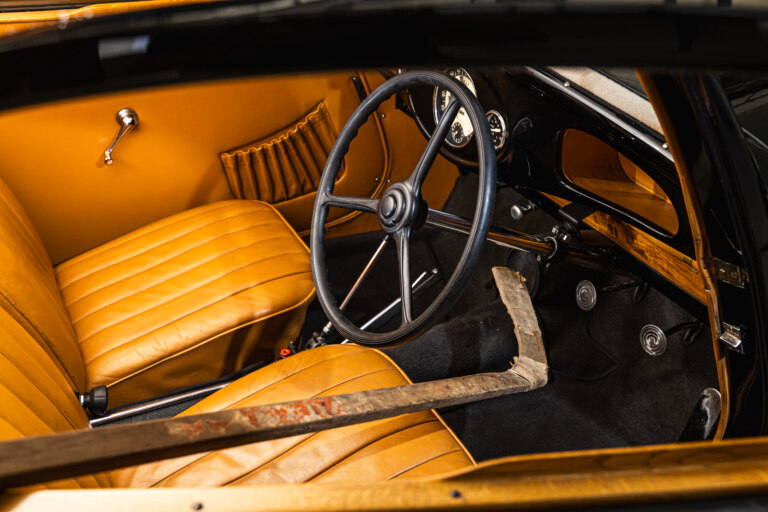
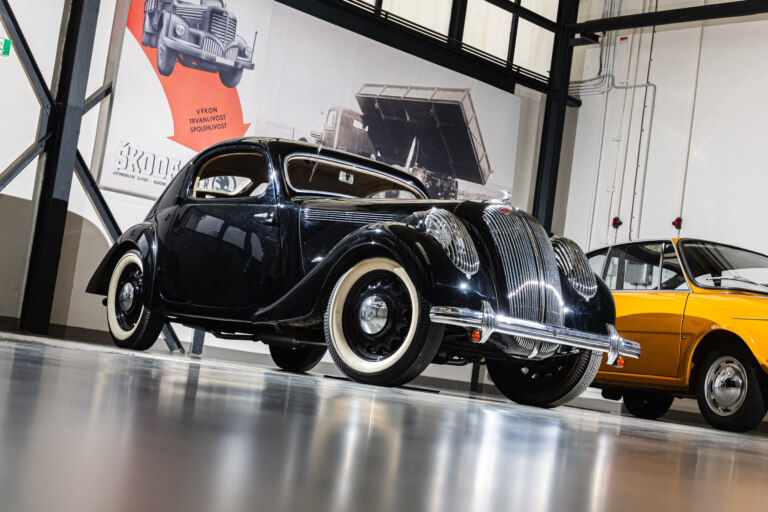
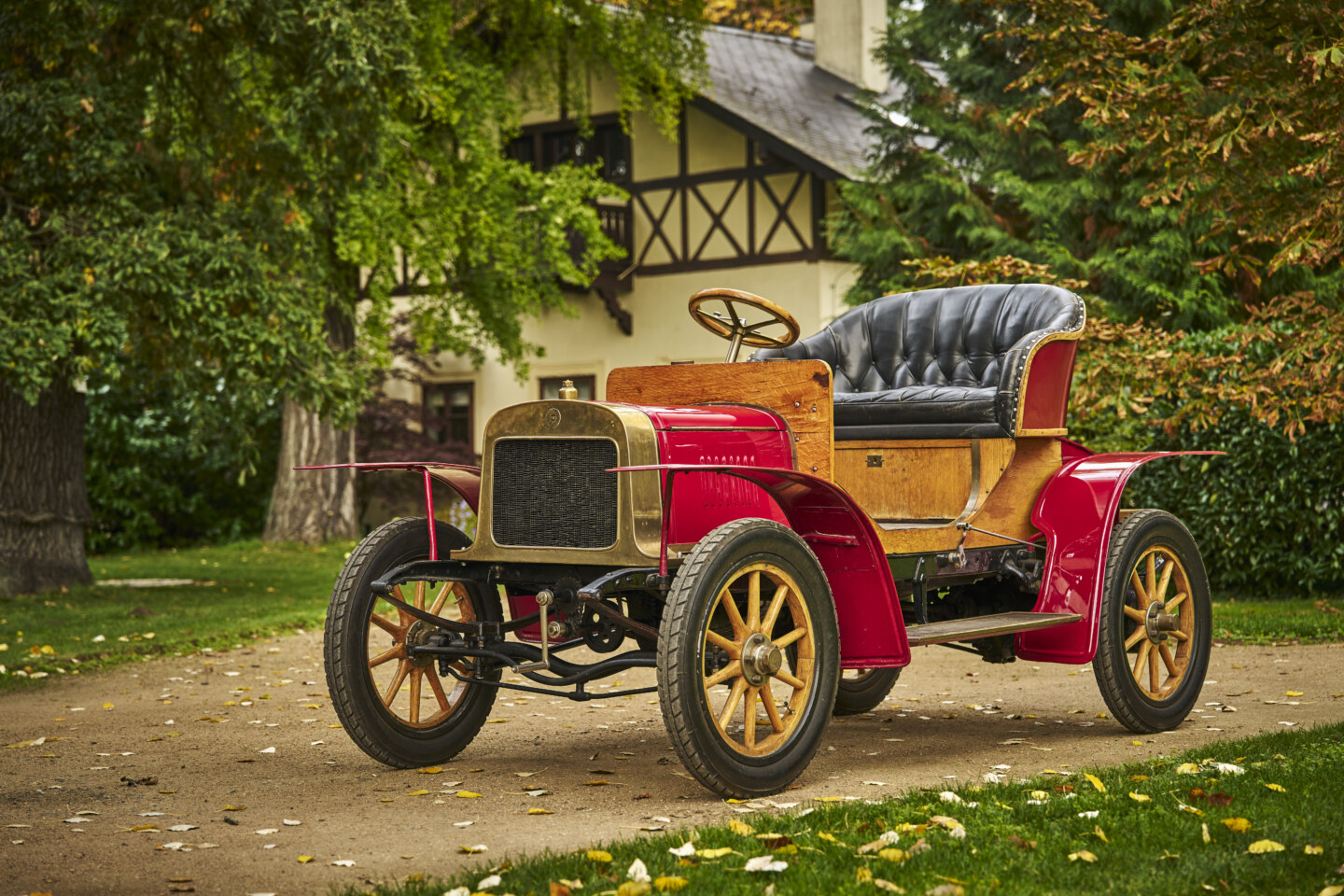
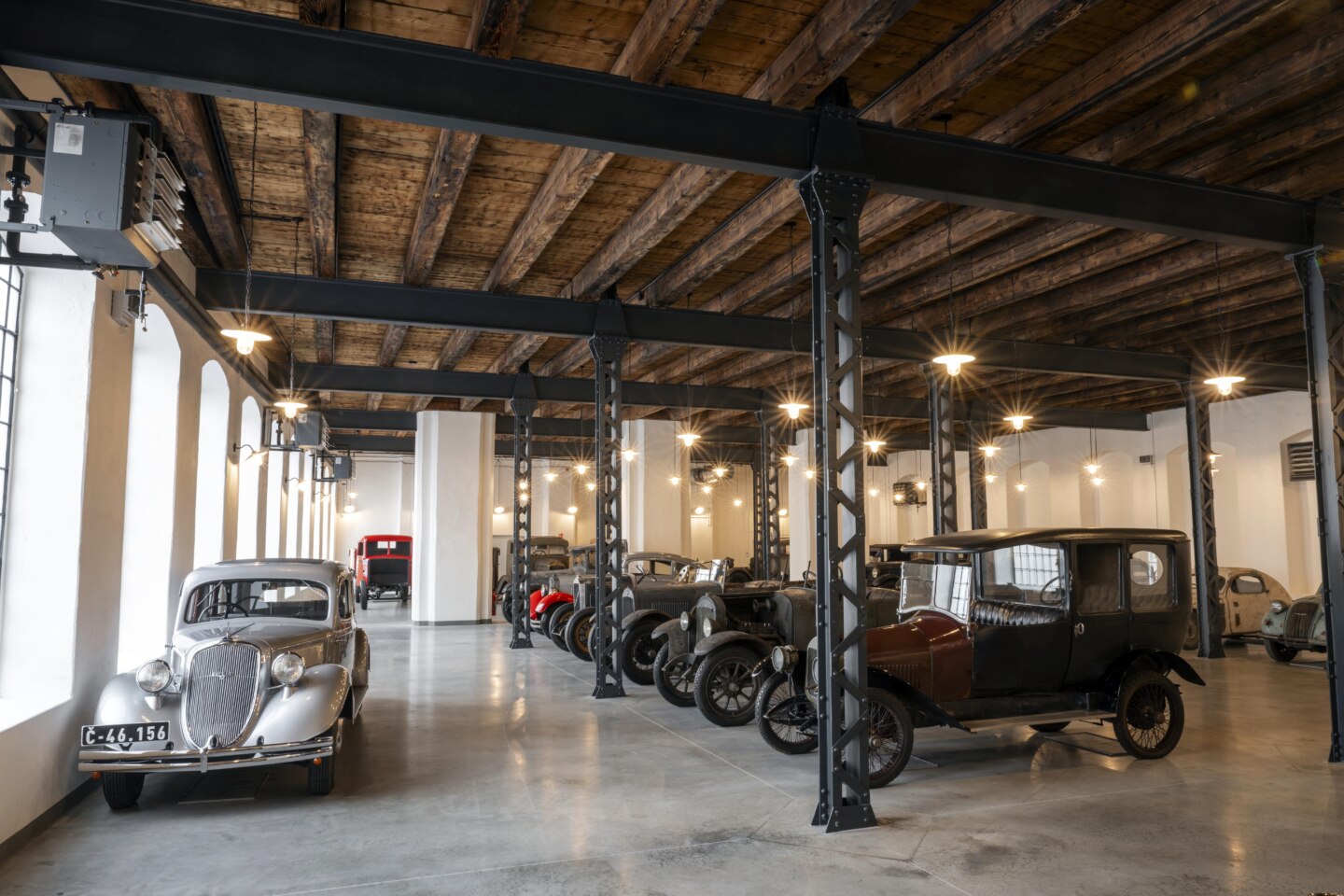
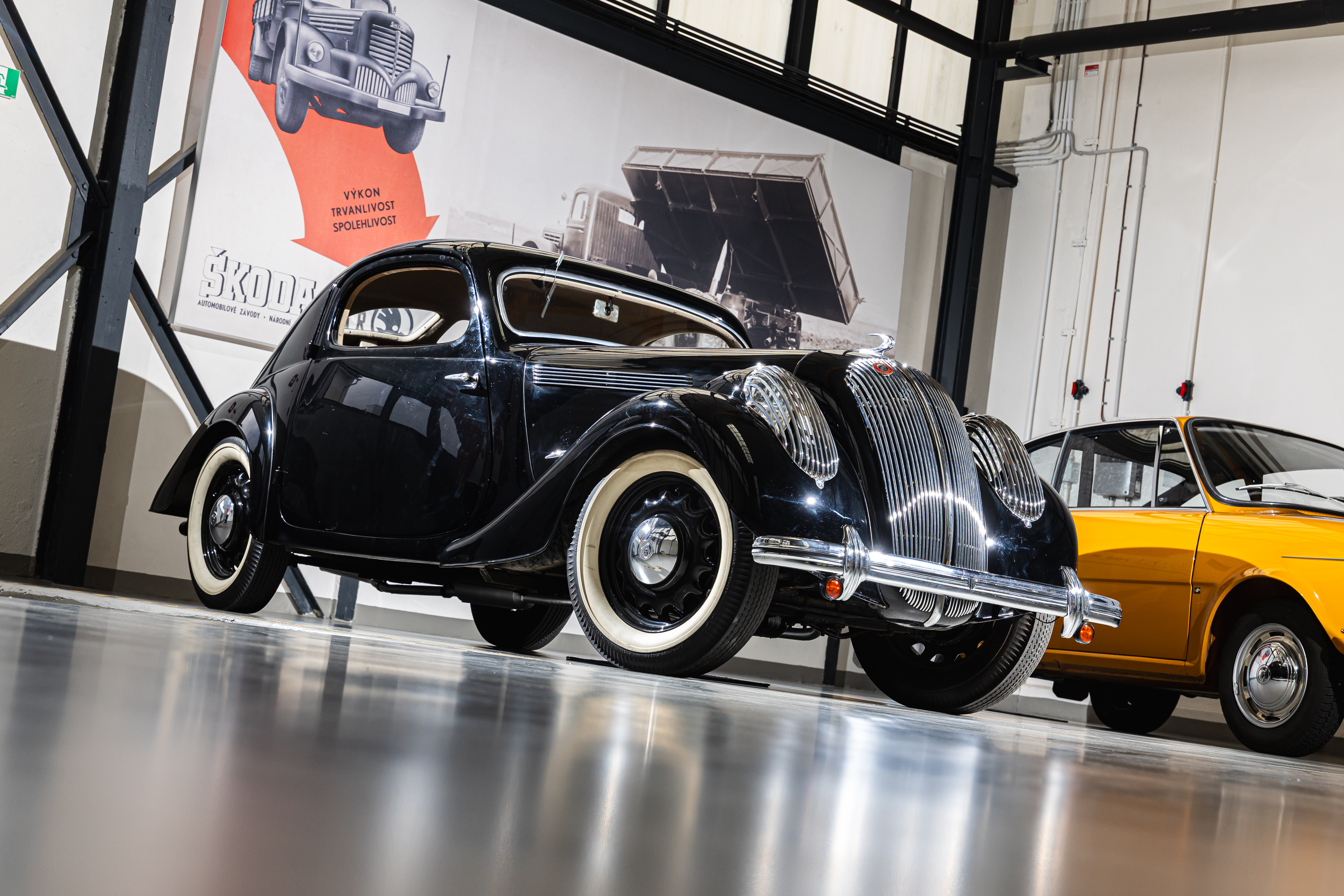
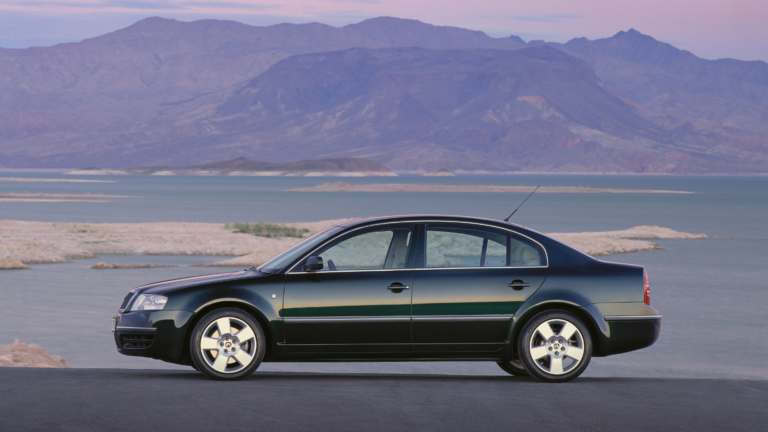
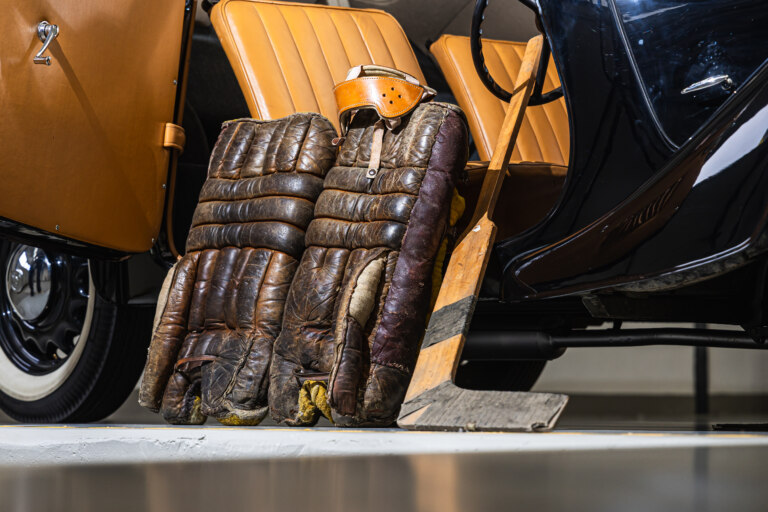
By the 1930s, Škoda Auto was already an established car manufacturer with a range of successful models. The Škoda Popular became a symbol of motoring in interwar Czechoslovakia, the Škoda Rapid offered more space and more powerful engines, while the Škoda Superb enjoyed its position on the pedestal as a six-cylinder luxury limousine. Motorsport was not forgotten either. 

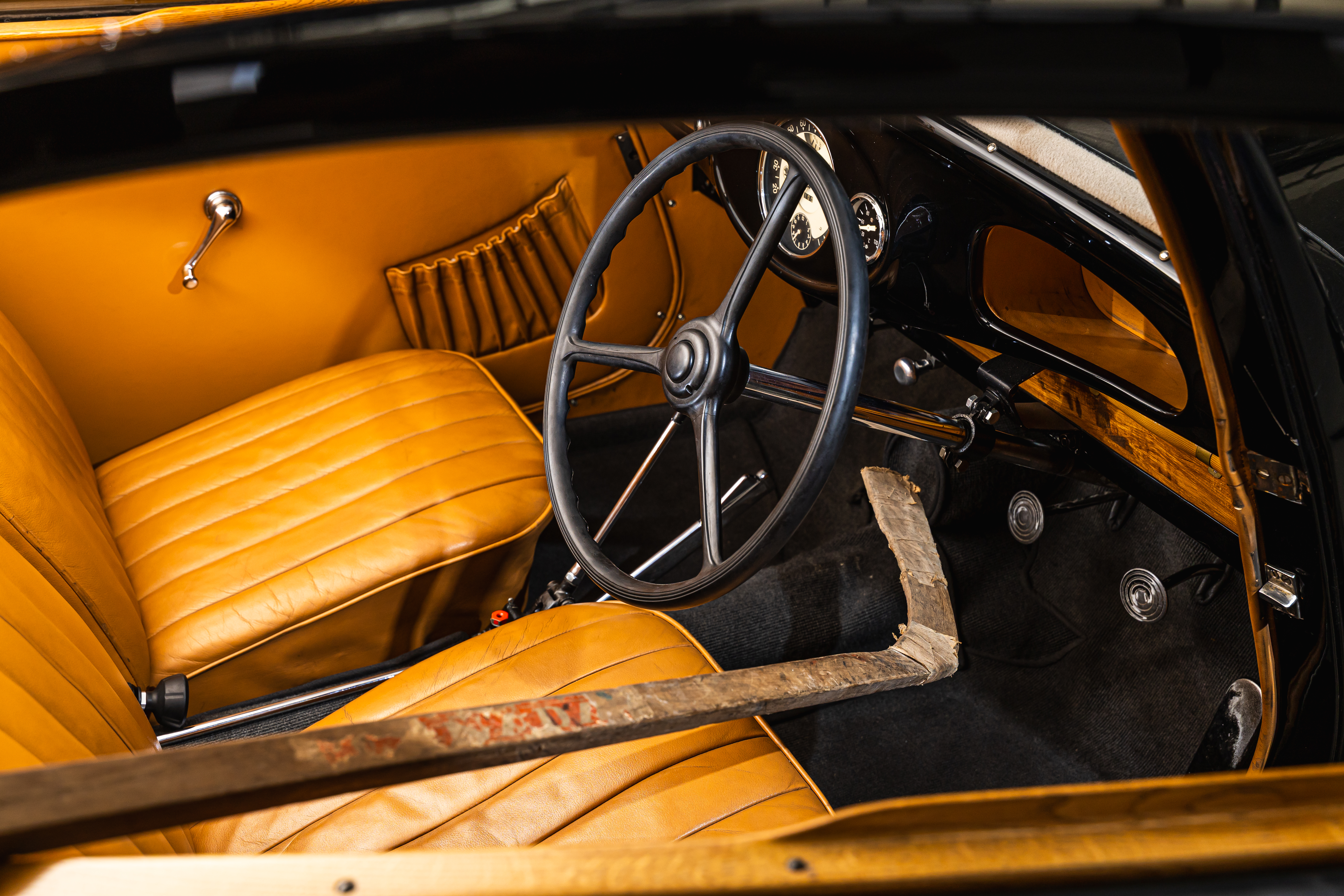
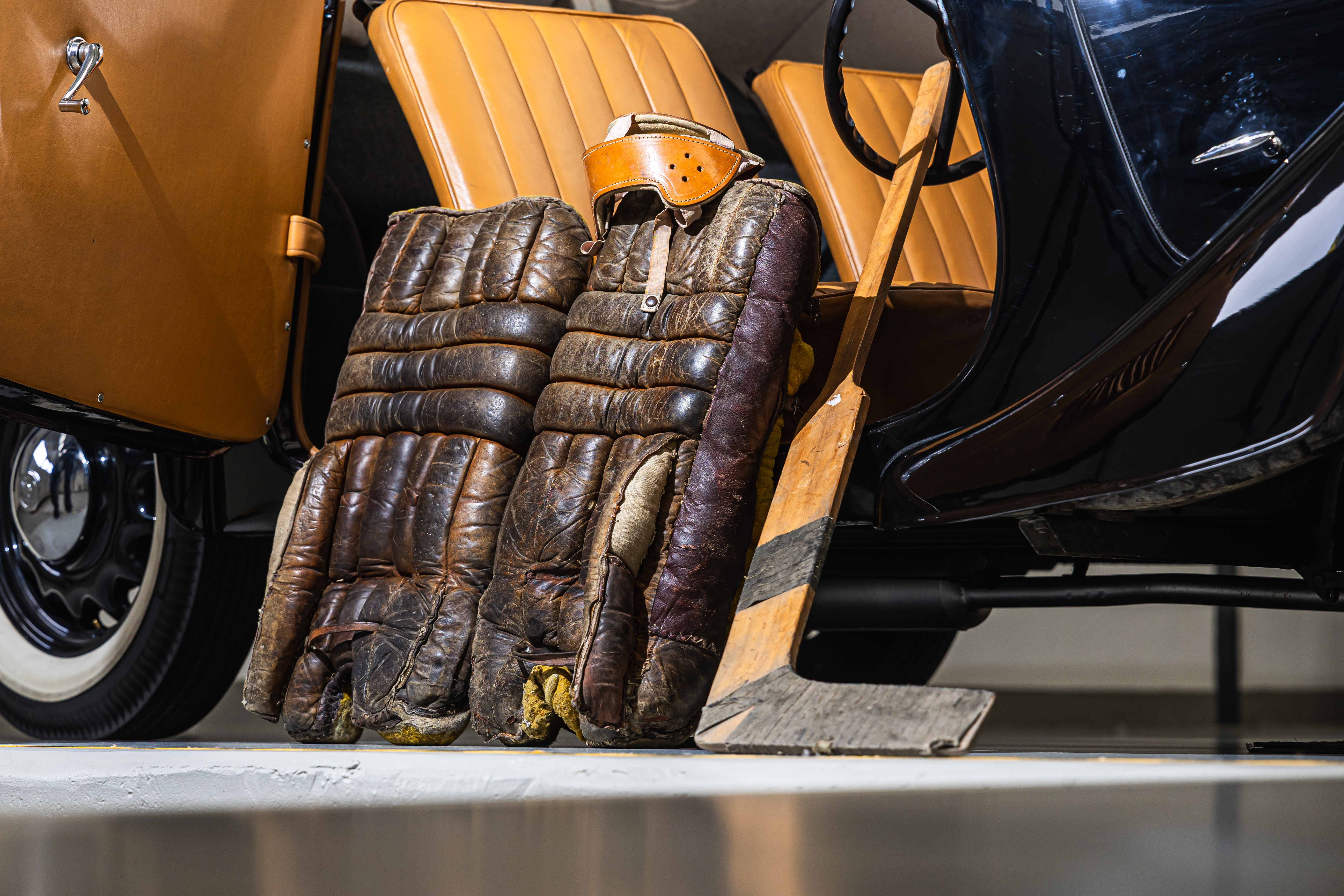
From a materials perspective, this was the era of wood, leather and steel. The situation in sport was similar. Canadian-style ice hockey had already started to emerge in Czechoslovakia at the turn of the century and gradually replaced another type of game, the so-called bandy hockey, in which a round ball was struck with sticks into goals not much smaller than football goals. 

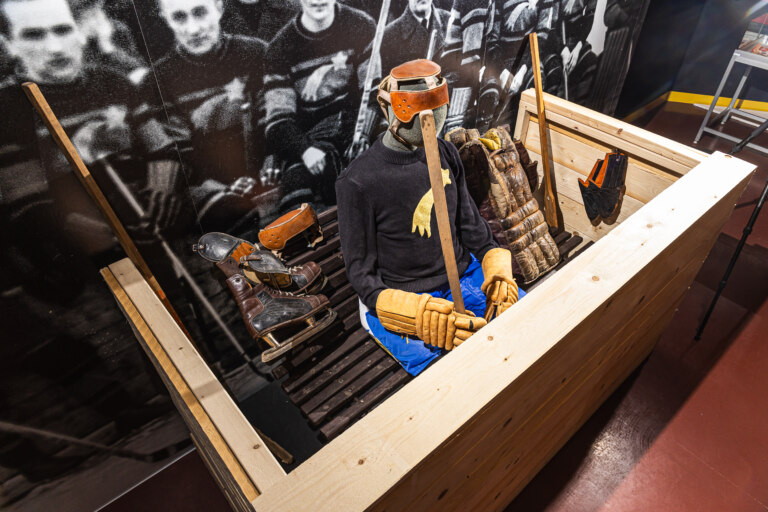
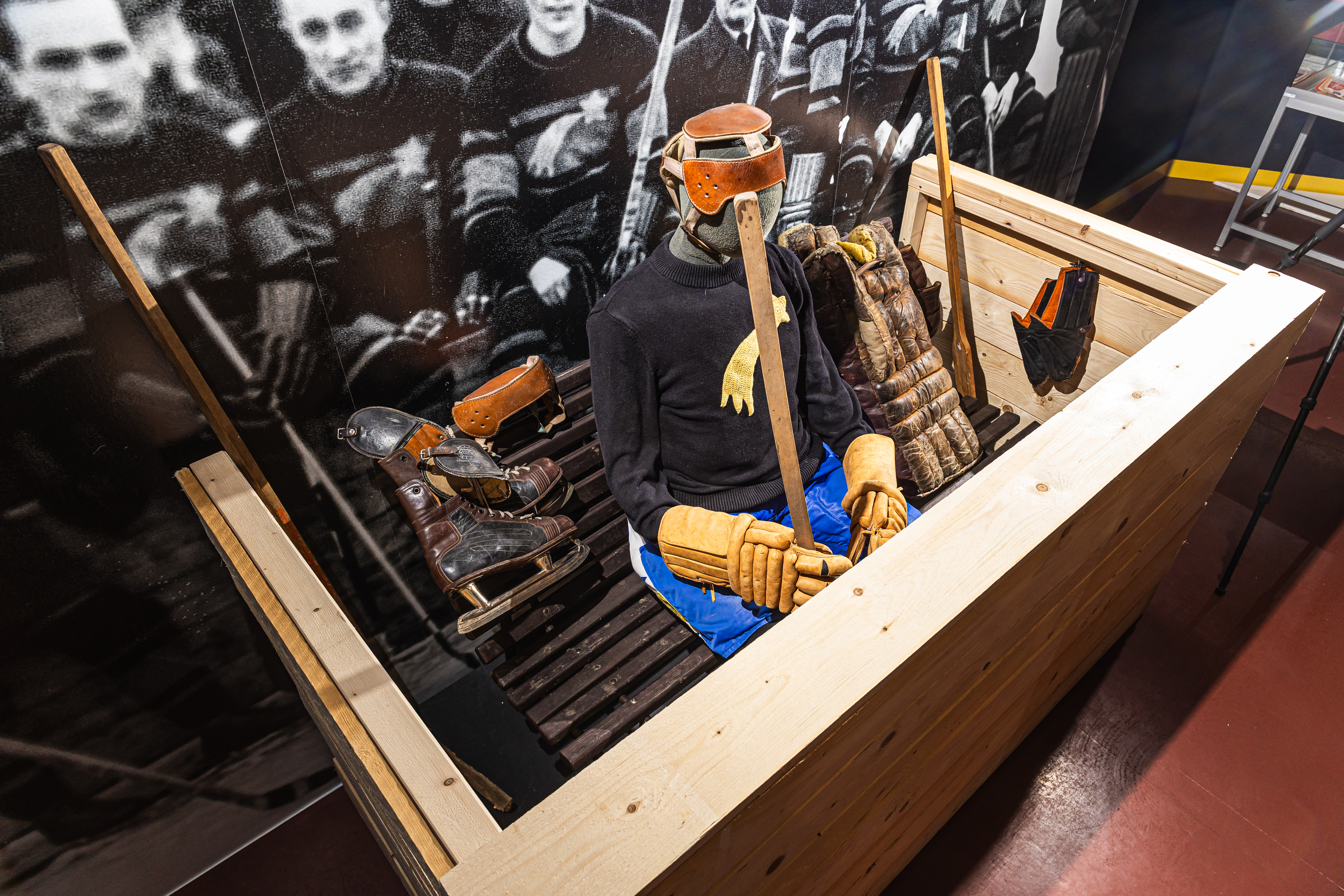
Compared to today, the equipment of hockey players at that time was modest and relied on the proven materials mentioned above. Leather pads with padding and sticks made from ash wood were the most common sight. However, the equipment was not the same everywhere. In Canada and the United States, where ice hockey had already become an established professional sport, the equipment was considerably more advanced. The protective gear was bulkier and the skates sturdier. 

One of the first clashes between these different worlds took place at the 1920 Winter Olympic Games in Antwerp, Belgium. It was the first appearance of ice hockey at the Olympics and the outcome was expected. The Europeans were far from being able to match their transatlantic opponents and, for example, Czechoslovakia lost 0:16 to the USA. Nevertheless, this moment proved crucial for the globalisation of hockey as we know it today. Incidentally, Czechoslovakia still took home a bronze medal. One goal against Sweden was enough to secure it. 

1950s and 1960s – More safety and comfort 

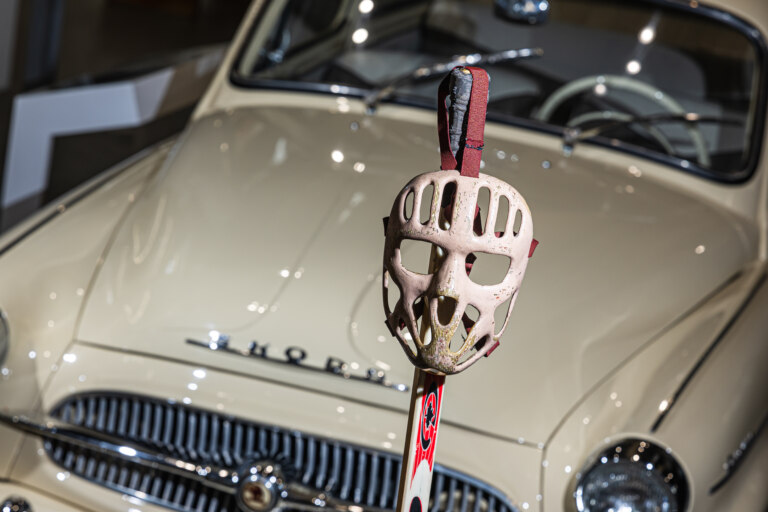
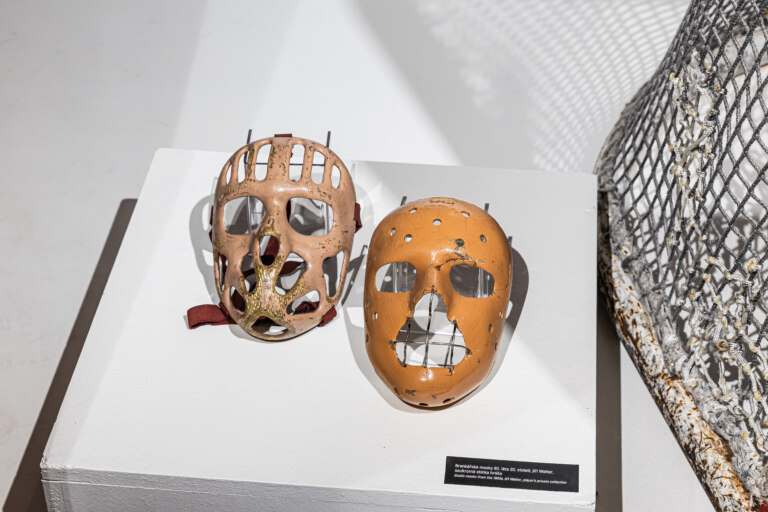
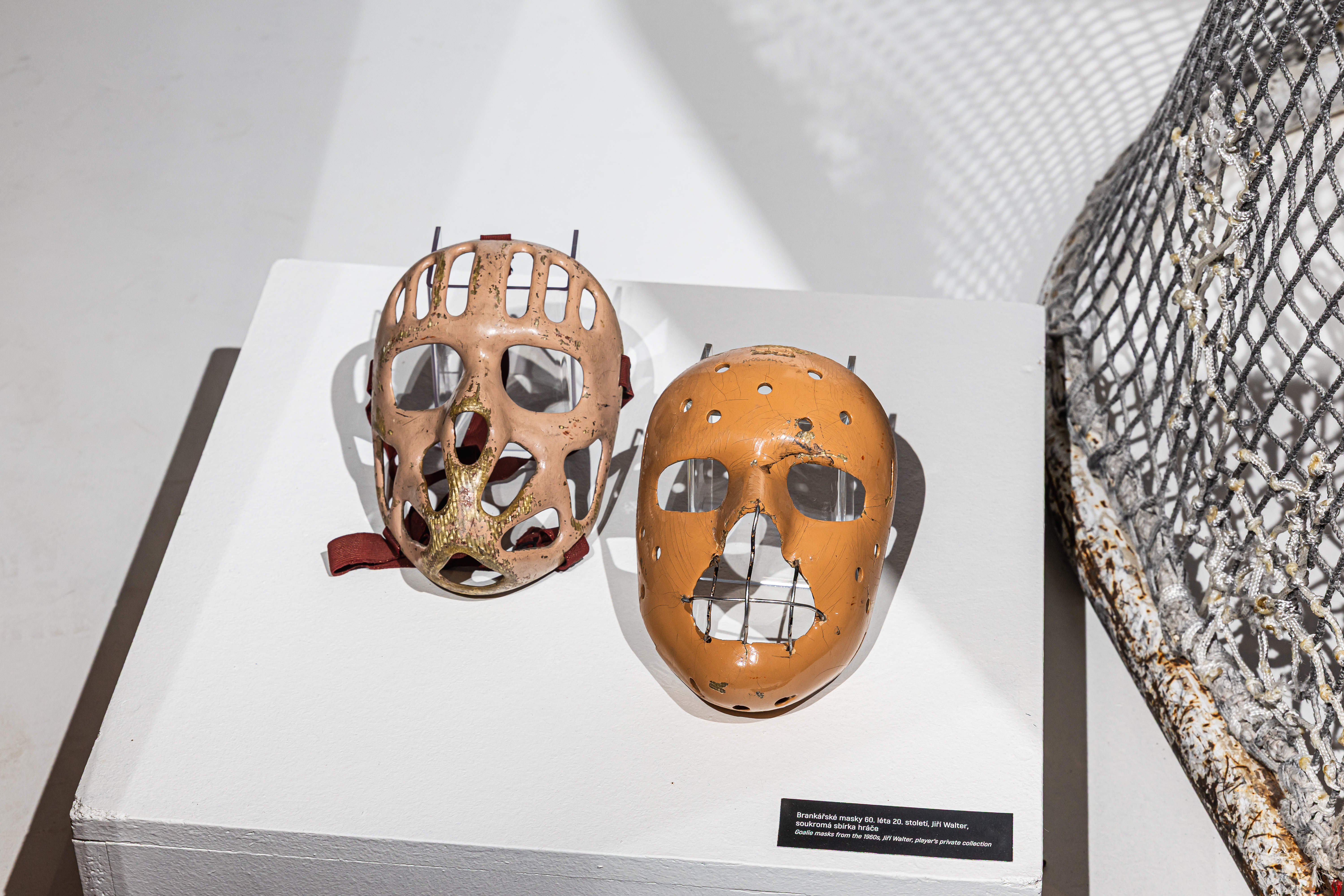
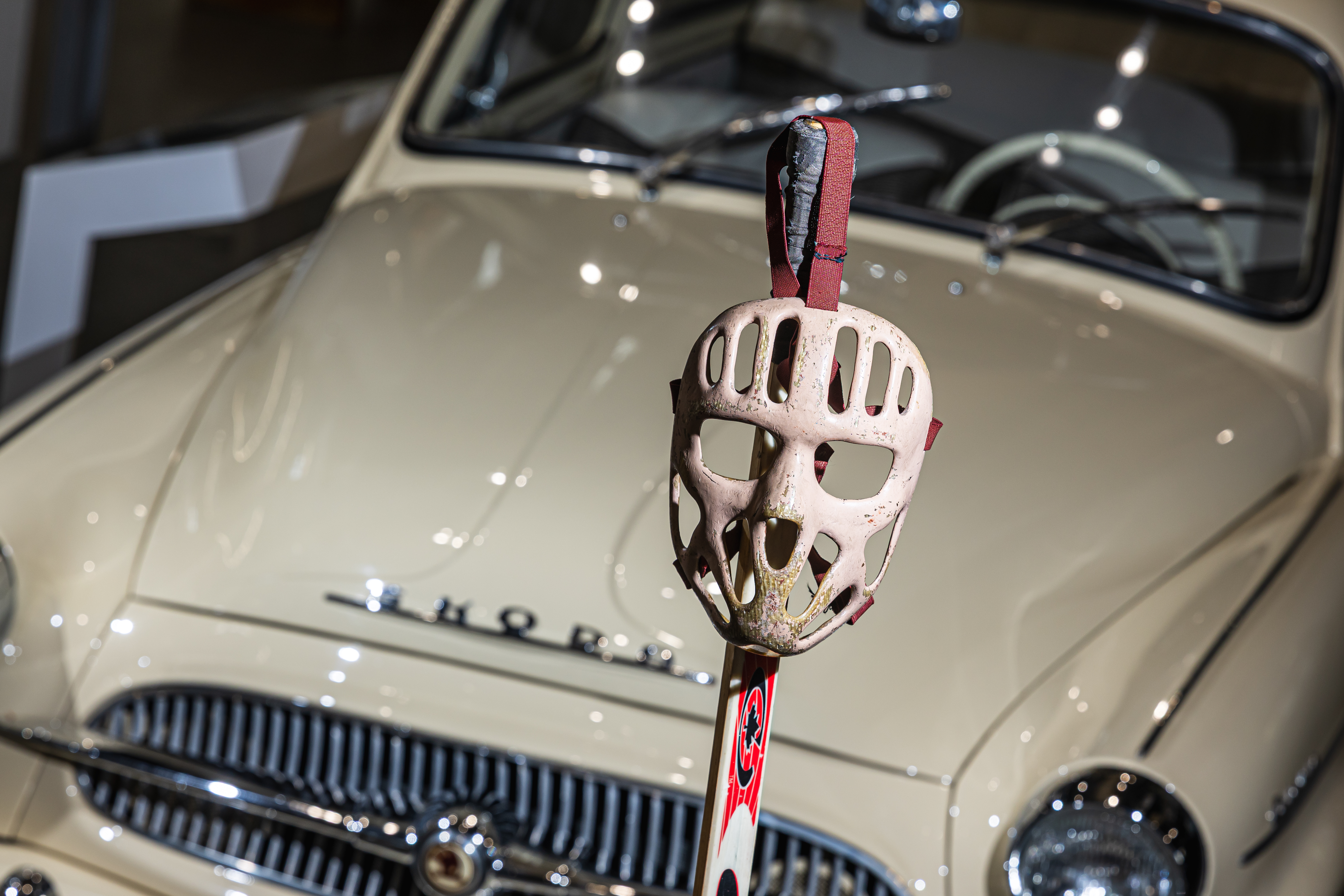
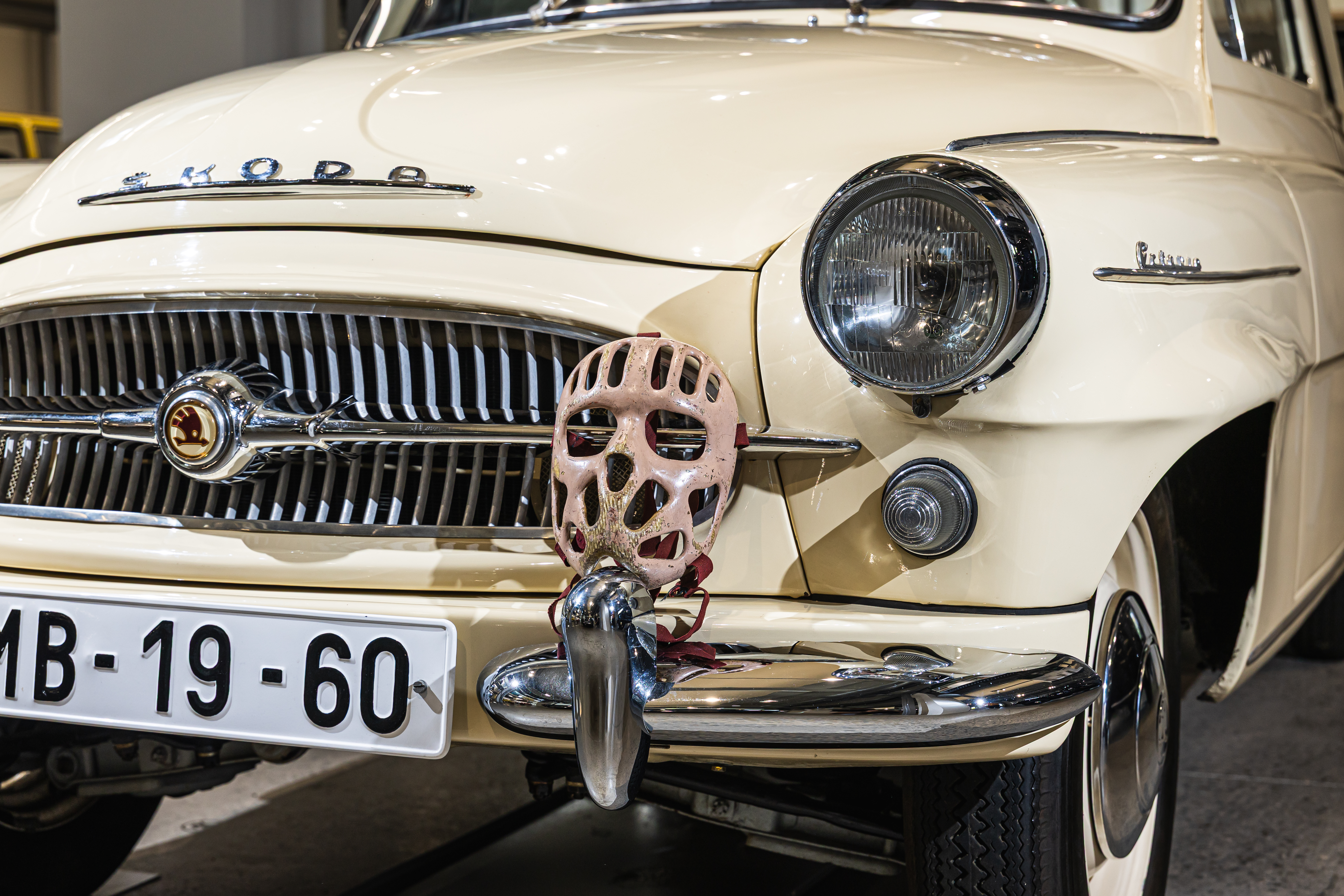
At the end of the 1950s, hockey goaltenders were easily recognisable even away from the ice rink. Their faces often bore stitches caused by hard pucks travelling at high speed. Some considered these injuries to be badges of honour. Head protection already existed at the time, but it was regarded as a sign of weakness and was sometimes even prohibited by coaches. Even the outstanding goaltender Jacques Plante, guarding the crease for the Montreal Canadiens, kept a homemade protective mask in his bag. However, he wore it only during practice sessions. 

That changed in November 1959 during a game against the New York Rangers. Early in the game, Plante was struck directly in the face by a puck shot by an opposing player. There was no replacement available for the injured hero, so after a short while he returned to the ice — this time wearing the mask despite his coach’s objections. Plante stood his ground and helped change the history of hockey. Today, it is almost impossible to imagine goaltenders — or any other player, for that matter — without head protection. 

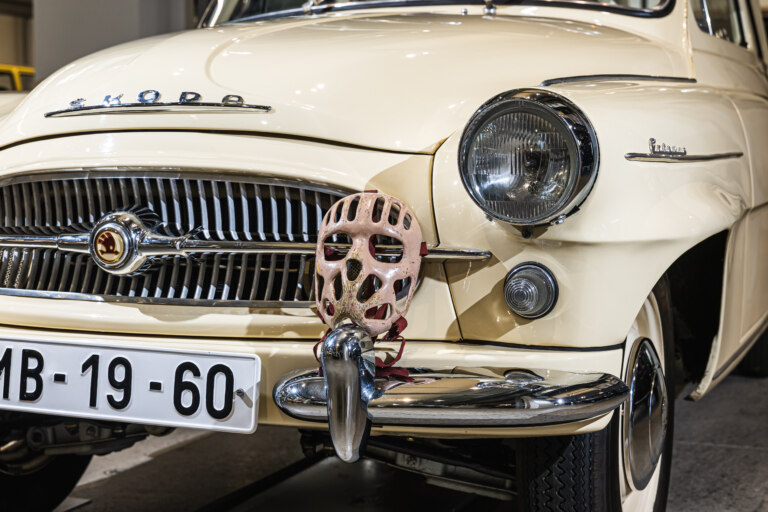
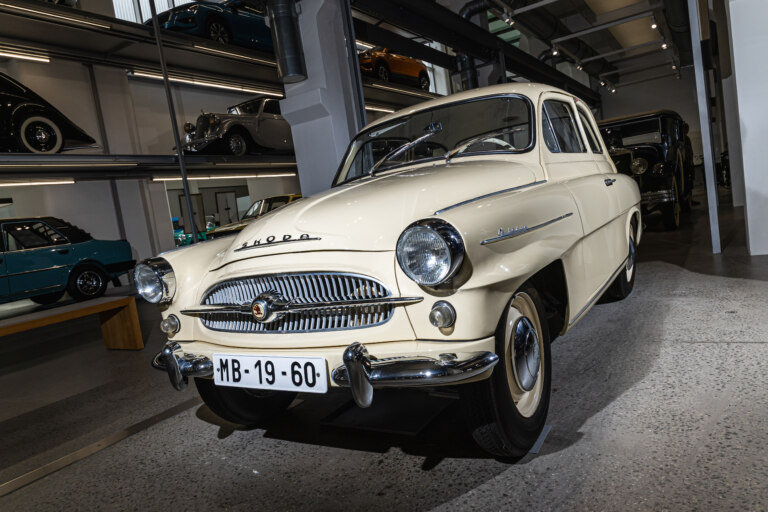
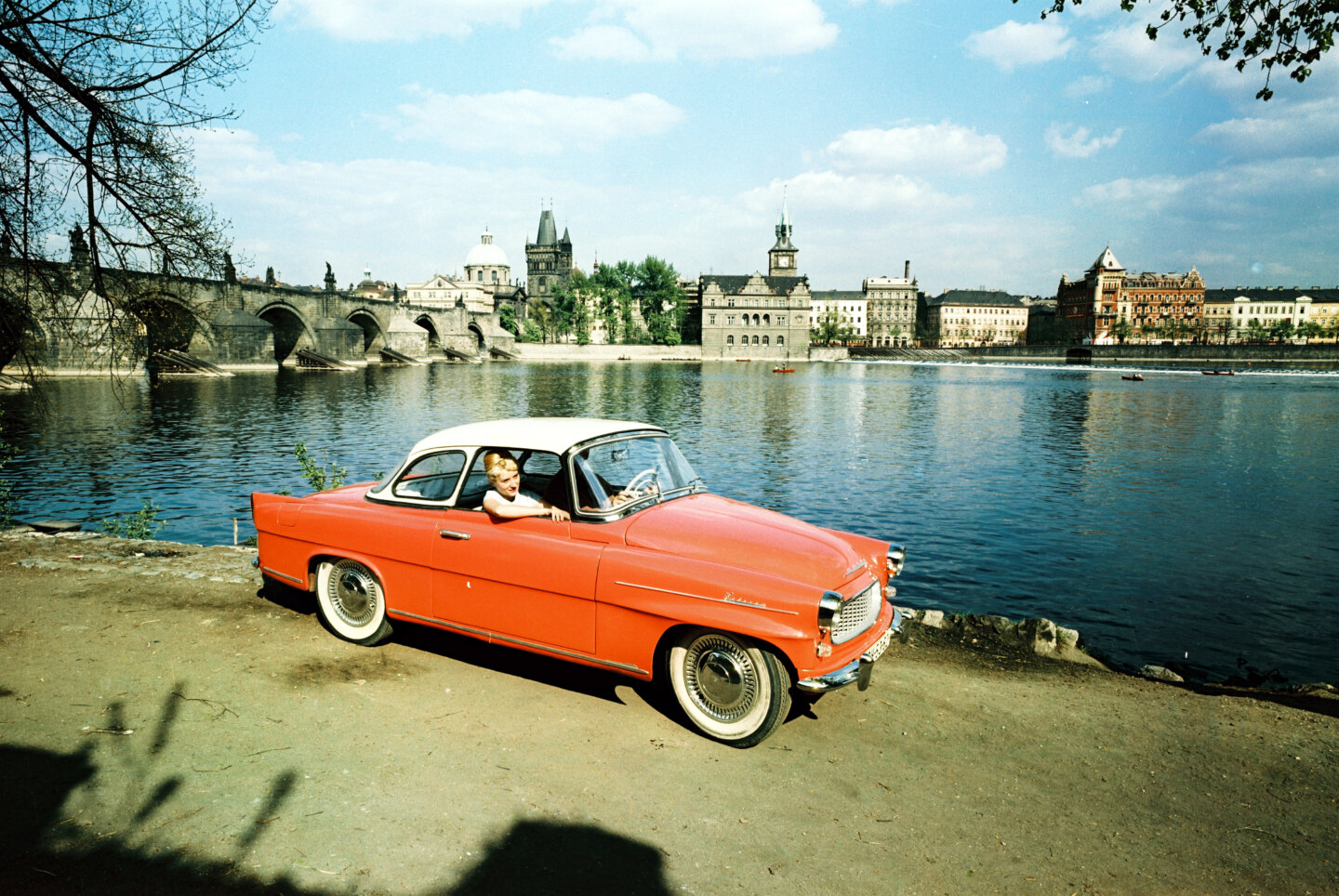
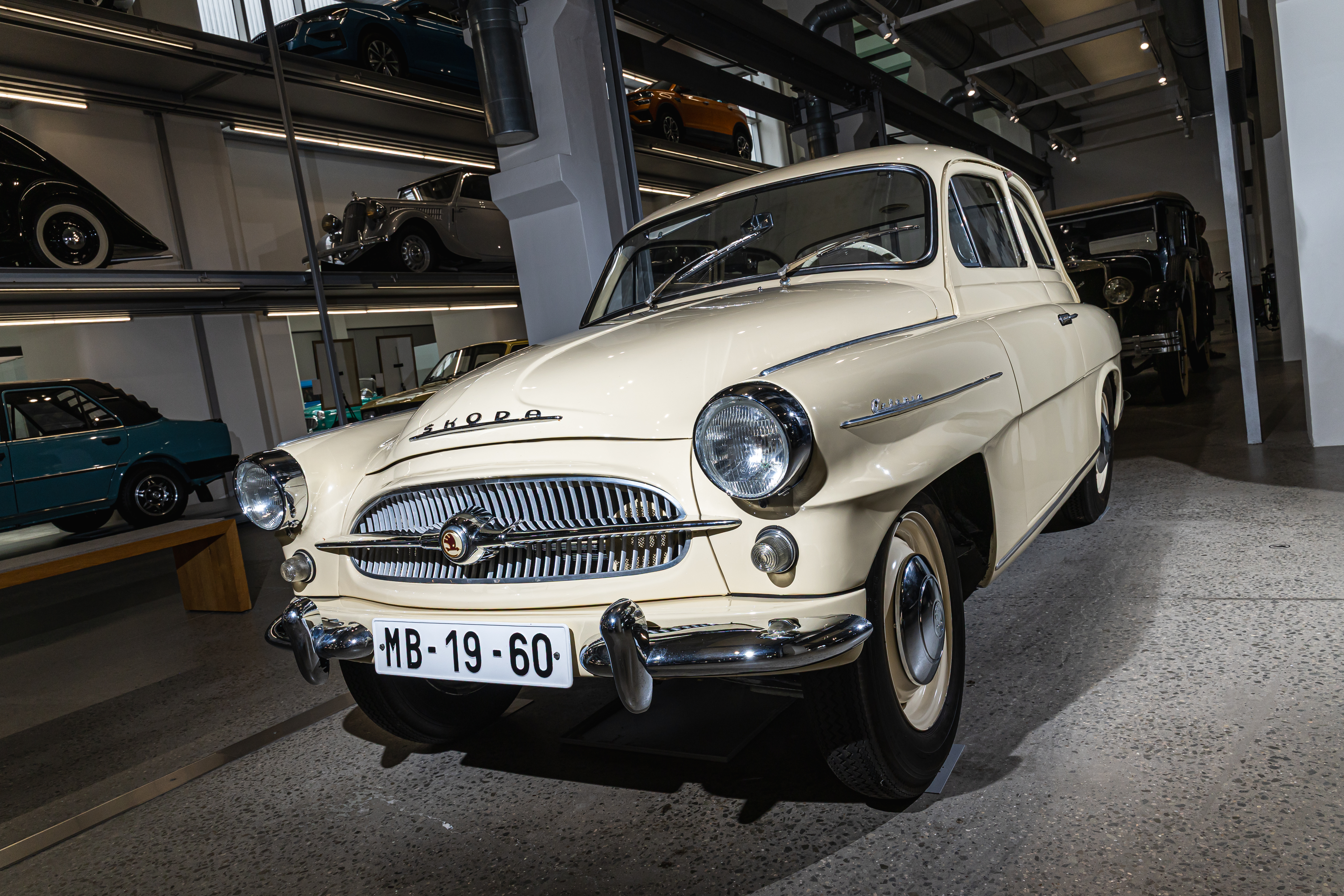
Another legend was born in 1959 in Mladá Boleslav, as the first examples of the Škoda Octavia began rolling off the production line. The car introduced new features that significantly improved comfort for drivers. The outdated elliptic leaf springs on the front axle were replaced by maintenance-free coil springs. New rubber silent blocks also reduced the transfer of vibrations into the bodywork. 

An important safety innovation came in the form of asymmetrical headlamps, which illuminated the right-hand side of the road more effectively. This improved the visibility of pedestrians and obstacles while simultaneously reducing glare for oncoming drivers. The Octavia model range also gained a practical estate body variant. It additionally served as the basis for the beautiful Škoda Felicia convertible. 

1970s – Mandatory helmets and the expansion of seat belts 

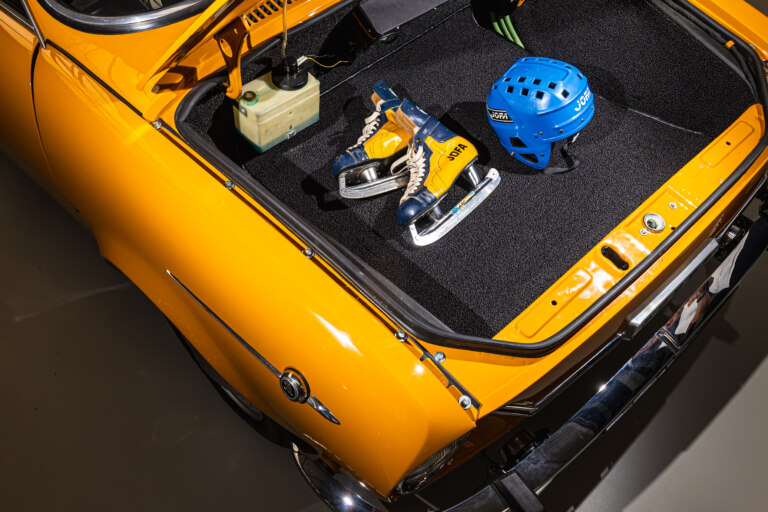
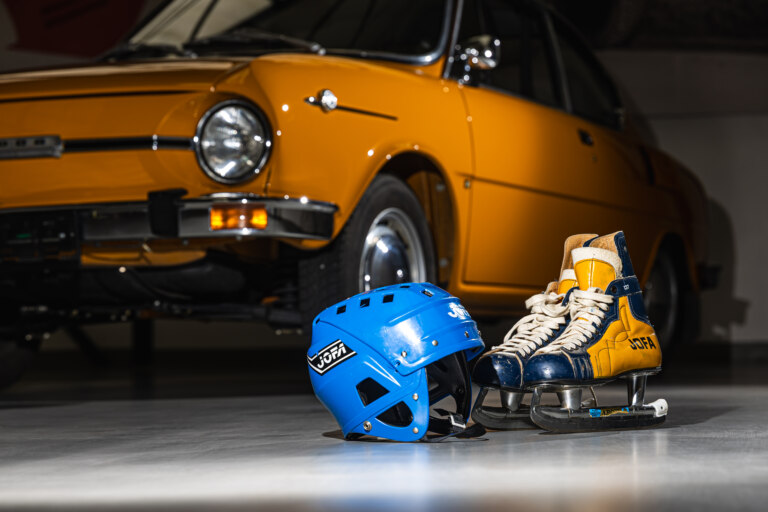
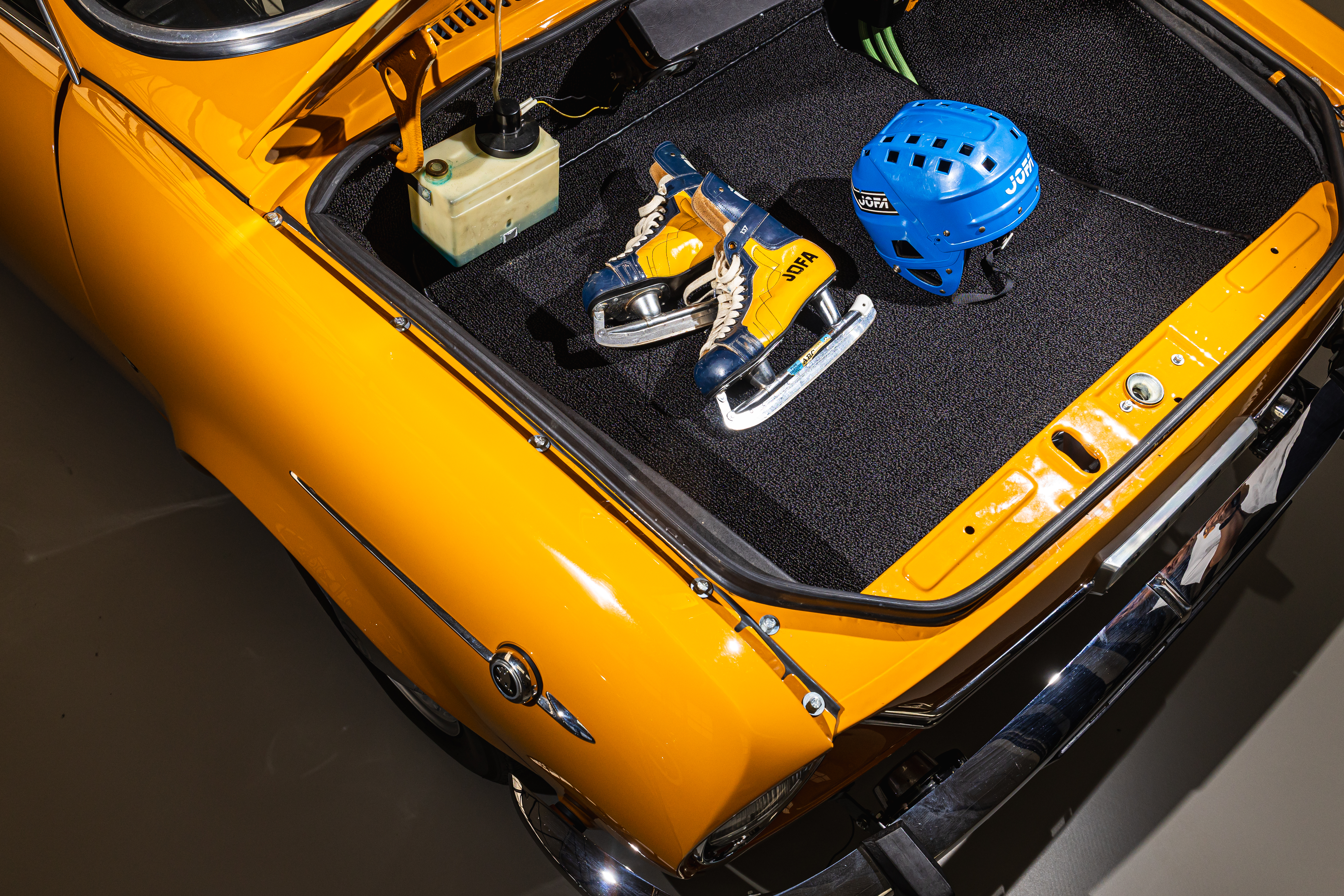
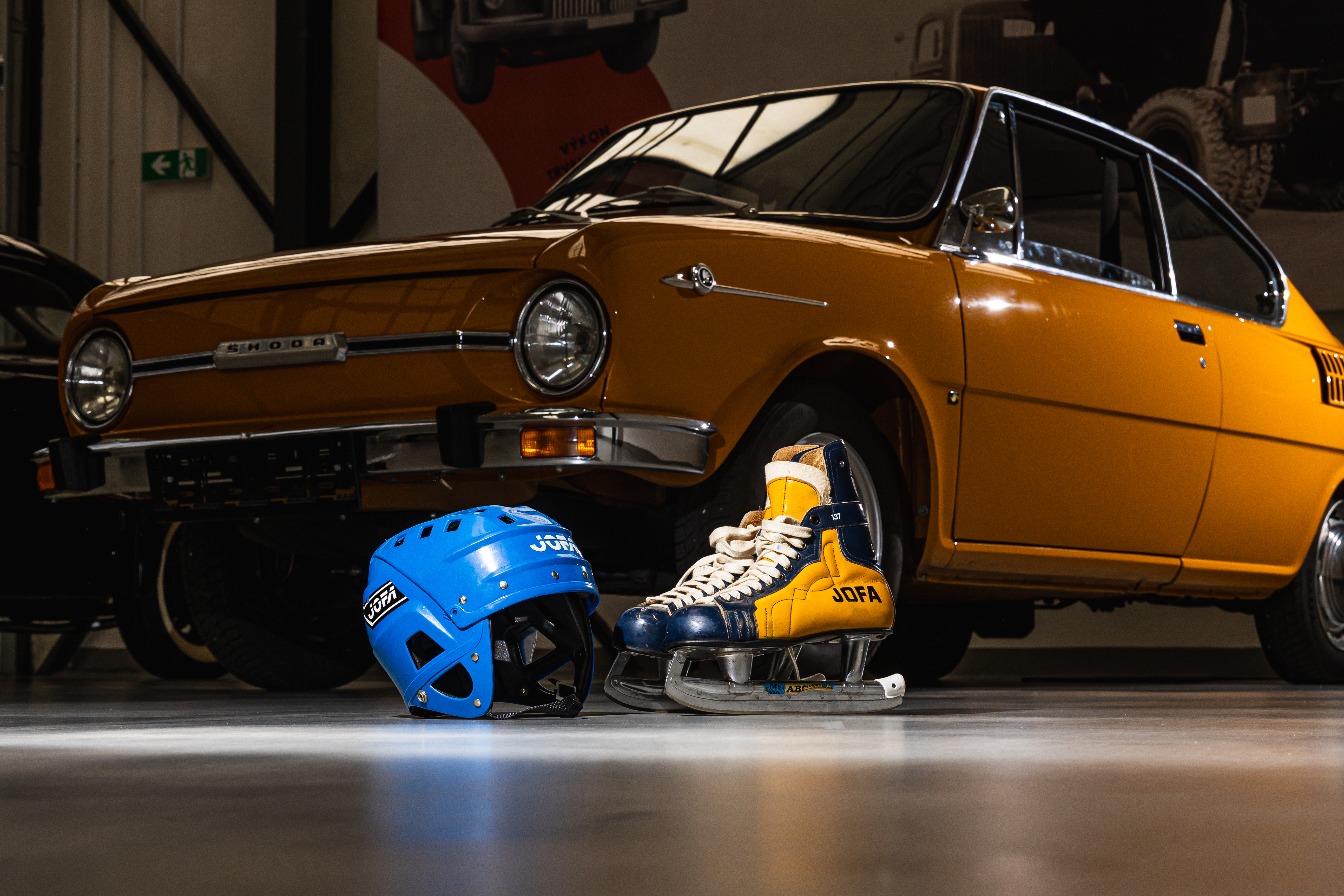
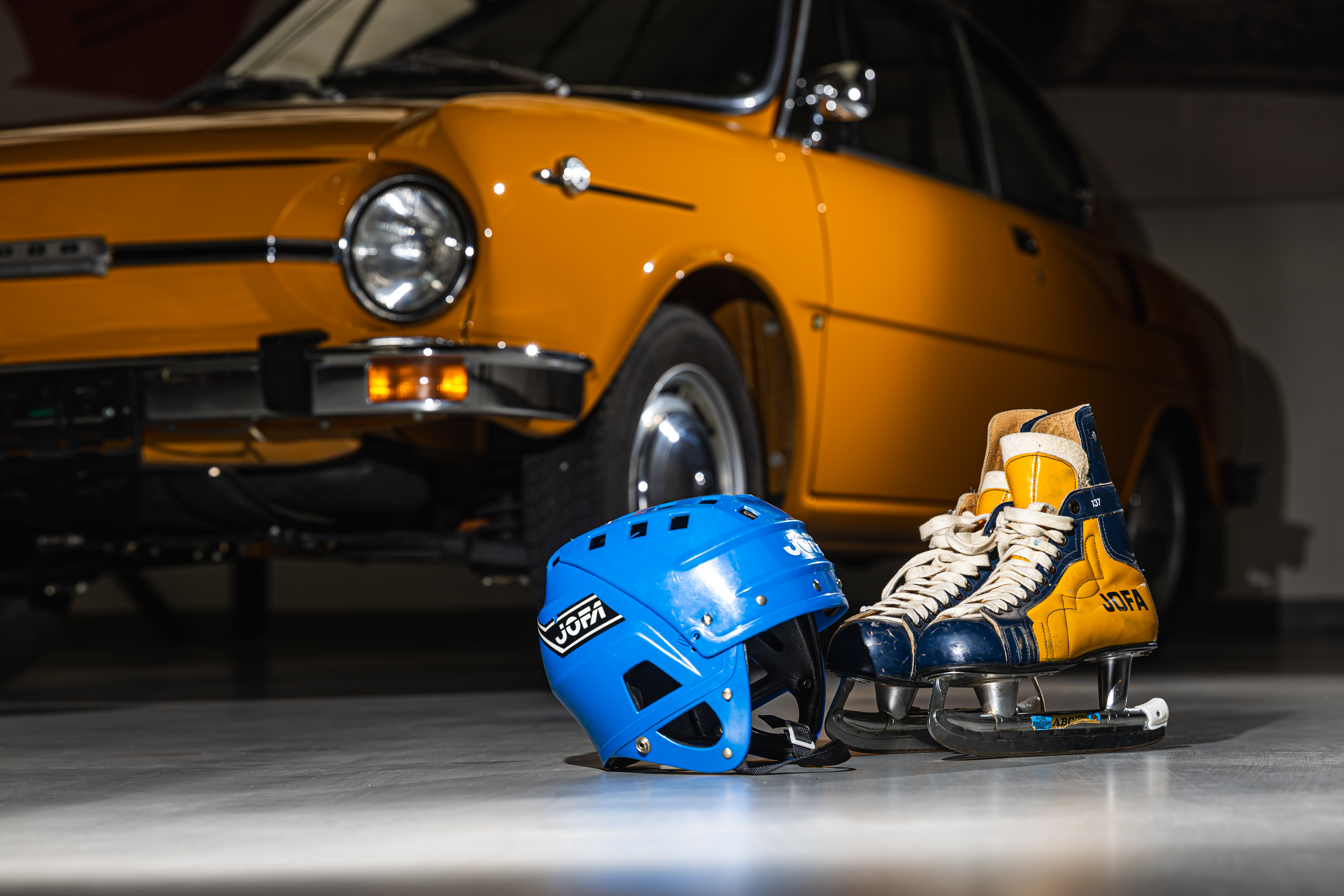
In the 1970s, the International Ice Hockey Federation introduced mandatory helmet use at international tournaments, representing another major step forward in the safety of the sport. Plastic became the most commonly used material, having already become a standard part of everyday life during this decade. PET bottles, after all, were patented in 1973. 

As hockey became faster, traditional materials began reaching their limits. The fillings inside leather pads became heavier after absorbing water, while wooden sticks did not last very long, absorbing moisture and breaking easily. Manufacturers therefore started covering sticks with fibreglass fabric as early as the end of the 1960s through a laminating process. Players subsequently enhanced their sticks further with cloth tape to improve puck-stick contact. 

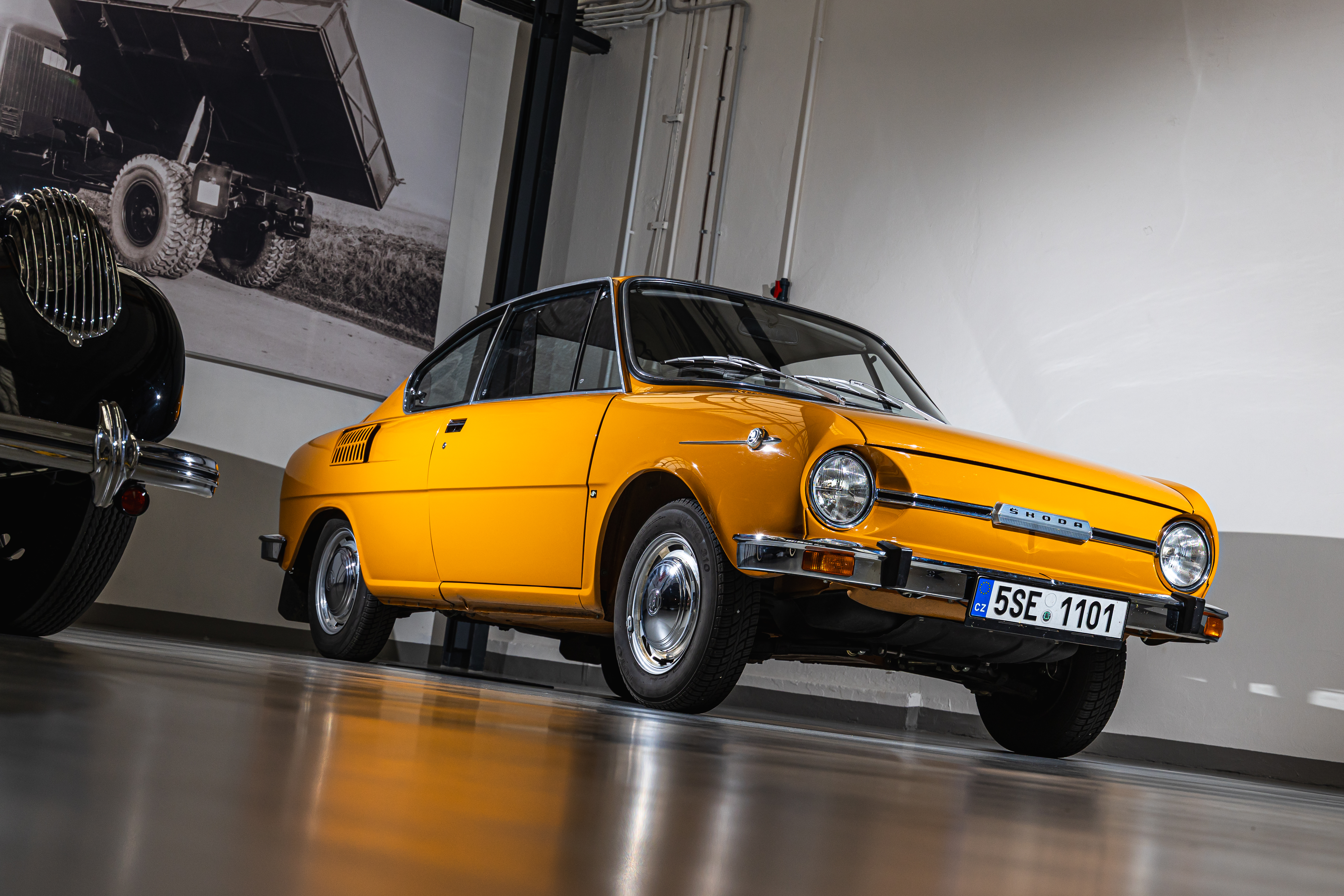
The automotive world also underwent one of its largest and most important transformations during the 1970s. Safety became a key topic and significantly changed the cars themselves. Interior control elements were recessed into door panels and dashboards to prevent occupants from injuring themselves during impacts. Seat belts had already become a common part of everyday motoring life. 

In 1972, a car from Mladá Boleslav underwent its first approval crash test, conducted by the Institute for Motor Vehicle Research. A Škoda 100 was driven into a wall. This was necessary for homologation in order to allow exports to France. Interestingly, homologation was not yet mandatory within the Eastern Bloc. 

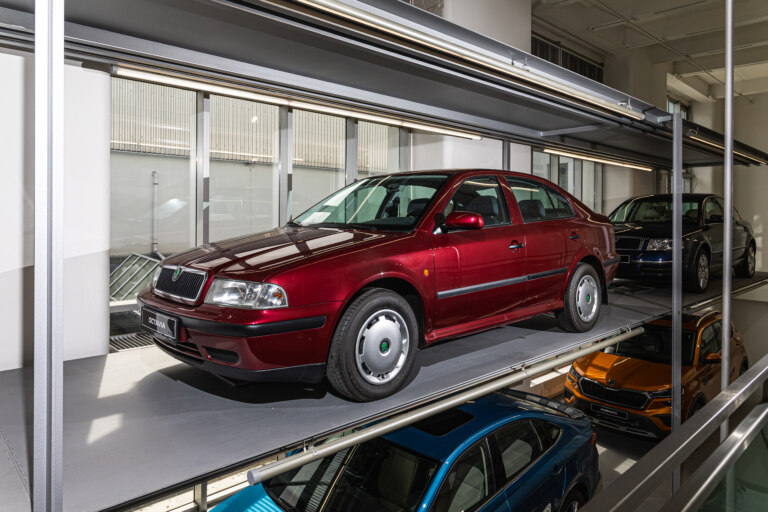
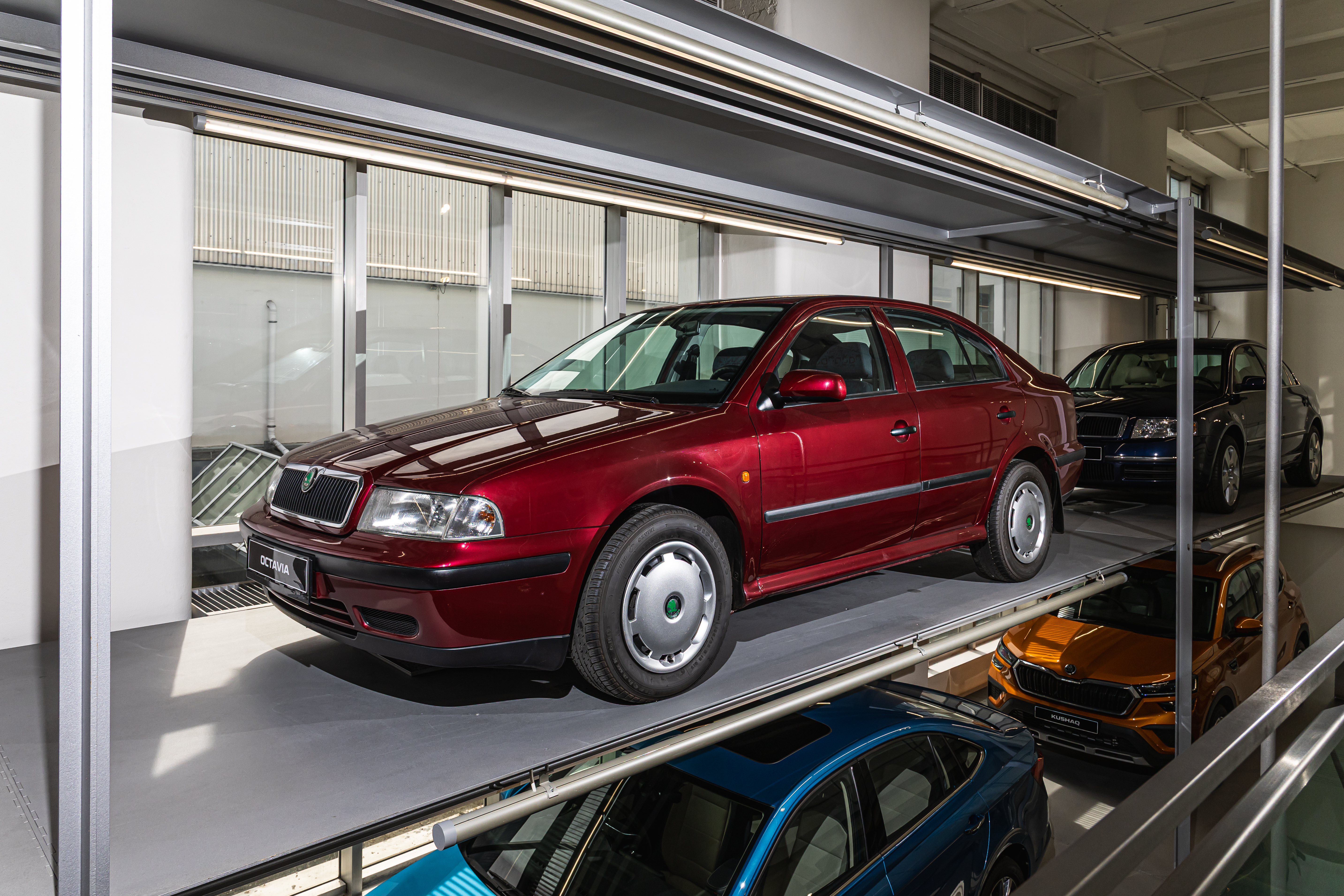
1990s – Octavia and composite materials 

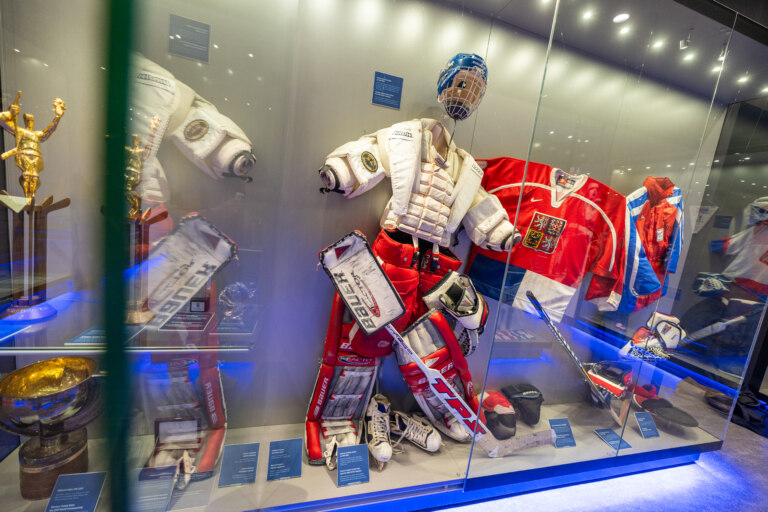
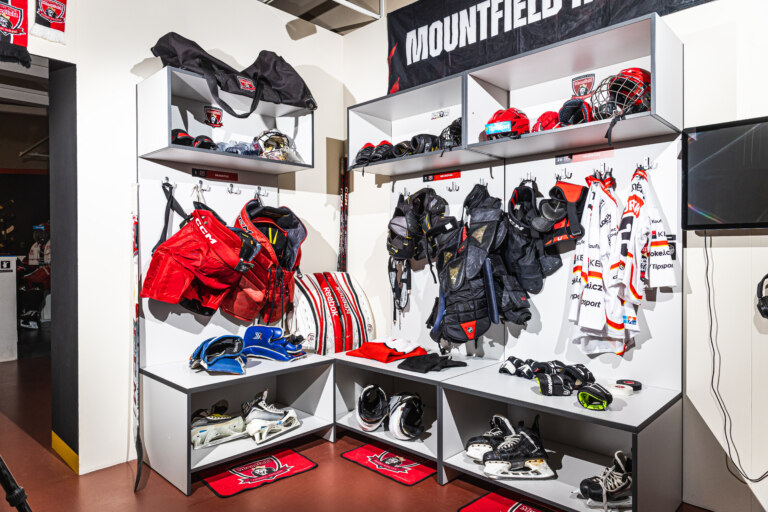
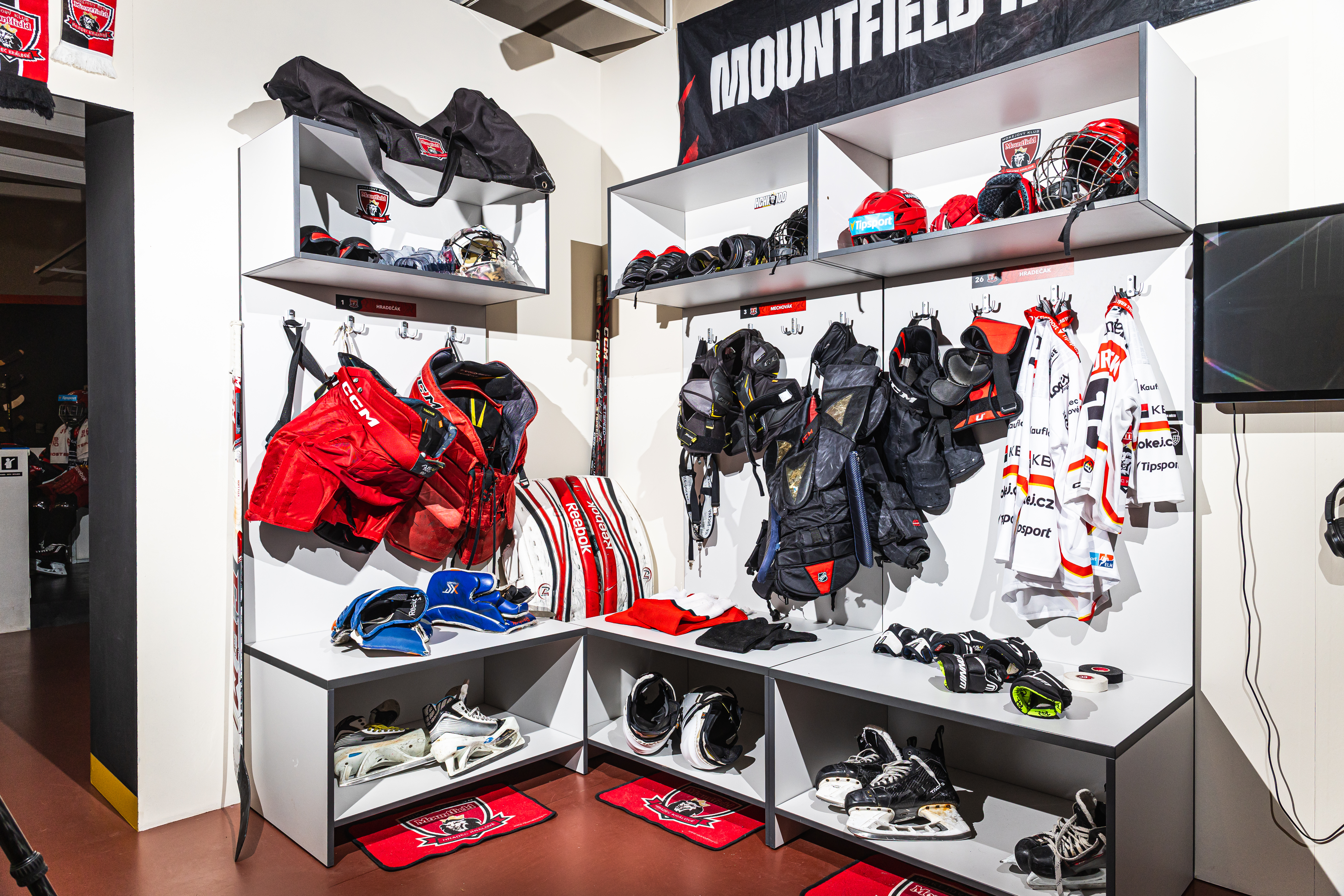
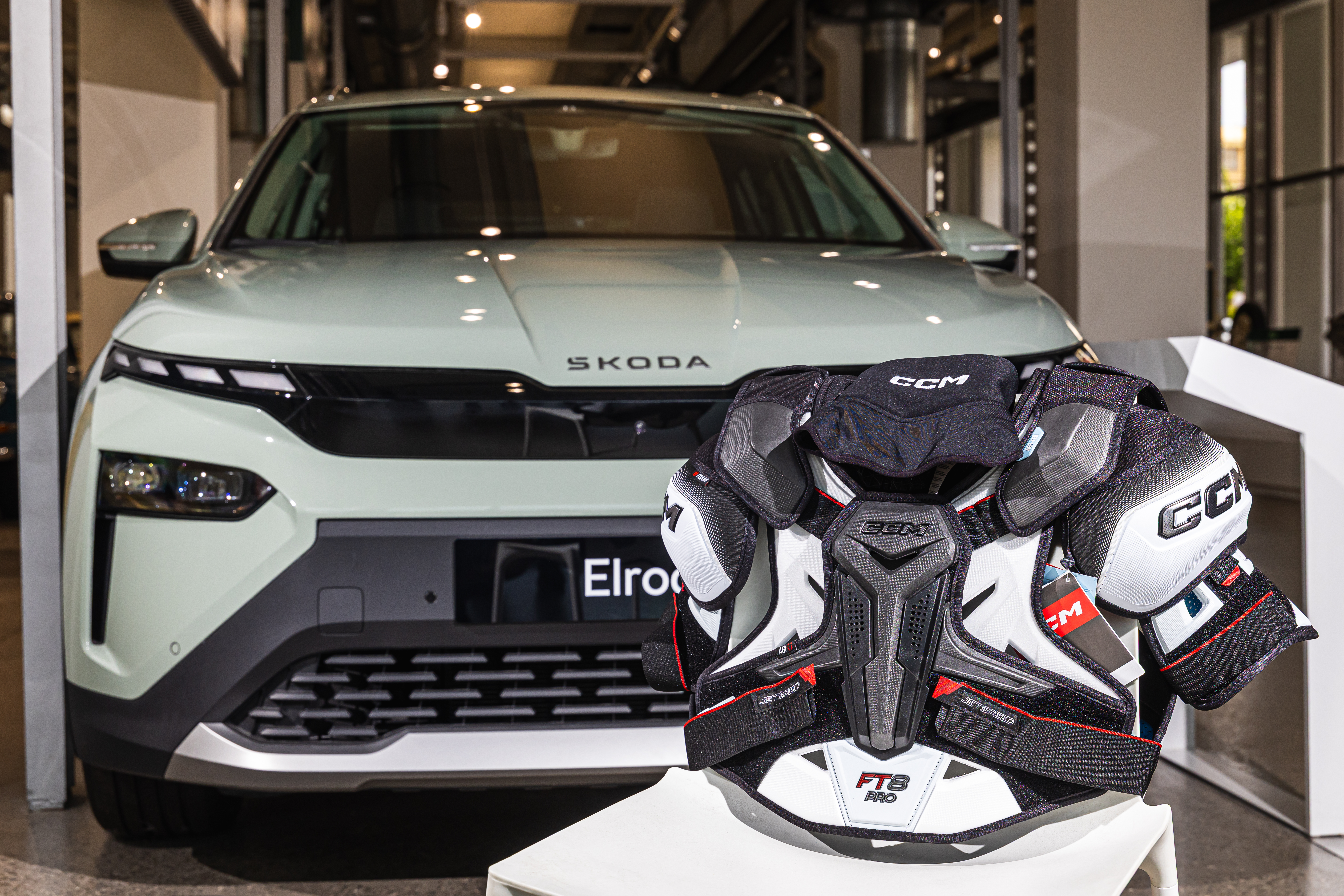
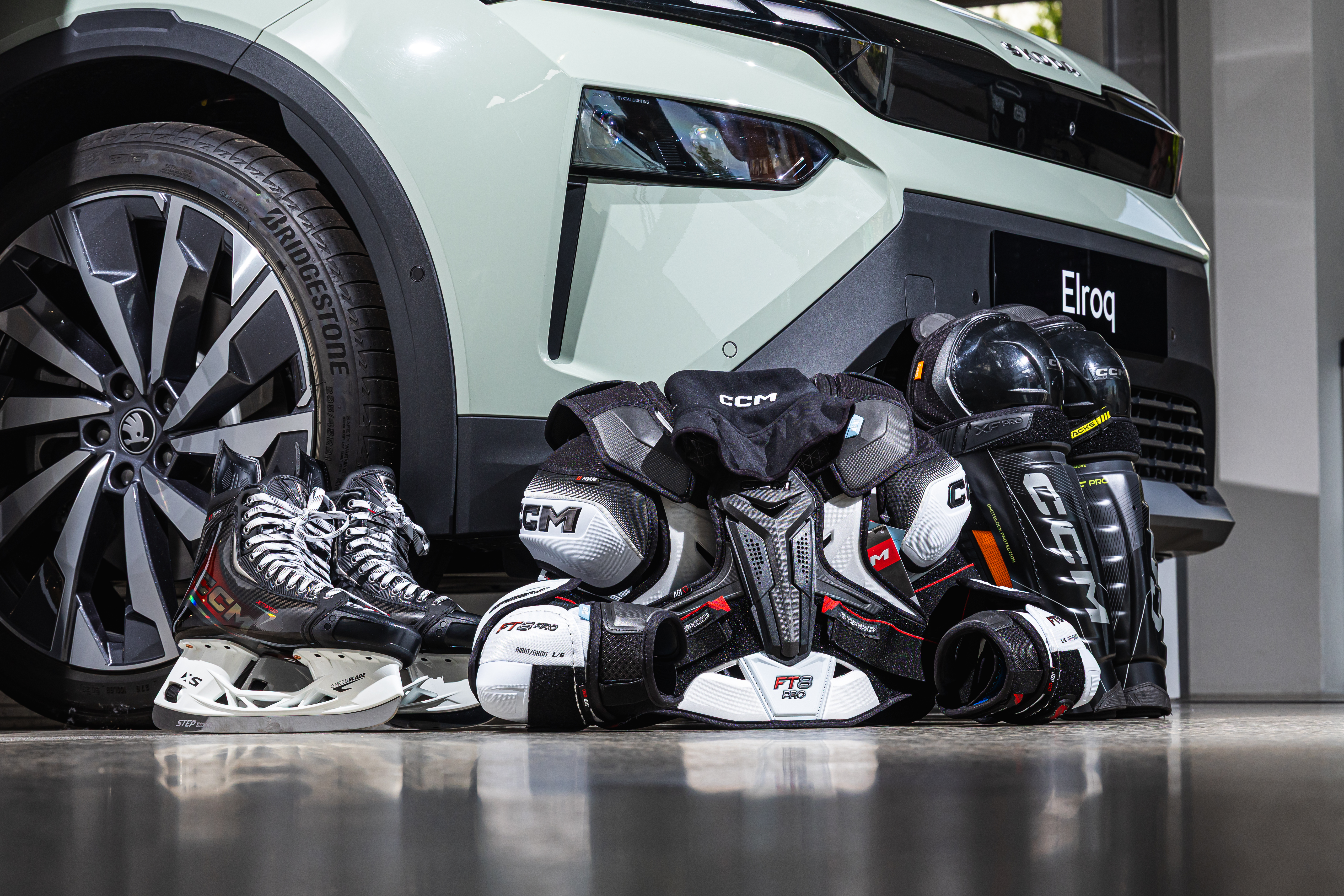
In many respects, the final decade of the last century already resembled the modern era. Hockey players had begun to look like gladiators in armour. Wood and leather were gradually replaced by modern high-density foams and anatomically shaped plastics. Players’ heads were protected by helmets fitted with plastic visors. The pursuit of low weight combined with high strength eventually led engineers across all industries to composite materials, which continue to be used today. 

Before the arrival of composite hockey sticks, two-piece designs were widely used, with an aluminium shaft and a wooden blade. Aluminium provided lightness, while wood delivered the correct feel for puck control. Two-piece sticks were popularised above all by Wayne Gretzky, one of the greatest hockey players in history. 

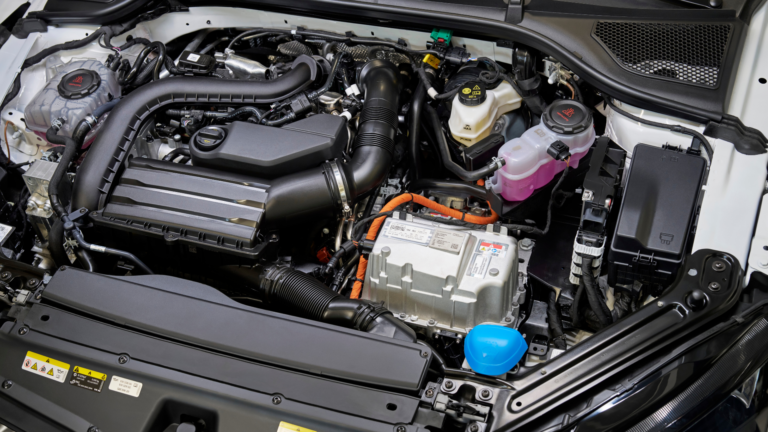
The arrival of modern materials and new safety standards brought features to automobiles in the 1990s that remain with us today. For example, torsional body rigidity increased dramatically, while airbags and the ABS anti-lock braking system became standard equipment. One of the revolutions of the 1990s was also the ESP electronic stability control system, which has since become mandatory. 

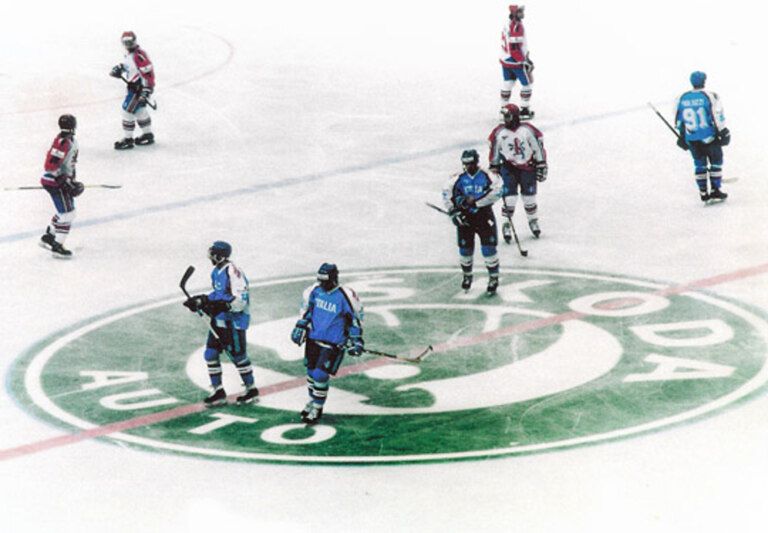
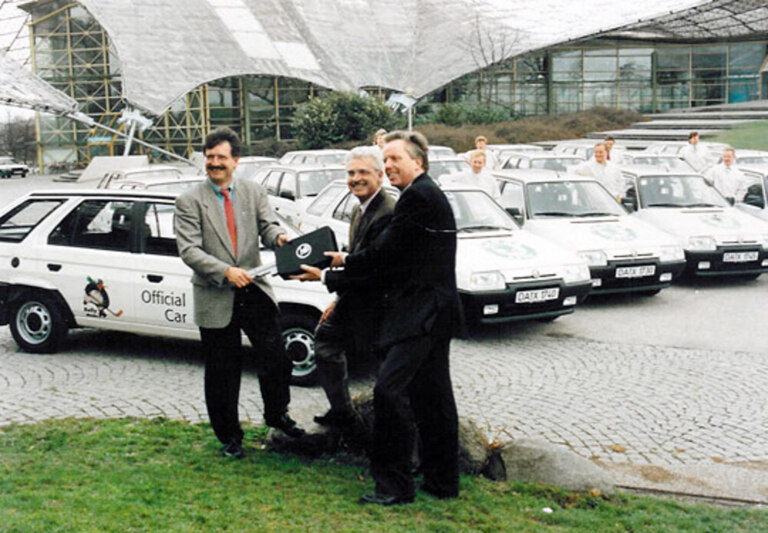
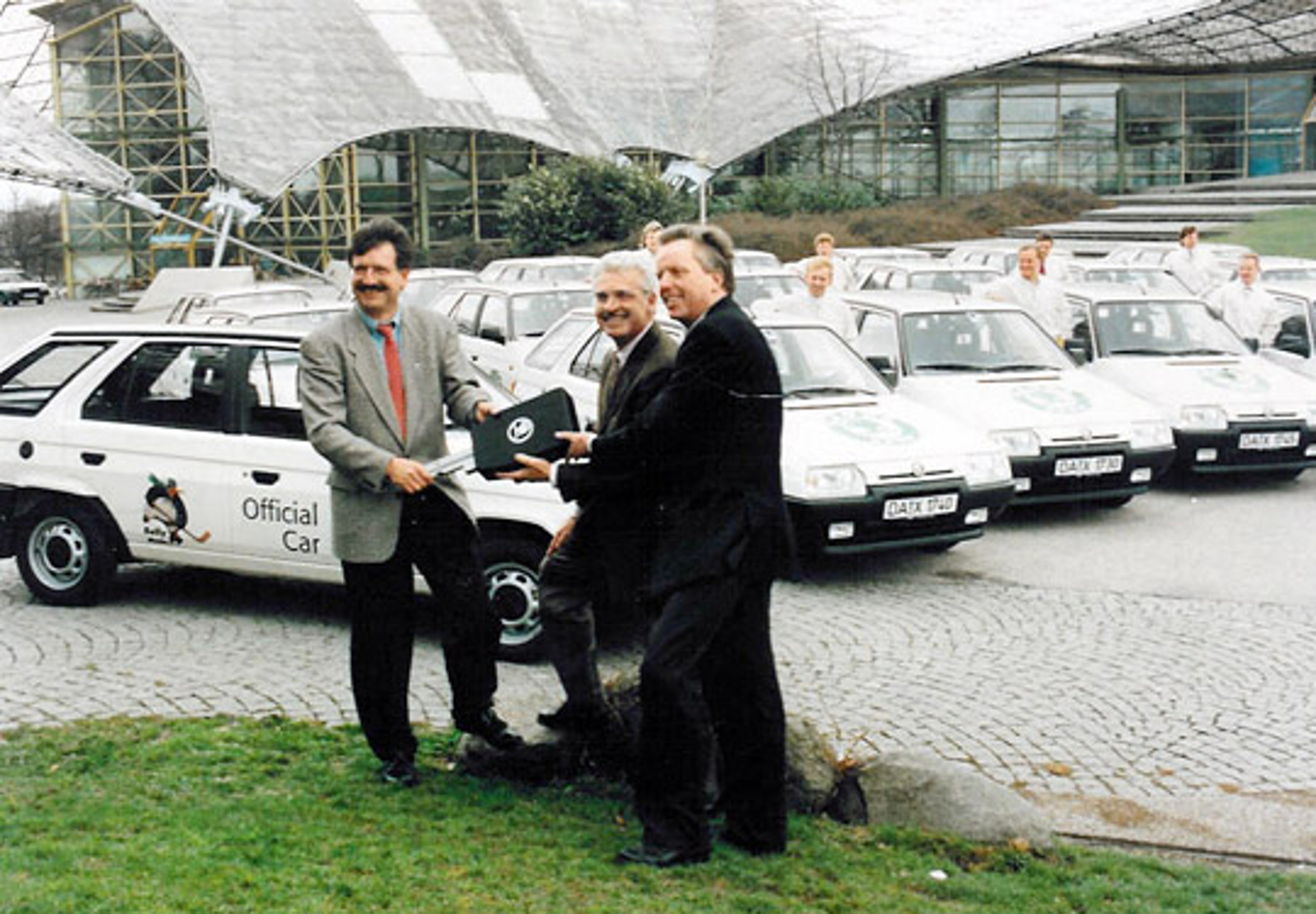
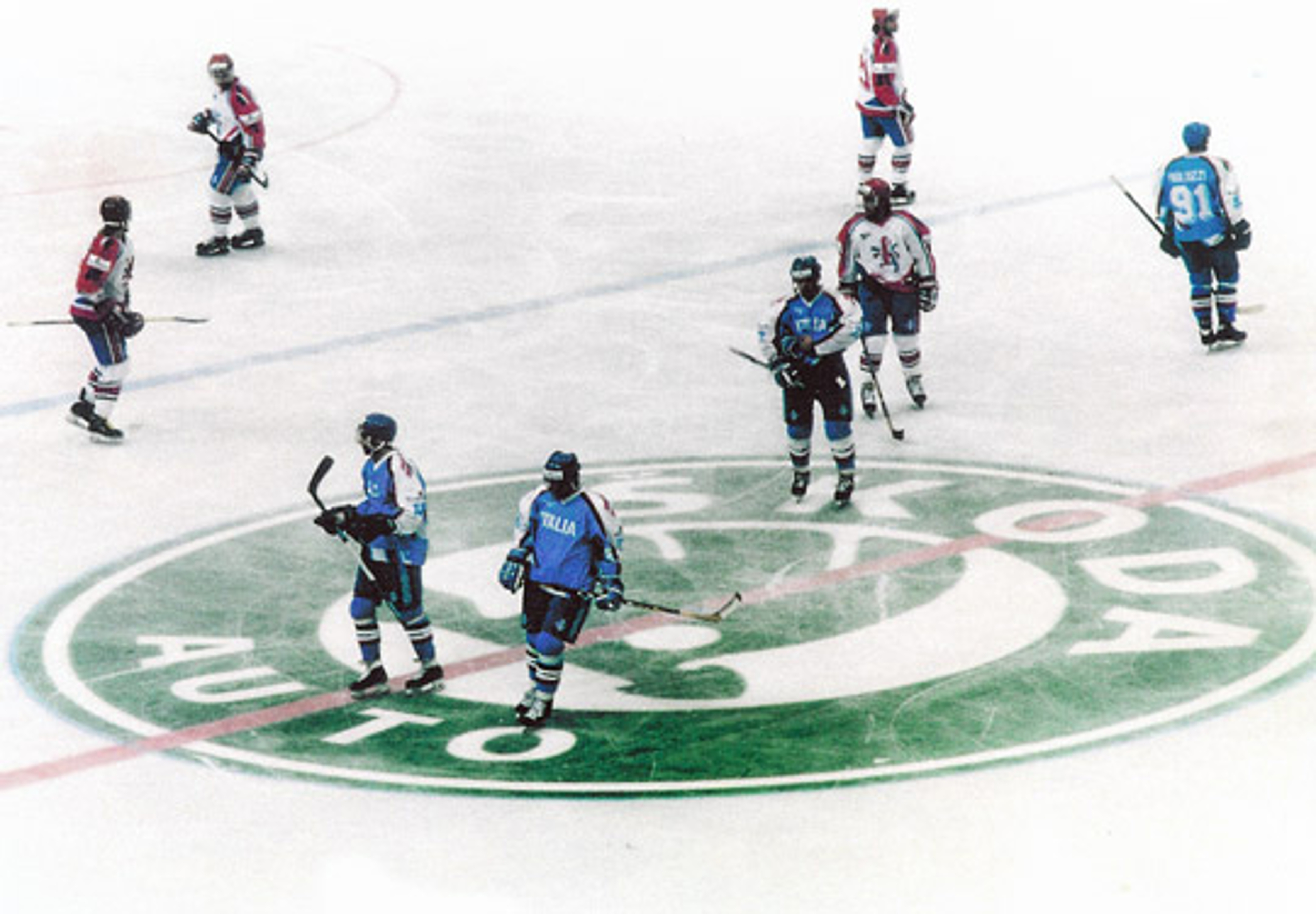
Since 1992, Škoda Auto and the IIHF Ice Hockey World Championship have no longer written their stories separately, but together. Škoda initially became a mobility partner and has served as the official main sponsor since 1993. In 2017, the company even earned an entry in the Guinness World Records for the longest-running main sponsorship in the history of world sports championships. 
Present Day 

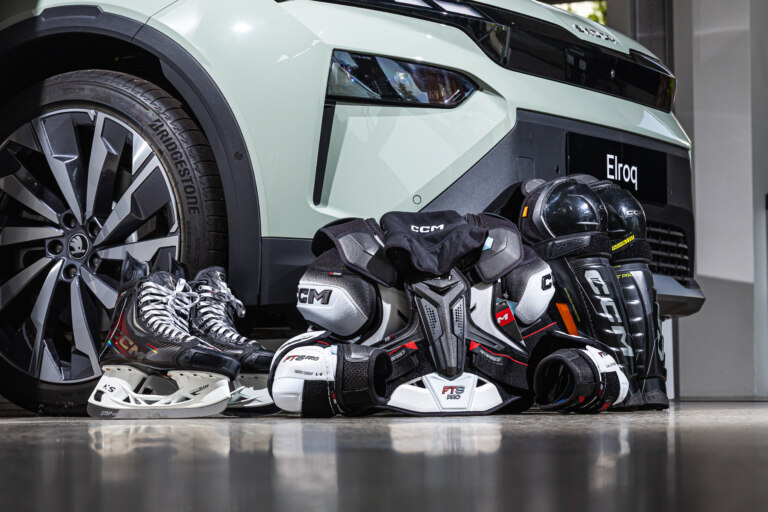
We are now in the present. The 2026 IIHF Ice Hockey World Championship gets underway on 15 May, and Škoda Auto is once again part of the action. Looking back over more than 100 years of development, we can see countless innovations aimed at improving efficiency, safety and entertainment alike. 

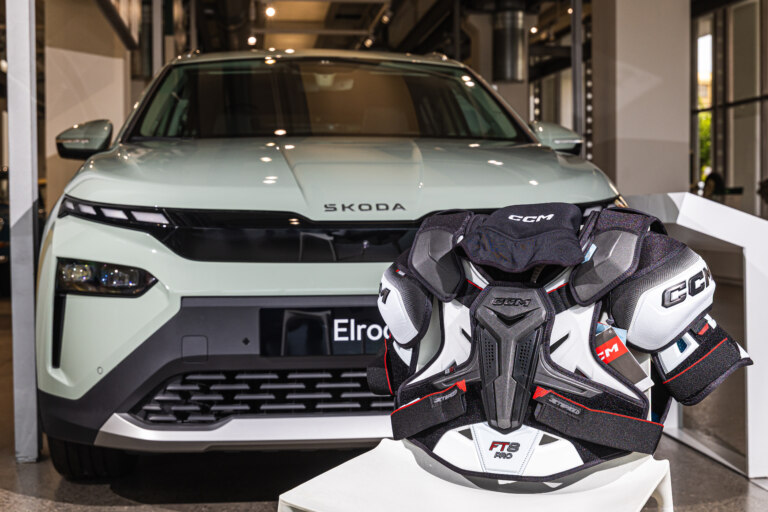
Today’s hockey equipment is as light as a feather yet as strong as a rock. Its development uses the most advanced methods, including 3D printing, which is also widely employed in the automotive industry. Hockey protective gear can easily withstand impacts from pucks fired at speeds exceeding 100 km/h using carbon-fibre sticks. 

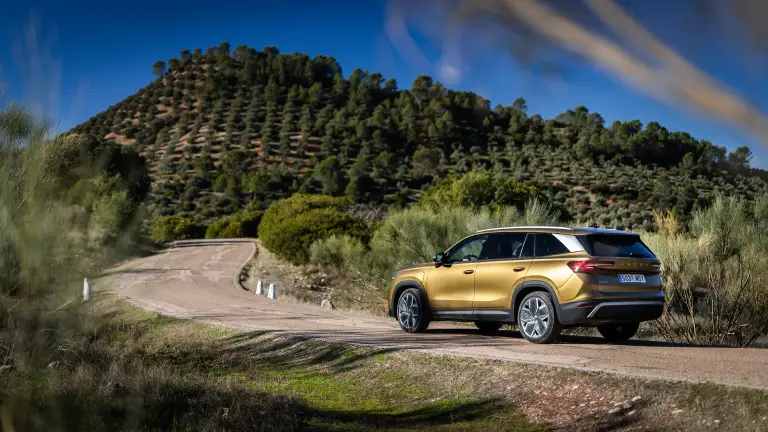
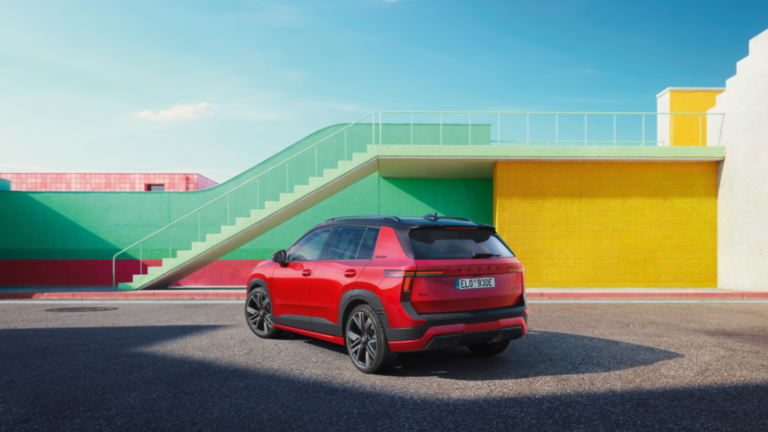
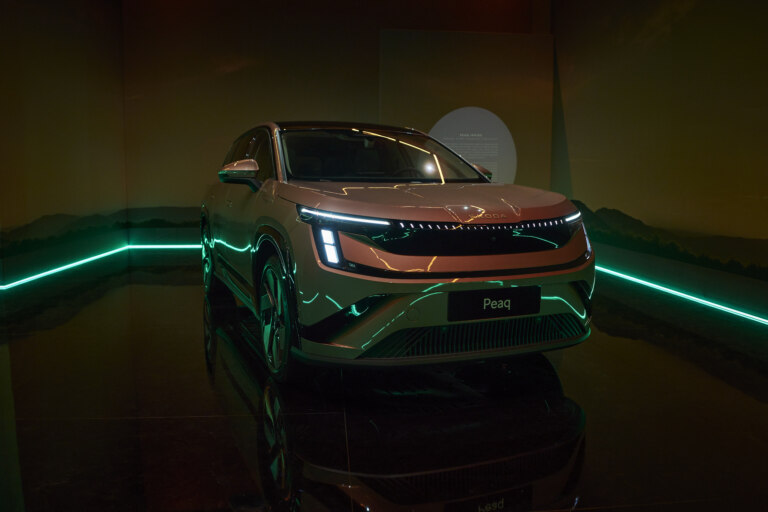
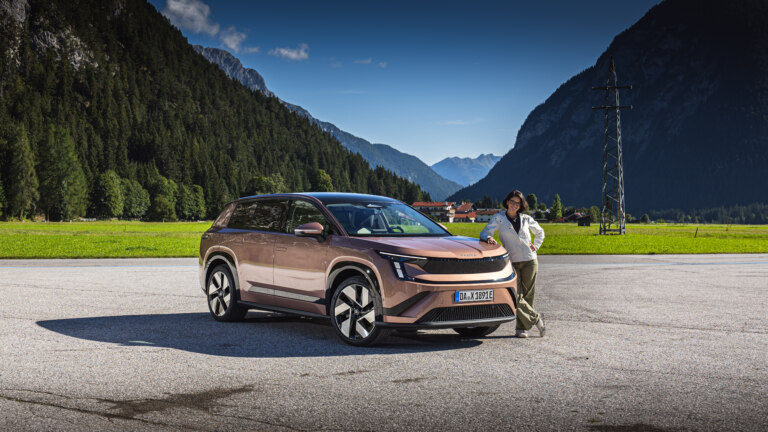
Current trends in the automotive industry include advanced safety and assistance systems, sustainable materials and, above all, battery-electric vehicles. Until now, Škoda has offered the electric Škoda Enyaq and Škoda Elroq models. Later this year, the range will be expanded by the affordable electric Škoda Epiq, while the line-up will eventually be topped by the seven-seat Peaq electric SUV. 

Media Box

20 images
Show more Show less