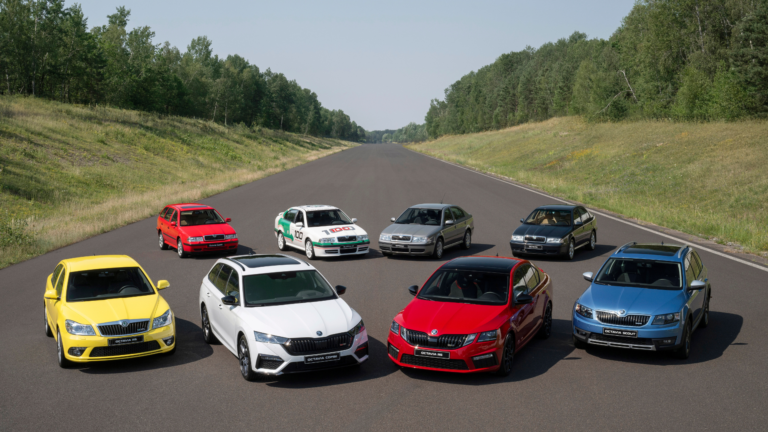
Even thousands of cars at a time. How Škoda sells cars to corporate customers
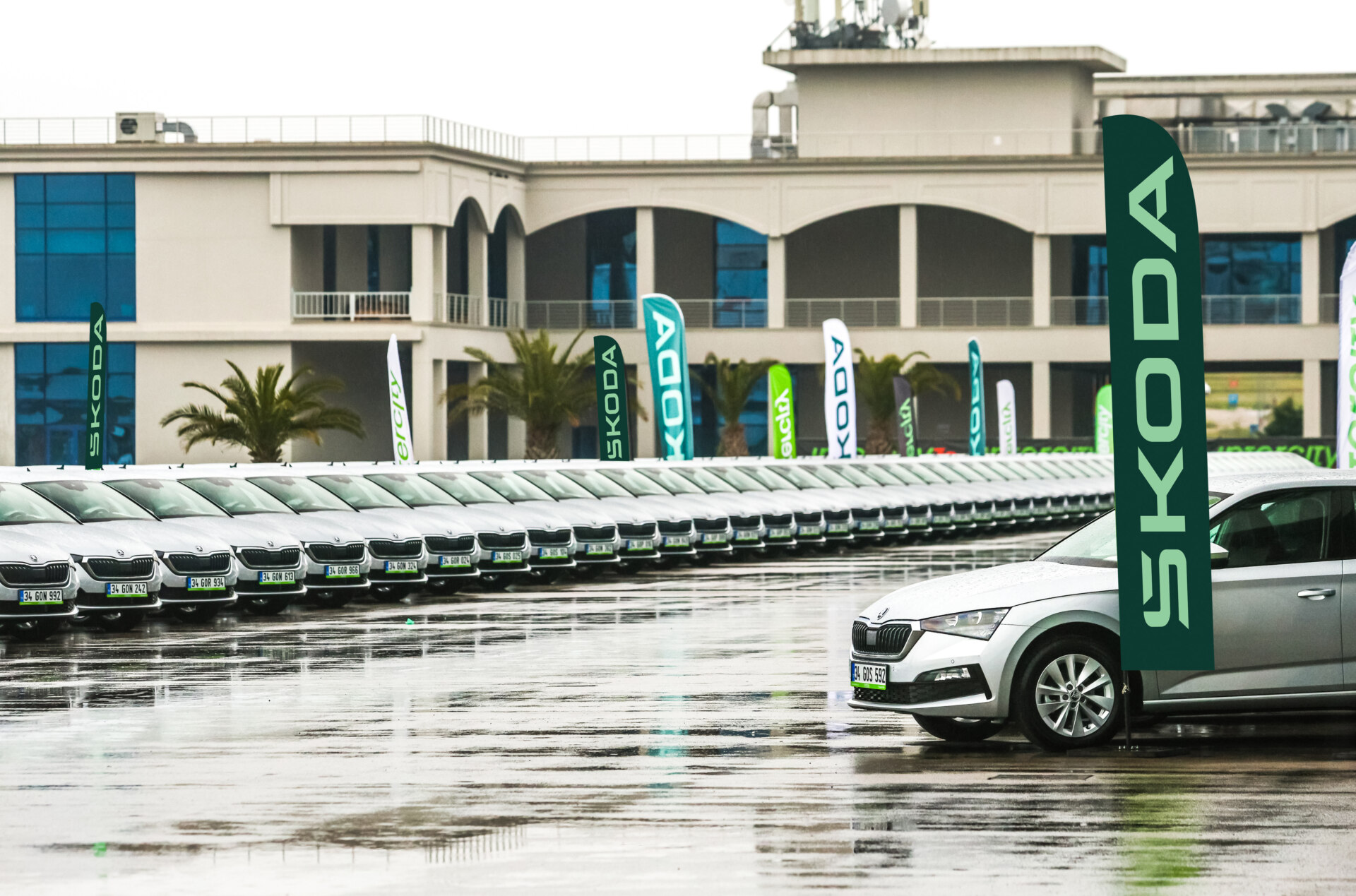
Selling vehicles to corporate customers is a specific discipline. As in retail sales to private individuals, it is primarily about listening carefully and meeting the stringent requirements of buyers. However, something extra is also needed, and Škoda Auto is well aware of this.
16. 4. 2026 Škoda WorldCorporate and private customers
Automotive manufacturers sell vehicles to two types of customers: private clients (the so-called B2C segment) and corporate, or fleet, customers (B2B). For companies, vehicles are primarily a cost item within their business operations, and they therefore analyse in detail the so-called Total Cost of Ownership (TCO). In addition to the purchase price, TCO takes into account residual value at the end of the usage period, fuel costs, servicing, insurance and other related services. Most companies finance their vehicles through operational leasing, where the majority of costs are incorporated into a single monthly instalment.
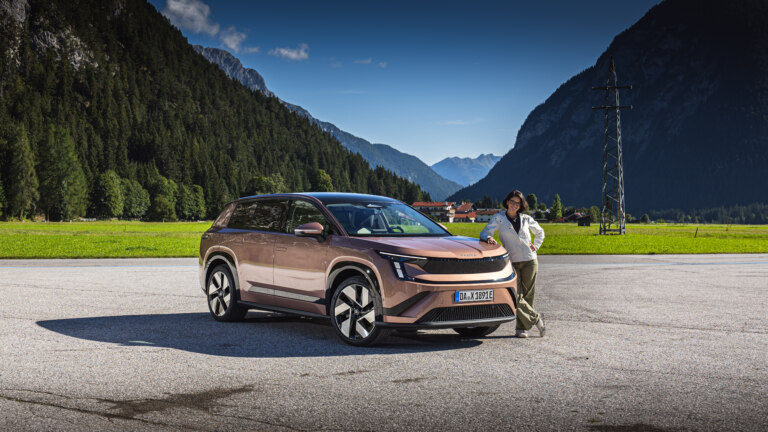
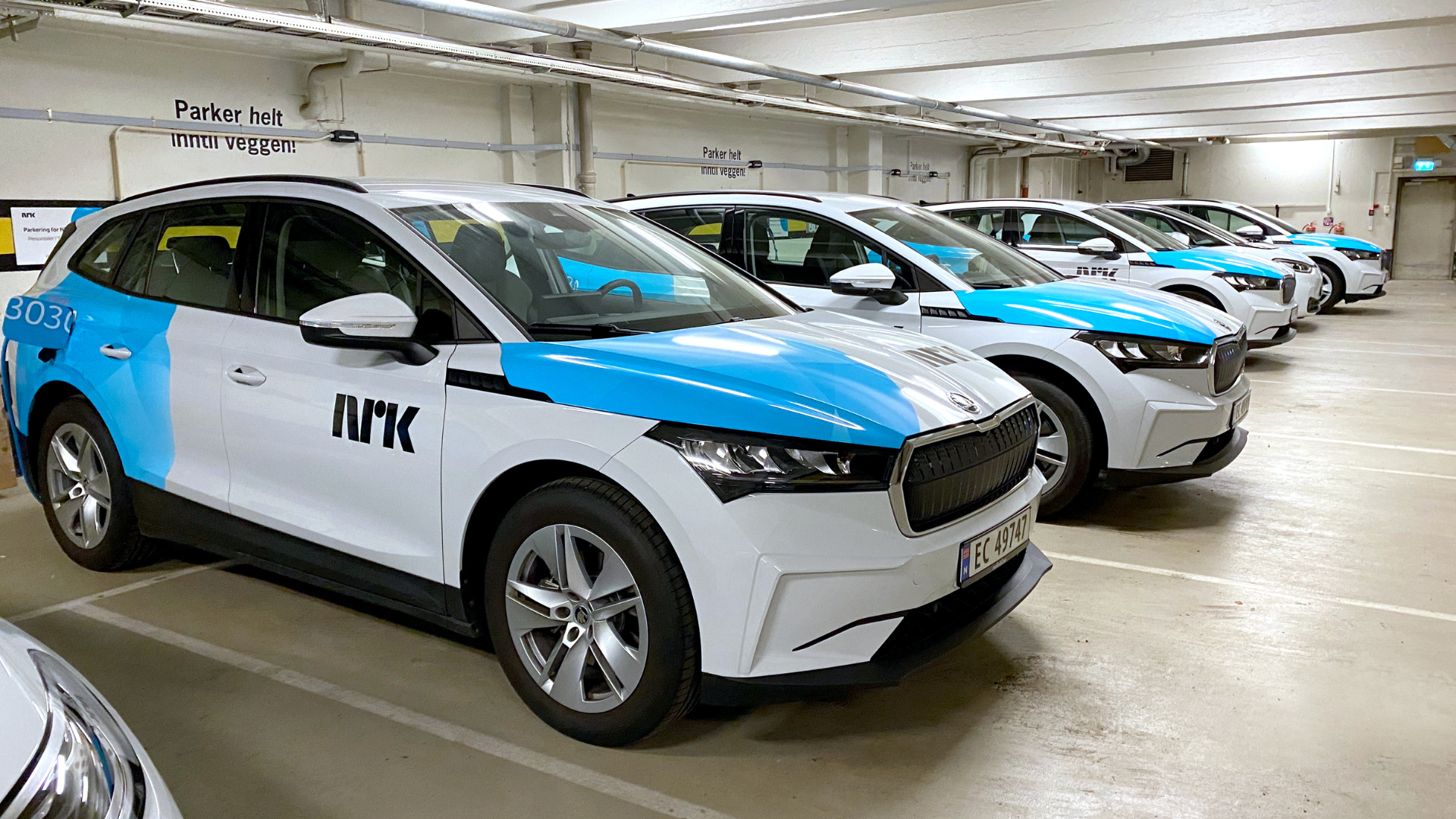 For businesses, the total cost of ownership of vehicles is important, and emissions are also playing an increasingly significant role. This is one of the reasons why, for example, the Norwegian public television and radio broadcaster NRK chose the Enyaq model.
Diverse requirements
Although total cost of ownership is the primary consideration in decision-making, there is no universal model across all fleets. Each fleet customer has different requirements, whether due to their business sector or expectations regarding vehicle attributes. As a result, virtually the entire Škoda model portfolio finds application within corporate fleets. “While corporate customers in Central Europe favour spacious vehicles with large luggage compartments, such as the Octavia, Kodiaq or Superb, compact models such as the Fabia and Kamiq prevail in Southern Europe. Scandinavia, the Benelux countries and the United Kingdom are significantly advanced in electromobility, where our battery-electric Enyaq and Elroq models dominate,” comments Lenka Petrboková, responsible for fleet management in European markets.
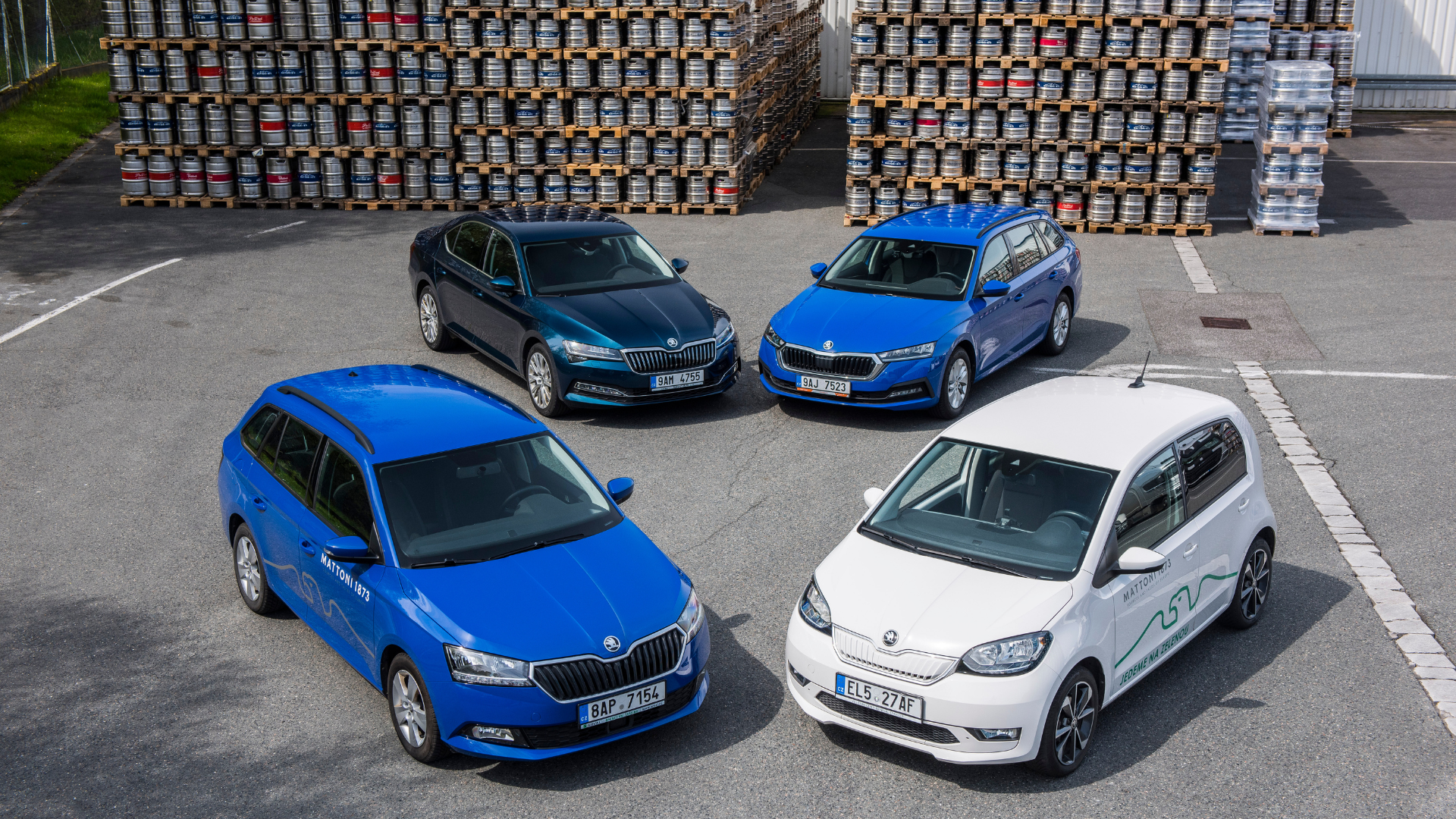 Companies often choose from a wider range of models to meet their needs
Fleet electrification is a trend across markets. Some countries hold a leading position in this respect, while elsewhere it reflects a combination of customer priorities and compliance with legislative requirements. In 2025, battery-electric vehicles accounted for approximately 20% of the European new car market, with two-thirds of these purchased by companies. “The fleet segment will continue to be shaped by pressure to reduce emissions and comply with European CO₂ limits. This will accelerate the transition of corporate fleets towards battery-electric and low-emission vehicles,” adds Petrboková.
Octavia as the mainstay and its electric successors
Škoda enjoys strong success with several models among corporate customers. The Octavia remains a constant, having been the best-selling fleet vehicle in its category for more than ten consecutive years. This success is now being followed by electric models. Since its market launch, the Enyaq has ranked among the most sought-after battery-electric vehicles in the corporate segment, while the Elroq became the overall best-selling car in Denmark in its first year on sale. With 10,000 units sold, it contributed to the manufacturer securing second position in the Danish market with a share of nearly 11%.
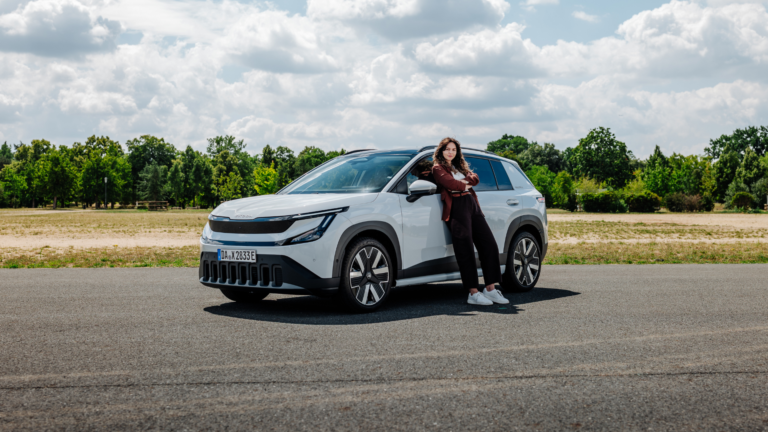
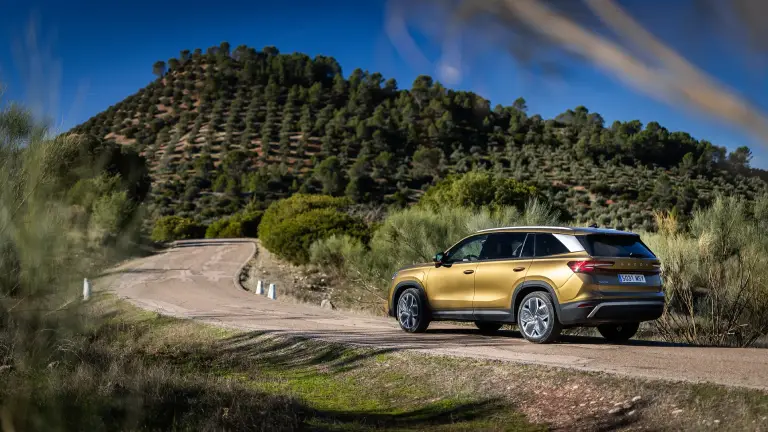
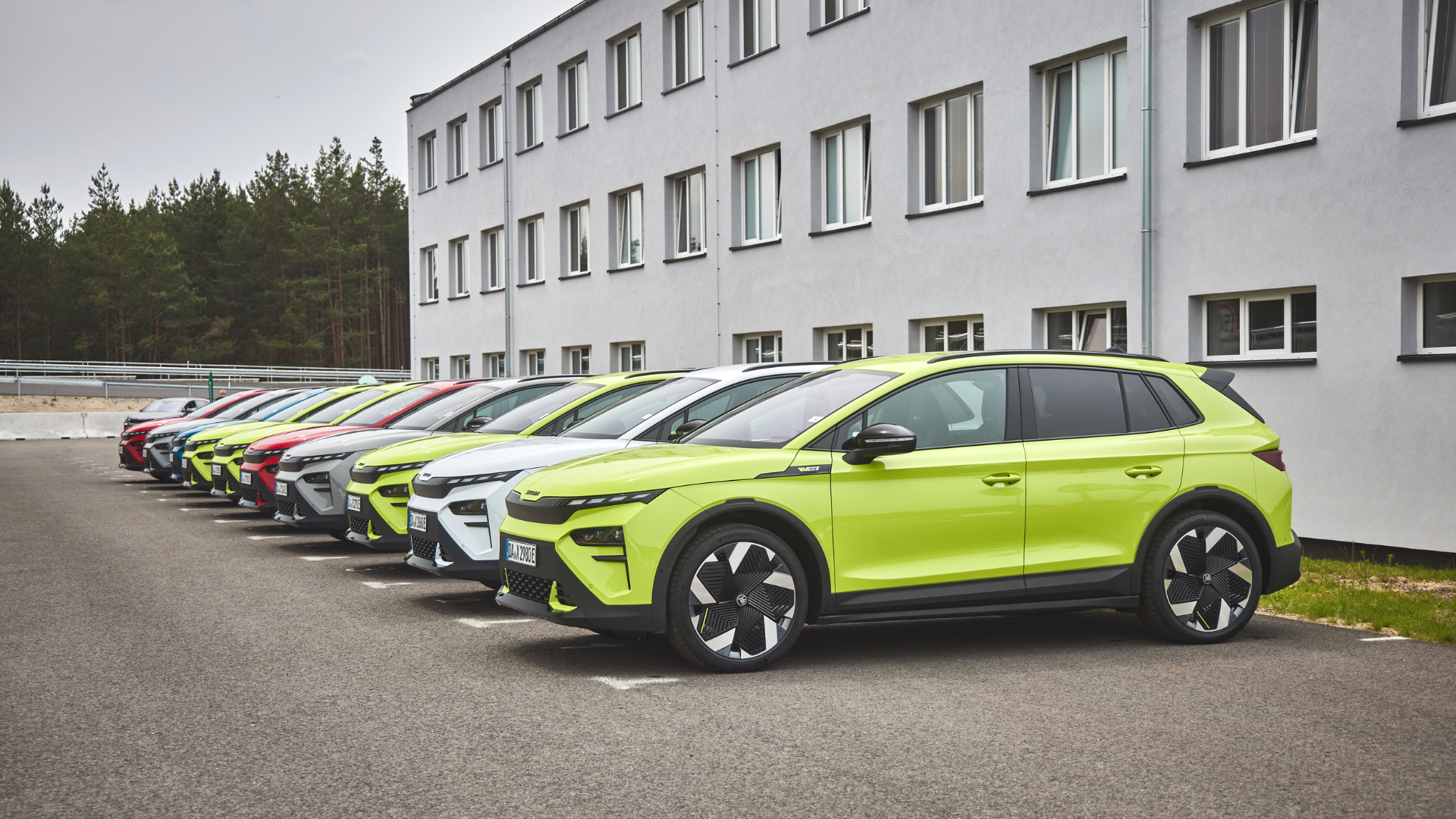 Fleets have taken a liking to electric vehicles, and Elroq has thus risen to become one of the most popular models in a number of markets
Digital tools for fleet management
Digitalisation of corporate fleet management has advanced rapidly in recent years. “When I started approximately ten years ago in a small company, we managed our fleet using a complex Excel spreadsheet. Today, applications based on live data are used to predict maintenance, estimate costs, reduce emissions, schedule service appointments or send reminders to drivers,” explains Luboš Vnenk, responsible for corporate customers at Škoda Auto.
Škoda Auto therefore offers advanced digital solutions, which it continuously enhances. In selected markets, an online Škoda fleet configurator is available, facilitating detailed vehicle selection according to a company’s specific requirements. The manufacturer also places strong emphasis on data integration and therefore offers the Fleet Interface solution, which automatically transfers vehicle data directly into customers’ fleet management systems. “This enables companies to access up-to-date information on journeys and costs without the need for manual processing,” explains Martin Mára from the fleet sales department.
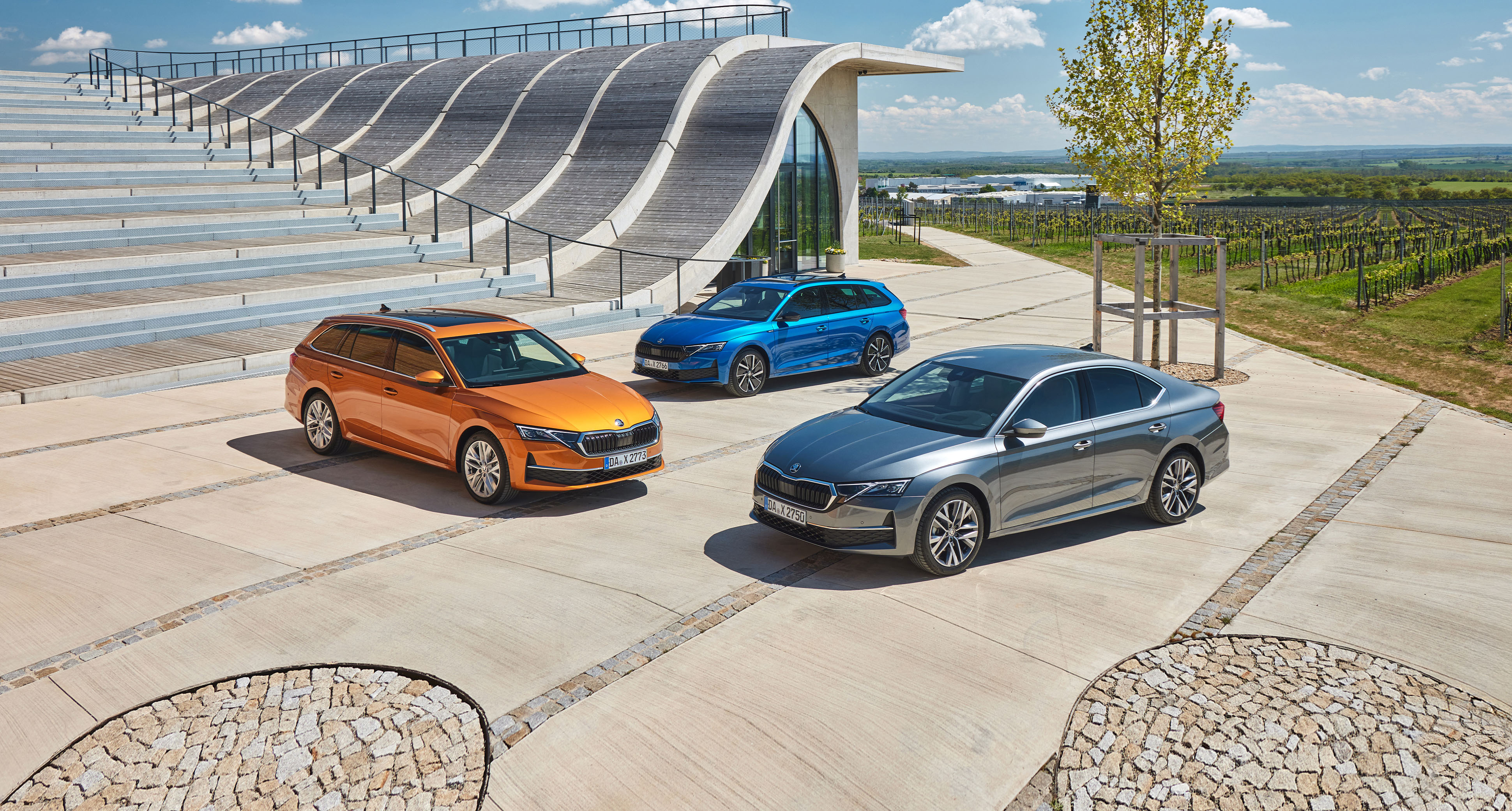 The versatile Octavia has long been a bestseller for Škoda among business customers
Safety as a key priority
In corporate decision-making, employee safety is an absolute priority. Companies therefore monitor Euro NCAP test results and carefully examine vehicle equipment, including the full range of safety and driver assistancesystems. “Employees must feel comfortable and safe in their vehicles,” states Luboš Vnenk. A safe vehicle reduces the risk of stressful situations and additional concerns for employees. As a result, employees are satisfied with their vehicles, and the company can be confident that it is providing appropriate care for its workforce.
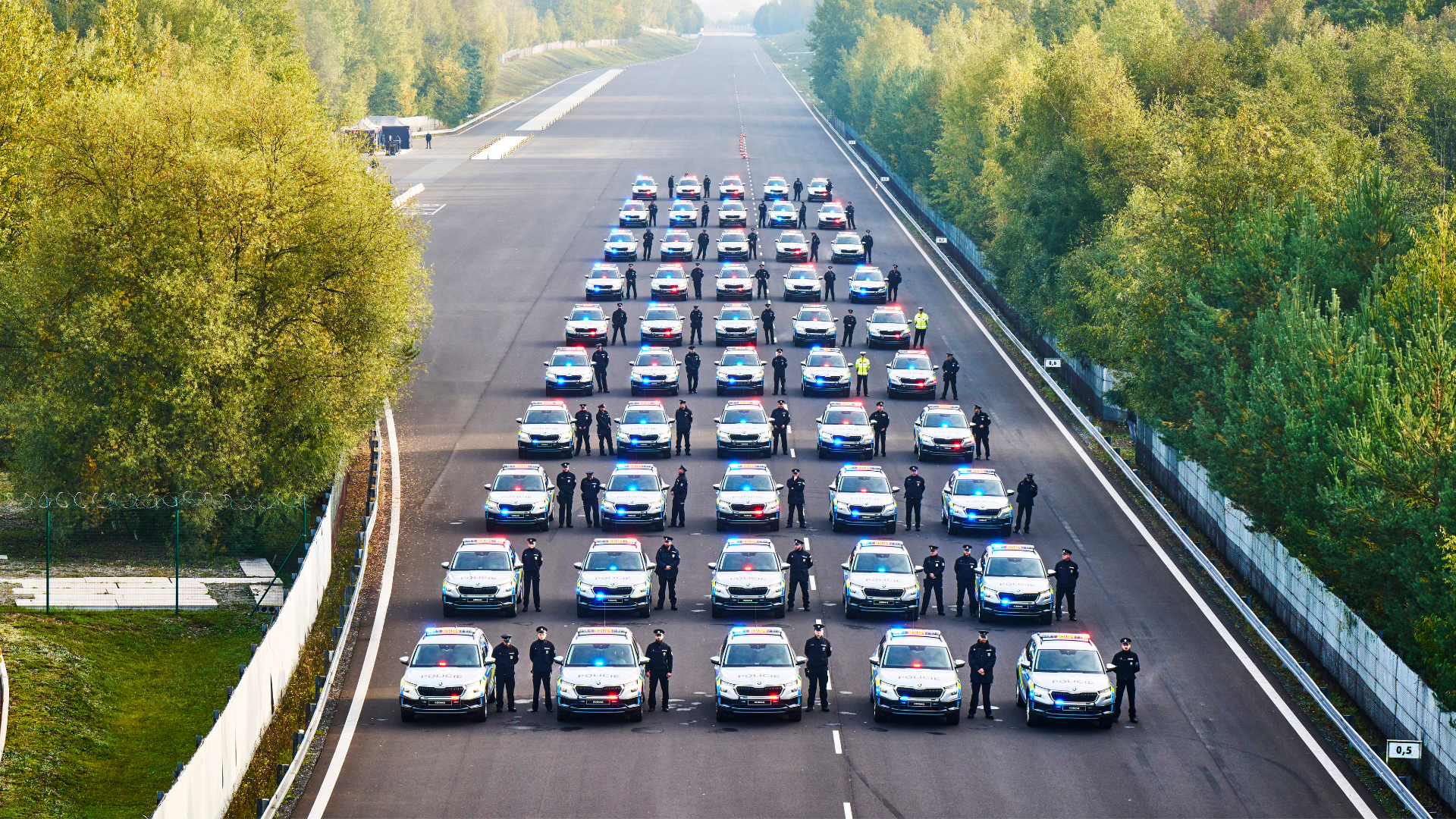 Various security forces also frequently use fleets of Škoda vehicles. The automaker is able to customize its models to meet their specific needs.
Tailored to Customer Requirements
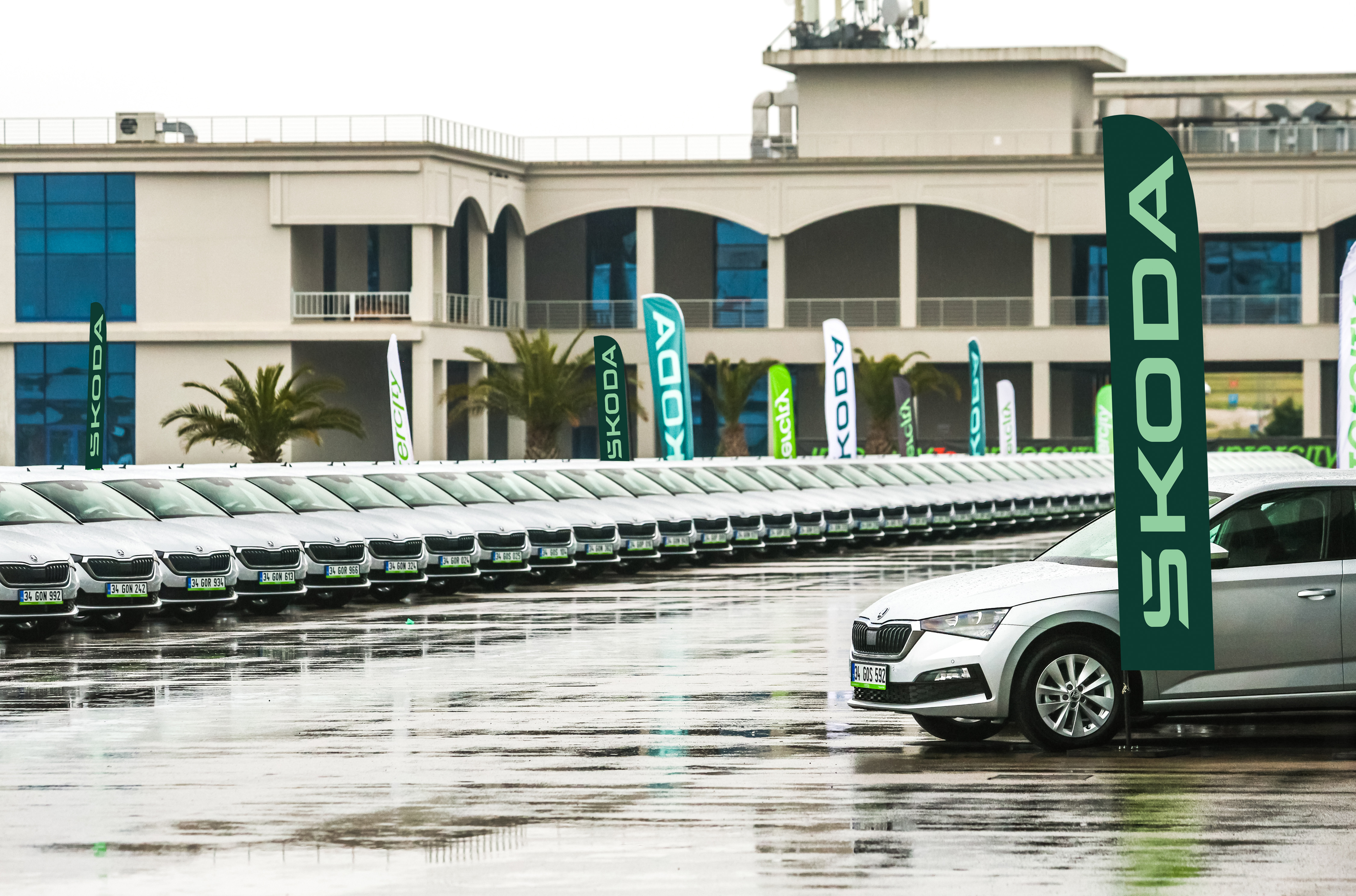
Particularly multinational corporations purchase vehicles in large volumes and frequently tender contracts under which the manufacturer subsequently supplies hundreds or even thousands of vehicles to branches across Europe.
In such cases, vehicles may be technically adapted to the customer’s requirements or delivered in individual colour schemes. In this respect, Škoda offers bespoke paintwork through its FleetBox service and has recently converted the Enyaq and Elroq battery-electric models into utility versions.
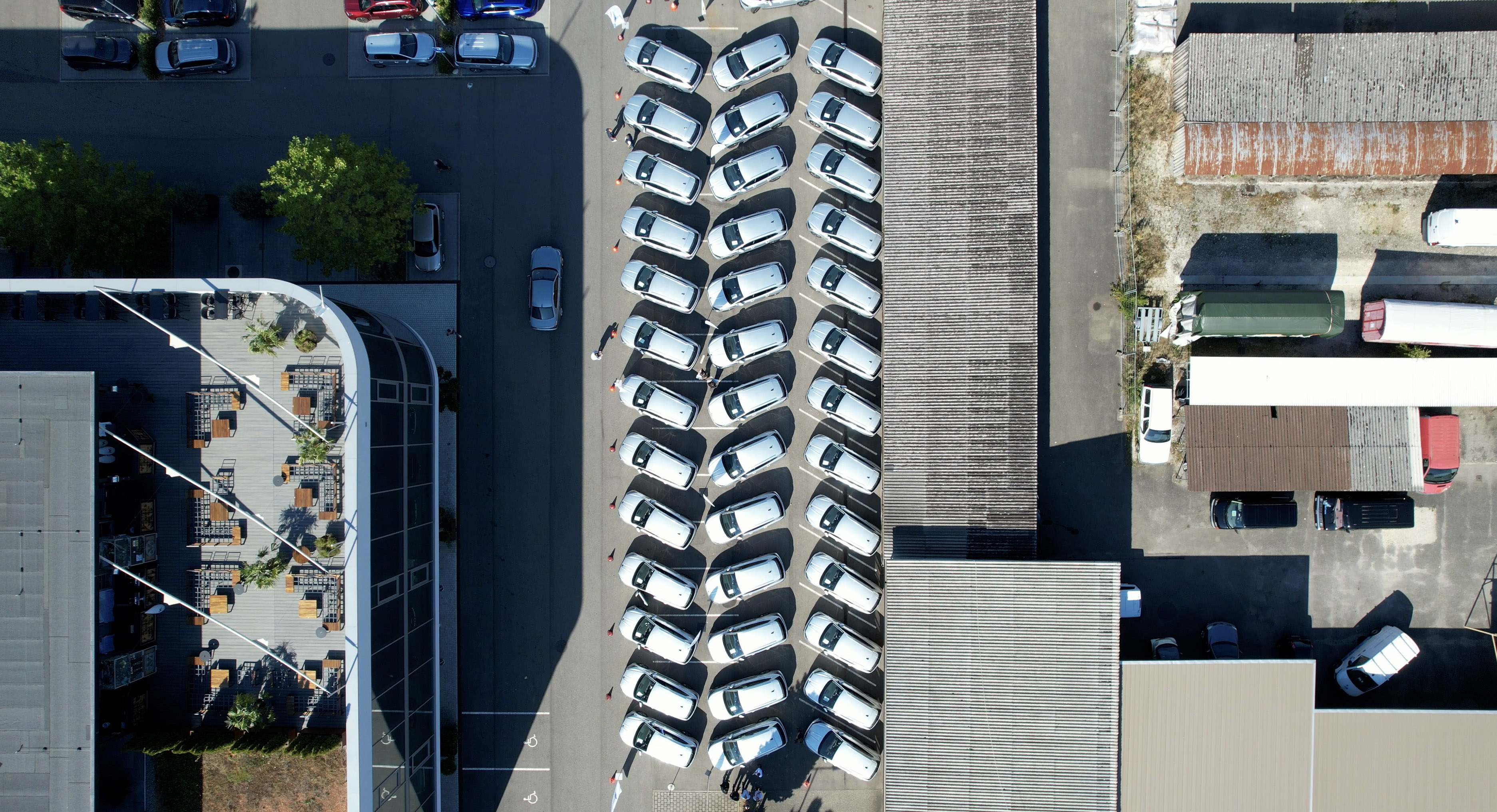 However, custom vehicle modifications aren’t limited to law enforcement agencies. Škoda also offers customization options to regular fleet customers.
Be the first
to get the latest stories
Explore more


Media Box
7 images
Show more
Show less