What was racing like half a century ago? Škoda 120 S Rallye Delights a champion
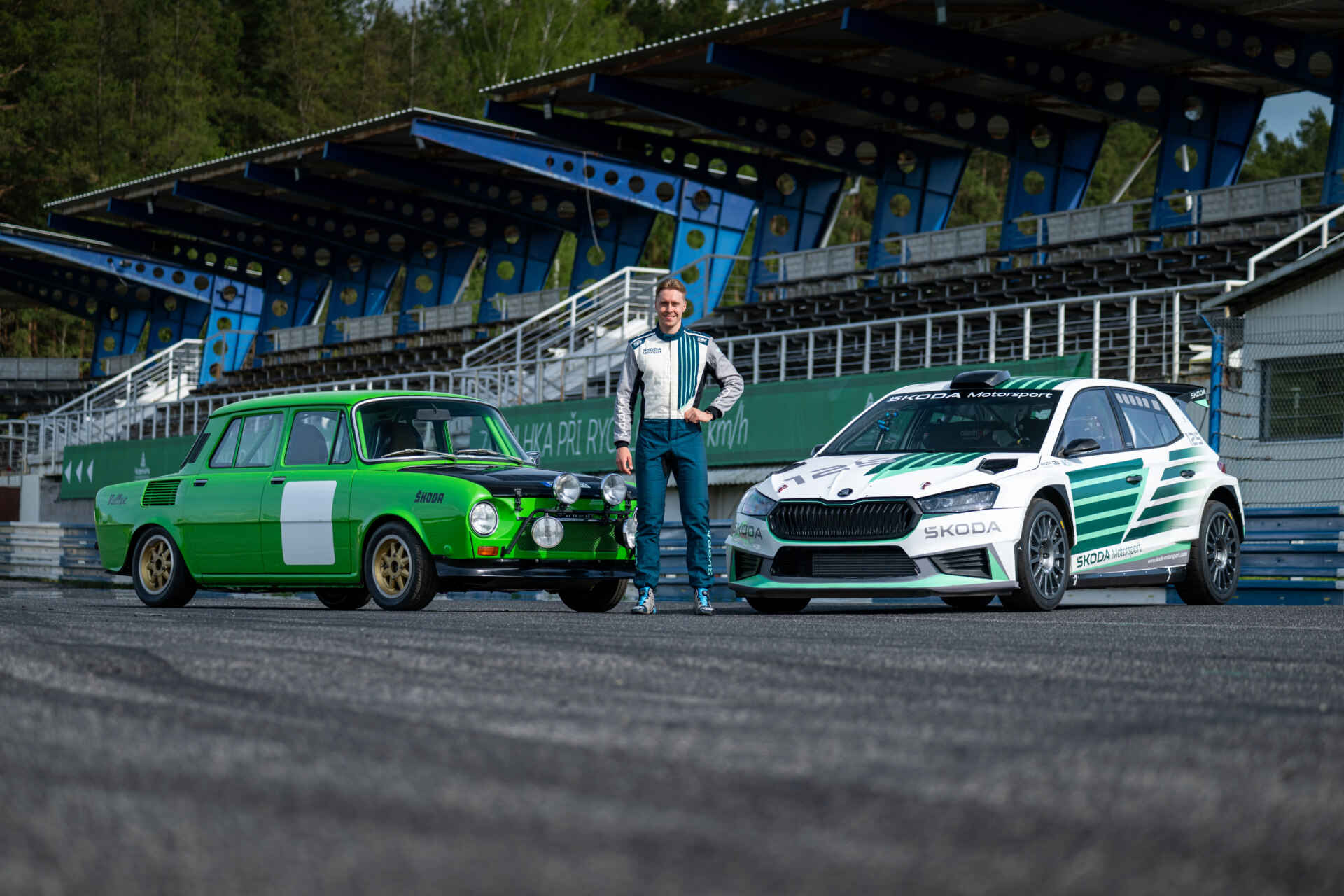
What was racing like half a century ago? Škoda 120 S Rallye Delights a champion

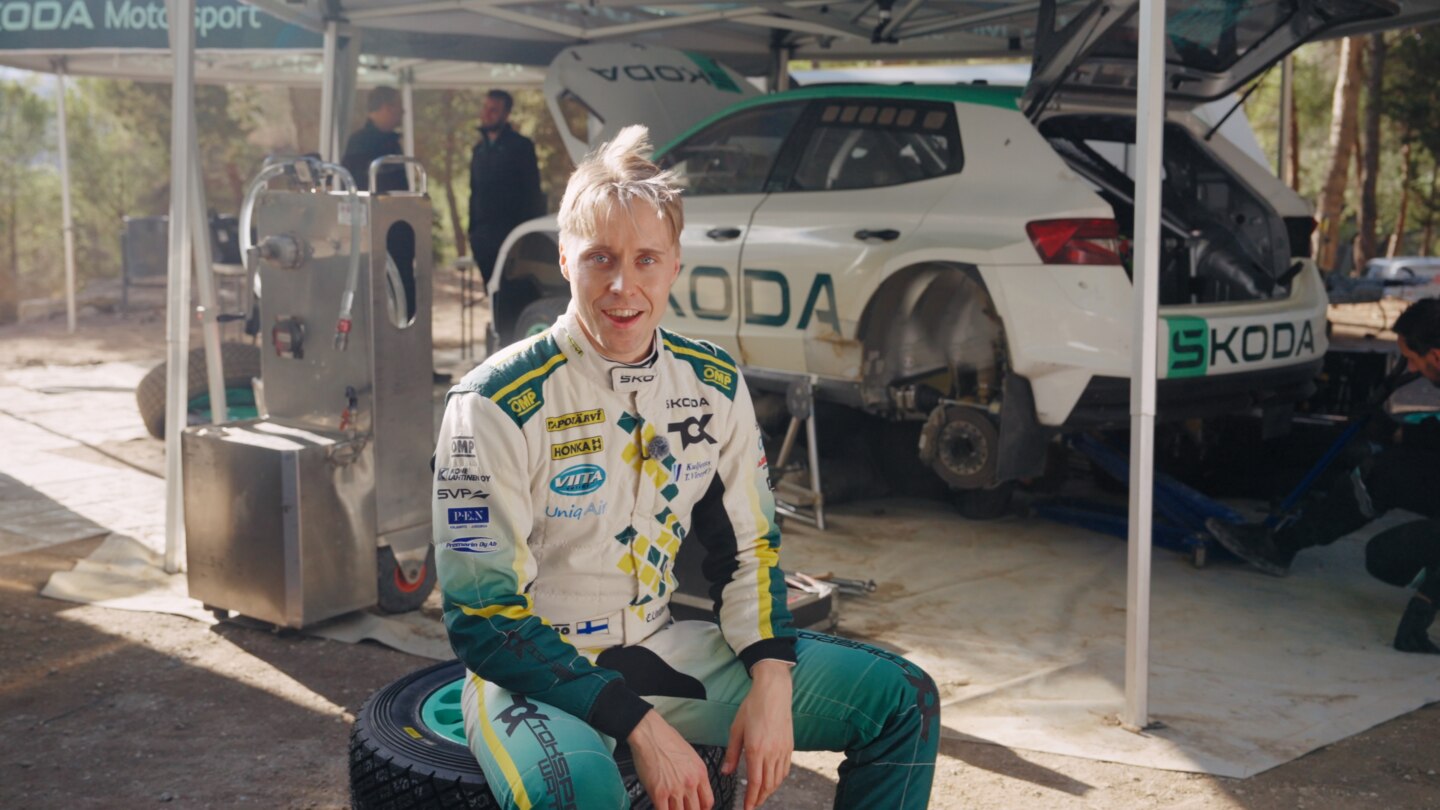
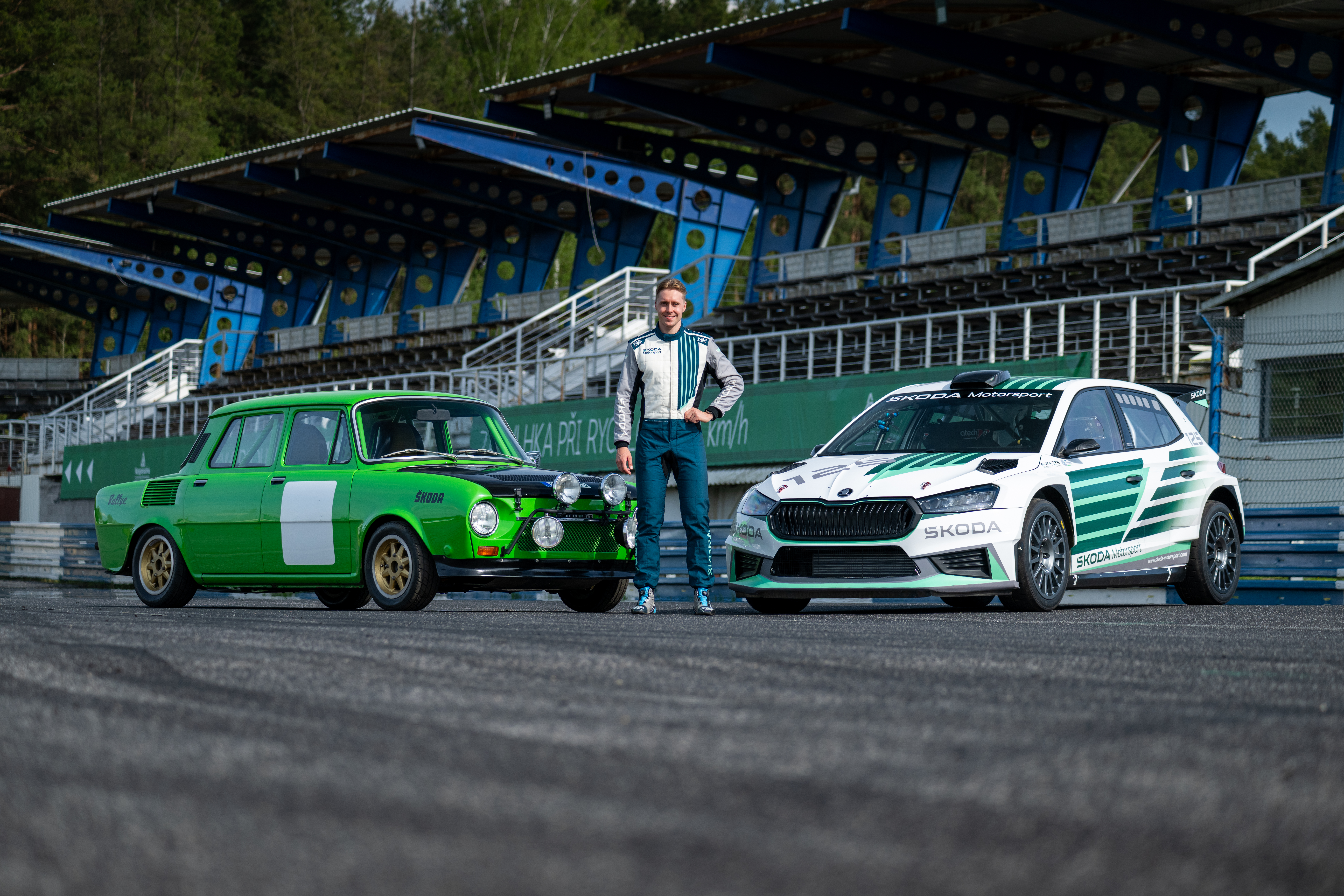
How much difference can five decades make to a rally car? WRC2 World Champion Emil Lindholm took the wheel of one of the first customer competition cars produced in Mladá Boleslav. Does it have anything in common with his current Škoda Fabia RS Rally2? Watch the video to find out.

24. 9. 2026 Škoda World
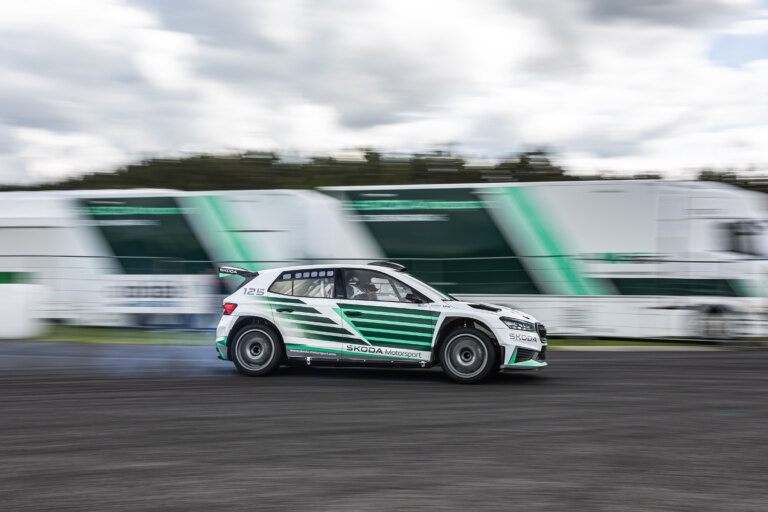
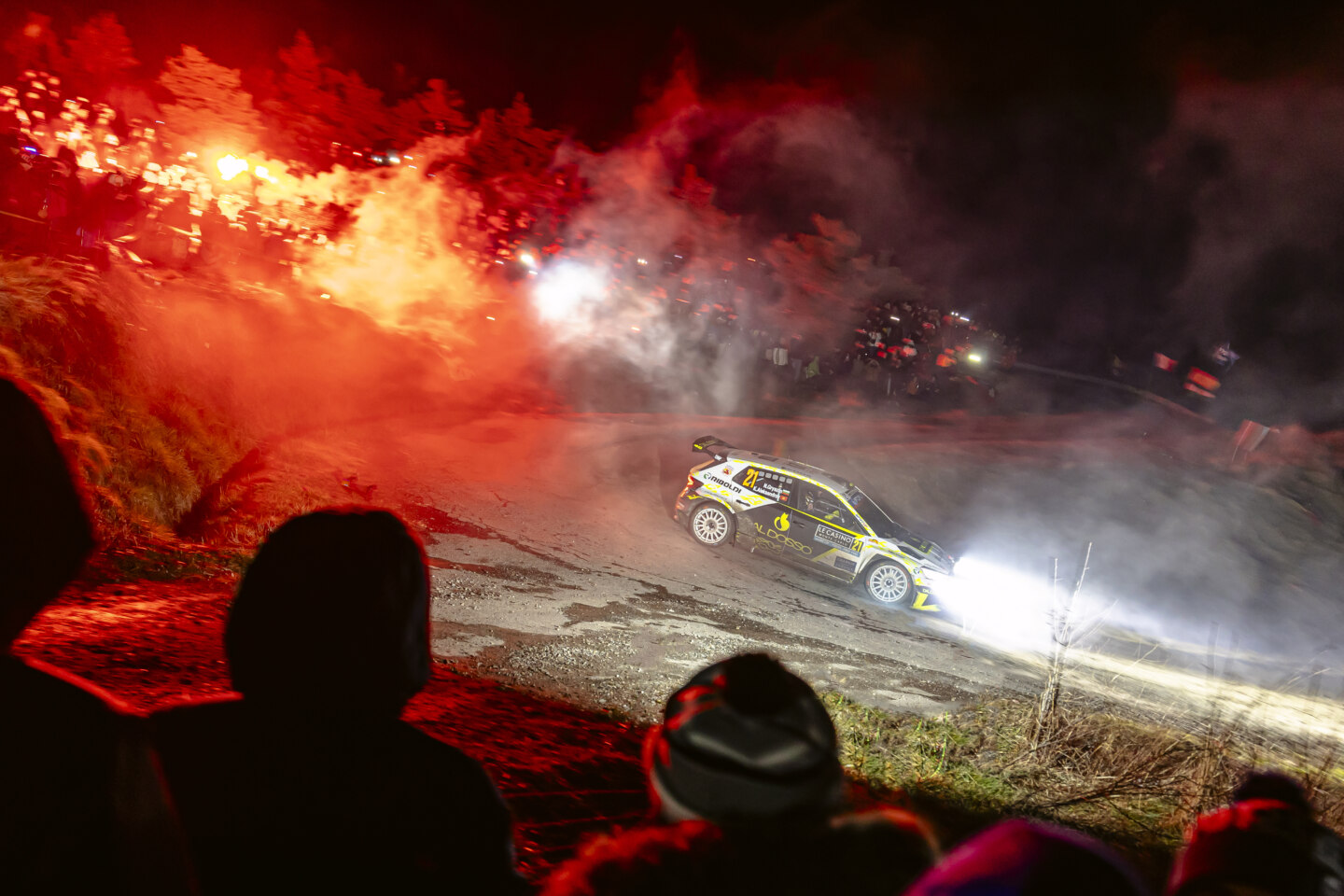
 The Škoda Fabia in Rally2 specification has already racked up tens of thousands of rally starts. These remarkable figures are largely thanks to Škoda Motorsport’s customer programme, through which private teams across almost the entire world can order the rally car. Support from Škoda Motorsport goes far beyond the purchase itself, however. It continues long afterwards, from the supply of spare parts to assistance with vehicle set-up for each individual rally. 

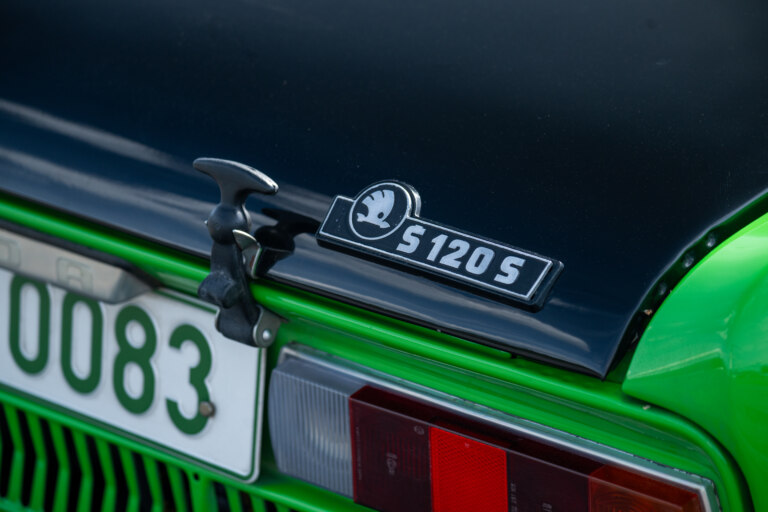
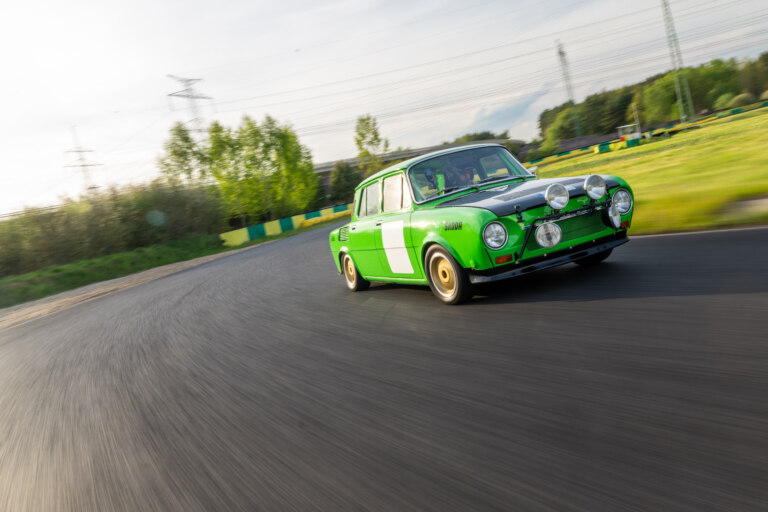
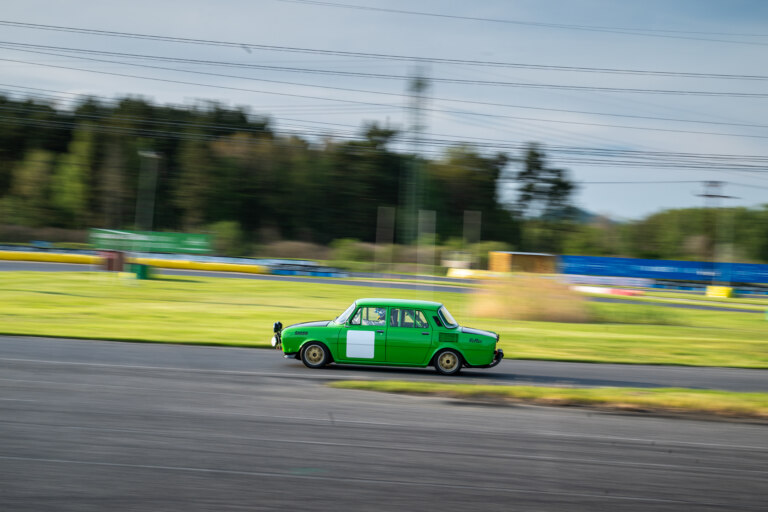
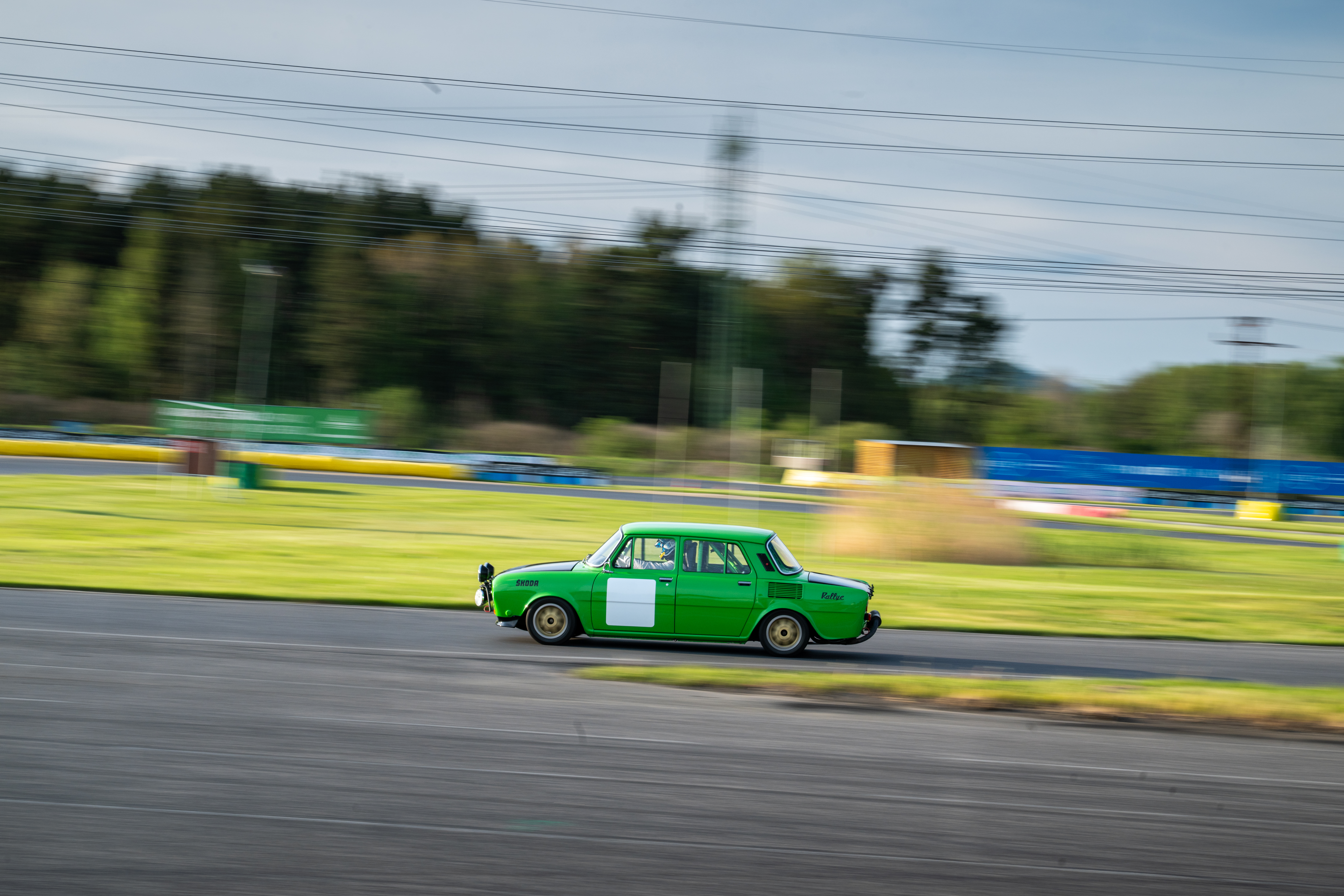
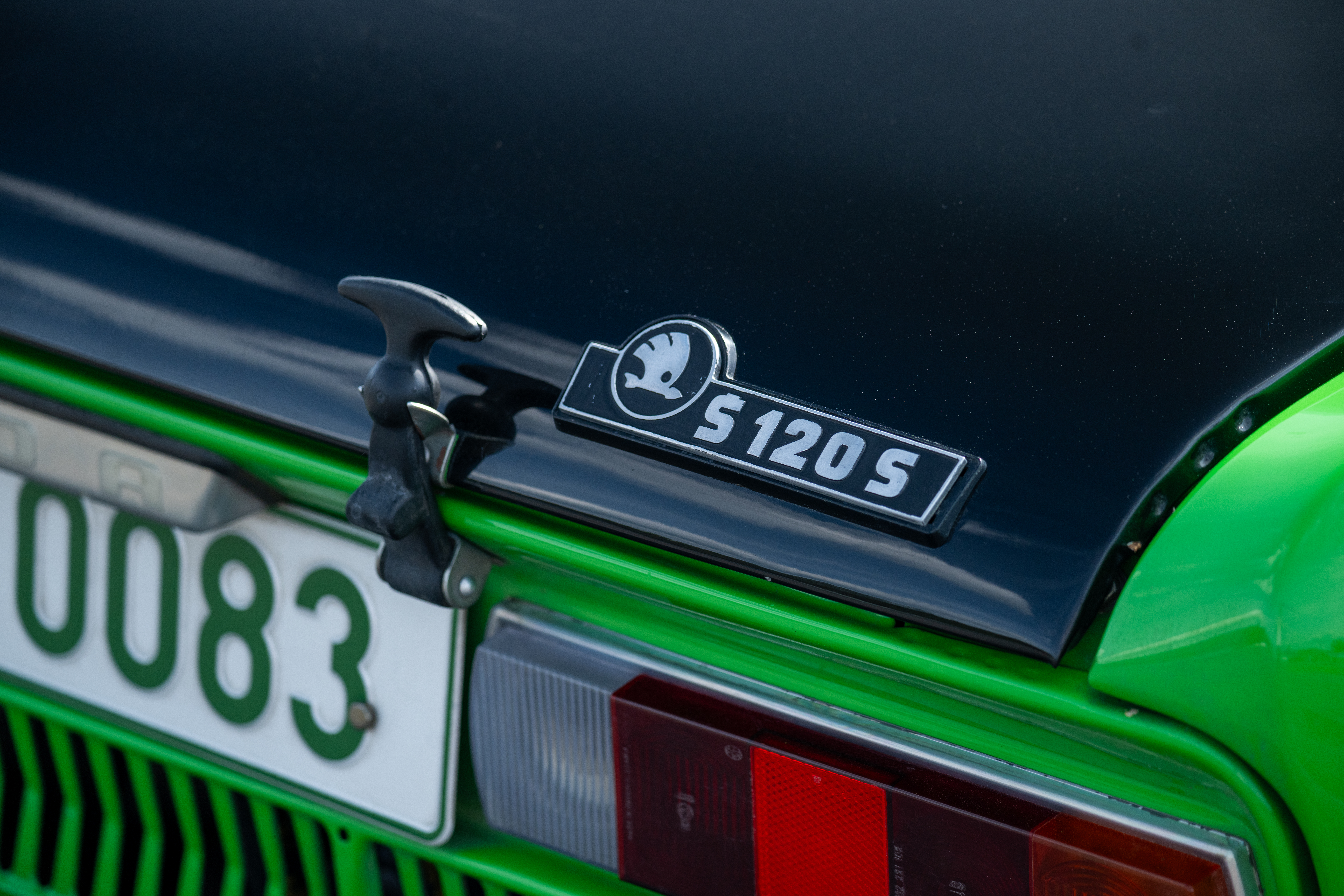
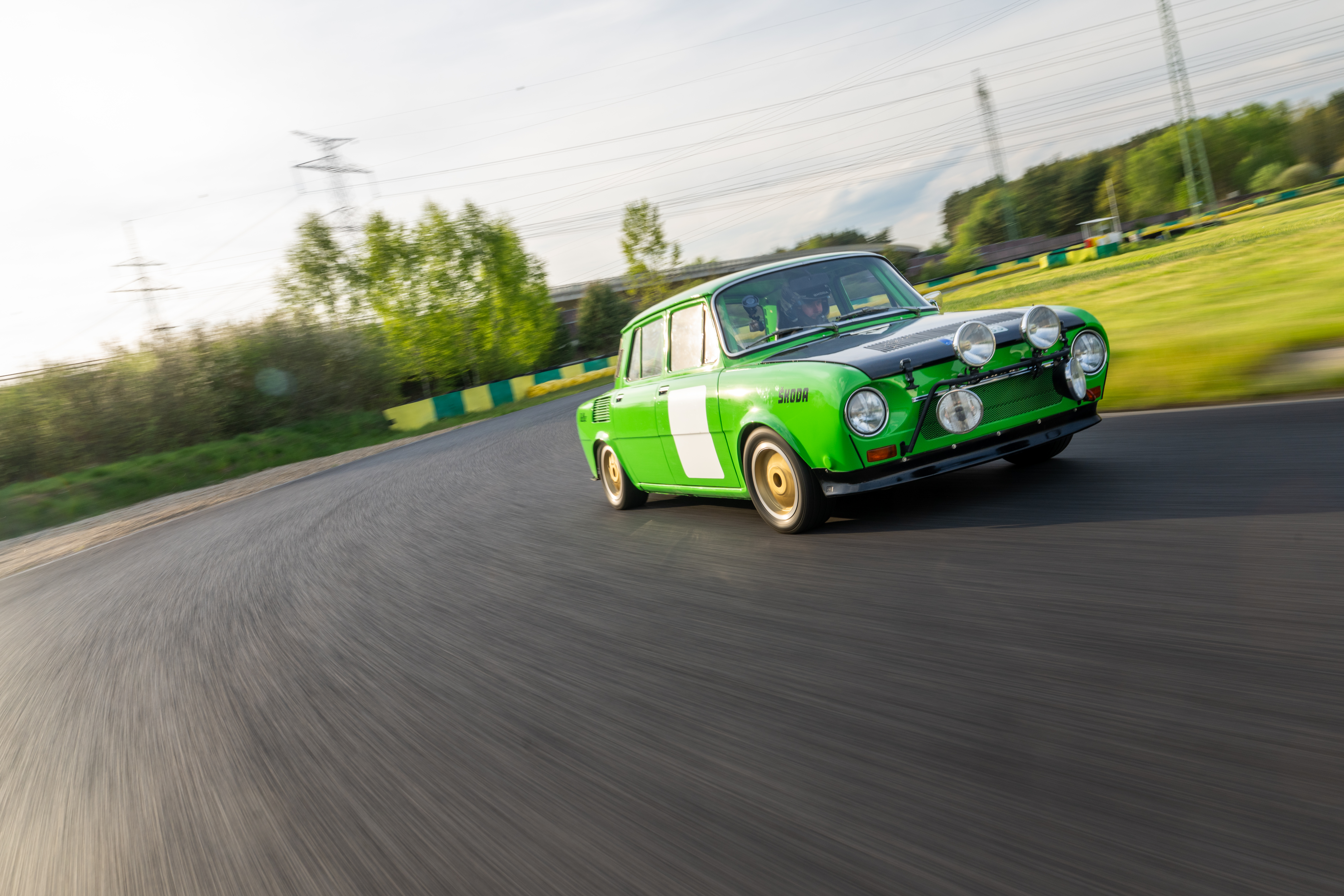
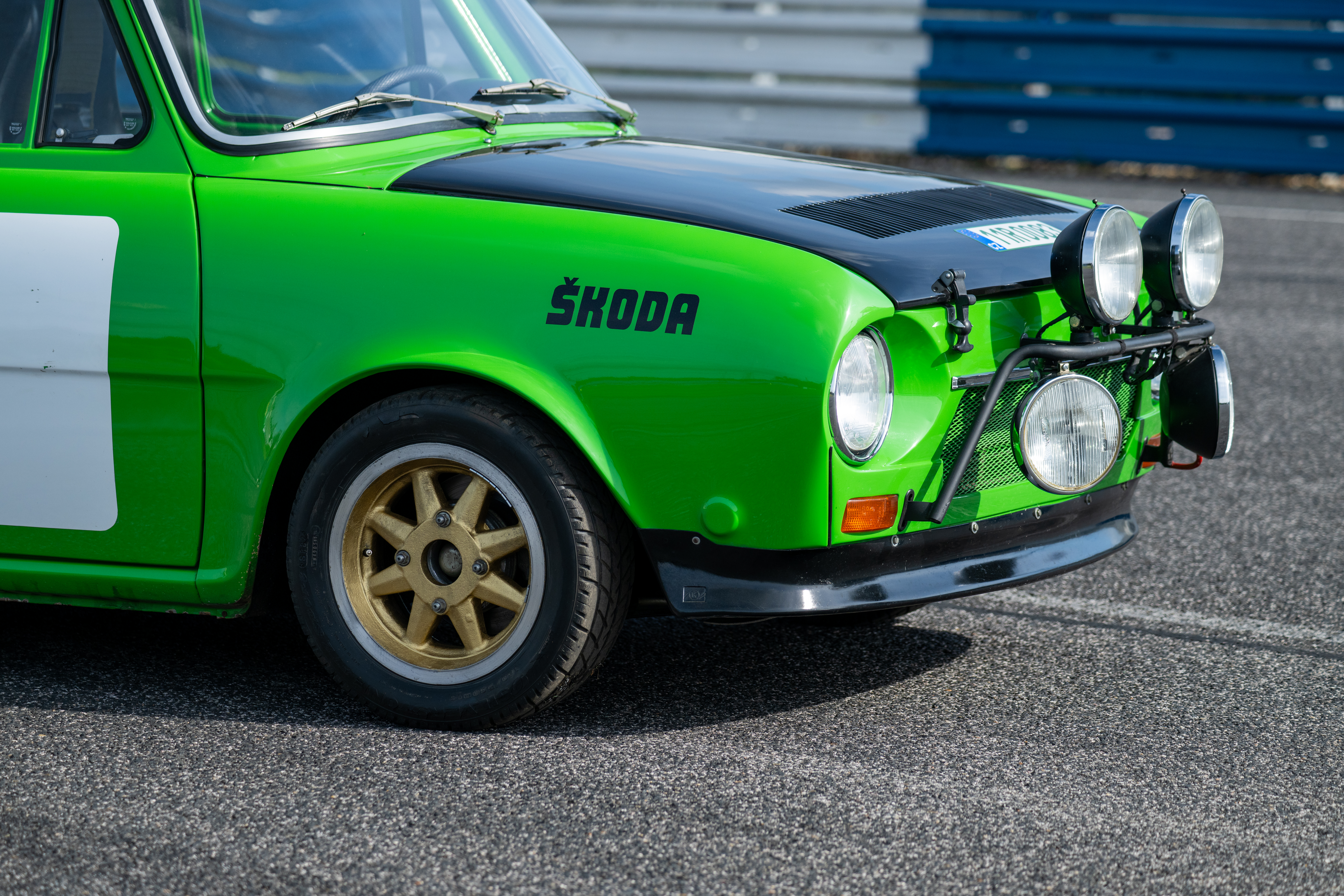
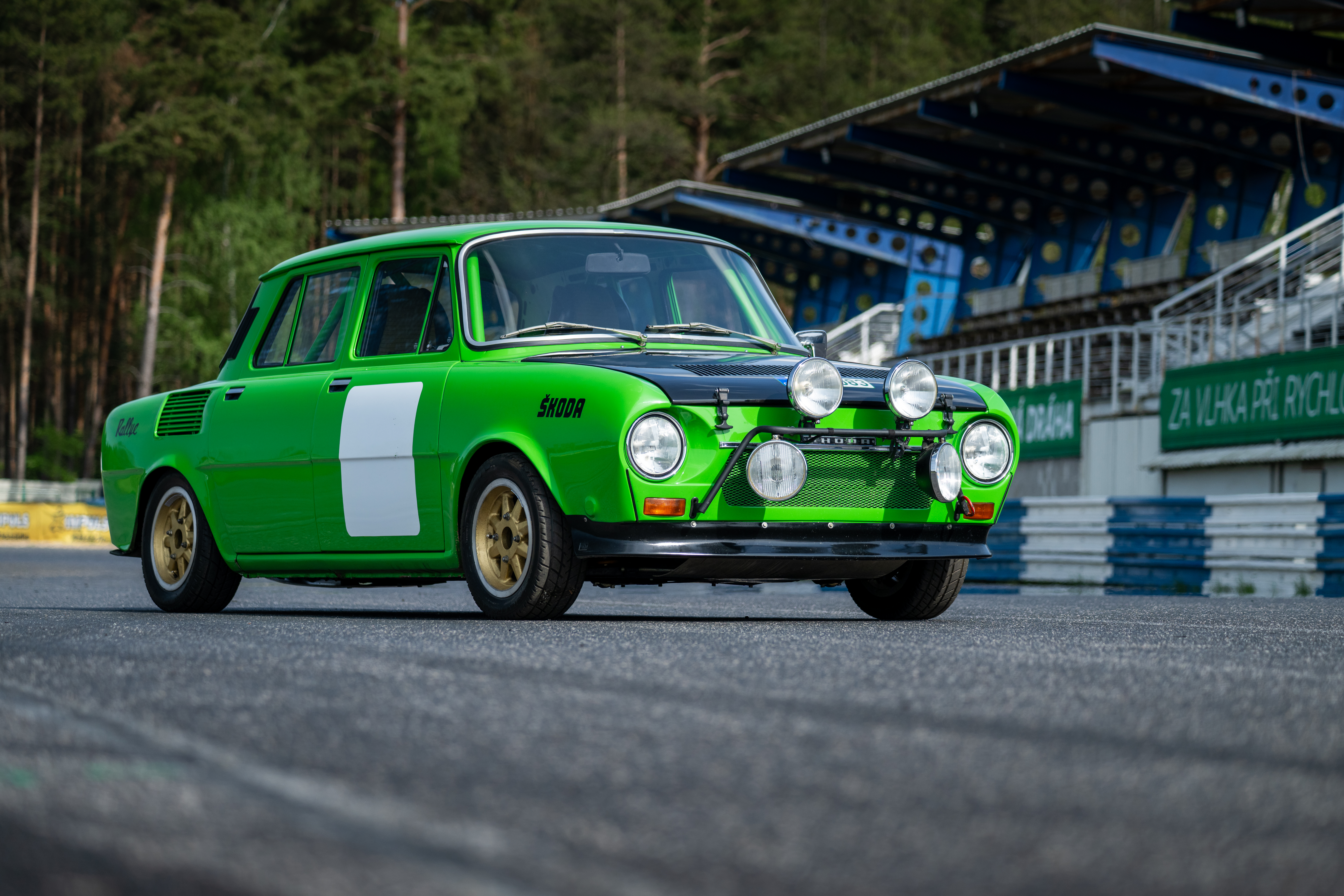
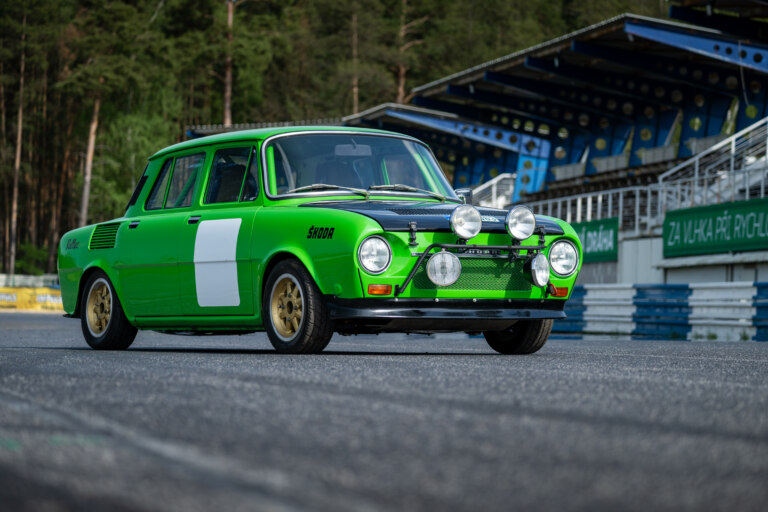
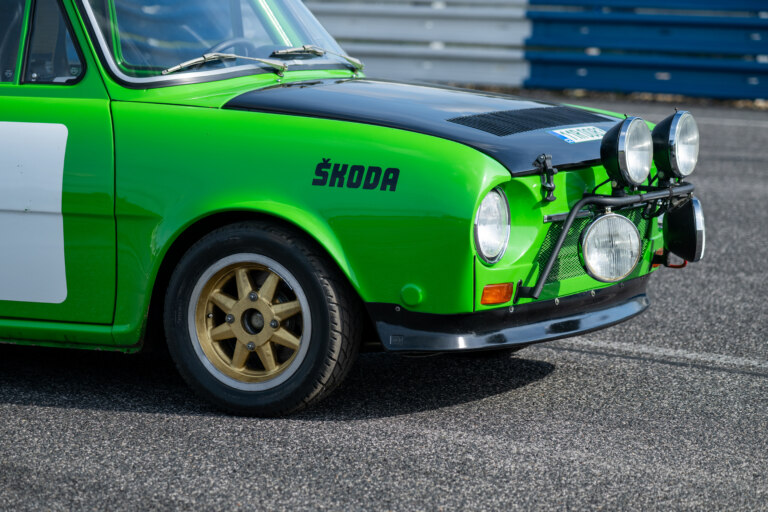
The tradition of customer competition cars dates back to the 1970s. The Škoda 100 already had its racing version, the 110 L Rallye, which was also available to privateers and amateur competitors both at home and abroad. Its successor, however, became far better known. The homologated Škoda 120 S Rallye enabled competitors to participate in the higher-capacity class of up to 1,300 cm³ under FIA international regulations.

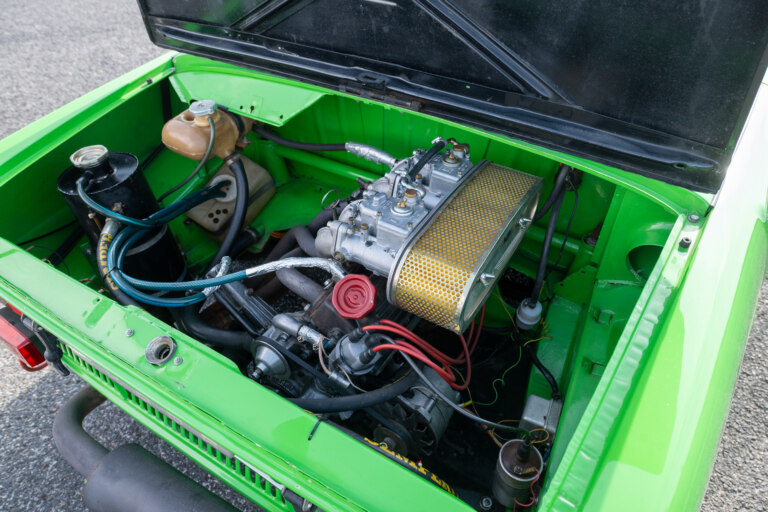
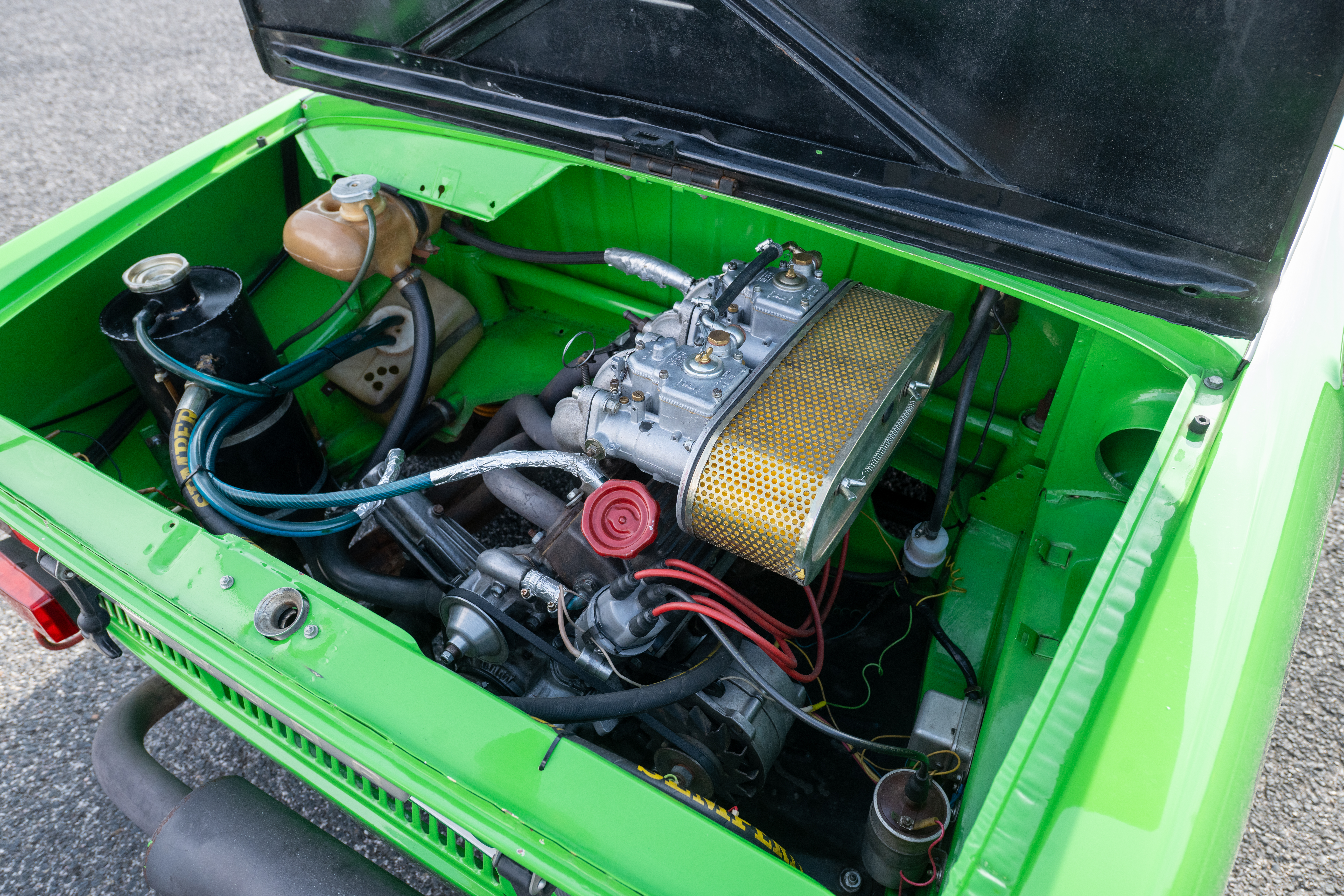
“The 120 S Rallye was homologated without bumpers, which gives it a very unique look,” says Emil Lindholm introducing the car from the collection of the Škoda Museum. “What I enjoy most is the engine. Its capacity is just under 1.3litres, yet in competition specification the Škoda Motorsport team managed to extract up to 120 horsepower from it, all without turbocharging,” the rally driver enthuses appreciatively. 

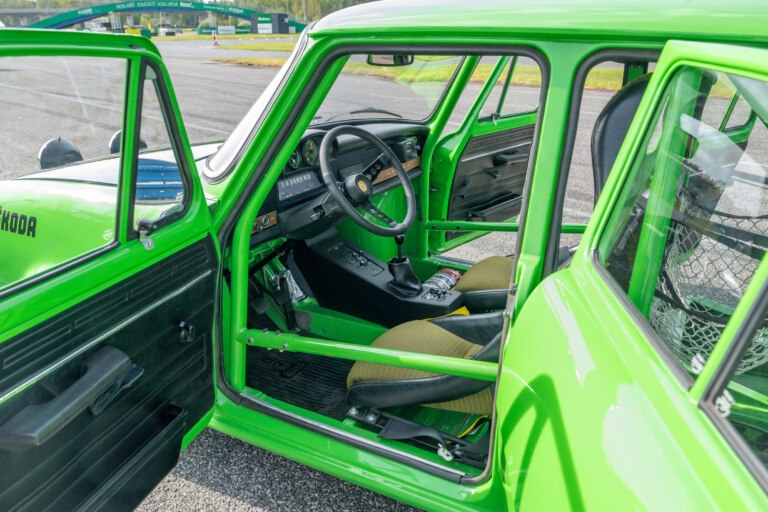
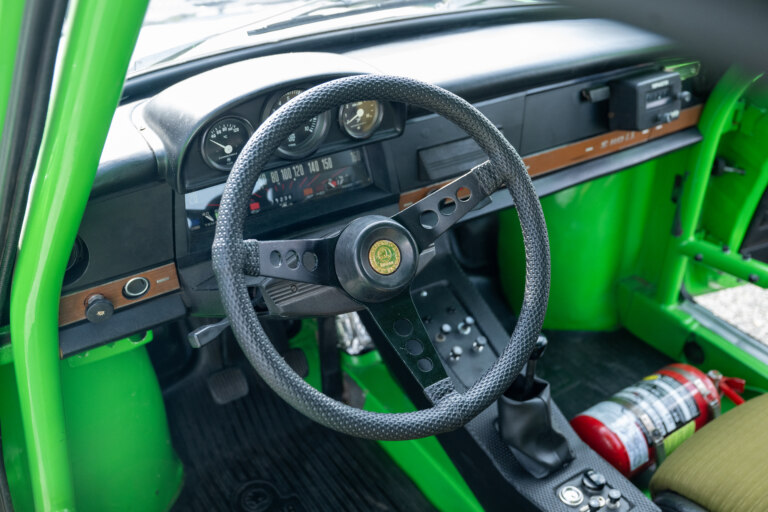
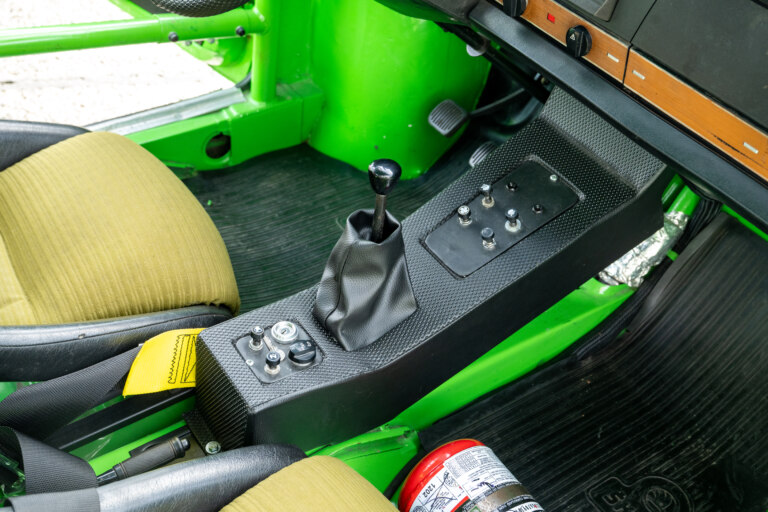
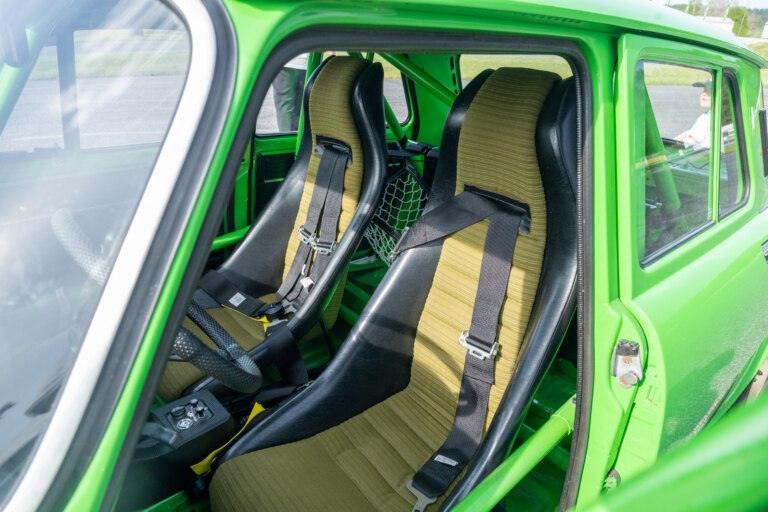
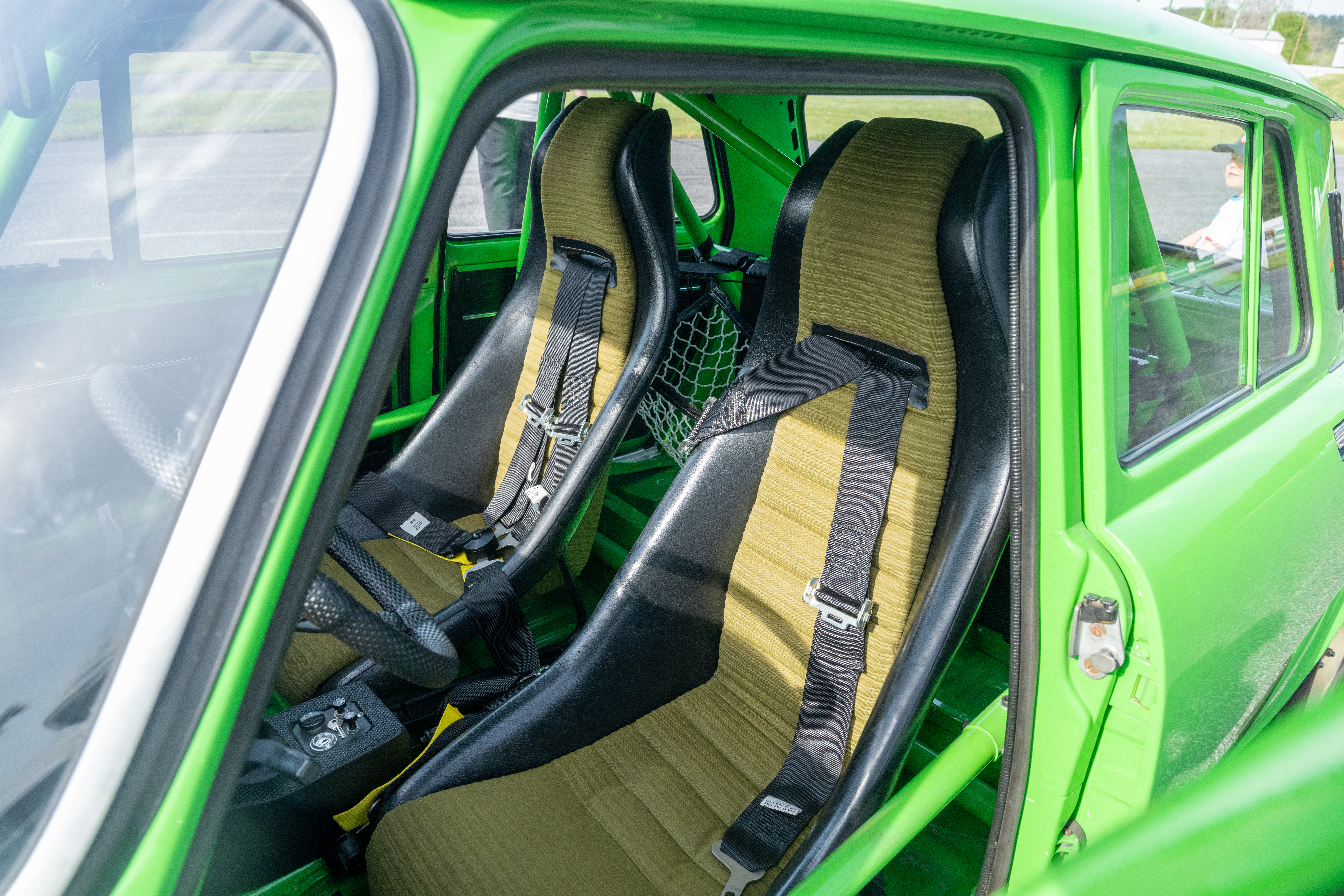
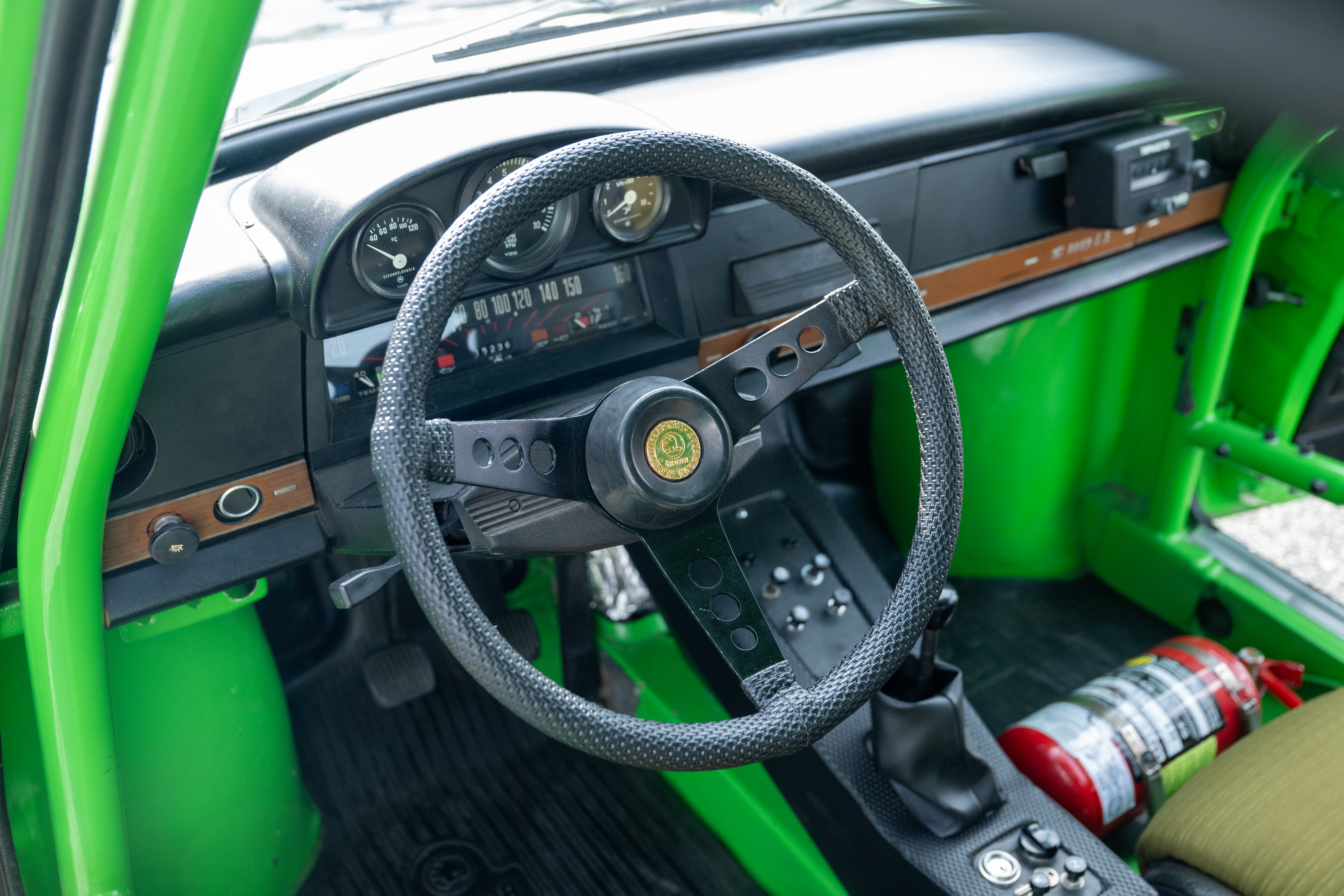
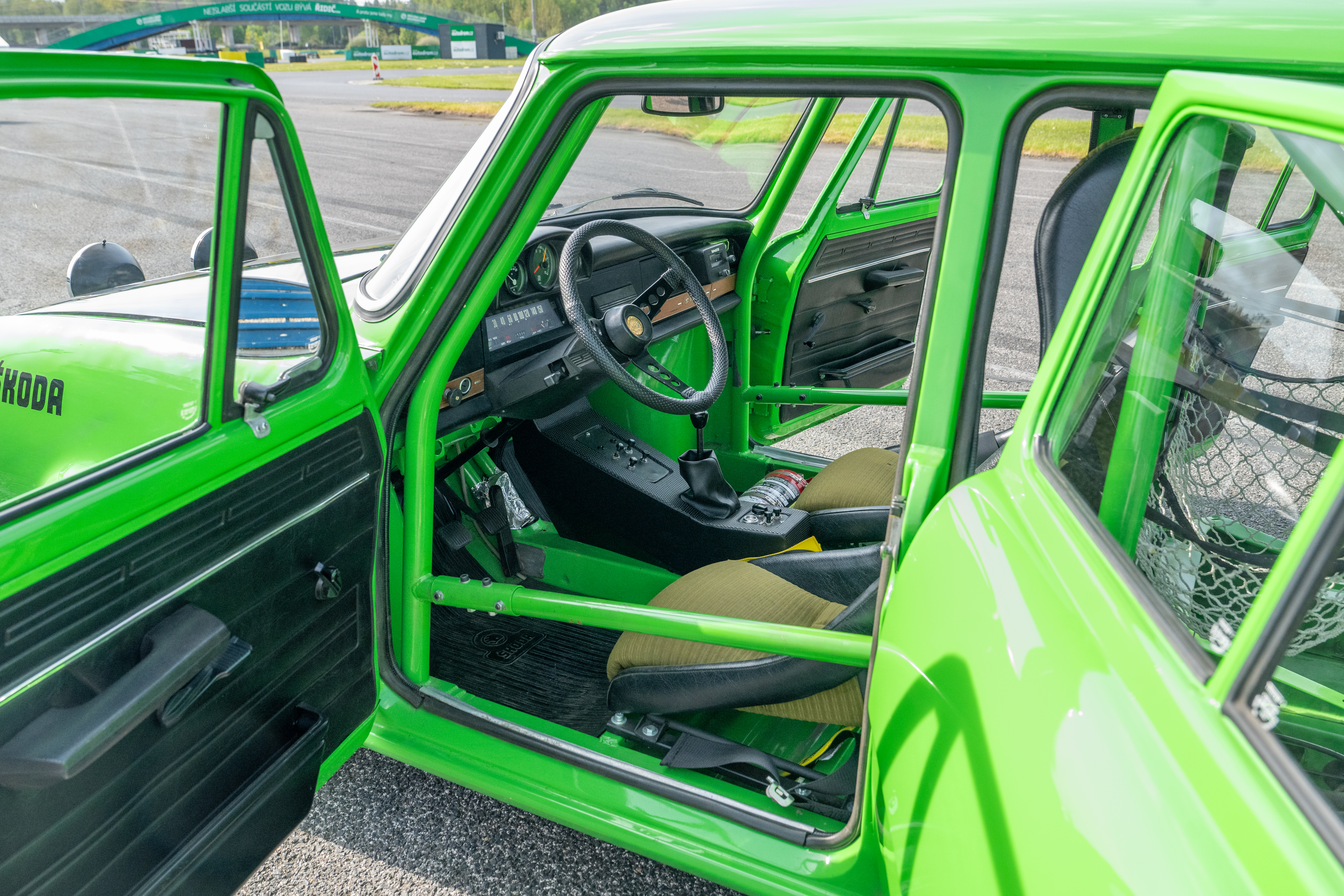
The Škoda 100 provided an excellent basis for a competition car, much as the Škoda Fabia does today. Compared to a modern rally car, the 120 S Rallye retains more production-derived components, including the pedals and gear lever. Nevertheless, it features all the essential competition equipment, with the driver securely seated in bucket seats and protected by a robust roll cage.

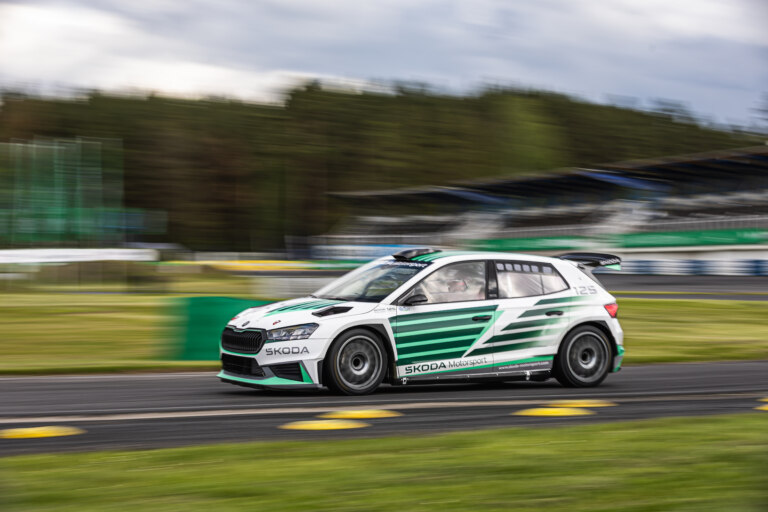
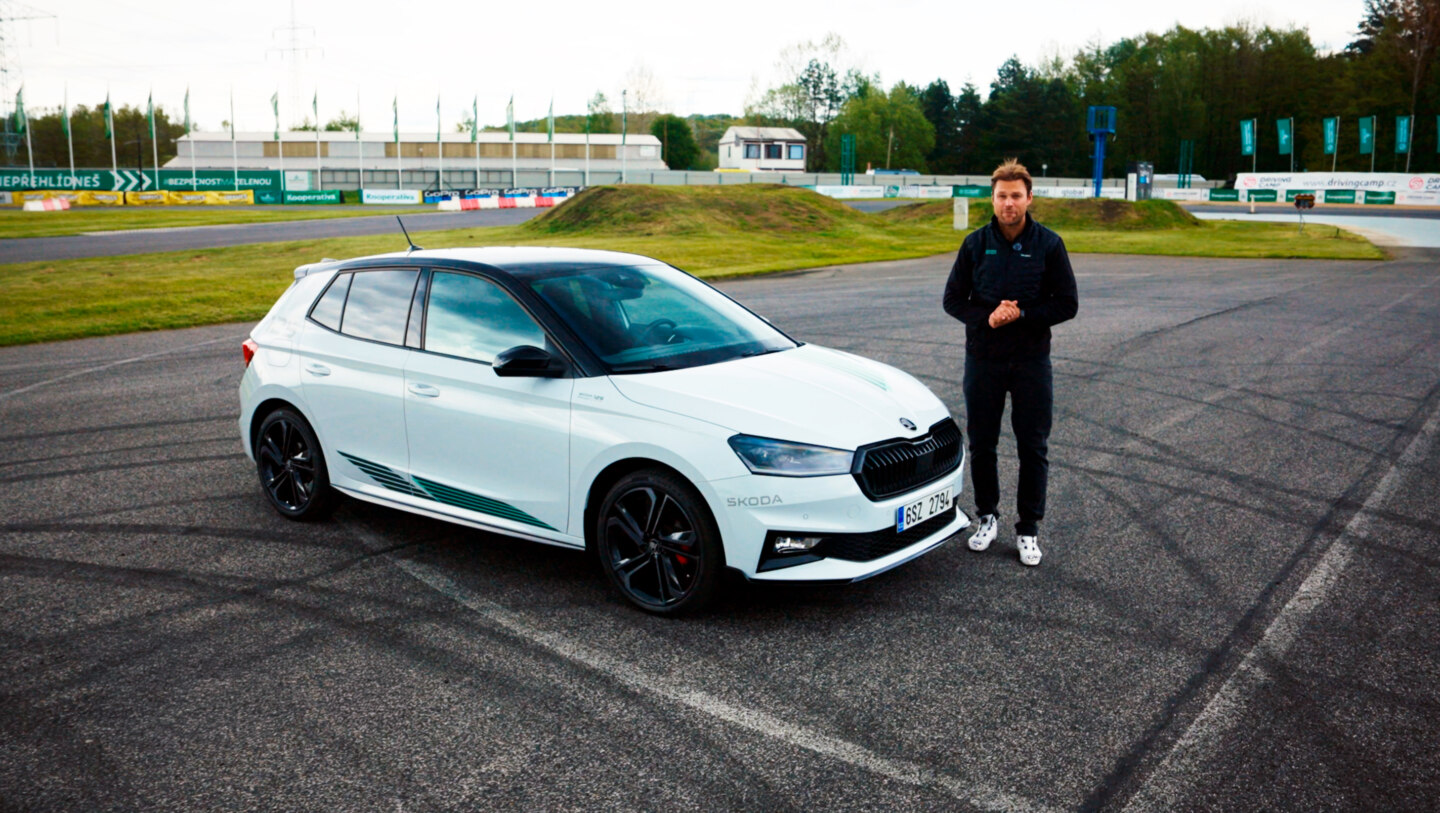
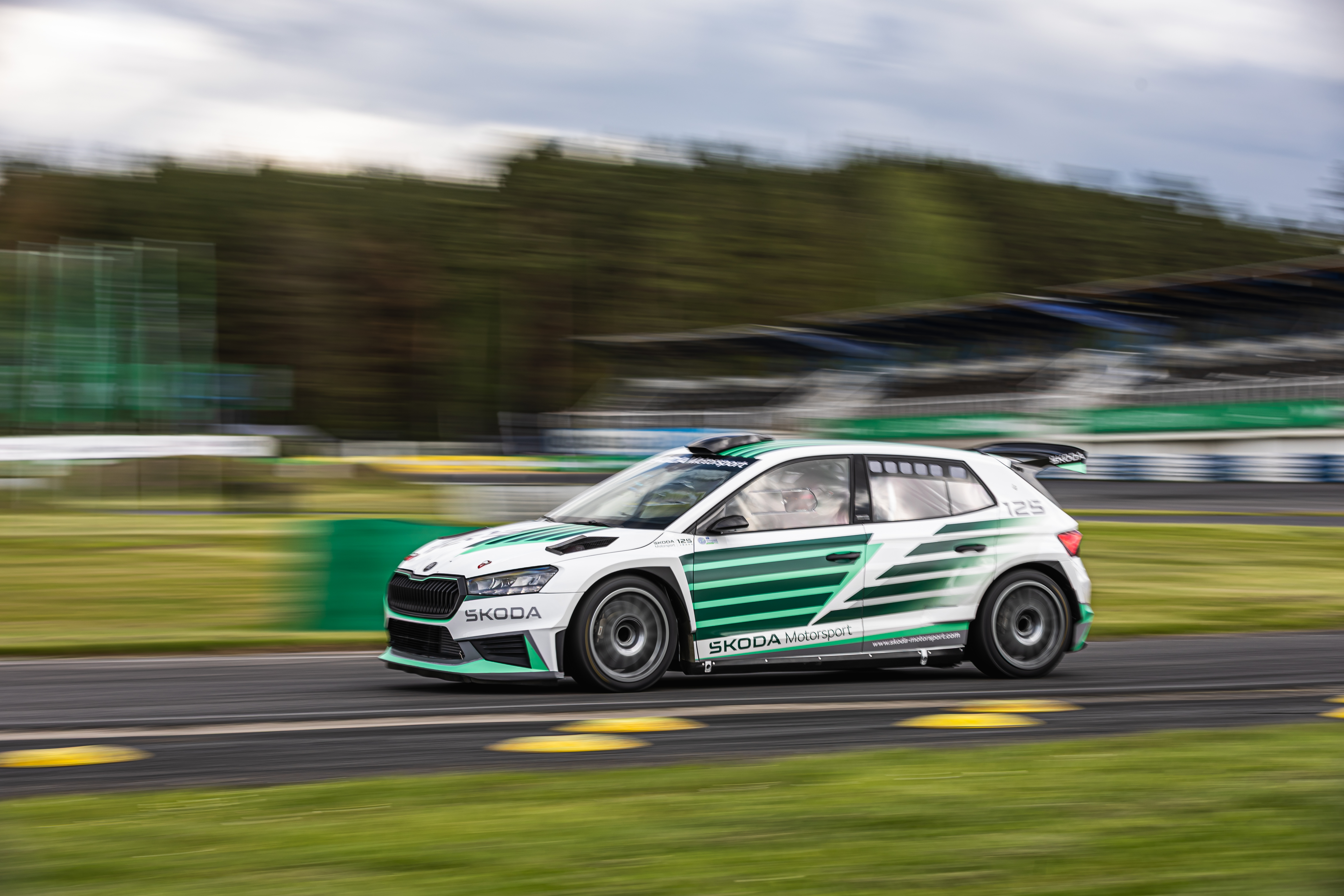
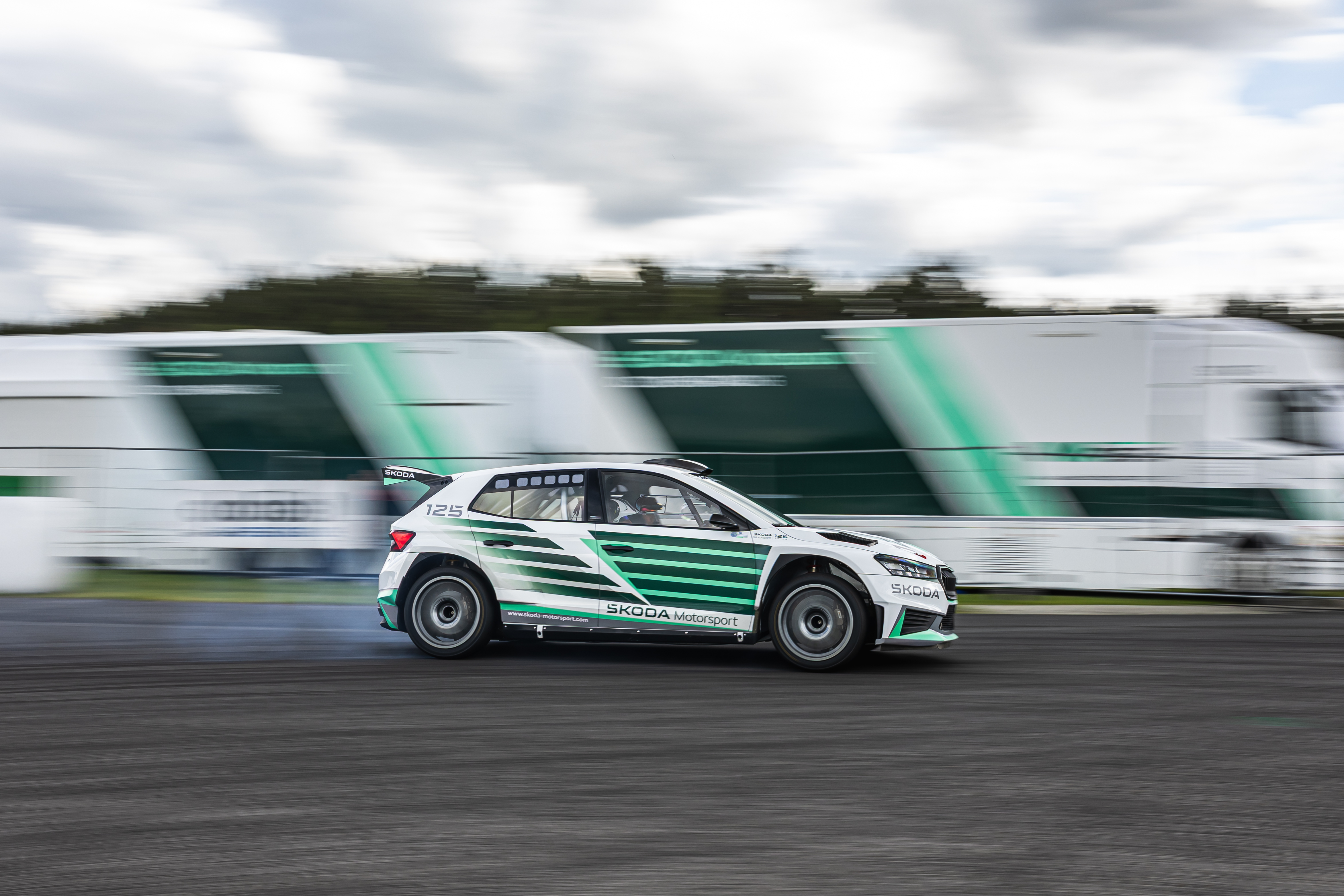
“Driving the 120 S Rallye is an intense experience. You push it to the limit with your heart and courage. It is a full-body workout, and at the same time you can feel every movement of the bodyshell. I really enjoy it,” Lindholm says while describing the behaviour of the historic rally car. He then gets behind the wheel of a modern rally car. “The engine, four-wheel-drive system and brakes are all world-class. It is easy to drive and very predictable,” says Emil of the Škoda Fabia RS Rally2, a car that has achieved success not only on rally stages but also among customers, with 300 examples already purchased.

“Both cars have a great deal in common. The Škoda 120 S Rallye suited drivers with different driving styles. It was reliable, durable and extremely popular. Just like today’s Fabia RS Rally2. That simply has not changed, and it never will,” concludes Emil Lindholm, wrapping up his comparison of the two racing legends.

Media Box

13 images
Show more Show less